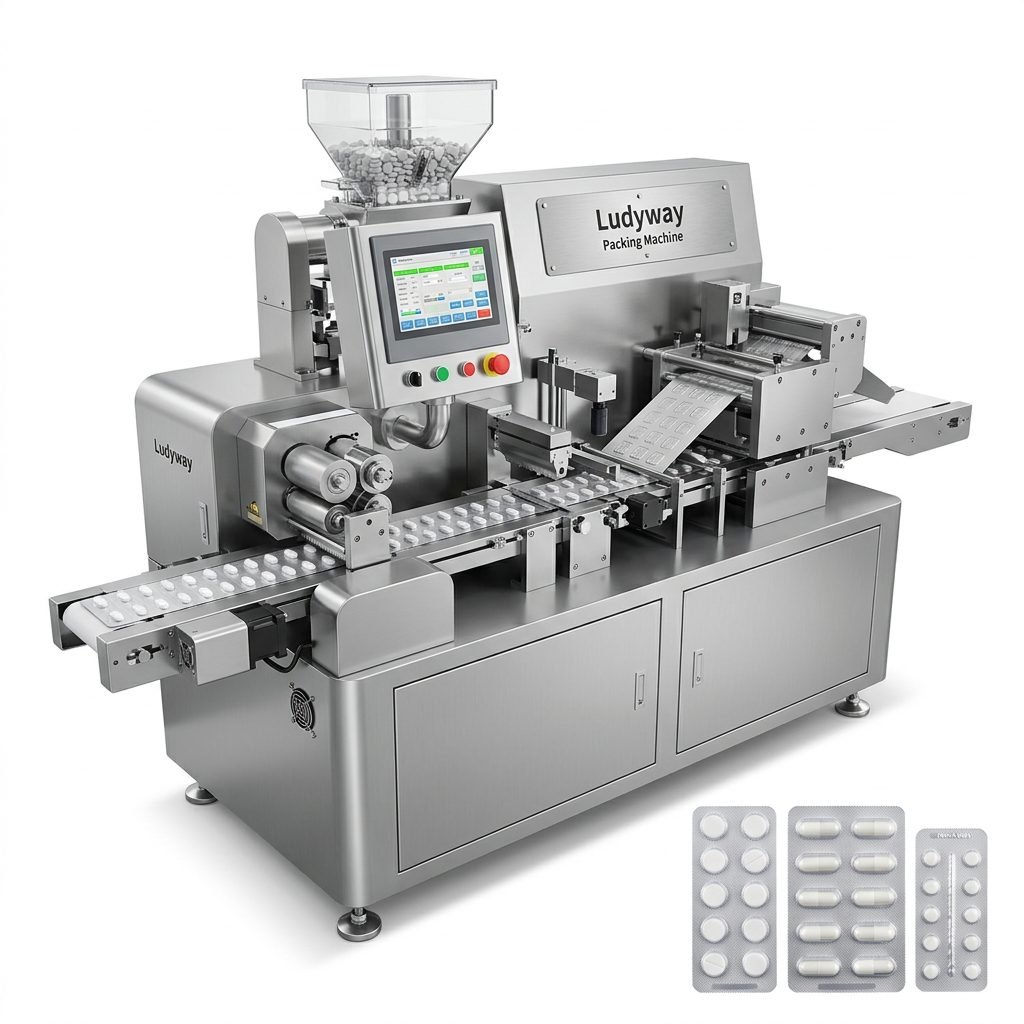
Investing in a produce packaging machine is a critical decision for any food processing or agricultural business in the United States. Whether you’re packing fresh-cut fruits, vegetables, salad greens, or value-added produce, the right equipment directly impacts your productivity, shelf life, and bottom line. However, with dozens of machine types, configurations, and suppliers available, the selection process can quickly become overwhelming. This comprehensive buying guide walks you through the essential factors to consider when choosing produce packaging equipment for the U.S. market — from understanding your operational requirements to navigating regulatory compliance and evaluating total cost of ownership.
Understanding Your Production Requirements
Before you begin comparing equipment specifications, it’s essential to conduct a thorough assessment of your production environment and business goals. The U.S. produce packaging industry is diverse, spanning everything from small family-owned farms to large-scale processing facilities. Start by defining the following parameters:
Product Characteristics and Packaging Format
Different produce items require different handling approaches. Leafy greens demand gentle handling to prevent bruising, while root vegetables can tolerate more mechanical processing. Moisture content, respiration rate, and ethylene sensitivity all influence the choice of packaging materials and machine type. Common formats in the U.S. market include flow-wrapped trays, modified atmosphere packaging (MAP), vacuum-sealed bags, clamshell containers, and vertical form-fill-seal pouches. Your machine must be compatible with the specific film types and container formats your target retail channels require.
Throughput and Speed Expectations
Packaging speed is typically measured in packages per minute (PPM). Small-scale operations may only need 20-40 PPM, while high-volume processors often require equipment capable of 80-150 PPM or more. Be realistic about your current needs while planning for future growth. Overinvesting in speed you don’t need wastes capital, but underestimating future demand can lead to costly upgrades within just a few years. Many U.S. buyers find that a modular system with scalable capacity offers the best long-term value.
Facility Constraints and Layout
Your available floor space, ceiling height, utility connections, and workflow patterns all affect equipment selection. Measure your production area carefully and consider how raw material input, packaging, labeling, and palletizing will flow through the facility. U.S. facilities must also comply with OSHA safety standards and local building codes, which may influence machine placement and guarding requirements.
Types of Produce Packaging Machines
The U.S. market offers a wide range of equipment types, each suited to specific applications. Understanding the fundamental differences will help you narrow your options efficiently.
Vertical Form-Fill-Seal (VFFS) Machines
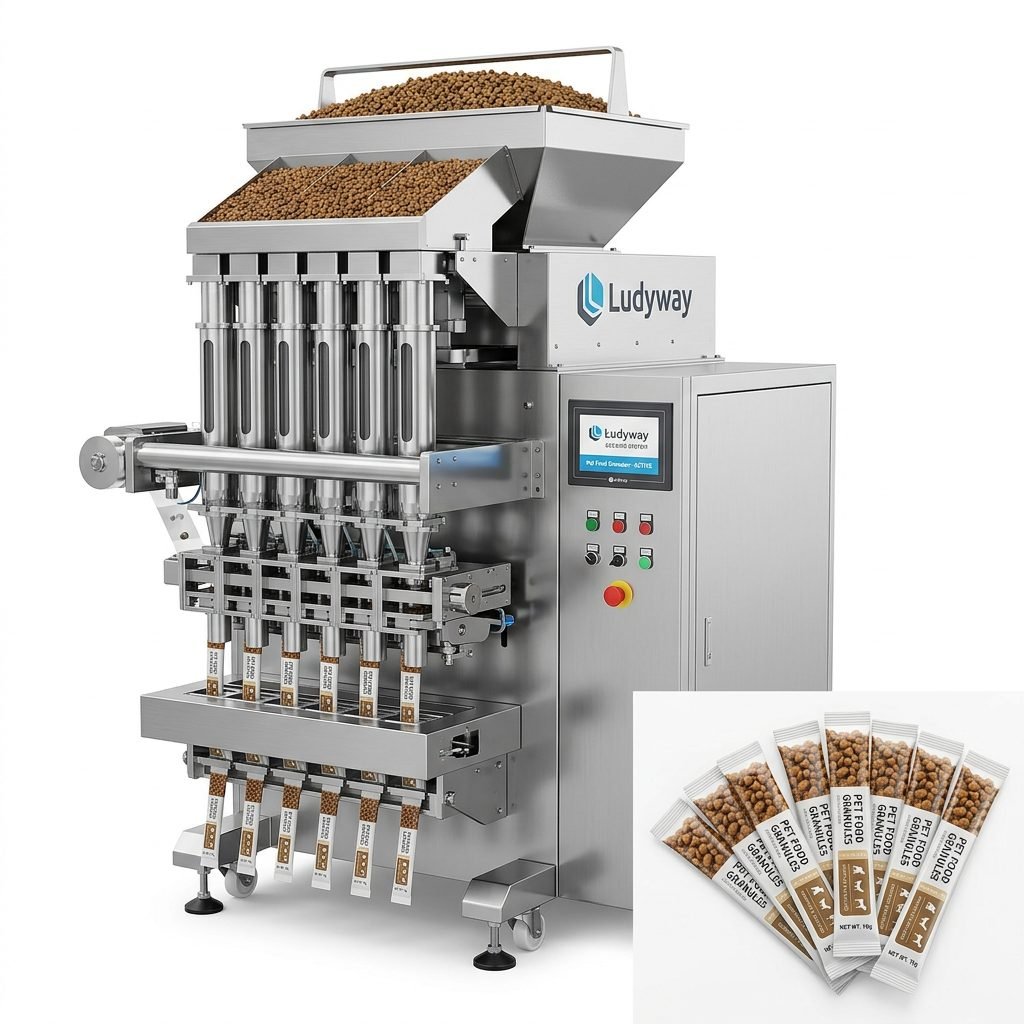
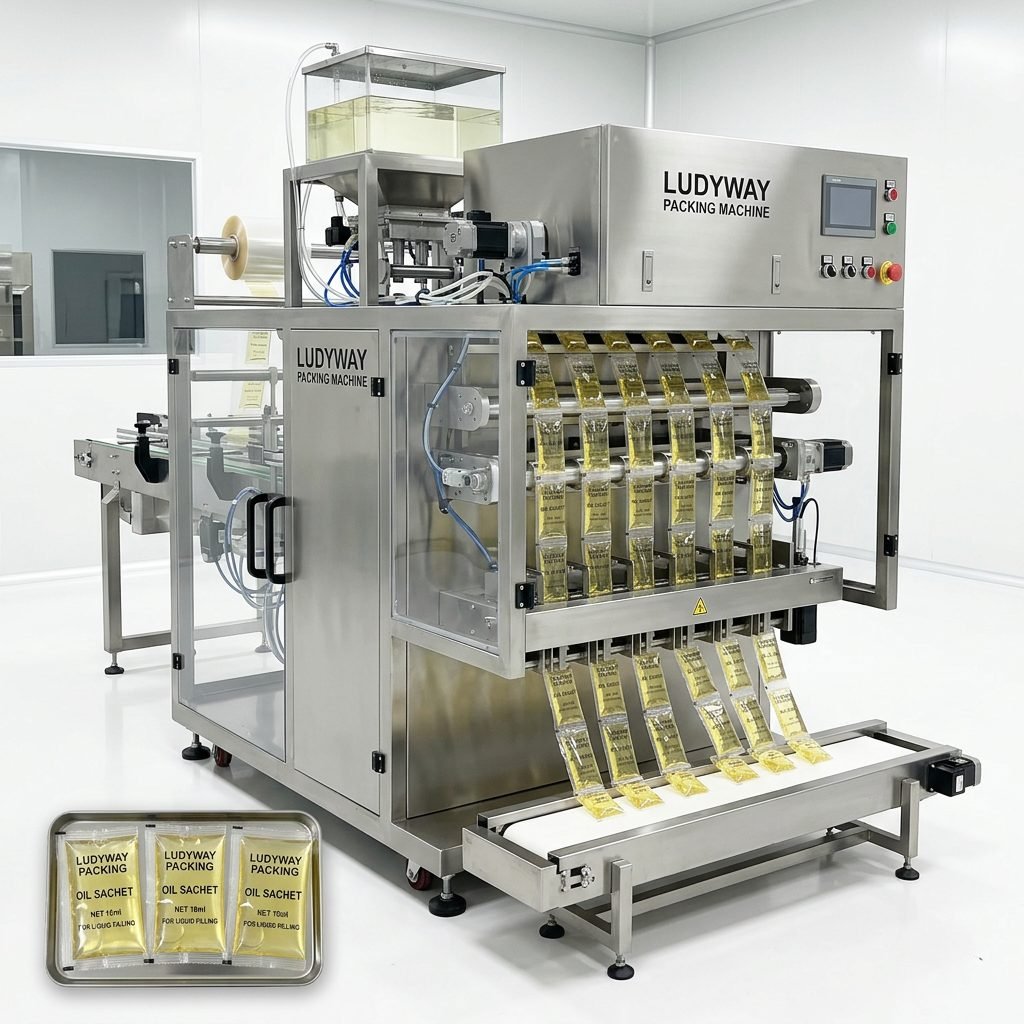
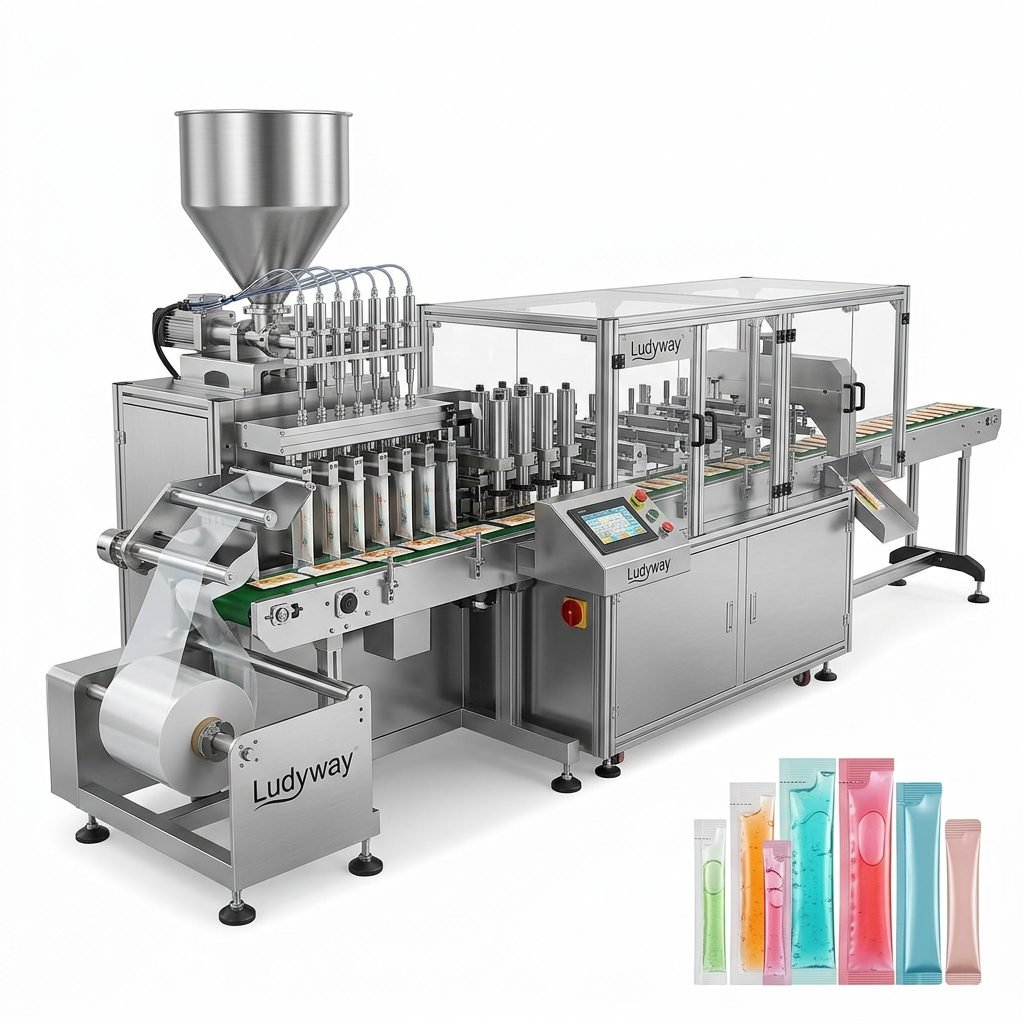
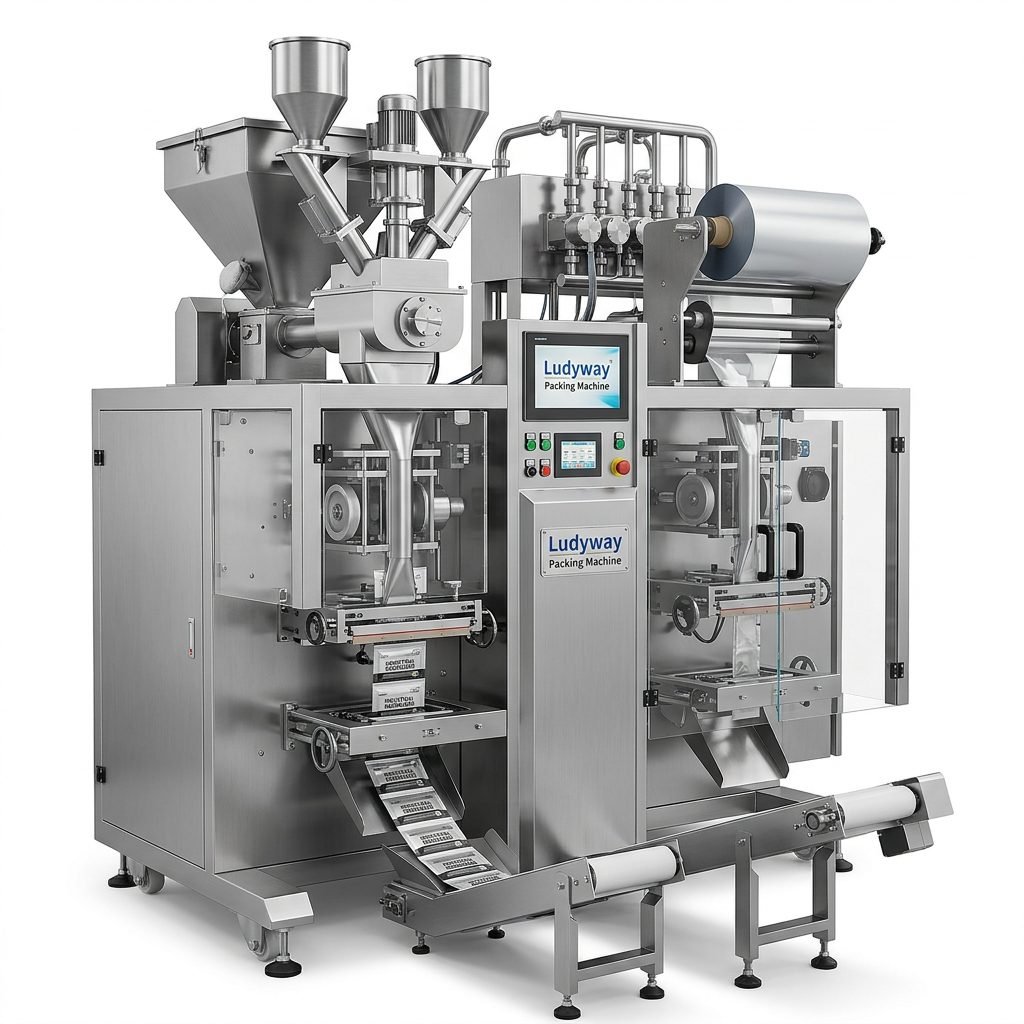
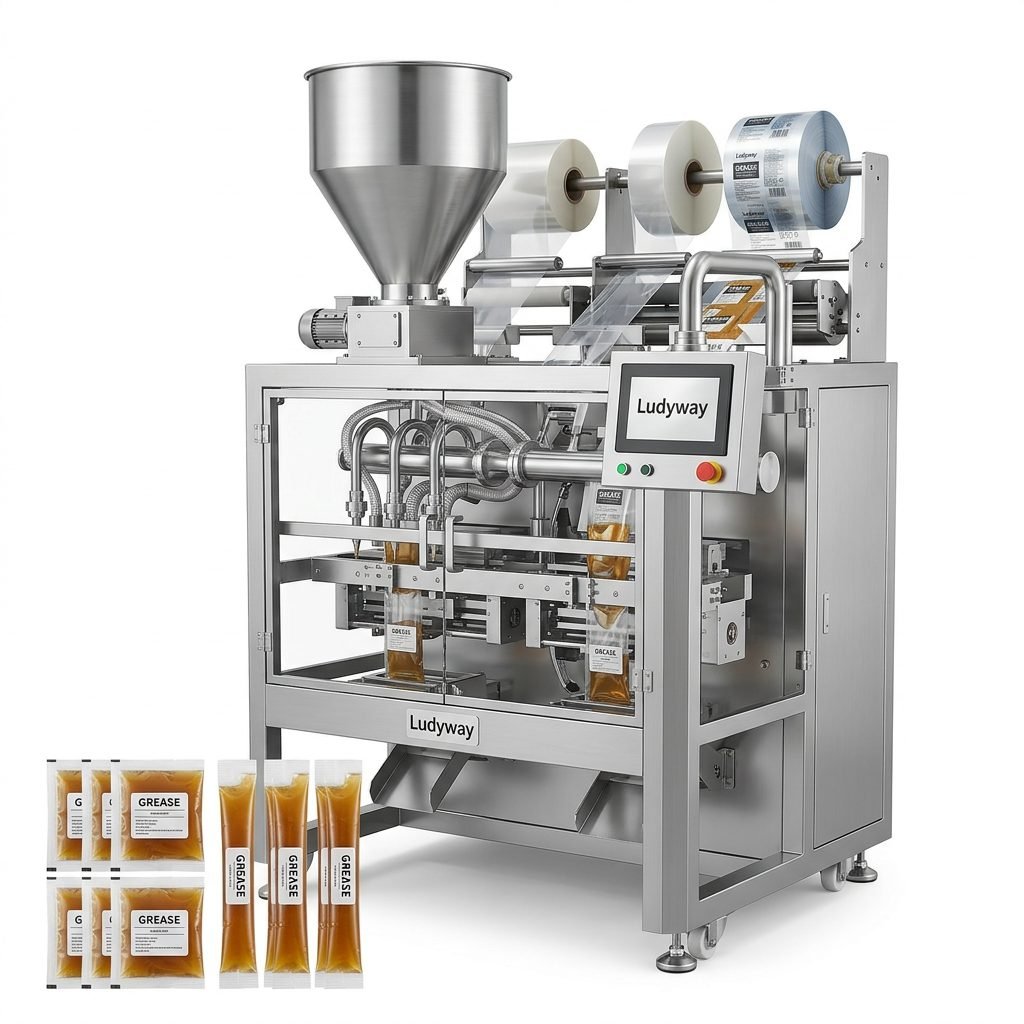
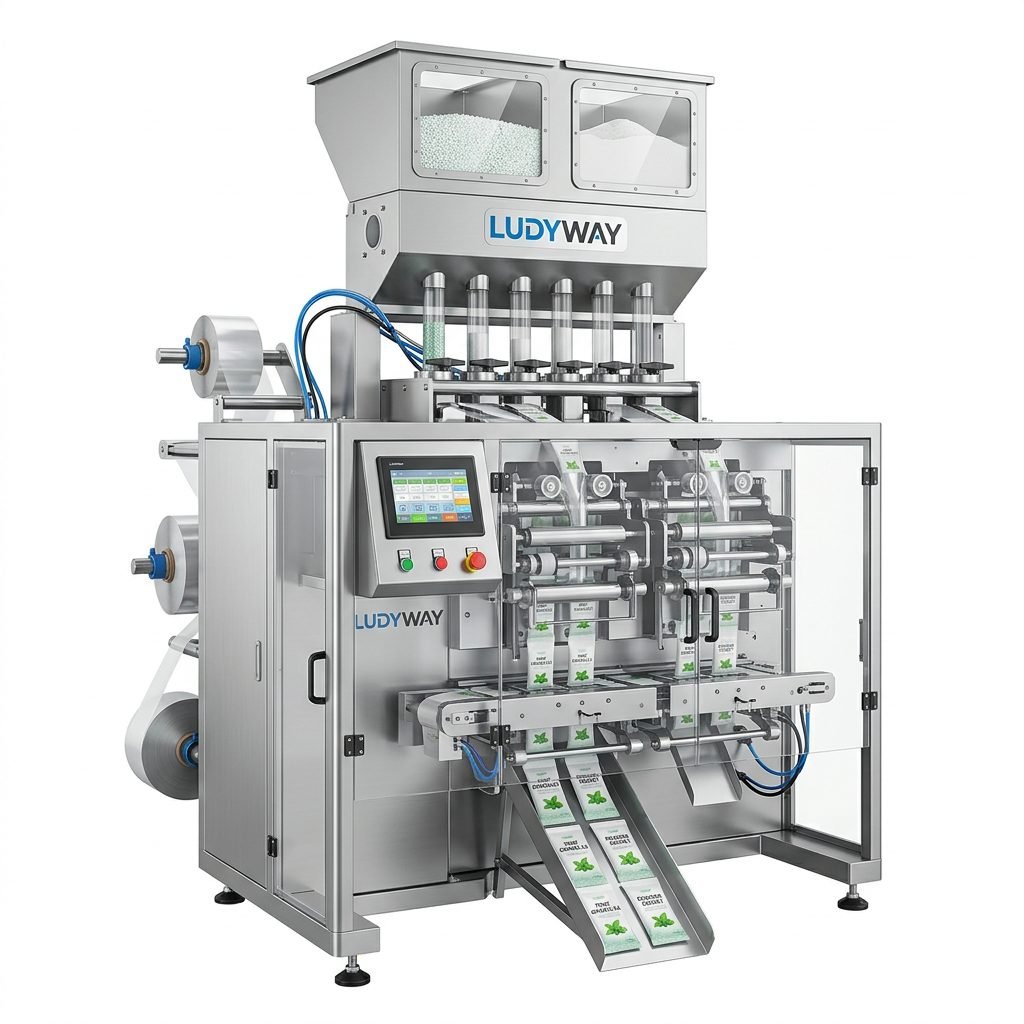
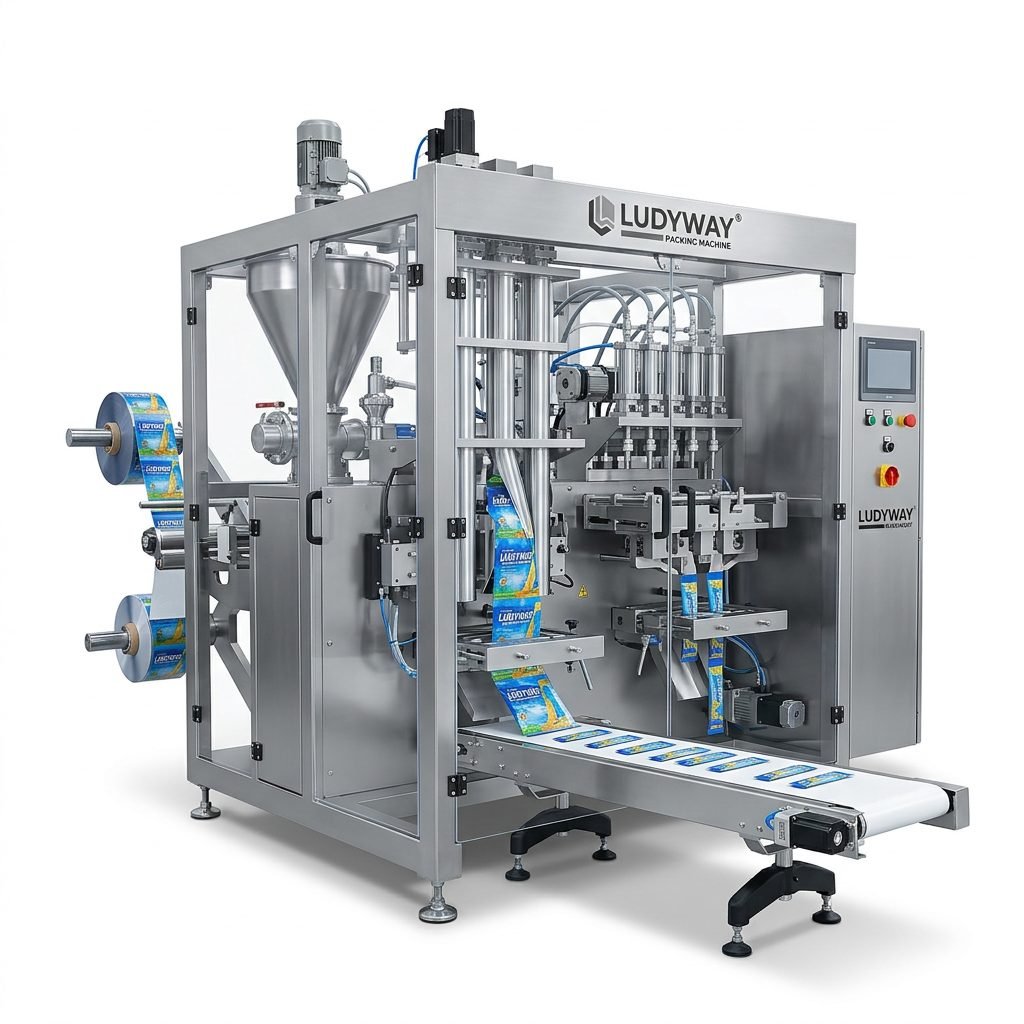
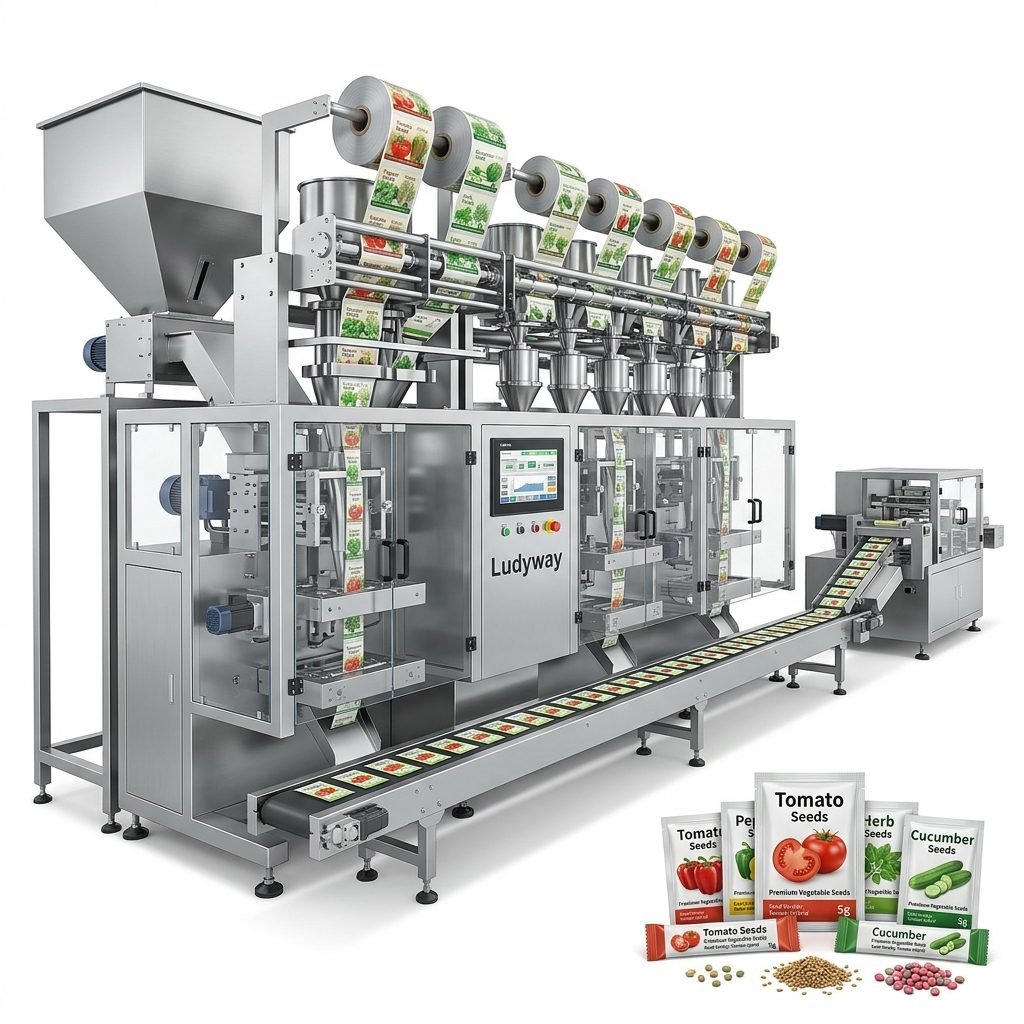
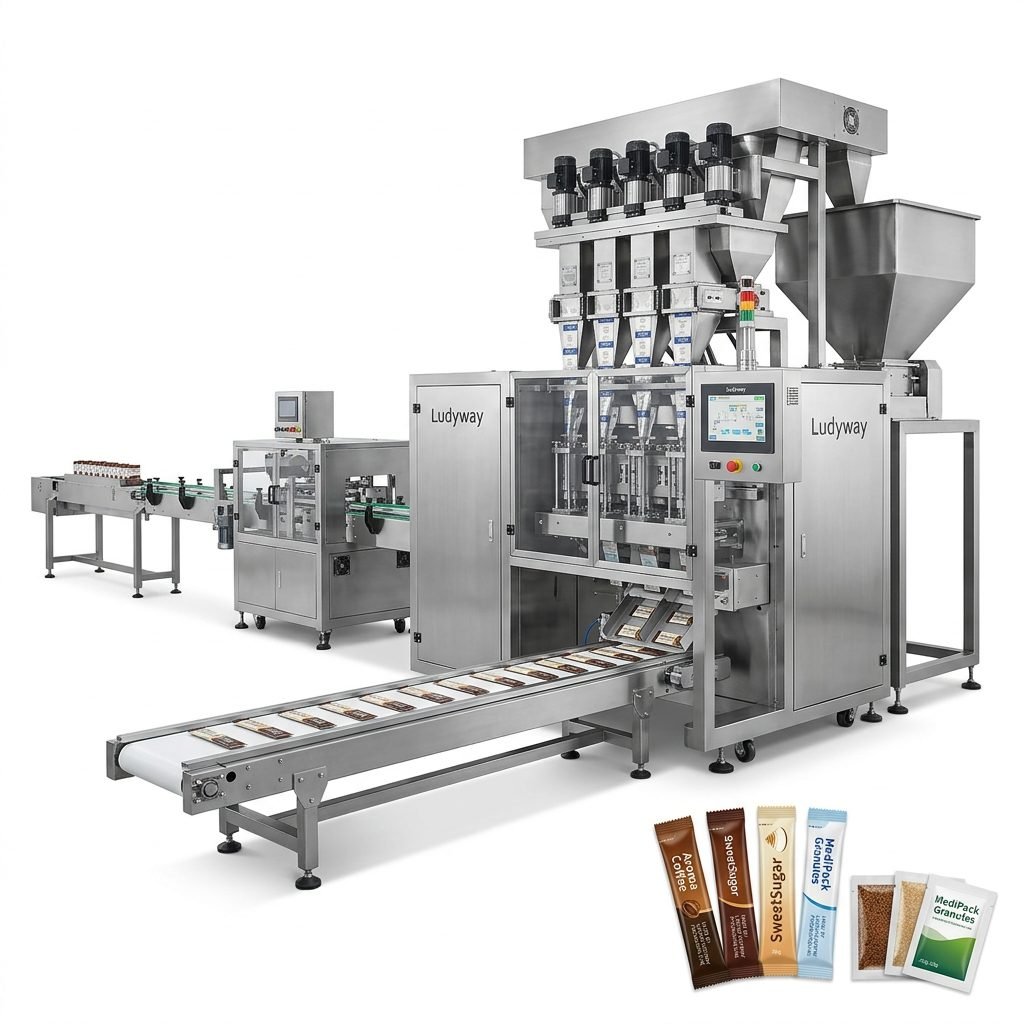
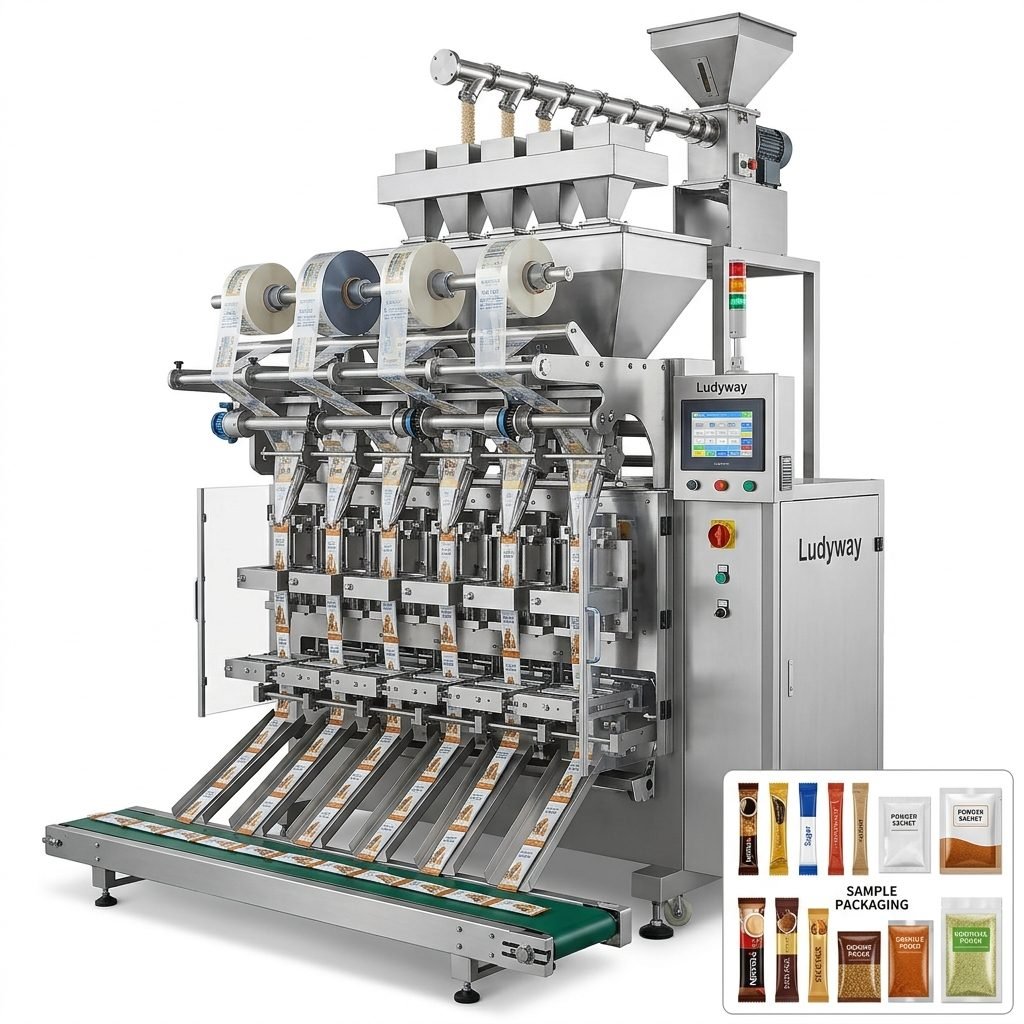
VFFS machines are among the most versatile and widely used systems in produce packaging. They form a bag from a flat roll of film, fill it with product, and seal it — all in a continuous vertical motion. These machines excel at packaging granular, loose, or small-piece produce items such as salad mixes, baby carrots, snap peas, and chopped vegetables. Modern VFFS systems offer multi-lane configurations that dramatically increase throughput without proportionally increasing floor space. For businesses looking to scale production efficiently, multi-lane stick pack packaging machines can deliver exceptional output in compact footprints.
Horizontal Form-Fill-Seal (HFFS) Machines
HFFS equipment operates horizontally, making it ideal for packaging larger or more delicate produce items that require careful orientation. Flow wrapping is a common HFFS application, creating the familiar sealed trays used for cucumbers, bell peppers, and other whole vegetables. These machines often integrate with automatic weighing and labeling systems, making them popular in high-speed retail-ready packaging lines.
Tray Sealing and MAP Systems
Modified atmosphere packaging has become increasingly important in the U.S. produce sector. By replacing the air inside a package with a controlled gas mixture — typically nitrogen, carbon dioxide, and oxygen in precise ratios — MAP systems extend shelf life significantly. Tray sealing machines that incorporate MAP capability are essential for fresh-cut fruits, salad greens, and other highly perishable items destined for supermarket shelves. According to the Flexible Packaging Association, MAP technology continues to evolve with improved film materials that offer better clarity and seal integrity.
Weighing and Filling Systems
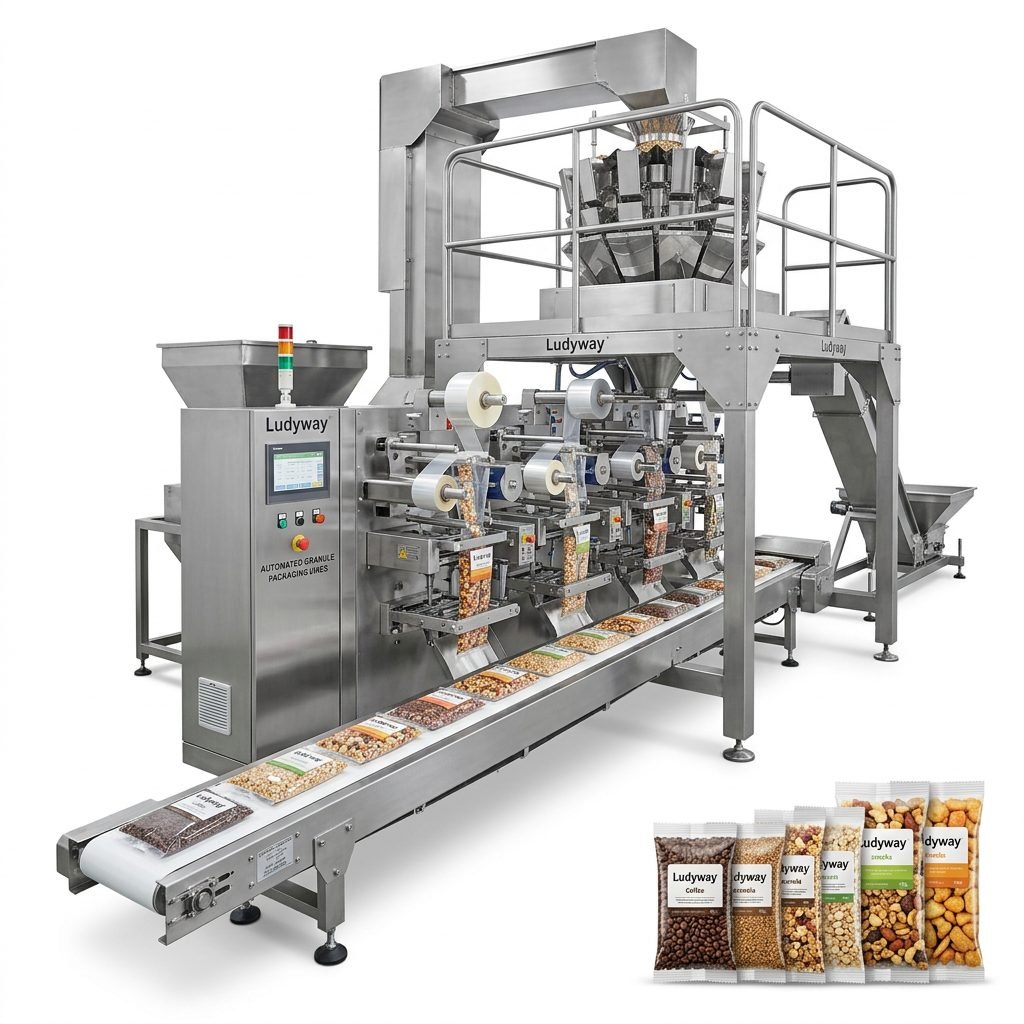
Accurate weighing is critical for both regulatory compliance and profitability. Multi-head weighers are the standard for high-speed particulate filling, offering precision within fractions of a gram. For produce items with varying piece sizes — such as mixed vegetables or fruit cups — combination weighers with intelligent software can optimize portioning to minimize costly overfill. The PMMI regularly publishes technical guidance on weighing system selection and calibration best practices.
Regulatory Compliance and Food Safety Standards
The United States maintains some of the world’s most stringent food safety regulations. Any produce packaging machine operating in the U.S. must comply with applicable federal, state, and retailer-specific requirements.
FDA Food Contact and Material Requirements
All packaging materials and machine surfaces that contact food must meet FDA regulations under 21 CFR. This includes requirements for food-contact substances, indirect additives, and overall migration limits. Machines should be constructed with food-grade stainless steel (typically 304 or 316L) for all product contact surfaces. The FDA’s food packaging guidelines provide detailed information on acceptable materials and testing protocols. Equipment designed with sanitary principles — smooth surfaces, minimal crevices, and easy disassembly for cleaning — helps facilities meet these standards.
USDA and FSMA Requirements
For produce items that fall under USDA jurisdiction, additional requirements may apply. The Food Safety Modernization Act (FSMA) places emphasis on preventive controls, including equipment design that facilitates cleaning and sanitation. Machines should support Hazard Analysis and Critical Control Points (HACCP) protocols, with features like tool-free disassembly, sloped surfaces for drainage, and sealed electrical enclosures that withstand washdown environments.
UL Certification and Electrical Standards
Electrical systems on equipment imported into the U.S. must meet UL or equivalent NRTL standards. This certification ensures that the machine’s wiring, controls, and safety systems meet U.S. electrical codes. When evaluating suppliers — particularly international manufacturers — confirm that the equipment ships with proper UL listing and documentation. Retrofitting non-compliant electrical systems after delivery can add substantial cost and delay.
Evaluating Packaging Machine Suppliers
Selecting the right supplier is as important as choosing the right machine. The U.S. market includes domestic manufacturers, established European brands, and a growing number of high-quality Asian equipment providers. Each category offers distinct advantages in terms of price, technology, and service support.
Key Evaluation Criteria
| Evaluation Criteria | Why It Matters |
|---|---|
| Service and Support Network | Local technicians, spare parts availability, and response times directly affect your uptime |
| UL/CE Certification | Ensures electrical safety compliance for U.S. operation |
| Sanitary Design Features | Tool-free disassembly, stainless steel construction, IP65+ rated components |
| Integration Capabilities | Compatibility with upstream/downstream equipment and facility management systems |
| Training and Documentation | English-language manuals, on-site training, and ongoing technical support |
| References and Track Record | Verified installations in the U.S. produce industry with positive customer feedback |
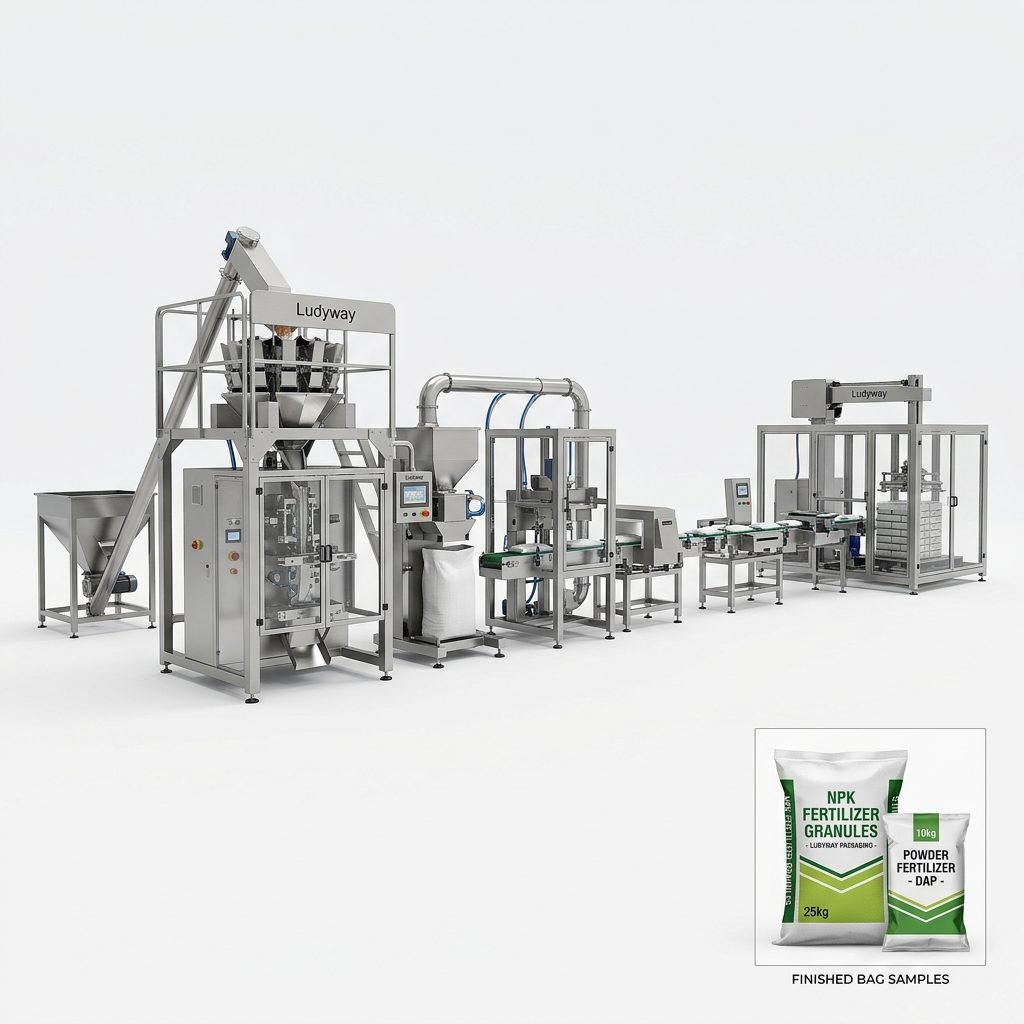
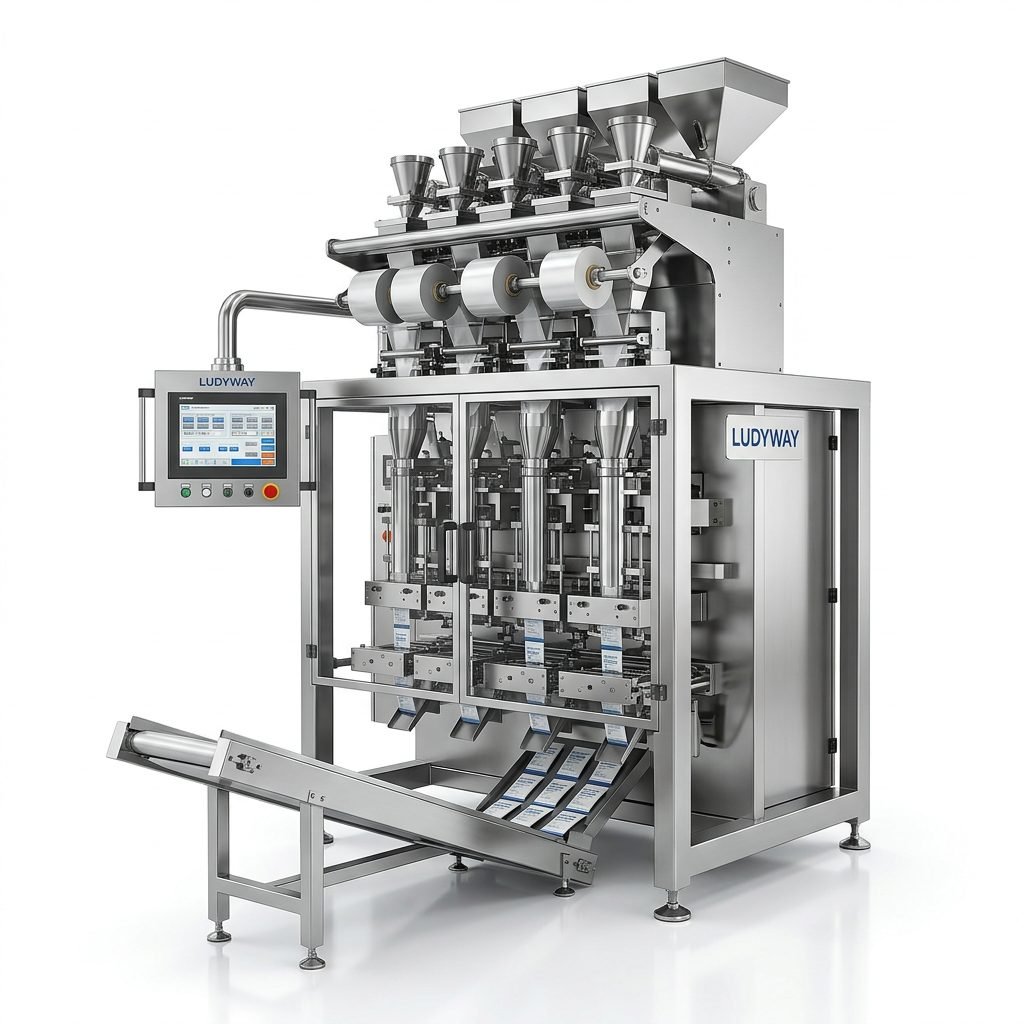
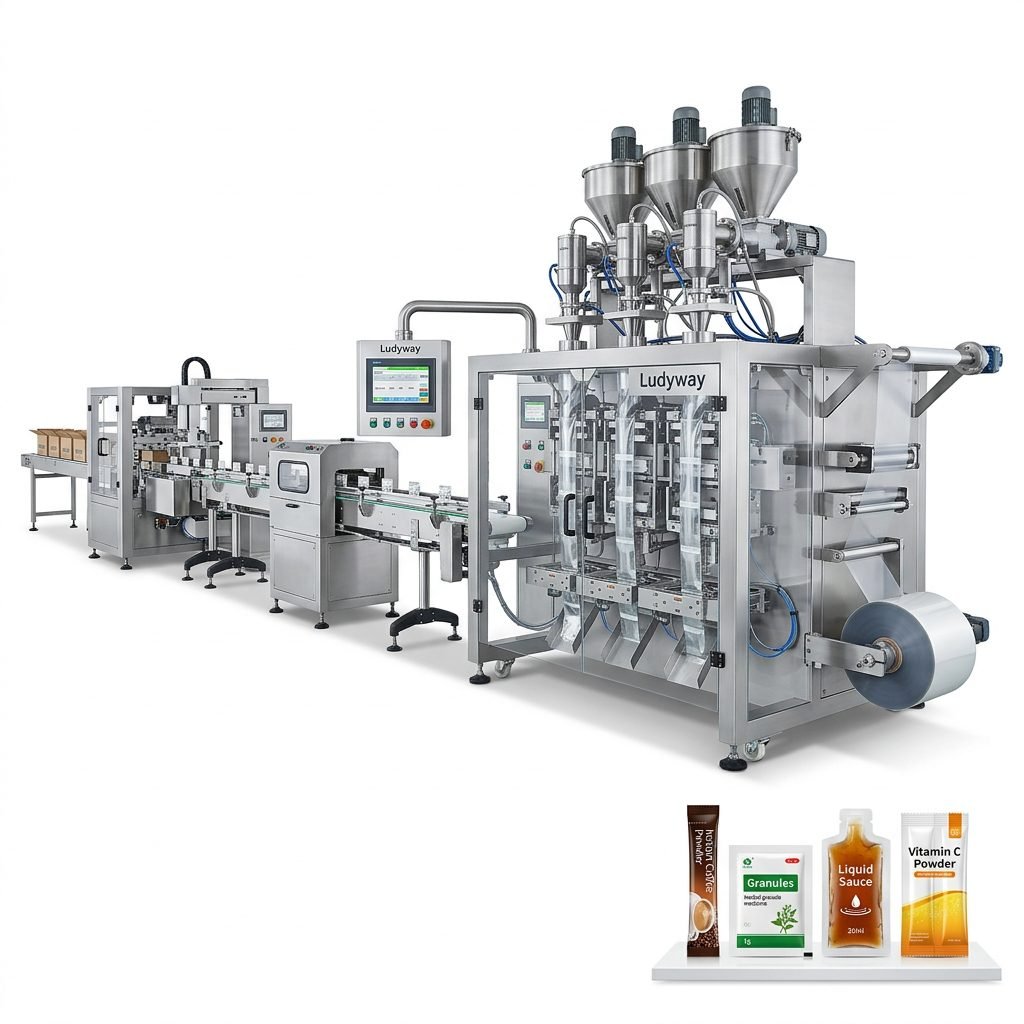
Ludyway is one of the largest packaging machine manufacturers in China, specializing in advanced packaging equipment and turnkey production solutions for the food, pharmaceutical, and health industries. With over 30 years of industry expertise, the company provides reliable and efficient packaging solutions for granule, powder, liquid, and pouch packaging applications, serving customers in over 100 countries and regions worldwide.
International Suppliers and Import Considerations
Many U.S. produce packers now source equipment from international manufacturers to access advanced technology at competitive price points. When evaluating offshore suppliers, pay particular attention to:
- Shipping and logistics — container costs, port fees, and inland transportation can add 8-15% to the equipment price
- Import duties — packaging machinery falls under specific HTS codes; consult a customs broker for accurate duty rates
- Installation support — confirm whether the supplier provides on-site installation technicians or works through a U.S.-based partner
- Spare parts inventory — ask about recommended spare parts lists and whether the supplier maintains a U.S. parts warehouse
- Warranty terms — understand what is covered, for how long, and how warranty service is delivered for imported equipment

Total Cost of Ownership Analysis
The purchase price is just the beginning. A comprehensive cost analysis should account for all expenses over the machine’s expected service life — typically 10-15 years for well-maintained packaging equipment.
Direct Costs
- Equipment purchase price — including any optional modules, conveyors, and integration components
- Installation and commissioning — site preparation, rigging, electrical and air connections, and technician fees
- Training — operator and maintenance personnel training, which may require multiple sessions
- Packaging materials — film, trays, labels, and other consumables; verify compatibility and ongoing availability
Ongoing Operational Costs
- Labor — the number of operators required per shift and their skill level
- Energy consumption — electricity usage for the machine and any auxiliary equipment
- Compressed air — many packaging machines require significant air supply; factor in compressor costs
- Preventive maintenance — scheduled parts replacement, lubrication, and calibration
- Unscheduled downtime — the cost of lost production when equipment fails
The PMMI Business Intelligence Library offers detailed industry benchmarks for packaging line performance and cost metrics that can help U.S. buyers build accurate TCO models. Additionally, annual State of the Industry reports provide valuable context on pricing trends and technology adoption rates across the packaging sector.
Automation and Industry 4.0 Integration
Modern produce packaging equipment increasingly incorporates smart features and connectivity. When evaluating machines, consider how automation capabilities align with your operational strategy:
PLC and HMI Systems
Programmable logic controllers (PLC) and human-machine interfaces (HMI) are the brains of modern packaging equipment. Look for intuitive touchscreen interfaces with recipe management, production data logging, and diagnostic functions. Remote access capabilities allow supplier technicians to troubleshoot issues without an on-site visit — a feature that has proven invaluable for maintaining uptime across distributed U.S. operations.
OEE Monitoring and Data Integration
Overall Equipment Effectiveness (OEE) tracking helps identify bottlenecks, reduce downtime, and optimize throughput. Machines equipped with IoT sensors and network connectivity can feed real-time production data into your ERP or MES systems. This integration enables data-driven decisions about staffing, maintenance scheduling, and production planning. For U.S. facilities pursuing lean manufacturing or continuous improvement programs, these capabilities are increasingly considered essential rather than optional.
Sustainability and Packaging Material Trends
Sustainability is reshaping the U.S. produce packaging landscape. Retailer commitments, consumer preferences, and emerging regulations are driving demand for packaging equipment compatible with eco-friendly materials. When selecting a machine, evaluate its ability to process:
- Recyclable mono-material films — replacing multi-layer laminates that are difficult to recycle
- Compostable and biodegradable materials — PLA, cellulose, and other bio-based films
- Post-consumer recycled (PCR) content — films and trays incorporating recycled materials
- Source-reduced packaging — thinner films and optimized package dimensions that use less material
Machines designed with flexible sealing parameters and adjustable tension controls are better equipped to handle the different thermal and mechanical properties of sustainable materials. The Flexible Packaging Association’s industry resources provide regular updates on material innovations and sustainability initiatives relevant to U.S. produce packers.
Making the Final Decision
After gathering specifications, evaluating suppliers, and analyzing costs, it’s time to make your selection. The best approach combines objective analysis with hands-on validation:
Factory Acceptance Testing
Before shipping, a Factory Acceptance Test (FAT) verifies that the equipment meets all agreed-upon specifications. Run your actual products and packaging materials through the machine to confirm speed, accuracy, seal quality, and overall performance. Document any deviations and ensure corrective actions are completed before accepting delivery. For international purchases, attending the FAT in person or hiring a local inspection service is highly recommended.
Site Acceptance Testing
After installation, a Site Acceptance Test (SAT) confirms that the machine performs correctly in your actual production environment. This is also the time to validate operator training effectiveness and establish baseline performance metrics for ongoing monitoring.
Long-Term Partnership Mindset
The best equipment investment is one backed by a supplier committed to your long-term success. Prioritize vendors who demonstrate genuine interest in understanding your business and providing ongoing support, not just making a sale. The right partnership will serve your operation well for years to come, through production growth, product line expansion, and evolving market demands. Packaging trade events like PACK EXPO International and PACK EXPO Las Vegas offer excellent opportunities to meet suppliers, see equipment demonstrations, and stay current with industry developments.