The Indian poultry industry is experiencing an unprecedented boom. With rising protein consumption and organized retail expansion, the demand for hygienic, high-speed chicken packaging machines has never been greater. Whether you are a small poultry farm seeking to extend shelf life or a large processing plant aiming for export-grade standards, selecting the right automated packaging system is critical to your operational success.

Why Automation is Transforming the Indian Chicken Industry
The shift from manual butchering and loose wrapping to automated chicken packaging is driven by food safety regulations and consumer preferences. Modified Atmosphere Packaging (MAP) and vacuum skin packaging are no longer luxuries but necessities. Automated systems ensure consistent weight accuracy, minimize human contact—reducing the risk of contamination—and boost production speeds from dozens of packs per minute to over 120. For Indian processors, this technology bridges the gap between local supply chains and international retail standards.
Key Types of Chicken Packaging Machines
Understanding the distinct machinery categories is essential before making a capital investment. The table below outlines the primary solutions available in India for poultry applications.
| Machine Type | Primary Application | Key Advantage |
|---|---|---|
| Tray Sealing & MAP Machines | Fresh chilled retail cuts | Extends shelf life up to 7-10 days |
| Vacuum Chamber Packing | Frozen whole bird and exported cuts | Prevents freezer burn, compact storage |
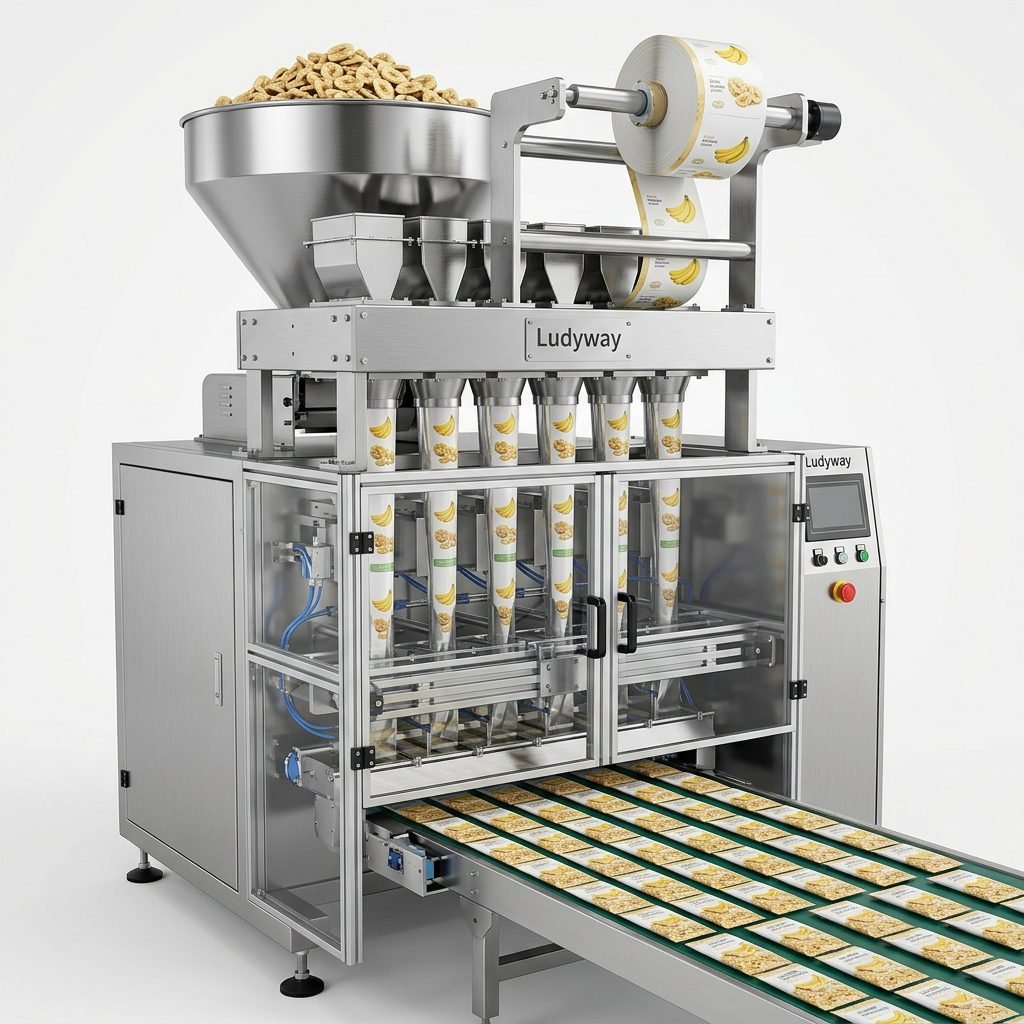
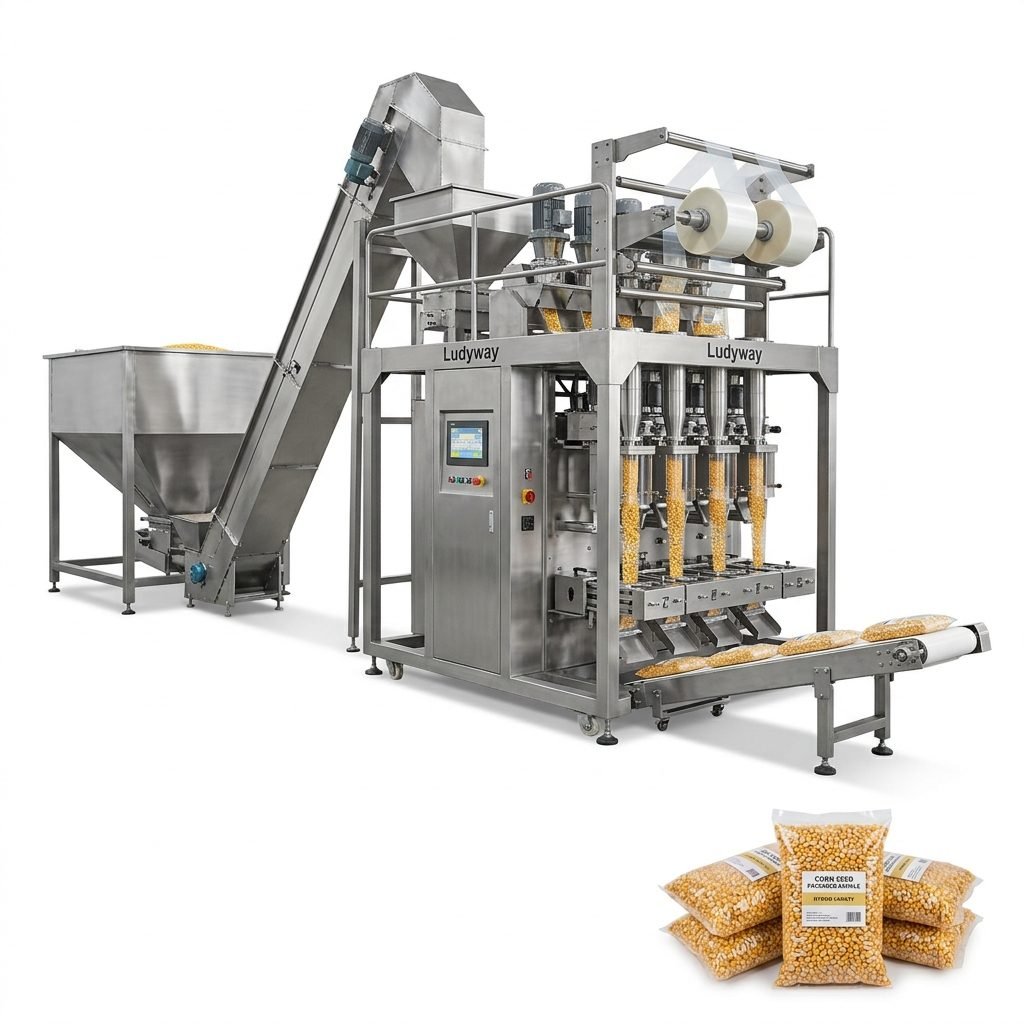
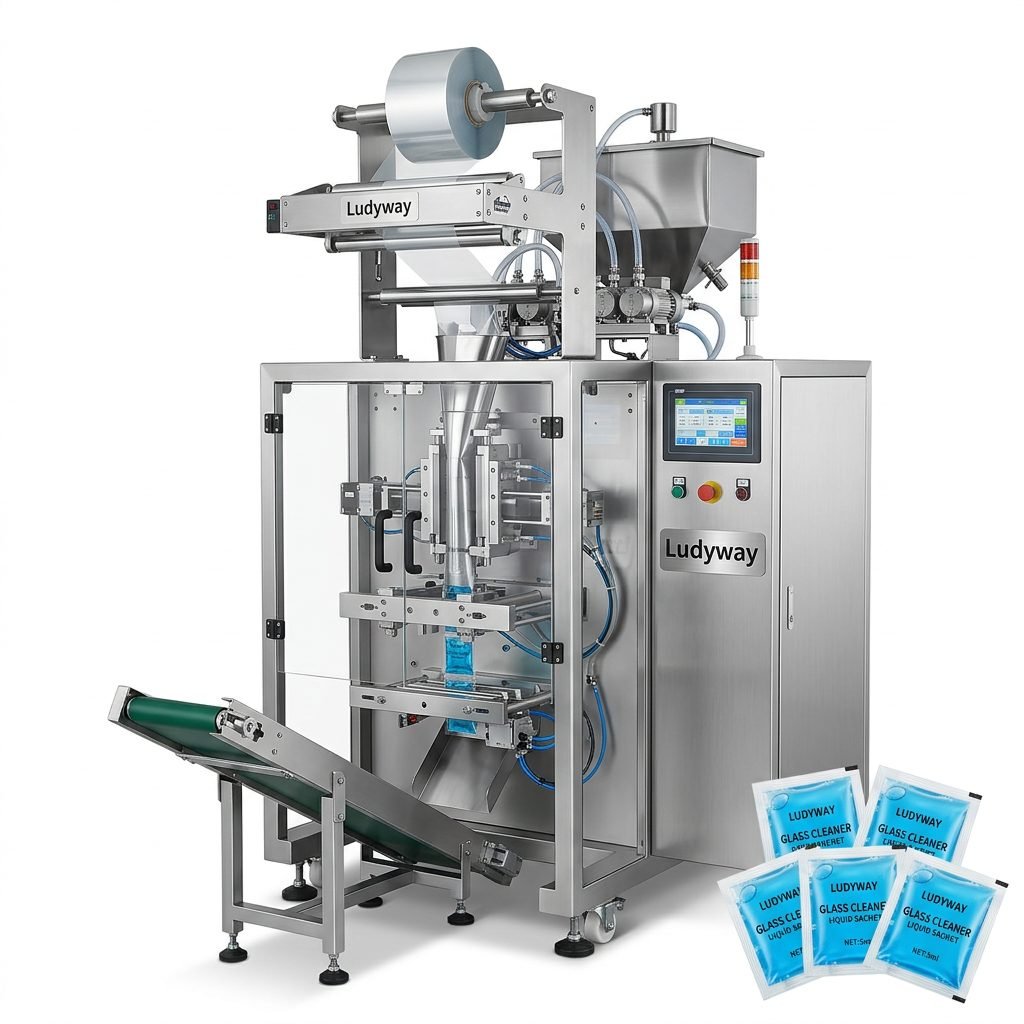
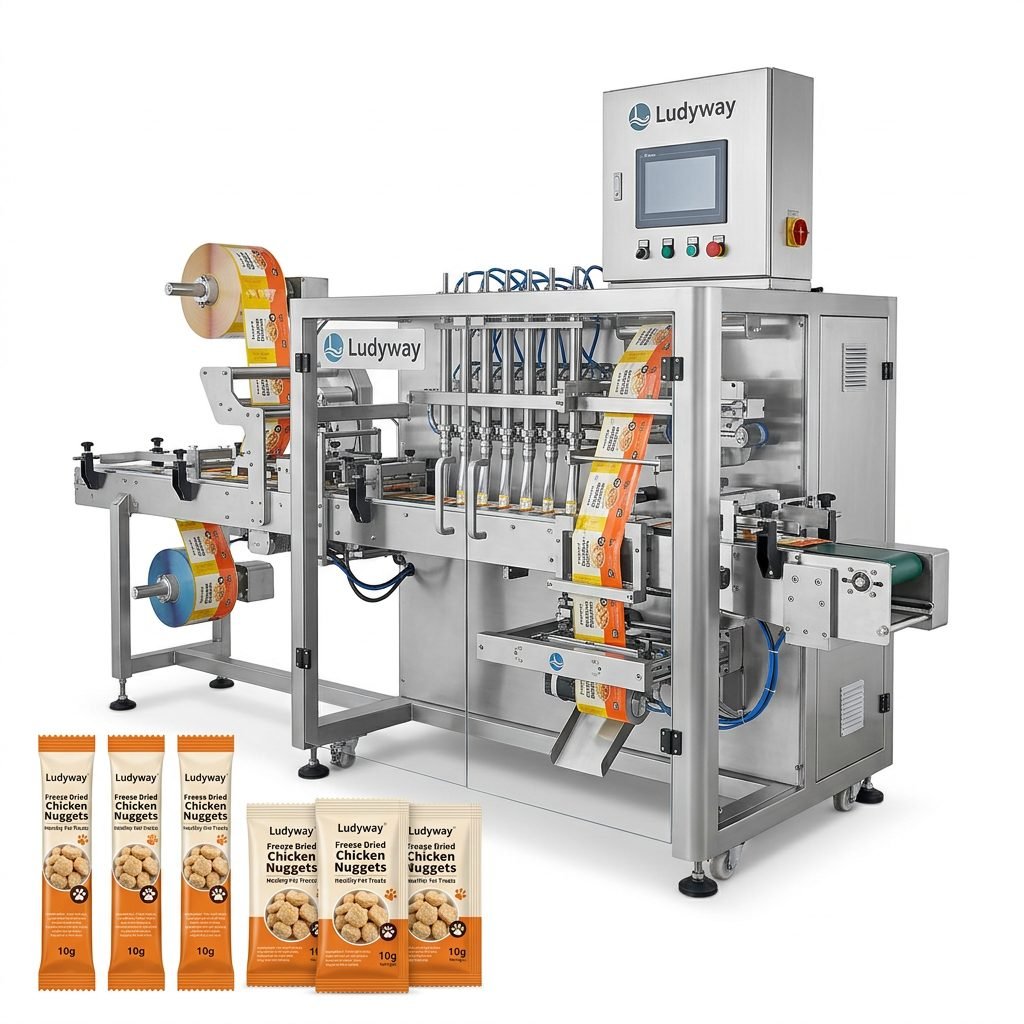
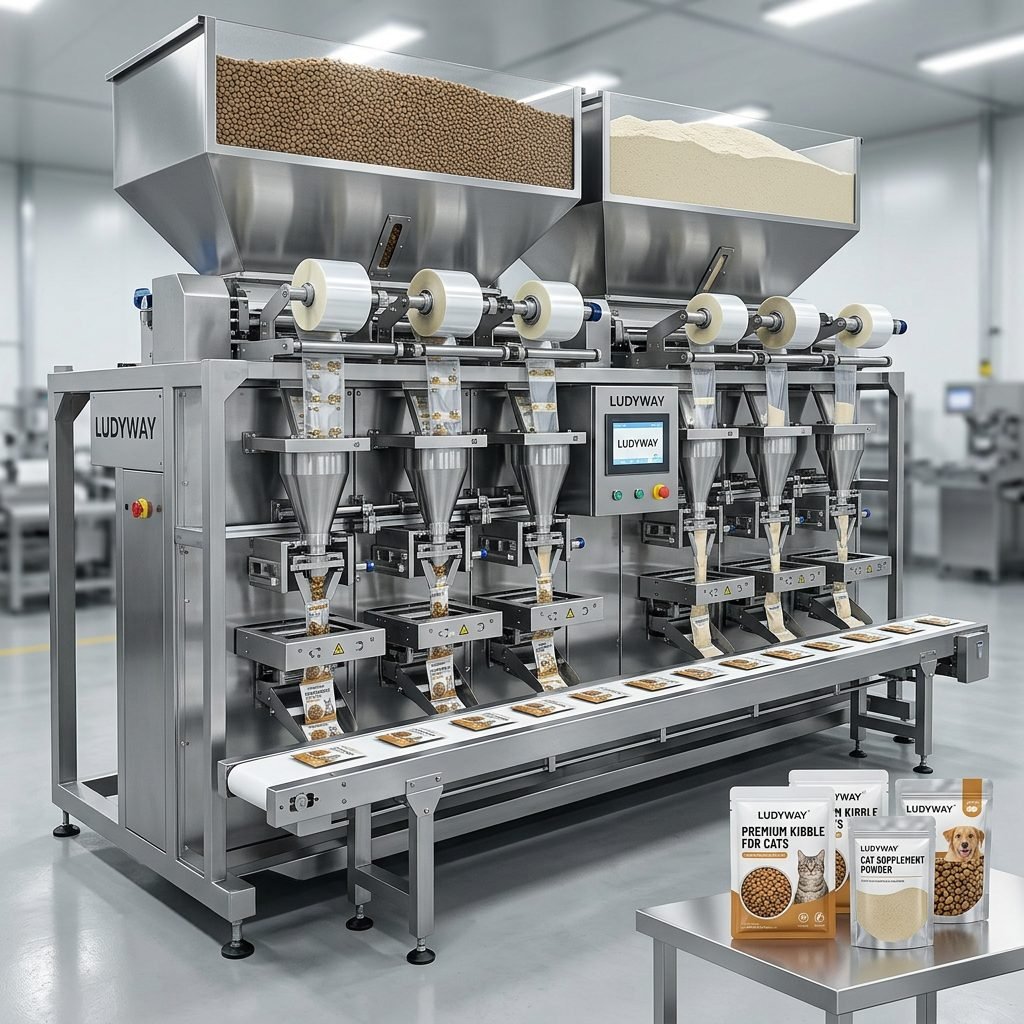
| Vertical Form Fill Seal (VFFS) | Frozen popcorn chicken, nuggets, pet food | High-speed pillow bags, low film cost |
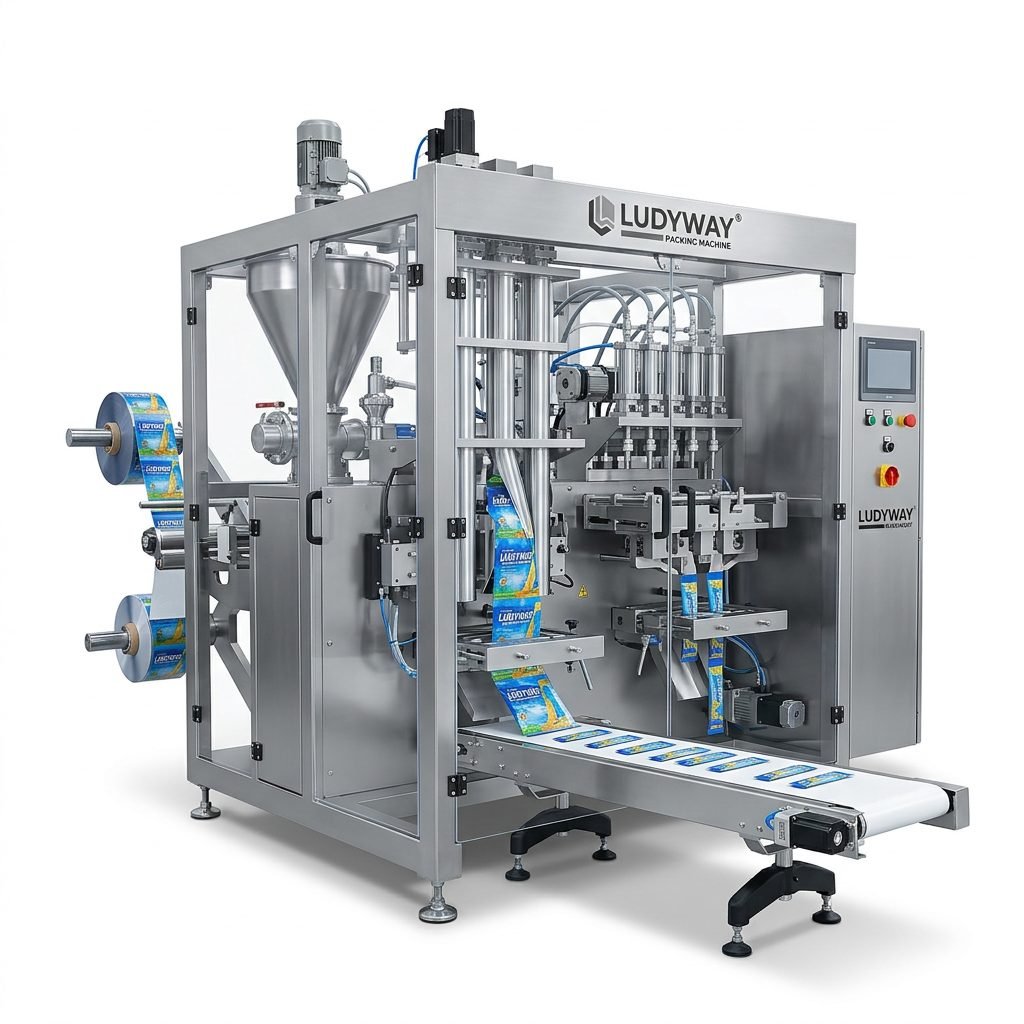
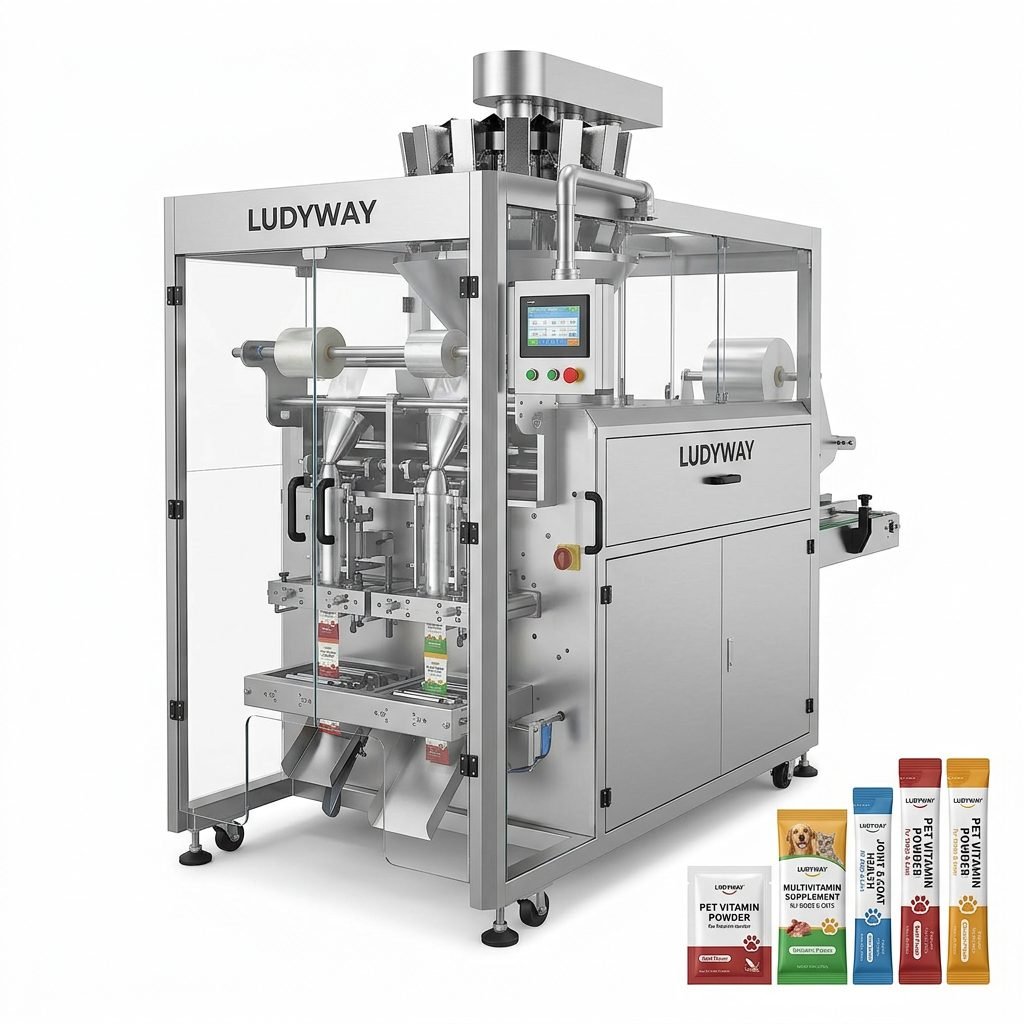
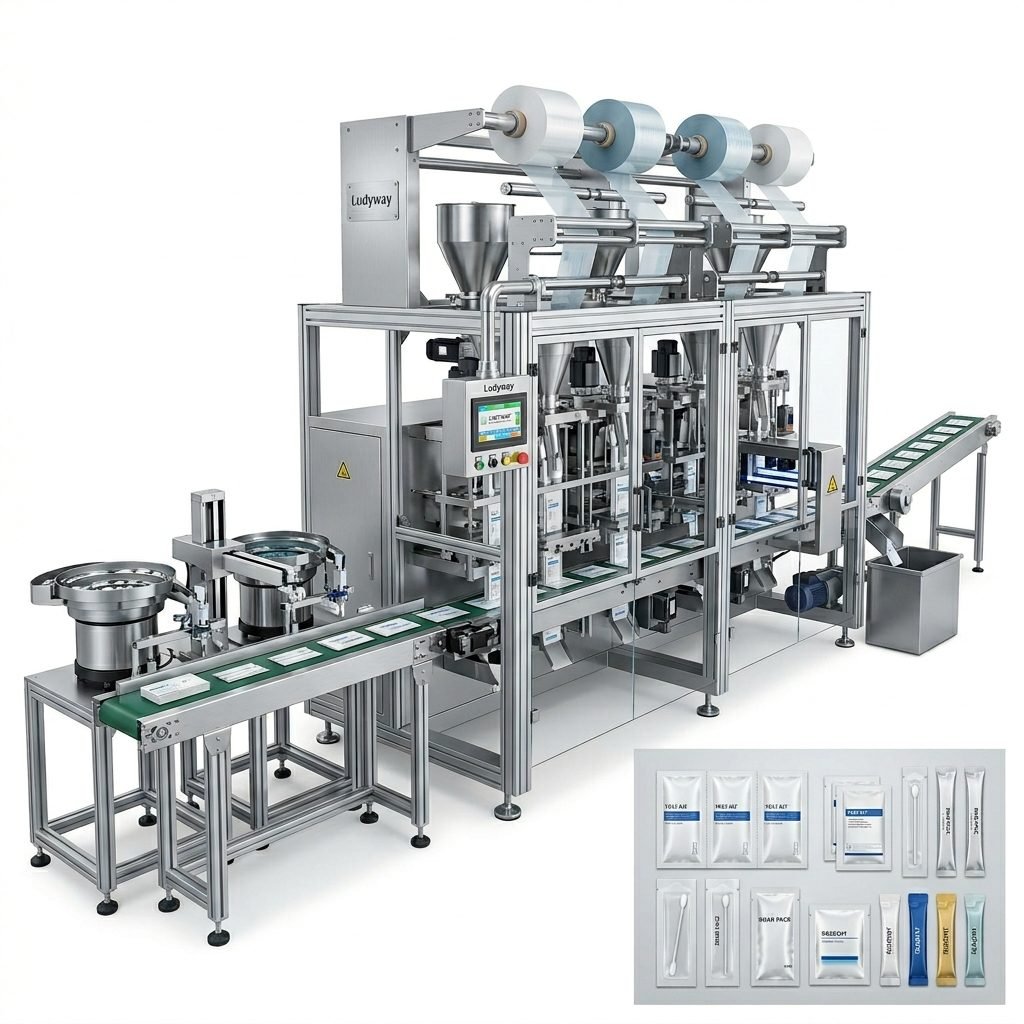
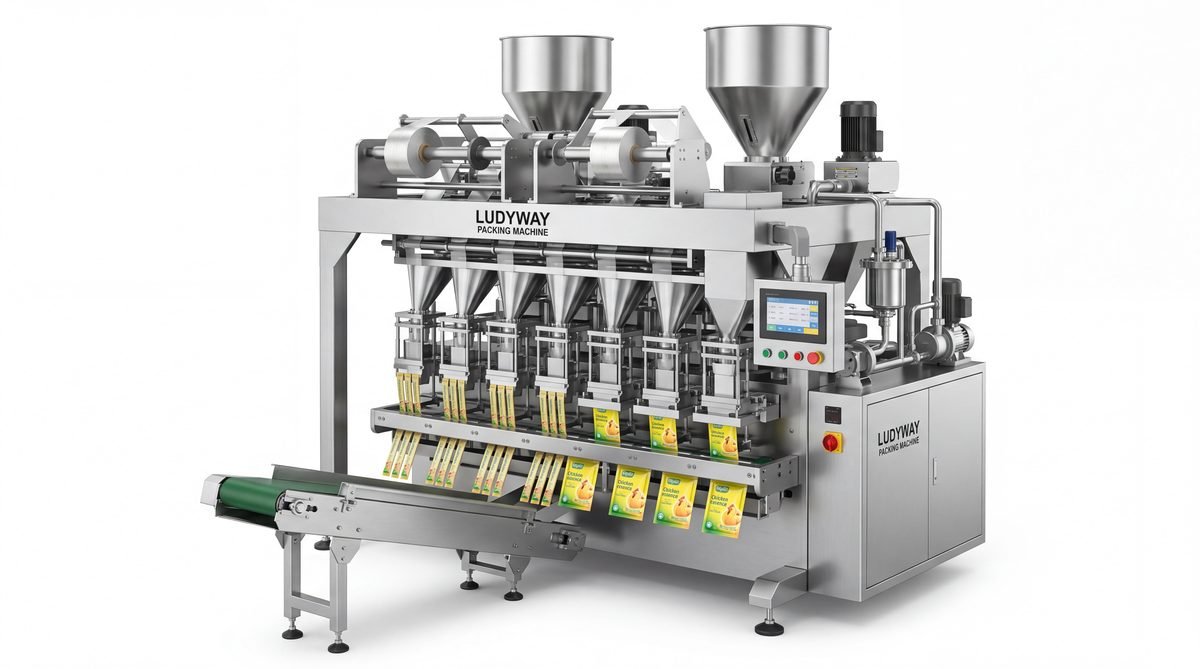
| Multi-Lane Stick Pack | Protein powder, chicken essence, broths | Extremely high throughput, single-serve precision |
Features to Prioritize for Poultry Products
Chicken is a highly perishable protein, demanding specific engineering standards. Hygiene design is non-negotiable. Look for machines constructed with SUS304 stainless steel, sloped surfaces to avoid liquid pooling, and IP65 or higher washdown ratings. Sealing integrity is equally vital; a single leaking tray in a refrigerated truck can compromise an entire shipment. Additionally, integrated weighing and rejection systems drastically reduce giveaway and ensure compliance with the FSSAI packaging and labeling regulations.
- Washdown Compatibility: Machines must withstand high-pressure hot water cleaning cycles common in poultry plants.
- Precision Weighing: Dynamic multi-head weighers specifically calibrated for sticky or uneven chicken pieces.
- Advanced Sealing: Leak-proof sealing jaws with temperature feedback control to handle film contaminated with natural fats.
- Gas Flushing: Reliable MAP controllers that maintain the perfect CO2/N2/O2 ratio to suppress bacterial growth.
Navigating the Cost vs. Value Equation
The price of a chicken packaging line in India varies from ₹5 lakh for a basic tabletop vacuum sealer to over ₹2 crore for a fully automated tray-sealing line with robotics. While many buyers focus heavily on the initial purchase price, the total cost of ownership is the smarter metric. A premium machine with higher speed, less film waste, and predictive maintenance alerts often pays for itself within 12-18 months through reduced labor costs and minimized downtime. Indian processors should also factor in spare parts availability. Domestic suppliers often promise quick delivery, but global manufacturers with local technical distributors can sometimes offer better long-term reliability and service support frameworks.
Selecting the Right Supplier in India
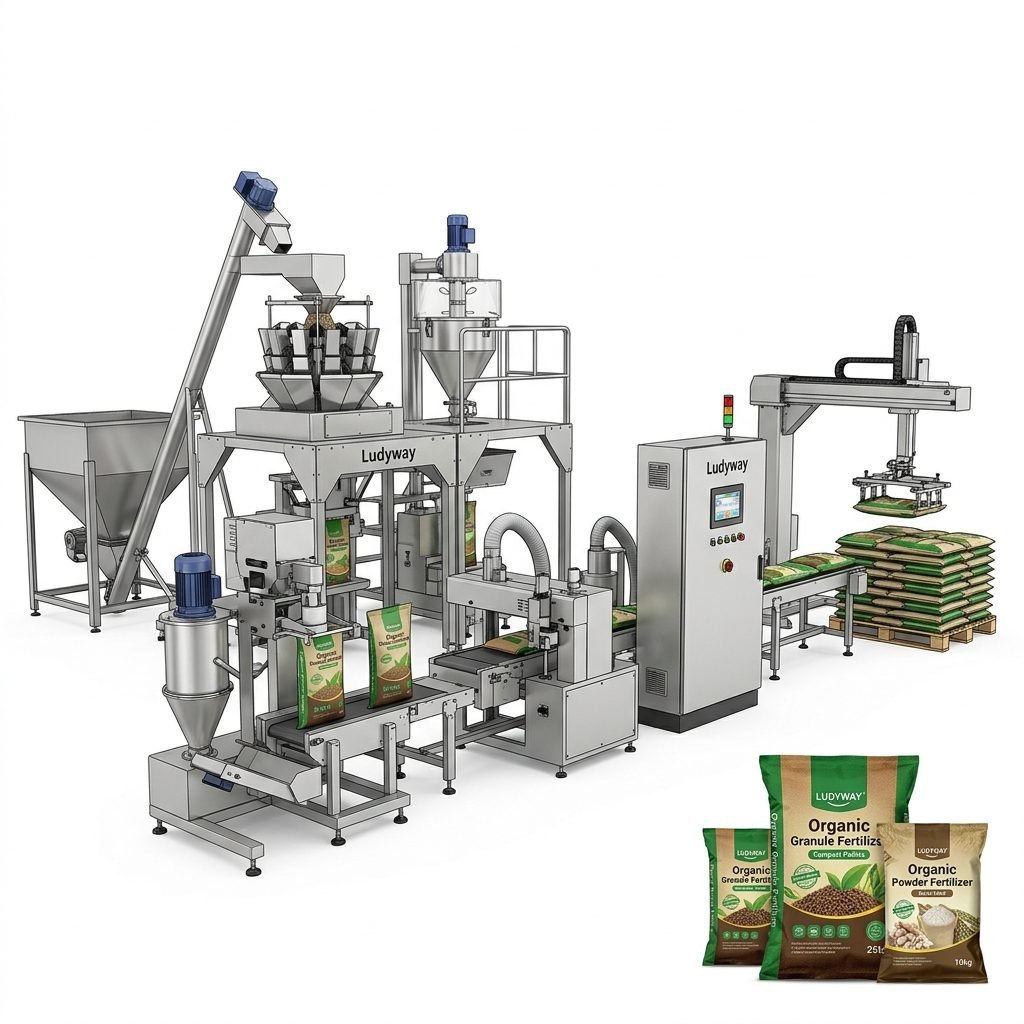
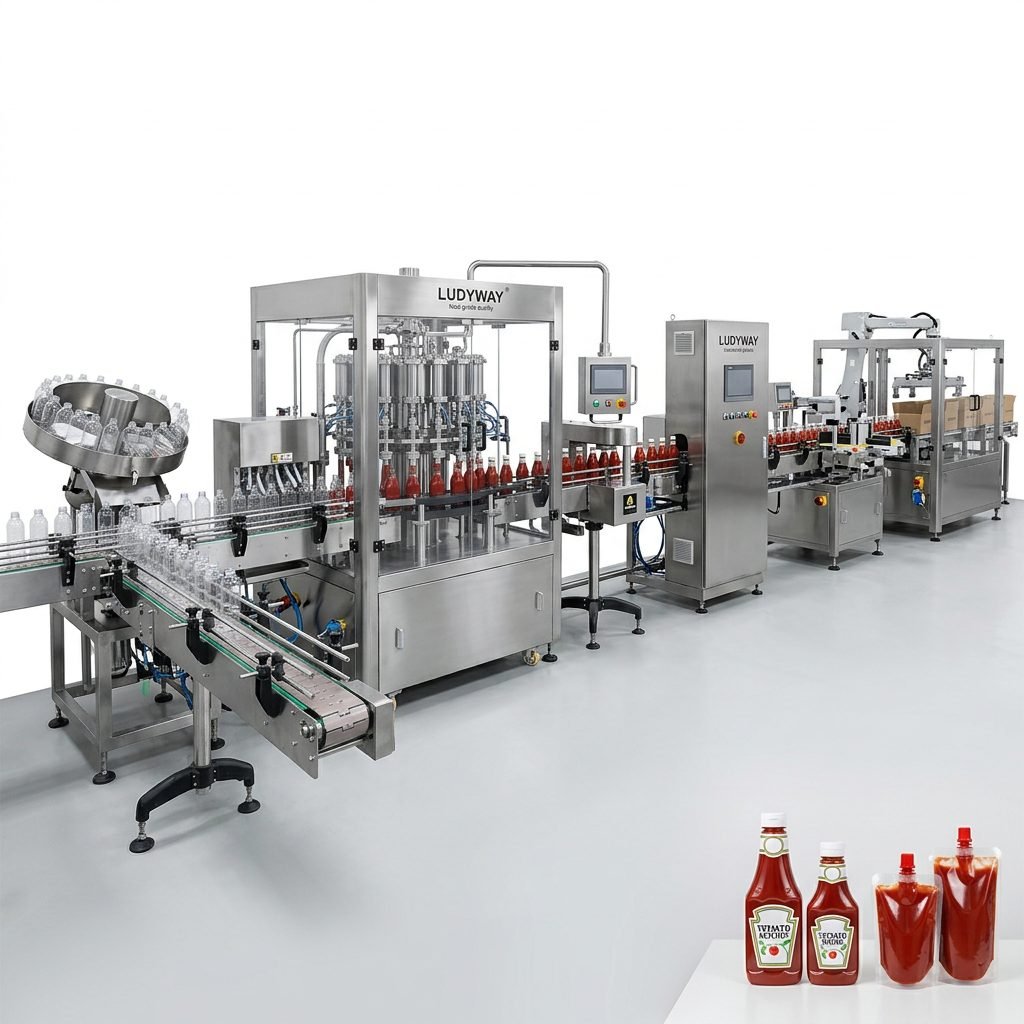
Choosing a machinery partner is as crucial as the hardware itself. The ideal supplier should offer turnkey solutions rather than just standalone units. This includes upstream preparation conveyors, checkweighers, metal detectors, and end-of-line cartooning. Evaluate the supplier’s experience specifically with poultry proteins—handling chicken requires different expertise compared to dry snacks or dairy. A credible partner will provide installation support, staff training, and comprehensive spare parts management. Global manufacturers such as Ludyway, with over 30 years of packaging expertise and a presence in 100+ countries, demonstrate the kind of deep engineering and R&D capability that ensures a machine stays productive for a decade or more.
Checklist for Smart Purchasing
- Verify stainless steel thickness and motor brand quality inside the frame.
- Request a documented ROI analysis based on your specific throughput targets.
- Inspect the sealing jaw design for fat-resistant coating and easy cleaning access.
- Confirm compatibility with your existing facility layouts and utility connections.
- Ensure the control system offers remote diagnostics and Industry 4.0 readiness.
Meeting Indian Regulatory and Export Standards
Whether you sell your chicken in Mumbai or export to the Middle East, your packaging must align with strict protocols. A quality machine enables compliance with traceability requirements by integrating date coders and batch printers. For export-oriented units, compliance with ISO packaging standards and EU hygiene directives becomes mandatory. The right machine will not only seal the product but also provide the validation data required for audit trails. Automated process logging and consistent seal strength testing are features that differentiate industrial-grade machines from entry-level equipment.
Future-Proofing Your Investment
The Indian poultry market is evolving toward branded, value-added products. From marinated boneless strips in MAP trays to convenient single-serve chicken soup powders, versatility is a valuable asset. Opt for modular machines that allow you to switch between formats—such as going from a standard tray to a large family pack or from a pillow bag to a premade pouch—with minimal changeover time. This flexibility protects your capital expenditure against shifting market trends and allows you to command higher margins with premium product formats.
Investing in a chicken packaging machine is a major decision with long-term operational impact. By focusing on hygienic construction, accurate weighing, and supplier reliability, Indian poultry businesses can unlock new channels of revenue and deliver safer, fresher products to consumers. Thorough due diligence today ensures that your production line remains competitive in the fast-paced protein market of tomorrow.