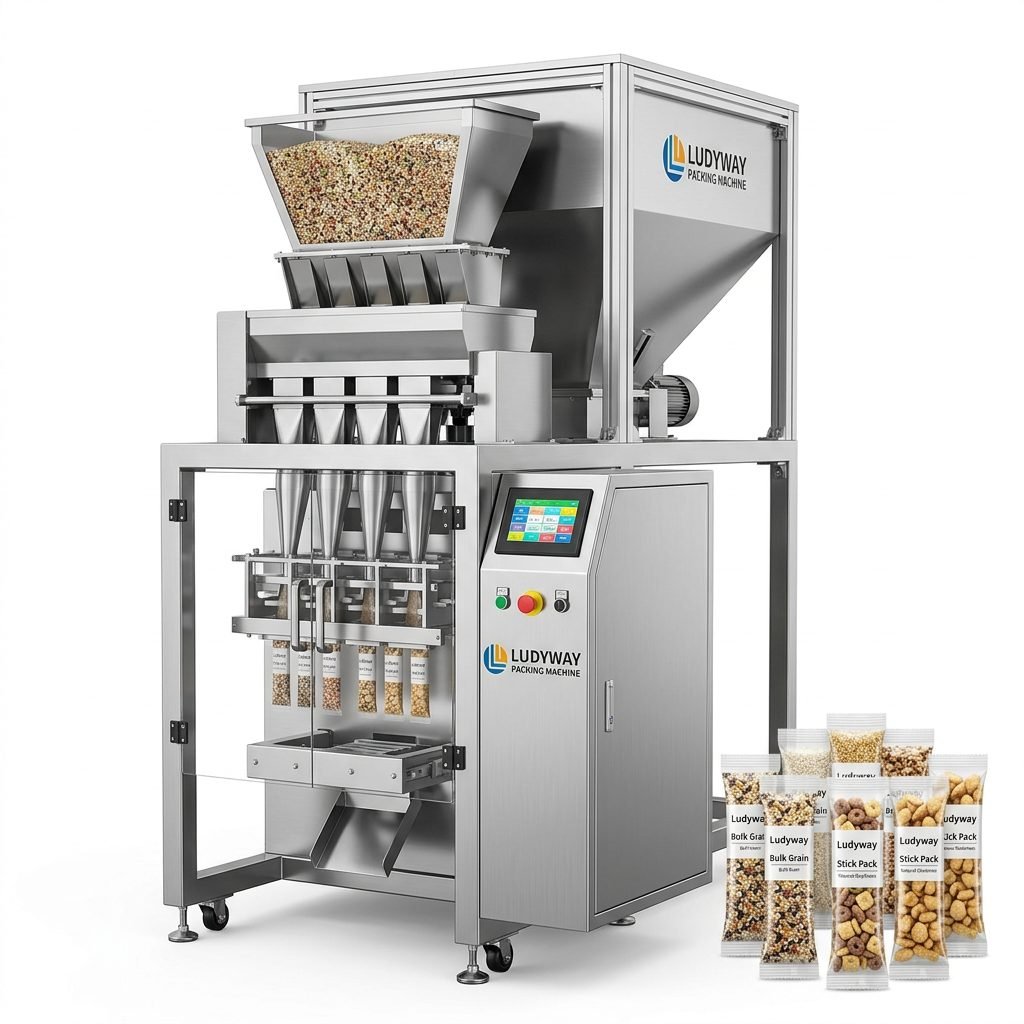
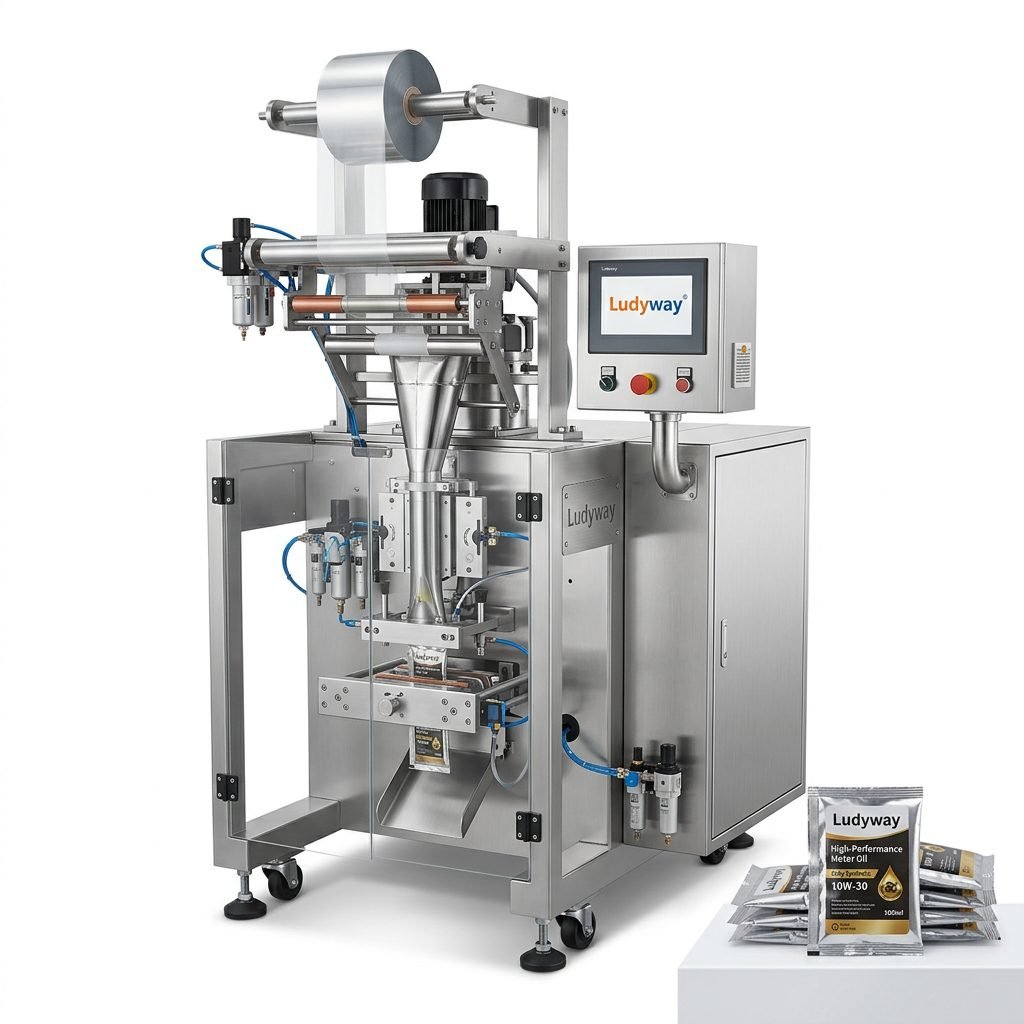
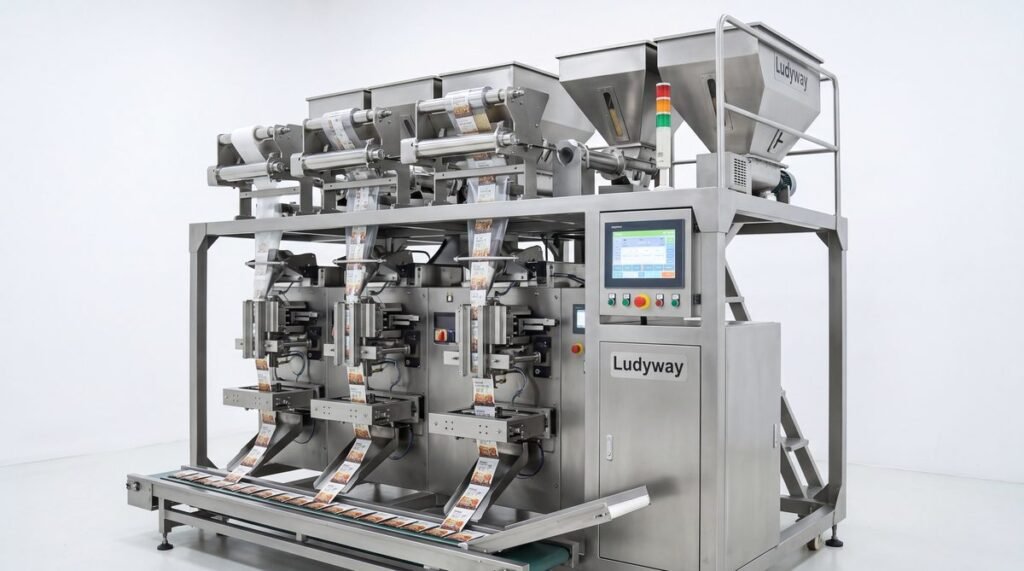
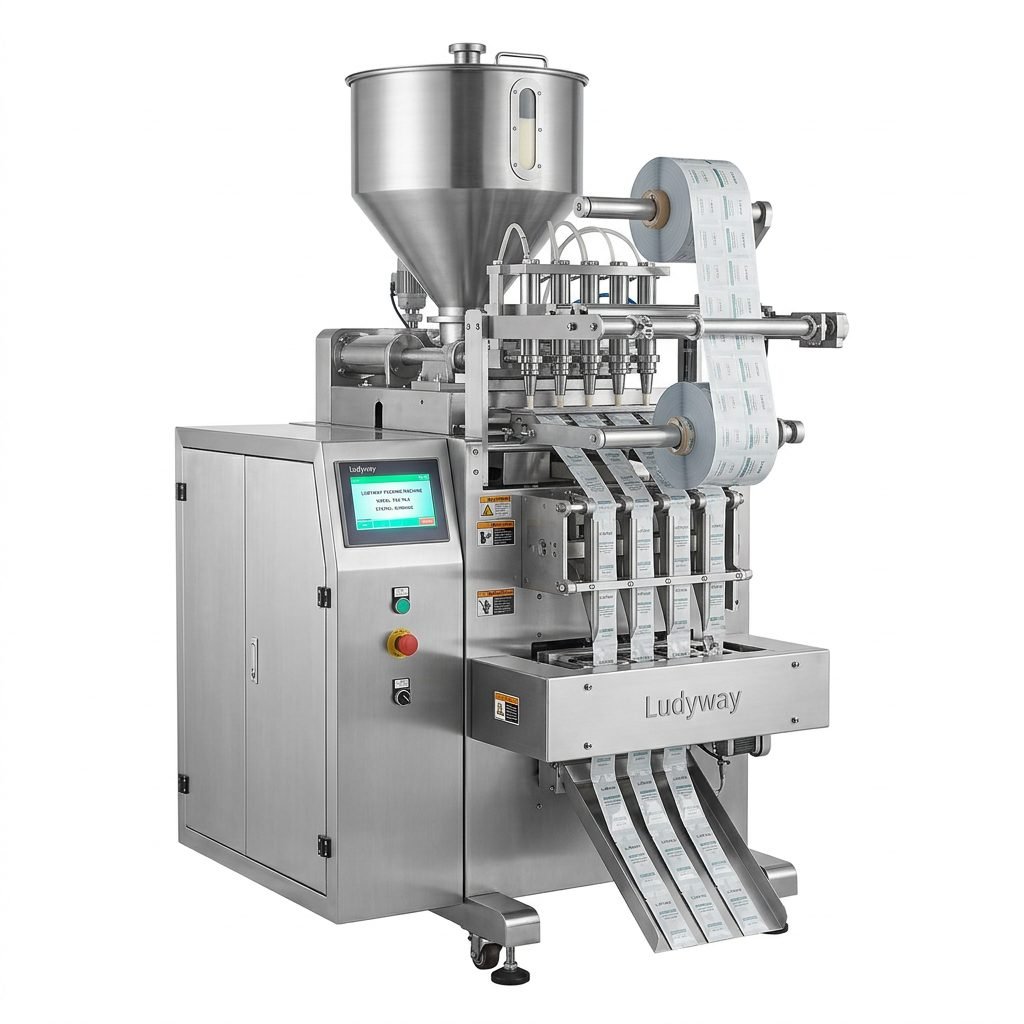
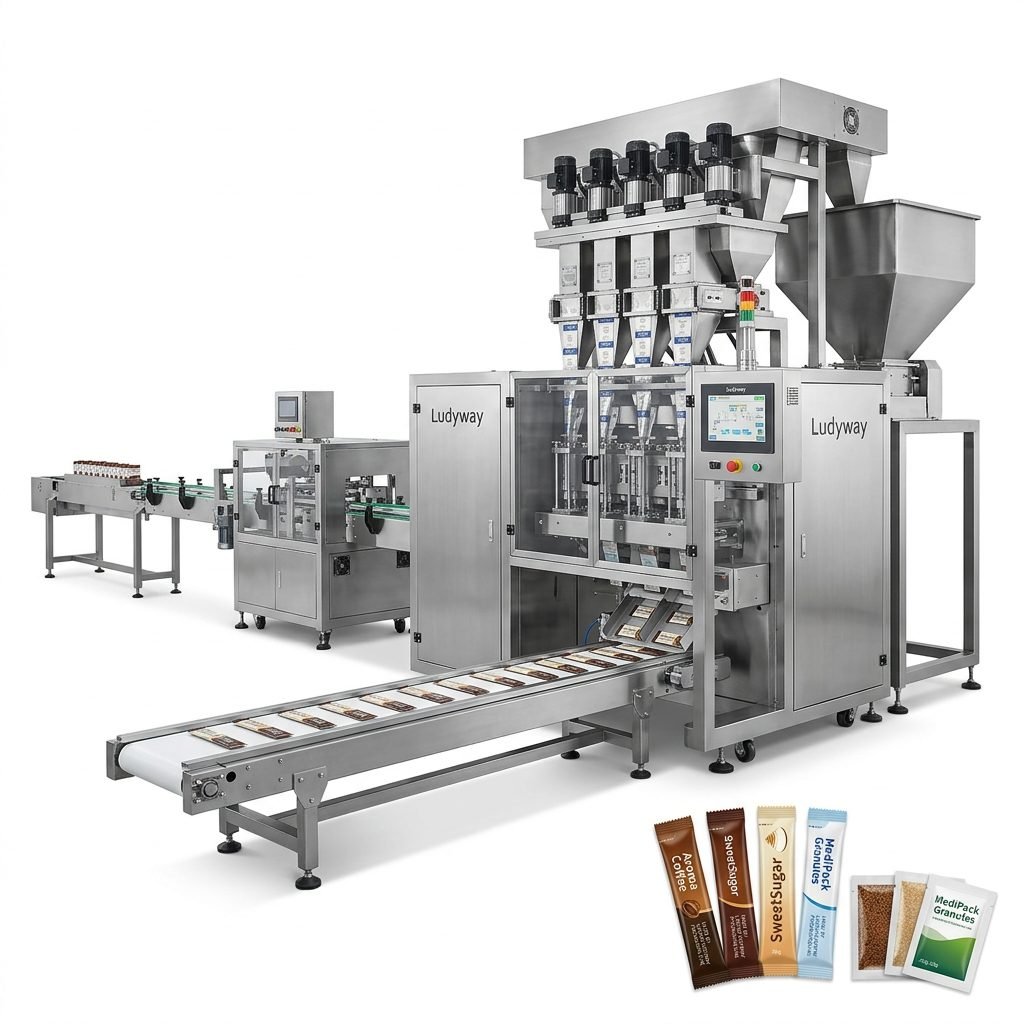
Selecting the right perfume packaging machine is one of the most critical decisions for fragrance manufacturers, contract packagers, and personal care brands. Whether you are filling delicate perfume oils into sample sachets, launching a new collection of travel-size stick packs, or scaling production of your signature scent in bottles, your choice of equipment directly affects fill accuracy, production speed, packaging integrity, and long-term operational costs. This buyer’s guide walks you through the essential factors to evaluate, helping you make a confident, informed investment.
1. Understand Your Perfume Product Characteristics
Before comparing machine specifications, start with a thorough analysis of your liquid product. Perfume formulations vary widely, and your packaging equipment must handle your specific product properties without compromising quality.
- Viscosity and flow behavior: Alcohol-based fragrances are typically low-viscosity and free-flowing, while oil-based perfumes and concentrated attars can be thicker. Your filling system must match the product’s rheology.
- Volatility and evaporation: Perfume contains volatile aromatic compounds. The machine should minimize product exposure to open air during filling to preserve fragrance integrity and prevent alcohol evaporation.
- Chemical compatibility: Fragrance oils and alcohol can react with certain metals, seals, and plastics. Confirm that all product-contact parts are made from 316L stainless steel, PTFE, or other chemically resistant materials.
- Fill volume range: Perfume packaging spans from 0.5 ml sample vials to large 100 ml bottles. Ensure the machine can handle your required dosage range with acceptable accuracy, typically ±0.5% to ±1% for premium fragrances.
Key Product Parameters to Document
| Parameter | Why It Matters |
|---|---|
| Product viscosity | Determines pump type and nozzle design |
| Alcohol content | Affects material compatibility and sealing requirements |
| Target fill volume | Drives dosing mechanism selection |
| Fragrance oil concentration | Influences cleaning and changeover protocols |
| Batch size variability | Defines the need for quick-change features |
2. Define Your Packaging Format and Bag Style
Perfume is packaged in an increasingly diverse range of formats. From classic glass bottles to modern single-dose sachets and stick packs, your packaging format dictates which machine category you need. Matching the machine to your primary format—and any future formats you plan to introduce—is essential.

Common Perfume Packaging Formats
| Packaging Format | Typical Volume | Common Machine Type |
|---|---|---|
| Glass bottles | 15 ml – 100 ml | Liquid bottle filling and capping line |
| Sample vials | 0.5 ml – 5 ml | Vial filling and sealing machine |
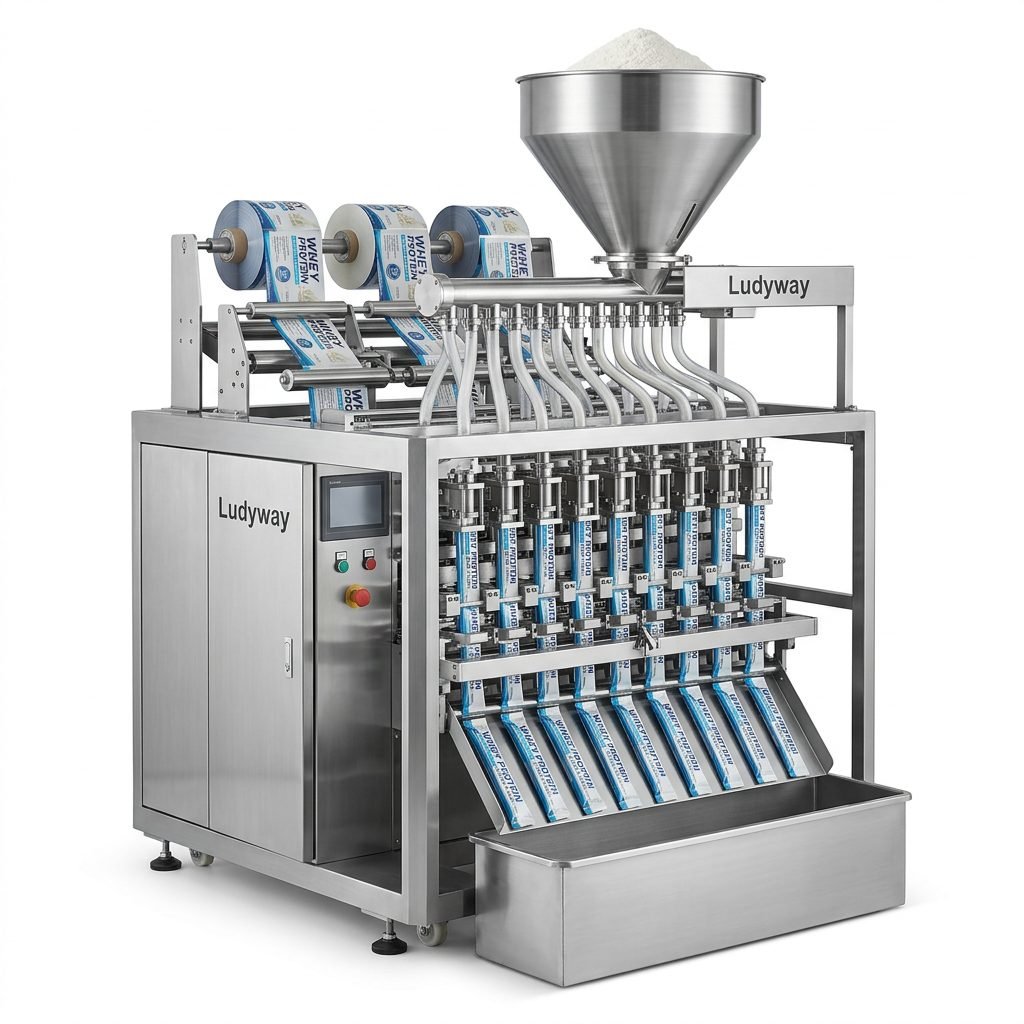
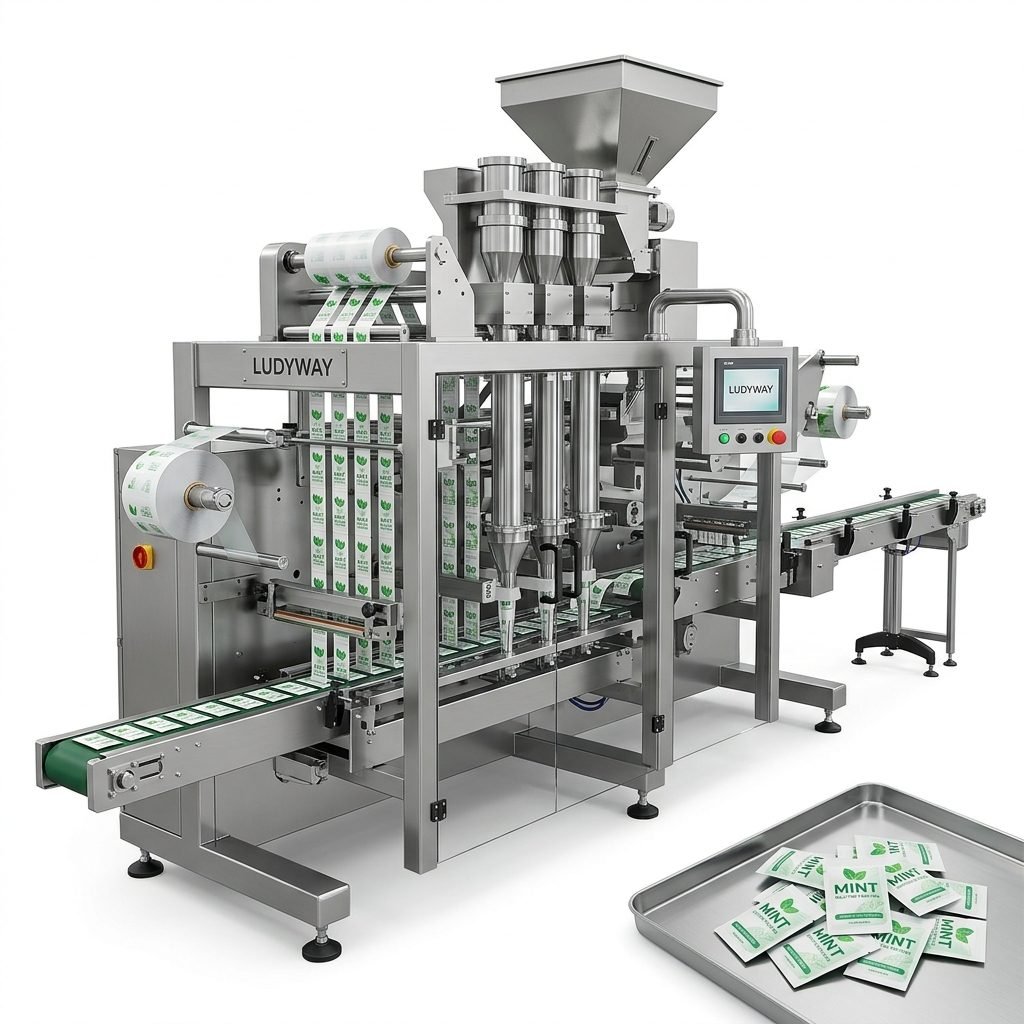
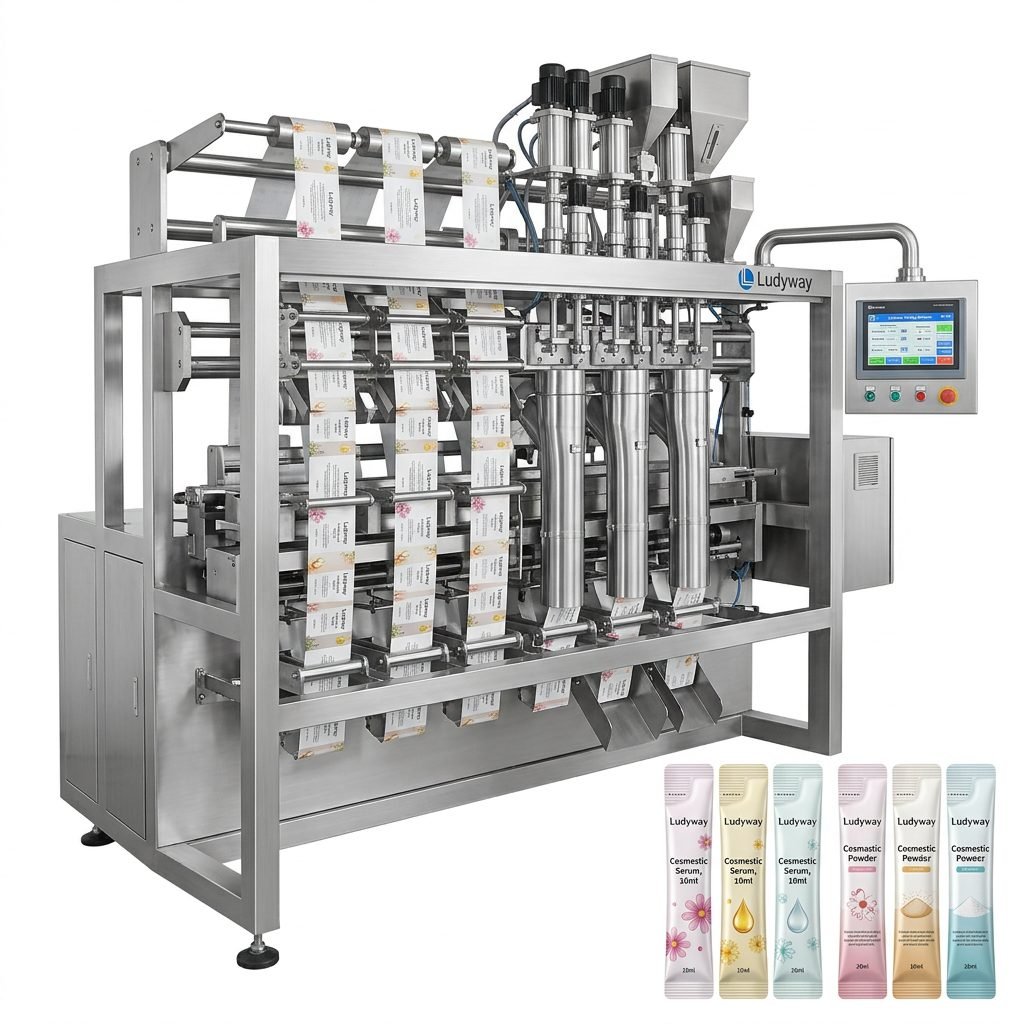
| Sachets / sample packets | 0.3 ml – 3 ml | Multi-lane sachet packaging machine |
| Stick packs | 1 ml – 10 ml | Multi-lane stick pack machine |
| Tubes / roll-on containers | 5 ml – 30 ml | Tube filling and sealing machine |
If you currently package in bottles but see sachet packaging machinery as a growth opportunity, consider a versatile platform that can handle multiple formats or a supplier who can provide complementary machines as your product line expands. Regulatory guidelines from the FDA on packaging and food contact substances also apply to cosmetic and fragrance packaging, particularly for product-contact materials.
3. Determine Your Production Speed and Capacity Needs
Your required output rate—measured in packs per minute, bottles per minute, or units per shift—is a primary driver of machine selection and cost. Accurately defining your capacity needs prevents both underinvestment in equipment that creates bottlenecks and overspending on speed you cannot utilize.
- Current demand: Calculate your peak daily or monthly output requirement based on existing orders.
- Growth forecast: Factor in projected growth over the next 3 to 5 years. A modular machine that allows speed upgrades or lane additions can accommodate expansion without a full replacement.
- Shift patterns: Running two or three shifts places greater demands on machine durability and serviceability compared to single-shift operation.
- Changeover frequency: If you run many SKUs with frequent format changes, prioritize machines with quick-change features, tool-free adjustments, and recipe management.
Speed Comparison by Machine Type
| Machine Category | Typical Speed Range | Best For |
|---|---|---|
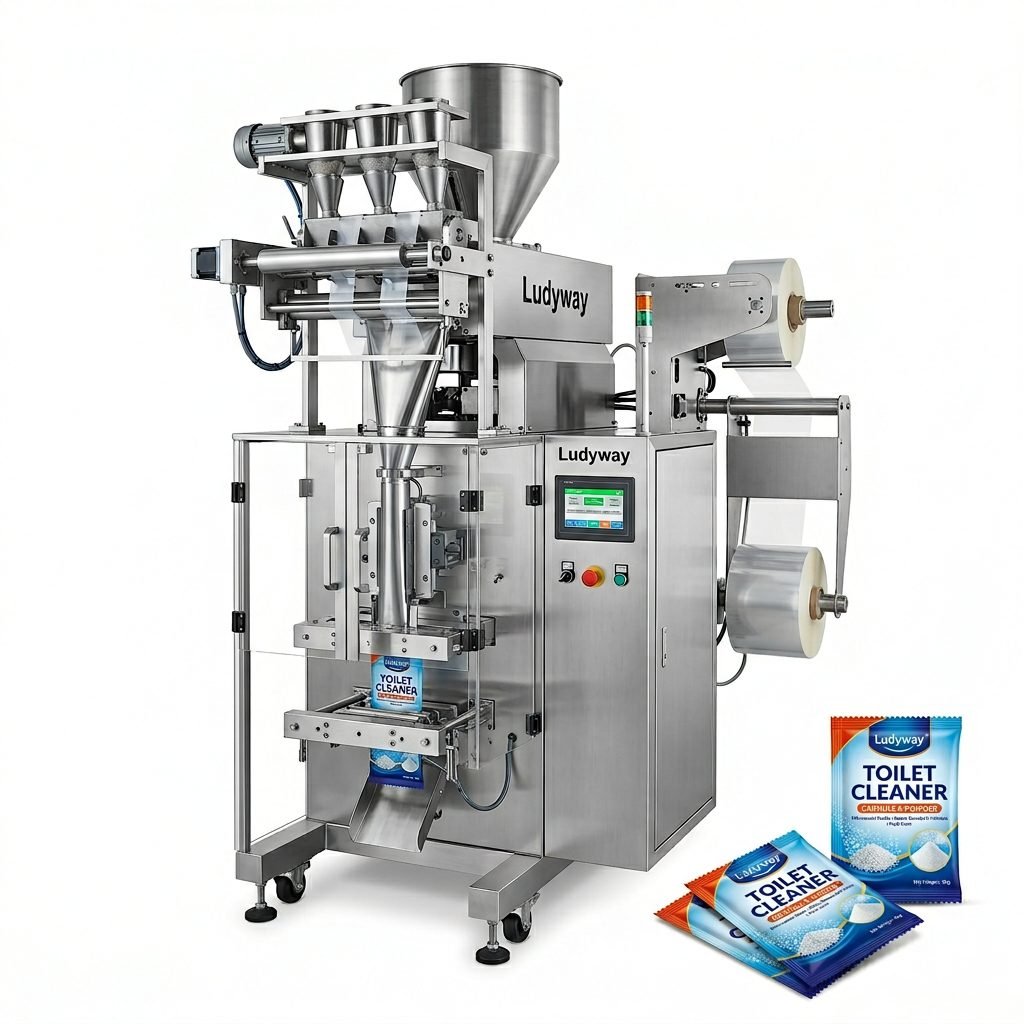
| Single-lane sachet machine | 40 – 80 packs/min | Small to medium production, frequent changeovers |
| Multi-lane sachet machine (4–12 lanes) | 200 – 800 packs/min | High-volume sample sachet production |
| Multi-lane stick pack machine | 300 – 1,000+ packs/min | High-speed single-dose packaging |
| Bottle filling and capping line | 30 – 200 bottles/min | Retail perfume bottles |
| Tube filling and sealing machine | 30 – 150 tubes/min | Roll-on and travel-size tubes |
4. Evaluate Automation Level and Line Integration
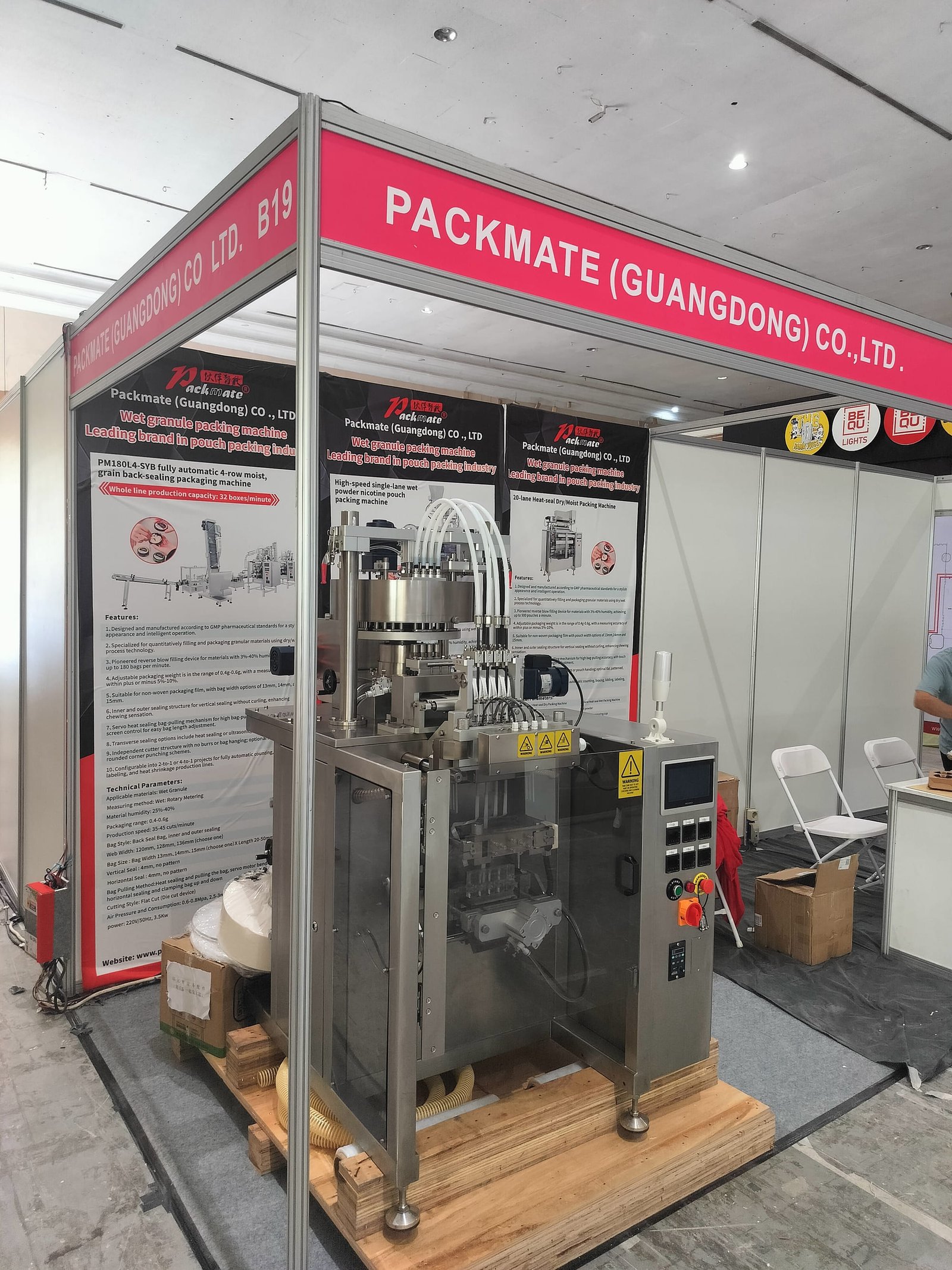
Perfume packaging automation exists on a spectrum, from standalone filling machines to fully integrated turnkey packaging lines that handle feeding, filling, sealing, coding, inspection, cartoning, and palletizing. Your automation choice depends on labor costs, throughput targets, and quality control requirements.
Automation Levels to Consider
- Semi-automatic: Operator-assisted loading and unloading. Suitable for low-volume, artisanal, or luxury perfume brands where manual oversight is valued.
- Fully automatic inline: Automatic feeding, filling, and sealing in a continuous motion. Ideal for medium to high production volumes.
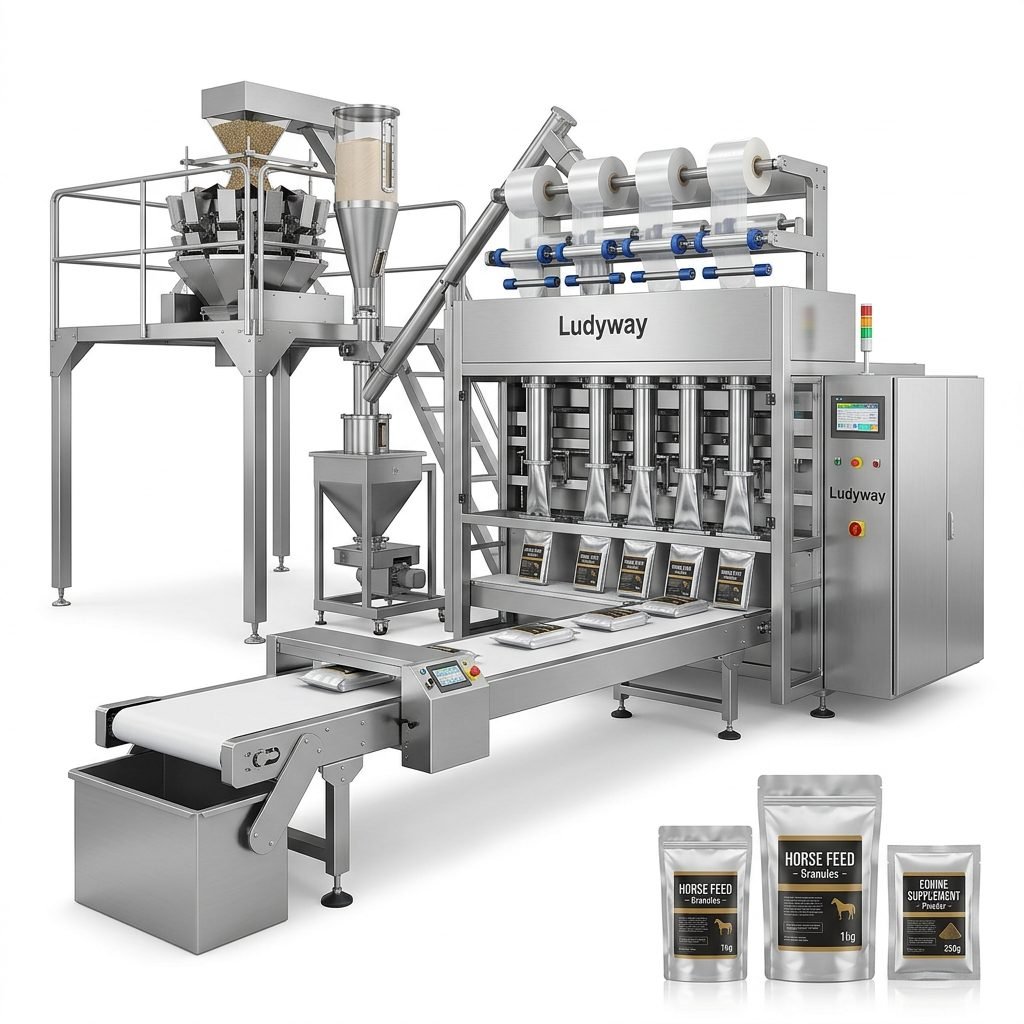
- Complete packaging line: Integrating filling with secondary packaging equipment such as cartoners, case packers, checkweighers, and palletizers for maximum throughput and minimal manual handling.
Integration-Ready Features
When evaluating a perfume packaging machine for line integration, look for standardized interfaces, PLC control with communication protocols, synchronized conveyor systems, and compatibility with upstream and downstream equipment. Machines designed with open architecture are easier to integrate into existing factory layouts. Industry associations such as the PMMI – Association for Packaging and Processing Technologies provide valuable benchmarks and resources for understanding automation standards and integration best practices.
5. Assess Machine Construction and Critical Quality Indicators
The long-term reliability and performance of your packaging machine depend heavily on its construction quality, component selection, and engineering standards. Cutting corners on build quality often leads to higher maintenance costs, unplanned downtime, and inconsistent pack quality over time.
What to Inspect
| Quality Indicator | What to Look For |
|---|---|
| Frame and structure | Heavy-duty stainless steel or anodized aluminum frame for stability |
| Product-contact parts | 316L stainless steel, PTFE, and FDA-compliant seals |
| Pneumatic and electrical components | Recognized brands for reliability and global spare parts availability |
| Controls and HMI | Intuitive touchscreen with multi-language support and recipe storage |
| Safety features | Guarding, emergency stops, and compliance with relevant safety standards |
| Sealing system | Precise temperature control and even pressure distribution for leak-proof seals |
Sealing integrity is particularly important for perfume packaging. A poorly sealed sachet, stick pack, or bottle not only leaks product but also allows fragrance evaporation, diminishing the consumer experience and leading to returns. Look for machines with validated sealing systems, consistent temperature regulation, and the option for additional seal inspection modules. Standards referenced by organizations like the Flexible Packaging Association underscore the importance of material and seal integrity in flexible packaging applications.
6. Budget and Total Cost of Ownership
While the initial purchase price is a visible figure, the total cost of ownership (TCO) over the machine’s lifecycle is what truly impacts your bottom line. Evaluate costs beyond the invoice price to make a financially sound decision.
TCO Components to Calculate
- Initial investment: Machine cost, shipping, installation, and commissioning.
- Operational costs: Energy consumption, compressed air usage, and consumable parts replacement.
- Maintenance and spare parts: Availability and cost of wear parts, service support, and technical assistance.
- Changeover efficiency: Time and labor required to switch between product formats or SKUs.
- Downtime risk: The cost of lost production when the machine is offline.
A machine that costs less upfront but requires frequent maintenance, has limited spare parts availability, or is difficult to change over can ultimately cost significantly more per unit produced. Investing in a well-engineered machine from a reputable supplier usually pays off through higher uptime, consistent output quality, and longer service life.
7. Select the Right Packaging Machinery Partner
Your relationship with the equipment supplier extends well beyond the purchase. A reliable partner provides technical expertise during the specification and selection phase, supports installation and commissioning, trains your operators, and offers responsive after-sales service throughout the machine’s operating life.
When evaluating potential suppliers, consider their industry experience, manufacturing capabilities, range of packaging solutions, and commitment to customization. For manufacturers seeking a partner with deep expertise in automated packaging equipment, Ludyway Machinery is a China-based packaging machinery manufacturer and turnkey packaging solution provider with more than 30 years of experience. With a 20,000-square-meter facility, over 130 professionals, and more than 50 packaging machine models, Ludyway supports perfume, cosmetics, and personal care brands with customized machines and integrated lines for sachet, stick pack, bottle, and tube formats. Explore their range of liquid packaging solutions to see how they serve manufacturers across more than 100 countries.

8. Plan for Future Flexibility
The perfume market evolves quickly, driven by changing consumer preferences, new distribution channels, and sustainability trends. A packaging machine that only meets today’s requirements may limit your ability to respond to tomorrow’s opportunities.
Future-Proofing Considerations
- Modular design: Can lanes, filling stations, or modules be added to increase capacity?
- Format flexibility: Can the machine handle multiple bag sizes, film materials, and pack styles?
- Sustainable packaging readiness: Is the machine compatible with recyclable, biodegradable, or mono-material films?
- Digital connectivity: Does the machine support data collection, remote monitoring, and integration with manufacturing execution systems?
- Compliance adaptability: Can the machine be updated to meet evolving regulatory requirements in your target markets?
Choosing a perfume packaging machine is a strategic decision that shapes your production capabilities for years. By systematically evaluating your product characteristics, packaging format, speed requirements, automation goals, construction quality, and supplier partnership, you can identify the equipment that aligns with both your current operations and your long-term growth plans. Take time to test your product on candidate machines, visit manufacturing facilities when possible, and speak with existing users before finalizing your decision.