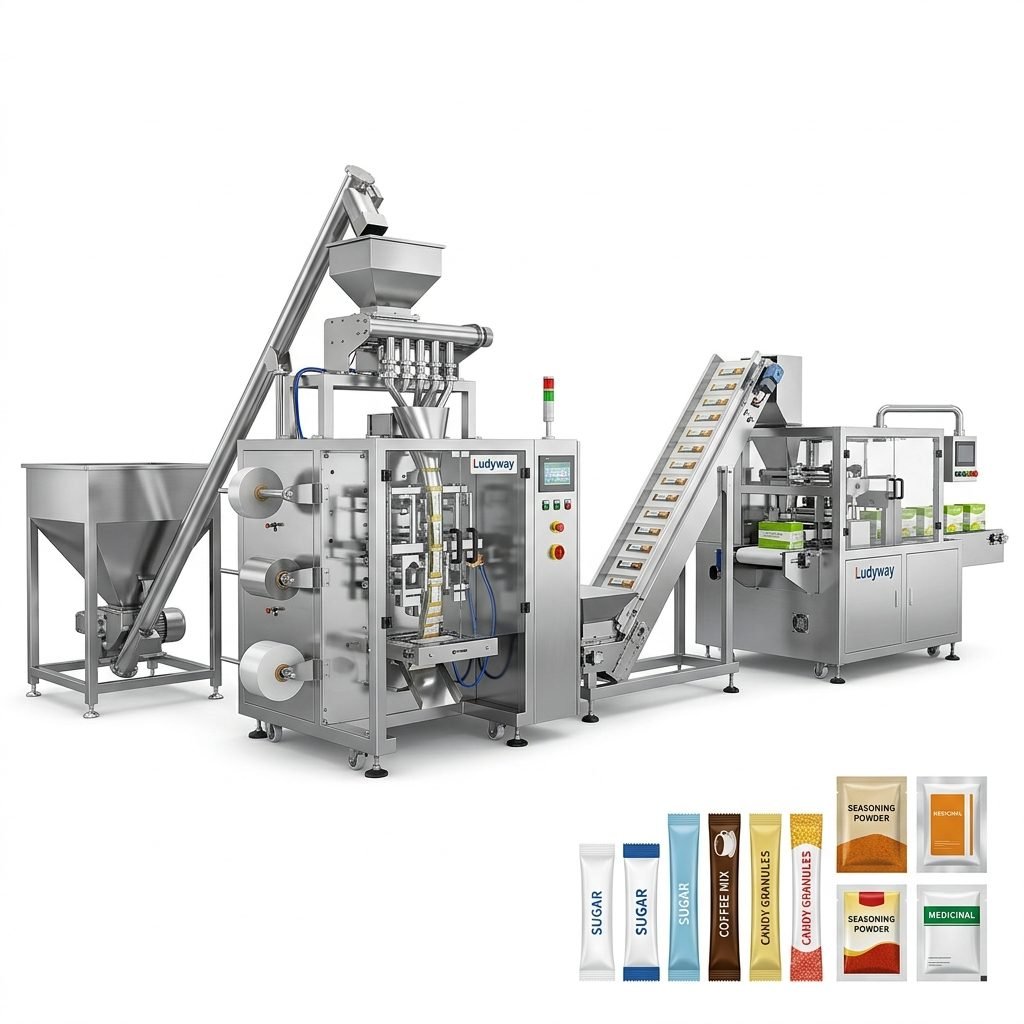
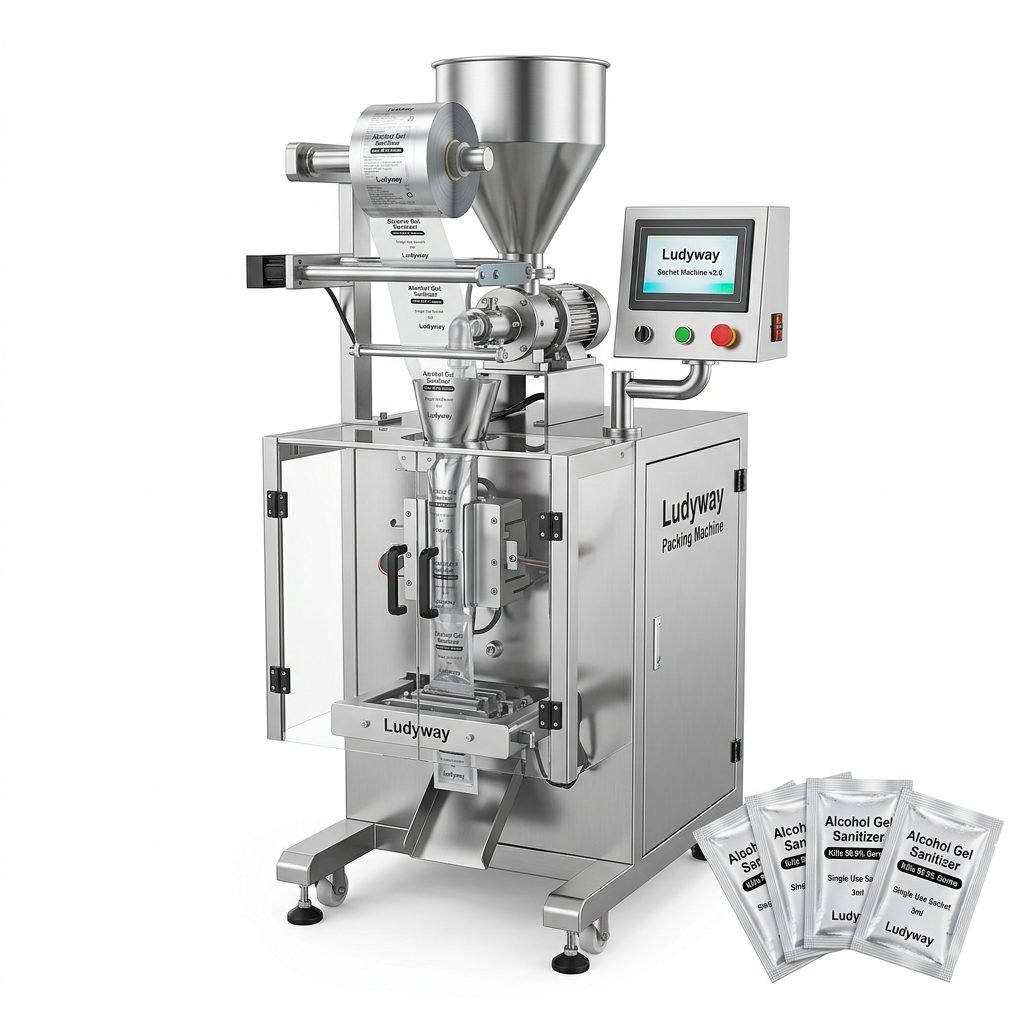
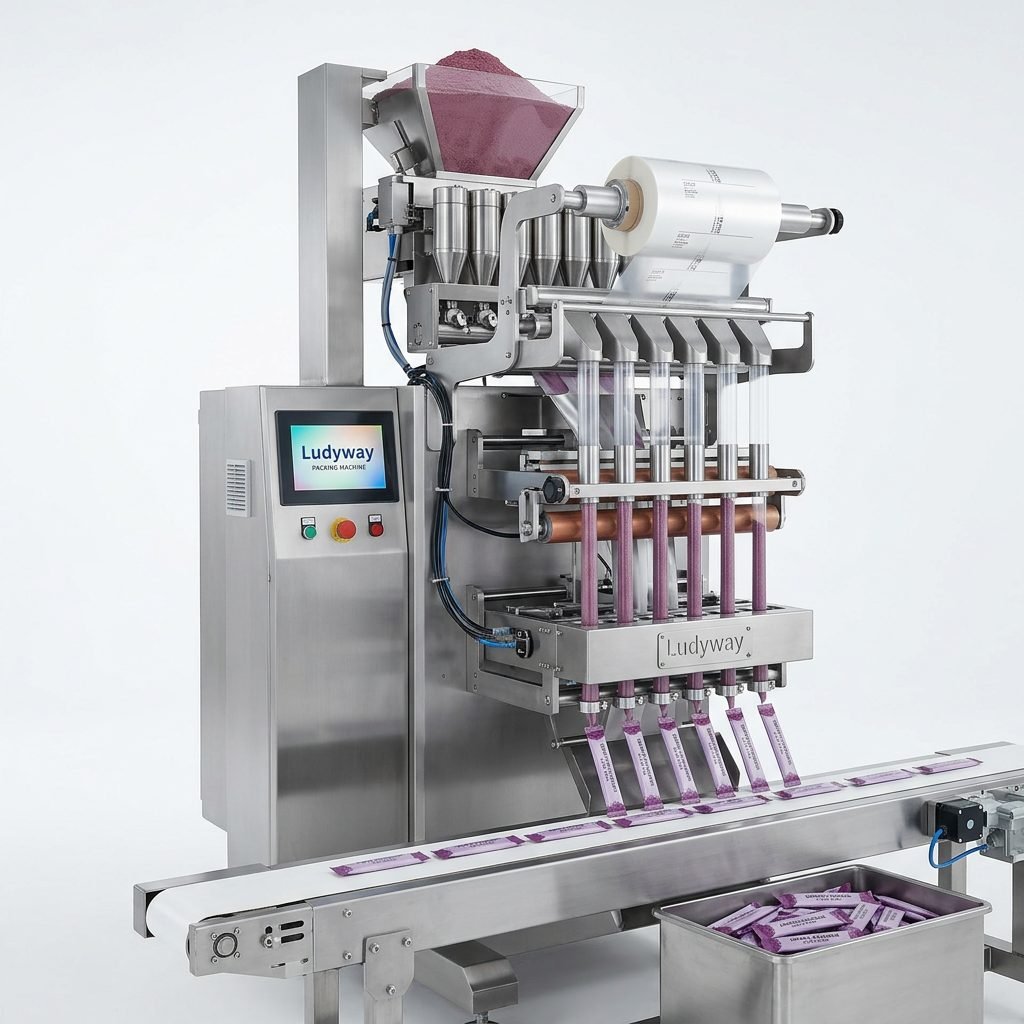
Investing in a granola bar packaging machine is a critical decision for any food manufacturer looking to scale production, improve shelf life, and maintain product freshness in the competitive U.S. snack market. Whether you’re producing chewy, crunchy, or protein-packed bars, the right packaging equipment directly impacts your operational efficiency, labor costs, and ultimately, your bottom line. This comprehensive guide walks you through everything you need to know before making a purchase in the United States.
Understanding the U.S. Granola Bar Packaging Landscape
The American snack bar industry continues to experience steady growth, driven by consumer demand for convenient, on-the-go nutrition. According to industry data from the PMMI Business Intelligence Library, the packaging machinery market in North America has seen consistent investment in automation and flexible packaging solutions. Granola bars require specialized packaging that protects against moisture, oxygen, and physical damage while maintaining visual appeal on retail shelves.
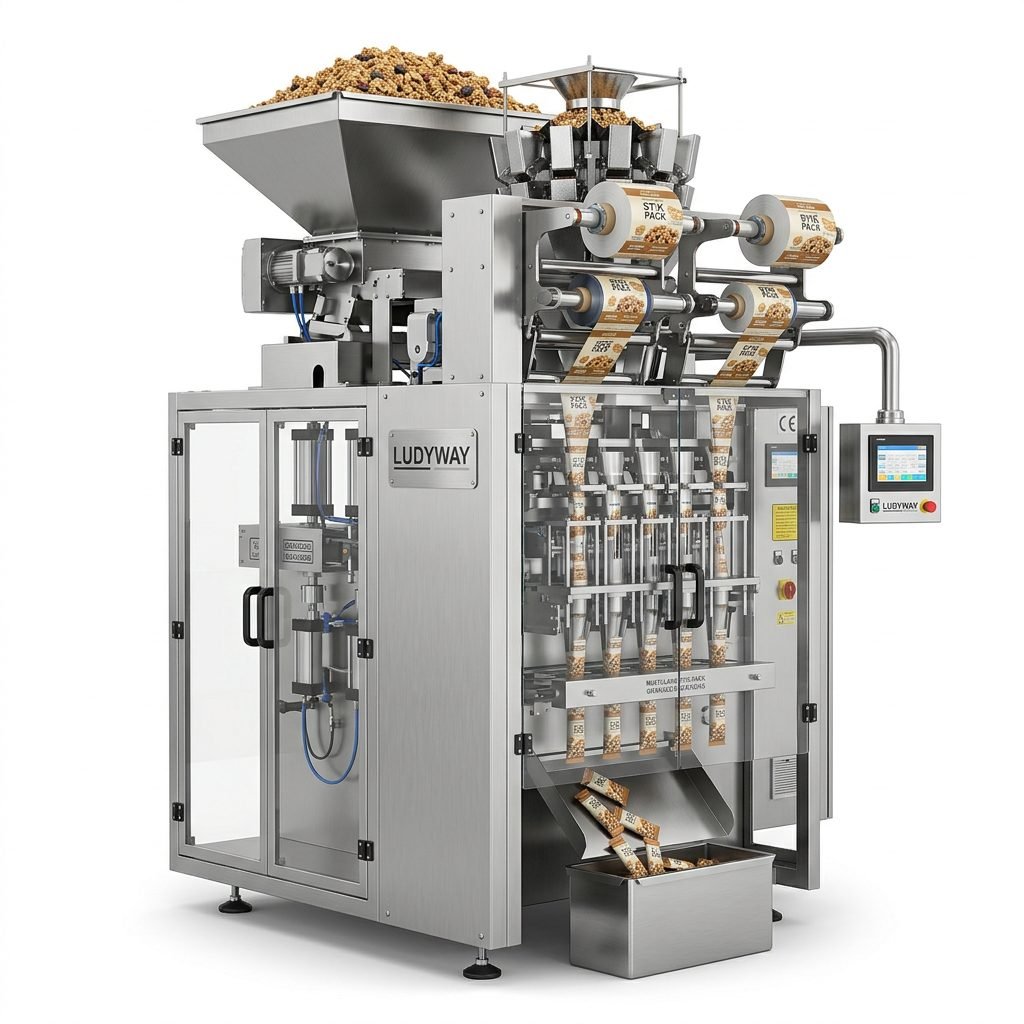
Modern granola bar packaging machines must handle multiple packaging formats including flow wrap, pillow packs, stick packs, and multi-lane sachet systems. The choice depends on your product characteristics, target market, and distribution channels.
Types of Granola Bar Packaging Machines Available in the U.S. Market
Selecting the right machine type is the foundation of a successful packaging operation. Below is a detailed comparison of the most common granola bar packaging systems used by American manufacturers.
| Machine Type | Best For | Speed Range | Key Advantage |
|---|---|---|---|
| Horizontal Flow Wrapper | Standard single bars, multi-packs | 80-300 packs/min | Versatile, proven technology, widely supported in the U.S. |
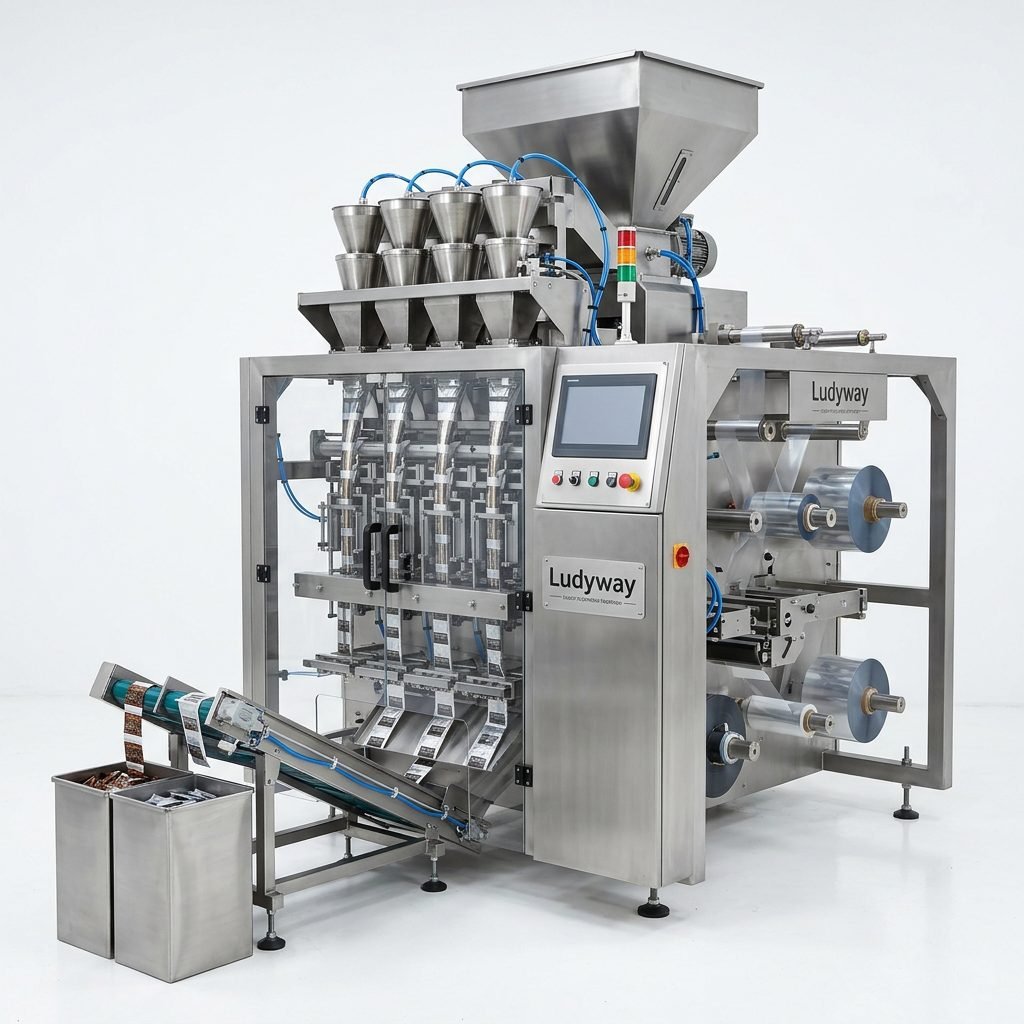
| Multi-Lane Stick Pack Machine | Mini bars, bite-sized portions | 200-800 sticks/min | High output, compact footprint, portion control |
| Vertical Form Fill Seal (VFFS) | Loose granola, clusters, pouch packaging | 40-120 bags/min | Cost-effective for pillow bags, flexible formats |
| Automated Cartoning Lines | Retail-ready multi-pack cartons | 30-150 cartons/min | Complete secondary packaging, retail-ready |
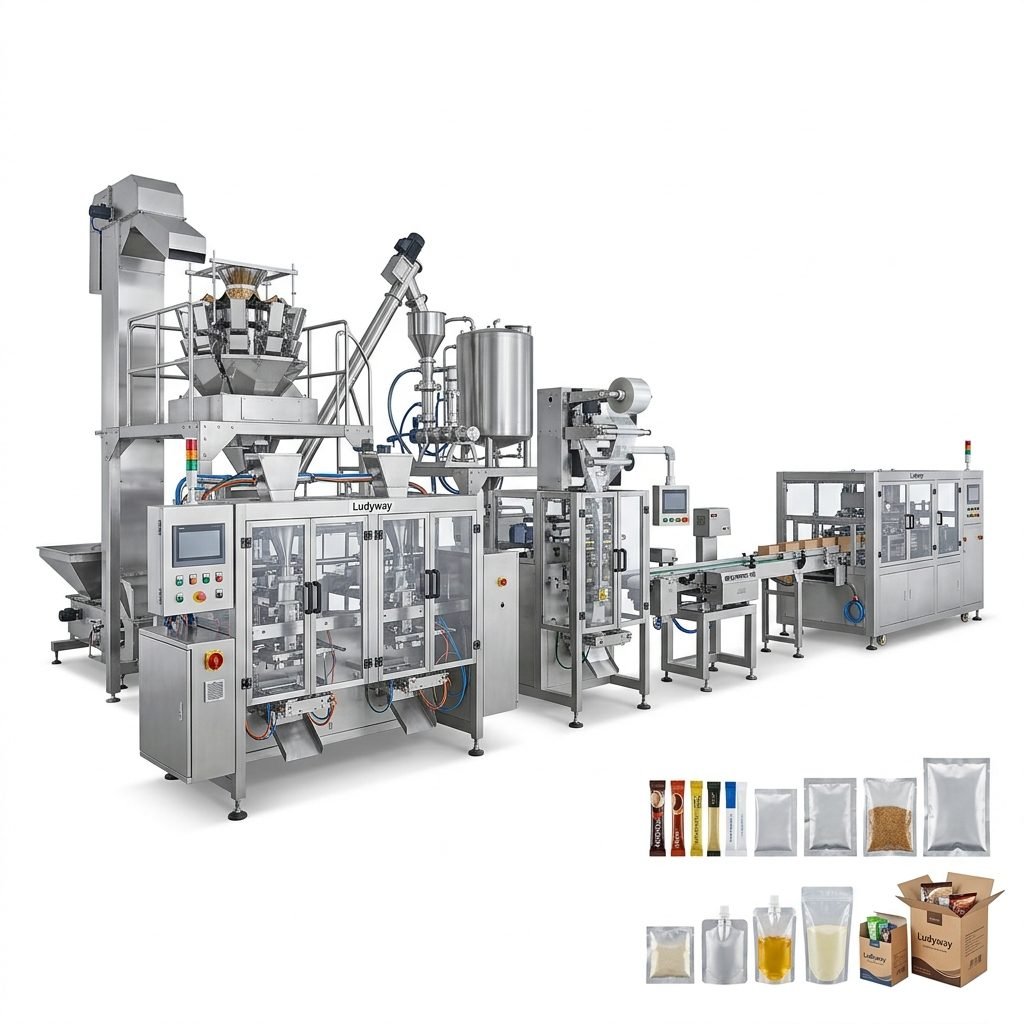
| Turnkey Integrated Systems | Full-scale production facilities | Custom configured | End-to-end automation from feeding to palletizing |
Key Features to Evaluate Before Purchasing
When comparing granola bar packaging machines, American buyers should prioritize the following features to ensure long-term reliability and compliance with U.S. standards.
1. Material Compatibility and Film Handling
Your machine must handle a wide range of flexible packaging materials including metallized films, polypropylene, polyethylene laminates, and compostable bio-films. Look for precise tension control systems and quick-change film rollers. The ability to run sustainable packaging materials is increasingly important for brands targeting eco-conscious U.S. consumers, as highlighted by the Flexible Packaging Association.
2. Sealing Technology and Integrity
Consistent hermetic sealing is non-negotiable for granola bars. Rotary heat sealers, ultrasonic sealing, and cold seal technology each offer distinct advantages depending on your product’s sensitivity to heat. Cold seal is particularly popular for chocolate-coated bars in the U.S. market.
3. Automation Level and Integration
Modern PLC-controlled systems with HMI touchscreen interfaces allow operators to store multiple recipes, adjust parameters on the fly, and integrate with upstream and downstream equipment. Consider machines that support Industry 4.0 connectivity for real-time production monitoring and predictive maintenance alerts.

4. Product Feeding and Alignment
Granola bars vary significantly in shape, size, and fragility. Servo-driven infeed systems with precise product spacing ensure consistent presentation to the sealing area. For bars with inclusions like nuts or chocolate chips, specialized feeding mechanisms prevent product damage and maintain aesthetic quality.
5. Gas Flushing and Modified Atmosphere Packaging (MAP)
For extended shelf life, many U.S. manufacturers require nitrogen flushing capabilities. FDA regulations on food contact substances must be strictly followed, and your packaging machine should support MAP without compromising seal integrity.
6. Changeover Speed and Flexibility
With the growing trend toward limited-edition flavors and seasonal packaging in the U.S. market, tool-less changeover and servo-driven adjustments significantly reduce downtime between production runs.
Cost Considerations for U.S. Buyers
The price of a granola bar packaging machine in the United States varies widely based on configuration, speed, and automation level. Here is a general breakdown of what buyers can expect.
| Machine Category | Estimated Price Range (USD) | Typical Payback Period |
|---|---|---|
| Entry-Level Flow Wrappers | $25,000 – $60,000 | 12-18 months |
| Mid-Range Multi-Lane Systems | $80,000 – $200,000 | 18-24 months |
| High-Speed Fully Automated Lines | $250,000 – $800,000+ | 24-36 months |
| Complete Turnkey Packaging Solutions | $500,000 – $2,000,000+ | 30-48 months |
Beyond the initial purchase price, U.S. buyers should budget for installation, operator training, ongoing maintenance, spare parts inventory, and regulatory compliance documentation. Financing options and equipment leasing are widely available through American financial institutions specializing in industrial equipment.
Regulatory Compliance and Safety Standards
All granola bar packaging machines operating in the United States must meet stringent regulatory requirements. Key standards include:
- FDA 21 CFR Part 110 – Current Good Manufacturing Practice (cGMP) for food processing equipment design and materials
- UL Certification – Electrical safety compliance required by most U.S. facilities
- OSHA Machine Guarding Standards – Worker safety requirements for all industrial equipment
- ISO 22000 / FSSC 22000 – Food safety management system certifications increasingly demanded by major U.S. retailers
- NSF/ANSI Standards – Sanitary design verification for food equipment
For detailed packaging standards, refer to ISO Packaging Standards and the U.S. EPA Sustainable Materials Management guidelines for environmentally responsible packaging practices.

Choosing the Right Supplier for the U.S. Market
When sourcing a packaging machine, American buyers benefit from working with manufacturers who understand both domestic regulations and international supply chains. Key evaluation criteria include:
- U.S. Service and Support Network – Local technicians, spare parts availability, and rapid response times
- Installation and Commissioning – On-site setup services within the United States
- Operator Training Programs – Comprehensive training delivered in English by experienced engineers
- Warranty Terms – Clear warranty coverage with enforceable terms under U.S. commercial law
- Reference Sites – Existing installations at American food manufacturing facilities
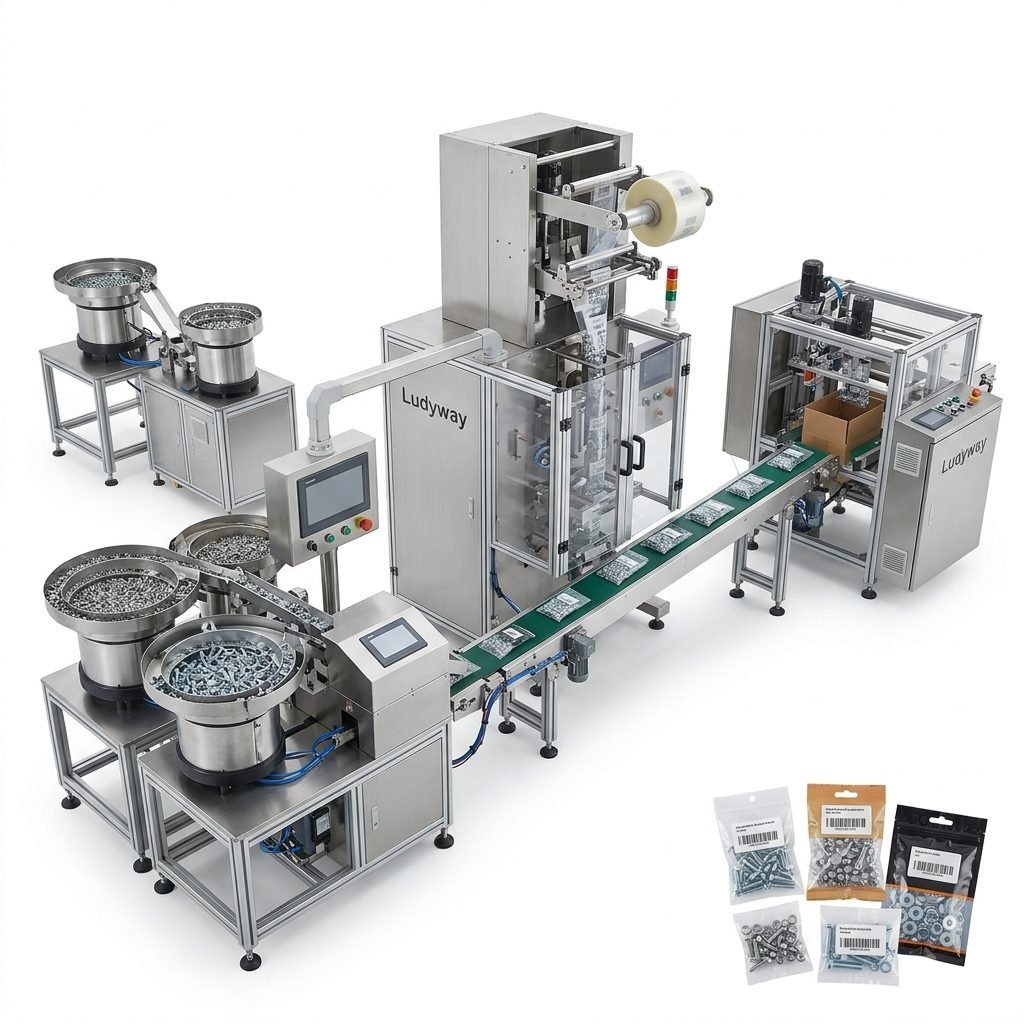
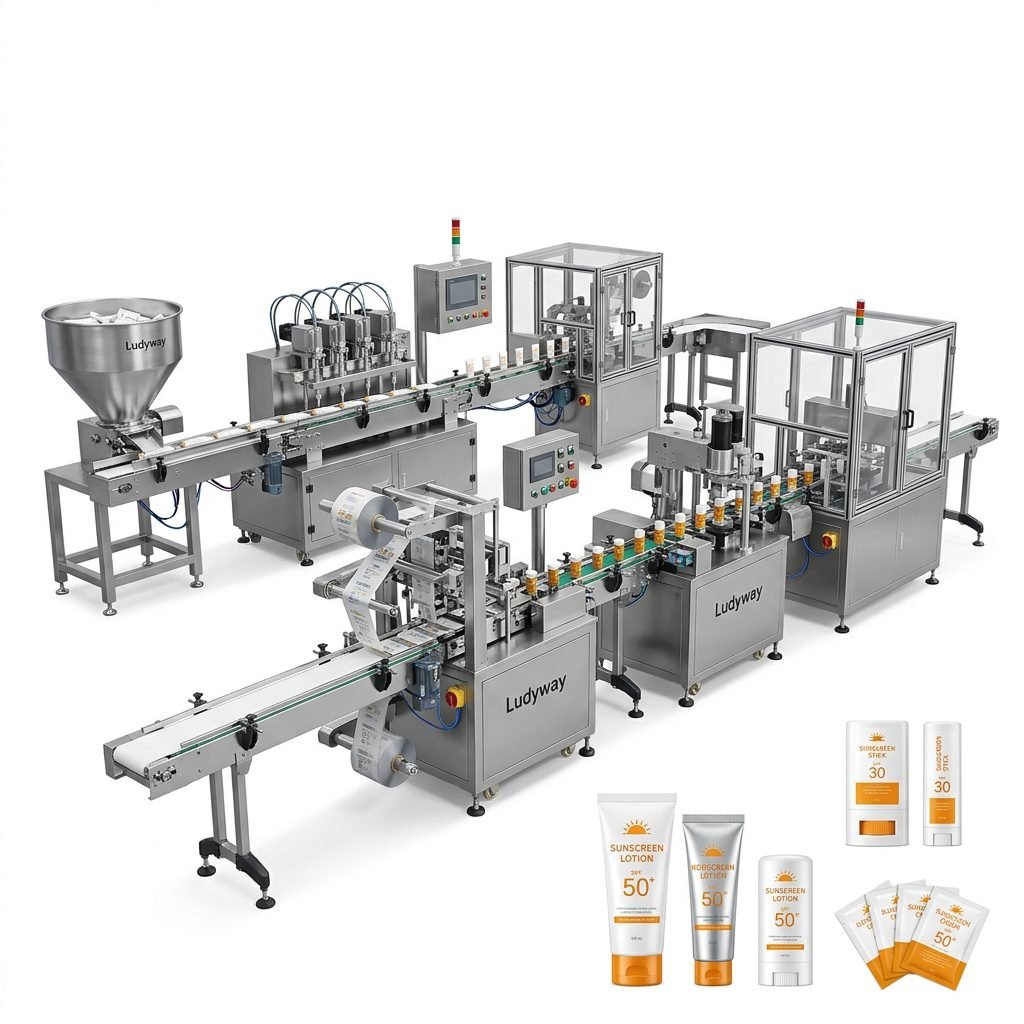
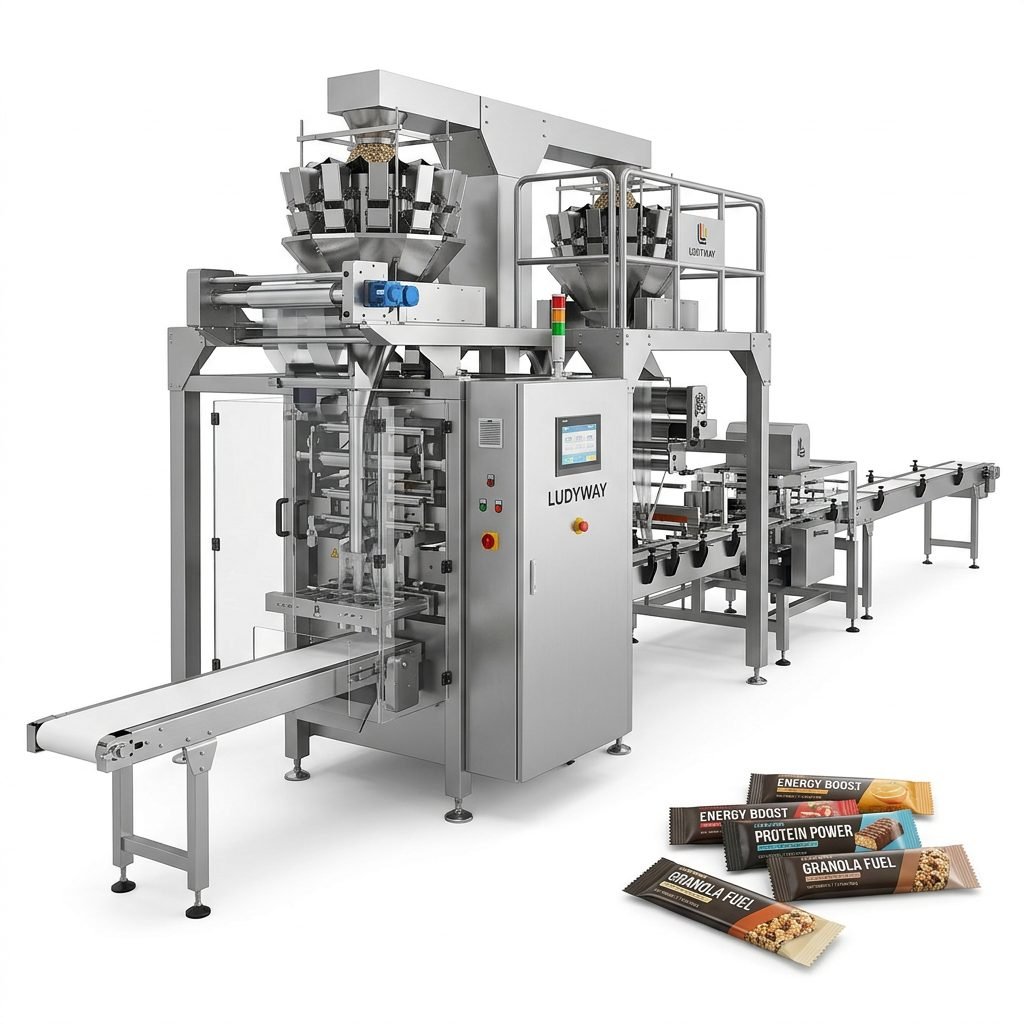
One notable global supplier in the packaging machinery sector is Ludyway, a manufacturer with over 30 years of experience producing advanced packaging equipment for the food, pharmaceutical, and health industries. With more than 50 intelligent packaging machine models and customers in over 100 countries, companies like Ludyway offer competitive options for U.S. businesses evaluating cost-effective turnkey solutions without compromising on performance or quality standards. Their portfolio spans multi-lane stick pack machines, sachet packaging systems, and fully automated production lines suitable for granola bar manufacturing applications.
Used vs. New Equipment: What U.S. Buyers Should Know
The decision between purchasing a new or refurbished granola bar packaging machine depends on your budget, production timeline, and long-term growth plans.
Advantages of New Machines
- Latest sealing and automation technology
- Full manufacturer warranty and support
- Customizable to exact specifications
- Energy-efficient motors and components
- Compliance with the newest safety standards
Advantages of Used or Refurbished Machines
- Lower upfront capital investment
- Faster delivery and installation timeline
- Proven performance history on similar products
- Reduced depreciation concerns
If considering used equipment, always request a Factory Acceptance Test (FAT) report and verify that critical components like sealing jaws, servo motors, and PLC controllers have been recently serviced or replaced.
Installation, Training, and Ongoing Support
Successful deployment of a granola bar packaging machine extends beyond the equipment purchase. Plan for the following implementation phases:
| Implementation Phase | Typical Duration | Key Activities |
|---|---|---|
| Site Preparation | 2-4 weeks | Floor reinforcement, utility connections, safety planning |
| Installation | 1-2 weeks | Machine positioning, electrical hookup, pneumatic connections |
| Commissioning | 1-3 days | Calibration, test runs, performance verification |
| Operator Training | 3-5 days | Hands-on operation, troubleshooting, changeover procedures |
| Production Ramp-Up | 2-4 weeks | Gradual speed increase, quality monitoring, process optimization |
Future-Proofing Your Investment
The U.S. snack packaging industry continues to evolve rapidly. Forward-thinking manufacturers are investing in machines that support:
- Smart Manufacturing Integration – IoT-enabled sensors for predictive maintenance and real-time OEE tracking
- Sustainable Packaging Compatibility – Capability to run recyclable, compostable, and reduced-material films
- Flexible Format Switching – Quick adaptation between bar sizes, multi-packs, and promotional packaging
- Serialization and Traceability – Compliance with emerging track-and-trace requirements for food products
- Remote Diagnostics – Manufacturer support via secure remote access for troubleshooting
According to PMMI’s State of the Industry Report, automation and flexibility remain top investment priorities for U.S. packaging operations in the food sector.
Frequently Asked Questions
What is the typical production speed for a granola bar packaging machine?
Production speeds range from 80 packs per minute for entry-level flow wrappers to over 800 sticks per minute for advanced multi-lane systems. The optimal speed depends on your specific product dimensions, packaging material, and seal time requirements.
How much floor space is required for a complete packaging line?
A basic flow wrapping station typically requires 150-300 square feet, while a fully automated turnkey line with infeed conveyors, primary packaging, cartoning, and palletizing can occupy 2,000-5,000 square feet or more.
Can one machine handle both single bars and multi-packs?
Many modern granola bar packaging machines support multiple format changes through servo-driven adjustments and quick-change forming sets. However, dedicated multi-pack machines often provide better efficiency for high-volume operations.
What are the common challenges with granola bar packaging?
The most frequent issues include seal contamination from crumbs, film tracking problems, bar breakage during feeding, and inconsistent gas flushing. Selecting equipment with robust crumb management systems, precision film handling, and gentle product transfer mechanisms significantly reduces these challenges.
How long does delivery typically take for custom-configured machines?
Standard configurations can ship in 8-14 weeks, while fully customized turnkey solutions may require 16-26 weeks from order confirmation to delivery at a U.S. facility, depending on the manufacturer’s production schedule and shipping logistics.
Making the Final Decision
Choosing the right granola bar packaging machine for your U.S. operation requires balancing production requirements, budget constraints, future growth plans, and regulatory compliance. Take time to visit manufacturer facilities, conduct product trials with your actual granola bar formulations and packaging films, and speak with existing customers about their long-term experience with the equipment.
For additional guidance on packaging machinery standards and industry best practices, explore resources from the Association for Packaging and Processing Technologies (PMMI), the Flexible Packaging Association, and the U.S. Food and Drug Administration (FDA).
With careful evaluation and the right equipment partner, your investment in a quality packaging machine will support efficient production, consistent product quality, and sustained growth in the competitive American snack food marketplace.