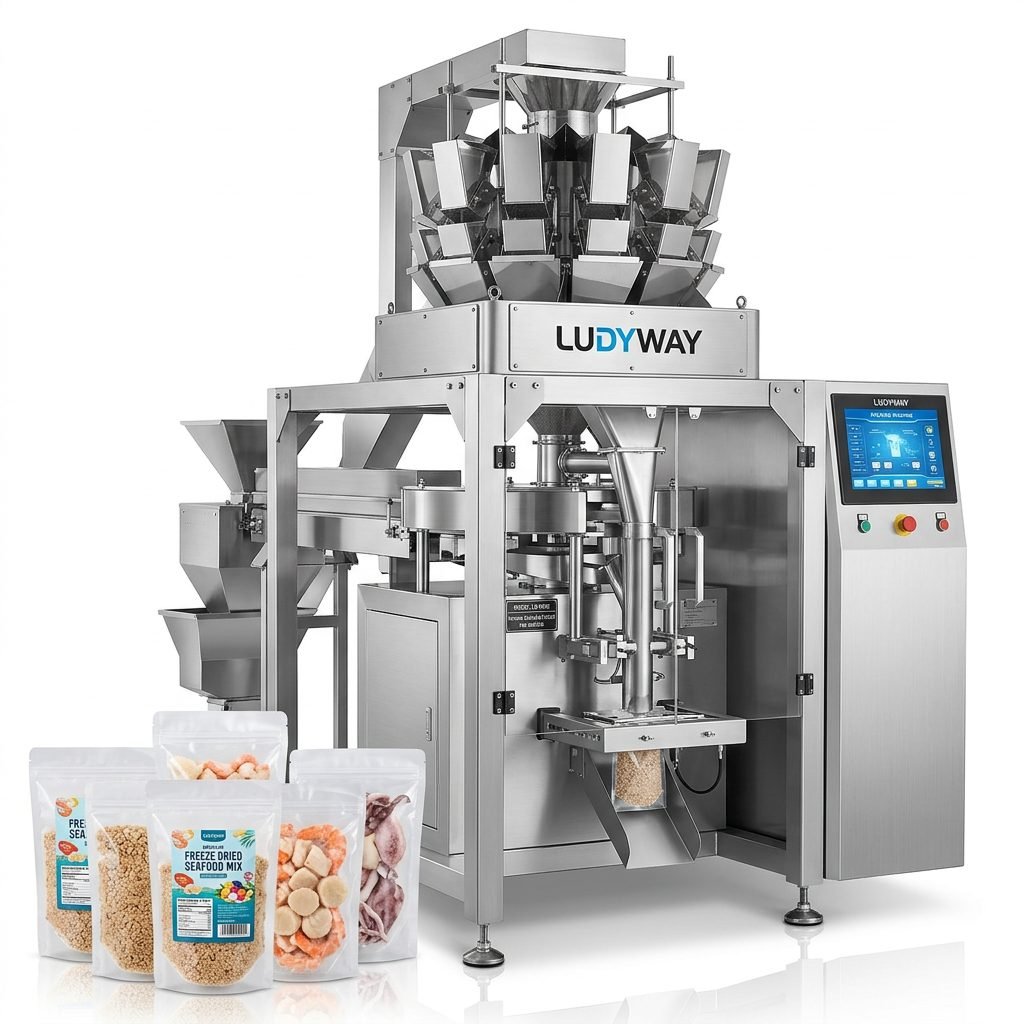
Setting up an oil packaging machine production line in Asia is a strategic move for manufacturers looking to capitalize on the region’s rapidly growing edible oil market. With rising consumer demand, expanding food processing industries, and competitive manufacturing costs, Asia offers significant opportunities for efficient and scalable packaging operations. This guide walks you through every critical step — from equipment selection and facility planning to regulatory compliance and supplier evaluation.
Understanding the Asian Edible Oil Market
Asia accounts for a substantial share of global edible oil consumption, driven by population growth, urbanization, and changing dietary patterns. Countries such as India, China, Indonesia, and Vietnam are among the top consumers and producers of palm oil, soybean oil, sunflower oil, and rice bran oil. Establishing a packaging production line in these markets can reduce logistics costs and improve supply chain efficiency.
Key Market Drivers
- Increasing demand for packaged and branded cooking oils
- Rising health awareness driving premium oil segmentation
- Government investments in food processing infrastructure
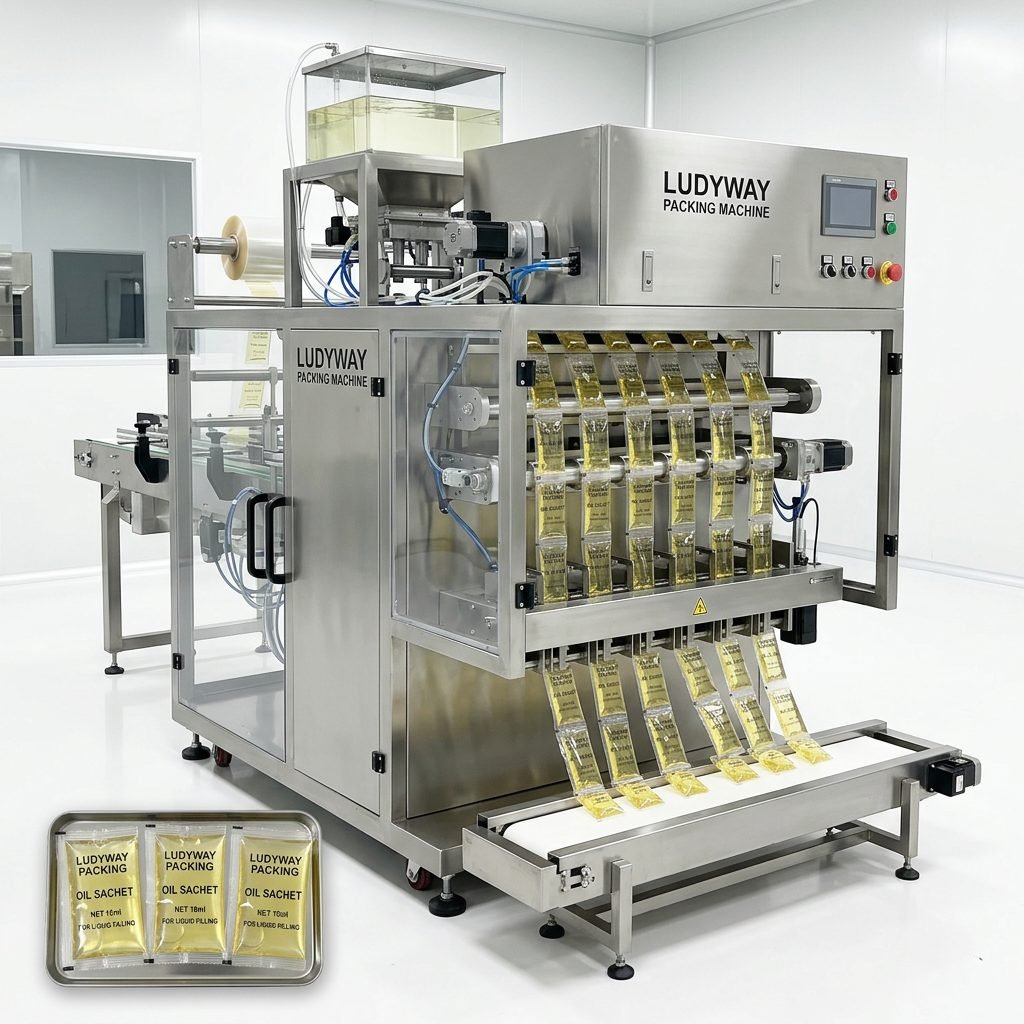
- Shift toward flexible packaging formats such as sachets and pouches
- Growth of e-commerce and modern retail channels across Southeast Asia
Types of Oil Packaging Formats
Choosing the right packaging format is essential for meeting consumer preferences and distribution requirements. The most common formats for edible oil packaging include sachets, stick packs, pouches, bottles, and bulk containers. Each format has unique advantages depending on the target market segment.
| Packaging Format | Typical Volume | Target Market | Machine Type Required |
|---|---|---|---|
| Sachet / Stick Pack | 5ml – 50ml | Single-use, rural markets, food service | Multi-lane sachet filling machine |
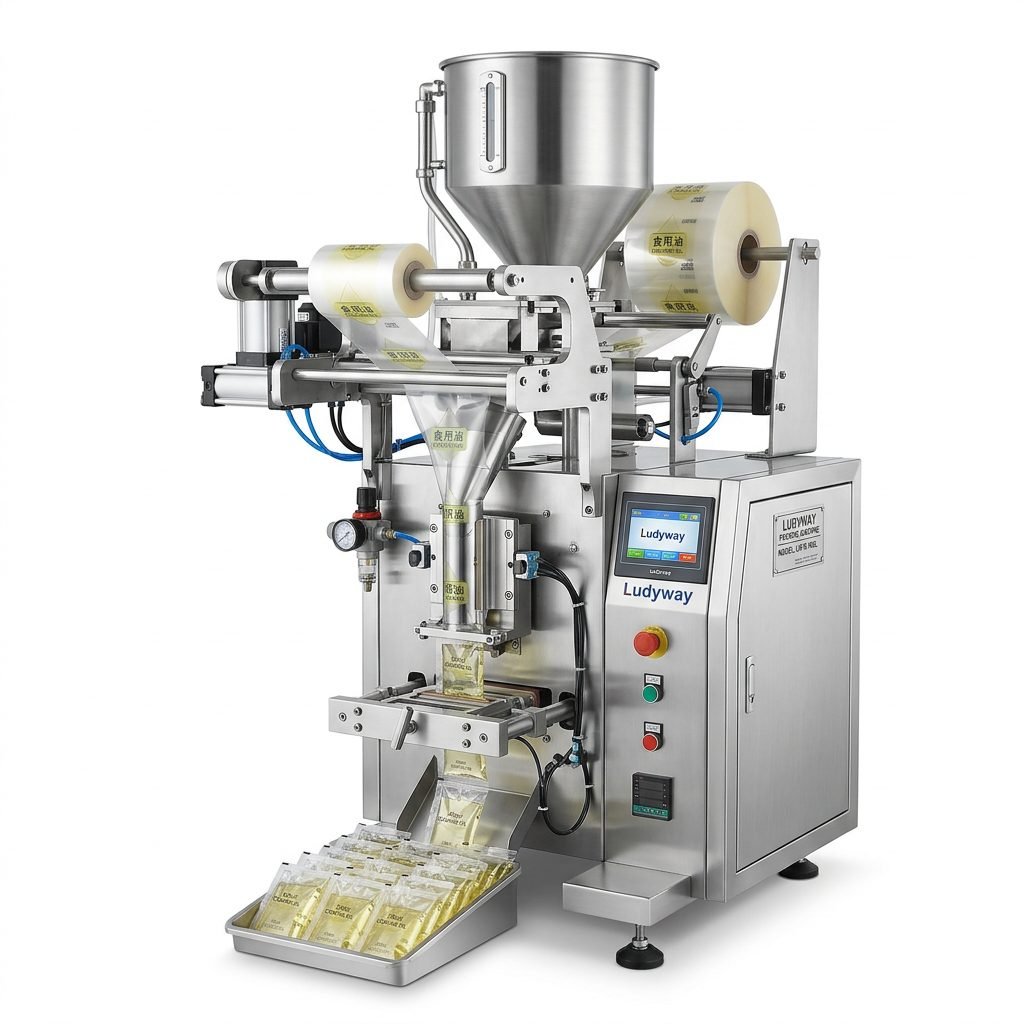
| Stand-up Pouch | 100ml – 1L | Mid-range retail, convenience stores | Premade pouch filling & sealing machine |
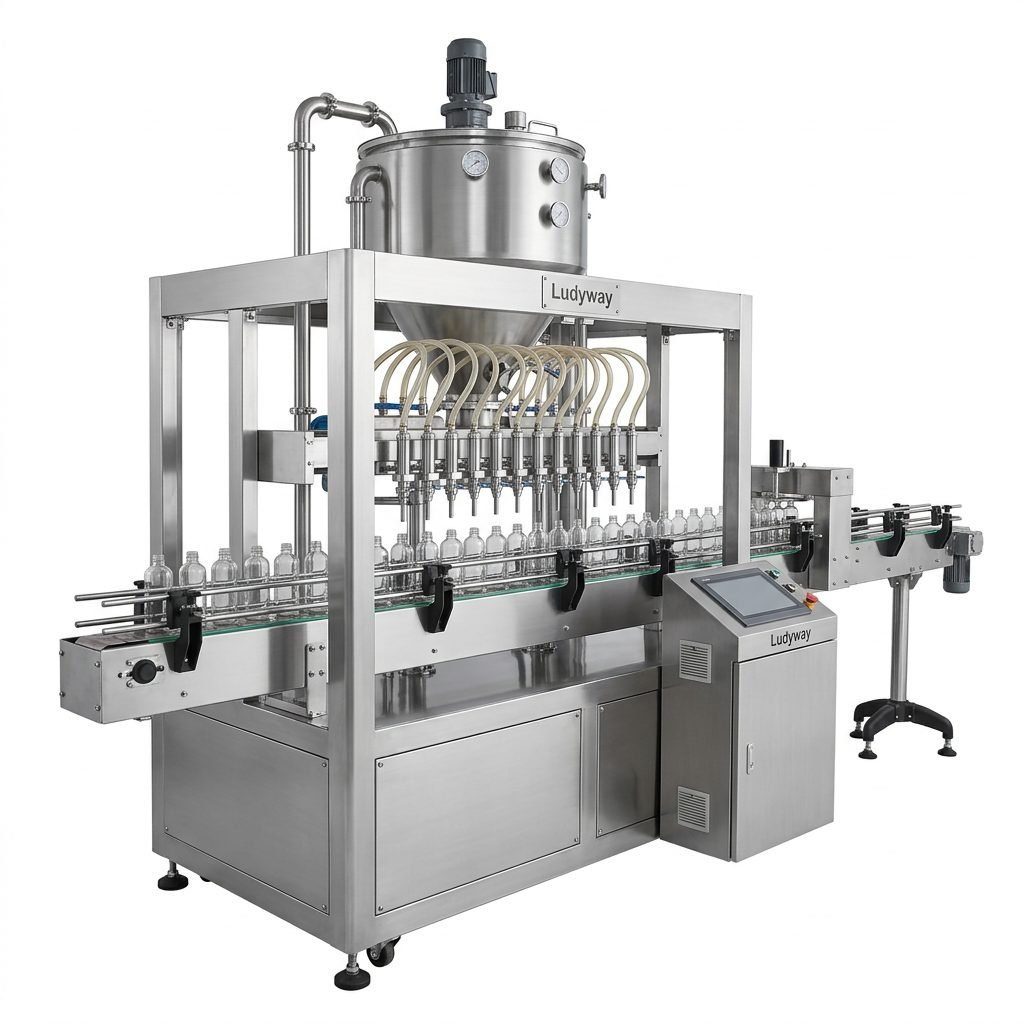
| PET/HDPE Bottle | 500ml – 5L | Supermarkets, branded retail | Liquid bottle filling & capping line |
| Bulk Container / Drum | 10L – 200L | B2B, food processing, export | Heavy-duty liquid filling system |
Core Equipment for an Oil Packaging Production Line
A complete oil packaging machine production line consists of several integrated systems. Understanding the function of each component helps in designing an efficient and scalable setup that meets both current and future production demands.
Essential Machinery Components
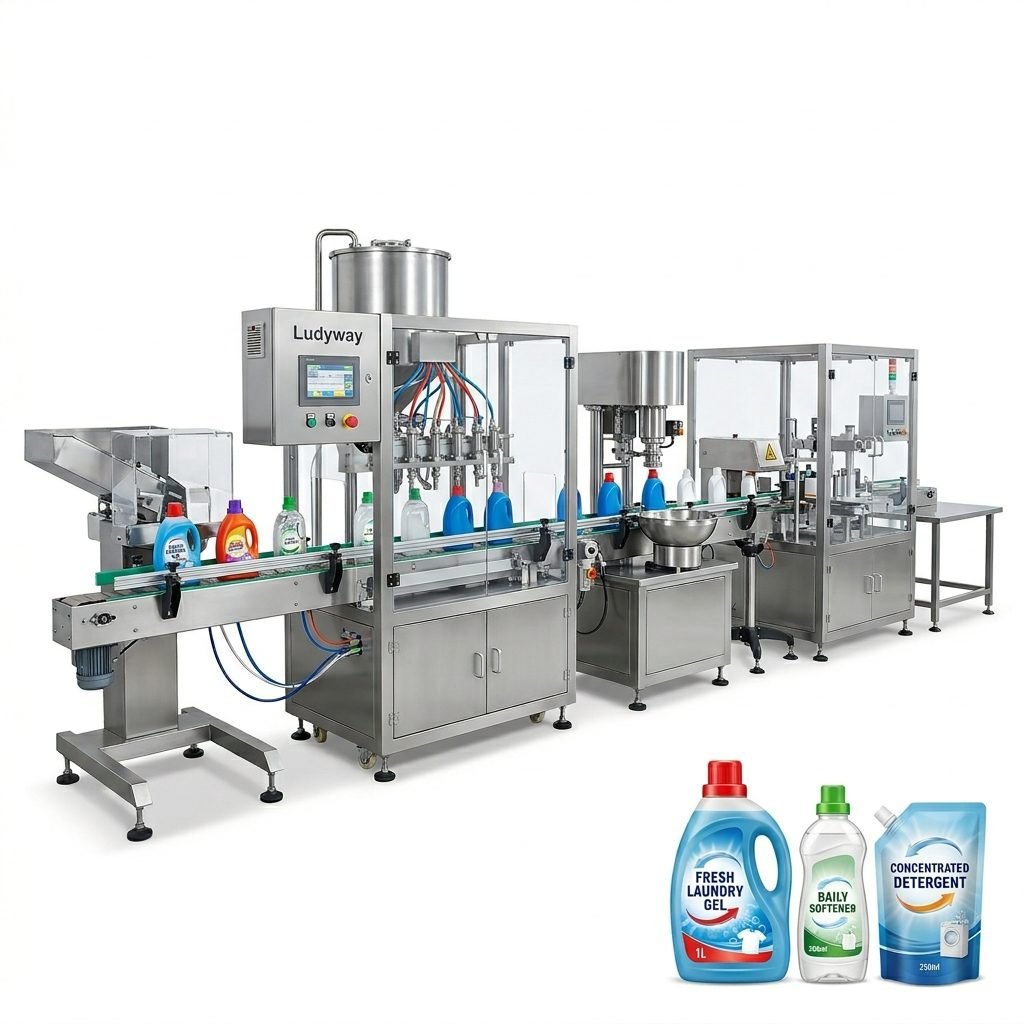
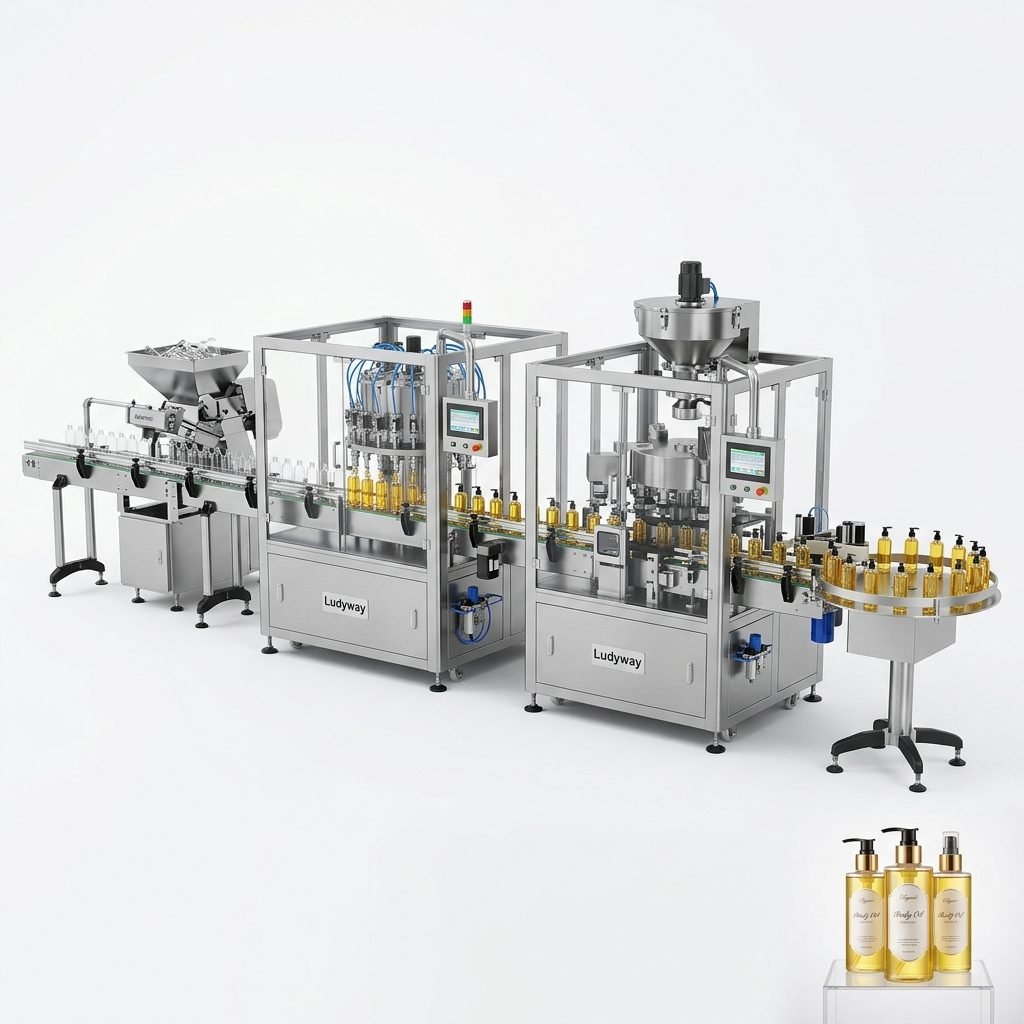
- Liquid Filling Machine — Volumetric or gravimetric fillers designed for oil viscosity, with anti-drip nozzles and precise dosing capabilities
- Capping Machine — Automatic screw capping or snap-on capping systems for bottles and containers
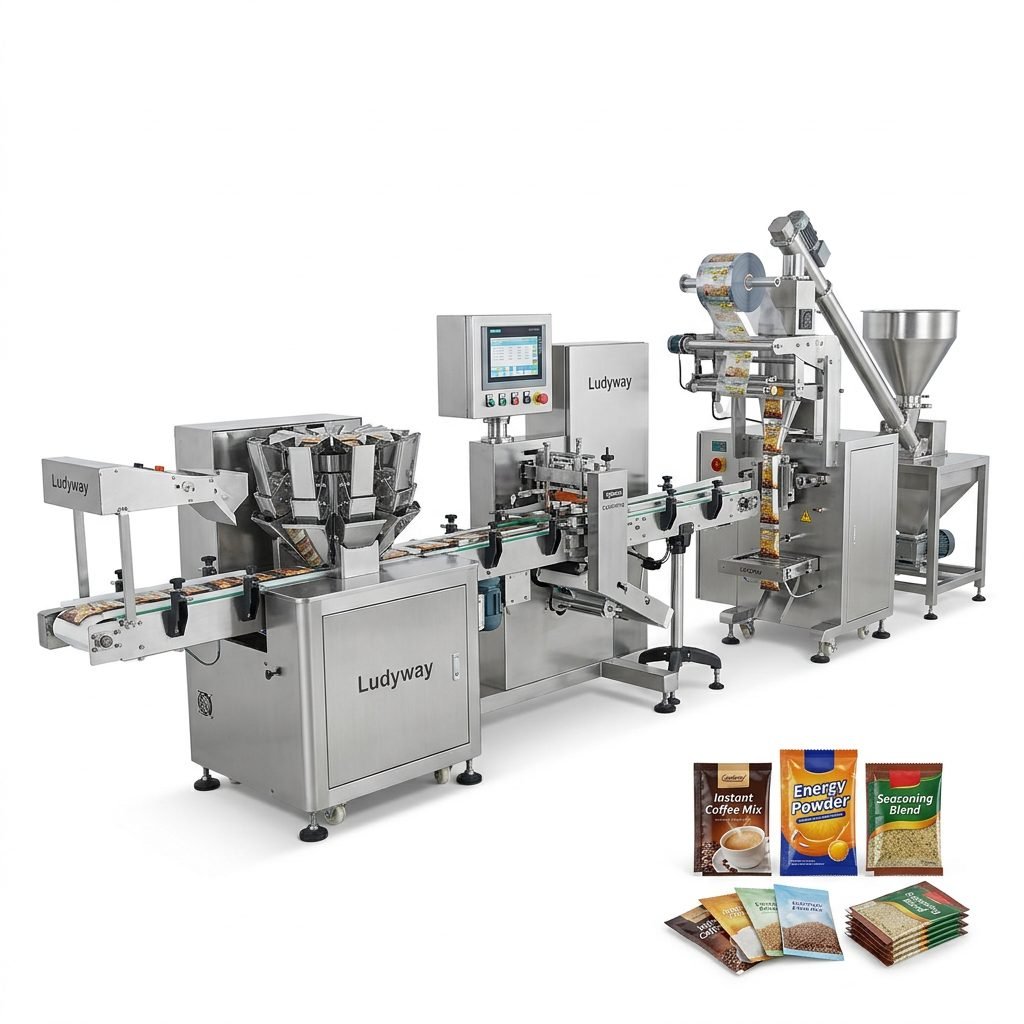
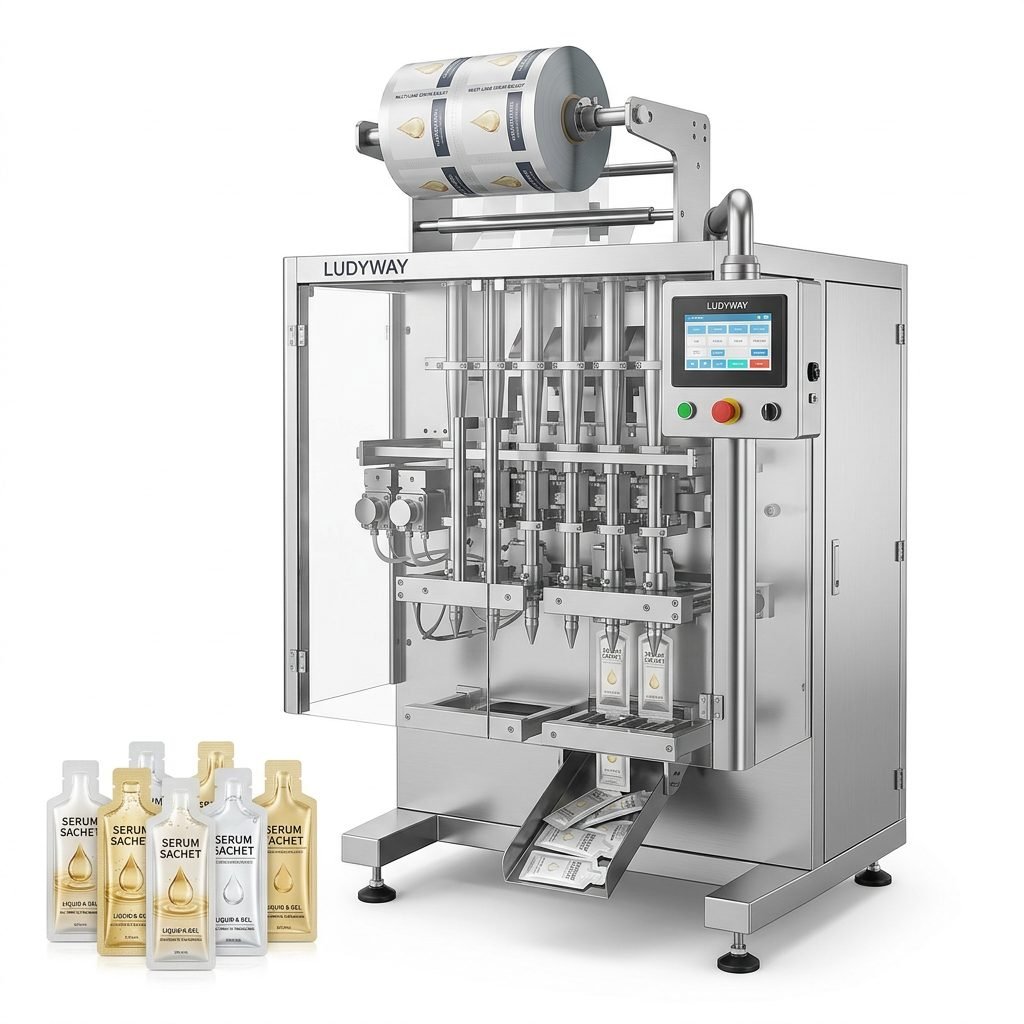
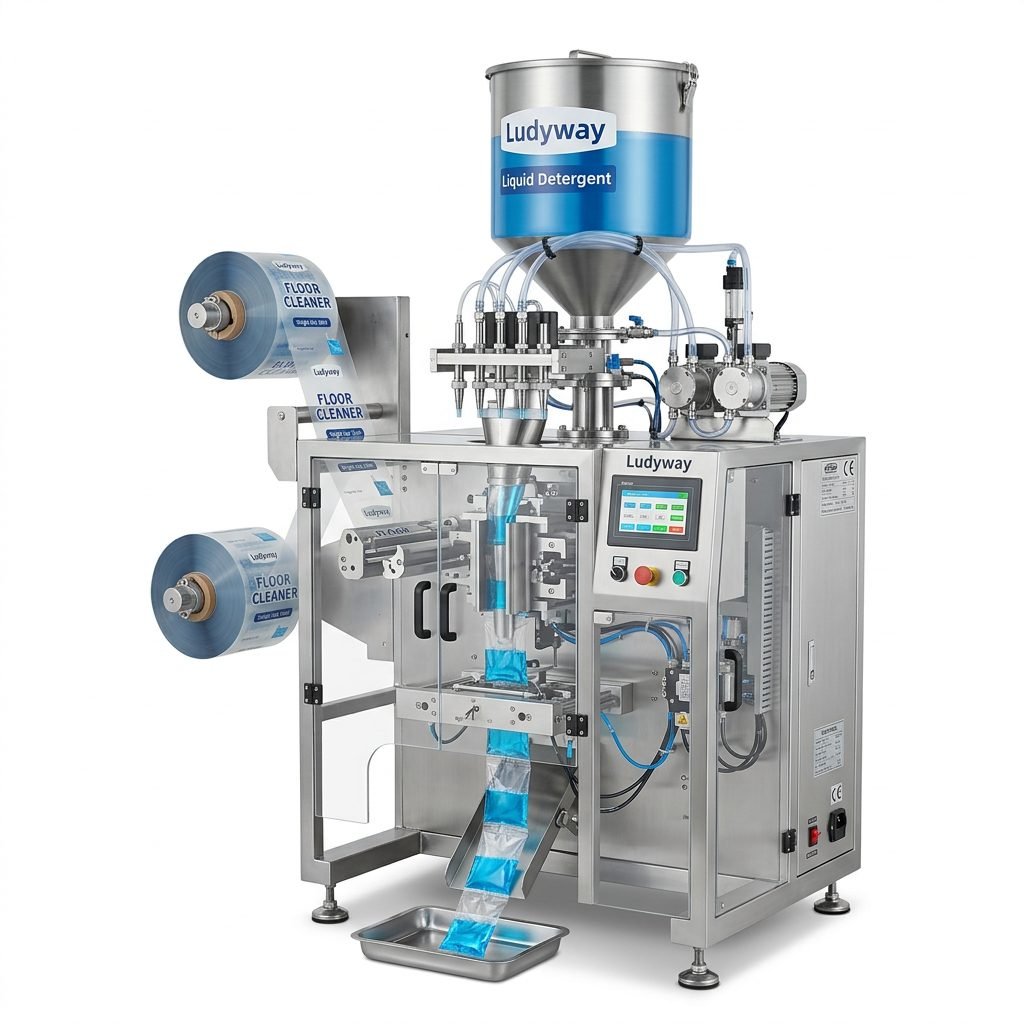
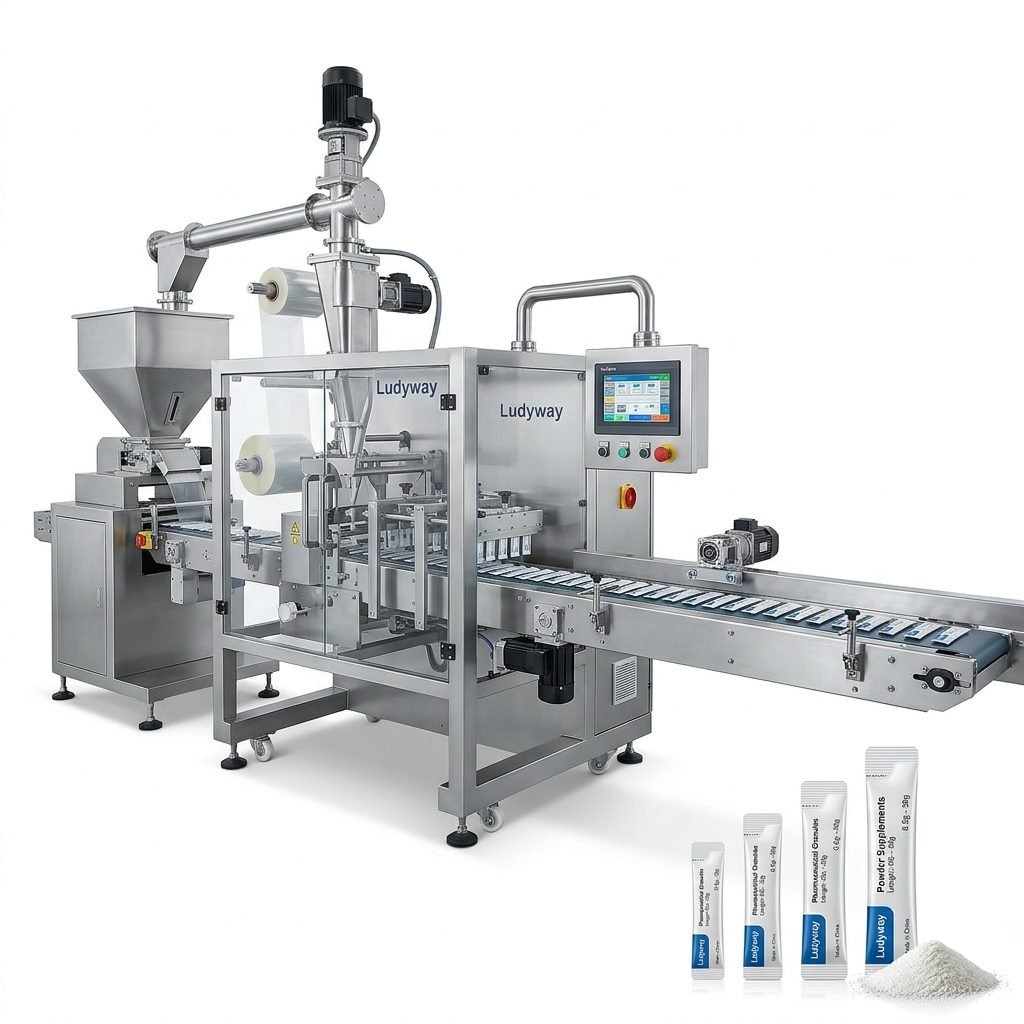
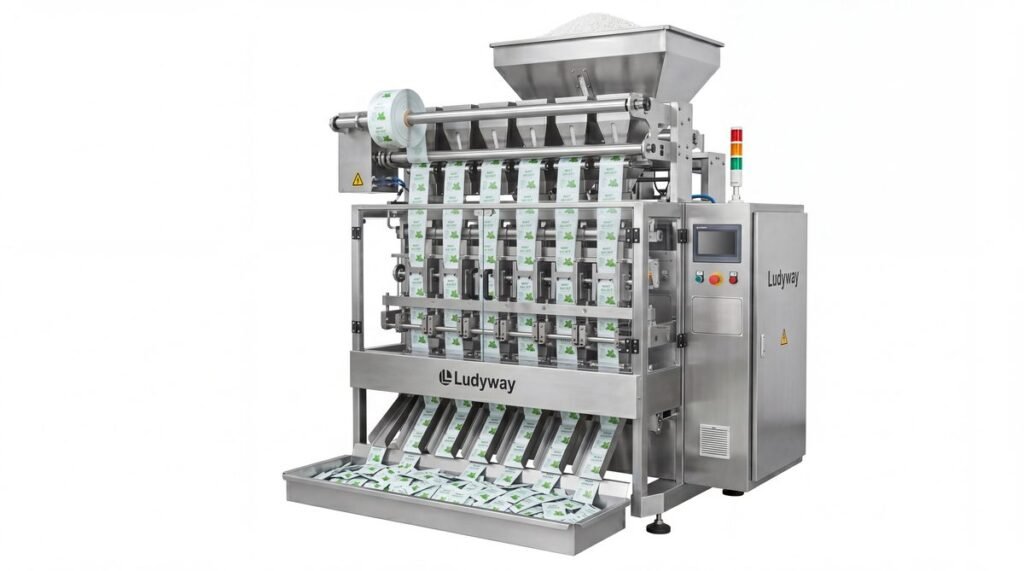
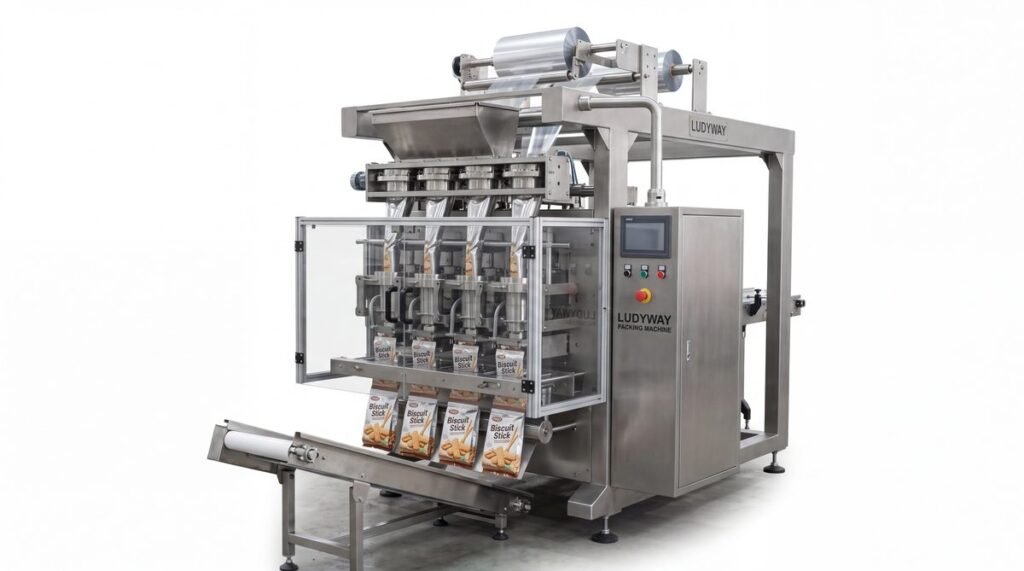
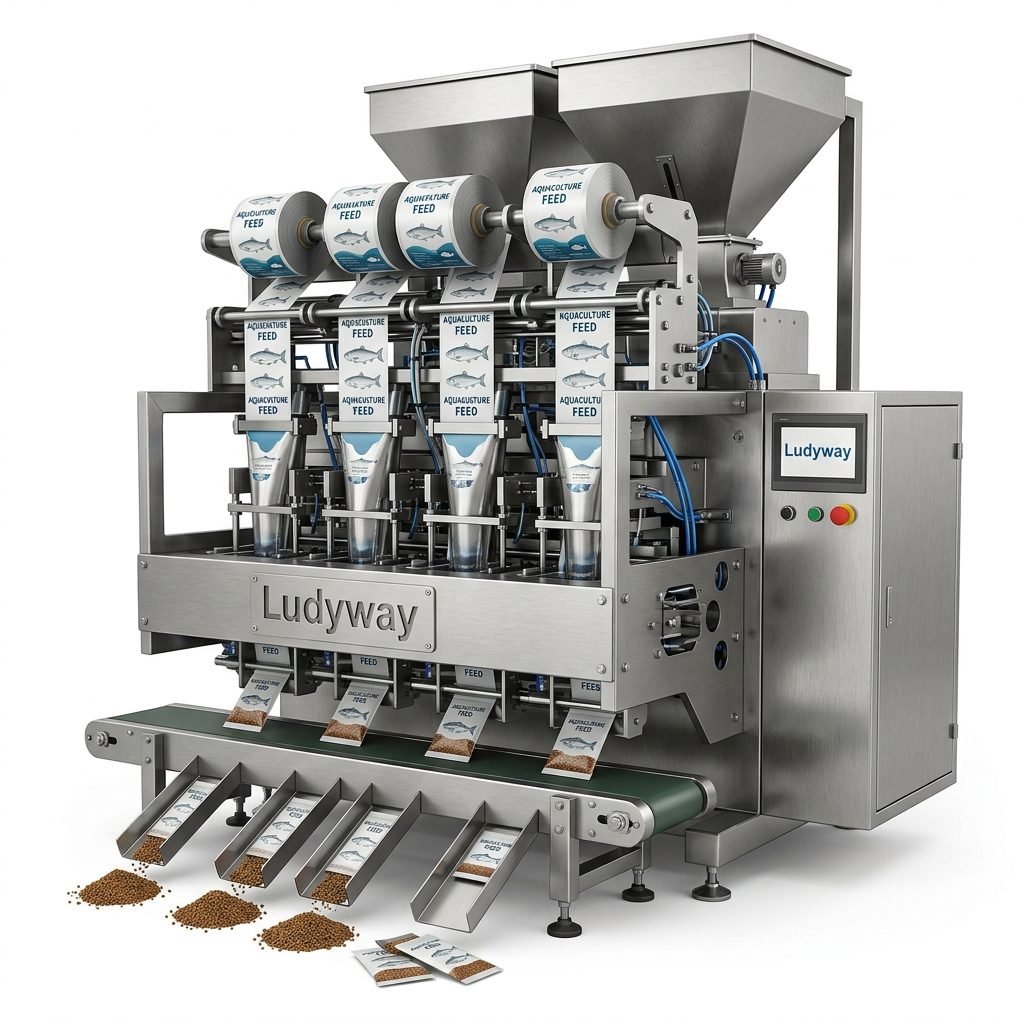
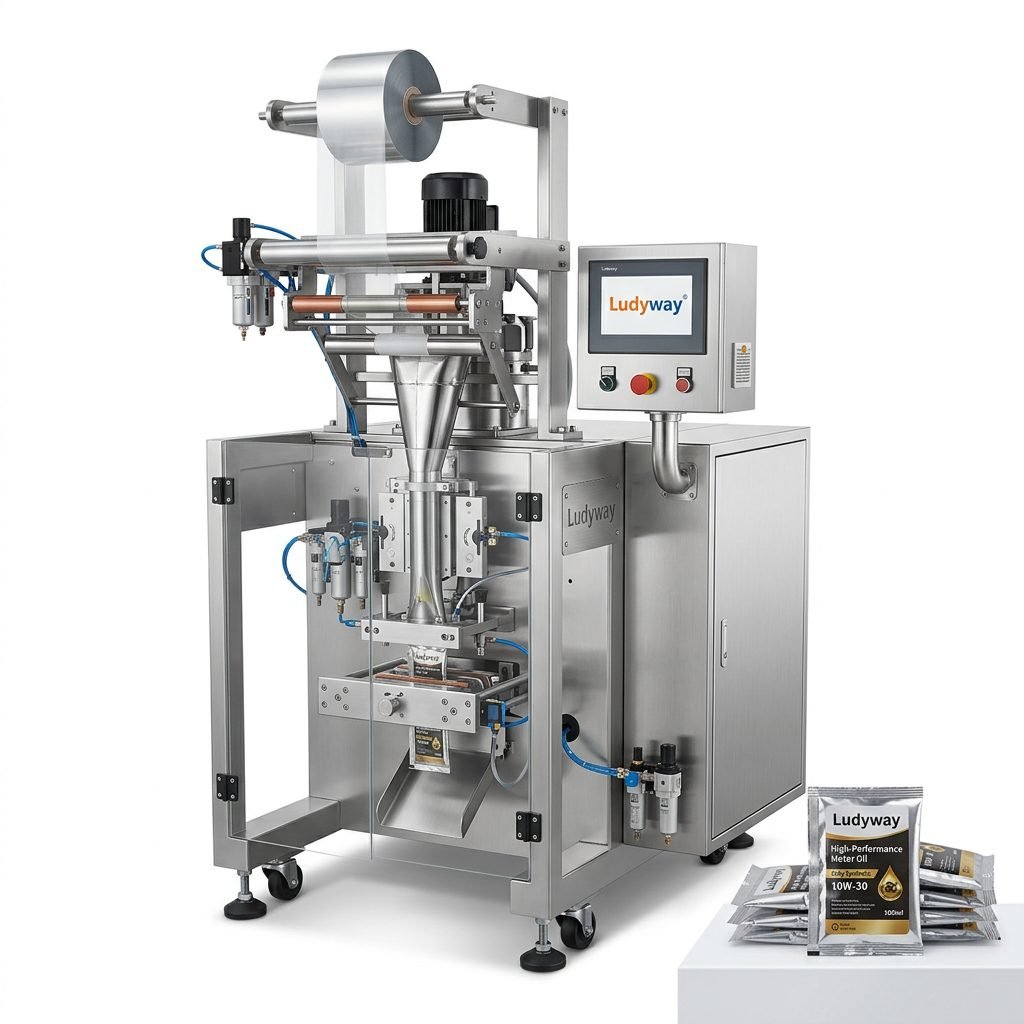
- Sachet/Pouch Packaging Machine — Multi-lane form-fill-seal machines for small-format single-use oil sachets
- Labeling Machine — High-speed wrap-around or front-back labeling systems
- Cartoning & Case Packing — Automated carton erection, product insertion, and case sealing equipment
- Palletizing System — Robotic or conventional palletizers for end-of-line automation
- Quality Control Systems — Checkweighers, metal detectors, and vision inspection units
Facility Planning and Layout Considerations
Proper facility planning is crucial for maximizing throughput and maintaining product quality. An oil packaging facility should be designed with logical material flow, from raw oil receiving to finished product dispatch. Key considerations include floor space allocation, cleanroom requirements, and utility connections for compressed air and electrical supply.
Recommended Facility Zones
- Raw Material Intake Area — Bulk oil storage tanks with filtration and transfer pumps
- Production Hall — Main packaging line with filling, capping, and labeling stations arranged in linear or U-shaped configuration
- Quality Control Laboratory — On-site testing for fill accuracy, seal integrity, and contamination screening
- Finished Goods Warehouse — Palletized product storage with FIFO inventory management
- Utility Zone — Air compressors, power distribution, and waste oil handling systems
Regulatory Compliance and Food Safety Standards
Meeting regulatory requirements is non-negotiable when setting up an oil packaging line in Asia. Different countries have specific food packaging regulations, and compliance with international standards such as ISO packaging standards is essential for export-oriented operations. Key certifications and guidelines include GMP (Good Manufacturing Practices), HACCP, and local food safety authority approvals.
Critical Compliance Areas
- Food-grade materials for all product-contact surfaces (stainless steel 304 or 316L)
- Proper sealing and leak detection to prevent contamination
- Traceability systems with batch coding and date marking
- Pest control and facility sanitation protocols
- Worker hygiene training and documented SOPs
Automation Levels and Technology Integration
Modern oil packaging production lines offer varying degrees of automation. The choice between semi-automatic and fully automatic systems depends on production volume, labor costs, and budget. Full automation with integrated PLC controls, servo-driven filling, and SCADA monitoring provides the highest efficiency and consistency.
| Automation Level | Output Range | Ideal For | Relative Investment |
|---|---|---|---|
| Semi-Automatic | 500 – 2,000 units/hour | Startups, small-scale operations | Low |
| Fully Automatic | 3,000 – 15,000 units/hour | Mid to large manufacturers | Medium to High |
| Turnkey Integrated Line | 10,000 – 50,000+ units/hour | High-volume, multi-format production | High |
Selecting a Reliable Packaging Machine Supplier
Choosing the right equipment manufacturer is one of the most critical decisions in your project. A trusted supplier should offer comprehensive after-sales support, readily available spare parts, and proven experience in the Asian market. Evaluate potential partners based on their track record, client references, and ability to provide customized packaging solutions tailored to your specific oil product characteristics and production goals.
Many leading manufacturers, including Ludyway, specialize in advanced packaging equipment with extensive experience serving food and liquid packaging industries across multiple international markets. When evaluating suppliers, consider their manufacturing capacity, engineering expertise, and commitment to innovation in packaging machinery technology. Industry resources such as PMMI – The Association for Packaging and Processing Technologies provide valuable insights into packaging machinery standards and market trends.
Cost Breakdown and ROI Analysis
Investing in an oil packaging machine production line requires careful financial planning. Understanding the total cost of ownership and projected return on investment helps in making informed decisions. Key cost components include equipment procurement, installation, training, facility modifications, and ongoing operational expenses.
Typical Cost Components
- Equipment Cost — 50%–65% of total investment (varies with automation level and capacity)
- Installation & Commissioning — 5%–10% (includes transportation, setup, and calibration)
- Facility Preparation — 10%–15% (flooring, utilities, cleanroom modifications)
- Training & Labor — 5%–8% (operator training and initial staffing)
- Working Capital — 10%–15% (raw materials, packaging supplies, contingency)
Most operations achieve full ROI within 18 to 36 months, depending on production volume, market demand, and operational efficiency. For more detailed market data, refer to the PMMI Business Intelligence Library and Flexible Packaging Association industry resources for packaging sector trends and forecasts.
Common Challenges and Practical Solutions
Setting up a packaging line in Asia comes with unique challenges. Being prepared for these obstacles can significantly reduce downtime and project delays. Below are common issues faced by manufacturers and their corresponding solutions.
| Challenge | Impact | Recommended Solution |
|---|---|---|
| Oil viscosity variations | Inconsistent fill accuracy, dripping | Use temperature-controlled filling nozzles and viscosity-optimized pumps |
| Humidity and climate conditions | Label adhesion failure, equipment corrosion | Install climate control in critical zones; use stainless steel construction |
| Skilled labor shortage | Operational errors, reduced efficiency | Prioritize user-friendly HMI interfaces and comprehensive training programs |
| Power supply instability | Production interruptions, equipment damage | Install voltage stabilizers and backup power systems |
| Regulatory differences across countries | Compliance delays, certification costs | Work with local consultants and ensure equipment meets multiple standards |
Maintenance and Operational Best Practices
Maintaining an oil packaging production line in peak condition requires a structured maintenance program. Preventive maintenance reduces unplanned downtime and extends equipment lifespan. Focus on daily cleaning of filling nozzles, regular inspection of seals and gaskets, lubrication of moving parts, and periodic calibration of dosing systems. Document all maintenance activities and train operators to identify early warning signs of potential issues.
Daily Operational Checklist
- Verify fill accuracy with test samples at shift start
- Inspect all sealing jaws and heating elements
- Check conveyor belt tension and alignment
- Clean product contact surfaces per sanitation protocol
- Review batch coding and date marking accuracy
Future Trends in Oil Packaging Technology
The packaging machinery industry continues to evolve with innovations in automation, sustainability, and smart manufacturing. Key trends shaping the future of oil packaging include lightweight packaging materials, biodegradable pouches, IoT-enabled remote monitoring, and AI-driven quality inspection systems. Manufacturers planning new production lines should consider scalable equipment that can accommodate future technology upgrades and flexible packaging material advancements.
Setting up a successful oil packaging machine production line in Asia demands thorough planning, the right equipment partnerships, and a clear understanding of market dynamics. By following the guidelines outlined above, manufacturers can build efficient, compliant, and profitable packaging operations positioned for long-term growth in one of the world’s most dynamic regions.