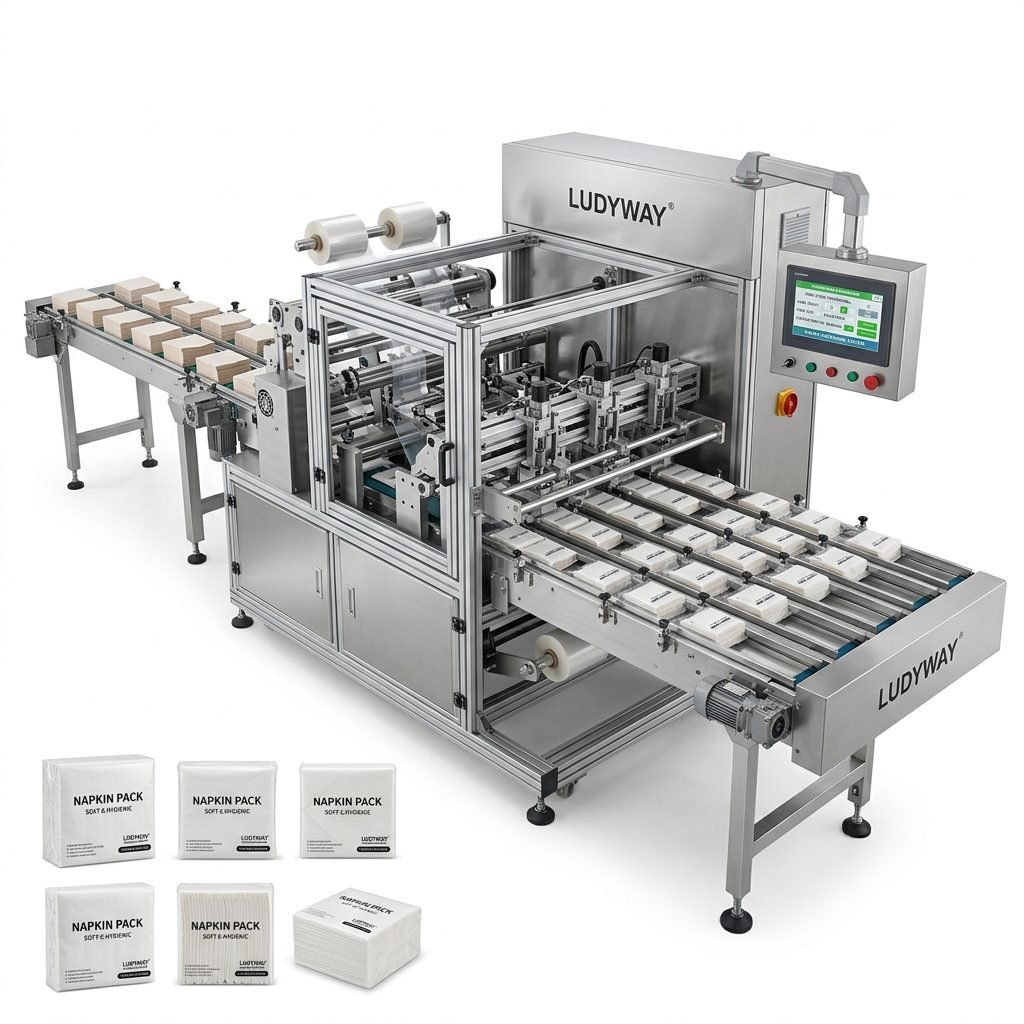
Establishing a cheese packaging machine production line in Asia requires careful planning, understanding regional market dynamics, and selecting the right equipment to meet both local and international standards. Whether you are a dairy startup in Southeast Asia or an established manufacturer expanding into South Asia, this guide covers the essential steps from initial feasibility to full-scale operation.
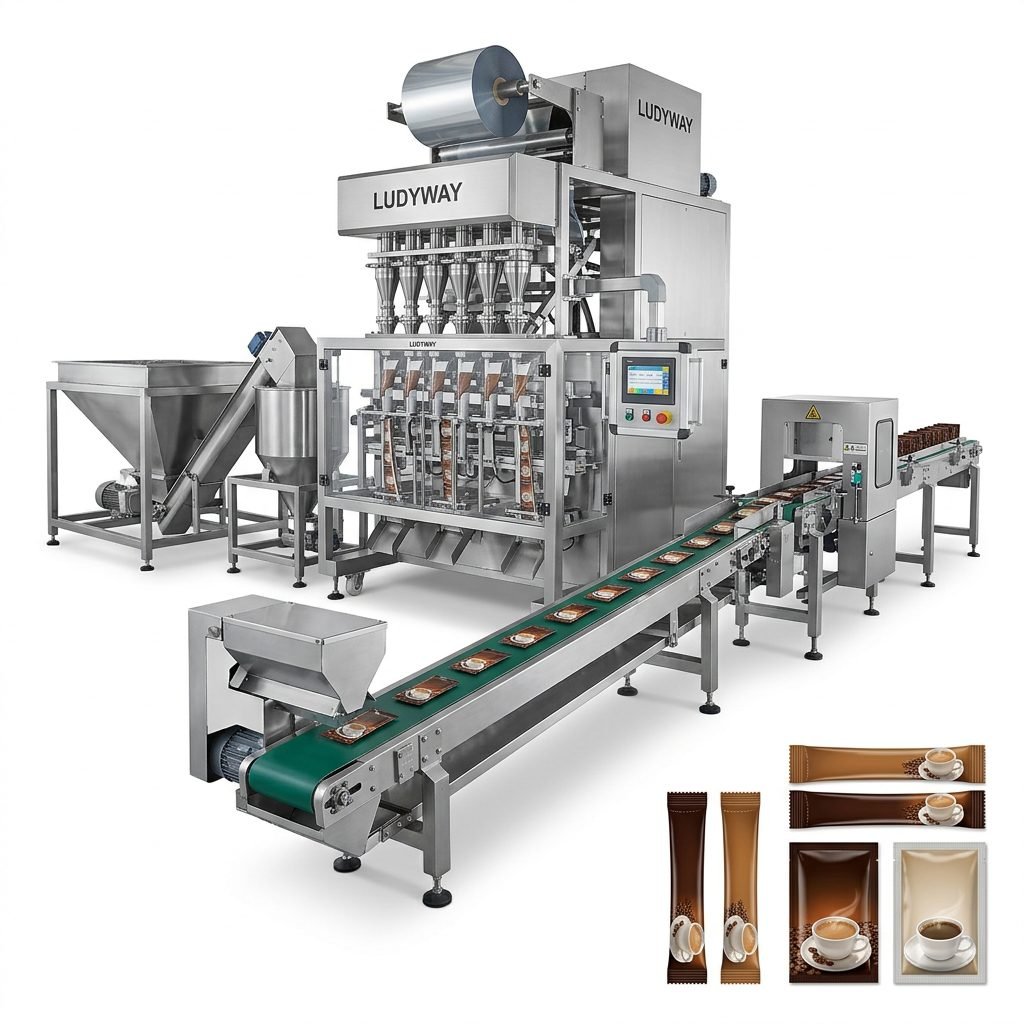
Understanding the Asian Cheese Packaging Market
The dairy sector across Asia has experienced unprecedented growth over the past decade. Countries such as India, China, Japan, Indonesia, and Vietnam are witnessing rising demand for processed and packaged cheese products. This surge is driven by urbanization, westernization of diets, and an expanding middle class with increased purchasing power.
According to industry data from the PMMI Business Intelligence reports, the packaging machinery market in the Asia-Pacific region is projected to grow at a compound annual growth rate (CAGR) exceeding 6% through 2028. For cheese specifically, the shift from traditional loose sales to pre-packaged formats — including blocks, slices, shreds, sticks, and portion packs — is creating substantial opportunities for automated packaging solutions.
Key Market Drivers in Asia
- Food safety regulations becoming more stringent across ASEAN and South Asian countries
- Growth of modern retail chains and e-commerce grocery platforms
- Increasing demand for convenience and single-serve packaging
- Expansion of quick-service restaurant (QSR) chains requiring consistent cheese supplies
- Government initiatives supporting dairy processing infrastructure
Planning Your Cheese Packaging Production Line
Before investing in equipment, a comprehensive production line plan must address your target production capacity, cheese product types, packaging formats, and budget constraints. The planning phase is arguably the most critical step in ensuring long-term operational success.
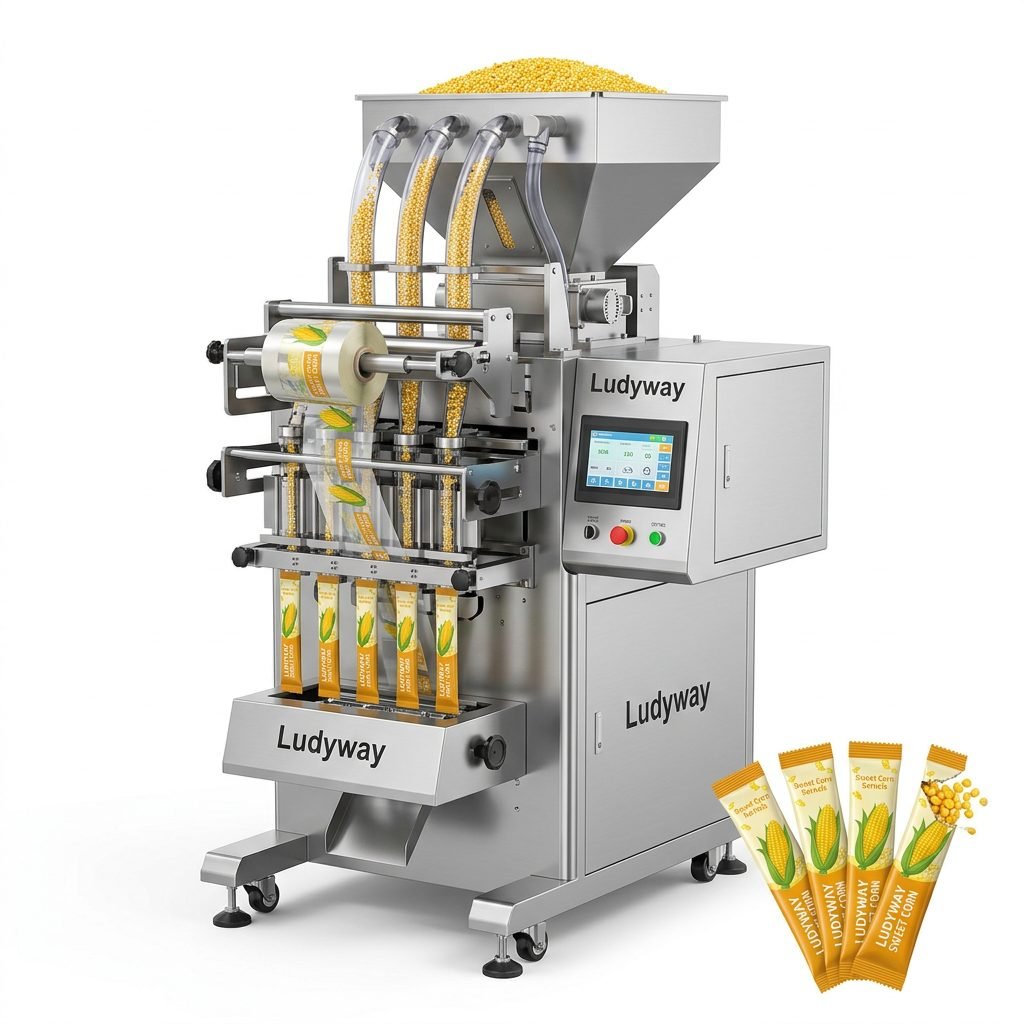
Critical Planning Factors
| Planning Factor | Considerations | Impact on Line Design |
|---|---|---|
| Product Types | Hard cheese, soft cheese, processed slices, shredded, cream cheese | Determines cutting, portioning, and handling systems |
| Packaging Formats | Vacuum packs, MAP trays, flow-wrap, stick packs, sachets | Influences machine type and sealing technology |
| Target Output | Packs per minute, shifts per day, peak season demands | Determines automation level and line speed |
| Facility Constraints | Floor space, cleanroom requirements, utility availability | Shapes layout and equipment footprint |
| Regulatory Compliance | Local FDA equivalents, halal certification, export standards | Affects material choices and documentation needs |
Core Equipment for a Cheese Packaging Line
A well-integrated cheese packaging line typically includes several key machine types working in sequence. The specific configuration depends on your product range, but most lines share a common core structure.
Essential Machinery Components
- Cheese Cutting and Portioning Machines — Automated slicers, dicers, and portion cutters that handle different cheese textures and formats with precision
- Weighing and Filling Systems — Multi-head weighers or linear weighers ensuring accurate portion control for consistent pack weights
- Primary Packaging Machines — Depending on your format, this may include vacuum packaging machines, modified atmosphere packaging (MAP) systems, or form-fill-seal equipment
- Sealing and Gas Flushing Units — Critical for shelf-life extension, especially for MAP applications that use nitrogen or carbon dioxide flushing
- Secondary Packaging Systems — Cartoning machines, case packers, and palletizing robots for final product handling
- Quality Control Modules — Checkweighers, metal detectors, X-ray inspection, and vision systems for quality assurance
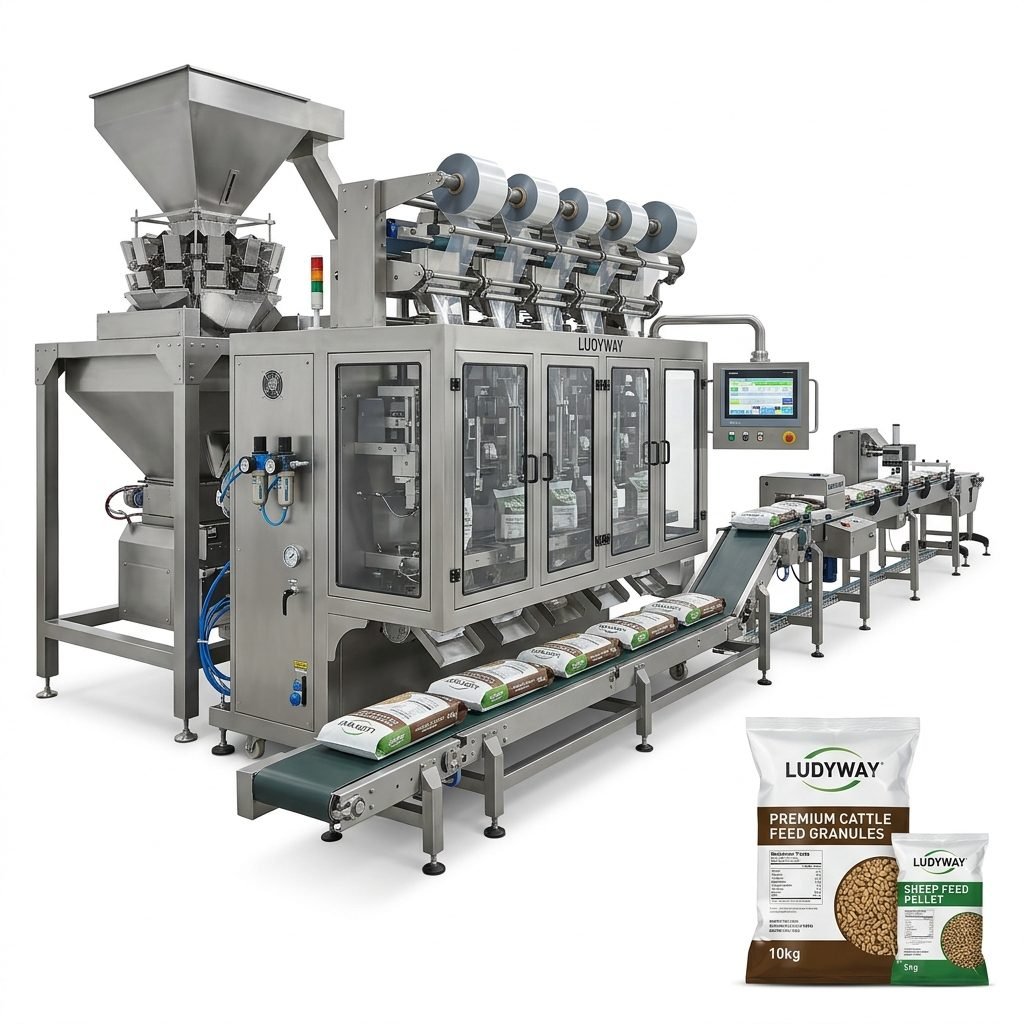
Automation Levels to Consider
| Automation Level | Best For | Typical Output Range | Investment Range |
|---|---|---|---|
| Semi-Automatic | Small artisan producers, startups | 10-30 packs/min | Lower capital outlay |
| Fully Automatic | Mid-size regional dairies | 30-80 packs/min | Moderate to high |
| High-Speed Multi-Lane | Large industrial producers | 80-200+ packs/min | Significant capital investment |
| Turnkey Integrated Lines | Large-scale export-oriented facilities | 200+ packs/min | Full-scale project budget |
Selecting the Right Equipment Supplier
Choosing a reliable packaging machinery supplier is one of the most consequential decisions in setting up a cheese packaging line in Asia. The supplier’s expertise, after-sales support, and understanding of regional requirements directly impact your operational success.
Key Supplier Evaluation Criteria
- Proven experience in dairy and cheese-specific packaging applications
- Availability of local service engineers and spare parts within Asia
- Compliance with international standards including ISO packaging standards
- Ability to provide turnkey solutions including upstream and downstream equipment
- Documentation and support for local regulatory certification processes
- Flexibility to customize machines for specific cheese product requirements
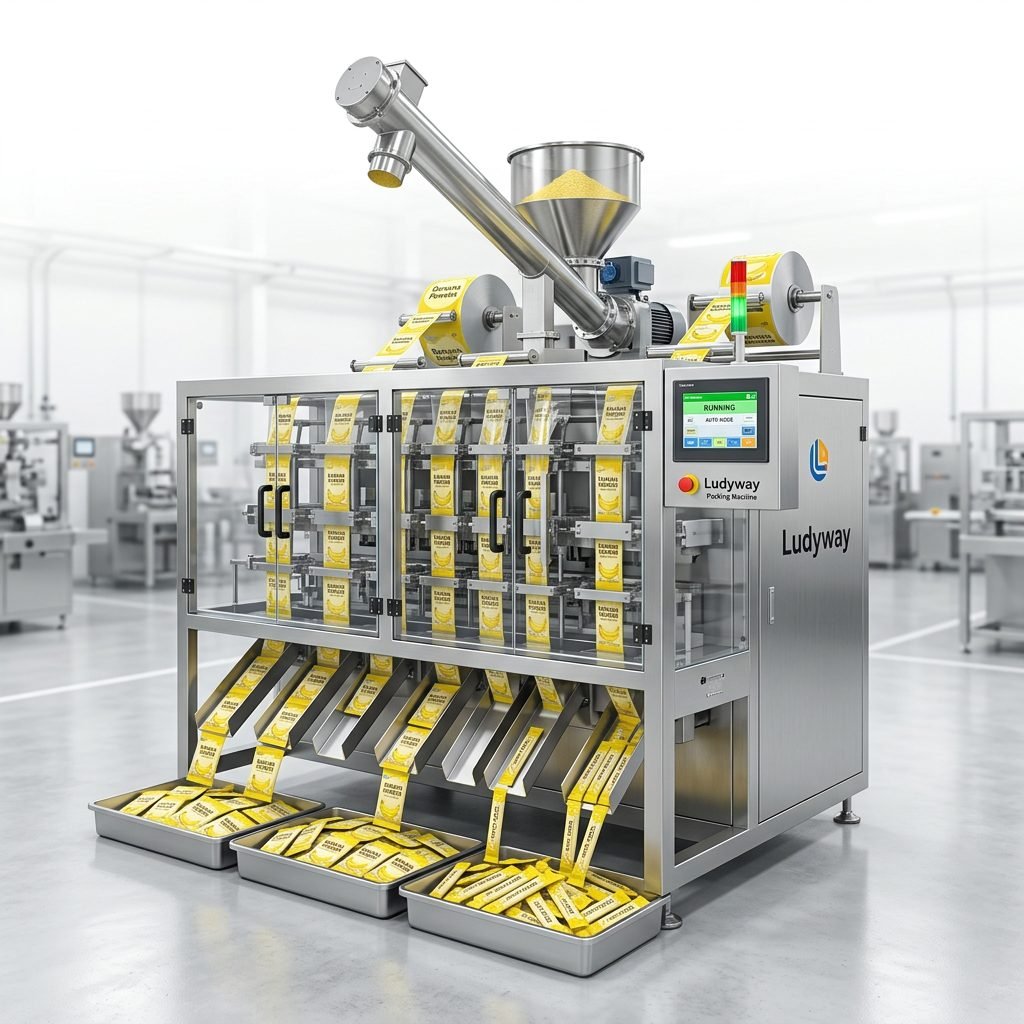
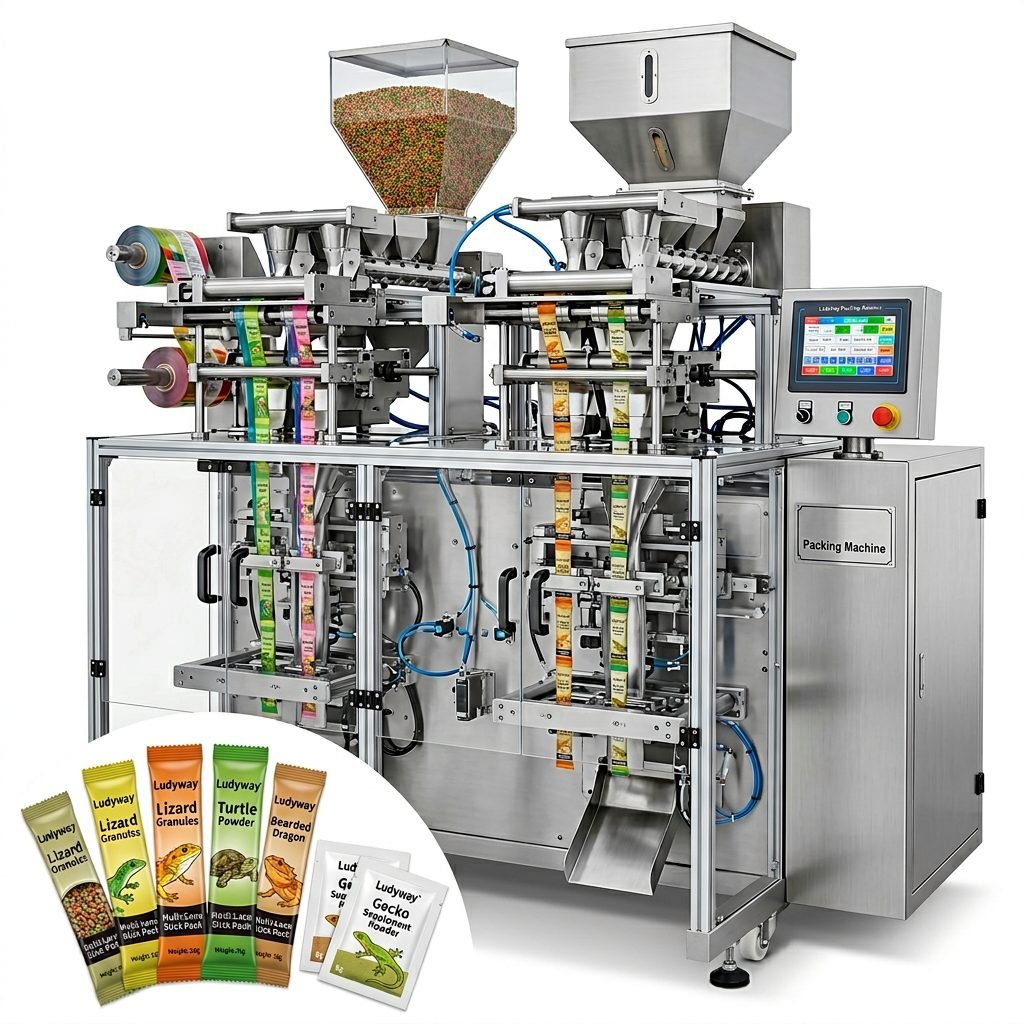
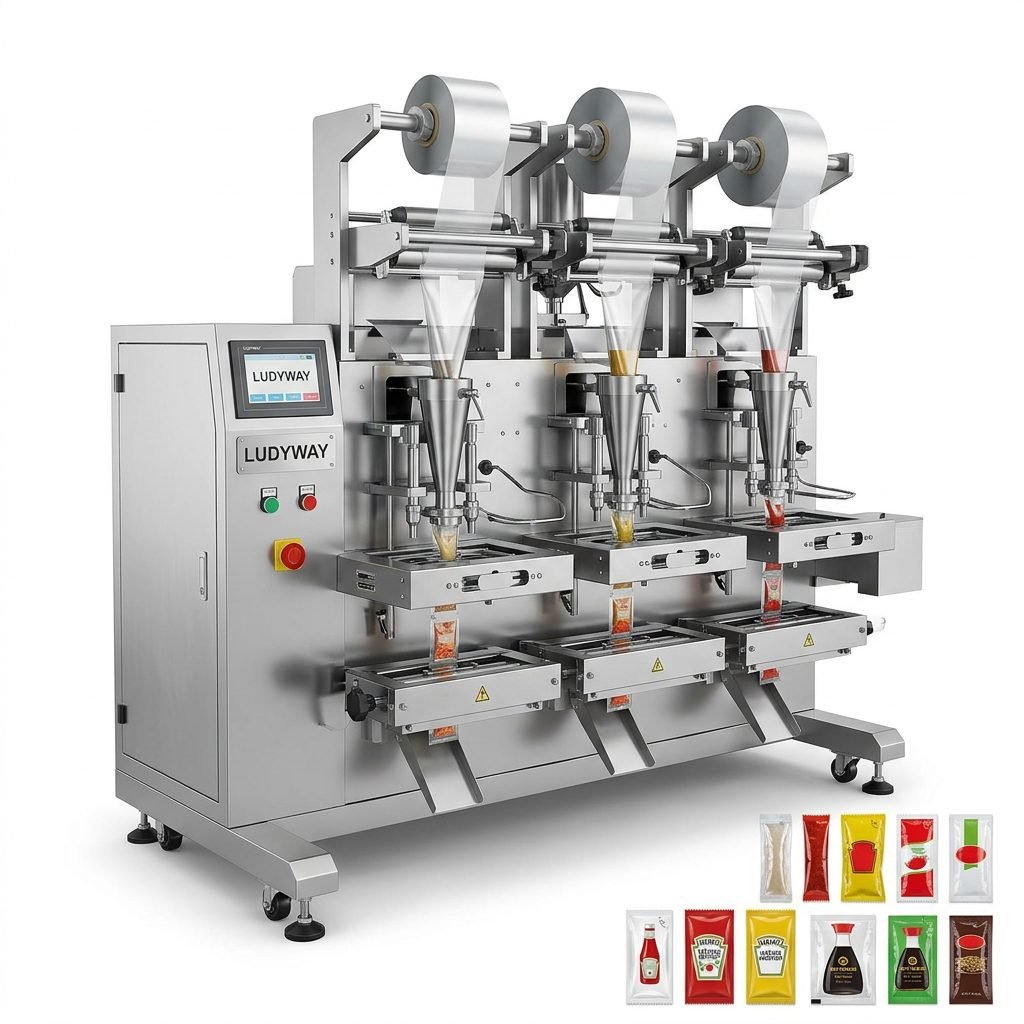
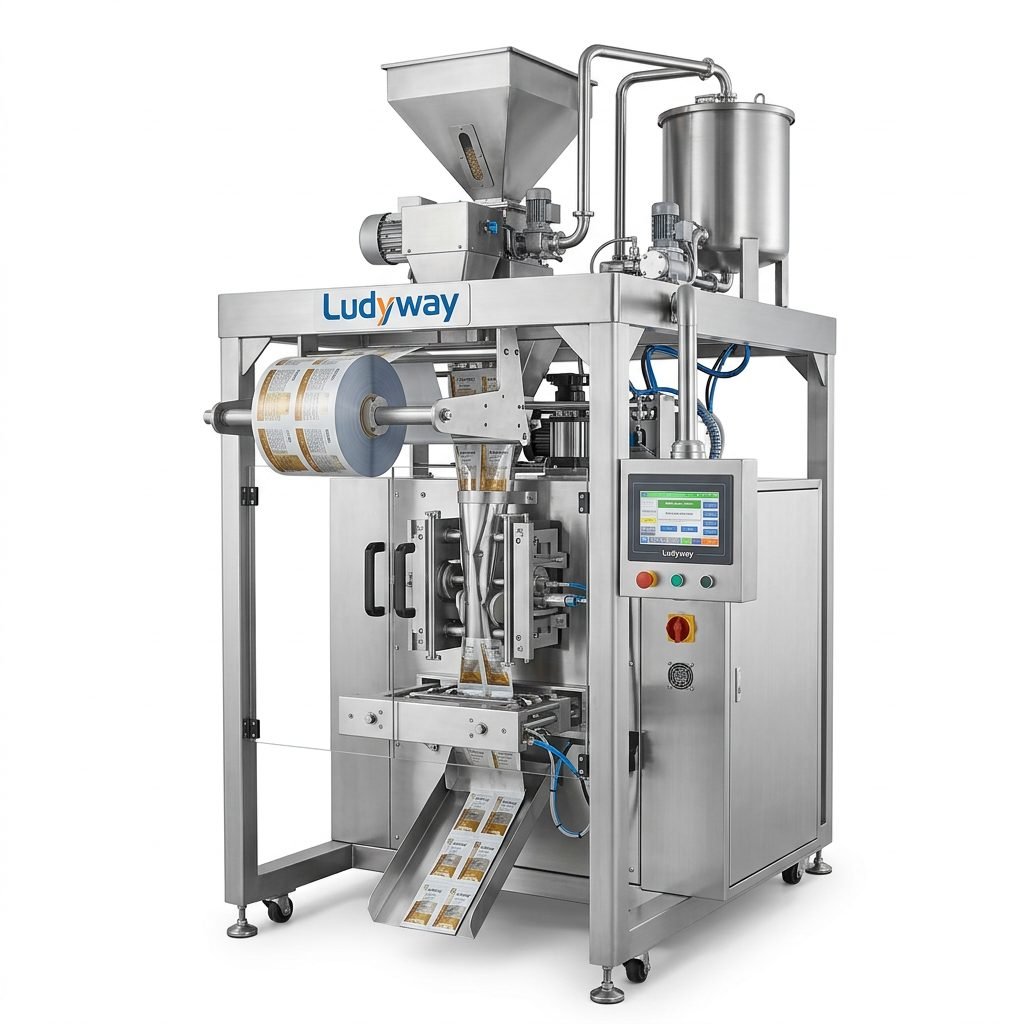
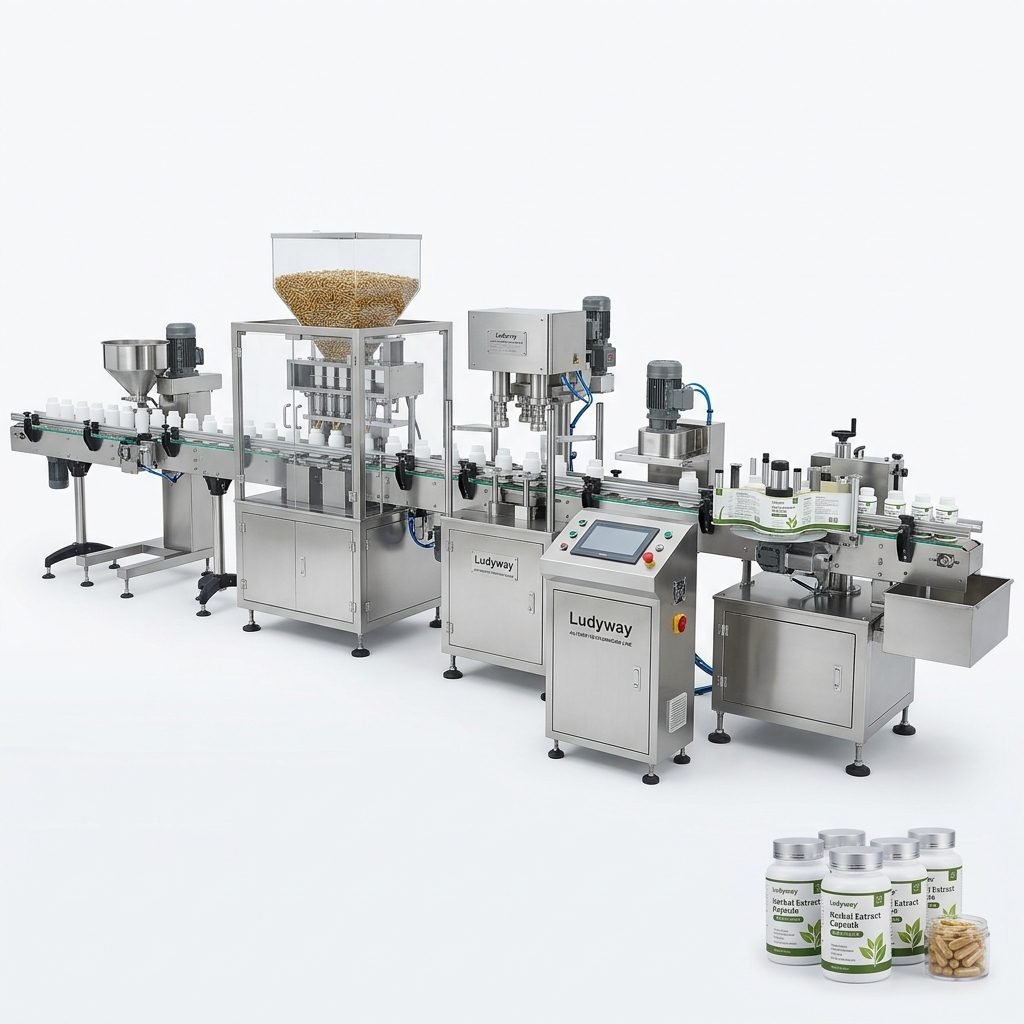
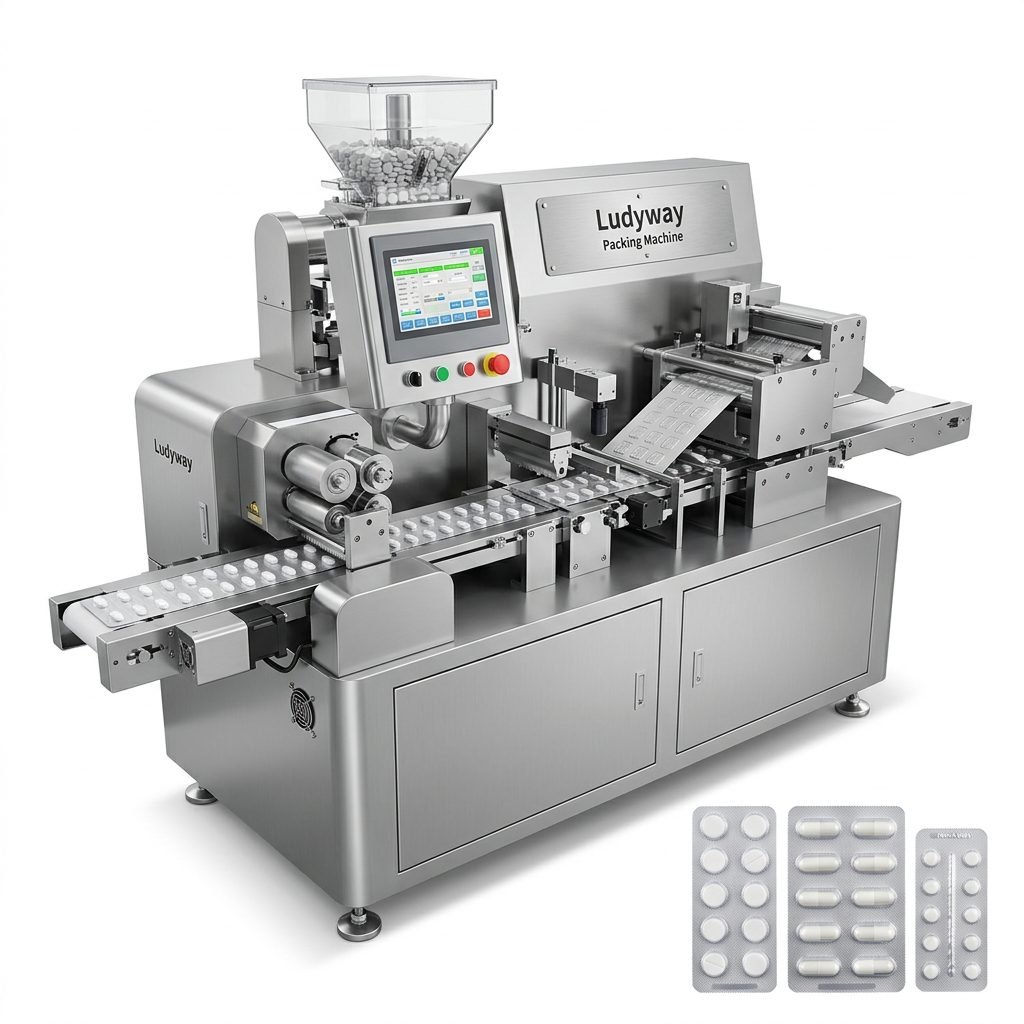
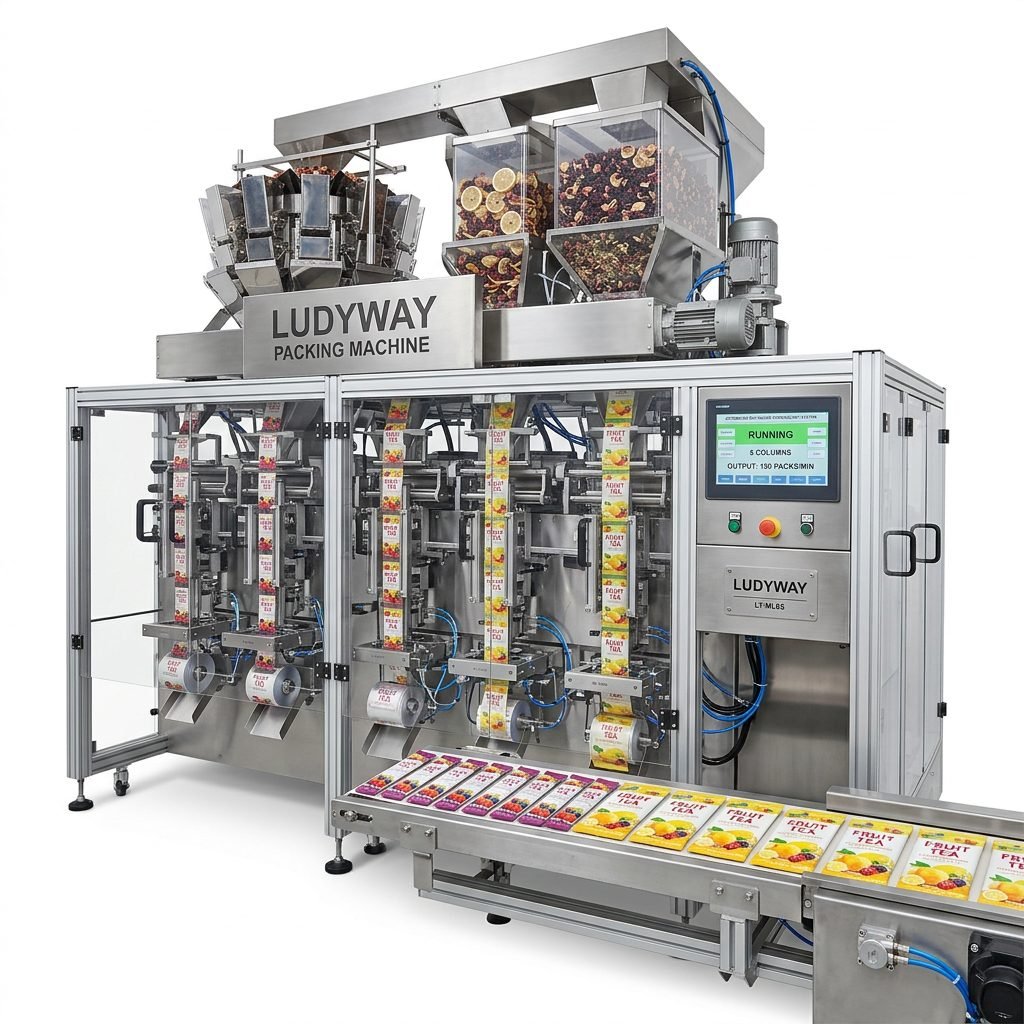
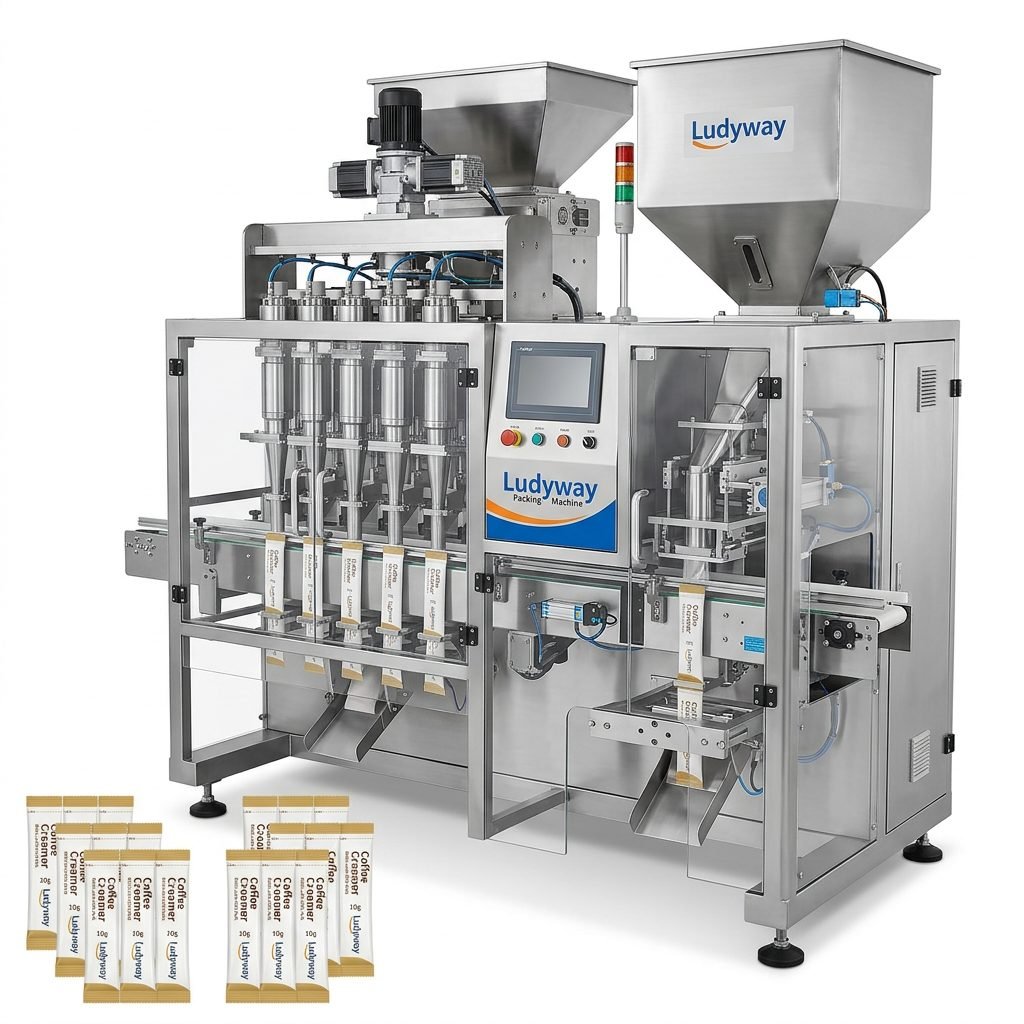
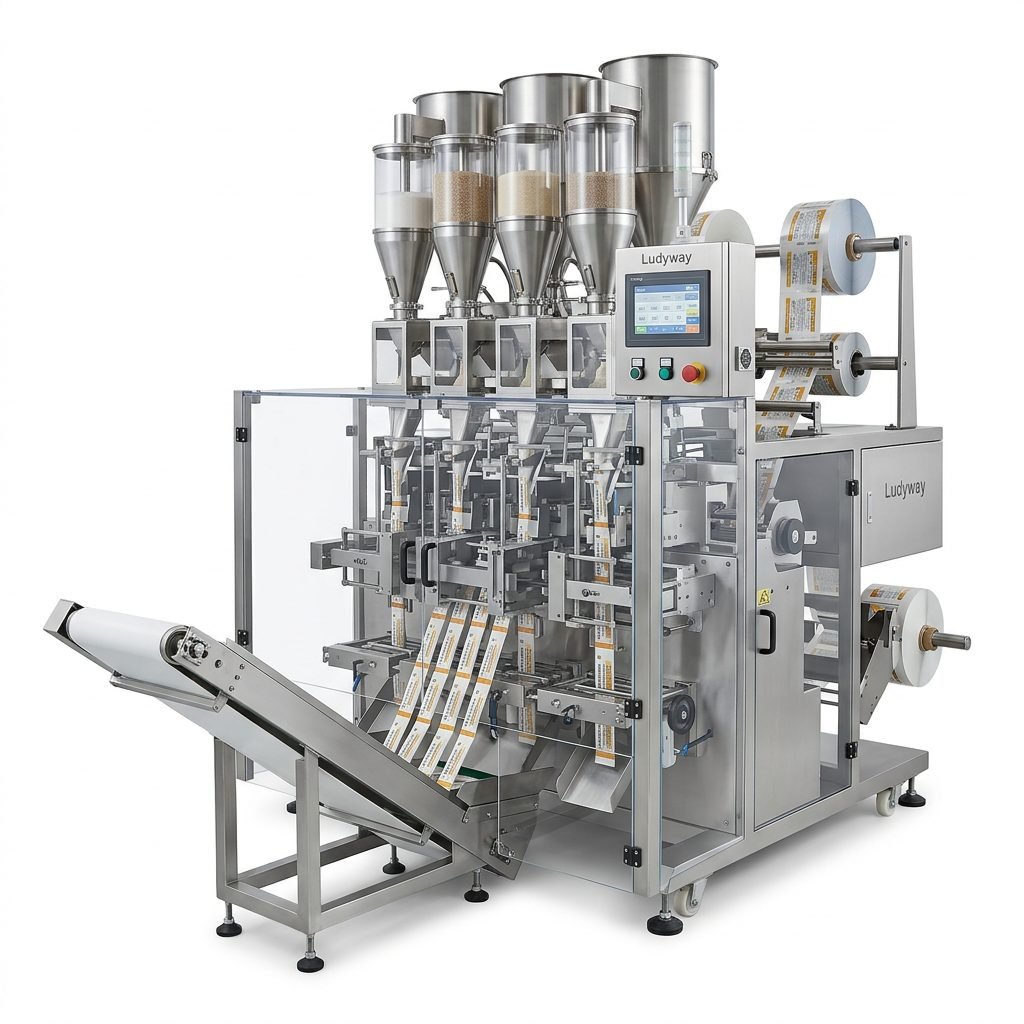
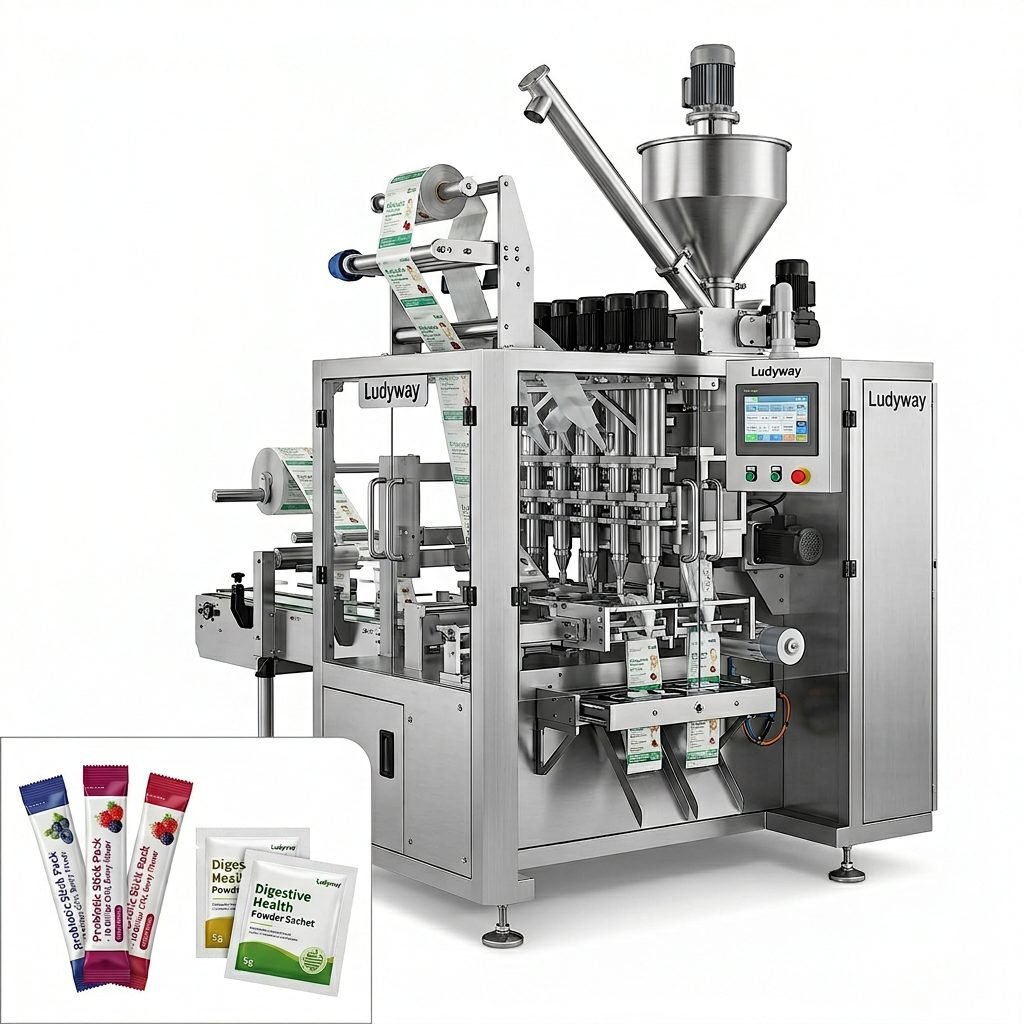
For example, Ludyway, one of the largest packaging machine manufacturers in China, provides advanced packaging equipment and turnkey production solutions with over 30 years of industry experience, serving customers in more than 100 countries and regions with reliable and efficient systems for granule, powder, liquid, and pouch packaging applications — capabilities that translate well to cheese packaging formats.
Installation, Commissioning, and Validation
The installation phase marks the transition from planning to production reality. A structured commissioning process ensures that your cheese packaging line operates at its designed capacity and meets all quality requirements from day one.
Installation Best Practices
- Site preparation — Ensure all utilities (compressed air, electrical, water, drainage) are in place before equipment arrives
- Floor leveling and vibration control — Critical for high-precision weighing and filling accuracy
- Cleanroom protocol alignment — If operating in a hygiene-sensitive environment, coordinate cleanroom certification with equipment installation
- Factory acceptance testing (FAT) — Conduct thorough testing at the supplier’s facility before shipment when possible
- Site acceptance testing (SAT) — Validate performance under actual production conditions at your facility
Validation and Quality Standards
Packaging operations for cheese must comply with relevant food safety and packaging regulations. In Asia, many countries reference or align with international standards. The FDA food packaging requirements and ISO 11607 packaging standards provide useful frameworks, even if your target market has its own specific regulations.
Cost Considerations and ROI Analysis
Investing in a cheese packaging line in Asia involves balancing upfront capital expenditure with long-term operational efficiency. Understanding the full cost picture helps in making informed decisions and securing necessary funding.
Cost Breakdown Components
| Cost Category | Typical Share | Key Variables |
|---|---|---|
| Equipment Purchase | 50-65% | Automation level, brand, customization |
| Installation & Commissioning | 8-12% | Site readiness, supplier location |
| Training & Documentation | 3-5% | Operator skill levels, language needs |
| Spare Parts Inventory | 5-8% | Lead times, criticality analysis |
| Facility Modifications | 10-15% | Existing infrastructure condition |
| Contingency | 10% | Unforeseen challenges |
When evaluating return on investment (ROI), consider not only labor savings but also reduced product giveaway, decreased packaging material waste, improved shelf life leading to fewer returns, and the ability to access premium market segments that require sophisticated packaging formats. For comprehensive industry data, the Flexible Packaging Association resources provide valuable benchmarking information.
Maintenance and Long-Term Operational Success
Sustaining high performance from your cheese packaging line requires a proactive maintenance strategy. In many Asian markets, the availability of skilled technicians and spare parts can vary significantly by region, making this an essential consideration from the outset.
Maintenance Strategy Essentials
- Preventive maintenance schedules aligned with equipment manufacturer recommendations
- Critical spare parts inventory maintained on-site, especially for wear components like sealing jaws, cutting blades, and belts
- Remote diagnostics capabilities to minimize downtime through faster troubleshooting
- Ongoing operator training programs to ensure proper machine handling and early problem detection
- Documentation of all maintenance activities for regulatory compliance and continuous improvement
Regulatory Landscape Across Key Asian Markets
Each country in Asia maintains its own regulatory framework for food packaging, though there is growing harmonization with international standards. Understanding these requirements is essential for market access.
Regulatory Comparisons by Market
| Market | Key Regulatory Body | Notable Packaging Requirements |
|---|---|---|
| China | SAMR / CFSA | GB standards for food contact materials; mandatory Chinese labeling |
| India | FSSAI | FSSR packaging regulations; vegetarian mark requirements |
| Japan | MHLW | Strict food contact material standards; JFSL compliance |
| Southeast Asia | National FDA equivalents | Halal certification important in Indonesia, Malaysia, Brunei |
| South Korea | MFDS | Food Code standards; Korean language labeling mandatory |
For the latest regulatory updates, the European Commission packaging and packaging waste regulation and the U.S. EPA sustainable materials management frameworks provide useful reference points for global best practices that increasingly influence Asian regulatory development.
Future-Proofing Your Packaging Line
When building a cheese packaging line in Asia, forward-thinking design can protect your investment against changing market demands. Consider these future-proofing strategies during the planning and equipment selection phases.
Strategic Future-Proofing Elements
- Modular machine design — Allows for capacity upgrades and format changes without complete line replacement
- Smart factory readiness — Equipment with IoT capabilities and data connectivity for Industry 4.0 integration
- Sustainable packaging compatibility — Machines capable of running recyclable, compostable, or mono-material films as they become mainstream in Asia
- Multi-format flexibility — Investing in equipment that can handle multiple packaging styles to adapt to market shifts
- Energy efficiency features — Reducing operational costs while meeting emerging environmental regulations

Conclusion
Setting up a cheese packaging machine production line in Asia presents both significant opportunities and unique challenges. Success depends on thorough planning, understanding regional regulatory landscapes, selecting the right equipment partners, and implementing robust maintenance strategies. With the Asian dairy market continuing its strong growth trajectory, producers who invest in efficient, flexible, and compliant packaging solutions are well-positioned to capture increasing market share across the region.
By following the guidelines outlined in this comprehensive guide — from initial market analysis through equipment selection, installation, and long-term operational management — you can build a cheese packaging operation that meets both current production needs and future growth aspirations in Asia’s dynamic food industry.
Additional Resources
- PMMI 2026 State of the Industry Report — Comprehensive packaging machinery market data
- PACK EXPO International — Leading global packaging exhibition for discovering new technologies
- Flexible Packaging Association — Industry resources and regulatory insights
- ISO Packaging and Distribution Standards — International standards reference