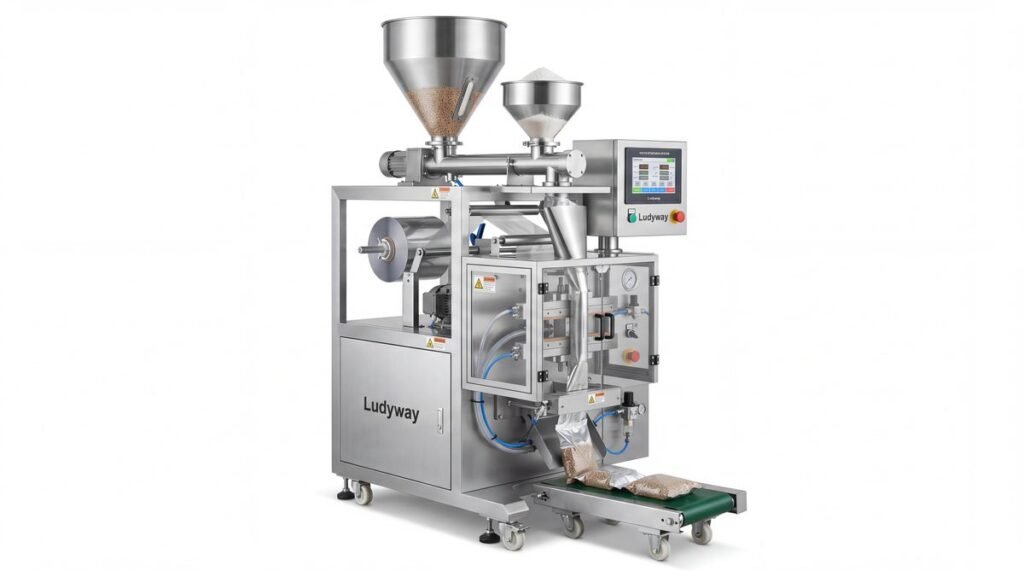
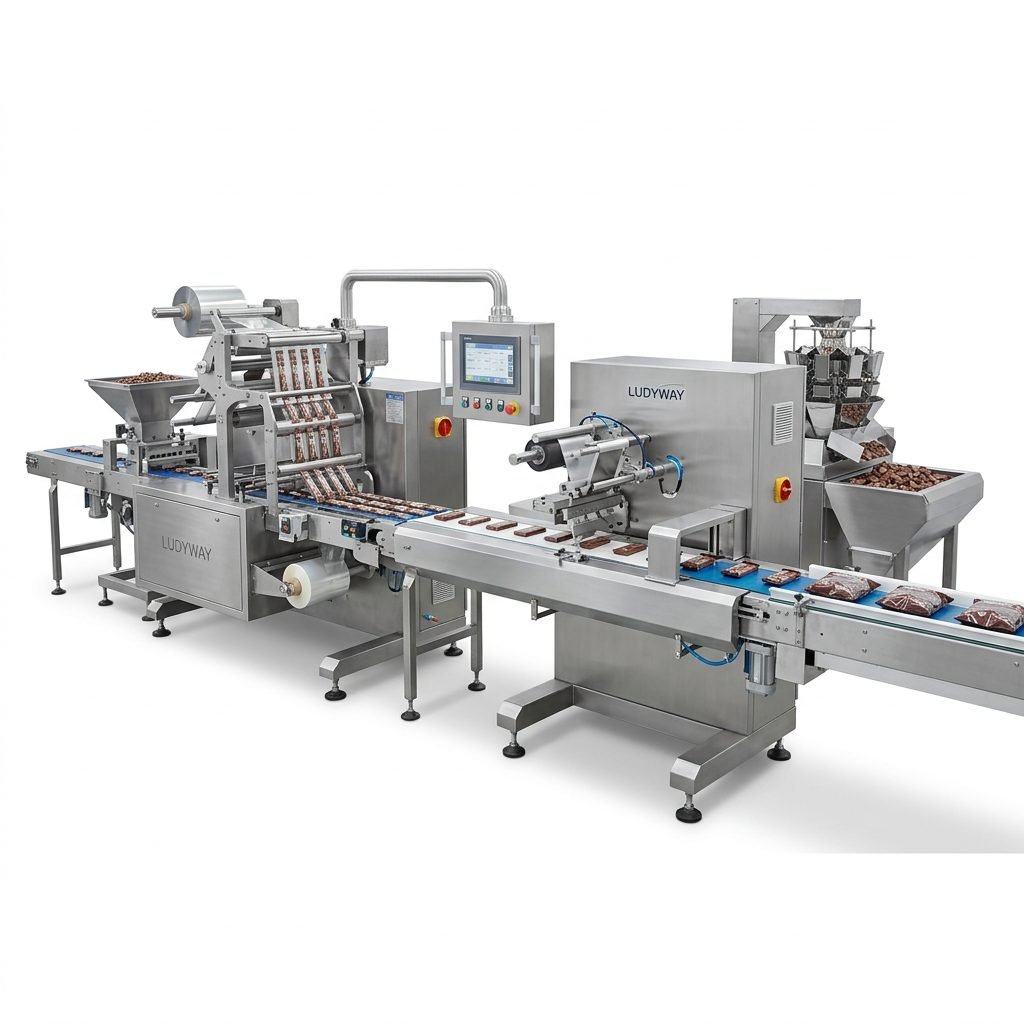
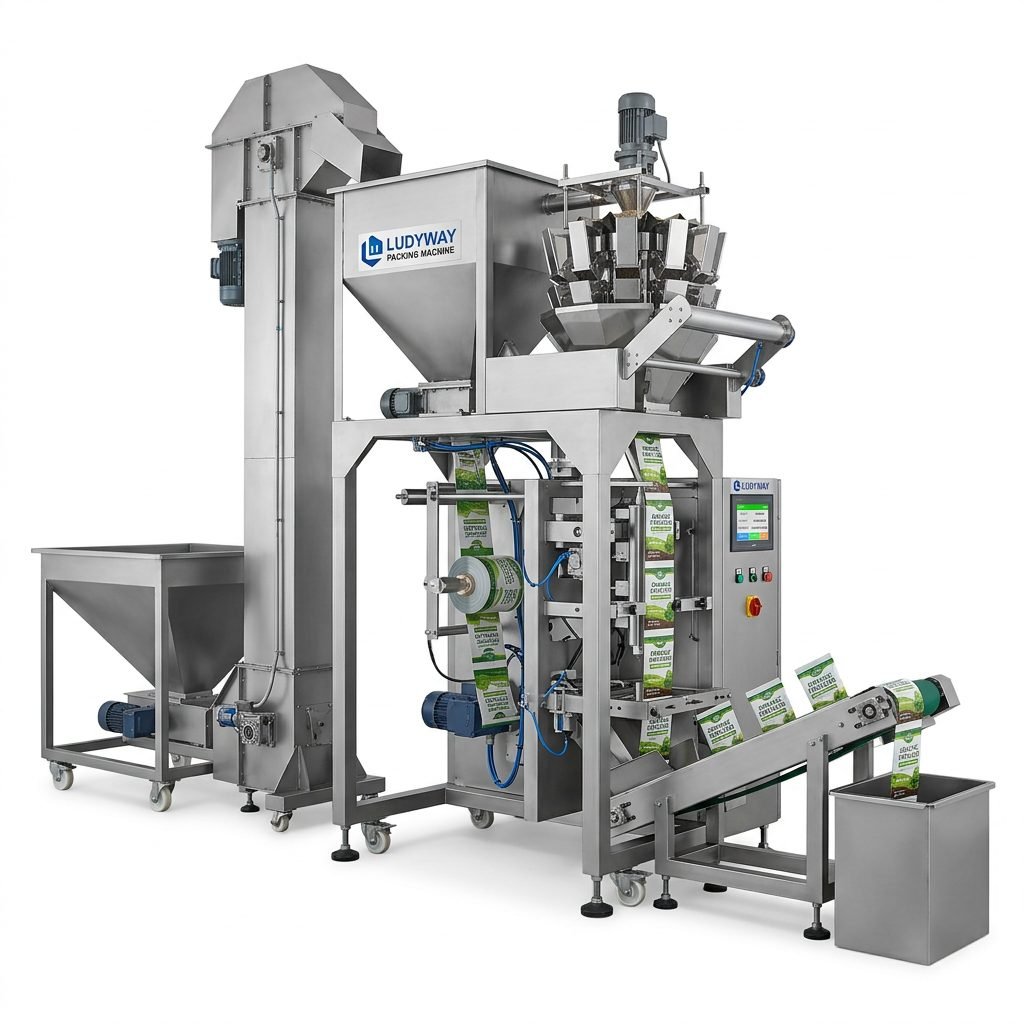
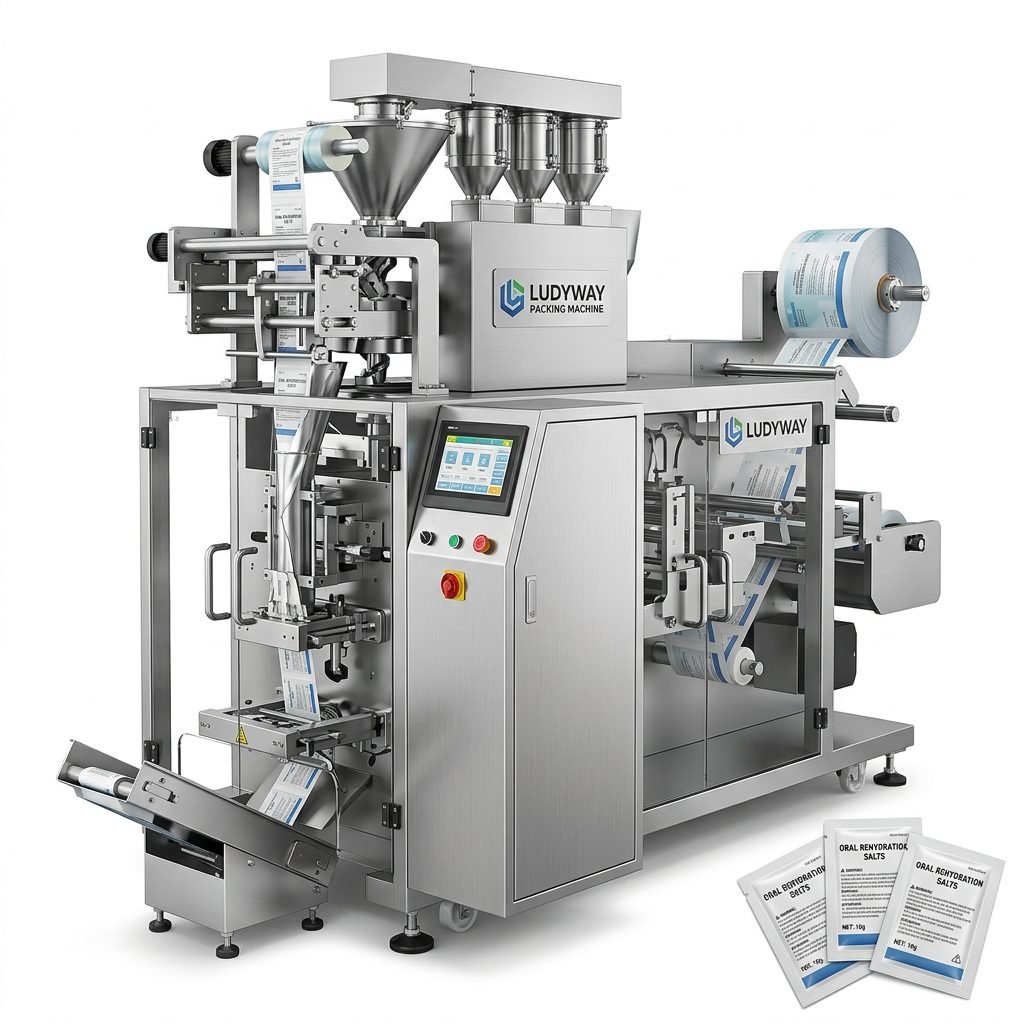
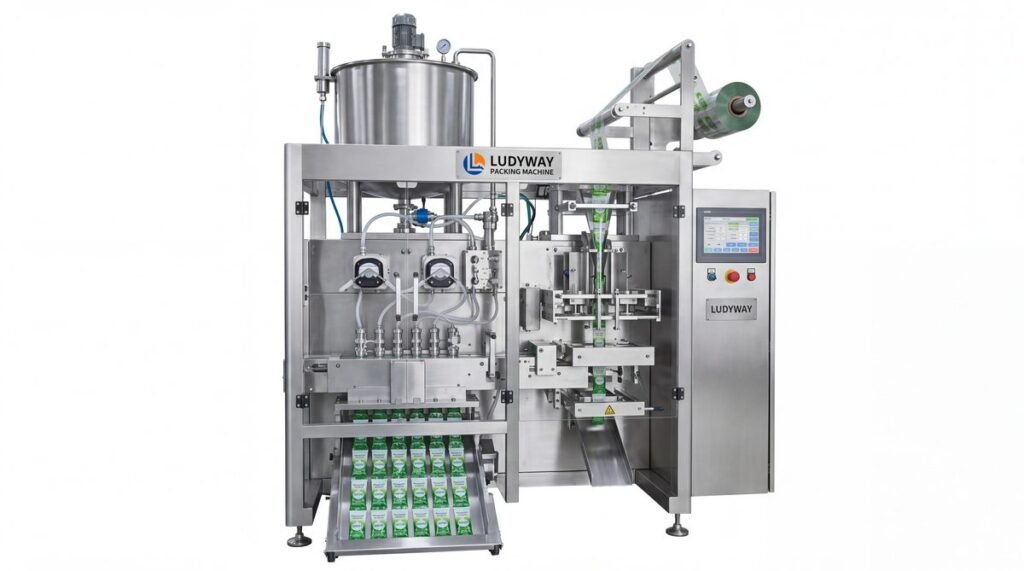
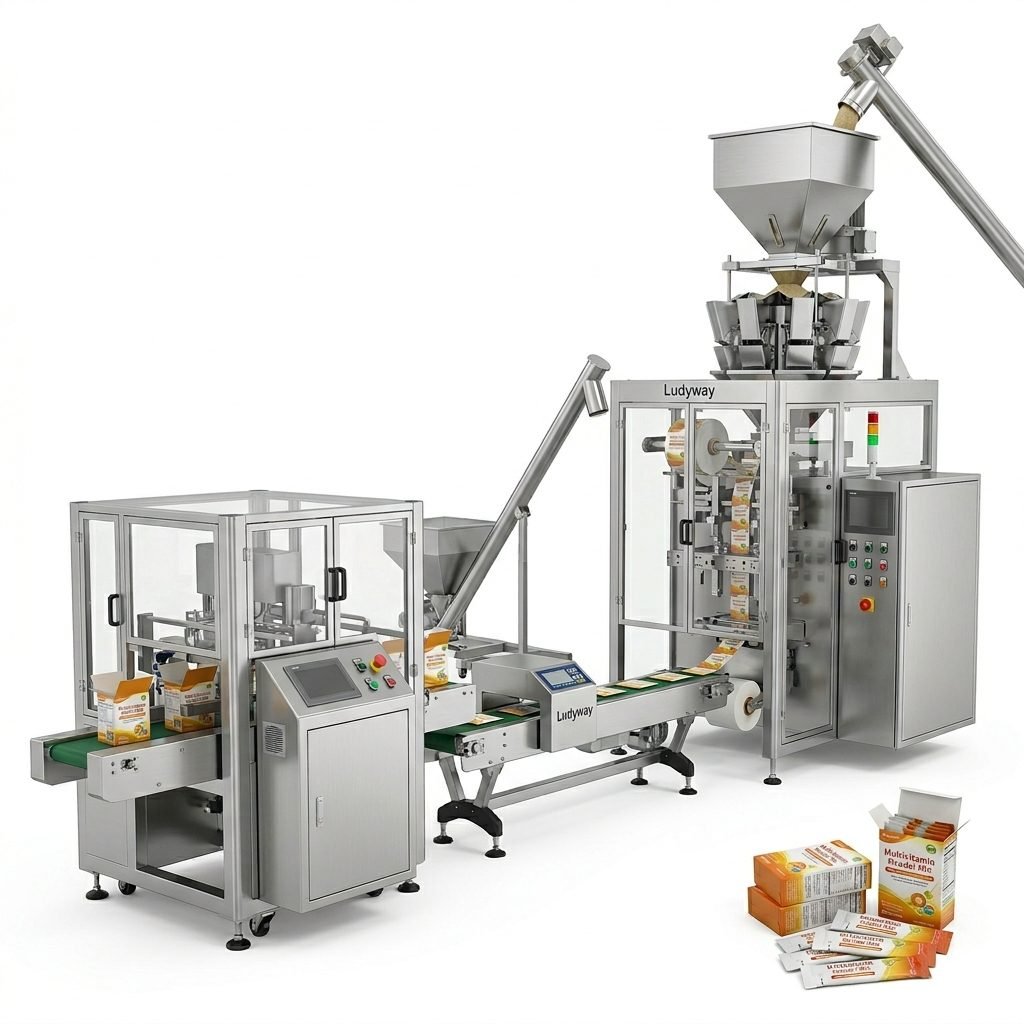
Food processing and packaging machinery plays a central role in building a modern production line that is fast, hygienic, scalable, and cost-effective. For manufacturers of powders, granules, liquids, sauces, snacks, supplements, frozen products, and ready-to-eat foods, the right equipment can directly improve output, product consistency, labor efficiency, and packaging quality.
This guide explains how food processing and packaging machinery works together, what machines are commonly used, how to choose the right setup, and what to consider when planning an efficient line from raw material handling to final packing.

What Is Food Processing and Packaging Machinery?
Food processing and packaging machinery refers to the integrated equipment used to prepare, measure, fill, seal, label, inspect, and pack food products. In many factories, these machines are connected into one automated workflow that reduces manual handling and keeps production stable.
Depending on the product type, a complete line may include:
- Raw material feeding and conveying systems
- Mixing, grinding, cooking, or blending equipment
- Dosing and weighing machines
- Vertical form fill seal or premade pouch packaging machines
- Bottle, jar, cup, sachet, pouch, or stick pack filling systems
- Metal detectors, checkweighers, and vision inspection units
- Cartoning, case packing, palletizing, and wrapping equipment
Why These Machines Matter in Modern Production
In competitive food manufacturing, packaging is not just the last step. It affects shelf life, transport safety, retail appearance, traceability, and compliance. Efficient machinery helps manufacturers achieve:
- Higher production speed with less downtime
- More accurate filling for powders, liquids, and granules
- Better hygiene and reduced contamination risk
- Consistent seal quality and package appearance
- Lower labor dependency
- Improved batch traceability and quality control
- Scalable automation for future growth
Main Types of Food Processing and Packaging Machinery
1. Feeding and Material Handling Equipment
Before filling starts, raw materials must move smoothly through the line. This stage often includes screw conveyors, bucket elevators, vacuum feeders, hoppers, and storage bins. Reliable feeding systems help maintain accurate dosing and prevent line interruption.
2. Processing Equipment
Food products may require washing, cutting, grinding, blending, heating, cooling, or homogenizing before packaging. For example:
- Powder products may need milling and blending
- Sauces may need cooking and agitation
- Snacks may require seasoning and cooling
- Liquid products may require filtration or sterilization
3. Dosing and Filling Machines
Different products require different dosing technologies:
| Product Type | Recommended Filling Method | Typical Applications |
|---|---|---|
| Powders | Auger filler | Milk powder, protein powder, spices |
| Granules | Multi-head weigher or cup filler | Sugar, seeds, coffee, snacks |
| Liquids | Piston pump or flowmeter filler | Juices, oils, sauces |
| Pastes | Servo piston filling system | Peanut butter, mayonnaise, ketchup |
4. Forming, Filling, and Sealing Equipment
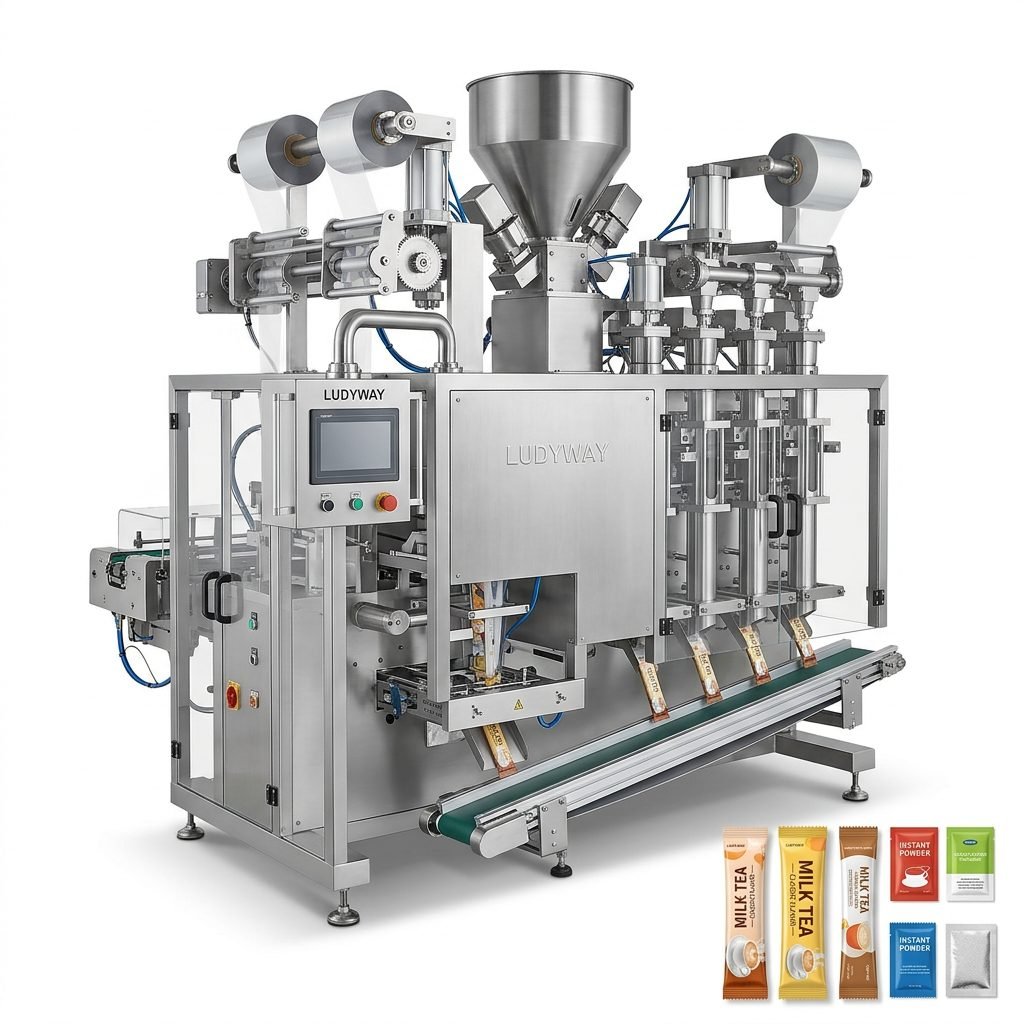
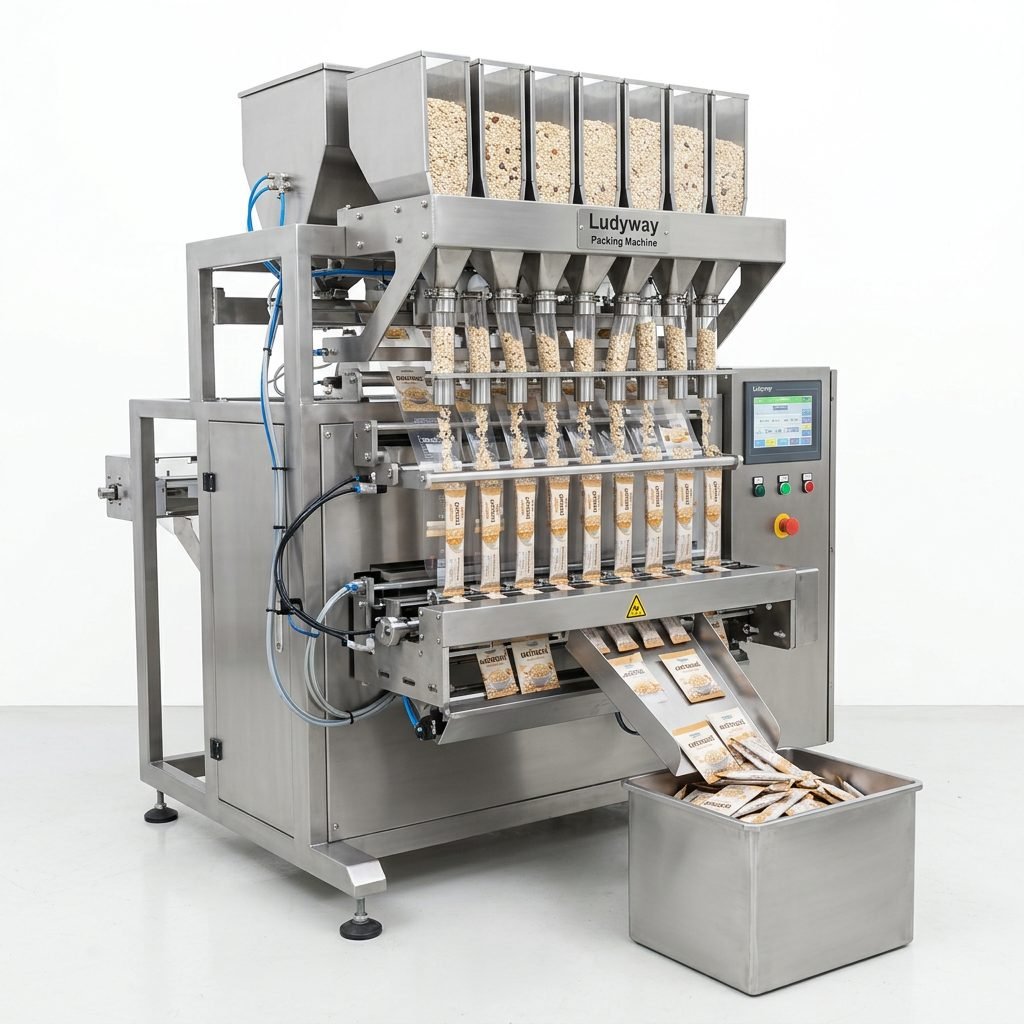
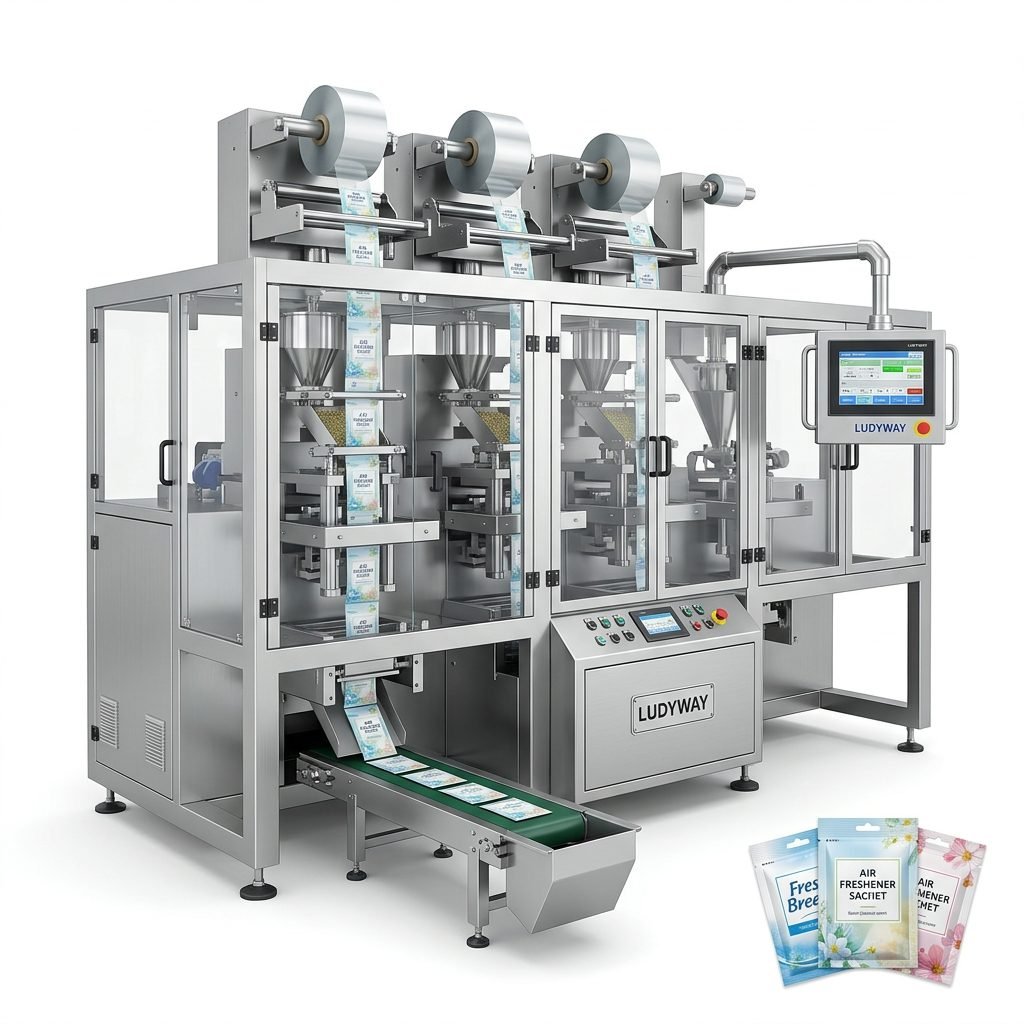
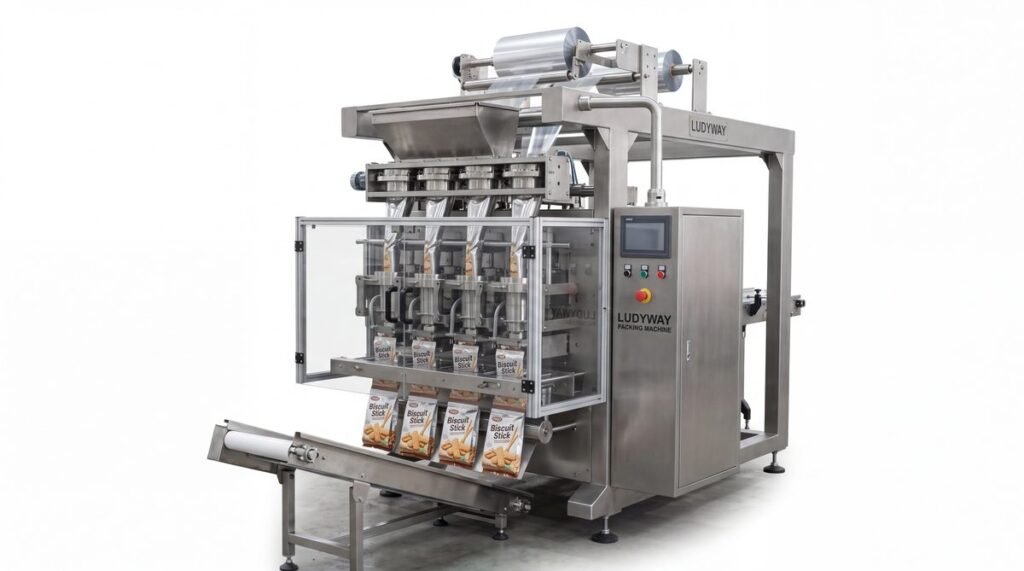
This is the heart of many packaging lines. Machines in this category create the package, fill it, and seal it in one automated cycle. Common formats include:
- Sachets
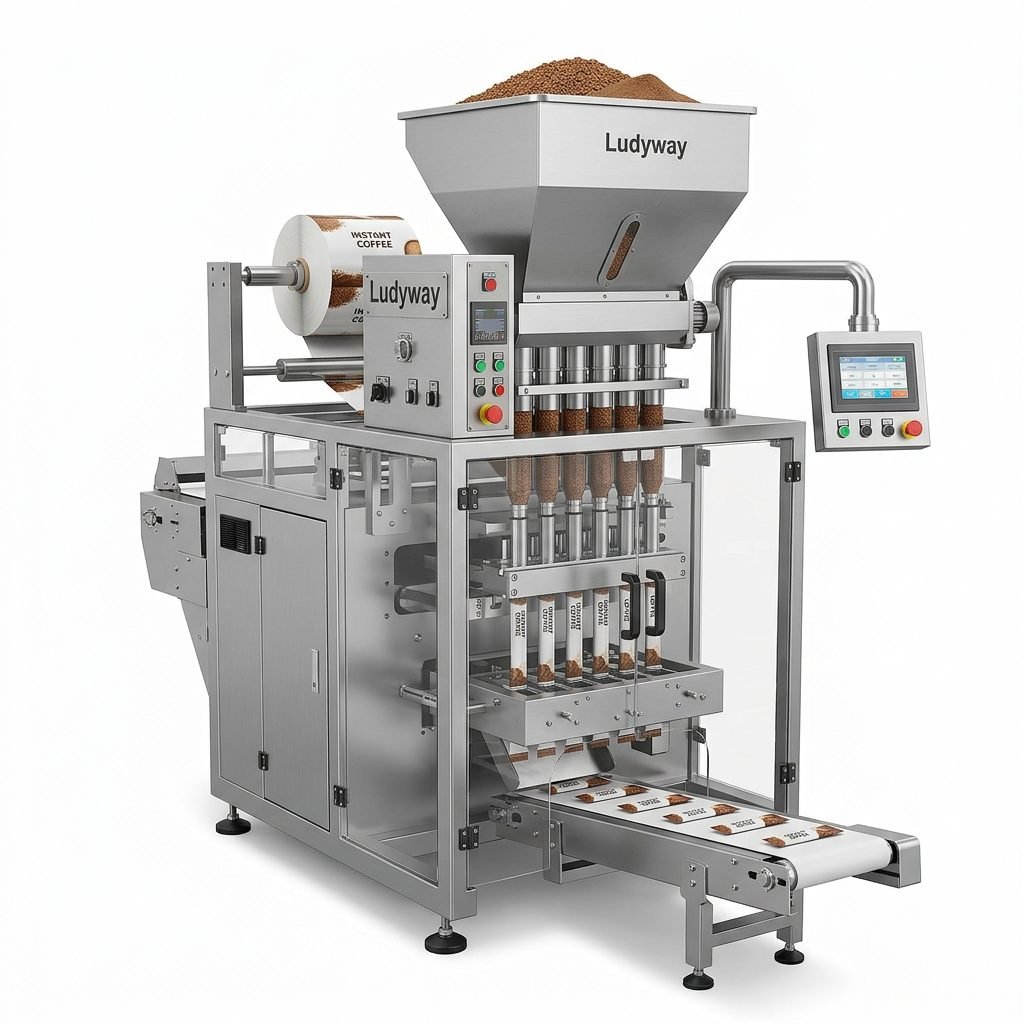
- Stick packs
- Pouches
- Bags
- Bottles and jars
- Cups and trays
High-speed multi-lane packaging systems are especially popular for small-dose food items such as coffee powder, seasoning, sugar, nutritional supplements, electrolyte drinks, and instant beverage mixes.
5. Inspection and Quality Control Equipment
A high-performance line should include inspection devices that protect both product quality and brand reputation. Common options include:
- Metal detectors
- Checkweighers
- X-ray inspection systems
- Seal integrity checking
- Vision systems for coding and print verification
6. Secondary and End-of-Line Packaging Equipment
After primary packaging, products often move to cartoning, case packing, labeling, palletizing, and stretch wrapping. Automating these stages can significantly improve shipping efficiency and reduce handling damage.
Common Food Products That Use Automated Packaging Lines
Food processing and packaging machinery is used across many categories:
- Powdered drink mixes
- Coffee and tea products
- Sugar and sweeteners
- Flour and baking ingredients
- Spices and seasoning blends
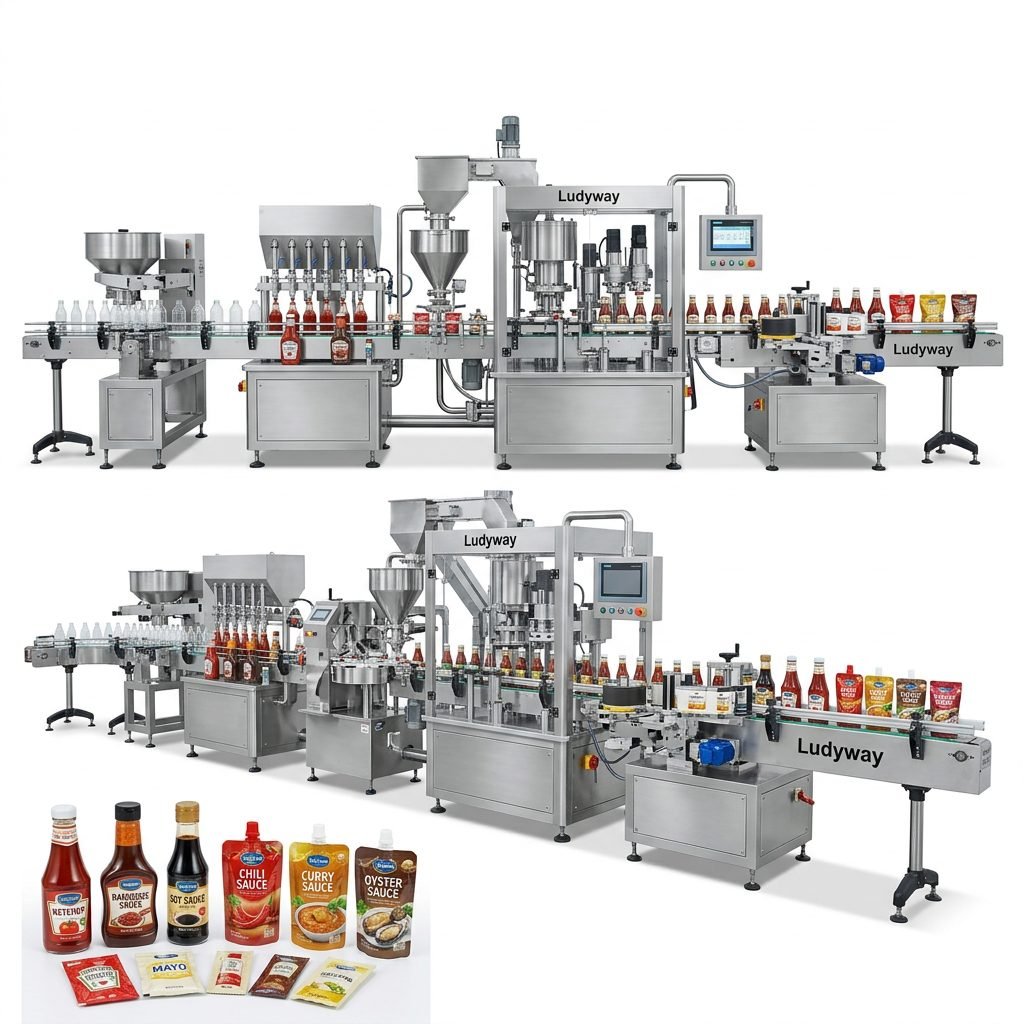
- Sauces, ketchup, mustard, and mayonnaise
- Cooking oil and liquid condiments
- Snacks, nuts, dried fruit, and cereal
- Protein powder and health nutrition products
- Frozen and vacuum-packed foods
How to Build an Efficient Food Production Line
Understand the Product Characteristics
The first step is understanding the physical behavior of the product. Is it free-flowing or sticky? Fine or coarse? Sensitive to moisture, heat, or oxygen? Fragile or dense? Product characteristics determine the filling method, packaging material, sealing temperature, and machine structure.
Match the Packaging Format to the Market
The package should support both production efficiency and sales goals. For example:
- Stick packs are ideal for single-dose drink powders and supplements
- Sachets are popular for sauces, seasonings, and travel-size food products
- Pouches are suitable for stand-up retail packaging
- Bottles are often used for sauces, oils, and beverages
- Vacuum packs help extend shelf life for certain solid foods
Plan the Required Output
Capacity planning is essential. A line designed for 30 packs per minute is very different from one designed for 300 packs per minute. The target output should reflect current demand and future expansion.
Reduce Bottlenecks Across the Line
An efficient production line is only as strong as its slowest stage. Even a high-speed sachet machine will underperform if product feeding, date coding, or cartoning cannot keep up. Line balancing is critical for stable operation.
Key Features to Look for in Food Packaging Machinery
| Feature | Why It Matters |
|---|---|
| Stainless steel contact parts | Supports hygiene and easier cleaning |
| Servo-driven filling | Improves precision and control |
| PLC and touch screen operation | Simplifies setup, monitoring, and troubleshooting |
| Quick changeover design | Reduces downtime between products or pack sizes |
| Integrated coding and inspection | Supports traceability and consistent quality |
| Modular line layout | Makes future upgrades easier |
Benefits of Turnkey Food Packaging Line Solutions
Many manufacturers prefer turnkey solutions instead of purchasing standalone machines from multiple suppliers. A turnkey approach can offer:
- Better machine compatibility across the full line
- Simpler project management
- Faster installation and commissioning
- Unified technical support
- More reliable performance in long-term production
For businesses seeking a complete system from feeding to final packing, working with an experienced manufacturer such as Ludyway can be valuable when custom automation, multi-format packaging, and turnkey integration are required.
Important Hygiene and Safety Considerations
Food factories must meet strict hygiene and safety requirements. Machinery should be selected with sanitation in mind, especially for dairy products, powders, sauces, and ready-to-eat foods.
Recommended considerations include:
- Smooth surfaces and hygienic machine design
- Easy disassembly for cleaning and maintenance
- Food-grade contact materials
- Dust control for powder applications
- Leak prevention for liquid filling systems
- Safety guards and emergency stop systems
How to Choose the Right Supplier
Choosing machinery is not only about price. It is also about long-term production reliability. When evaluating a supplier, focus on:
- Industry experience in food packaging
- Available machine range and customization ability
- Export experience and international project support
- Factory scale and engineering capability
- After-sales service, spare parts, and remote support
- Real application cases similar to your product
Questions to Ask Before Buying Food Processing and Packaging Machinery
- What product types and viscosities can the machine handle?
- What filling accuracy can be achieved?
- What is the actual speed under normal production conditions?
- How long does product or size changeover take?
- Can the line be upgraded later?
- What quality control devices are included?
- What support is available for installation and training?
Trends Shaping the Future of Food Packaging Lines
The food machinery sector continues to evolve. The most important trends include:
- Automation and smart control for better efficiency and data visibility
- Sustainable packaging compatibility
- Higher speed multi-lane systems for small-dose products
- Flexible machinery for frequent product changeovers
- Stronger traceability and inspection systems
Best Applications for Integrated Packaging Machinery
Integrated packaging systems are especially effective for manufacturers that need:
- High daily production volume
- Consistent package quality across multiple shifts
- Reduced labor costs
- Reliable export-ready packaging
- Flexible production of powders, granules, liquids, or mixed product lines
Final Buying Insight
The most efficient food processing and packaging machinery is not necessarily the biggest or fastest machine. The best solution is the one that matches your product, plant layout, packaging format, hygiene requirement, and growth plan. A well-designed production line should help your business produce more with fewer interruptions while maintaining stable quality and lower operating costs.
When machinery selection is based on real production needs, manufacturers gain a stronger foundation for long-term efficiency, better product presentation, and sustainable business growth.