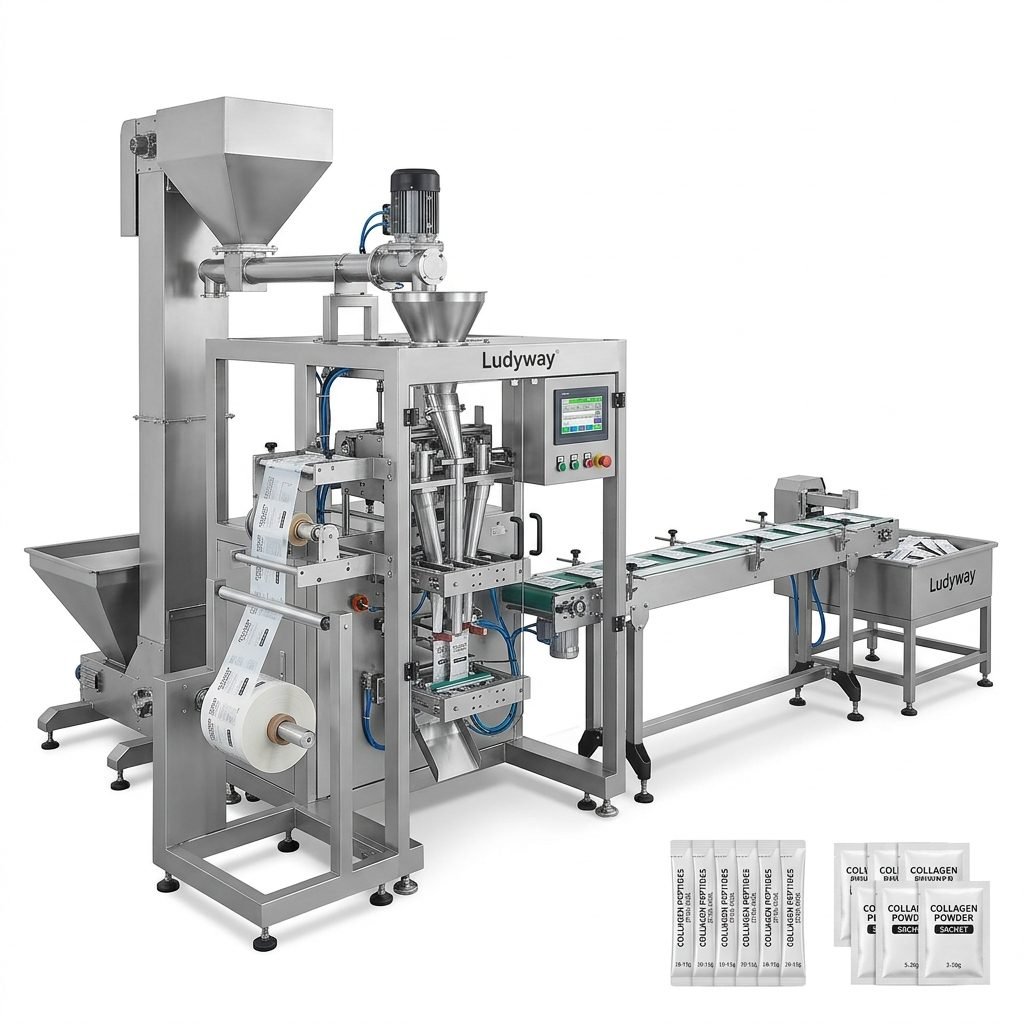
Setting up a ready meal packaging machine production line in Oceania presents a significant opportunity for food manufacturers. With rising consumer demand for convenience foods, establishing an efficient, compliant, and scalable packaging operation is essential for capturing market share in Australia, New Zealand, and the broader Pacific region. This guide walks you through the key steps, from regulatory compliance to equipment selection and line optimization.
Understanding the Ready Meal Market in Oceania
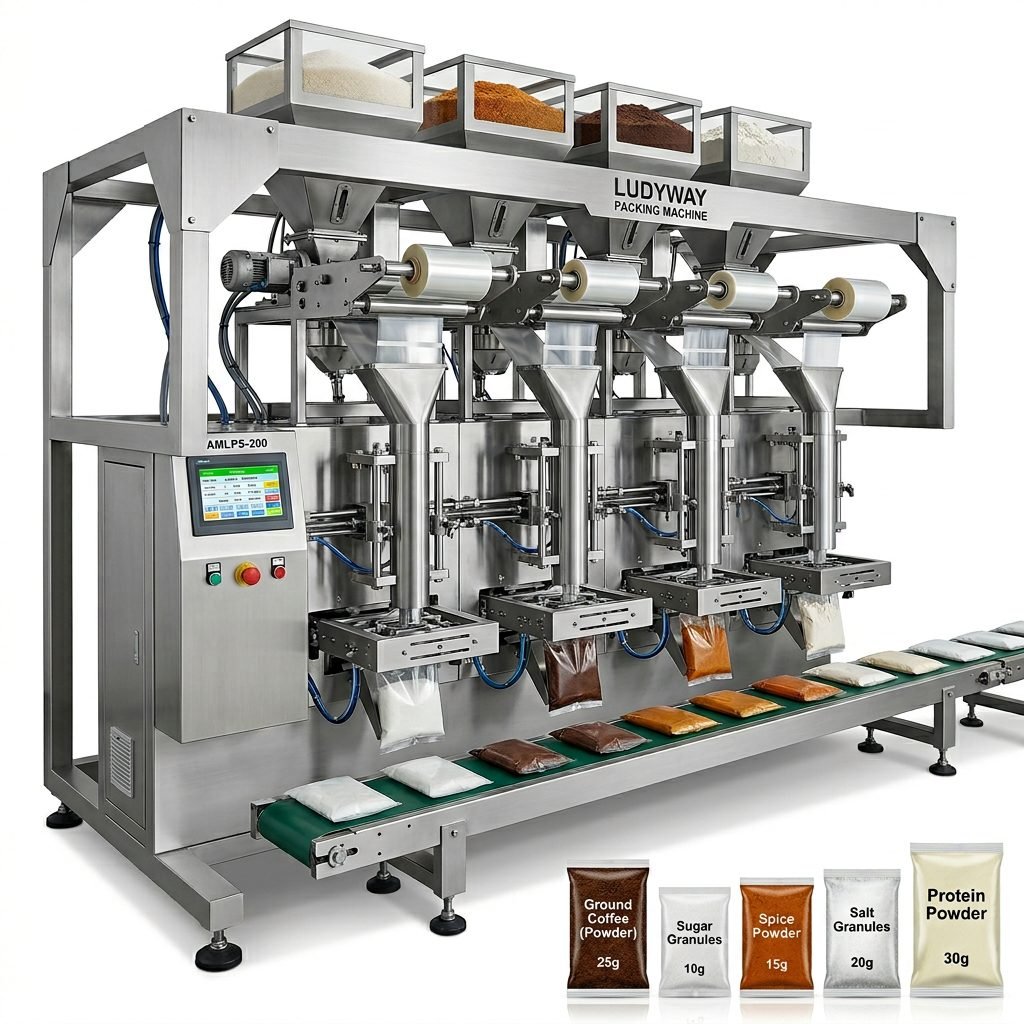
The ready meal sector in Oceania is driven by urbanization, busy lifestyles, and a growing preference for portion-controlled, high-quality packaged foods. Products range from fresh chilled meals to shelf-stable ambient pouches and frozen entrees. Each category requires specific packaging formats, such as multi-lane stick packs, sachets, or tray-sealing solutions. Understanding your target product category is the first step in planning your ready meal packaging line.
Key Regulatory Standards: FSANZ and Beyond
Compliance with Food Standards Australia New Zealand (FSANZ) is non-negotiable. Packaging materials, food contact substances, and labeling must meet strict requirements. Refer to the FDA food packaging guidelines as an additional international benchmark for safety. Your production line must incorporate food-grade stainless steel construction and hygienic design principles to prevent contamination and ensure easy cleanability.
Step 1: Define Your Production Capacity and Packaging Format
Start by calculating your required output in units per minute. This will determine whether you need a single-lane or a multi-lane packaging system. The table below outlines common ready meal formats and typical machine configurations used in Oceania facilities.
| Ready Meal Type | Packaging Format | Recommended Lane Configuration |
|---|---|---|
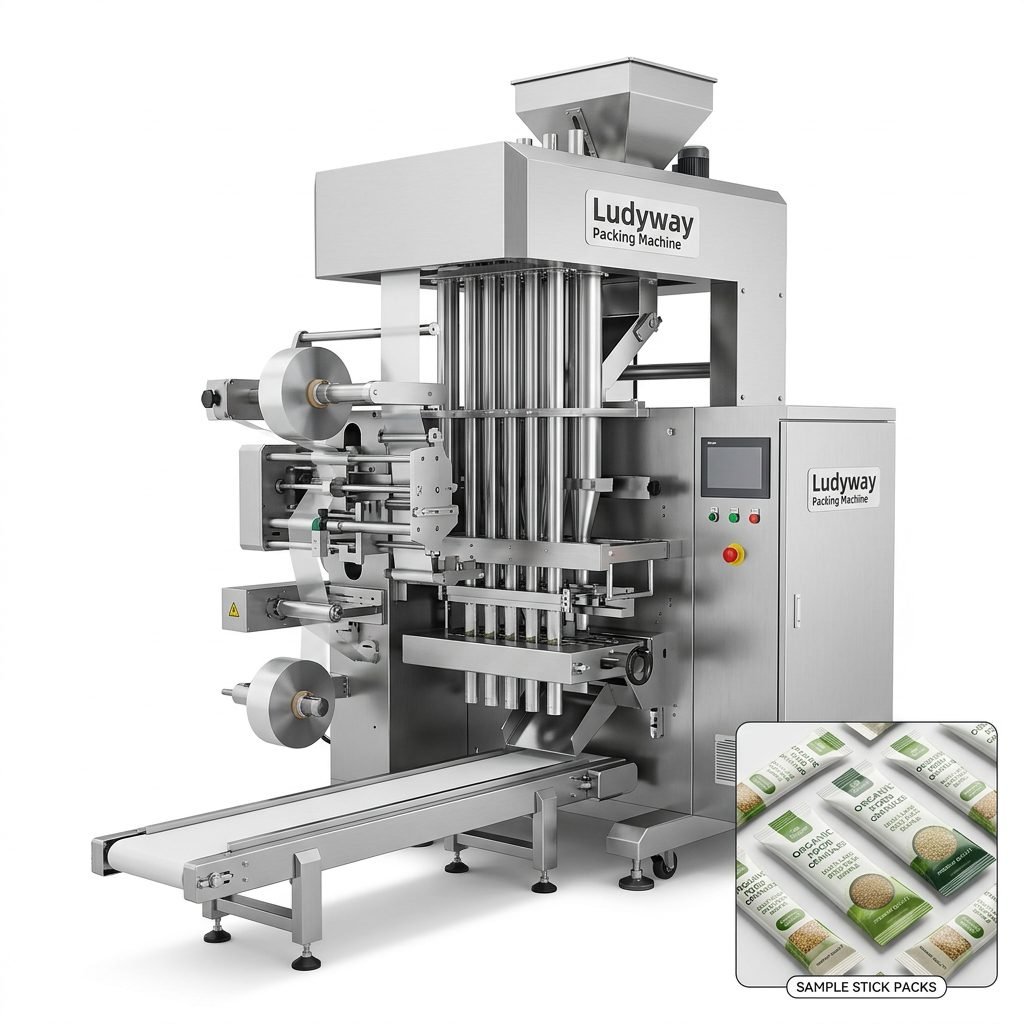
| Dry meal kits (pasta, spices) | Stick pack, sachet | 4-12 Lane Multi-Lane Packing Machine |
| Powdered soups and sauces | Sachet, stick pack | 6-16 Lane High-Speed Stick Machine |
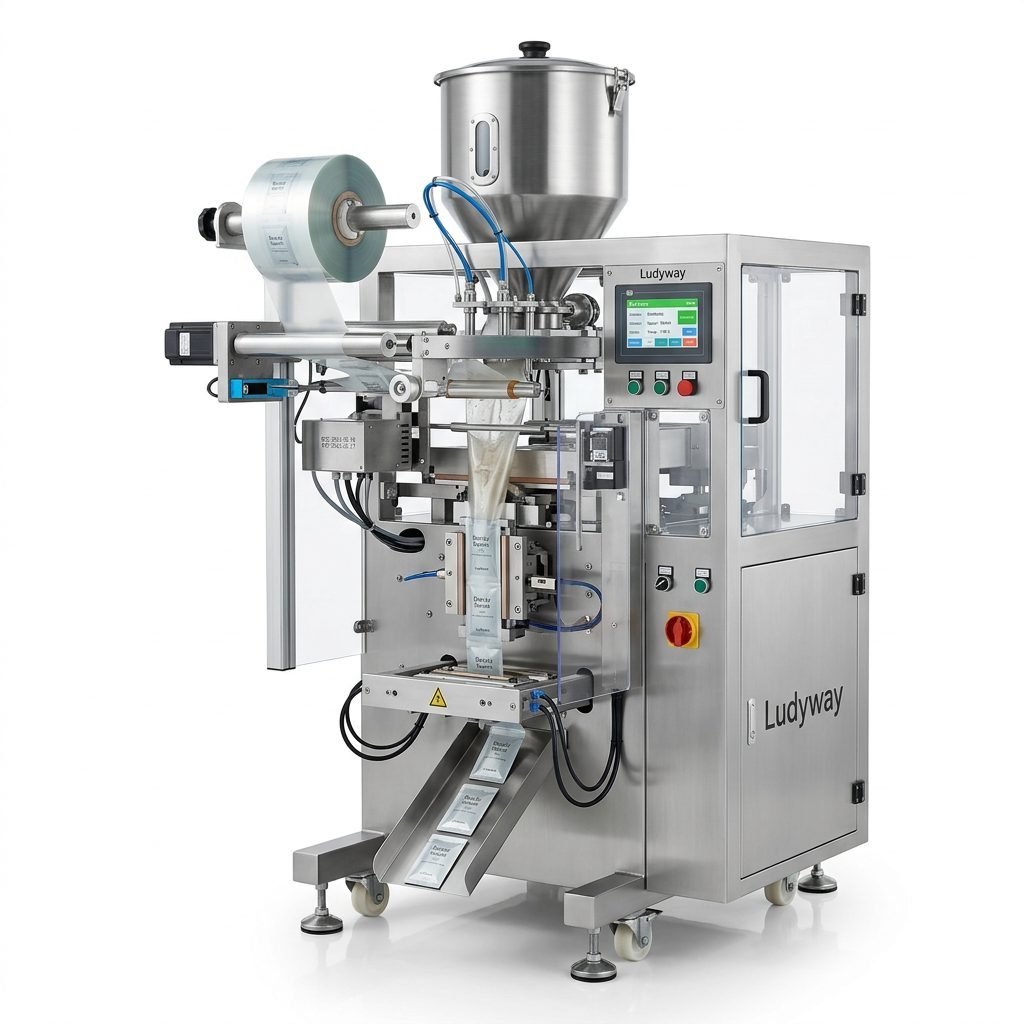
| Frozen vegetables and grains | Pillow pouch, gusseted bag | Single/Twin Lane Vertical Form Fill Seal (VFFS) |
| Chilled fresh meal bowls | Tray seal, MAP (Modified Atmosphere Packaging) | Tray Sealing Line with Gas Flushing |
Step 2: Select the Right Packaging Machinery
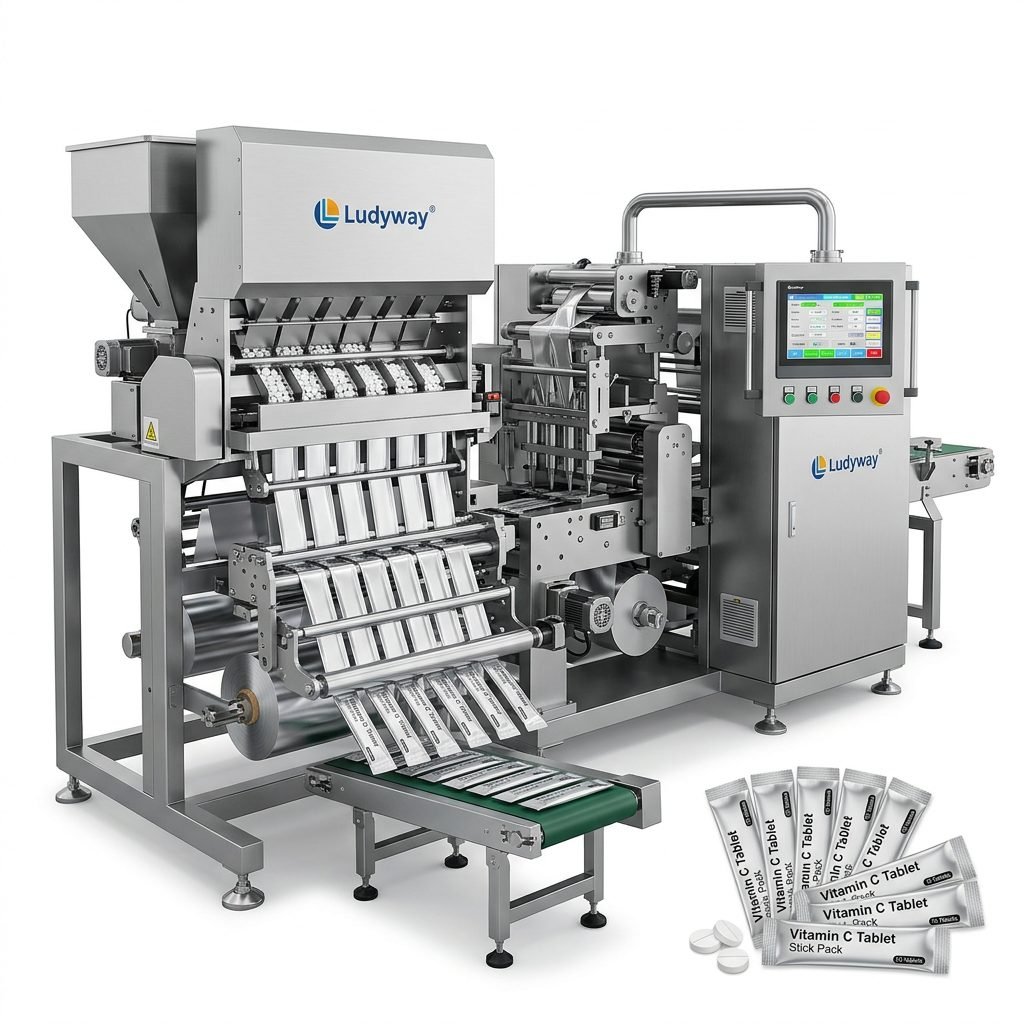
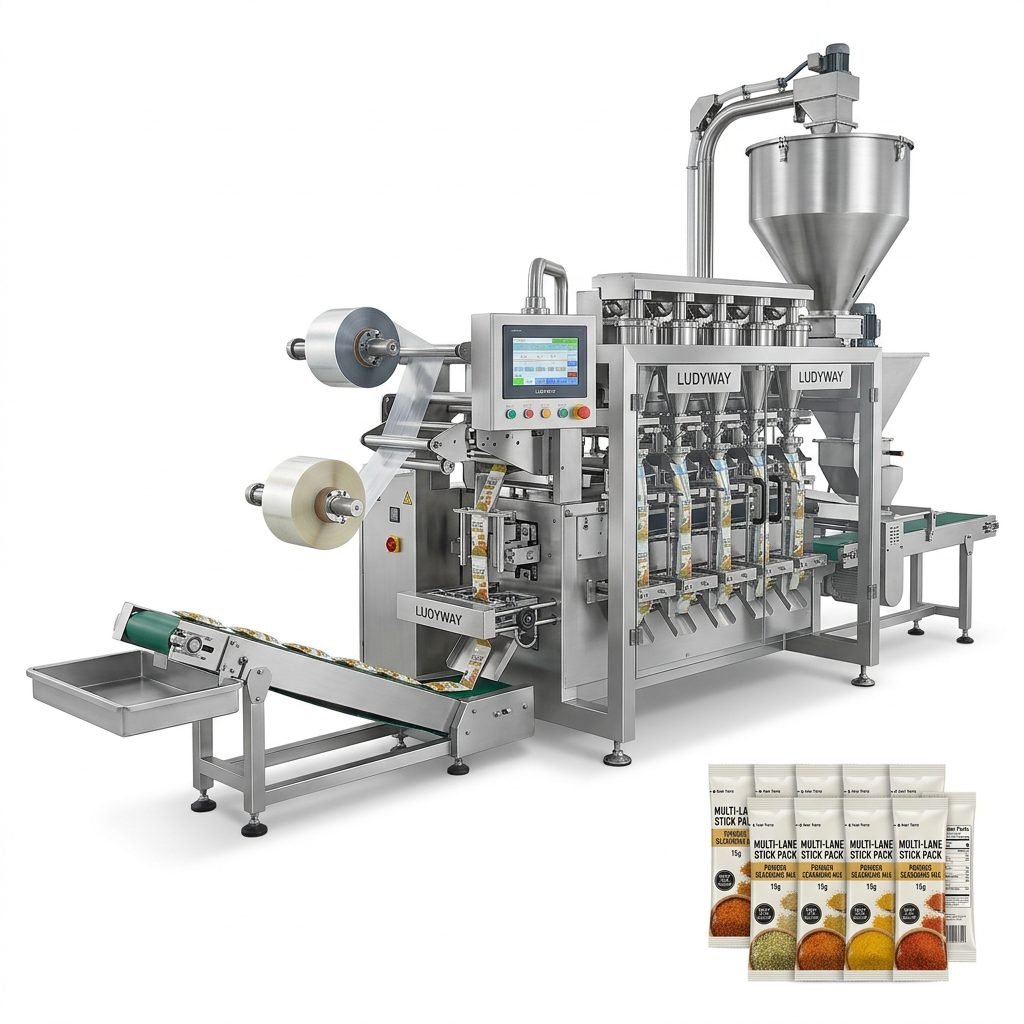
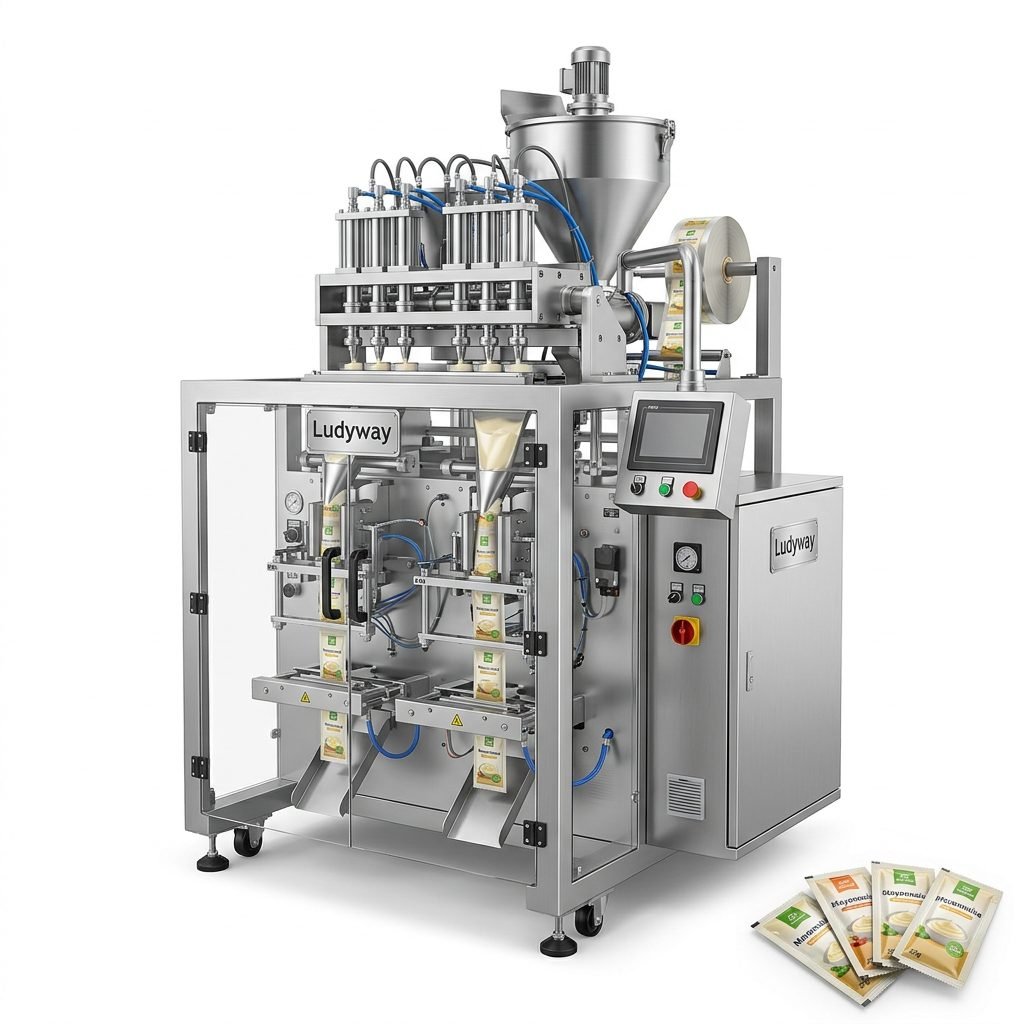
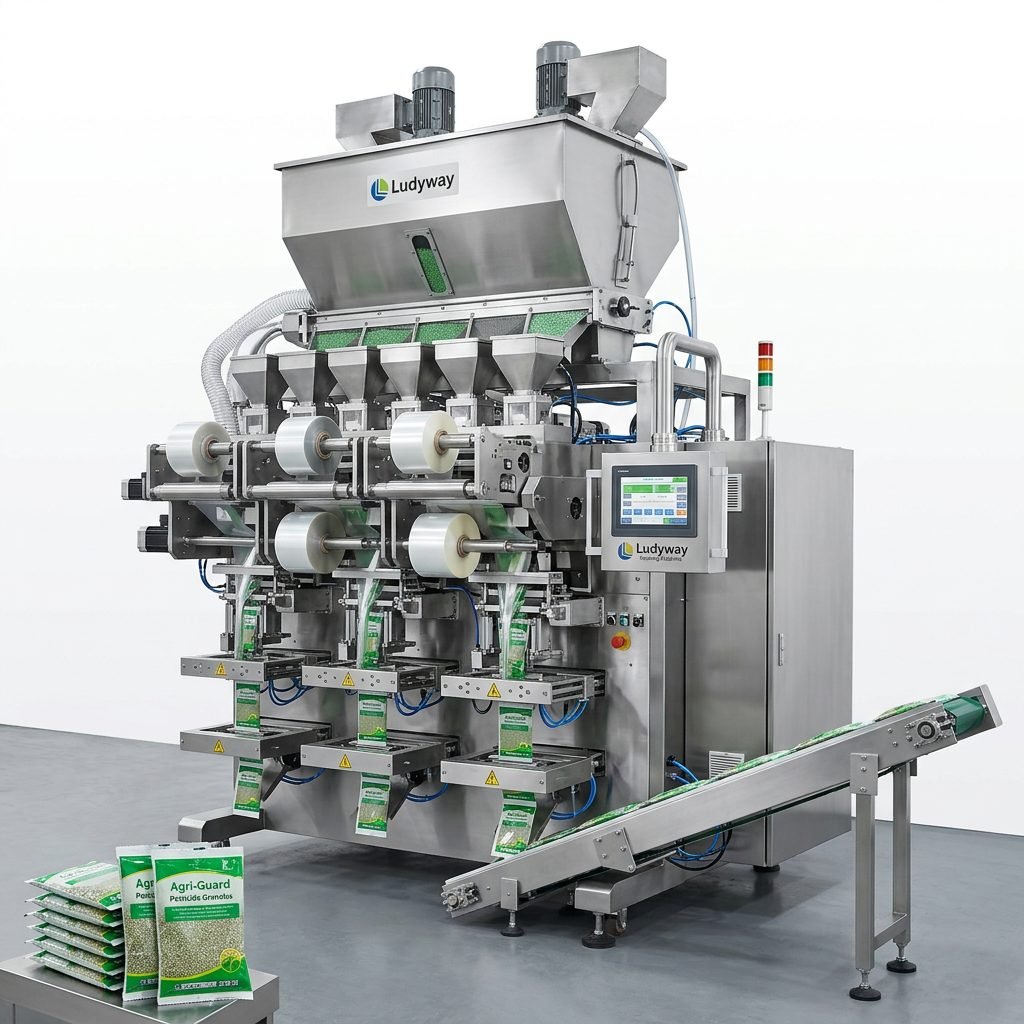
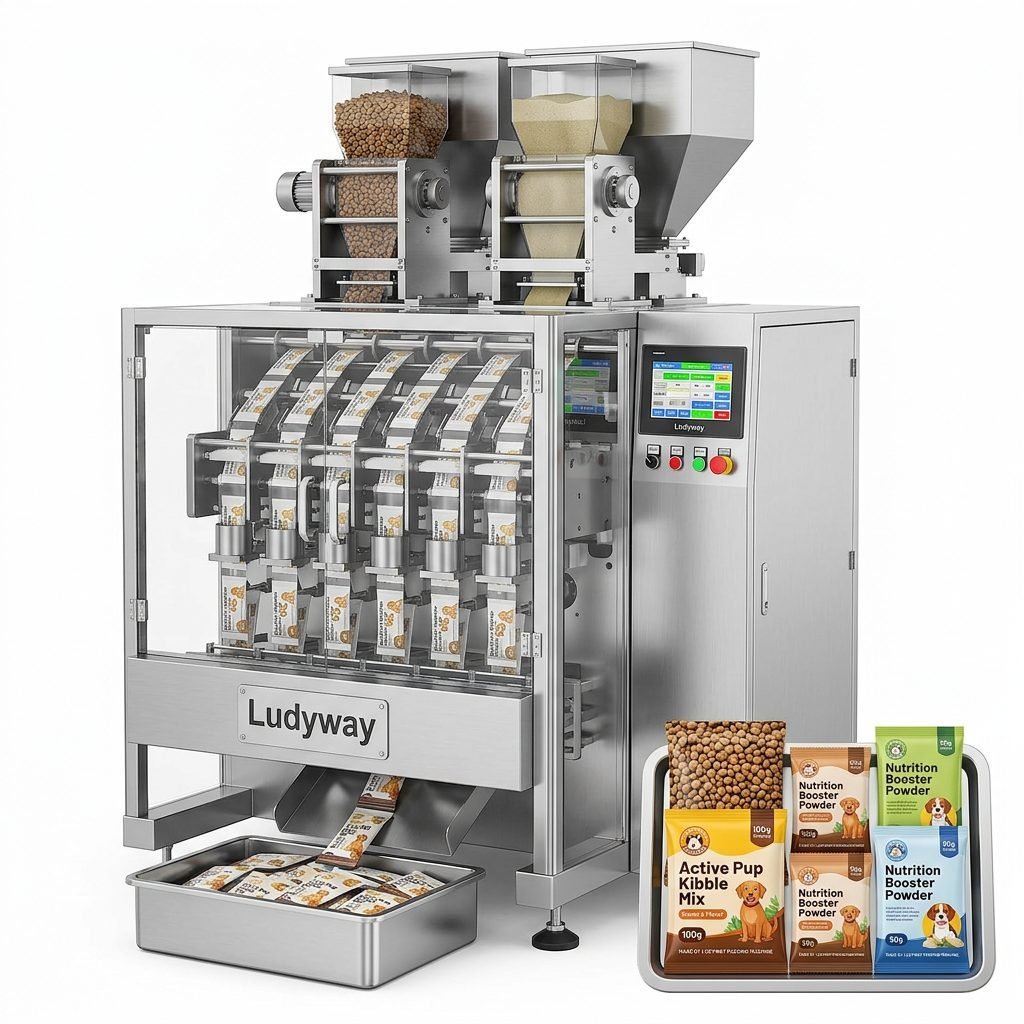
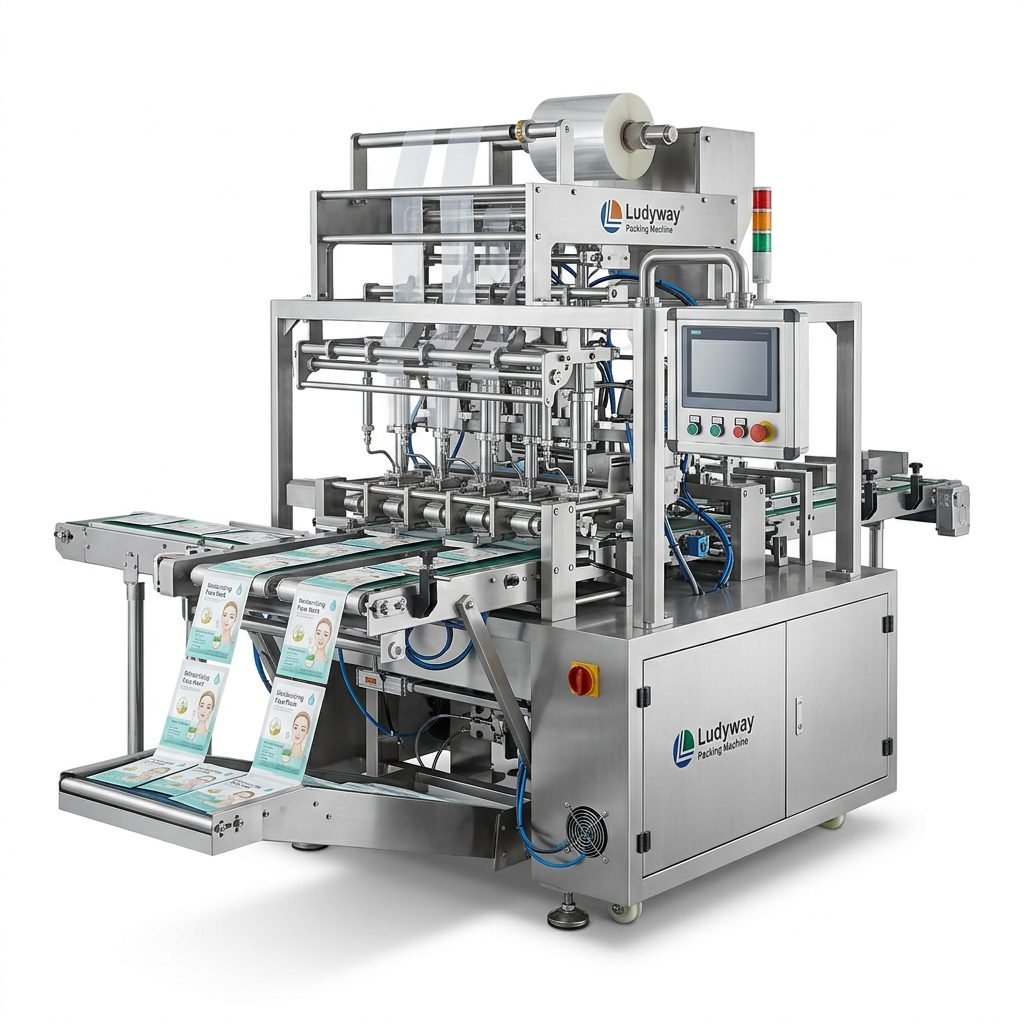
Choosing reliable equipment is critical. For granular and powder-based ready meals, a multi-lane stick pack machine offers unmatched speed and efficiency. Look for features like servo-driven motors, precise auger or volumetric fillers, and easy film handling. If you are packaging frozen ready meals, consider a VFFS system with strong seal integrity to withstand low temperatures. Integration with upstream cooking and downstream cartoning equipment should be seamless. Consulting resources from the Flexible Packaging Association can help you understand the latest material trends.
Step 3: Facility Layout and Line Integration
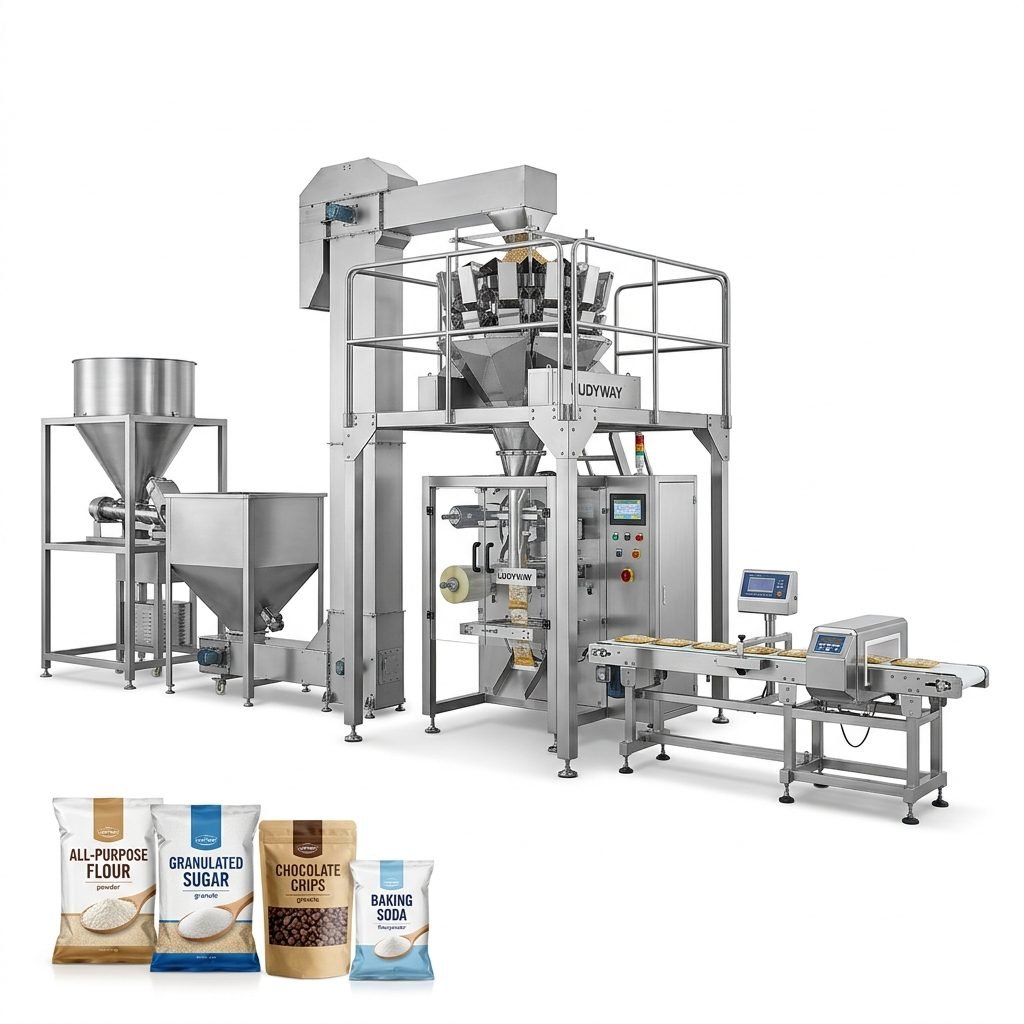
Efficient layout design minimizes labor costs and maximizes throughput. In Oceania, factory space often comes at a premium, making compact, modular systems highly desirable. Your line should logically sequence from product infeed to primary packaging, checkweighing, secondary cartoning, and palletizing. Key considerations include:
- Dust extraction for powder handling.
- Washdown capabilities for wet processing areas.
- Future expansion space for additional lanes or automation like robotic palletizing.
Cost Analysis and Return on Investment
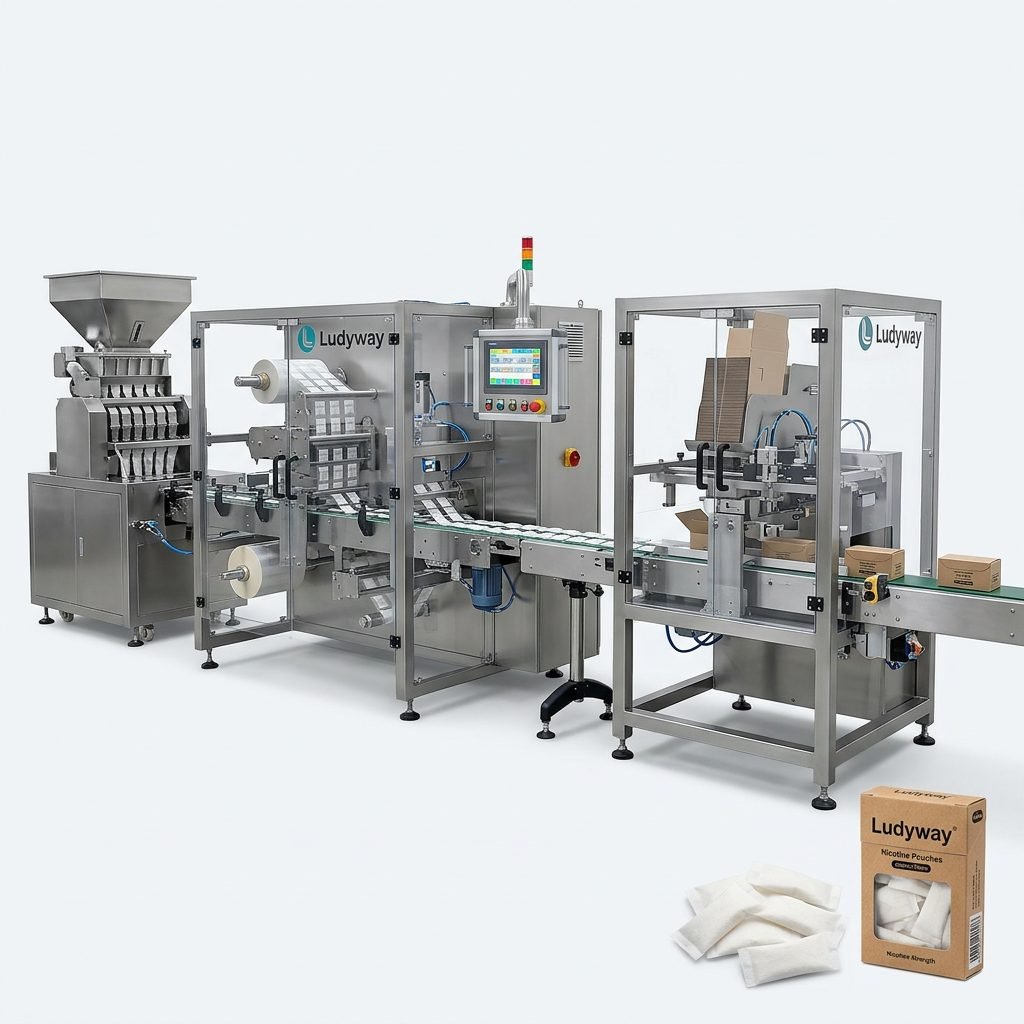
Investing in a ready meal packaging line involves balancing upfront capital with long-term operational efficiency. While basic single-lane machines have a lower entry price, multi-lane high-speed lines dramatically reduce per-unit packaging costs. Factor in film waste rates, labor reduction, and maintenance contracts. Many manufacturers in Oceania report a strong ROI when scaling up to automated ISO-compliant systems that minimize downtime and rejects.
Key Features of Modern Ready Meal Packaging Lines
To compete in the diverse Oceanian market, your machine should support:
- Quick changeover parts for different pouch sizes.
- Gas flushing (MAP) to extend shelf life of fresh meals.
- Tear notches and easy-open features.
- Integration with smart factory software for real-time OEE tracking.
Installation, Training, and After-Sales Support
Because much of the packaging machinery in Oceania is imported, you must verify local support capabilities. Ensure the vendor provides comprehensive installation, operator training, and a local inventory of critical spare parts. Downtime in the food industry is costly; remote diagnostic capabilities via IIoT technology are now a significant advantage for troubleshooting from anywhere in the world. Standards like ISO packaging standards ensure you are getting quality-engineered equipment.
Sustainability and Packaging Waste
Oceania consumers and regulators are highly focused on sustainable packaging. The European Commission’s packaging waste directives often influence local trends. Your production line should be compatible with recyclable or compostable film structures. Inquire about the machine’s ability to run ultra-thin laminates without sacrificing seal integrity to reduce plastic usage in your ready meal packs.
Choosing a Manufacturing Partner
Selecting a partner with a proven track record in turnkey production lines simplifies the setup process. Look for manufacturers offering full line integration—from primary packaging to end-of-line boxing. For instance, Ludyway Packaging Machinery has been expanding its global service capabilities significantly, providing customized turnkey solutions for granule, powder, and liquid food industries across over 100 countries. A collaborative partner will test your specific ready meal formulations on their equipment prior to delivery to ensure optimal filling accuracy and seal performance.
Final Checklist for Your Oceania Production Line
Before placing an order, confirm these critical points:
- All contact parts are stainless steel SUS304/316.
- Machines meet Australian Safety Standards (AS 4024).
- Certified water/dust ingress protection (IP65 or higher) for washdown environments.
- Clear documentation for electrical schematics and maintenance.
- Confirmed availability of local technical support in Sydney, Auckland, or Brisbane.
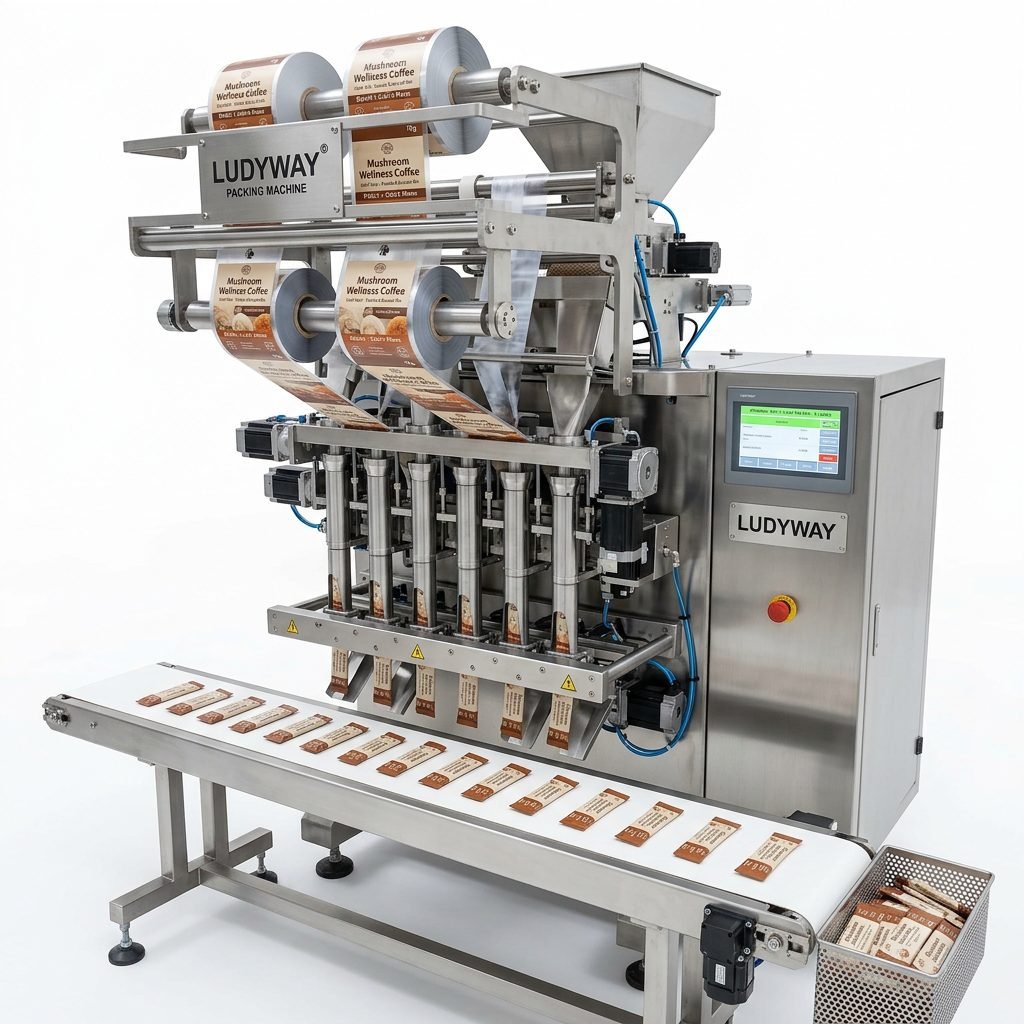
By focusing on hygienic design, high-speed automation, and Oceania-specific compliance, you can successfully establish a competitive ready meal packaging operation. The right multi-lane system will not only meet current consumer demand but also provide the flexibility to grow your business across Australia and the Pacific Islands for years to come.