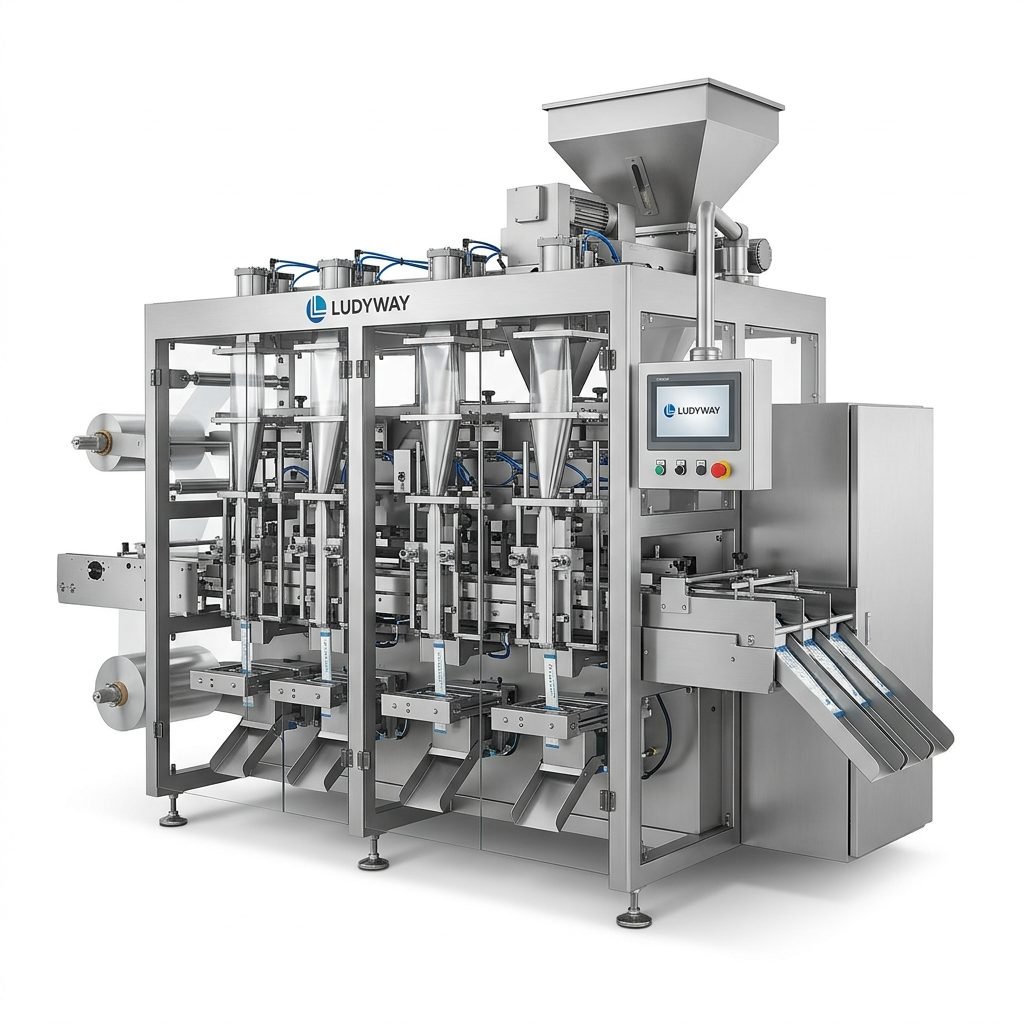
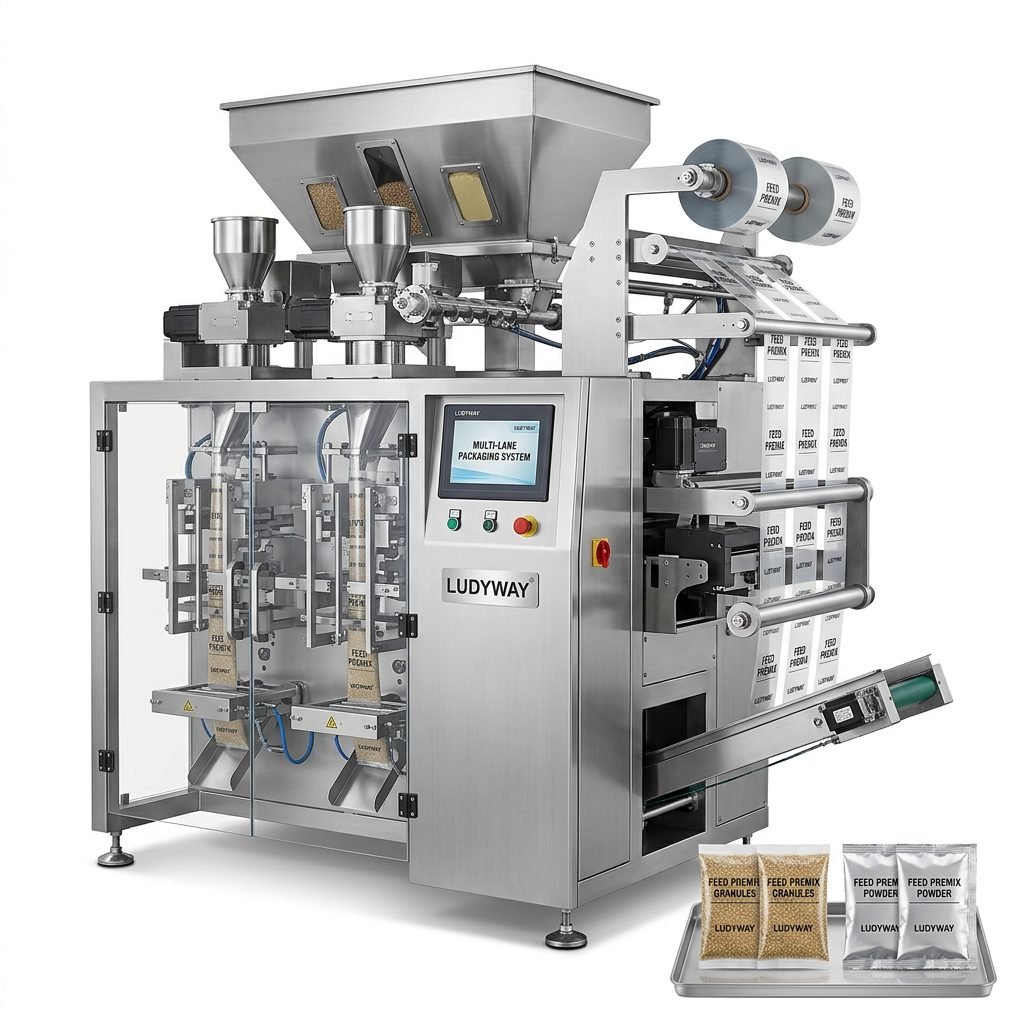
The UK biscuit and cookie market is thriving, with British consumers spending over £2.8 billion annually on sweet biscuits alone. For manufacturers, contract packers, and bakery businesses, investing in the right cookie packaging machine is critical to maintaining product freshness, achieving shelf appeal, and meeting retailer compliance standards. This guide covers everything you need to know about selecting, costing, and operating biscuit packaging equipment in the United Kingdom.
Understanding Cookie Packaging Machine Types
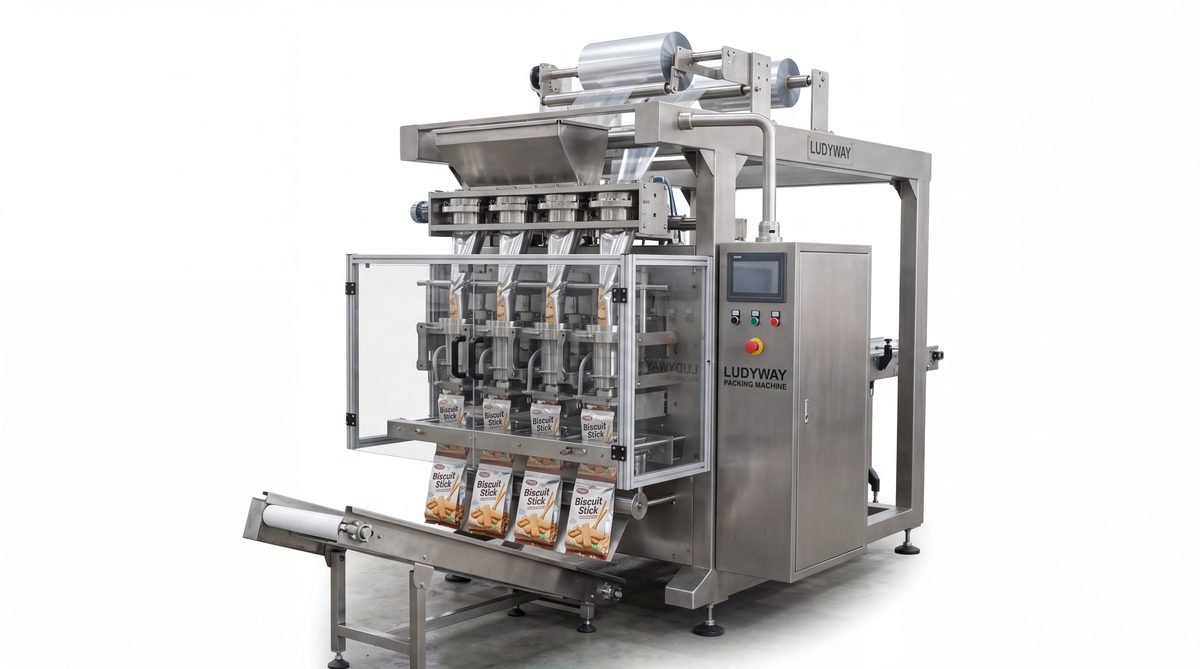
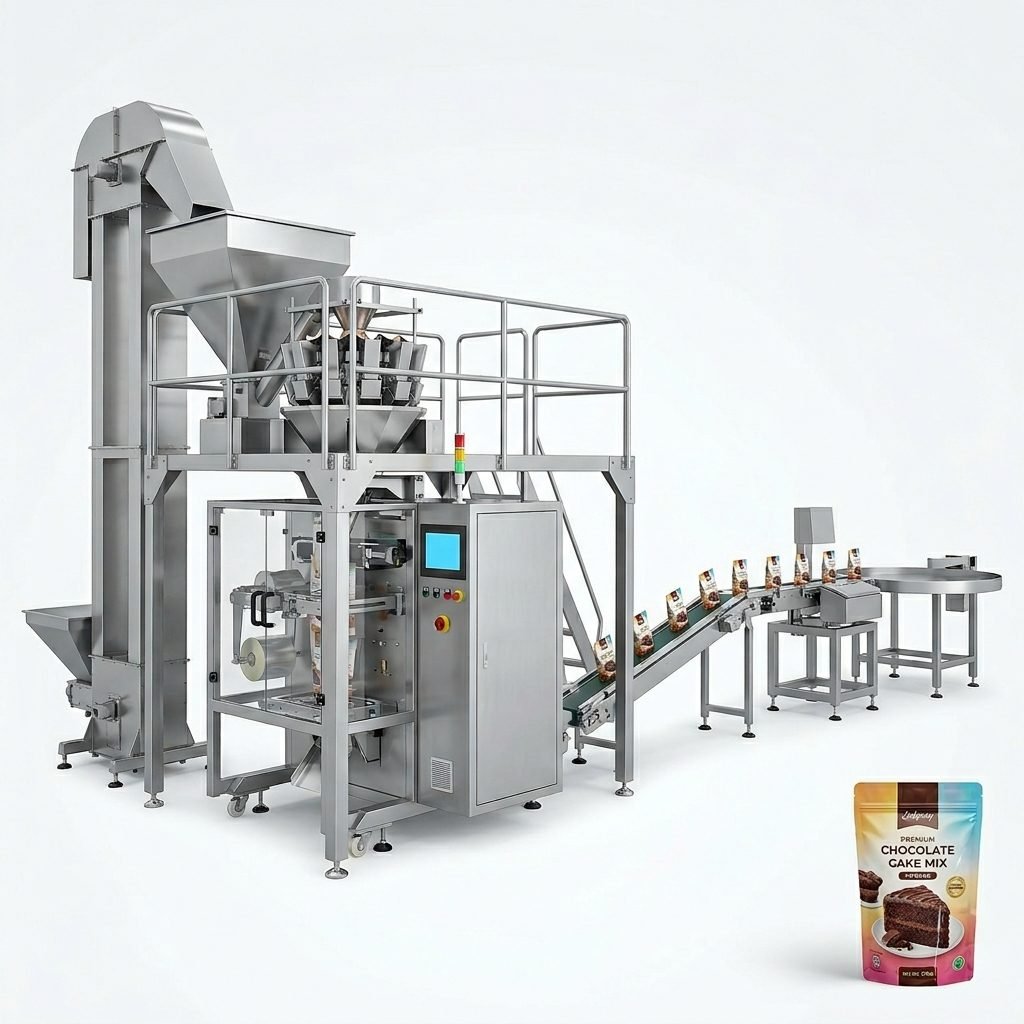
Different production volumes and biscuit formats require different packaging technologies. Below is a comprehensive overview of the main machine categories available to UK food manufacturers and packers.
| Machine Type | Best For | Speed Range | Typical UK Cost |
|---|---|---|---|
| Flow Wrapping Machine | Individual biscuits, multipacks, slug packs | 60–800 packs/min | £25,000–£180,000 |
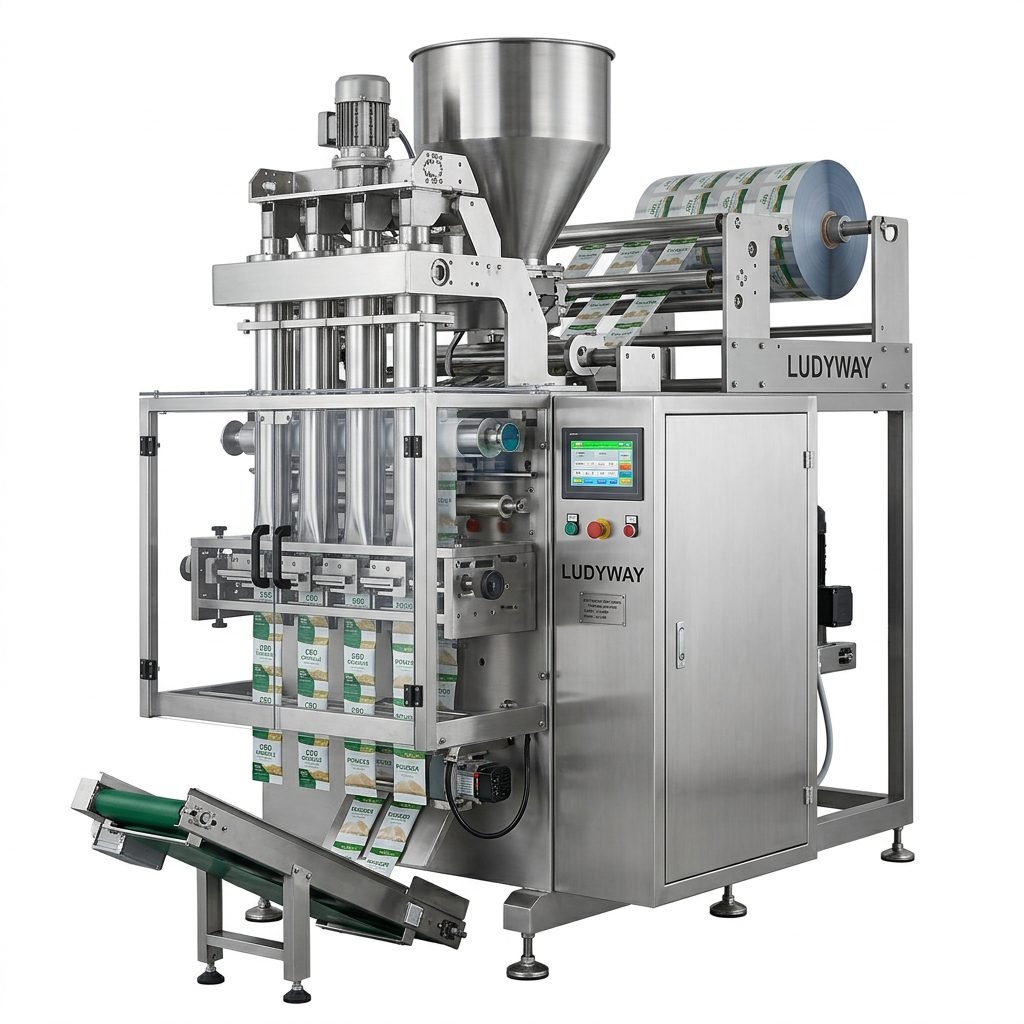
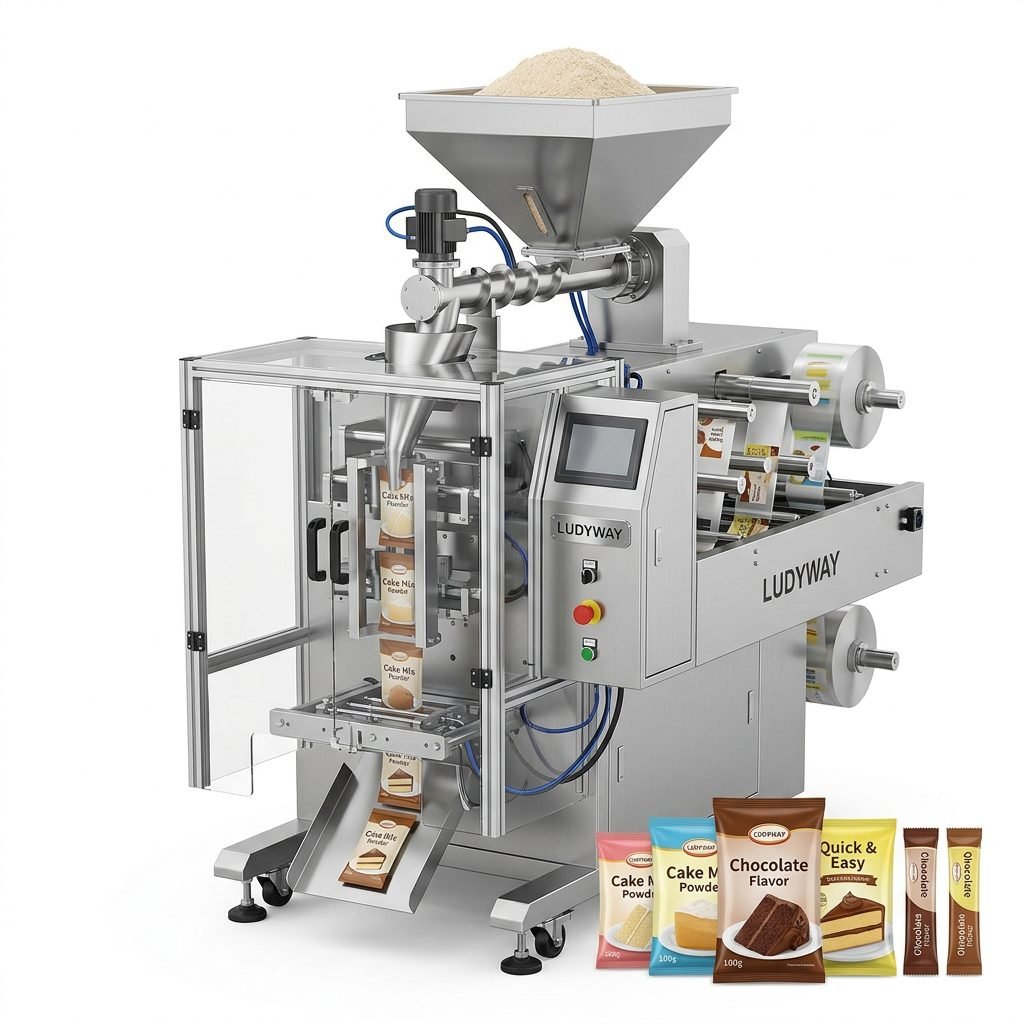
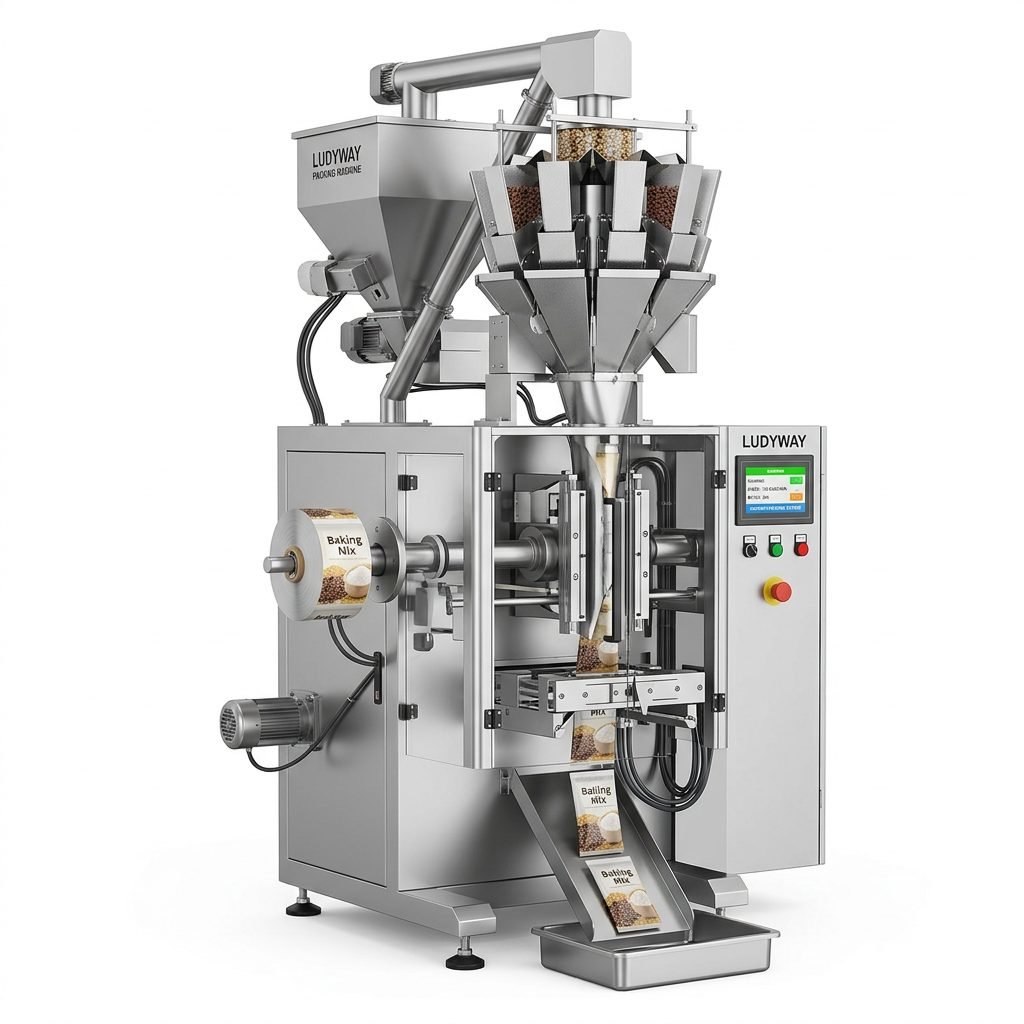
| Vertical Form Fill Seal (VFFS) | Loose cookies, mini biscuits, treat bags | 40–200 packs/min | £18,000–£120,000 |
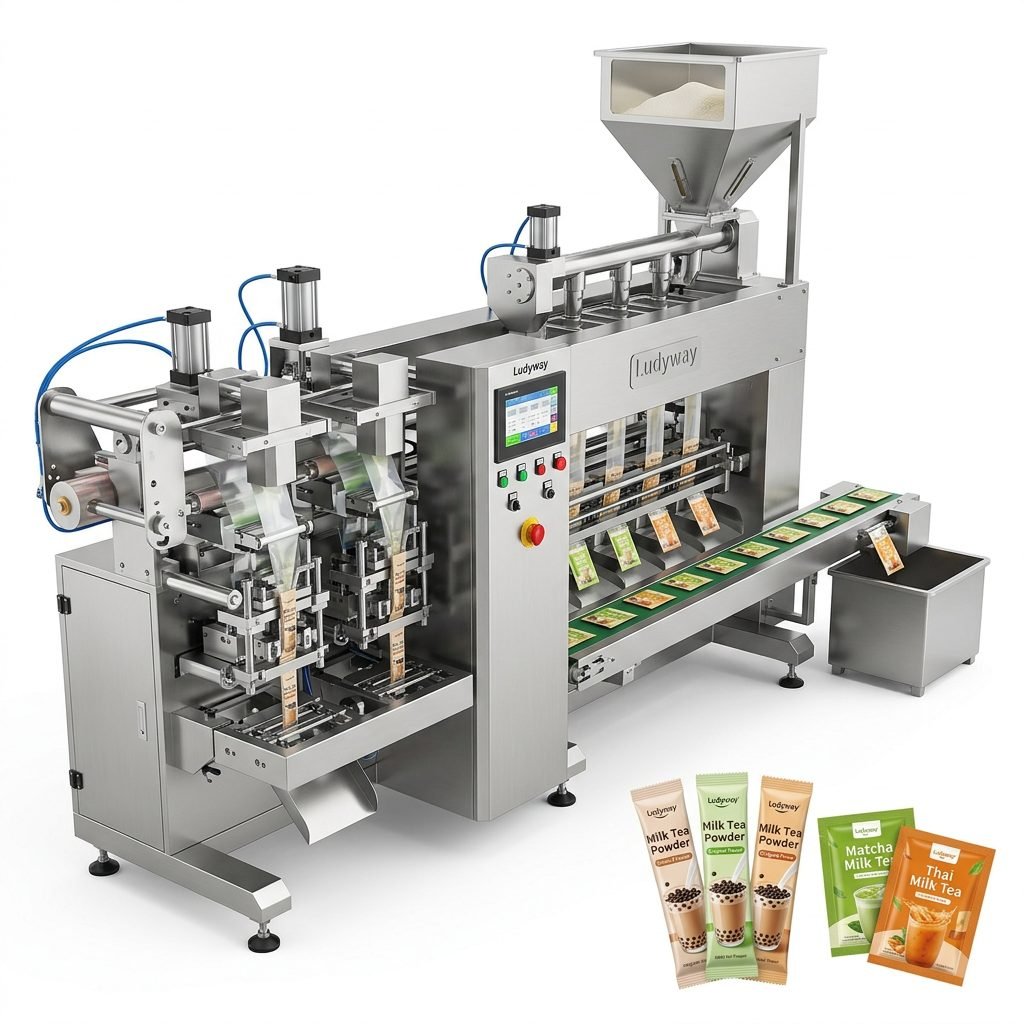
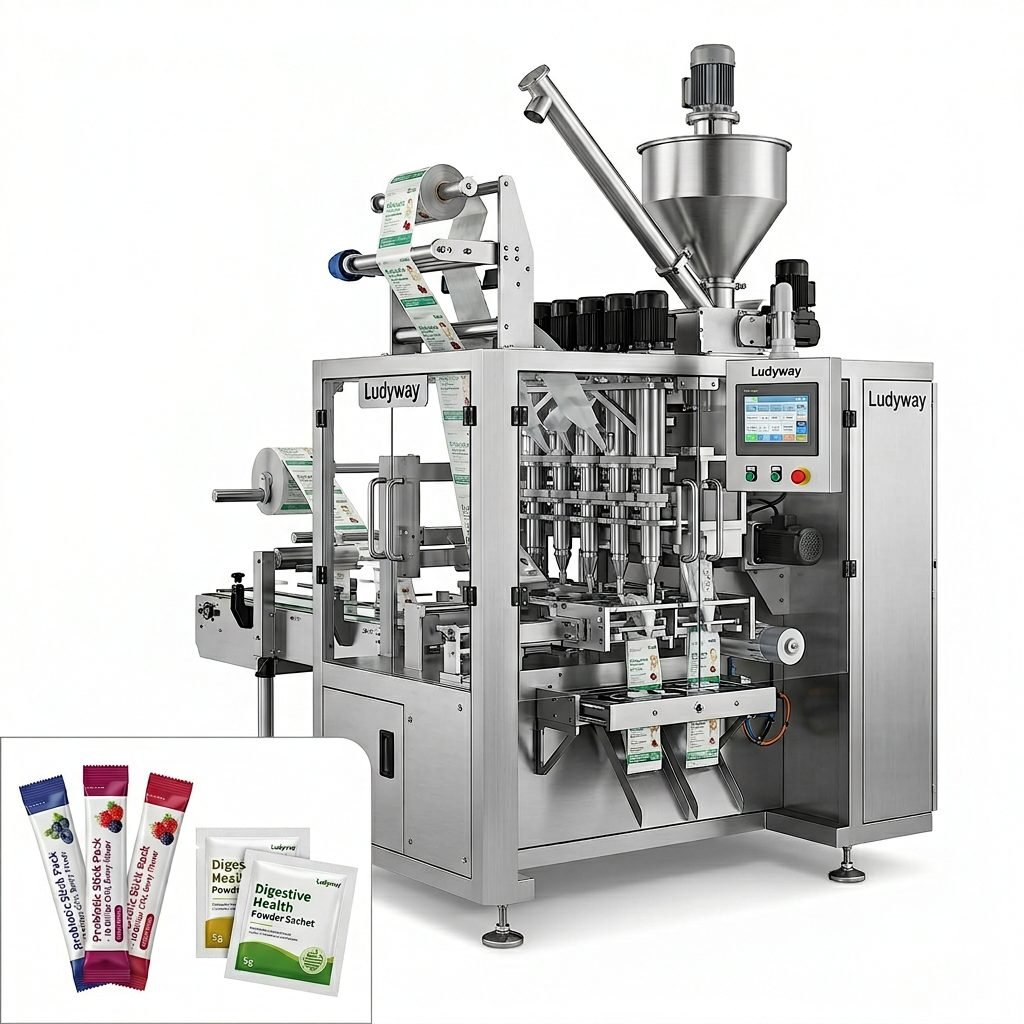
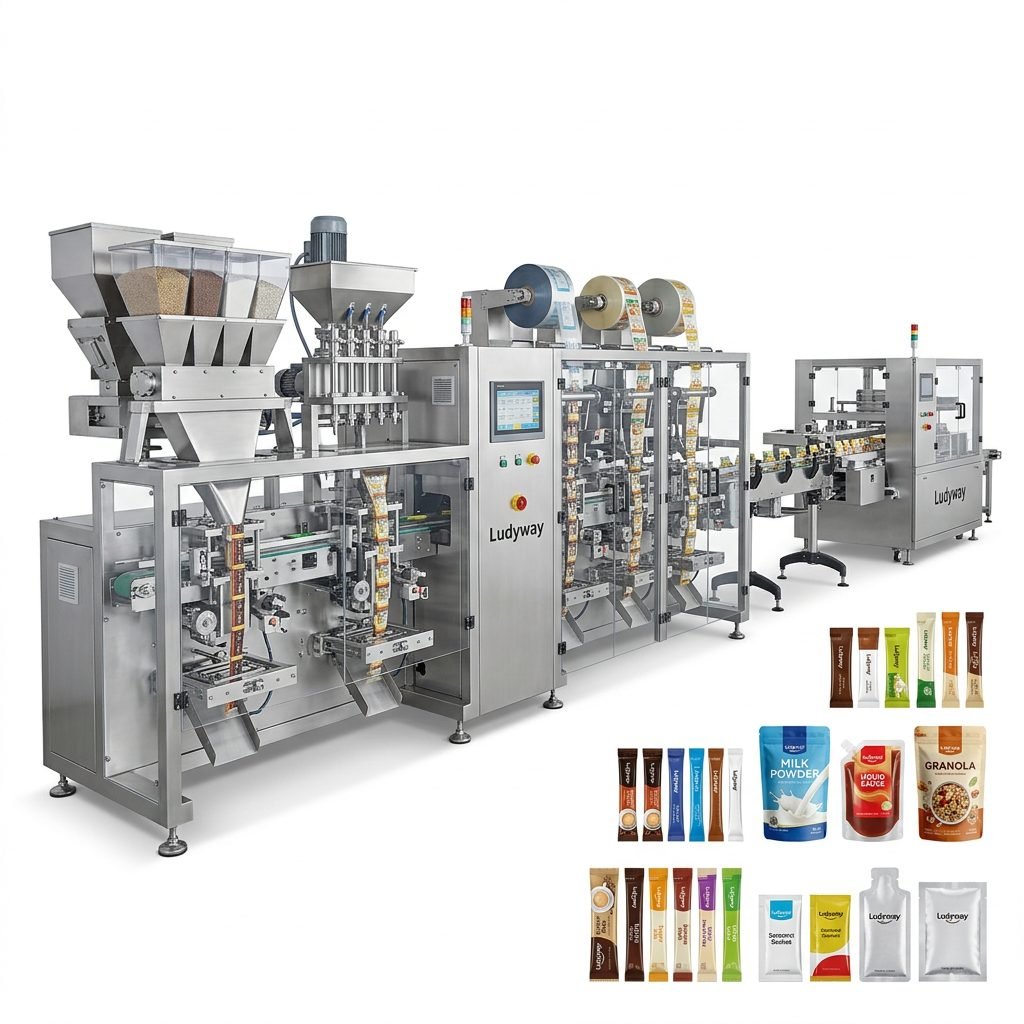
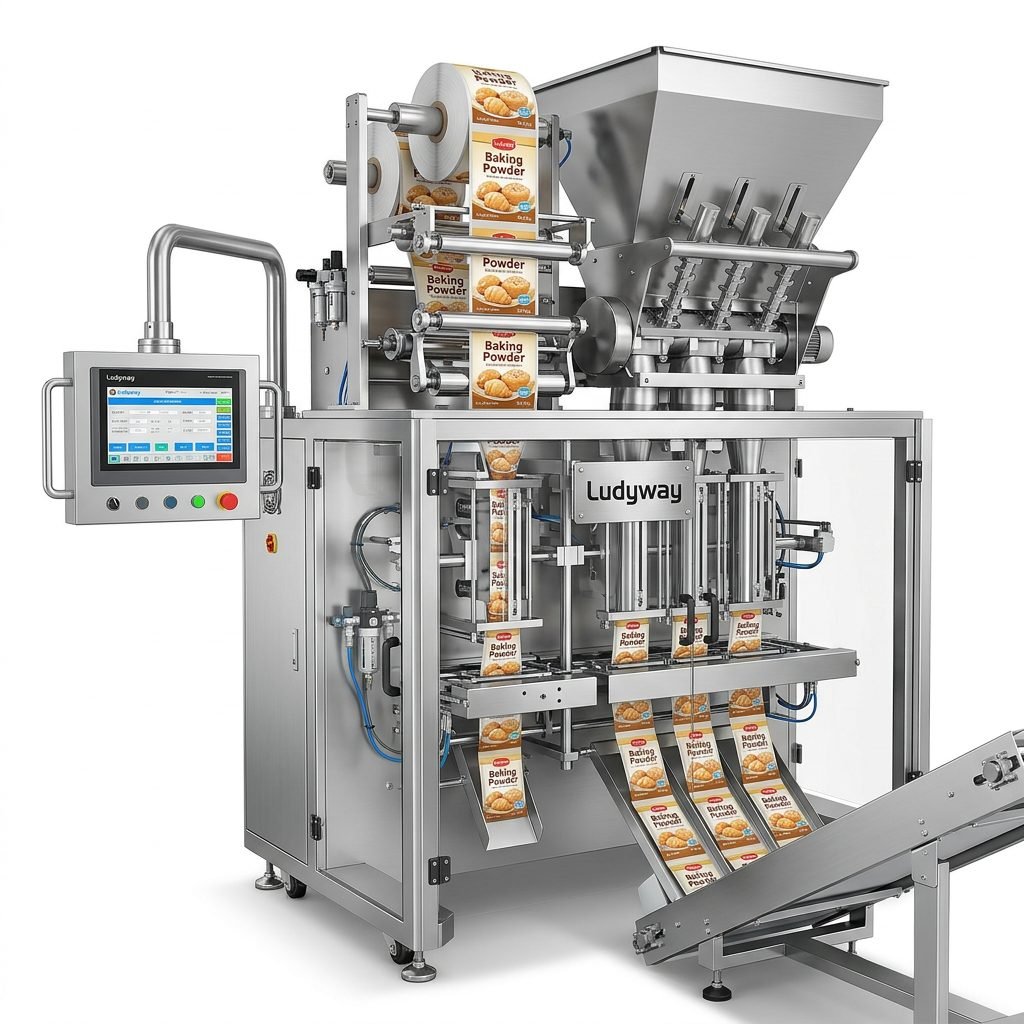
| Multi-Lane Stick Pack Machine | Snack-sized cookie portions, on-the-go formats | 200–1,500 packs/min | £40,000–£300,000 |
| Preformed Pouch Filling Machine | Premium cookies, gift packs, resealable pouches | 30–120 packs/min | £22,000–£150,000 |
| Tray Sealing & Overwrapping | Retail-ready trays, assortment boxes | 15–80 packs/min | £30,000–£200,000 |
Key Technical Specifications to Evaluate
- Film compatibility – Ensure the machine supports PP, BOPP, laminates, and sustainable films increasingly demanded by UK retailers.
- Changeover time – Look for tool-less changeover features to minimise downtime between product runs.
- Gas flushing capability – Modified atmosphere packaging (MAP) extends shelf life for premium biscuits by up to 6–9 months.
- Sealing integrity – Consistent hermetic seals are essential to prevent moisture ingress in the UK’s humid climate.
- Integration readiness – Machines should seamlessly connect with upstream packaging line equipment including biscuit loading systems and slug feeders.
Cost Breakdown: What Drives Cookie Packaging Machine Pricing in the UK
Understanding the total cost of ownership is essential for UK buyers. The initial purchase price is only one component. Below is a realistic cost breakdown based on current UK market data and supplier quotations.
| Cost Category | Entry-Level (£) | Mid-Range (£) | High-End (£) |
|---|---|---|---|
| Machine Purchase | 18,000–40,000 | 50,000–120,000 | 150,000–350,000 |
| Shipping & Import Duties | 2,500–5,000 | 5,000–10,000 | 10,000–25,000 |
| Installation & Commissioning | 1,500–4,000 | 4,000–8,000 | 8,000–20,000 |
| Annual Maintenance | 1,200–2,500 | 3,000–6,000 | 7,000–18,000 |
| Spare Parts (Annual) | 800–2,000 | 2,500–5,000 | 5,000–12,000 |
| Estimated 5-Year TCO | £30,000–65,000 | £80,000–180,000 | £230,000–540,000 |
How to Choose the Right Biscuit Packaging Machine: A Step-by-Step Framework
1. Define Your Production Requirements
Start by analysing your current and projected production volumes. A small artisan bakery producing 5,000–10,000 packs per week has very different needs compared to a large-scale contract packer handling 500,000+ packs per week. Document your peak throughput, pack formats, and biscuit dimensions before approaching suppliers.
2. Assess Packaging Format Flexibility
Modern UK retail channels demand diverse formats—from single-serve on-the-go packs to family-sharing bags and premium gift boxes. A flexible packaging machine that can handle multiple film types and pack styles with quick changeover reduces the need for multiple dedicated lines. Evaluate whether you need pillow packs, gusseted bags, block-bottom packs, or stick packs.
3. Verify UK Regulatory Compliance
All food packaging equipment operating in the UK must comply with food contact materials regulations and UKCA marking requirements (replacing CE marking for the GB market). Machines should be constructed from food-grade stainless steel (typically AISI 304 or 316L) with hygienic design principles that facilitate cleaning and prevent contamination. Review ISO packaging standards relevant to food contact applications.
4. Evaluate Automation Level and Labour Requirements
With UK labour costs among the highest in Europe, automated packaging lines offer significant long-term savings. Consider:
- Semi-automatic machines – Require manual product feeding; suitable for small batches and startups.
- Fully automatic inline systems – Integrate with upstream biscuit production lines for hands-free operation.
- Turnkey packaging lines – Include automated counting, cartoning, case packing, and palletising for maximum efficiency.
5. Check After-Sales Support and Spare Parts Availability
Downtime costs UK manufacturers an average of £500–£5,000 per hour depending on scale. Prioritise suppliers with UK-based service engineers, readily available spare parts, and remote diagnostic capabilities. Request references from existing UK customers and verify response times for both remote and on-site support.
UK-Specific Considerations for Cookie Packaging
Sustainability and Plastic Packaging Tax
The UK’s Plastic Packaging Tax charges £217.85 per tonne (2024/2025 rate) on plastic packaging containing less than 30% recycled content. This has accelerated demand for recyclable films, paper-based packaging, and compostable materials in the biscuit sector. When selecting a flexible packaging machine, ensure it is compatible with sustainable film substrates, which often require different sealing temperatures and tension settings than traditional plastics.
Retailer Codes of Practice
Major UK retailers like Tesco, Sainsbury’s, and Marks & Spencer enforce strict packaging specifications covering seal integrity, label placement, barcode readability, and shelf-ready presentation. Your packaging machine must consistently meet these standards to avoid costly rejections. Check with your equipment supplier about retailer compliance guarantee provisions.
Energy Efficiency
With UK industrial electricity prices among the highest globally, energy-efficient packaging machinery can significantly reduce operating costs. Look for machines with servo-driven motors, standby power-saving modes, and optimised heating systems that consume less energy during both operation and idle periods. The European packaging waste regulations increasingly incentivise energy-efficient equipment choices.
Supplier Landscape: Where to Source Cookie Packaging Machines
UK buyers can source biscuit packaging equipment from several channels:
- UK-based distributors – Offer local service support, shorter lead times, and UKCA-compliant machinery. Typically higher pricing but lower risk.
- European manufacturers – German and Italian packaging machinery enjoys a strong reputation for quality and precision. CE marking applies (still accepted in UK under transitional arrangements).
- Direct from global manufacturers – Companies like Ludyway, one of the largest packaging machine manufacturers in China, offer cost-effective advanced packaging solutions with international service support. Direct sourcing can reduce equipment costs by 30–50% compared to UK distributors, though buyers should factor in shipping, import duties, and commissioning support.
- Used and refurbished machinery dealers – Suitable for budget-constrained operations; thorough inspection and service history verification are essential.
Financing and ROI Analysis
For UK businesses, packaging machinery investments can be financed through asset finance, hire purchase, or leasing arrangements. Typical ROI timelines for biscuit packaging machines range from 12 to 36 months, depending on production volumes and labour savings. Key metrics to calculate include:
- Labour cost reduction per shift
- Reduction in packaging material waste
- Increased throughput capacity
- Reduction in product giveaway through accurate portioning
- Decreased retailer rejection rates
Frequently Asked Questions
What is the average cost of a cookie packaging machine in the UK?
Entry-level flow wrapping machines start around £25,000, mid-range automated systems range from £50,000 to £120,000, and fully integrated high-speed lines can exceed £300,000. Total cost of ownership over five years including maintenance and spare parts should be factored into purchasing decisions.
Do I need UKCA marking for packaging machinery?
Yes. For the Great Britain market, UKCA marking is required for machinery placed on the market. CE marking continues to be accepted during the transitional period, but manufacturers should prepare for full UKCA compliance. Northern Ireland operates under separate rules per the Windsor Framework.
Can one machine handle multiple biscuit types?
Yes, many modern packaging machines offer multi-format capability. However, significant differences in biscuit shape, size, and fragility may require dedicated tooling sets. Discuss your full product range with suppliers to ensure the recommended machine can accommodate your portfolio.
What about sustainable packaging compatibility?
Most new machines are designed with recyclable and compostable film compatibility. If sustainability is a priority—as it increasingly is for UK retailers—specify this requirement upfront, as older or entry-level machines may struggle with the different heat-sealing characteristics of eco-friendly films.
Final Recommendations for UK Buyers
Choosing the right cookie packaging machine requires balancing throughput requirements, format flexibility, regulatory compliance, and total cost of ownership. We recommend:
- Audit your production data – Understand your current output, peak periods, and growth projections before evaluating machines.
- Request live demonstrations – Where possible, visit supplier showrooms or request video demonstrations of machines running products similar to yours.
- Check UK-specific compliance – Verify UKCA marking status, food-grade material certification, and compatibility with UK electrical standards (230V/50Hz).
- Negotiate service level agreements – Secure written commitments for response times, spare parts availability, and technical support coverage in the UK.
- Plan for sustainability – Choose a machine that supports recyclable and recycled-content films to align with UK Plastic Packaging Tax requirements and retailer sustainability targets.
With careful evaluation and the right equipment partner, UK biscuit manufacturers can achieve significant improvements in productivity, pack quality, and operational efficiency—positioning themselves competitively in one of Europe’s largest biscuit markets.
Further Reading & Resources:
- PMMI 2025 State of the Industry Report – Packaging machinery market trends and forecasts
- Flexible Packaging Association – Industry resources and regulatory updates
- ISO 11607 Packaging Standards – International standards for packaging validation
- PACK EXPO International – Leading global packaging trade exhibition
- FDA Packaging & Food Contact Substances – Regulatory guidance for food packaging
- European Commission Packaging Waste Regulations – EU and UK-relevant packaging sustainability framework