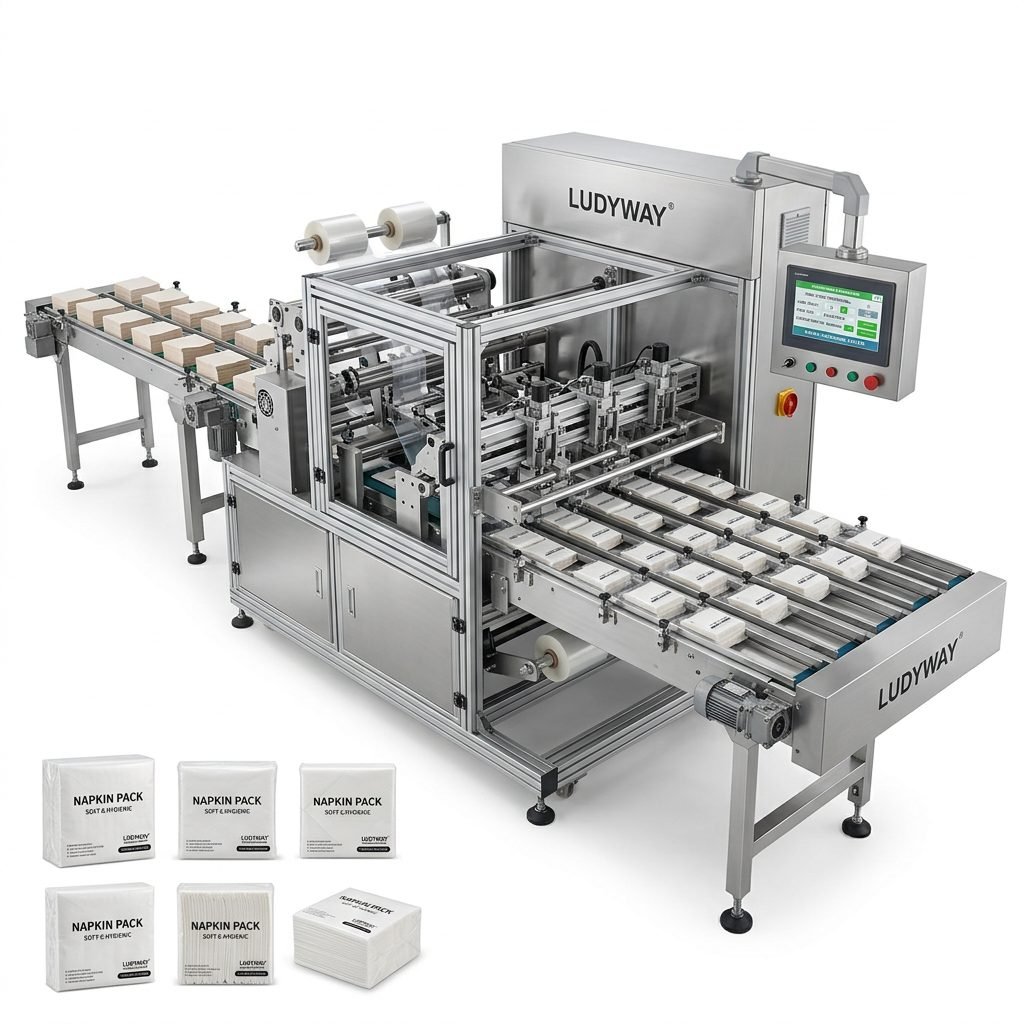
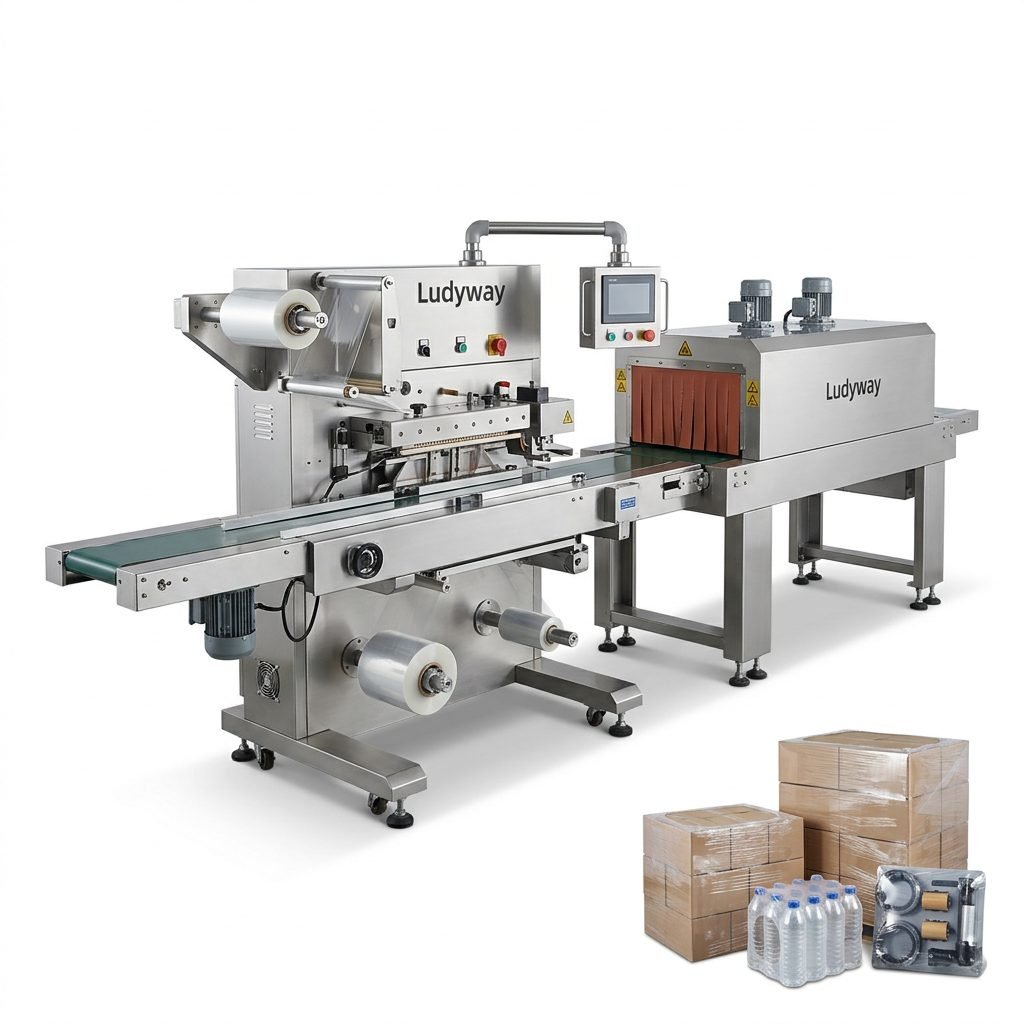
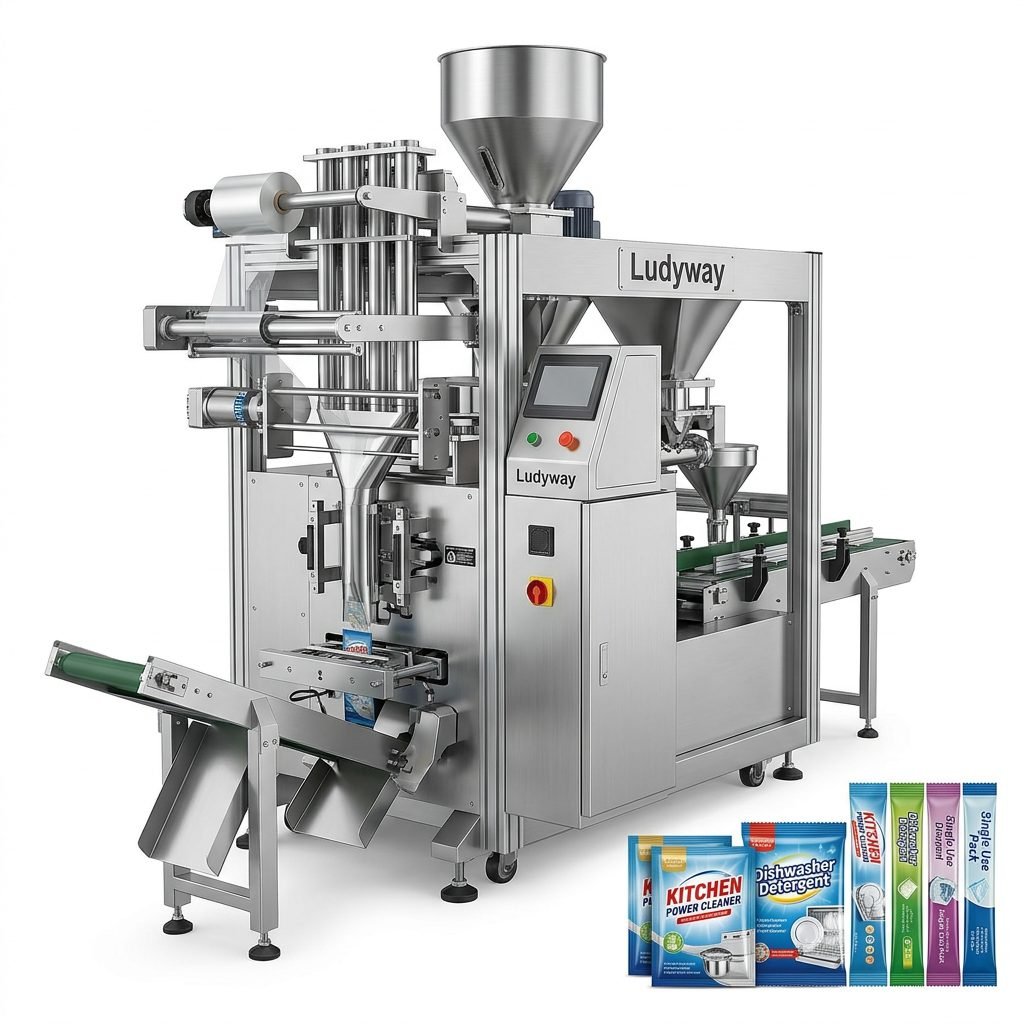
Setting up a drink packaging machine production line is a critical investment for beverage manufacturers aiming to scale operations, improve efficiency, and maintain product consistency. Whether you are packaging instant coffee, protein powders, energy drink mixes, liquid shots, or tea sachets, a well-planned production line ensures smooth workflows from filling to final cartoning. This guide walks you through the essential steps, equipment considerations, and best practices for building a high-performance drink packaging system.
Understanding Drink Packaging Production Lines
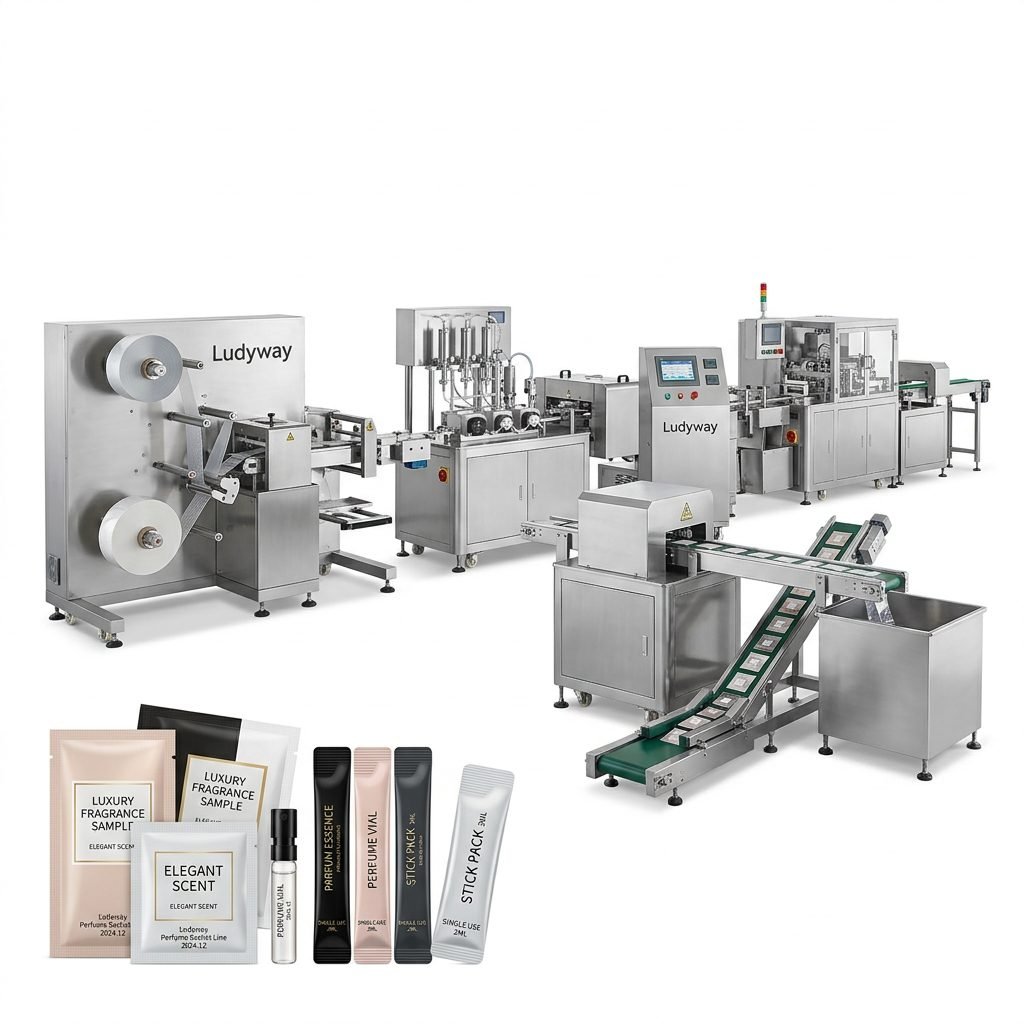
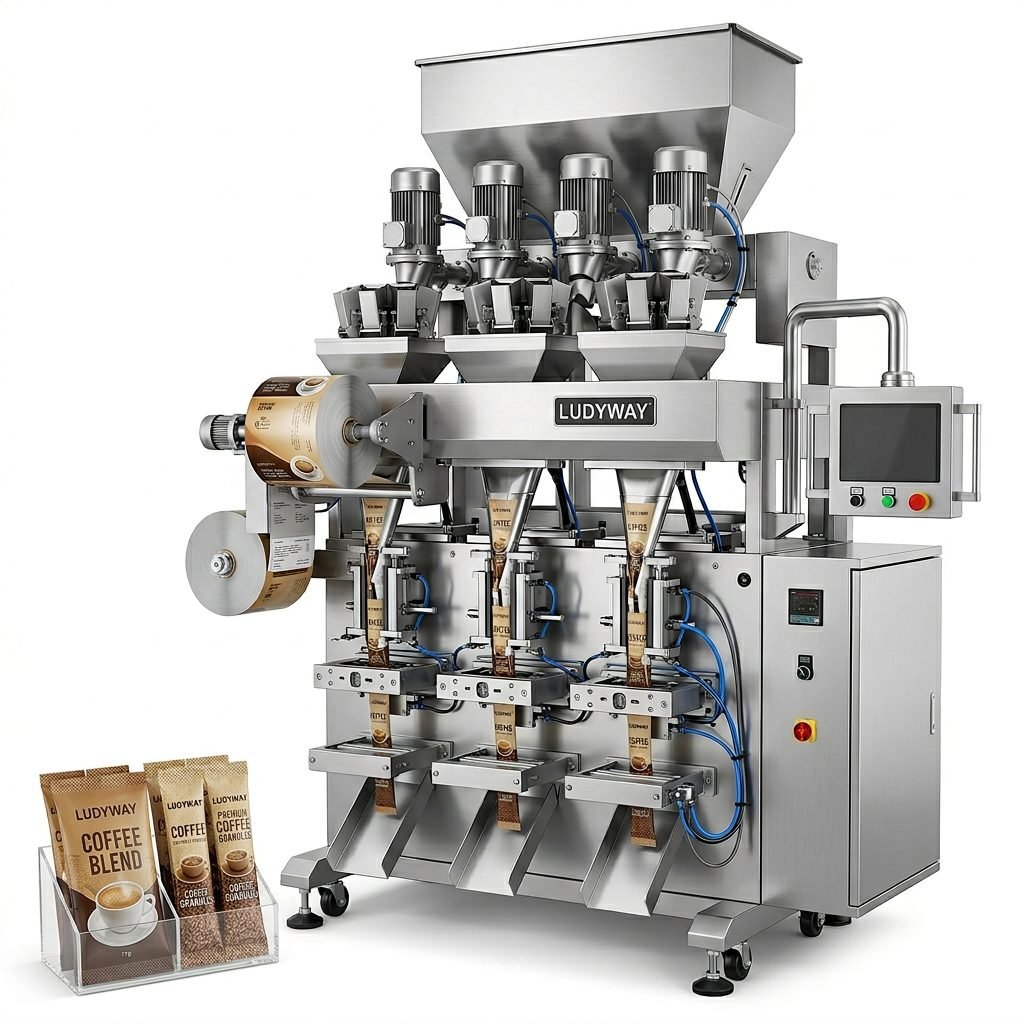
A drink packaging production line is an integrated system of machines that work sequentially to fill, seal, inspect, and pack beverage products into various formats such as stick packs, sachets, pouches, bottles, or vials. These lines handle a wide range of product consistencies — from free-flowing powders like instant coffee and whey protein to viscous liquids like energy gels and juice concentrates.
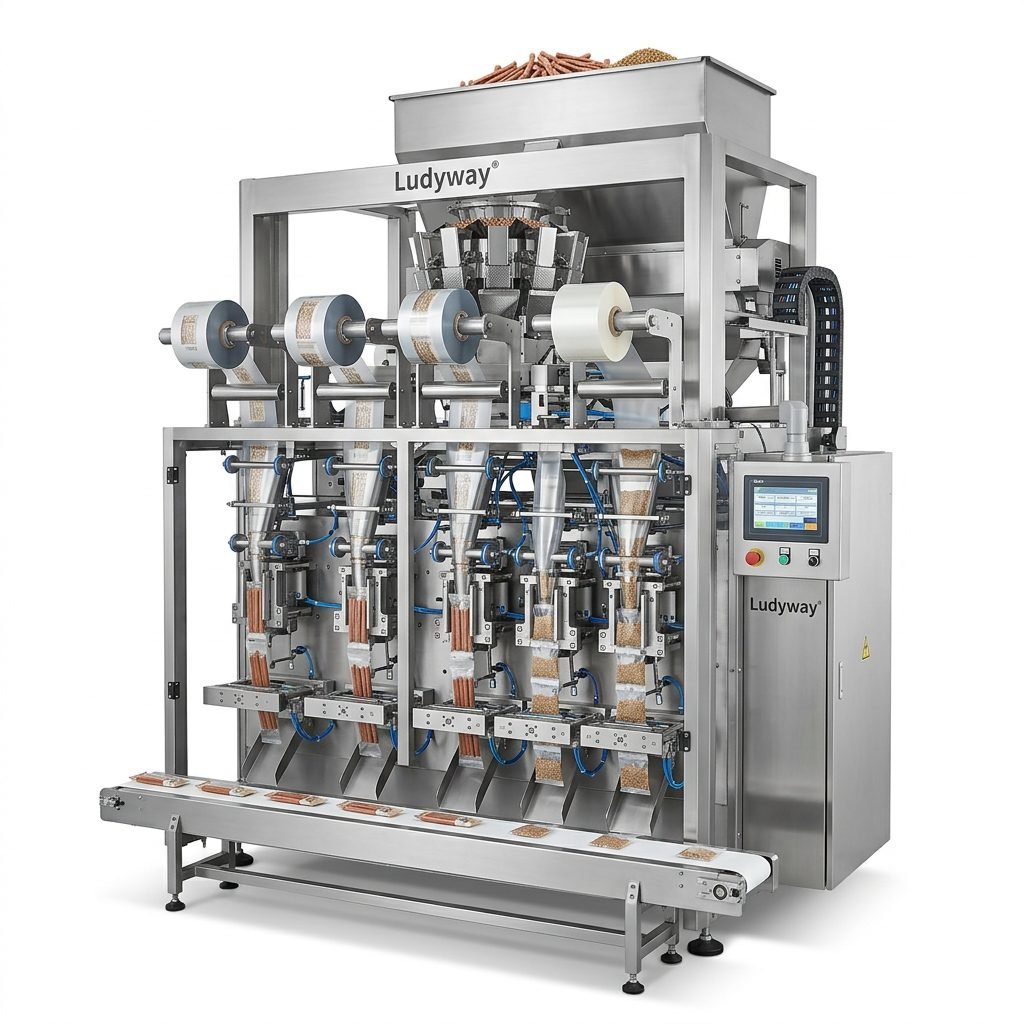
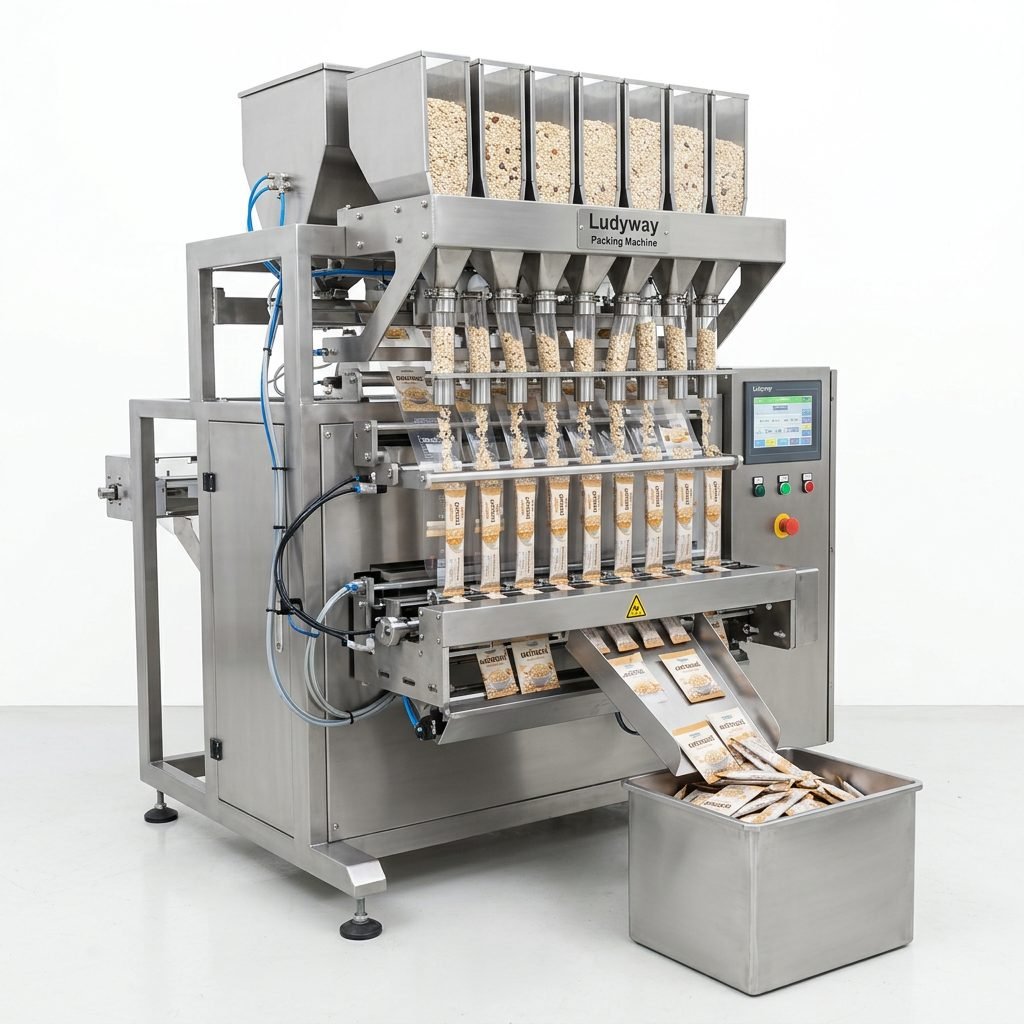
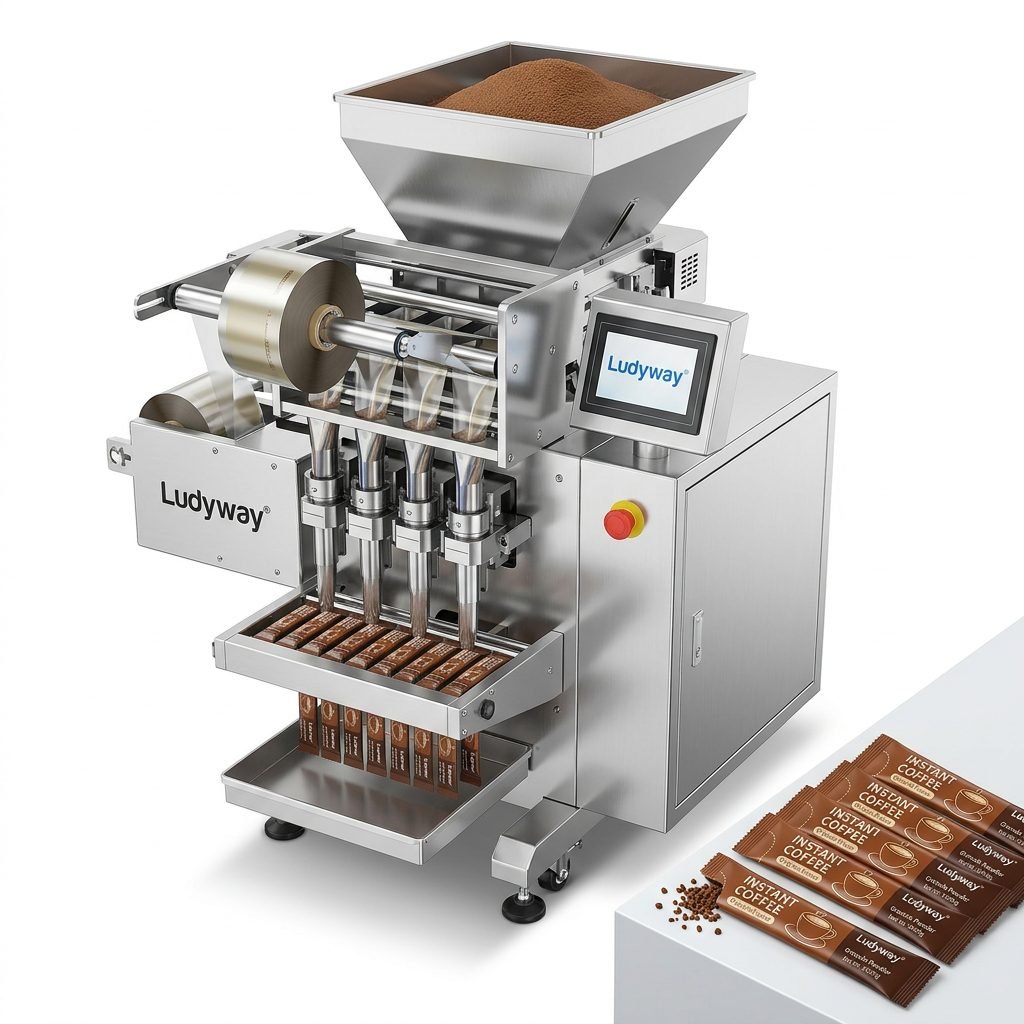
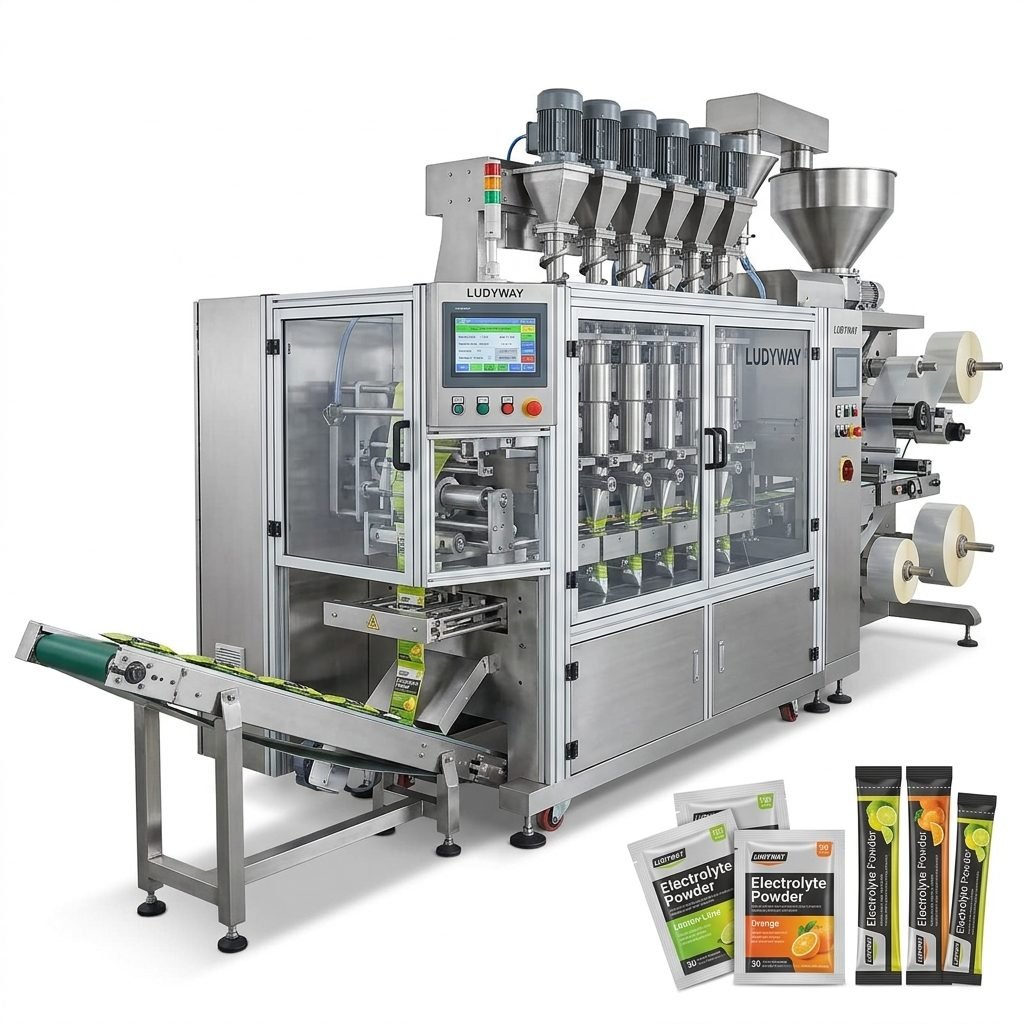
The core advantage of a fully automated line is its ability to maintain high throughput while minimizing human error and contamination risks. Modern drink packaging systems can process hundreds of sachets per minute across multiple lanes, making them ideal for both mid-sized producers and large-scale contract manufacturers. To explore advanced configurations, many manufacturers turn to a multi-lane stick pack machine that offers flexibility across granule, powder, and liquid applications.
Types of Drink Packaging Machines
Selecting the right machinery depends on your product format, target output, and packaging material. Below are the most common machine types used in beverage packaging:
- Stick Pack Machines – Ideal for single-serve powder drinks, coffee, sugar, and supplement mixes. These machines produce narrow, elongated pouches perfect for on-the-go consumption.
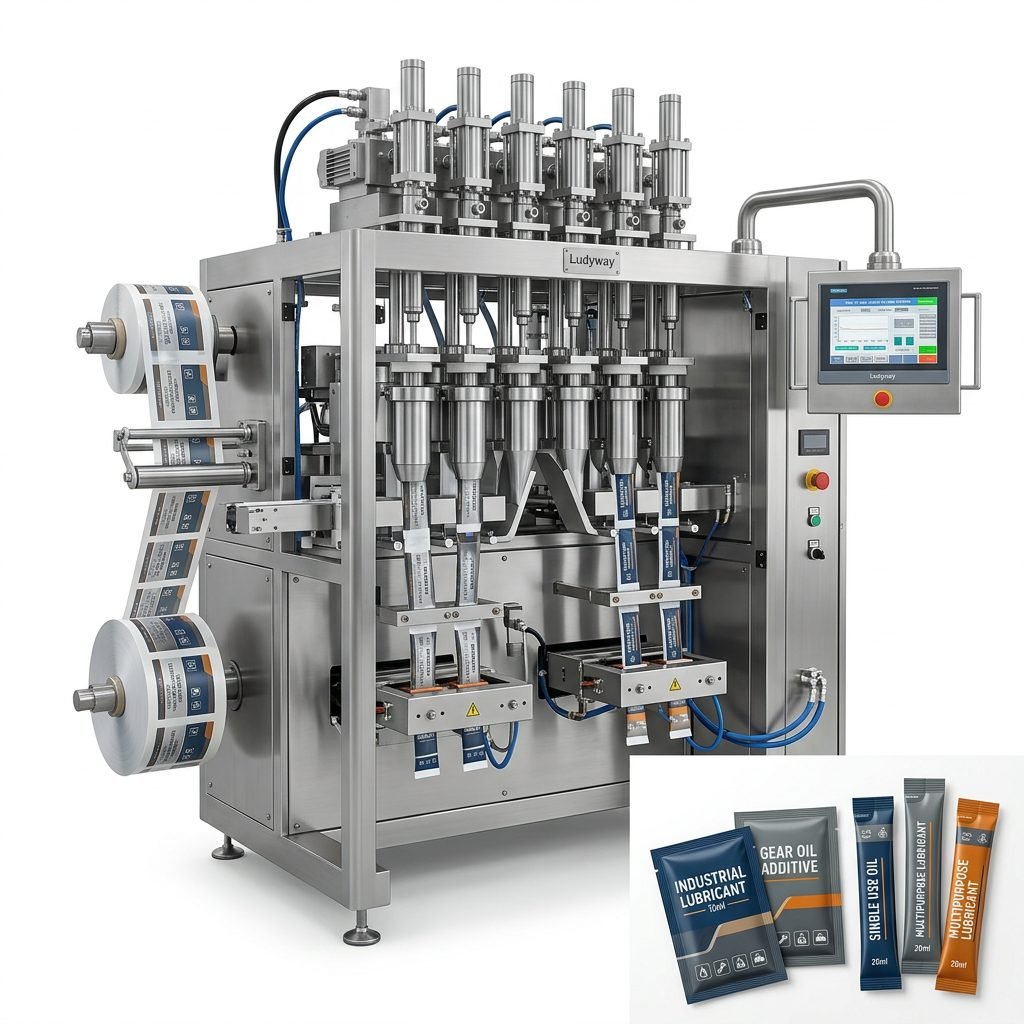
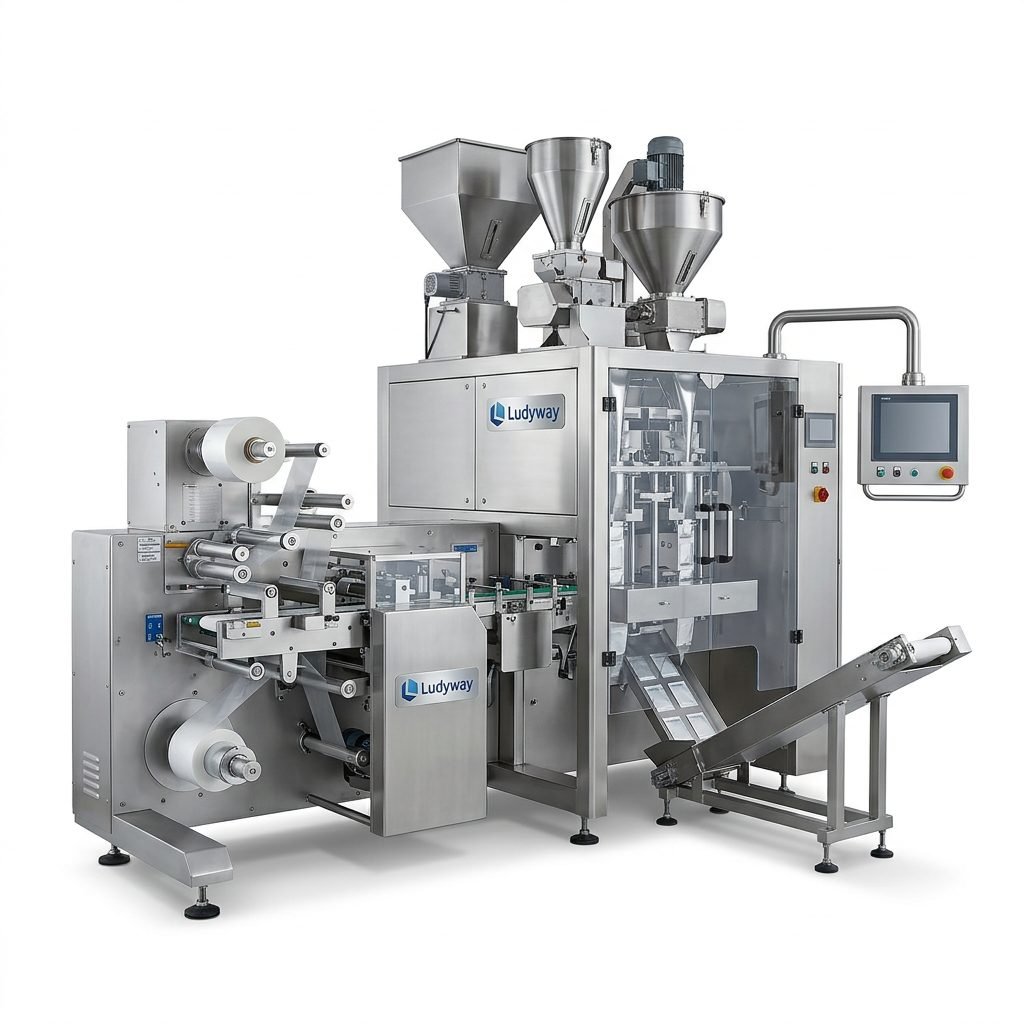
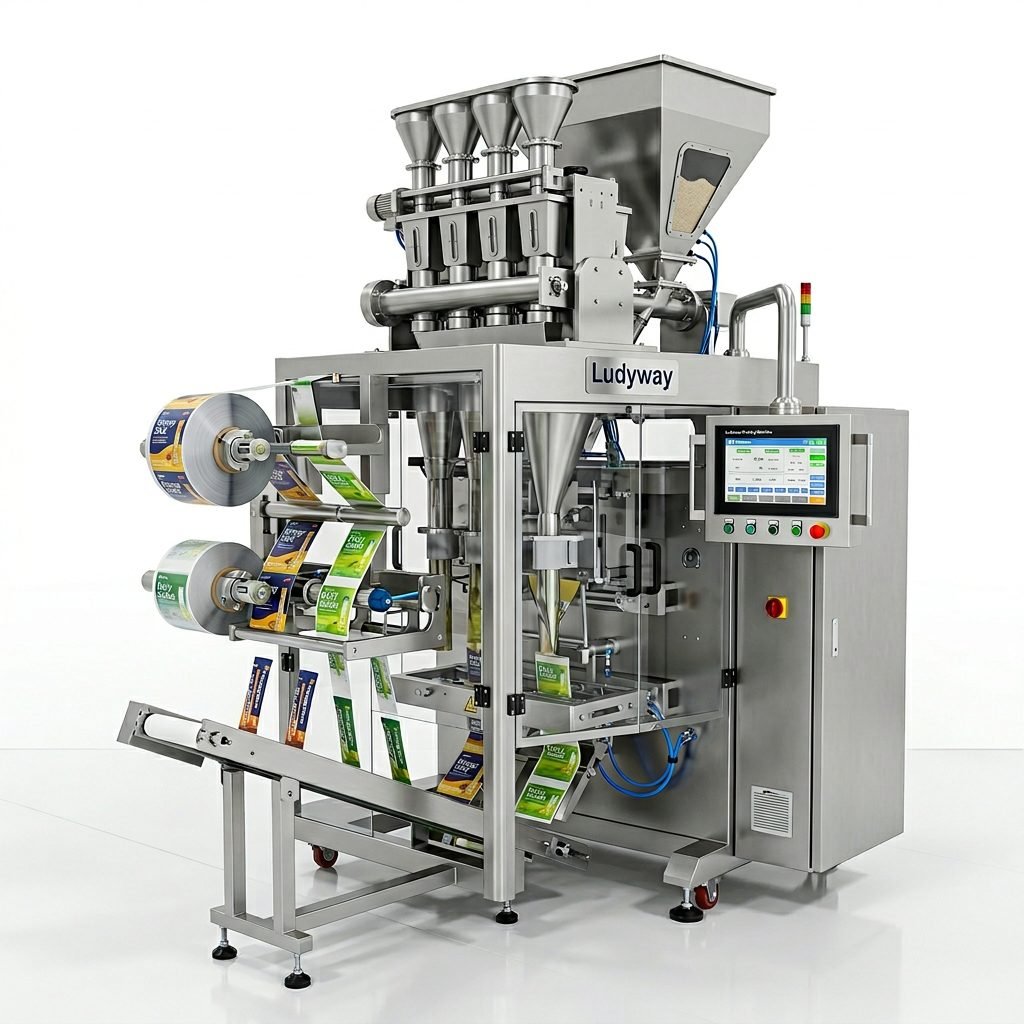
- Sachet Packing Machines – Suitable for both powder and liquid products, sachet machines offer flexible sizing and multi-lane capability for high-volume output.
- Liquid Filling and Sealing Machines – Designed for juice shots, energy gels, syrup concentrates, and dairy-based beverages. Precision volumetric or piston fillers ensure accurate dosing.
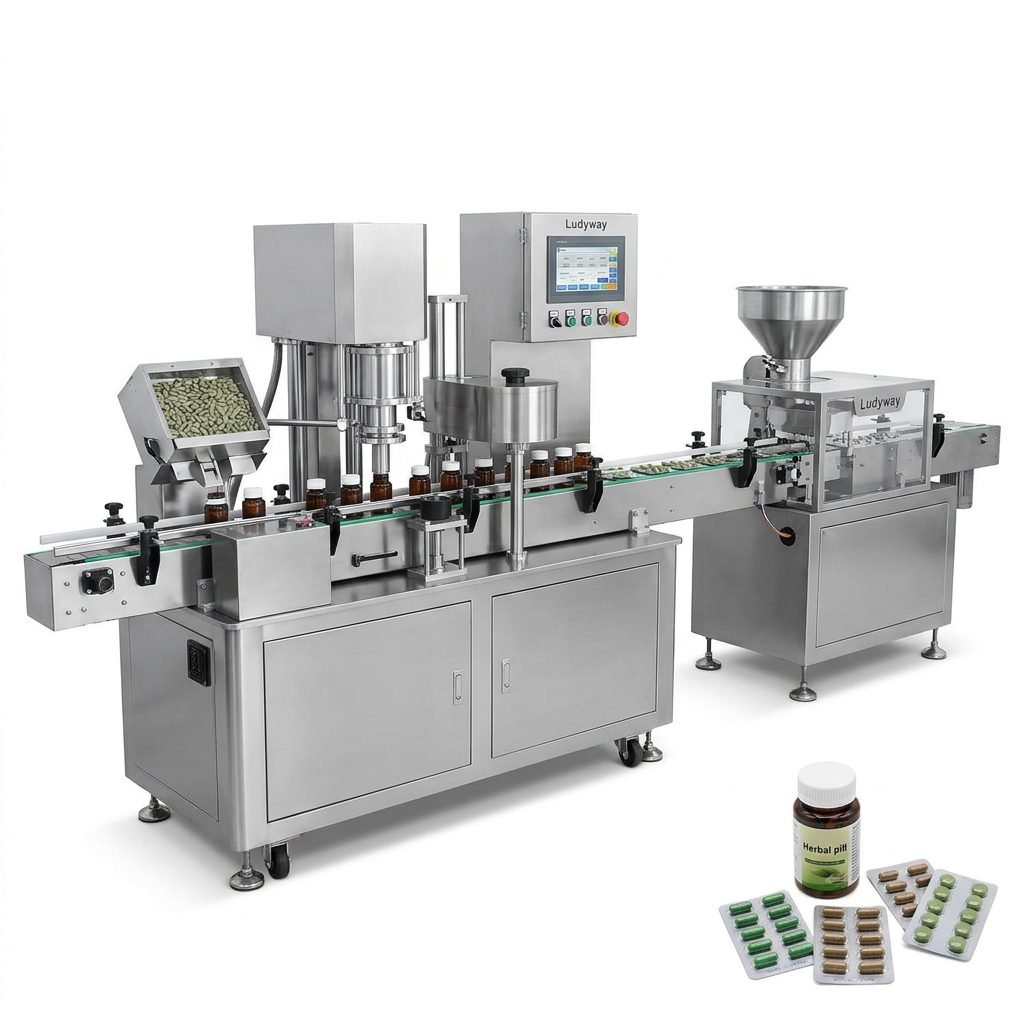
- Bottle and Vial Filling Lines – Used for ready-to-drink products, oral liquid supplements, and functional beverages requiring capping and labeling stations.
- Pouch Packaging Machines – Accommodate larger portion sizes for protein shakes, meal replacement powders, and bulk drink mixes with resealable features.
Key Components of a Drink Packaging Line
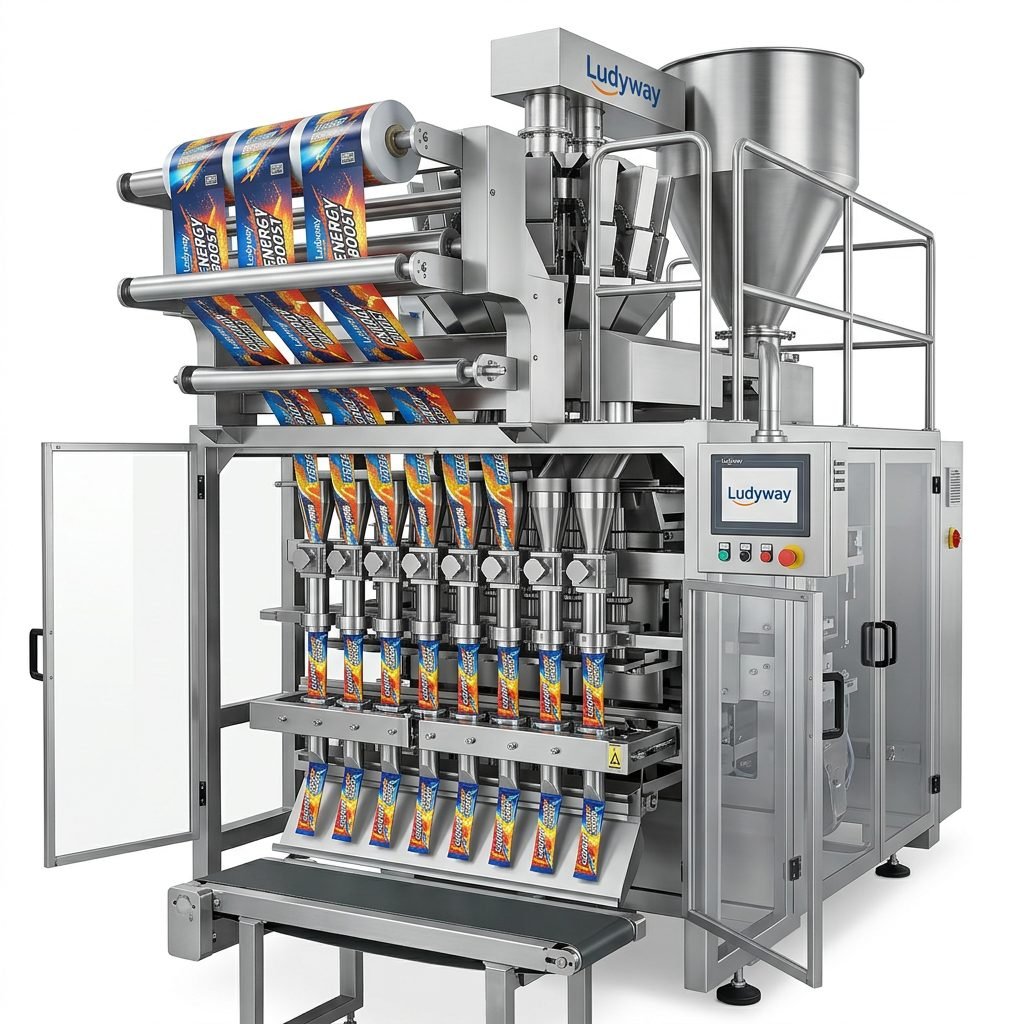
A complete drink packaging production line consists of several interconnected modules. Understanding each component helps in planning layout, optimizing workflow, and troubleshooting issues during operation.
| Component | Function | Key Consideration |
|---|---|---|
| Feeding System | Transfers raw product into the filling station | Match feeder type to product flow characteristics |
| Multi-Head Weigher or Dosing Unit | Accurately measures portion sizes | Precision within ±0.5g for powders, ±1% for liquids |
| Form-Fill-Seal (FFS) Unit | Forms pouches from roll stock, fills, and seals | Verify film compatibility and seal integrity |
| Inspection and Reject System | Detects seal defects, weight errors, or contaminants | Include metal detection and checkweighing |
| Cartoning and Palletizing | Packs finished pouches into cartons and onto pallets | Automation level depends on production volume |
Step-by-Step Setup Process
Implementing a drink packaging machine production line requires careful planning. Follow these steps to ensure a successful installation and ramp-up:
- Conduct a Product and Output Analysis – Define your product characteristics (powder, granule, or liquid), target sachet or stick pack dimensions, and required output in pouches per minute. This determines the number of lanes and machine speed needed.
- Select Compatible Packaging Materials – Choose film laminates with appropriate barrier properties for moisture, oxygen, and light. For drink powders, aluminum foil laminates are commonly used to preserve freshness and extend shelf life.
- Design the Floor Layout – Map out the production floor to accommodate the feeding system, main packaging unit, conveyors, inspection equipment, and cartoning stations. Ensure adequate space for operator access, maintenance, and material staging.
- Install and Calibrate Equipment – Position each machine according to the layout plan, level all units, and calibrate dosing systems for accurate fill weights. Run dry tests before introducing product to verify mechanical synchronization.
- Validate with Production Trials – Conduct multiple test runs with actual product to fine-tune sealing temperature, dwell time, and filling speed. Document optimal parameters for repeatable quality.
- Train Operators and Maintenance Staff – Provide comprehensive training on machine operation, safety protocols, cleaning procedures, and basic troubleshooting to minimize downtime.
Critical Quality and Compliance Factors
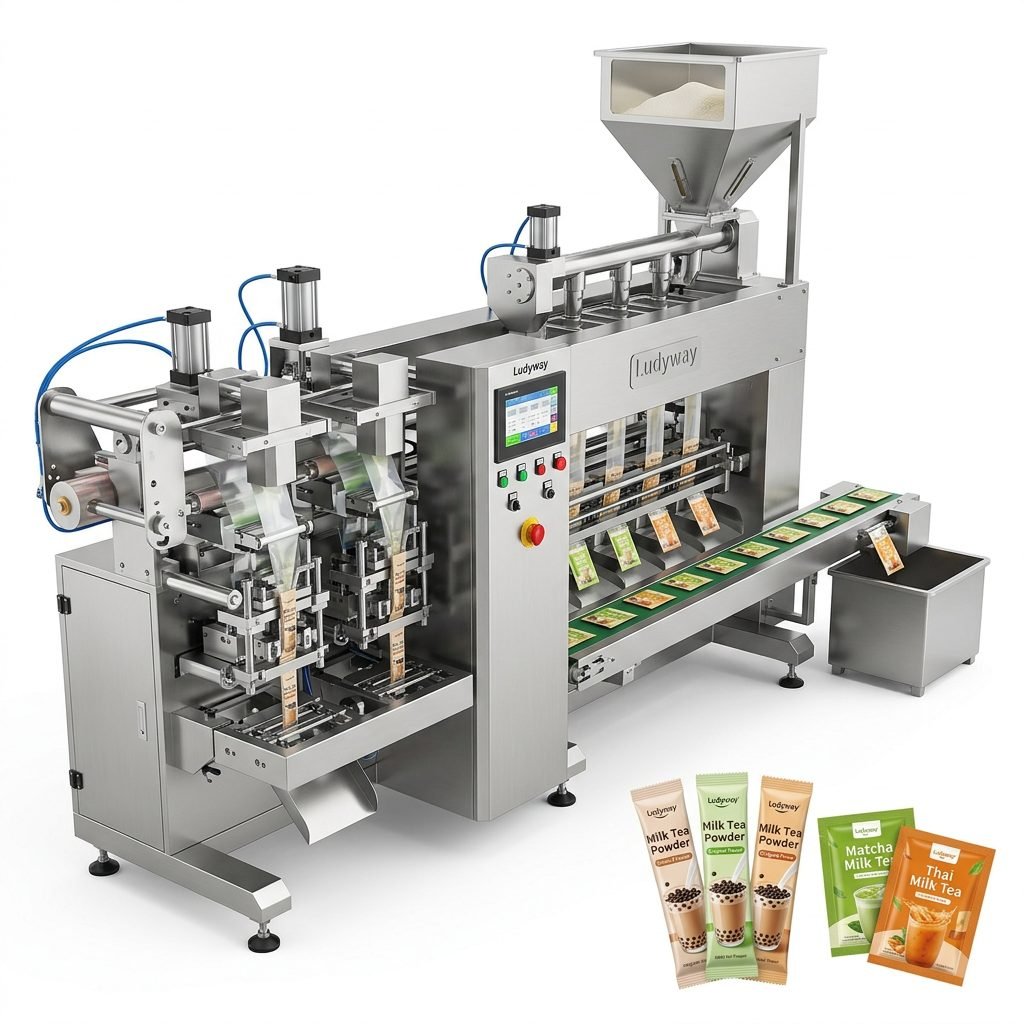
Beverage packaging falls under strict regulatory oversight, especially for products marketed as dietary supplements, functional drinks, or pharmaceutical oral liquids. Adherence to industry standards is essential for market access and consumer safety. Key compliance references include FDA guidelines on food contact substances and ISO packaging standards for material integrity and labeling.
Quality Control Checkpoints
- Seal Strength Testing – Verify consistent seal integrity across all lanes using burst and peel tests per ASTM F88 standards.
- Fill Weight Verification – Implement in-line checkweighing with automatic reject for out-of-tolerance pouches to ensure compliance with net content regulations.
- Metal and Foreign Object Detection – Integrate industrial metal detectors and, where appropriate, X-ray inspection systems to screen finished pouches before cartoning.
- Batch Coding and Traceability – Apply date codes, lot numbers, and barcodes using thermal inkjet or laser marking technology for full traceability throughout the supply chain.
Common Drink Packaging Formats and Their Applications
Different beverage products require tailored packaging formats. The table below outlines popular configurations for various drink categories:
| Drink Product Type | Recommended Format | Typical Fill Range |
|---|---|---|
| Instant Coffee & Coffee Mixes | Stick Pack / Sachet | 10g – 25g |
| Whey & Plant Protein Powders | Sachet / Pouch | 25g – 50g |
| Energy Drink Powder Mixes | Stick Pack | 5g – 15g |
| Liquid Energy Shots & Gels | Sachet / Stick Pack | 30ml – 60ml |
| Milk Tea & Matcha Latte Powders | Multi-Lane Stick Pack | 15g – 30g |
| Electrolyte & Hydration Powders | Stick Pack / Sachet | 4g – 10g |
Automation and Integration Best Practices
Maximizing the return on your drink packaging machine production line investment requires smart automation choices. Here are proven strategies for optimizing line performance:
- Integrate Upstream and Downstream Equipment – Connect the filling machine with automatic feeders, conveyors, carton erectors, and palletizers to create a seamless flow from raw product to finished case. A fully automated packaging system reduces manual handling and contamination risk.
- Implement Real-Time Monitoring – Use PLC-based control systems with HMI touchscreens to monitor production speed, reject rates, temperature profiles, and downtime events in real time.
- Design for Quick Changeover – Select equipment with tool-less adjustment features and recipe storage to switch between different product SKUs and pouch sizes with minimal downtime.
- Plan for Future Expansion – Leave space and utility connections for additional lanes, inspection modules, or cartoning units as production demands grow.
Maintenance and Long-Term Reliability
A proactive maintenance strategy is essential for sustaining high output and minimizing unplanned stoppages. Key practices include daily cleaning of product contact surfaces, weekly inspection of sealing jaws and cutting blades, monthly lubrication of moving parts, and quarterly calibration of weighing and dosing systems. Establishing a spare parts inventory for wear components such as belts, heating elements, and sensors ensures rapid recovery from breakdowns.
Partnering with an experienced equipment supplier who offers comprehensive technical support significantly reduces operational risks. Companies like Ludyway, with over 30 years of experience in the packaging machinery industry, provide engineered sachet packaging machine for drinks solutions backed by global service networks, ensuring that your production line remains productive and competitive over the long term.
Quick Maintenance Checklist
- Daily: Clean fill nozzles, check seal integrity, inspect film alignment
- Weekly: Lubricate guide rails, verify temperature controller accuracy, clean photo-eye sensors
- Monthly: Inspect drive belts and chains, test emergency stops, calibrate load cells
- Quarterly: Full mechanical inspection, software updates, comprehensive operator refresher training
Industry Resources and Further Reading
Staying informed about packaging industry developments helps manufacturers adapt to evolving regulations and market trends. The following authoritative resources provide valuable insights into packaging standards, sustainability initiatives, and market data:
- PMMI Business Intelligence – Packaging Machinery Market Research
- Flexible Packaging Association – Industry Resources and Data
- ISO Standards for Packaging and Distribution
- European Commission – Packaging and Packaging Waste Regulation
Final Thoughts on Building Your Drink Packaging Line
Setting up a successful drink packaging machine production line is a multidisciplinary endeavor that combines product science, mechanical engineering, quality assurance, and operational planning. By selecting the appropriate machine configuration — whether a multi-lane stick pack system for instant coffee or a high-speed liquid sachet filler for energy shots — and integrating robust inspection and automation technologies, manufacturers can achieve exceptional throughput and product consistency. Careful attention to material compatibility, regulatory compliance, and maintenance planning will safeguard your investment and position your beverage brand for sustainable growth in competitive global markets.