Asia’s food processing sector is expanding rapidly, with the grain packaging machine market projected to grow at a CAGR of over 6% through 2030. From rice mills in Thailand to pulse processing plants in India and cereal factories in China, the demand for efficient, hygienic, and automated grain packaging solutions has never been higher. Selecting the right grain packaging machine requires a clear understanding of your product characteristics, production targets, and regional compliance requirements. This guide walks you through every critical factor to consider when investing in packaging equipment across Asian markets.
Understanding the Asian Grain Packaging Landscape
Asia accounts for over 40% of global grain production, encompassing rice, wheat, millet, sorghum, pulses, and corn. Each grain type presents unique packaging challenges—rice requires dust control, flour demands moisture protection, and mixed cereals need gentle handling to prevent breakage. Regulatory frameworks such as FDA food contact substance guidelines and ISO packaging standards increasingly influence equipment specifications across the region.
Key Types of Grain Packaging Machines
Modern grain packaging lines come in several configurations, each suited to specific production scales and packaging formats:
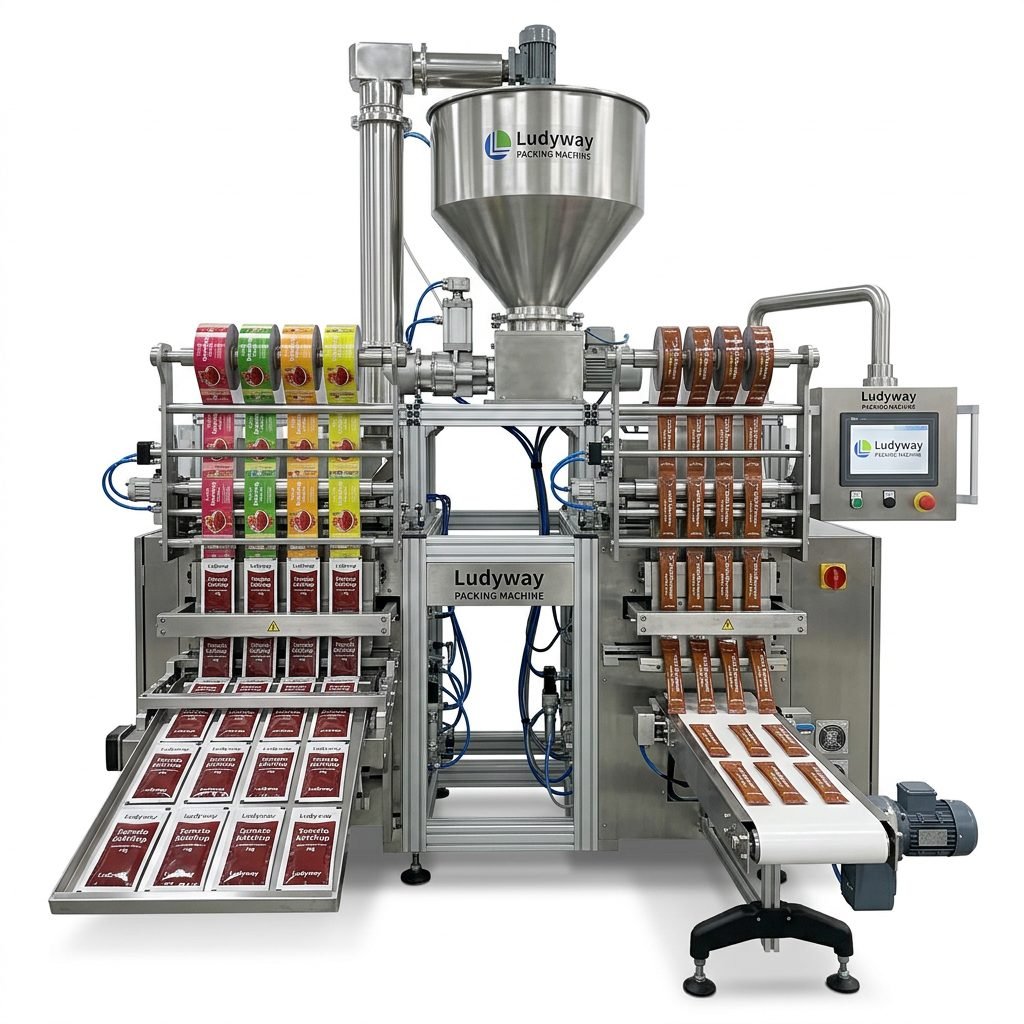
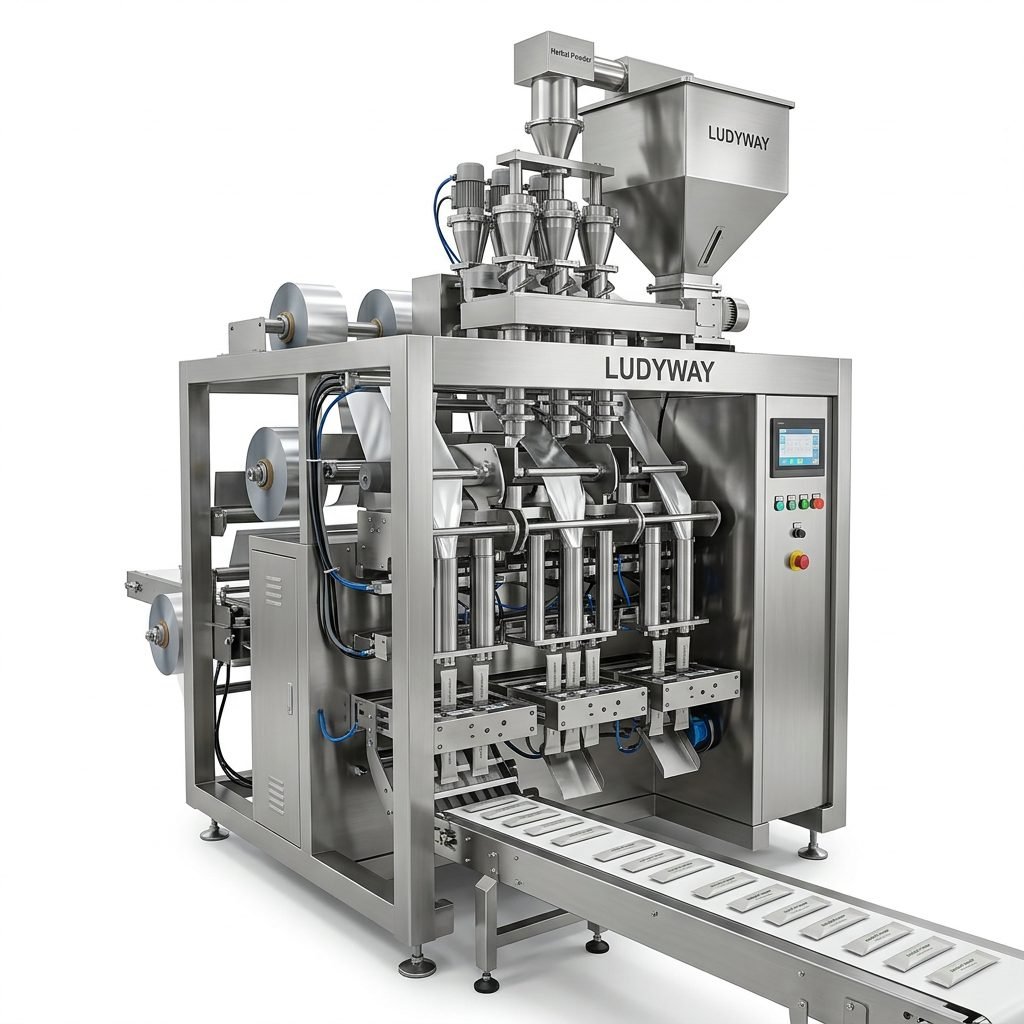
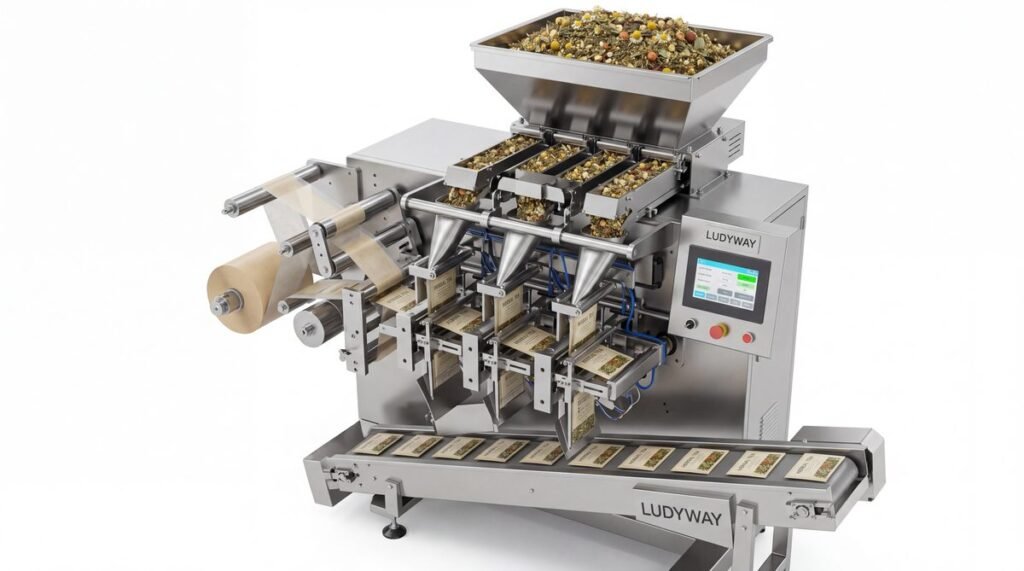
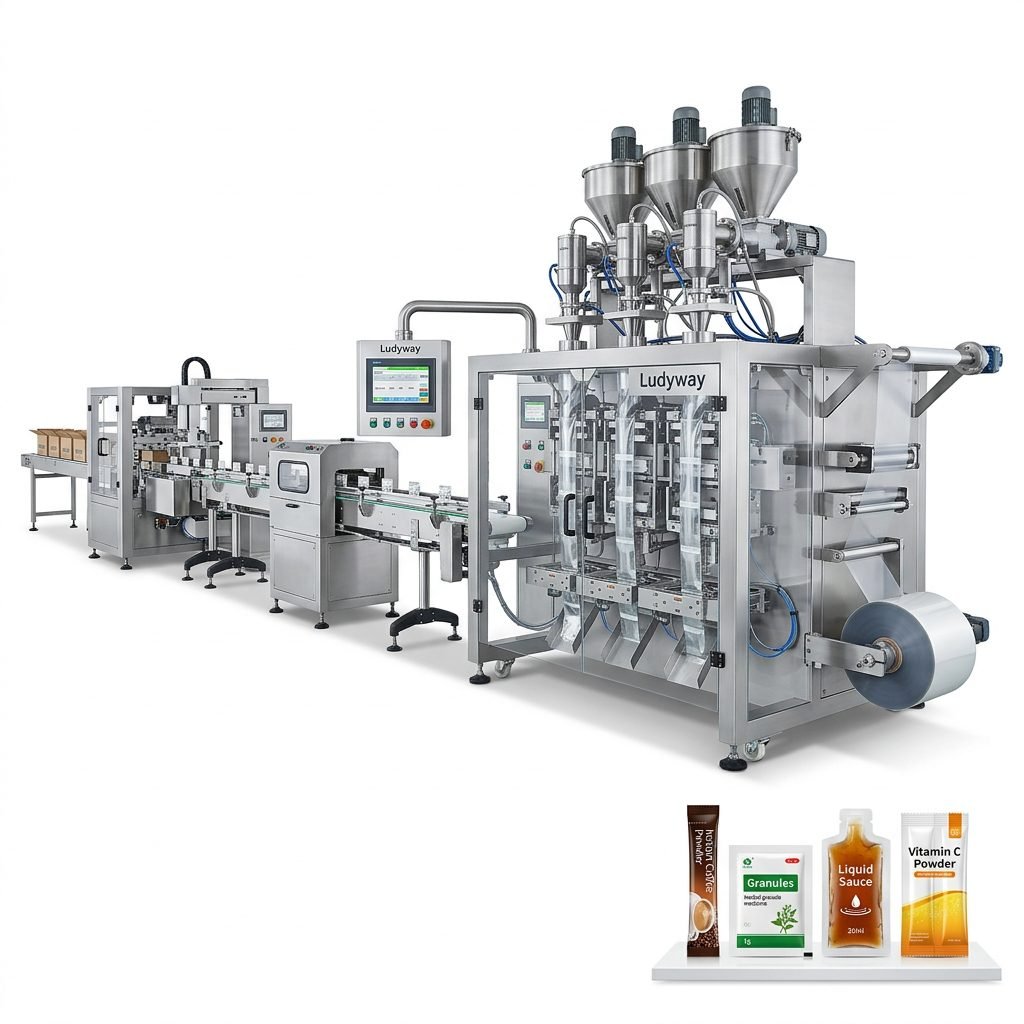
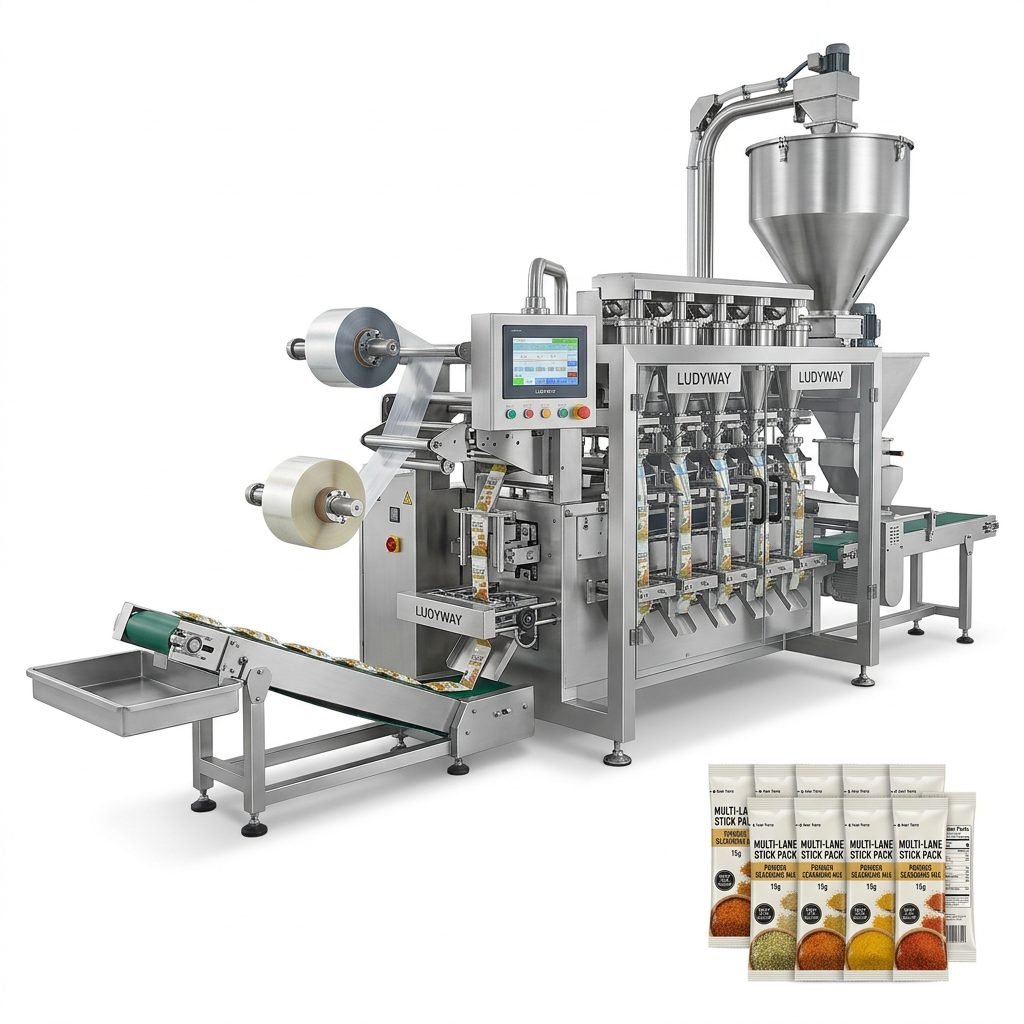
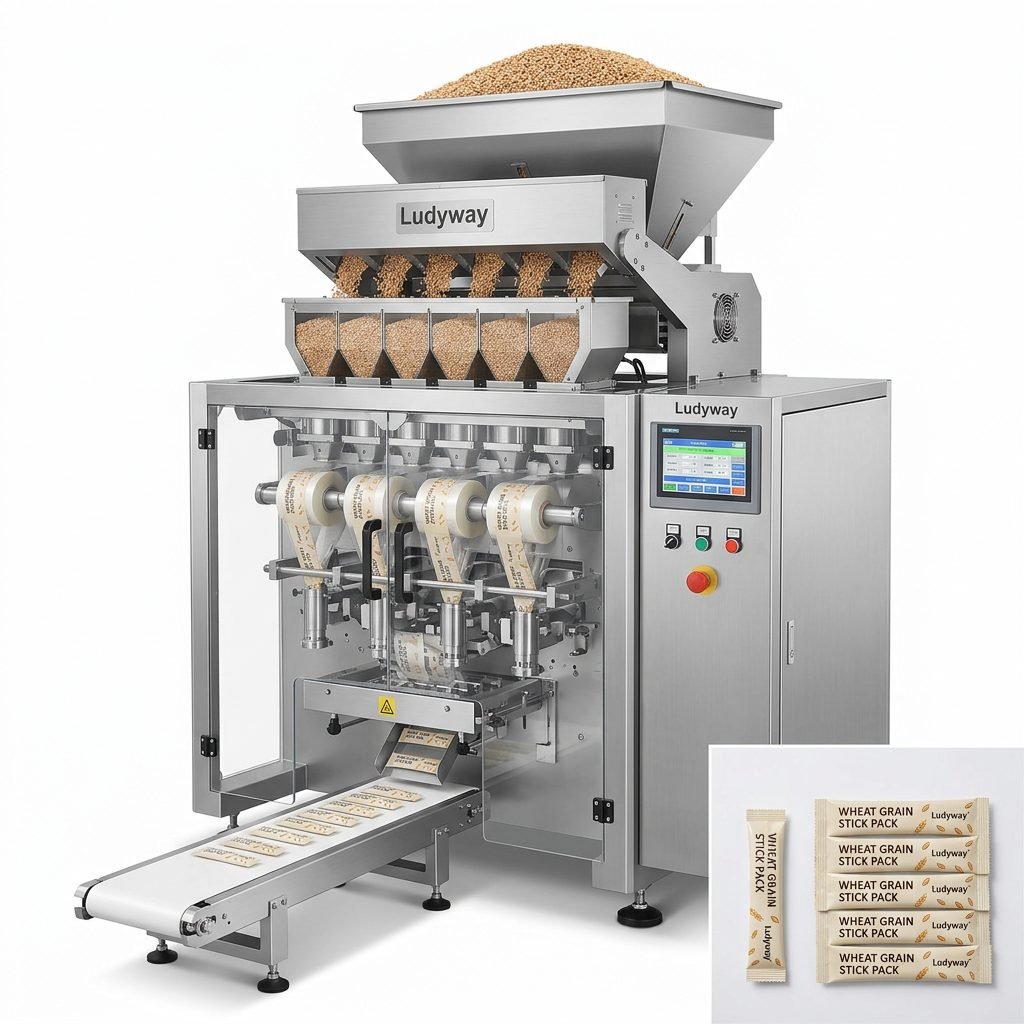
- Multi-Lane Stick Pack Machines: Ideal for single-serve grain portions, instant cereal sachets, and on-the-go snack packs. These multi-lane stick pack machines can produce up to 600 packs per minute.
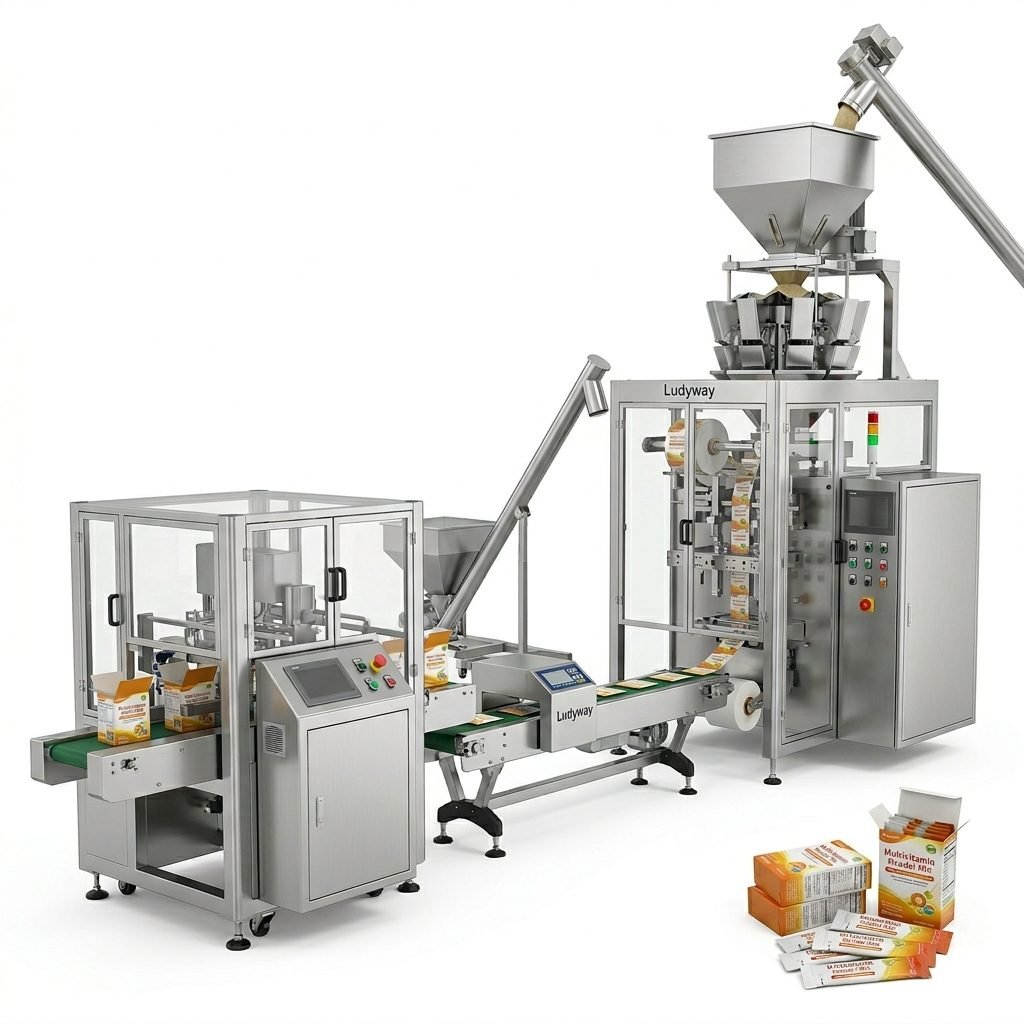
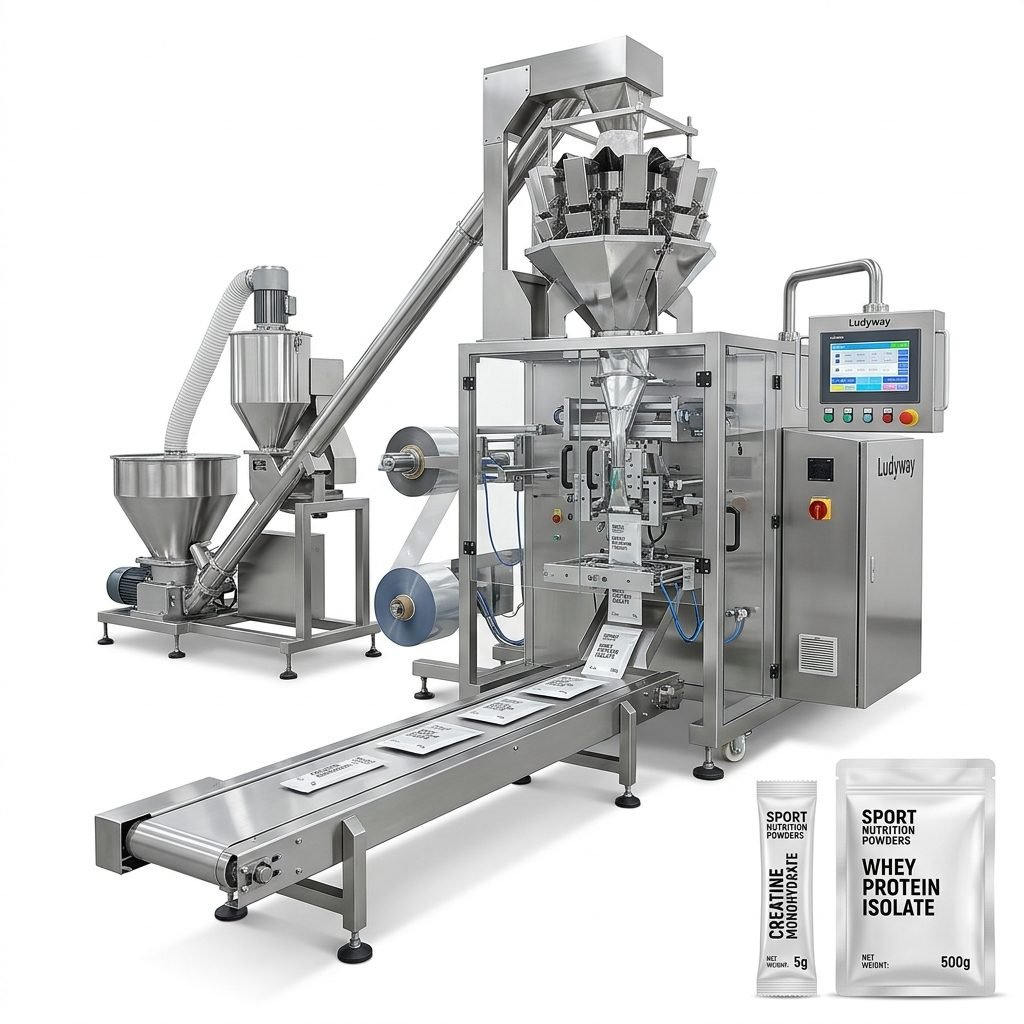
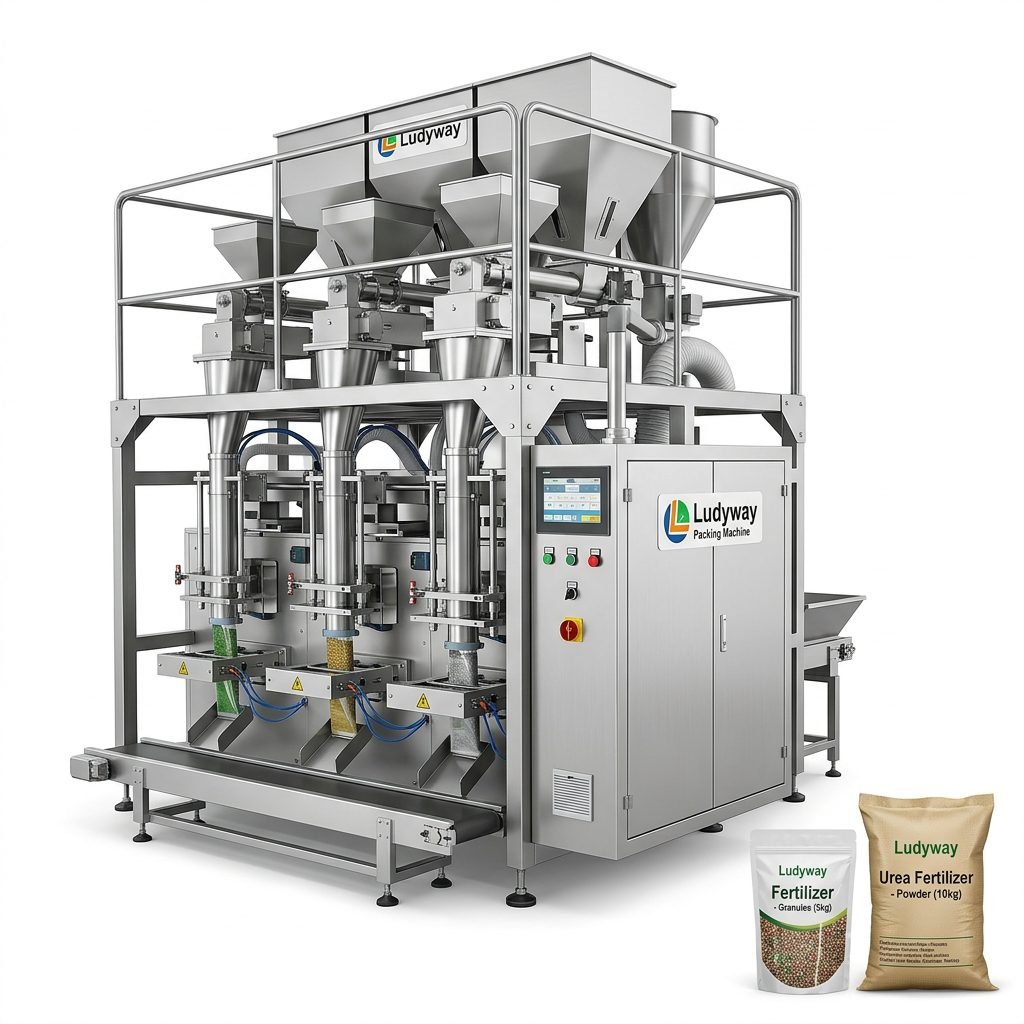
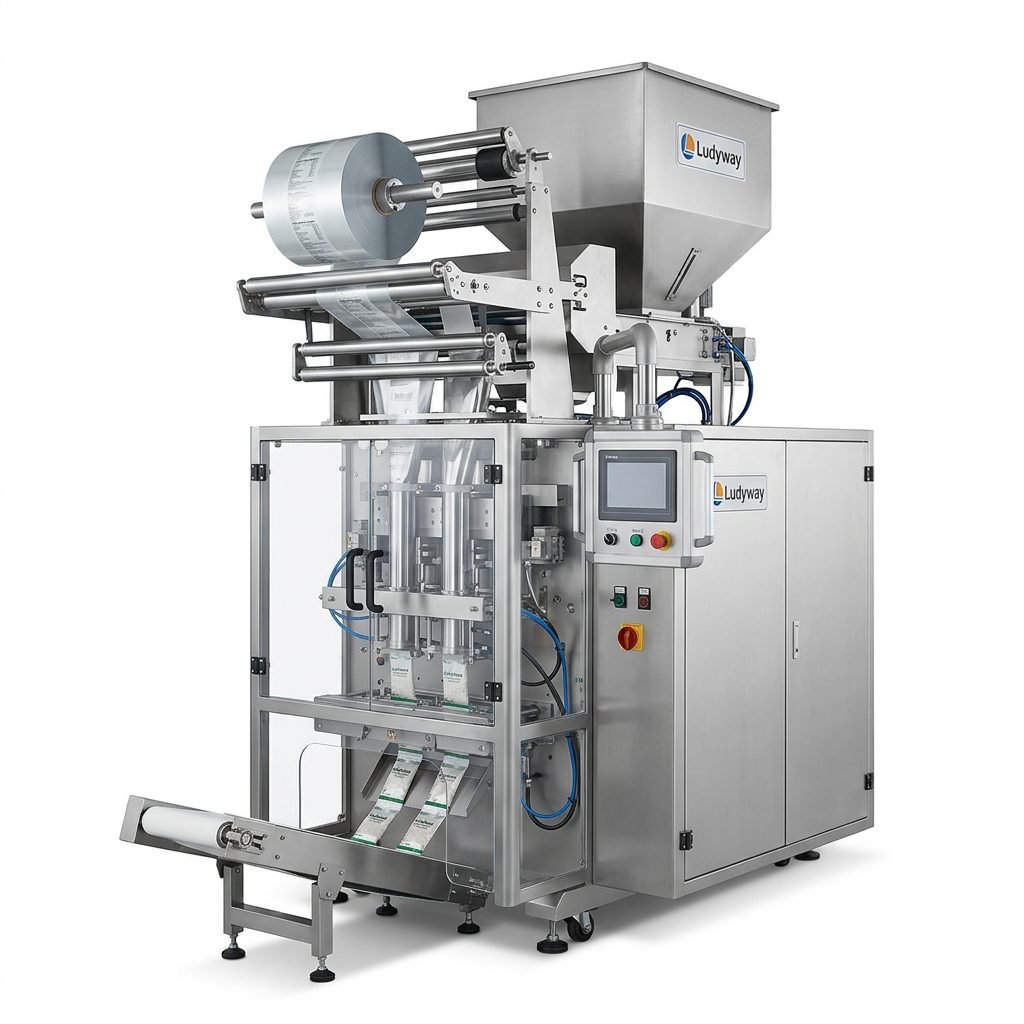
- Vertical Form Fill Seal (VFFS) Systems: The workhorse for bulk grain packaging, handling pillow bags, gusseted pouches, and quad-seal formats from 100g to 25kg.
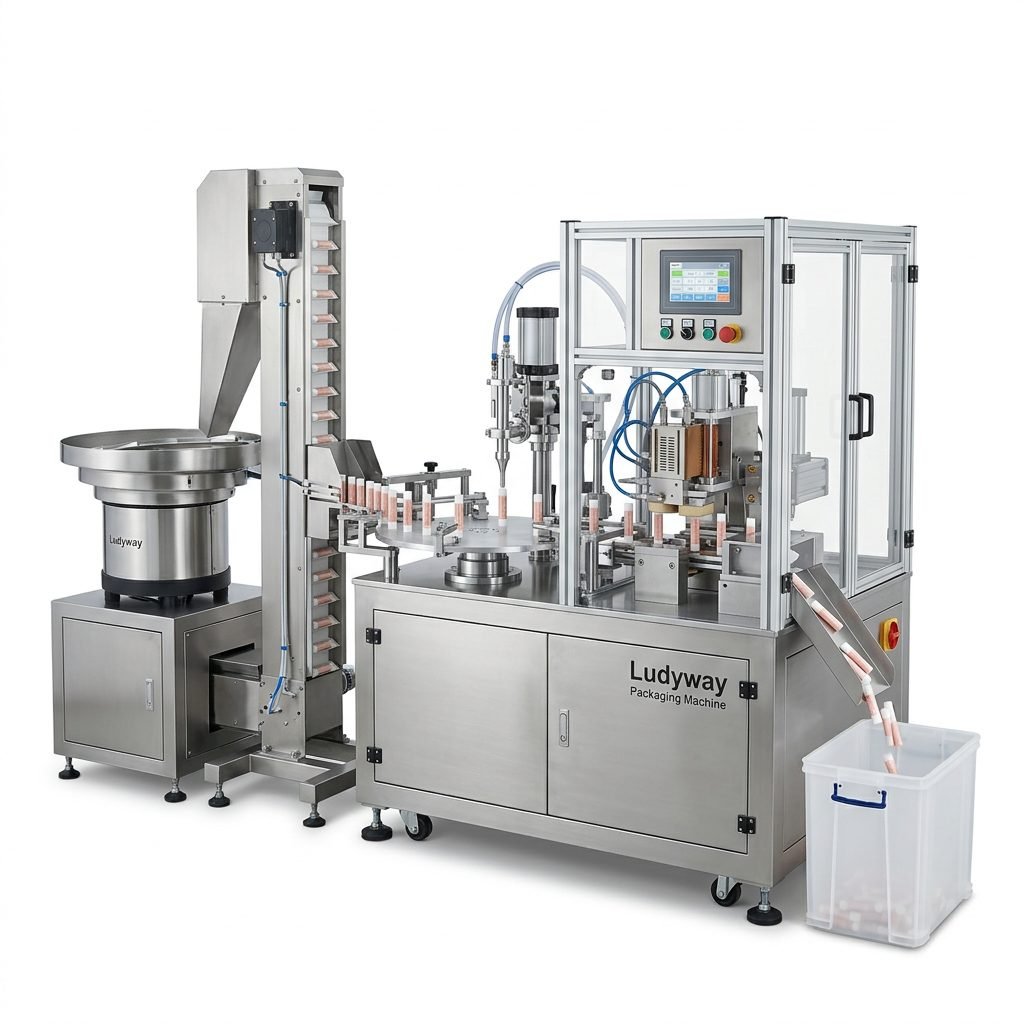
- Pre-Made Pouch Rotary Fillers: Best suited for premium grain products requiring stand-up pouches with zippers, spouts, or retort capabilities.
- Open-Mouth Bagging Lines: Designed for high-volume bulk packaging of rice, wheat, and animal feed in 10kg–50kg bags.
Critical Factors When Selecting Equipment
Product Characteristics and Flowability
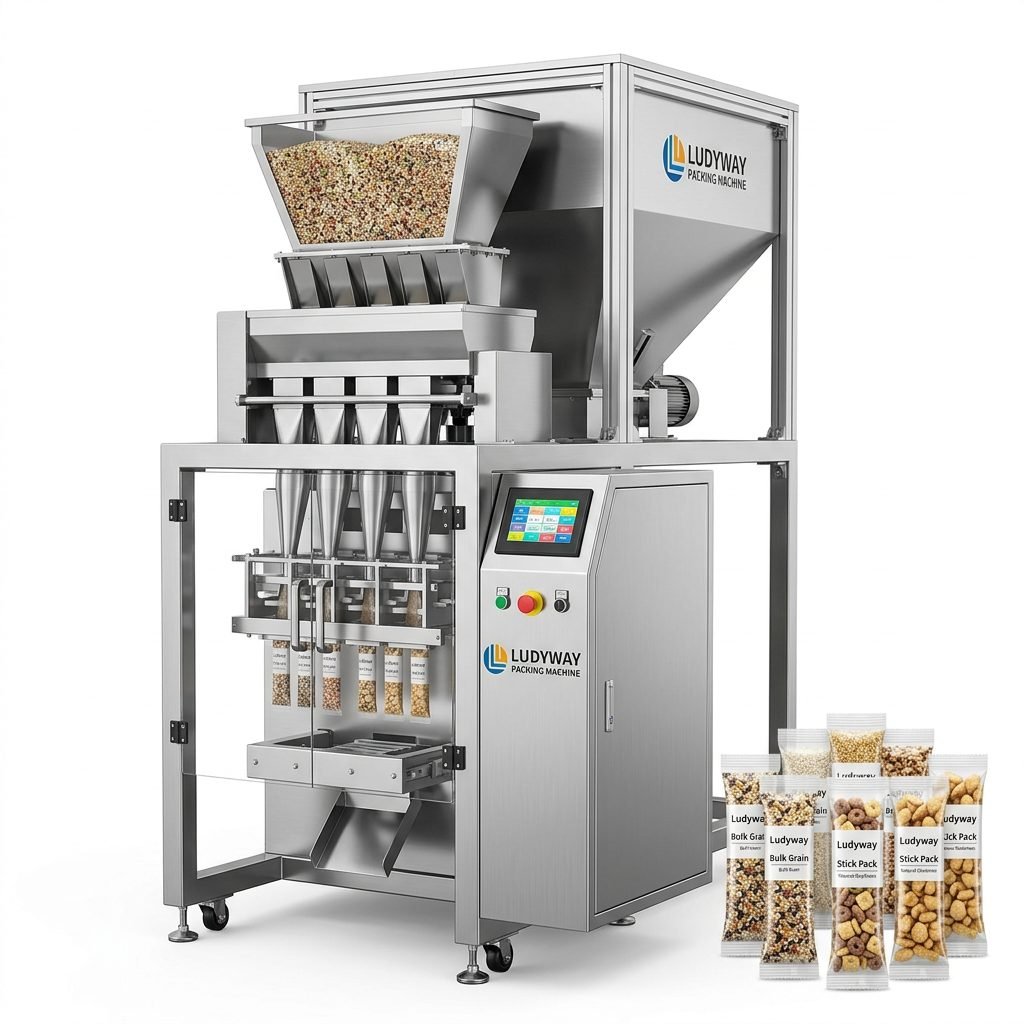
Grain density, moisture content, and particle size distribution directly impact machine selection. Free-flowing grains like polished rice require different dosing mechanisms than cohesive flours or sticky cereal blends. Volumetric cup fillers work well for uniform grains, while auger fillers are better suited for powdery products. For irregularly shaped grains such as oats and barley, multi-head weighers deliver the highest accuracy with minimal product giveaway.
Production Capacity and Speed Requirements
Asian manufacturers typically operate on thin margins, making throughput a decisive factor. A small-scale rice mill might need 15–20 bags per minute, while a large cereal exporter could require 60–120 packs per minute across multiple lanes. Equipment speed ratings should be evaluated against actual production needs, factoring in changeover times between different grain types and bag formats.
| Grain Type | Recommended Filler | Typical Speed Range | Bag Format |
|---|---|---|---|
| Rice (polished) | Multi-head weigher | 30–80 bpm | Pillow bag / Gusseted pouch |
| Wheat / Barley | Net weigher | 20–60 bpm | Open-mouth bag |
| Flour / Powder | Auger filler | 25–50 bpm | Pinch-bottom bag |
| Mixed Cereal / Granola | Volumetric cup | 40–100 bpm | Stick pack / Sachet |
| Pulses / Legumes | Multi-head weigher | 30–70 bpm | Pillow bag / Pouch |
Packaging Material Compatibility
The rise of flexible packaging in Asia means your equipment must handle various film types—BOPP, PET/PE laminates, aluminum foil composites, and biodegradable films. Verify that the machine’s sealing temperature range and jaw pressure can accommodate your chosen material. Poor seal integrity remains one of the leading causes of grain spoilage during storage and transit across humid Asian climates.
Automation Level and Labor Considerations
Labor availability and cost vary dramatically across Asian countries. Fully automated automatic packaging lines integrating filling, sealing, coding, and cartoning make economic sense in Japan, South Korea, and Singapore, where labor costs are high. In emerging markets like Vietnam, Bangladesh, and Indonesia, semi-automatic solutions may offer better ROI while maintaining flexibility. Consider machines with quick-changeover features that allow a single line to package multiple grain varieties without extensive downtime.
Hygiene, Safety, and Regional Certifications
Food safety compliance is non-negotiable. Equipment destined for Asian markets should meet CE, ISO 22000, or HACCP standards, with stainless steel contact parts and washdown capability for facilities handling multiple grain types. The European Packaging and Packaging Waste Regulation and EPA sustainable materials guidelines are also influencing export-oriented Asian producers. Dust extraction systems are critical for flour and fine-grain operations, both for worker safety and to prevent cross-contamination between production runs.
Supplier Evaluation for Asian Buyers
When evaluating packaging machinery suppliers, Asian buyers should prioritize manufacturers with proven regional experience, local service support, and spare parts availability. Key criteria include:
- Installation base in your country — ask for reference visits to nearby facilities
- Availability of local technical teams for installation, training, and emergency repairs
- Warranty terms covering parts and labor, with clear response-time commitments
- Remote diagnostics capability for troubleshooting without on-site visits
- Spare parts inventory in regional warehouses to minimize downtime
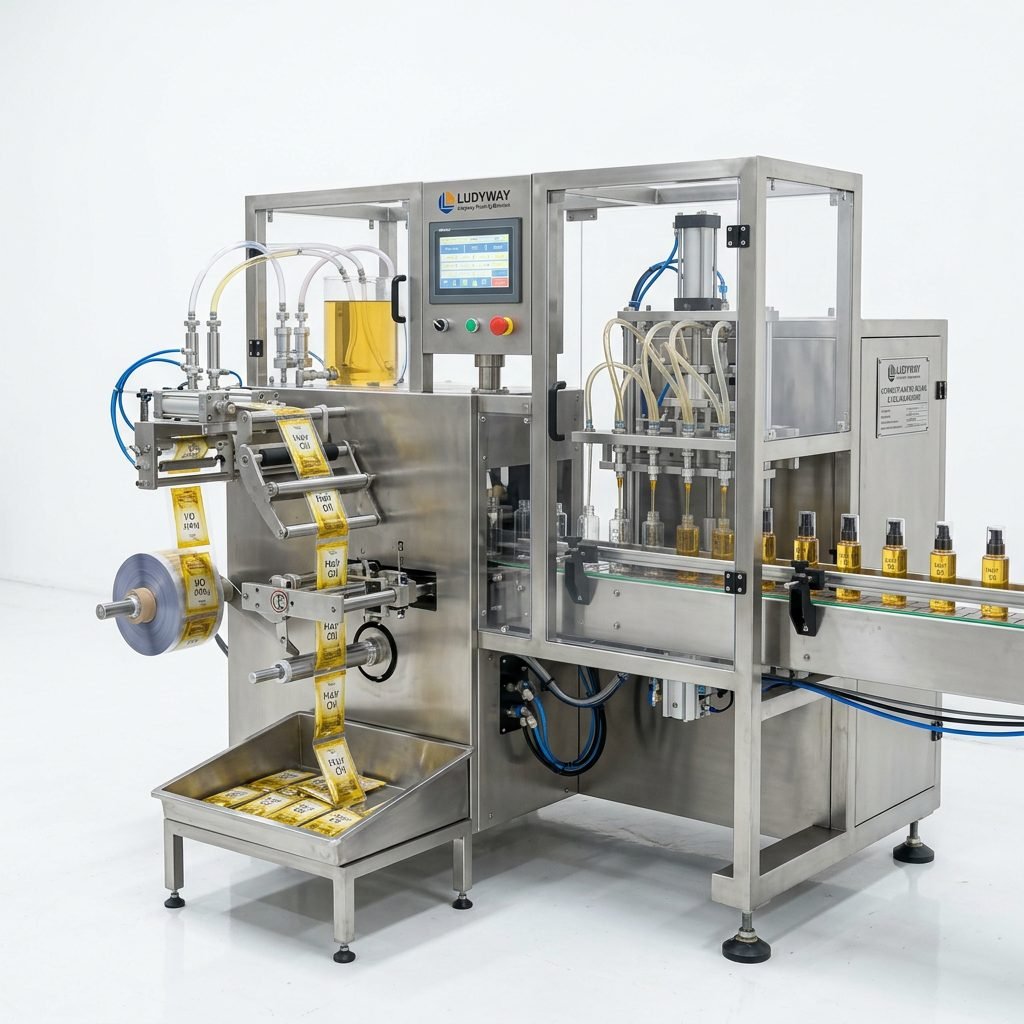
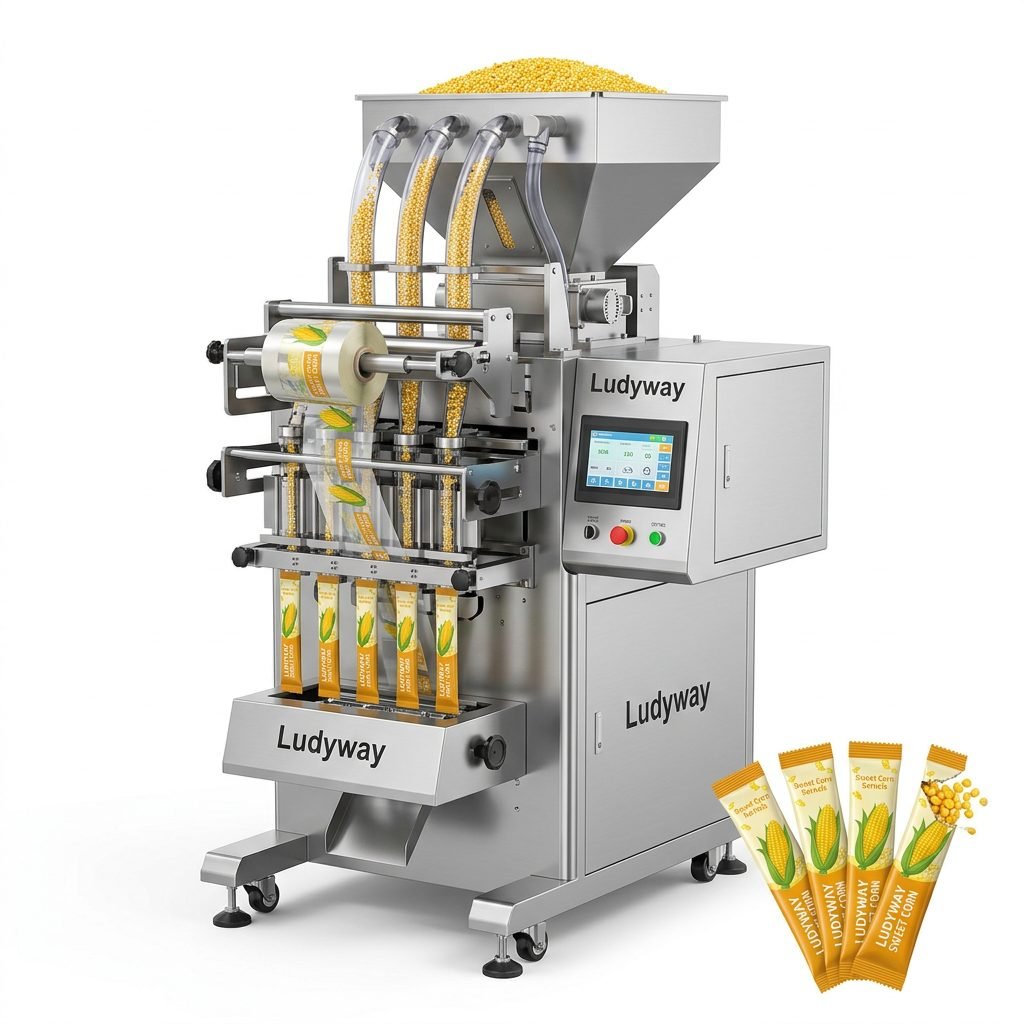
One manufacturer that has established a significant presence across Asian grain markets is Ludyway, with over 30 years of industry expertise and a modern 20,000㎡ manufacturing facility serving customers in more than 100 countries. Their comprehensive range of granule, powder, and multi-lane packaging systems supports diverse grain applications from small sachets to bulk bags.
Total Cost of Ownership Analysis
Purchase price alone is a misleading metric. A comprehensive TCO calculation should include:
- Initial investment: Machine cost, shipping, import duties, and installation
- Operational costs: Energy consumption, film waste rates, and consumable parts
- Maintenance: Preventive service contracts, spare parts inventory, and technician training
- Downtime risk: Lost production value during unscheduled stoppages
- Efficiency gains: Reduced product giveaway, faster changeovers, and lower labor requirements
Energy-efficient servo-driven machines may cost 20–30% more upfront but typically deliver 15–25% savings in electricity costs over a five-year period, a critical consideration in regions with high industrial power rates.
Future-Proofing Your Investment
Industry 4.0 and Smart Packaging Integration
Leading Asian food manufacturers are adopting IoT-enabled packaging lines with real-time OEE monitoring, predictive maintenance alerts, and cloud-based production analytics. When selecting equipment, verify compatibility with common industrial communication protocols and ensure the control system can integrate with your existing MES or ERP platforms. For insights into emerging packaging technology trends, the PMMI business intelligence library offers valuable market research and industry reports.
Sustainability Features
Asian consumers and regulators are increasingly focused on sustainable packaging. Equipment that can handle recyclable mono-material films, compostable bioplastics, and reduced-gauge laminates positions your operation for future market access. The Flexible Packaging Association provides comprehensive resources on material innovations and sustainability standards relevant to grain packaging.
Making the Final Decision
Selecting the right grain packaging machine in Asia requires balancing technical specifications, regional compliance, and long-term operational economics. Start by defining your product range, target throughput, and budget envelope. Request factory acceptance testing (FAT) before shipment and negotiate clear performance guarantees tied to your specific grain types. For additional guidance on packaging machinery standards, consult the PMMI packaging industry resources and relevant ISO packaging and distribution standards. With thorough due diligence and a focus on total lifecycle value, your investment can deliver reliable, efficient grain packaging for years to come.
| Decision Factor | What to Evaluate | Priority Level |
|---|---|---|
| Filling accuracy | ±0.5% to ±1% depending on grain type | High |
| Changeover time | Under 30 minutes for format changes | Medium |
| Seal integrity | Consistent seal strength across all lanes | High |
| Dust management | Integrated extraction and containment | Medium-High |
| After-sales support | Local technicians and spare parts availability | High |
Additional Resources for Grain Packaging Buyers
Industry associations and regulatory bodies provide valuable information to support your equipment selection process:
- PMMI 2025 State of the Industry Report — packaging machinery market data
- PACK EXPO International — global packaging trade events
- Flexible Packaging Association Industry Data — material trends and statistics
- ISO 11607 Packaging Standards — international compliance frameworks