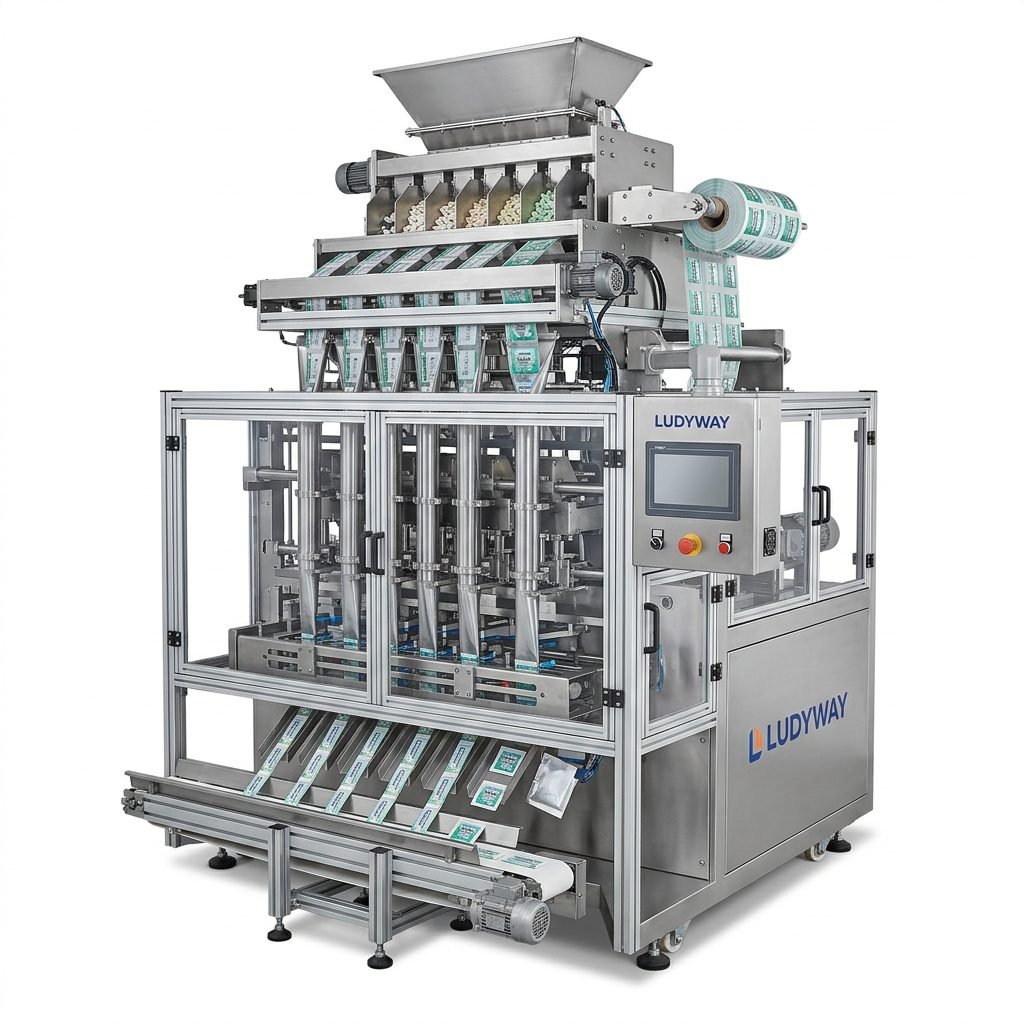
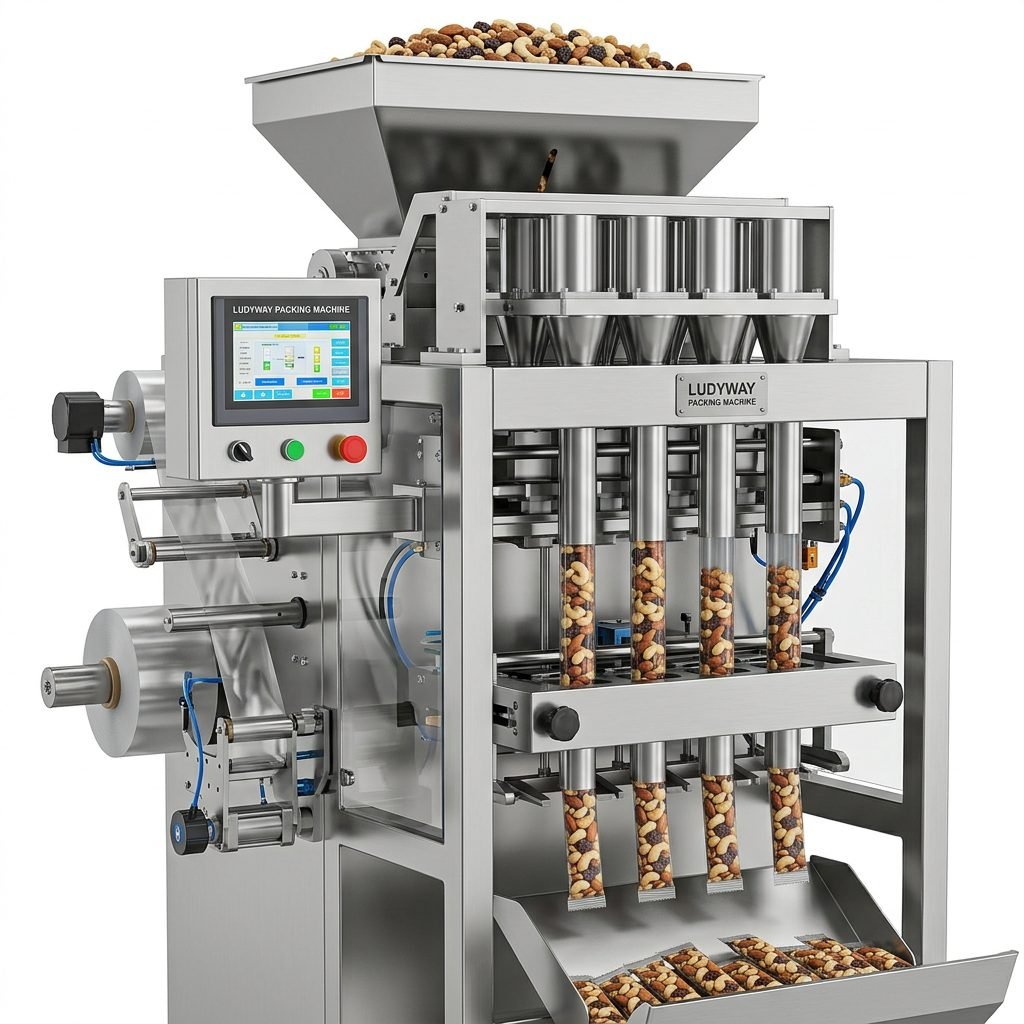
The German coffee market is one of the largest and most sophisticated in Europe. With per capita consumption exceeding 160 liters annually, Germany represents a strategic hub for coffee producers, roasters, and packaging companies. Investing in the right coffee packaging machine is critical to maintaining product freshness, ensuring compliance with EU regulations, and optimizing production efficiency. This guide covers everything you need to know before making a purchase decision.
Understanding the German Coffee Packaging Market
Germany’s coffee industry is undergoing significant transformation. The demand for single-serve portions, specialty coffee, and convenient on-the-go formats has surged in recent years. According to the Flexible Packaging Association, flexible packaging now accounts for over 40% of the coffee packaging segment in Western Europe. German consumers increasingly prefer stick packs, sachets, and portion-controlled pouches that preserve aroma and offer precise dosing. This shift drives demand for high-speed, multi-lane packaging machinery capable of handling various formats with minimal downtime.
Types of Coffee Packaging Machines
Selecting the appropriate machine depends on your product format, production volume, and target market. Below are the most common types used in the German coffee sector.
Stick Pack Machines
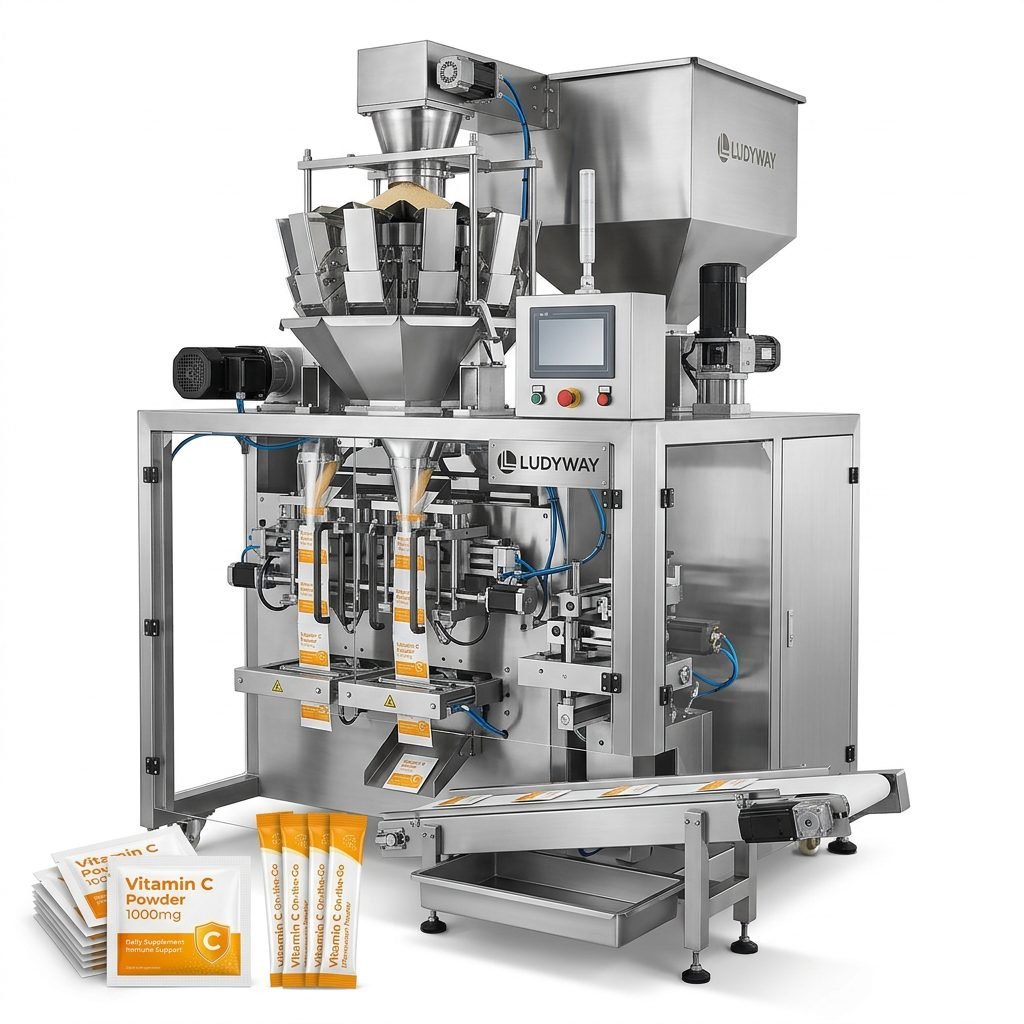
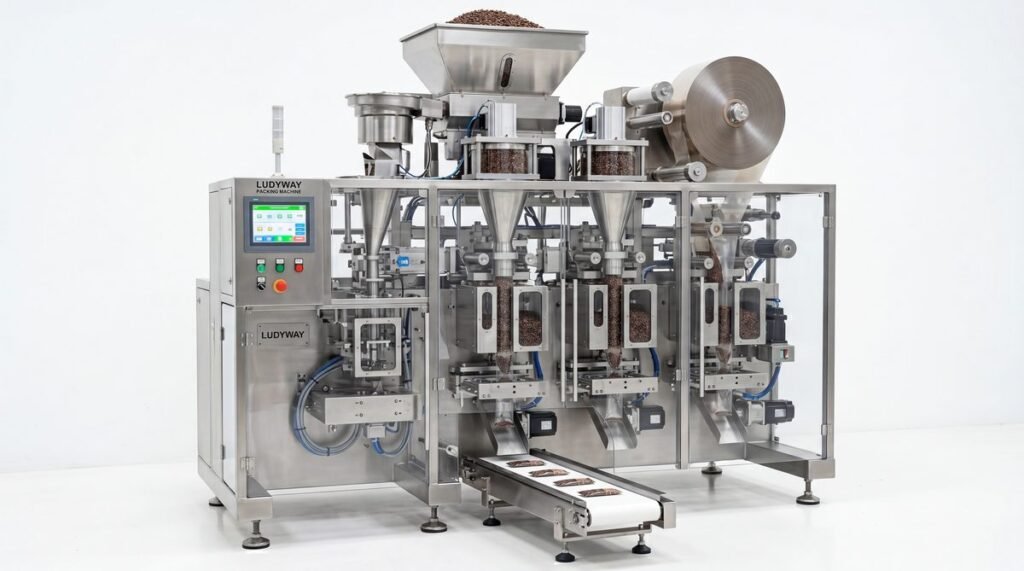
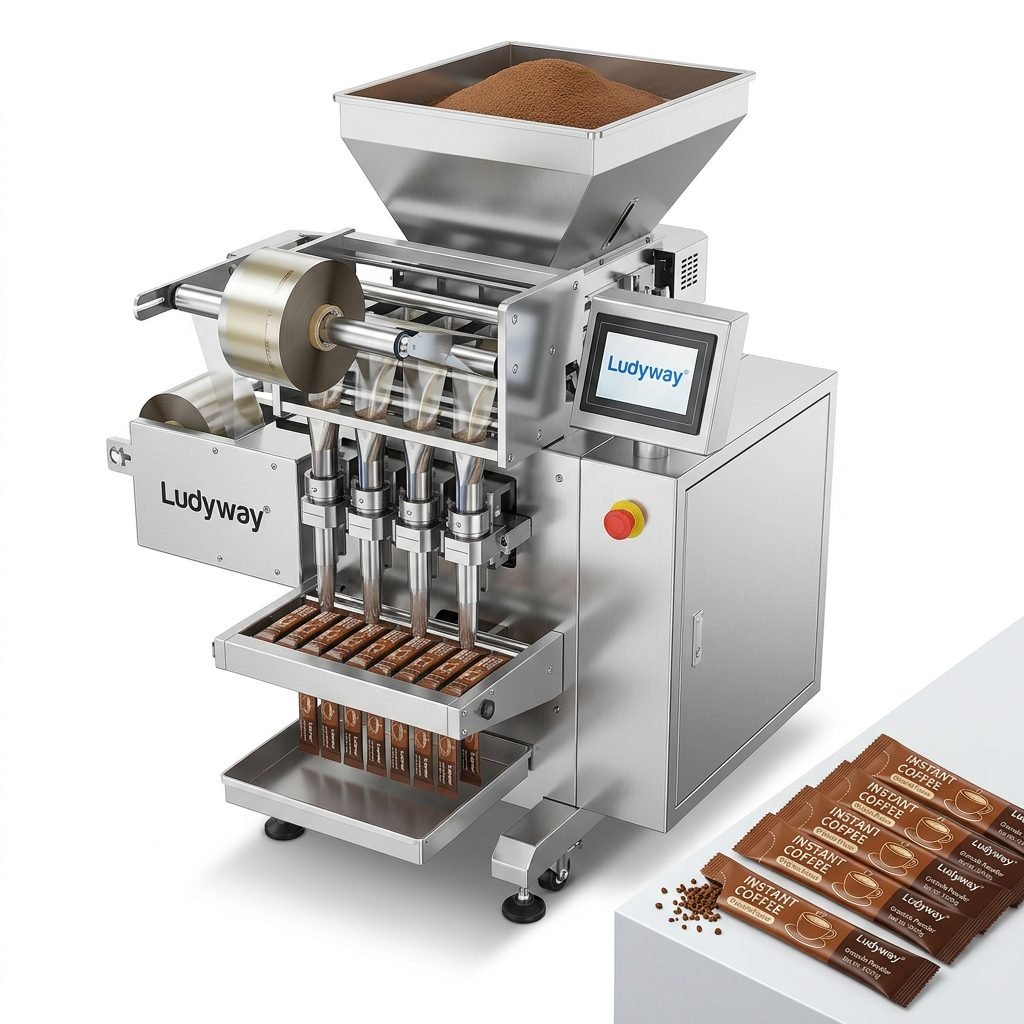
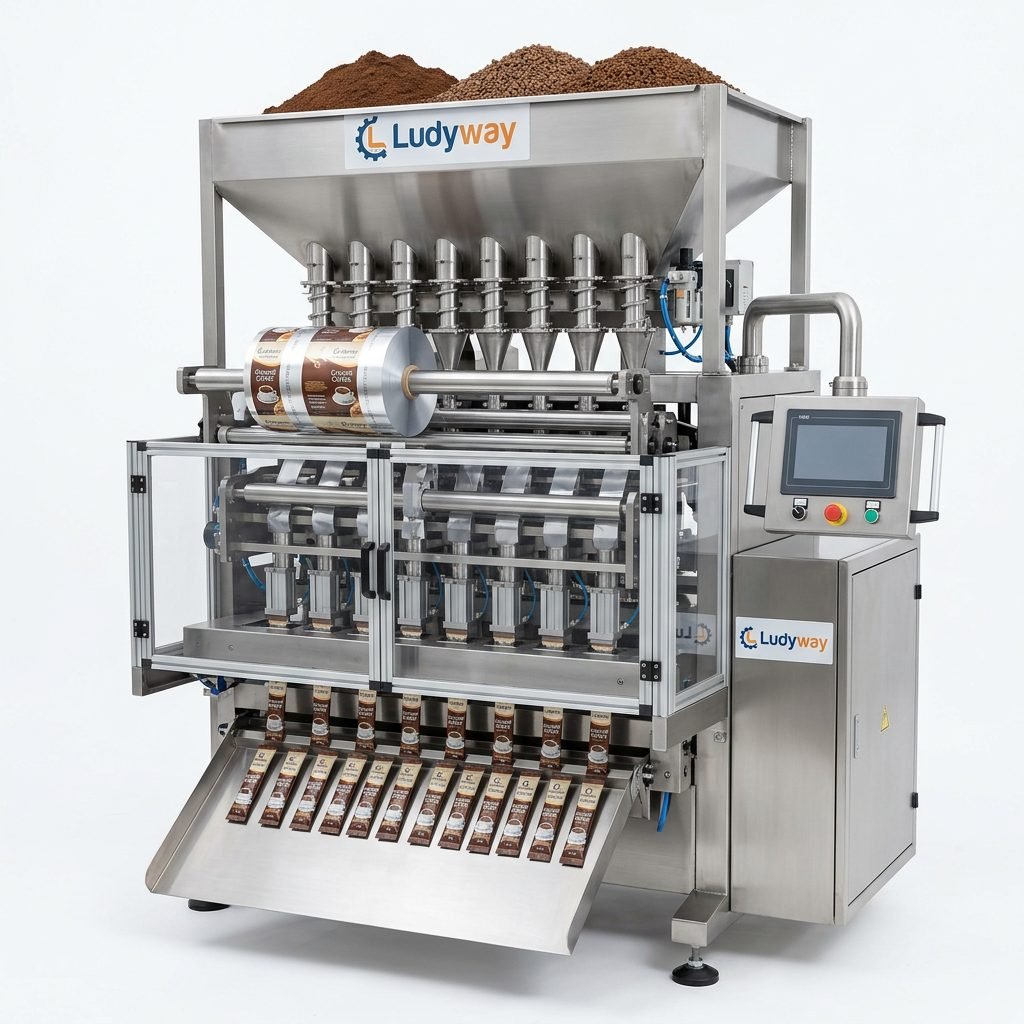
Stick pack machines produce narrow, elongated pouches ideal for instant coffee, 3-in-1 mixes, and single-serve powder products. These machines offer high-speed operation, often reaching 400-600 packs per minute in multi-lane configurations. Their compact footprint makes them suitable for facilities with limited floor space. The PMMI business intelligence reports indicate that stick pack formats are among the fastest-growing segments in European packaging.
Sachet Packaging Machines
Sachet machines handle flat, three- or four-side-sealed pouches commonly used for ground coffee, coffee creamer, and specialty blends. These versatile systems accommodate a wide range of film materials including aluminum laminates, kraft paper, and biodegradable composites. Modern sachet machines feature servo-driven sealing jaws and precise temperature control, ensuring consistent seal integrity—a critical factor for preserving coffee freshness during extended shelf life.
Multi-Lane Packaging Systems
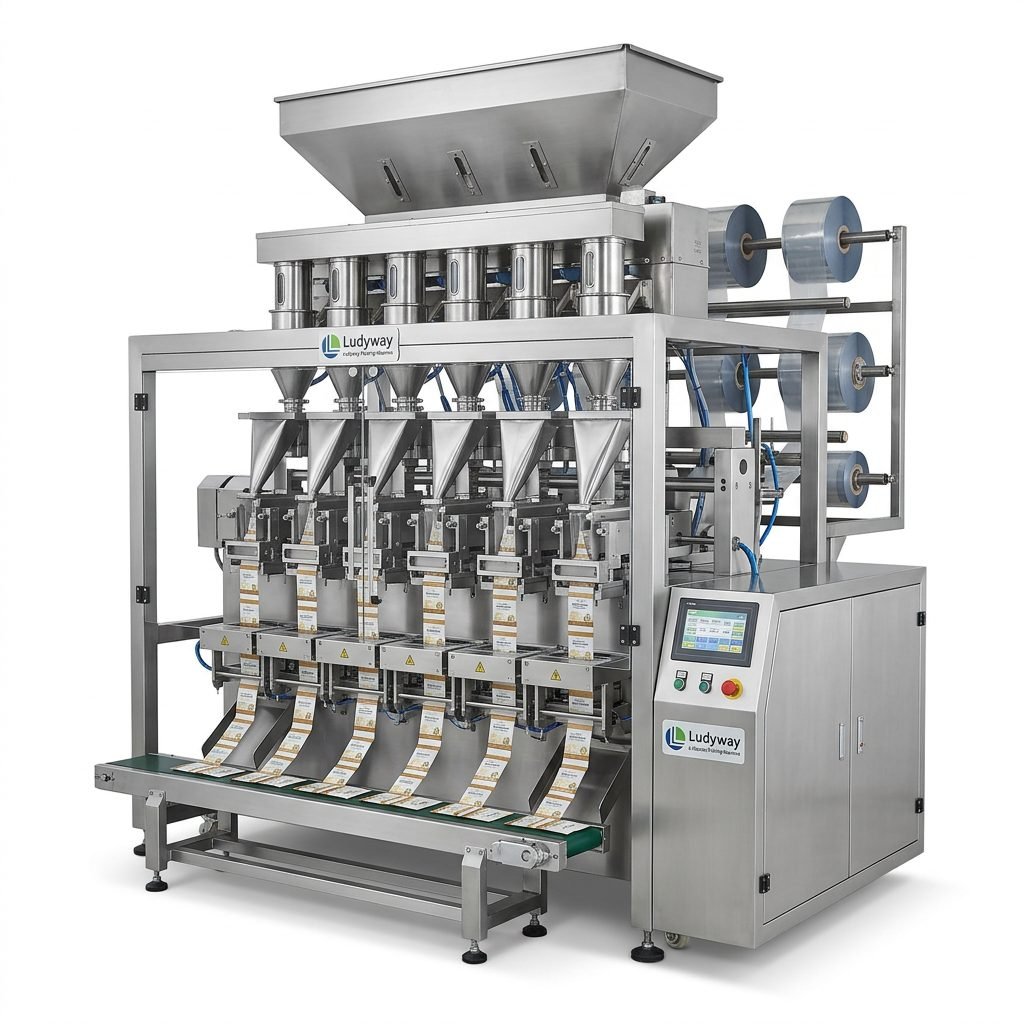
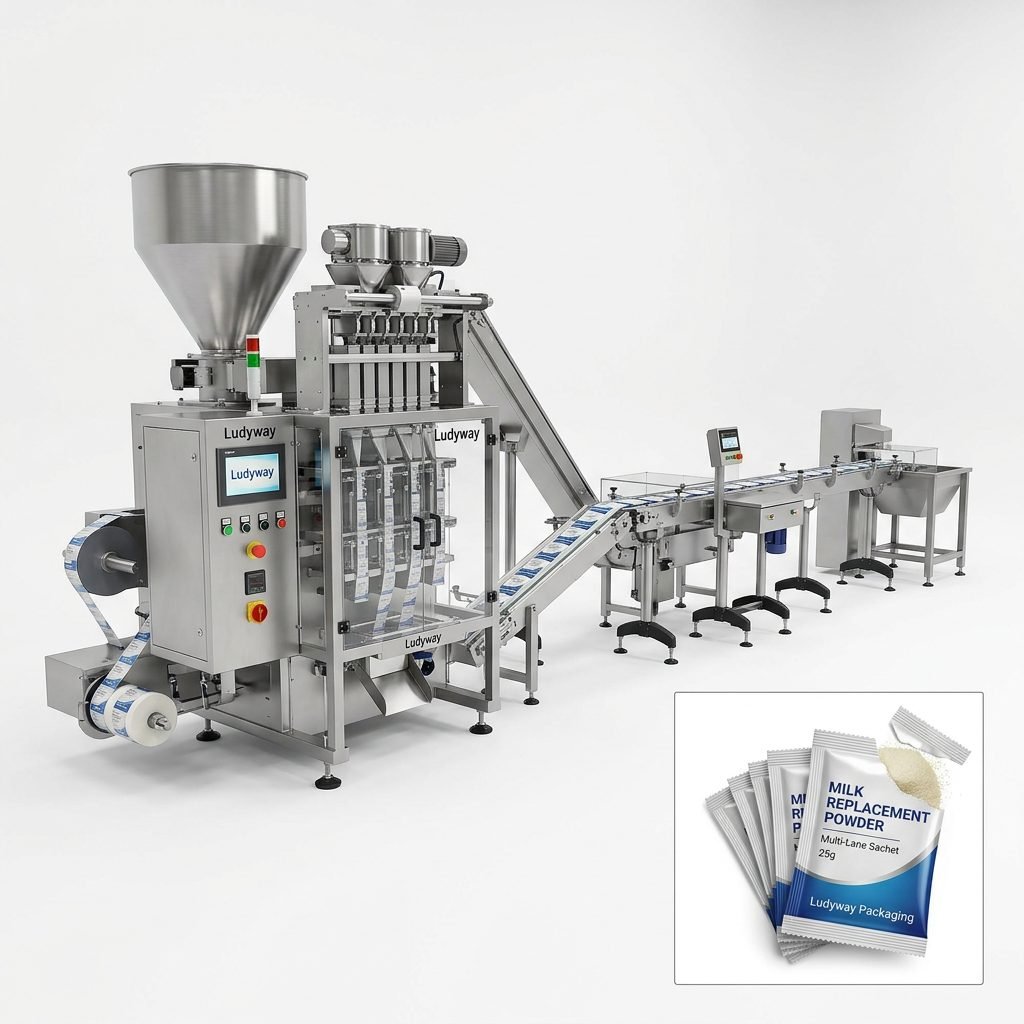
For large-scale production, multi-lane packaging systems offer unparalleled throughput. These machines run 4 to 16 lanes simultaneously, dramatically increasing output while reducing per-unit packaging costs. German coffee manufacturers serving retail chains and food service distributors increasingly adopt multi-lane technology to meet just-in-time delivery requirements and maintain competitive pricing in a crowded market.
Vacuum Packaging Machines
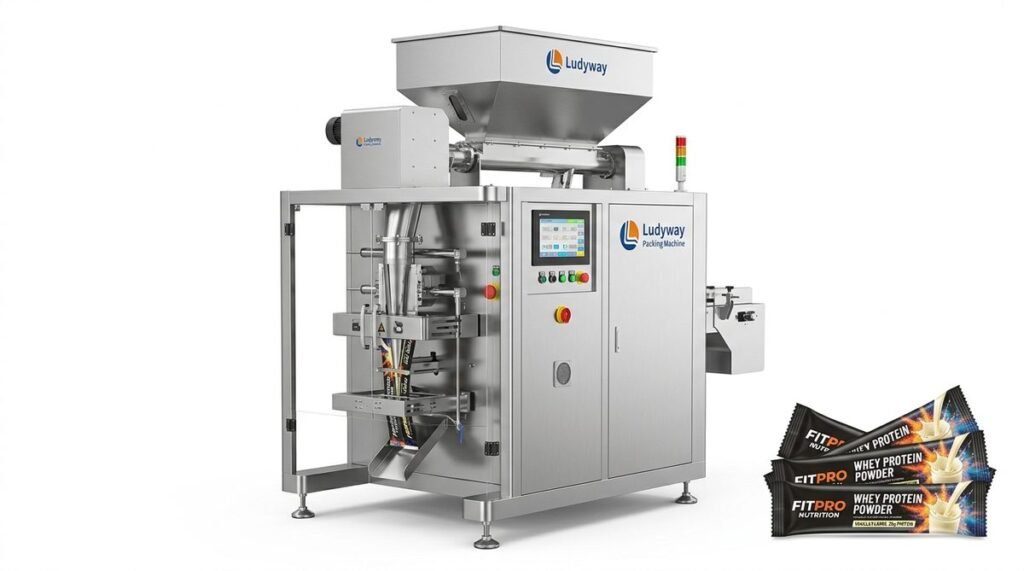
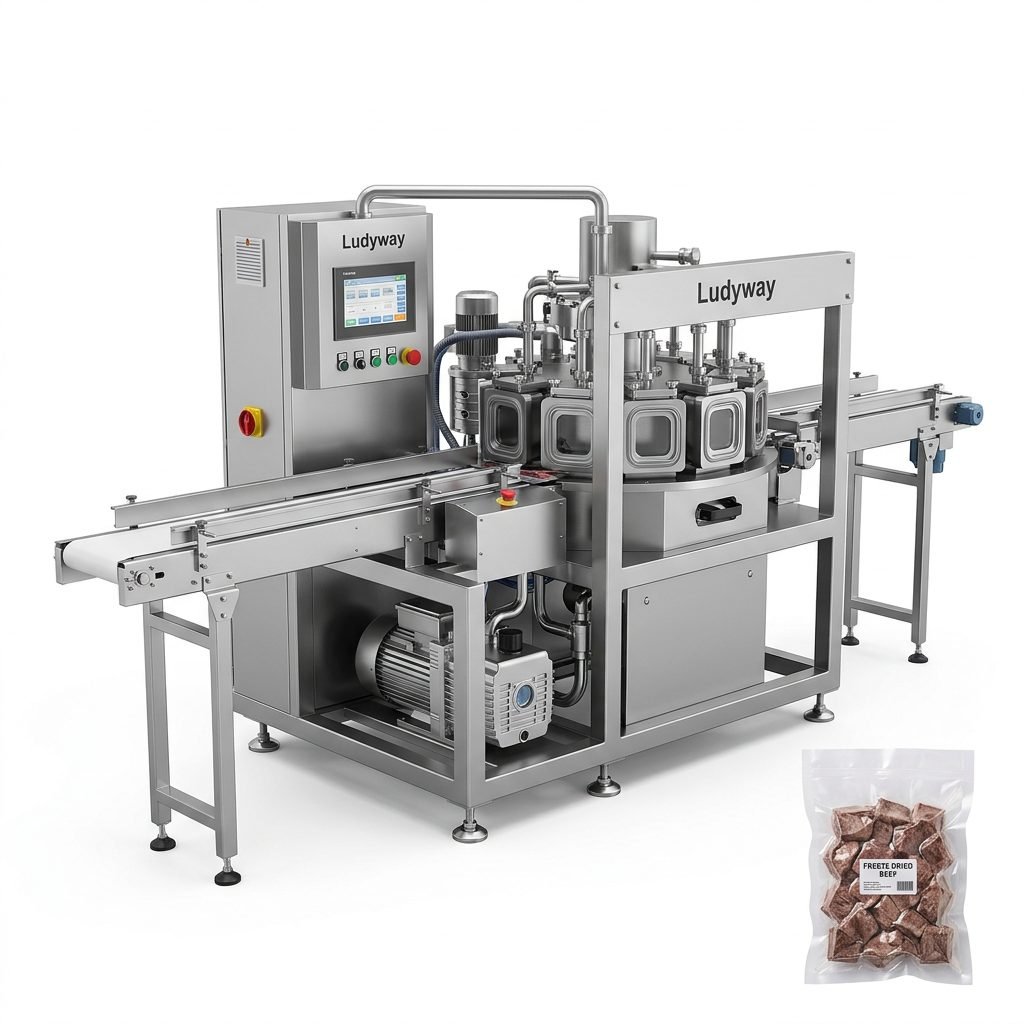
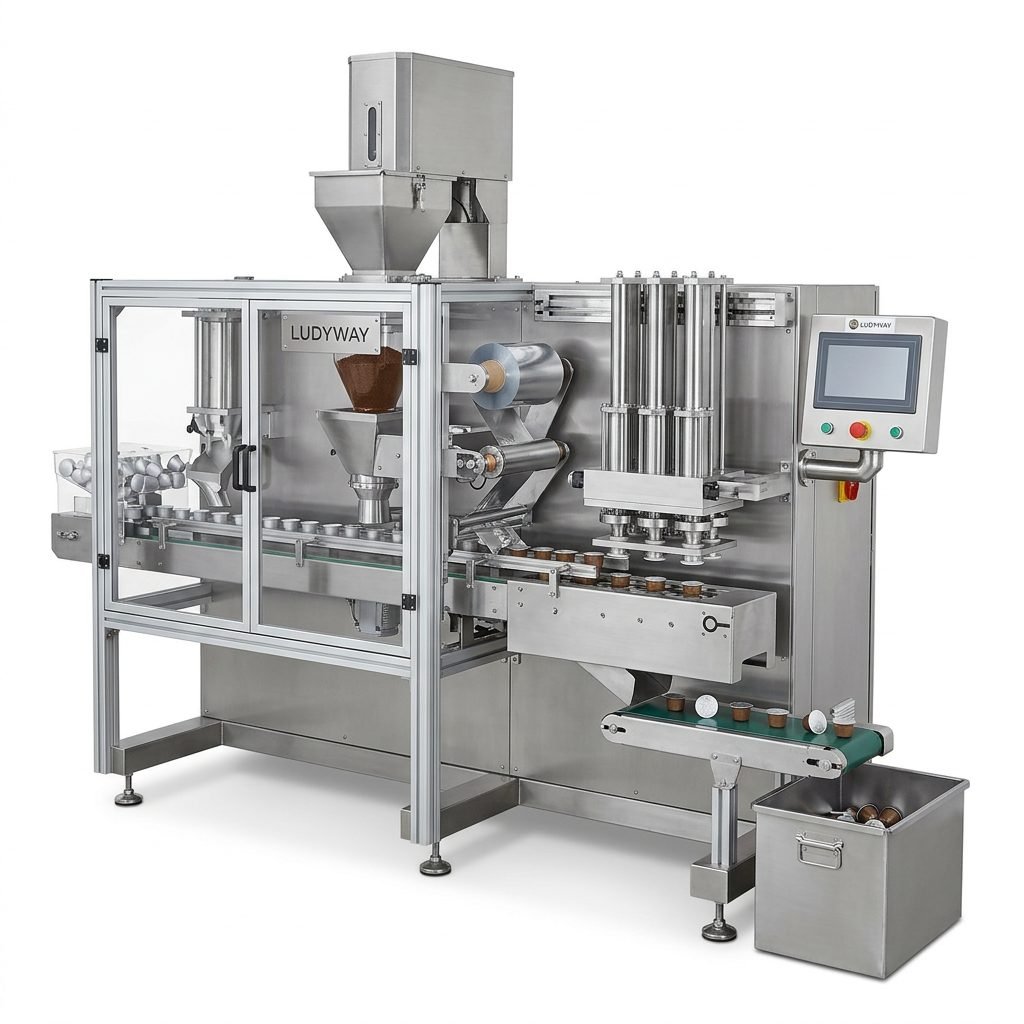
Vacuum packaging remains essential for whole bean and ground coffee destined for premium segments. By removing oxygen from the package, vacuum systems extend shelf life up to 12-24 months and preserve volatile aromatic compounds. Many German specialty roasters combine vacuum sealing with nitrogen flushing for optimal results. Compliance with ISO packaging standards is particularly important for vacuum-packaged products exported across EU borders.
Key Factors to Consider When Buying
Investing in a coffee packaging machine requires careful evaluation of several technical and commercial parameters. The following checklist will help German buyers make informed decisions.
- Production Capacity: Match machine speed (packs per minute) to your daily output targets. Consider future growth projections.
- Packaging Material Compatibility: Verify that the machine handles your chosen films—aluminum foil, PET/PE laminates, paper-based materials, or compostable films.
- Filling Accuracy: Precision dosing minimizes product giveaway and ensures regulatory compliance. Look for ±0.5% accuracy or better.
- Sealing Technology: Heat sealing, ultrasonic sealing, or impulse sealing—each has advantages for different coffee types and packaging materials.
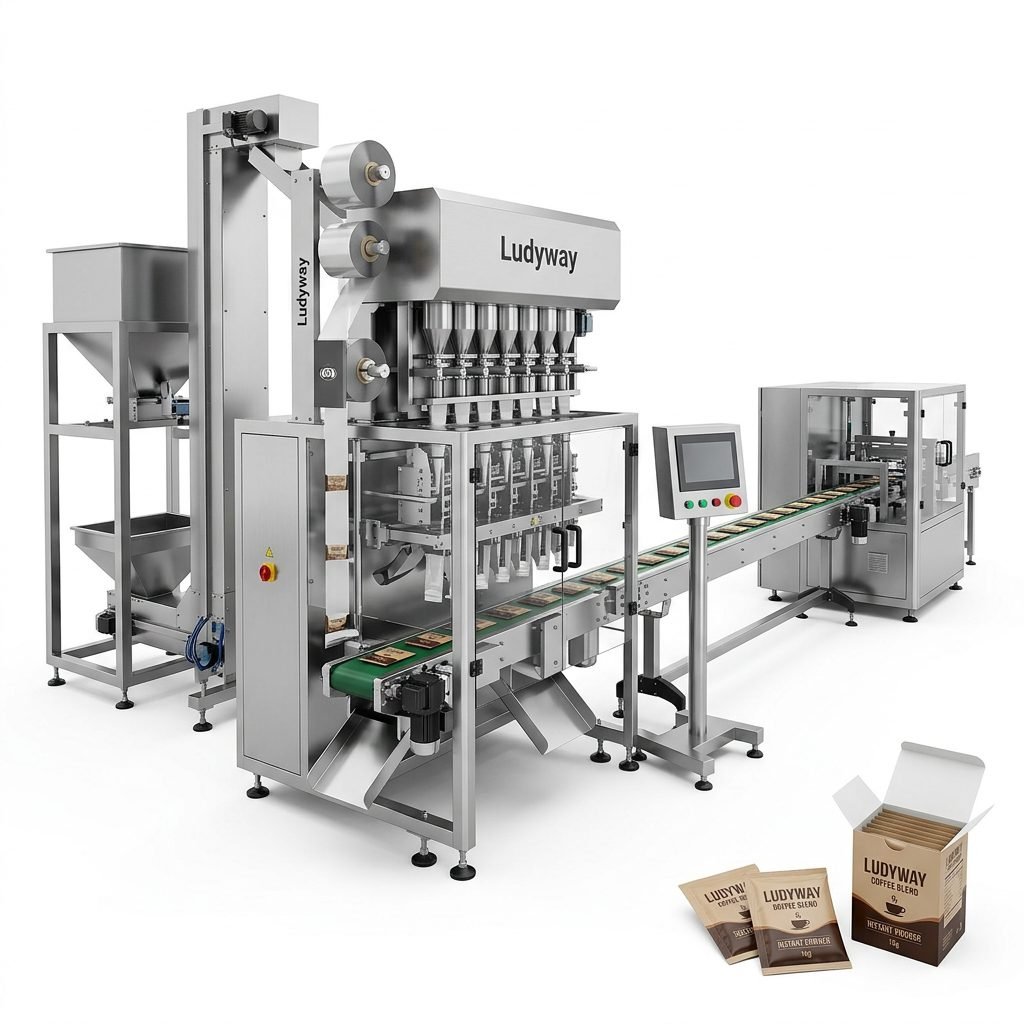
- Automation Level: Evaluate whether you need fully automatic lines with integrated weighing, filling, sealing, coding, and cartoning.
- CE Certification: Machines sold and operated in Germany must carry CE marking, demonstrating conformity with EU health, safety, and environmental requirements.
- After-Sales Support: Assess the availability of spare parts, technical support, and service engineers within Germany or the EU.
- Energy Efficiency: With Germany’s high industrial electricity costs, energy-efficient servo drives and optimized heating systems deliver significant savings.
Price Comparison: Coffee Packaging Machines in Germany
The German market offers a wide spectrum of pricing depending on machine type, automation level, and brand. The table below provides indicative price ranges based on current market data.
| Machine Type | Speed Range | Price Range (EUR) | Best For |
|---|---|---|---|
| Single-Lane Stick Pack | 40-80 packs/min | €25,000 – €60,000 | Small to medium roasters, startups |
| Multi-Lane Stick Pack (4-8 lanes) | 200-500 packs/min | €80,000 – €200,000 | Mid-size manufacturers, co-packers |
| Multi-Lane Stick Pack (10-16 lanes) | 500-800 packs/min | €200,000 – €450,000 | Large-scale industrial production |
| Rotary Sachet Machine | 100-300 packs/min | €50,000 – €150,000 | Ground coffee, specialty blends |
| Vacuum Packaging System | 30-60 packs/min | €35,000 – €120,000 | Whole bean, premium segments |
| Fully Automated Turnkey Line | Custom | €300,000 – €1,500,000+ | High-volume industrial operations |
Note: Prices are indicative and vary based on configuration, customization, and supplier location. Import duties and shipping costs may apply for machines manufactured outside the EU.
German Regulations and Compliance Standards
Operating a coffee packaging machine in Germany requires strict adherence to national and EU-level regulations. The FDA food packaging guidelines, while US-focused, provide useful benchmarks that align closely with EU standards. Key German and European requirements include:
- EU Regulation 1935/2004: Governs food contact materials, ensuring packaging does not transfer harmful substances to coffee products.
- German Food and Feed Code (LFGB): National legislation complementing EU regulations with additional requirements for food packaging safety.
- DIN Standards: The German Institute for Standardization publishes specific norms for packaging machinery safety, including DIN EN 415 series for packaging machine safety requirements.
- EU Packaging and Packaging Waste Directive: Mandates recyclability and sets targets for packaging waste reduction—increasingly relevant as Germany strengthens its packaging waste regulations.
- GDPR Compliance: If your packaging line integrates with digital tracking or IoT systems, data protection compliance is mandatory.
Choosing the Right Supplier for the German Market
Selecting a reliable packaging machine supplier is as important as choosing the right equipment. German buyers should prioritize manufacturers with proven experience in European markets, strong after-sales infrastructure, and demonstrated compliance with EU regulations. Key evaluation criteria include:
- European Service Network: Suppliers with local service engineers or authorized partners in Germany can respond quickly to maintenance needs, minimizing production downtime.
- Reference Installations: Request case studies or references from German or EU-based customers to verify machine performance in real production environments.
- Spare Parts Availability: Confirm that critical spare parts are stocked within the EU, avoiding long lead times for imported components.
- Warranty and Training: Comprehensive warranty coverage and operator training programs are essential for maximizing machine productivity.
- Technical Documentation: All manuals, schematics, and compliance certificates should be available in German and English.
For businesses seeking cost-effective alternatives without compromising quality, several international manufacturers now offer CE-certified machines at competitive prices. Ludyway, for example, is one of the largest packaging machine manufacturers in China with over 30 years of industry experience, providing advanced packaging equipment to customers in over 100 countries including Germany. When evaluating international suppliers, always verify CE certification status and arrange factory acceptance testing before shipment.

Technology Trends Shaping Coffee Packaging in Germany
German coffee packaging is evolving rapidly, driven by sustainability mandates, digitalization, and changing consumer preferences. Several trends are reshaping equipment specifications:
- Sustainable Packaging Materials: Machines must now handle recyclable mono-materials, paper-based laminates, and biodegradable films—substrates that behave differently during sealing compared to traditional multi-layer plastics.
- Smart Factory Integration: Industry 4.0 capabilities, including OPC-UA communication protocols, remote diagnostics, and predictive maintenance alerts, are becoming standard requirements for German manufacturers.
- Reduced Oxygen Packaging: Modified atmosphere packaging (MAP) and nitrogen flushing systems are increasingly integrated into coffee packaging lines to extend freshness without artificial preservatives.
- Serialization and Track-and-Trace: Compliance with EU Falsified Medicines Directive-style traceability is expanding into food sectors, with batch-level coding and QR-based consumer engagement features.
The 2025 State of the Industry report confirms that packaging automation investment in Europe continues to accelerate, with coffee and beverage sectors leading adoption of multi-lane and smart packaging technologies.
Conclusion: Making an Informed Investment
Purchasing a coffee packaging machine in Germany represents a significant investment that impacts product quality, operational efficiency, and brand reputation. By carefully evaluating machine types, production requirements, compliance standards, and supplier capabilities, German coffee businesses can secure equipment that delivers long-term value and competitive advantage. Whether you are a specialty roaster seeking a compact stick pack machine or a large-scale manufacturer requiring a fully automated multi-lane line, thorough due diligence and a clear understanding of your production goals will guide you to the right solution.
Take time to visit supplier facilities, request sample runs with your actual coffee products and packaging materials, and consult with technical experts before finalizing your purchase. The right machine will not only meet today’s production demands but also adapt to tomorrow’s market requirements.