The United States coffee pod market continues to expand rapidly, driven by consumer demand for convenience and single-serve brewing systems. For manufacturers and co-packers entering this space, selecting the right coffee pod packaging machine is one of the most critical investment decisions. This guide covers everything from machine types and key specifications to regulatory compliance and ROI considerations for the U.S. market.
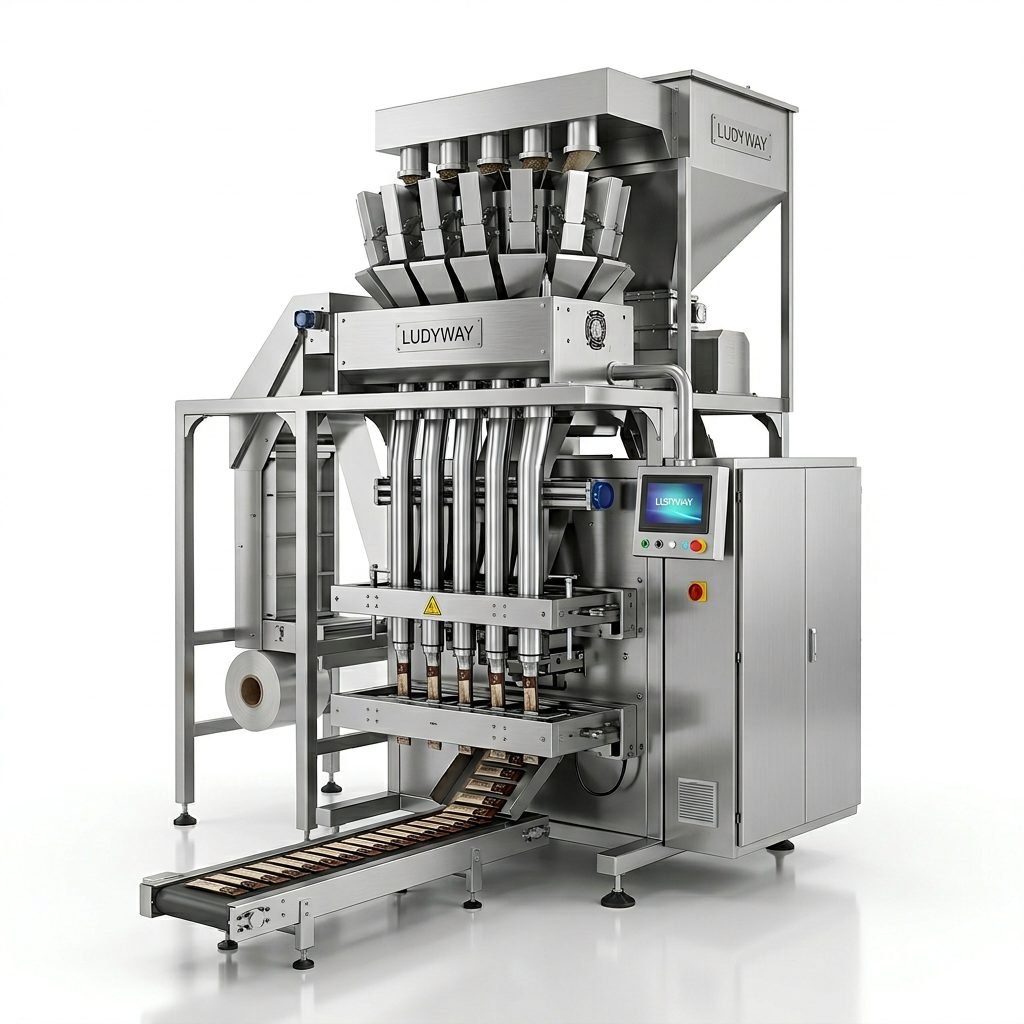
Understanding Coffee Pod Packaging Formats
Before evaluating machinery, it is essential to understand the dominant pod formats in the U.S. market. Each format demands specific tooling, film handling, and sealing technology.
- K-Cup Style Pods: The most widely recognized format, featuring a plastic cup with a foil lid and internal filter. These require precision filling, nitrogen flushing, and hermetic sealing capabilities.
- Soft Coffee Pods (Pads): Round, filter-paper encased pods used in various European and specialty American brewers. Machines must handle delicate filter material and ensure consistent dosing.
- ESPRESSO Capsules: Rigid plastic or aluminum capsules compatible with Nespresso-style systems. High-precision dosing and reliable sealing are paramount due to the pressurized extraction environment.
- Compostable Pods: A rapidly growing segment in the U.S., driven by sustainability concerns. Machinery must accommodate plant-based or biodegradable materials without compromising seal integrity.
Key Machine Configurations
Coffee pod packaging machines are broadly categorized by their level of automation and speed. Selecting the optimal configuration begins by clearly defining your target throughput, floor space, and labor strategy.
| Machine Type | Typical Output (Pods/Min) | Best Suited For |
|---|---|---|
| Semi-Automatic Rotary Machines | 30 – 80 | Startups, specialty roasters, limited production runs |
| Inline Automatic Systems | 100 – 300 | Mid-sized co-packers, regional brands |
| High-Speed Multi-Lane Systems | 400 – 1,200+ | National brands, large-scale contract packaging |
Critical Technical Specifications for U.S. Operations
American production environments emphasize reliability, sanitation, and speed. When comparing models, pay close attention to these technical parameters that directly impact coffee pod packaging machine performance and longevity.
Fill Accuracy and Dosing Technology
Coffee grounds vary in density, grind size, and flow characteristics. Achieving consistent fill weight is essential for both product quality and regulatory compliance under U.S. weights and measures standards. Look for machines equipped with servo-driven auger fillers or volumetric cup systems with closed-loop feedback. Tolerances of ±0.2 grams or better are achievable with modern equipment, minimizing product giveaway and protecting margins.
Sealing Integrity and Modified Atmosphere Packaging (MAP)
Oxygen is the enemy of coffee freshness. In the U.S. market, consumers expect a shelf life of 12 months or more. Nitrogen flushing and vacuum sealing are critical capabilities for any pod machine supplying retail channels. The sealing station must deliver consistent temperature and pressure across all lanes. Advanced systems include seal integrity monitoring with automatic reject for non-conforming pods, a feature increasingly expected by major U.S. retailers.
Material Handling and Film Compatibility
U.S. packaging operations must handle a diverse range of lidding films, including multi-layer barrier films, aluminum foil, and emerging compostable structures. The machine should offer rapid tooling changeover to accommodate different pod sizes and formats. Quick-change parts and recipe-driven setup reduce downtime between production runs, which is critical when serving multiple private label customers.
Regulatory and Sanitary Compliance in the U.S.
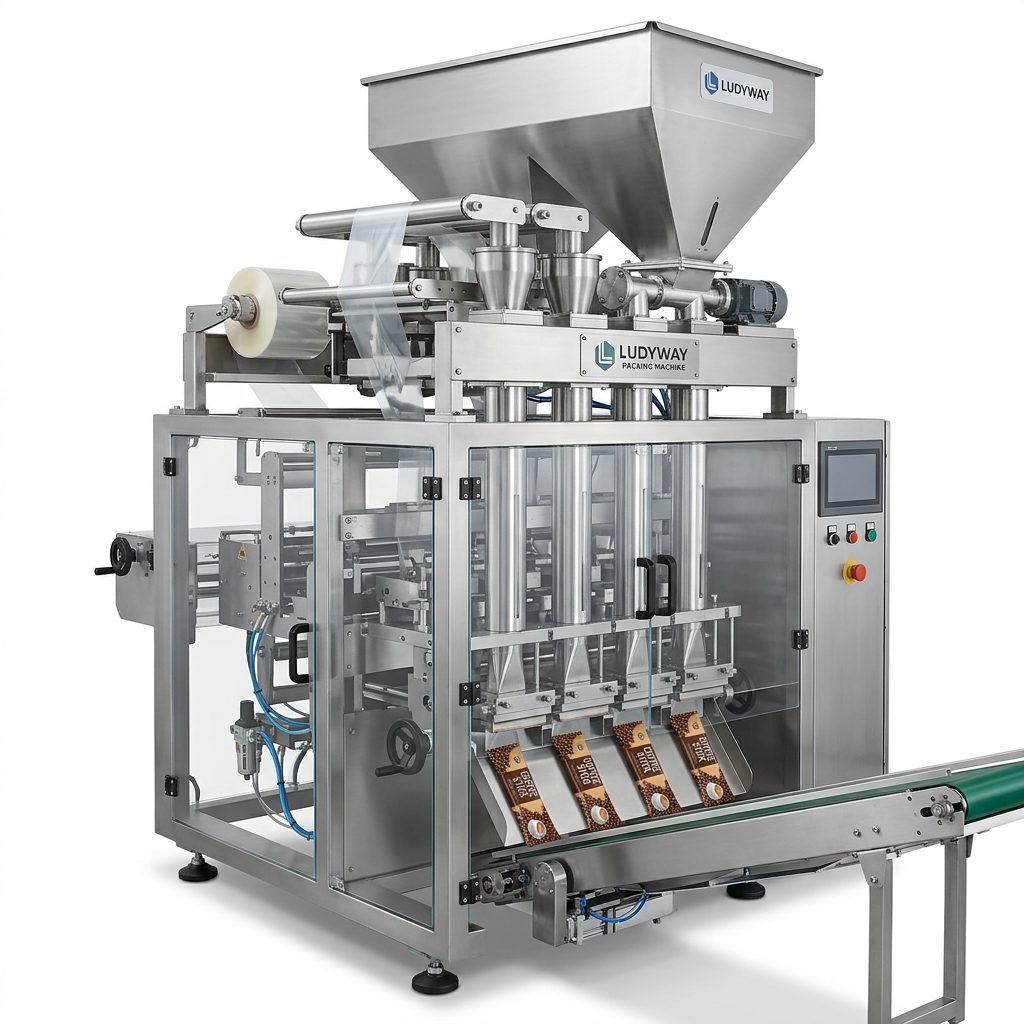
The regulatory landscape for food packaging equipment in the United States is comprehensive. Compliance begins at the design stage and influences material selection, validation protocols, and ongoing operational procedures.
FDA and Food Contact Compliance
All food contact surfaces and materials must comply with FDA regulations for food contact substances. This includes the films, seals, and any lubricants used in the machine. When sourcing a coffee pod packaging machine, confirm that the manufacturer provides documentation supporting compliance with 21 CFR parts 175-178. Stainless steel construction (304 or 316 grade) for all product contact zones is the industry standard for U.S. compliance.
Sanitary Design and Washdown Requirements
While dry coffee packaging does not typically require full washdown capability, sanitary design principles still apply. Equipment should feature sloped surfaces, minimal crevices, and easy access for cleaning and inspection. Tool-free disassembly of dosing and filling components facilitates rapid sanitation between flavor changeovers, a key consideration for co-packers running multiple coffee blends.
OSHA and Electrical Standards
Machinery imported into the U.S. must meet applicable ISO and ANSI safety standards. Full safety guarding with interlocked doors, emergency stop circuits, and proper electrical certification (UL or ETL listing) are non-negotiable for U.S. facilities. Budget for any necessary modifications or certifications when evaluating equipment from overseas suppliers.
Evaluating Total Cost of Ownership (TCO)
The purchase price of a coffee pod packaging machine represents only a fraction of the long-term cost. Smart buyers evaluate TCO across the expected service life, typically 10 to 15 years for well-maintained equipment.
- Initial Capital: Includes the machine, tooling for your pod format, installation, and operator training.
- Consumables: Lidding film, filter paper, and pod cups represent ongoing costs. Machines that minimize material waste through precise indexing and cutting generate significant savings over time.
- Maintenance and Spare Parts: Preventive maintenance agreements and local parts availability influence uptime. Evaluate the manufacturer’s service network in the United States.
- Labor: Automated systems reduce direct labor requirements. Calculate the payback period based on labor savings, especially given prevailing U.S. wage rates for skilled operators.
- Energy and Utilities: Compressed air consumption and electrical load directly impact operating costs. Modern servo-driven systems are substantially more energy-efficient than older pneumatic designs.
ROI Calculation Example
Consider a mid-sized co-packer producing 50 million pods annually. A machine priced at $500,000 with an output of 300 pods per minute, operating two shifts, can achieve payback in under 24 months when factoring in labor savings, reduced material waste, and increased throughput compared to legacy equipment. Detailed financial modeling should be part of every equipment evaluation process.
Integration with Upstream and Downstream Equipment
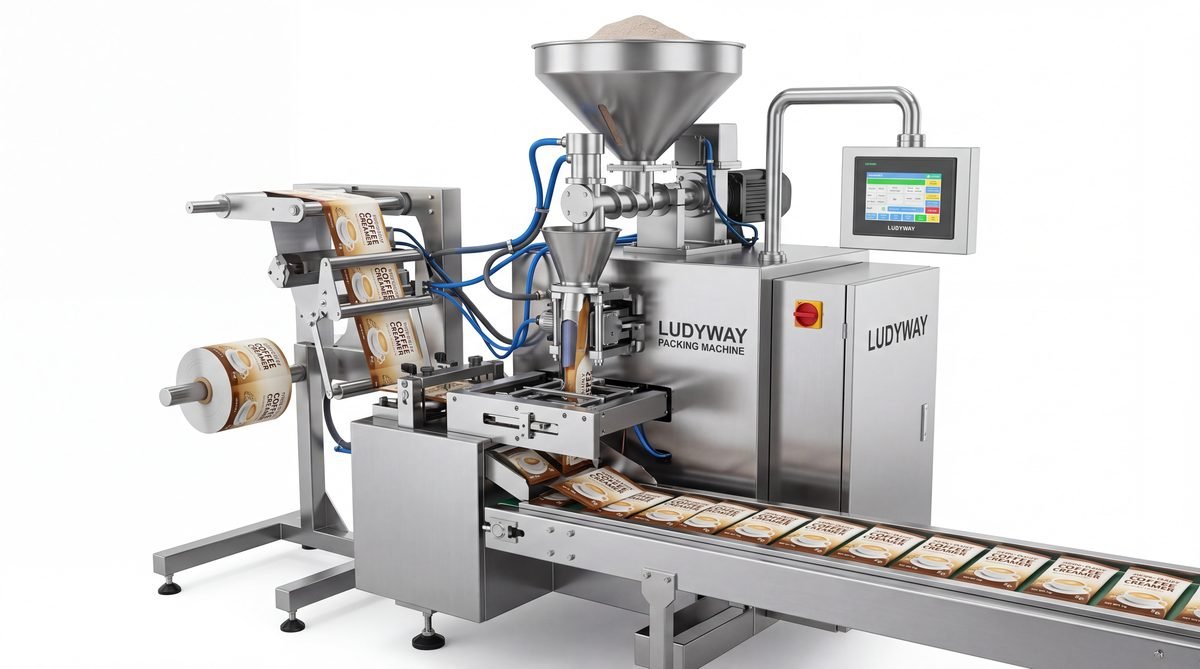
A coffee pod packaging machine does not operate in isolation. Successful implementations consider the entire production line, from grinding and dosing through secondary packaging and palletizing.
Grinder Integration
Direct coupling between the grinder and the filler hopper minimizes ground coffee exposure to ambient air, preserving freshness. Look for machines that can accept product from multiple grinder types, including roller and burr grinders, with level sensors that automate replenishment.
Downstream Cartoning and Case Packing
Pods must be counted, collated, and packed into cartons or variety packs. Selecting equipment that communicates via standard industrial protocols ensures seamless integration. PMMI and PACK EXPO International provide resources on interoperability standards such as OMAC PackML, which promotes consistent machine-to-machine communication.
Sustainability Considerations Impacting Machine Selection
The U.S. packaging market is increasingly influenced by sustainability commitments from major retailers and consumer packaged goods companies. Your choice of coffee pod packaging machine must support current and emerging material formats.
Compostable and bio-based materials require precise temperature control during sealing, as these films have narrower processing windows than traditional plastics. Machines designed with advanced thermal regulation and gentle film handling protect material integrity. The ability to run both conventional and sustainable materials on the same platform provides maximum flexibility as market demands evolve. Resources from the Flexible Packaging Association offer further guidance on material trends.
Sourcing Machinery for the U.S. Market
American coffee pod manufacturers have multiple sourcing options, including domestic OEMs, European specialists, and established Asian manufacturers with growing U.S. support infrastructure. Each path offers distinct advantages in terms of price, technology, and service.
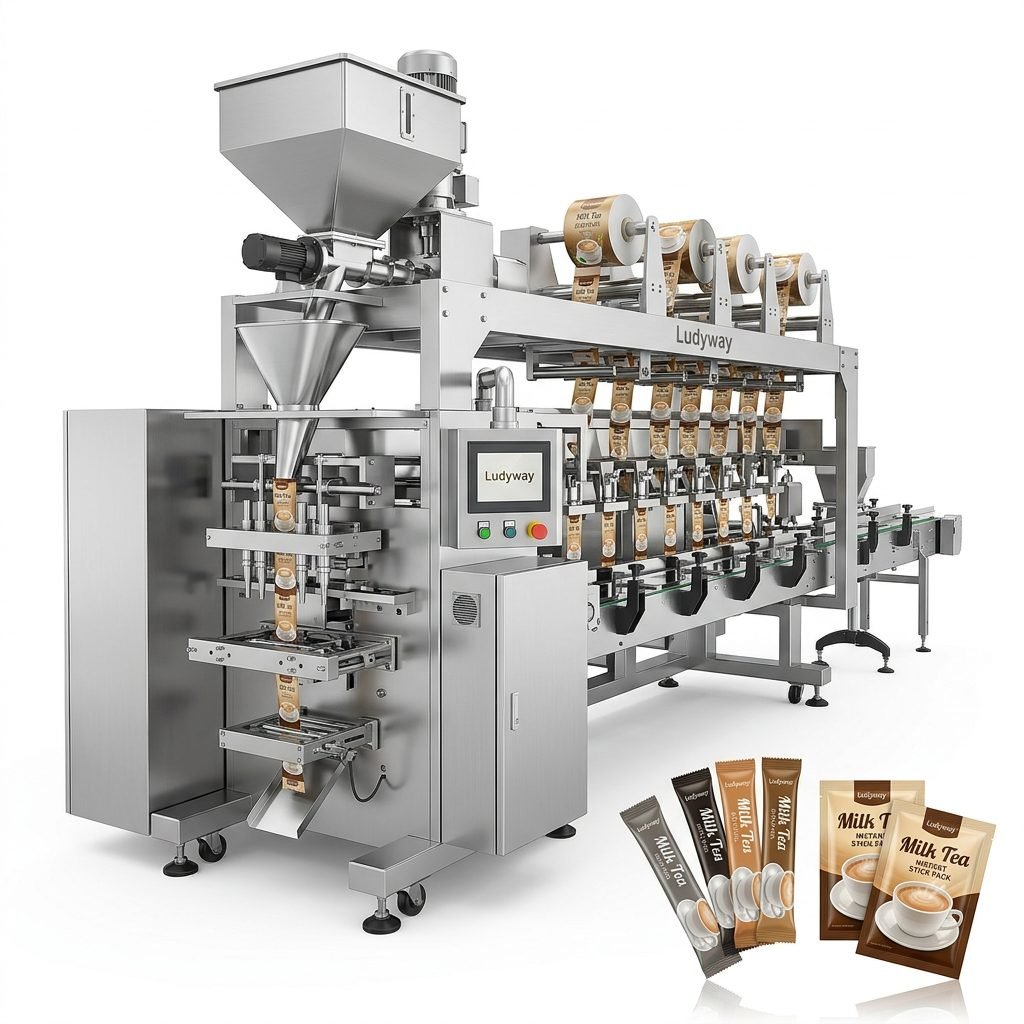
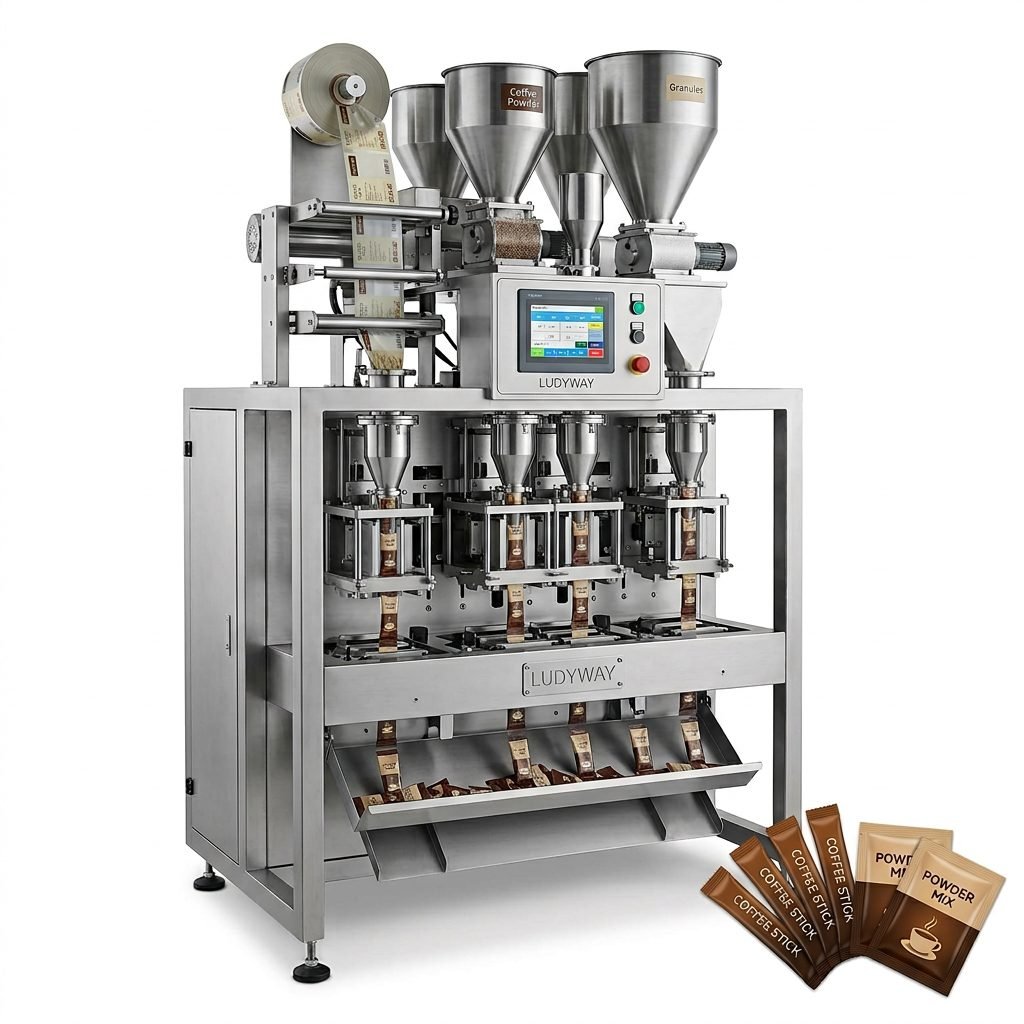
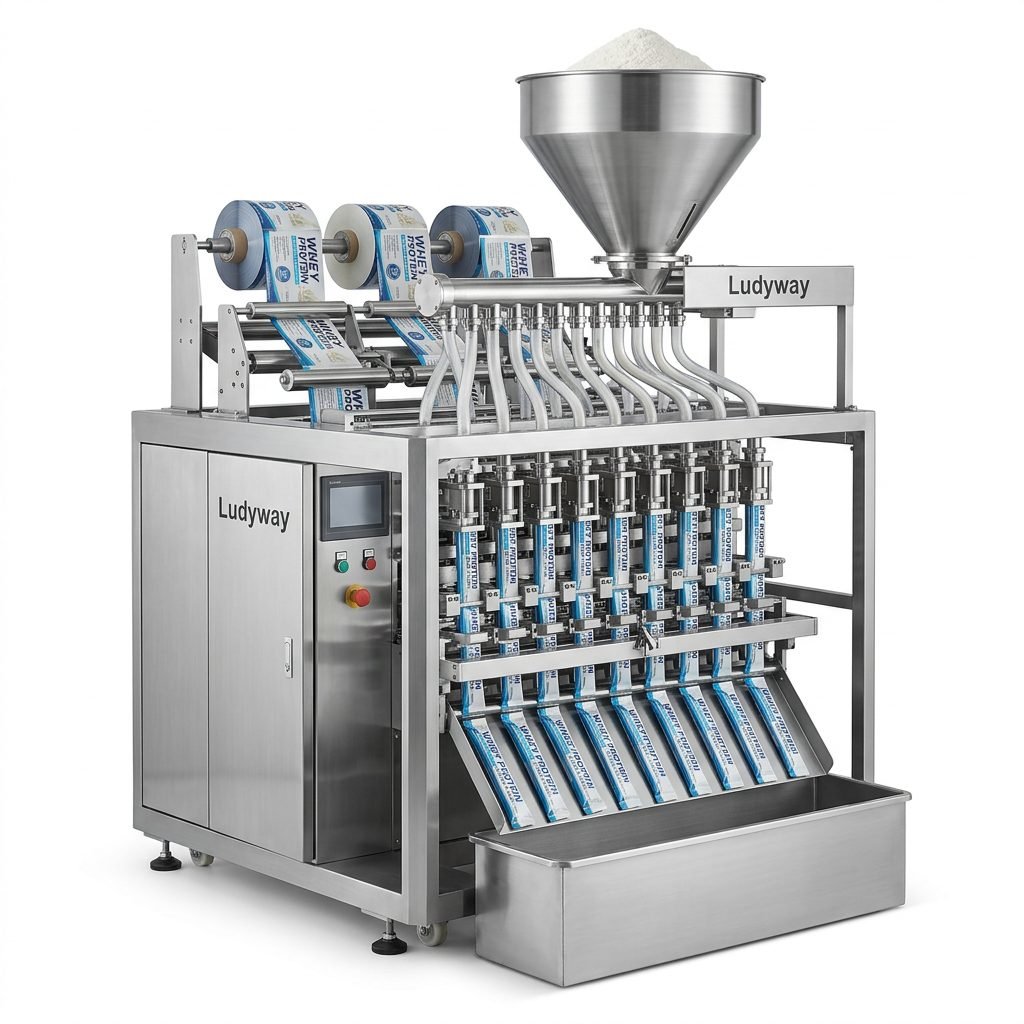
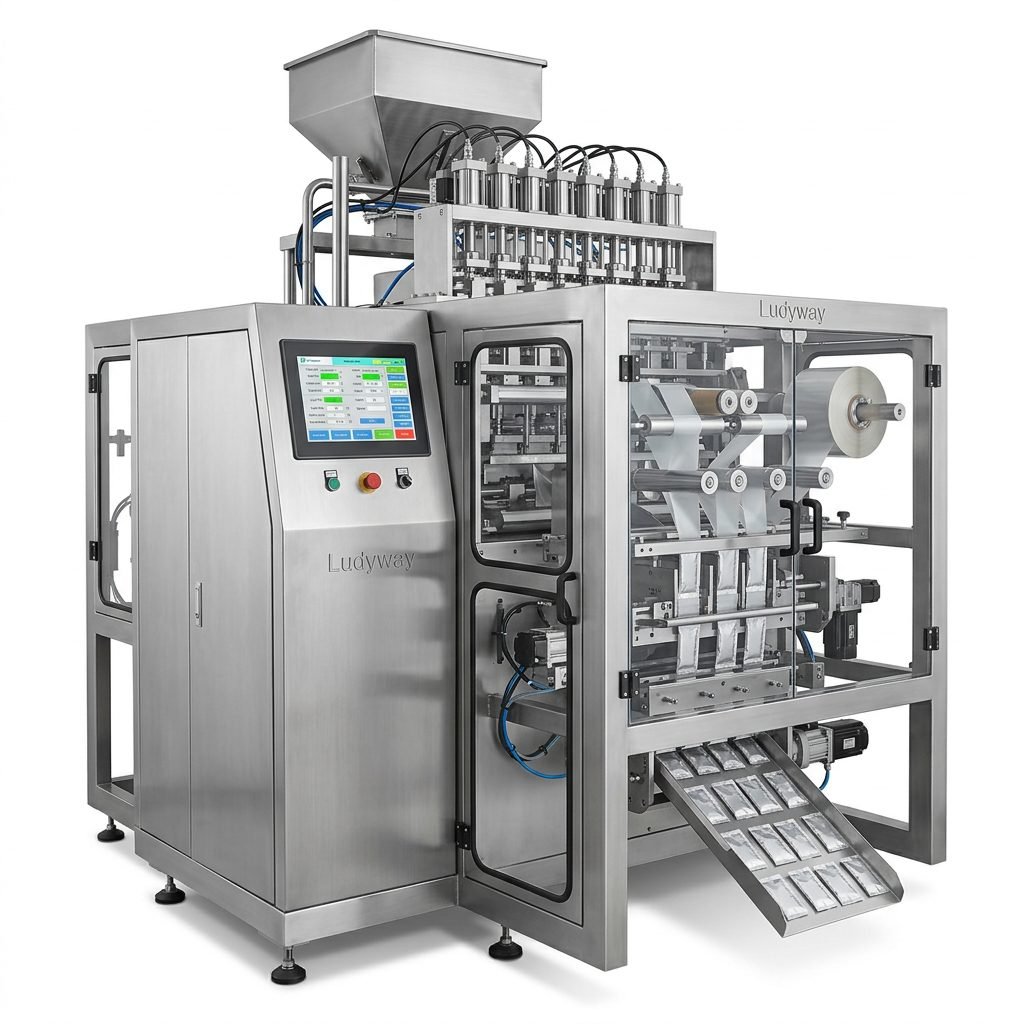
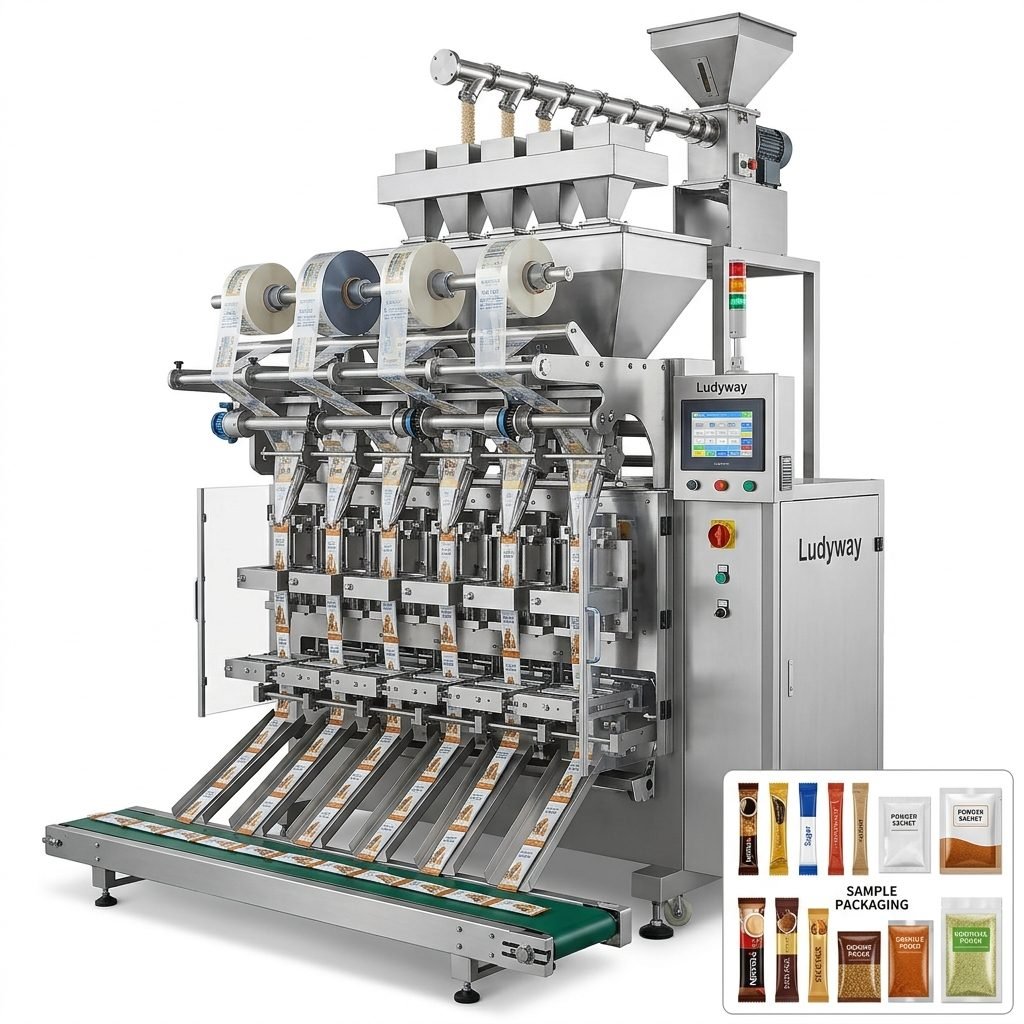
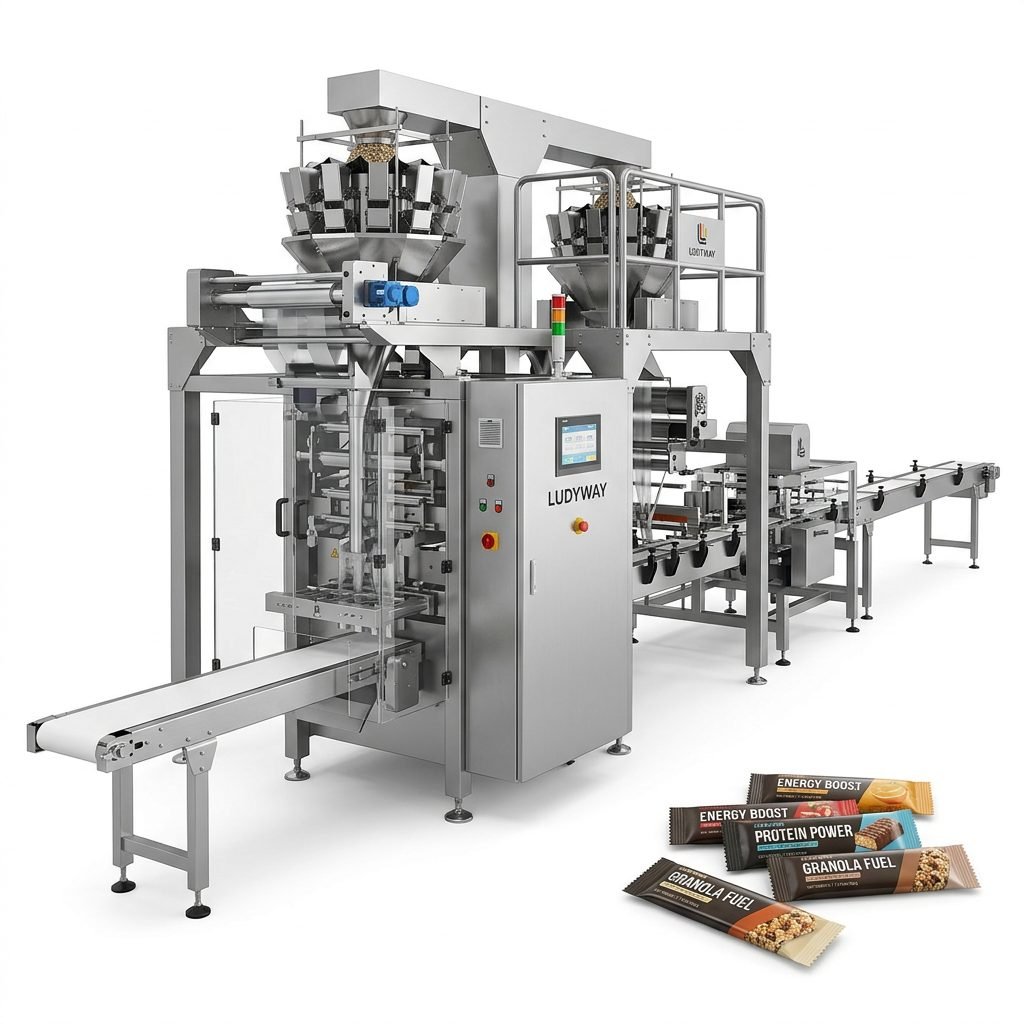
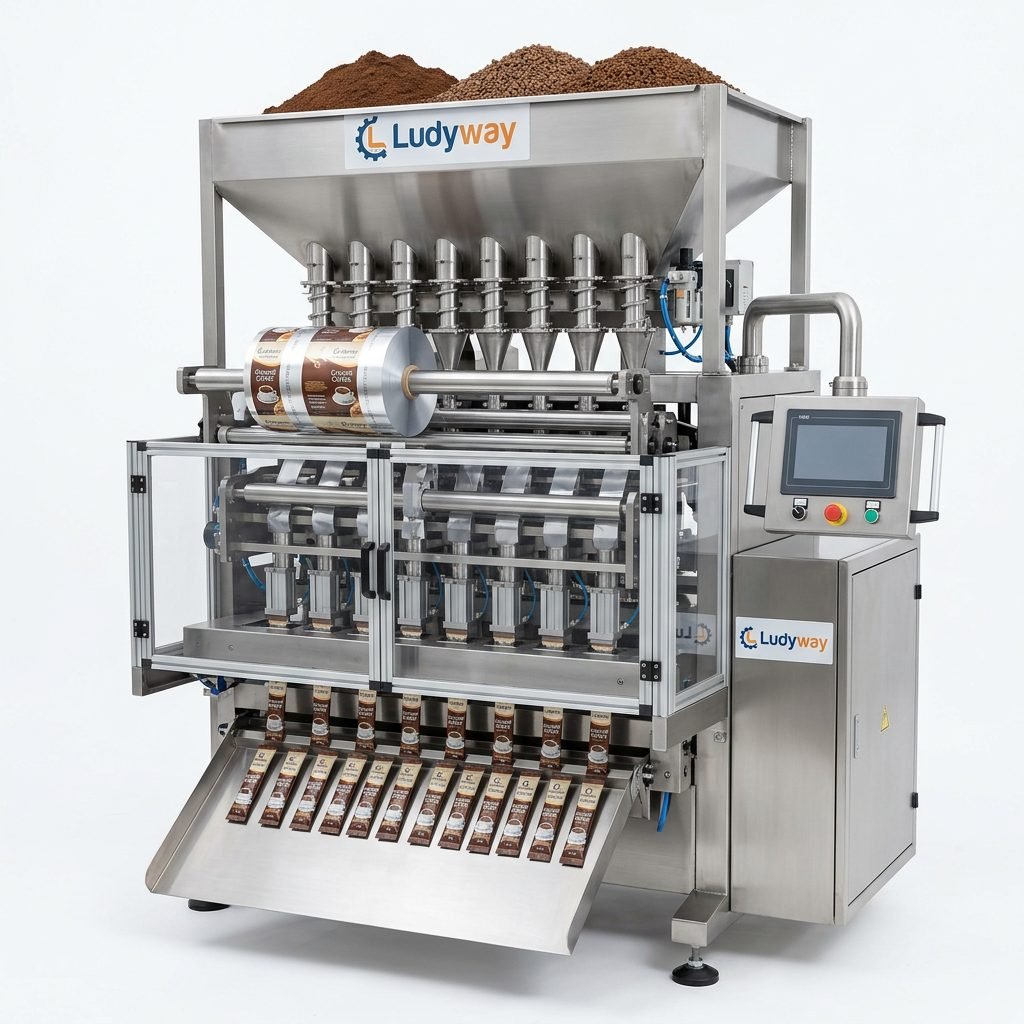
Among global suppliers, Ludyway has emerged as a significant player, offering advanced packaging equipment and turnkey production solutions for the food, pharmaceutical, and health industries. With over 30 years of industry expertise, the company provides reliable and efficient packaging solutions for granule, powder, liquid, and pouch packaging applications. Their intelligent packaging machine models, including multi-lane stick pack, sachet, and fully automated packaging systems, are backed by a modern 20,000㎡ manufacturing facility. When evaluating international suppliers, prioritize those with demonstrated U.S. installation experience and a clear plan for technical support and spare parts logistics.
Critical Supplier Evaluation Criteria
- U.S. References: Request case studies and contact information for existing American customers.
- Spare Parts Availability: Confirm that critical components are stocked domestically or can be shipped within 48 hours.
- Installation and Training: Verify that the supplier provides on-site commissioning and comprehensive operator training at your facility.
- Documentation: All manuals, electrical schematics, and PLC programs must be available in English and conform to U.S. standards.
- Warranty Terms: Understand what is covered, for how long, and the process for making a warranty claim.
Key Decision Factors Summary
Investing in a coffee pod packaging machine requires balancing technical capability, regulatory compliance, and financial return. The following factors should anchor your decision-making:
| Decision Factor | Key Question | Target Specification |
|---|---|---|
| Throughput | What is your 3-year volume projection? | Machine capacity should exceed current needs by 25-30% |
| Format Flexibility | How many pod sizes and materials will you run? | Quick-change tooling with recipe management |
| Fill Accuracy | What is the acceptable weight variation? | ±0.2 grams or better |
| Seal Integrity | Is MAP capability required? | Nitrogen flush with residual oxygen below 2% |
| Certifications | Does the machine meet U.S. electrical and safety standards? | UL/ETL listing, FDA-compliant materials, OSHA guarding |
Planning for Installation and Commissioning
Once you select a coffee pod packaging machine, effective project management during installation and commissioning prevents costly delays. Allocate sufficient time for the following phases:
- Site Preparation: Ensure utilities (compressed air, electrical power, nitrogen supply) are properly sized and located. Floor loading and clearance requirements must be verified against the machine specifications.
- Installation: Plan for rigging, positioning, and utility connections. Factory acceptance testing (FAT) should be completed before shipment to the U.S. facility.
- Commissioning: Allow at least one to two weeks for on-site setup, calibration, and operator training. Production ramp-up should be gradual, with quality checks at each stage.
- Validation: For co-packers serving major brands, formal installation qualification (IQ), operational qualification (OQ), and performance qualification (PQ) protocols are typically required.
Selecting a coffee pod packaging machine is a strategic decision that shapes your competitive position for years to come. By thoroughly evaluating machine configurations, technical specifications, compliance requirements, and total cost of ownership, U.S. manufacturers and co-packers can make informed investments that drive growth in the dynamic single-serve coffee market. For further information on packaging machinery standards and industry trends, resources from PMMI’s business intelligence library and the Flexible Packaging Association provide valuable ongoing guidance.