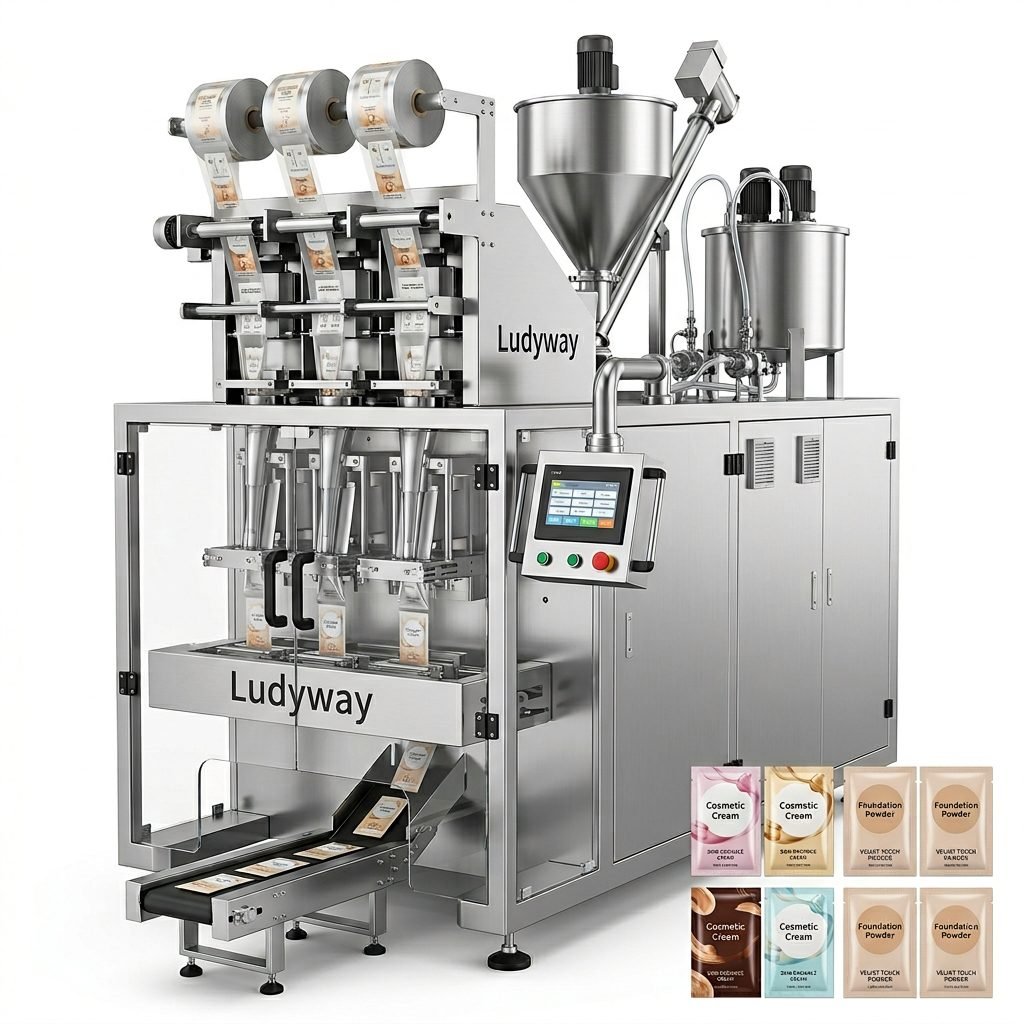
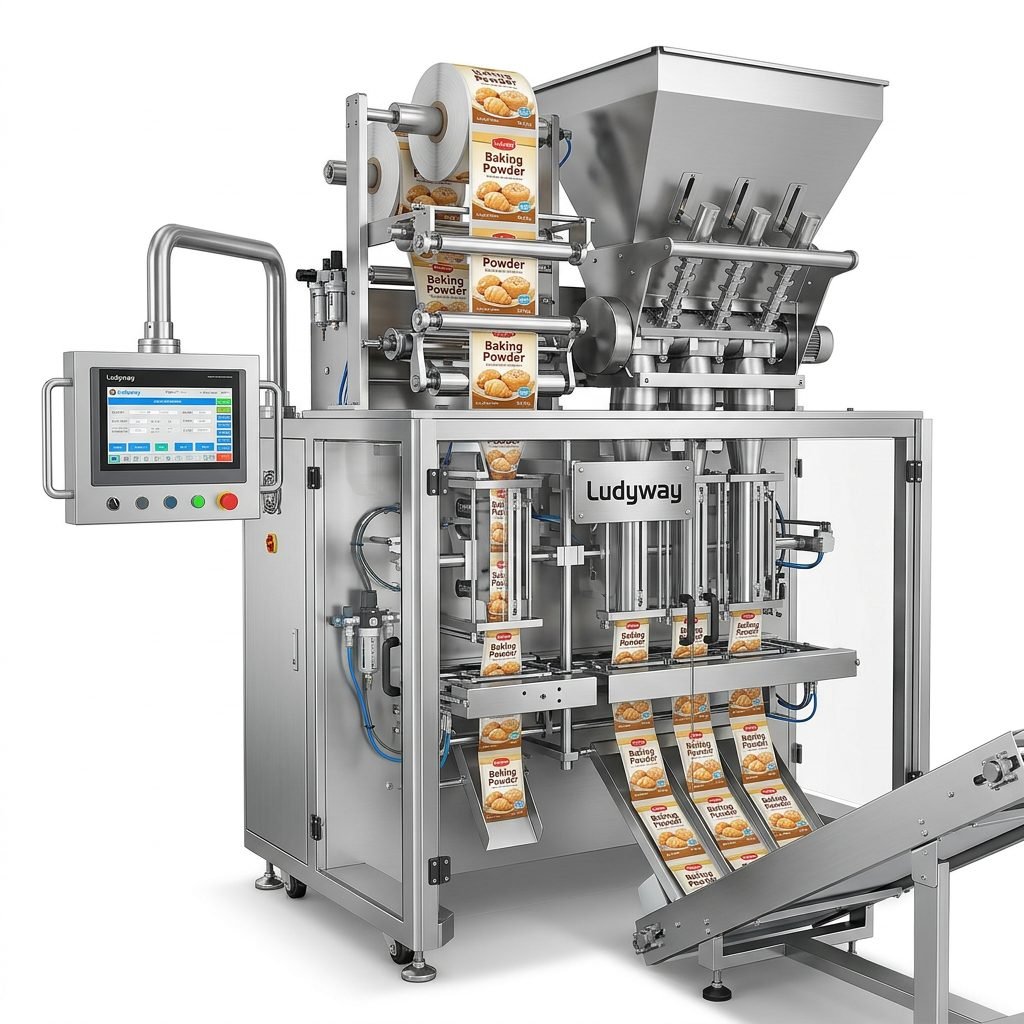
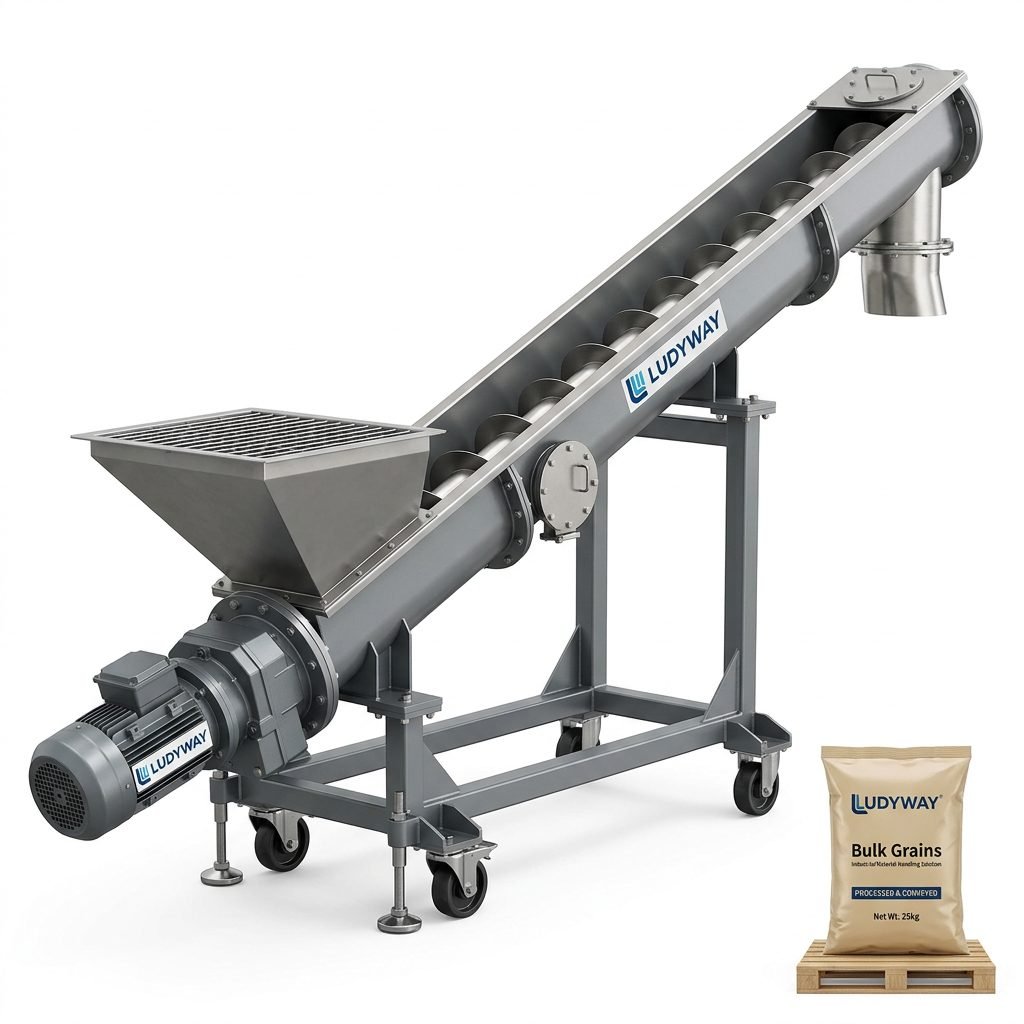
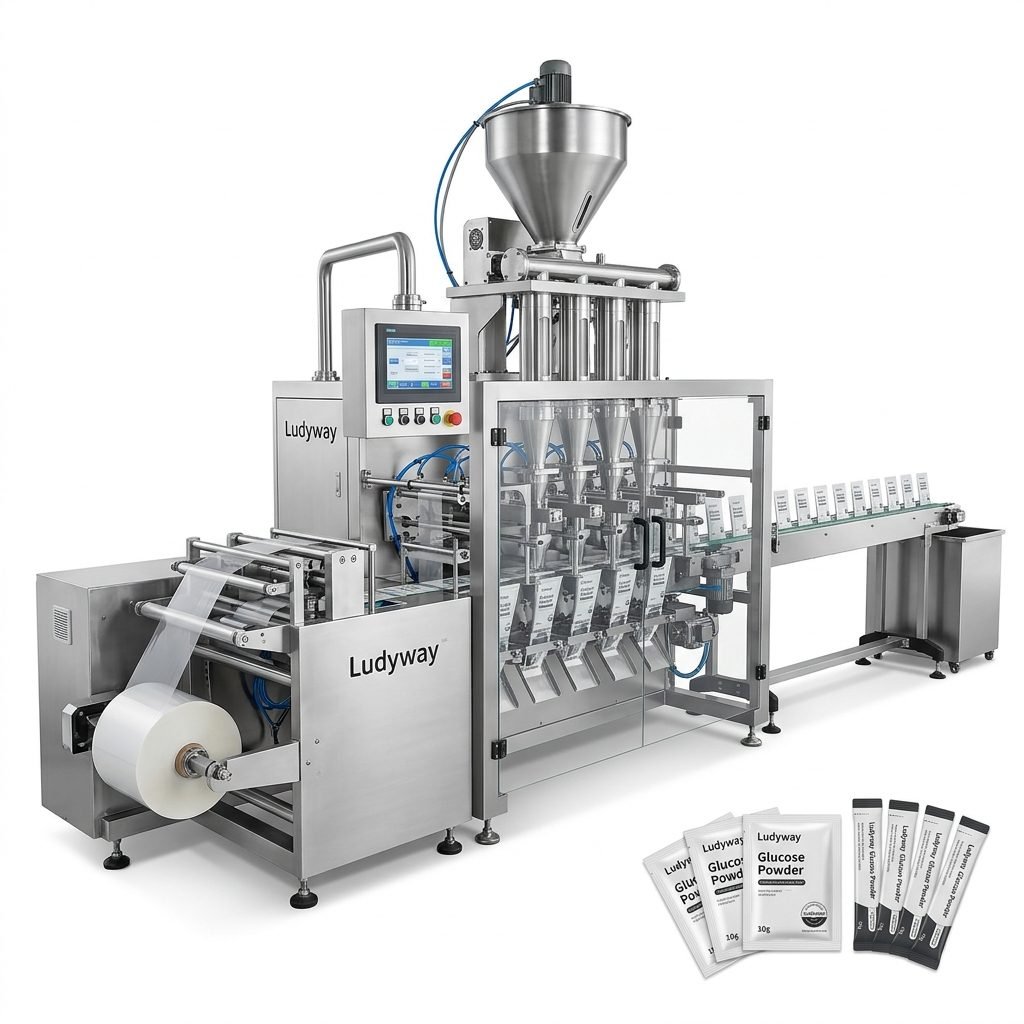
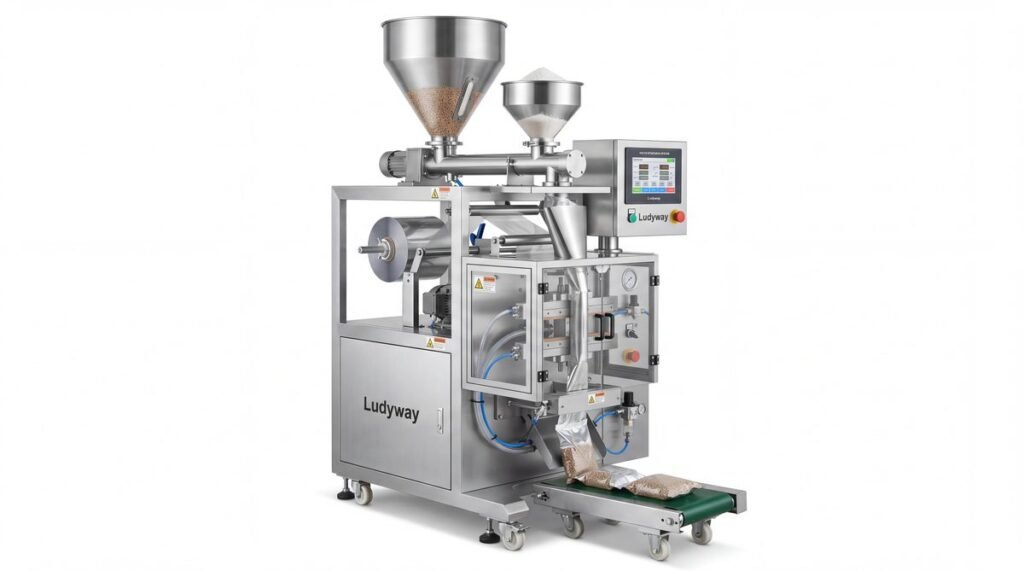
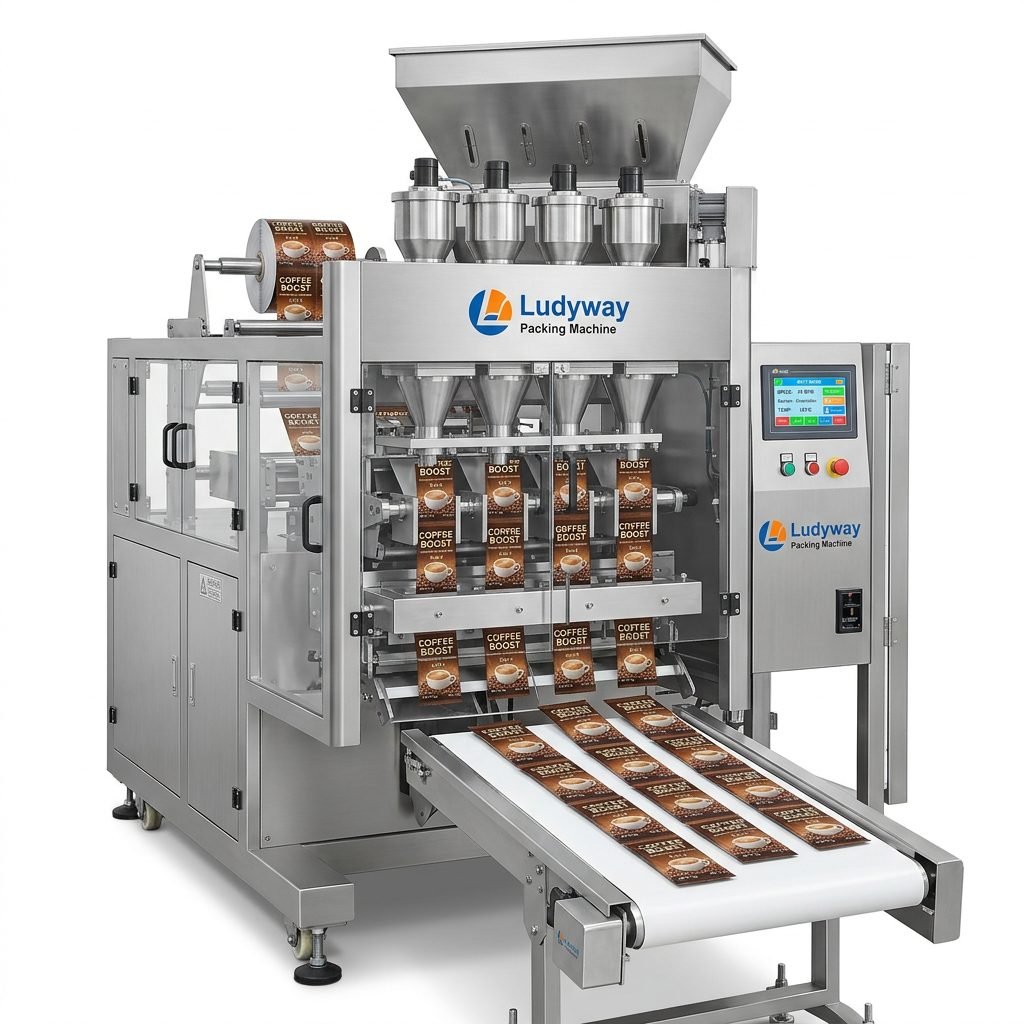
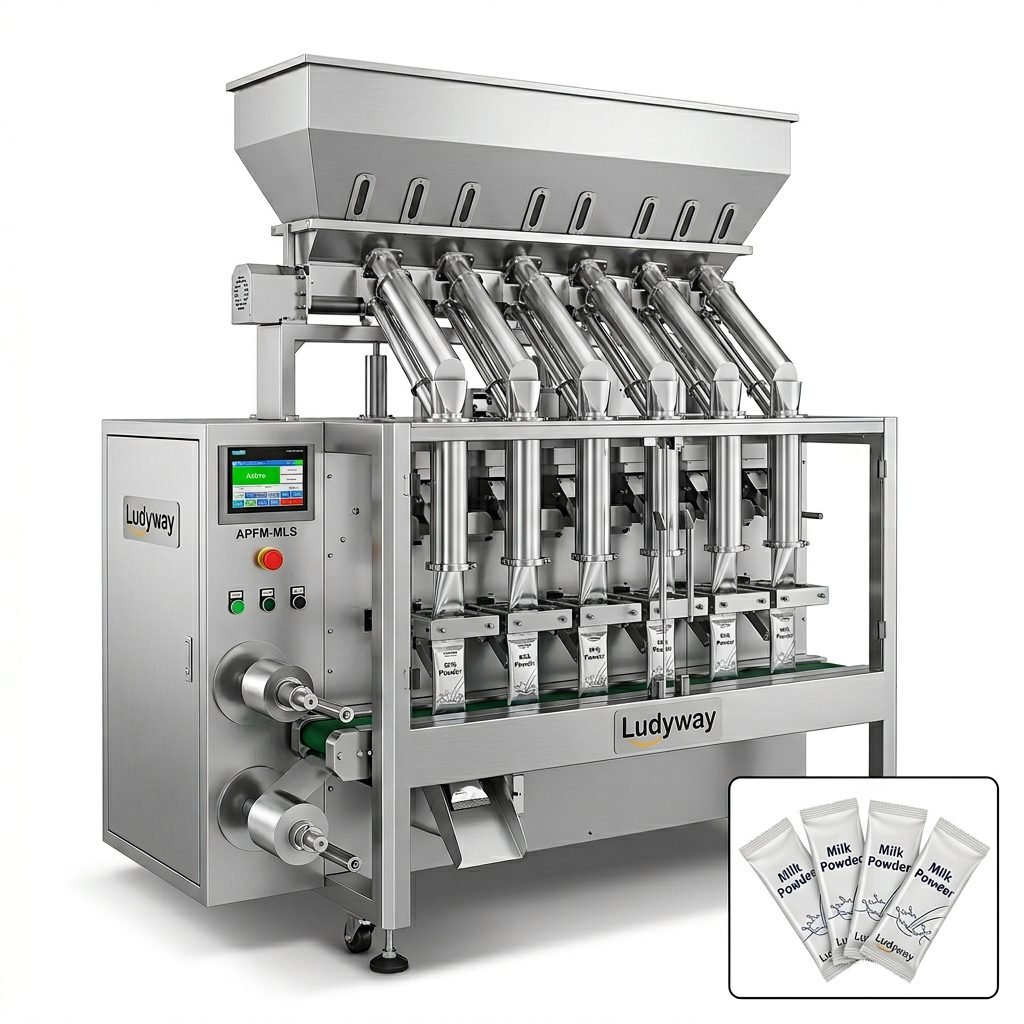
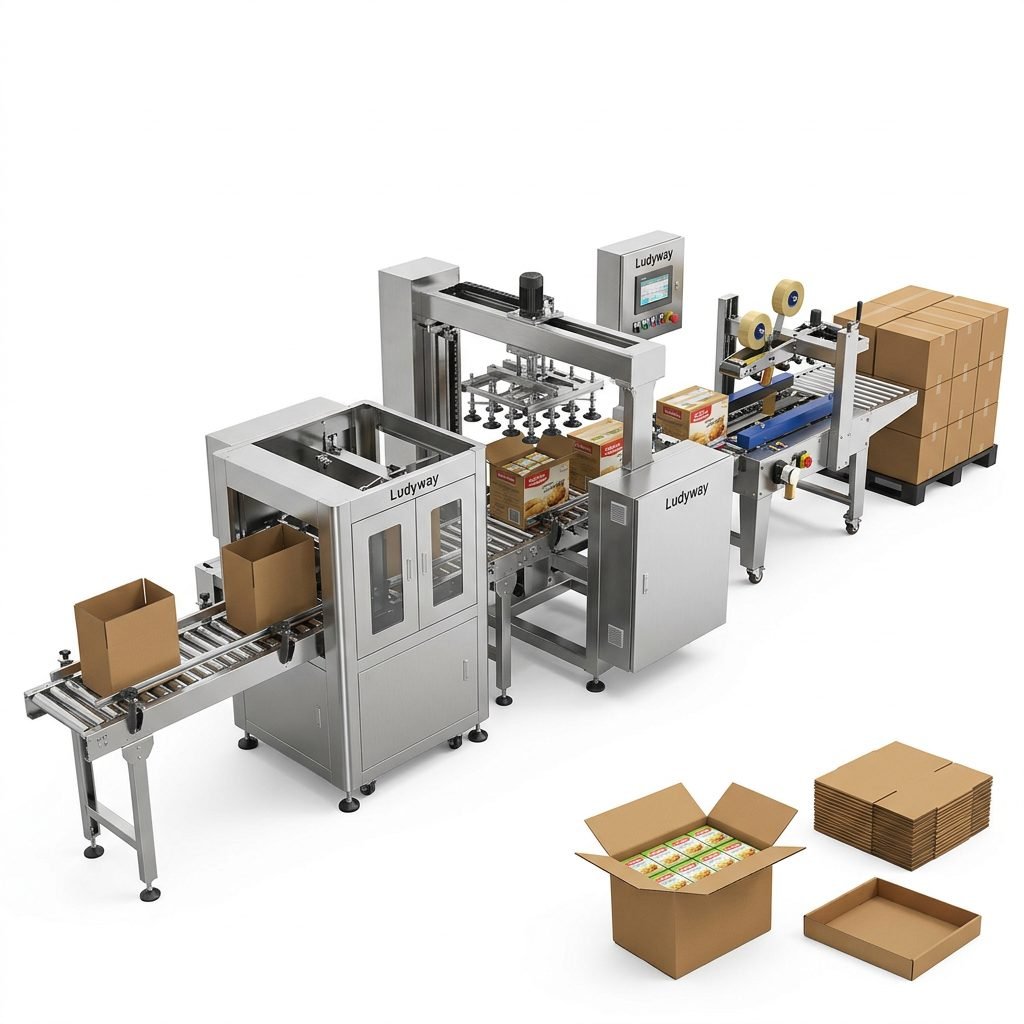
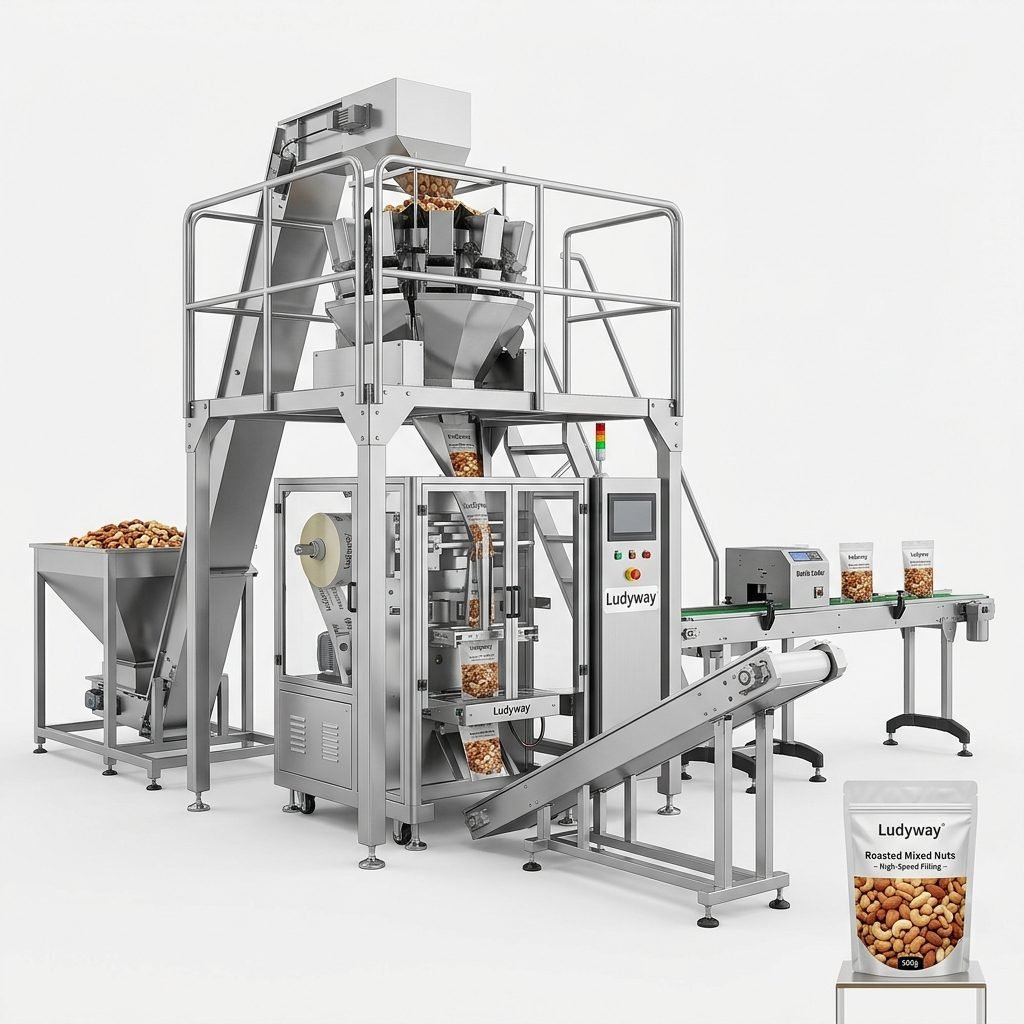
The South American beef jerky market has experienced remarkable growth in recent years. Countries like Brazil, Argentina, Colombia, and Chile are seeing increased demand for packaged meat snacks, driven by changing consumer lifestyles and a growing preference for high-protein, ready-to-eat foods. To meet this demand, manufacturers need reliable, high-efficiency packaging equipment designed specifically for beef jerky products. Selecting the right beef jerky packaging machine is a critical decision that directly impacts product shelf life, production throughput, and overall business profitability.
Understanding the South American Beef Jerky Market
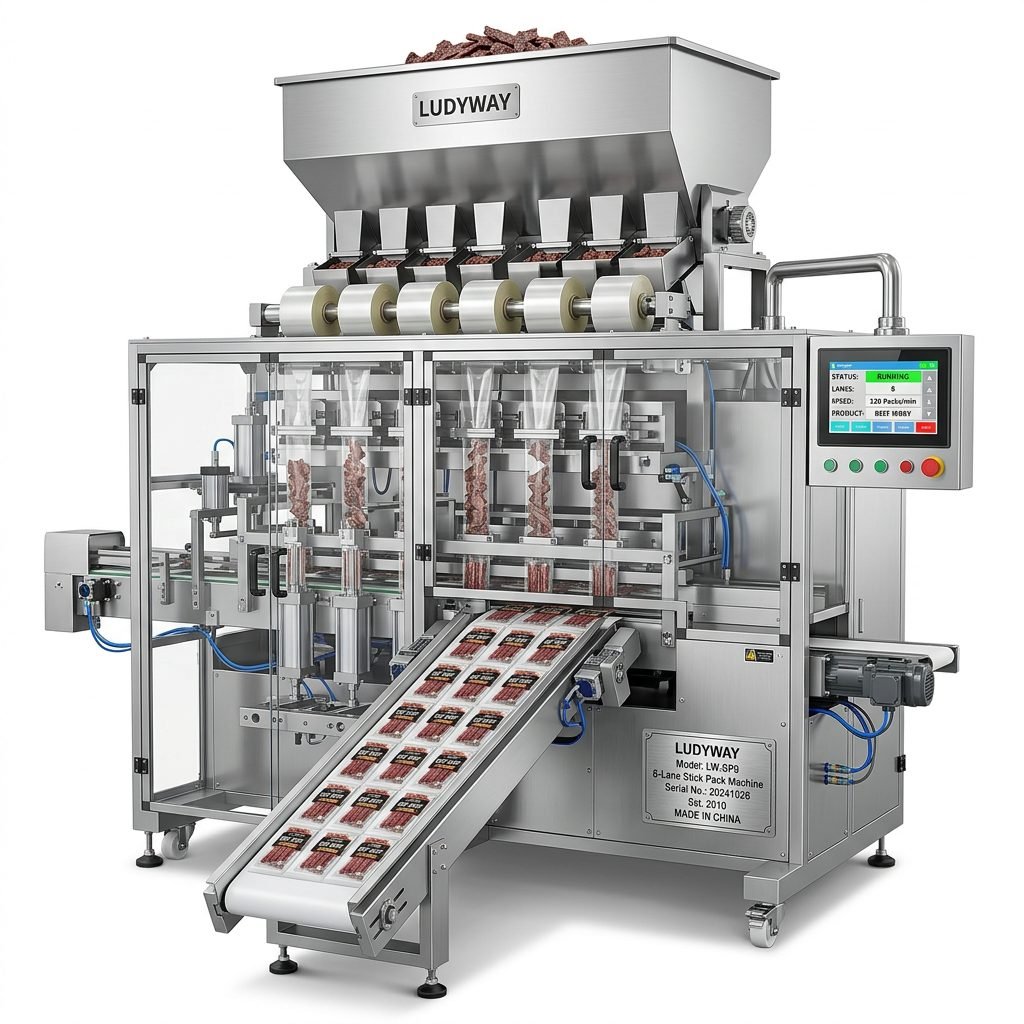
Before investing in packaging equipment, it is essential to understand the regional market dynamics. South American consumers value freshness, flavor retention, and convenient packaging formats. The most popular packaging types include stick packs, sachets, pillow pouches, and resealable stand-up pouches. Each format serves different retail channels, from traditional markets to modern supermarkets and e-commerce platforms. Additionally, climate conditions in many South American regions—with high humidity and temperature fluctuations—demand packaging solutions that offer superior barrier protection against moisture and oxygen.
Key Factors to Consider When Choosing a Beef Jerky Packaging Machine
1. Packaging Format and Versatility
Your target market determines the ideal packaging format. Consider these common options:
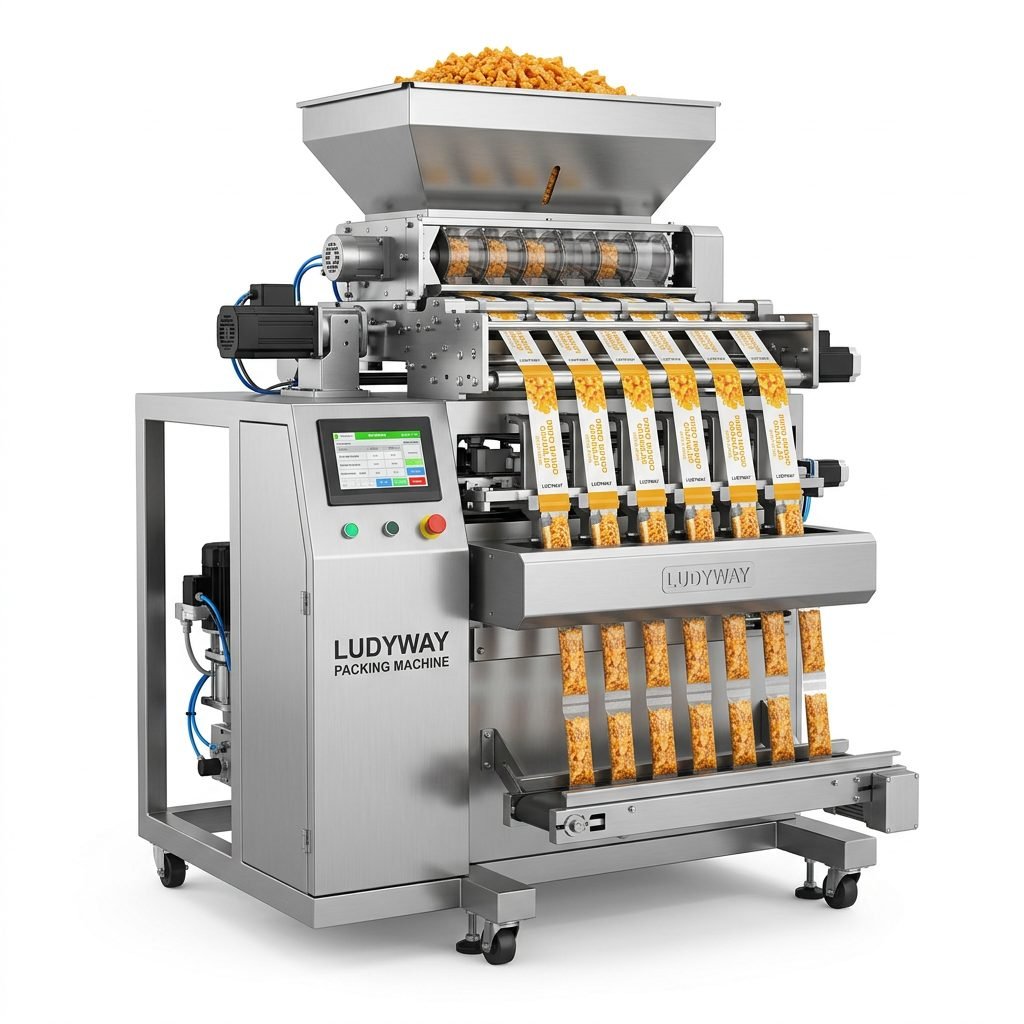
- Stick packs — Ideal for single-serve portions, popular in convenience stores across Brazil and Argentina.
- Sachets — Cost-effective for small to medium portions with excellent printability.
- Pillow pouches — Suitable for larger retail packs with good shelf presence.
- Stand-up pouches with zippers — Premium format with resealability, increasingly popular in Chilean and Uruguayan markets.

2. Production Speed and Capacity Requirements
Evaluating your current and projected production volumes is crucial. Small to medium enterprises may opt for machines with speeds of 30-60 packs per minute, while larger industrial operations require high-speed multi-lane systems capable of producing 200-600 packs per minute. Multi-lane technology allows simultaneous filling across multiple tracks, dramatically increasing output without proportionally increasing floor space requirements.
3. Product Characteristics and Handling
Beef jerky presents unique challenges for automated packaging. The product’s irregular shape, varying piece sizes, and slightly sticky surface texture require specialized feeding and weighing systems. Key considerations include:
- Multi-head weigher compatibility with sticky, irregular products
- Gentle product handling to minimize breakage and fines
- Effective nitrogen flushing capability for oxygen-sensitive products
- Easy cleaning and maintenance access for food safety compliance

4. Film Material Compatibility
The packaging machine must be compatible with various flexible packaging materials. Common structures for beef jerky include PET/Aluminum/PE laminates for high-barrier applications, and PET/PE combinations for standard shelf life requirements. Verify that the machine’s sealing system can handle the specific film thickness and material composition required for your target shelf life of 9-18 months.
Comparing Machine Types for Beef Jerky Packaging
The following table provides a comparative overview of the most suitable machine types for beef jerky packaging in South America:
| Machine Type | Best For | Speed Range | Key Advantage |
|---|---|---|---|
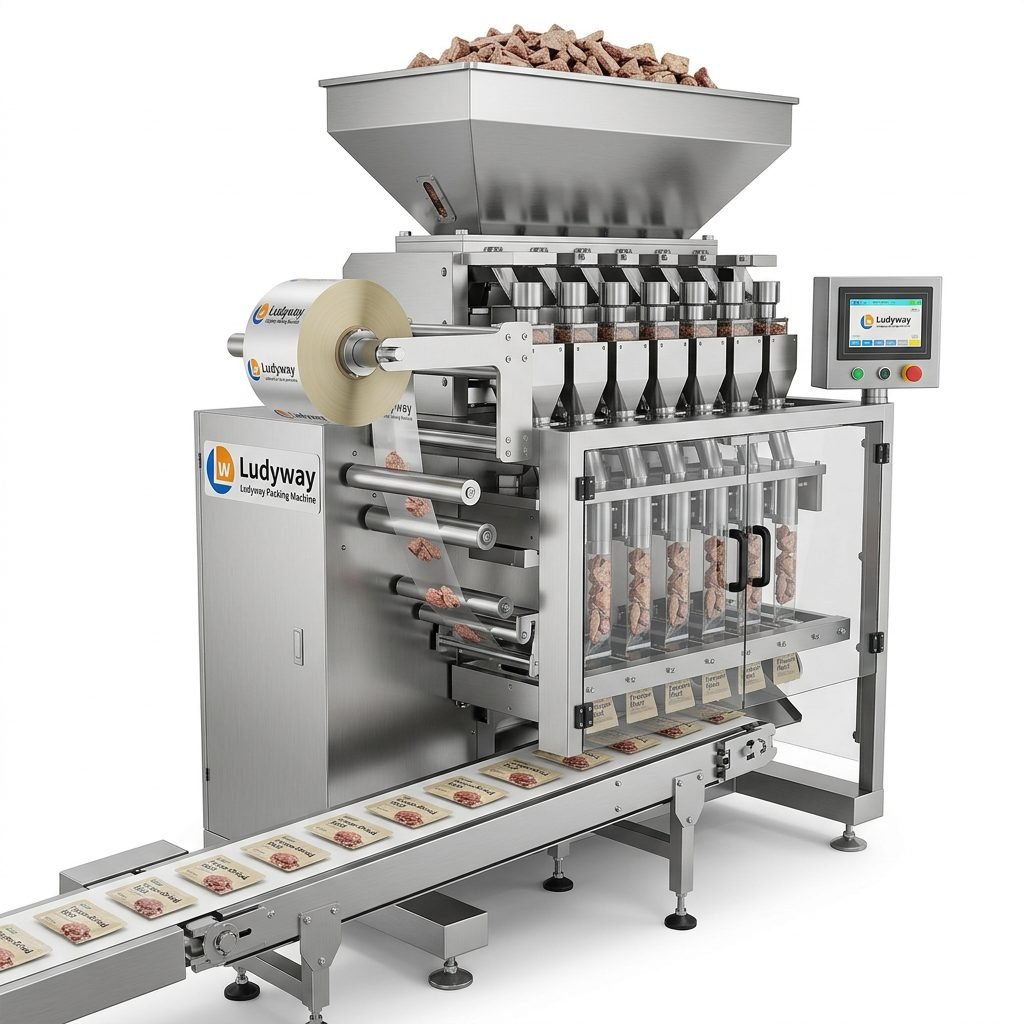
| Multi-Lane Stick Pack Machine | Single-serve portions, convenience stores | 200-600 packs/min | High output, compact footprint |
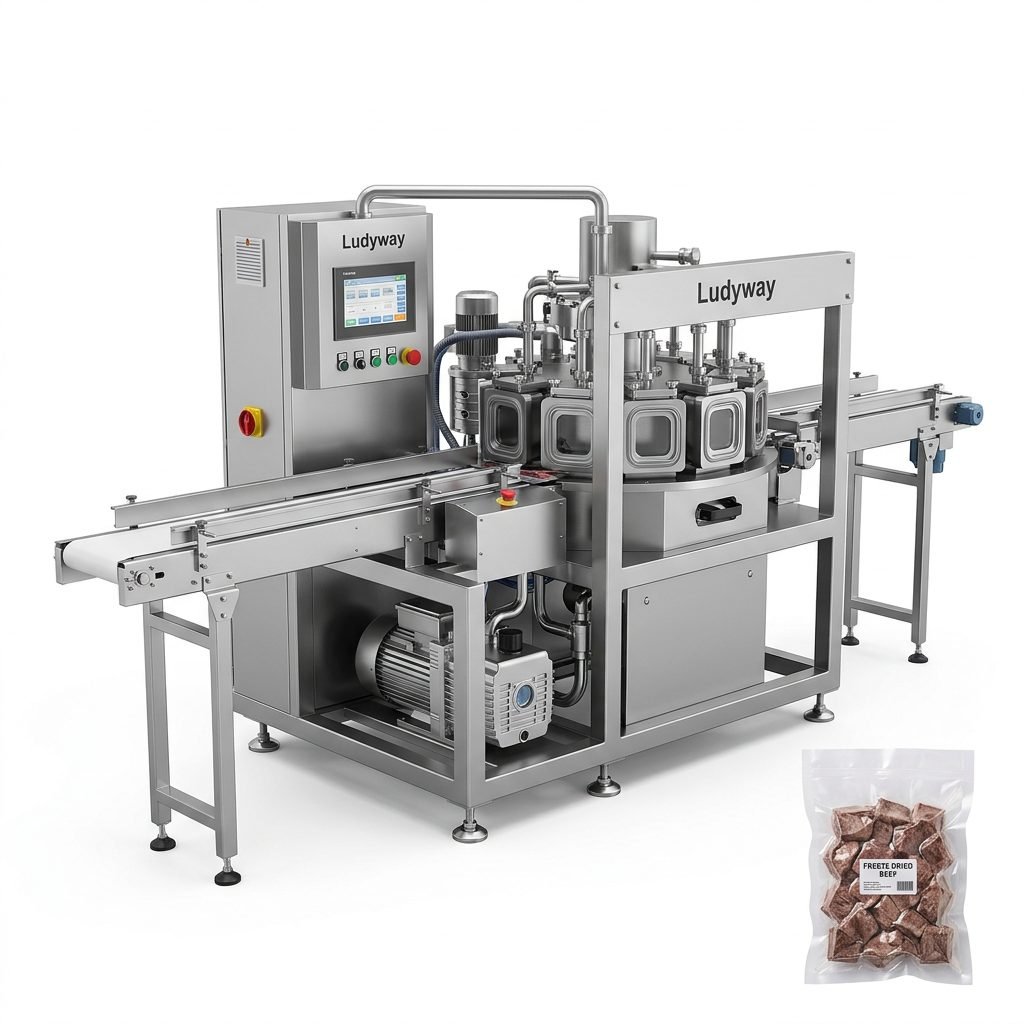
| Rotary Premade Pouch Machine | Stand-up pouches, premium retail | 40-80 packs/min | Excellent seal integrity, versatile |
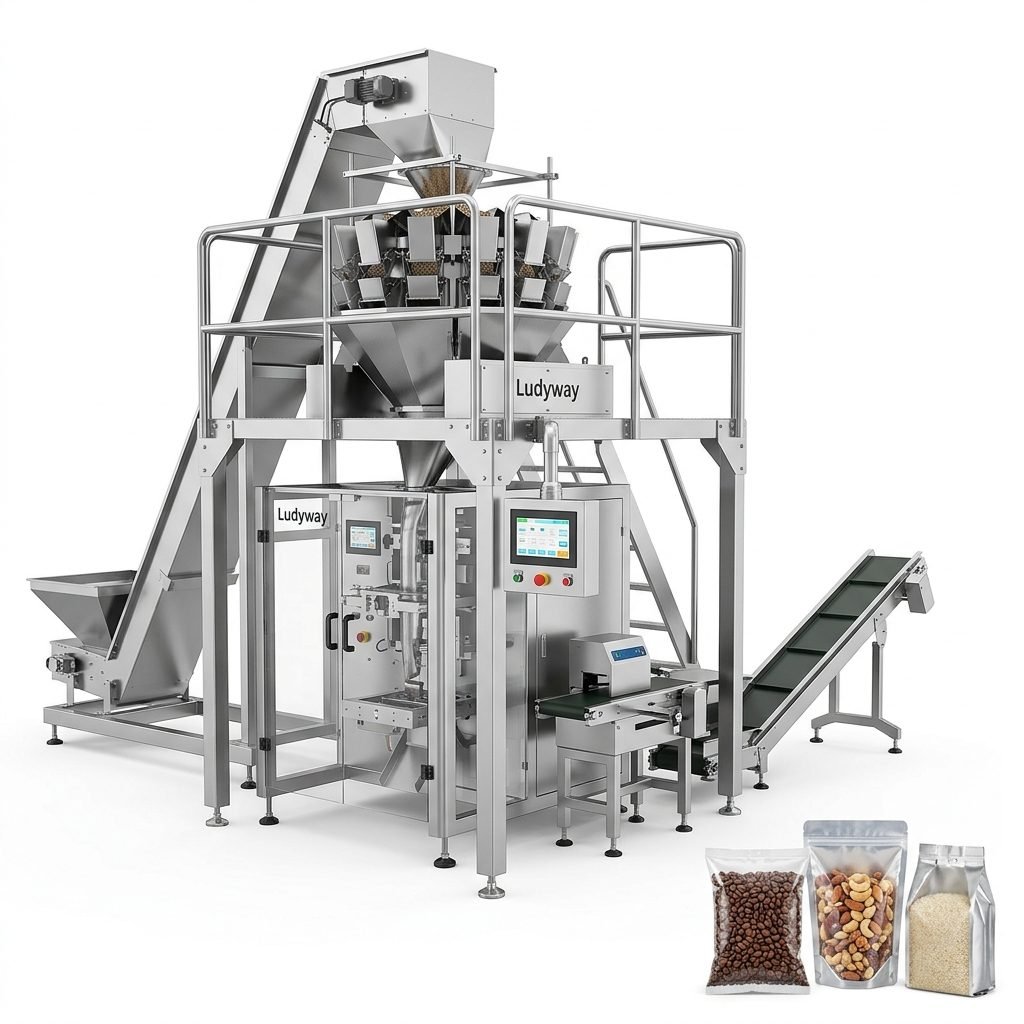
| Vertical Form Fill Seal (VFFS) | Pillow pouches, bulk packs | 50-120 packs/min | Cost-effective, proven technology |
| Flow Wrapper | Flat jerky pieces, retail display | 80-200 packs/min | Attractive presentation, gas flush |
Regulatory Compliance and Food Safety Standards
South American countries follow various food safety regulations. Brazil enforces ANVISA standards, Argentina follows the Código Alimentario Argentino, and Chile adheres to Reglamento Sanitario de los Alimentos. When selecting packaging equipment, ensure it meets international food contact material standards and can maintain hygienic conditions throughout production. Stainless steel construction (preferably SUS304 or SUS316), IP65-rated electrical components, and tool-less disassembly for sanitation are non-negotiable requirements for modern beef jerky packaging operations.
Essential Certifications to Verify
- CE certification for electrical safety compliance
- ISO 22000 compatibility for food safety management
- HACCP-compliant design features
- GFSI-recognized certification readiness
- Compliance with ISO packaging standards
Total Cost of Ownership Analysis
Beyond the initial purchase price, South American buyers should evaluate the total cost of ownership (TCO) over the machine’s expected lifespan of 10-15 years. Critical cost factors include:
- Energy consumption — High-efficiency servo motors can reduce electricity costs by 20-30% compared to pneumatic systems.
- Film waste rates — Precision control systems minimize material waste during startups and changeovers.
- Spare parts availability — Local inventory and fast shipping from supplier warehouses reduce downtime.
- Maintenance labor — User-friendly designs with accessible components lower service costs.
- Operator training requirements — Intuitive touchscreen interfaces reduce training time and errors.
After-Sales Support and Service in South America
Reliable after-sales support is critical for minimizing production downtime in South American operations. Before committing to a supplier, investigate the following:
- Availability of local service technicians or authorized representatives in your country
- Remote diagnostic and troubleshooting capabilities
- Response time guarantees for emergency service calls
- Availability of critical spare parts from regional warehouses
- Comprehensive operator and maintenance training programs in Spanish or Portuguese
- Warranty terms and extended service contract options
Integration with Existing Production Lines
For manufacturers expanding existing facilities, the new beef jerky packaging machine must integrate seamlessly with upstream and downstream equipment. Consider compatibility with:
- Multi-head weighers and combination scales
- Metal detectors and X-ray inspection systems
- Checkweighers for weight verification
- Cartoning machines and case packers
- Palletizing and stretch wrapping systems
- Conveyor systems and product handling equipment

Making the Final Decision: Supplier Evaluation Checklist
Use this comprehensive checklist when evaluating packaging machine suppliers for your South American beef jerky operation:
| Evaluation Criteria | What to Look For | Priority Level |
|---|---|---|
| Industry Experience | Proven track record with jerky and meat snack applications | High |
| Technical Support | Spanish/Portuguese speaking engineers, remote support capability | High |
| Machine Build Quality | Stainless steel construction, international brand components | High |
| Reference Sites | Installed machines in South America with verifiable performance | High |
| Customization Capability | Ability to adapt to specific product and packaging requirements | Medium |
| Delivery Timeline | Realistic lead times with transparent communication | Medium |
| Training Program | On-site and remote training in local language | Medium |
Among the global manufacturers serving the South American market, Ludyway has established itself as a reliable partner for food packaging solutions. With over 30 years of industry experience, a modern 20,000 m² manufacturing facility, and more than 50 intelligent packaging machine models, the company provides comprehensive packaging solutions including multi-lane stick pack and sachet systems that are well-suited for beef jerky applications across South America. Their equipment is designed to meet international food safety standards while offering competitive pricing and responsive after-sales support. For detailed information and consultation, you can reach the team at info@ludyway.com or via WhatsApp at +8613129592456.
Future Trends in Beef Jerky Packaging
The South American packaging landscape is evolving rapidly. Smart packaging technologies, sustainable material innovations, and industry automation trends are shaping the future of beef jerky packaging. Forward-thinking manufacturers are investing in:
- Recyclable mono-material structures to meet growing environmental regulations
- IoT-enabled machines with real-time production monitoring and predictive maintenance
- Augmented reality (AR) assisted maintenance for faster troubleshooting
- Flexible packaging lines that can switch between different product formats with minimal changeover time
- Energy-efficient servo-driven systems to reduce operational costs and carbon footprint
Investing in the right beef jerky packaging machine is a strategic decision that affects every aspect of your business—from product quality and shelf life to production efficiency and brand perception. By carefully evaluating your specific needs against the factors outlined in this guide, you can select equipment that not only meets today’s requirements but also positions your business for sustainable growth in the dynamic South American market.
Additional Resources
- PMMI State of the Industry Reports — Packaging Industry Insights
- Flexible Packaging Association — Industry Research and Resources
- FDA — Packaging and Food Contact Substances Regulations
- European Commission — Packaging and Packaging Waste Regulations