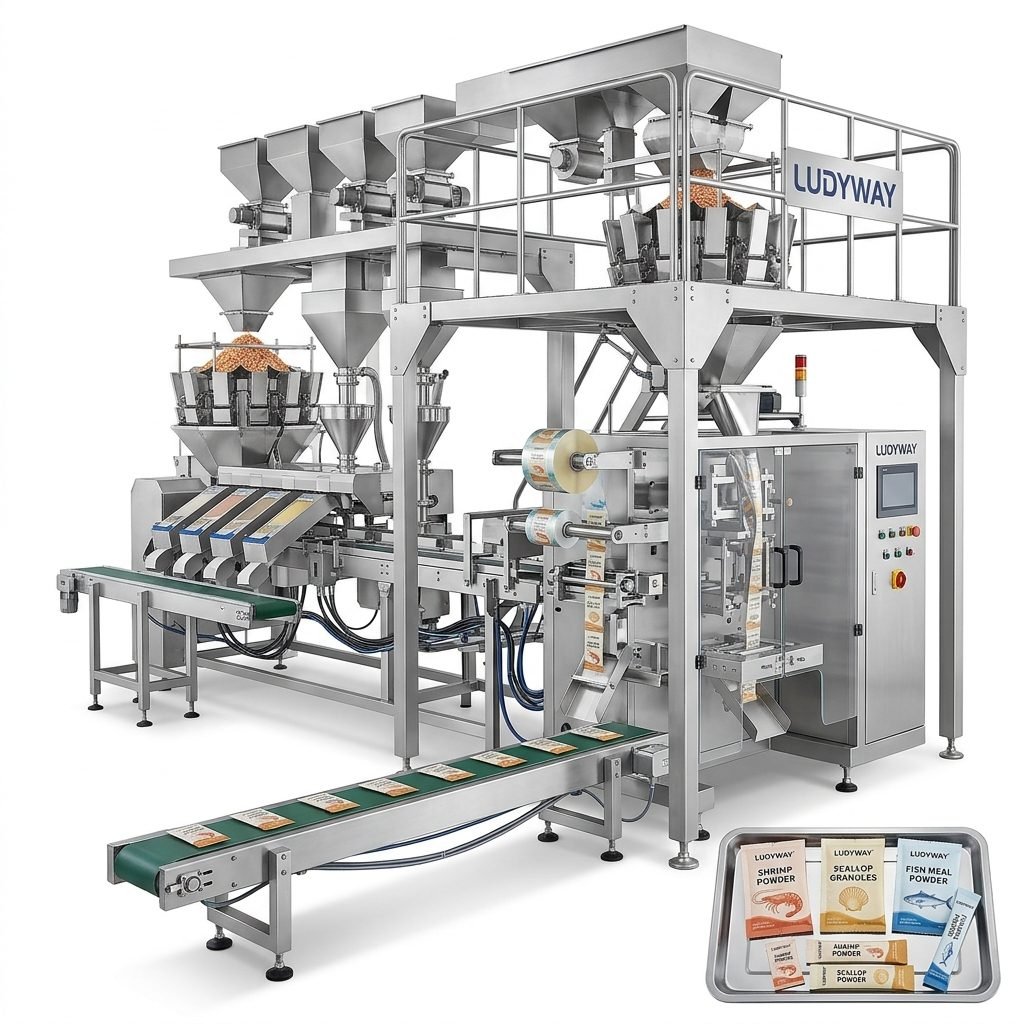
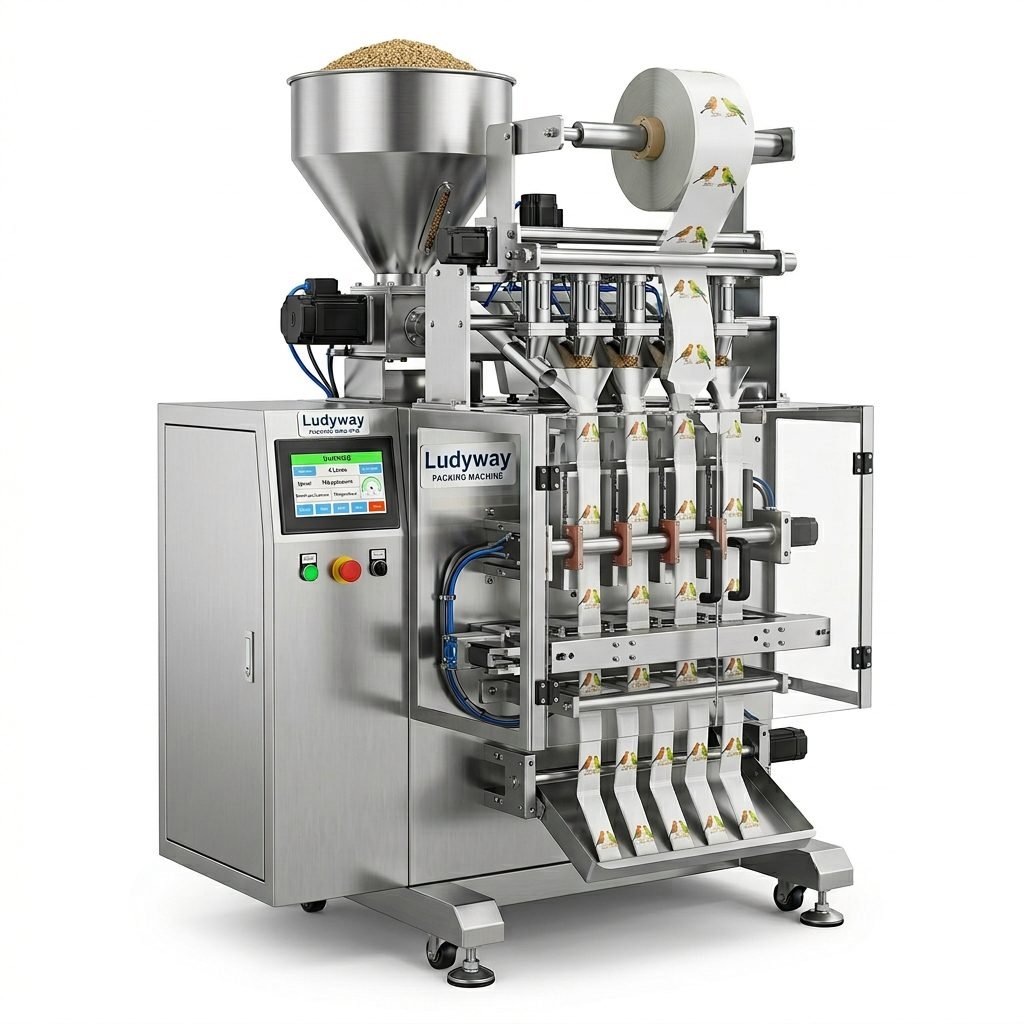
The UK market for K Cup and single-serve coffee capsules has experienced significant growth, driven by consumer demand for convenience and premium coffee at home. Investing in the right K Cup packaging machine is critical for coffee producers, co-packers, and private label brands looking to scale their operations while maintaining quality and efficiency. This guide outlines the essential factors to consider when selecting a capsule filling and sealing solution for the UK market.
1. Understanding K Cup Capsule Packaging Requirements
Before choosing a machine, it is important to define your specific production needs. Consider the following:
- Capsule format: Standard K Cup sizes, materials (plastic, compostable), and lid types.
- Filling product: Ground coffee, with optional nitrogen flushing to preserve freshness.
- Output volume: Daily or annual production targets, from small batches to high-speed continuous operation.
- Regulatory compliance: UKCA marking, food contact material regulations, and retailer quality standards.
- Packaging format: Whether you need to pack finished capsules into bags, cartons, or display boxes.
2. Types of K Cup Packaging Machines
Several machine configurations are available, depending on your scale and automation level:
- Semi-automatic machines: Suitable for startups and specialty roasters. Operator loads cups and lids manually.
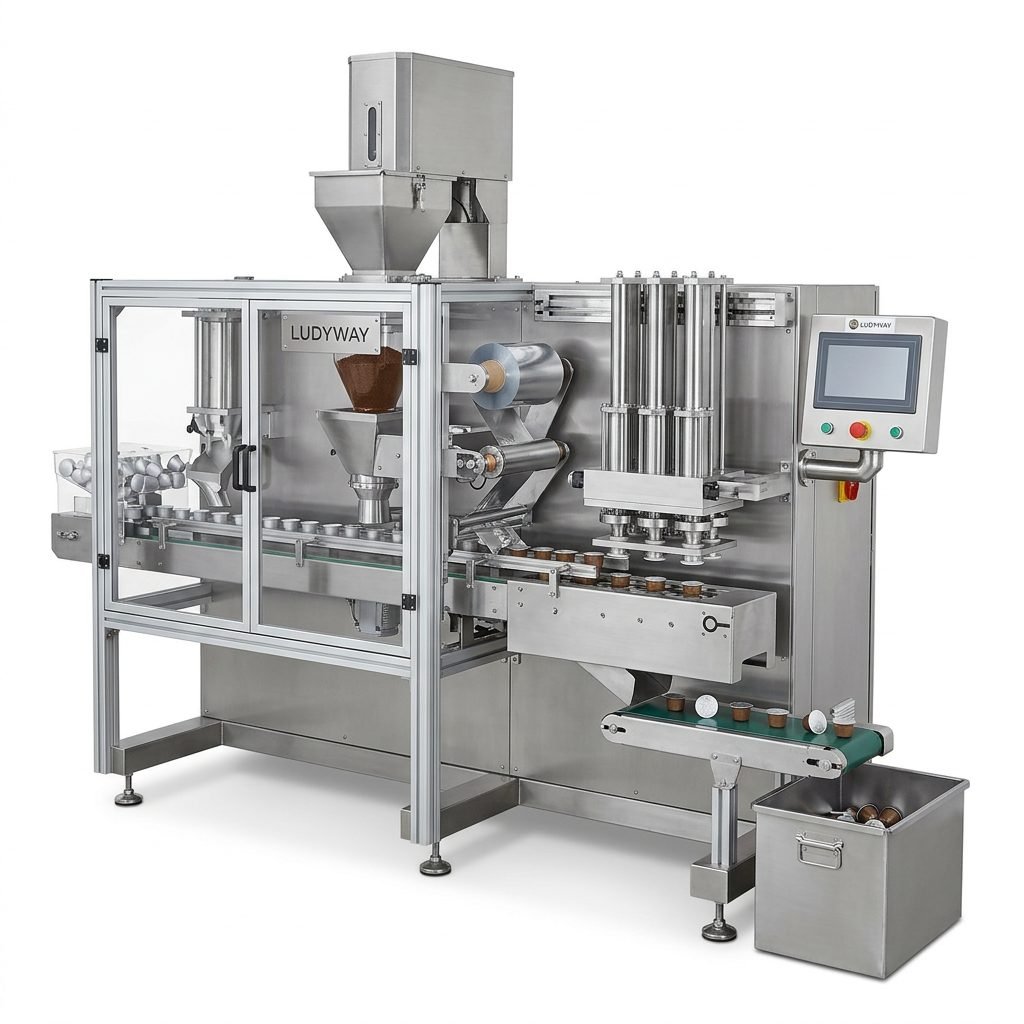
- Fully automatic inline systems: Integrated cup denesting, filling, sealing, and ejection. Ideal for medium to large production.
- High-speed multi-lane rotary machines: For mass production, filling hundreds of K Cups per minute with precise dosing and nitrogen injection.
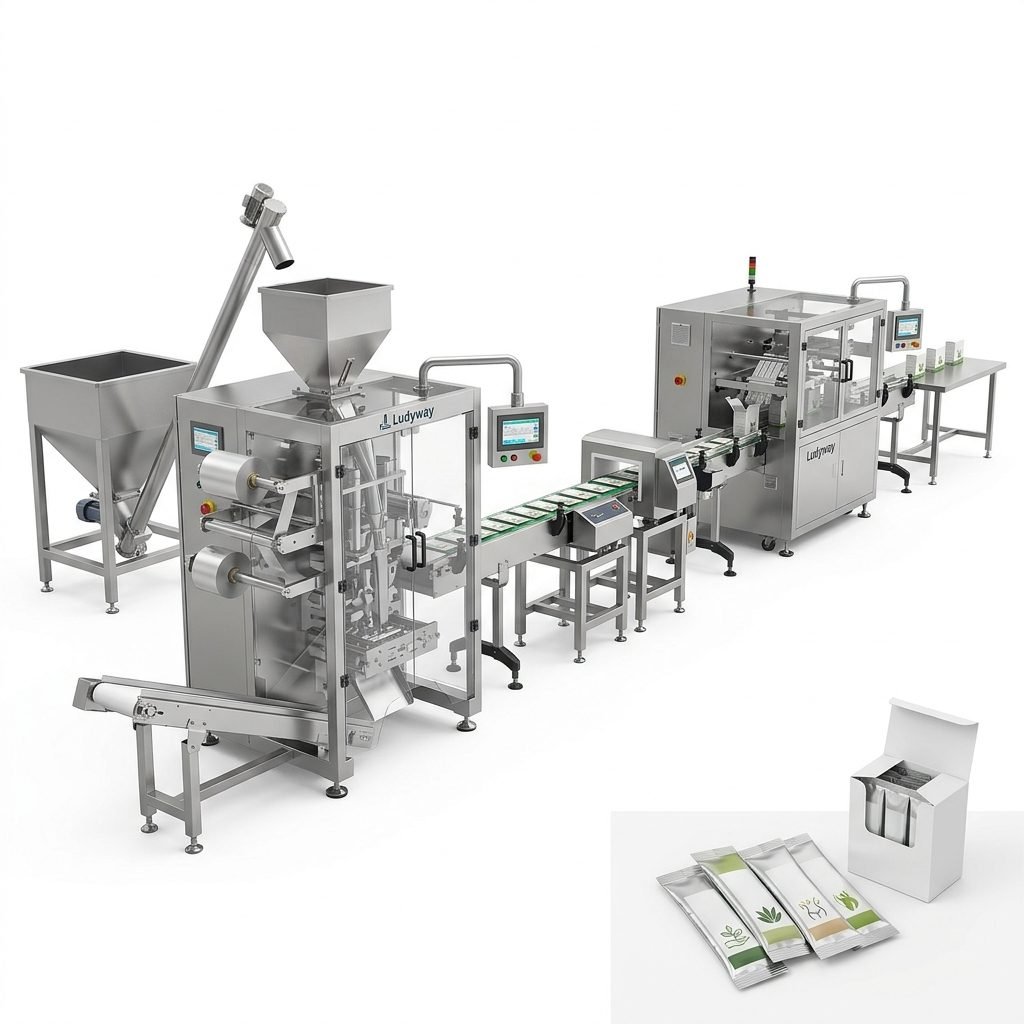
- Turnkey packaging lines: Combining capsule filling with cartoning, case packing, and palletising.
3. Key Specifications to Evaluate
When comparing different K Cup machines, use the following table to assess critical performance factors:
| Specification | Why It Matters |
|---|---|
| Filling speed (cups/min) | Determines throughput to meet market demand. UK retail contracts often require high volume. |
| Dosing accuracy (±0.1 g) | Maintains consistent product weight to avoid giveaway and comply with weights and measures regulations. |
| Nitrogen flushing capability | Extends shelf life by reducing oxygen levels in the capsule – a key quality differentiator. |
| Cup material compatibility | Machines should handle PP, aluminium, and compostable cups to align with UK sustainability trends. |
| Seal integrity test | Ensures no leaks or contamination, crucial for export and long distribution chains. |
| Changeover time | Fast adjustments reduce downtime when switching between flavours or cup sizes. |
Reputable industry resources such as PMMI’s Business Intelligence provide data on packaging machinery trends to help benchmark specifications.
4. Compliance and Standards for the UK Market
All equipment sold or operated in Great Britain must meet the UKCA marking requirements. Additionally, food contact materials must comply with European packaging regulations where applicable. Confirm that the manufacturer provides the necessary declarations of conformity and supports installation in accordance with UK health and safety legislation.
5. Choosing a Reliable Supplier and After-Sales Support
A K Cup packaging machine is a long-term investment. Look for suppliers offering:
- Local technical support or partner networks in the UK to minimise downtime.
- Customisation options for unique capsule designs or speciality coffee blends.
- Comprehensive warranty and spare parts availability.
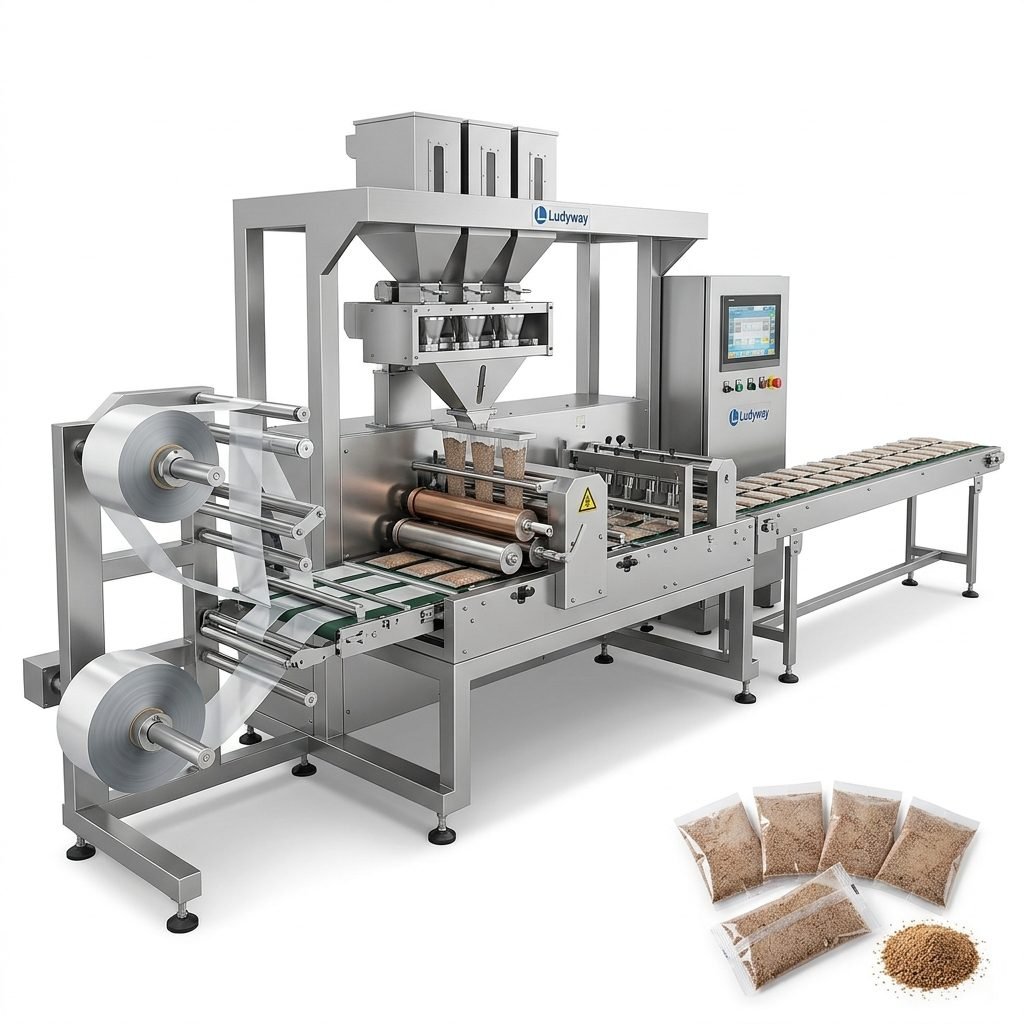
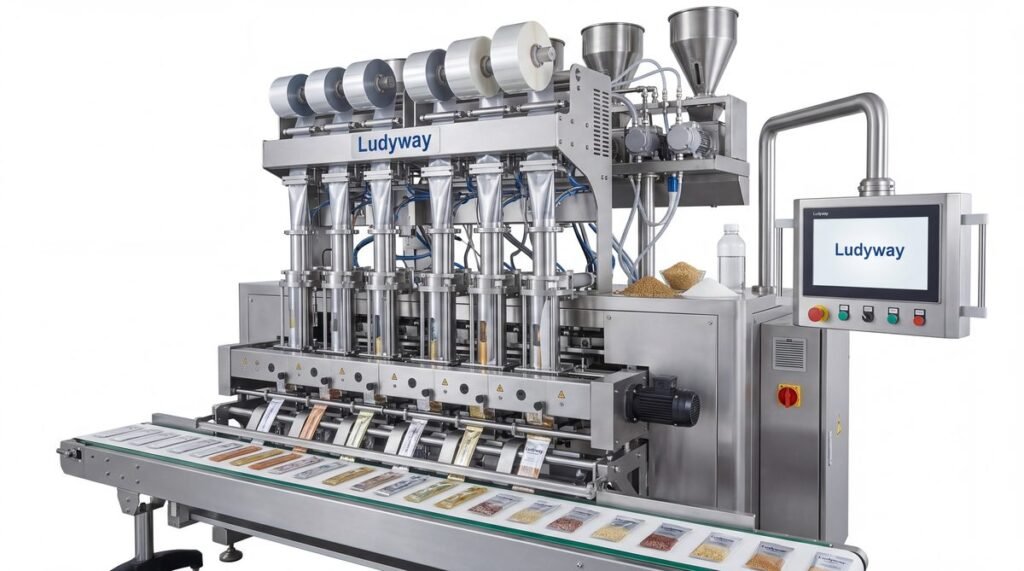
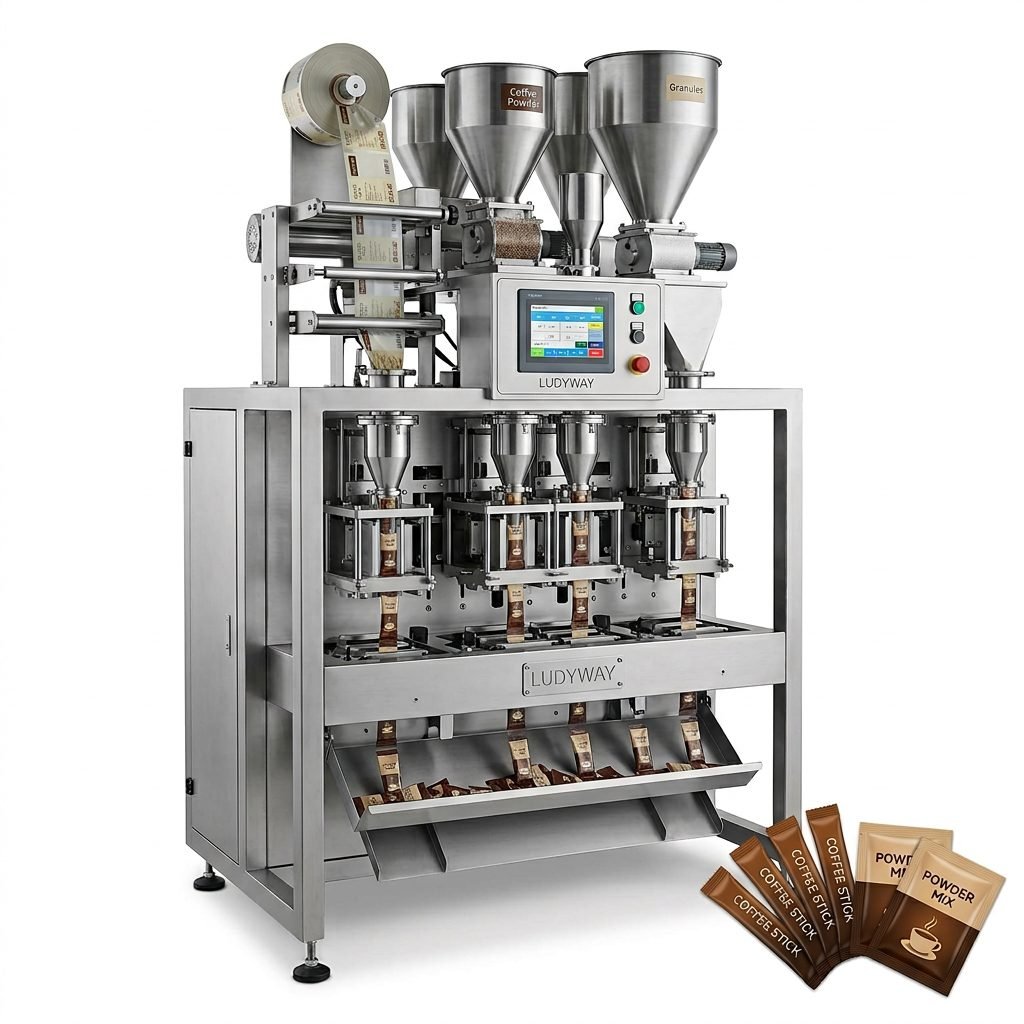
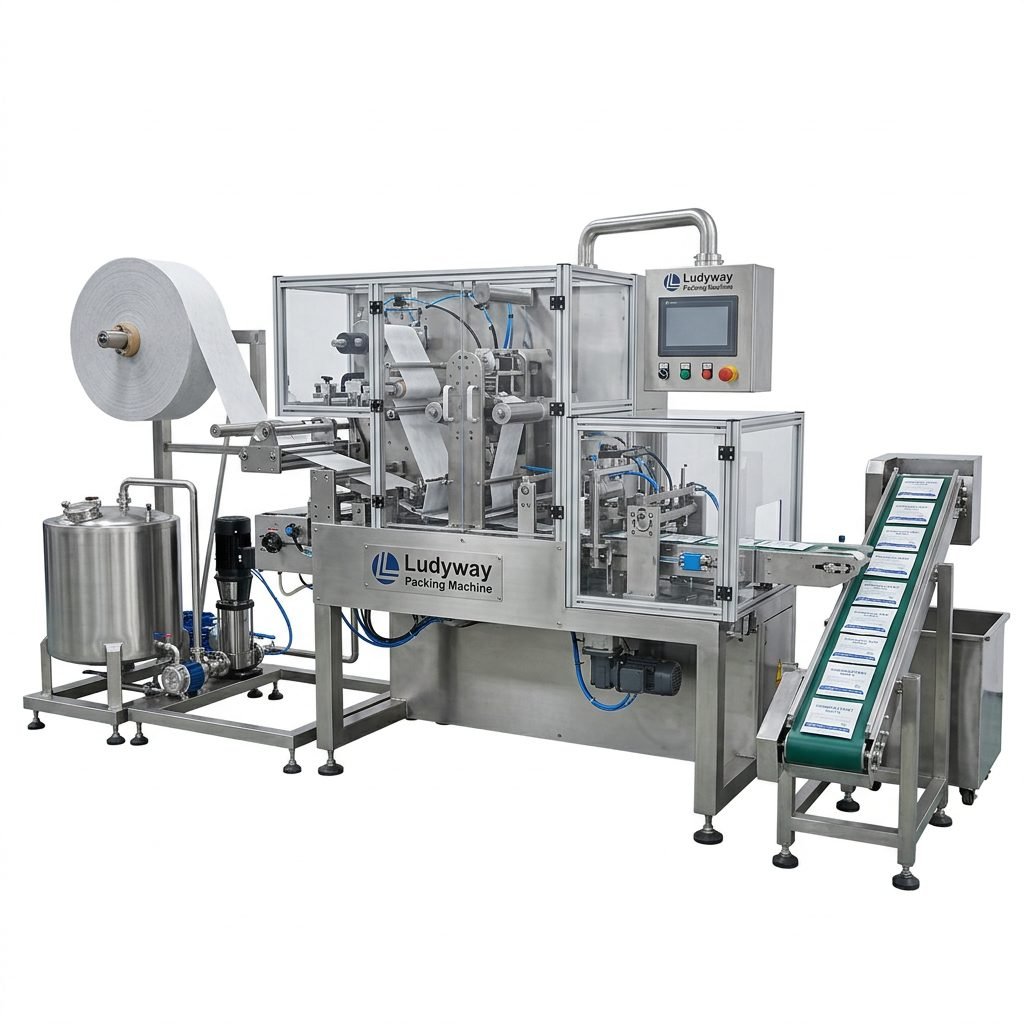
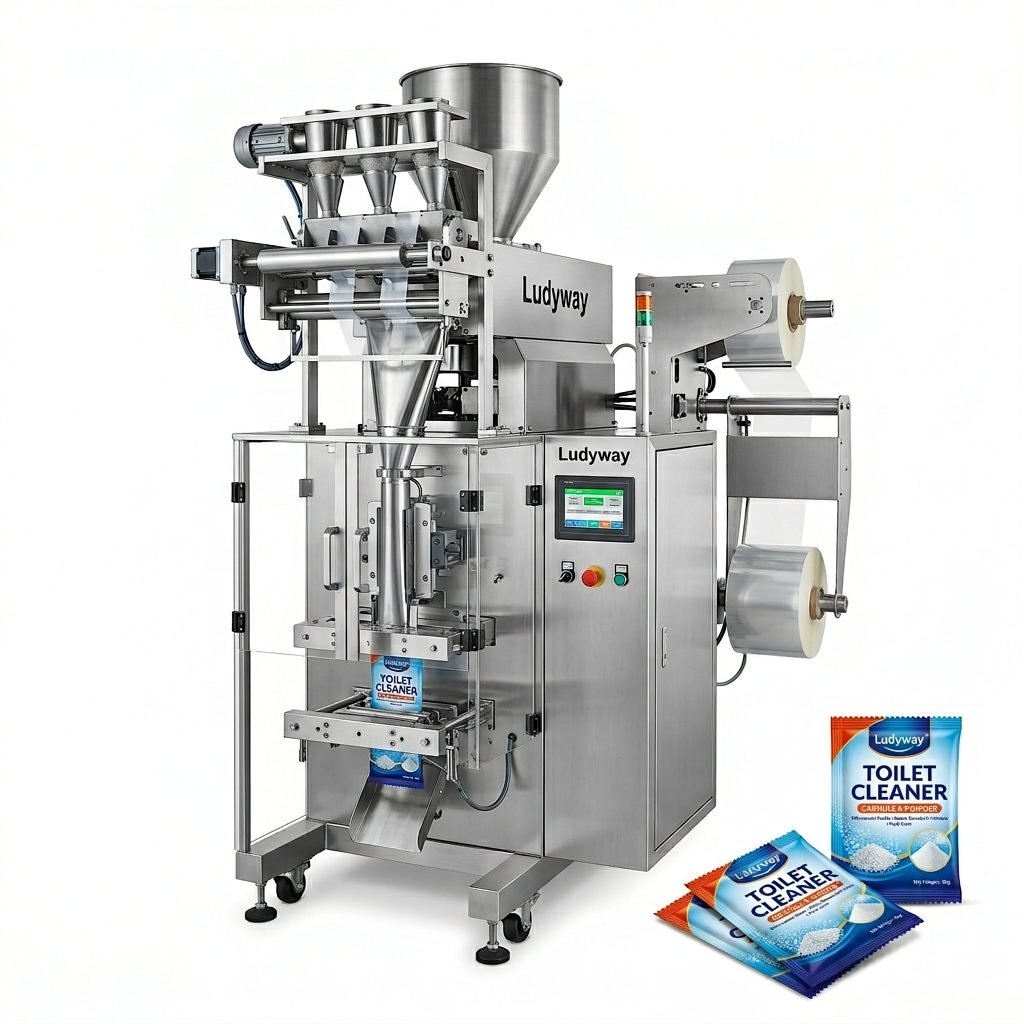
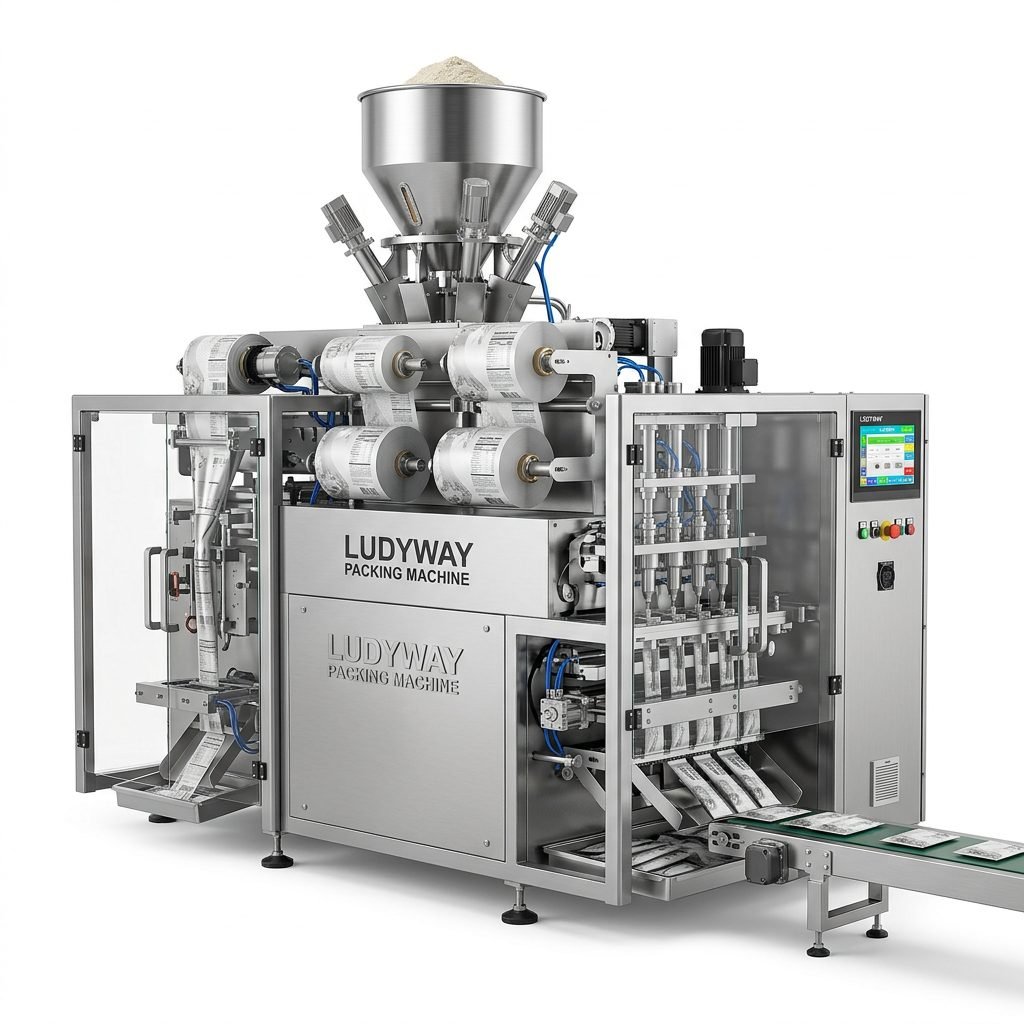
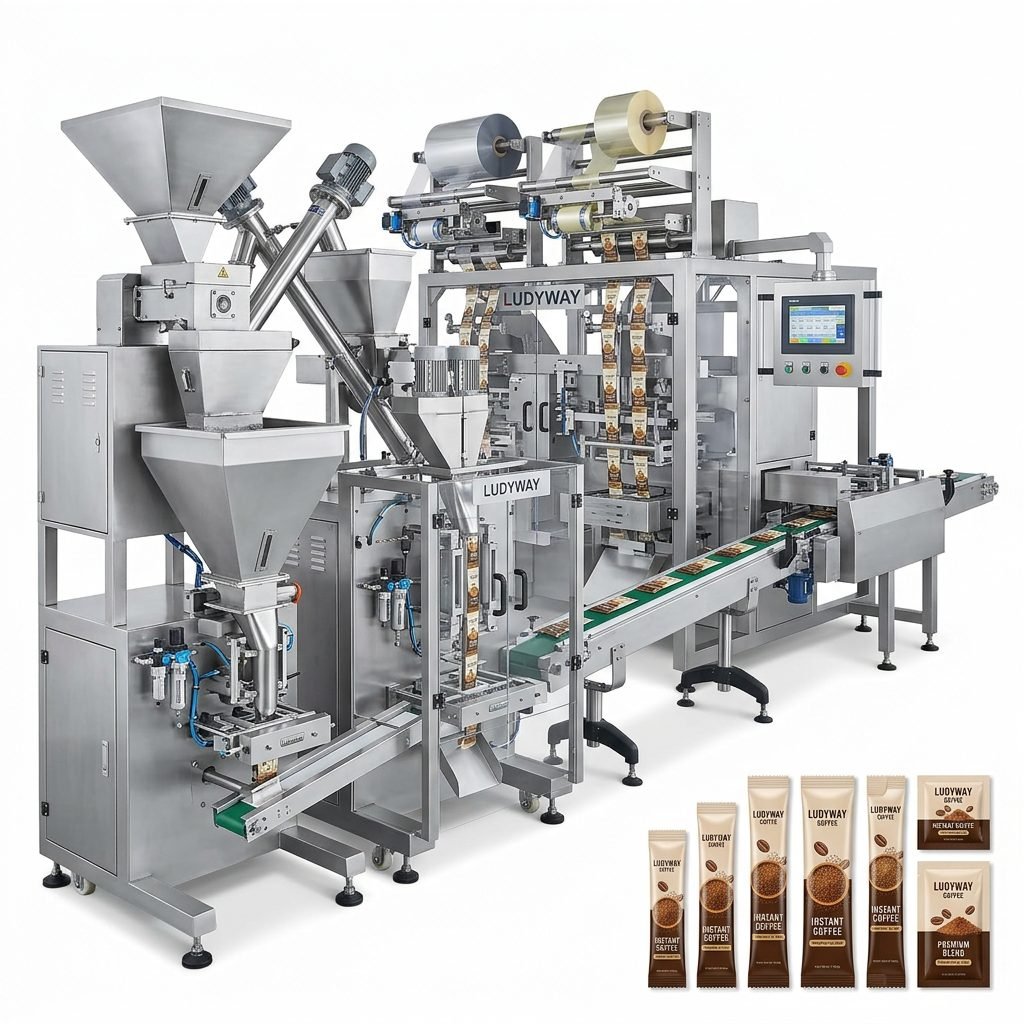
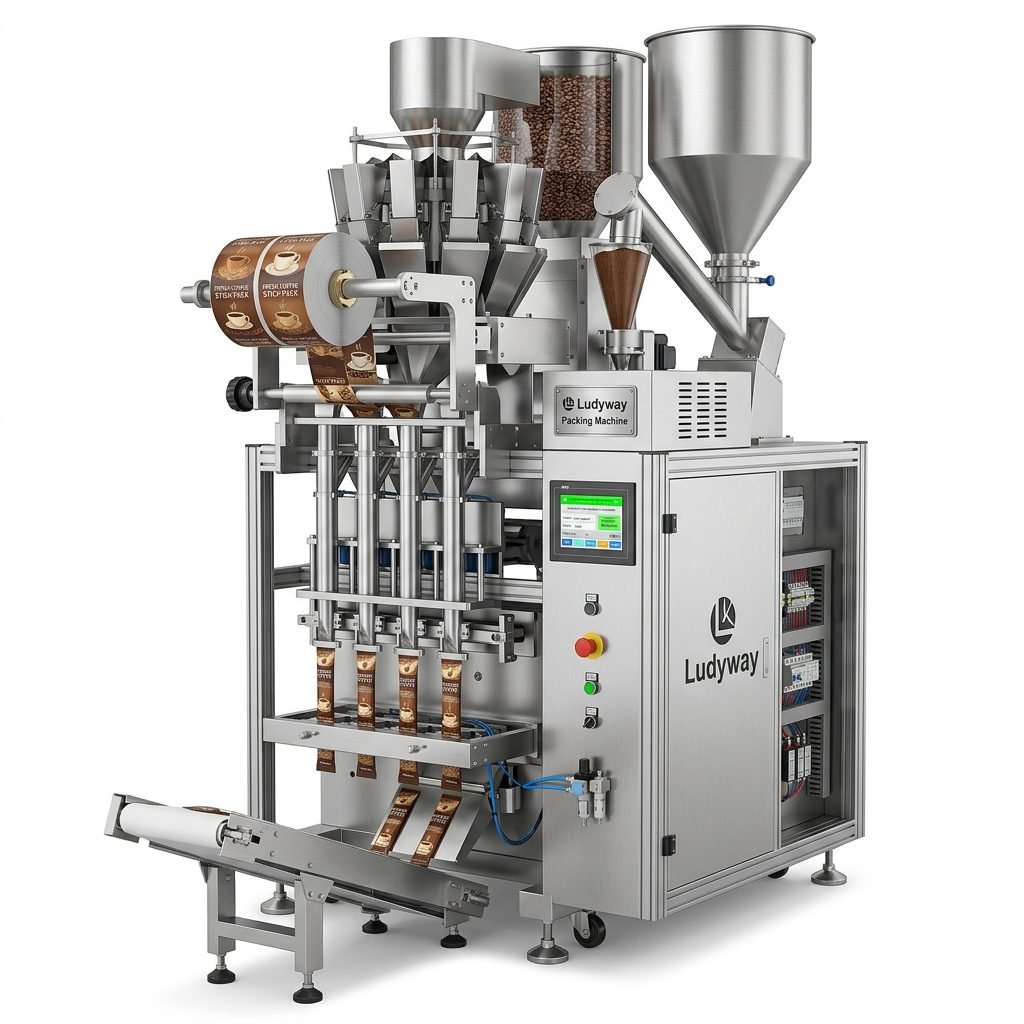
Established manufacturers with a global footprint can provide peace of mind. For instance, Ludyway Packaging Machinery offers a wide range of turnkey K Cup and coffee capsule solutions, backed by decades of engineering expertise. Their systems are designed to meet international food packaging standards and can be tailored for the UK market.
6. Final Tips for UK Buyers
- Request a detailed cost of ownership analysis, including energy consumption and operator training.
- Visit the manufacturer’s facility or attend a packaging exhibition like PACK EXPO to see equipment in action.
- Ask for references from other UK coffee companies using the same machine model.
By carefully evaluating your capacity needs, quality specifications, and the supplier’s reliability, you can select a K Cup packaging machine that supports your brand’s growth in the competitive UK coffee market.