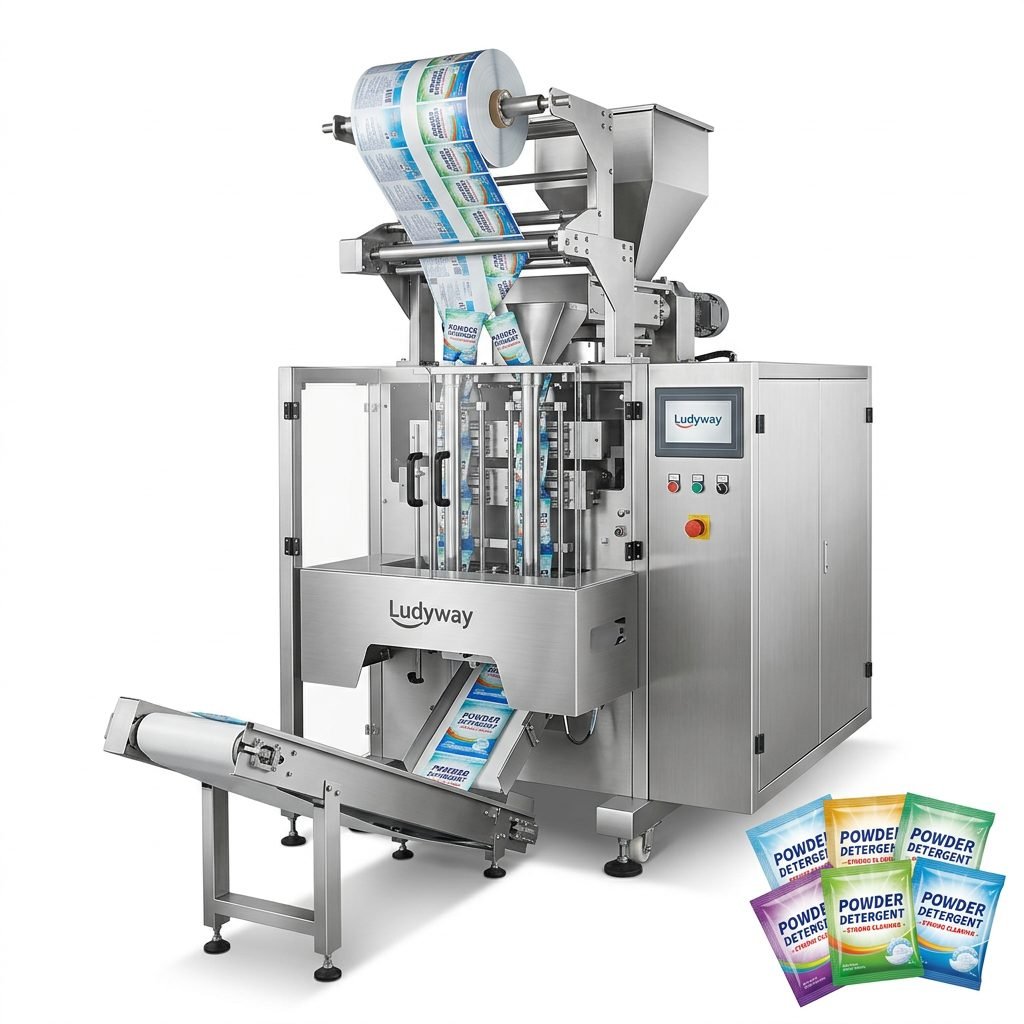
South America’s edible oil, lubricant, and essential oil industries are experiencing rapid growth, driving strong demand for oil packaging machines. Whether you’re a cooking oil producer in Brazil, a motor oil distributor in Argentina, or a cosmetic oil manufacturer in Colombia, selecting the right packaging equipment is critical to ensuring product quality, shelf life, and operational efficiency. This comprehensive guide covers the types of oil packaging machines available, price ranges, and how to evaluate reliable suppliers for the South American market.
Why South America’s Oil Packaging Market Is Growing
According to industry reports from the PMMI Business Intelligence Library, the packaging machinery sector in Latin America has seen consistent double-digit growth. The region’s expanding middle class, rising consumption of packaged food products, and increasing exports of vegetable oils, essential oils, and automotive lubricants have created a robust market for automated packaging solutions. Key South American countries investing in modern packaging lines include:
- Brazil – Largest edible oil producer and consumer in the region
- Argentina – Major sunflower oil and soybean oil exporter
- Colombia & Peru – Fast-growing essential oil and cosmetic sectors
- Chile – Strong demand for olive oil and specialty oil packaging
Types of Oil Packaging Machines for Different Applications
The type of oil packaging machine you need depends on your product viscosity, production volume, and packaging format. Below are the most common machine types used across South America:
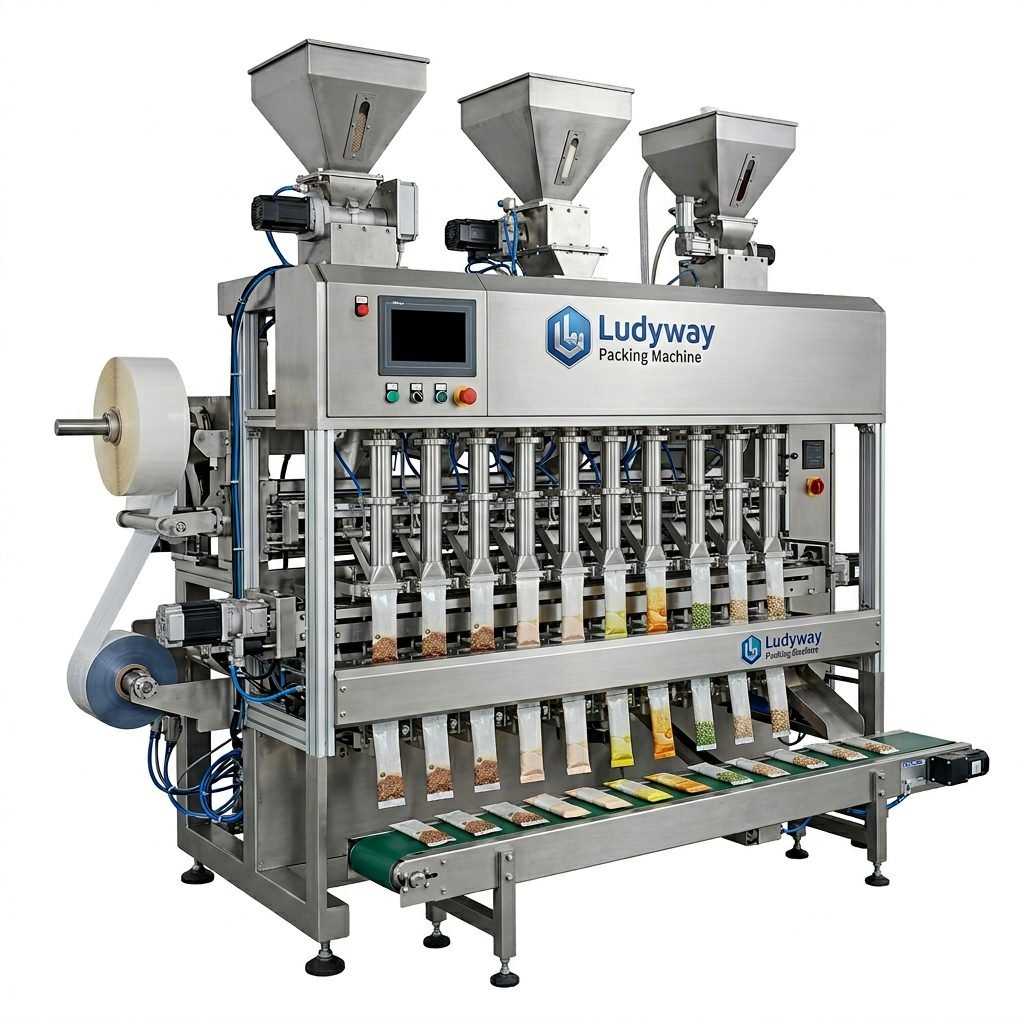
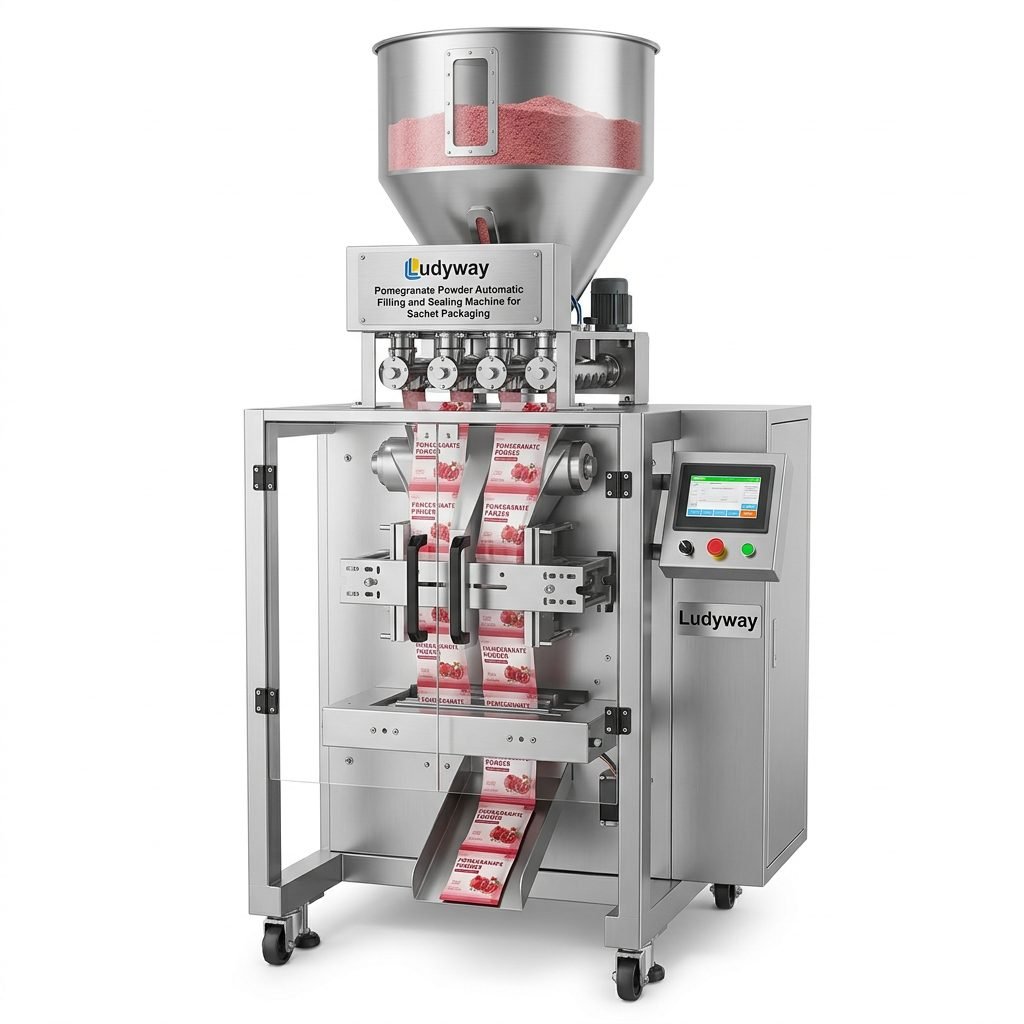
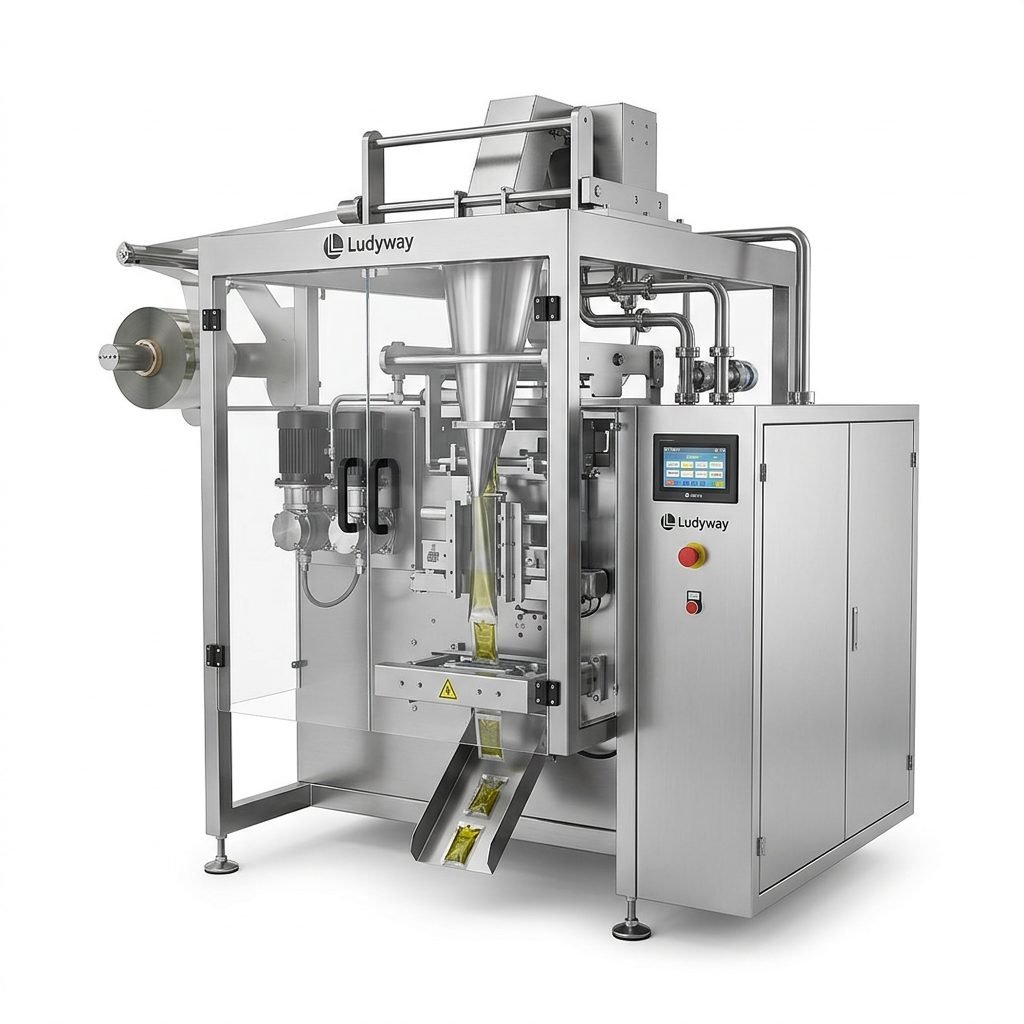
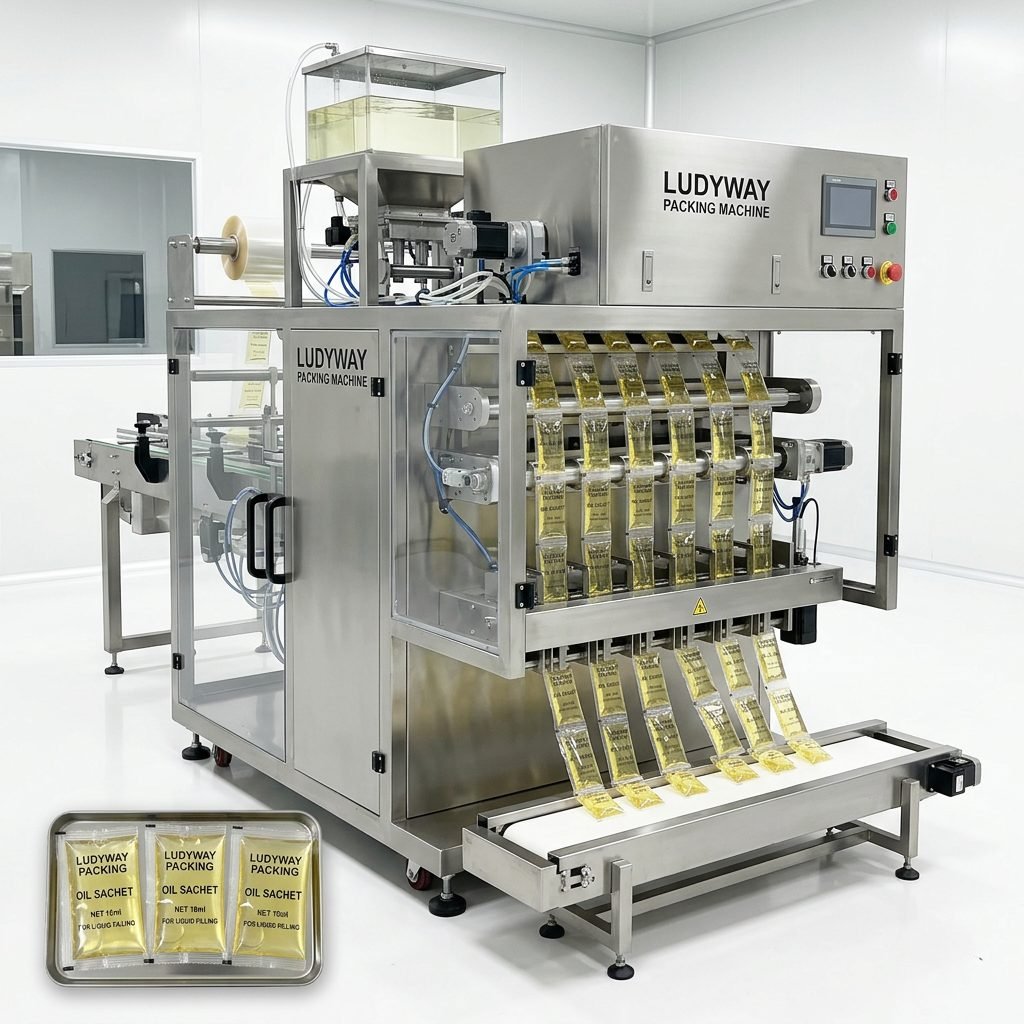
Liquid Oil Sachet Packing Machines
Ideal for single-serve edible oil portions, shampoo sachets, and cosmetic oil samples. These machines use multi-lane filling technology to achieve high-speed production of 30–60 sachets per lane per minute. They support heat-sealing and are suitable for low to medium-viscosity oils.
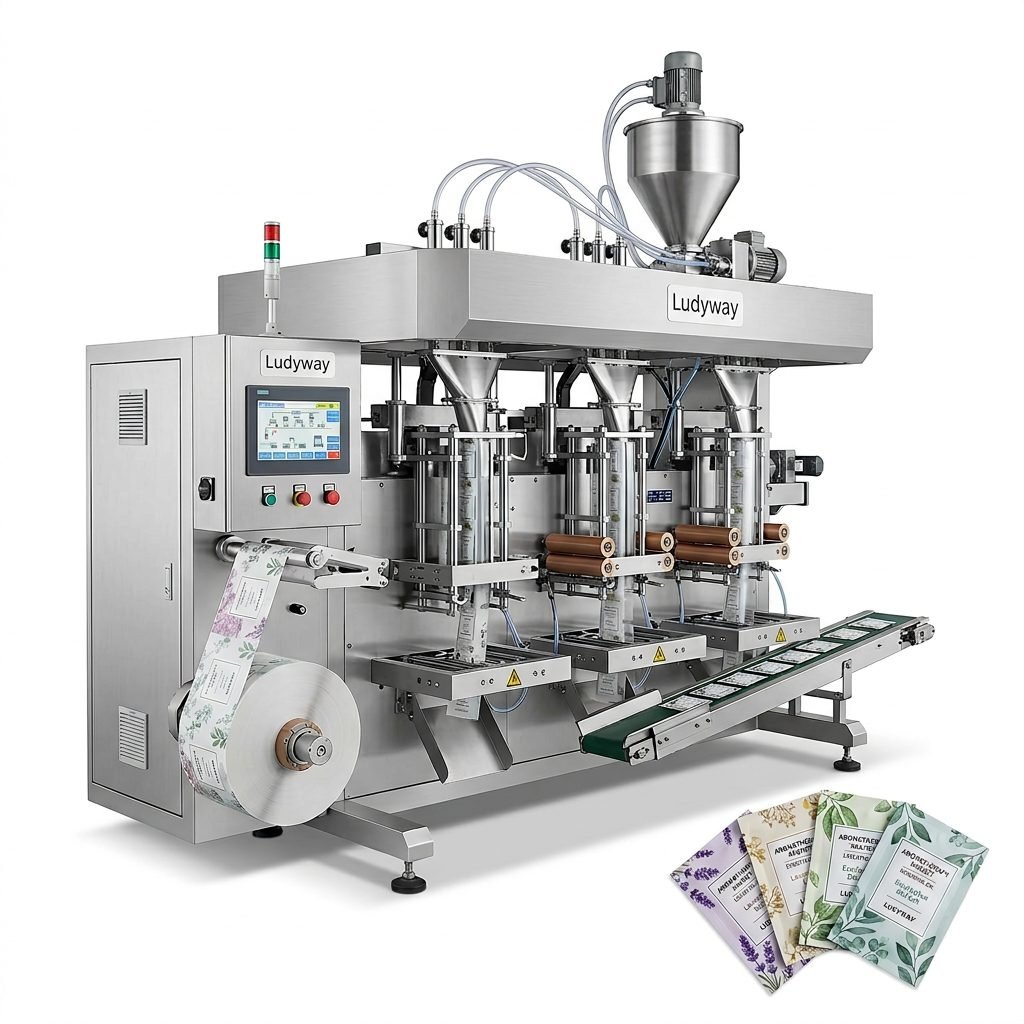
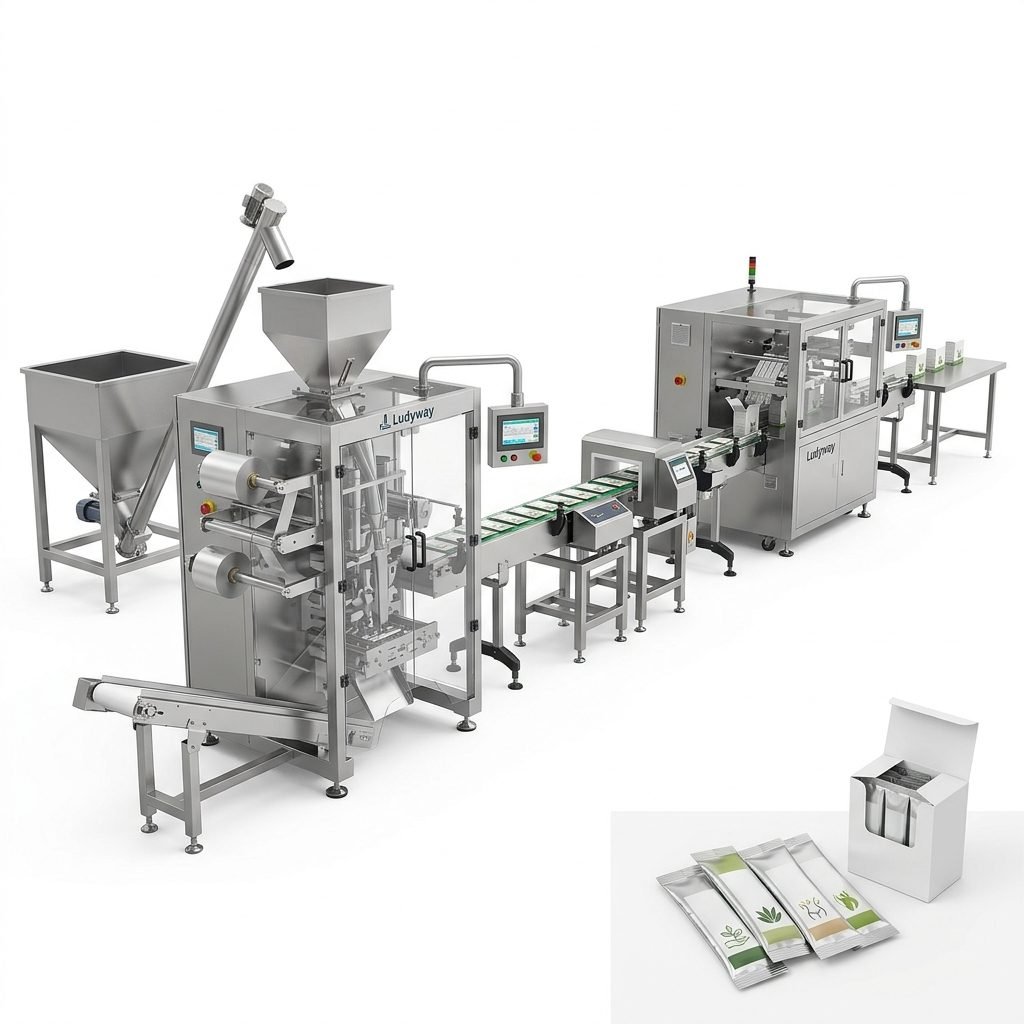
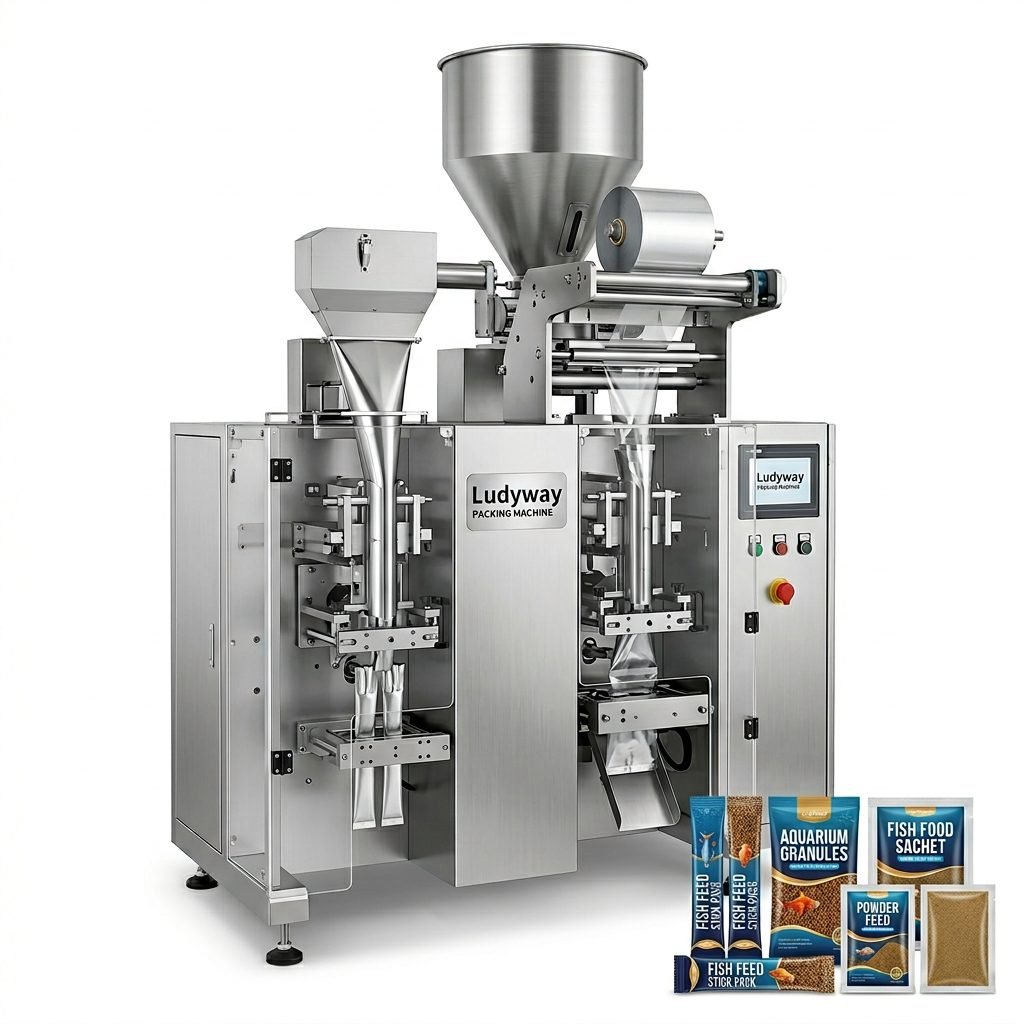
Stick Pack Packaging Machines for Oils
Stick pack machines produce narrow, elongated pouches commonly used for honey, essential oil blends, and energy gel products. These compact packages are popular in the South American pharmaceutical and nutraceutical markets due to their portability and precise dosing capabilities.
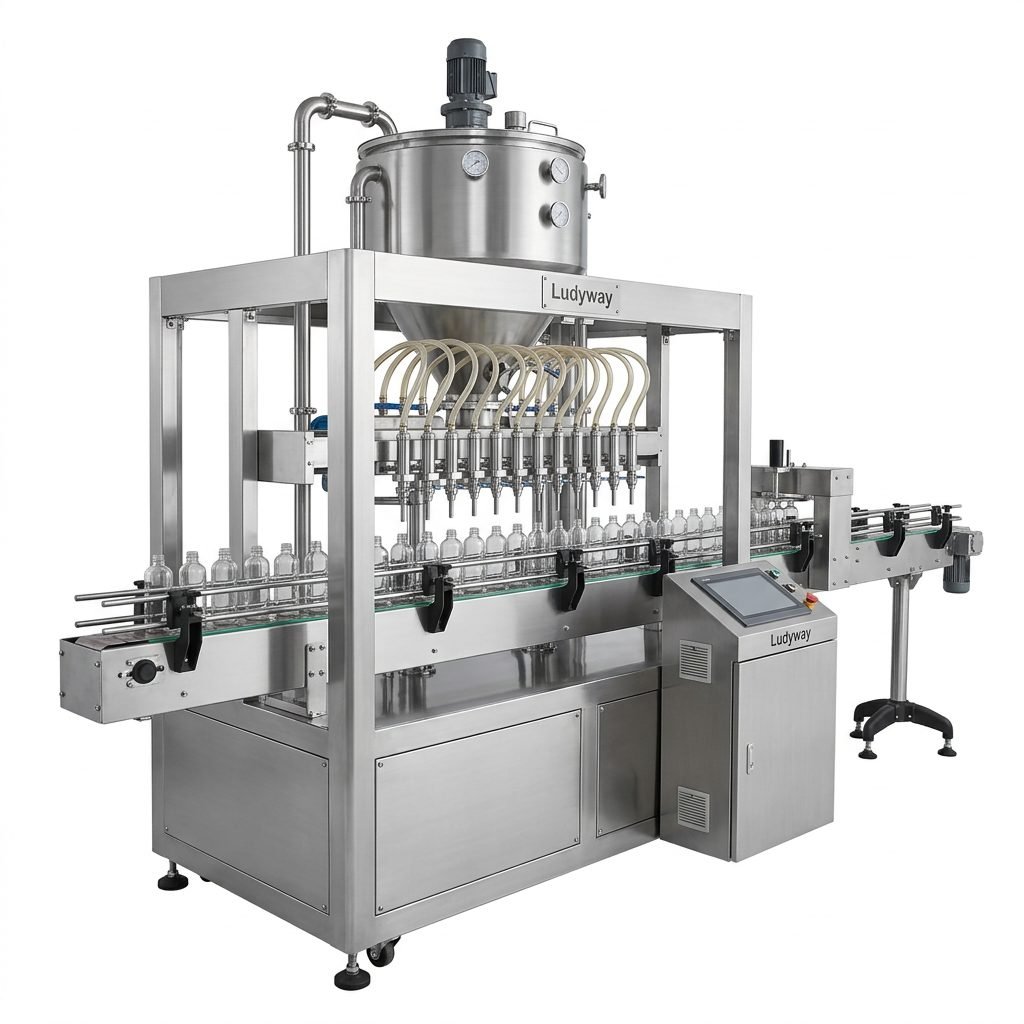
Bottle Filling and Capping Lines
For cooking oils, motor oils, and cosmetic oils sold in bottles, automatic filling and capping production lines offer the most efficient solution. These systems handle a wide range of bottle sizes — from 50ml travel-size containers to 5-liter jugs — with integrated capping, labeling, and coding stations. Compliance with FDA food contact substance guidelines is essential for food-grade applications.
Multi-Lane Pouch Packaging Systems
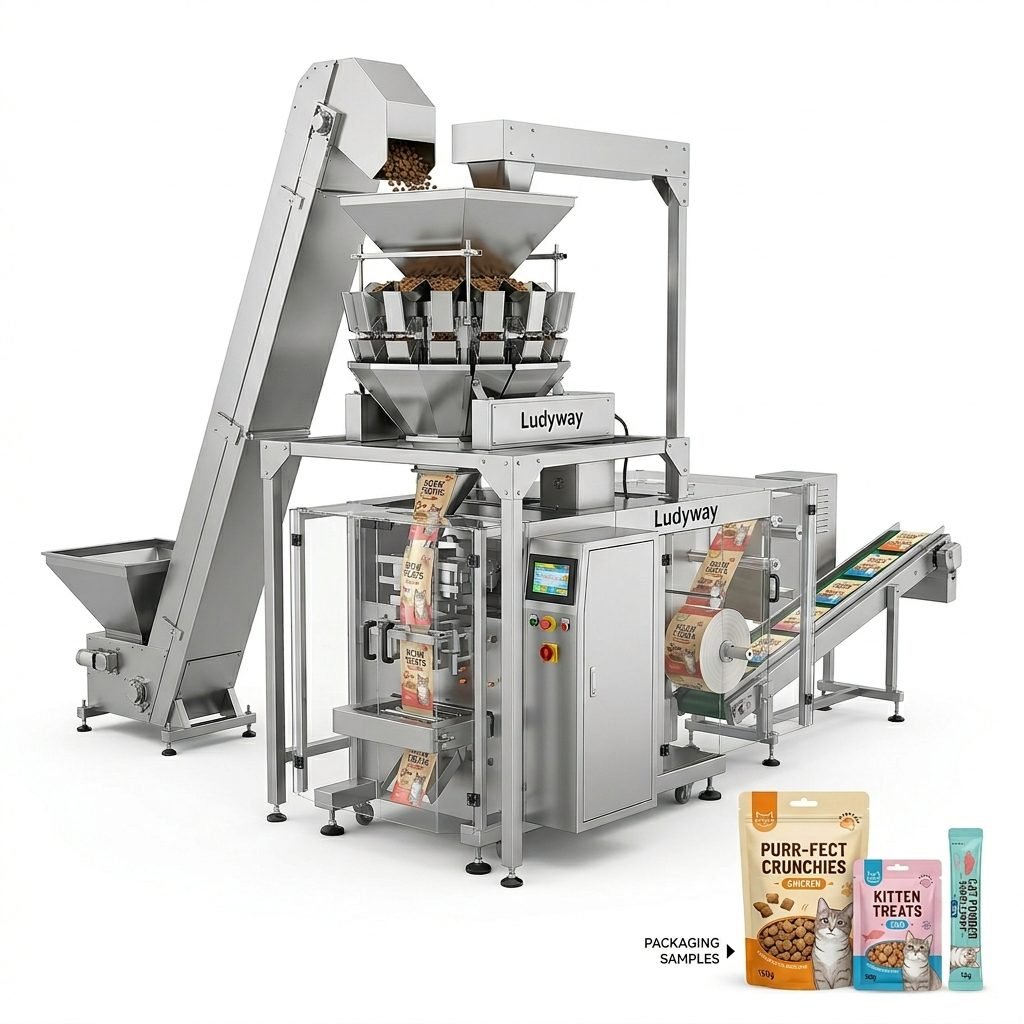
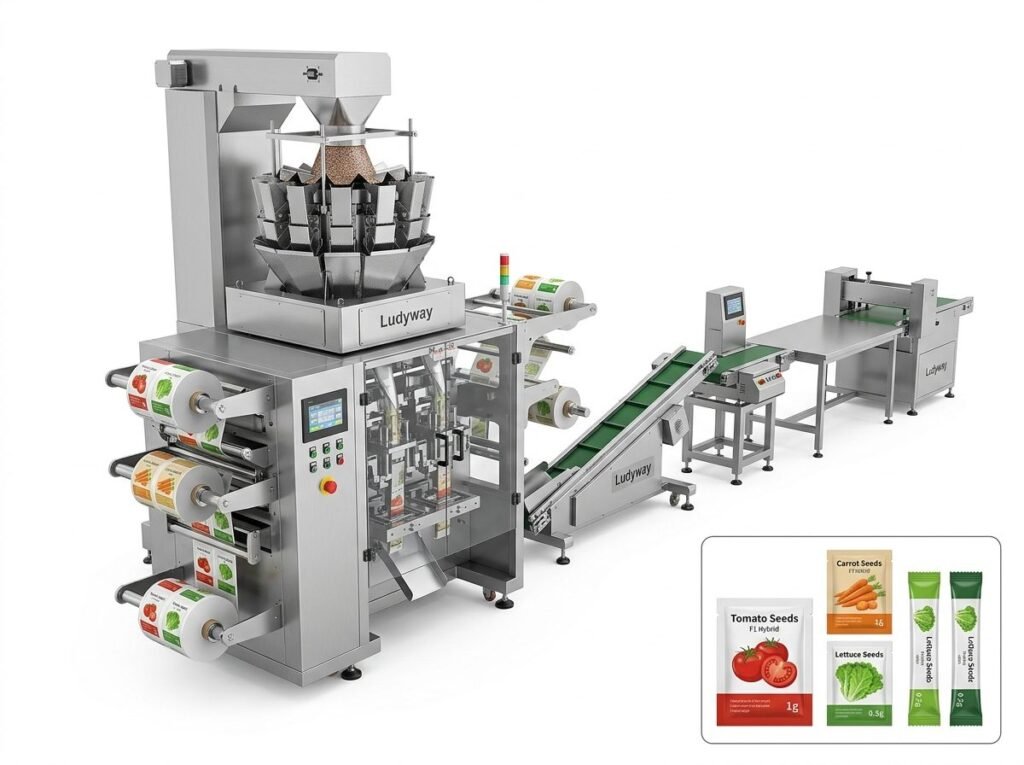
These versatile machines can package edible oil, lubricant oil, and cosmetic oil into various pouch formats. Multi-lane configurations (4-lane, 6-lane, 8-lane, or more) dramatically increase output while maintaining consistent fill accuracy, making them the preferred choice for large-scale South American manufacturers.
Key Features to Look for in an Oil Packaging Machine
When evaluating oil packaging equipment for your South American facility, prioritize the following technical features:
- Viscosity Compatibility – Ensure the filling system can handle your oil’s specific viscosity range, from thin essential oils to thick gear lubricants
- Sealing Integrity – Leak-proof heat sealing is critical for oil products to prevent contamination and spillage during transport
- Material Compatibility – The machine should support flexible packaging films resistant to oil penetration, such as aluminum-laminate or PET/PE composites
- Cleaning & Changeover Efficiency – Quick-change parts and easy-clean designs minimize downtime between product batches
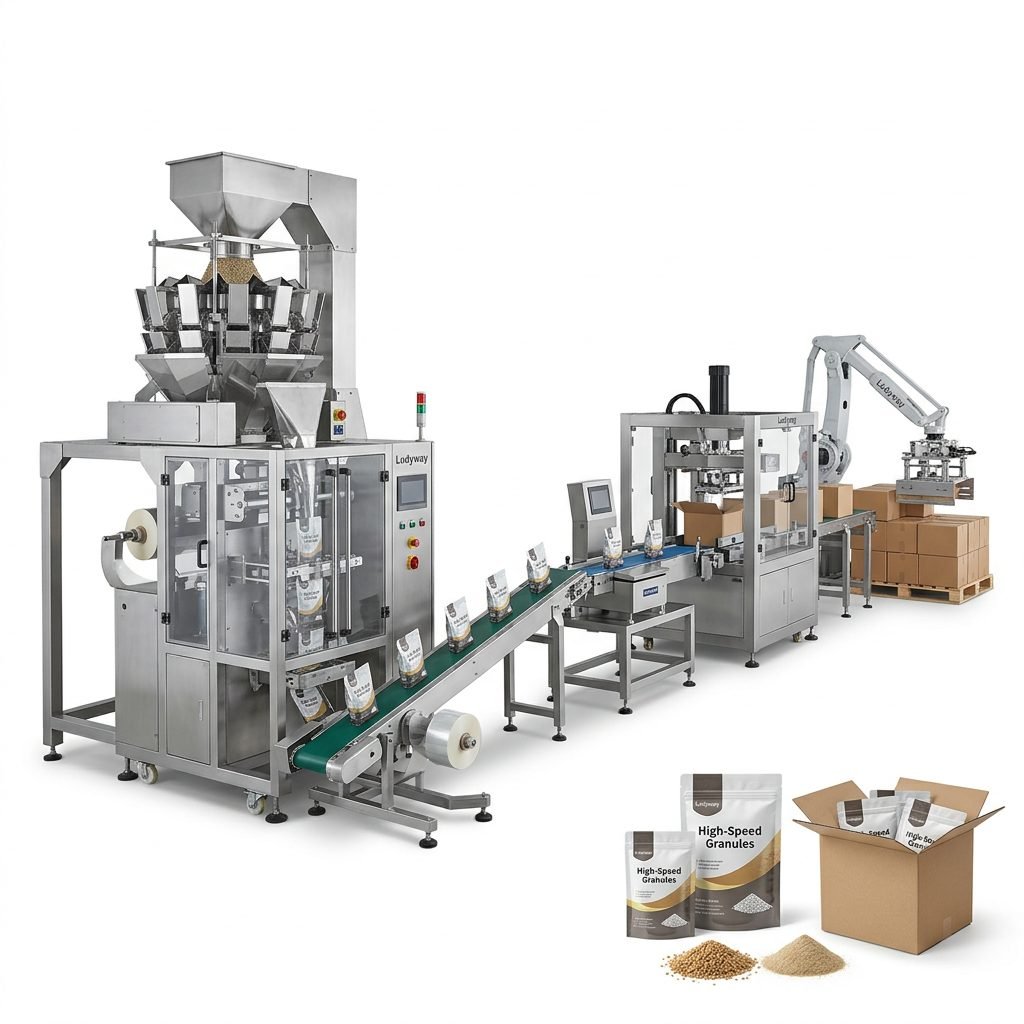
- Automation Level – Options range from semi-automatic to fully integrated turnkey lines with automatic feeding, filling, sealing, and cartoning
Price Guide for Oil Packaging Machines (South America, 2025)
Pricing varies significantly based on machine type, automation level, production capacity, and brand origin. The table below provides a general reference for budget planning. Actual prices depend on specific configurations and optional features. For detailed market data, consult resources like the PMMI State of the Industry 2025 report.
| Machine Type | Typical Capacity | Estimated Price Range (USD) |
|---|---|---|
| Semi-Automatic Oil Sachet Machine | 15–25 sachets/min | $8,000 – $18,000 |
| Multi-Lane Stick Pack Machine (4-lane) | 120–200 sticks/min | $25,000 – $50,000 |
| Multi-Lane Stick Pack Machine (6–8 lane) | 240–400 sticks/min | $55,000 – $95,000 |
| Automatic Bottle Filling & Capping Line | 2,000–6,000 bottles/hr | $40,000 – $120,000 |
| Turnkey Oil Packaging Line (full automation) | Customized output | $100,000 – $350,000+ |
Note: Prices are approximate and exclude shipping, import duties, and local installation costs in South America. Always request a detailed quotation based on your specific requirements.
Import and Regulatory Considerations for South America
Importing oil packaging machinery into South American countries involves navigating various regulations. Key considerations include:
- Mercosur Trade Agreements – Machinery imported into Brazil, Argentina, Paraguay, and Uruguay may benefit from reduced tariffs under Mercosur framework
- Local Certifications – Brazil’s INMETRO, Argentina’s IRAM, and other national standards may require equipment certification
- Food Safety Compliance – Equipment handling edible oils must meet food-grade material standards as outlined by ISO packaging standards
- After-Sales Support – Verify that your supplier can provide timely technical support, spare parts, and maintenance services in your country
How to Choose a Reliable Oil Packaging Machine Supplier
Selecting the right supplier is as important as choosing the right machine. Consider these factors when evaluating vendors:
- Industry Experience – Look for manufacturers with at least 10–15 years of experience in liquid and oil packaging equipment. For instance, Ludyway has been providing advanced packaging solutions since 1993, serving customers in over 100 countries with specialized oil filling and sealing machinery.
- Technical Support in Latin America – Confirm whether the supplier has local agents, distributors, or service centers in South America
- Customization Capabilities – Every oil product has unique characteristics; your supplier should offer custom engineering for specific viscosity, fill volume, and packaging format requirements
- Warranty and Spare Parts – A comprehensive warranty (typically 12–24 months) and readily available spare parts inventory are essential
- Client References – Request case studies or references from previous clients in the food, pharmaceutical, or chemical industries
Common Oil Packaging Formats in South America
| Packaging Format | Typical Oil Products | Advantages |
|---|---|---|
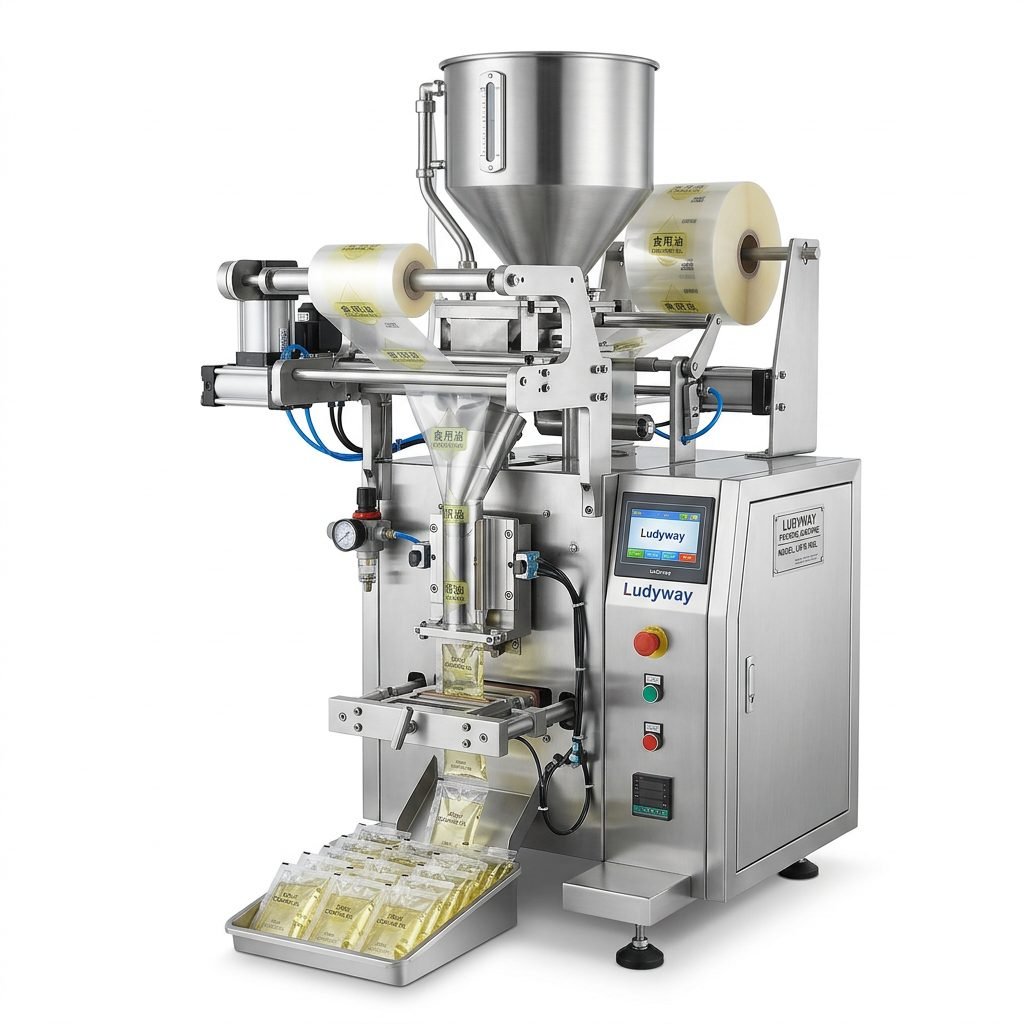
| Sachets (5ml–30ml) | Olive oil samples, hair oil, essential oil | Cost-effective for sampling; lightweight for export |
| Stick Packs (10ml–50ml) | Honey, energy gels, cosmetic serums | Precise dosing; premium shelf appeal |
| PET/Glass Bottles (100ml–5L) | Cooking oil, motor oil, aromatherapy oil | Consumer trust; reusable packaging option |
| Pouches (250ml–1L) | Bulk edible oil, industrial lubricants | Reduced packaging cost; efficient logistics |
| Drums & Jerry Cans (5L–200L) | Industrial-grade oils, bulk chemicals | Suitable for B2B distribution |
ROI Considerations for South American Buyers
Investing in a high-quality oil packaging machine yields measurable returns through:
- Reduced Labor Costs – One automated multi-lane machine can replace 5–10 manual workers over multiple shifts
- Lower Material Waste – Precision filling reduces product giveaway and minimizes packaging film waste by up to 8%
- Higher Throughput – Modern multi-lane systems can produce 300–600 packs per minute, enabling exporters to meet large international orders
- Longer Shelf Life – Advanced sealing technology prevents oxidation, preserving oil quality and reducing returns
Frequently Asked Questions
What is the best packaging machine for small-scale oil businesses in South America?
For startups and small-scale producers, a semi-automatic sachet or stick pack machine (priced around $8,000–$18,000) offers an accessible entry point. These machines require manual feeding but still deliver reliable sealing and accurate filling. As demand grows, you can upgrade to fully automatic multi-lane systems.
How long does shipping and installation take for South American buyers?
Ocean freight from Asian manufacturing hubs to major South American ports typically takes 30–45 days. Customs clearance may add 1–3 weeks depending on the country. On-site installation and training usually require 5–10 business days. Plan for a total lead time of 8–12 weeks from order confirmation to production start.
Are spare parts readily available in South America?
Leading suppliers maintain strategic spare parts inventories and offer express courier delivery to major South American cities. When evaluating a supplier, confirm their average spare parts dispatch time and whether they have local distributor networks in countries like Brazil, Argentina, or Chile. Refer to the Flexible Packaging Association’s industry resources for additional supplier evaluation frameworks.
Conclusion: Making the Right Investment
Choosing the right oil packaging machine for your South American operation involves balancing your current production needs with future growth plans. Evaluate machine types based on your oil product’s viscosity and target packaging format, budget realistically considering both equipment and import costs, and prioritize suppliers with proven experience in liquid filling and sealing technology. With the right equipment in place, your business can capitalize on South America’s growing demand for packaged oils across food, pharmaceutical, cosmetic, and industrial sectors.
For further reading on packaging machinery standards and industry trends, explore resources from the PMMI packaging industry resources and the European Commission’s packaging waste regulations for sustainability best practices applicable to South American export markets.