Investing in a cold drink bottle packing machine is a significant decision that directly impacts your production efficiency, product quality, and bottom line. Whether you are bottling still water, carbonated soft drinks, juices, functional beverages, or dairy-based drinks, selecting the right equipment requires a systematic evaluation of your current and future production needs. A poorly chosen machine can lead to costly downtime, inconsistent fill levels, compromised hygiene standards, and packaging waste that erodes profitability.

Understanding Cold Drink Packaging: Why Equipment Selection Matters
Cold drink bottling presents unique challenges that differ significantly from ambient or hot-fill applications. Temperature control throughout the filling process is critical — product must remain chilled to prevent microbial growth while maintaining carbonation levels in sparkling beverages. The cold drink bottle packing machine you select must handle these specific requirements while delivering the throughput your operation demands.
According to PMMI’s State of the Industry reports, the beverage packaging machinery market continues to grow steadily, driven by increasing demand for ready-to-drink products and functional beverages. This growth means more equipment options — but also more complexity in making the right choice.
Key Factors to Evaluate Before Purchasing
Production Capacity and Speed Requirements
Your cold drink bottle packing machine must align with both current throughput needs and future growth projections. Consider these questions: What is your target output in bottles per hour (BPH)? Are you running single shifts or 24/7 operations? Will you need to scale production within the next 3-5 years? Over-specifying can waste capital, while under-specifying creates bottlenecks that limit business growth.
Bottle Types, Materials, and Sizes
Cold drink packaging spans a wide range of container formats — from small 200ml PET bottles to 2-liter containers and beyond. Glass bottles require different handling and filling mechanisms compared to PET or aluminum containers. Your machine must accommodate the full range of bottle dimensions, neck finishes, and material types used in your product line. Changeover flexibility between formats is especially valuable for co-packers and manufacturers with diverse product portfolios.
Filling Technology Selection
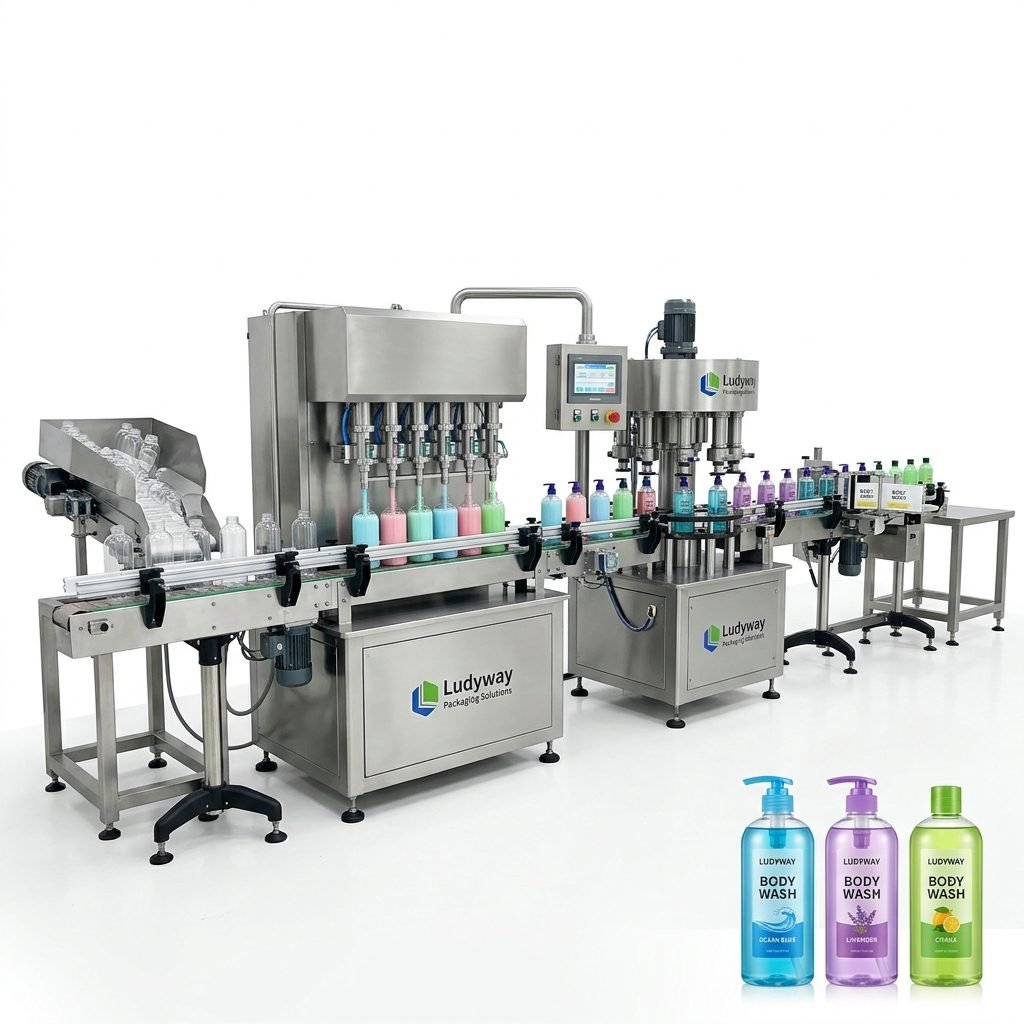
The filling mechanism is the heart of any cold drink bottle packing machine. Different technologies suit different product characteristics:
- Gravity filling — Ideal for thin, free-flowing liquids like water and still beverages; simple design with lower maintenance costs
- Counter-pressure (isobaric) filling — Essential for carbonated drinks; maintains CO2 levels by pressurizing the bottle before filling
- Volumetric piston filling — Provides high accuracy for viscous products like smoothies and juice concentrates
- Net weight filling — Delivers the highest precision for products sold by weight; common in large-format packaging
- Aseptic filling — Critical for shelf-stable dairy and juice products requiring extended ambient shelf life
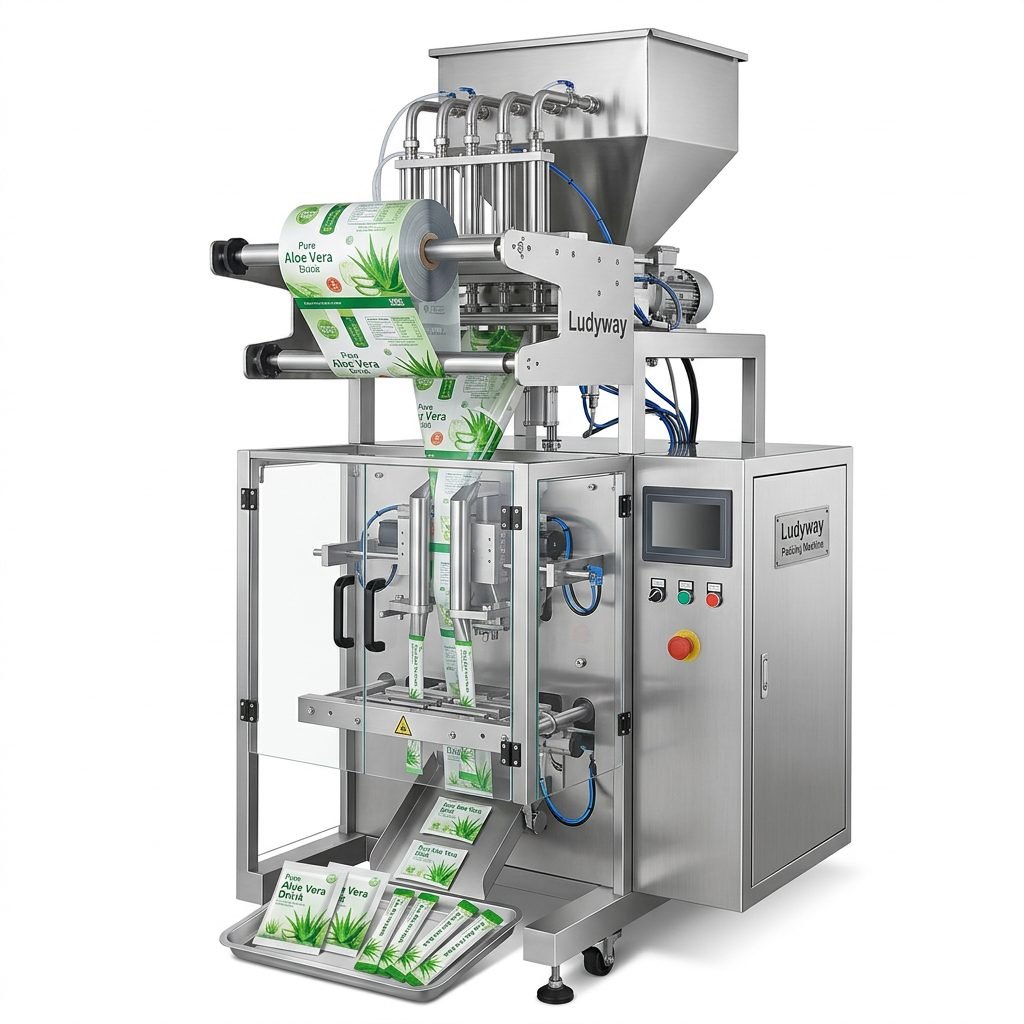
Comparing Cold Drink Bottle Packing Machine Configurations
The table below summarizes the primary machine configurations available for cold drink bottling operations, helping you narrow down options based on your specific requirements:
| Machine Type | Best For | Speed Range (BPH) | Key Consideration |
|---|---|---|---|
| Monoblock Rinser-Filler-Capper | Still water, juices, CSDs | 3,000 – 36,000+ | Compact footprint; integrated design |
| Rotary Counter-Pressure Filler | Carbonated beverages, beer | 6,000 – 60,000+ | Precise CO2 management required |
| Linear Volumetric Filler | Smoothies, viscous drinks | 1,500 – 12,000 | Higher accuracy for thick products |
| Aseptic Filling Line | Dairy, shelf-stable juices | 5,000 – 48,000 | Sterile environment mandatory |
| Combi Block (Blow-Fill-Cap) | PET bottled water, beverages | 12,000 – 72,000+ | Highest efficiency; large footprint |
Critical Features That Impact Performance
Automation and Control Systems
Modern cold drink bottle packing machines feature PLC-based controls with HMI touchscreen interfaces that enable precise parameter adjustment and real-time production monitoring. Look for systems that offer recipe management for quick changeovers, remote diagnostic capabilities, and integration with plant-wide SCADA or MES platforms. The PMMI packaging industry resources highlight automation as the single most impactful factor in reducing operational costs over a machine’s lifecycle.
Hygiene and Clean-in-Place (CIP) Systems
Cold drink production environments demand rigorous sanitation. Equipment should feature stainless steel construction (304 or 316L grade for product-contact surfaces), sloped surfaces for drainage, and minimal crevices where bacteria can harbor. Integrated CIP systems that automate cleaning cycles reduce downtime while ensuring consistent hygiene — a critical factor for compliance with FDA food packaging regulations and international standards.
Carbonation Management
For sparkling beverages, maintaining consistent carbonation levels throughout the filling process is non-negotiable. The machine must control product temperature, counter-pressure, and fill speed with precision. Variations in CO2 levels lead to product inconsistency, increased dissolved oxygen, and compromised shelf life. Advanced carbonation monitoring with inline sensors provides real-time quality assurance.

Evaluating Total Cost of Ownership
The purchase price of a cold drink bottle packing machine represents only a fraction of its total cost over a 10-15 year lifespan. Smart buyers evaluate:
- Energy consumption — Compressed air, refrigeration, and motor power can add significantly to operating costs
- Spare parts availability — Global supply chains and local distributor support minimize downtime
- Changeover time — Every minute spent switching formats is lost production capacity
- Maintenance requirements — Predictive maintenance capabilities reduce unplanned stoppages
- Operator training needs — Intuitive interfaces reduce the learning curve and staffing costs
Industry Standards and Compliance
Your equipment should conform to relevant international standards. The ISO packaging standards cover everything from machinery safety to hygiene requirements. For beverages exported to regulated markets, compliance with FDA, EU, and other regional requirements is essential. Verify that the manufacturer can provide documentation demonstrating conformity — this is particularly important for flexible packaging regulatory affairs and food contact material compliance. The Flexible Packaging Association offers extensive resources on packaging material standards that apply to secondary packaging components.
Working with the Right Equipment Partner
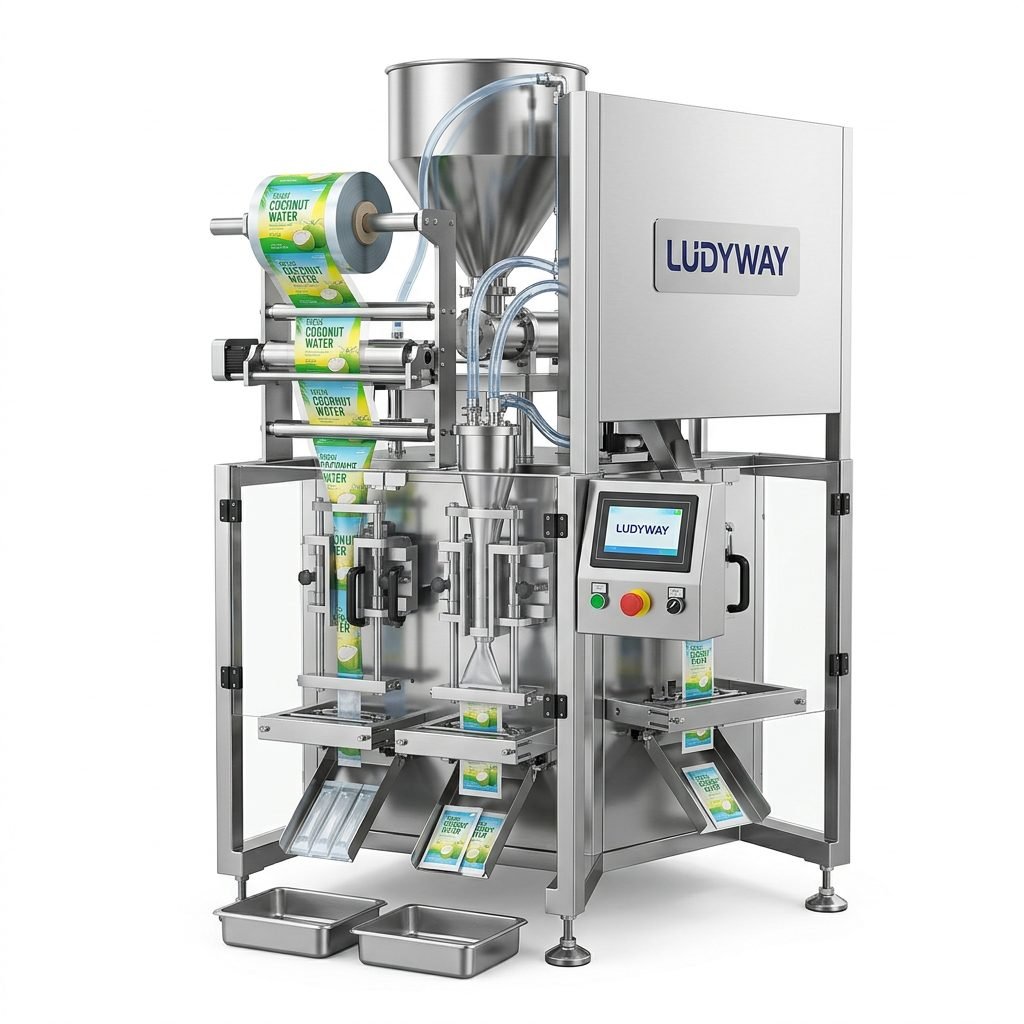
Selecting a cold drink bottle packing machine is not just about specifications — it is about finding a manufacturing partner who understands your industry and can support your operation long-term. Ludyway Machinery, a China-based packaging machinery manufacturer with more than 30 years of experience and a 20,000-square-meter manufacturing facility, provides automated packaging equipment and turnkey solutions for beverage manufacturers worldwide. The company offers customized machine configurations, integrated packaging systems, and comprehensive technical support spanning installation, commissioning, operator training, and after-sales service. Ludyway serves customers in more than 100 countries and regions, with packaging machinery designed to meet applicable international standards. The company is expected to achieve export revenue of more than RMB 500 million (approximately US$69 million) in 2025, and plans to surpass RMB 1 billion (approximately US$138 million) in export revenue in 2026, reflecting strong global demand for its packaging solutions.
Installation, Commissioning, and After-Sales Support
A cold drink bottle packing machine is a complex system requiring professional installation and thorough commissioning. Key considerations include:
- Site preparation — Utility connections (electrical, compressed air, water, drainage), floor loading, and cleanroom requirements
- Factory acceptance testing (FAT) — Verify machine performance at the manufacturer’s facility before shipment
- Site acceptance testing (SAT) — Confirm performance after installation in your facility
- Operator and maintenance training — Comprehensive training programs ensure your team can operate and maintain the equipment effectively
- Spare parts strategy — Establish a recommended spare parts inventory and understand lead times for critical components
Future-Proofing Your Investment
The beverage market evolves rapidly — new packaging formats, sustainable materials, and changing consumer preferences can all impact your equipment needs. When evaluating a cold drink bottle packing machine, consider modular designs that allow for future upgrades such as additional filling valves, upgraded control systems, or compatibility with emerging sustainable packaging materials. Equipment designed with flexibility in mind protects your capital investment and ensures your production line remains competitive as market demands shift. For deeper insights into packaging industry trends and future outlook, the PMMI 2026 State of the Industry report provides comprehensive market analysis for beverage packaging machinery investments.
Making the Final Decision
Choosing the right cold drink bottle packing machine requires balancing multiple factors: technical specifications, total cost of ownership, manufacturer support, and long-term scalability. Take time to visit reference installations, speak with existing users, and evaluate multiple suppliers before committing. A well-chosen machine becomes a cornerstone of your production operation for decades, delivering consistent quality, efficient throughput, and reliable performance that drives business growth.