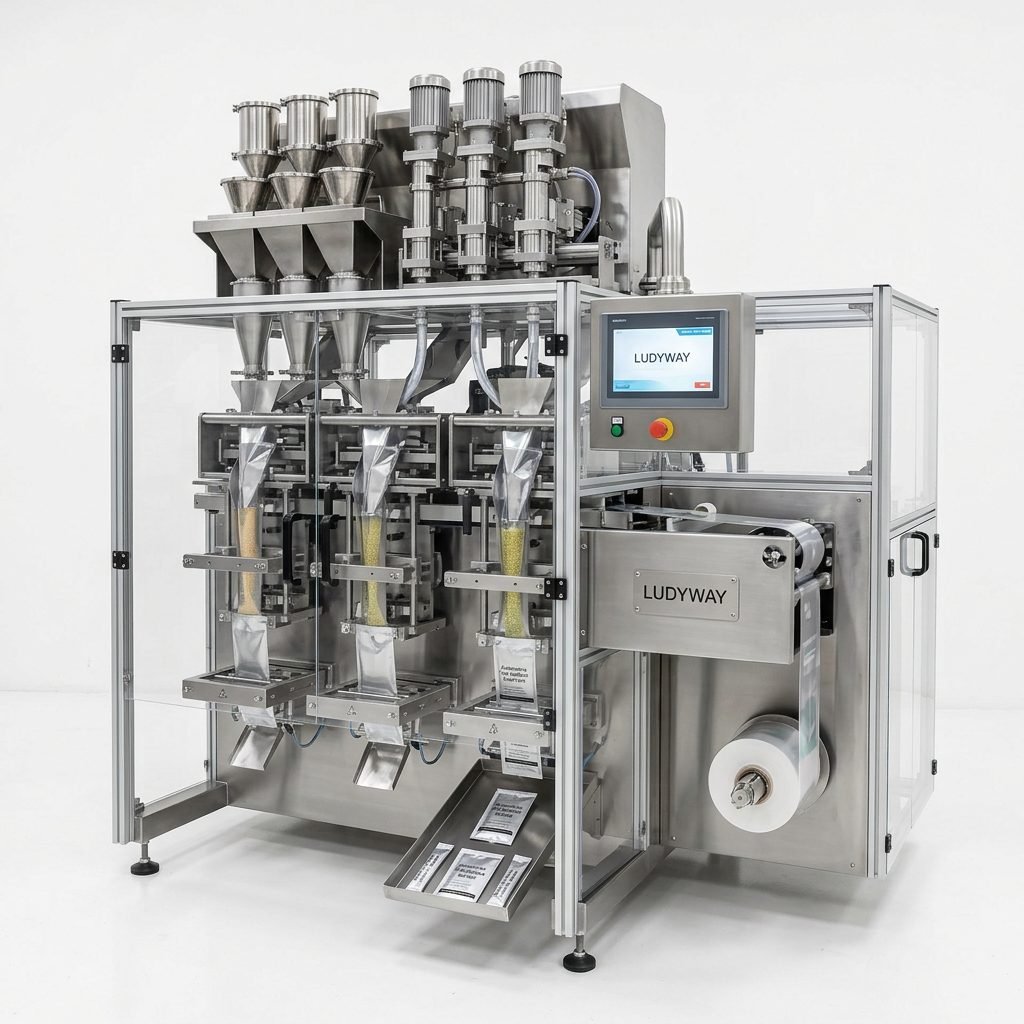
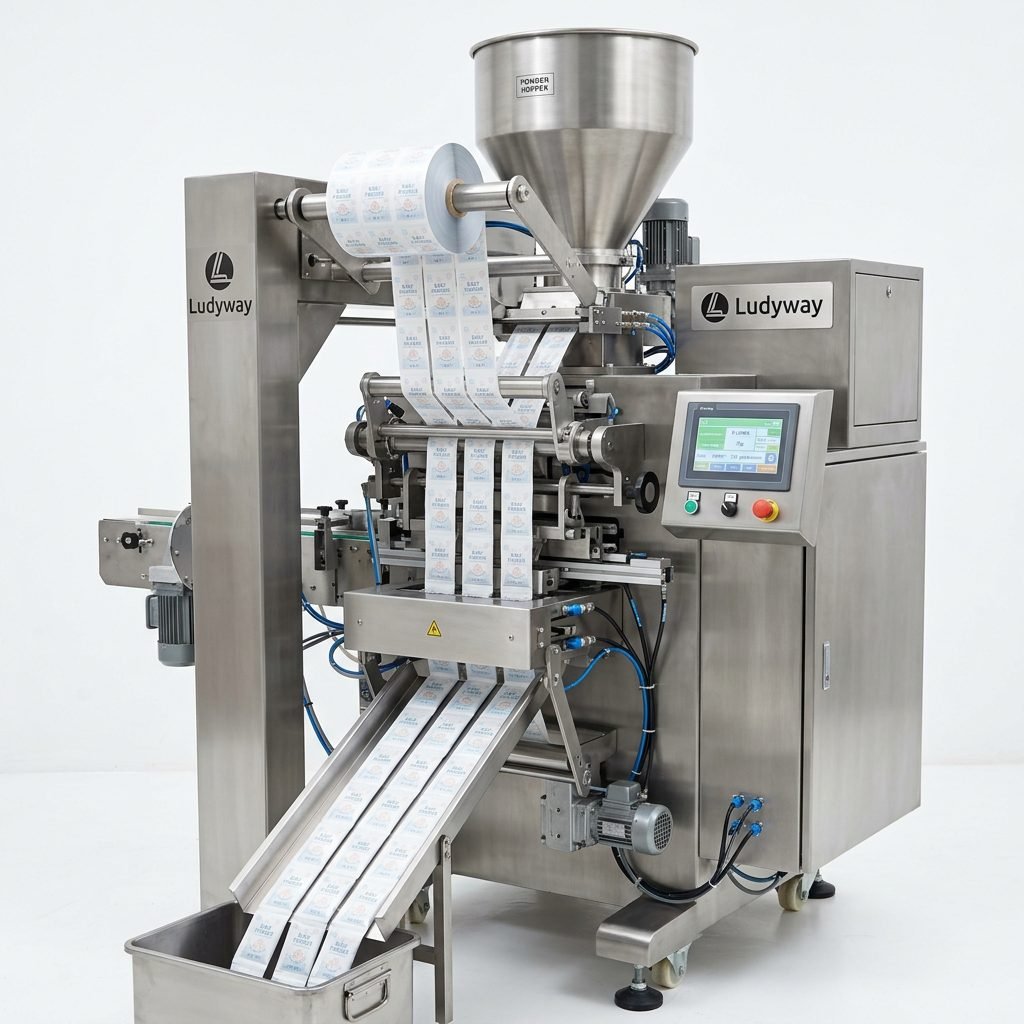
Setting up a chocolate packaging machine production line is a strategic investment that can dramatically increase your manufacturing output, improve product consistency, and reduce long-term operational costs. Whether you are packaging chocolate bars, truffles, chocolate-covered nuts, or hot chocolate powder, a well-planned production line ensures smooth workflows from feeding to final cartoning. This guide walks you through every essential step, from initial planning and equipment selection to installation, calibration, and ongoing maintenance.
Understanding Your Chocolate Packaging Requirements
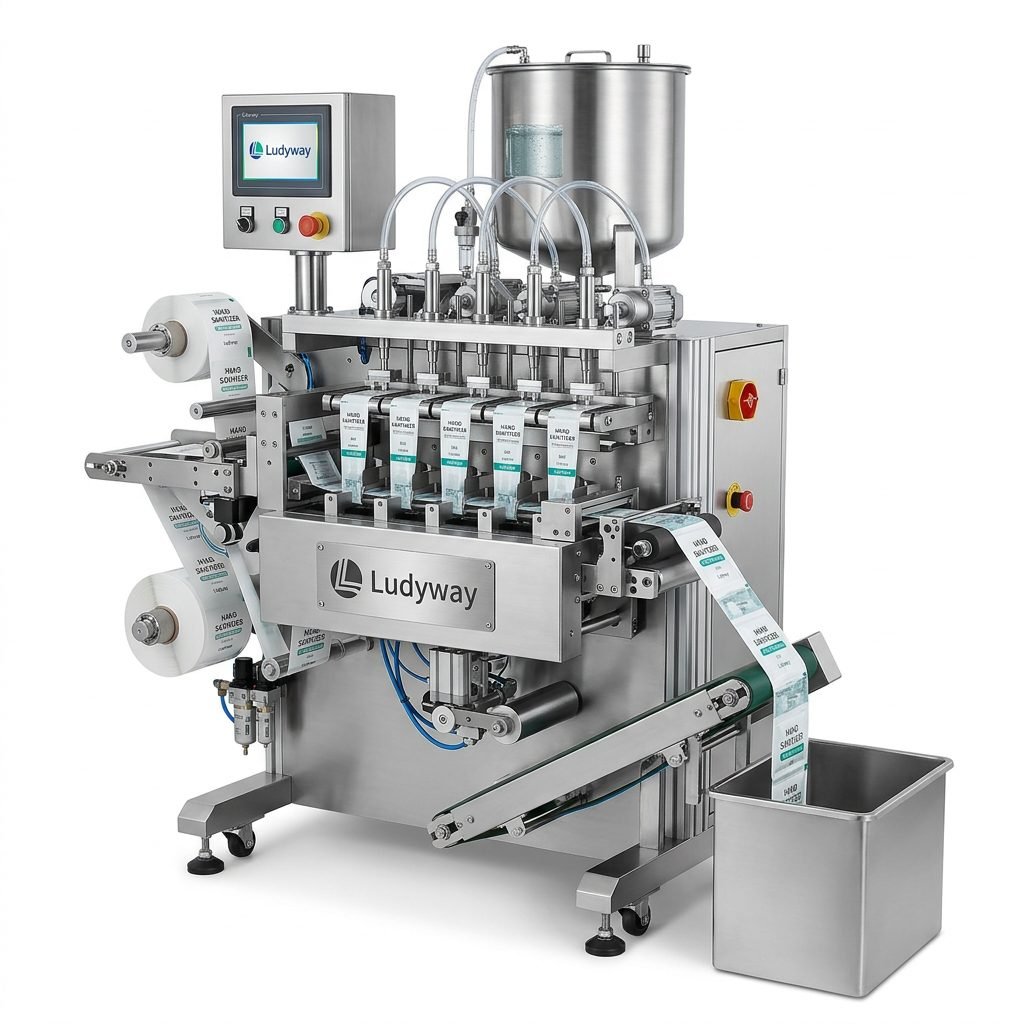
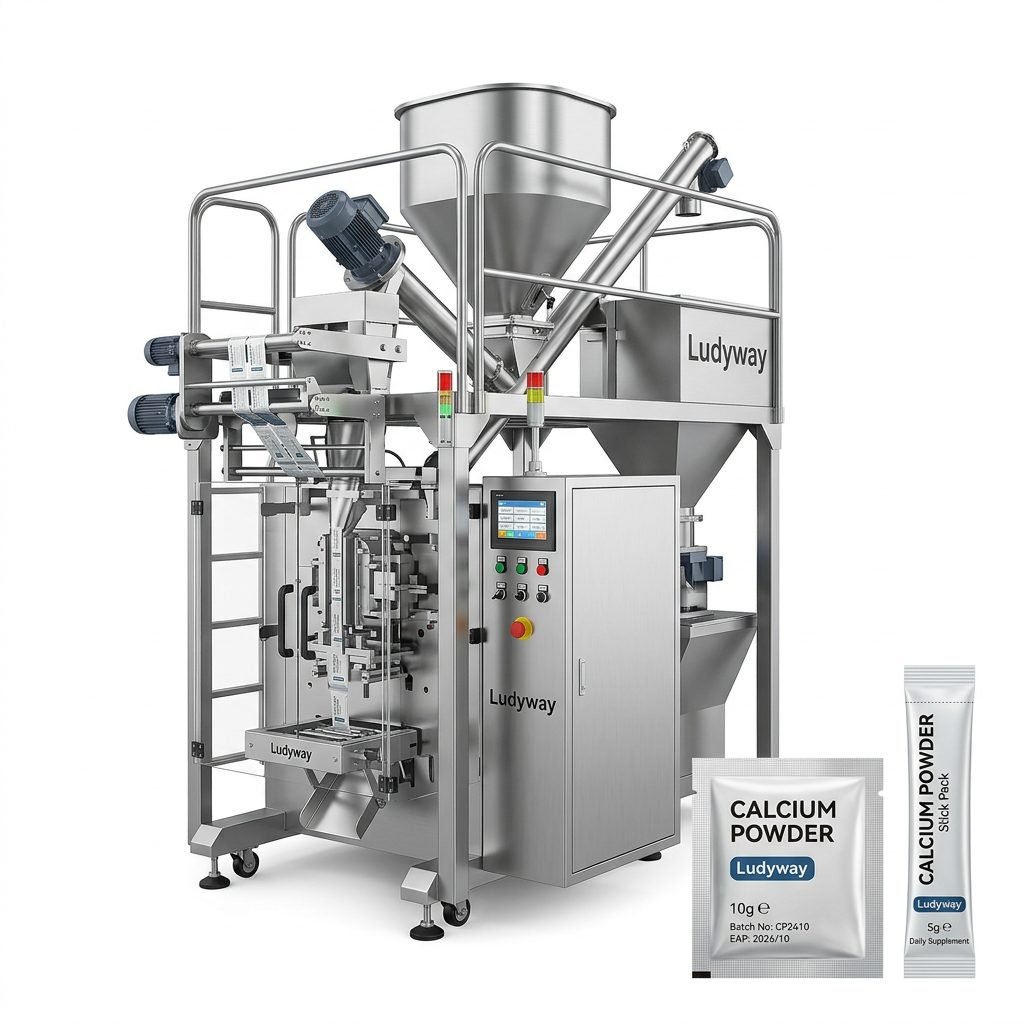
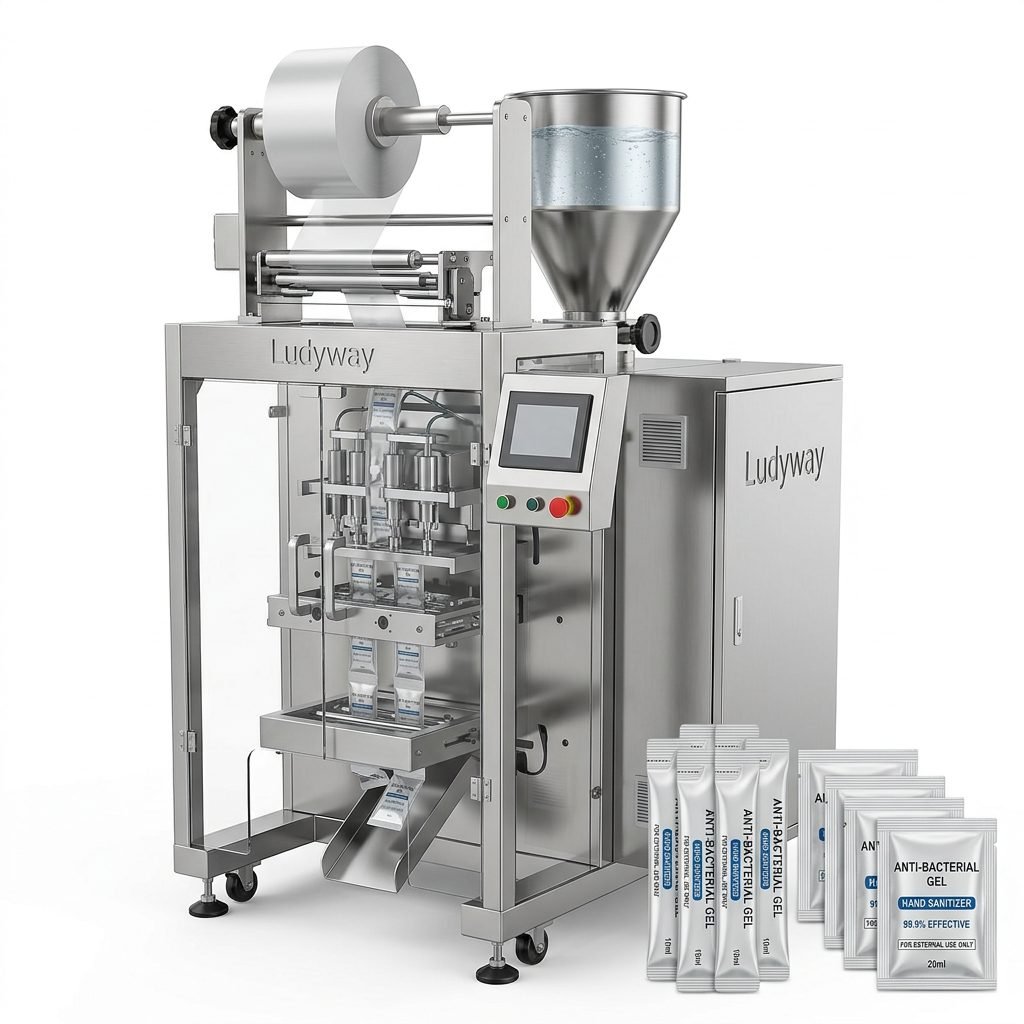
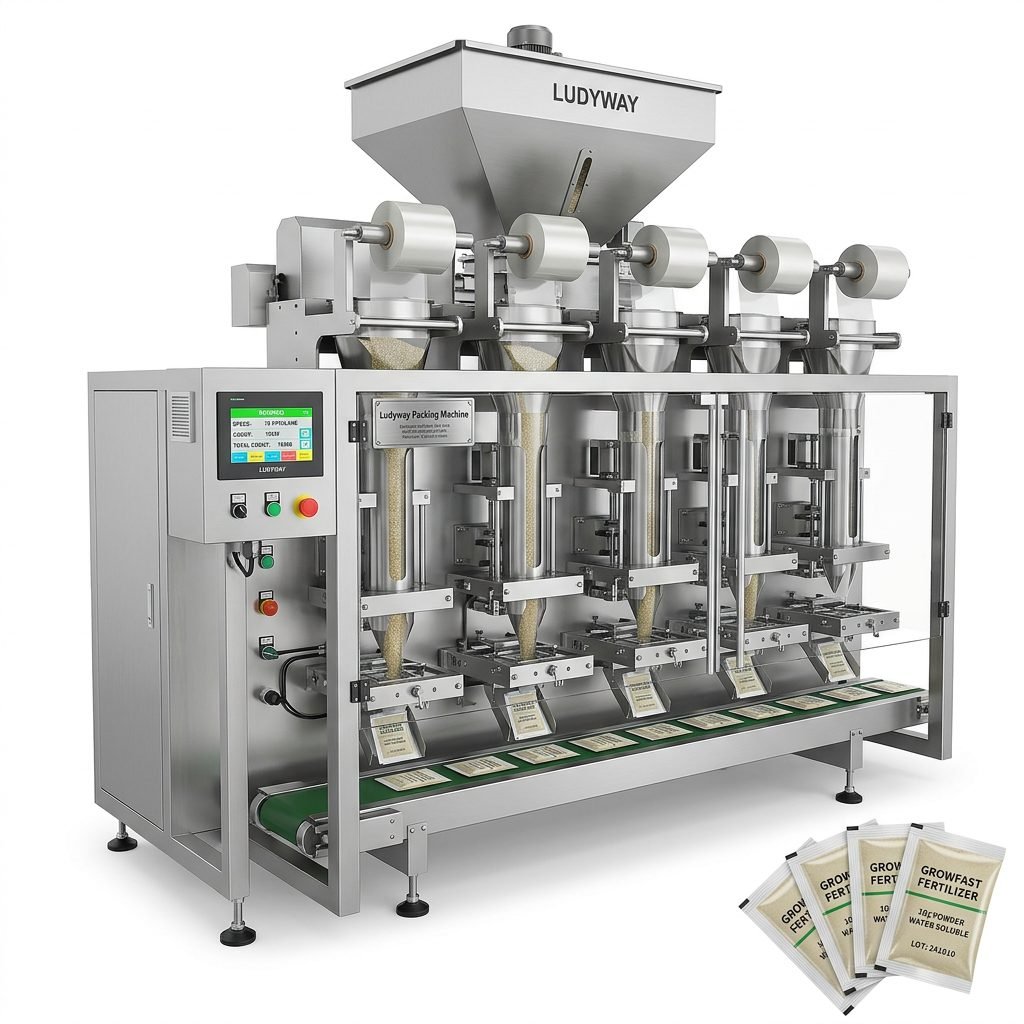
Before purchasing equipment, you must define your production goals. Consider your target output per hour, the variety of chocolate products you plan to package, and the packaging formats your market demands. Common formats for chocolate products include multi-lane stick packs for instant hot chocolate powder, sachets for chocolate sauce samples, and flow-wrapped pouches for chocolate bars. Each format requires specific machine configurations. A reputable packaging machine manufacturer like Ludyway can help you identify the optimal layout based on your product characteristics and production volume.
Key Components of a Chocolate Packaging Production Line
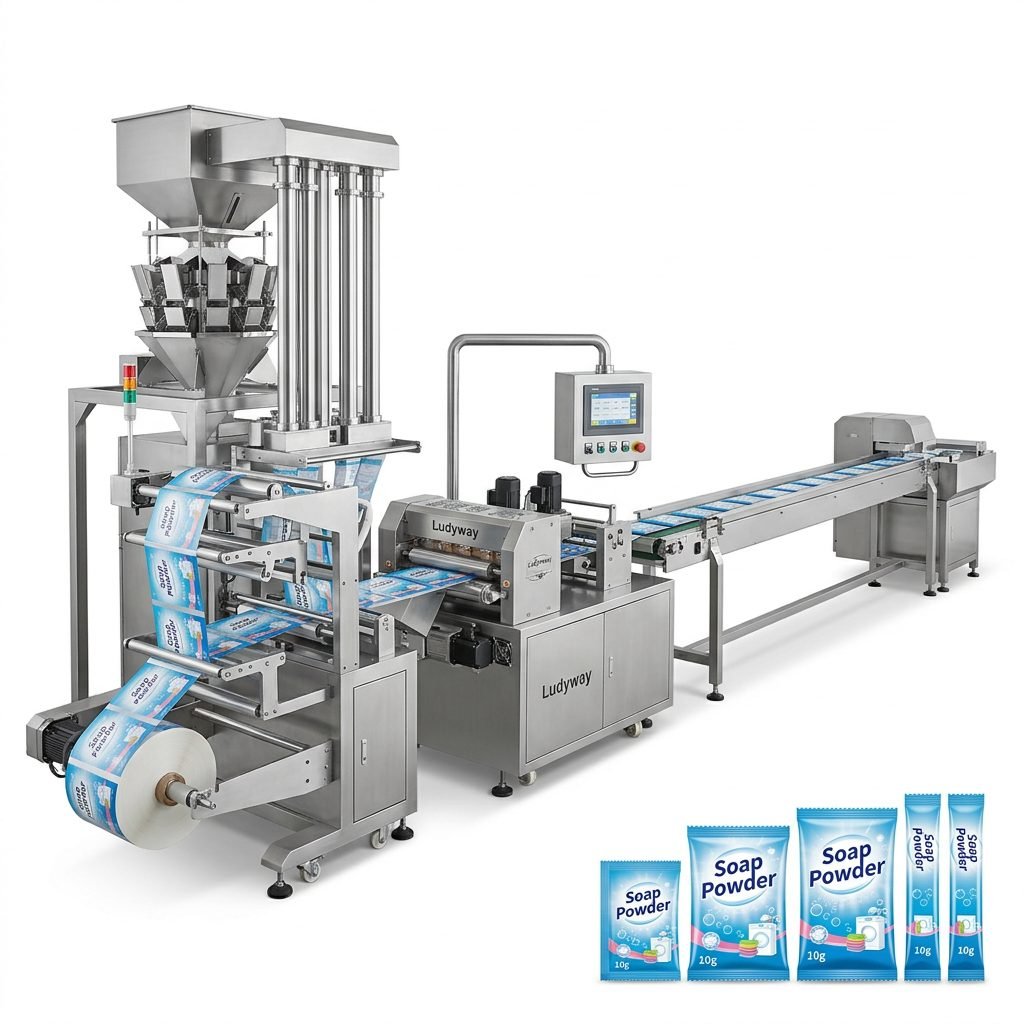
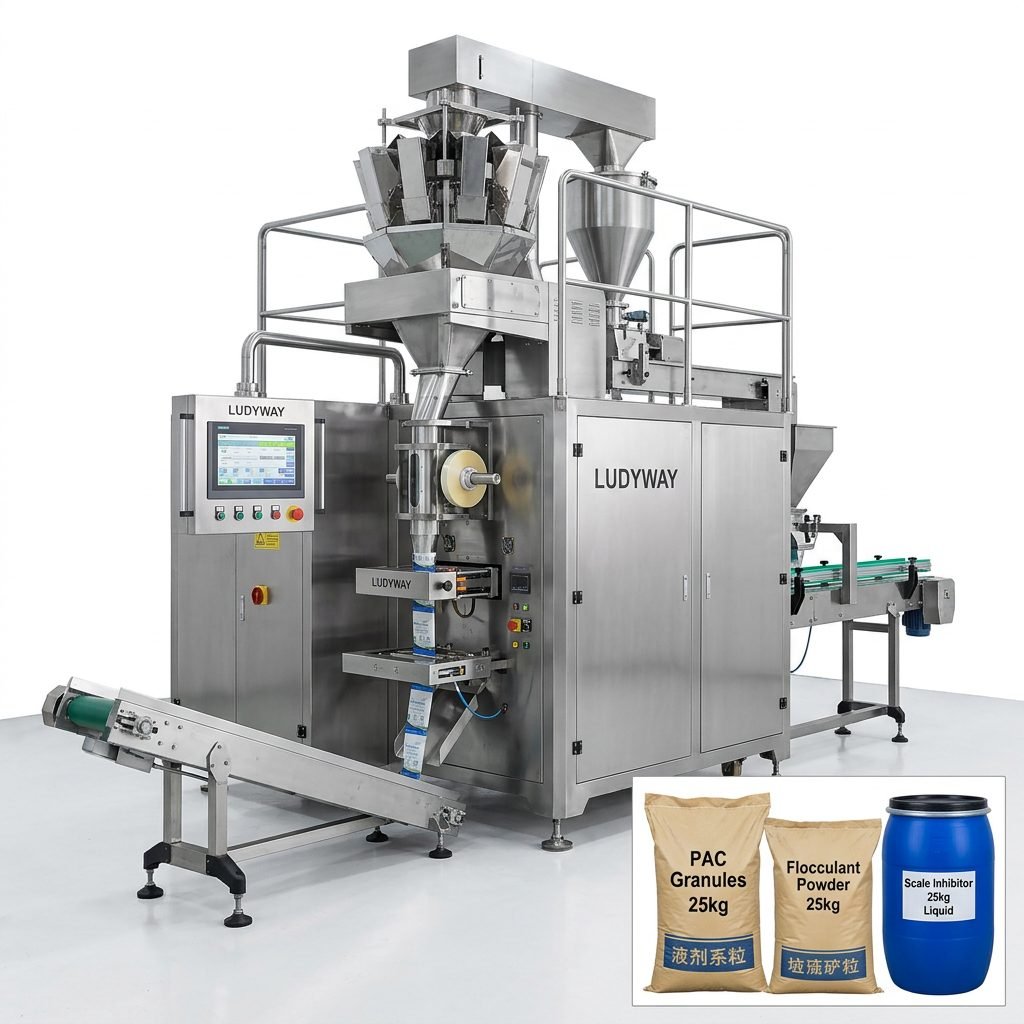
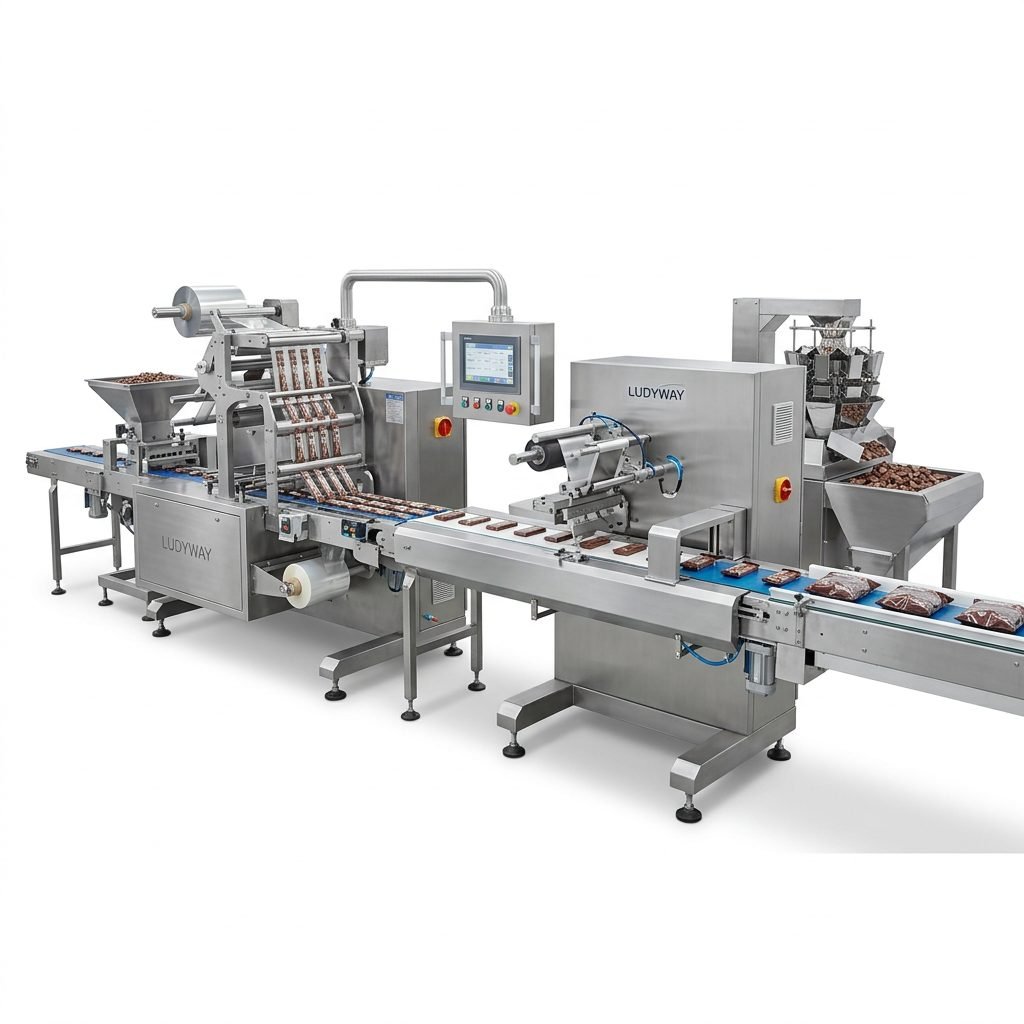
A complete chocolate packaging line integrates several core machines. Understanding each component helps you plan layout and workflow efficiently:
- Feeding System: Vibratory feeders, inclined conveyors, or bucket elevators transport chocolate products from bulk storage to the weighing station. For heat-sensitive chocolate, temperature-controlled conveyors are critical to prevent melting during transit.
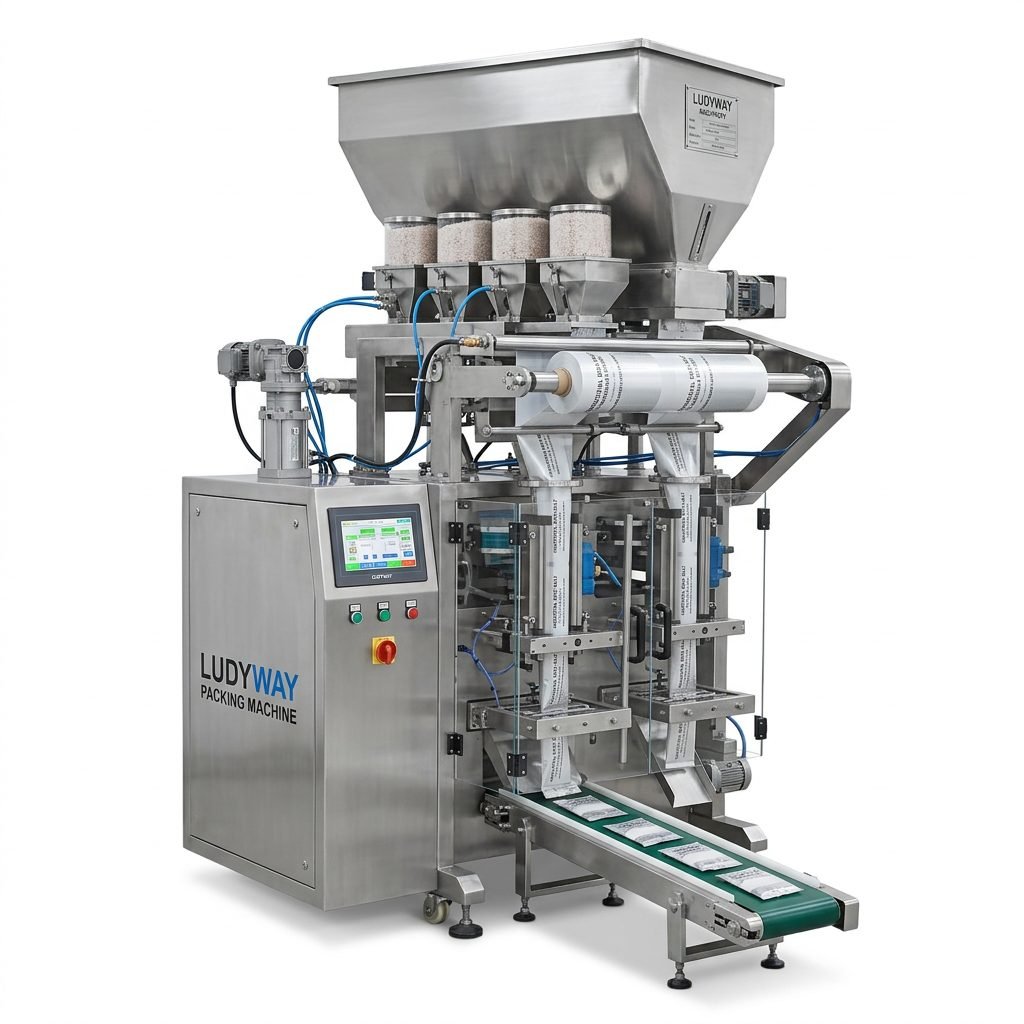
- Multi-Head Weigher: High-precision combination weighers accurately portion chocolate pieces, granules, or powders into individual doses. Modern multi-head weighers achieve accuracy within ±0.5g, minimizing product giveaway.
- Vertical Form Fill Seal (VFFS) Machine: This is the central unit that forms packaging film into pouches or stick packs, fills them with product, and seals them. Multi-lane VFFS systems can produce up to 1,200 packs per minute across 8-12 lanes for stick pack applications.
- Coding and Marking System: Inkjet printers, thermal transfer printers, or laser markers apply batch codes, expiry dates, and barcodes. Laser marking systems offer high precision for chocolate packaging lines requiring permanent traceability data.
- Checkweigher and Metal Detector: Inline checkweighers verify each pack’s weight, rejecting underweight or overweight units. Metal detectors identify ferrous, non-ferrous, and stainless steel contaminants, ensuring food safety compliance.
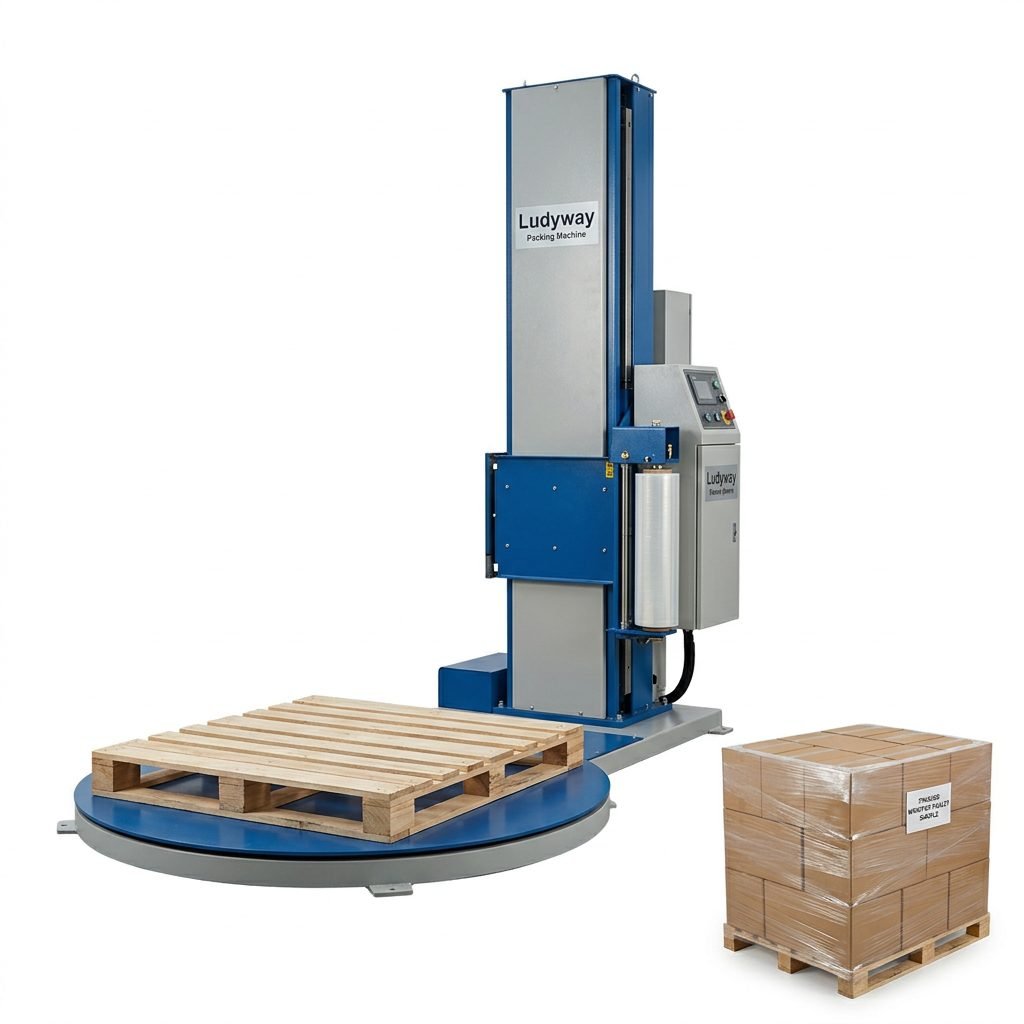
- Cartoning and Palletizing Systems: Automated cartoners group finished pouches into boxes, while robotic palletizers stack cases onto pallets for warehousing or shipment.

Step-by-Step Production Line Setup Process
Step 1: Site Preparation and Infrastructure
Your facility must meet specific environmental and utility requirements. Chocolate packaging demands controlled temperature (typically 18-22°C) and humidity (below 55% RH) to prevent bloom and melting. Ensure your floor can support the combined weight of all machinery, and verify electrical supply matches equipment specifications. Compressed air lines with proper filtration and drying are essential for pneumatic components. Plan for adequate clearance around each machine for operator access and maintenance activities.
Step 2: Equipment Positioning and Assembly
Position machines according to your pre-approved layout drawing. Start with the feeding system at the raw material input end, followed by the weigher, VFFS machine, and downstream equipment. Use precision leveling tools to align each unit. Pay special attention to the film roll mounting on the VFFS machine — misalignment here causes tracking errors that lead to seal defects and material waste. Anchor machines securely to prevent vibration transfer between units.
Step 3: Utility Connections and Safety Setup
Connect electrical power, compressed air, and any cooling water lines. Install safety guarding and interlocks around moving parts. Verify emergency stop circuits function correctly across the entire line. For chocolate packaging, confirm that cooling systems for heat-sealing jaws operate within specified temperature ranges to avoid product damage during the sealing process.
Step 4: Film Threading and Material Loading
Thread packaging film through the packaging machinery forming tube according to the manufacturer’s threading diagram. Adjust film tension settings to prevent wrinkles without excessive stretching. Load chocolate product into the feeding hopper and configure the multi-head weigher settings for your target weight. Run a short test cycle without product to confirm film tracking and sealing jaw alignment are correct.
Step 5: Calibration and Parameter Setting
Configure critical parameters on the HMI touchscreen:
- Sealing temperature (typically 120-180°C for laminated films used in chocolate packaging)
- Dwell time (sealing jaw contact duration)
- Film pull length (determines pack size)
- Weigher target weight and acceptable tolerance range
- Line speed (packs per minute)
- Gas flushing settings if nitrogen flushing is required for extended shelf life

Step 6: Trial Production and Quality Verification
Run the line at reduced speed initially to verify all systems function together. Inspect sample packs for seal integrity, weight accuracy, code legibility, and overall appearance. Perform a seal strength test using a tensile tester or manual pull test. Check for chocolate residue on sealing areas, which can cause weak seals. Gradually increase speed to the target production rate while monitoring quality metrics continuously.
Critical Parameters for Chocolate Packaging Success
The following table summarizes the key operational parameters you must monitor throughout production:
| Parameter | Recommended Range | Impact if Out of Spec |
|---|---|---|
| Sealing Temperature | 120-180°C (film dependent) | Weak seals or film burn-through |
| Ambient Temperature | 18-22°C | Chocolate softening, bloom formation |
| Relative Humidity | Below 55% | Sugar bloom, sticky product flow |
| Film Tension | Manufacturer specification | Wrinkles, misaligned seals |
| Weighing Accuracy | ±0.5-1.0g per pack | Product giveaway, regulatory non-compliance |
| Nitrogen Purity (if used) | ≥99.5% | Reduced shelf life, oxidation |
Common Setup Challenges and Solutions
Film Tracking and Wrinkling Issues
Uneven film tension or misaligned rollers often cause tracking problems. Solution: Verify all rollers are parallel and clean. Adjust the film edge guide sensor position. Check that the forming collar is centered and smooth. Replace worn rubber rollers that have lost grip due to chocolate dust accumulation.
Inconsistent Seal Quality
Weak or leaking seals compromise product freshness. Primary causes include contaminated sealing jaws (chocolate residue), incorrect temperature settings, or worn Teflon tape on heat seal bars. Clean sealing surfaces regularly with food-grade cleaning agents. Replace Teflon tape according to the preventive maintenance schedule, typically every 40-80 production hours depending on film abrasiveness.
Product Bridging in Feed Hoppers
Chocolate powders with higher fat content can bridge or clog in hoppers. Solution: Install mechanical agitators or vibratory hopper liners. Consider using a conditioning screw feeder for difficult powders. Maintain consistent particle size distribution through upstream processing to minimize flow variability.
Static Electricity Buildup
Dry chocolate powder generates static electricity during high-speed packaging, causing product to cling to film surfaces. Solution: Install ionizing bars at the filling station. Maintain adequate humidity levels. Use antistatic additives in packaging film specifications where possible.

Optimization Tips for Maximum Efficiency
- Implement OEE tracking: Monitor Overall Equipment Effectiveness (OEE) to identify availability, performance, and quality losses. Target an OEE of 85% or higher for a well-optimized chocolate packaging line.
- Schedule preventive maintenance: Create a detailed PM schedule covering daily cleaning of chocolate contact surfaces, weekly inspection of sealing components, and monthly calibration of weighing systems and temperature controllers.
- Train operators thoroughly: Skilled operators who understand machine diagnostics can resolve minor issues without calling maintenance technicians, reducing unplanned downtime. Develop standard operating procedures for changeovers between different chocolate products or pack sizes.
- Optimize film usage: Minimize film waste by fine-tuning pack length, seal width, and film tension parameters. A reduction of just 2mm in pack length across millions of units yields significant material cost savings annually.
- Integrate data collection: Modern packaging lines support packaging industry data collection through PLC connectivity. Capture production metrics, rejection reasons, and downtime causes in real time to drive continuous improvement initiatives.
Regulatory Compliance and Food Safety
Chocolate packaging operations must comply with food safety regulations in your target markets. Key standards include FDA 21 CFR Part 110 for the United States market and EU Regulation EC 1935/2004 for European markets. Your packaging line should be designed to meet HACCP principles, with critical control points identified for metal detection, seal integrity, and allergen cross-contact prevention if the line also packages other products. Ensure all food-contact materials in the packaging system have appropriate FDA food contact substance certifications or EU declarations of compliance. Documentation of cleaning procedures, maintenance records, and quality checks is essential for audit readiness.
Scaling Your Production: When to Add More Lanes
Multi-lane stick pack machines offer a modular approach to scaling chocolate packaging capacity. Starting with a 4-lane or 6-lane configuration, you can evaluate market demand before investing in 10-lane or 12-lane systems that produce over 1,000 packs per minute. The key advantage is that core feeding, weighing, and cartoning infrastructure can often be shared or upgraded incrementally. When planning expansion, consider future packaging equipment exhibition schedules to evaluate the latest technologies. Consult with your equipment supplier about the feasibility of retrofitting additional lanes to existing machines versus purchasing new high-capacity units.
Useful Resources for Packaging Professionals
- PMMI – The Association for Packaging and Processing Technologies
- Flexible Packaging Association – Industry Resources
- FDA – Food Packaging and Food Contact Substances
- ISO – Packaging Standards
- European Commission – Packaging and Packaging Waste Regulation
Conclusion
Setting up a chocolate packaging machine production line requires meticulous planning, proper equipment selection, and disciplined operational procedures. By following the structured approach outlined in this guide — from site preparation and equipment assembly through calibration, trial runs, and optimization — you can achieve reliable high-speed production with consistent quality output. Remember that ongoing operator training, preventive maintenance, and data-driven process improvement are essential for long-term success. With the right setup and support, your chocolate packaging line will deliver the productivity, efficiency, and product protection that today’s competitive confectionery market demands.