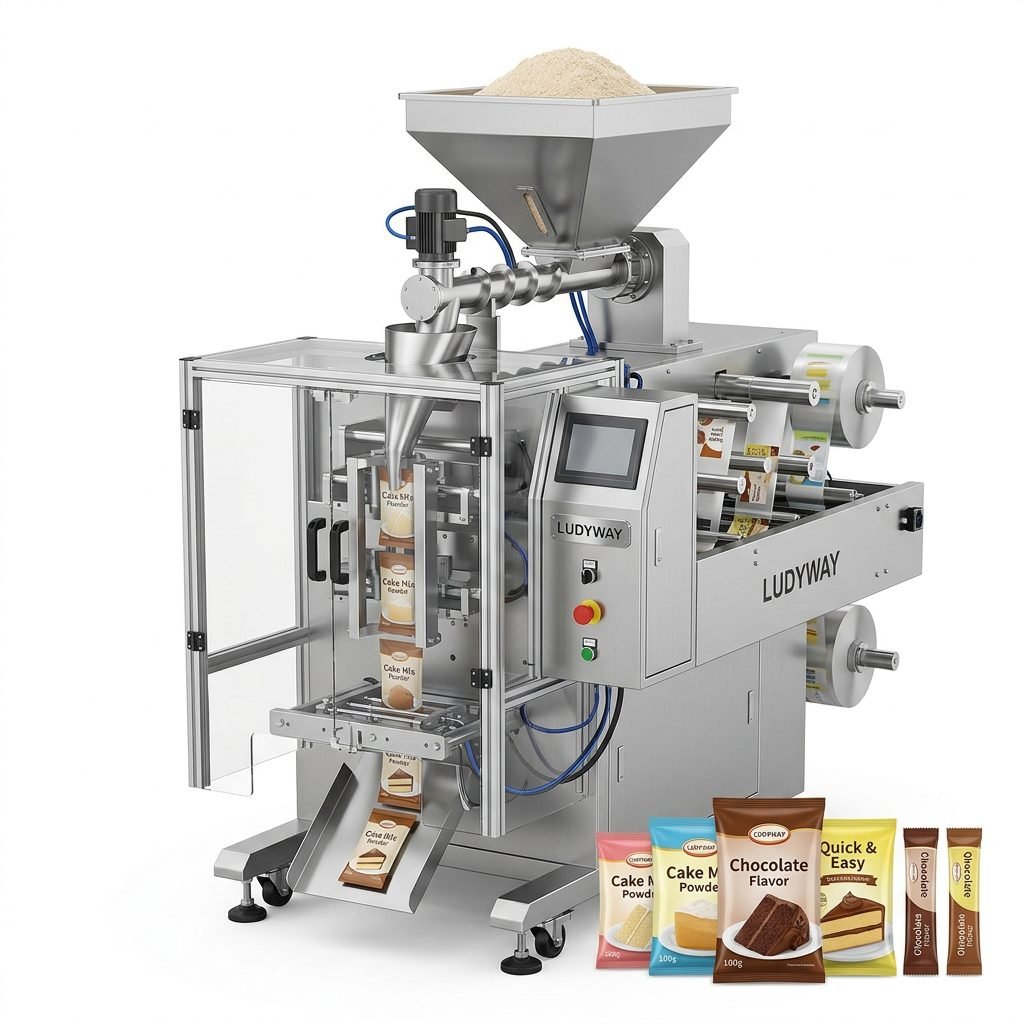
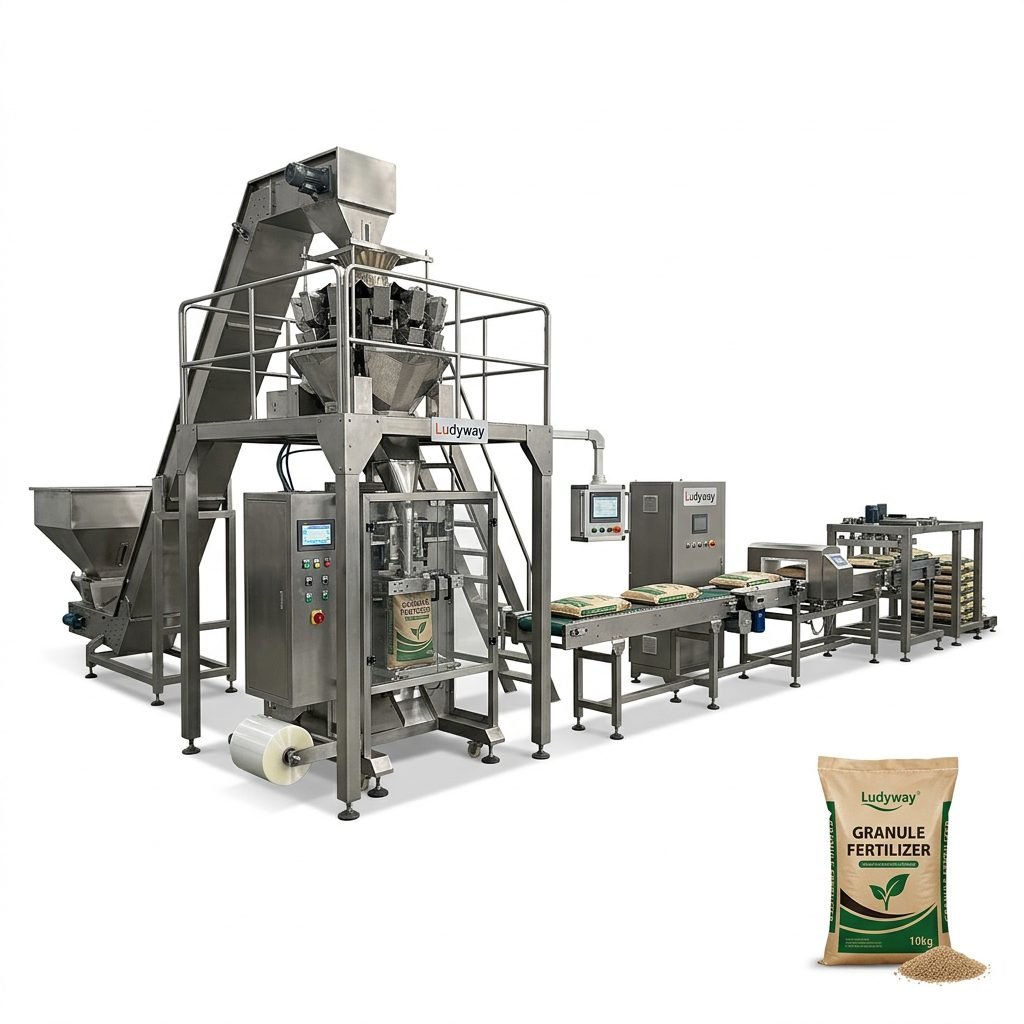
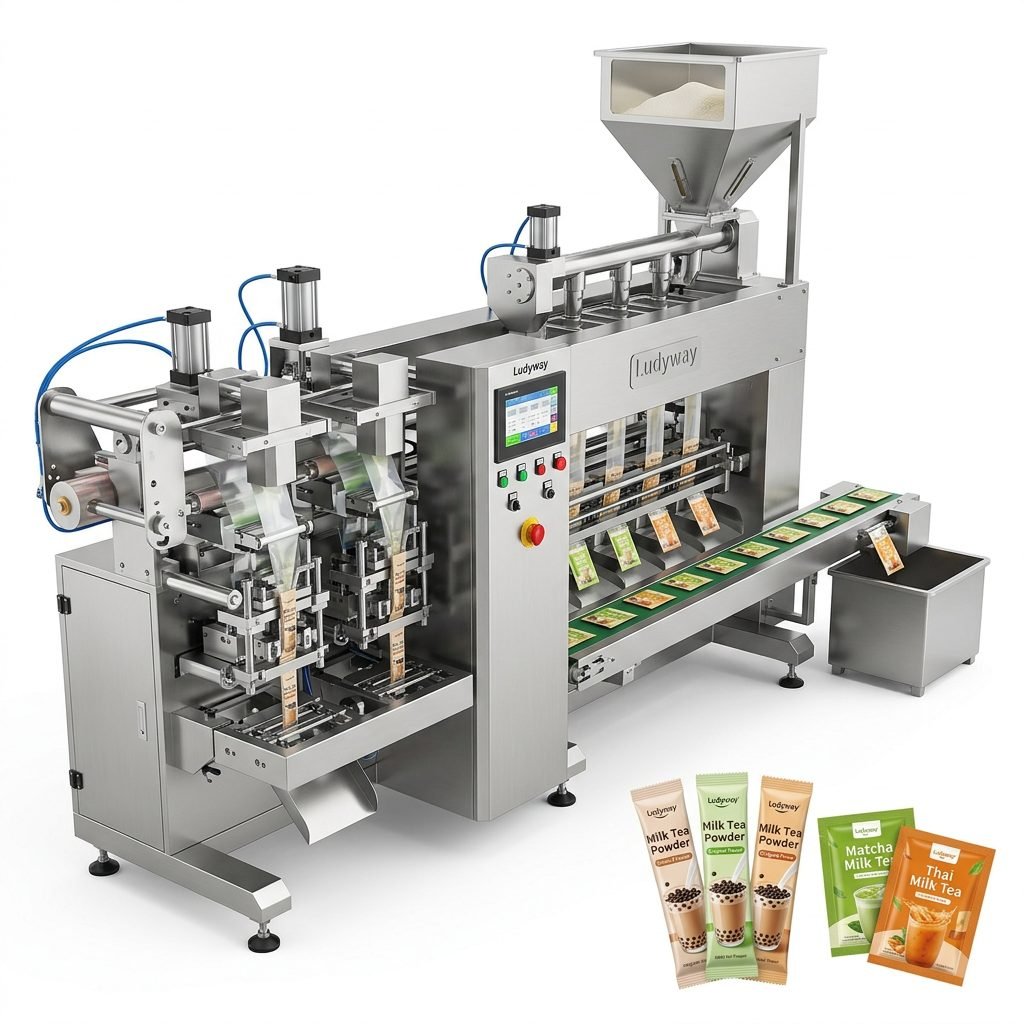
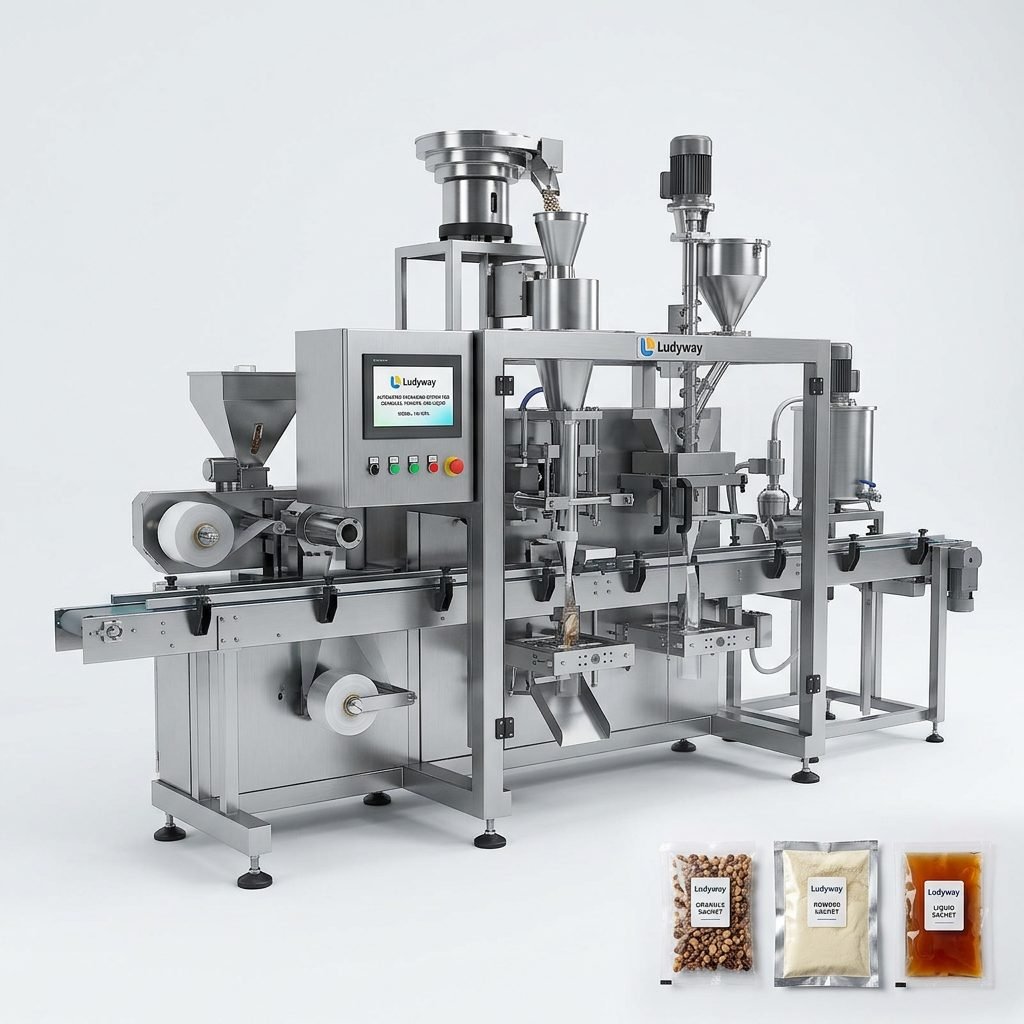
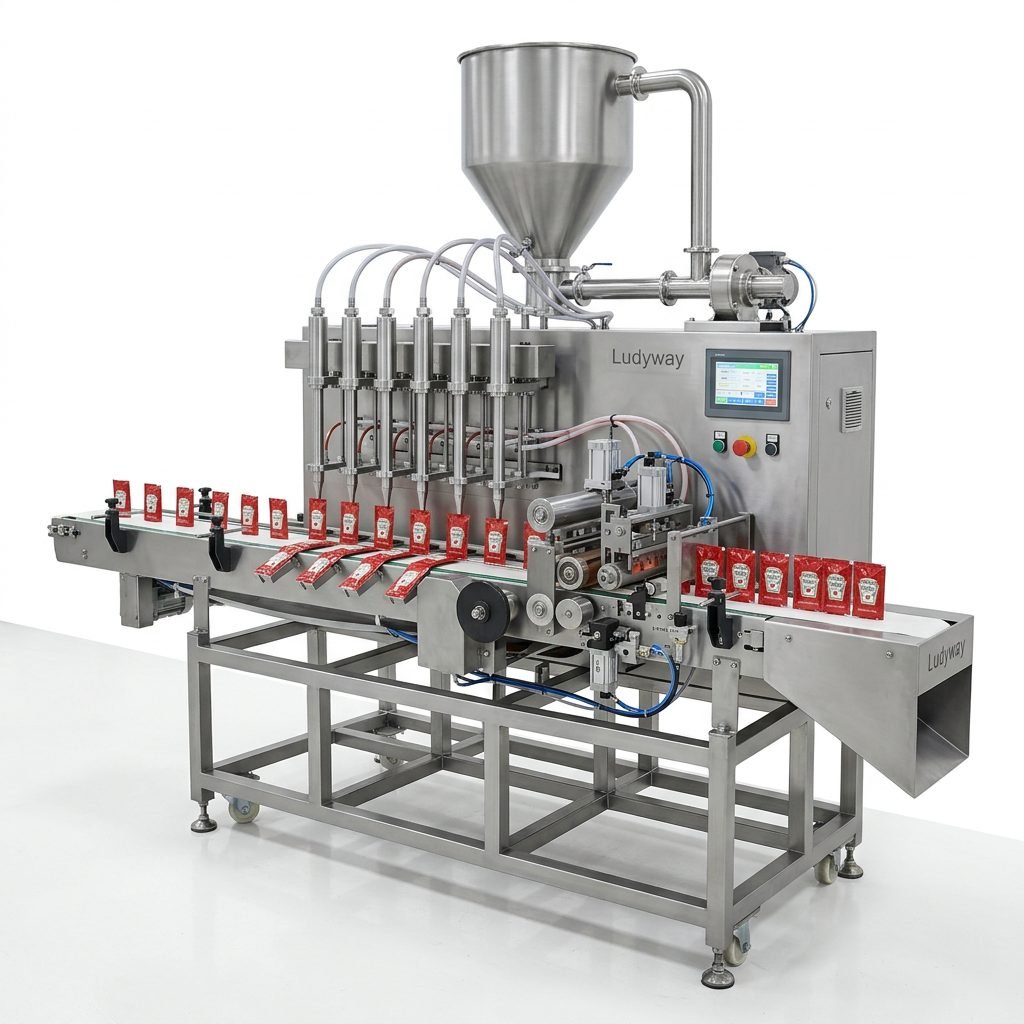
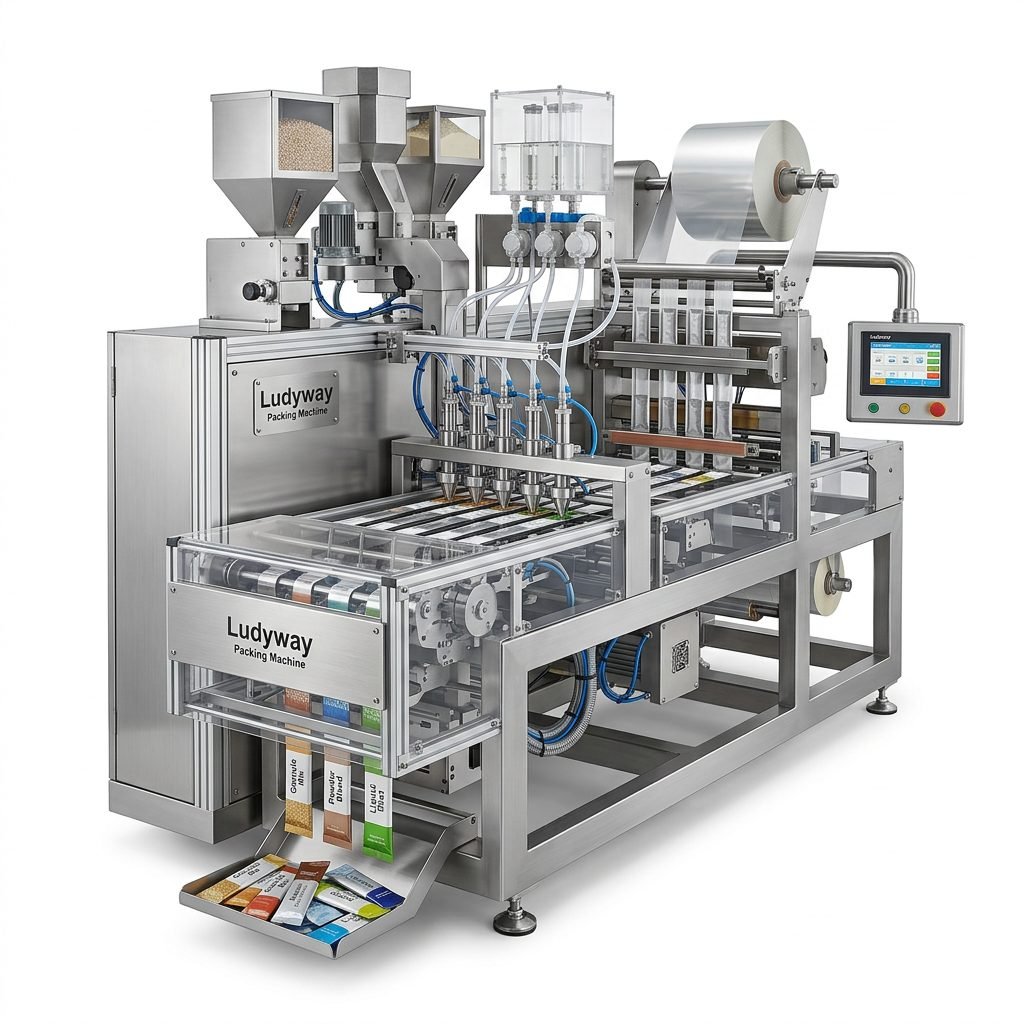
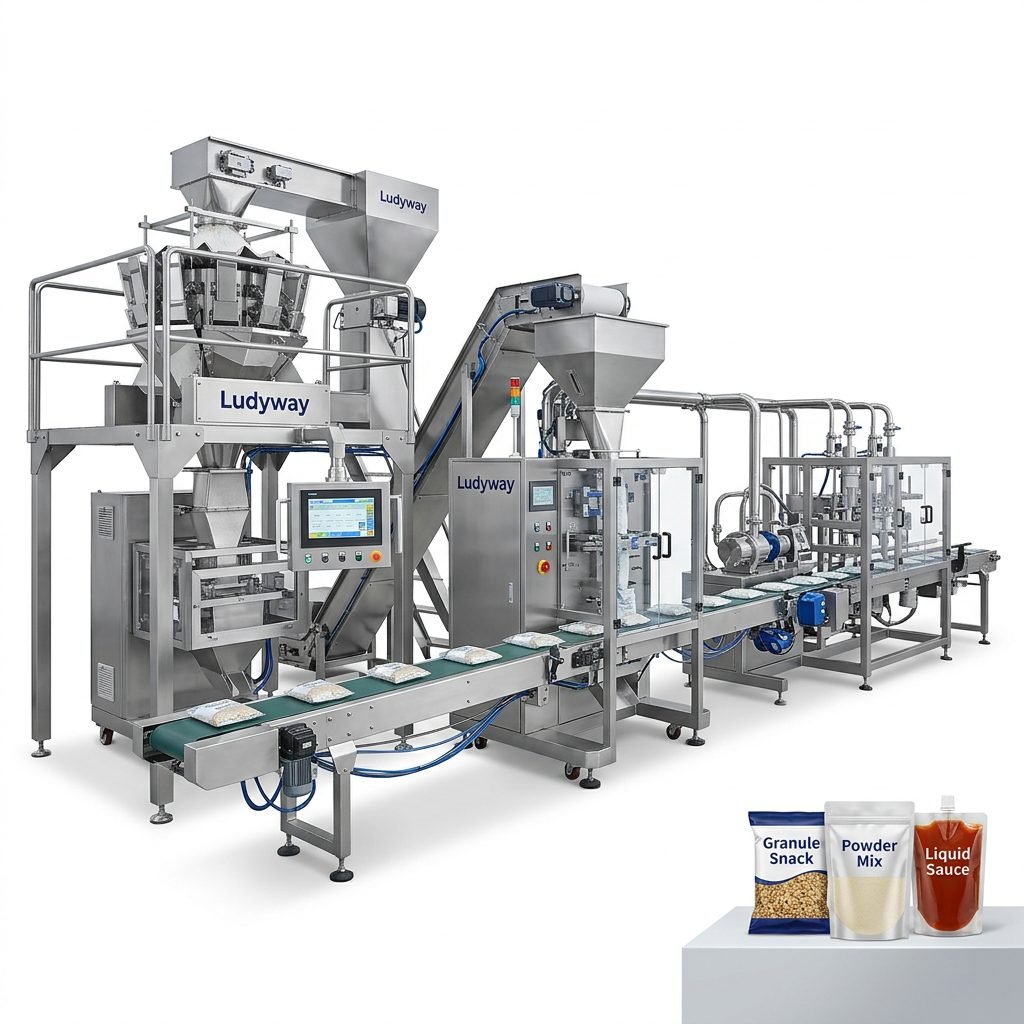
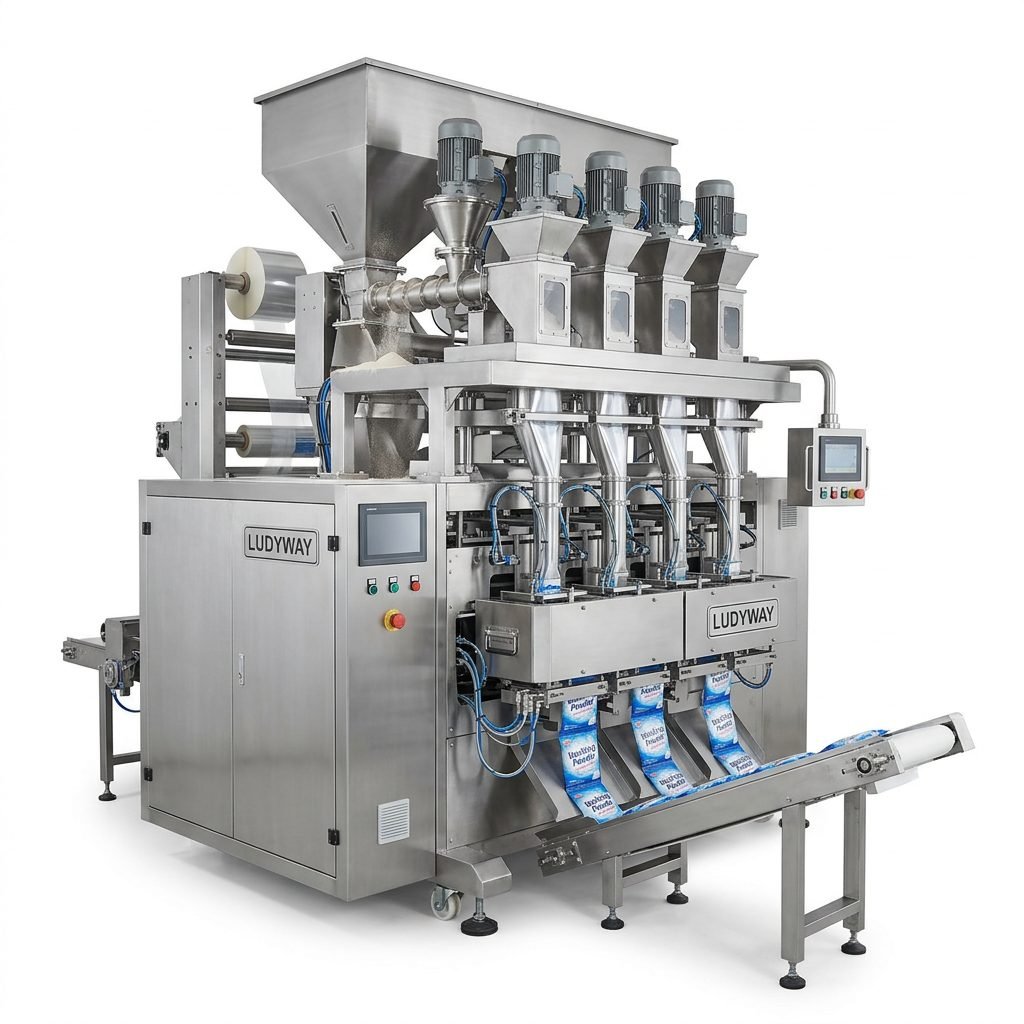
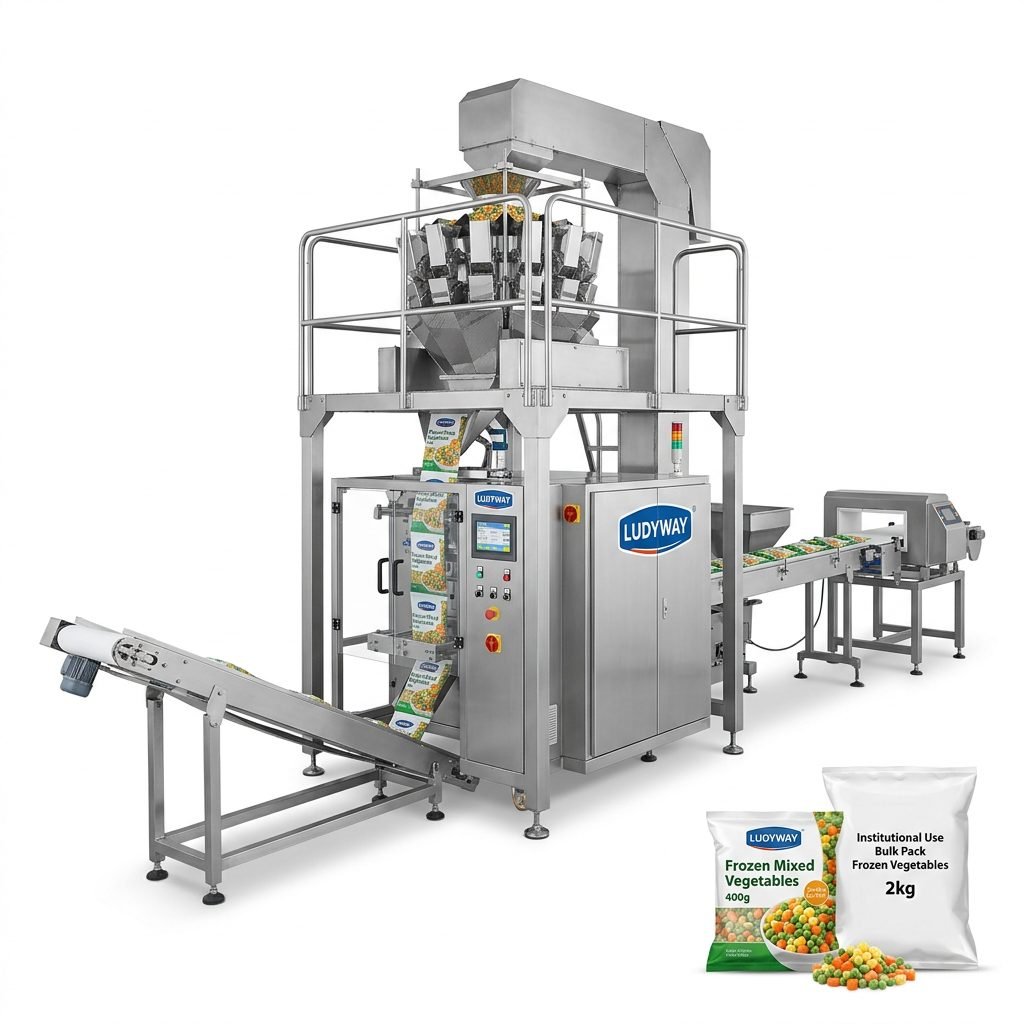
The rice market in Southeast Asia is undergoing a significant transformation. As consumer expectations rise and labor costs increase, small to medium-sized rice millers and exporters are shifting from manual weighing and bagging to fully automated rice packaging machine production lines. Setting up such a line requires meticulous planning, an understanding of local conditions, and the selection of the right granule packaging equipment.
Why Automate Your Rice Packaging in Southeast Asia?
The traditional image of workers manually stitching 50kg bags is fading, particularly in export-oriented economies like Vietnam, Thailand, and Myanmar. The primary drivers for automation include strict adherence to international hygiene standards, the explosion of retail-ready 1kg to 5kg packs, and the need to eliminate product giveaway. An integrated packaging line ensures speed and accuracy that manual labor cannot match.
Step 1: Analyzing Your Raw Material
Not all rice is created equal in the eyes of a machine. The physical characteristics of your grain will dictate the type of feeding and weighing system you need. You must analyze:
- Granule Size and Shape: Long-grain Basmati flows differently than short-grain glutinous rice.
- Bulk Density: This is critical for volumetric cup fillers. Variations in density without adjustment lead to inconsistent weights.
- Dust Content: Excess bran dust requires a dust collection system to protect the sealing jaws and electronics.
- Temperature: Packaging hot rice fresh from a polisher will cause condensation inside the bag, leading to mold. A cooling system is non-negotiable here.
Key Machine Components
| Component | Recommended Type | Why It Matters |
|---|---|---|
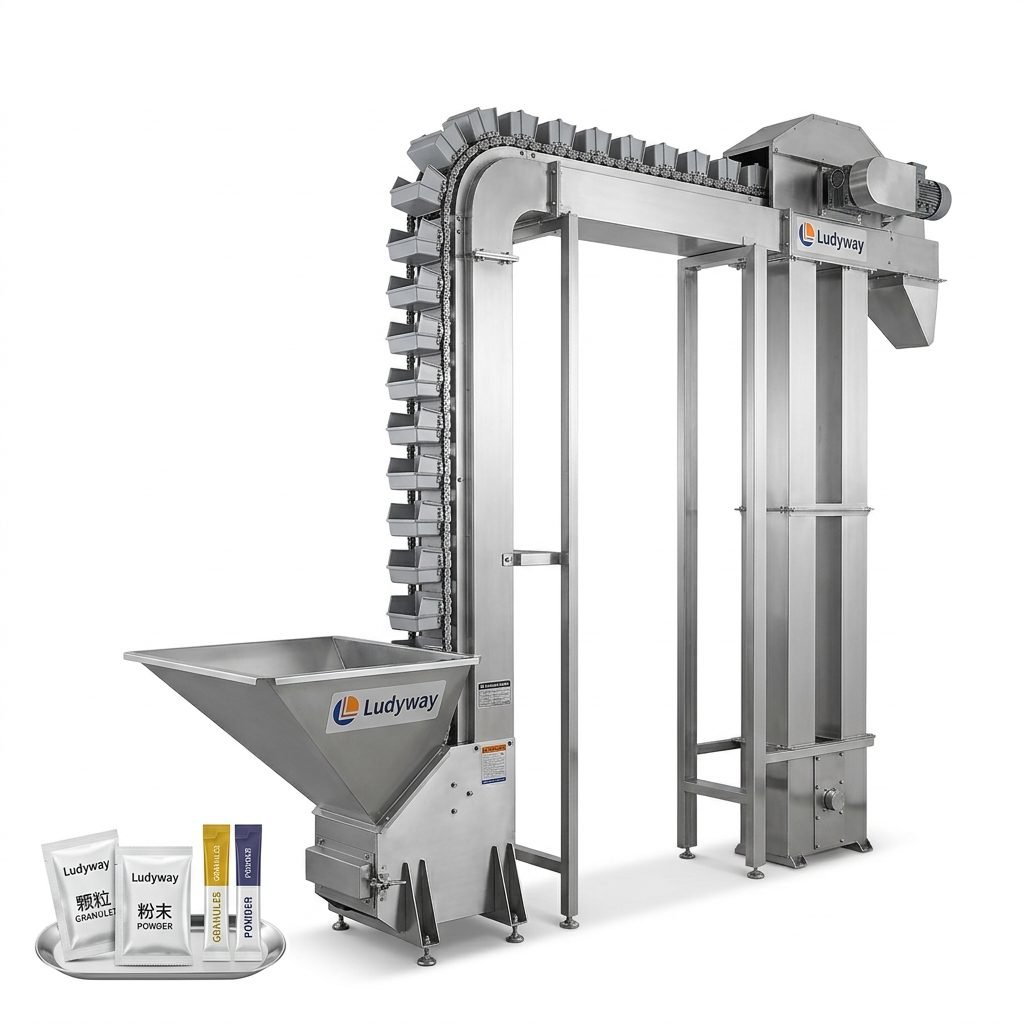
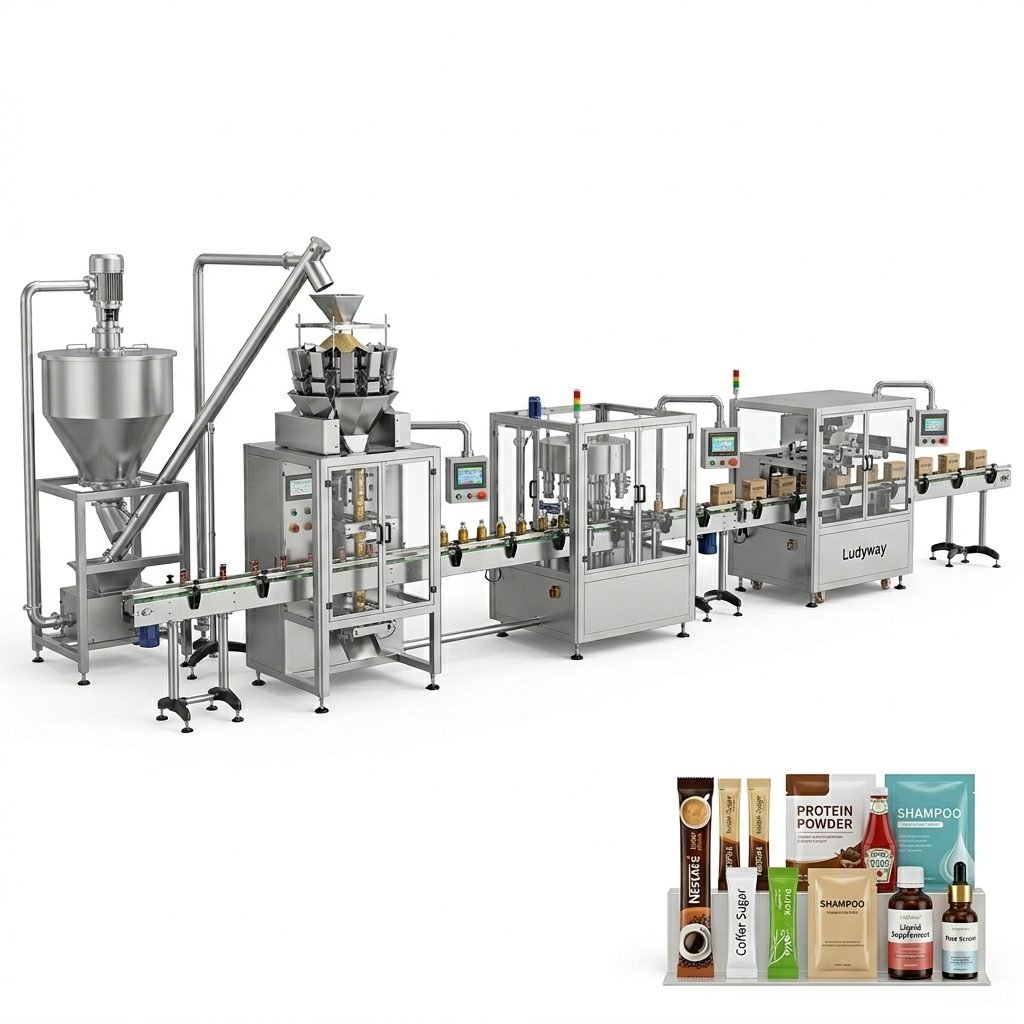
| Bucket Elevator | Z-Type with PP buckets | Gently conveys rice without crushing grains into the weigher overhead. |
| Weighing System | 14-Head Multihead Weigher | Achieves ±1g accuracy on 1kg bags, drastically cutting profit loss. |
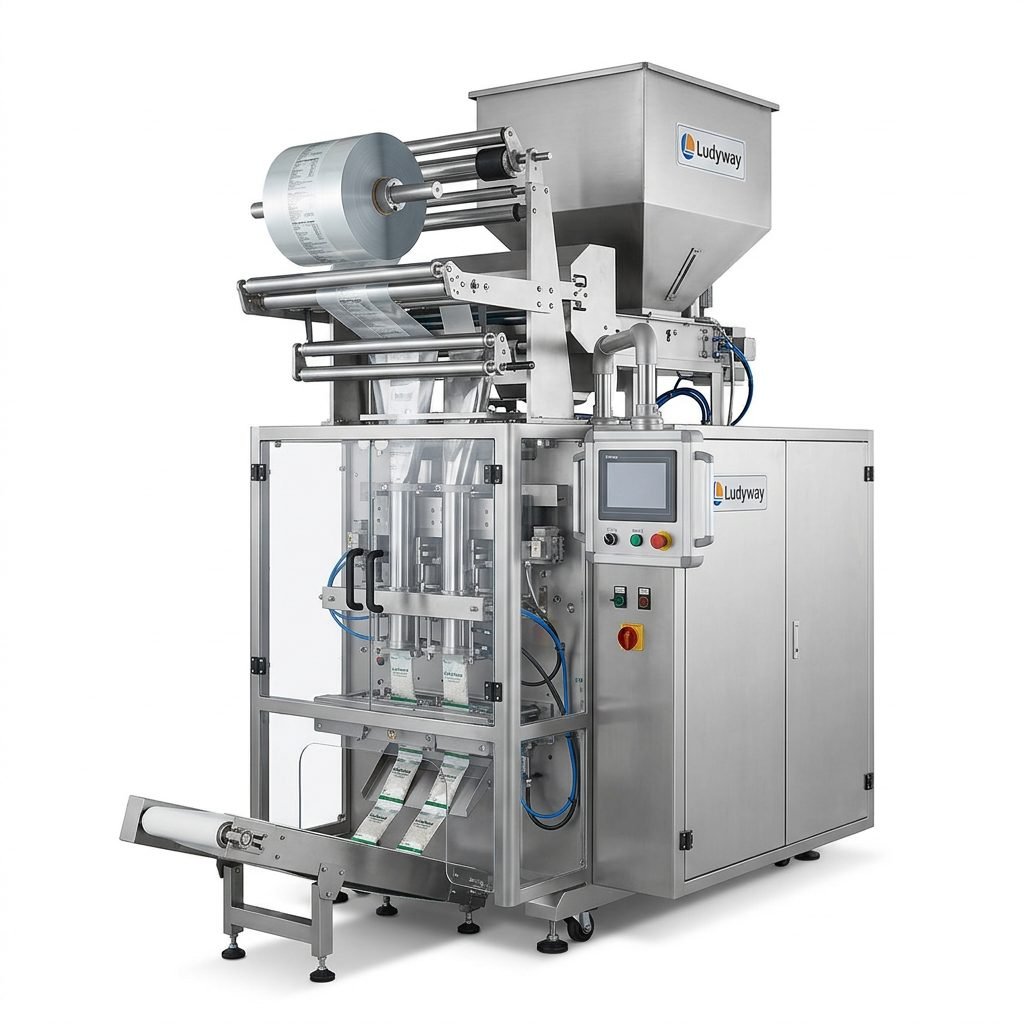
| Packaging Machine | Vertical Form Fill Seal (VFFS) | Handles pillow bags, gusseted bags, and even quad-seal bags for premium brands. |
| Checkweigher | Dynamic In-Motion Scale | Rejects under/overweight packs in real-time, a requirement for modern retail contracts. |
Step 2: Choosing the Right Bag Style
Southeast Asian markets are diverse. While Myanmar might still prefer bulk 24kg PP woven bags, the modern retail shelves of Bangkok or Ho Chi Minh City demand vacuum-sealed brick packs or stand-up pouches. Your line must be flexible. Consider these configurations:
Popular Rice Packaging Formats
- Pillow Bags (1-5kg): The most common entry-level option. Usually laminated with a clear window.
- Vacuum Bags: Essential for premium export rice. This requires a secondary vacuum chamber machine after the initial filling.
- Stand-Up Pouches with Zippers: Increasingly popular for organic or specialty rice in supermarkets.
- Woven PP Bags (25-50kg): Requires a high-speed sewing machine and an automatic bag placer for the bulk trade.
The Crucial Role of End-of-Line Automation
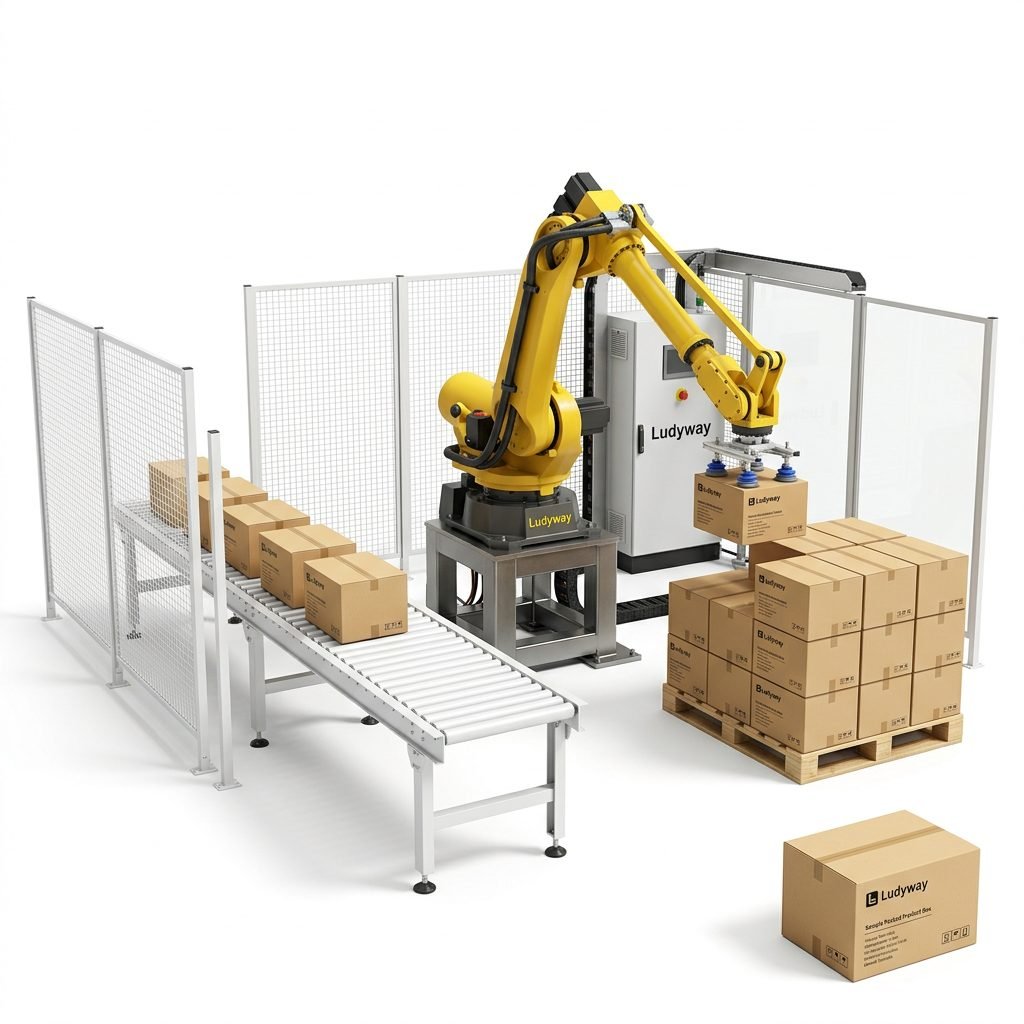
Many new setups make the mistake of stopping after the bag is sealed. However, a bottleneck at the packing station can cripple your output. Integrating robotic palletizing and stretch wrapping enables you to run the line “lights-out” with minimal crew. In a region where finding reliable heavy-labor is notoriously difficult, a palletizer pays for itself rapidly.
Weight Range and Speed Reference
| Target Bag Size | Typical Speed (Bags/Min) | Suggested Technology |
|---|---|---|
| 25kg – 50kg | 6 – 10 | Net Weigh Hopper + Sewing Conveyor |
| 5kg – 10kg | 12 – 20 | Multihead Weigher + VFFS/Gusseted Machine |
| 500g – 2kg | 40 – 60 | Multi-Lane Stick Pack or Sachet Machine |
| Vacuum Brick | Depends on cycle | Rotary Vacuum Chamber System |
Navigating the Southeast Asian Environment
Setting up a line in Southeast Asia differs from installing one in a temperate climate. You must address the humidity directly. Hermetic sealing is critical to prevent moisture ingress which leads to spoilage. Furthermore, inconsistent power supply in certain industrial zones can fry sensitive PLCs. Always request a servo-driven machine with a power regulator and voltage stabilizer. It is also wise to look for IP65-rated electrical cabinets to resist the omnipresent fine dust.
Compliance and Certification
If exporting, your packaging line must support food safety standards. The equipment itself should be built with 304 stainless steel on product contact parts. You need machines that support the ISO packaging standards for hygiene and cleanability. Check local regulations via bodies like the FDA food packaging guidelines if targeting international re-export.
Training and Local Support
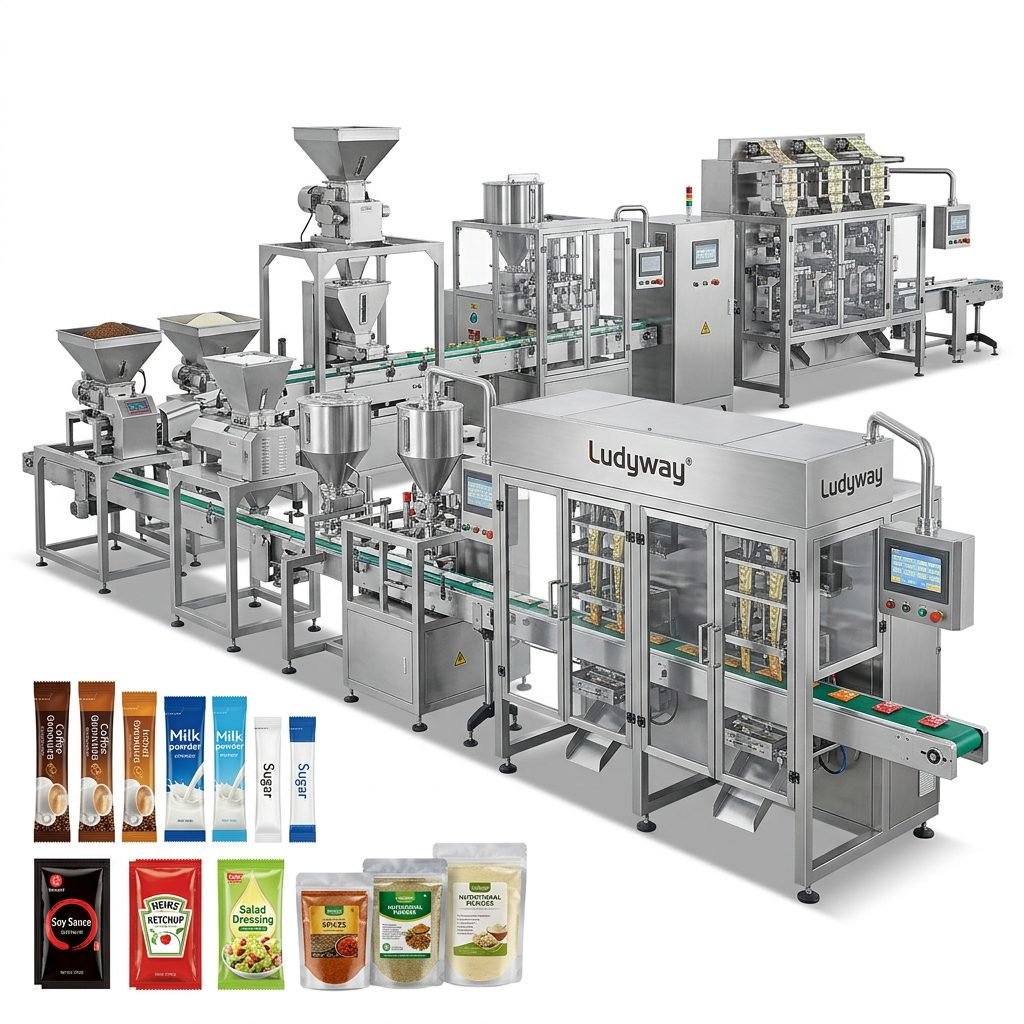
The best production line is useless if your team cannot operate it. When sourcing equipment from global manufacturers, prioritize those who offer on-site installation and training in your local language. The learning curve from manual bagging to managing an HMI touchscreen is steep. A reliable supplier should provide a detailed maintenance schedule and a spare parts kit for critical wear items like heaters, Teflon tape, and forming tubes.
About the Manufacturer
When selecting partners for a turnkey rice project, it is crucial to vet their manufacturing strength. Ludyway is one of the largest packaging machine manufacturers in China, offering advanced turnkey solutions. With a 20,000㎡ facility and over 30 years of experience, they supply complete turnkey packaging solutions that can be customized for the specific humidity and density challenges of Southeast Asian rice. Their engineering team supports more than 50 intelligent models, ensuring you don’t pay for features you don’t need.
Investment vs. ROI Analysis
Expect a mid-range automated rice line to cost between $50,000 and $300,000 USD, depending on the level of automation and speed. The payback period, however, is shrinking. By reducing labor from 8 workers to 2, cutting bag material waste through precise film draw, and eliminating product giveaway, most mills achieve a full ROI in 12 to 18 months.
Final Checklist for Your Setup
- Have you sent a 5kg sample of your specific rice variety for machine testing?
- Does the electrical design match your local phases (3-Phase 380V vs 220V)?
- Is the machine frame 304 stainless steel suitable for food contact?
- Do you have a service road wide enough for a 40-foot HQ container delivery?
- Have you budgeted for a quality control inspection machine to detect stones or impurities?
Connect with the Industry
To stay updated on packaging trends, professionals in the sector often visit the PACK EXPO International events or review the state of the industry reports provided by the PMMI Association. For flexible packaging insights, the Flexible Packaging Association is an invaluable resource.
Implementing a rice packaging production line in Southeast Asia is a leap into the future of the milling industry. The key is to focus on precision engineering that handles the local grain profile, mitigates the tropical climate, and delivers the retail-ready presentation that modern consumers expect.