Investing in a potato chip packaging machine is a critical decision for snack manufacturers aiming to scale production, maintain product freshness, and meet retail demands. Whether you are launching a new brand or upgrading an existing line, selecting the right equipment directly impacts your operational efficiency, product shelf life, and profit margins. This comprehensive guide walks you through every essential factor to consider before making a purchase.
Understanding Potato Chip Packaging Machine Types
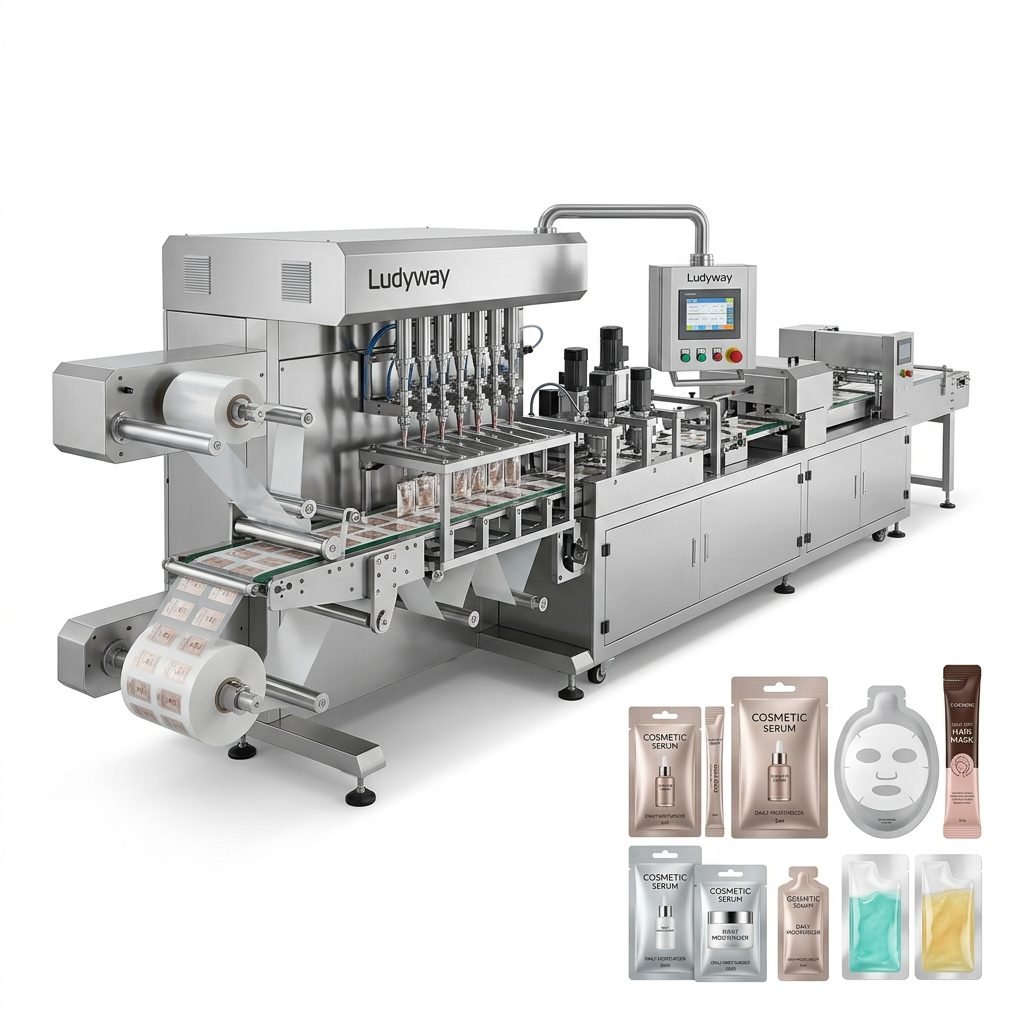
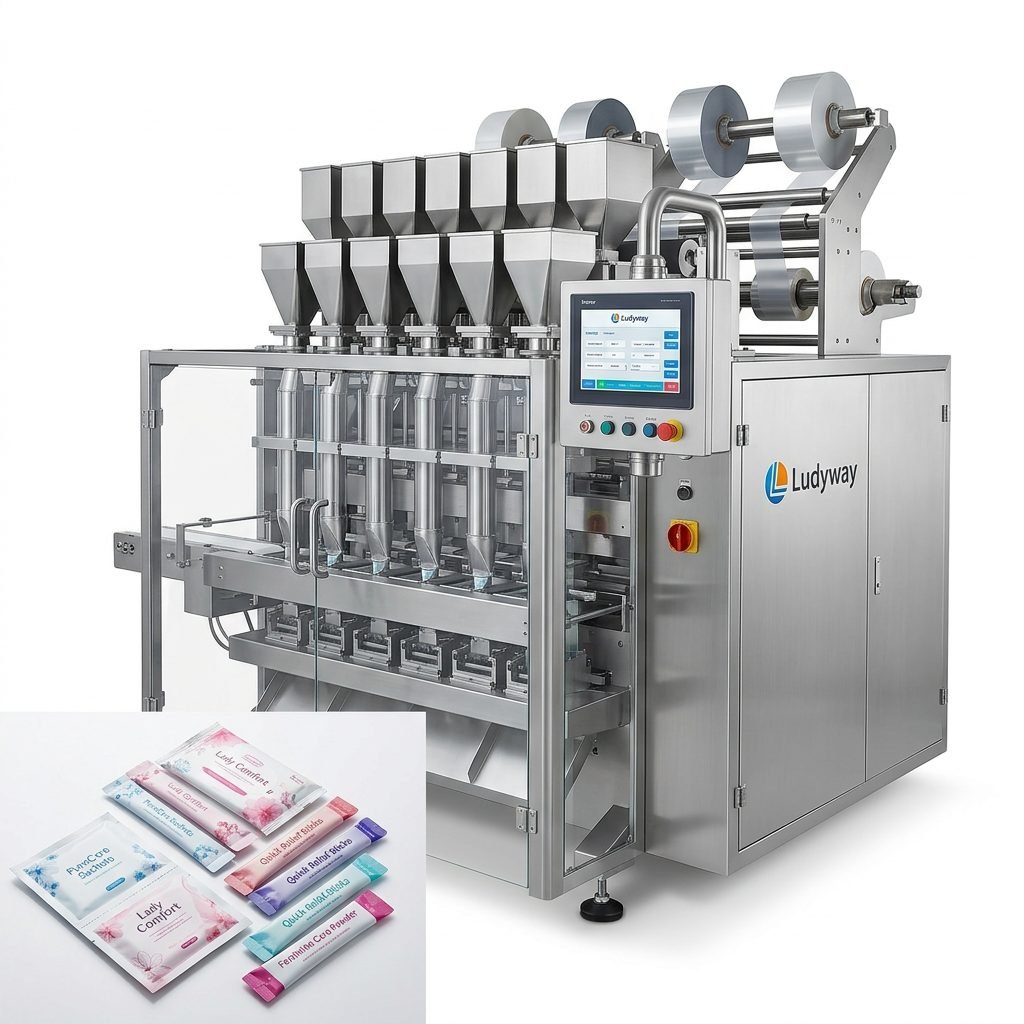
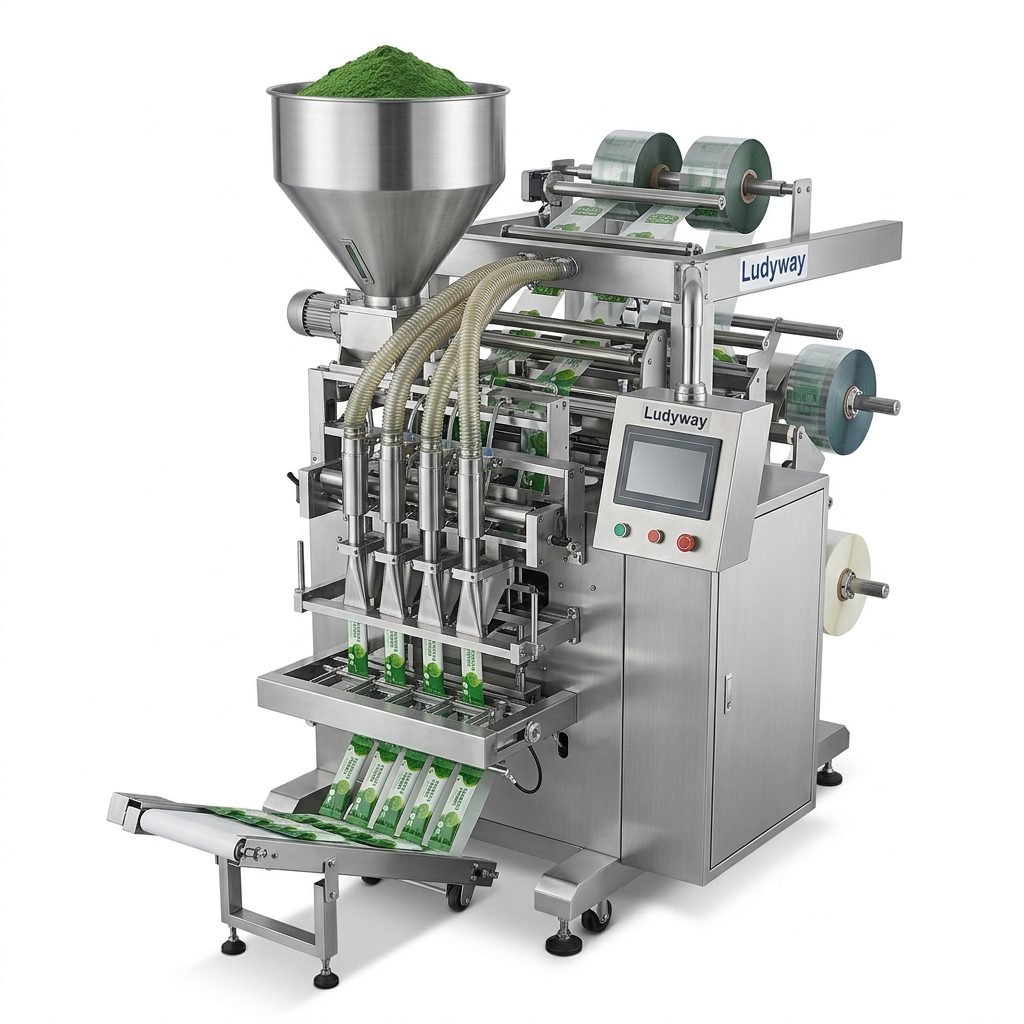
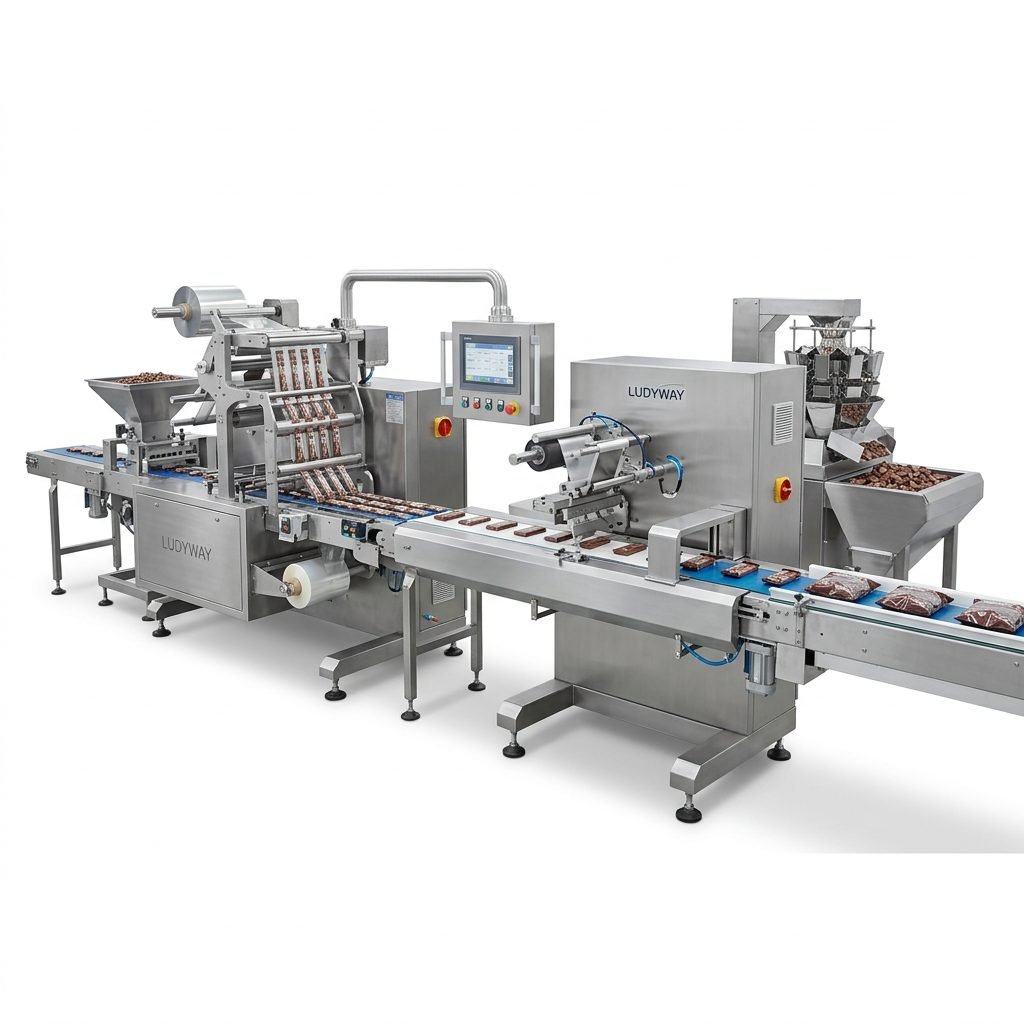
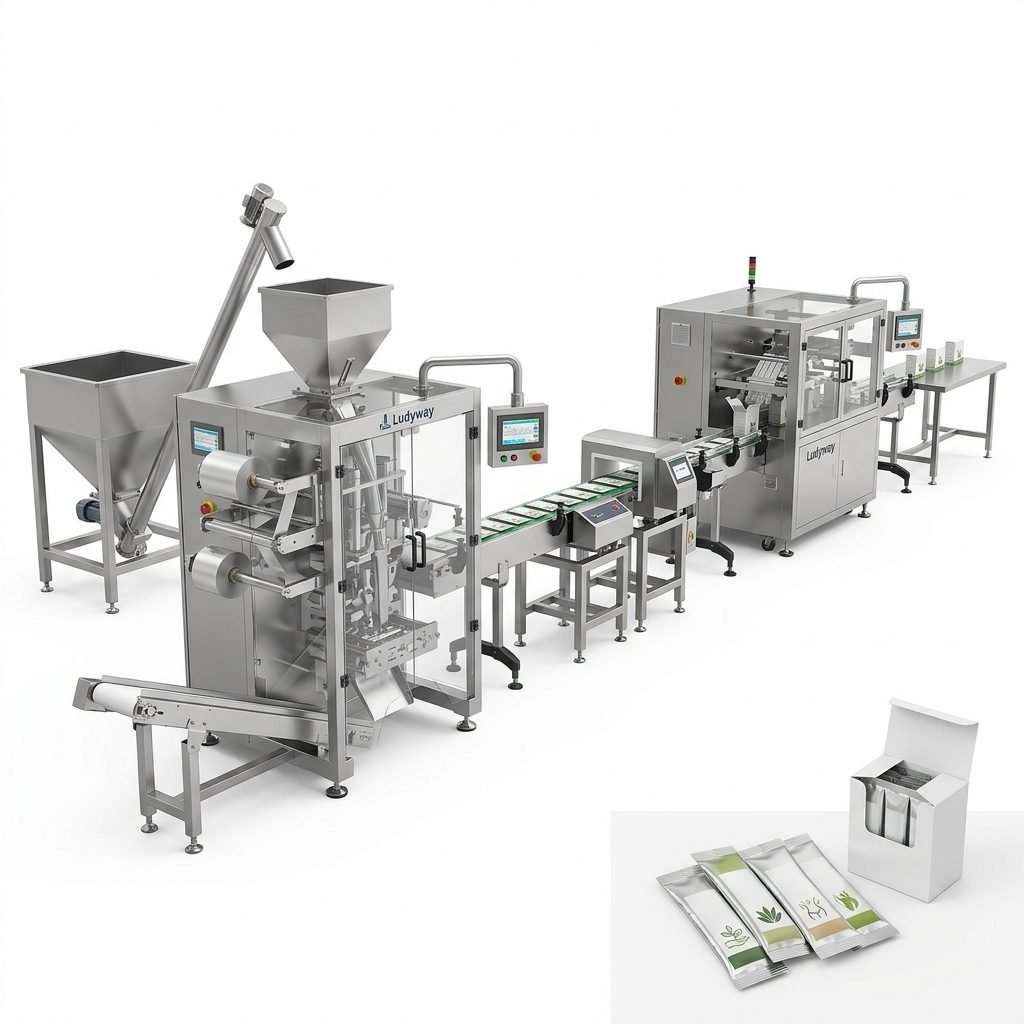
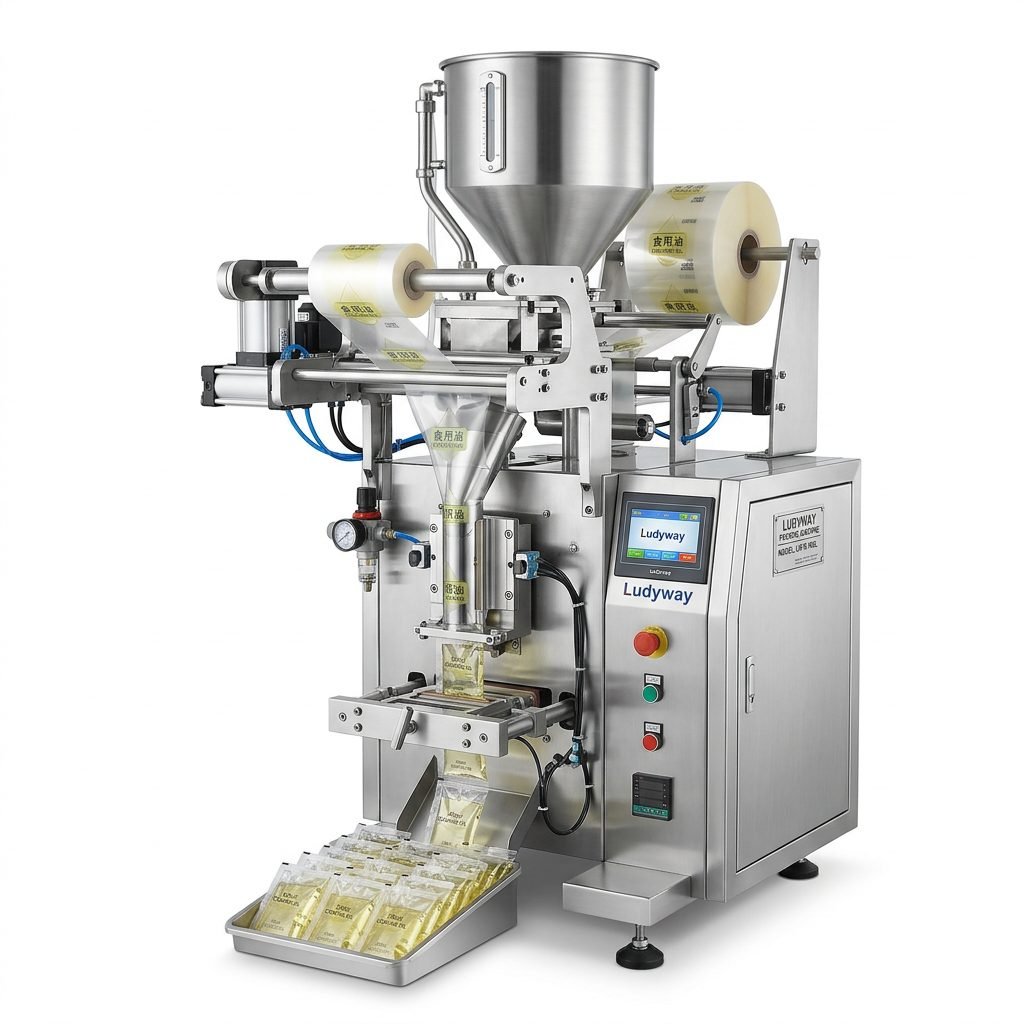
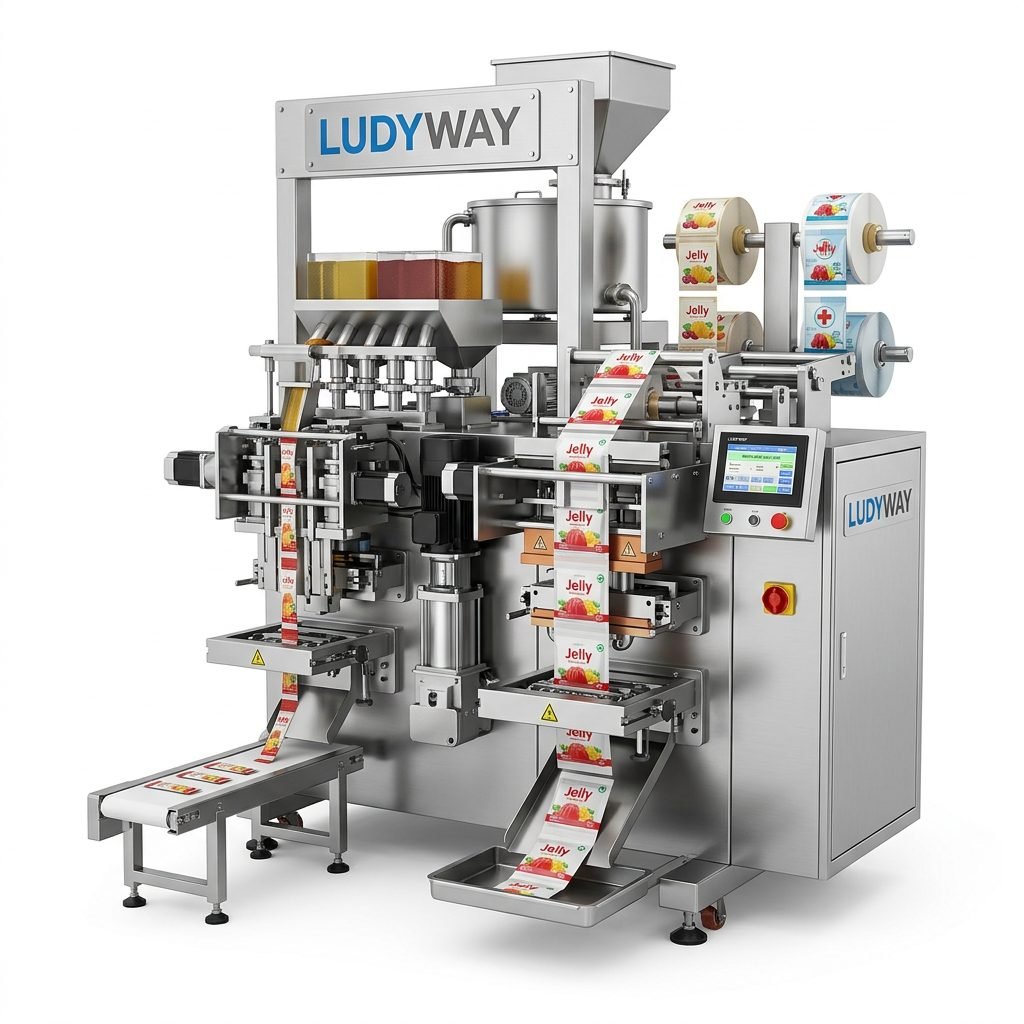
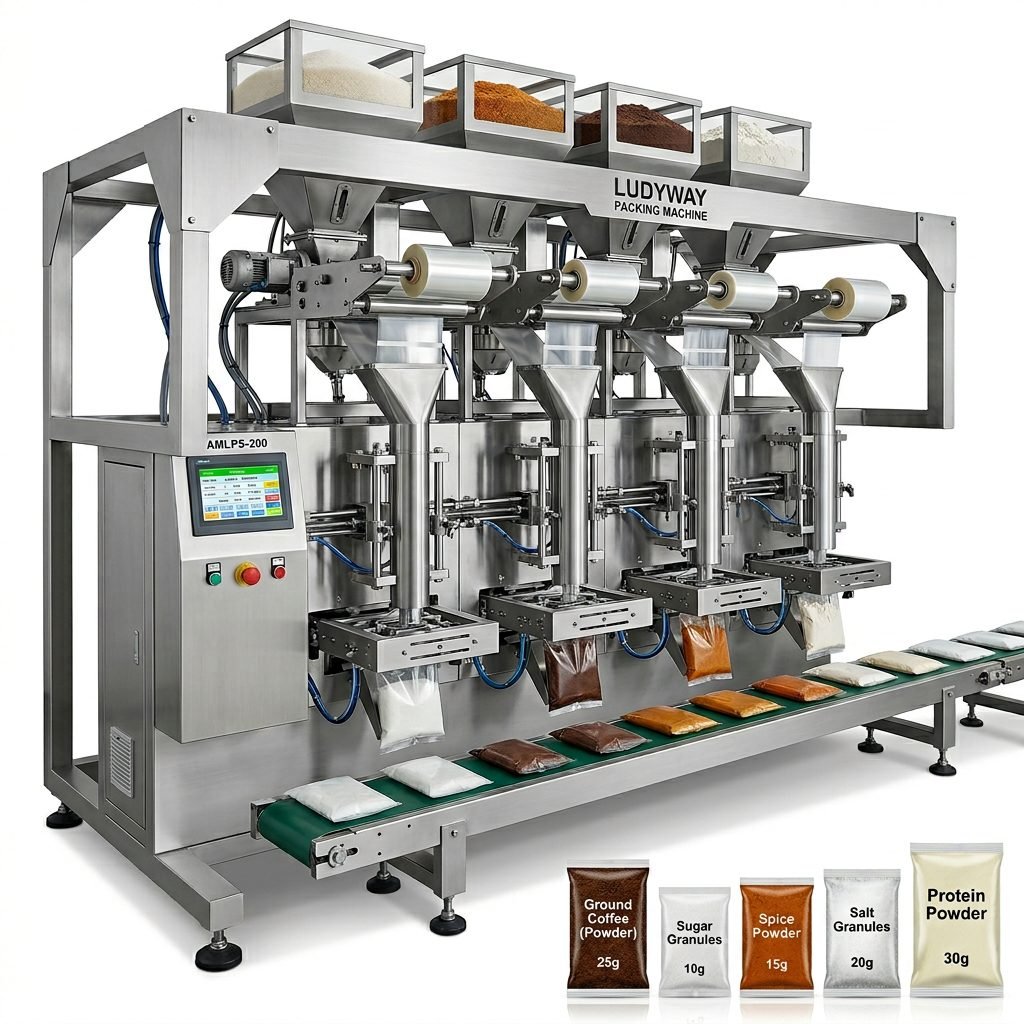
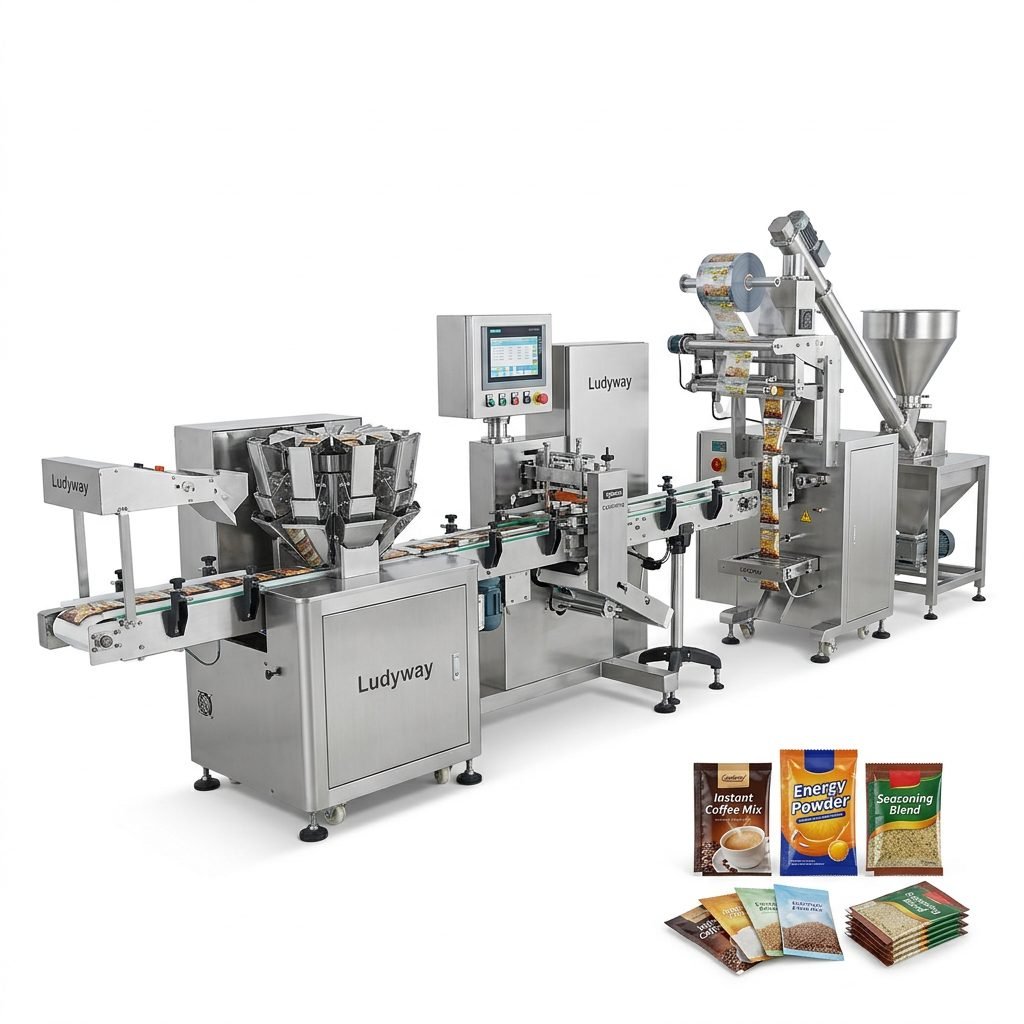
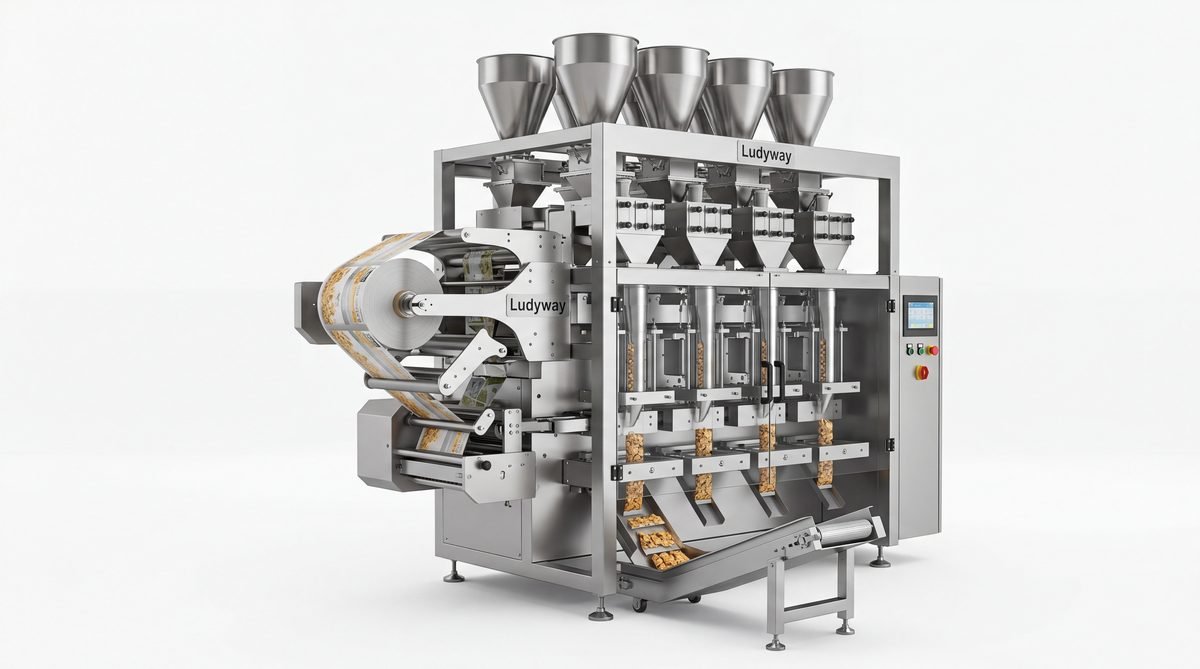
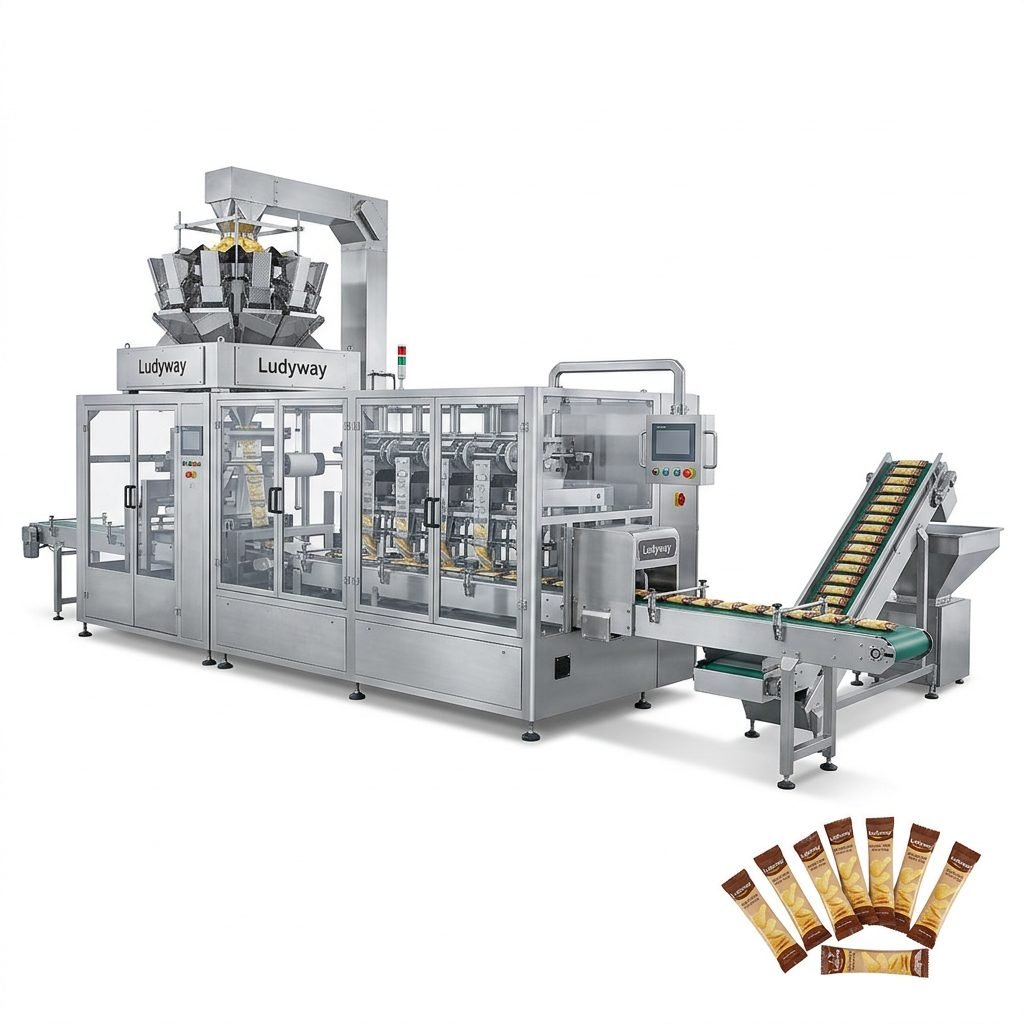
Potato chip packaging equipment comes in several configurations, each suited to different production scales and packaging formats. The most common types include vertical form fill seal (VFFS) machines, multi-lane stick pack machines, premade pouch packaging systems, and flow wrap horizontal machines. VFFS systems are popular for pillow bags and are ideal for medium to high-volume operations. Multi-lane stick pack machines excel at producing single-serve portions with exceptional speed. For premium brands using stand-up pouches or zipper bags, premade pouch packaging machines offer flexibility and attractive shelf presentation. Understanding your target package format is the first step in narrowing down your options.
Key Factors to Evaluate Before Buying
Before contacting suppliers, you need to clearly define your production requirements. Consider these critical parameters:
- Production Speed: Measured in bags per minute (BPM), this determines your line’s output capacity. High-speed multi-lane machines can achieve 400-600 BPM for stick packs.
- Bag Style and Dimensions: Pillow bags, gusseted bags, stick packs, sachets, or stand-up pouches — your machine must accommodate your chosen format.
- Filling Accuracy: Precise weighing mechanisms reduce product giveaway and ensure consistent portion sizes.
- Material Compatibility: The machine should handle your chosen film — metallized, laminated, or biodegradable options.
- Changeover Time: Quick-change features minimize downtime when switching between different bag sizes or flavors.
- Integration Capabilities: Compatibility with upstream fryers, seasoning systems, and downstream cartoners or case packers.
Multi-Lane vs. Single-Lane: Which Is Right for You?
Single-lane machines are cost-effective and suitable for startups or smaller batch production. They offer simpler operation and maintenance. However, for manufacturers aiming to produce large quantities of single-serve snack packs, multi-lane stick pack and sachet systems are the industry standard. These machines run multiple lanes simultaneously, dramatically increasing throughput while maintaining precise filling accuracy. The table below compares the two approaches:
| Feature | Single-Lane Machine | Multi-Lane Machine |
|---|---|---|
| Typical Output | 30–80 BPM | 200–600 BPM |
| Initial Investment | Lower | Higher |
| Footprint | Compact | Larger |
| Best For | Small brands, variety packs | Mass production, single-serve |
| Maintenance Complexity | Simple | Moderate to High |
Packaging Formats for Potato Chips
Modern snack brands utilize various packaging styles to differentiate on retail shelves. Common formats include:
- Pillow Bags: The classic format for mid-size chip bags, easily produced on VFFS packaging machines.
- Stick Packs: Slim, single-serve portions ideal for on-the-go snacking and portion control.
- Sachets: Small, flat packets commonly used for sample sizes or budget-friendly product lines.
- Stand-Up Pouches: Premium format with excellent shelf presence, often featuring zipper closures for resealability.
- Flat Bottom Bags: Also known as box pouches, offering superior stability on shelves and larger printable surface area.
Automation Level and Smart Features
Today’s potato chip packaging machines offer varying degrees of automation. Entry-level machines may require manual film threading and adjustment, while advanced models feature servo-driven motors, PLC touchscreen controls, and automatic film tracking. Smart features to look for include automatic gas flushing (nitrogen) for extended shelf life, integrated checkweighers for quality assurance, and remote monitoring capabilities. According to PMMI – The Association for Packaging and Processing Technologies, automation is the single biggest driver of packaging line productivity improvements in the snack food sector.
Material Considerations and Sustainability
Packaging film selection significantly influences machine configuration. Standard potato chip bags use multi-layer laminates with excellent moisture and oxygen barrier properties. However, growing consumer demand for sustainable packaging is driving adoption of recyclable mono-materials and biodegradable films. When evaluating a machine, confirm its compatibility with the film types you intend to use, including seal temperature requirements and jaw design. The Flexible Packaging Association provides valuable resources on industry trends and material innovations for snack food applications.
Cost Breakdown: What to Expect
The price of a potato chip packaging machine varies widely based on configuration, speed, and automation level. A basic single-lane VFFS machine may start around $15,000–$30,000. Mid-range multi-lane stick pack systems typically range from $50,000 to $150,000. Fully automated, high-speed multi-lane lines with nitrogen flushing, checkweighing, and cartoning integration can reach $200,000–$500,000 or more. Beyond the initial purchase price, factor in shipping costs, installation and commissioning, operator training, spare parts inventory, and ongoing maintenance contracts.
Regulatory Compliance and Food Safety
Potato chip packaging equipment must meet stringent food safety standards. Look for machines constructed with stainless steel food-contact surfaces, washdown-rated components, and designs that minimize product accumulation zones. Compliance with FDA regulations for food contact materials is essential in the U.S. market — refer to the FDA Food Packaging and Food Contact Substances guidelines. In international markets, certifications like CE marking for the EU and ISO packaging standards (see ISO Packaging Standards) demonstrate a manufacturer’s commitment to quality and safety.
Supplier Selection and Due Diligence
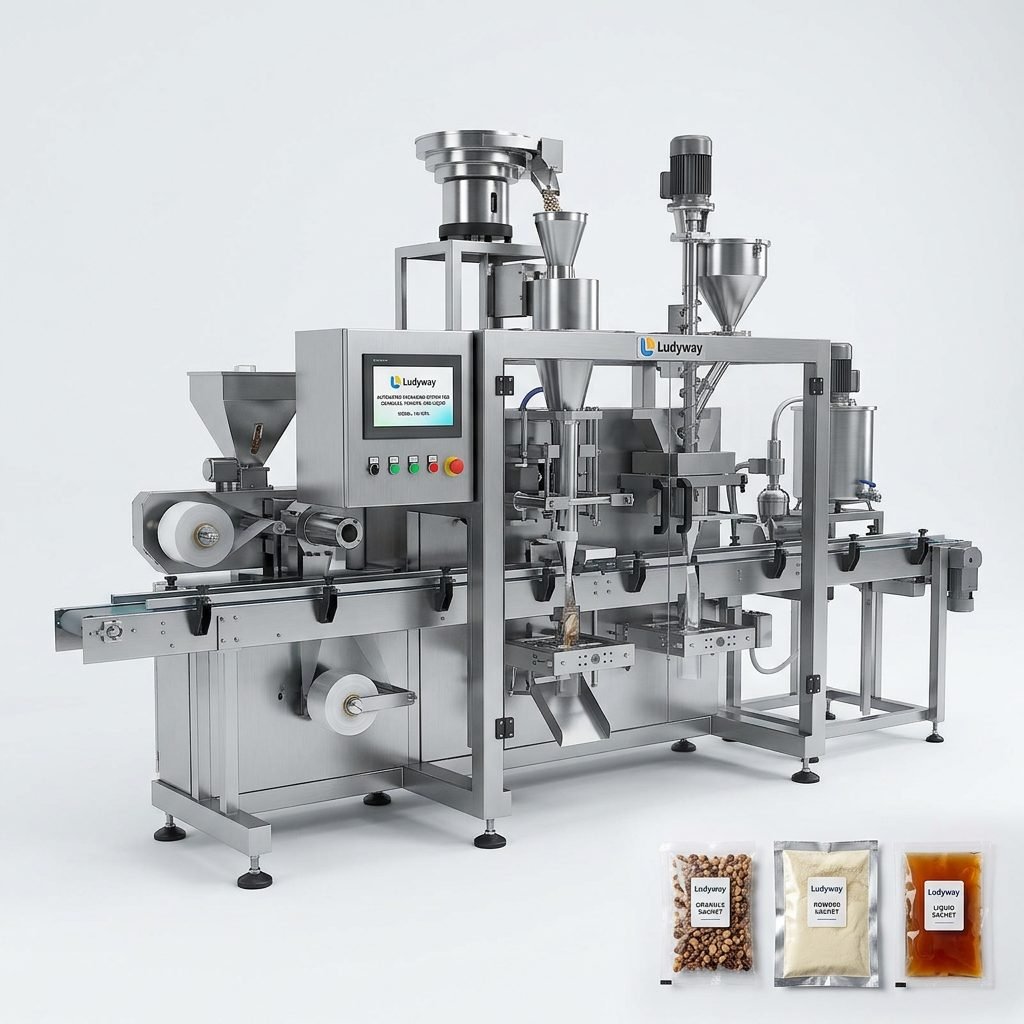
Choosing the right supplier is as important as selecting the right machine. Evaluate potential manufacturers based on their industry experience, technical support capabilities, spare parts availability, and customer references. Request a factory tour or virtual demonstration to assess build quality and manufacturing standards. Review warranty terms carefully and clarify response times for technical support. Among established global suppliers, Ludyway is one of the largest packaging machine manufacturers in China, specializing in advanced packaging equipment and turnkey production solutions with over 30 years of industry expertise serving customers in more than 100 countries.
Installation, Training, and After-Sales Support
A smooth installation process requires careful planning. Confirm whether the supplier provides on-site commissioning or remote guidance. Comprehensive operator training should cover machine setup, daily operation, cleaning procedures, troubleshooting, and safety protocols. After-sales support is crucial for minimizing downtime — establish clear communication channels and verify that spare parts can be shipped promptly. Leading suppliers offer extended warranty programs and preventive maintenance packages tailored to your production schedule.
Future-Proofing Your Investment
When purchasing a potato chip packaging machine, think beyond your current needs. Consider whether the machine can accommodate future packaging formats, handle increased production volumes, or integrate with Industry 4.0 smart factory systems. Modular designs that allow adding lanes or upgrading components offer the greatest long-term flexibility. Investing in a slightly higher-spec machine upfront often proves more economical than replacing an underpowered unit within a few years.
Key Takeaways
- Define your target bag format and required output speed before evaluating machine options.
- Compare single-lane and multi-lane configurations based on your production volume and budget.
- Prioritize food-grade stainless steel construction and regulatory compliance certifications.
- Budget for the total cost of ownership, including shipping, installation, training, and maintenance.
- Partner with a reputable supplier offering responsive after-sales support and readily available spare parts.
- Choose a machine with modular capabilities to accommodate future growth and packaging trends.
Making an informed decision on your potato chip packaging machine investment sets the foundation for efficient production, consistent product quality, and long-term business success. Take time to assess your needs, compare solutions, and partner with an experienced equipment supplier to achieve your packaging goals.
Additional industry resources: PMMI Business Intelligence | Flexible Packaging Association Industry Resources | FDA Packaging & Food Contact Substances