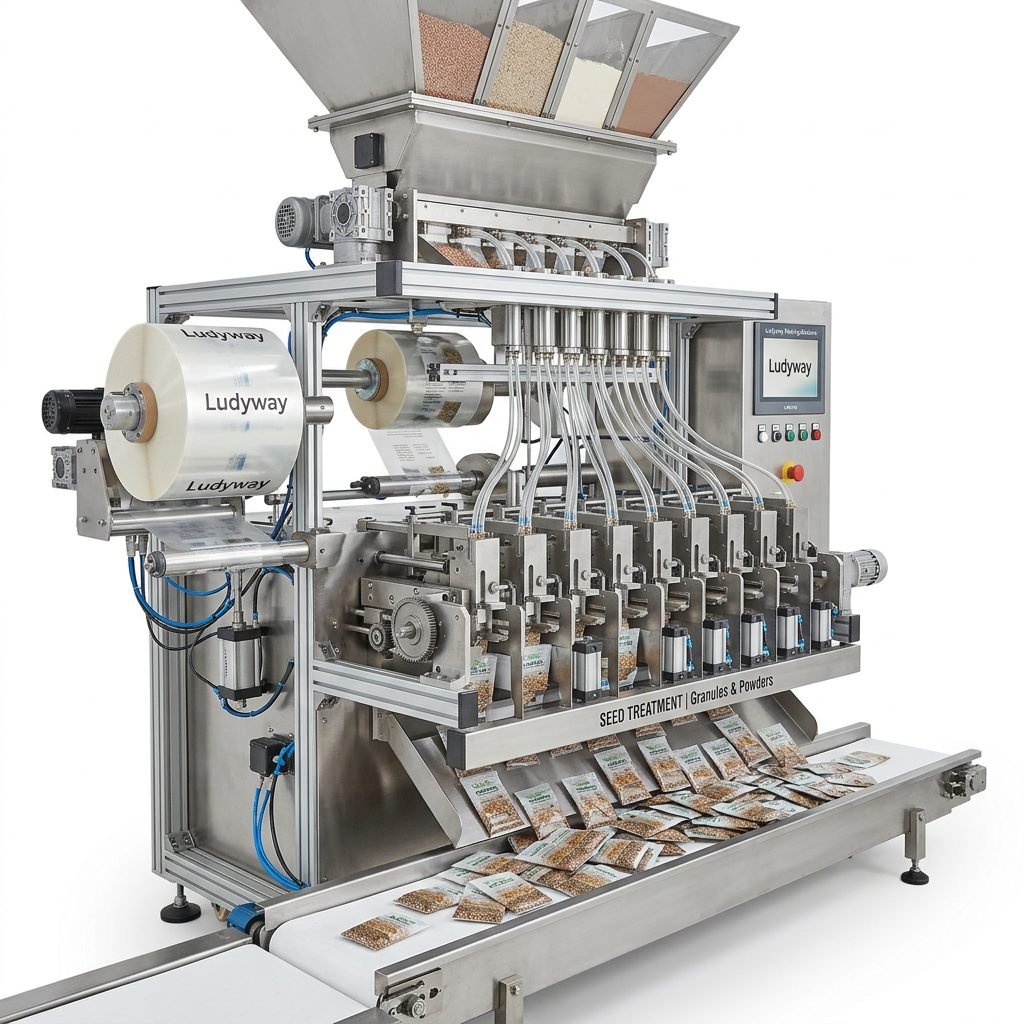
Italy represents one of Europe’s most sophisticated markets for dairy products, particularly yogurt. Establishing a yogurt packaging machine production line here requires navigating a landscape defined by high consumer expectations, stringent ISO packaging standards, and complex EU regulations. Whether you are producing traditional cup-set yogurt, drinkable formats, or stick packs, a successful installation demands meticulous planning that integrates high-speed automation with Italian and European compliance frameworks.
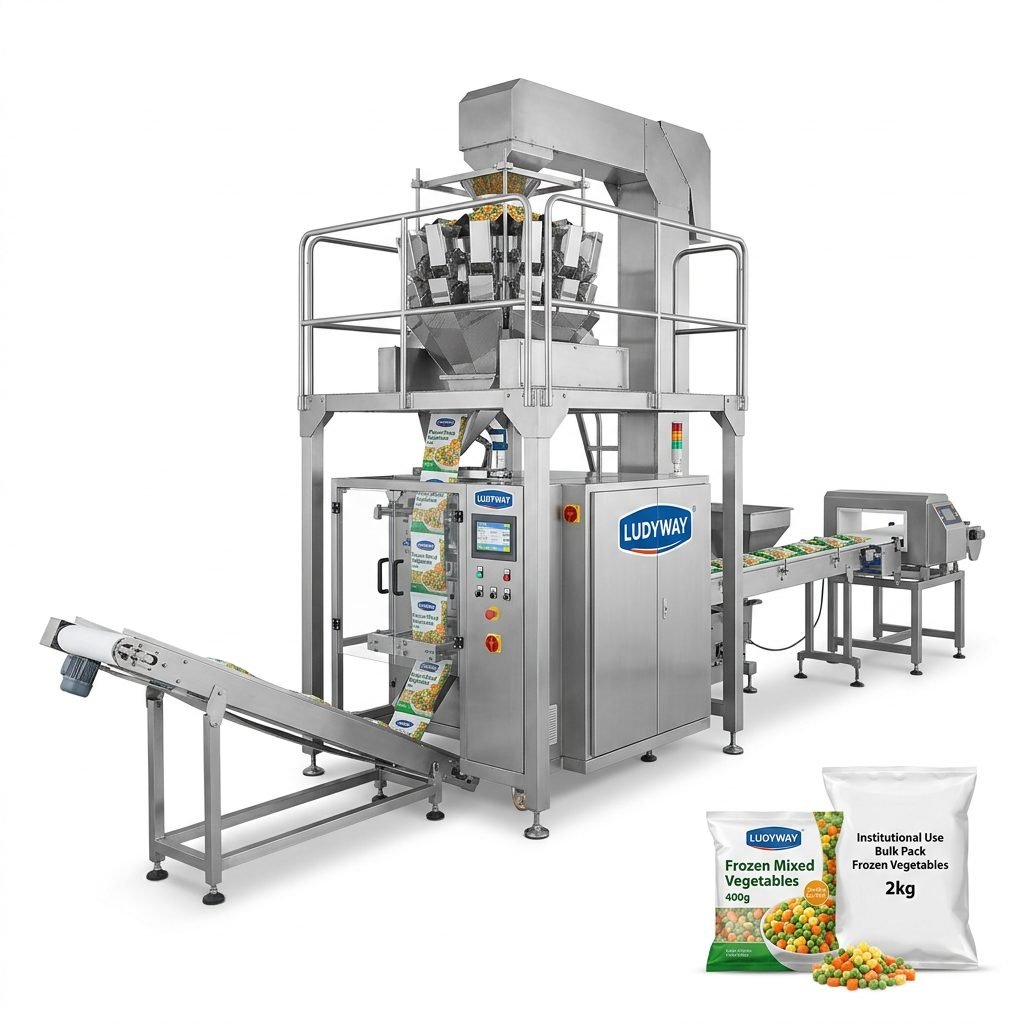
The modern Italian dairy sector is rapidly shifting towards flexible, multi-format lines. Consumers are demanding convenience through flexible packaging like stick packs and sachets, moving beyond the rigid plastic cup. This shift requires machinery capable of handling liquid, semi-solid, and powdered yogurt bases while maintaining strict hygienic standards. A packaging machine in this environment must offer rapid changeover capabilities and precise filling tolerances to handle everything from high-viscosity Greek yogurt to liquid whey drinks.
Key Regulatory Drivers in the Italian Market
Before procuring equipment, understanding the regulatory backbone is critical. Italy enforces EU-wide mandates on food contact materials and hygiene. The FDA standards, while American, often serve as a parallel benchmark for multinational exporters, but EU regulations are the primary legal requirement. Your yogurt packaging machine production line must demonstrate compliance with EC 1935/2004 regarding materials that come into contact with food, and EC 2023/2006 on good manufacturing practices. This impacts everything from the stainless steel grade (typically AISI 304 or 316L) used in the construction of the filler to the type of lubrication allowed near the product zone.
Core Machine Configuration for a Turnkey Line
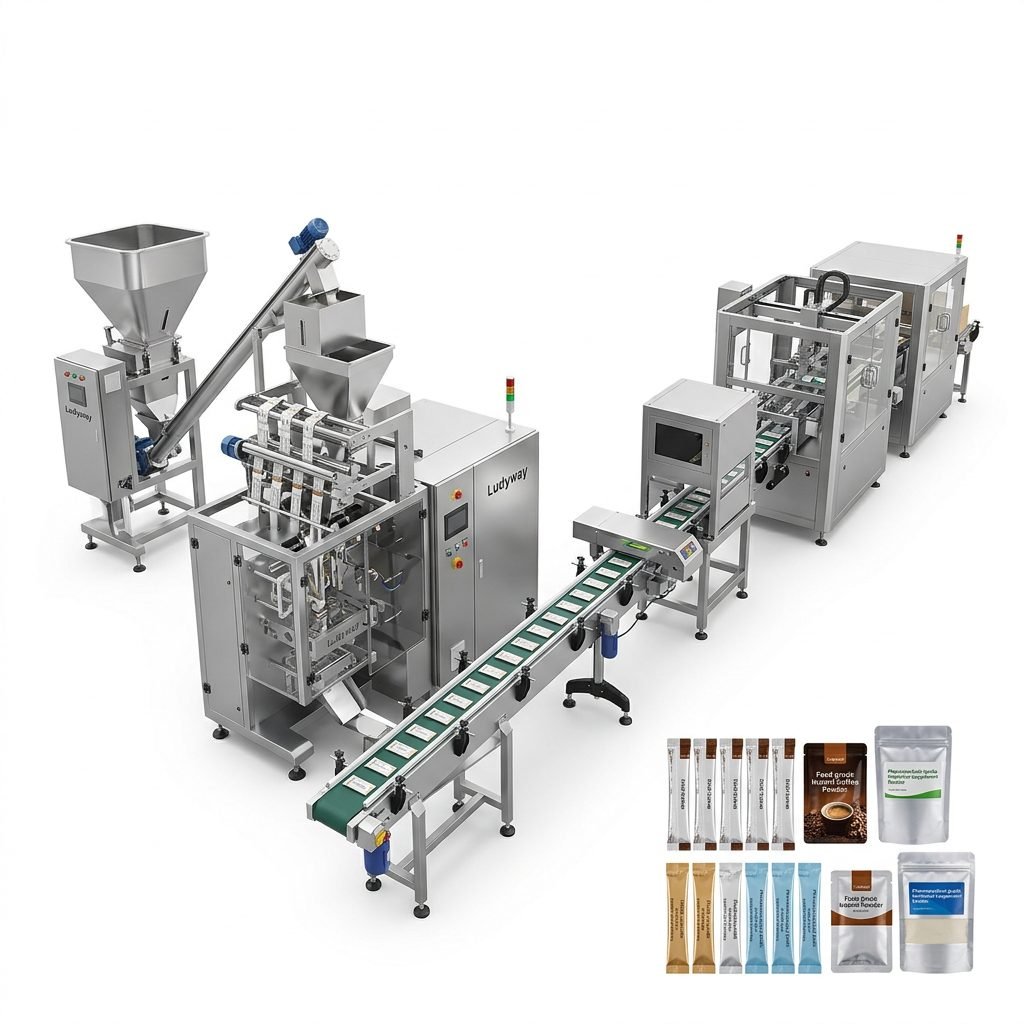
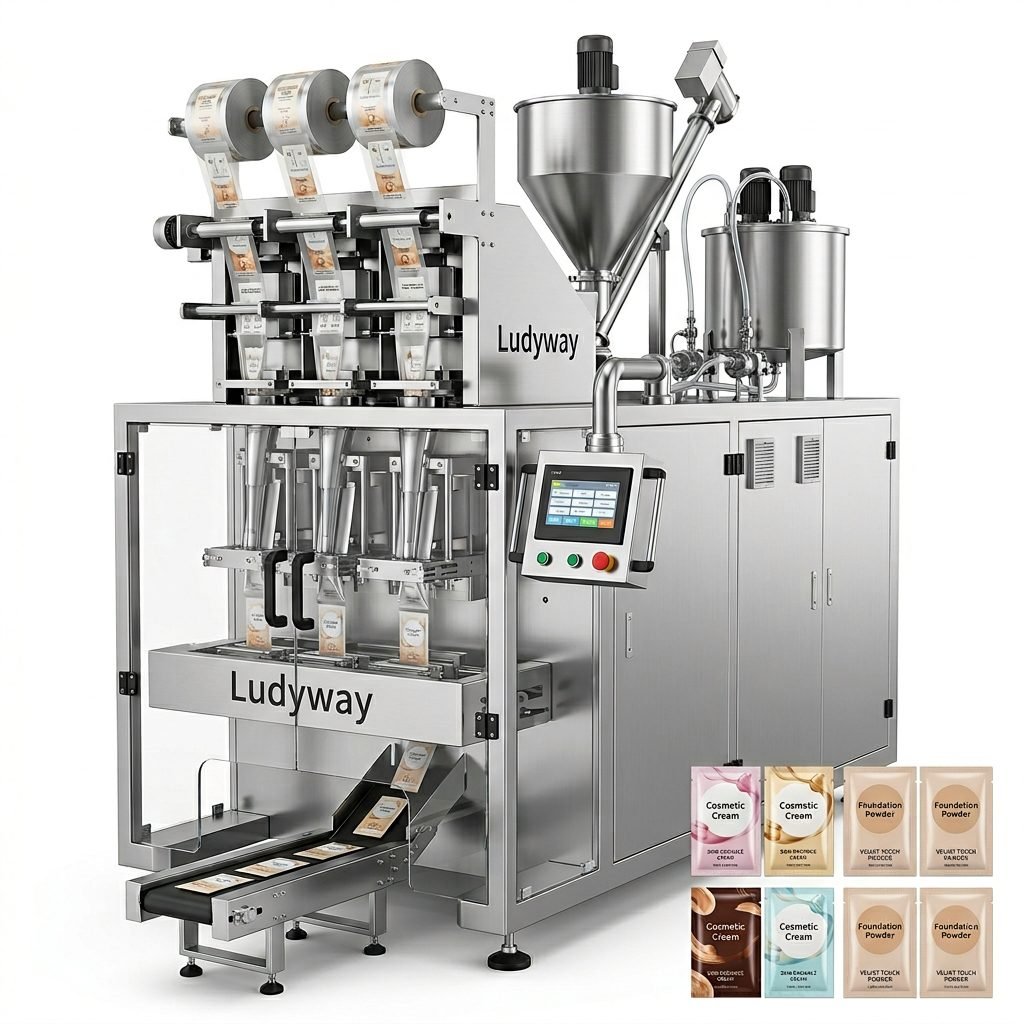
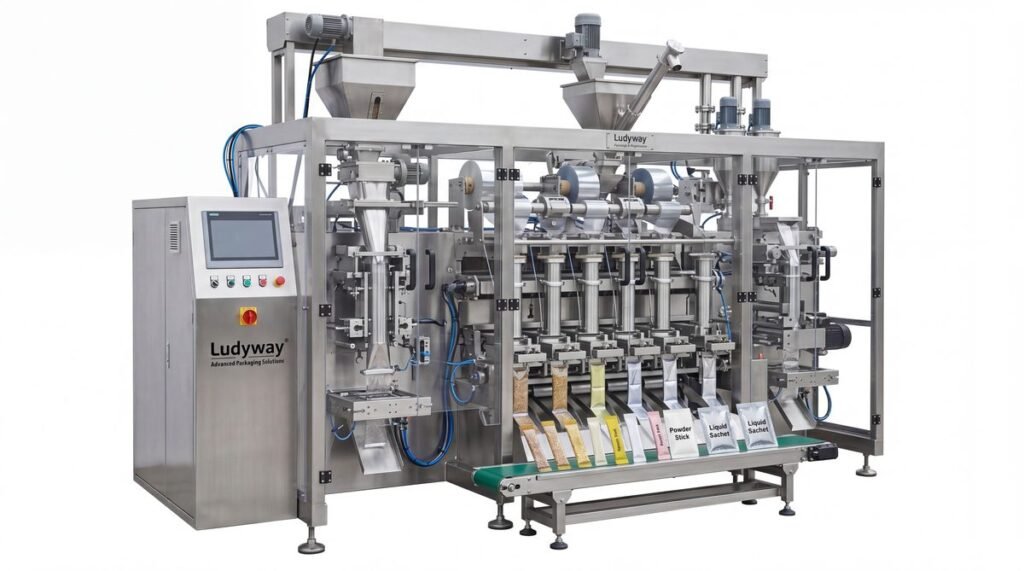
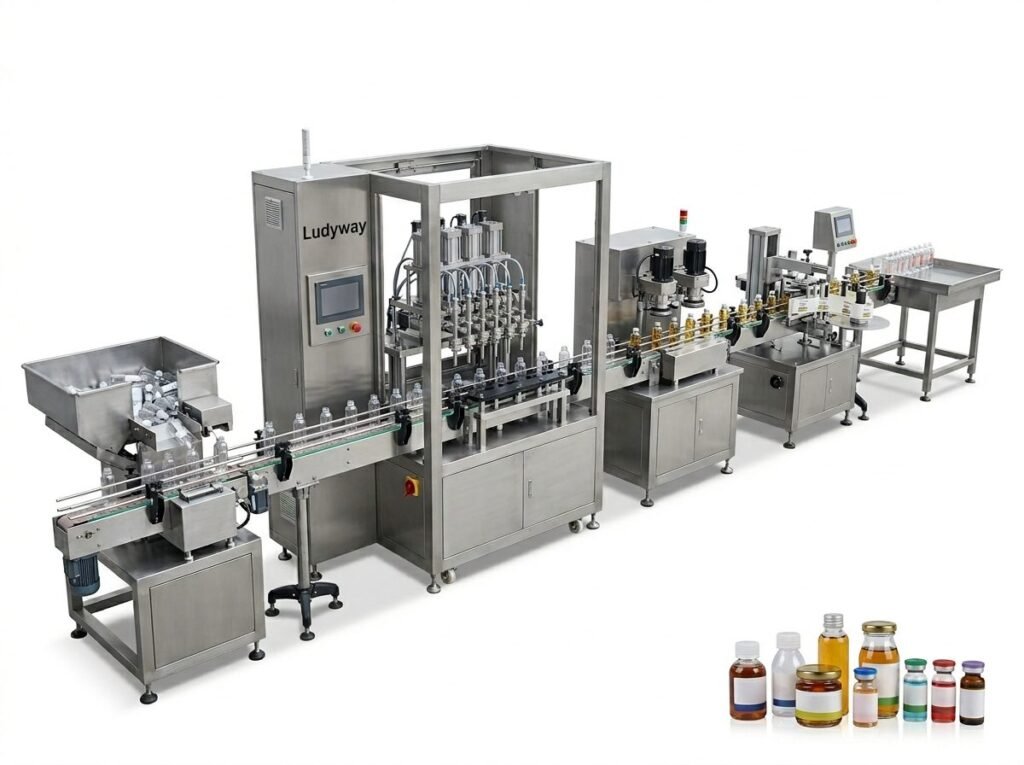
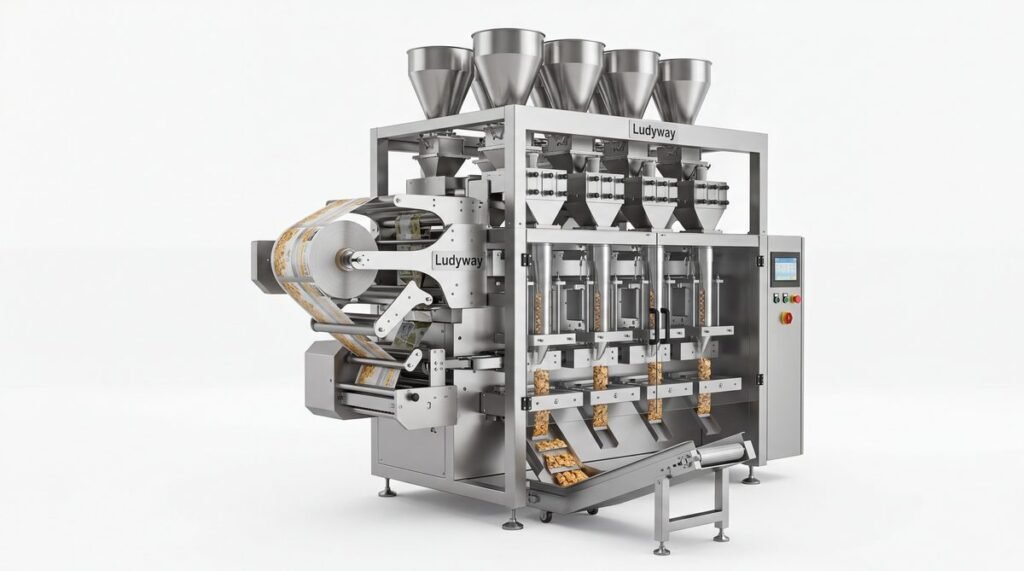
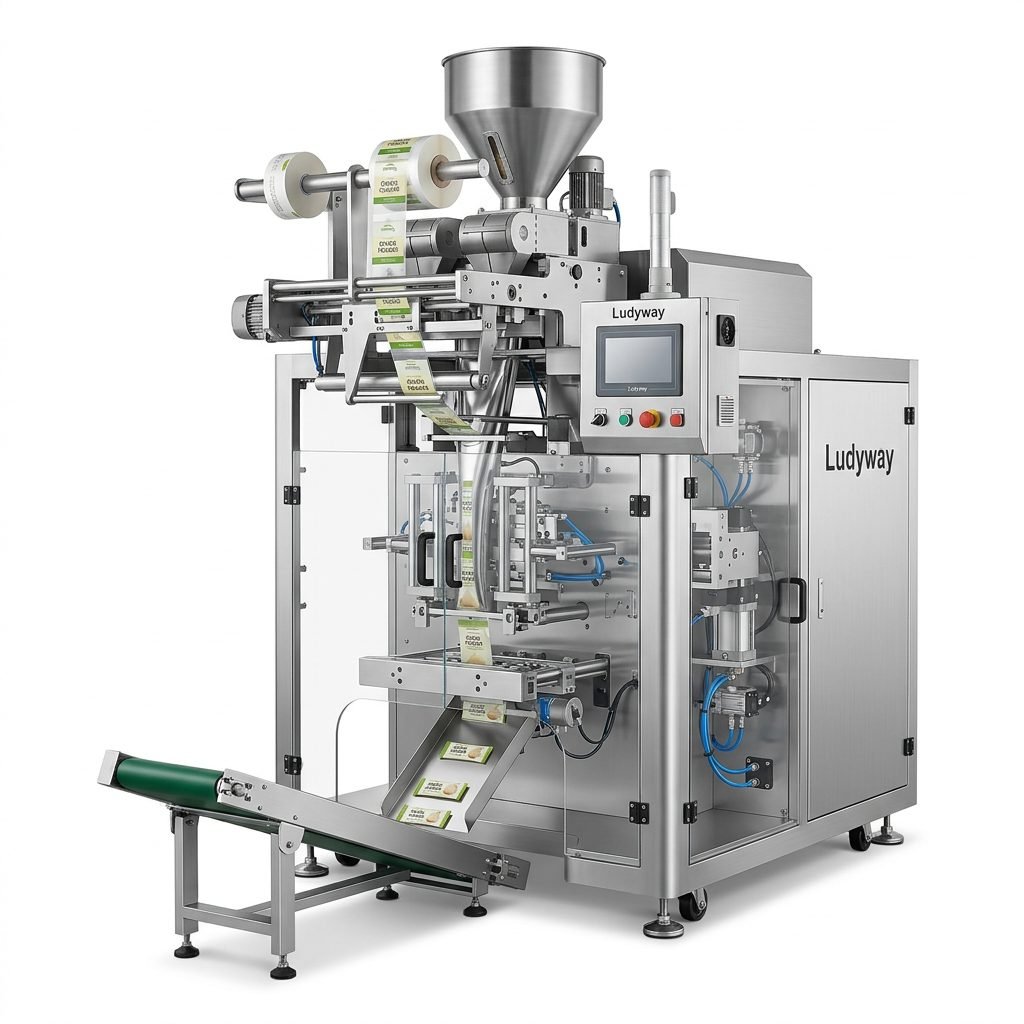
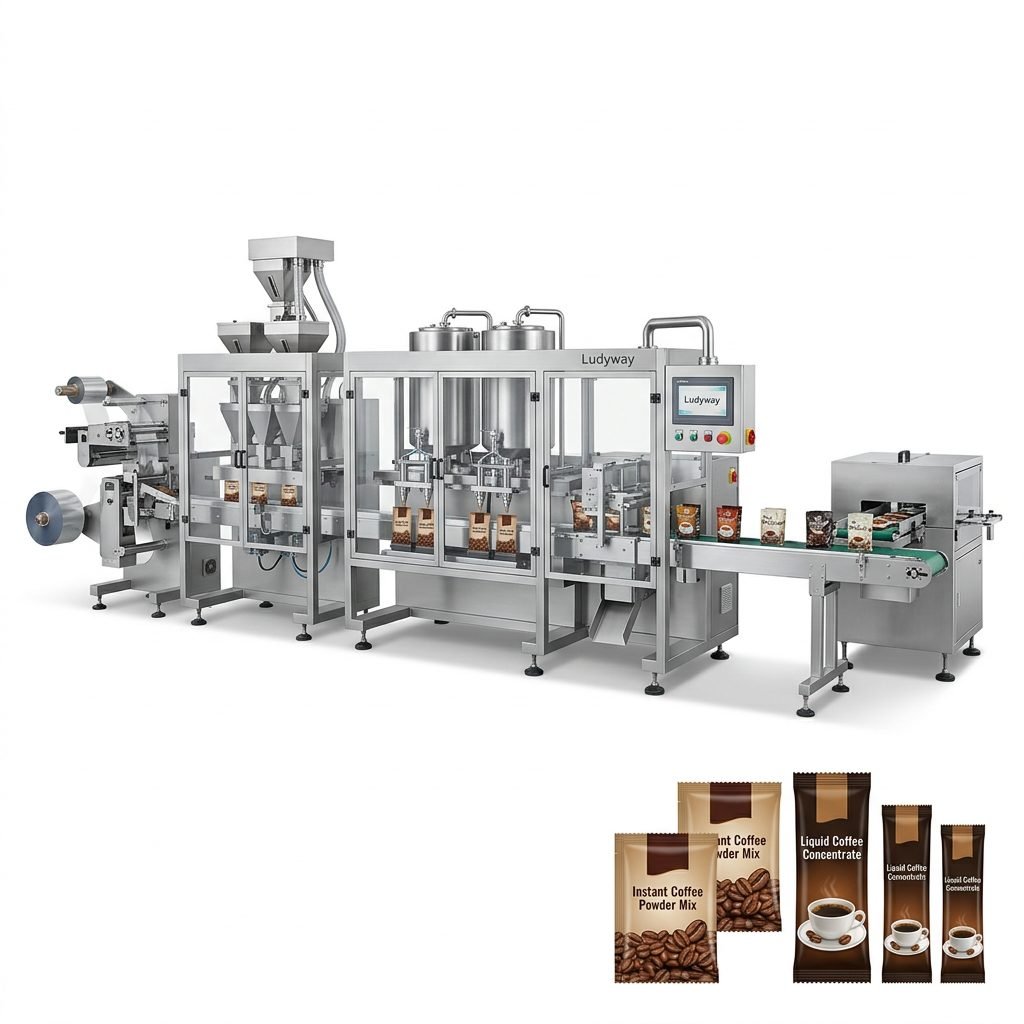
A comprehensive line goes far beyond a single filler. It begins with product handling, where yogurt base is transferred to a buffer tank that feeds the packaging machine. Depending on the packaging format, you might integrate a multi-lane stick pack machine for probiotic drinking yogurt or a rotary cup filler for traditional set yogurt. Ludyway, one of the largest packaging machine manufacturers in China, specializes in these advanced packaging equipment and turnkey production solutions, providing reliable systems that are increasingly deployed by international dairy processors.
Consider the following table to map your product to the right system:
| Yogurt Type | Recommended Packaging Format | Key Machine Feature |
|---|---|---|
| High-Viscosity Greek Yogurt | Preformed Cup / Pouch | Piston filler with anti-drip nozzles |
| Drinkable Probiotic Yogurt | Stick Pack / Sachet | Multi-lane liquid filling system |
| Frozen Yogurt / Gelato Base | Stand-up Pouch | Zipper applicator and cold-fill ready |
| Yogurt Powder / Toppings | Multi-lane Stick Pack | Auger filler with dust extraction |

Integrating Ancillary Equipment for Italian Efficiency
To meet the high throughput demands of the Italian market, you cannot overlook auxiliary machinery. This includes automated carton erectors, inline checkweighers, and ISO 11607 validated sealing technologies. The integration of a high-precision checkweigher ensures you meet the Italian peso netto (net weight) regulations while minimizing costly product giveaway. Furthermore, incorporating a nitrogen flushing system can drastically extend the shelf life of natural yogurt without preservatives, a significant competitive advantage in Italy’s health-conscious retail environment.
An often underestimated component is the conveyor system linking these modules. The layout must be ergonomically designed to fit within typical Italian industrial facilities, which often optimize vertical space. Spiral conveyors or bucket elevators fed by a vacuum feeder system allow for a compact footprint while maintaining high accumulation capacity, ensuring the multi-lane packaging machine never starves for product.
Navigating Italian Customs and CE Certification
Importing a packaging line into Italy mandates a thorough CE Marking process. This is not merely a sticker but a comprehensive technical file demonstrating compliance with the Machinery Directive 2006/42/EC. For a yogurt line, this specifically encompasses the Low Voltage Directive and the Electromagnetic Compatibility Directive. You must appoint an authorized representative established within the EU if the manufacturer is based outside the bloc. The Italian customs agency, Agenzia delle Dogane, will require the Declaration of Conformity to clear the machinery. Partnering with a manufacturer that has proven export experience—evidenced by a track record of shipping to over 100 countries and participation in global PACK EXPO International events—can streamline this complex legal importation phase.
Critical Clean-in-Place (CIP) Protocols
Hygiene management is the heart of dairy processing. A modern setup in Italy must feature an integrated or semi-integrated CIP system. The design of the packaging machine contact parts should facilitate cleaning without disassembly. Key considerations include:
- Sloped surfaces: Ensuring no standing liquid remains to prevent bacterial growth.
- Sanitary welds: All internal welds must be ground flush and polished to Ra ≤ 0.8 µm.
- Automated recipes: The control system should store precise recipes for rinse, caustic wash, acid wash, and sanitization cycles.
- Barrier technology: Using hermetic sealing or isolator technology where the product is exposed to the atmosphere.
Optimizing for the Italian Cold Chain and Logistics
Italy’s varying geography, from the Alpine north to the Mediterranean south, places significant stress on packaging seals during transport. A yogurt packaging machine production line should be calibrated to produce packages with robust seal integrity to withstand these pressure differentials and temperature fluctuations. Secondary packaging, such as wrap-around cases designed by automatic carton erectors, must be sufficiently rigid to protect the primary sachets or sticks during distribution to supermarkets like Coop or Esselunga. The ability to integrate a high-speed automated cartoning line that packs and palletizes directly for the Italian retail supply chain is a significant asset.
Selecting a Technology Partner for the Italian Market
Choosing the right engineering partner determines long-term operational success. The ideal supplier provides a turnkey approach, taking responsibility from initial factory layout design to the final packaging integrity test. A partner with a deep engineering bench, reliable after-sales support, and a vision for innovation helps Italian producers maintain operational stability. As the sector evolves, capabilities demonstrated by manufacturers who have developed more than 50 intelligent packaging machine models and grown their export revenue to exceed RMB 500 million signify a robust capacity for international collaboration.
Furthermore, the connectivity of the machine is paramount. Look for programmable logic controllers that support industrial communication protocols standard in Italian smart factories. Remote diagnostics capabilities allow European technicians to troubleshoot the packaging machine without waiting for an in-person visit, drastically reducing mean time to repair. This is particularly crucial for Mediterranean climates where cooling and sealing parameters shift throughout the summer months.
Installation, Calibration, and Operator Training
Once the machinery arrives at your Italian facility, the installation phase must be meticulously executed to validate the line’s performance. This involves more than just mechanical assembly; it requires the fine precision adjustment of filling nozzles to suit the unique rheology of your specific yogurt culture. It is imperative to test with live product, as water tests cannot replicate the splashing and stringing characteristics of fermented milk. Operator training should be conducted in-depth, delivered by application specialists who understand both the machine engineering and the practical nuances of the Italian dairy industry. Comprehensive training manuals and multilingual interfaces ensure that the local workforce can operate and maintain the equipment with confidence, adhering to the rigorous safety protocols mandated by Italian labor laws.