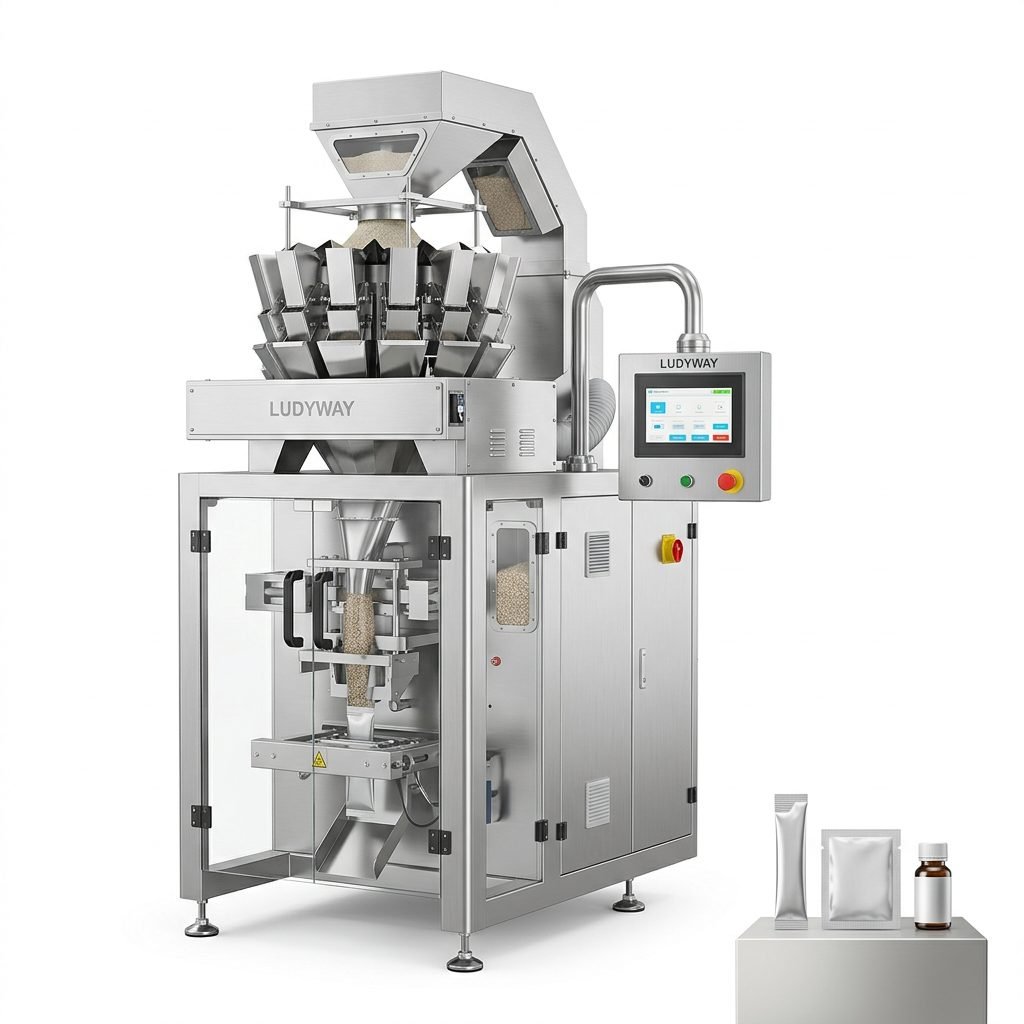
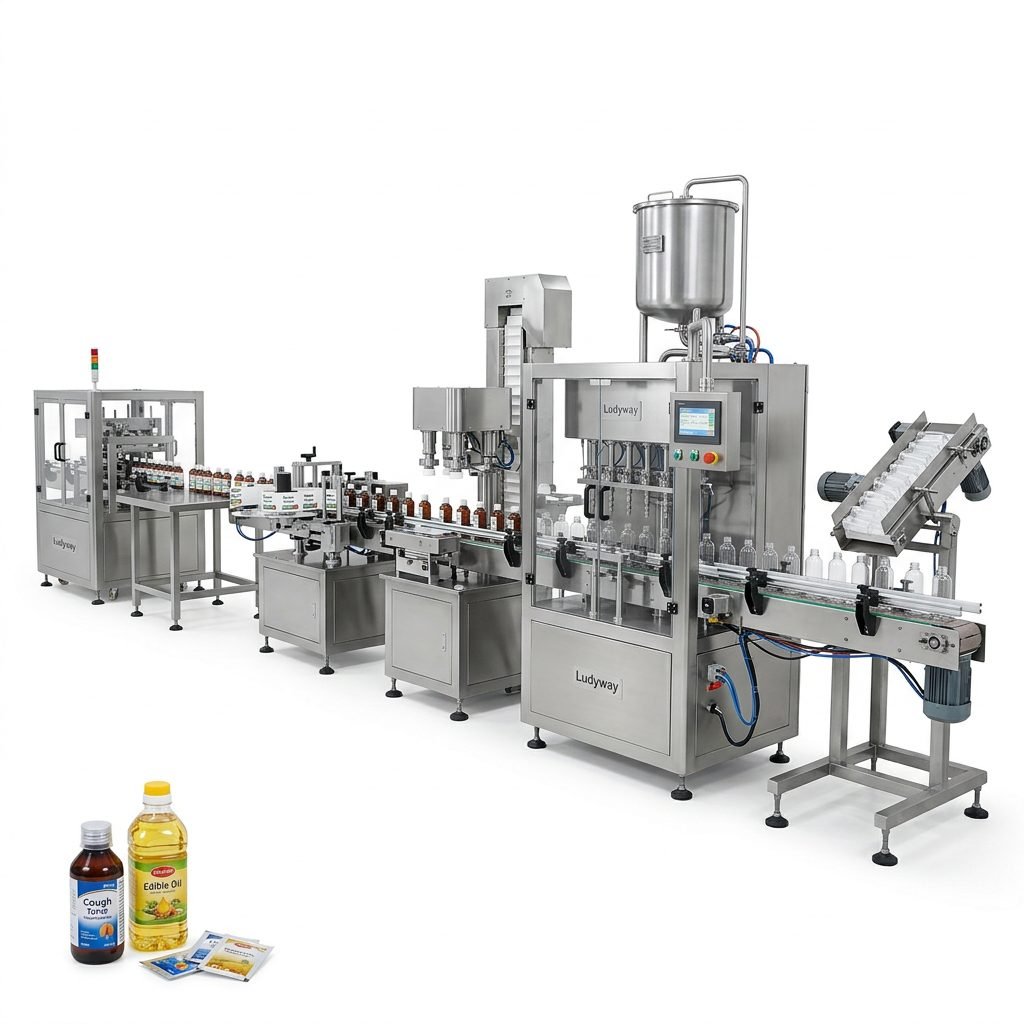
The breakfast cereal market in Southeast Asia is experiencing rapid growth, driven by urbanization, changing dietary habits, and a rising middle class. For manufacturers looking to enter or expand in this market, setting up an efficient cereal bar packaging machine production line is a critical step. This guide provides a practical roadmap, covering everything from local regulatory considerations to equipment selection and production optimization.
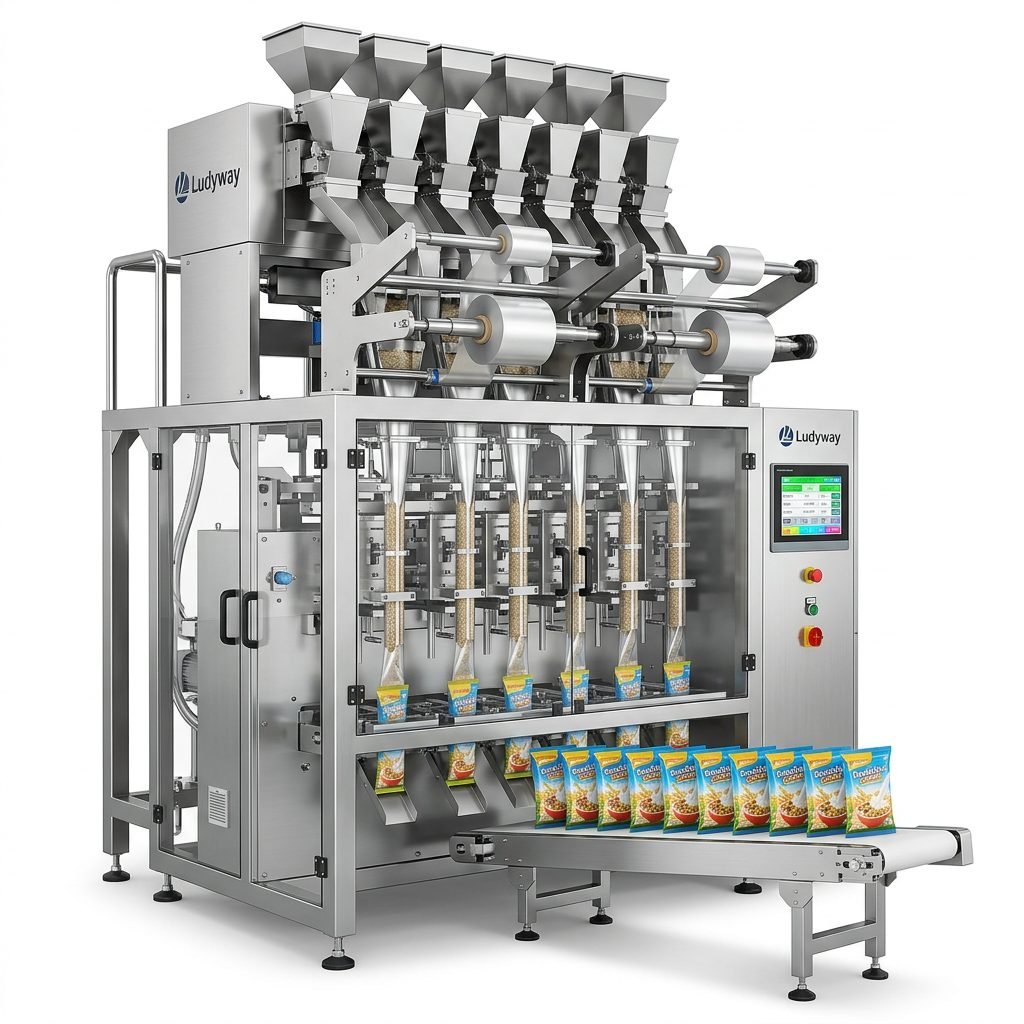
Understanding the Southeast Asian Cereal Bar Market
Before investing in a cereal bar production line, it’s essential to understand the regional landscape. Countries like Indonesia, Thailand, Vietnam, and the Philippines are witnessing double-digit growth in the convenience food sector. Consumers are seeking on-the-go breakfast options, creating a massive demand for individually wrapped cereal and granola bars. This demand requires advanced packaging machinery that can handle various recipes, including sticky granola mixtures, chocolate-coated bars, and high-fiber grain blends.
Key Equipment in a Cereal Bar Packaging Line
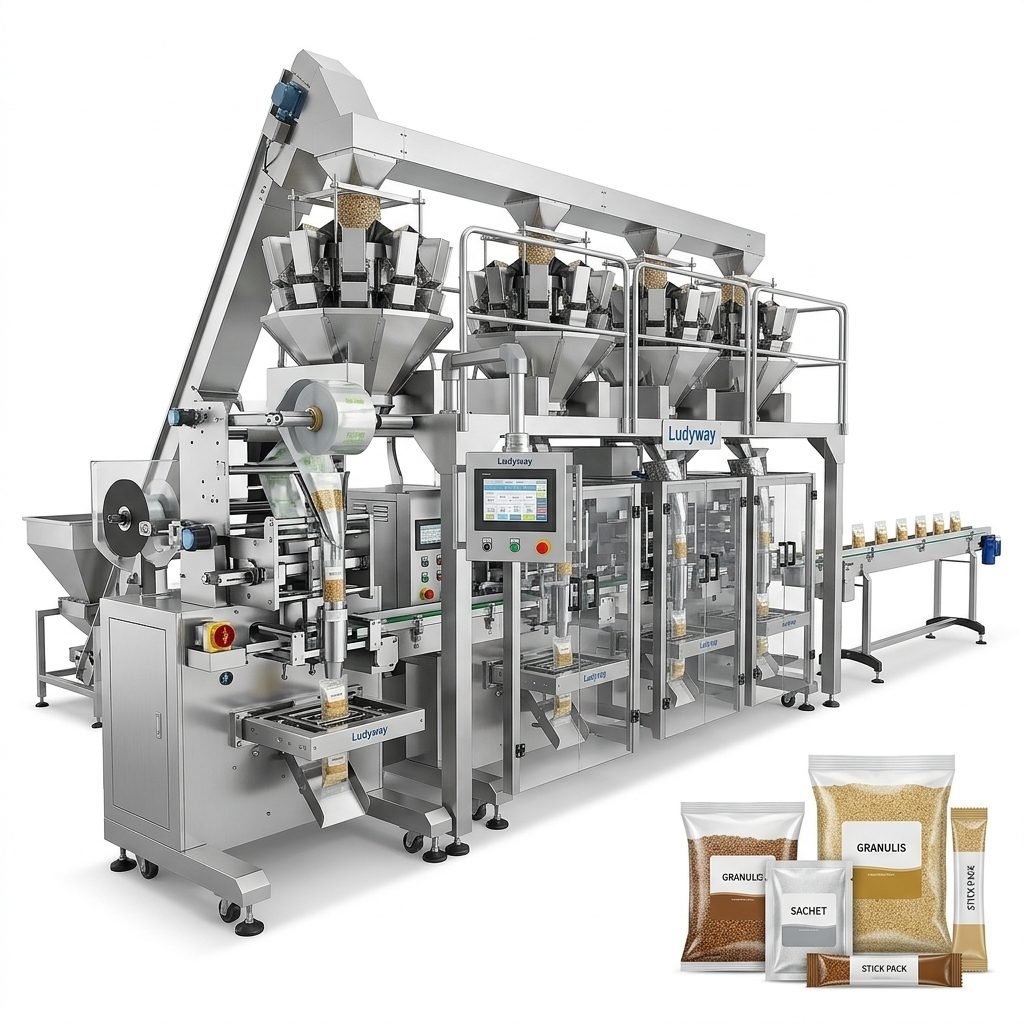
A fully integrated line goes beyond just the wrapping machine. To ensure product quality, extend shelf life, and maximize throughput, you need a complete turnkey system. The core components typically include:
- Feeding and Aligning Systems: Vibratory or belt conveyors that orient bars for single-lane or multi-lane feeding without damage.
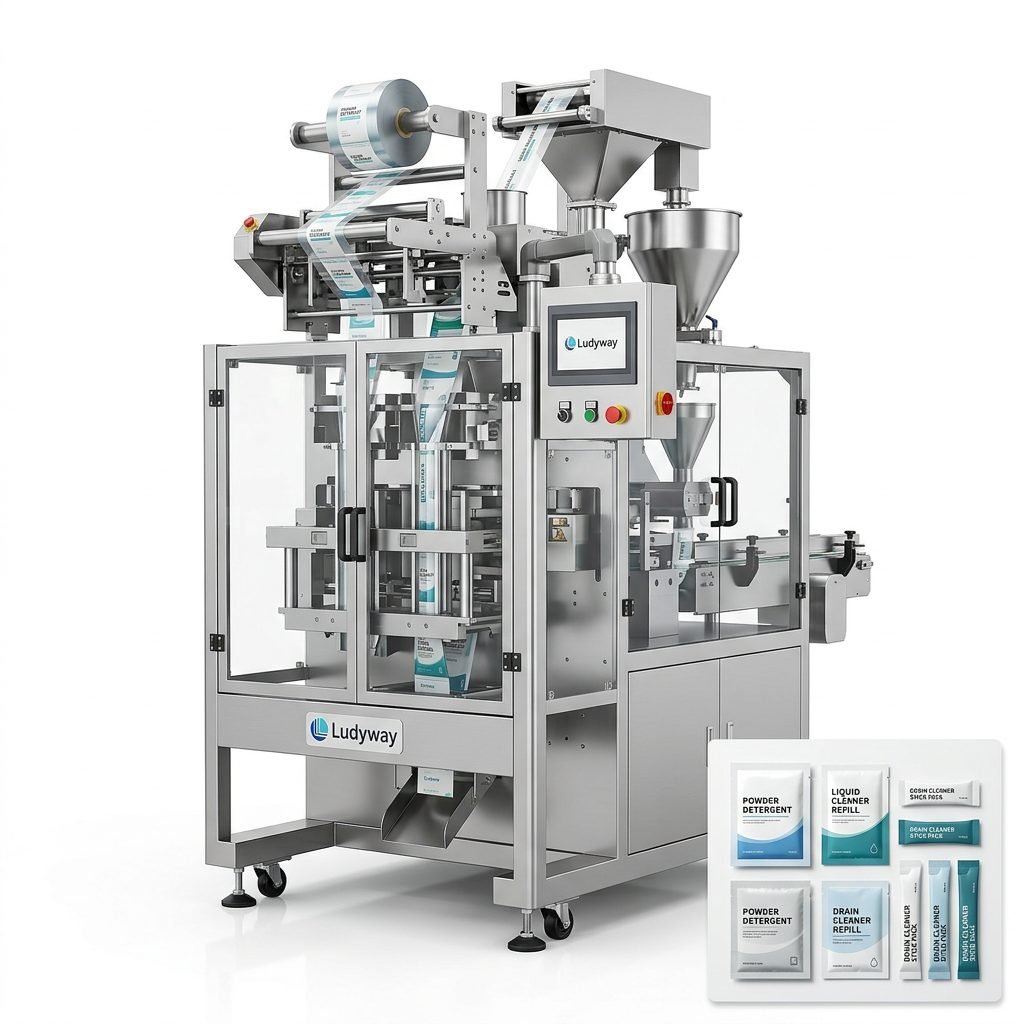
- Flow Wrapping Machine: The heart of the line, using heat-sealable films to create airtight pillow packs. Look for models with gas flushing (nitrogen) capabilities for extended freshness.
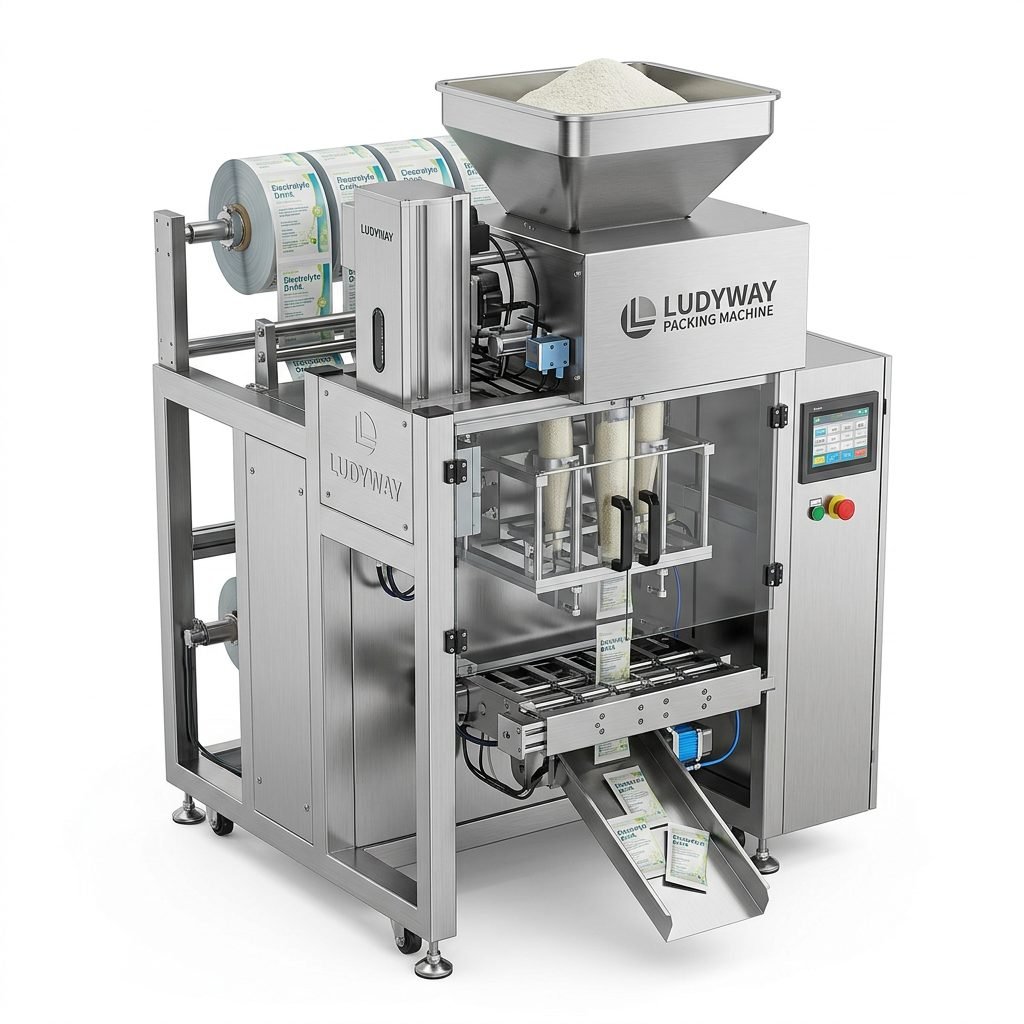
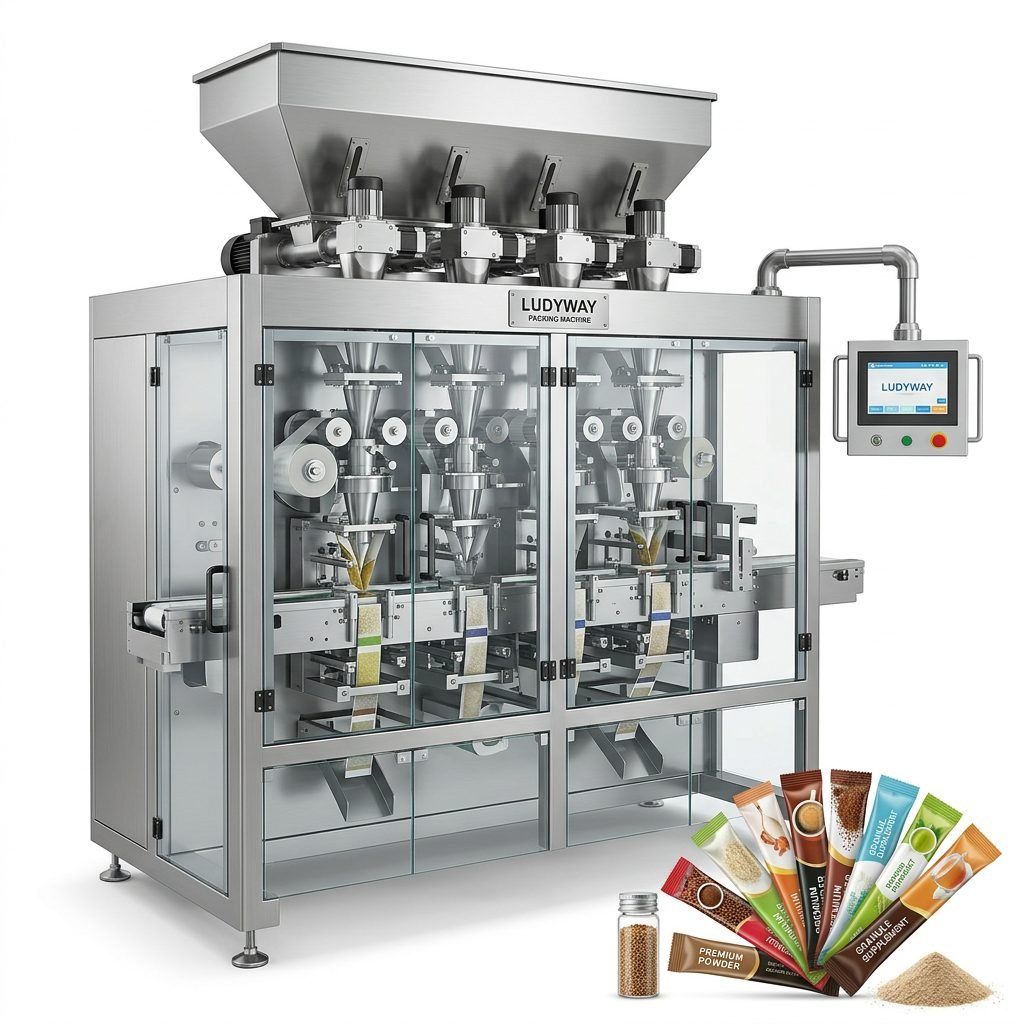
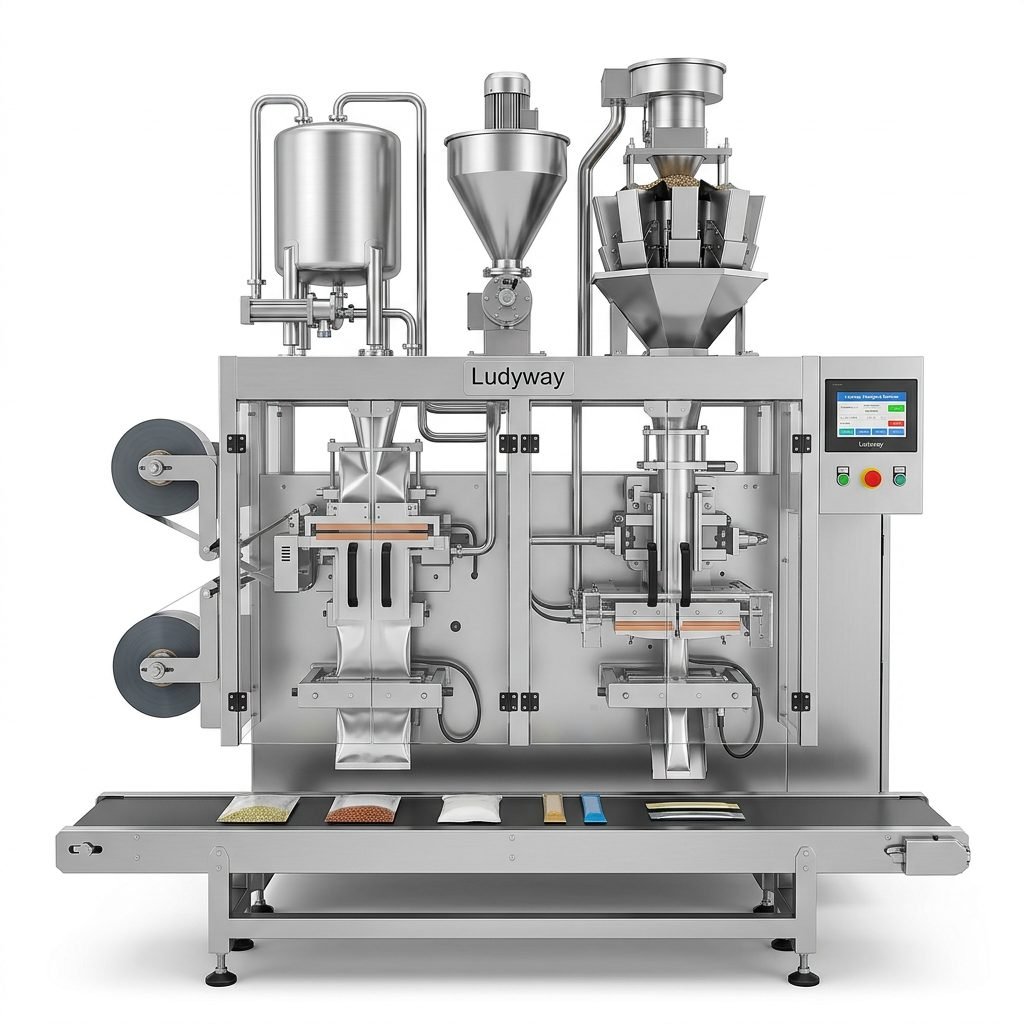
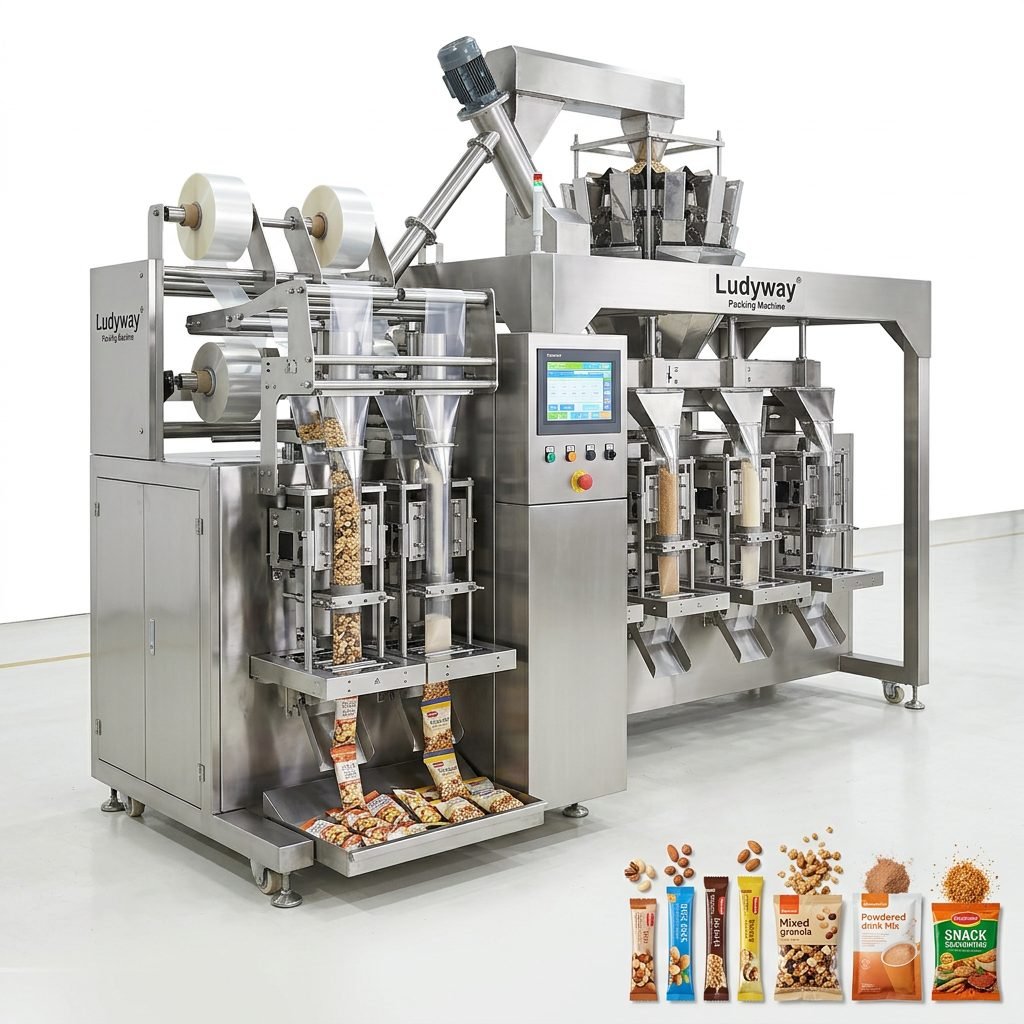
- Multi-Head Weigher or Volumetric Doser: Essential for lines that pack loose granola or cereal pieces into stick packs or sachets.
- Cartoning and Case Packing: Automation at the end of the line to pack finished bars into cartons and shipping cases.
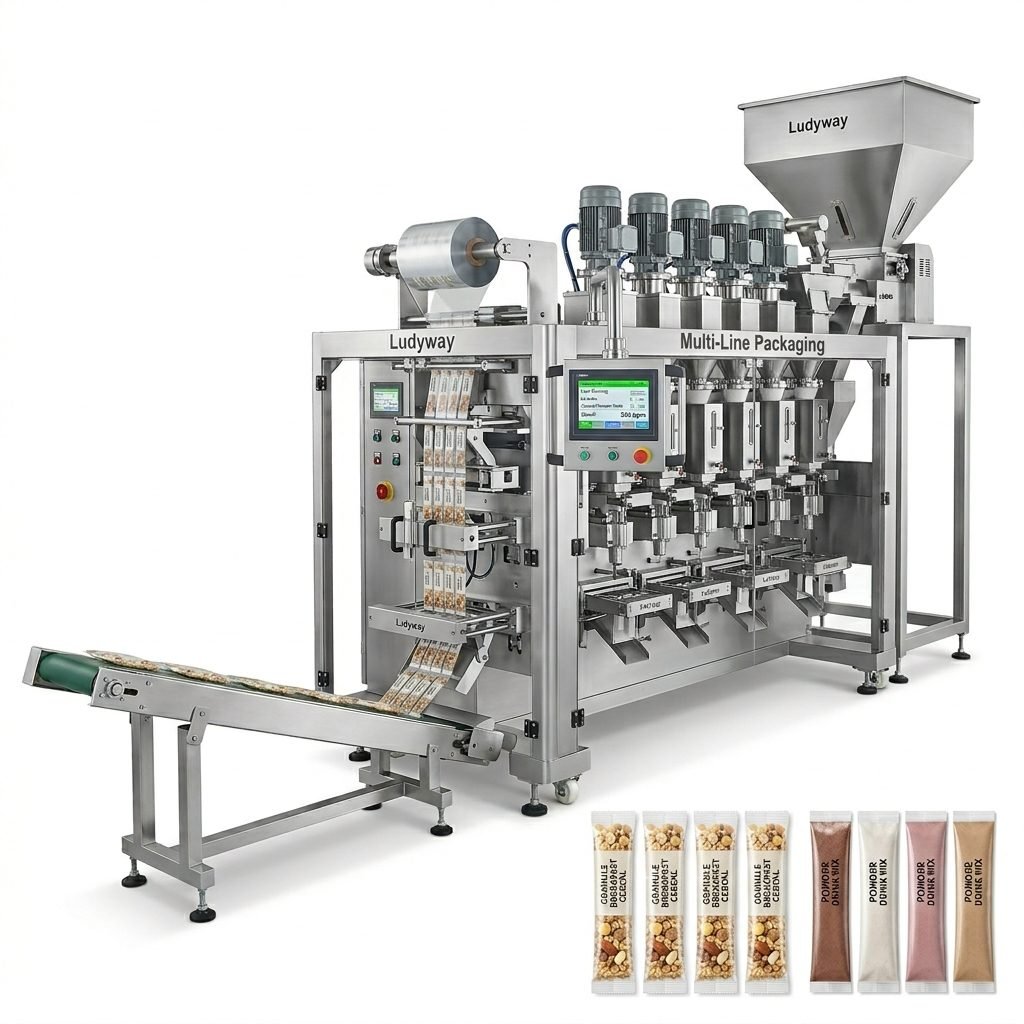
Step-by-Step Setup Guide
1. Regulatory Compliance and Material Selection
Southeast Asian nations follow various food safety standards, often harmonized with international norms. Your packaging materials must have excellent moisture and oxygen barrier properties due to the tropical climate. Select films that comply with local food contact regulations. A reliable equipment provider will help you integrate filling and sealing modules that work perfectly with your chosen eco-friendly or multi-layer laminates.
2. Choosing the Right Packaging Format
While traditional pillow packs remain popular, there is a growing trend for convenient formats. The table below compares common options for cereal-based products:
| Format | Best For | Key Advantage |
|---|---|---|
| Pillow Pack | Single full-size cereal bars | High speed, cost-effective film usage |
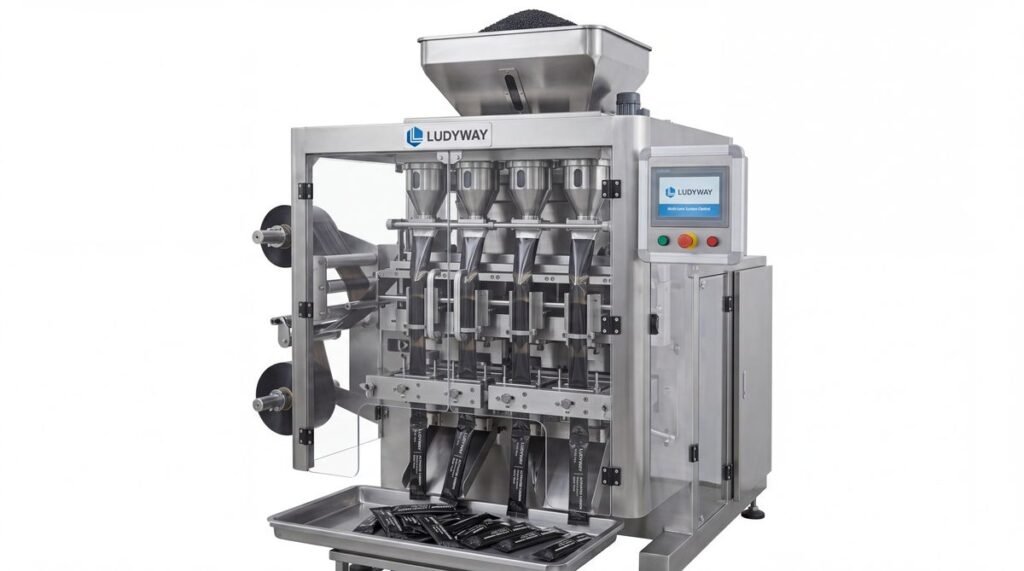
| Multi-Lane Stick Pack | Mini bars, bite-size granola snacks | Excellent for portion control, high output |
| Stand-Up Pouch | Loose granola, muesli with clusters | Resealable option, high shelf appeal |
3. Machine Configuration and Automation Level
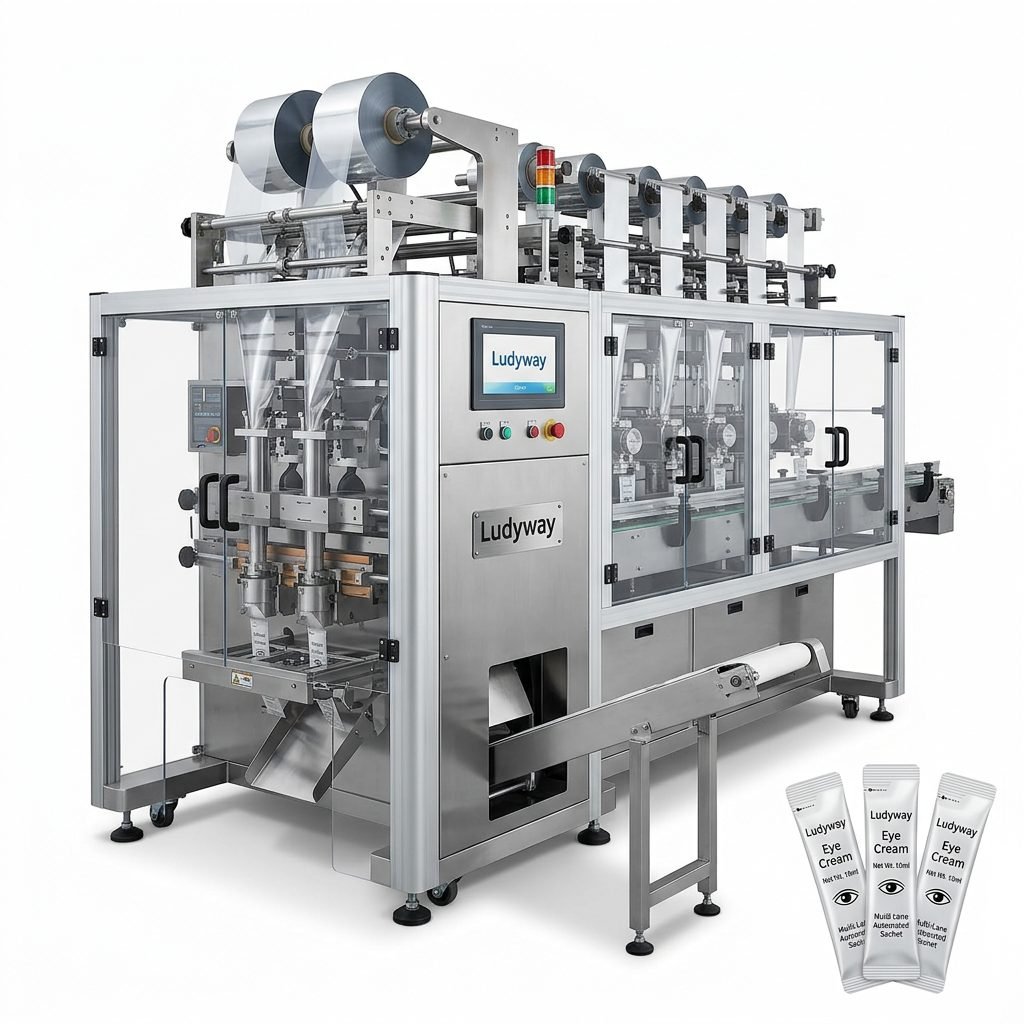
Determine your production capacity first. For startups, a semi-automatic line with manual feeding might suffice. However, for annual outputs exceeding 500 tons, fully automated multi-lane systems are essential. These systems, often featuring robotic pick-and-place units and high-speed flow wrappers, can output hundreds of bars per minute. They also integrate checkweighers and metal detectors for quality control, crucial for export-oriented producers.
4. Installation, Climate Control, and Training
The tropical climate in Southeast Asia requires climate-controlled production environments to prevent sticky build-up on machinery and ensure consistent sealing. Proper factory layout planning minimizes bottlenecks. Partner with a manufacturer that offers comprehensive on-site support, including installation, operator training, and a reliable local supply of spare parts. This is vital for minimizing downtime.
Key Considerations for Long-Term Success
Beyond the initial setup, operational efficiency defines profitability. Pay close attention to:
- Film Waste Reduction: Modern servo-driven machines have precise film registration to minimize waste.
- Changeover Speed: If you produce multiple bar sizes or flavors, quick-release parts and recipe memory functions are non-negotiable.
- Data Integration: Smart packaging lines provide real-time OEE data to help managers track performance and reduce idle time.
Why Partner with a Specialist?
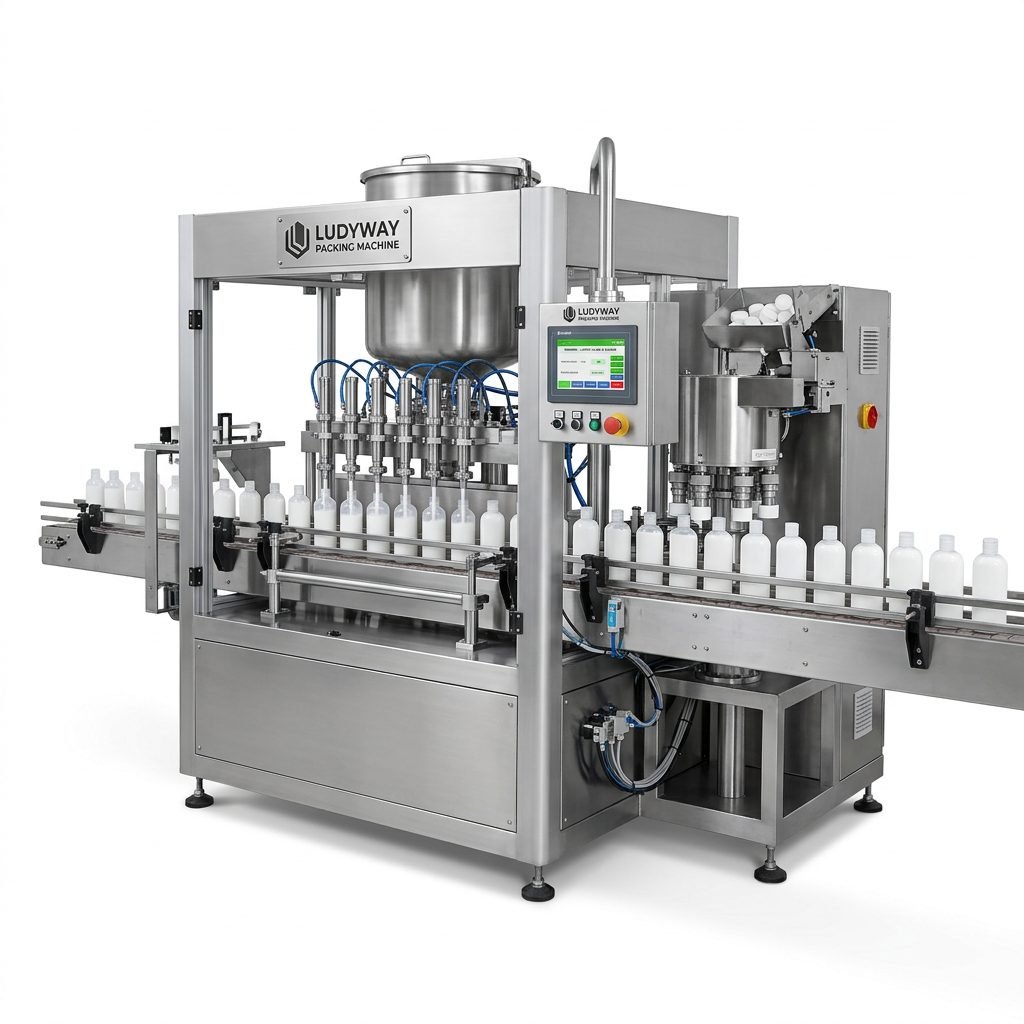
Setting up a production line in a developing market requires more than just buying hardware. You need a partner who understands the nuances of granule and powder handling, sticky product conveyance, and the local electrical supply standards. Established companies like Ludyway, one of the largest packaging machine manufacturers in China, have been delivering turnkey solutions to Southeast Asia for decades. With over 30 years of experience, a 20,000㎡ manufacturing facility, and support for customers in over 100 countries, they specialize in the entire spectrum of granule, powder, liquid, and pouch packaging applications. Their engineering team can design a custom layout for your specific cereal bar recipe, ensuring your line is ready for industry 4.0 standards from day one.
Further resources on flexible packaging standards can be found through the Flexible Packaging Association and food safety guidelines from the FDA. For global packaging machinery benchmarks, the ISO provides relevant specifications.