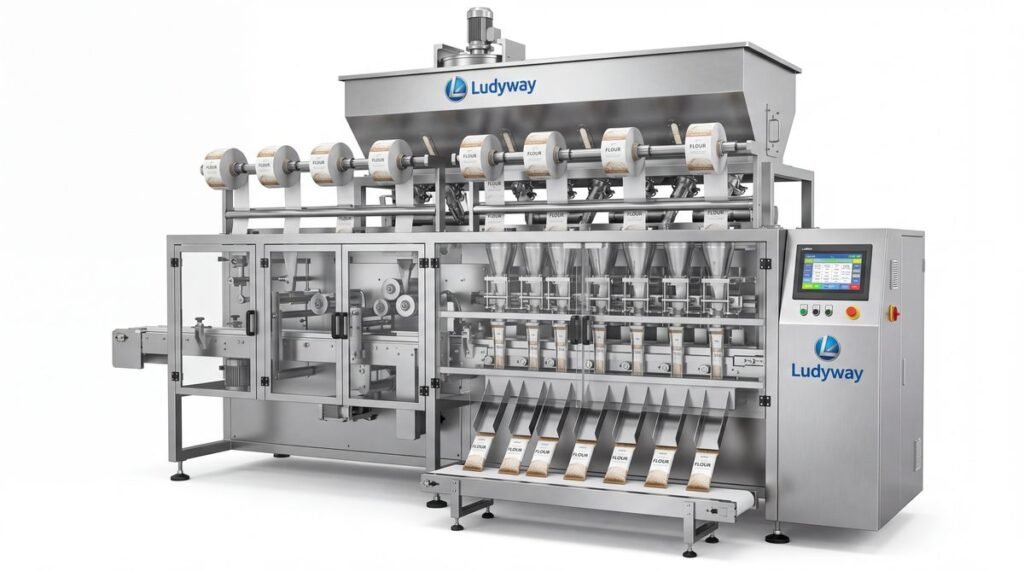
The global animal feed industry is experiencing unprecedented growth, driven by rising protein consumption and the modernization of livestock farming. For feed mill operators and integrators, investing in the right animal feed packaging machine is not just a capital expenditure—it is a strategic decision that directly impacts product quality, shelf life, and operational profitability. This guide breaks down the essential criteria to help you navigate the complexities of purchasing packaging equipment across different international markets.
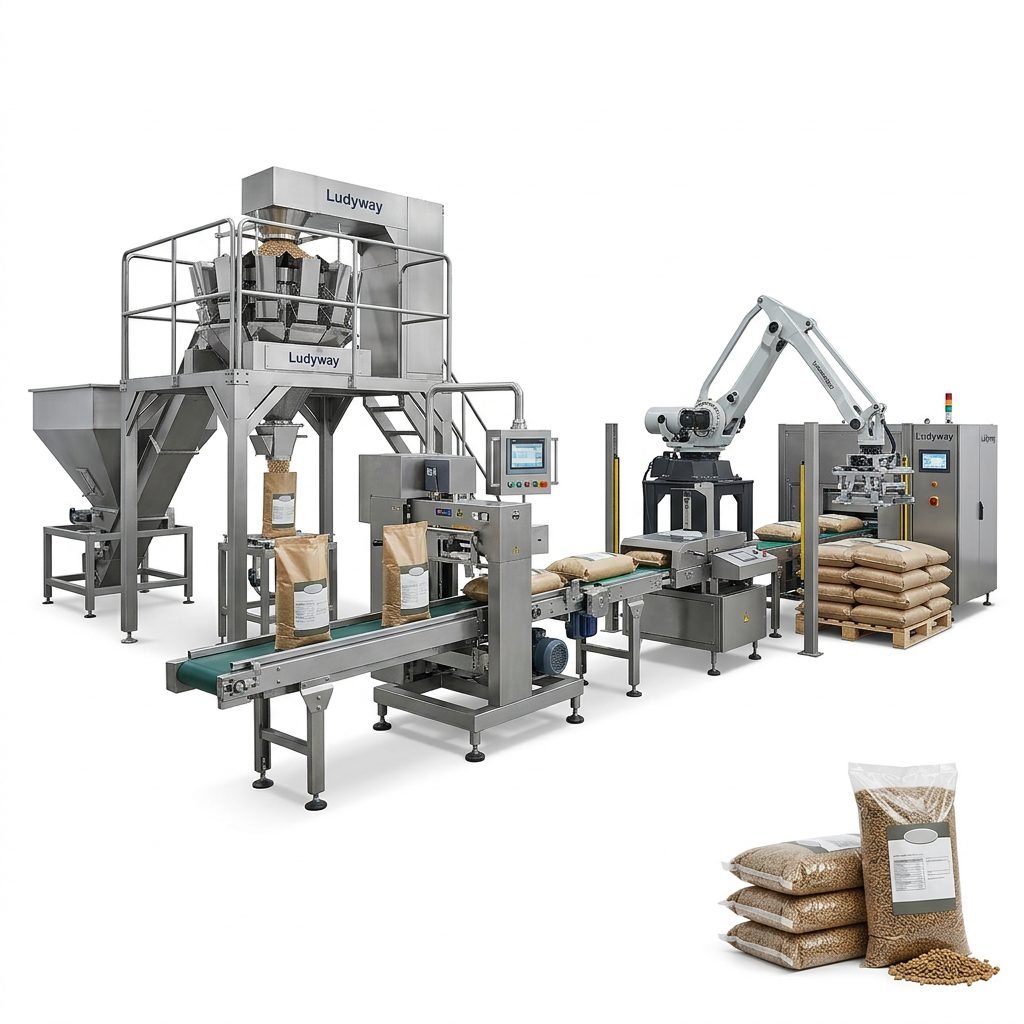
1. Understanding Your Material Characteristics and Production Goals
Before comparing machine specifications, you must define the physical properties of your animal feed. The core distinction lies between free-flowing granules (pellets, crumbles) and cohesive powders (mineral premixes, milk replacers). Particle size, bulk density, and flowability dictate the type of filling mechanism required. Ask yourself:
- Are you packaging standard livestock pellets requiring high-speed volumetric cup fillers?
- Are you handling sticky or dusty mineral premixes that necessitate an auger filler with dust extraction?
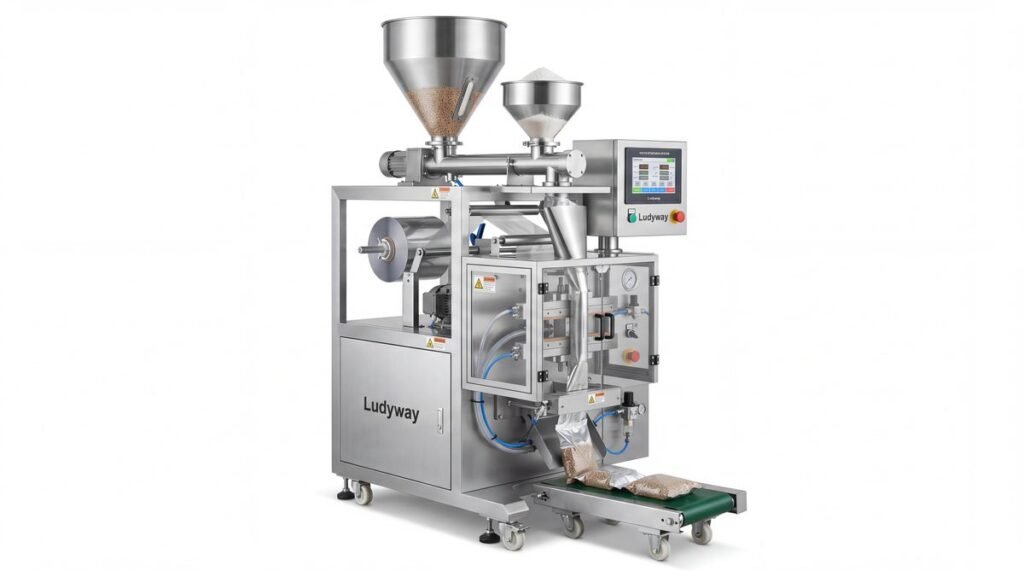
- What is your target output in bags per minute (BPM)? A small-capacity farm mill might need 5-10 BPM, while a commercial feed processing line may require 20-40 BPM.
2. Bag Styles and Packaging Formats: Matching Regional Preferences
The definition of a “standard bag” varies significantly across continents. Selecting the wrong bag style compatibility can render a machine useless. The table below outlines the dominant packaging formats globally and the machinery required to handle them.
| Bag Type | Common Region | Typical Material | Required Machine Type |
|---|---|---|---|
| Open Mouth Bag | Global (standard) | Woven PP, Paper | Automatic Bagging Scale with Sewing/Heat Sealing |
| Valve Bag | Europe, North America | Multi-wall Paper, Laminated | Impeller or Air Packer |
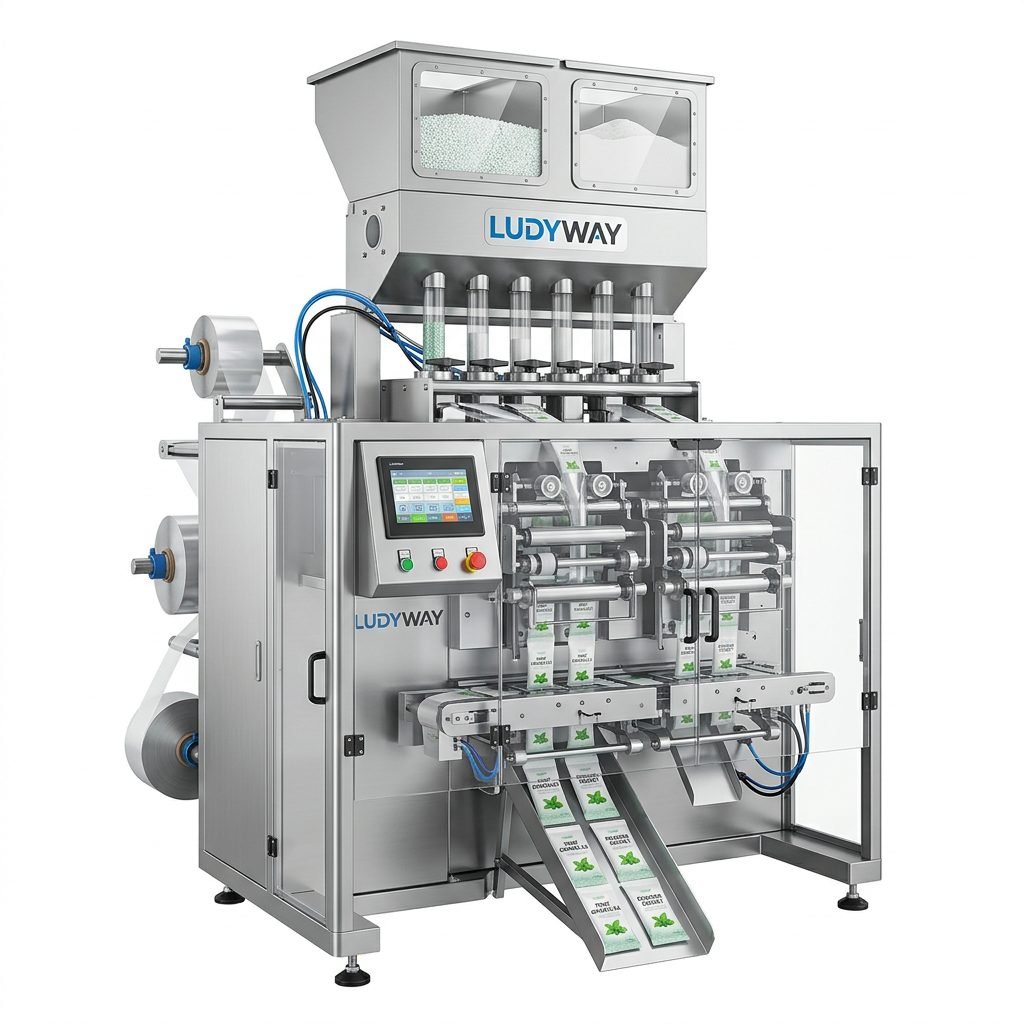
| Small Sachet/Stick Pack | Southeast Asia, Africa (premium retail) | Foil Laminate, PET/PE | Multi-Lane Vertical Form Fill Seal (VFFS) |
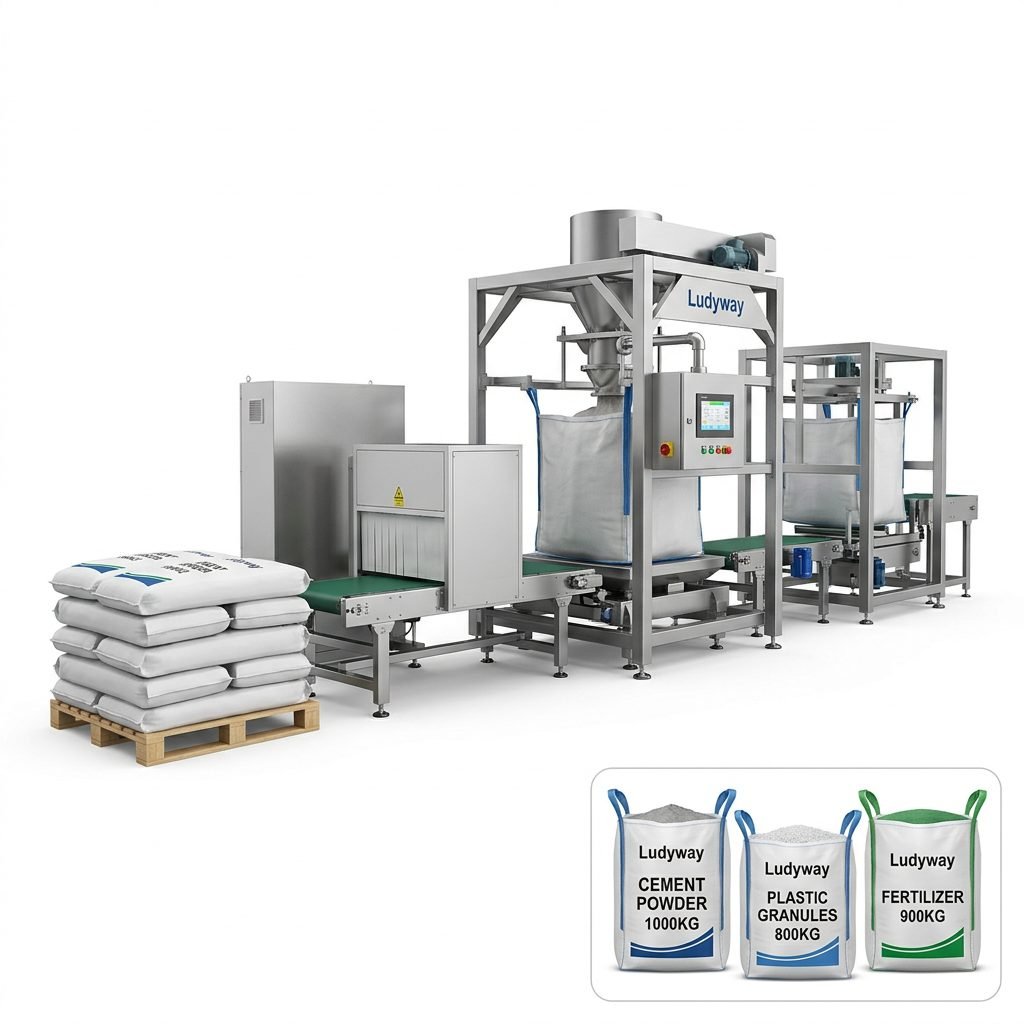
| FIBC (Big Bag) | Global (bulk industrial) | Heavy-duty Woven PP | Bulk Bag Filling Station |
3. Regulatory Compliance and Food Safety Standards
Export-oriented feed mills must adhere to strict food safety regulations. Equipment design plays a critical role in certification. Look for these key features to ensure compliance:
- Stainless Steel Construction (SS304/316): Mandatory for feed-grade contact parts to prevent corrosion and bacterial growth, especially in aquafeed or pet food packaging.
- IP65/IP67 Washdown Capability: Essential for sanitary environments. The machine must withstand high-pressure cleaning without damaging sensitive electronics.
- Dust-Proof Sealing: Effective dust collection prevents cross-contamination between medicated and non-medicated feed batches.
- FDA-Approved Materials: If exporting to the US market, ensure gaskets, belts, and lubricants meet FDA standards for food contact.
4. Automation Level: Weighing, Filling, and Sealing Integration
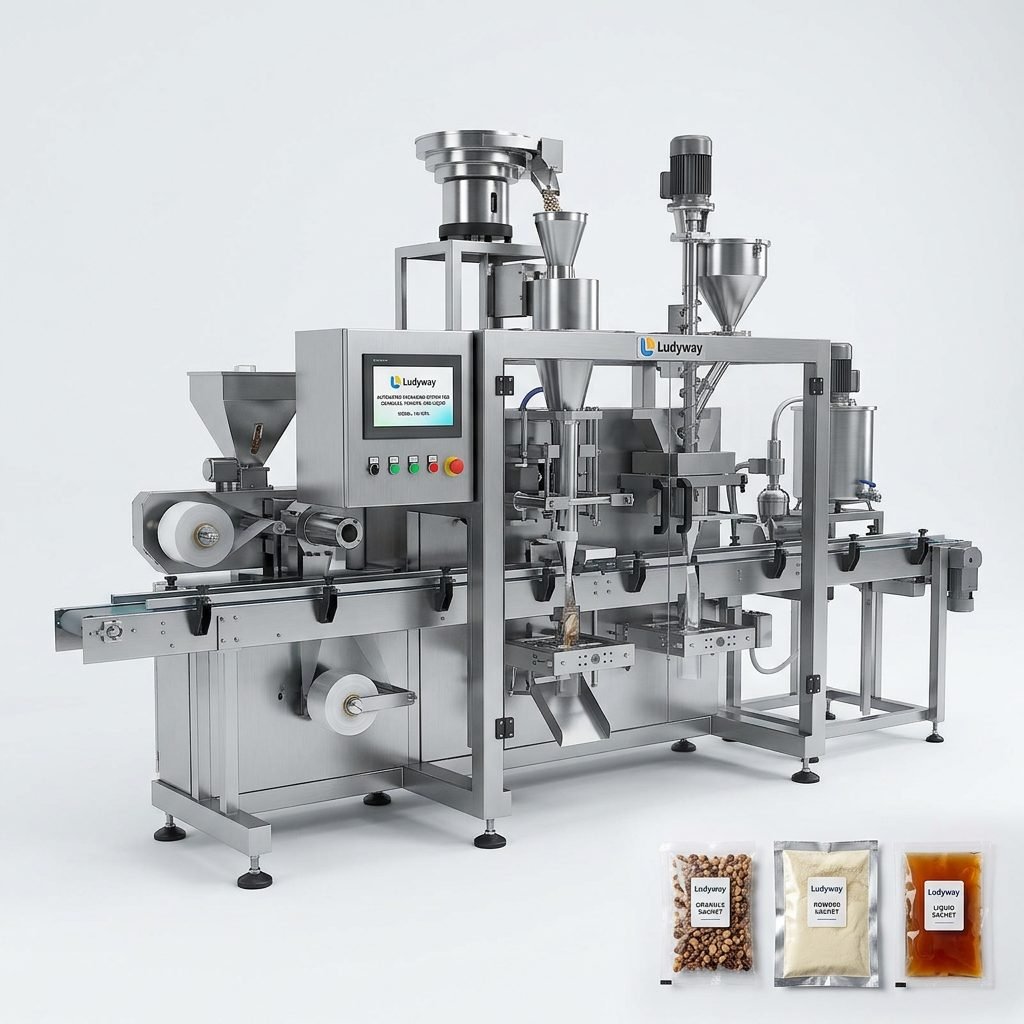
The degree of automation directly influences labor costs and accuracy. In high-cost labor markets like North America and Western Europe, fully automatic lines are standard. In developing regions, semi-automatic solutions often provide a faster return on investment (ROI). Consider the following configurations:
Key Station Components:
- Net Weighing Scale: Offers ±0.2% accuracy. Ideal for expensive premixes. Slower than gross weighing but highly precise.
- Gross Weighing Scale: Faster throughput. Suitable for uniform density pellets. Accuracy typically ±0.5%.
- Bag Closing System: Options include heat sealing (for plastic liners), sewing with crepe tape (for woven bags), and ultrasonic sealing (for clean room environments).
- Robotic Palletizing: For high-throughput lines exceeding 20 BPM, automated palletizing reduces ergonomic strain on workers and stabilizes loads for export shipping.
5. Evaluating the Total Cost of Ownership (TCO) and Supply Chain
The purchase price is only a fraction of the Total Cost of Ownership. Smart buyers prioritize energy efficiency, spares availability, and local technical support. A machine with a lower upfront cost can become a financial burden if it suffers from frequent micro-stoppages due to inconsistent bag quality or poor sensor calibration.
Checklist for Evaluating TCO:
- Energy Consumption: Evaluate the kW/h usage, particularly for high-pressure pneumatic components.
- Spare Parts Kit: Does the supplier provide a critical spares kit for the first year of operation? Key wear parts include heat sealing bands, forming tubes, and gripper belts.
- Remote Diagnostics: Modern lines should offer VPN-based remote access for troubleshooting, reducing the need for expensive on-site engineering visits.
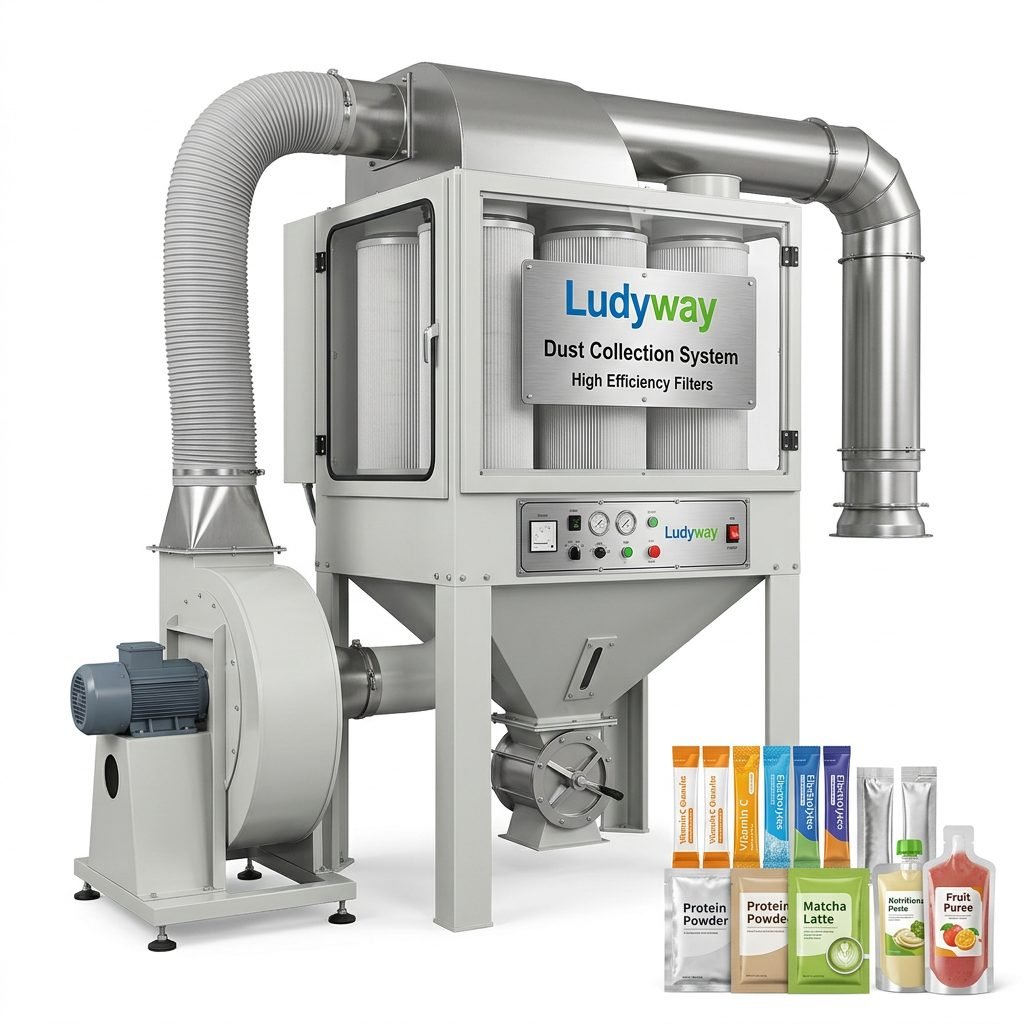
6. The Rise of Small-Format Packaging in the Feed Sector
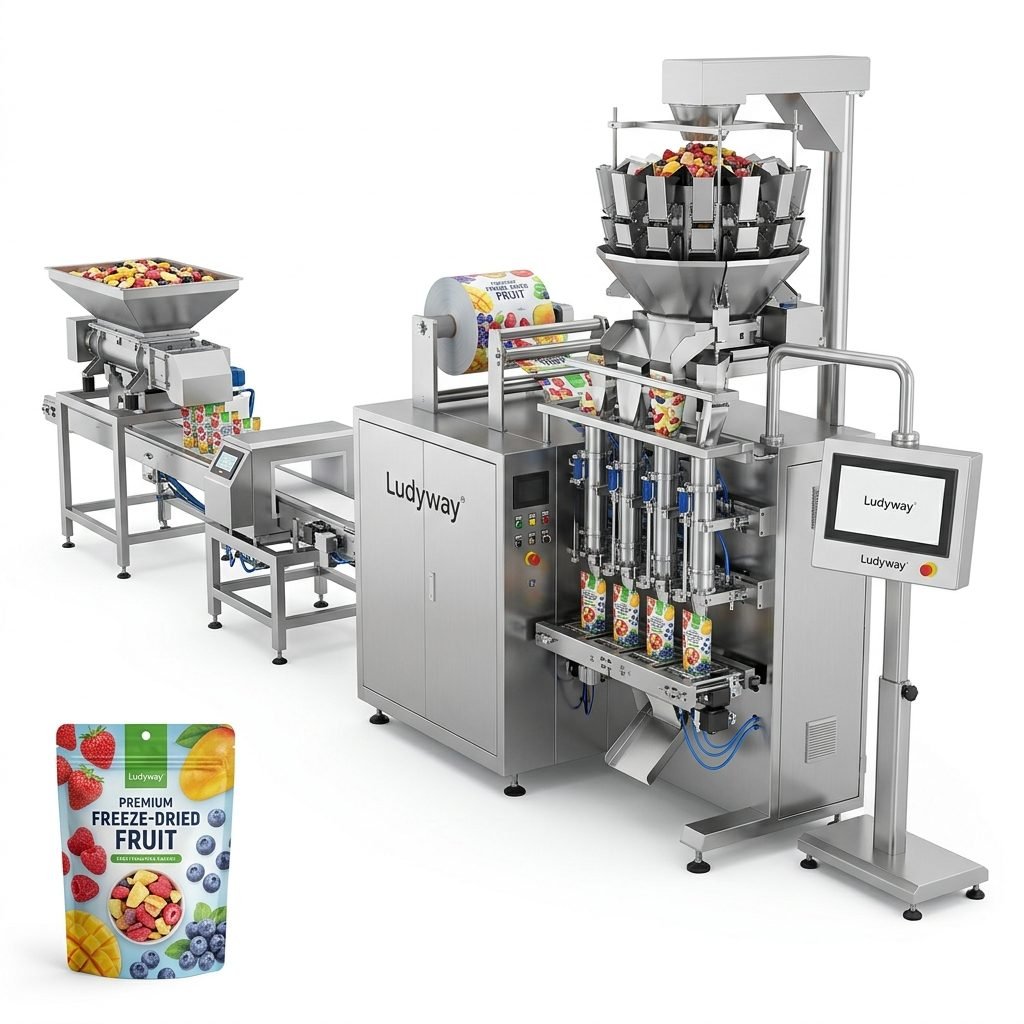
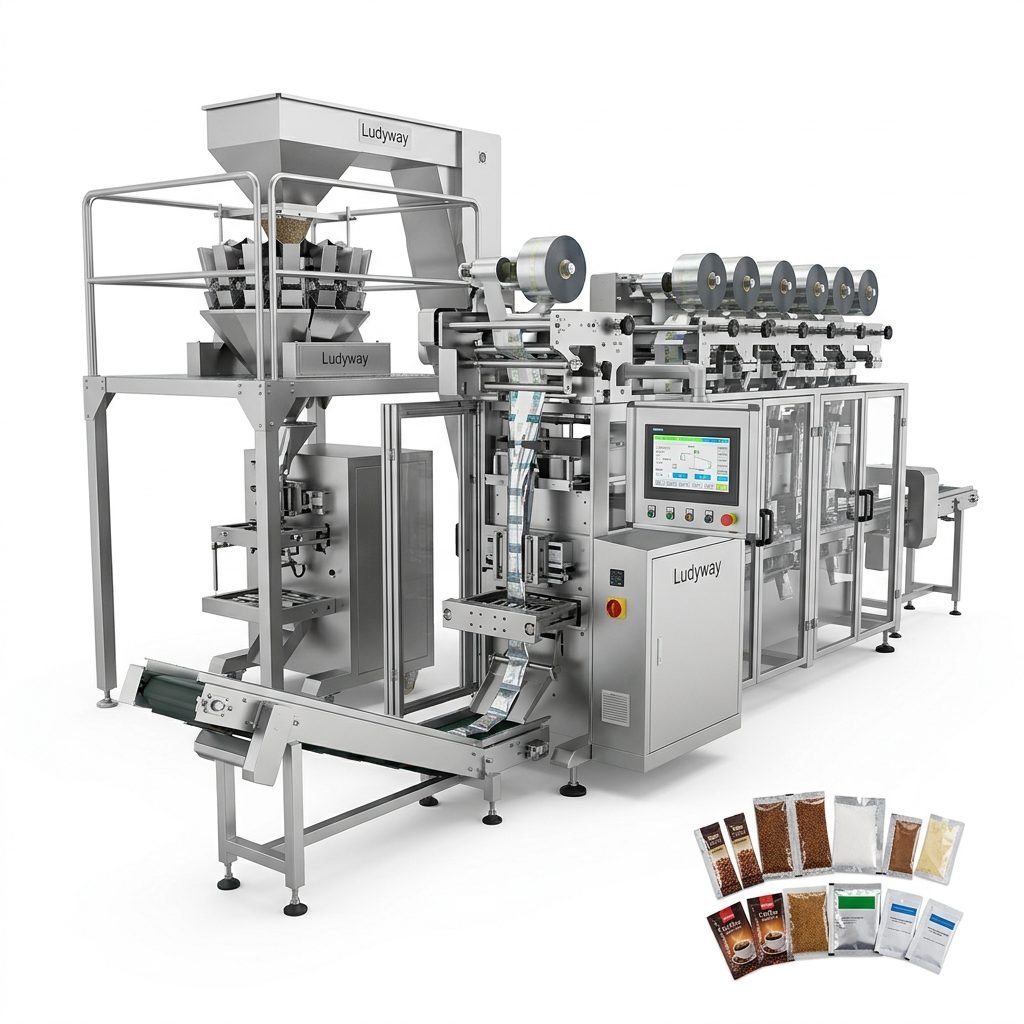
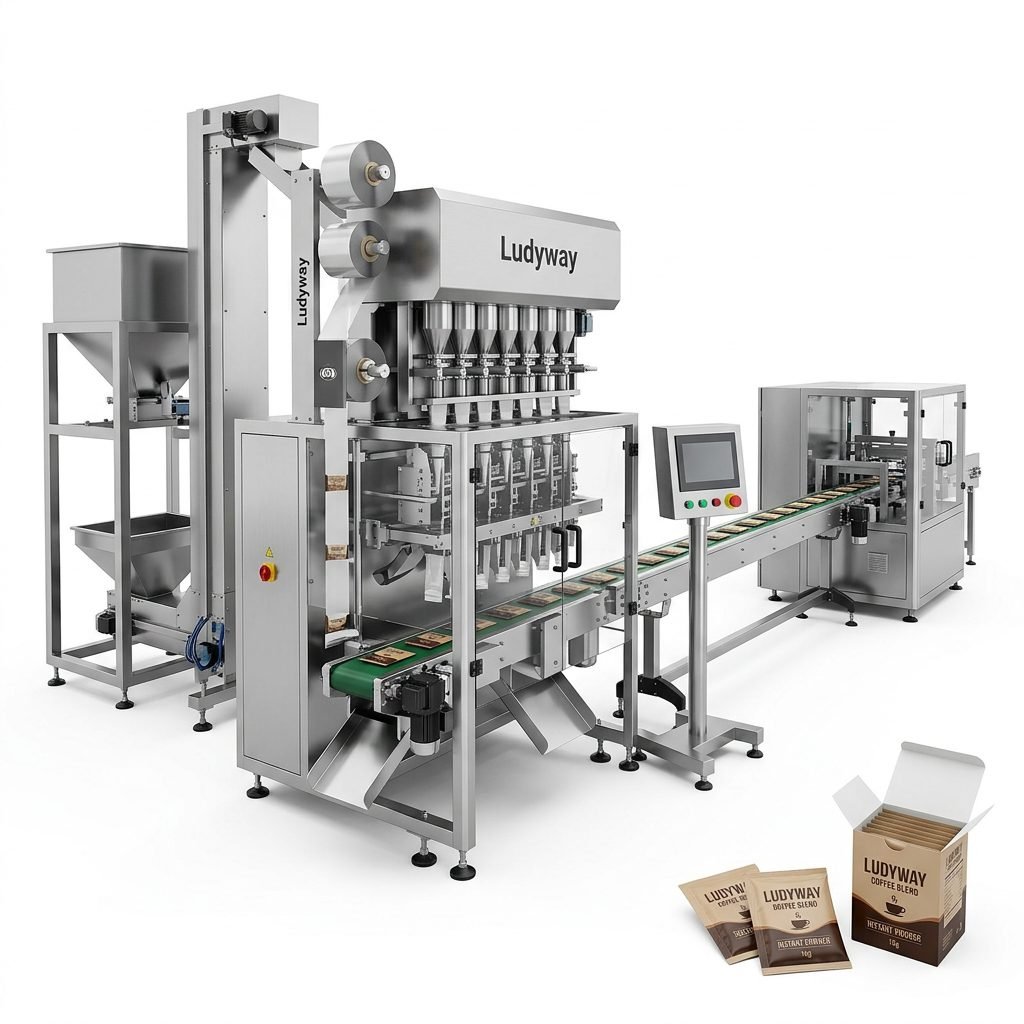
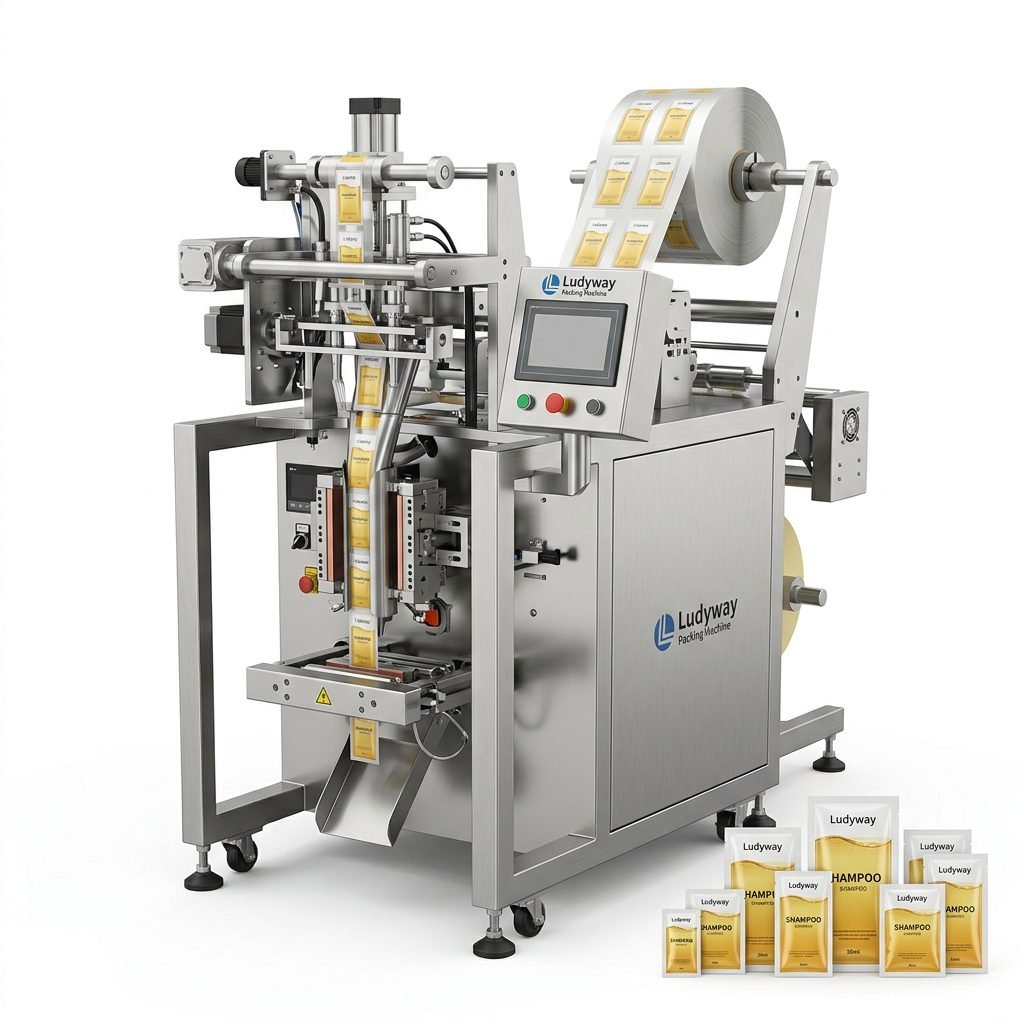
There is a rapid global shift toward small-format sachets and stick packs for specialty nutrition. Products like pet treats, probiotics, milk replacers, and electrolyte supplements are increasingly sold in 10g to 500g sealed packs. This shift is driving demand for high-speed multi-lane stick pack machines. When sourcing this technology, verify the machine’s capability to handle dusty or oily powders without compromising seal integrity. A critical specification to check is the sealing temperature tolerance and the film tracking system—essential for maintaining consistent logos and nutritional panels on the finished pack.
Frequently Asked Questions (FAQ) on Purchasing
What is the standard warranty for an industrial feed packaging machine?
Most reputable manufacturers offer an 18-month warranty from the shipment date or 12 months from the commissioning date, whichever occurs first. Always clarify the terms for the wearing parts, which are typically excluded from standard warranties.
Can I pack 25kg and 50kg bags on the same machine?
Some dual-purpose net weigh baggers can be adjusted to fill both 25kg and 50kg open-mouth bags, but the changeover may require adjusting the bag holder hanger arms and modifying the fill parameters in the HMI. It is rarely a seamless automatic switch between completely different bag designs, such as valve bags and open-mouth bags.
How do I future-proof my investment?
Select a modular control system that allows future integration of upstream equipment like robotic palletizers or downstream equipment like labelers and checkweighers. Ensure the PLC is from a leading global brand (Siemens, Allen-Bradley, or Mitsubishi) to guarantee spare parts availability worldwide.
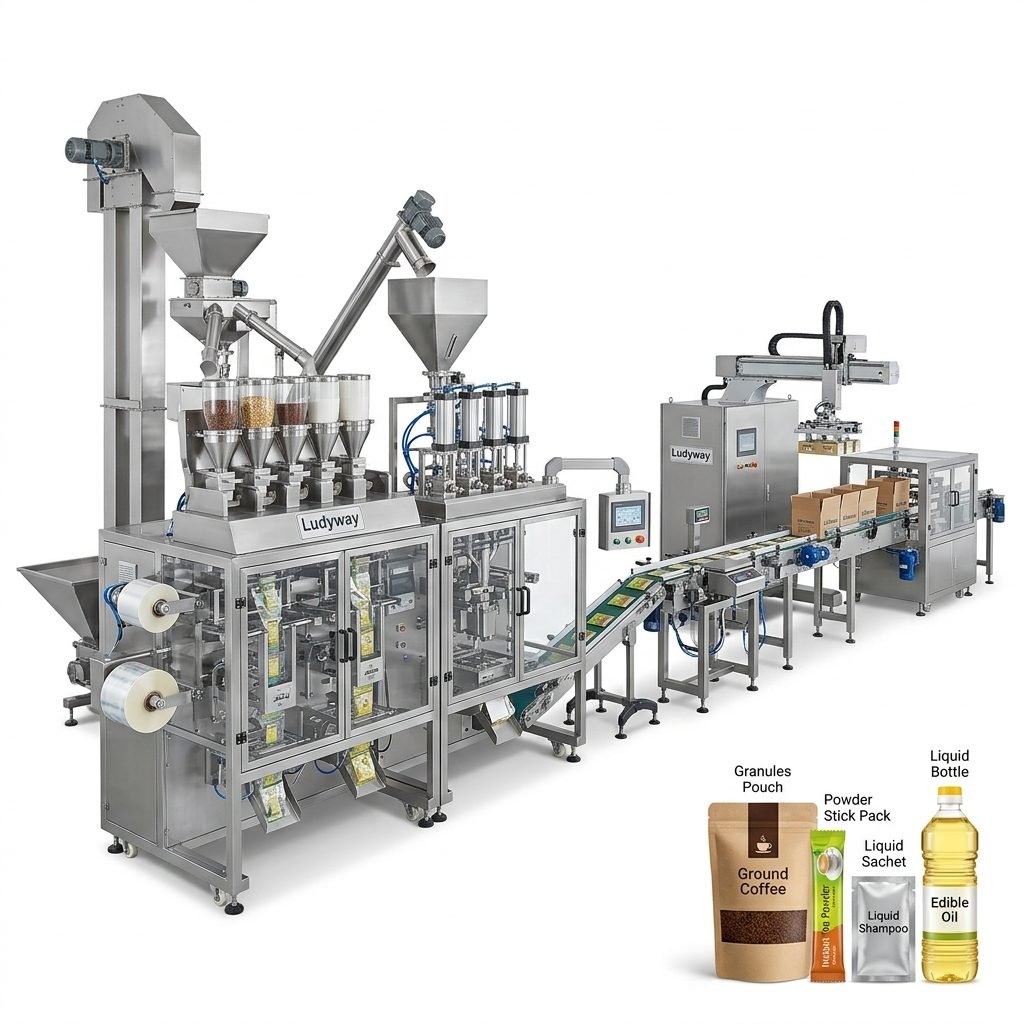
For businesses seeking to scale their production with robust and intelligent automation, partnering with an experienced original equipment manufacturer is critical. Ludyway specializes in turnkey packaging solutions, leveraging a modern 20,000㎡ manufacturing facility to deliver reliable equipment that meets diverse international standards for granules, powders, and liquid feed supplements. Evaluating the right machinery based on the criteria above ensures you stay competitive in the dynamic global feed market.
Further Reading and Resources:
PMMI State of the Industry Report 2026 – Understand the latest trends in packaging machinery shipments and economic outlook.
FDA Packaging and Food Contact Substances – Official regulatory guidance for animal feed packaging materials entering the US market.
Global Growth Trend Analysis for Packaging Machinery – Industry data on export growth and international demand drivers.
Flexible Packaging Association Resources – Insights on flexible film technologies used in modern feed sachets and pouches.