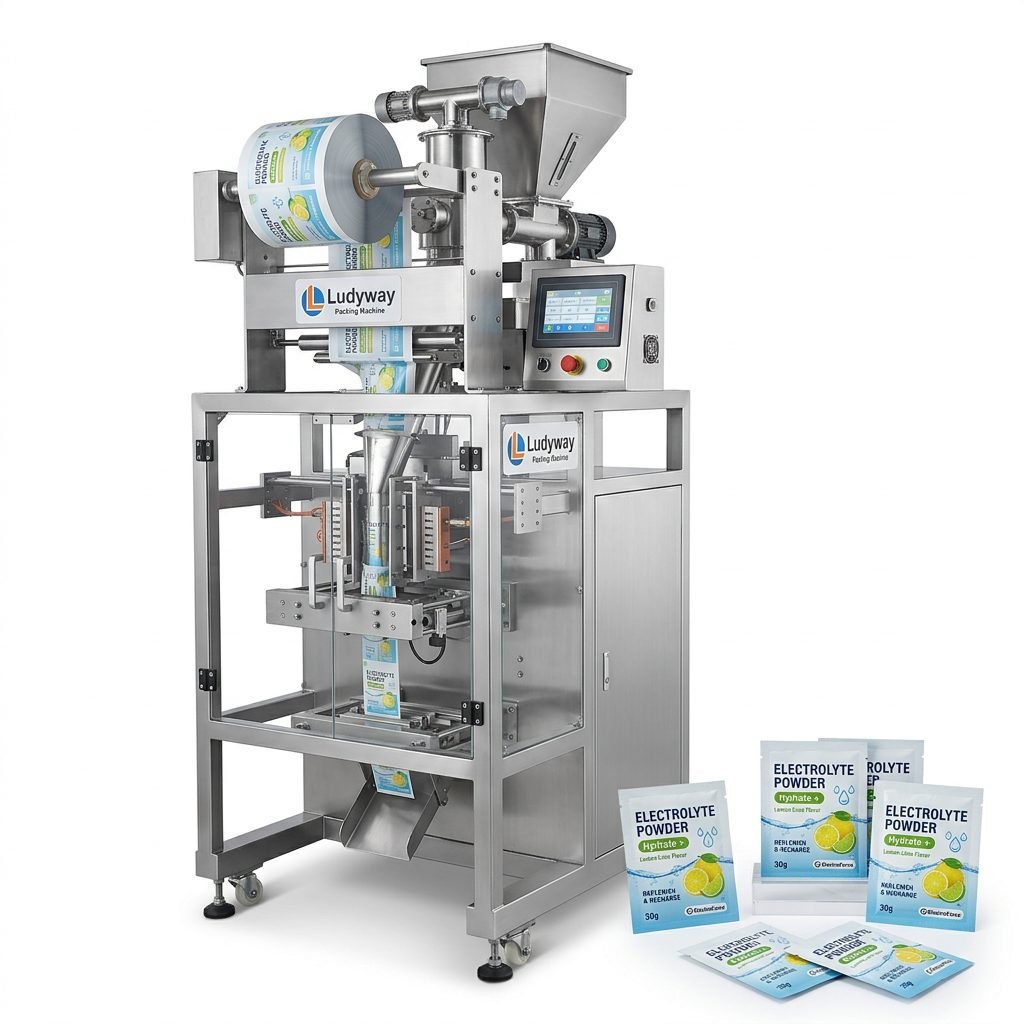
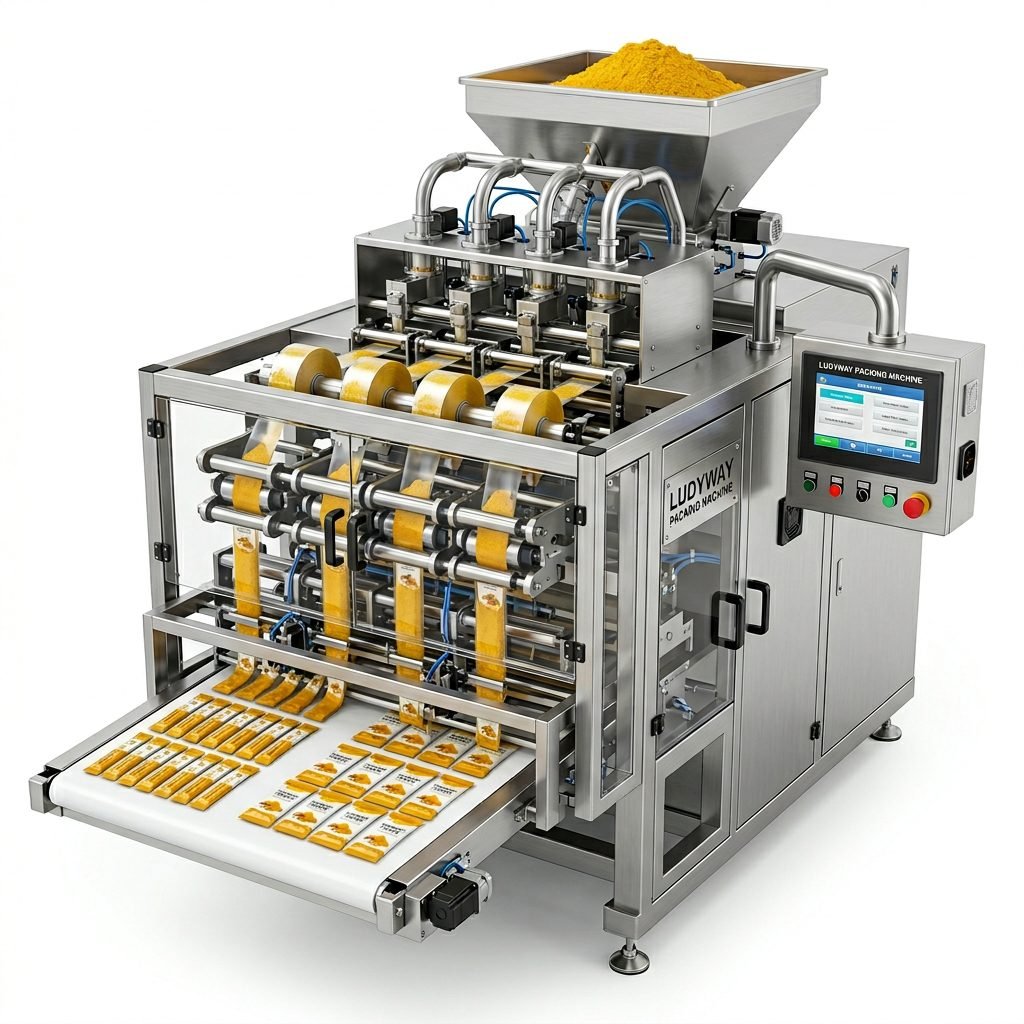
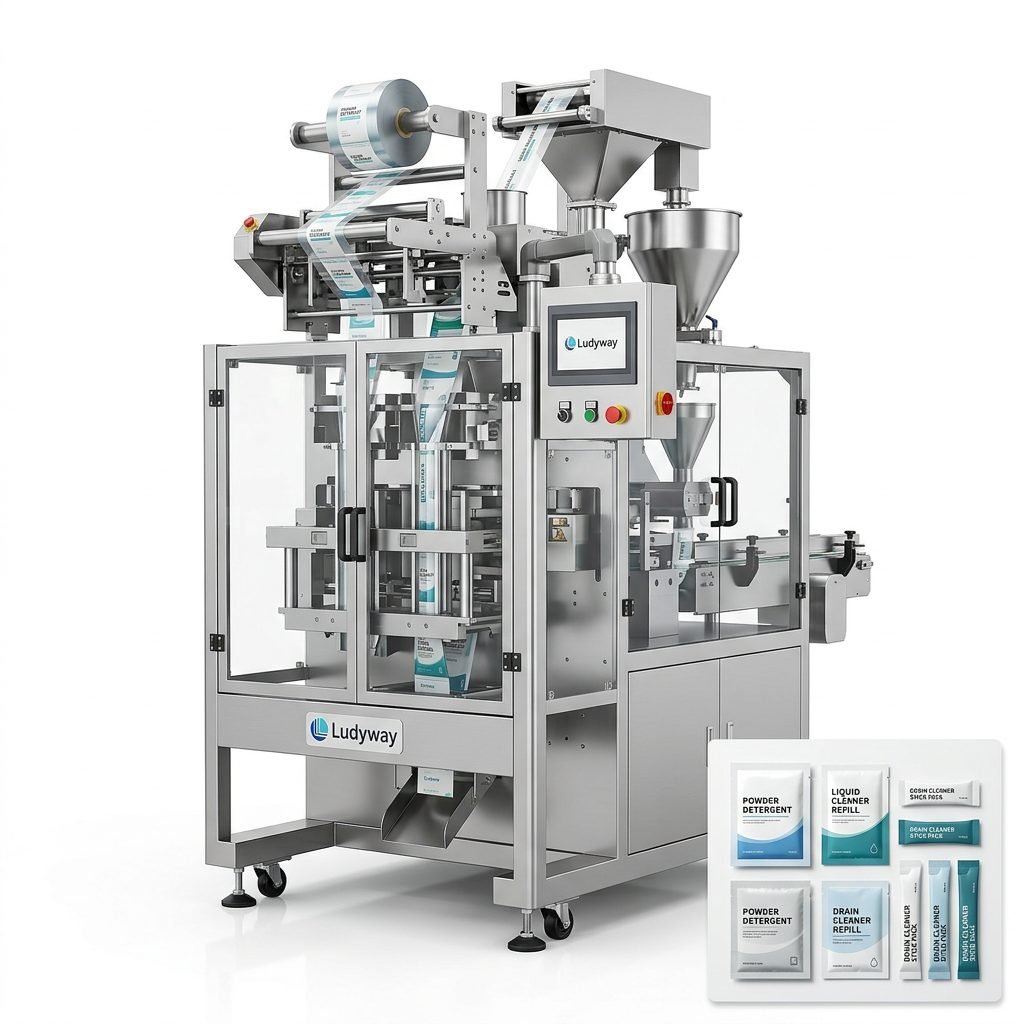
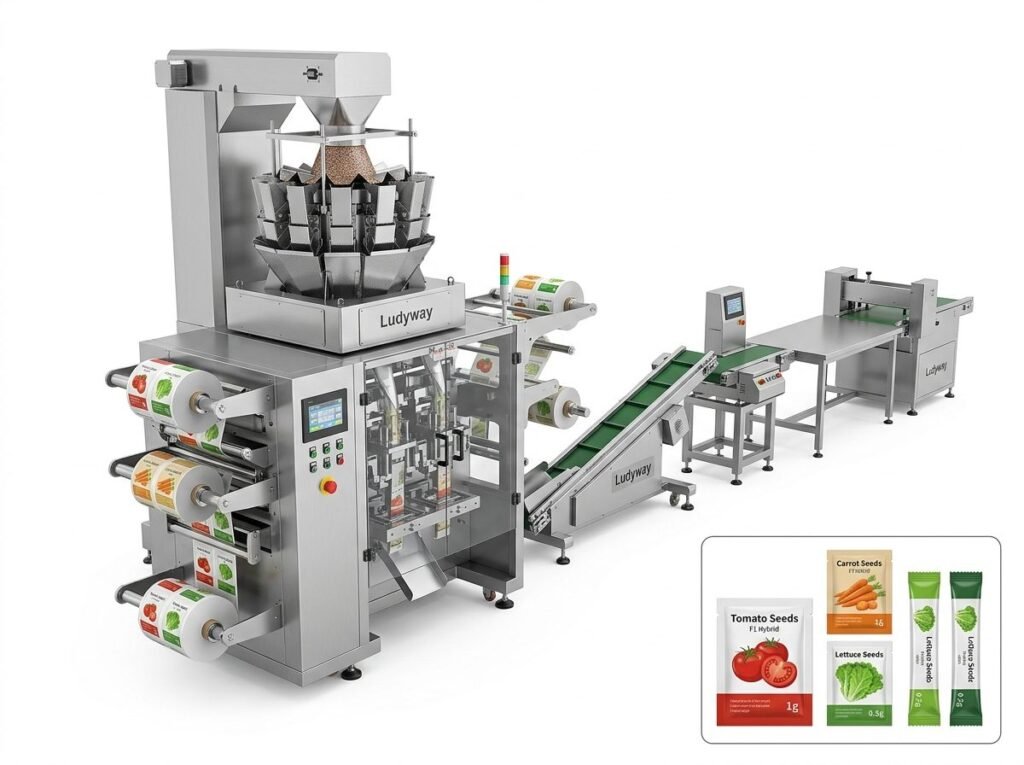
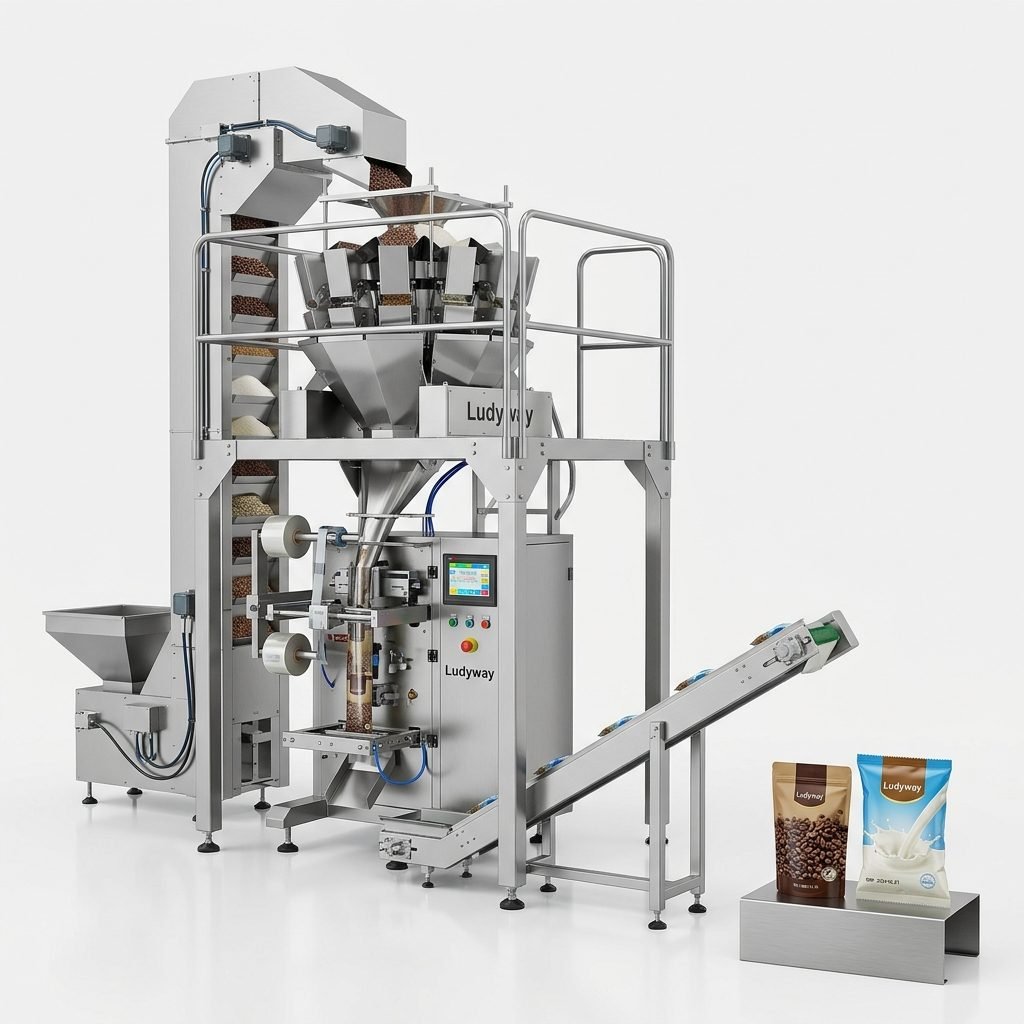
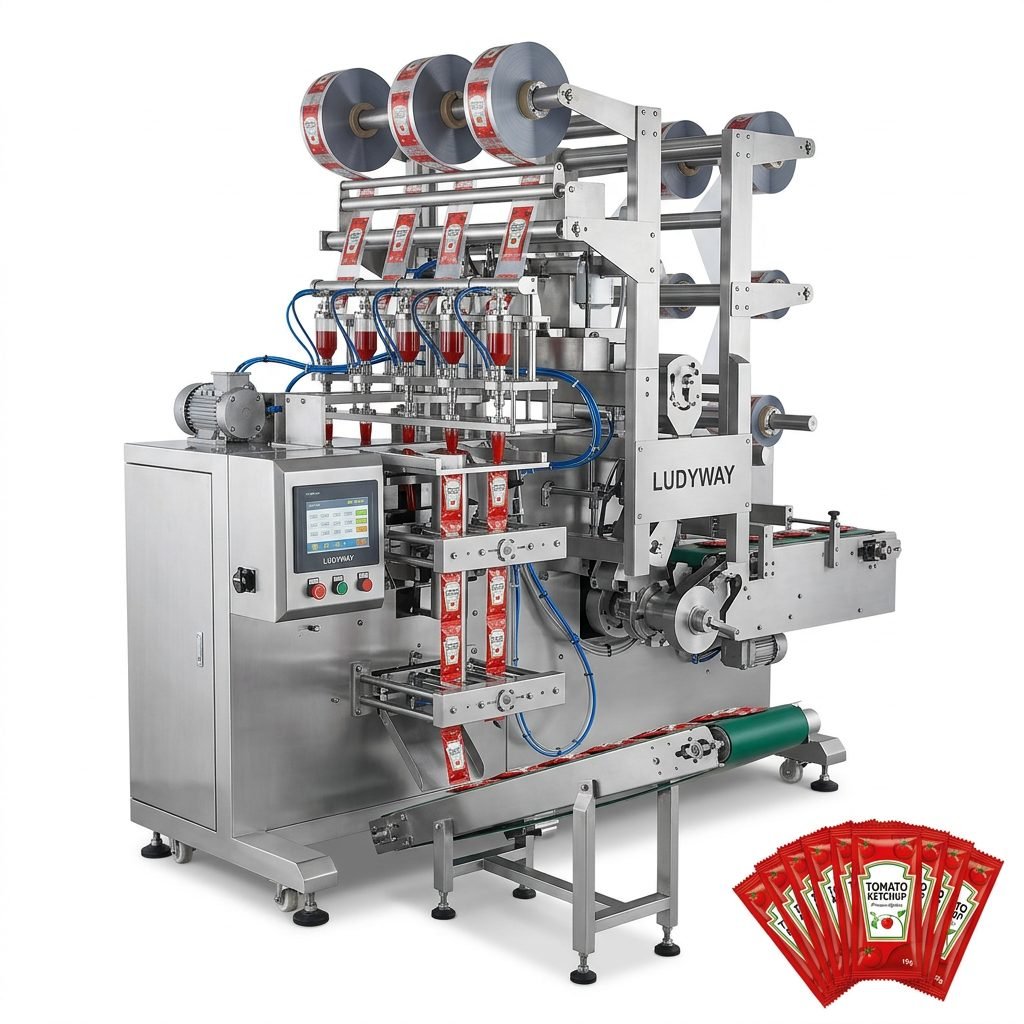
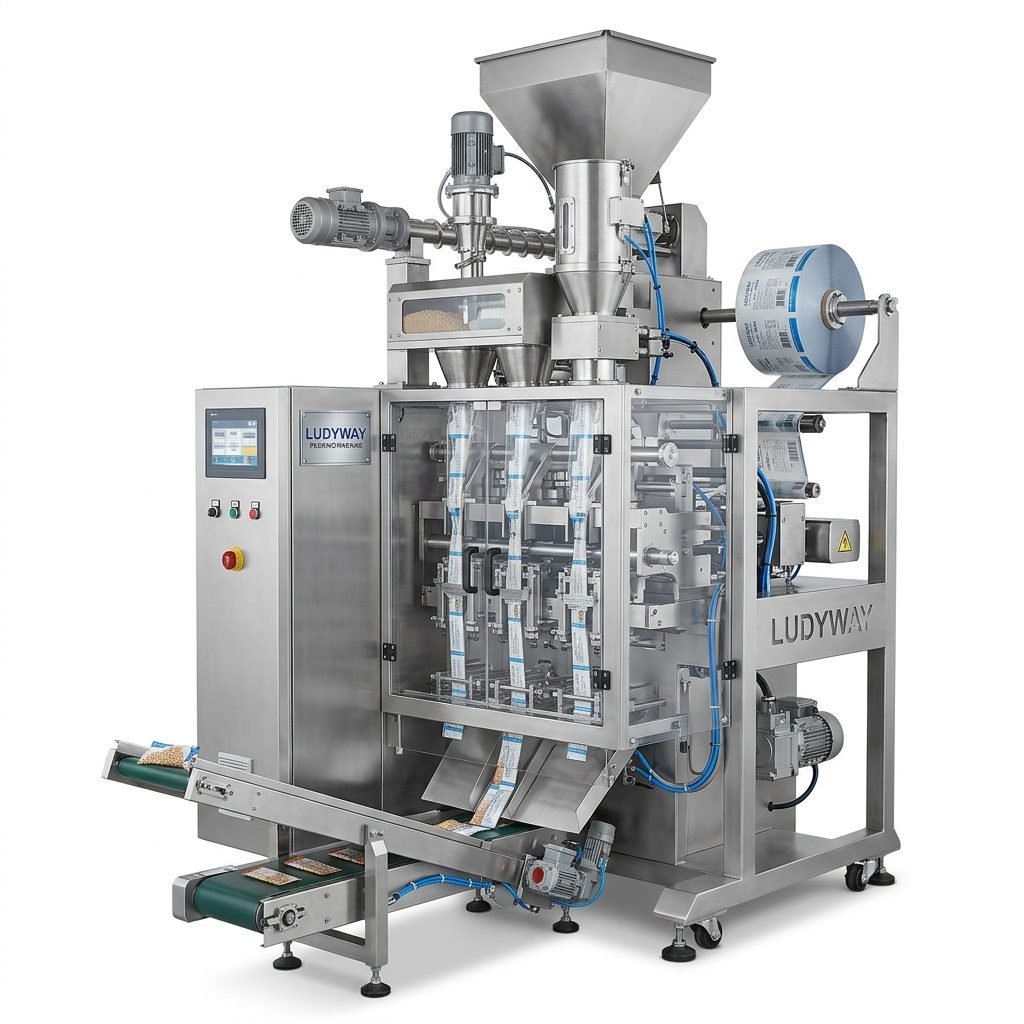
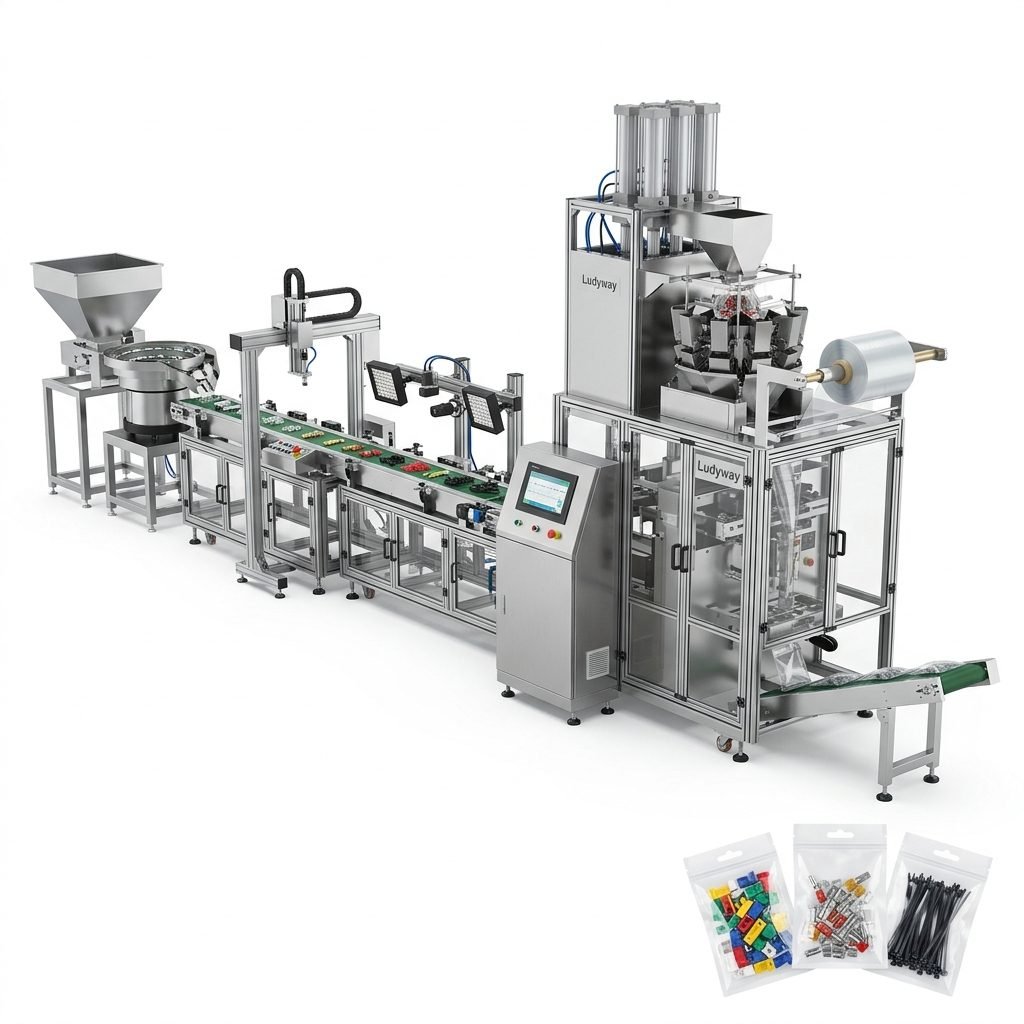
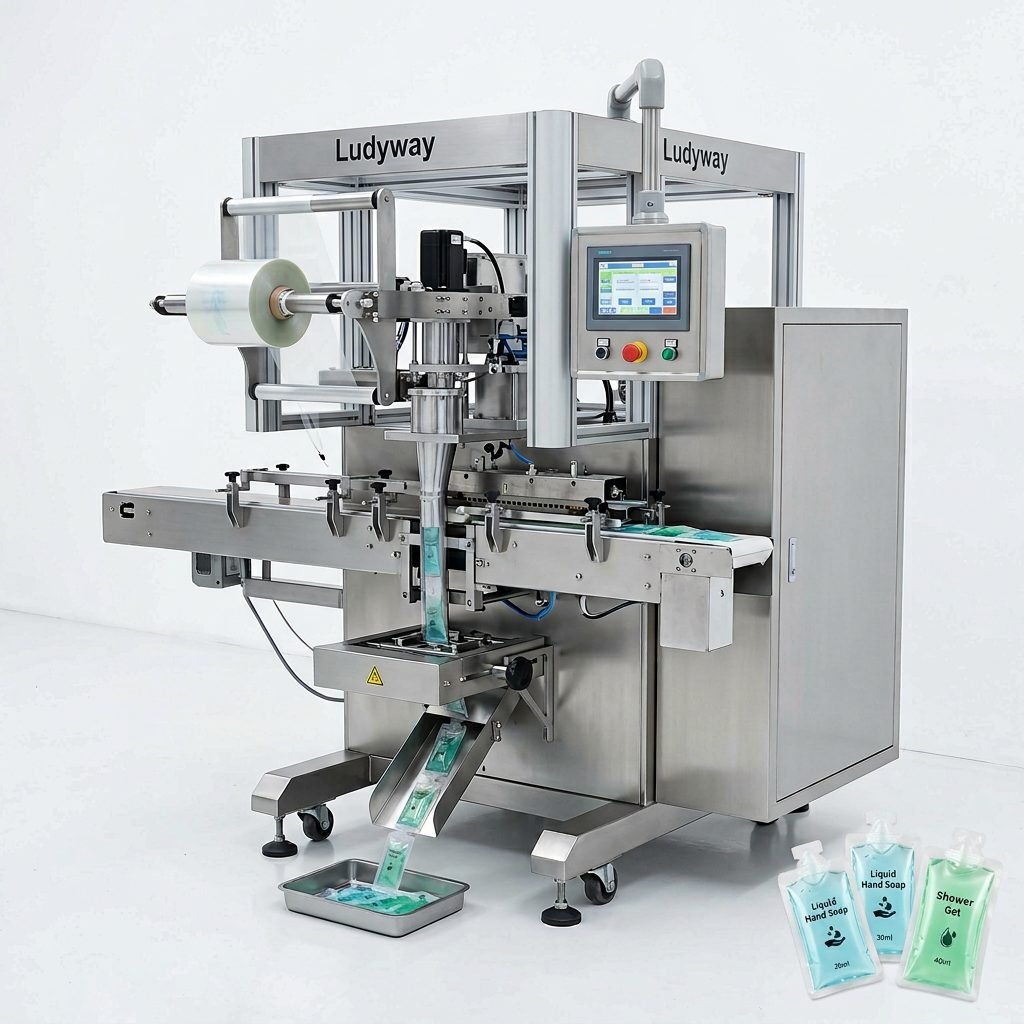
Investing in a tea automatic weighing and packing machine is a significant decision for any tea business looking to scale production, improve accuracy, and reduce labor costs. Whether you are packaging loose leaf tea, herbal blends, matcha powder, or tea bags, understanding the cost structure is essential for making an informed purchasing decision. The price of these machines varies widely based on configuration, speed, automation level, and the type of packaging format required.
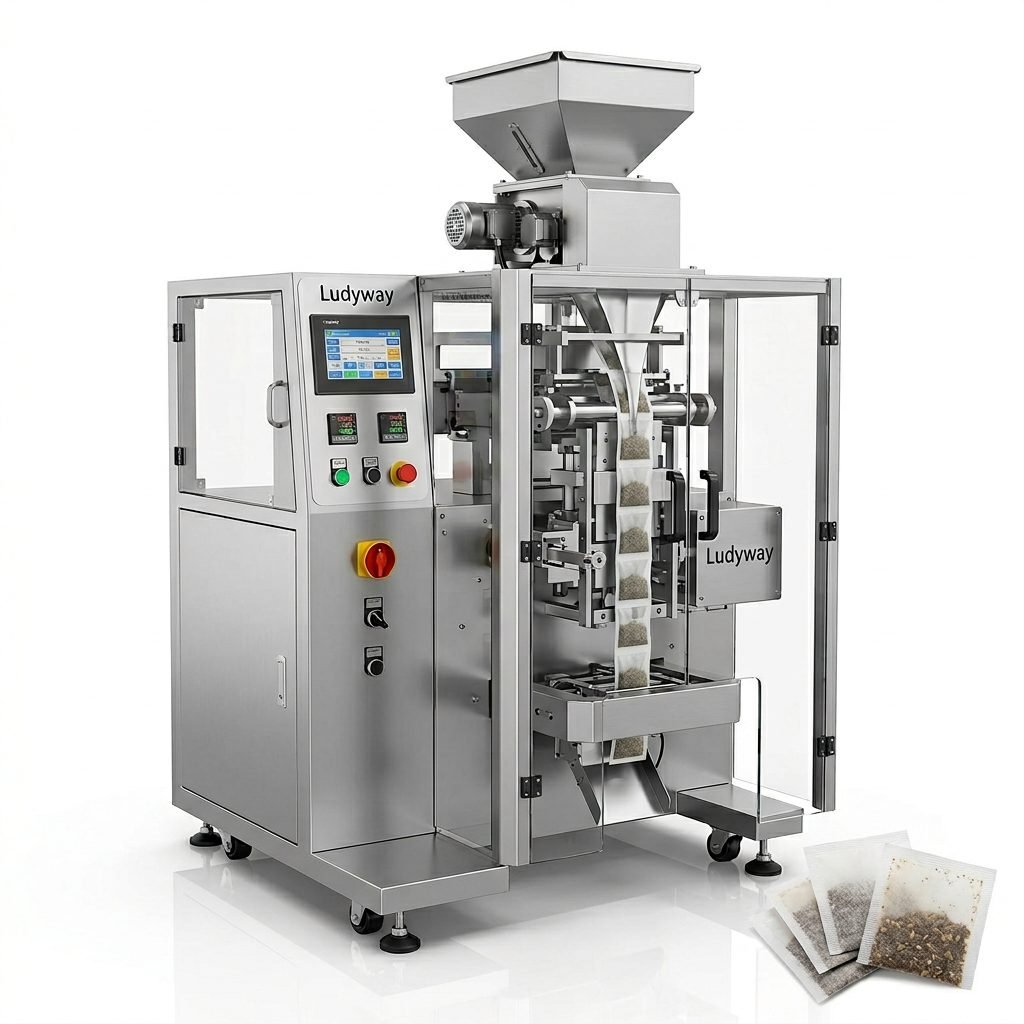
Key Factors That Influence the Cost
The final price of a tea weighing and packing machine depends on several critical variables. Understanding these will help you budget appropriately and avoid overpaying for features you may not need. Below are the primary cost drivers:
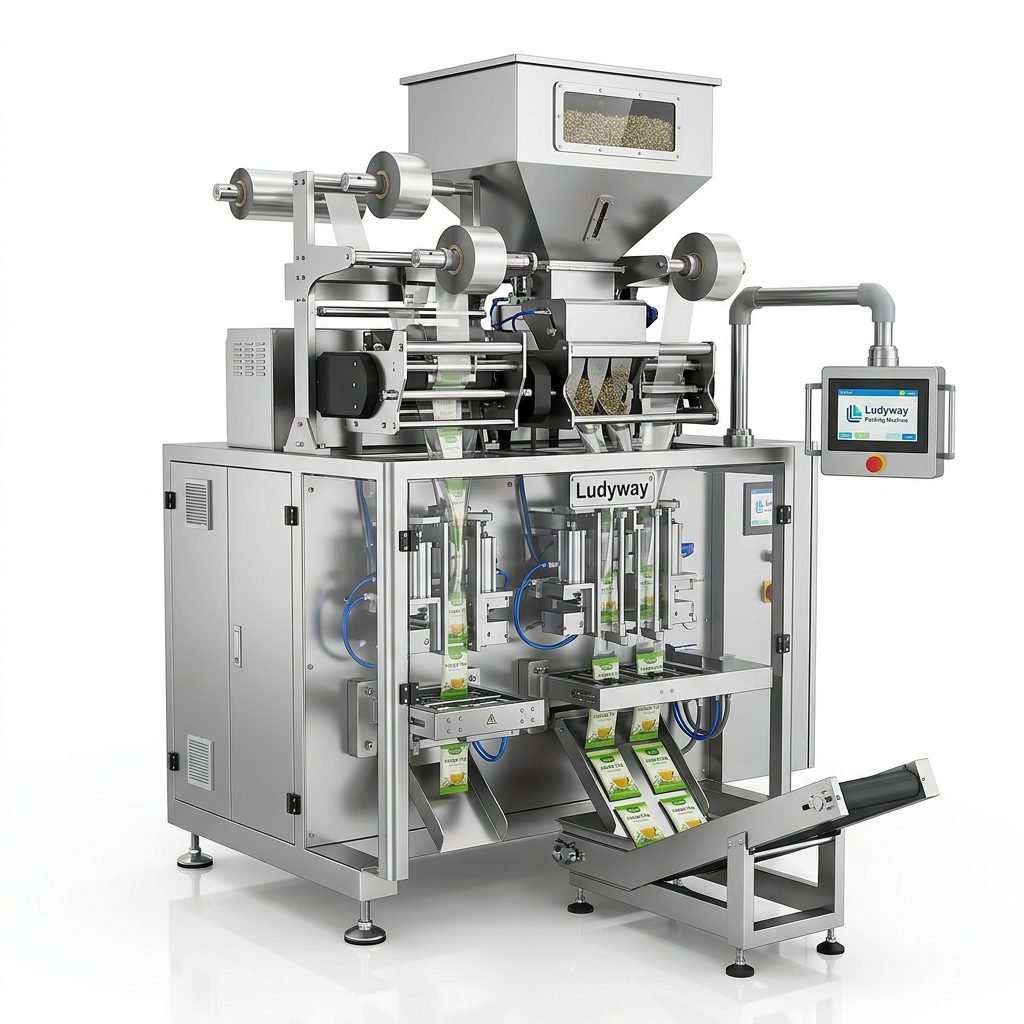
- Machine type and packaging format — Stick pack, sachet, tea bag, or pouch configurations each require different engineering and components.
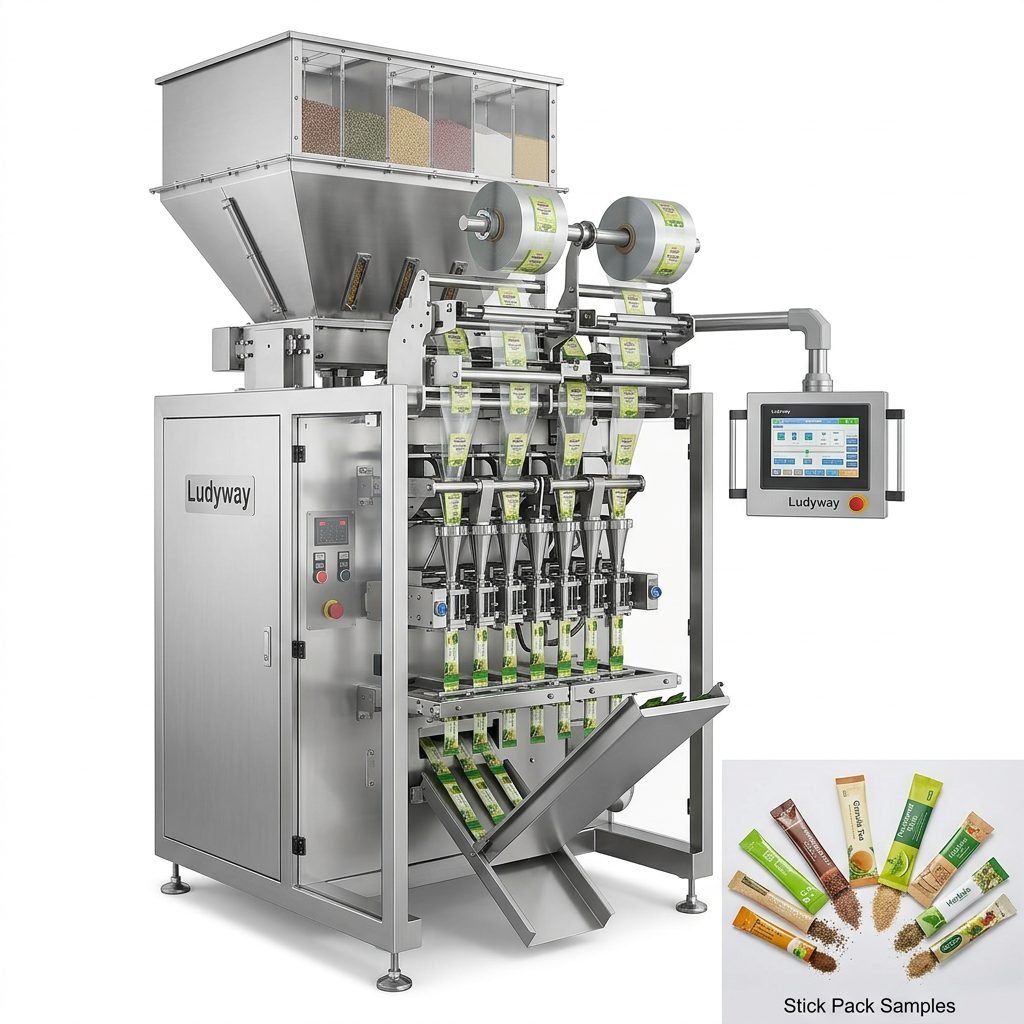
- Number of lanes — A single-lane machine costs significantly less than a multi-lane system with 4, 6, 8, or even 12 lanes.
- Weighing technology — Multi-head weighers, linear weighers, and volumetric fillers each come with different price points and precision levels.
- Speed and output capacity — Machines capable of producing 200+ packs per minute command higher prices than entry-level models.
- Material of construction — Food-grade stainless steel (SS304 or SS316) adds to the cost but is essential for compliance with food safety standards.
- Automation and auxiliary equipment — Integrated conveyors, date coders, gas flushing systems, and cartoning machines increase the total investment.
Typical Price Ranges by Machine Category
The market for tea packaging machinery spans a broad pricing spectrum. Below is a general cost breakdown based on machine type and production capacity. Actual prices may vary depending on customization and optional features.
| Machine Category | Packaging Format | Estimated Price Range (USD) | Typical Output |
|---|---|---|---|
| Entry-Level Single-Lane | Stick Pack / Sachet | $8,000 – $18,000 | 30 – 60 packs/min |
| Mid-Range Multi-Lane (4-6 lanes) | Stick Pack / Sachet | $25,000 – $55,000 | 120 – 250 packs/min |
| High-Speed Multi-Lane (8-12 lanes) | Stick Pack / Sachet | $60,000 – $120,000+ | 300 – 600+ packs/min |
| Tea Bag Packaging Machine | Tea Bag with Envelope | $15,000 – $50,000 | 80 – 200 bags/min |
| Complete Turnkey Packaging Line | Weighing + Filling + Cartoning | $80,000 – $250,000+ | Fully Automated |
Single-Lane vs. Multi-Lane: A Cost Comparison
One of the biggest decisions affecting cost is the number of lanes. A single-lane stick pack machine may be sufficient for startups and small-scale operations, while established brands often opt for multi-lane systems to meet high-volume demand. Here is a quick comparison:
- Single-Lane Machines: Lower upfront cost, easier to operate and maintain, ideal for small to medium production runs.
- 4-Lane Machines: Balanced investment for growing businesses; significantly boosts output without excessive complexity.
- 8-Lane and 12-Lane Machines: Maximum throughput for industrial-scale operations; higher cost but lowest per-unit packaging expense over time.
Weighing Technology and Its Impact on Price
The weighing system is the heart of any automatic tea packing machine. Different technologies offer varying levels of accuracy and speed, directly influencing both the machine’s cost and the quality of your finished product.
- Volumetric Filling: Most affordable option; suitable for free-flowing teas with consistent density. Limited accuracy for premium products.
- Linear Weigher: Mid-range cost; provides better accuracy for granular tea products and small portions.
- Multi-Head Weigher: Highest precision and speed; adds $8,000 – $30,000 to the base machine cost but delivers superior accuracy for high-value tea products.
How the Weighing System Affects Your Bottom Line
For premium tea brands, investing in a multi-head weigher tea packaging machine can pay for itself through reduced product give-away. Even a 1% improvement in weighing accuracy can translate into significant annual savings when packaging high-value teas such as matcha, white tea, or organic herbal blends.
Additional Features That Increase Total Investment
Beyond the core machine, several optional features and auxiliary equipment can influence the total cost of your packaging machinery system. Consider these add-ons carefully based on your production requirements:
- Nitrogen Gas Flushing: Extends shelf life by removing oxygen from the package; adds approximately $3,000 – $8,000.
- Date Coding and Printing: Essential for traceability and regulatory compliance; adds $1,500 – $5,000.
- Automatic Cartoning: Integrates carton packing into the production line; adds $25,000 – $60,000+.
- Dust Collection Systems: Critical for fine tea powders; adds $3,000 – $10,000.
- Checkweigher and Metal Detector: Quality assurance equipment; combined cost of $8,000 – $20,000.
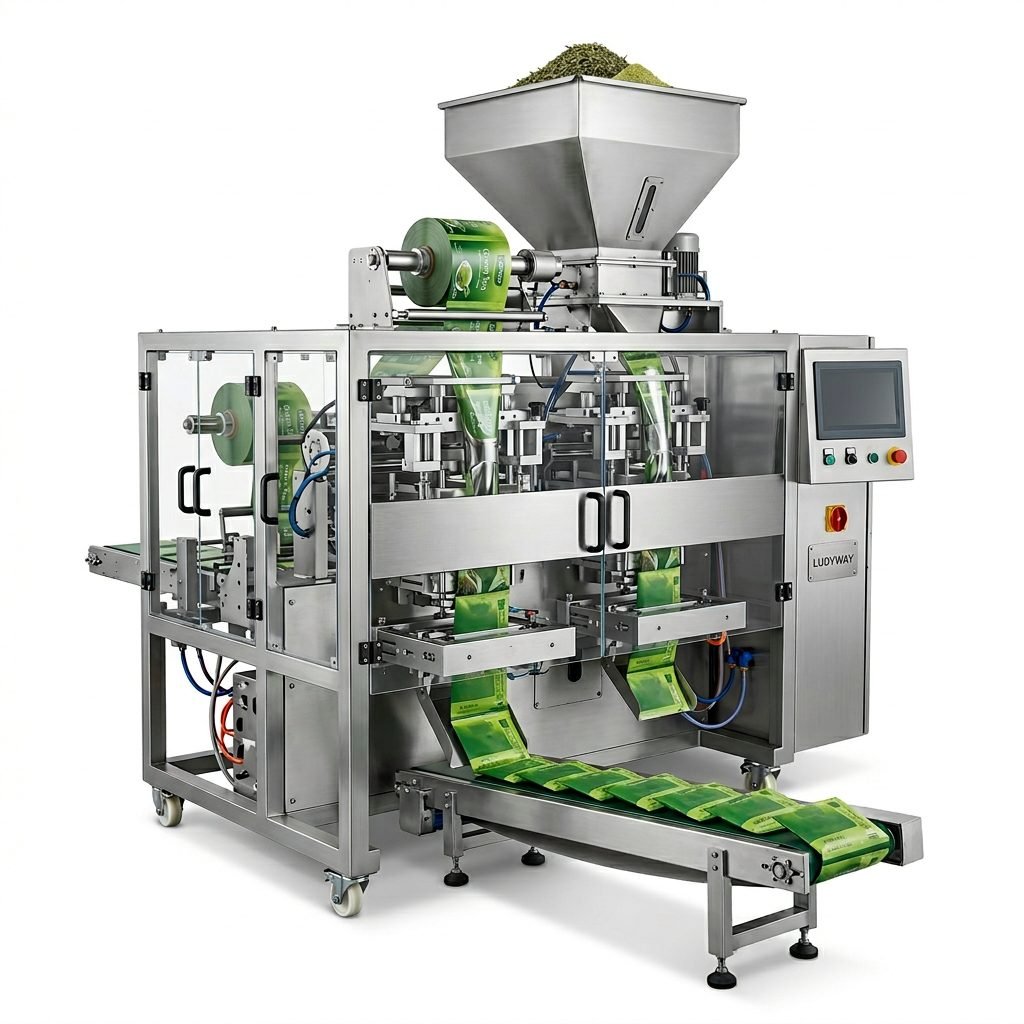
Operational Costs Beyond the Initial Purchase
When calculating the total cost of ownership, buyers should account for ongoing expenses that extend well beyond the initial equipment price. These recurring costs can significantly impact long-term profitability:
- Packaging film and materials — Ongoing consumable costs that vary based on film type and volume.
- Spare parts and maintenance — Budget approximately 2% – 5% of the machine cost annually for replacement parts.
- Operator training and labor — While automation reduces headcount, skilled operators are still needed for supervision and quality control.
- Energy consumption — Multi-lane high-speed machines consume more power but offer lower per-unit energy costs.
How to Choose the Right Machine for Your Budget
Selecting the optimal tea packaging solution requires balancing your production goals with your budget constraints. Here is a practical framework:
- Define your target output: Calculate the number of packs per day or month you need to produce, factoring in future growth.
- Determine your packaging format: Decide between stick packs, sachets, tea bags, or pouches based on your target market and brand positioning.
- Assess weighing accuracy requirements: Premium teas demand higher precision to protect margins and maintain customer trust.
- Evaluate available floor space: Multi-lane systems require more room; ensure your facility can accommodate the equipment and auxiliary systems.
- Request detailed quotations: Work with manufacturers to get comprehensive proposals that include installation, training, and after-sales support.
Questions to Ask Before Making a Purchase
- What is the machine’s rated output in packs per minute for my specific tea product?
- Does the warranty cover parts and labor, and for how long?
- Are spare parts readily available, and what are typical lead times?
- Can the manufacturer provide references from other tea producers?
- Is remote technical support available for troubleshooting?
Return on Investment: What to Expect
A well-chosen tea automatic weighing and packing machine typically delivers a positive return on investment (ROI) within 12 to 24 months for most mid-sized operations. The key drivers of ROI include reduced labor costs, minimized product waste through precise weighing, higher production throughput, and improved package consistency that enhances brand perception.
For example, a mid-range 6-lane stick pack machine priced at approximately $40,000 can often replace 4-6 manual workers while increasing output by 300% or more. When factoring in labor savings, reduced material waste, and increased production capacity, many businesses recover their investment within the first year of operation.
Global Market Context
The global packaging machinery market continues to expand, driven by growing demand for convenience packaging formats in the food and beverage sector. Tea products, in particular, are experiencing strong growth in stick pack and sachet formats, reflecting consumer preferences for portability, single-serve portions, and freshness preservation. This trend is encouraging more tea producers to invest in flexible packaging solutions that can handle multiple product types and packaging styles on a single production line.
Working with a Reliable Manufacturer
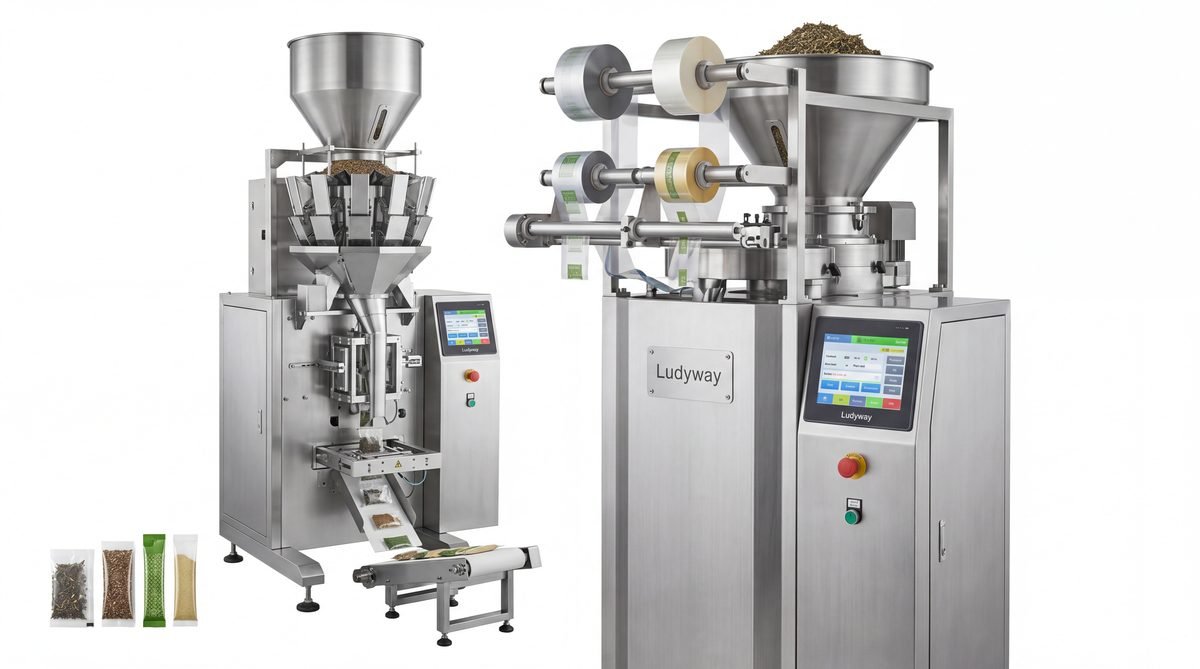
Choosing the right manufacturing partner is as important as selecting the machine itself. Look for manufacturers with proven experience in tea packaging applications, a global service network, and a track record of delivering machines that meet international quality and safety standards. Ludyway is one of the largest packaging machine manufacturers in China, with over 30 years of industry expertise and more than 50 intelligent packaging machine models serving customers in over 100 countries. When evaluating suppliers, prioritize those who offer comprehensive after-sales support, readily available spare parts, and engineering expertise to customize solutions for your specific tea products.
Final Thoughts on Budgeting for Your Tea Packaging Machine
The cost of a tea automatic weighing and packing machine ranges from approximately $8,000 for an entry-level single-lane unit to well over $250,000 for a fully automated turnkey production line. The right choice depends on your production volume, packaging format, weighing accuracy requirements, and long-term growth plans. By carefully evaluating your needs and working with an experienced manufacturer, you can secure a machine that delivers reliable performance, strong ROI, and the flexibility to adapt as your business grows.
For businesses ready to invest, the most important step is to request detailed quotations and product demonstrations from multiple suppliers. Compare not only the purchase price but also the total cost of ownership, including maintenance, spare parts availability, and technical support. A slightly higher upfront investment in a quality machine often translates into lower long-term costs and fewer production disruptions.
Frequently Asked Questions
What is the cheapest tea packing machine available?
Entry-level single-lane vertical form fill seal machines for tea packaging can start around $8,000 – $12,000, though these typically offer limited speed and fewer features. They are best suited for small-scale producers or startups testing the market.
How much does a multi-lane tea stick pack machine cost?
A 4-6 lane multi-lane stick pack machine for tea generally costs between $25,000 and $55,000, while high-speed 8-12 lane systems can exceed $100,000 depending on configuration and optional equipment.
Are used tea packaging machines worth considering?
Used or refurbished machines can offer cost savings of 30% – 50% compared to new equipment. However, they may come with limited warranties, higher maintenance requirements, and potential compatibility issues with modern packaging materials. Thorough inspection and testing are essential before purchasing.
How long does it take to install and commission a tea packaging machine?
Installation and commissioning typically take 1 to 4 weeks, depending on the complexity of the machine and the level of integration with existing production lines. Most manufacturers provide on-site installation and training as part of the purchase package.