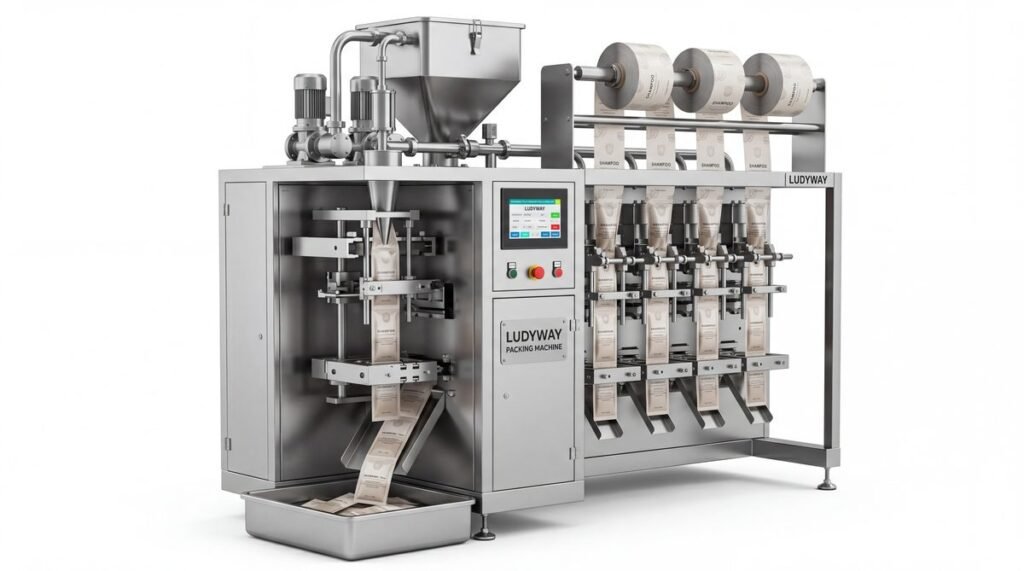
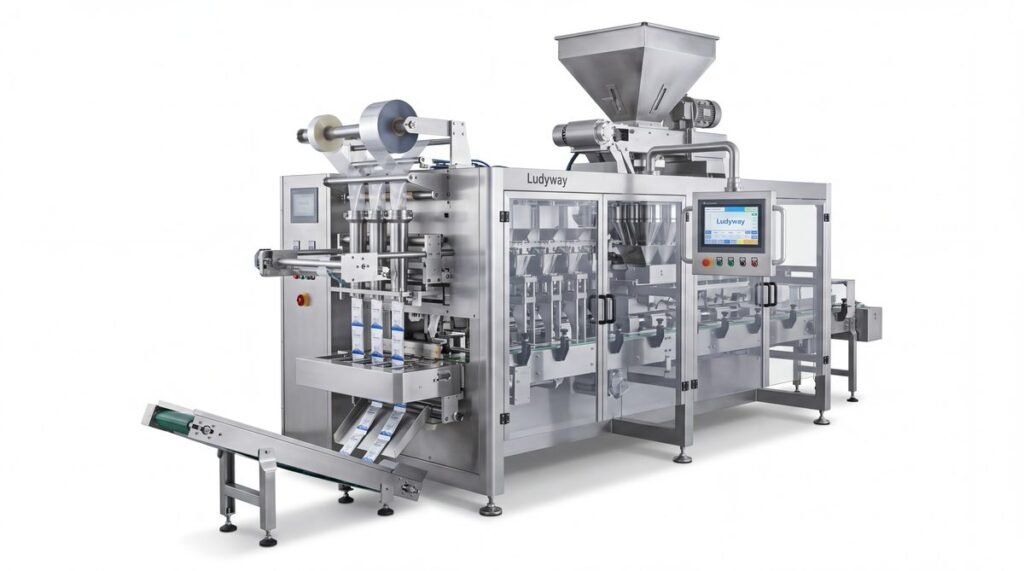
Setting up a pizza packaging machine production line is a strategic investment that directly impacts product shelf life, brand presentation, and operational throughput. Whether you are packaging frozen pizzas, fresh deli pizzas, or pizza kits, a well-designed automated line ensures consistent sealing, accurate weighing, and high-speed output. This guide walks you through every critical stage — from initial planning to full-scale operation — so you can build a line that matches your production goals.
Why a Dedicated Pizza Packaging Line Matters
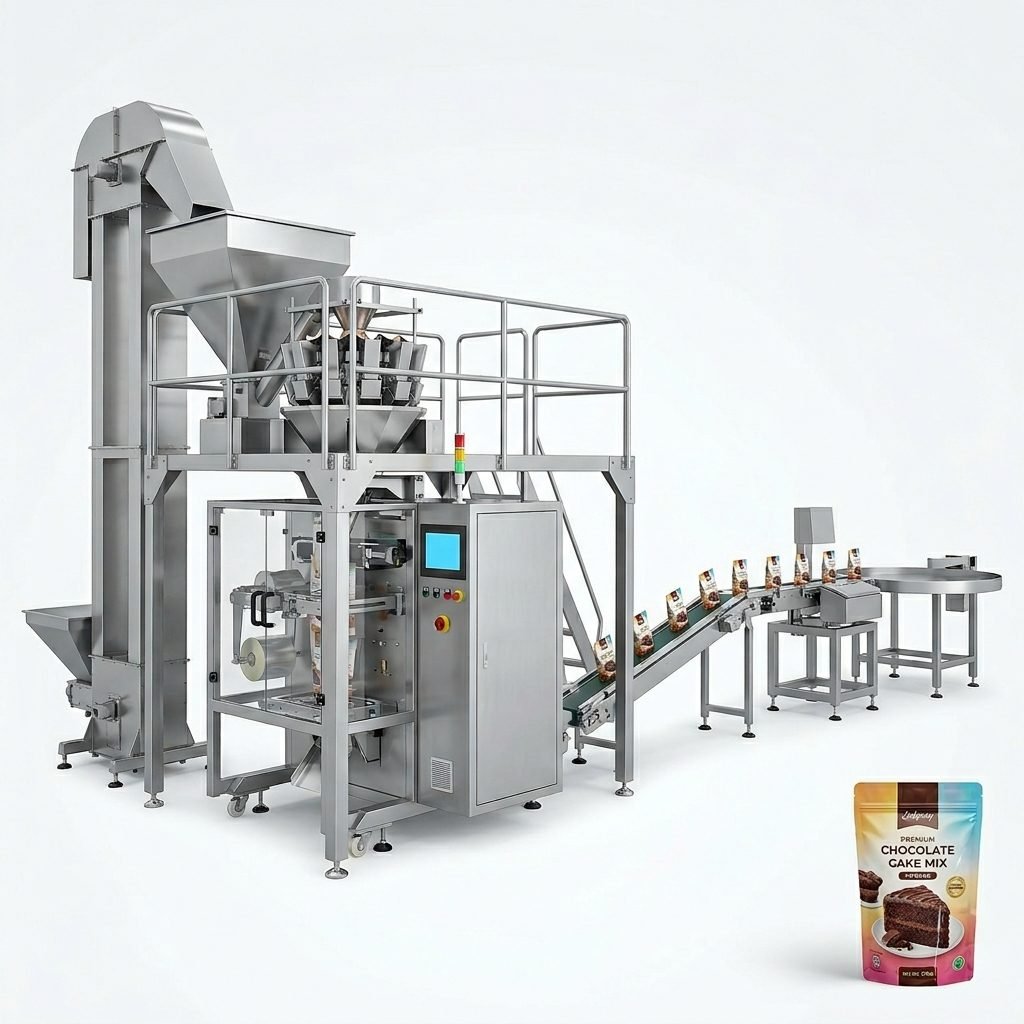
Pizza packaging involves unique challenges: irregular shapes, temperature-sensitive ingredients, and the need for tamper-evident seals. A purpose-built packaging line addresses these with specialized film handling, gas flushing for modified atmosphere packaging (MAP), and precise portion control. Investing in the right machinery reduces labor costs, minimizes product waste, and keeps your brand competitive on retail shelves.
Step 1: Define Your Packaging Format and Output Goals
Before purchasing equipment, determine the exact packaging style your market requires. Common pizza packaging formats include:
- Horizontal flow wrap — ideal for individual slices or single-serve frozen pizzas
- Shrink wrapping — suitable for multi-pack deals and club-store bundles
- Vacuum skin packaging (VSP) — extends shelf life for fresh refrigerated pizzas
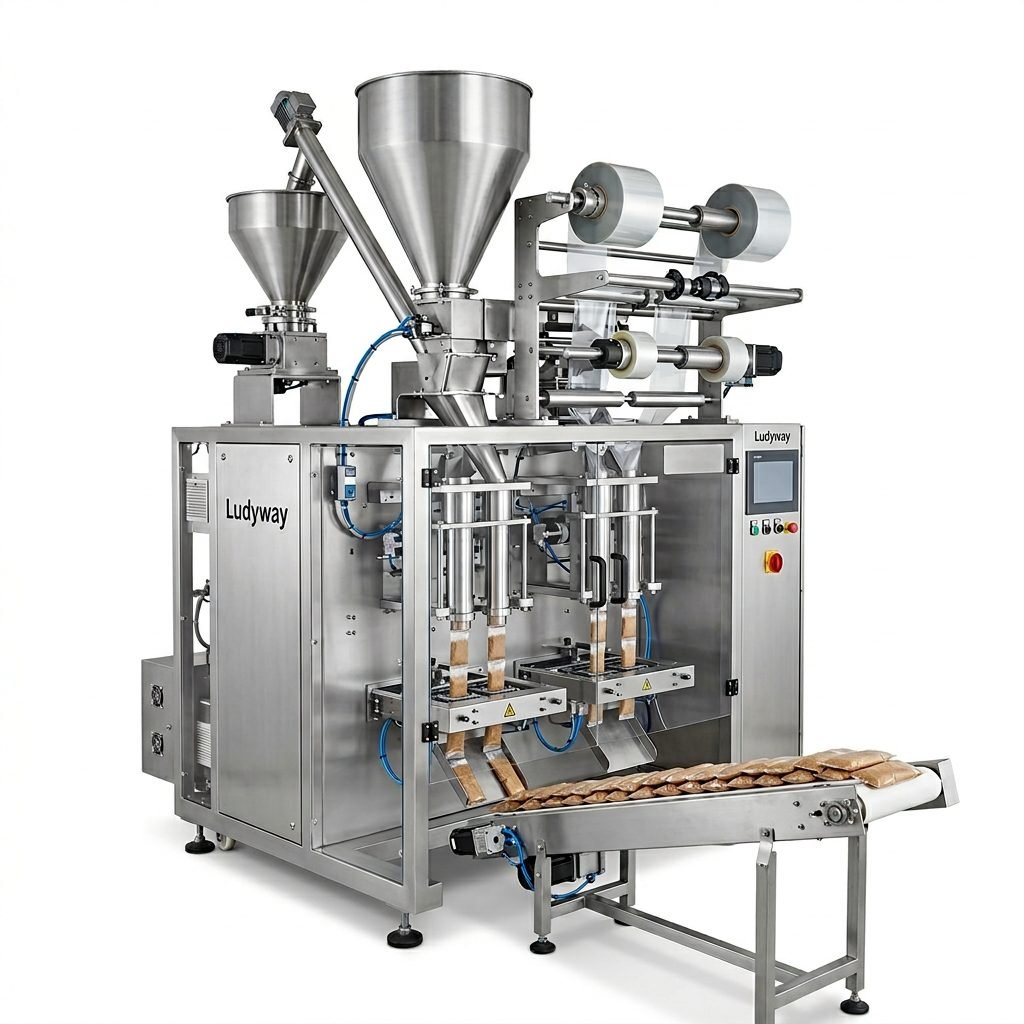
- Pre-made pouch filling — works well for pizza kits with separate seasoning and sauce components
- Carton overwrapping — combines a printed carton with an outer film layer for premium branding
Your target output — measured in packs per minute (ppm) — drives the level of automation. A small artisan producer may operate at 20–30 ppm, while high-volume frozen pizza manufacturers often require 80–120 ppm or more. Define this number early; it influences every downstream equipment decision.
Step 2: Map Out the Complete Production Flow
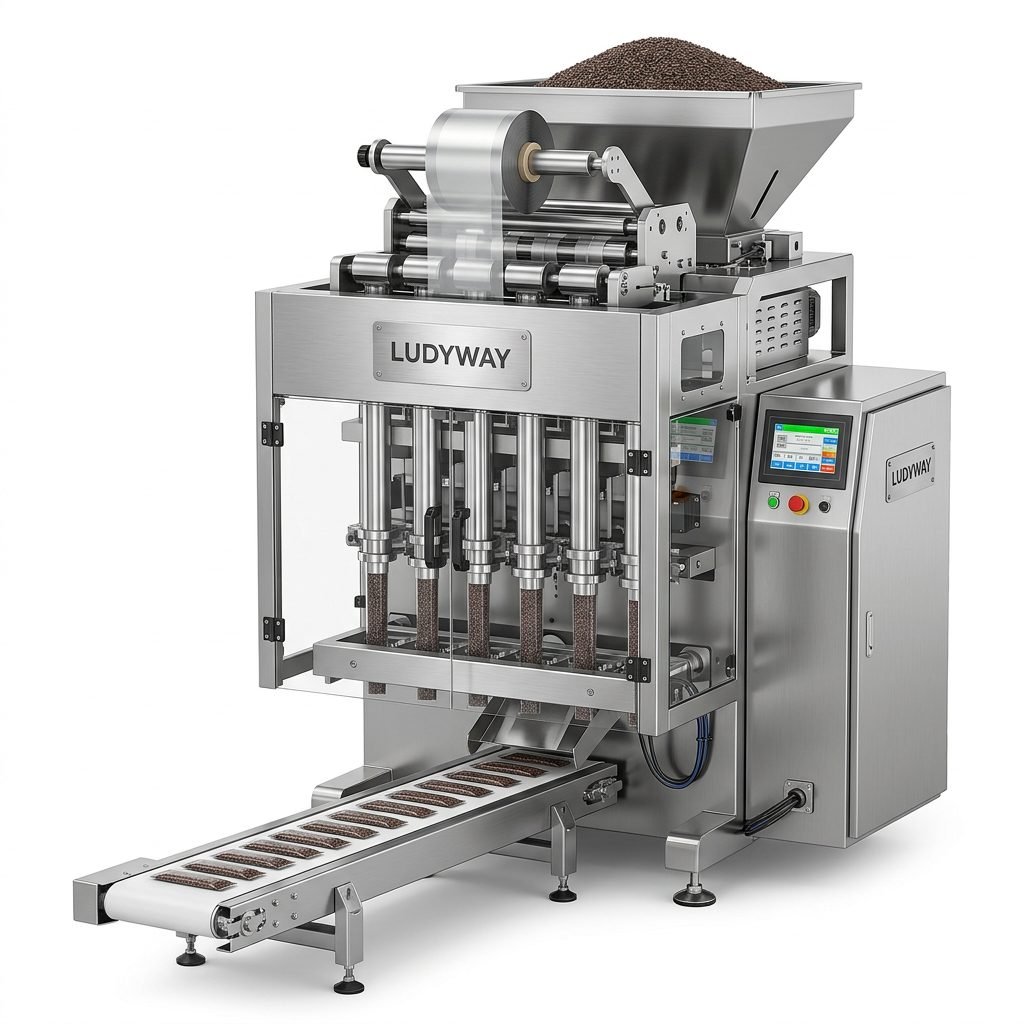
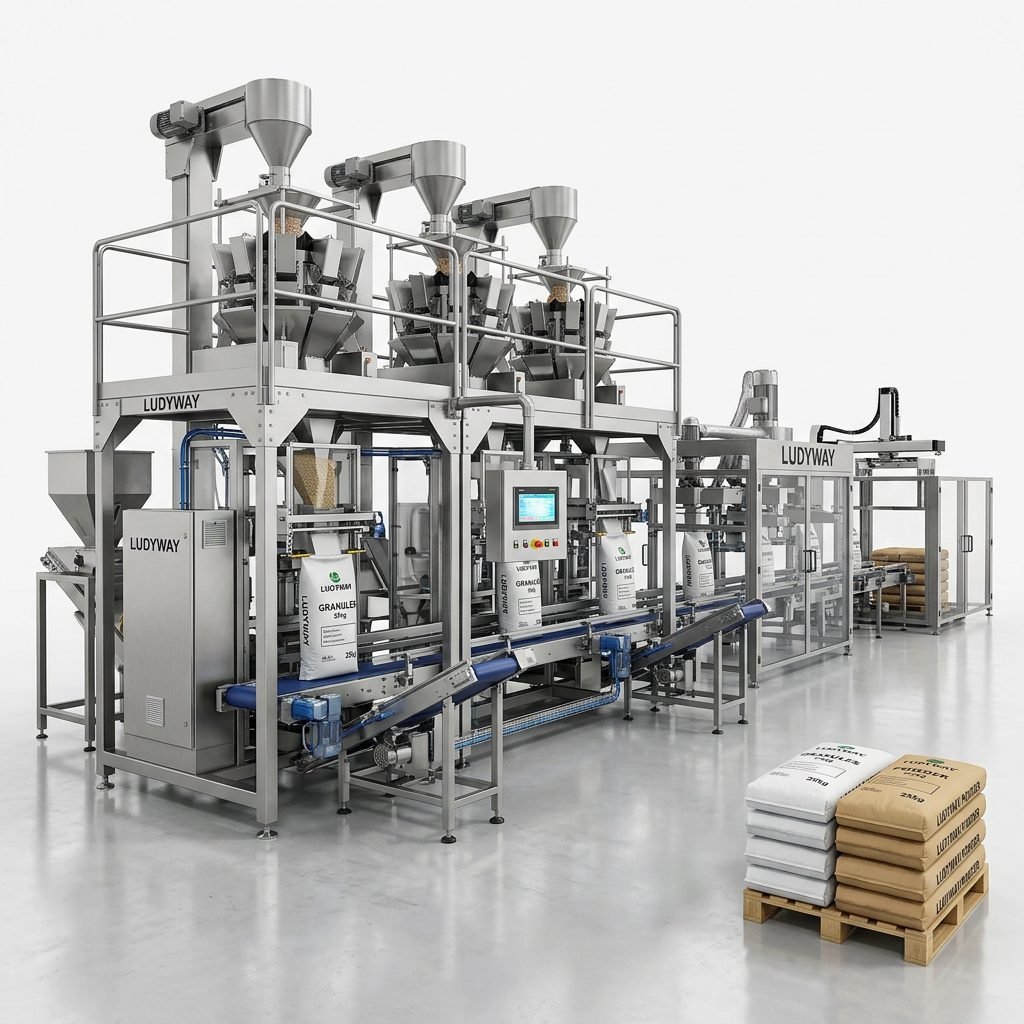
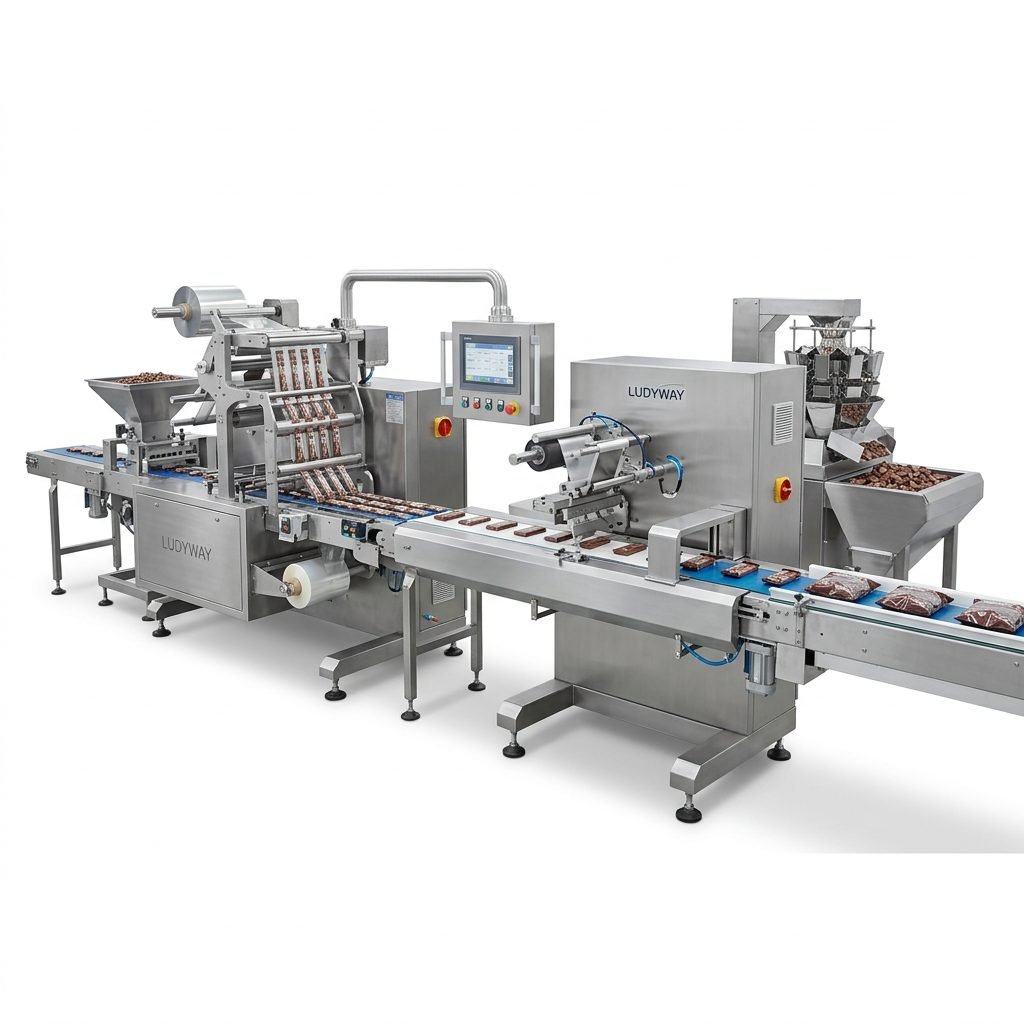
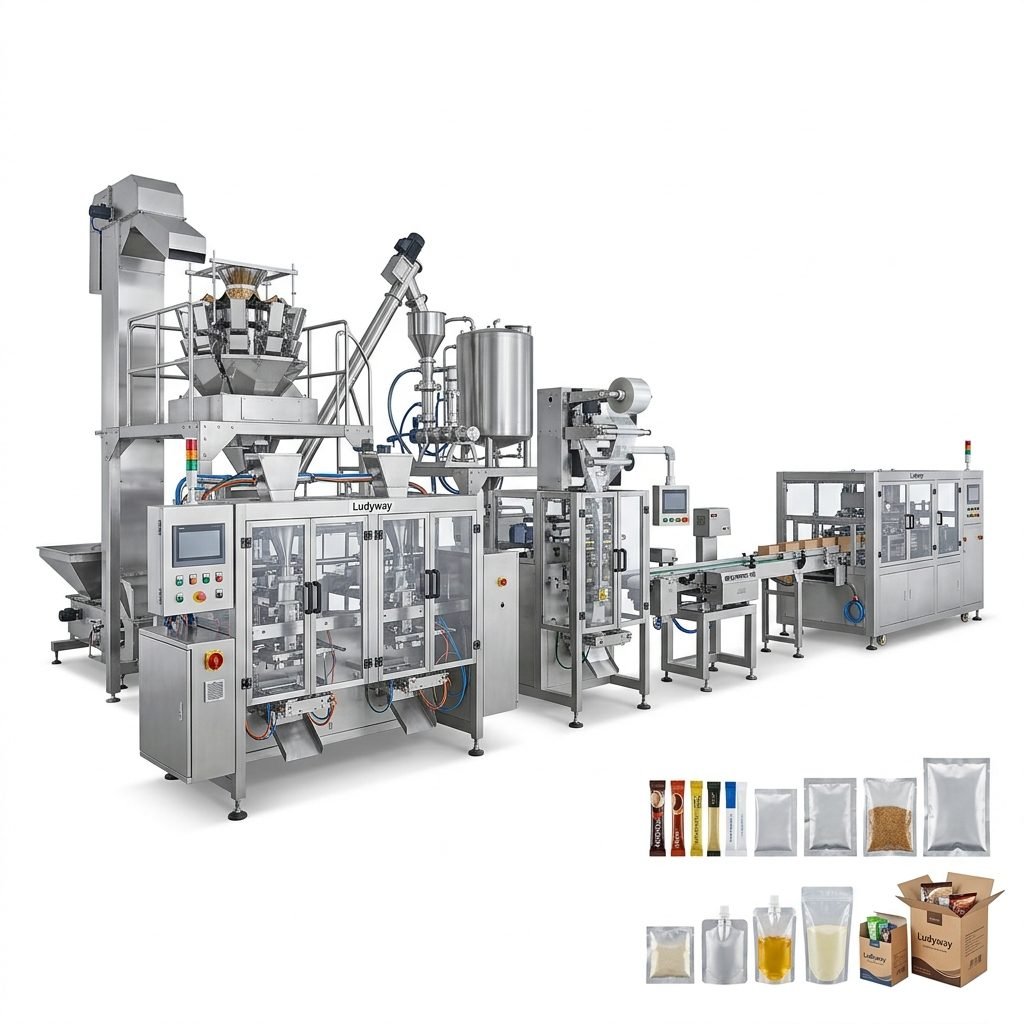
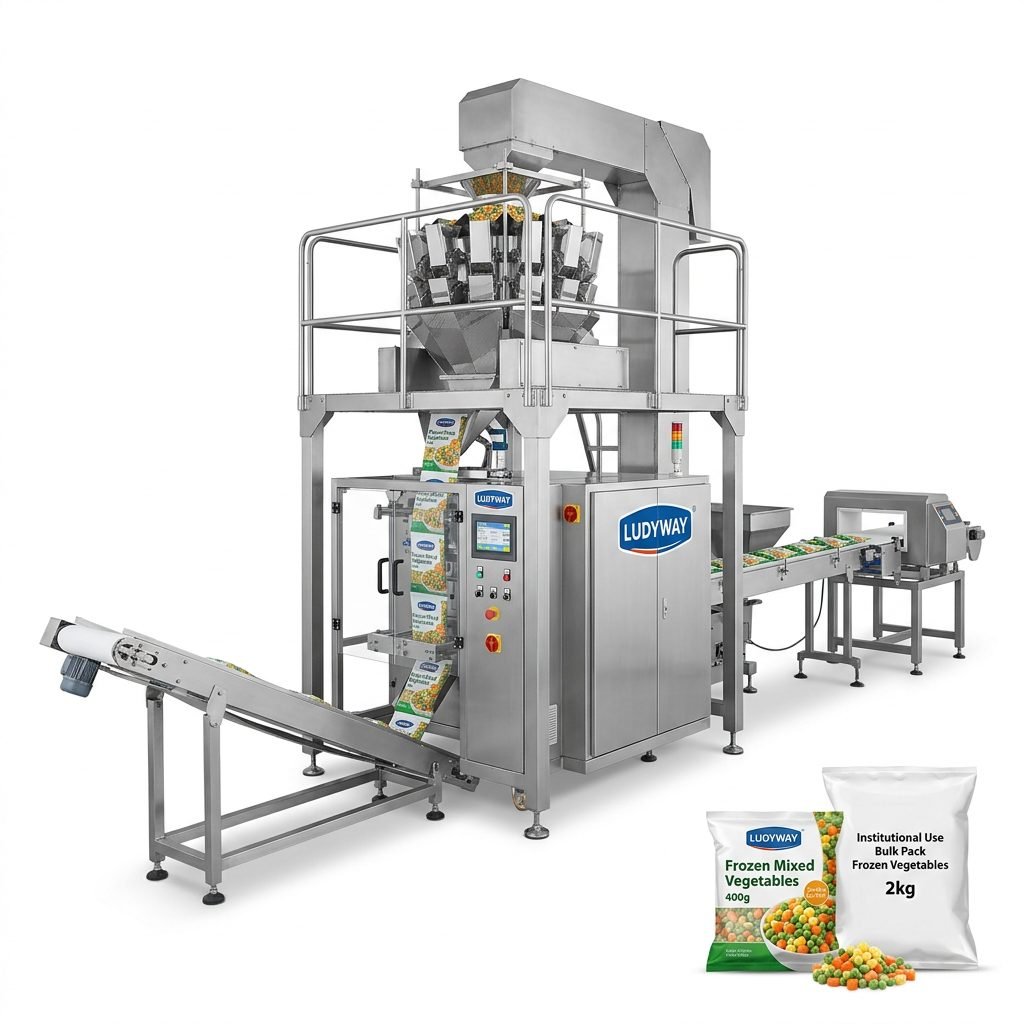
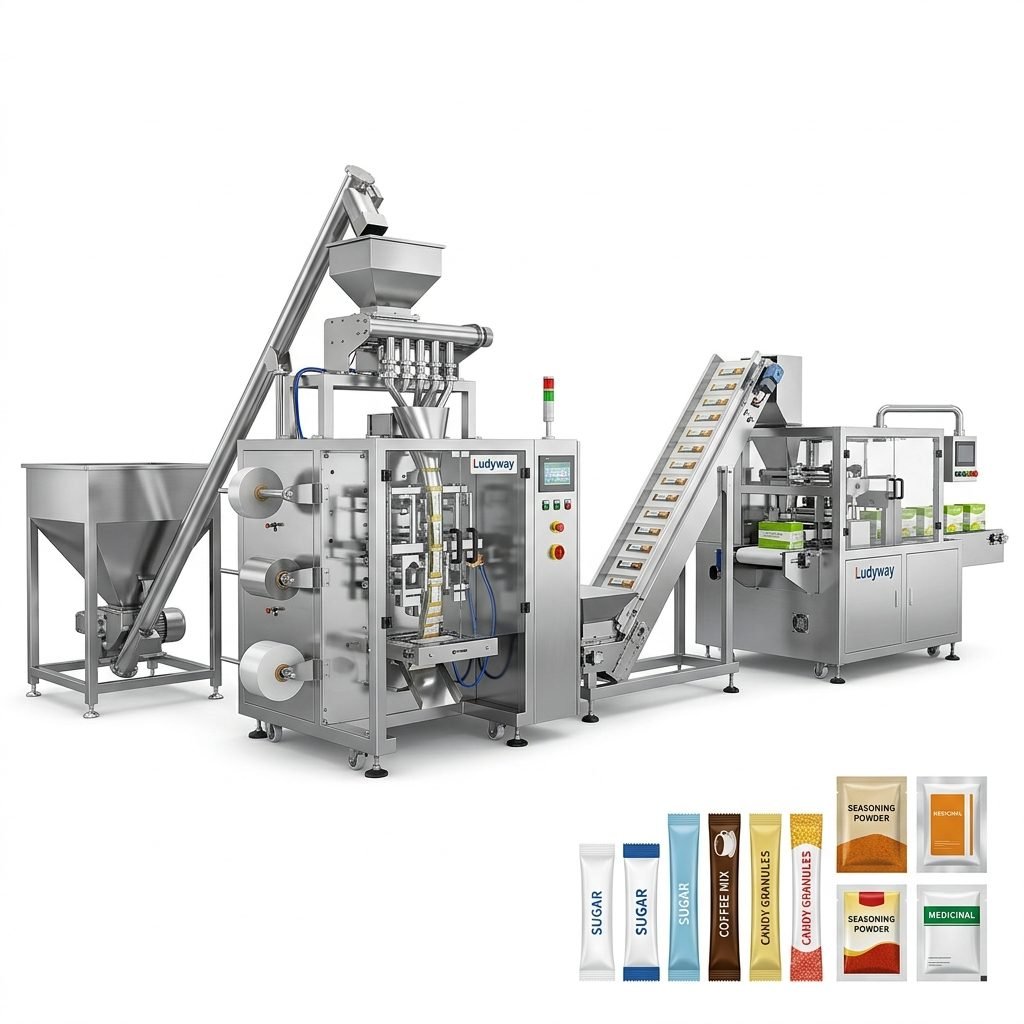
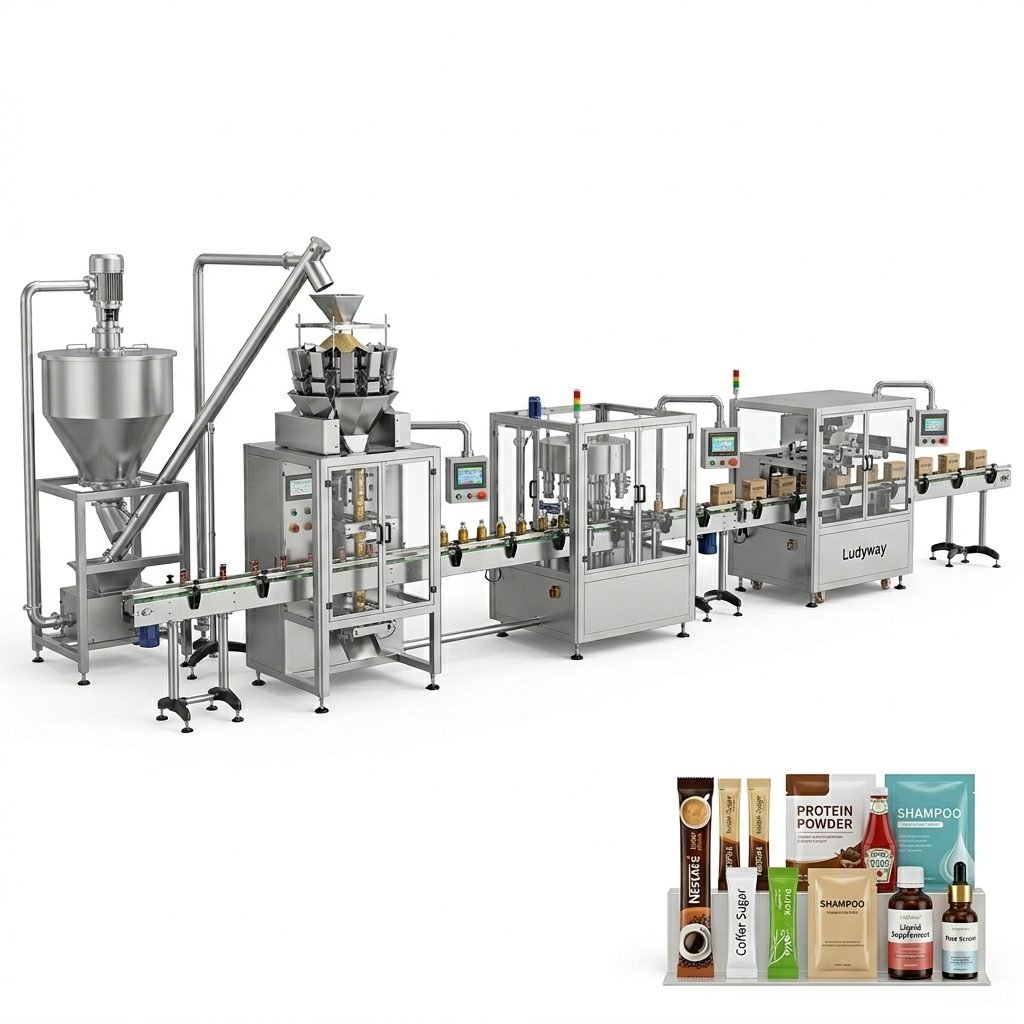
A pizza packaging machine production line is more than a single wrapper. It integrates multiple stations that must work in harmony. A typical layout includes:
- Infeed conveyor — receives pizzas from cooling, freezing, or assembly stations
- Orientation and spacing system — aligns products for consistent entry into the wrapper
- Primary packaging machine — flow wrapper, shrink tunnel, or VSP unit
- Gas flushing (MAP) module — injects nitrogen or CO₂ to displace oxygen
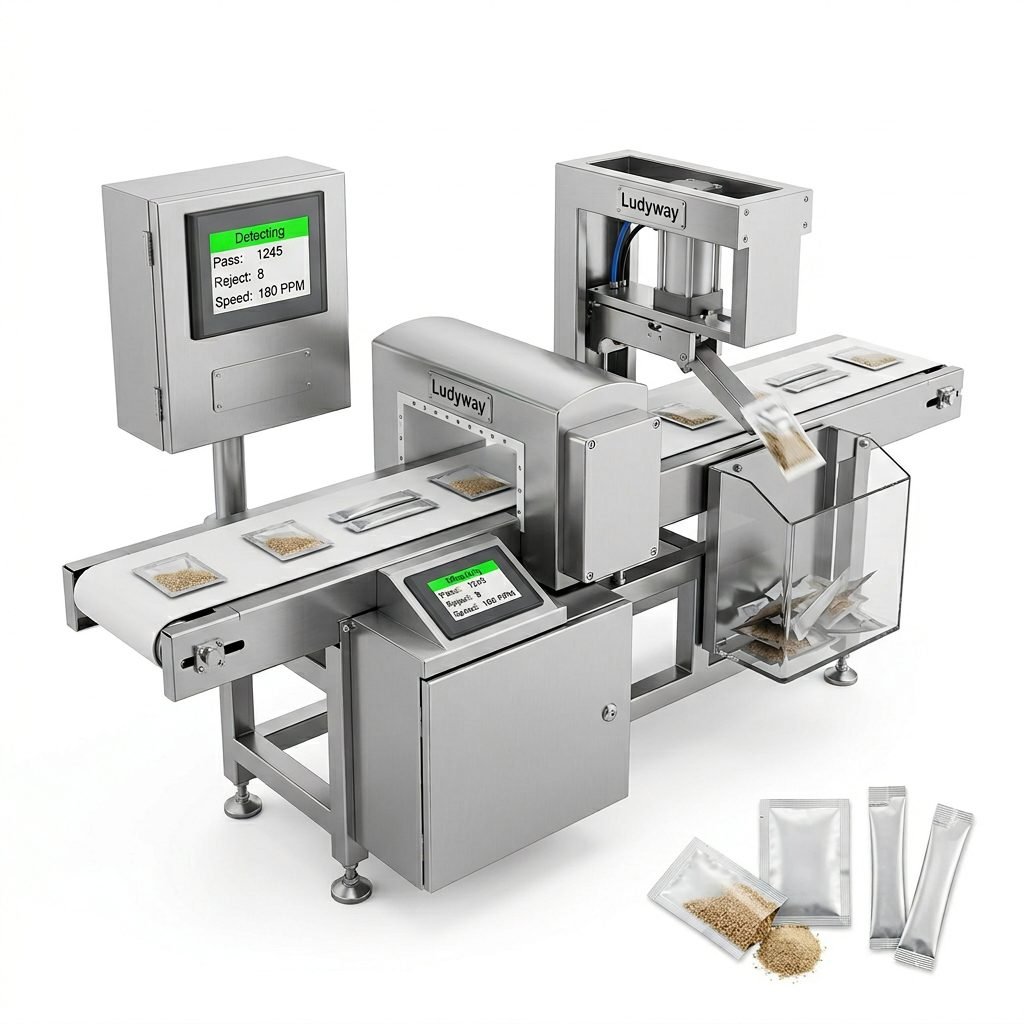
- Checkweigher and metal detector — ensures weight compliance and contaminant-free output
- Secondary packaging station — cartoning, case packing, or bundling
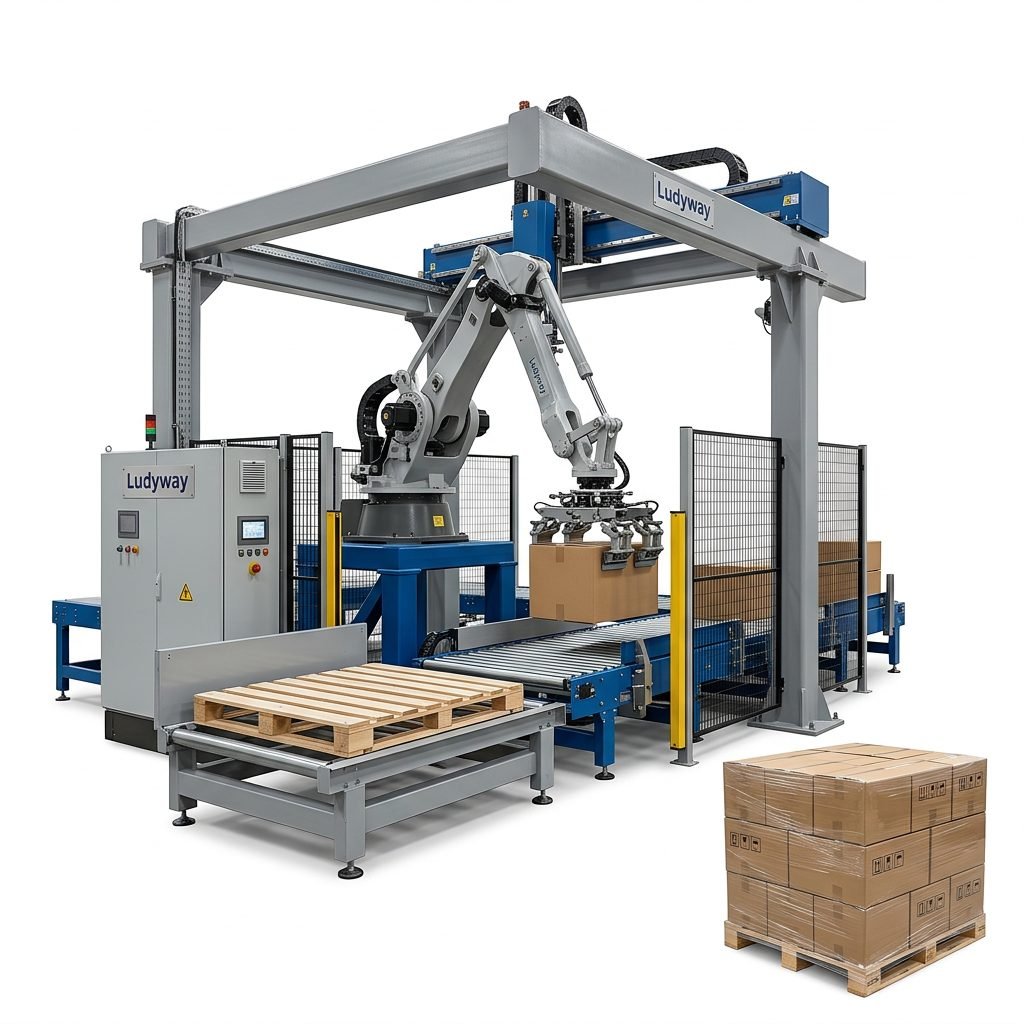
- Palletizing system — robotic or conventional stacking for warehouse distribution
Map your factory floor to accommodate straight-line, L-shaped, or U-shaped configurations. Leave adequate clearance for maintenance access and future expansion. Partnering with an experienced packaging machine manufacturer at this stage helps avoid costly layout mistakes.
Step 3: Select Core Equipment Based on Product Characteristics
Your pizza type dictates the machinery specifications. Evaluate each piece of equipment against these criteria:
| Equipment Category | Key Consideration for Pizza | Recommended Feature |
|---|---|---|
| Flow Wrapping Machine | Handles round or rectangular shapes without jamming | Adjustable forming box and servo-driven film feed |
| Shrink Tunnel | Even heat distribution without melting cheese or toppings | Zone-controlled temperature with recirculating air |
| Vacuum Skin Pack Machine | Tight film conformity around irregular crust edges | Upper web heater with precise vacuum dwell time |
| Multi-Head Weigher | Accurate portioning of shredded toppings or kits | 14–20 head configuration with memory hopper |
| Metal Detector | Detects ferrous and non-ferrous contaminants | Multi-frequency with auto-reject mechanism |
| Cartoning Machine | Gentle product handling to avoid crust damage | Servo-driven pick-and-place with vacuum grippers |
Step 4: Integrate Quality Control and Inspection Systems
Food safety regulations require robust in-line inspection. Install these systems immediately after the primary sealing station for real-time feedback:
- Vision inspection camera — verifies label placement, print clarity, and seal integrity
- Seal integrity tester — uses pressure decay or thermal imaging to detect micro-leaks
- X-ray inspection — identifies bone fragments, metal, glass, or stone contaminants at high speed
- Dynamic checkweigher — rejects underweight or overweight packs within ±1 gram tolerance
Data from these systems feeds into a centralized production monitoring platform, enabling traceability and rapid response to quality deviations.
Step 5: Optimize Material Handling and Packaging Film Selection
The right packaging film extends shelf life and reduces machine downtime. For pizza applications, consider these film types:
- Biaxially oriented polypropylene (BOPP) — excellent clarity and moisture barrier for frozen pizzas
- Polyethylene terephthalate (PET) / polyethylene (PE) laminates — high-strength structure for heavy multi-pack bundles
- Ethylene vinyl alcohol (EVOH) barrier films — superior oxygen barrier for MAP fresh pizza applications
- Anti-fog coated films — prevents condensation buildup on refrigerated display packs
Work closely with your film supplier to match coefficient of friction (COF), heat seal range, and shrink percentage to your machine’s specifications. Inconsistent film properties are a leading cause of wrapper jams and seal failures.
Step 6: Commissioning, Testing, and Operator Training
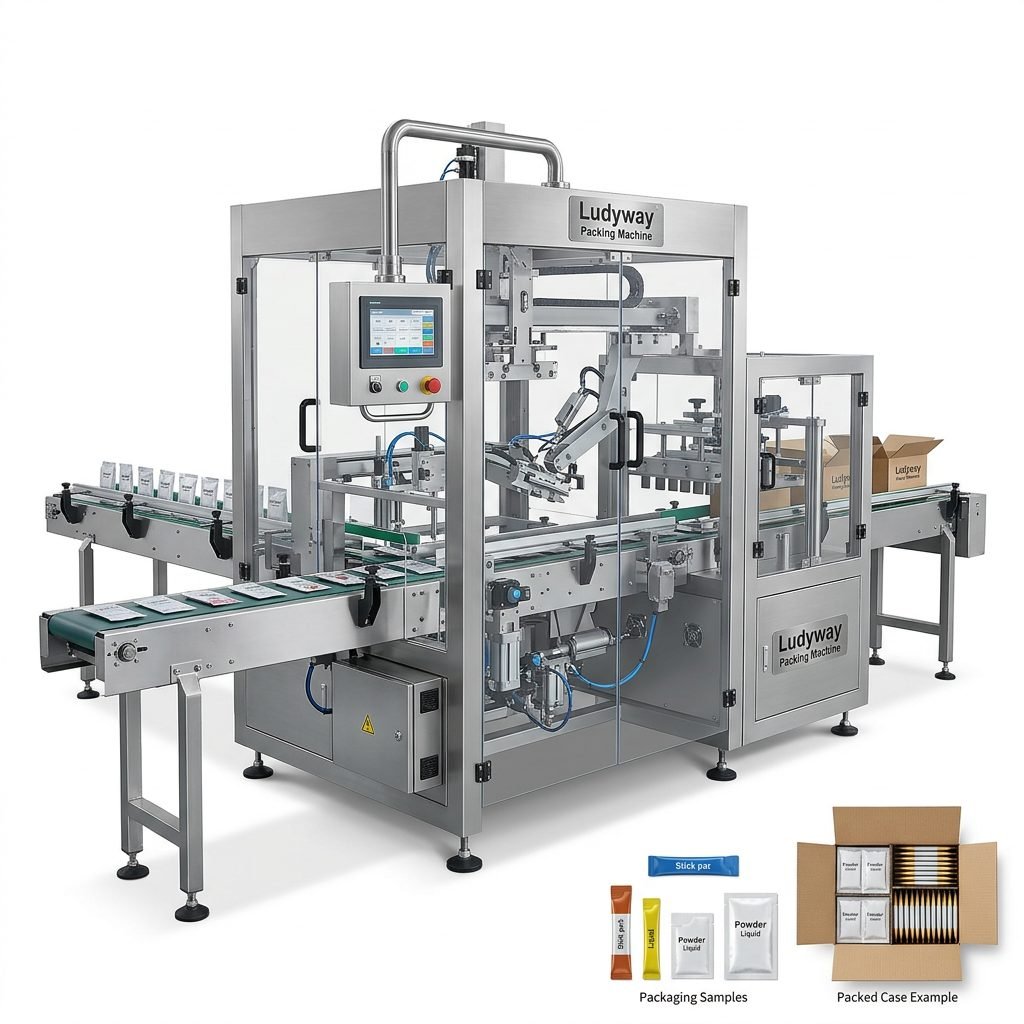
A methodical commissioning process prevents costly startup delays. Follow this sequence:
- Dry run without product — verify all conveyors, sensors, and safety interlocks function correctly
- Calibrated film threading and tension adjustment — establish baseline settings for your specific film gauge
- Low-speed product testing (10–15 ppm) — confirm seal quality, gas flush levels, and label placement
- Ramp up to production speed — incrementally increase to 50%, 75%, and 100% of rated capacity
- Full shift trial run — operate continuously for at least 8 hours to identify heat buildup issues or wear points
Invest in comprehensive operator training covering changeover procedures, troubleshooting, and preventive maintenance schedules. Document standard operating procedures (SOPs) in both written and video formats for ongoing reference.
Step 7: Establish a Preventive Maintenance Schedule
Unplanned downtime on a pizza packaging line can lead to product spoilage and missed order deadlines. Implement a tiered maintenance program:
| Maintenance Frequency | Task | Responsible Team |
|---|---|---|
| Daily | Clean film path, inspect sealing jaws, check sensor alignment | Line operator |
| Weekly | Lubricate chains and bearings, verify temperature controller accuracy | Maintenance technician |
| Monthly | Replace worn belts, calibrate load cells, inspect electrical connections | Maintenance team |
| Quarterly | Complete gearbox oil change, servo drive diagnostics, safety system audit | Certified service provider |
| Annually | Full machine overhaul, software updates, thermal imaging of electrical panels | Manufacturer support team |
Step 8: Plan for Scalability and Future Automation
Design your initial setup with expansion in mind. Leave physical space for additional modules, and choose a control architecture that supports plug-and-play integration. Consider these scalable additions:
- Automatic film splicing — reduces roll-change downtime by 70% or more
- Robotic case packing — handles multiple SKU sizes without change parts
- Palletizing robots with vision guidance — builds mixed-load pallets for just-in-time shipping
- Cloud-based OEE monitoring — tracks overall equipment effectiveness in real time across multiple lines
Common Pitfalls to Avoid When Setting Up Your Line
Even well-funded projects encounter setbacks. Watch for these frequent mistakes:
- Underestimating film compatibility: Always test production film on the actual machine before finalizing the purchase
- Skipping the factory acceptance test (FAT): Witness your equipment running at full speed with your product before shipment
- Inadequate utilities planning: Confirm compressed air capacity, electrical supply, and ventilation requirements early
- Ignoring local regulations: Ensure your line meets applicable food contact material standards from FDA or ISO packaging standards
- Insufficient operator training: The best equipment underperforms without skilled personnel running it daily
Partnering with the Right Equipment Supplier
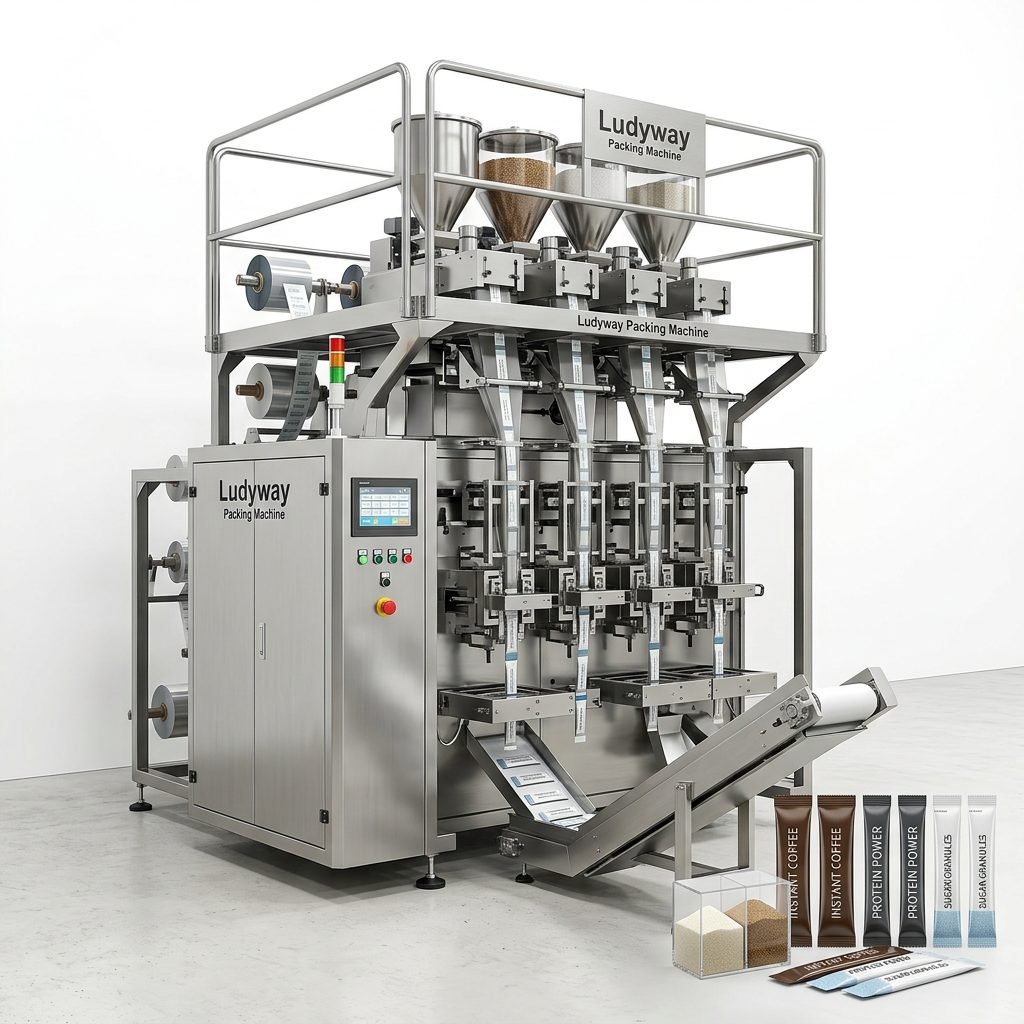
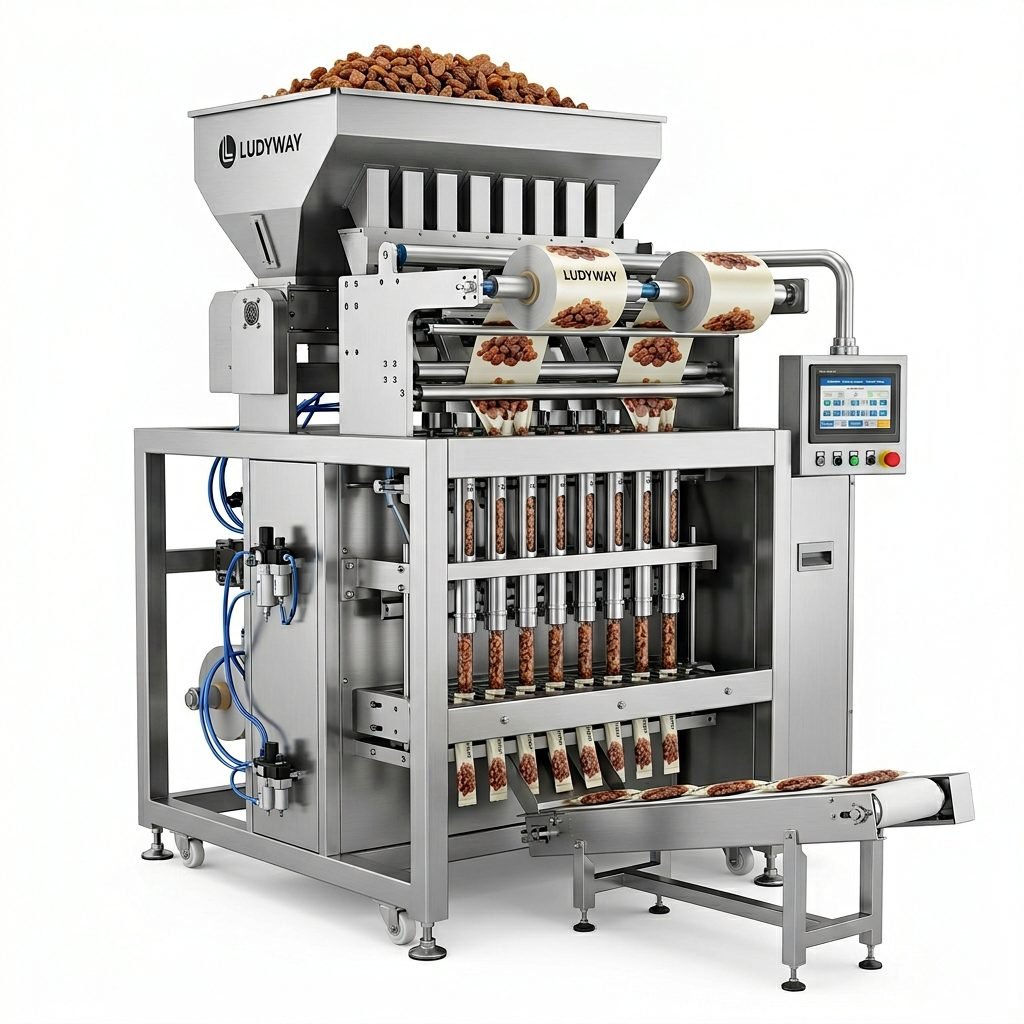
Selecting a reliable equipment partner is as important as the machinery itself. Look for a supplier with proven experience in food packaging automation, a robust after-sales support network, and a track record of successful installations in your industry segment. Ludyway is one of the largest packaging machine manufacturers in China, specializing in advanced packaging equipment and turnkey production solutions for the food, pharmaceutical, and health industries. With over 30 years of industry expertise, the company offers more than 50 intelligent packaging machine models — including flow wrappers, multi-lane stick pack systems, and fully automated packaging lines — serving customers in over 100 countries. A modern 20,000㎡ manufacturing facility and an experienced engineering team ensure reliable, high-performance solutions that help businesses improve productivity and operational efficiency.
Key Takeaways for a Successful Pizza Packaging Line Setup
Building a pizza packaging machine production line requires careful coordination of equipment selection, facility planning, quality control integration, and workforce training. Start by defining your output targets and packaging format, then methodically work through each station — from infeed to palletizing. Prioritize in-line inspection equipment to safeguard product quality, and commit to a structured preventive maintenance program from day one. By following this step-by-step approach, you position your operation for consistent throughput, extended product shelf life, and long-term competitive advantage in the marketplace.
Further Reading and Industry Resources
- PMMI State of the Industry Report — Packaging Machinery Trends
- Flexible Packaging Association — Industry Resources and Data
- PACK EXPO International — Packaging Equipment and Solutions
- FDA — Packaging and Food Contact Substances Guidance
- ISO 11607 — Packaging for Terminally Sterilized Medical Devices
- Ludyway — Turnkey Packaging Machinery and Production Line Solutions