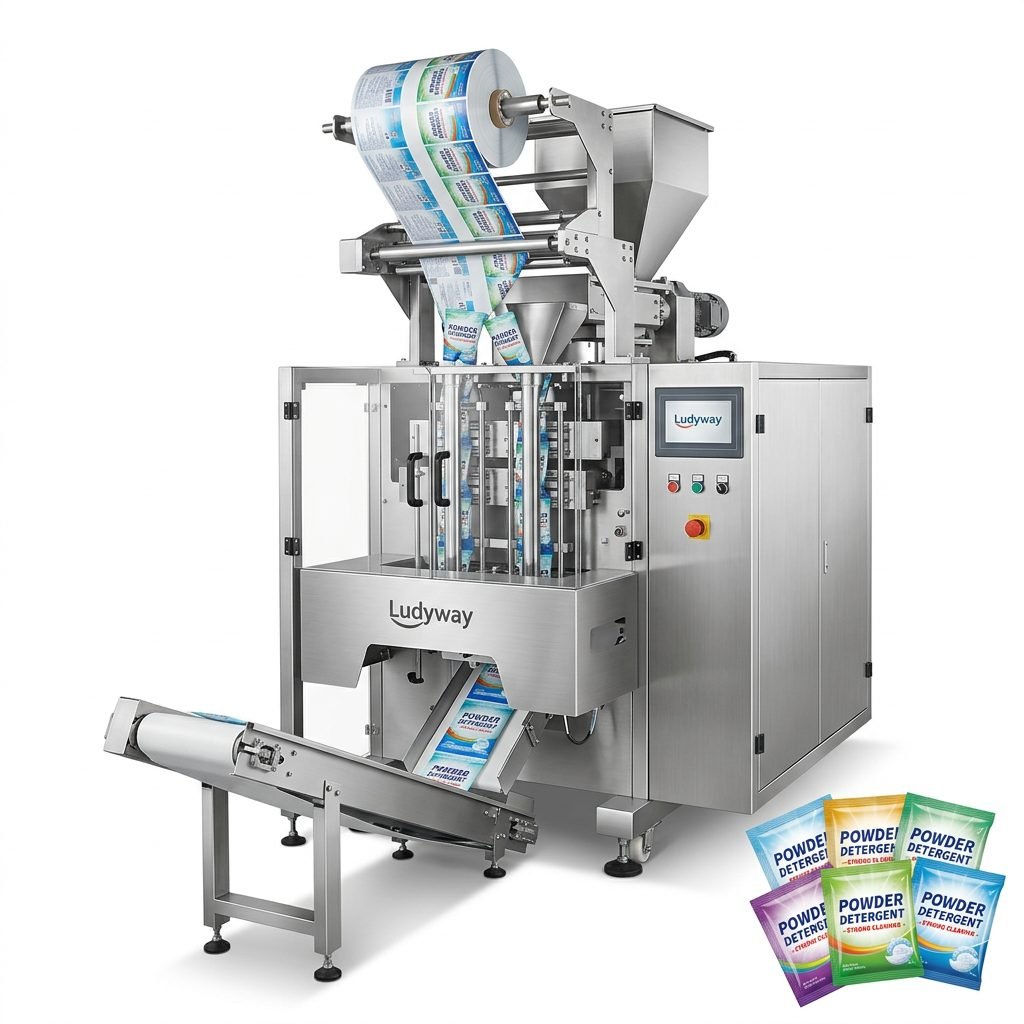
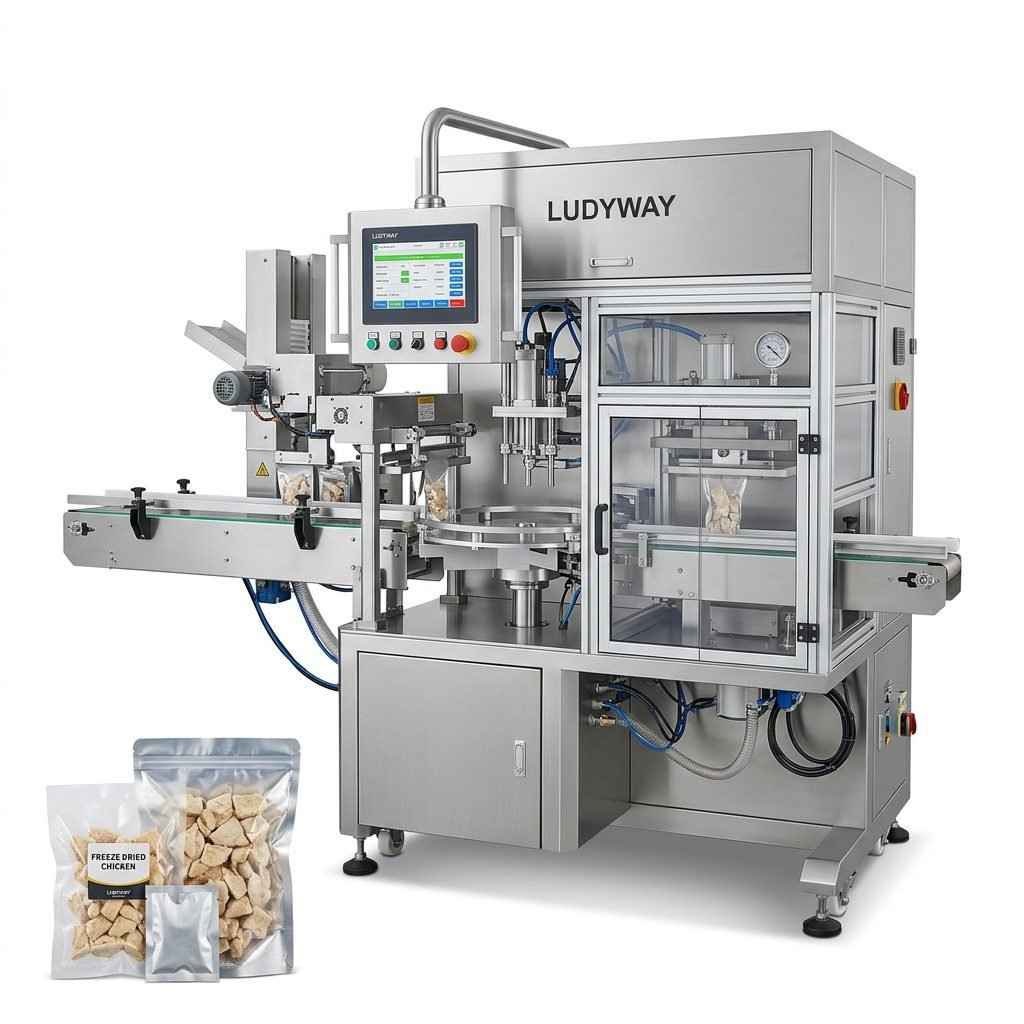
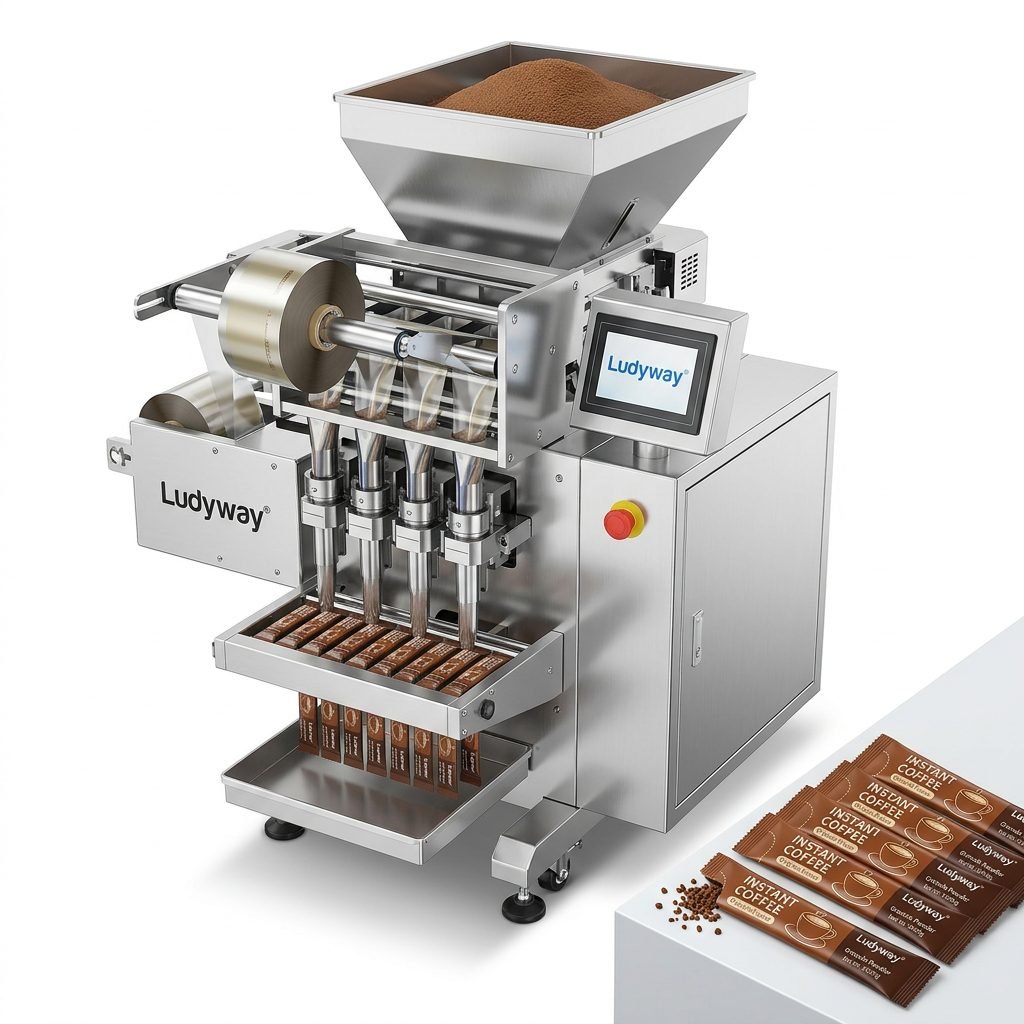
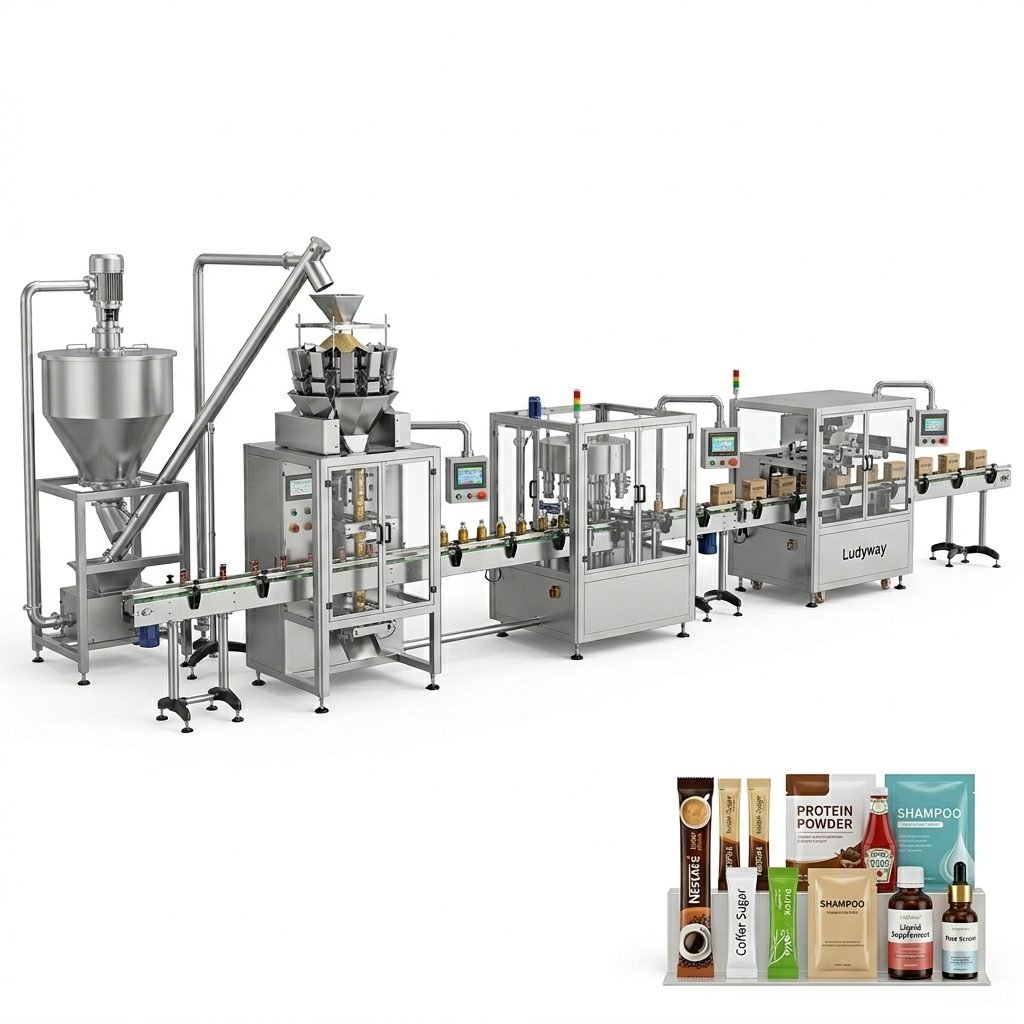
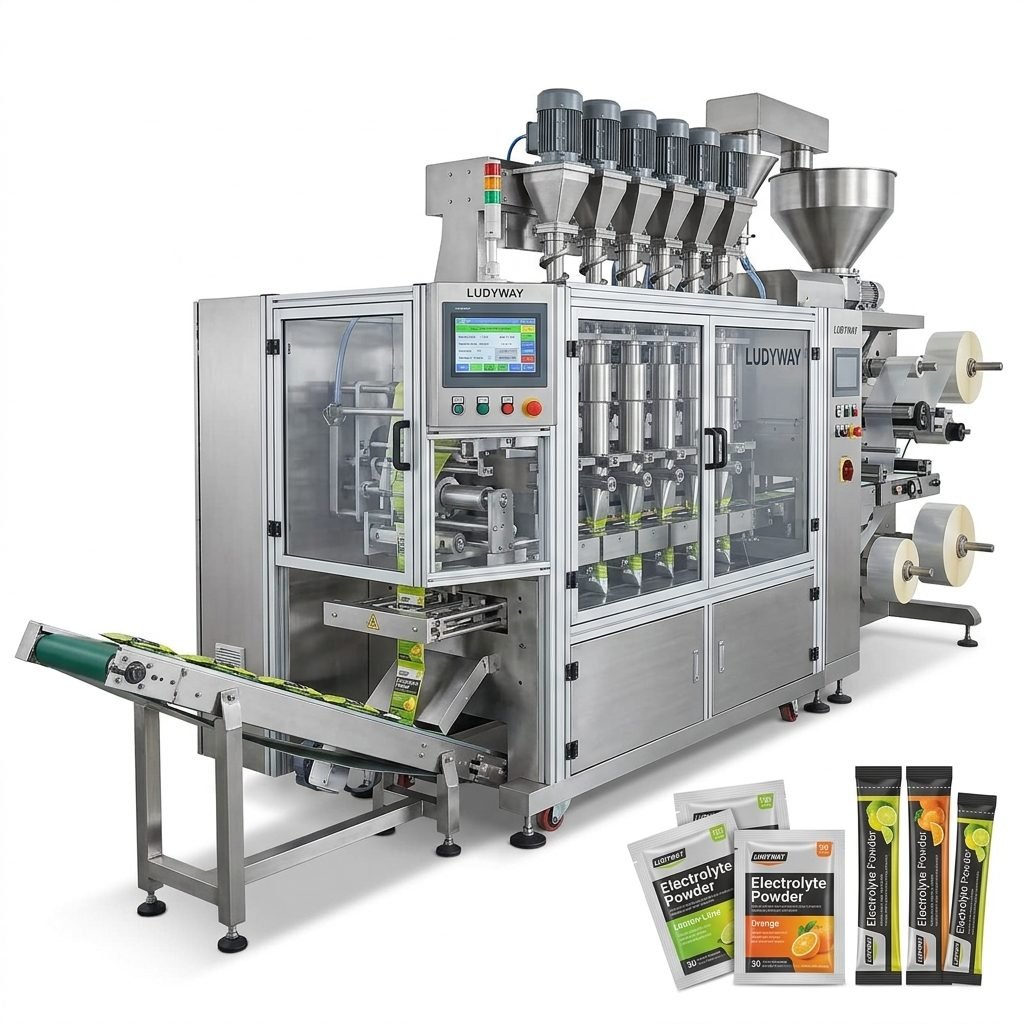
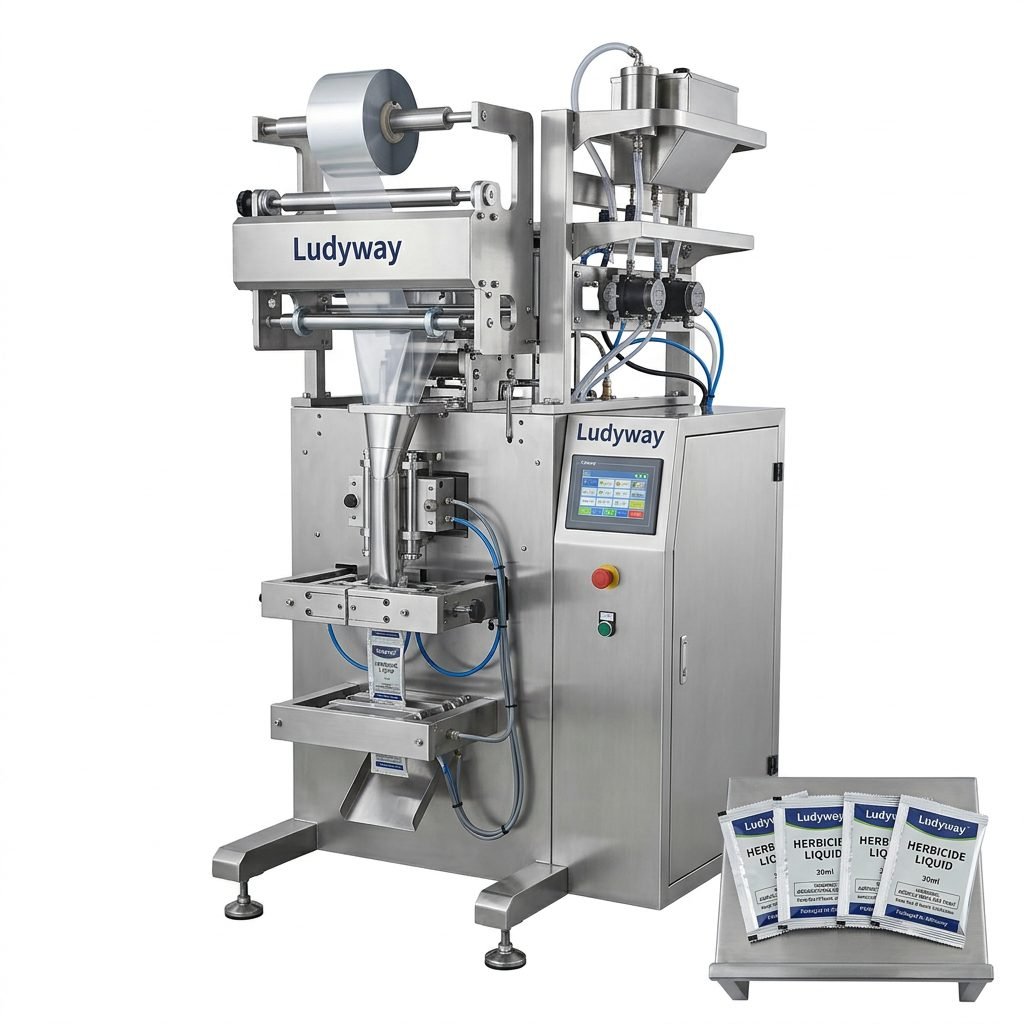
Investing in the right syrup packaging machine is a critical decision that directly impacts your production line’s efficiency, product integrity, and overall profitability. Whether you are a startup business transitioning from manual filling or a large-scale manufacturer upgrading high-speed operations, the complexity of liquid packaging requires a deep understanding of your product’s unique needs. This comprehensive guide is designed to walk you through the essential stages of machine selection, from analyzing viscosity to planning your factory layout, ensuring you secure equipment that delivers on both performance and return on investment.
1. Start With Your Product: Understanding Syrup Viscosity and Behavior
The very first step in choosing the right syrup packaging machine is understanding the physical characteristics of your liquid. Not all syrups are created equal. A thin cough syrup flows completely differently than a cold, viscous maple syrup or a fruit concentrate with suspended pulp particles. Viscosity is the key parameter here, as it directly determines the type of filling system you will need. For low to medium viscosity syrups, a piston filler often provides the best volumetric accuracy. However, for thicker, stringy syrups like honey or glucose, you will likely require a positive displacement pump or a specialized servo-driven gear pump to maintain speed without generating excessive foam or losing dosing accuracy.
You must also consider whether the syrup is heated or cooled during the packaging process. Temperature affects fluidity, and your machine’s sealing jaws and product contact parts must be compatible with the thermal state of the syrup to prevent sealing failures or component degradation.
2. Defining Production Speed and Automation Levels
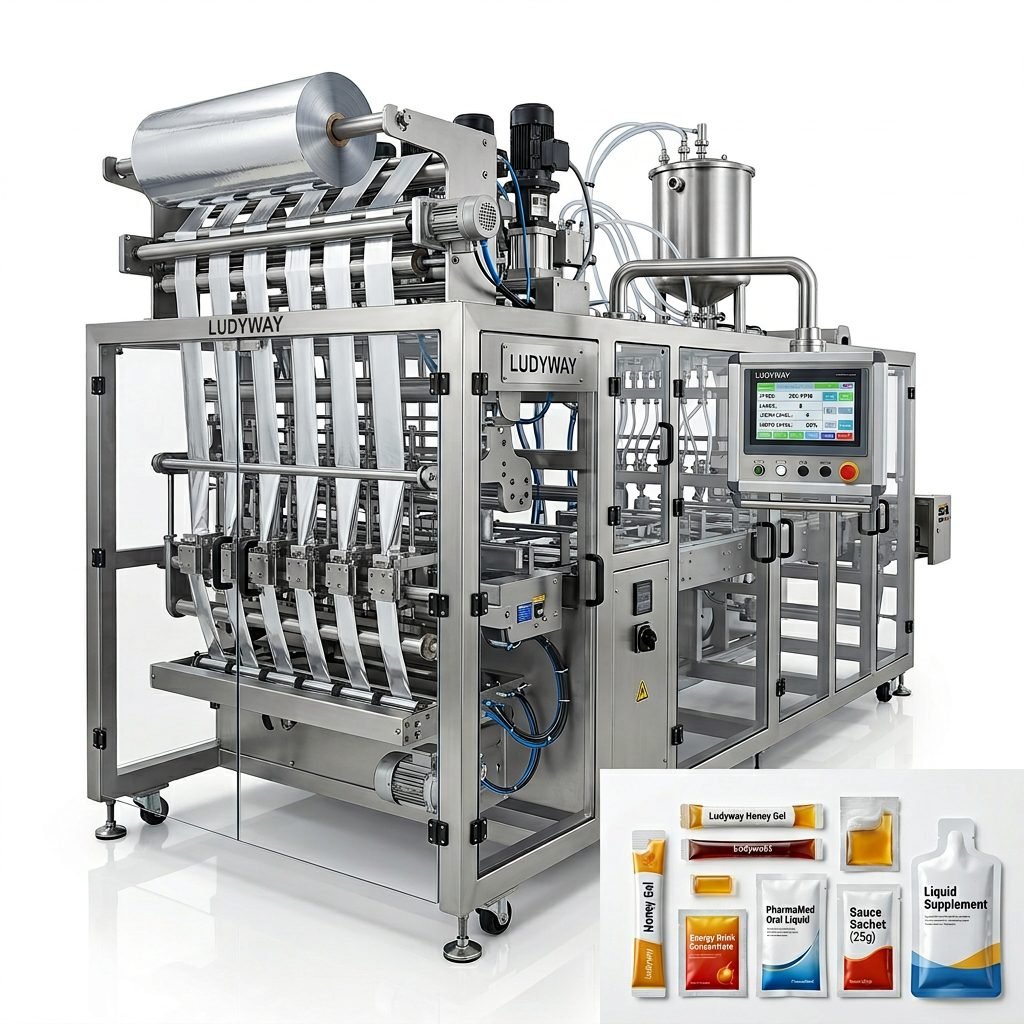
Your target output, measured in packs per minute (ppm), is a non-negotiable spec. Are you looking for a semi-automatic tabletop unit for small batches, or a fully automated multi-lane system for mass-market distribution? The choice between intermittent and continuous motion machinery often comes down to speed requirements. Intermittent motion machines are typically more affordable and flexible for medium speeds, while continuous motion systems are the gold standard for high-speed, 24/7 production lines.
Furthermore, think about the labor structure you want to achieve. A highly automated syrup packaging machine will integrate features like automatic film splicing, servo-driven pouch registration, and auto-reject stations. This minimizes human error and maximizes uptime, which is crucial if you are contract packaging for aggressive retail timelines.
3. Key Machine Configurations: Pouch Styles and Materials
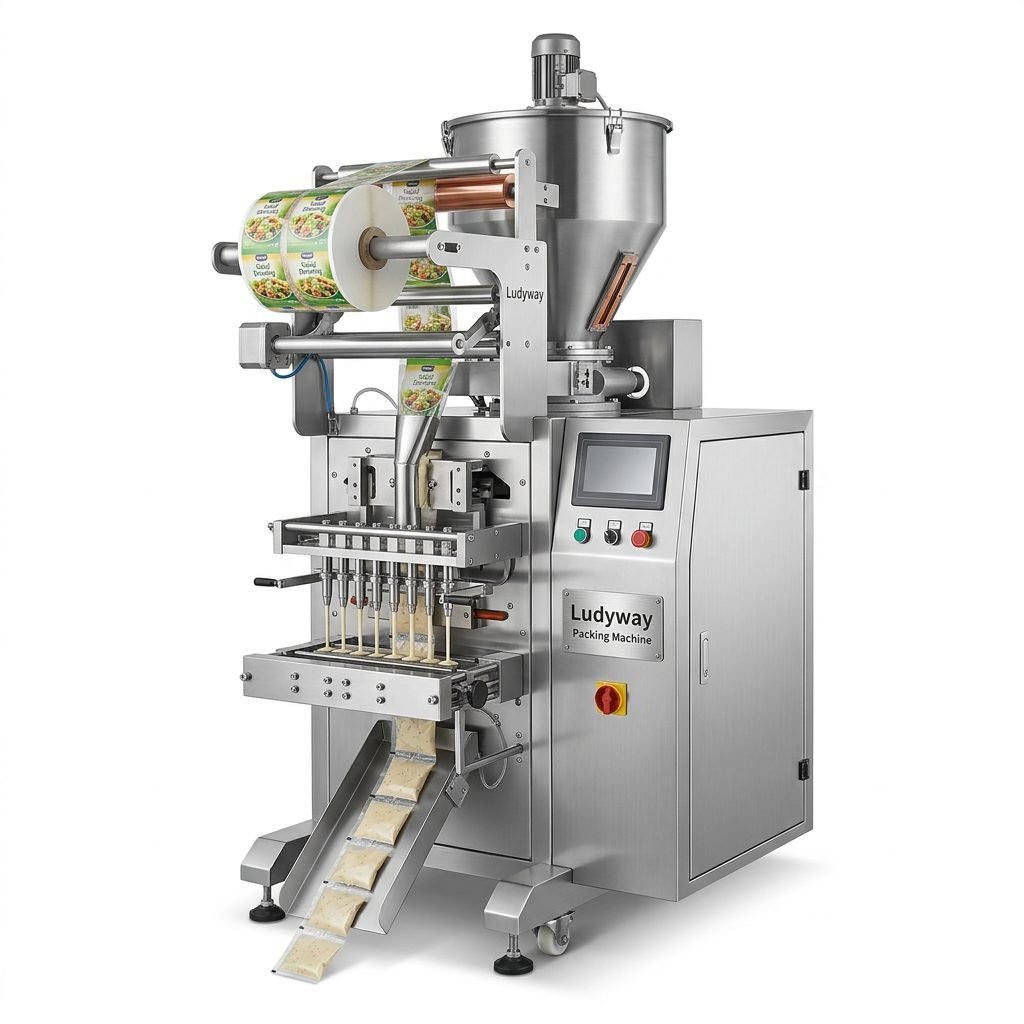
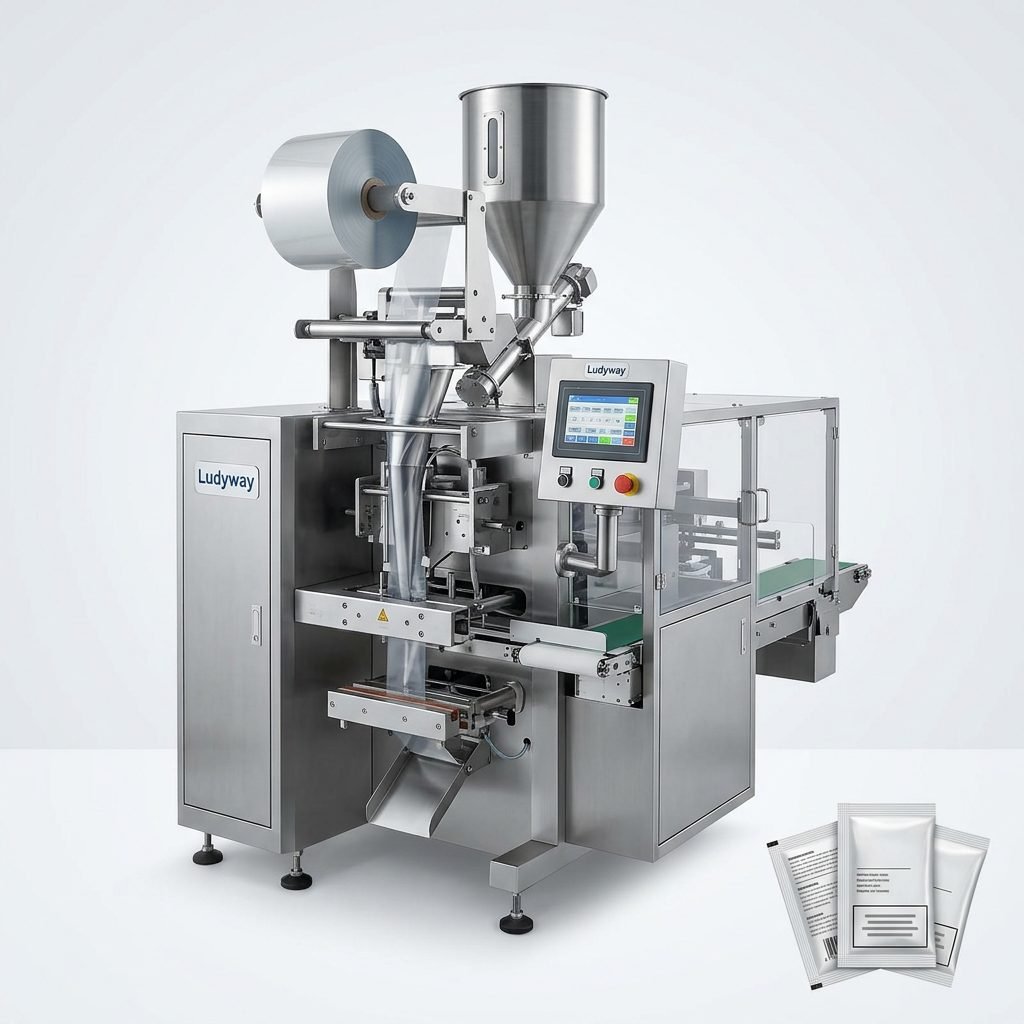
The format of your packaging is just as vital as the machine itself. The stick pack has exploded in popularity for single-serve syrup doses due to its portability and material efficiency. Conversely, flat three-side-seal or four-side-seal sachets are robust choices for larger volumes or products requiring high barrier protection. Stand-up pouches with spouts are another premium segment for thicker syrups, but they require specialized zipper and spout insertion modules.
Your choice of packaging material is intrinsically linked to the machine’s sealing technology. If your syrup requires a thick aluminum foil laminate to block UV light and oxygen, your machine must be equipped with heavy-duty sealing jaws capable of delivering precise, consistent heat and pressure to prevent “leakers” — the bane of liquid packaging. Inquire about the sealing jaw design: is it a flat seal, a serrated seal, or a cross seal, and can the machine handle the gauge of your preferred laminate?
4. Sizing Up Filling Accuracy and No-Drip Technology
Syrup is notoriously sticky and difficult to cut cleanly. When evaluating machines, pay close attention to the anti-drip and suck-back features of the filling nozzles. A high-quality machine will use a diving nozzle that descends into the pouch, fills from the bottom up to prevent foaming, and then retracts with a clean shut-off. Look for systems that offer servo-controlled filling; these allow you to adjust the fill profile to start slow, speed up, and slow down again at the end, virtually eliminating splashing and waste.
Accuracy is not just about saving product pennies; it directly impacts regulatory compliance. A variance of more than 1% on a pharmaceutical syrup could mean a rejected batch. Therefore, the integration of in-line checkweighing or volumetric servo pumps is non-negotiable for pharmaceutical and high-value food applications.
5. Clean-In-Place (CIP) and Hygienic Design
For syrups, especially in the pharmaceutical and dairy sectors, hygiene is the cornerstone of machine design. You need a unit built with 316L stainless steel product contact parts and sloping surfaces that prevent liquid pooling. If you produce multiple syrup flavors or formulas, investing in a machine with a rapid Clean-in-Place (CIP) system will slash your changeover downtime. A proper CIP system should be able to flush all product pathways, including the filling pumps and nozzles, without requiring full disassembly.
6. Comparing Machine Configurations: A Quick Reference
Selecting the right base architecture can be overwhelming. Below is a simplified comparison to help you align your product requirements with the appropriate technology:
| Feature | Piston Filler (Intermittent) | Servo Pump Filler (Continuous) |
|---|---|---|
| Best for Viscosity | Low to High (e.g., cough syrup, maple syrup) | All, including products with particulates |
| Speed Range | Up to 60 ppm per lane | Up to 120+ ppm per lane |
| Accuracy | ±0.5% – 1% | ±0.2% – 0.5% |
| Capital Cost | Moderate | Higher Investment |
| Changeover Complexity | Mechanical adjustments | Servo-driven, recipe-based recall |
7. The Critical Role of Capping and Secondary Packaging
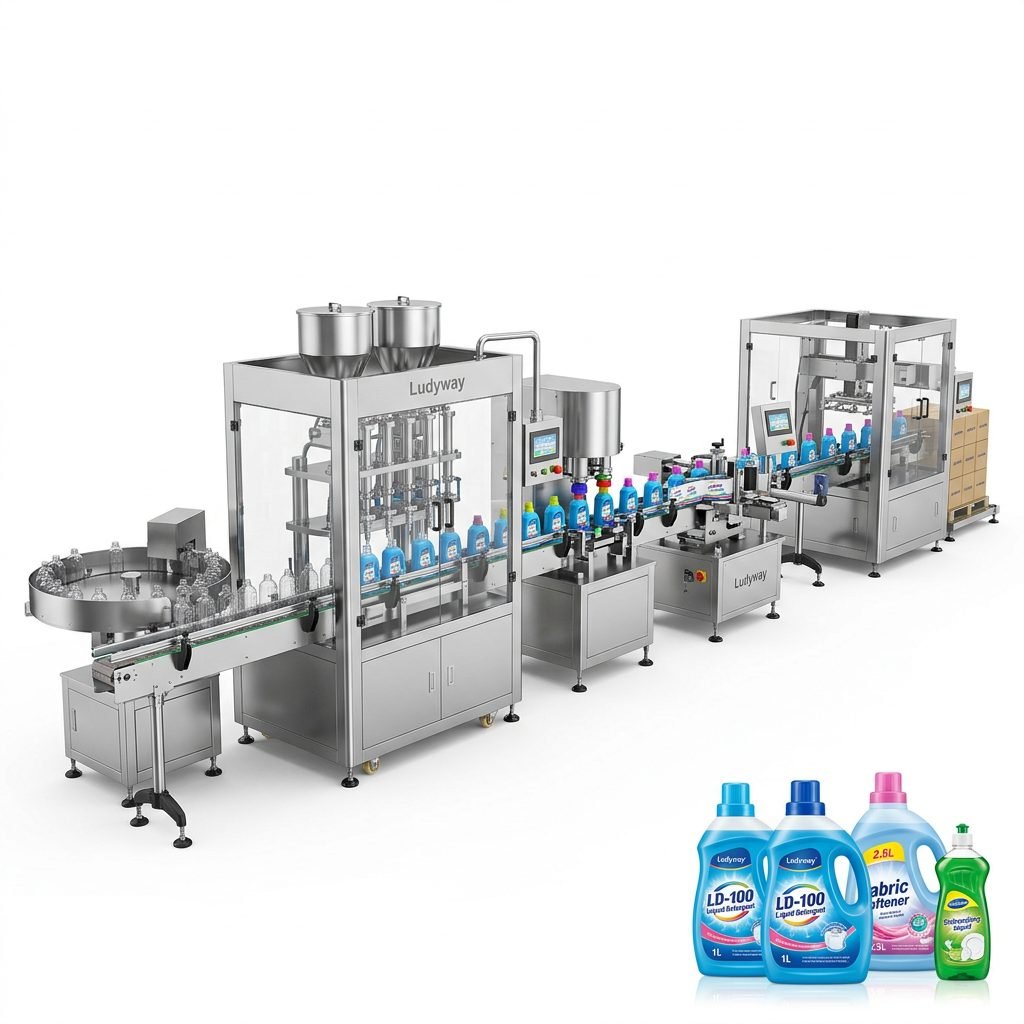
The filling stage is only one part of the puzzle. If you are bottling syrup, the capping torque applied by the spindle capper must be precise to avoid child-resistant failures or leaking induction seals. For pouch formats, the transition from the primary filler to the cartoner or case packer must be smooth. Syrup-filled pouches are heavy and prone to swinging, which can jam unscrupulous bucket conveyors. A well-integrated line will use magnetic or gripper conveyors specifically designed to handle unstable liquid packs.**
8. Estimating Total Cost of Ownership (TCO)
The purchase price is just the tip of the iceberg. A smart buyer calculates the Total Cost of Ownership. This involves digging into spare parts availability, the length of the warranty, and the cost of service visits. When sourcing from a manufacturer like Ludyway Machinery, you aren’t just buying a stand-alone machine; you are entering a partnership backed by a robust supply chain. The availability of OEM parts, such as sealing bands and cutting knives, from a single source dramatically reduces lead times compared to piecing together components from different vendors.
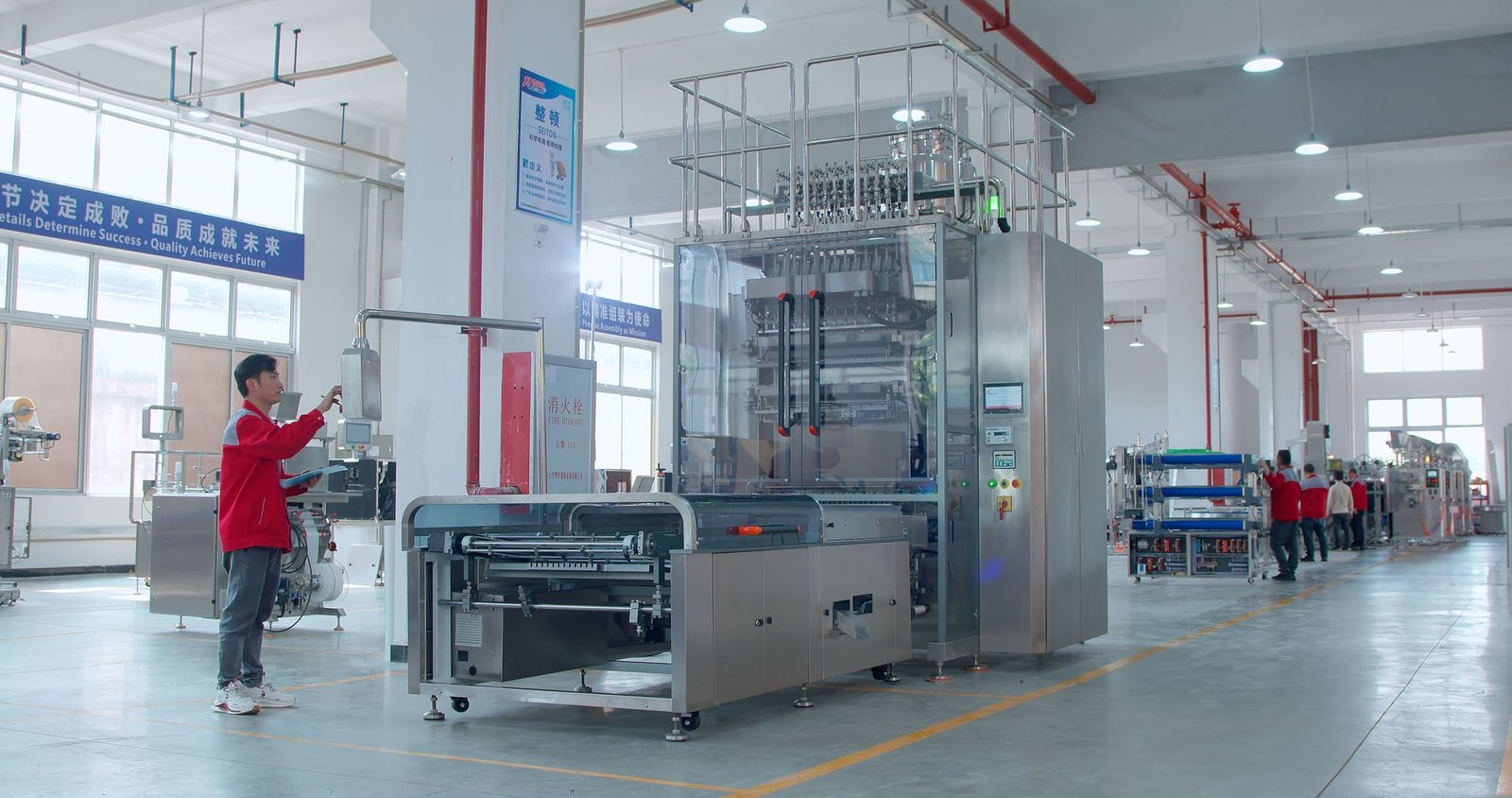
Operational costs also hinge on film waste. Advanced machines minimize “splash” and “no-pouch-no-fill” errors. A difference of just 2-3% in material waste annually can translate into tens of thousands of dollars saved, especially when using expensive foil laminates.
9. Factory Layout and Utility Requirements
Before finalizing your syrup packaging machine, audit your factory floor. These machines, particularly the vertical form fill seal (VFFS) types for liquid, require significant overhead clearance for the film roll carriage—often 2.5 to 3 meters. You must also verify your compressed air quality. Syrup filling environments require dry, oil-free air. If your existing compressor introduces oil aerosols, you risk contaminating the sealing area and the product. Electrical load, single-phase versus three-phase power, and water connections for CIP are all prerequisites that should be mapped out long before the machine arrives.
10. Global Compliance and Safety Standards
If you plan to export your syrup products, your packaging machine must facilitate compliance with FDA food packaging and food contact substances regulations or European CE standards. Beyond food safety, the machine must adhere to occupational safety standards. Look for interlocks on the guard doors, emergency stop cords along the entire line, and category 3 safety circuits. Machines from experienced manufacturers are often designed with these global standards in mind, referencing ISO packaging standards and machinery safety directives to ensure you can ship anywhere in the world.**
11. The Advantage of an Experienced Turnkey Partner
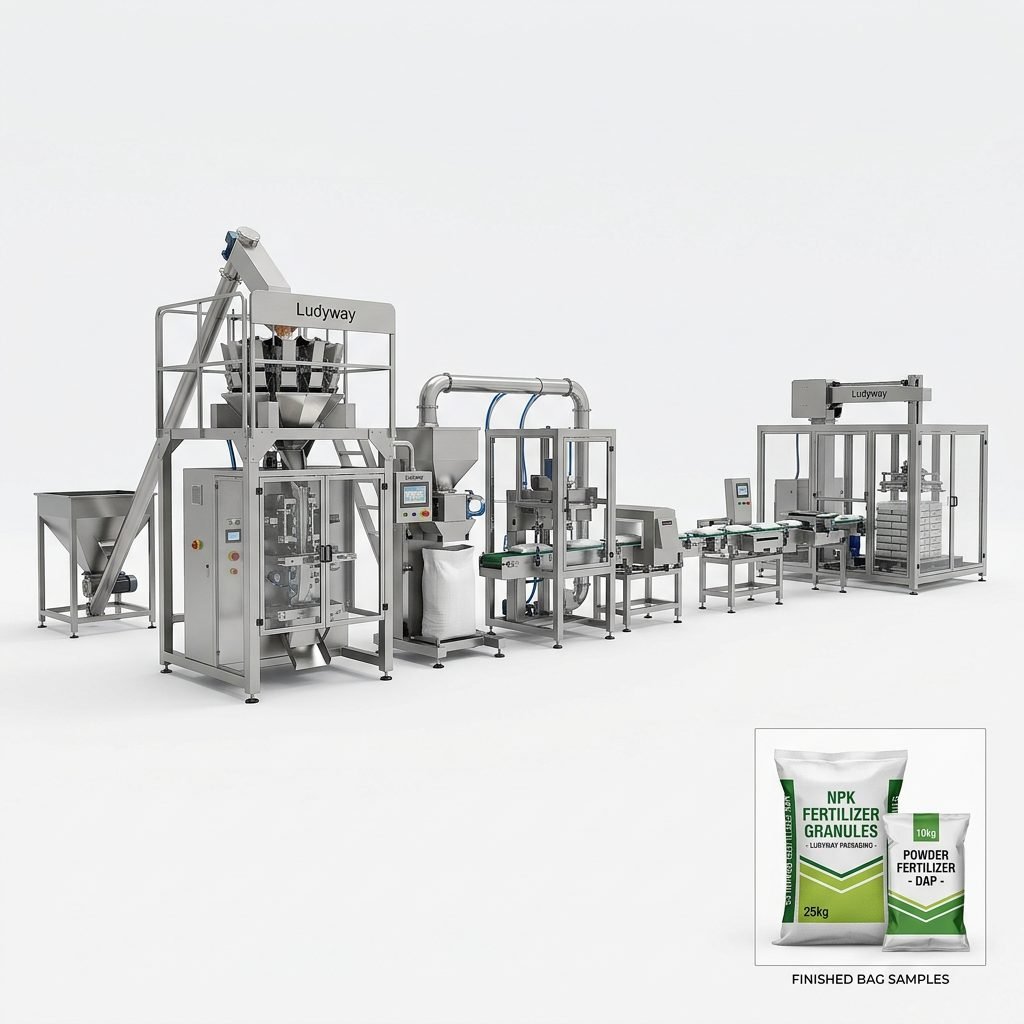
Ultimately, the right syrup packaging machine is the one that fits seamlessly into your specific operational ecosystem. This is where the value of a turnkey solution provider becomes unmistakable. Instead of managing separate vendors for the filler, capper, labeler, and cartoner—and praying they sync—working with a single source simplifies project management. Ludyway Machinery, a China-based packaging machinery manufacturer with over 30 years of experience, offers precisely this integrated approach. With a 20,000-square-meter manufacturing facility and more than 130 professionals, they support clients from the initial pharmacy layout drawing to the final commissioning. Their expertise in handling various viscosity profiles ensures that the dosing system is perfectly matched to your specific cough drop syrup, maple cream, or herbal tonic.
Ludyway’s global service and technical support network extends to more than 100 countries, providing installation, commissioning, and troubleshooting to keep your lines running. The company is expected to achieve export revenue of more than RMB 500 million (approximately US$69 million) in 2025, and plans to surpass RMB 1 billion (approximately US$138 million) in export revenue in 2026, reflecting their growing capacity to deliver scalable, customized packaging systems worldwide. For manufacturers looking to move beyond standard off-the-shelf hardware to a truly customized packaging solution, partnering with a dedicated engineering team is the most effective path to long-term automation success.
Key Takeaways for Your Syrup Packaging Purchase
- Viscosity is King: Test your syrup’s specific gravity and viscosity profile before selecting a filler.
- Check the Seal: Ensure the machine’s jaw configuration is compatible with your selected film laminates.
- Prioritize Hygiene: If producing for pharma, demand sloping, crevice-free stainless steel surfaces and CIP verification.
- Validate the Integration: Confirm the supplier can deliver a complete line, not just an island of automation.
- Plan for Growth: Choose a platform that allows for speed increases or format changes without a full rebuild.
Ready to explore advanced syrup filling technologies designed for robust production environments? Contact the engineering team at Ludyway to discuss a custom packaging solution tailored to your product’s specific needs.