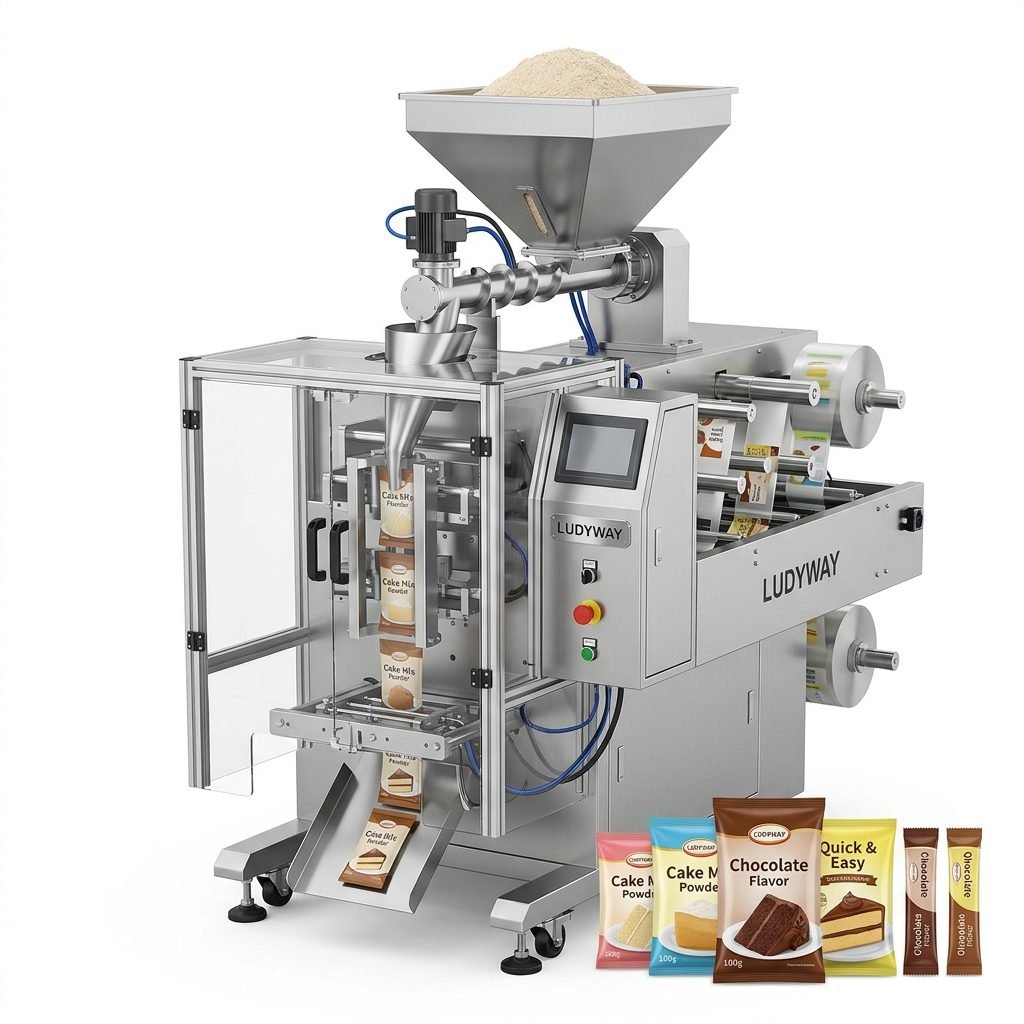
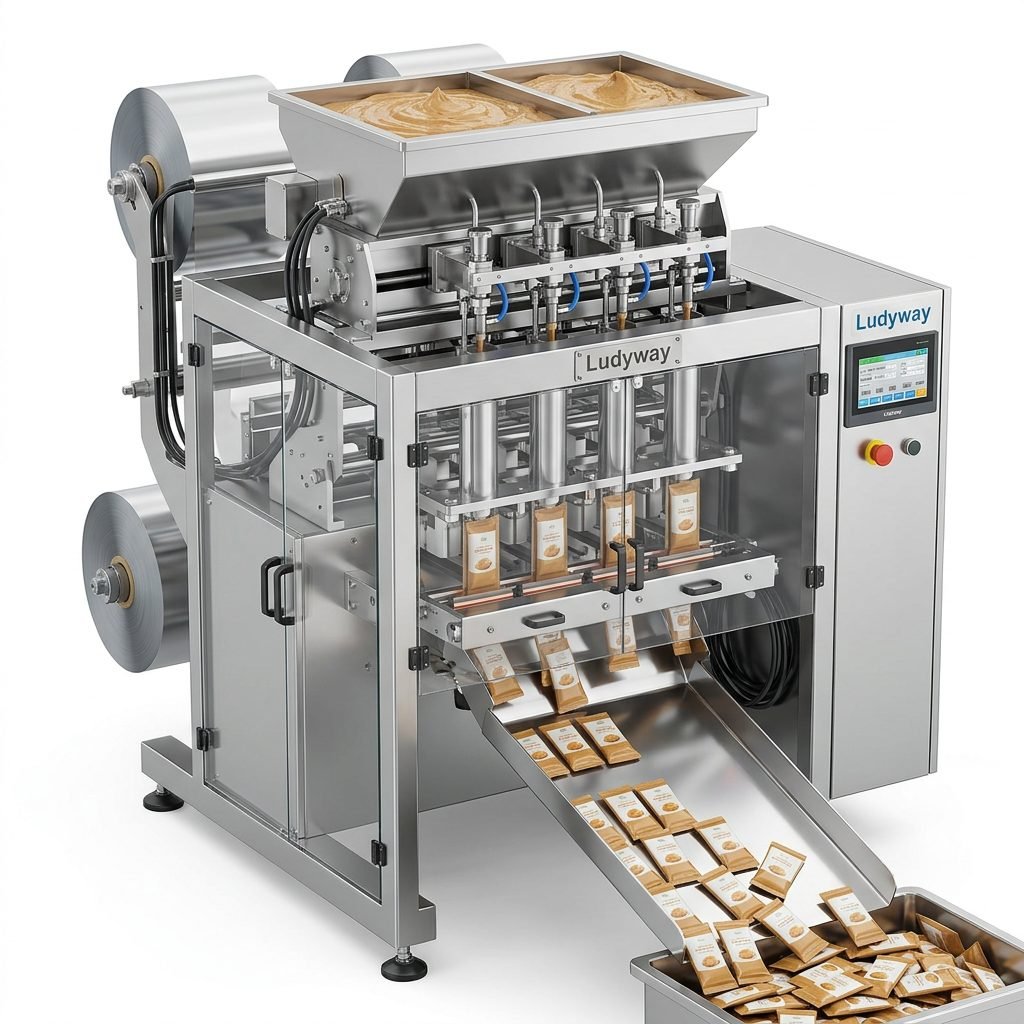
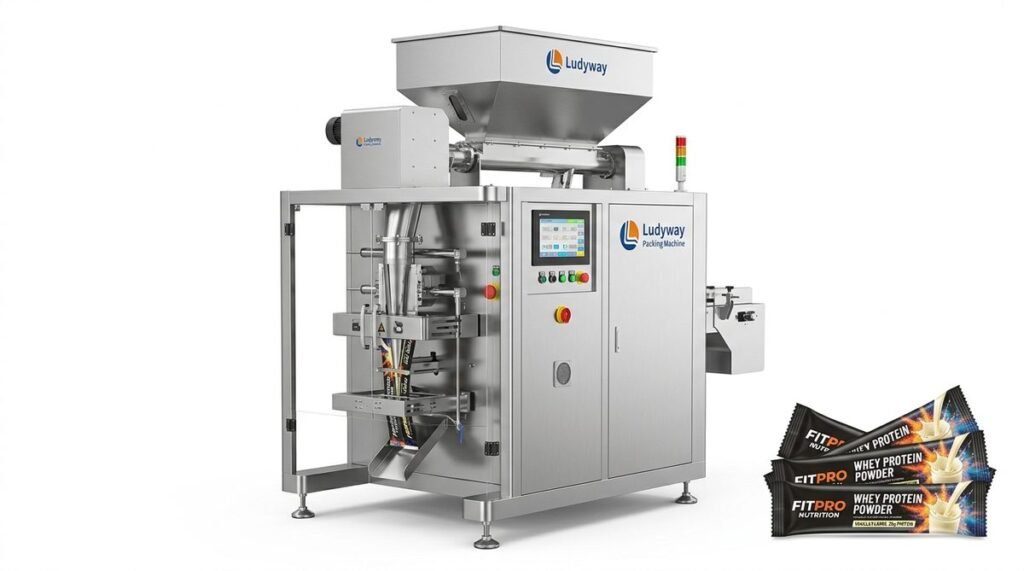
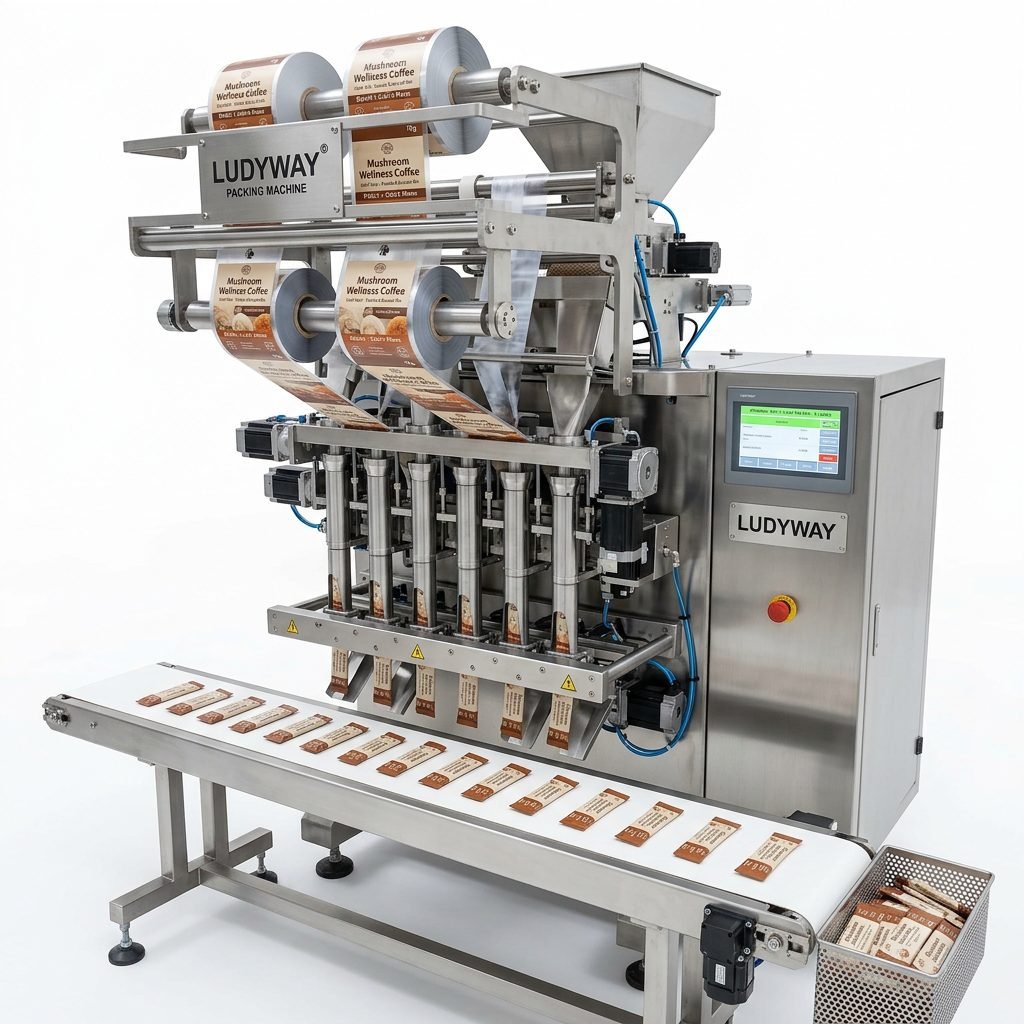
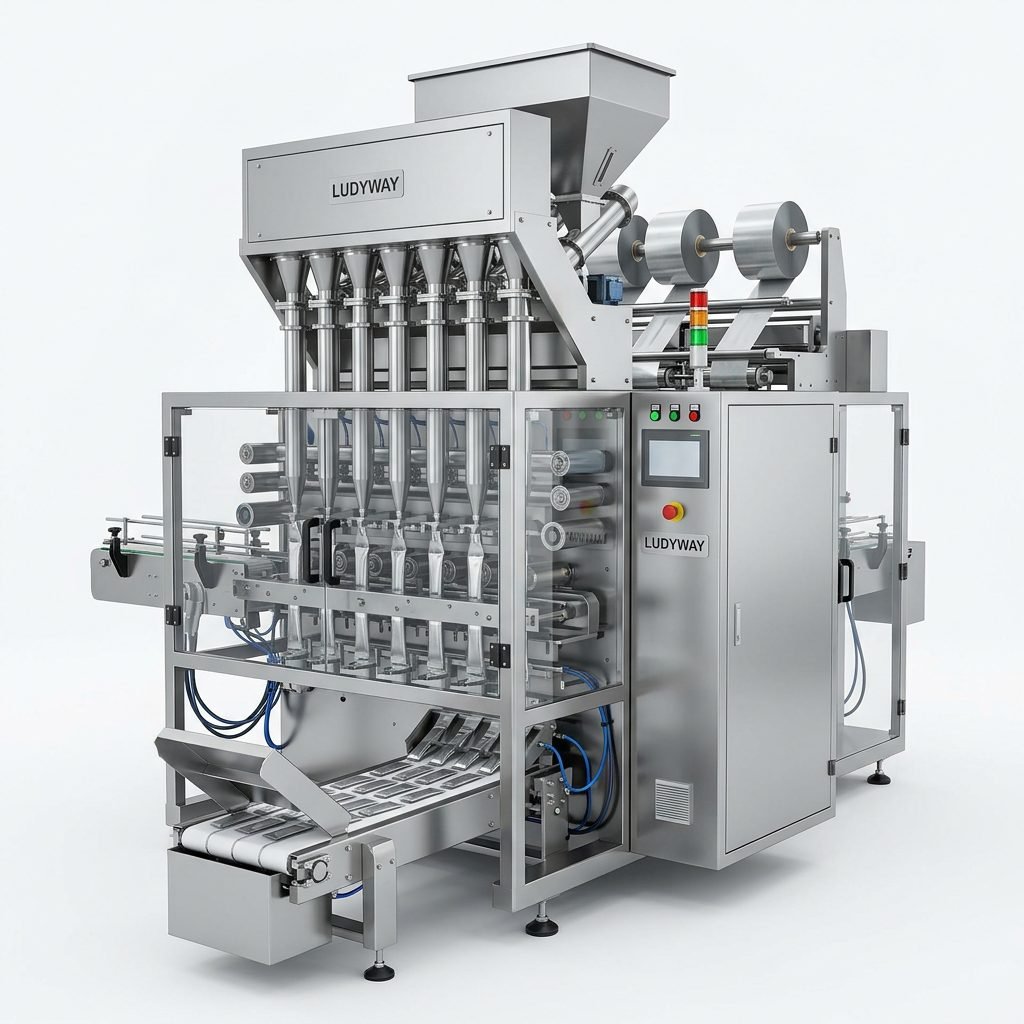
Germany stands as one of Europe’s most advanced manufacturing hubs, and its food processing sector demands high-precision, efficient packaging machinery. For businesses looking to invest in a sugar packaging machine in Germany, understanding the local market requirements, technical specifications, and regulatory landscape is essential. This guide covers everything from machine types and key selection criteria to compliance standards and supplier evaluation, helping you make an informed purchasing decision.
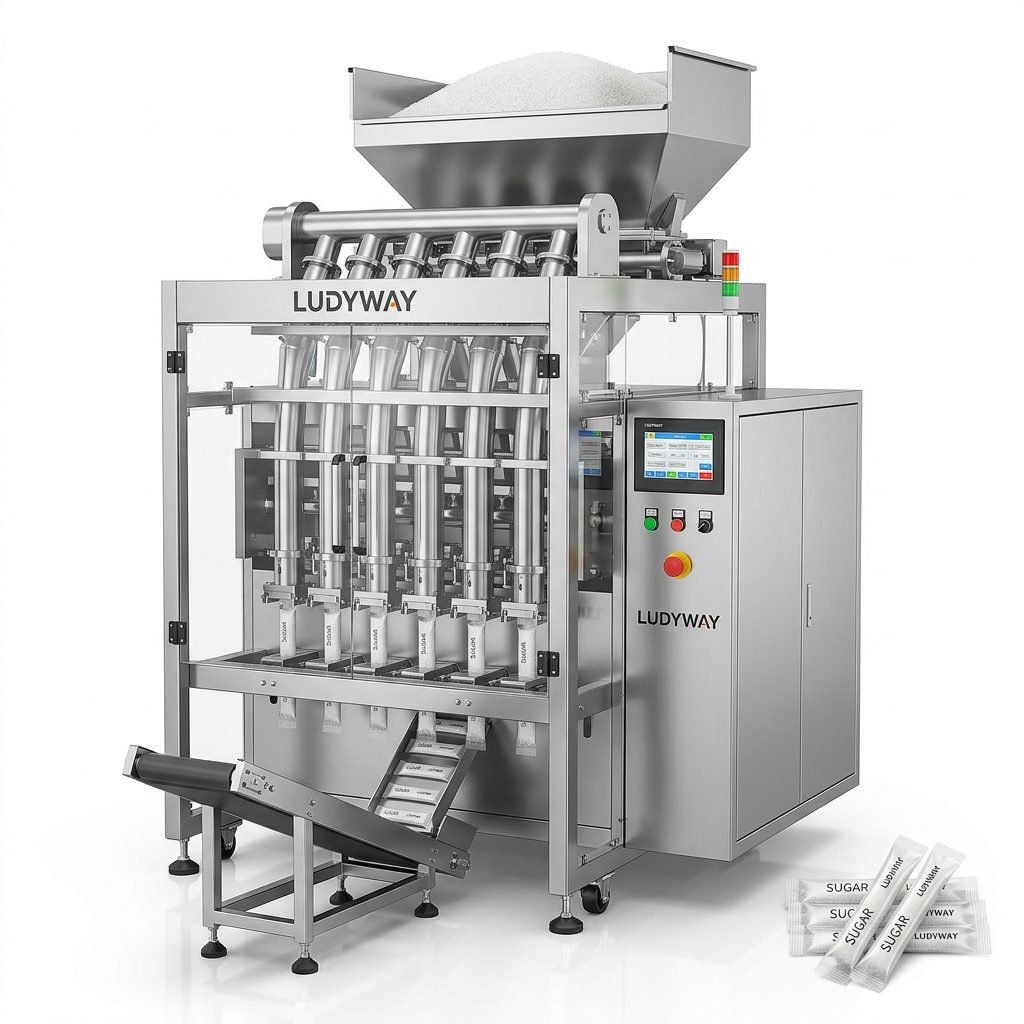
Understanding the German Market for Sugar Packaging Equipment
Germany’s food industry is characterized by strict quality standards and high automation levels. The demand for sugar packaging machines spans across multiple sectors, including confectionery, bakery, beverage, and pharmaceutical industries. According to the latest packaging machinery market research, Europe continues to see steady growth in automated packaging solutions, driven by labor cost concerns and the need for consistent product quality.
German buyers typically prioritize energy efficiency, precision dosing, and compatibility with Industry 4.0 standards. Whether packaging granulated sugar, powdered sugar, or sugar substitutes, the machine must deliver consistent fill weights and maintain product integrity throughout the packaging process.
Types of Sugar Packaging Machines Available
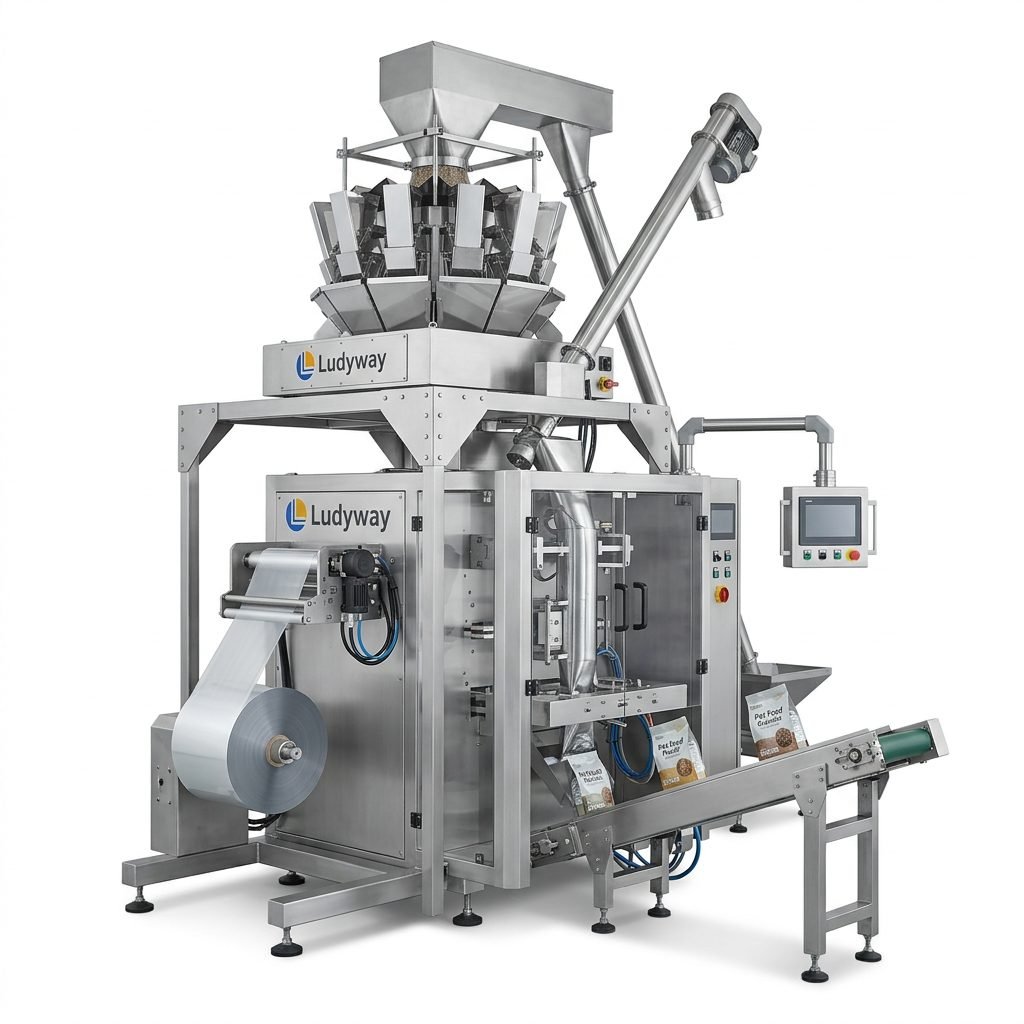
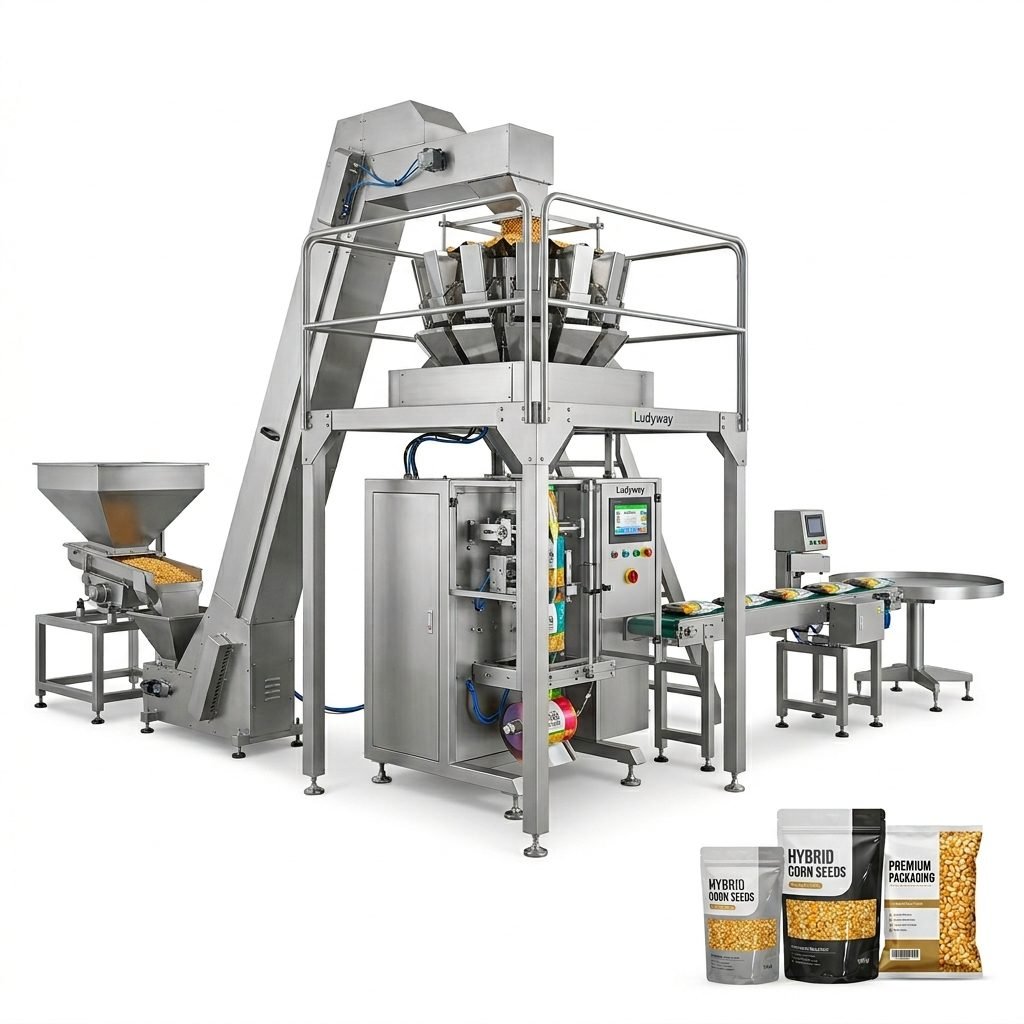
Selecting the right type of packaging equipment depends on your production volume, packaging format, and product characteristics. Below are the main categories:
| Machine Type | Best For | Packaging Format | Speed Range |
|---|---|---|---|
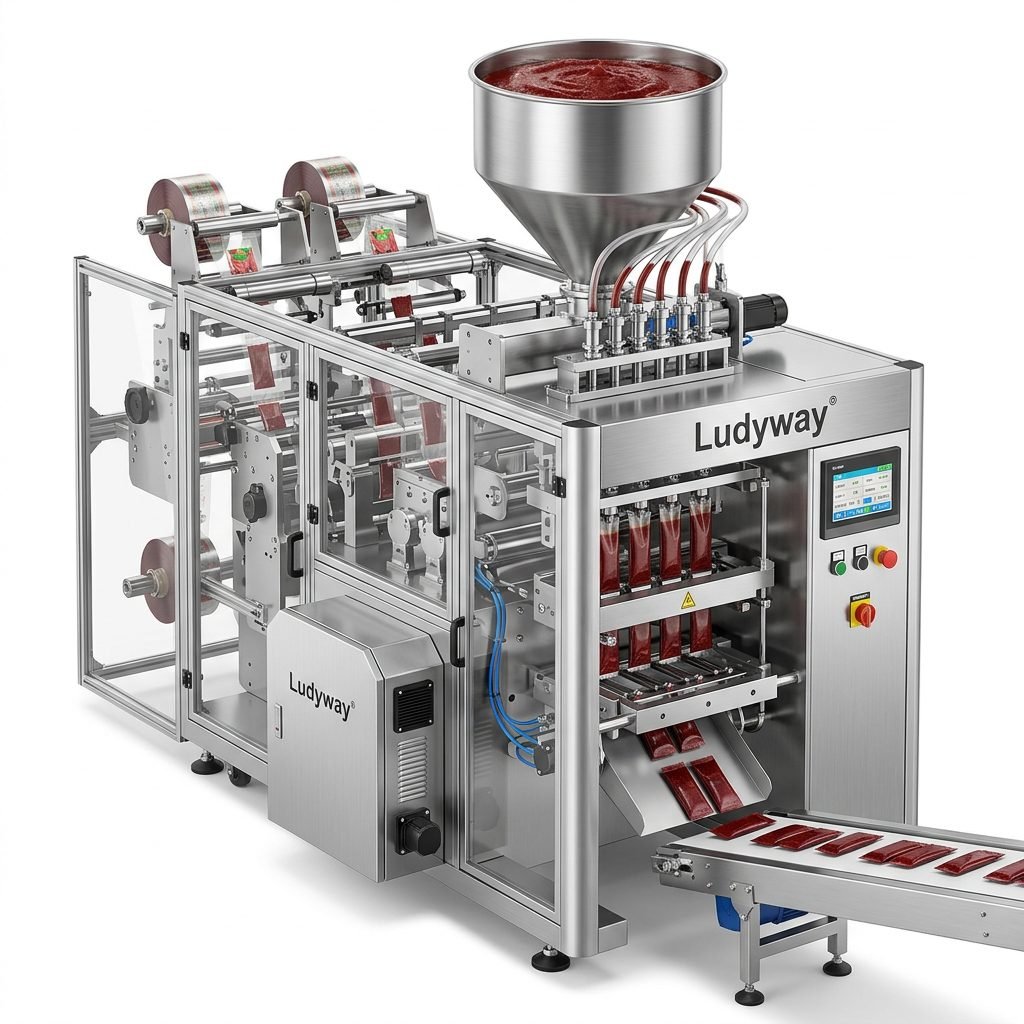
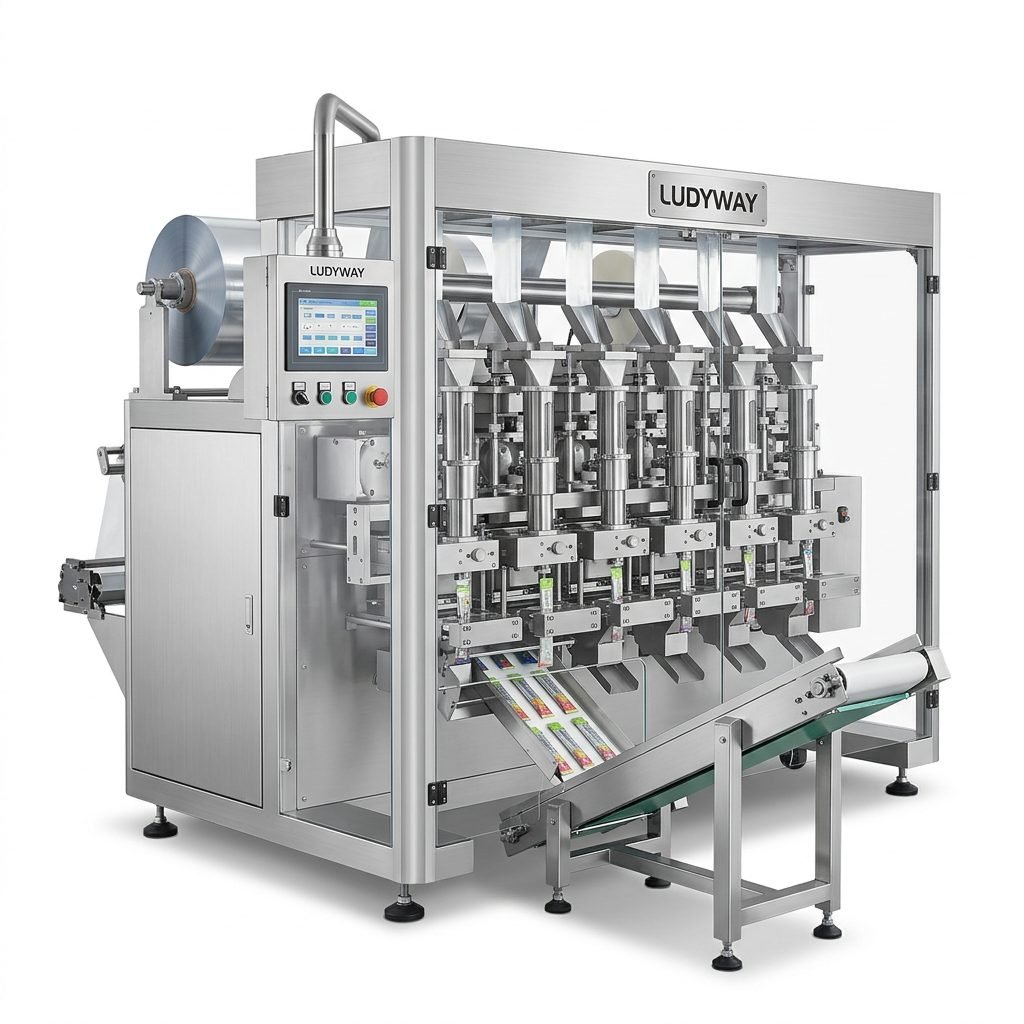
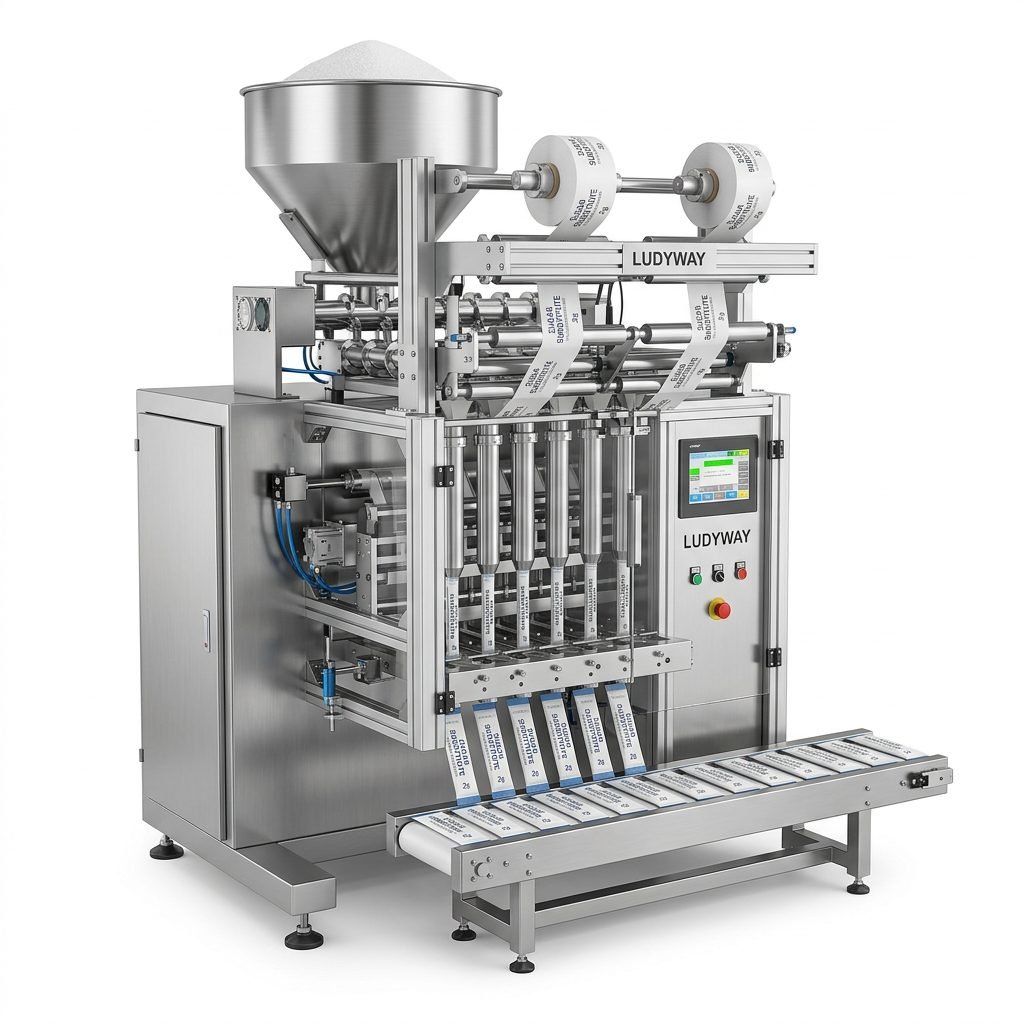
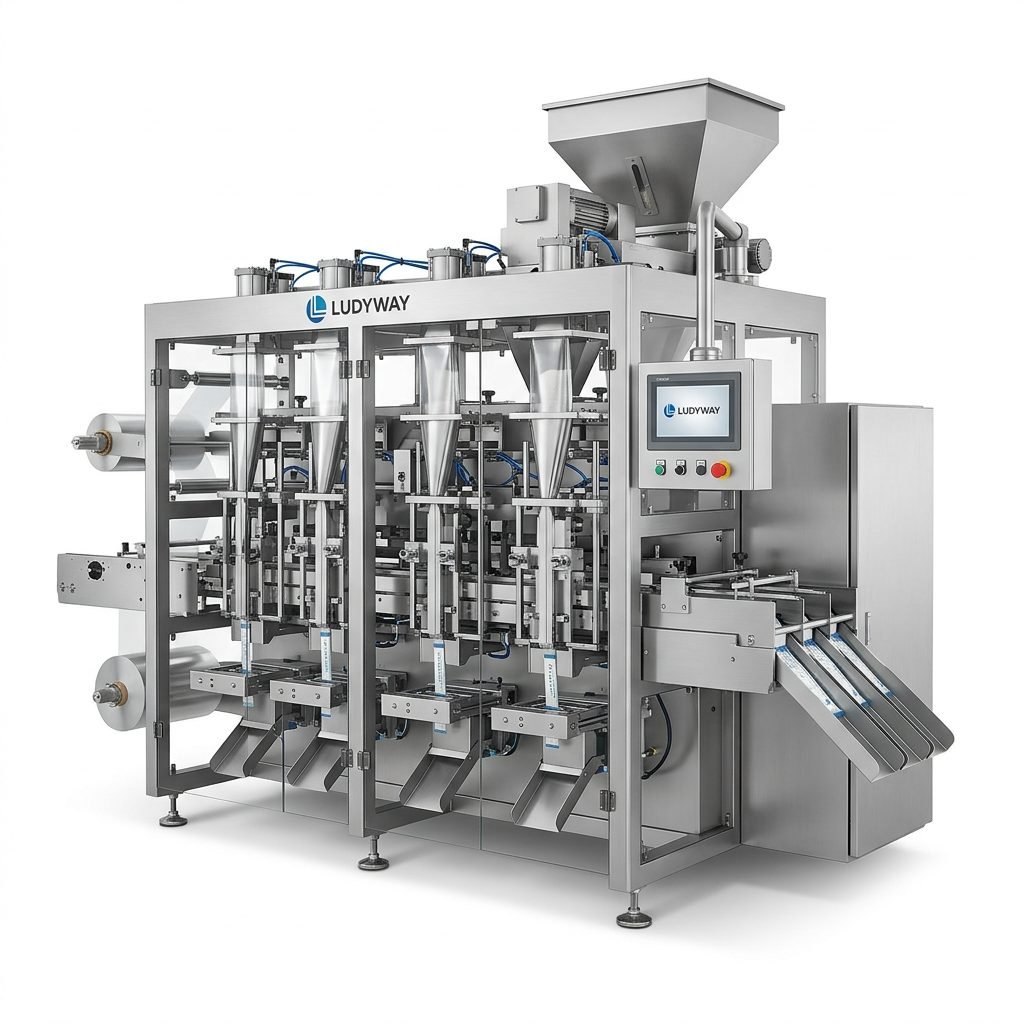
| Multi-Lane Stick Pack Machines | High-volume sugar stick production | Stick packs, sachets | 200-800 packs/min |
| Vertical Form Fill Seal (VFFS) Machines | Granulated sugar in pouches | Pillow pouches, gusseted bags | 30-120 packs/min |
| Premade Pouch Filling Machines | Premium sugar products | Stand-up pouches, zipper bags | 20-60 packs/min |
| Bulk Bagging Systems | Industrial sugar packaging | 5kg-50kg bags | 3-15 bags/min |
| Sachet Packaging Machines | Single-serve sugar portions | Flat sachets, 3-side seal | 100-400 packs/min |
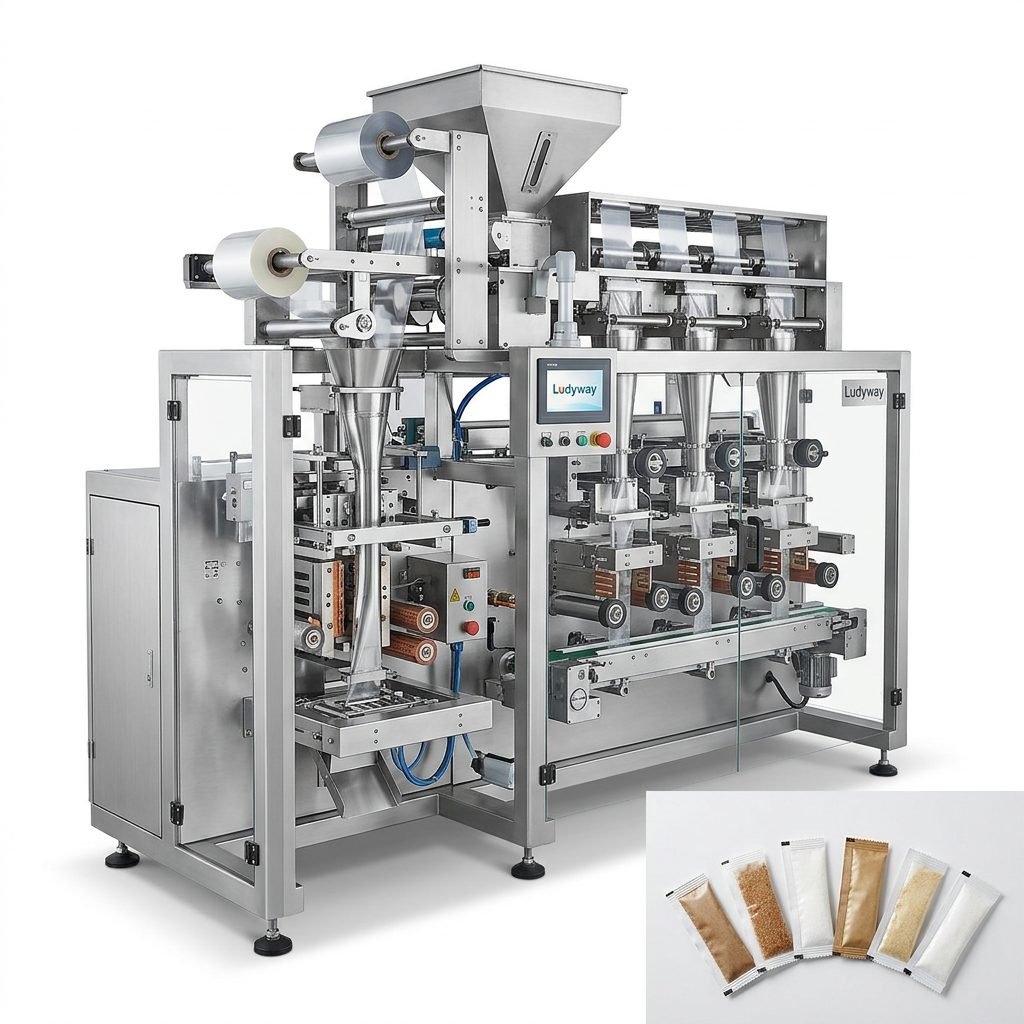
Key Factors to Consider When Buying in Germany
1. Compliance with EU and German Regulations
Any sugar packaging machine operating in Germany must comply with EU packaging and packaging waste regulations, as well as German-specific standards. This includes machinery directives (2006/42/EC), food contact material regulations, and CE marking requirements. Machines should also meet DIN standards for electrical safety and operational reliability.
2. Precision and Accuracy Requirements
German food manufacturers demand exceptional dosing accuracy. For sugar products, typical tolerance levels range from ±0.5% to ±1% of target weight. Multi-head weighers and auger fillers with servo-driven controls offer the highest precision for granulated and powdered sugar respectively.
3. Automation and Integration Capabilities
Industry 4.0 readiness is increasingly important in the German market. Key features to look for include:
- PLC control systems with touchscreen HMI interfaces
- Remote monitoring and diagnostic capabilities
- Data logging for quality assurance and traceability
- Integration with upstream and downstream equipment
- OEE tracking and production analytics
4. Material Compatibility and Changeover
German production lines often handle multiple product variants. Quick changeover capabilities reduce downtime between production runs. The machine should accommodate various film types including recyclable mono-materials, which are increasingly demanded under flexible packaging sustainability guidelines.
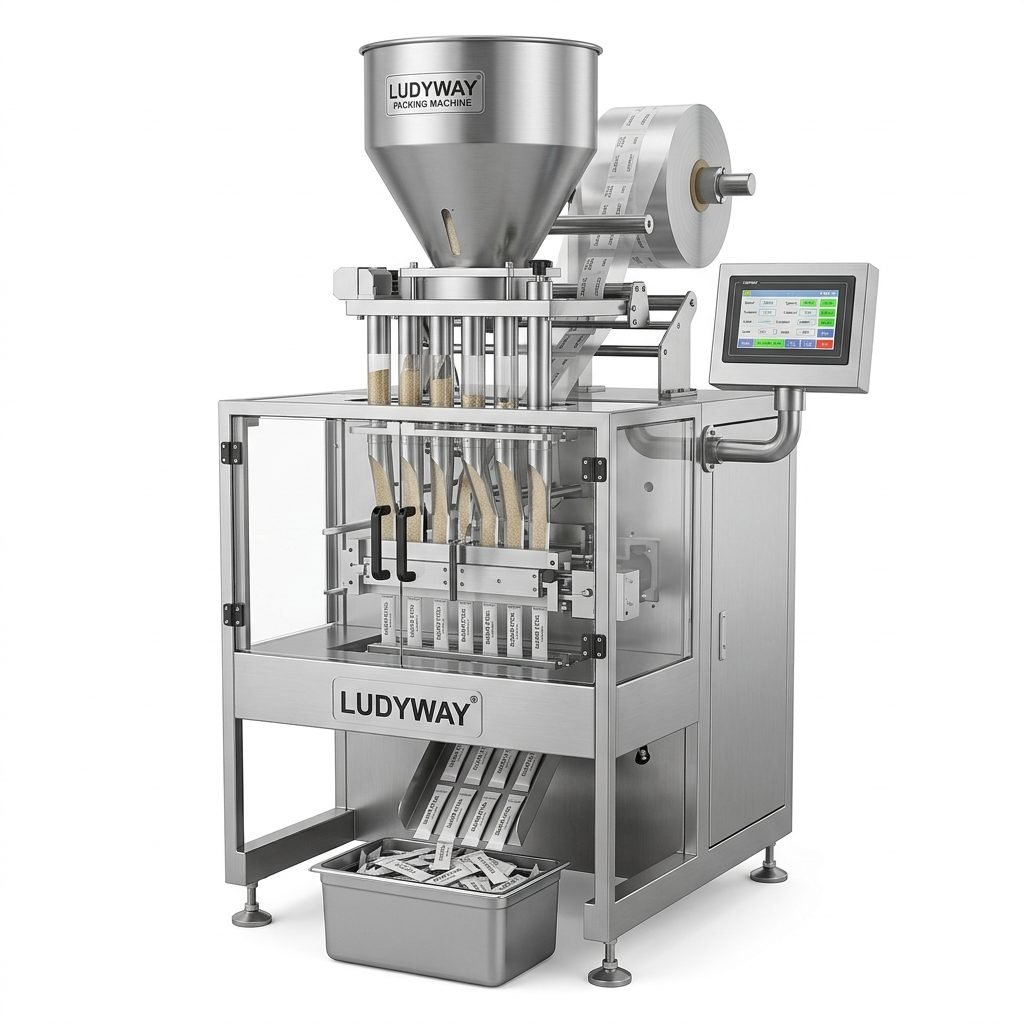
Technical Specifications That Matter
When evaluating a sugar packaging machine for the German market, pay close attention to these technical parameters:
| Specification | Granulated Sugar | Powdered Sugar | Sugar Substitute |
|---|---|---|---|
| Filling System | Multi-head weigher, volumetric cup | Auger filler, vacuum filler | Auger filler, multi-head weigher |
| Sealing Temperature | 120-160°C | 110-150°C | 120-160°C |
| Dust Control | Moderate | High (dust extraction required) | Moderate to High |
| Hopper Capacity | 50-200 liters | 30-150 liters | 40-180 liters |
| Power Requirements | 380V/50Hz 3-phase | 380V/50Hz 3-phase | 380V/50Hz 3-phase |
Dust Management Systems
Powdered sugar presents unique challenges due to its fine particle size and hygroscopic nature. Machines designed for this application should include integrated dust extraction systems, sealed filling zones, and anti-static features to prevent product buildup and ensure clean operation.
Cost Analysis and ROI Considerations
The investment in a sugar packaging machine in Germany varies significantly based on automation level, speed, and configuration. Understanding the total cost of ownership is crucial:
- Entry-level semi-automatic machines: €15,000 – €40,000
- Mid-range automatic VFFS systems: €40,000 – €120,000
- High-speed multi-lane systems: €120,000 – €500,000+
- Complete turnkey packaging lines: €250,000 – €1,500,000+
Additional costs to factor in include installation and commissioning, operator training, spare parts inventory, annual maintenance contracts, and energy consumption. German manufacturers typically expect a return on investment within 18-36 months through increased productivity and reduced labor costs.
Standards and Certifications
Germany enforces some of the world’s most rigorous packaging standards. Ensure your machine meets the following:
- CE Certification – Mandatory for all machinery sold in the EU
- ISO 9001 – Quality management system certification for the manufacturer
- GMP Compliance – Good Manufacturing Practice for food-grade equipment
- FDA-compatible materials – Important if exporting to the US market
- DIN EN 415 – Safety standards for packaging machines
Refer to the ISO packaging standards for comprehensive guidance on international compliance requirements. Additionally, FDA food contact substance regulations provide useful benchmarks even for non-US markets.
Supplier Evaluation and Selection
Choosing the right supplier is as important as selecting the machine itself. When evaluating packaging machine manufacturers for the German market, consider:
Service and Support Infrastructure
Local technical support in Germany and the broader EU region is critical. Look for suppliers with established service networks, responsive spare parts availability, and German-language technical documentation and support staff.
Track Record and References
Seek manufacturers with proven installations in German or EU food production facilities. Request detailed case studies and, where possible, arrange visits to existing installations to assess machine performance firsthand.
For businesses seeking comprehensive solutions, manufacturers like Ludyway offer over 50 intelligent packaging machine models, including multi-lane stick pack and sachet systems suitable for sugar packaging applications, with installations in over 100 countries supported by a modern manufacturing facility.
Installation, Training, and Ongoing Maintenance
Proper installation and training significantly impact machine performance and longevity. Key considerations include:
- Pre-installation site preparation – Power supply, compressed air, and floor load requirements
- Commissioning support – Factory acceptance testing (FAT) and site acceptance testing (SAT)
- Operator training programs – Both initial and refresher training for production staff
- Preventive maintenance schedules – Detailed service intervals and procedures
- Remote diagnostic support – VPN-based troubleshooting capabilities
Future-Proofing Your Investment
The German packaging industry continues evolving toward greater automation and sustainability. When purchasing a sugar packaging machine, consider these future trends:
| Trend | Impact on Sugar Packaging | Recommended Feature |
|---|---|---|
| Sustainable Packaging Materials | Transition to recyclable mono-films and paper-based packaging | Adjustable sealing parameters for eco-materials |
| Smart Factory Integration | Real-time production monitoring and predictive maintenance | IIoT-ready PLC with OPC-UA protocol support |
| Flexible Production | Smaller batch sizes with frequent product changes | Tool-less changeover and recipe management |
| Energy Efficiency | Rising energy costs and carbon reduction targets | Servo-driven systems and energy recovery features |
Making the Final Decision
Purchasing a sugar packaging machine for the German market requires careful evaluation of technical specifications, regulatory compliance, and total cost of ownership. Start by defining your production requirements clearly, then match them against available machine configurations. Always request detailed quotations, verify certifications, and conduct thorough due diligence on potential suppliers.
The right machine will not only meet your current production needs but also provide the flexibility and reliability required for long-term success in the competitive German food packaging landscape. With proper selection and implementation, a high-quality sugar packaging machine becomes a valuable asset that drives operational efficiency and product quality for years to come.