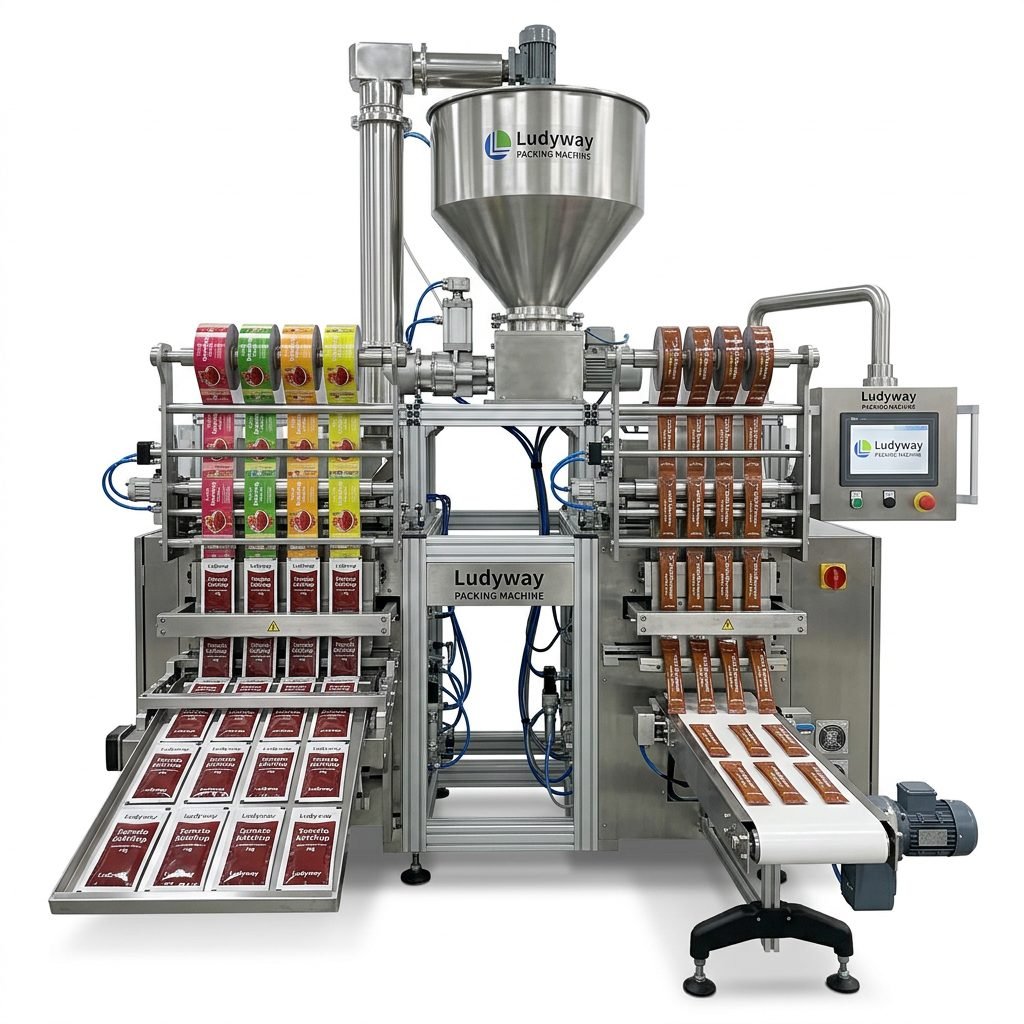
The European tea market is experiencing remarkable growth, driven by increasing consumer demand for specialty teas, herbal infusions, and convenient single-serve formats. For tea producers and co-packers across Europe, investing in a small tea packaging machine has become essential to meet evolving market demands while maintaining operational efficiency. This comprehensive guide covers everything you need to know before purchasing a tea packaging solution for the European market.
Why the European Tea Market Demands Specialized Packaging Equipment
Europe accounts for a significant share of global tea consumption, with countries like Germany, the UK, France, and Poland leading both in traditional tea drinking and innovative tea product formats. The rise of functional teas, wellness infusions, and premium single-origin teas has created a surge in demand for flexible small-batch packaging solutions. According to industry reports from the Flexible Packaging Association, the flexible packaging segment in Europe continues to outpace rigid formats, particularly in the tea and coffee sectors.
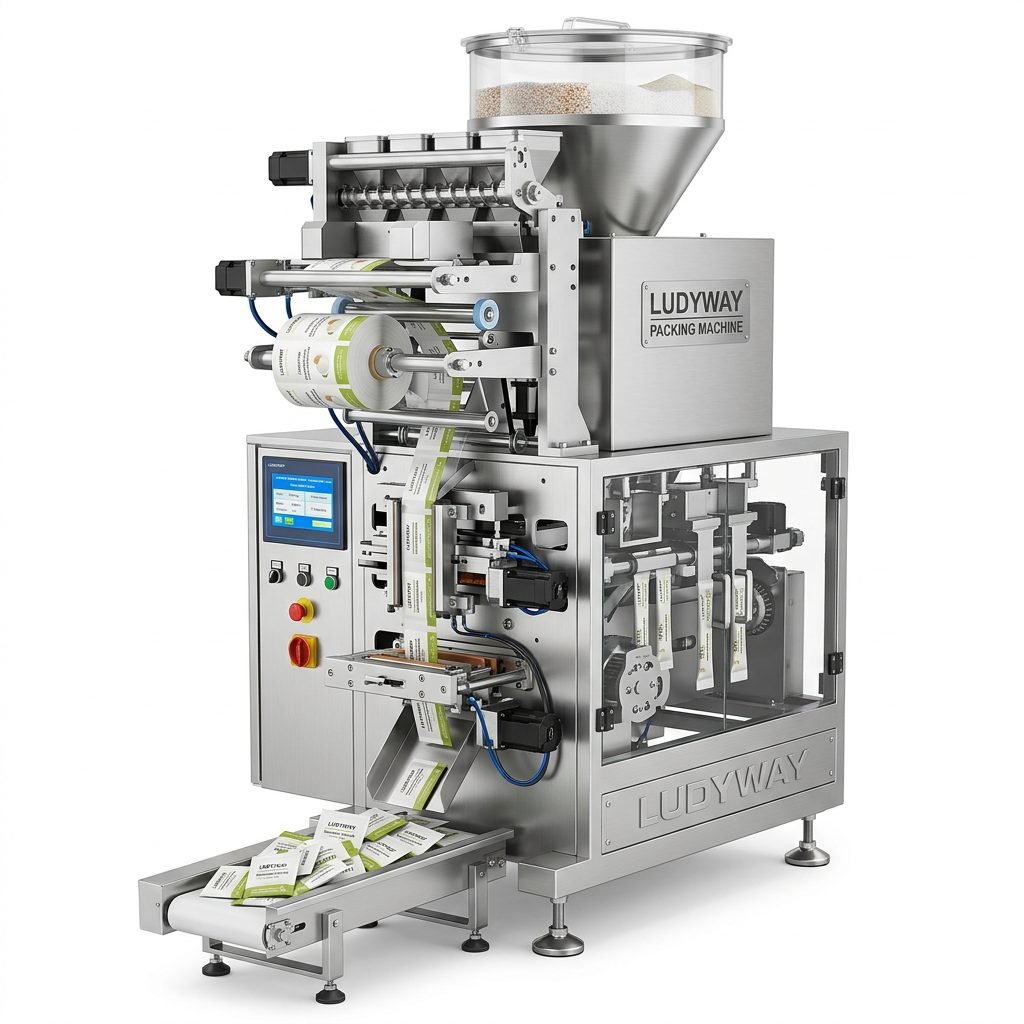
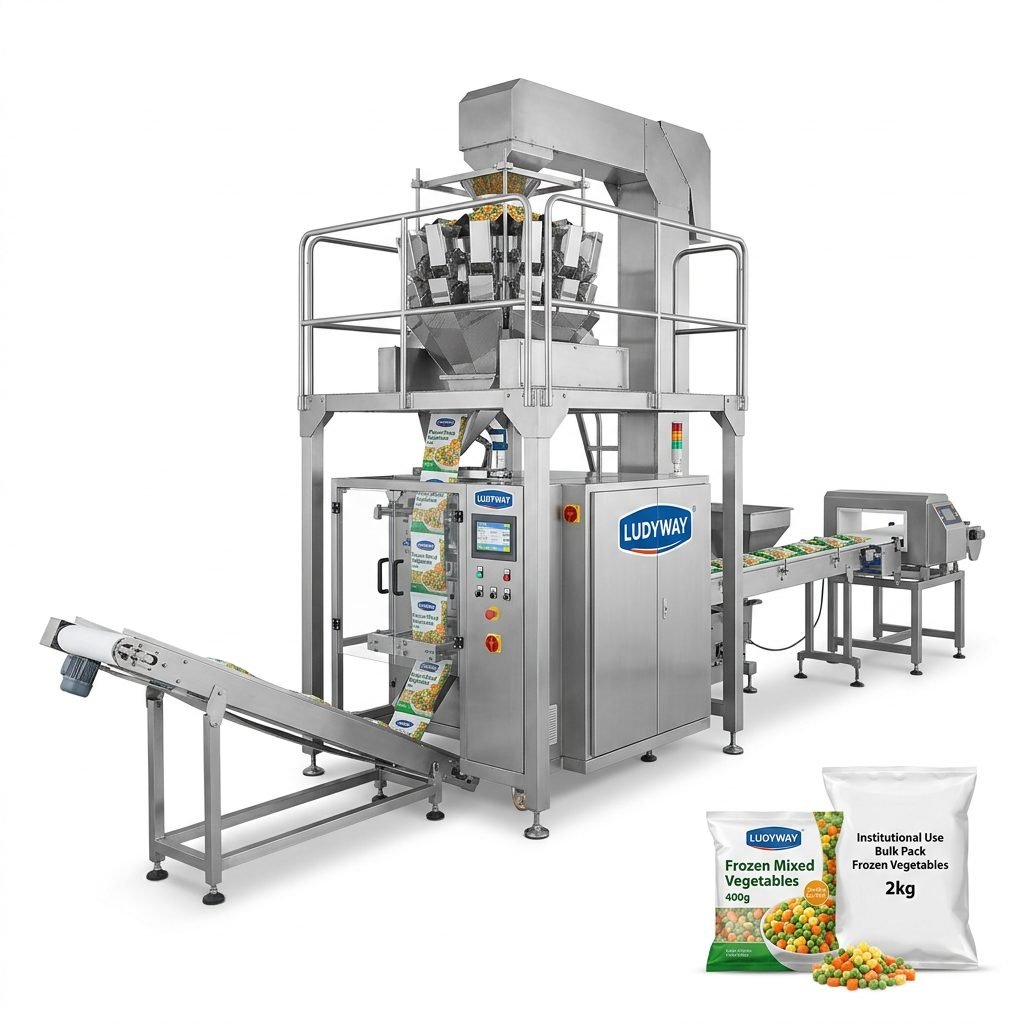
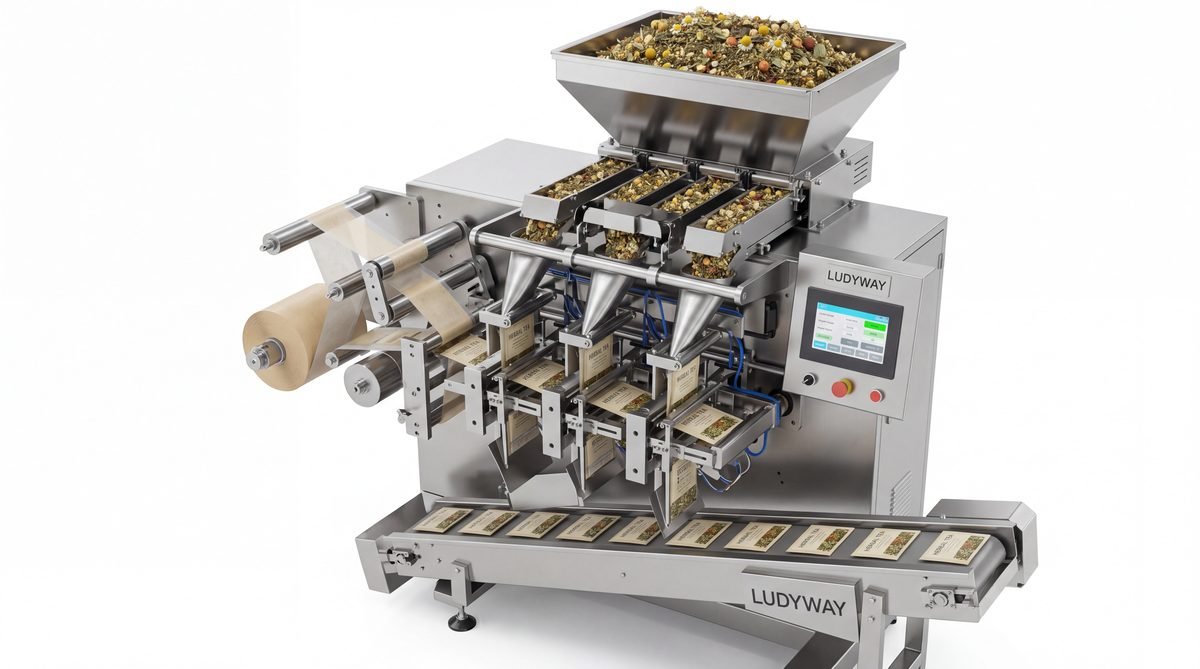
Small tea packaging machines are designed to handle various formats — from stick packs and sachets to tea bags with envelopes — making them ideal for artisanal tea brands, startups, and established manufacturers looking to diversify their product lines without massive capital investment in large-scale equipment.
Types of Small Tea Packaging Machines for European Producers
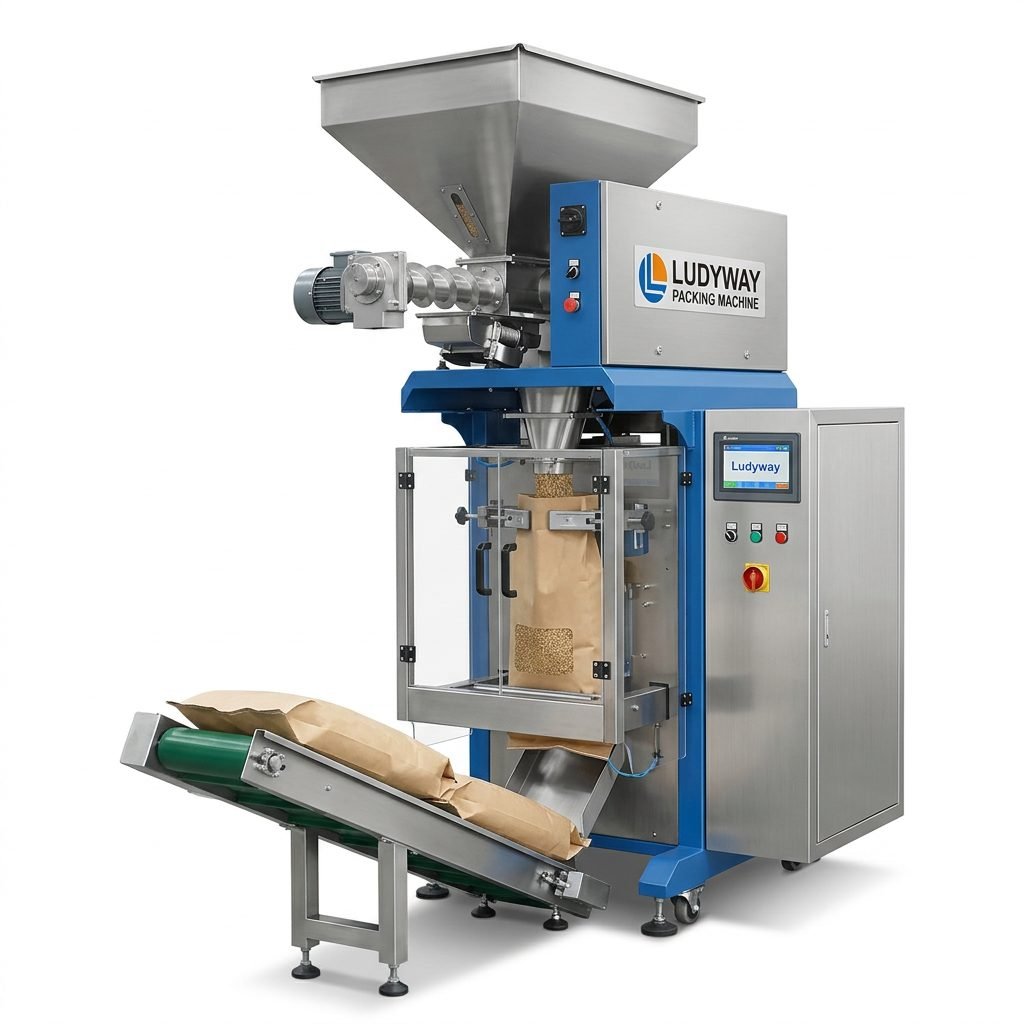
When selecting a tea packaging machine, understanding the different machine categories is crucial. Each type serves specific production needs and packaging formats.
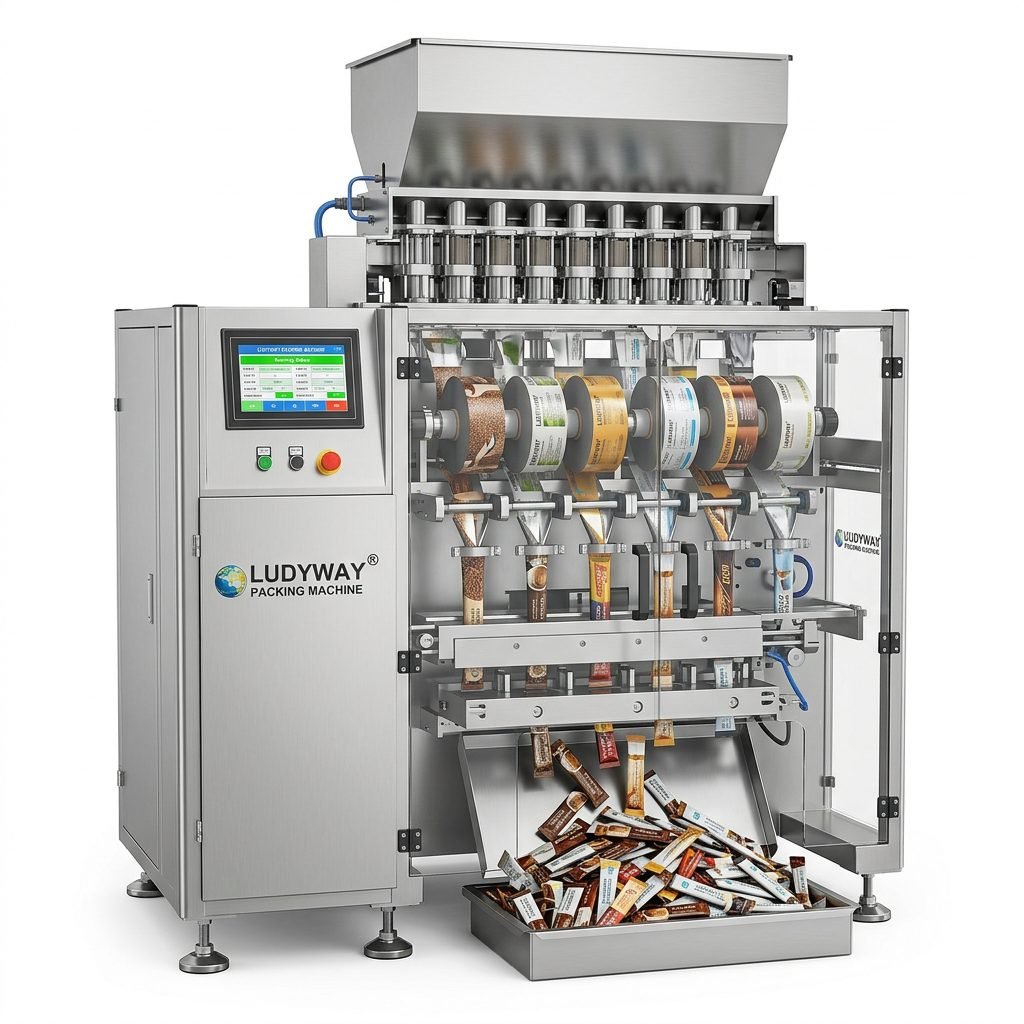
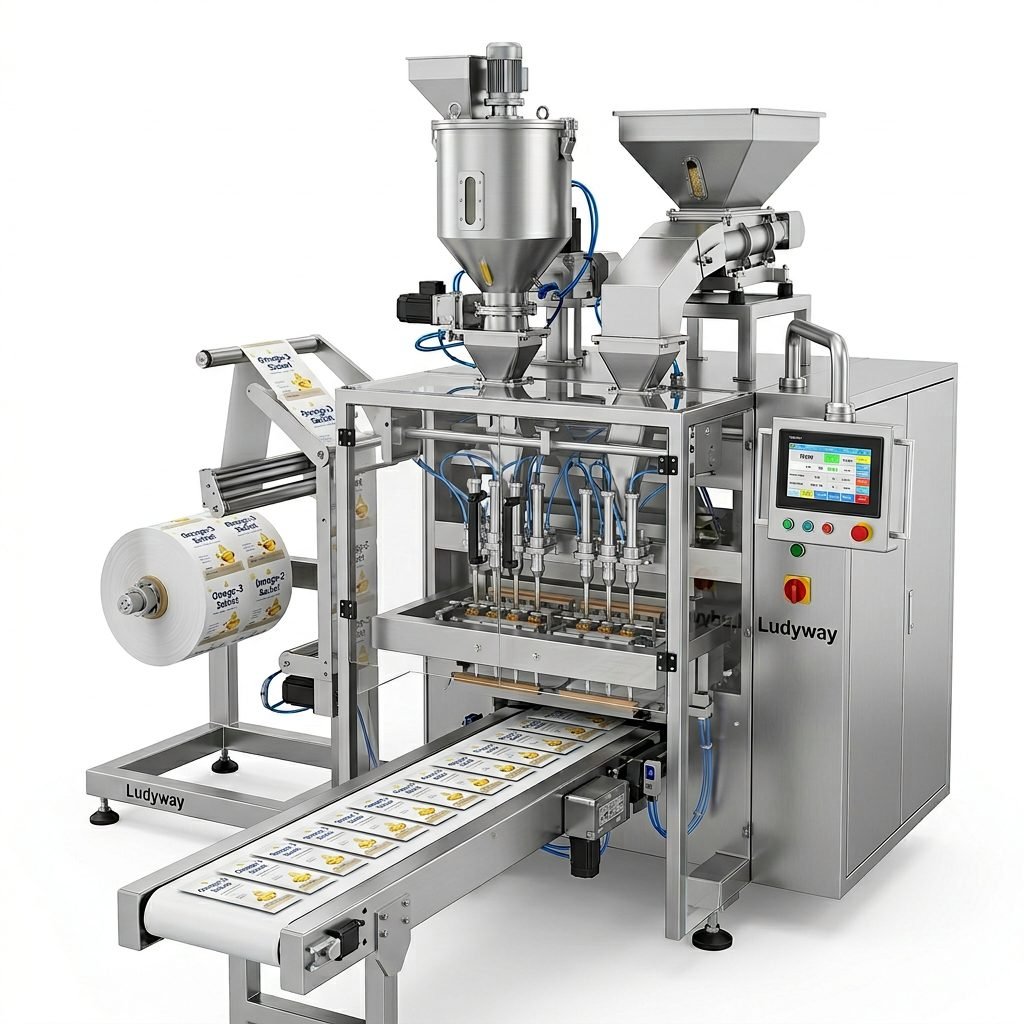
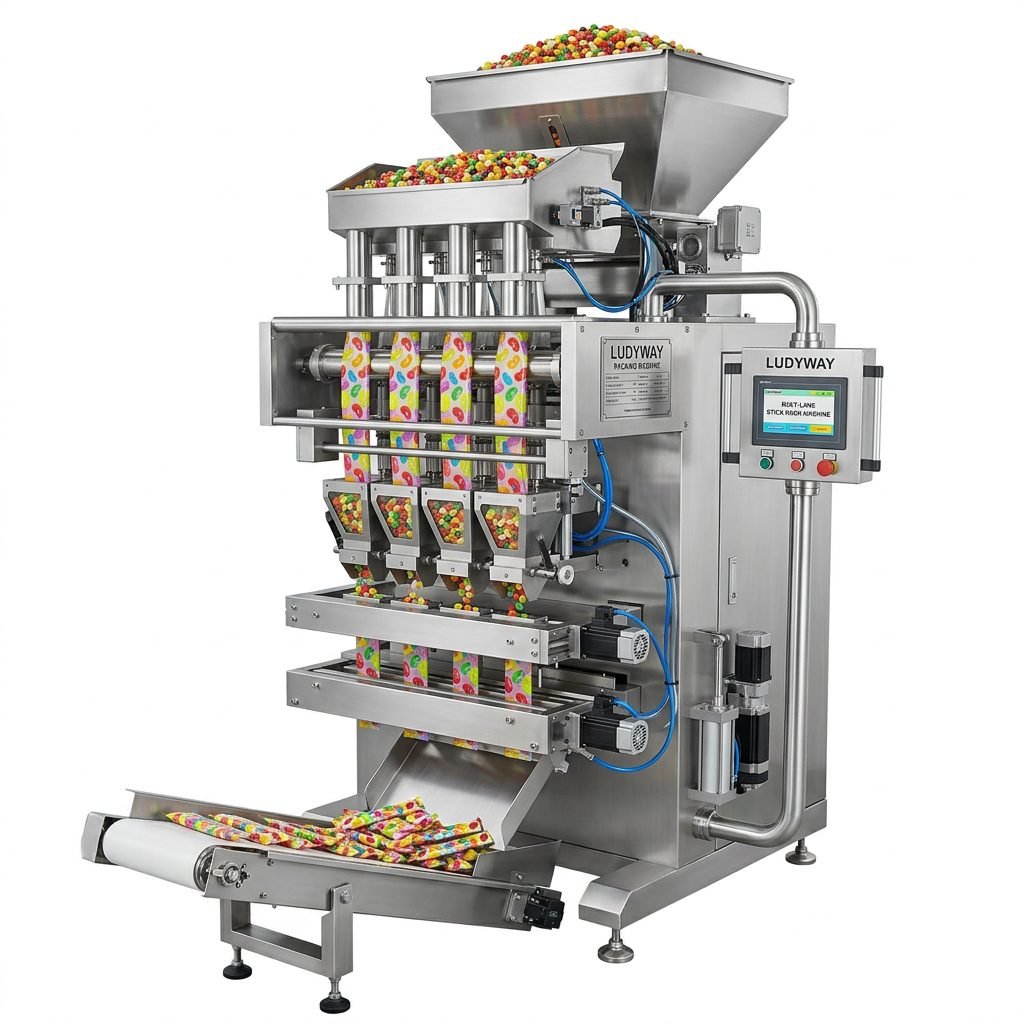
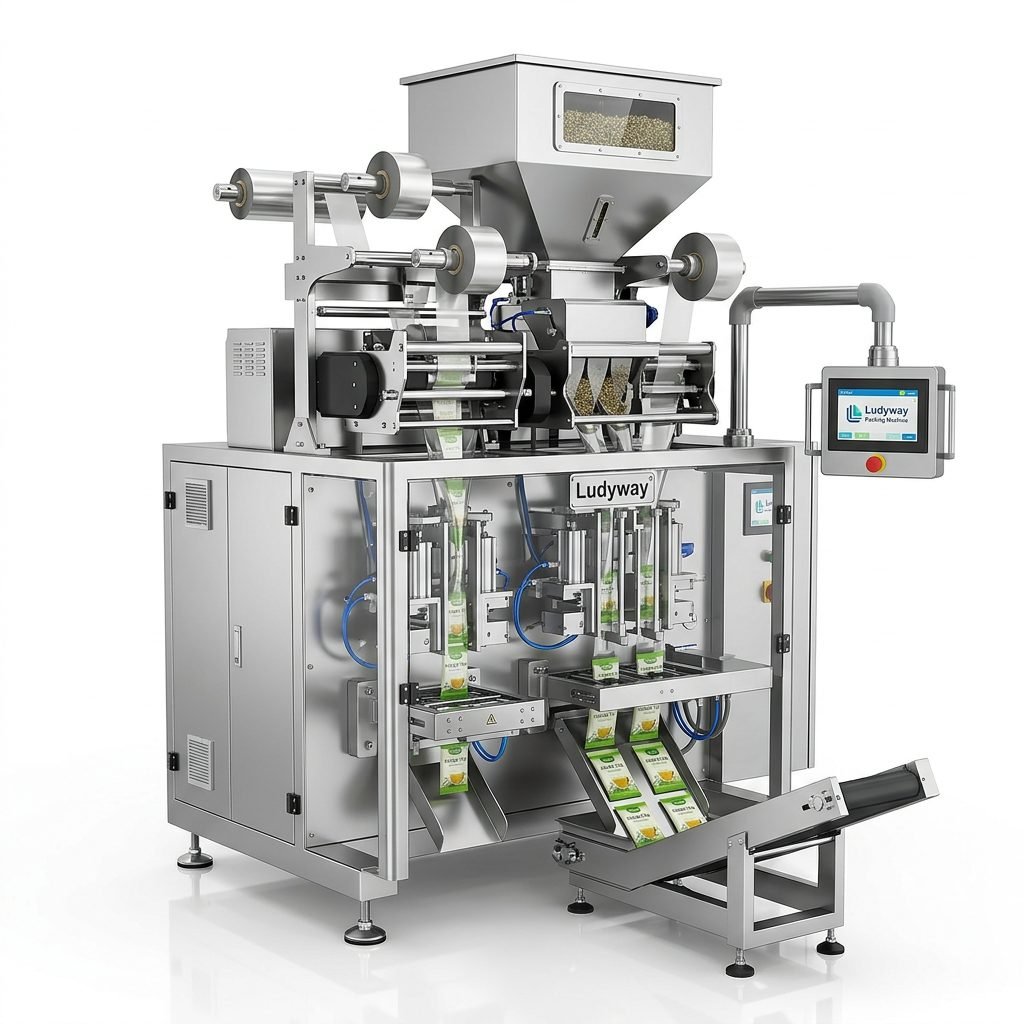
- Multi-Lane Stick Pack Machines: Ideal for single-serve tea powders and granulated tea products. These machines can produce 4 to 12 lanes simultaneously, offering output rates from 200 to 800 packs per minute depending on the model.
- Tea Bag Packaging Machines: Designed specifically for tea bags with or without strings and tags, these are the backbone of traditional tea packaging in Europe.
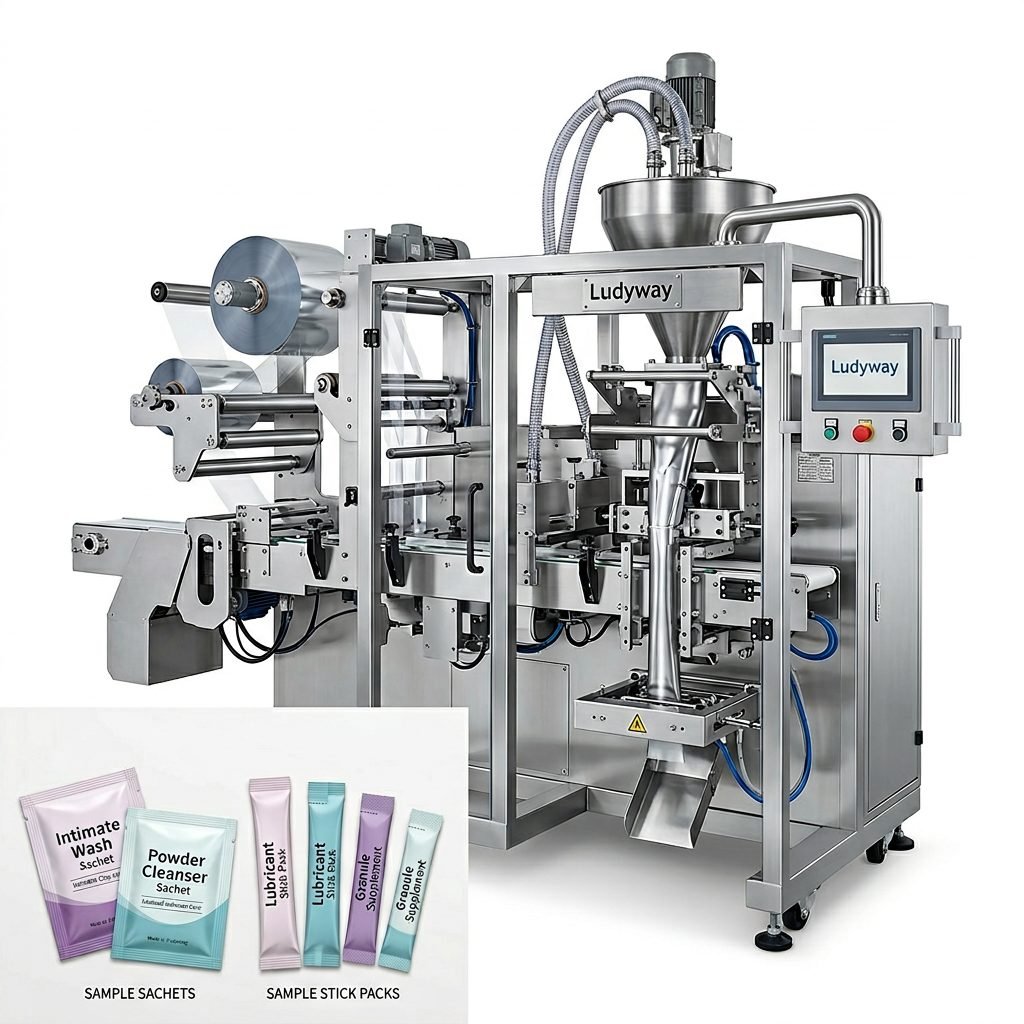
- Sachet Packaging Machines: Perfect for herbal tea blends, loose-leaf tea portions, and specialty infusions in pillow or three-side-seal sachet formats.
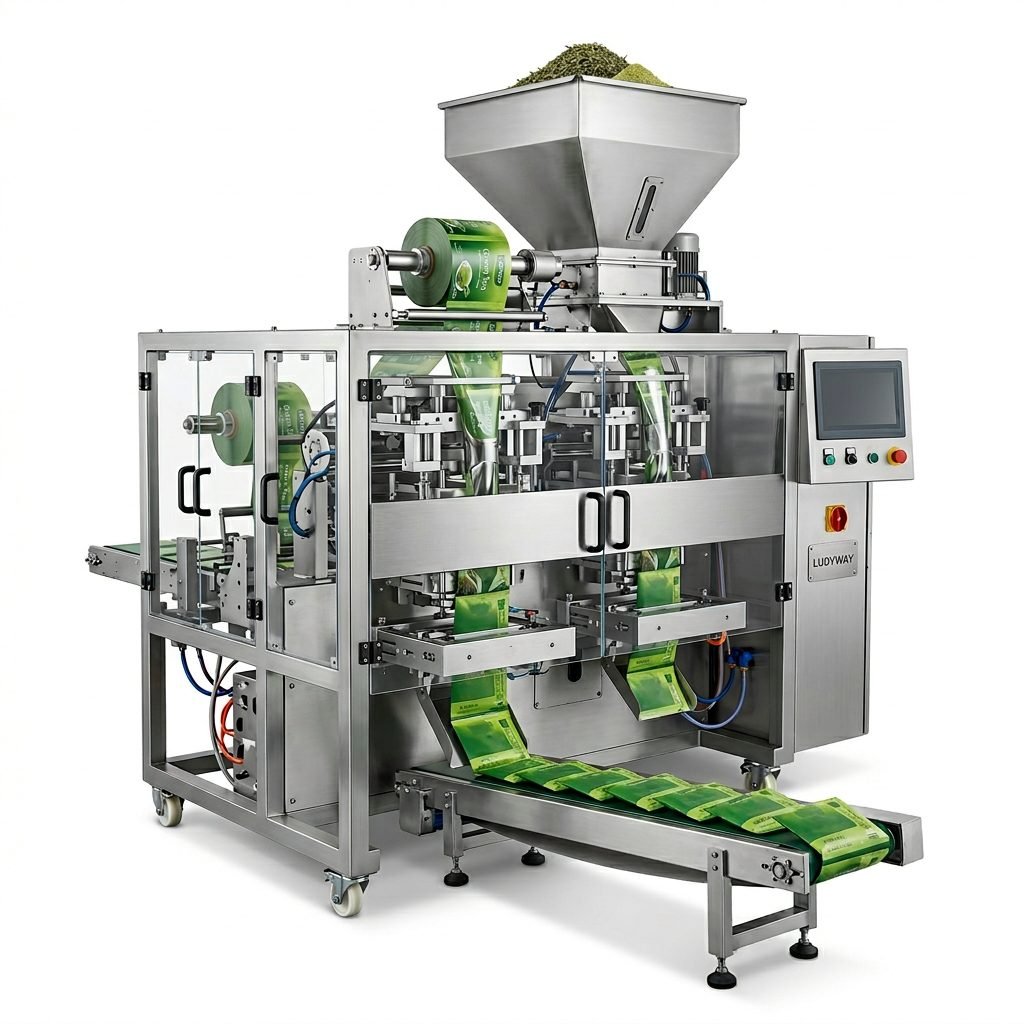
- Vertical Form Fill Seal (VFFS) Machines: Versatile equipment capable of handling various pouch styles for tea products, from small sample packs to retail-ready pouches.
Key Factors to Consider When Buying a Tea Packaging Machine in Europe
Making the right investment requires careful evaluation of several critical factors. The table below summarizes the most important considerations for European buyers.
| Selection Criteria | Why It Matters | Recommendation |
|---|---|---|
| CE Certification & EU Compliance | Machines sold in Europe must comply with EU machinery directives and safety standards. | Request CE marking documentation and Declaration of Conformity before purchase. |
| Packaging Material Compatibility | European markets increasingly demand recyclable, compostable, or mono-material films. | Ensure the machine supports sustainable film materials and can seal them reliably. |
| Production Capacity | Small tea producers typically need 30–150 packs per minute, while mid-sized operations may require higher output. | Choose a machine with scalable lane configurations to grow with your business. |
| Changeover Flexibility | European tea brands often produce multiple SKUs with different blends and pack sizes. | Look for quick-change tooling and intuitive HMI controls for fast product switchovers. |
| After-Sales Support in Europe | Downtime can be costly; local technical support and spare parts availability are critical. | Partner with suppliers who offer European-based service networks or remote diagnostic capabilities. |
| Energy Efficiency | Rising energy costs in Europe make efficient equipment a priority for cost control and sustainability goals. | Evaluate power consumption ratings and look for servo-driven systems that optimize energy use. |

Packaging Formats Popular in European Tea Markets
European consumers embrace diverse tea packaging formats. Your machine choice should align with your target market’s preferences:
- Stick Packs: Slim, single-serve formats dominating the convenience and on-the-go tea segments in Western Europe. Popular for instant tea powders, matcha, and functional tea blends.
- Enveloped Tea Bags: The classic format preferred by British, Irish, and German consumers, often requiring machines capable of string-and-tag attachment.
- Pillow Sachets: Commonly used for herbal and fruit tea blends in Central and Eastern European markets.
- Stand-Up Pouches: Increasingly popular for premium loose-leaf teas and gift-oriented products across the EU.
Understanding European Regulatory Requirements
Tea packaging equipment in Europe must meet several regulatory standards. The ISO packaging standards provide internationally recognized guidelines, while EU-specific regulations govern food contact materials and machinery safety. Key requirements include:
- Compliance with EU Machinery Directive 2006/42/EC for all packaging equipment sold within the European Economic Area.
- Adherence to EU Regulation (EC) No 1935/2004 for food contact materials, ensuring packaging films and machine surfaces meet food safety standards.
- Conformity with EN 415 safety standards specific to packaging machines.
- Compliance with the Packaging and Packaging Waste Directive as part of the EU’s circular economy initiatives, per the European Commission packaging waste framework.

Benefits of Compact Tea Packaging Solutions
A small tea packaging machine offers distinct advantages for European tea businesses of all sizes. Compact equipment requires less floor space — a critical consideration for facilities in urban areas or regions with high real estate costs. Lower initial investment compared to large-scale systems allows startups and specialty tea brands to enter the market with manageable risk. Modern small machines are increasingly equipped with advanced features like servo-driven sealing, touchscreen controls, and IoT connectivity that were once exclusive to industrial-scale equipment.
Evaluating Machine Build Quality and Long-Term Reliability
When assessing potential machines, pay close attention to construction materials. Stainless steel (304 or 316 grade) is the gold standard for food-grade packaging equipment, offering corrosion resistance and easy sanitation. Frame construction should be robust, with well-machined components that ensure consistent sealing quality over years of operation. European buyers should prioritize machines with internationally recognized electrical components from brands like Siemens, Schneider Electric, or Omron, as these ensure easier maintenance and spare parts availability across Europe.
The Role of Automation in Small Tea Packaging Lines
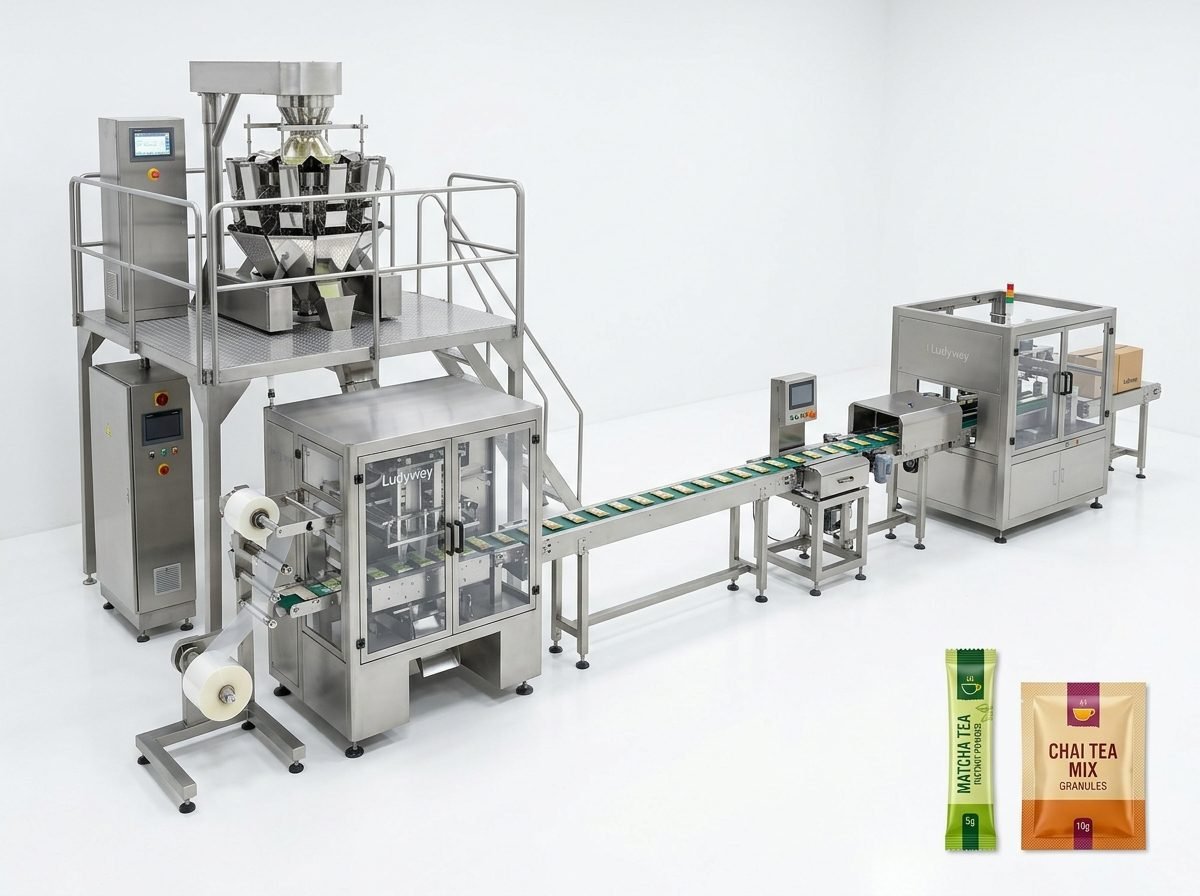
Even compact machines can incorporate meaningful automation. Features to look for include automatic film tracking, precision temperature control for sealing jaws, and integrated date coding. For tea products, nitrogen flushing capability is particularly valuable — it extends shelf life by reducing oxidation, a key quality concern for premium tea blends. Some advanced models also offer remote monitoring capabilities, enabling European production managers to track machine performance and receive maintenance alerts from anywhere.
Supplier Selection: What European Buyers Should Look For
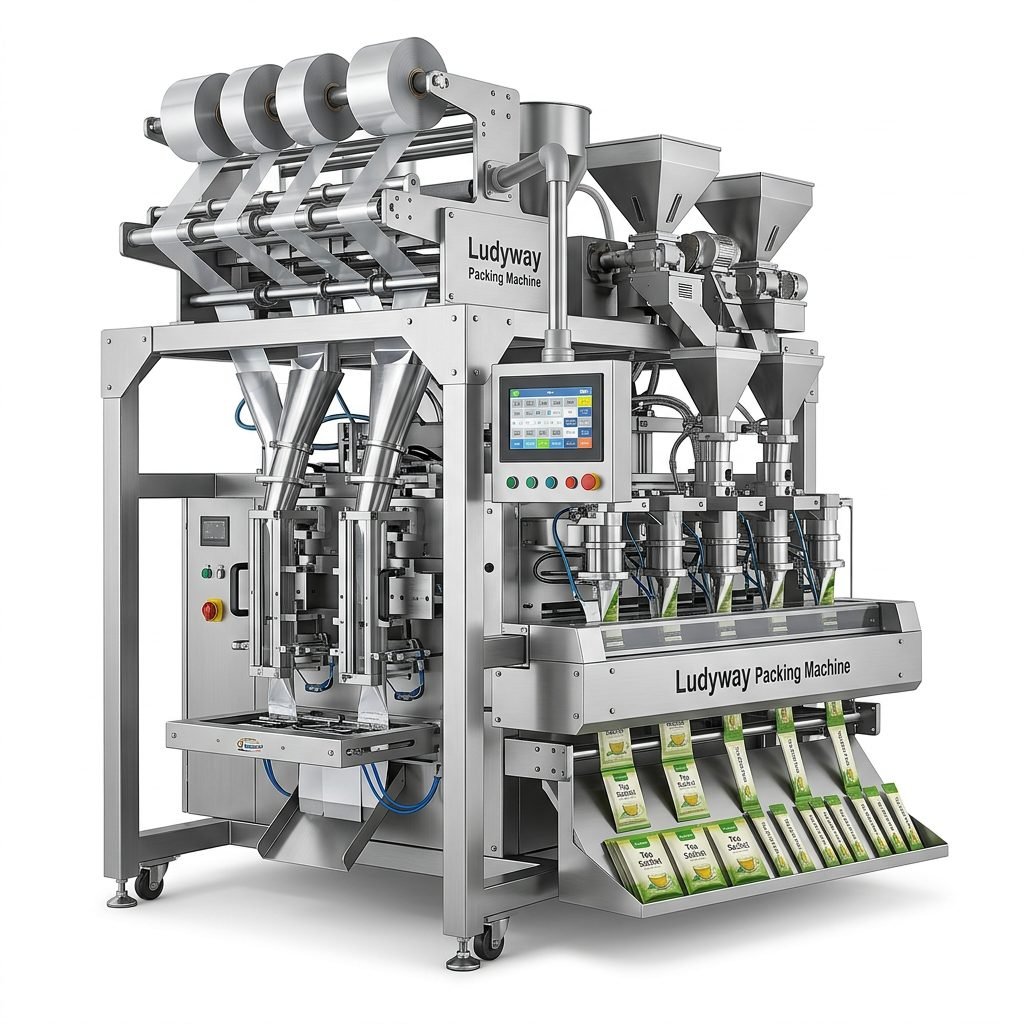
Choosing the right equipment supplier is as important as selecting the machine itself. Key evaluation criteria include:
- CE Certification Track Record: Verify that the manufacturer regularly exports CE-compliant machines to Europe and can provide references from European clients.
- Technical Documentation: Comprehensive manuals, electrical schematics, and maintenance guides should be available in English and, ideally, other European languages.
- Spare Parts Availability: Inquire about lead times for critical spare parts and whether the supplier maintains distribution partnerships within the EU to expedite deliveries.
- Training and Installation Support: Confirm whether the supplier offers on-site installation, operator training, and ongoing technical support for European customers.
- Warranty Terms: Understand warranty coverage duration, what components are included, and how warranty service is fulfilled for European locations.
Cost Considerations and ROI Analysis
The price range for small tea packaging machines varies significantly based on configuration, lane count, and automation level. Entry-level single-lane machines may start from approximately €15,000–€25,000, while multi-lane systems with advanced features can range from €50,000 to €150,000 or more. Beyond the purchase price, factor in shipping and import duties, installation and commissioning costs, operator training, and ongoing consumables such as packaging film. A thorough ROI analysis should account for labor savings, reduced material waste, and increased production throughput that modern equipment delivers.
About Ludyway — Your Partner in Tea Packaging Solutions
Ludyway is one of the largest packaging machine manufacturers in China, specializing in advanced packaging equipment and turnkey production solutions for the food, pharmaceutical, and health industries. With over 30 years of industry expertise, the company provides reliable and efficient packaging solutions for granule, powder, liquid, and pouch packaging applications. Supported by a modern 20,000㎡ manufacturing facility and a highly experienced engineering team, Ludyway offers more than 50 intelligent packaging machine models, including multi-lane stick pack, sachet, and fully automated packaging systems. Serving customers in over 100 countries and regions, including a growing presence across European markets, Ludyway is committed to delivering innovative, high-performance, and cost-effective packaging solutions that help tea businesses improve productivity, product quality, and operational efficiency. For more information, visit the official website or explore detailed product specifications tailored to tea packaging applications.
Future-Proofing Your Tea Packaging Investment
The European tea industry is evolving rapidly, with sustainability regulations becoming increasingly stringent. The PMMI Business Intelligence reports highlight that packaging machinery investments in Europe increasingly prioritize equipment capable of running recyclable mono-materials and biodegradable films. When purchasing a small tea packaging machine, ensure it can adapt to future material innovations without requiring complete replacement. Modular machine designs that allow for upgrades — such as adding lanes, integrating new sealing technologies, or incorporating smart sensors — provide the best long-term value for European tea producers.
Related Resources for European Tea Packaging Buyers
- PMMI — Packaging Industry Resources and Standards
- Flexible Packaging Association — Industry Data and Regulatory Affairs
- FDA — Food Packaging and Food Contact Substances Guidelines
- ISO — International Packaging Standards Directory
- European Commission — Packaging and Packaging Waste Regulation
Frequently Asked Questions
What is the minimum order quantity for a small tea packaging machine?
Most manufacturers offer single-unit purchases for small tea packaging machines, making them accessible to startups and small businesses. Multi-lane configurations and custom specifications may require additional engineering lead time but typically do not impose minimum order restrictions.
Can one machine handle both tea bags and stick packs?
Generally, tea bag machines and stick pack machines are designed as specialized equipment due to fundamentally different forming and sealing mechanisms. However, some versatile vertical form fill seal machines can be configured with change parts to accommodate multiple pouch formats, though changeover times should be evaluated carefully.
How long does shipping and installation take for European delivery?
Sea freight from Asia to major European ports typically takes 4–6 weeks, plus customs clearance and inland transportation. Installation and commissioning usually require 3–7 days on-site, depending on machine complexity and integration requirements.
Are financing options available for European buyers?
Many equipment manufacturers and distributors offer financing arrangements or can connect European buyers with trade finance institutions. Additionally, some EU member states provide grants or subsidized loans for food processing equipment investments through rural development or SME support programs.
Ready to explore small tea packaging machine options for your European production facility? Contact us today to discuss your specific requirements and discover the ideal solution for your tea business.