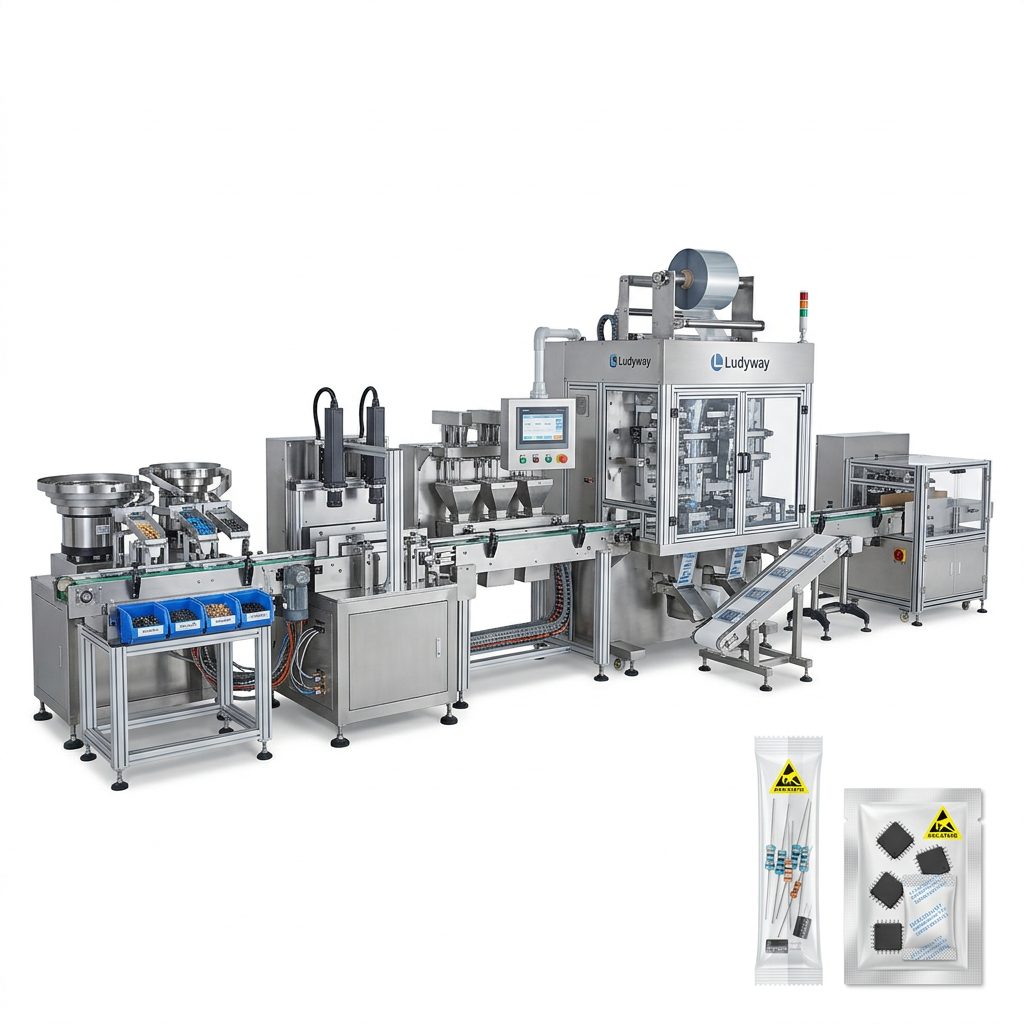
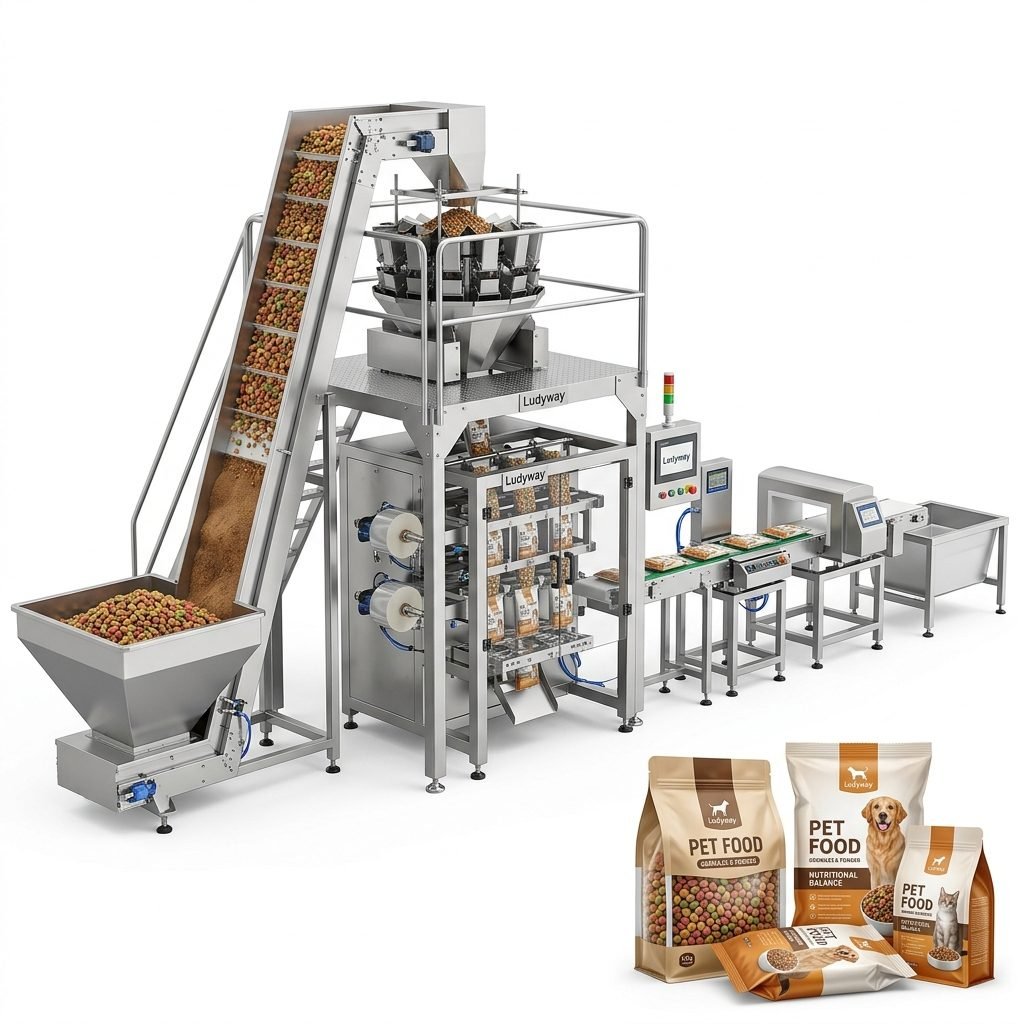
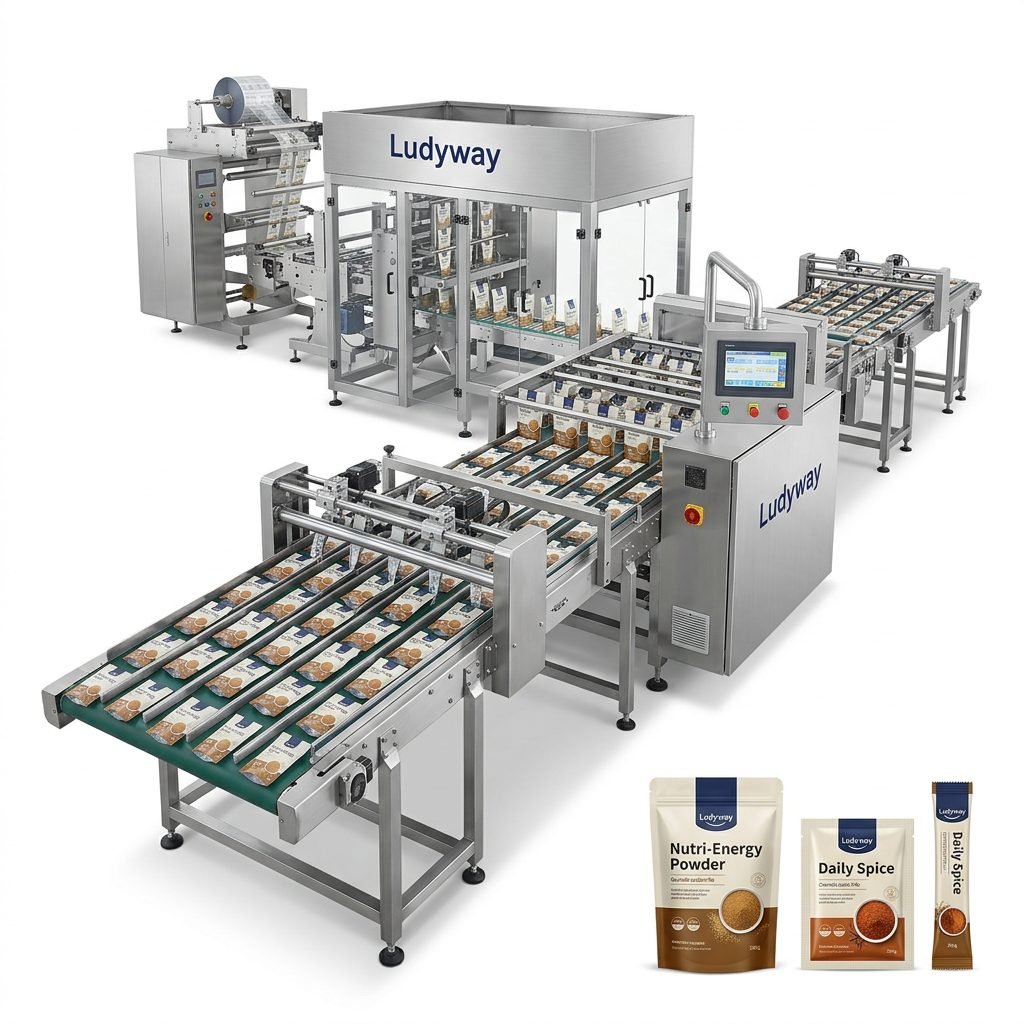
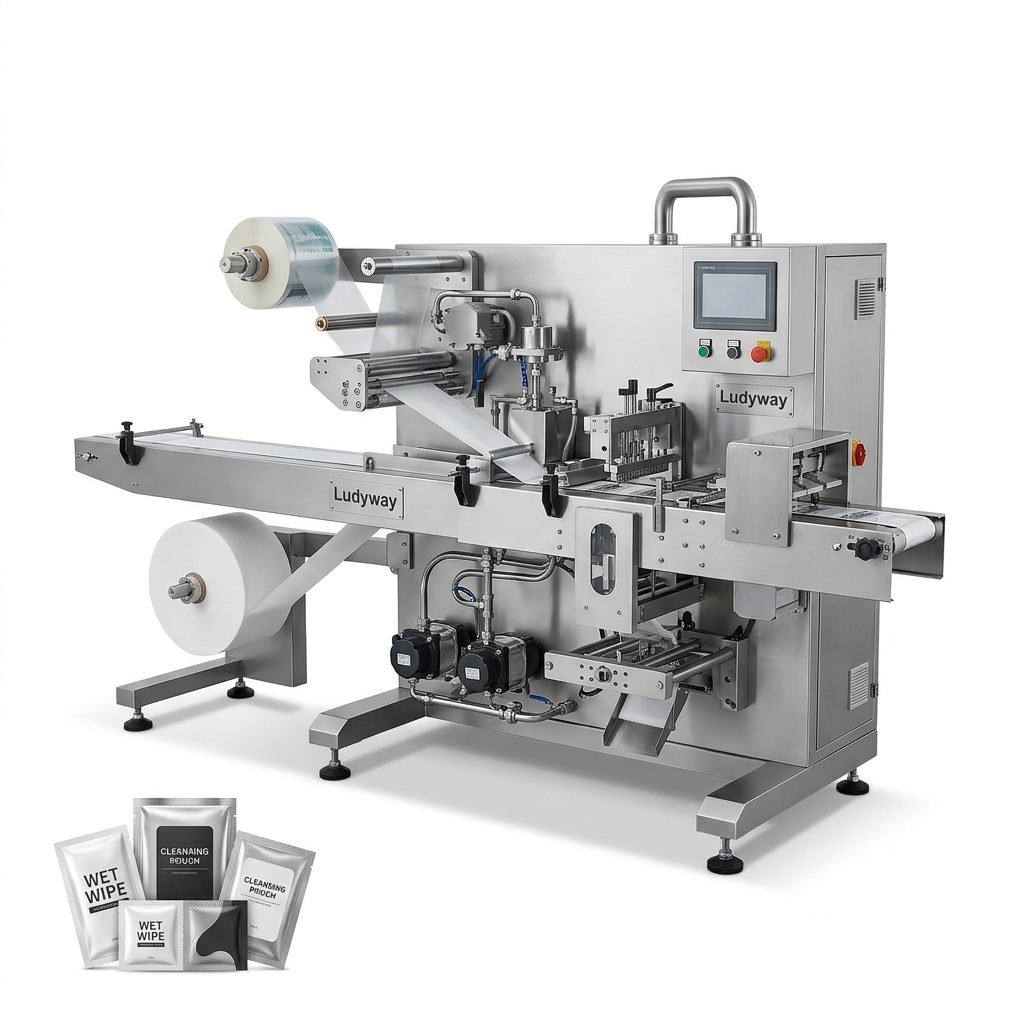
Investing in a packing line machine is a significant decision that affects your production efficiency, product quality, and long-term operational costs. Whether you operate in the food and beverage, pharmaceutical, cosmetics, chemical, or nutraceutical industry, the right packaging line can transform your manufacturing capabilities. This comprehensive buyer’s guide walks you through every critical factor you need to evaluate before making a purchase.
Understanding Your Production Requirements
Before comparing machine specifications, you need a clear picture of your own production environment. Start by answering these fundamental questions:
- What product types will the machine handle? Powders, granules, liquids, pastes, or solid items each require different filling and sealing technologies.
- What is your target production speed? Measured in packs per minute (ppm), this directly influences whether you need a single-lane or multi-lane packaging system.
- What packaging formats do you need? Stick packs, sachets, pouches, bottles, or bulk bags all demand different machine configurations.
- What are your bag size and fill volume ranges? Machines have minimum and maximum dimensions they can accommodate.
- What level of automation fits your current and future needs? From semi-automatic to fully integrated turnkey lines, the choice impacts labor, consistency, and throughput.
According to PMMI’s business intelligence resources, manufacturers who thoroughly assess their production requirements before equipment selection experience significantly smoother integration and faster ROI.
Types of Packing Line Machines
Understanding the different categories of packaging machinery helps you narrow your options quickly. The most common configurations include:
Vertical Form Fill Seal (VFFS) Machines
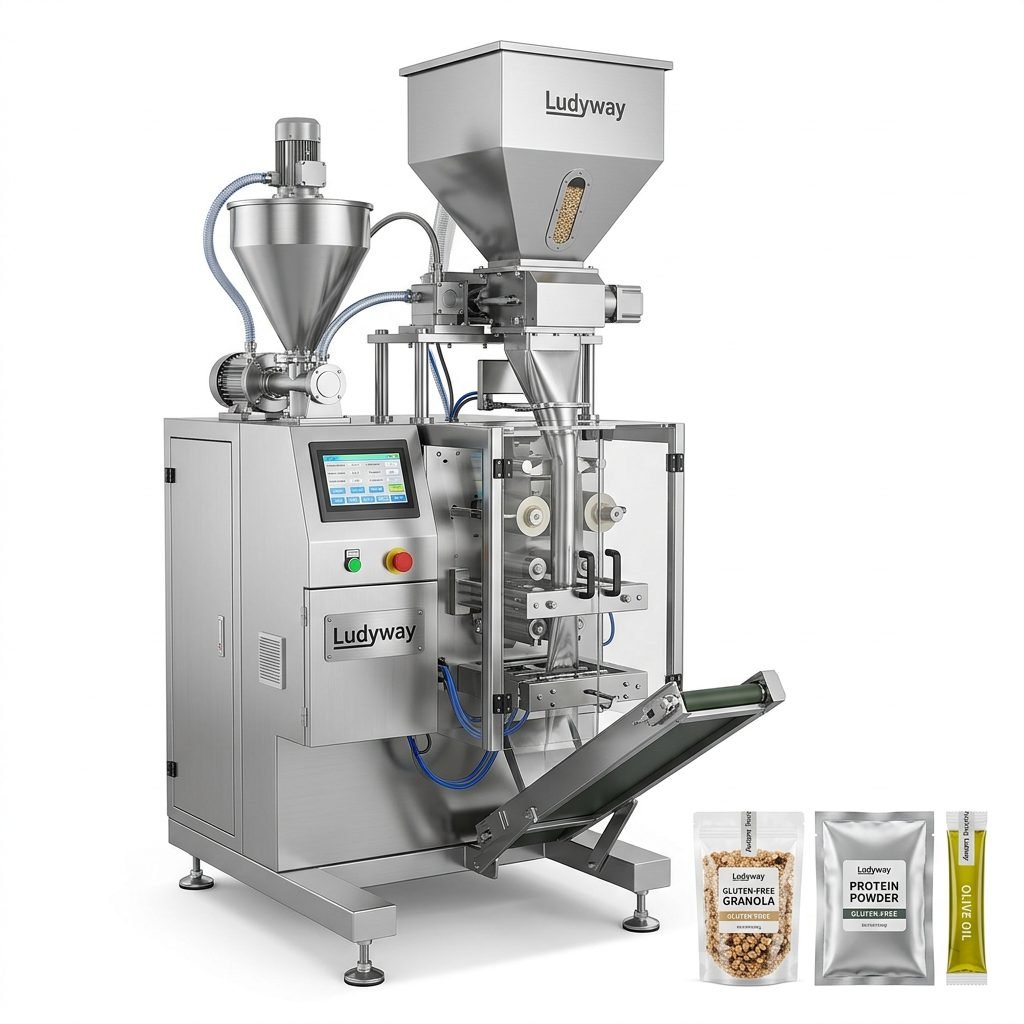
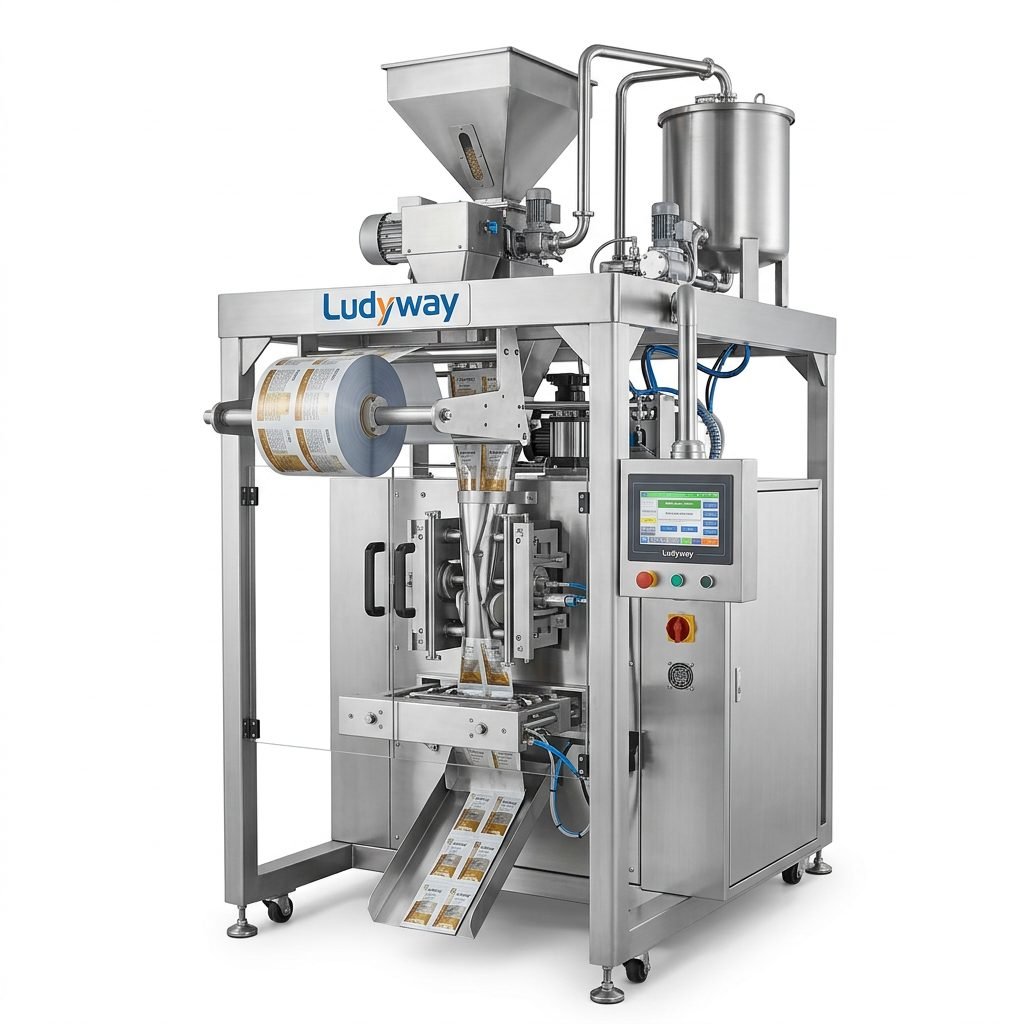
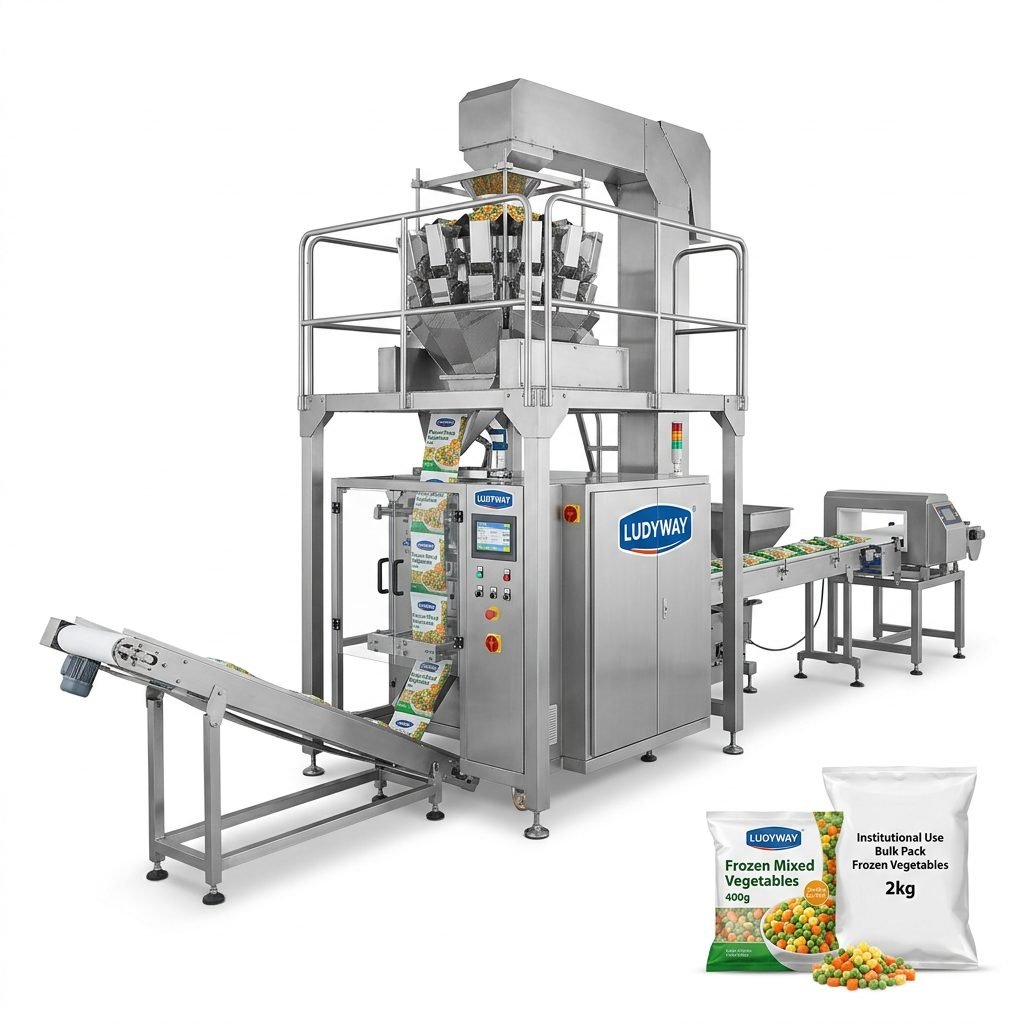
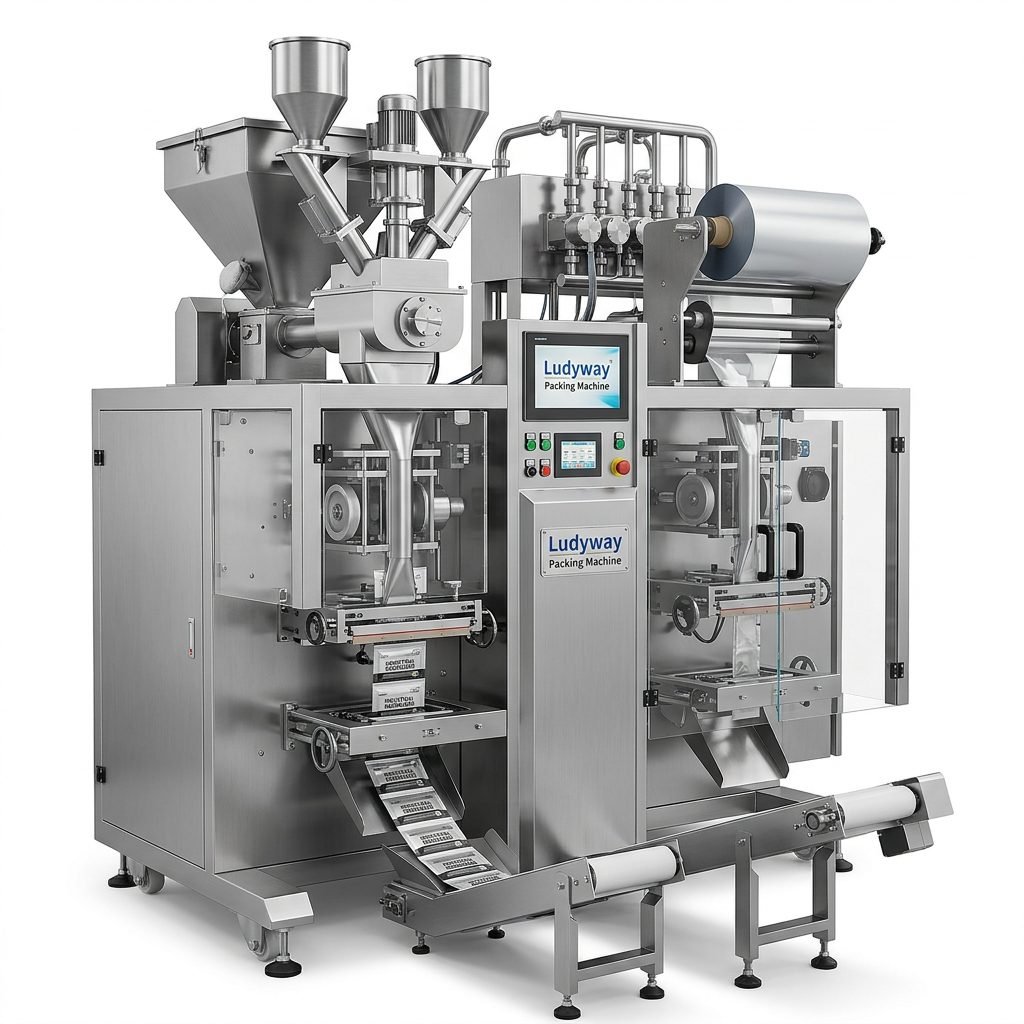
Ideal for granules, powders, and small solid items, VFFS machines form a bag from a flat roll of film, fill it with product, and seal it—all in one continuous vertical process. These are widely used for snack foods, coffee, spices, and powdered supplements. Multi-lane VFFS systems can dramatically increase output by running several lanes simultaneously.
Horizontal Form Fill Seal (HFFS) Machines
Best suited for solid products, baked goods, and items requiring gentle handling, HFFS machines operate horizontally and are commonly used for flow-wrapping bars, biscuits, and medical devices.
Pre-Made Pouch Filling and Sealing Machines
These machines take pre-formed pouches and automate the opening, filling, and sealing process. They’re popular for premium products, ready-to-eat meals, liquid detergents, and pet food where pouch presentation matters.
Stick Pack and Sachet Machines
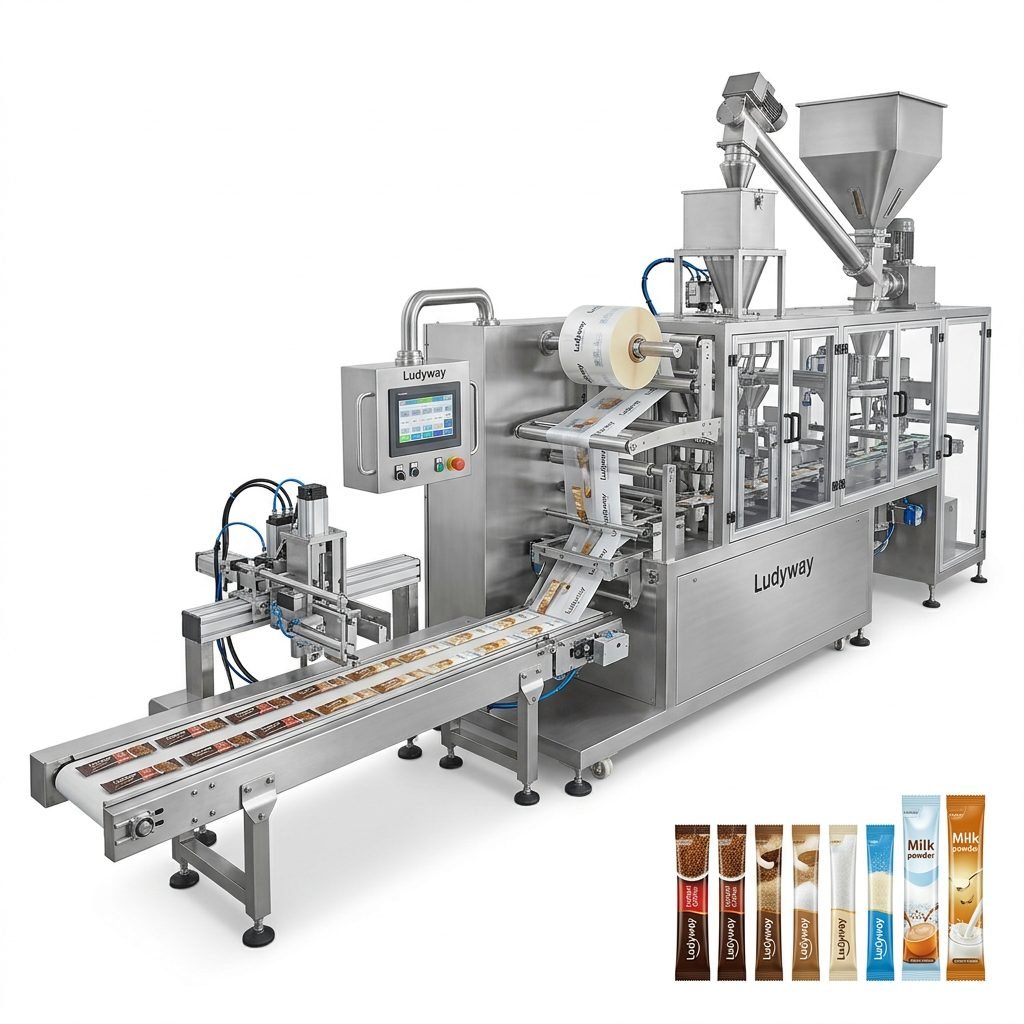
Designed for single-serve portion packs, these machines excel in the pharmaceutical, nutraceutical, and food service industries. Multi-lane stick pack machines can produce hundreds of portion packs per minute.
Bottle and Container Filling Lines
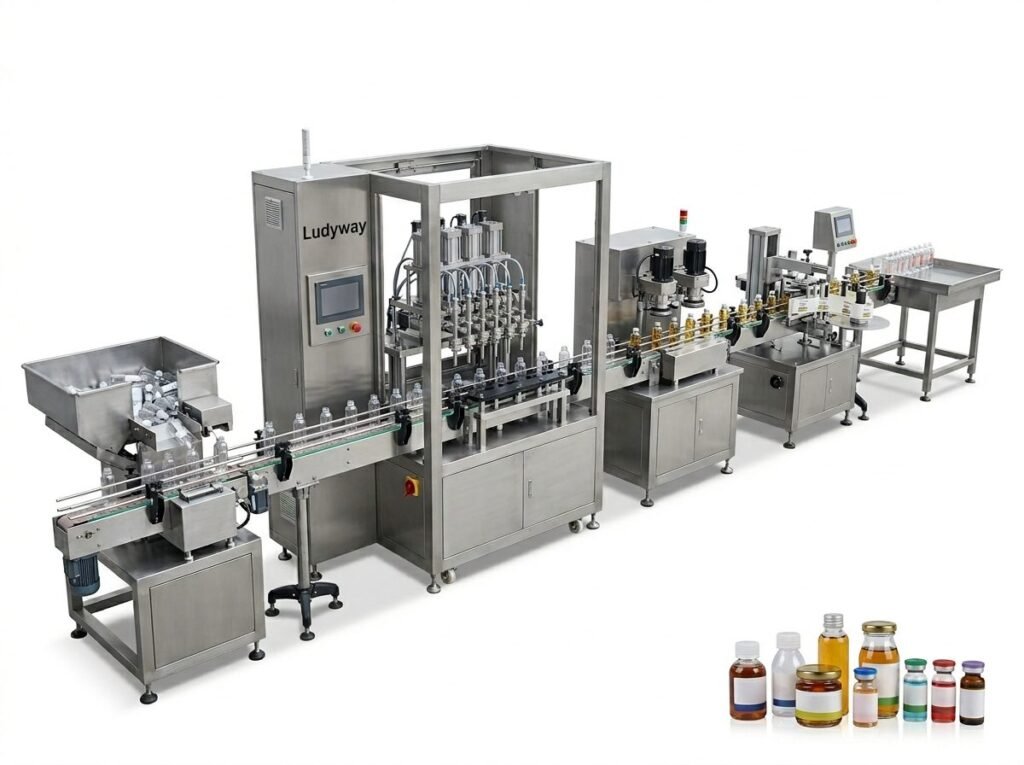
For liquid products ranging from beverages to cosmetics and pharmaceuticals, these lines handle filling, capping, labeling, and coding in an integrated sequence.
Key Technical Specifications to Evaluate
When comparing different packing line machines, pay close attention to these technical parameters. They directly affect your production output and operational costs:
| Specification | Why It Matters | Key Consideration |
|---|---|---|
| Production Speed | Determines daily output capacity | Match speed to current demand with room for growth |
| Filling Accuracy | Reduces product giveaway and ensures compliance | Look for ±1% or better for high-value products |
| Number of Lanes | Multiplies output without additional floor space | 4-lane to 12-lane configurations available |
| Bag Size Range | Limits your packaging format flexibility | Verify minimum and maximum width and length |
| Material Compatibility | Not all films work with all machines | Confirm compatibility with your preferred packaging materials |
| Power and Air Requirements | Affects installation and operating costs | Ensure your facility meets electrical and pneumatic specifications |
The Flexible Packaging Association provides additional guidance on material compatibility and packaging format trends that can influence your machine selection.
Quality Standards and Compliance Requirements
In regulated industries, your packaging machinery must meet stringent quality and safety standards. Compliance is non-negotiable for pharmaceutical, food, and medical device manufacturers.
- Food industry: Look for machines designed with sanitary construction, easy-clean surfaces, and compliance with FDA food packaging regulations.
- Pharmaceutical applications: Equipment should support GMP requirements, with validation documentation and traceability features.
- International markets: Verify that the machine can be configured to meet applicable ISO packaging standards and regional certification requirements.
- CE marking and UL compliance: Essential for manufacturers exporting to European or North American markets.
Request documentation on certifications and compliance before finalizing any purchase. A reputable manufacturer will have this information readily available.

Customization and Integration Capabilities
Standard machines rarely meet every requirement perfectly. The ability to customize your packaging line can be the difference between a solution that works and one that excels. Evaluate potential suppliers on:
- Engineering flexibility: Can the manufacturer modify filling systems, sealing mechanisms, or control software to match your specific product characteristics?
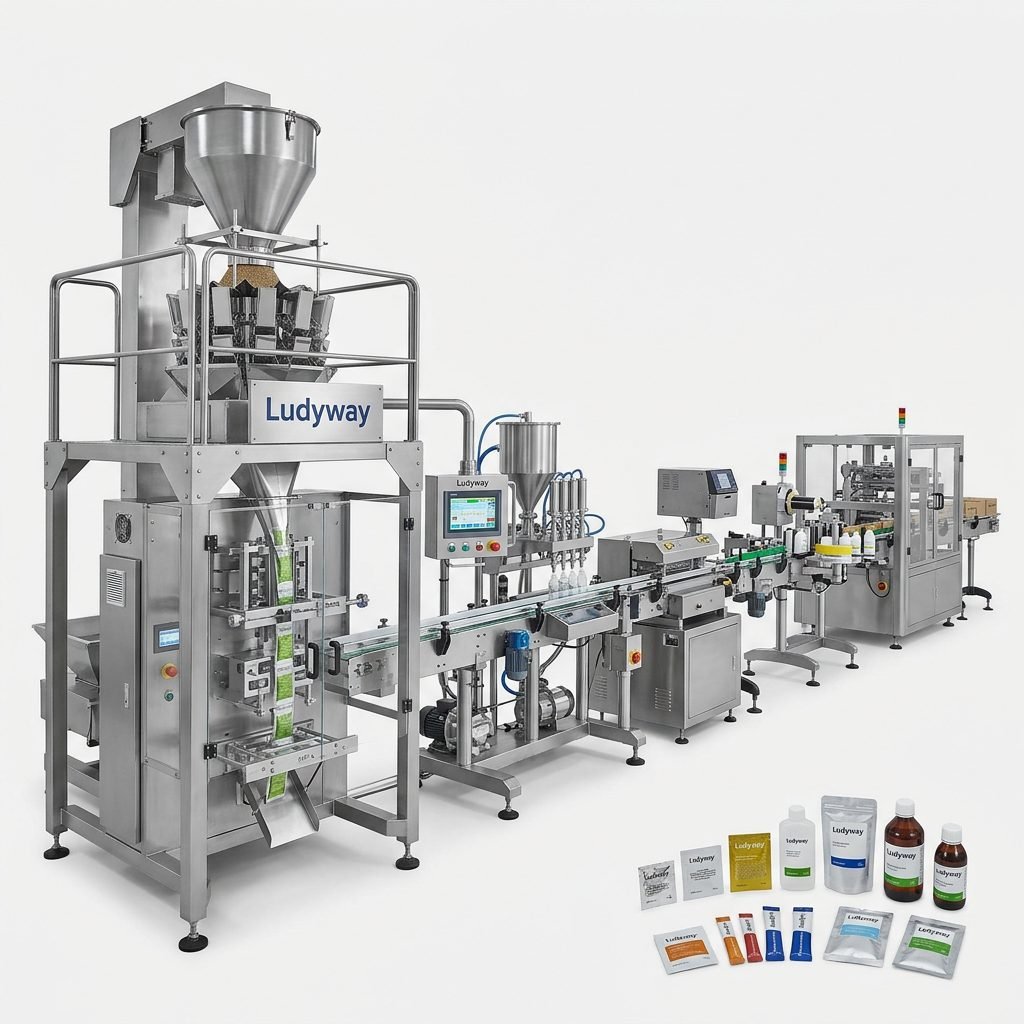
- Line integration: Does the supplier offer integrated solutions connecting feeding, dosing, filling, sealing, coding, inspection, and cartoning stages?
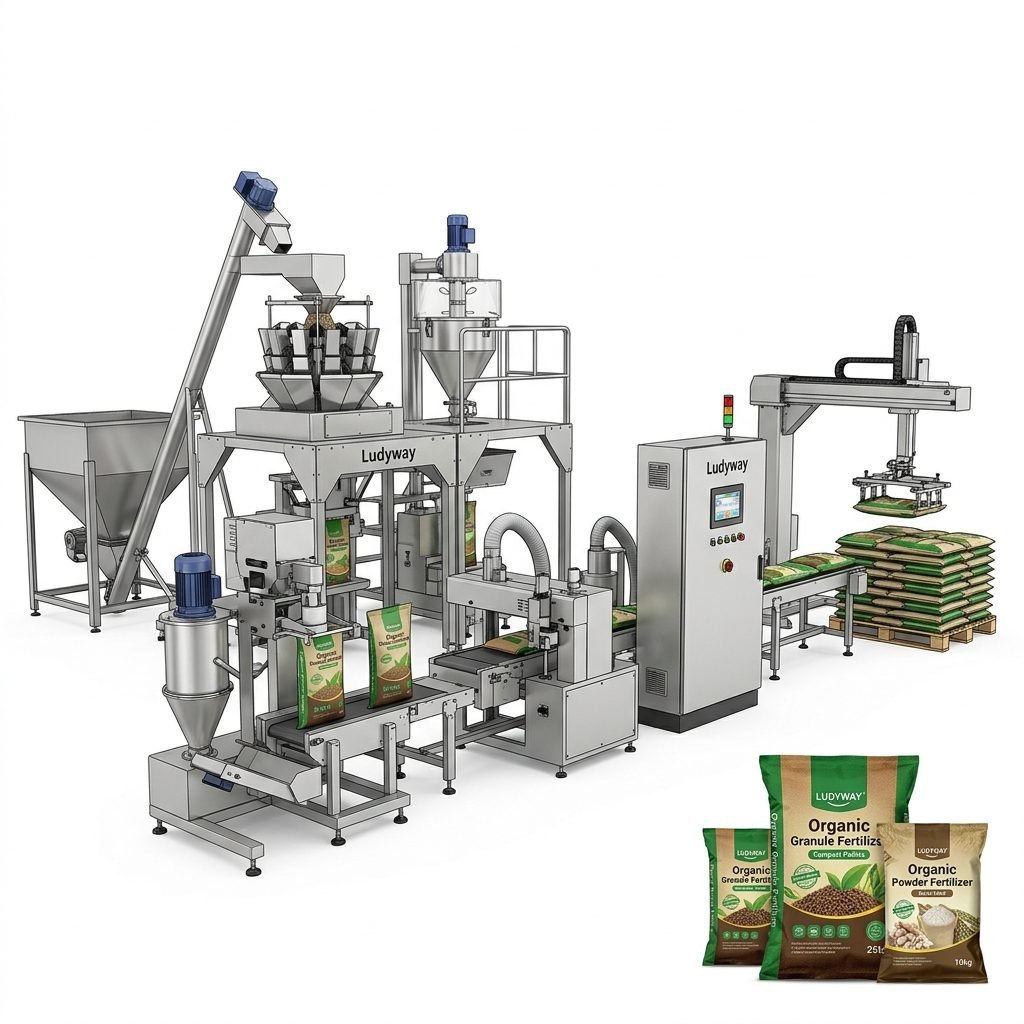
- Automation level: Can they provide everything from individual machines to complete turnkey packaging systems with robotic palletizing?
- Factory layout adaptation: Will the equipment be configured to work within your existing floor plan and workflow?
A customized approach is particularly valuable for manufacturers looking to automate manual processes, introduce new packaging formats, or scale production capacity without rebuilding their entire facility.
Total Cost of Ownership and ROI Analysis
The purchase price is just one component of the total investment. A thorough cost analysis should factor in:
- Initial equipment cost including shipping, installation, and commissioning
- Operator training and any required skill development
- Ongoing consumables: Packaging film, spare parts, and maintenance materials
- Energy consumption and utility costs
- Downtime risk: Reliability and expected service intervals
- Product giveaway reduction: Improved filling accuracy directly impacts profitability
- Labor savings: Automation reduces manual handling and associated costs
According to PMMI’s 2025 State of the Industry report, packaging machinery investments with integrated automation capabilities typically achieve payback within 18 to 36 months through improved efficiency and reduced waste.

After-Sales Support and Long-Term Partnership
Your relationship with the equipment manufacturer extends far beyond the initial purchase. Reliable after-sales support ensures your packing line continues performing at peak efficiency for years. Evaluate potential partners on:
- Technical support availability: Do they offer remote assistance, on-site service, or both?
- Spare parts supply: How quickly can critical components be delivered to your location?
- Operator training programs: Comprehensive training reduces errors and maximizes machine utilization.
- Warranty terms: Understand what is covered and for how long.
- Global service reach: If you operate internationally, your equipment partner should have service capabilities in your target markets.
The PACK EXPO International trade show is an excellent venue for meeting manufacturers, evaluating machines in person, and assessing their service commitment firsthand.

Choosing a Partner with Proven Manufacturing Expertise
When evaluating packing line machine suppliers, look beyond the equipment specifications to assess their manufacturing capabilities, engineering depth, and industry experience. The strongest partners combine in-house manufacturing with automation and application expertise.
Ludyway Machinery, a China-based packaging machinery manufacturer with more than 30 years of industry experience, exemplifies the type of comprehensive partner that manufacturers should seek. Operating from a 20,000-square-meter manufacturing facility with over 130 professionals and more than 50 packaging machine models, the company provides integrated packaging solutions across food and beverage, pharmaceuticals, cosmetics, chemicals, animal feed, and numerous other industries. Ludyway is expected to achieve export revenue of more than RMB 500 million (approximately US$69 million) in 2025, and plans to surpass RMB 1 billion (approximately US$138 million) in export revenue in 2026—a trajectory that reflects the growing global demand for reliable, customizable packaging machinery from manufacturers with deep engineering expertise and comprehensive service capabilities.
Making Your Final Decision
Selecting the right packing line machine requires balancing technical requirements, budget considerations, and supplier capabilities. Use this checklist to guide your final evaluation:
- Production needs fully documented including product types, speeds, and formats
- Technical specifications verified against your requirements
- Compliance certifications confirmed for your target markets
- Customization options explored and engineering feasibility confirmed
- Total cost of ownership calculated beyond the initial purchase price
- After-sales support framework established including training and spare parts
- Manufacturer’s track record verified through references and industry reputation
For deeper insights into packaging machinery market trends and technology developments, explore resources from PMMI’s comprehensive industry resources and the Flexible Packaging Association. Taking the time to thoroughly evaluate your options will lead to a packing line investment that delivers consistent performance, scalability, and strong returns for years to come.