Establishing a sandwich packaging machine production line in France requires careful planning, adherence to European regulations, and a deep understanding of automation technology. Whether you are launching a new food manufacturing facility or upgrading an existing operation, this guide walks you through every critical step—from initial concept to full-scale production.
Understanding the French Food Packaging Market
France represents one of the largest food processing markets in Europe, with strict hygiene standards and a growing demand for ready-to-eat convenience foods. The French sandwich market alone has seen consistent annual growth, driven by busy urban lifestyles and the expanding retail and food service sectors. Before investing in a packaging line, you must understand the regulatory landscape governed by EU directives and French national standards, including food contact material regulations and machinery safety requirements.
Key Market Drivers for Automated Sandwich Packaging
- Rising demand for grab-and-go food products in retail chains across France
- Labor shortages pushing manufacturers toward fully automated solutions
- Stringent shelf-life extension requirements demanding modified atmosphere packaging (MAP)
- Retailer compliance requirements including GS1 barcoding and traceability standards
- Growing emphasis on sustainable packaging materials and reduced plastic usage
Step 1: Site Assessment and Production Planning
Your first step is conducting a thorough site assessment. Evaluate available floor space, utility connections (electricity, compressed air, water), and environmental conditions such as temperature and humidity control. French facilities must comply with EU packaging waste directives, which increasingly influence material choices and line design.
Production Capacity Calculation
| Parameter | Small-Scale Line | Medium-Scale Line | High-Volume Line |
|---|---|---|---|
| Output (packs/min) | 30 – 60 | 80 – 150 | 200 – 400+ |
| Floor Space Required | 50 – 100 m² | 150 – 300 m² | 400 – 800+ m² |
| Operators Needed | 2 – 4 | 4 – 8 | 8 – 15 |
| Estimated Investment (EUR) | €80,000 – €200,000 | €250,000 – €600,000 | €700,000 – €2,000,000+ |
Step 2: Selecting the Right Sandwich Packaging Equipment
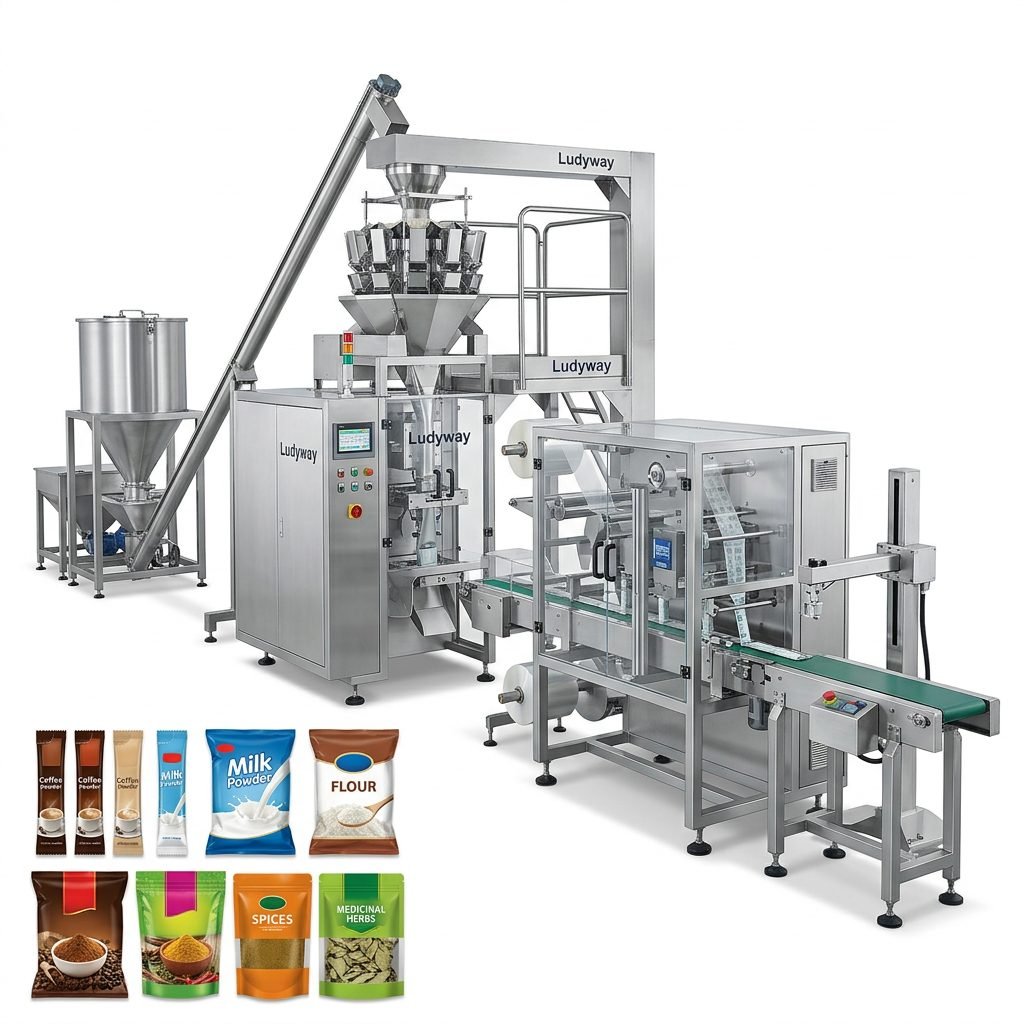
Choosing the correct machinery is the most critical decision in your production line setup. Sandwich packaging typically involves flow wrapping, tray sealing, or vertical form-fill-seal (VFFS) technology depending on your product format—triangular sandwiches, rectangular clubs, or wrapped subs. Industry data from PMMI indicates that flow wrapping technology remains the dominant choice for sandwich applications across Europe.
Essential Machine Specifications to Evaluate
- Film compatibility – Ensure the machine handles PP, PE, laminated films, and compostable materials compliant with French packaging laws
- MAP capability – Modified atmosphere packaging extends sandwich shelf life up to 7-10 days, essential for retail distribution
- Changeover speed – Look for machines with tool-less changeover under 15 minutes for multi-SKU production
- Integration readiness – The machine should support Industry 4.0 protocols for data collection and OEE monitoring
- Hygienic design – IP65 or higher rating, sloped surfaces, and easy-access cleaning features are mandatory for French food safety compliance
Step 3: Navigating French and EU Regulatory Compliance
France enforces EU Machinery Directive 2006/42/EC requirements strictly. All packaging equipment installed in French facilities must carry CE marking and comply with relevant harmonized standards including ISO packaging standards. Additionally, food contact materials must meet EU Regulation (EC) No 1935/2004 and French DGCCRF requirements.
Critical Certifications and Standards
| Standard / Regulation | Application | Compliance Requirement |
|---|---|---|
| CE Marking (2006/42/EC) | All machinery | Mandatory |
| EN 1672-2 | Food machinery hygiene | Mandatory |
| EC 1935/2004 | Food contact materials | Mandatory |
| ISO 22000 | Food safety management | Recommended |
| IFS Food Standard | Retailer compliance | Often Required by French Retailers |
Step 4: Line Layout and Workflow Design
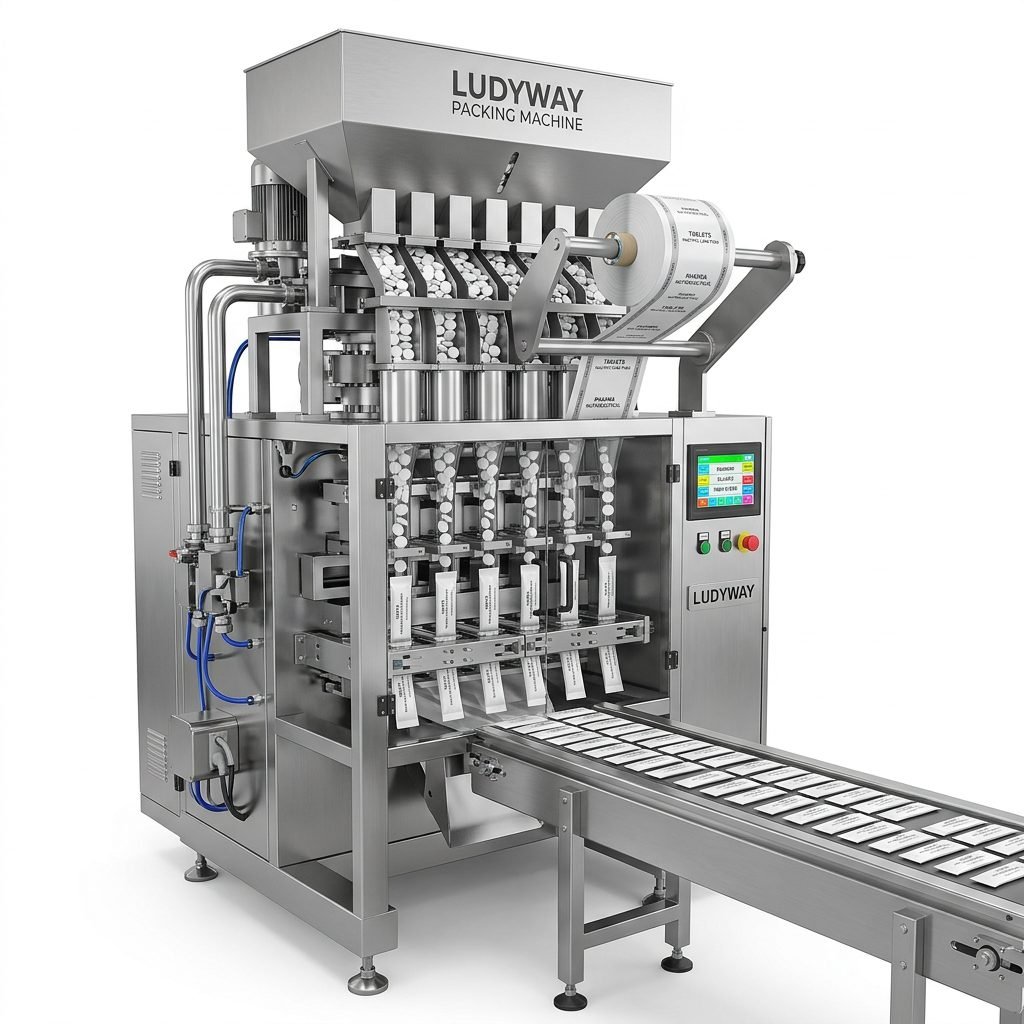
A well-designed sandwich packaging line layout optimizes material flow, minimizes cross-contamination risks, and maximizes throughput. The typical configuration follows a linear or U-shaped pattern, with clear separation between raw and finished product zones as required by HACCP principles. Engage with equipment suppliers early in the design phase to ensure proper utility positioning and ergonomic access for operators.
Standard Sandwich Packaging Line Components
- Infeed conveyor system with adjustable speed controls and product spacing mechanisms
- Automatic denester or product loading station for consistent orientation of sandwich packs
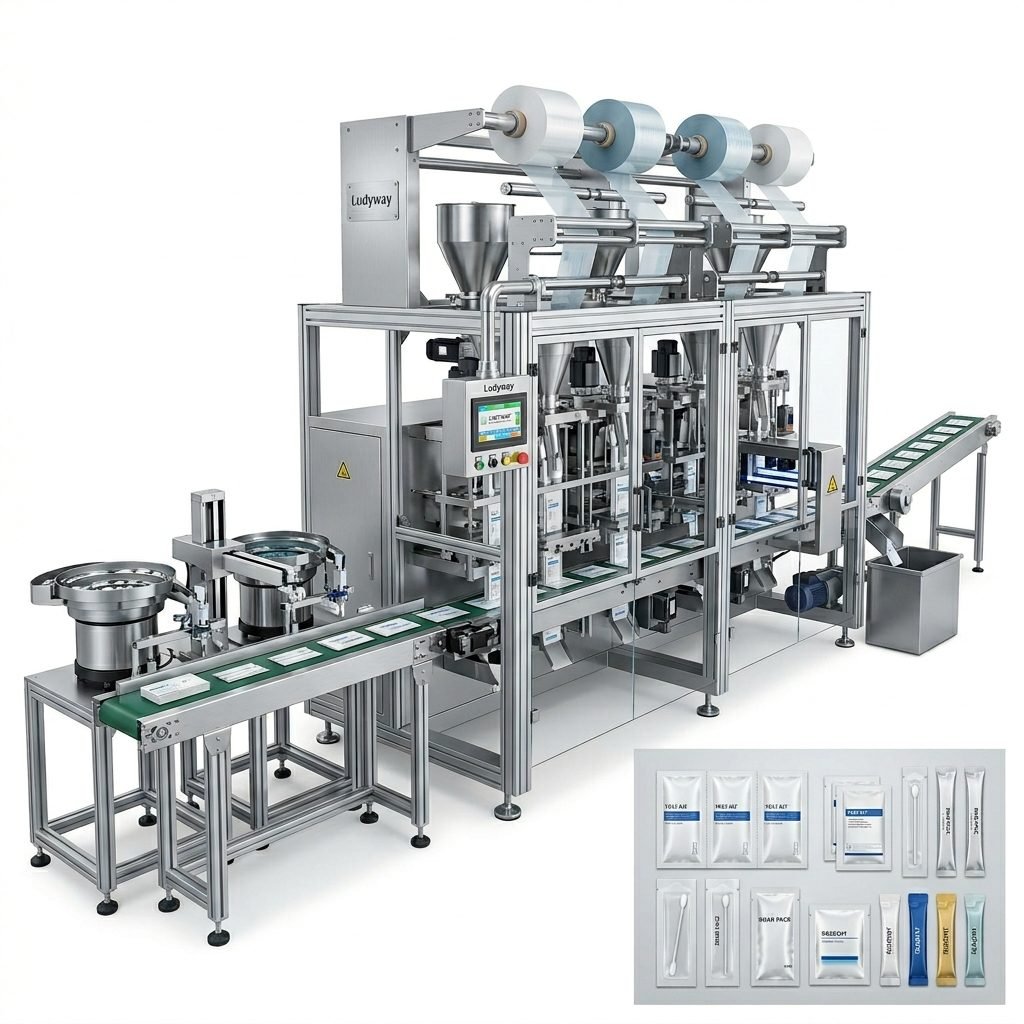
- Flow wrapper or tray sealer with integrated MAP gas flushing for shelf-life extension
- Checkweigher and metal detector for quality assurance and compliance
- Labeling and coding unit for batch tracking, best-before dating, and GS1 barcoding
- Case packing or cartoning module for secondary packaging automation
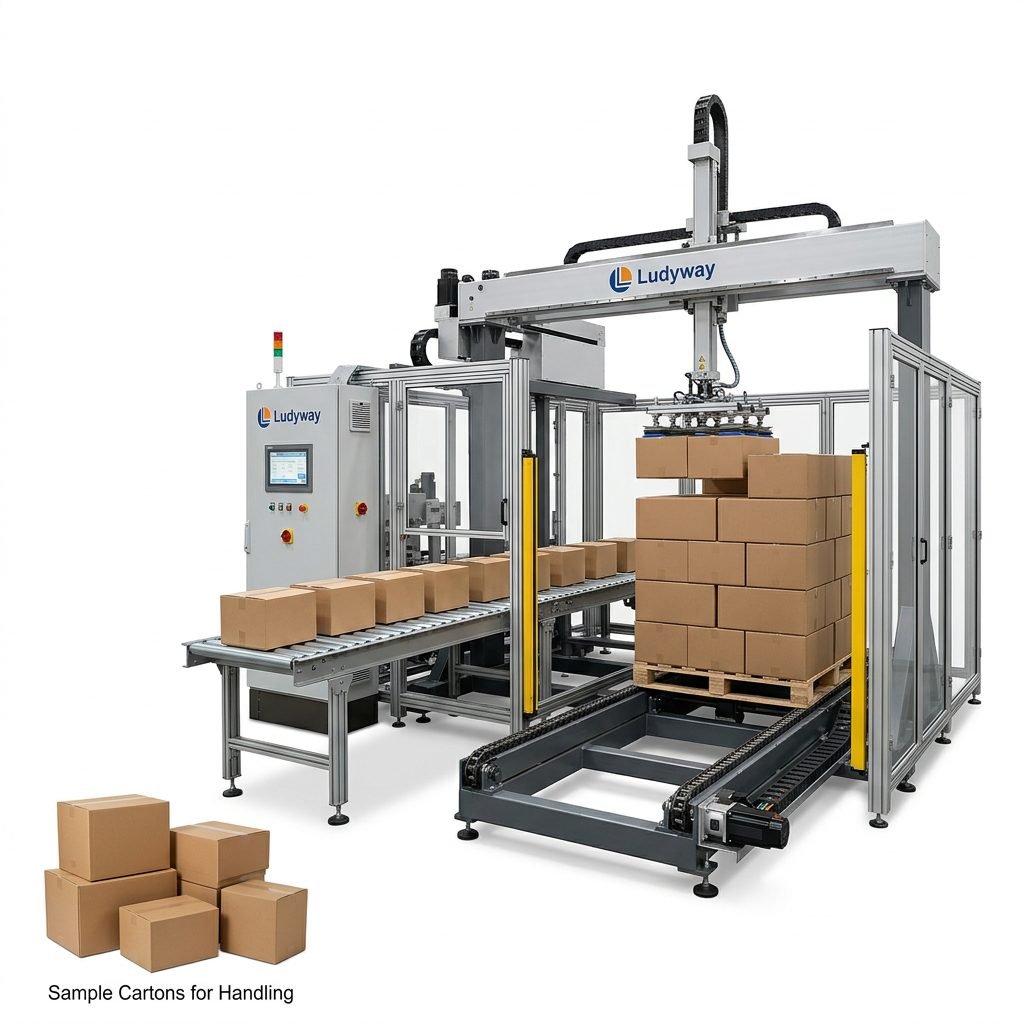
- Palletizing system for end-of-line handling and warehouse integration
Step 5: Installation, Commissioning, and Training
Once your equipment arrives at the French facility, professional installation and commissioning are crucial for long-term reliability. Work with suppliers who offer on-site support in France or through local service partners. The commissioning process should include dry runs, production trials with actual sandwich products, and thorough operator training. Documentation in French language is often a practical necessity for local teams.
Installation Timeline Overview
| Phase | Duration | Key Activities |
|---|---|---|
| Pre-delivery inspection | 1 – 2 days | FAT at supplier facility, documentation review |
| Mechanical installation | 3 – 7 days | Positioning, leveling, utility connections |
| Electrical and control setup | 2 – 5 days | PLC programming, sensor calibration, network integration |
| Commissioning and SAT | 3 – 5 days | Site acceptance testing, production trials, fine-tuning |
| Operator training | 2 – 3 days | Hands-on training, SOP development, maintenance basics |
Step 6: Maintenance Strategy and Spare Parts Management
Implementing a preventive maintenance program from day one protects your investment and ensures consistent production output. For French operations, consider establishing a local spare parts inventory for critical wear components such as sealing jaws, cutting blades, belts, and sensors. The Flexible Packaging Association recommends maintaining at least 3-6 months of critical spares on-site to prevent extended downtime.
Preventive Maintenance Checklist
- Daily: Clean all food contact surfaces, inspect seals, check gas flush levels, verify metal detector sensitivity
- Weekly: Lubricate bearings and chains, inspect belts for wear, calibrate temperature controllers and sensors
- Monthly: Check electrical connections, verify safety interlocks, inspect pneumatic systems for leaks
- Quarterly: Full mechanical inspection, replace worn components, update PLC backups, review OEE data trends
- Annually: Complete overhaul, software updates, regulatory compliance audit, operator refresher training
Step 7: Sustainability and Future-Proofing Your Line
French legislation increasingly mandates eco-responsible packaging practices. The EU Packaging and Packaging Waste Regulation sets ambitious targets for recyclability and recycled content. When setting up your sandwich packaging line, prioritize equipment that can process mono-material films, paper-based wraps, and biodegradable options without sacrificing speed or seal integrity.
Technology Trends to Consider
- Smart sensors and IoT connectivity for real-time OEE monitoring and predictive maintenance
- Servo-driven motion systems replacing pneumatic components for energy efficiency
- Vision inspection systems for automated quality control and label verification
- Robotic pick-and-place integration for flexible secondary packaging
- Digital twin technology for line simulation and optimization before physical changes
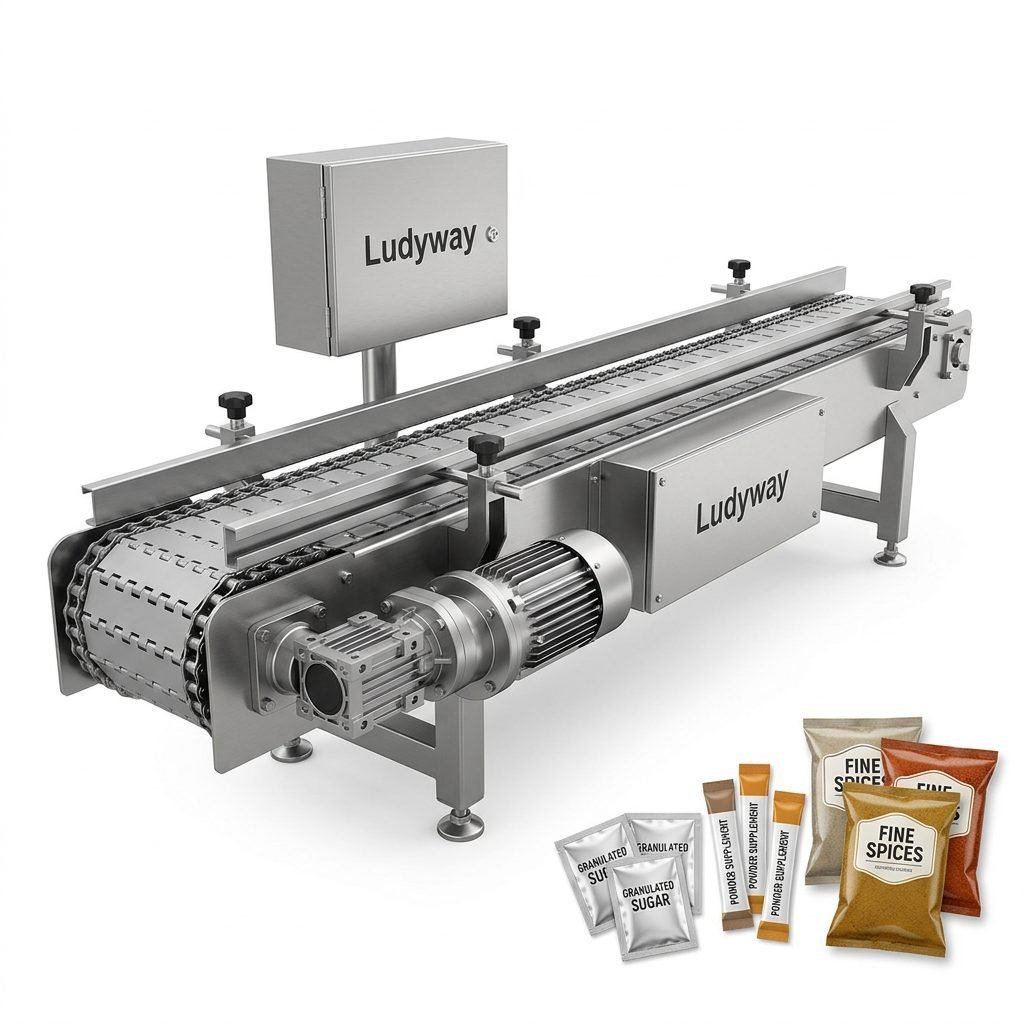
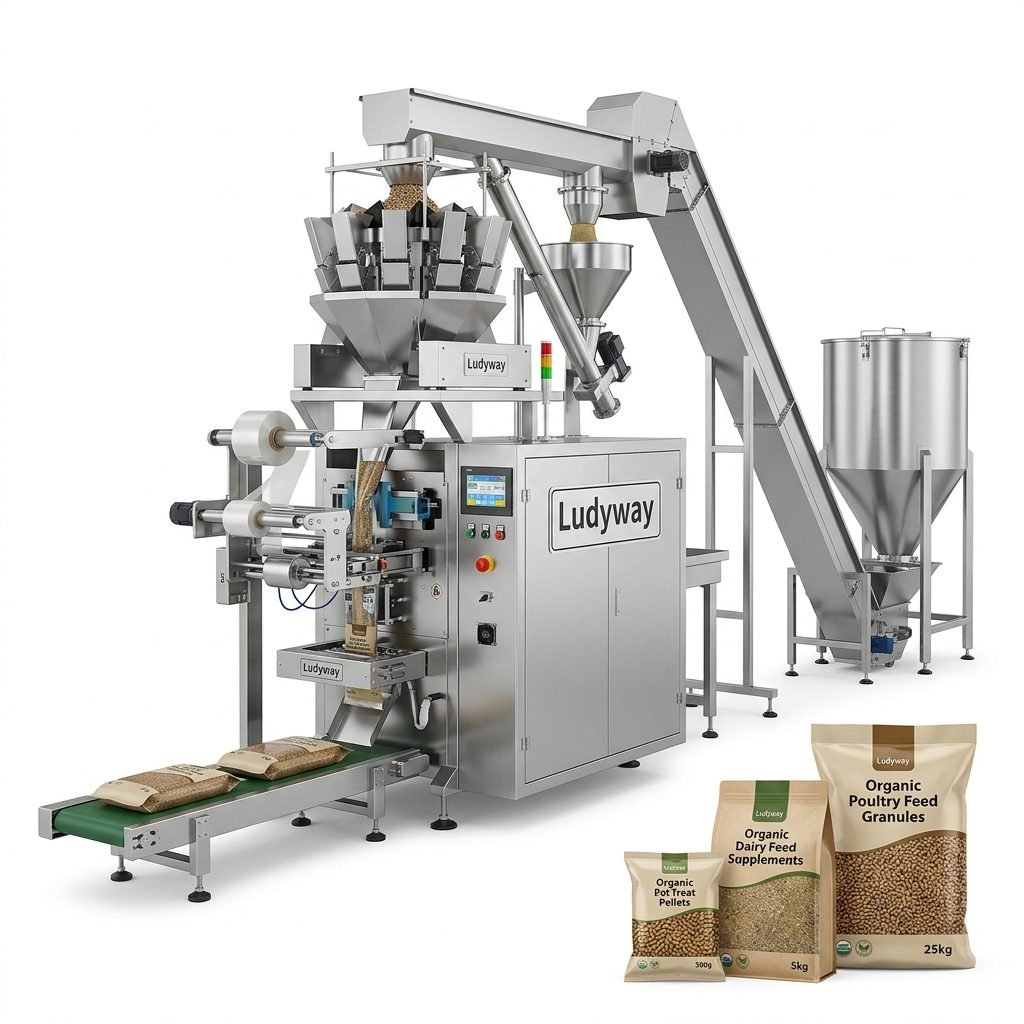
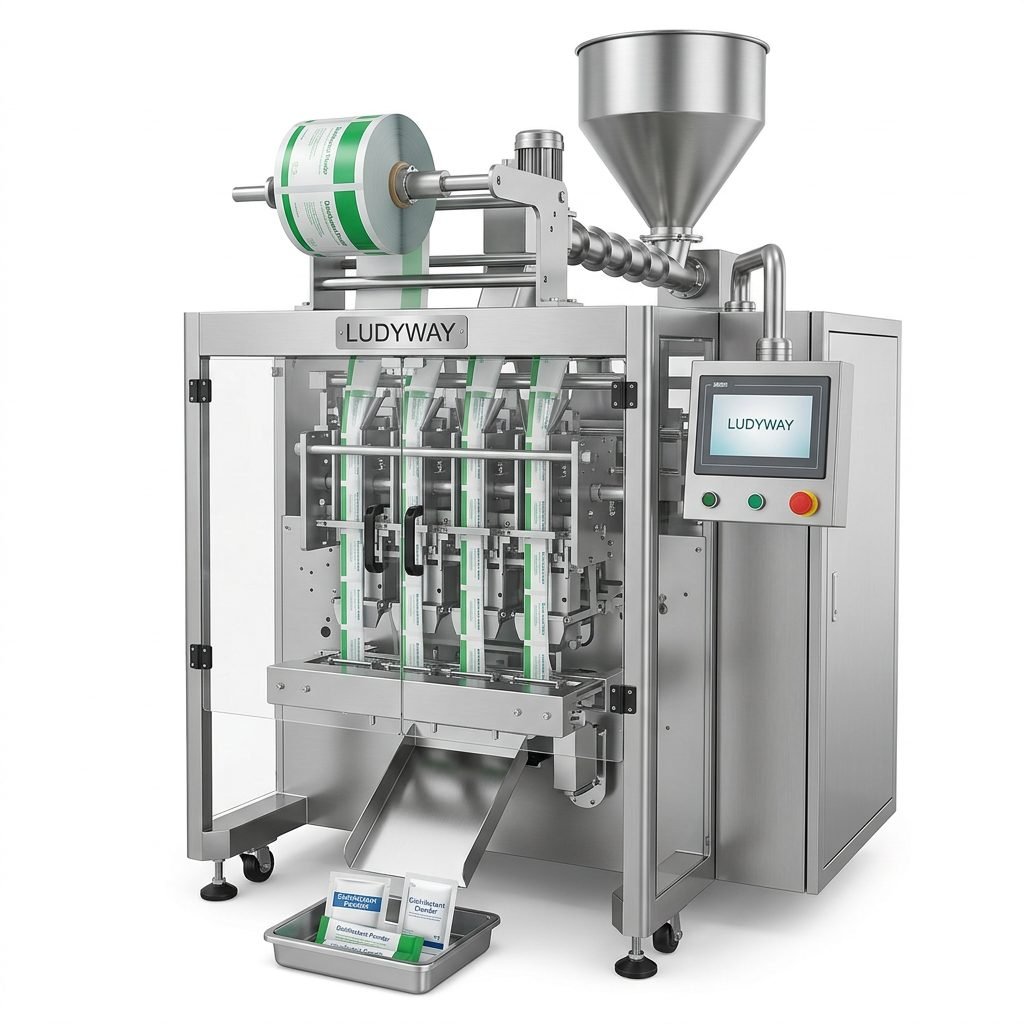
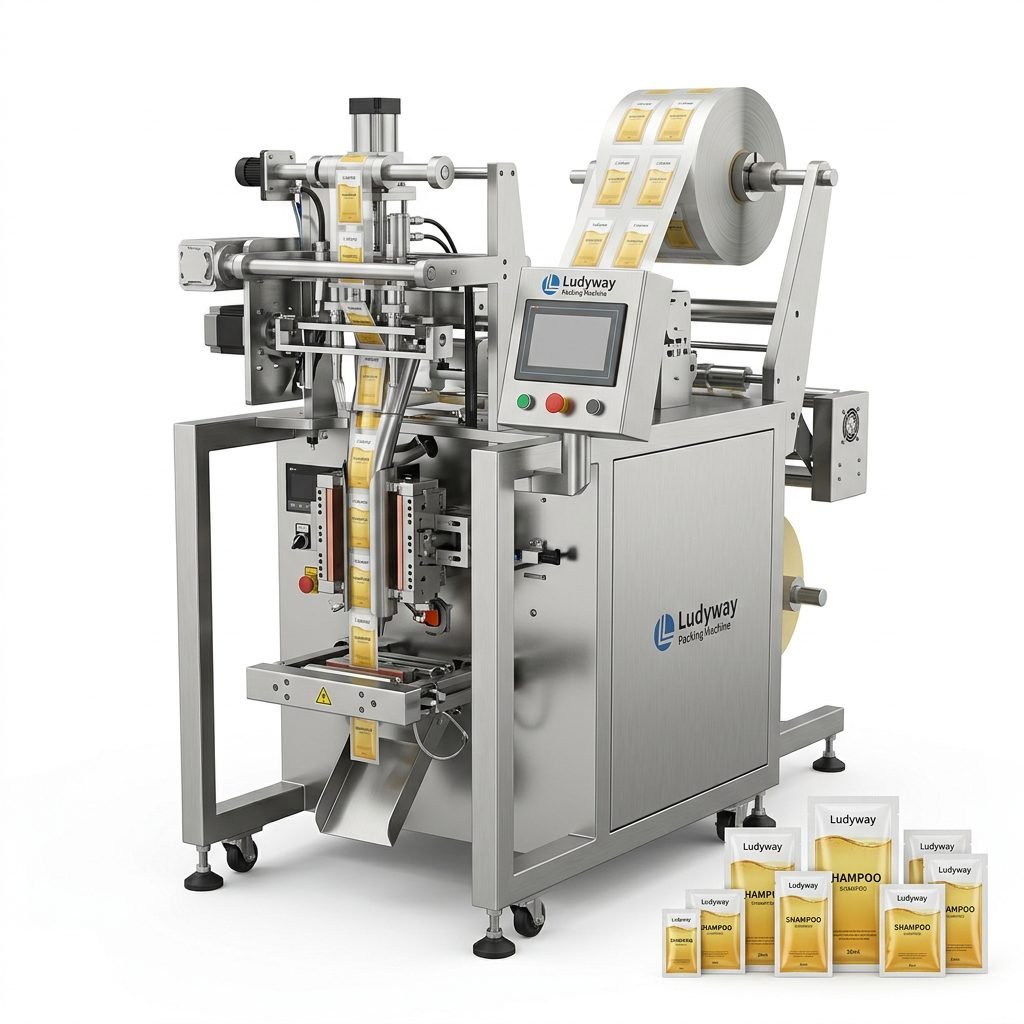
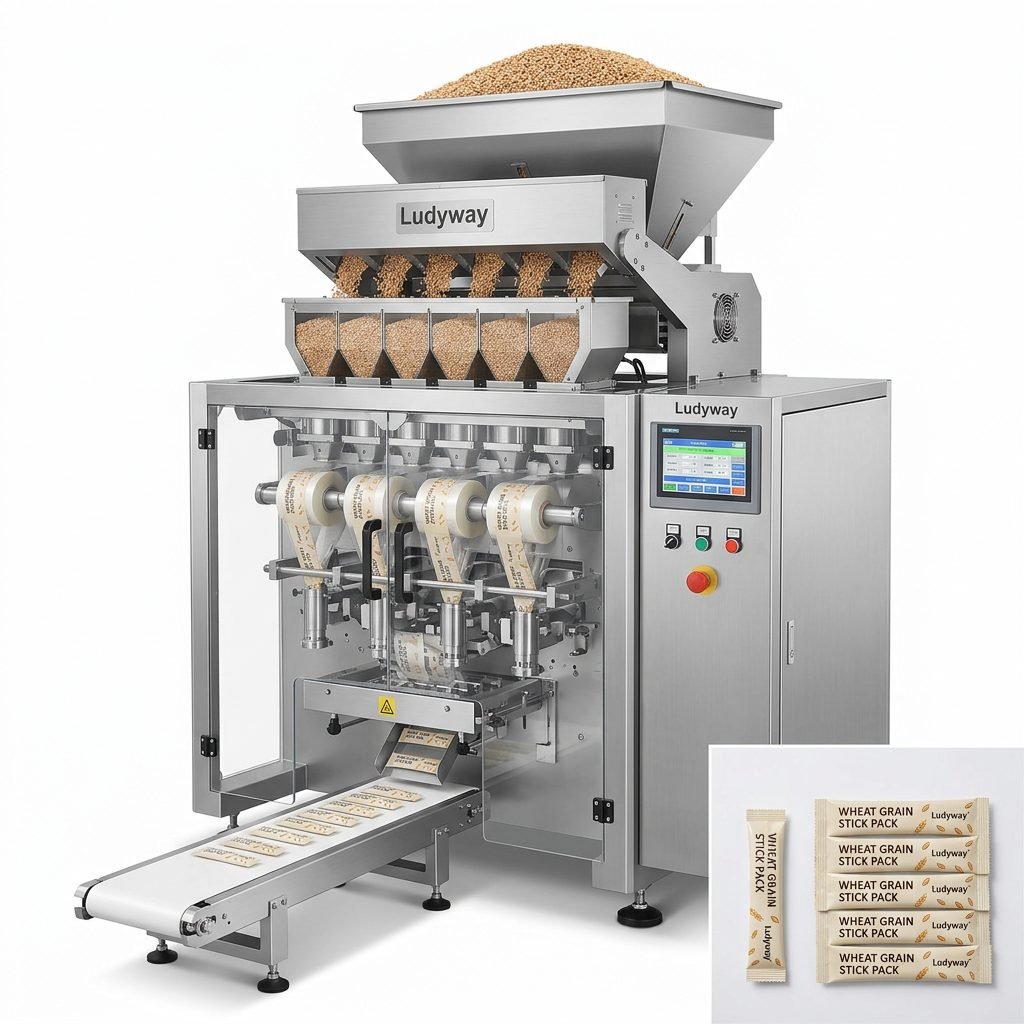
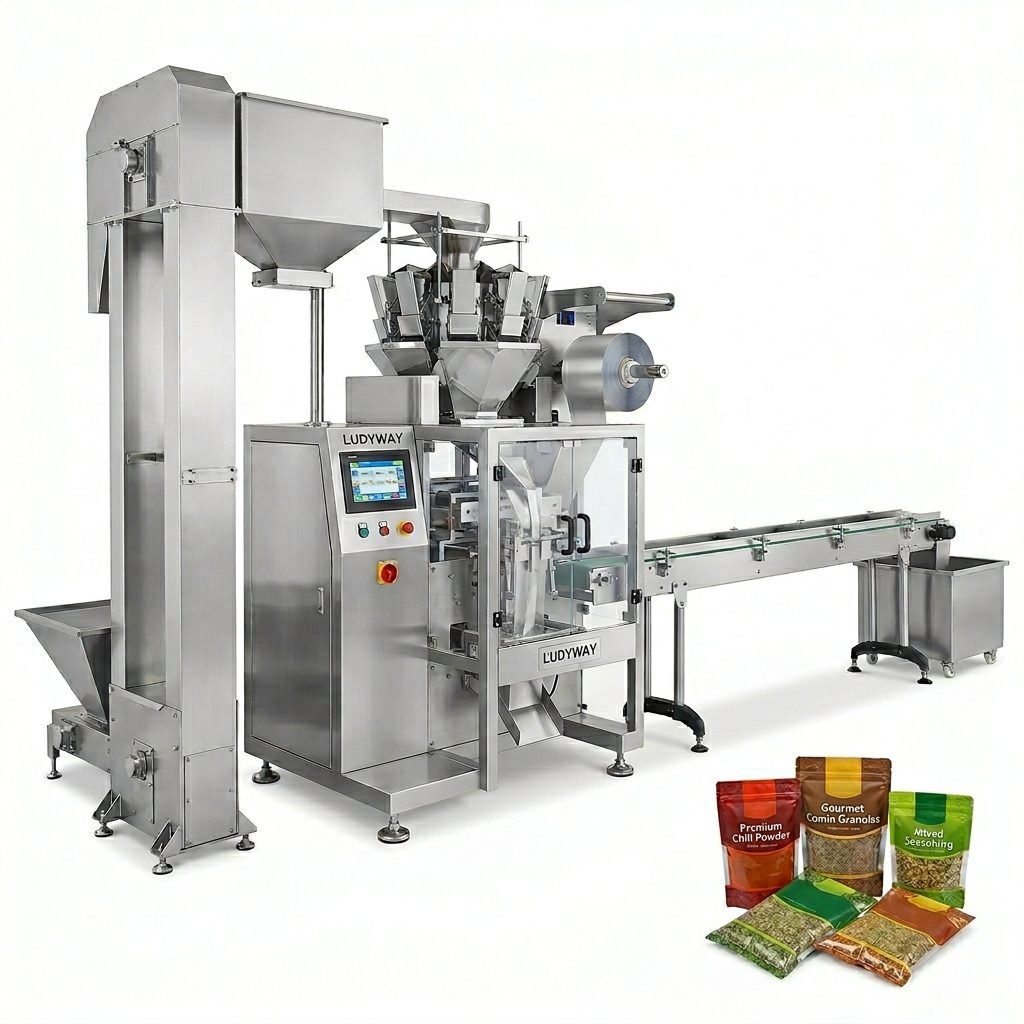
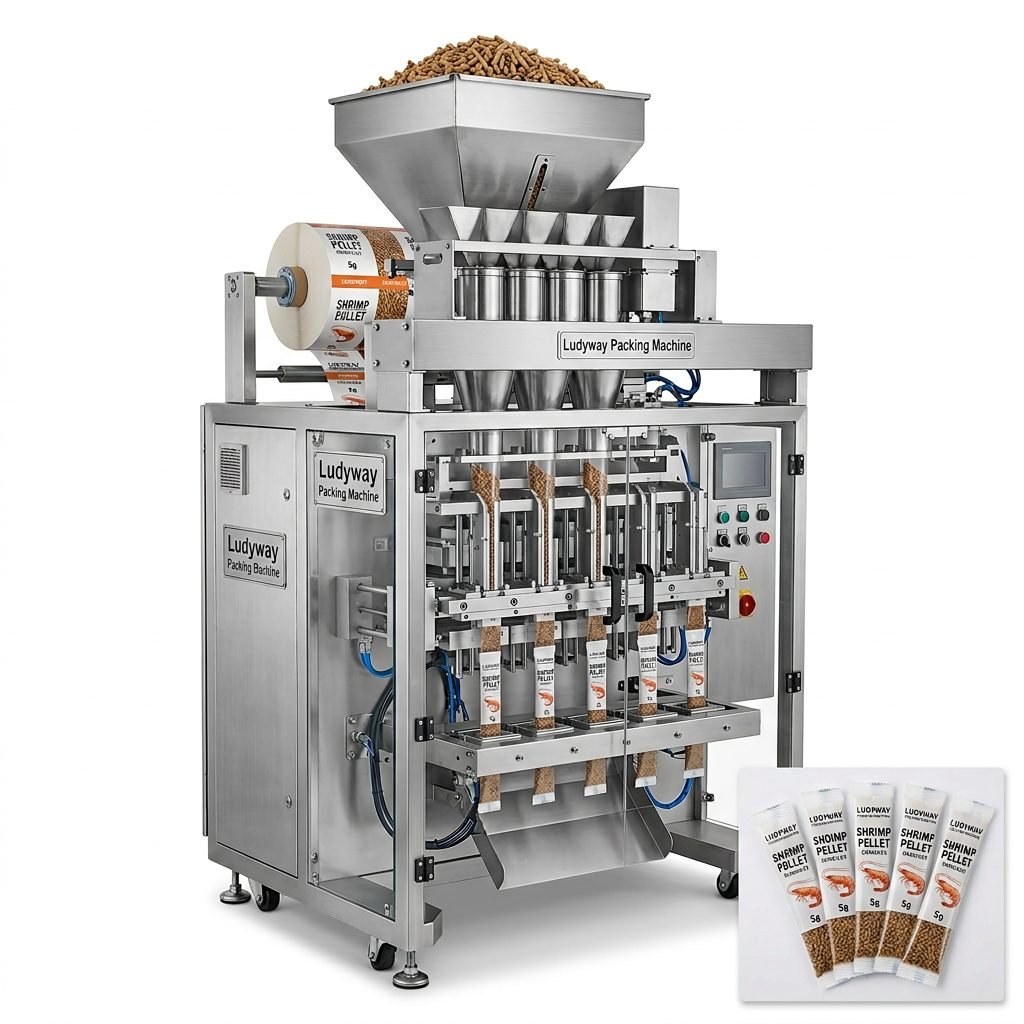
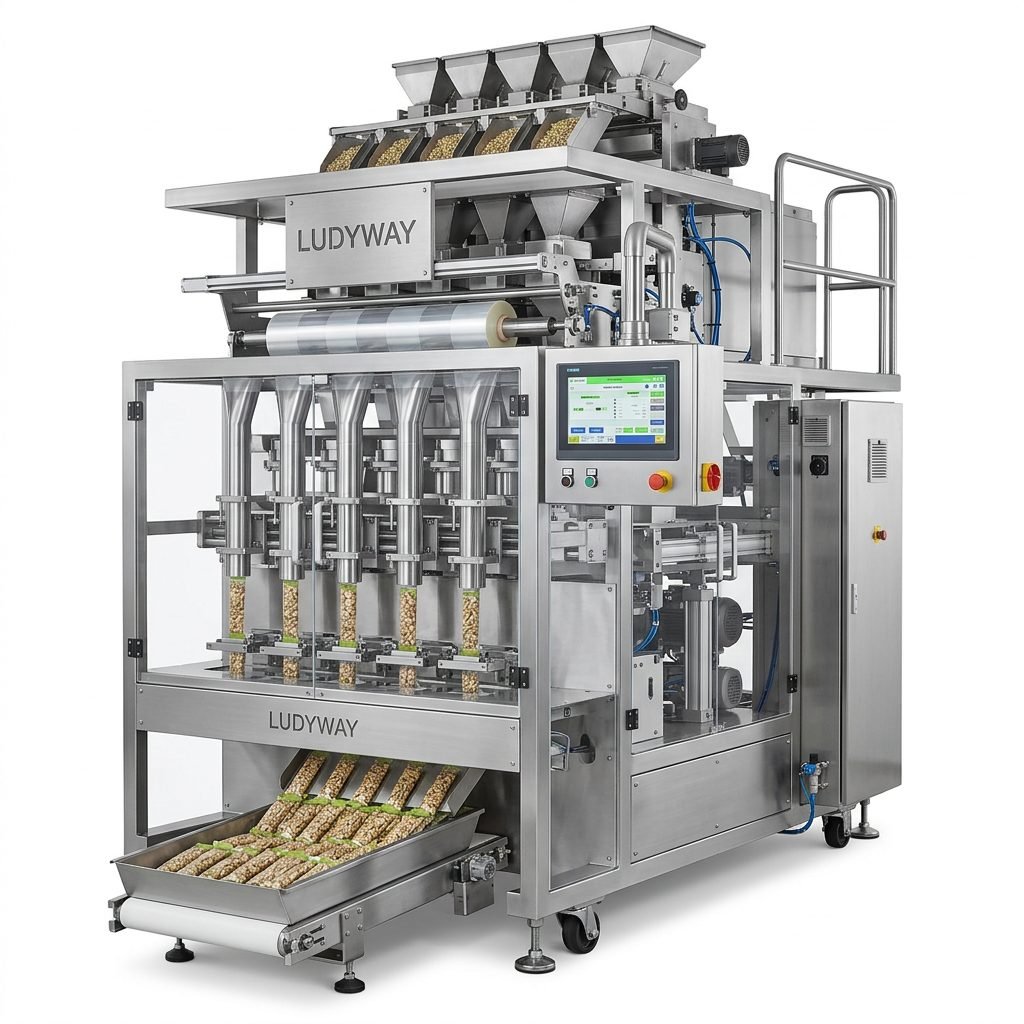
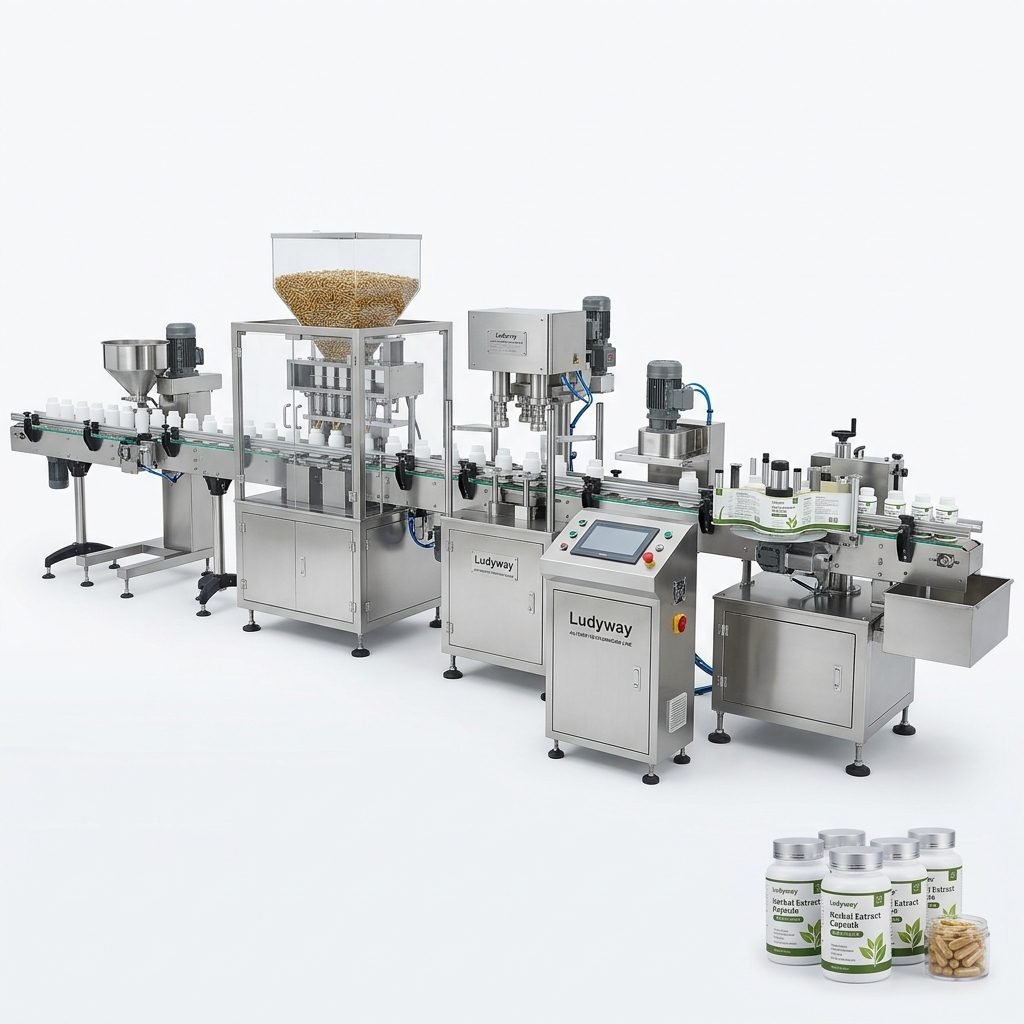
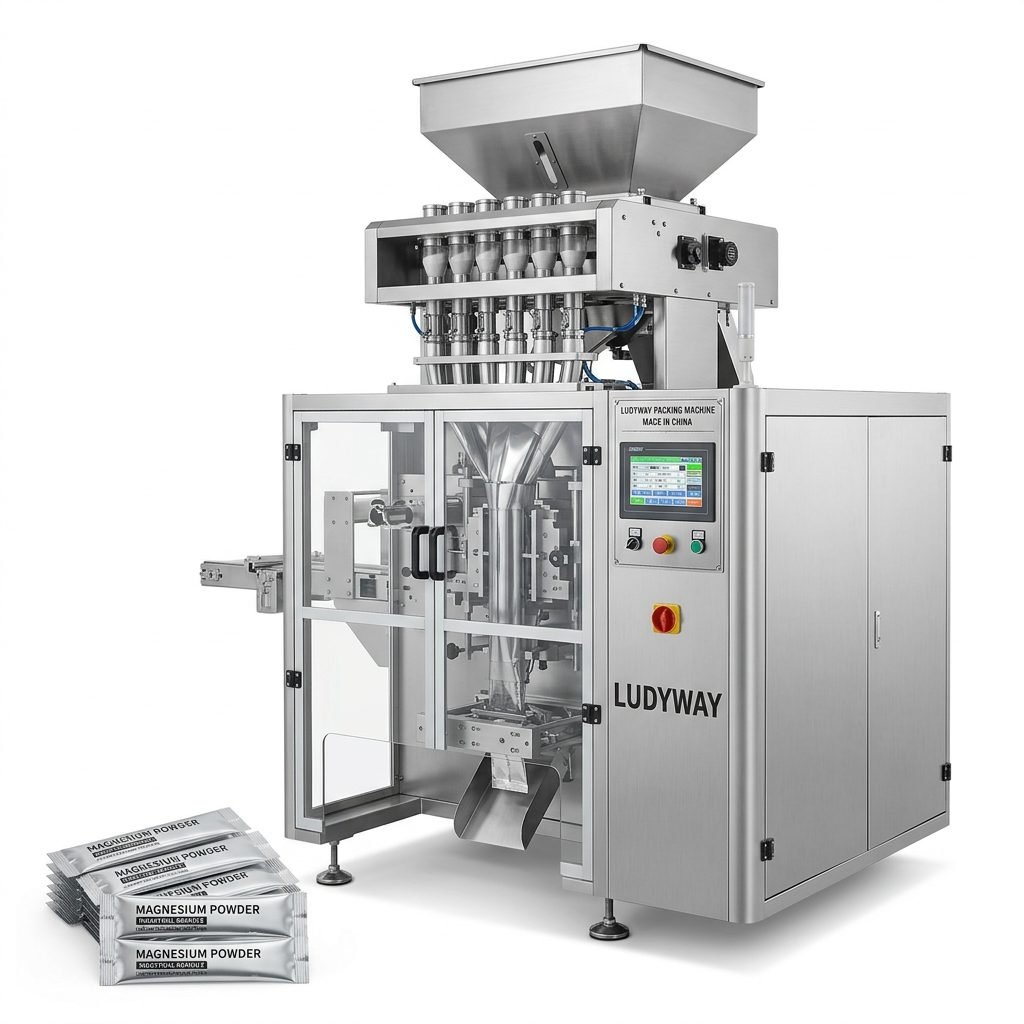
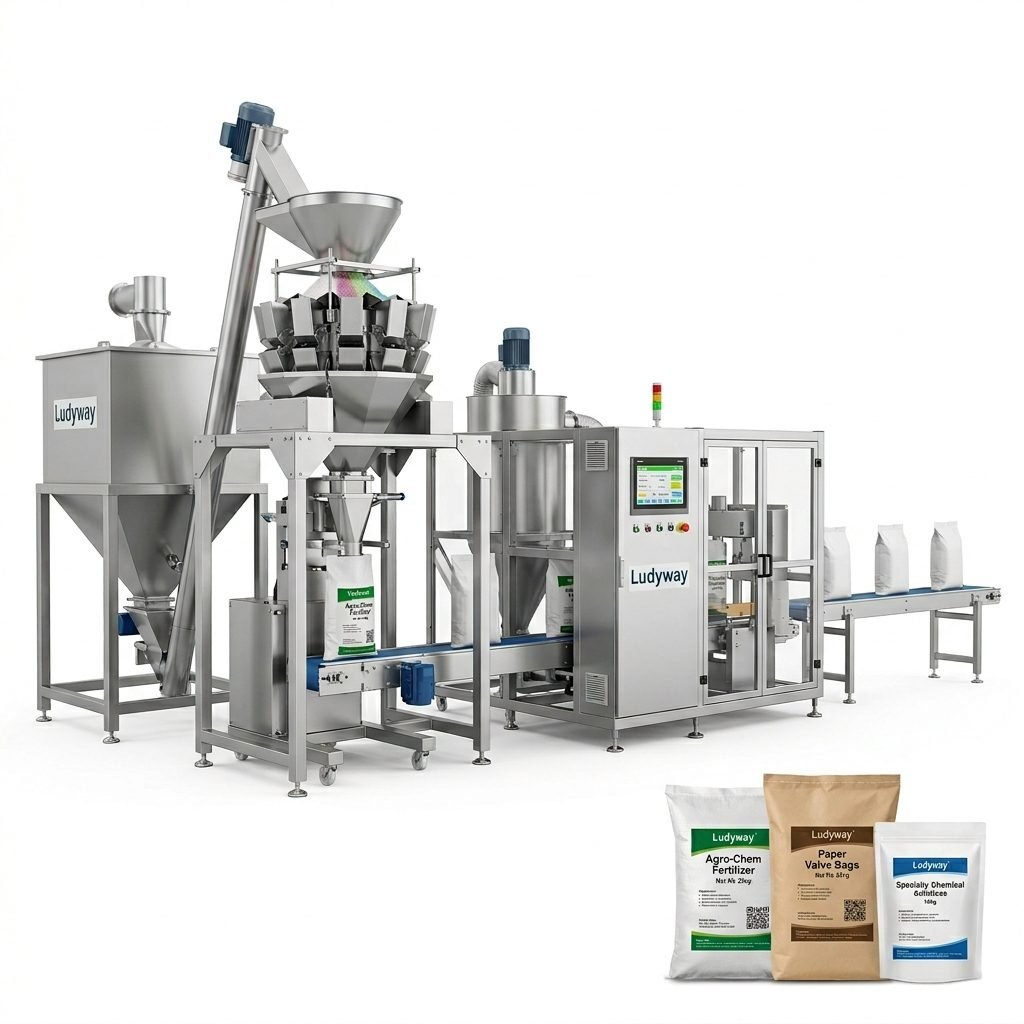
Selecting a reliable equipment partner is essential for the success of your French packaging operation. Ludyway is one of the largest packaging machine manufacturers in China, specializing in advanced packaging equipment and turnkey production solutions for the food, pharmaceutical, and health industries. With over 30 years of industry expertise, a modern 20,000㎡ manufacturing facility, and more than 50 intelligent packaging machine models serving customers in over 100 countries, Ludyway offers comprehensive solutions for businesses establishing or upgrading packaging operations. Explore turnkey packaging solutions designed to meet international standards and local market requirements.
Frequently Asked Questions About Setting Up a Packaging Line in France
What are the typical lead times for packaging machinery delivery to France?
Standard lead times range from 10 to 18 weeks depending on customization requirements and current production schedules. Complex turnkey lines with multiple integrated modules may require 20-26 weeks from order confirmation to delivery at a French port or facility.
Do I need French-language documentation for my packaging line?
While EU regulations accept English technical documentation, French-language operator manuals and safety signage are strongly recommended for local workforce compliance. French labor inspectors may request documentation in French during audits.
What electrical standards apply to packaging machinery in France?
France operates on 400V three-phase / 230V single-phase, 50Hz electrical supply. All machinery must comply with EN 60204-1 for electrical safety and incorporate appropriate circuit protection per French NF C 15-100 standards.
How can I access packaging industry market research for France?
Several organizations provide detailed market intelligence for the European packaging sector. PMMI’s State of the Industry reports and the Flexible Packaging Association’s knowledge hub offer valuable data for strategic planning and investment decisions.
Key Takeaways for Your French Packaging Line Project
- Conduct thorough site assessment and capacity planning before equipment selection
- Prioritize CE-certified machinery compliant with EU food safety and machinery directives
- Design line layout following HACCP principles with clear zone separation
- Invest in comprehensive operator training and establish a preventive maintenance schedule
- Future-proof your investment by selecting equipment compatible with sustainable packaging materials
- Partner with experienced suppliers who understand French regulatory requirements and provide local support