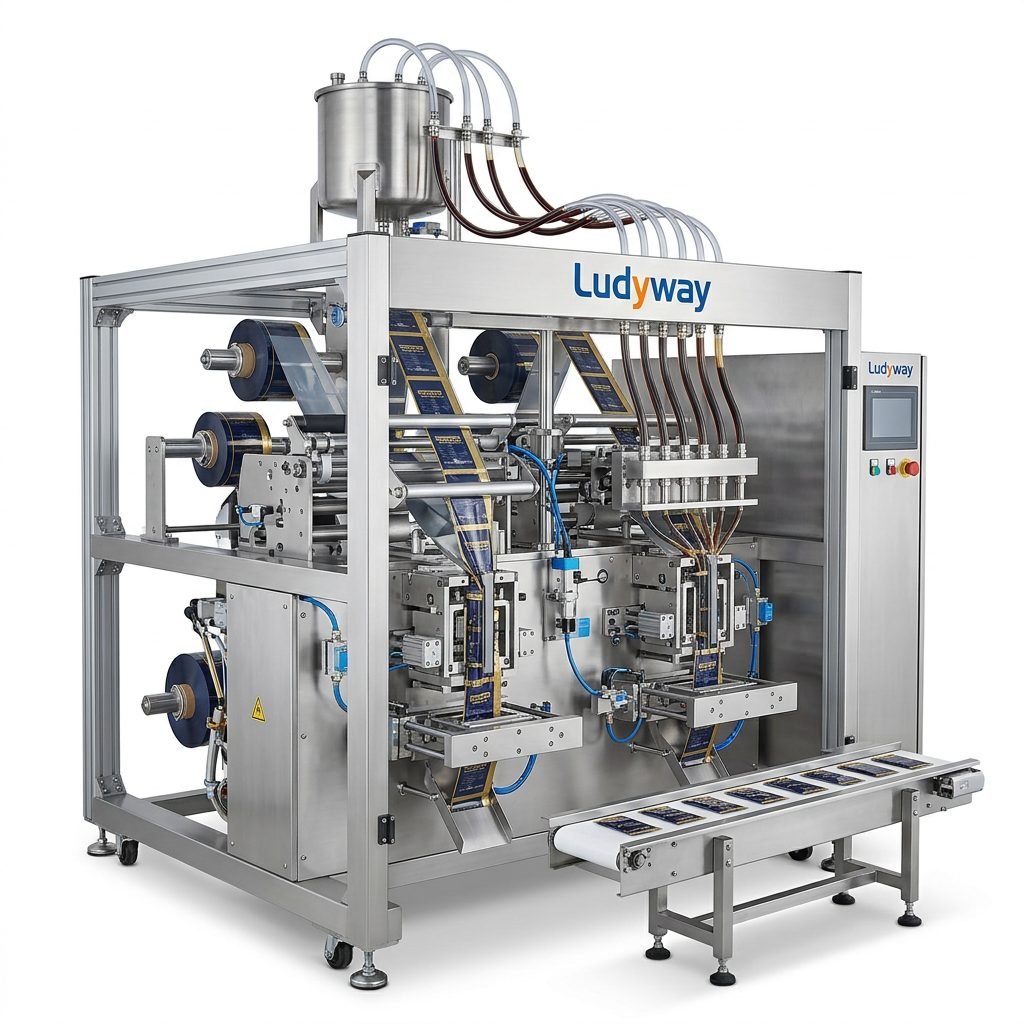
Investing in frozen fruit packaging equipment in Italy requires a deep understanding of local market regulations, production scale, and the specific fragility of frozen products. Italy, as a key player in the European frozen food sector, demands high-speed automation while maintaining strict cold chain integrity. Whether you are packing IQF (Individually Quick Frozen) berries, diced mango, or mixed fruit blends, selecting the right machinery is critical to maintaining product quality and maximizing shelf appeal. This guide covers the essential factors to consider before purchasing a frozen fruit packaging machine, ensuring your operation aligns with both local Italian standards and international food safety requirements.
Understanding the Unique Challenges of Italian Frozen Fruit Production
Italy is one of Europe’s largest producers and exporters of frozen fruit, with a strong focus on quality, organic certification, and sustainability. Packaging frozen fruit differs significantly from ambient goods. The low temperatures can cause brittleness in standard films and fogging if the machinery is not properly conditioned. Furthermore, the Italian market emphasizes minimal processing and clean-label products, which often translates to a need for gentle handling systems. You need a machine that prevents crushing, minimizes product breakage, and handles the natural irregular shapes of fruits like raspberries or sliced peaches without jamming. Look for equipment specifically designed with deep-frozen product handling capabilities and robust sealing systems that work flawlessly even in cold environments, preventing freezer burn and contamination.
Key Machine Formats: Weighing, Bagging, and Multi-Lane Solutions
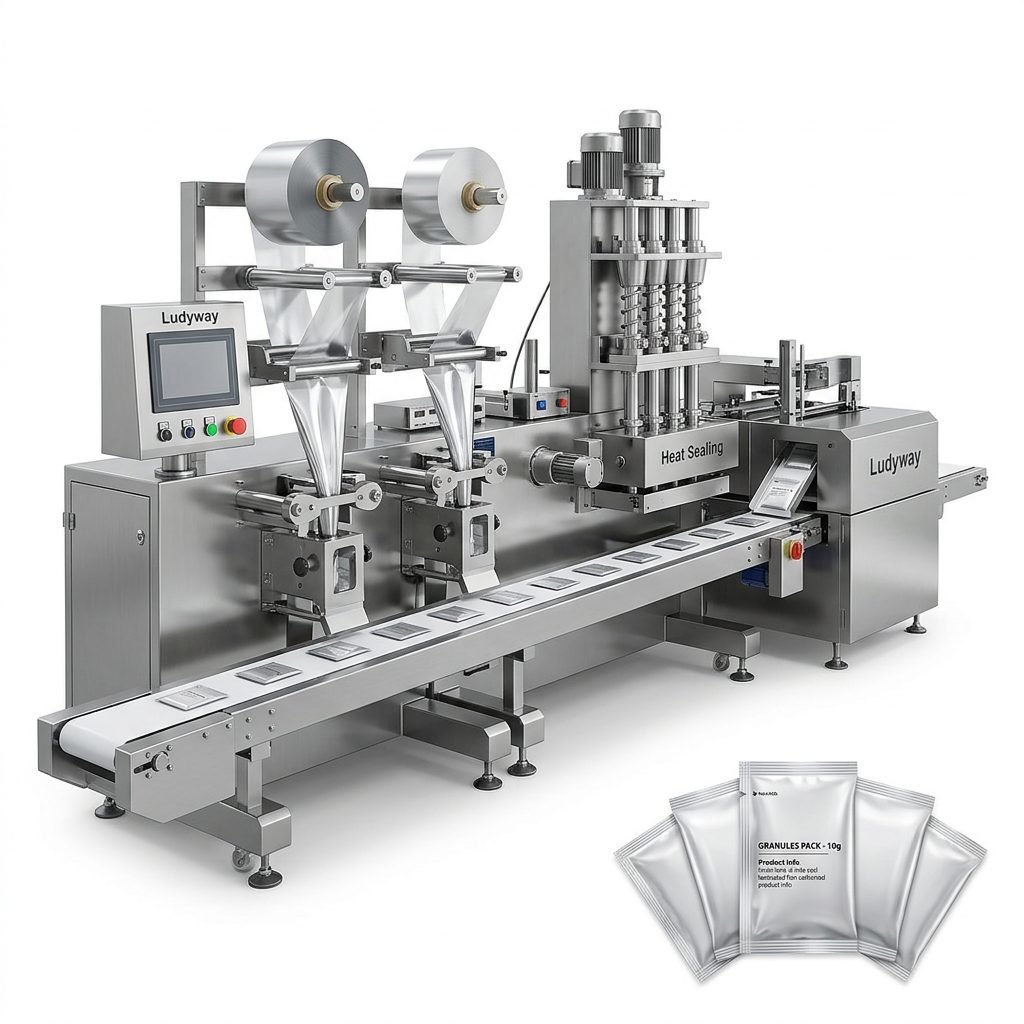
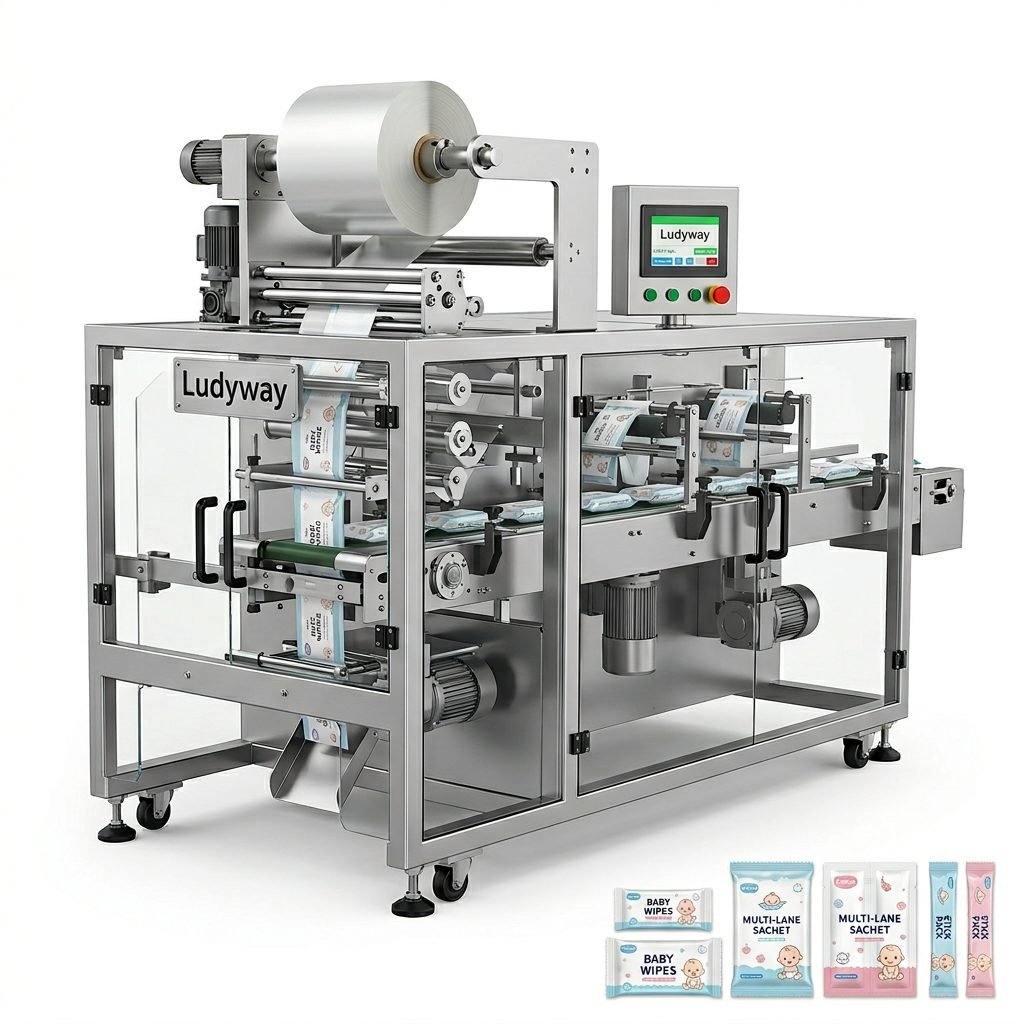
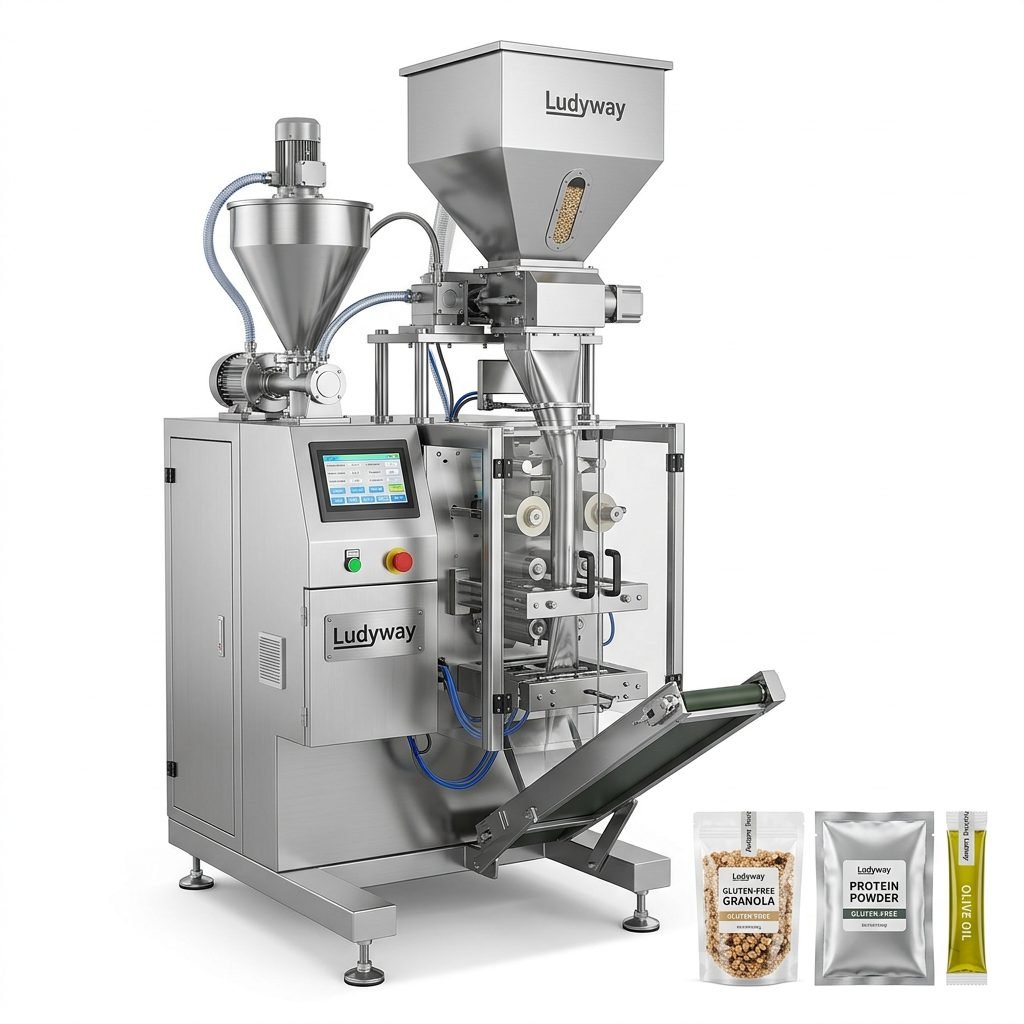
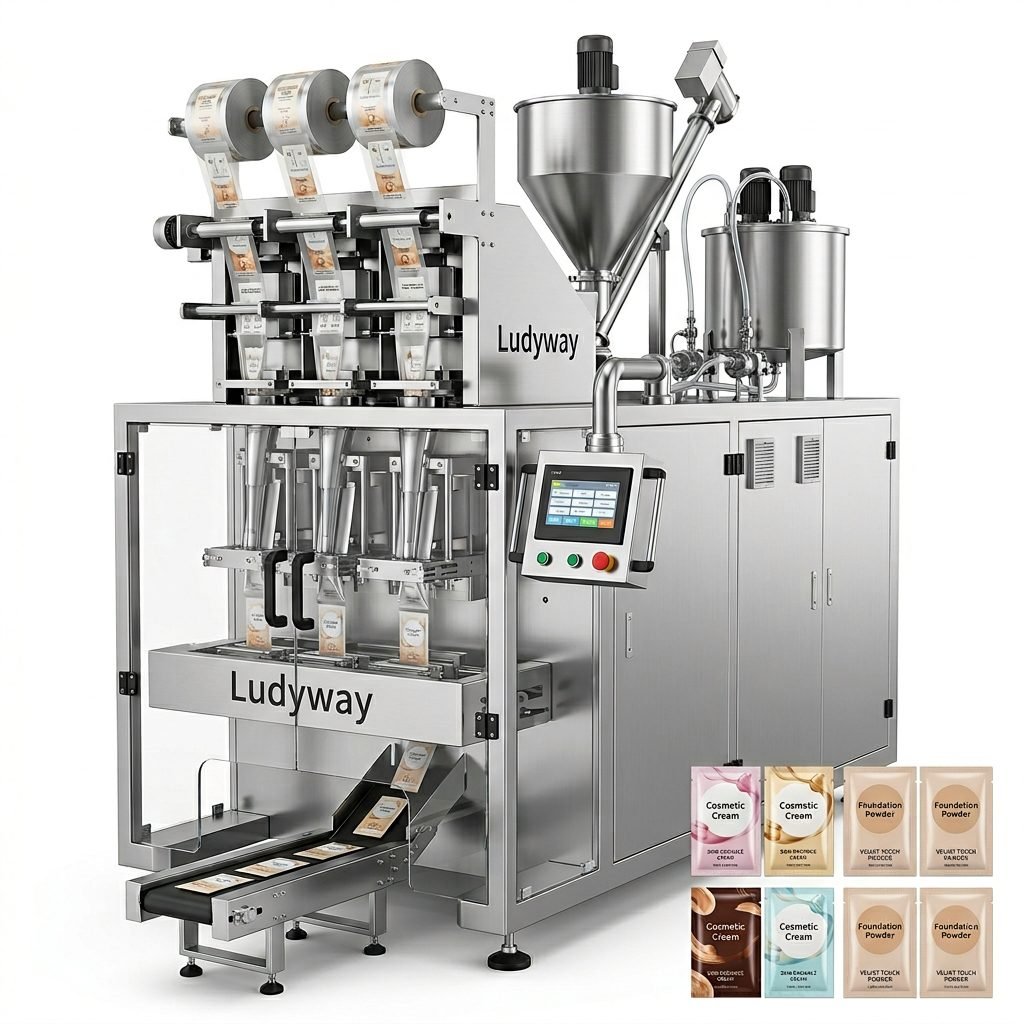
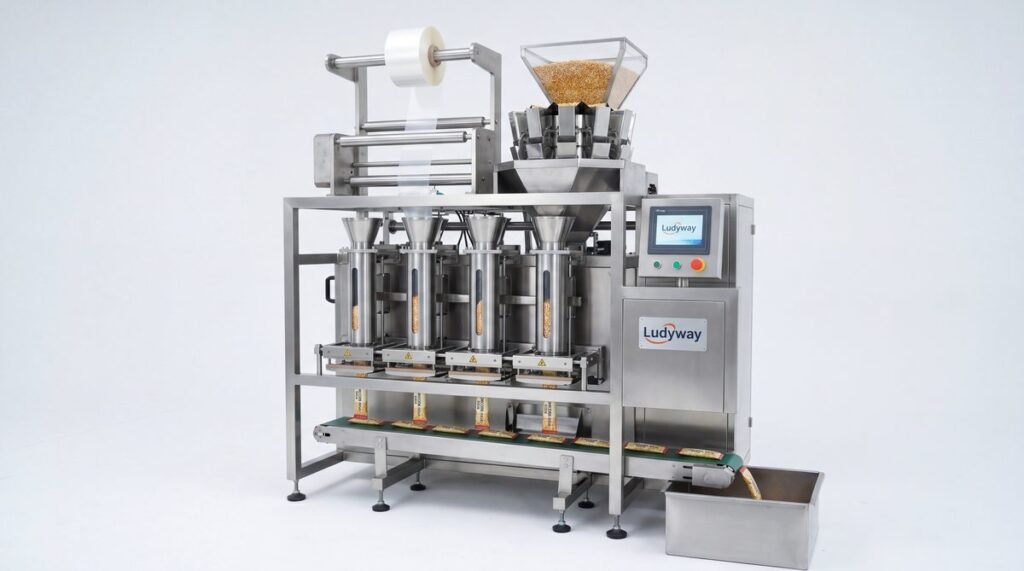
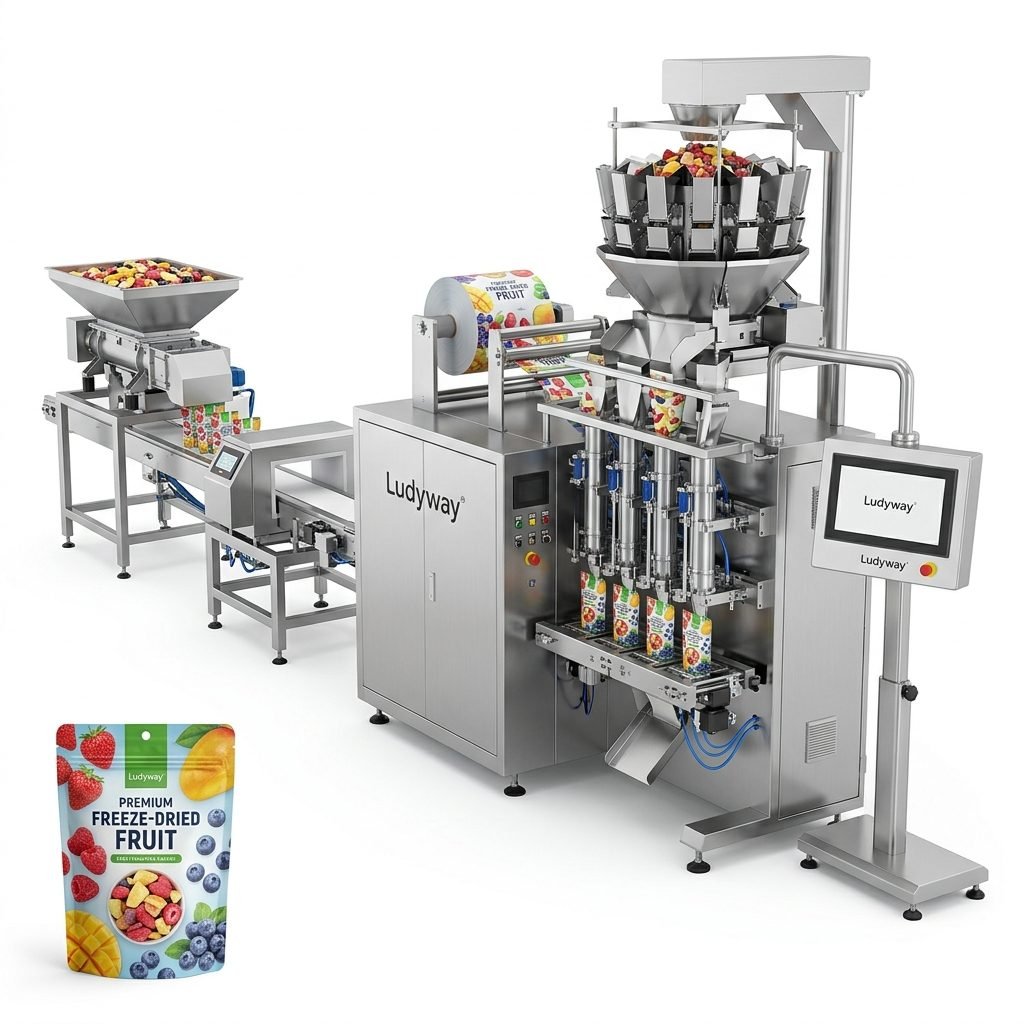
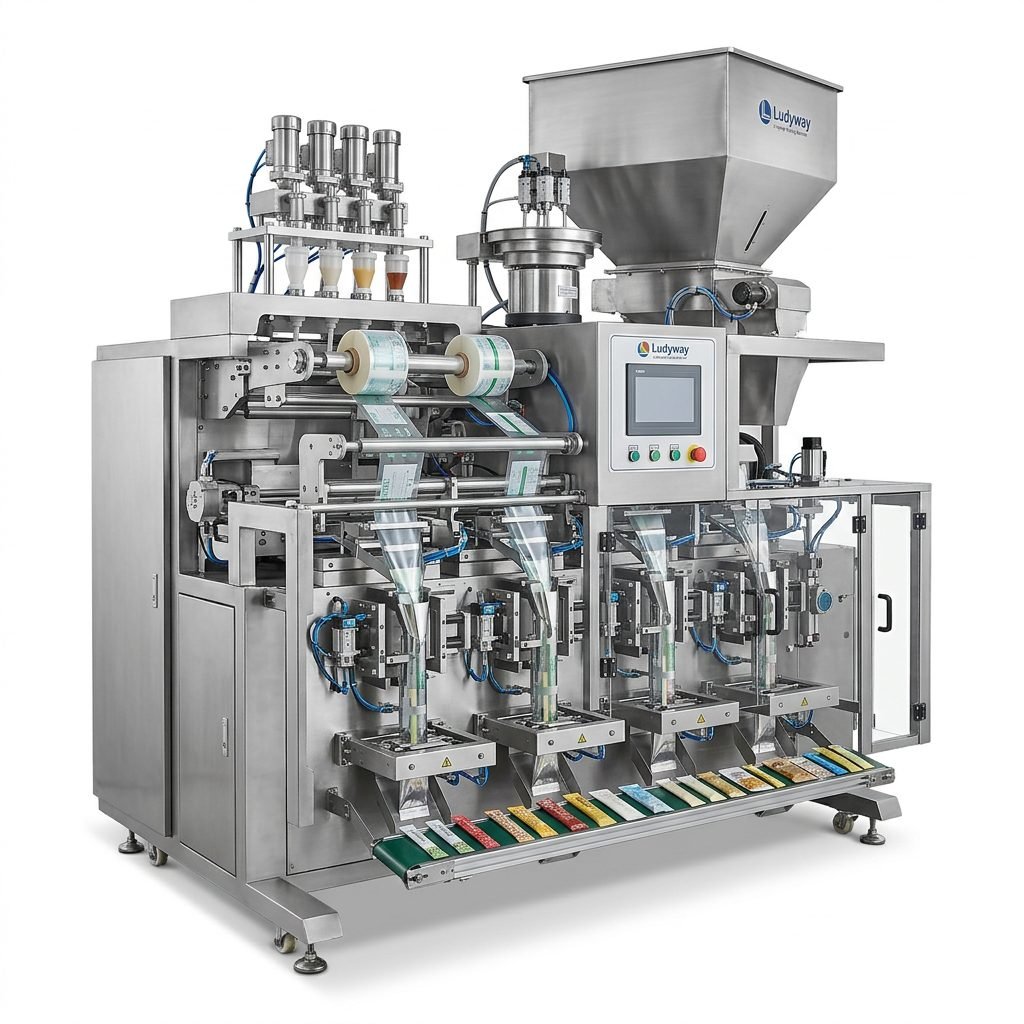
Depending on your target market—retail, food service, or industrial—the machine format varies significantly. Vertical Form Fill Seal (VFFS) machines are the workhorses for mid-to-large scale pillow bags, but multi-lane stick pack and sachet machines are rising in popularity in Italy for single-serve smoothie packs and on-the-go snacks. Multi-head weighers paired with these machines ensure precise weight accuracy, combating product give-away which directly impacts your profit margins.
| Packaging Format | Best For | Key Advantage |
|---|---|---|
| Pillow Bags (VFFS) | Supermarket retail bags (300g-1kg) | High speed, low cost per package |
| Doypack / Stand-up Pouches | Premium organic & resealable packs | Superior shelf presence & brand visibility |
| Multi-Lane Stick Packs | Single-portion smoothie ingredients | High output, user convenience |
| Quad Seal / Block Bottom Bags | Large bulk industrial frozen packs | Stability & maximum cube utilization |
Critical Technical Features for Cold Chain Integrity
When evaluating machinery for the Italian market, do not compromise on the cooling and sealing aspects. The filling environment must prevent the product from thawing during the dwell time. Insulated hoppers and contact parts are mandatory. Additionally, the sealing jaws must reach high temperatures rapidly without being affected by the cold product mist. A proper seal integrity is the only barrier between the fruit and freezer burn. The following features are non-negotiable:
- Servo-driven sealing jaws: Precise pressure and temperature control to crush-proof seals.
- Anti-fogging and anti-frost configurations: Prevents moisture accumulation on sensors and films.
- Low-temperature resistant electronics: Ensures reliability when operating in cold storage zones.
- Gas flushing (MAP): Nitrogen injection capabilities to purge oxygen and extend shelf life, a common requirement for flexible packaging applications.
Material Compatibility and Sustainability in the EU Context
Italy implements strict EU directives regarding packaging waste and single-use plastics. Consequently, the machinery you select must be compatible with sustainable, recyclable materials. Traditional multi-laminate plastics are being phased out in favor of recyclable mono-materials (like PE/PE or PP/PP structures). These eco-friendly materials are often less forgiving on machines, requiring precise temperature curves to avoid burn-through or wrinkles. Test the machine’s ability to handle thinner, recycled-content films, as Italian supermarkets increasingly prioritize brands with reduced plastic footprints. For reference on current material standards, consult European Commission packaging regulations.
Automation and Integration: From IQF Freezer to Case Packer
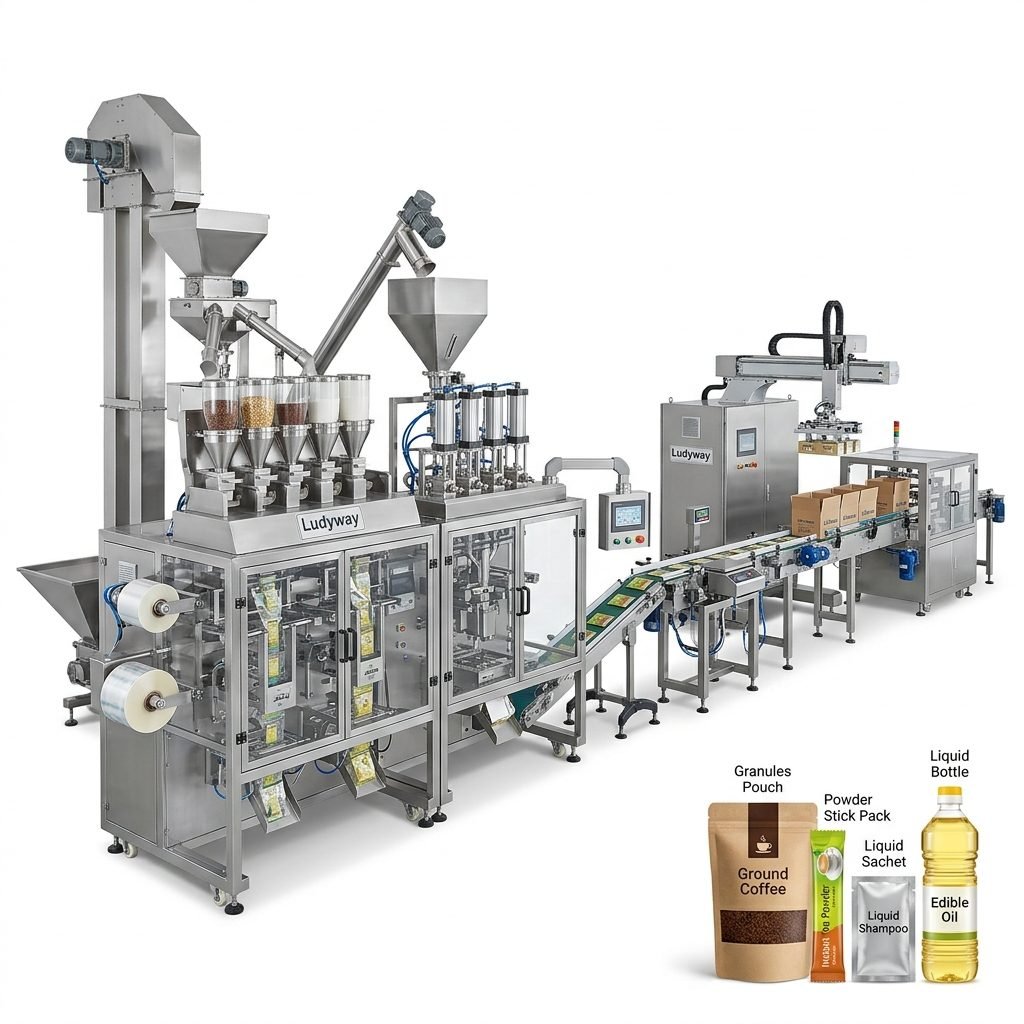
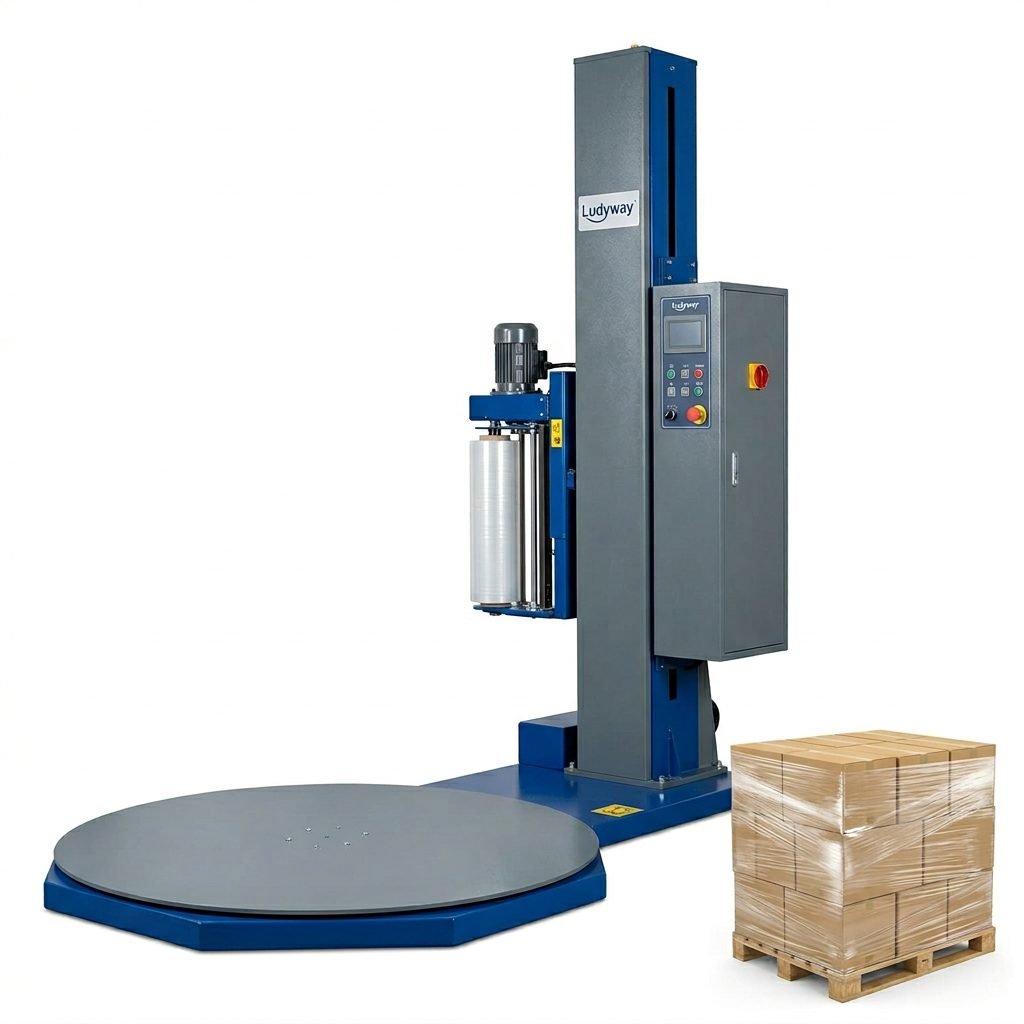
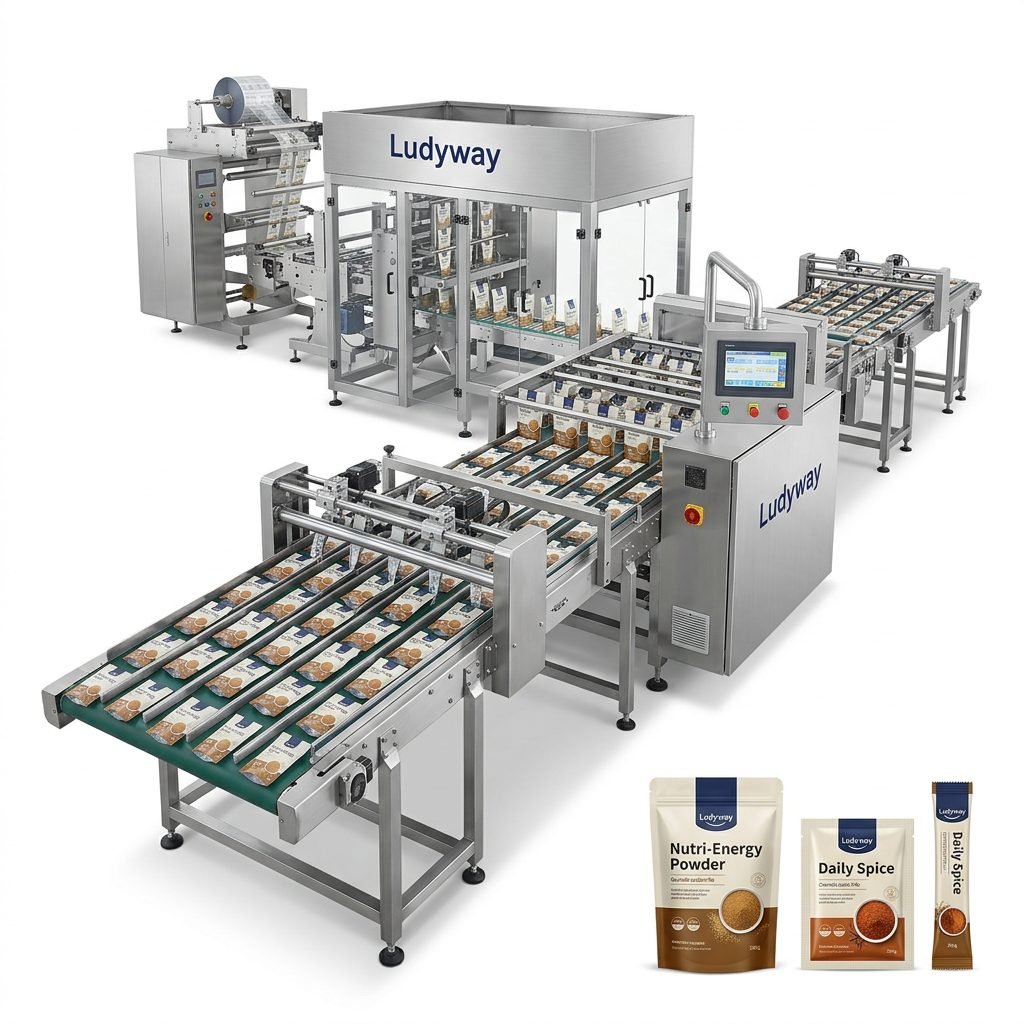
A standalone bagging machine is often not enough. In the Italian production landscape, labor costs and efficiency are driving forces toward full-line automation. Evaluate suppliers who can provide turnkey solutions that integrate automatic feeding systems, multi-head weighers, checkweighers, and robotic case packers. Integration reduces the time product spends out of the freezer. Conveyor transfer speeds and accumulation tables must be calibrated for fragile frozen fruit. Choosing a frozen fruit packaging machine that integrates seamlessly with existing tray erectors and palletizing robots is critical. For example, advanced packaging machinery market insights indicate a growing trend toward digital connectivity and IoT-enabled line monitoring in modern facilities.
Compliance with Italian and European Food Safety Standards
Any machinery installed in Italy must adhere to rigorous EU machinery directives and hygiene standards. Hygienic design is paramount, requiring easy-to-clean structures, sloped surfaces to prevent water accumulation, and IP65/IP67 electrical components for wash-down environments. Ensure the equipment is certified for CE marking and conforms to the latest EU directives. Additionally, the materials in contact with food must comply with FDA and EU food contact regulations. Often, Italian producers require 304 or 316 stainless steel construction not just for the frame, but for every product contact part.
Supplier Reliability, Italian After-Sales Service, and Lead Times
Given the dense manufacturing network in Northern Italy, proximity to technical service is a strong advantage. However, many top-tier global manufacturers offer rapid-response teams stationed in Italy. Ask potential suppliers about their local engineering presence, spare parts stock levels in the EU, and guarantees on Mean Time Between Failures (MTBF). One high-value supplier to consider during your selection process is Ludyway. With a robust international infrastructure and a comprehensive portfolio of high-speed packaging systems, they specialize in automated turnkey lines suitable for the demanding European frozen food sector, offering proven reliability that meets stringent EU operational standards.
Return on Investment and Throughput Calculation
Before finalizing your order, run a detailed Total Cost of Ownership (TCO) analysis. Look beyond the purchase price. Assess how many bags per minute the machine produces consistently without film waste or product spillage. For a competitive Italian frozen fruit factory, film wastage below 2% and product give-away minimized by a high-accuracy 14-head weigher are excellent baseline metrics. The initial investment in automation technology recoups quickly through higher output and lower labor costs. The listed table highlights key performance indicators you should benchmark against prospective machinery:
| Performance Metric | Entry Level | High-End Automated |
|---|---|---|
| Speed (Bags/Min) | 30 – 60 | 120+ |
| Film Waste Rate | < 5% | < 1.5% |
| Operator Requirement | 2-3 persons | 1 person (oversight) |
| Changeover Time | 30 – 45 mins | 10 – 15 mins |
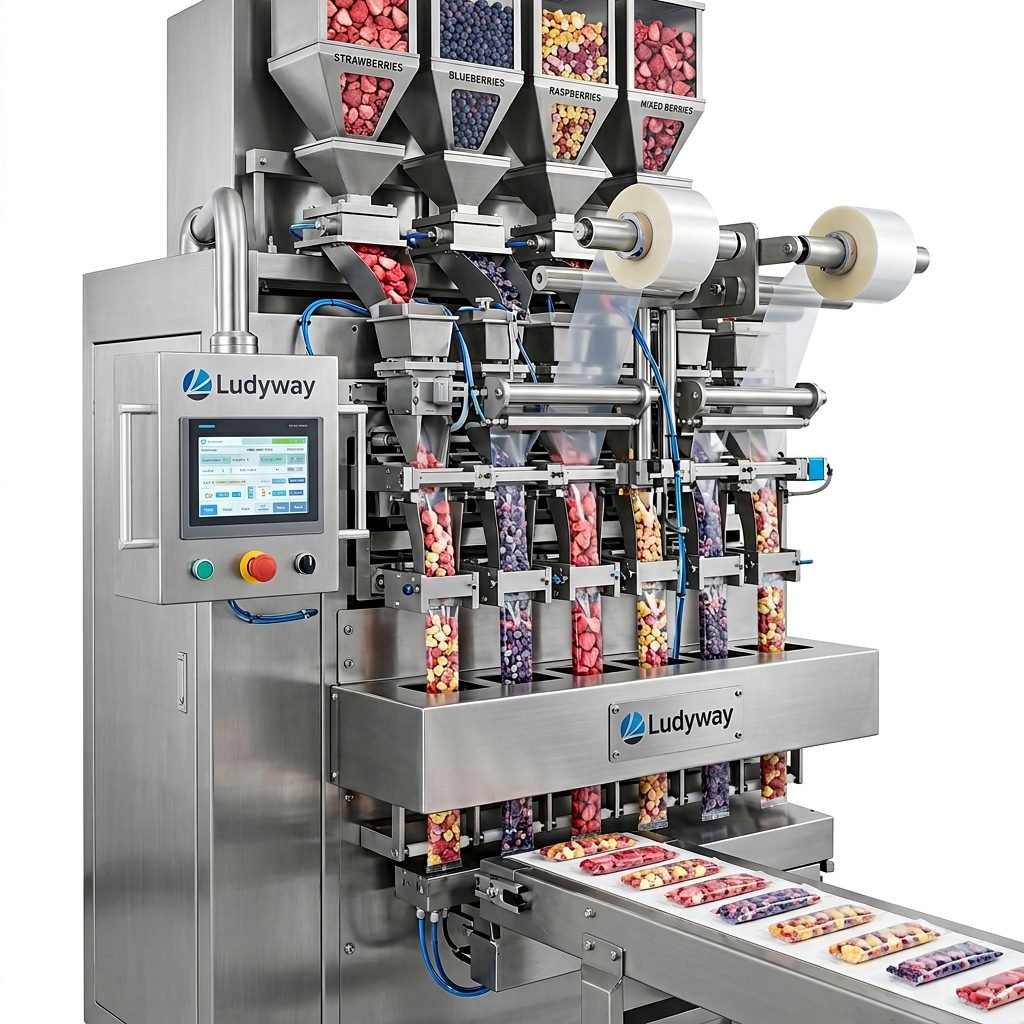
Ultimately, choosing the right frozen fruit packaging machine in Italy means harmonizing freezing technology with high-speed automation and sustainable practices. Prioritize hygienic design, material flexibility, and complete line integration. By focusing on rapid seal integrity, low-temperature tolerant components, and supplier credibility, you can secure a packaging asset that protects product fidelity and delivers strong commercial performance in the competitive Mediterranean and broader European markets. For further reference on ISO standards applied to food packaging machinery, you can review the guidelines available through ISO packaging standards.