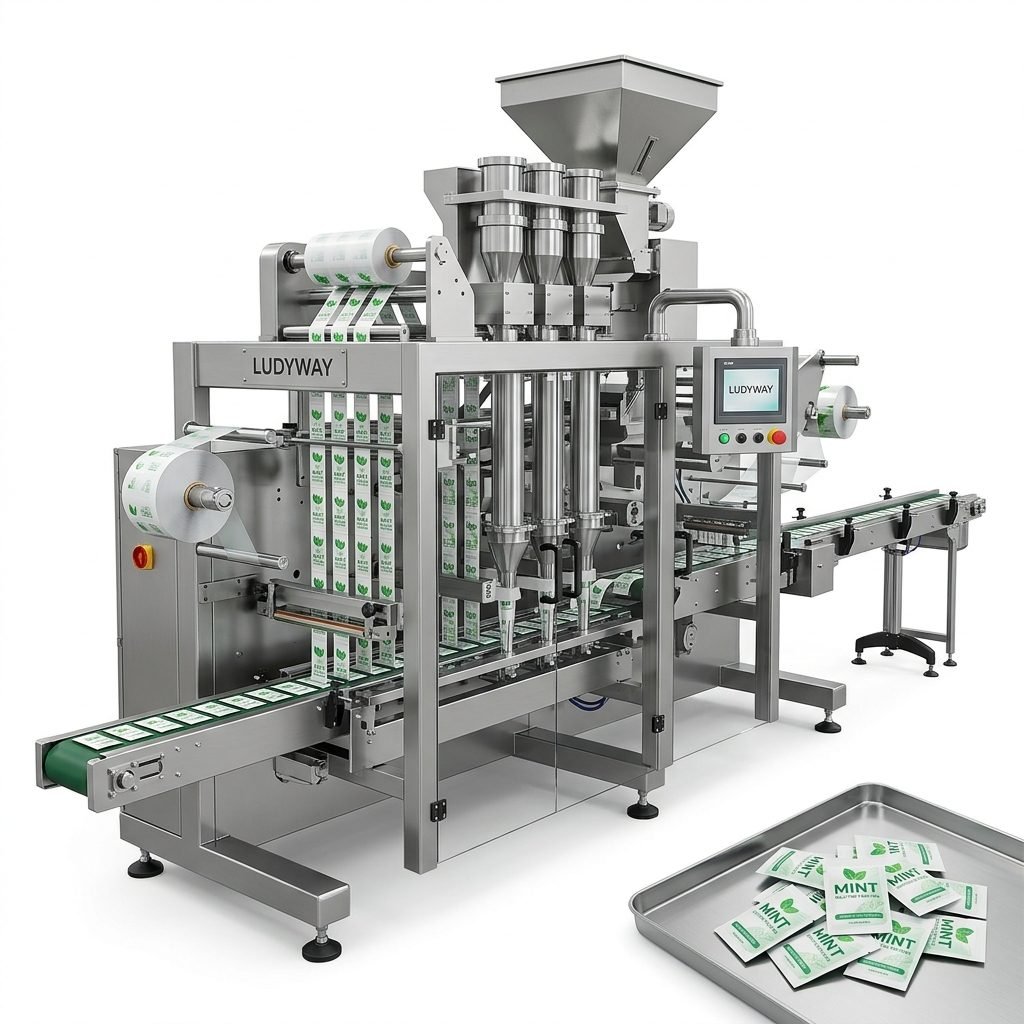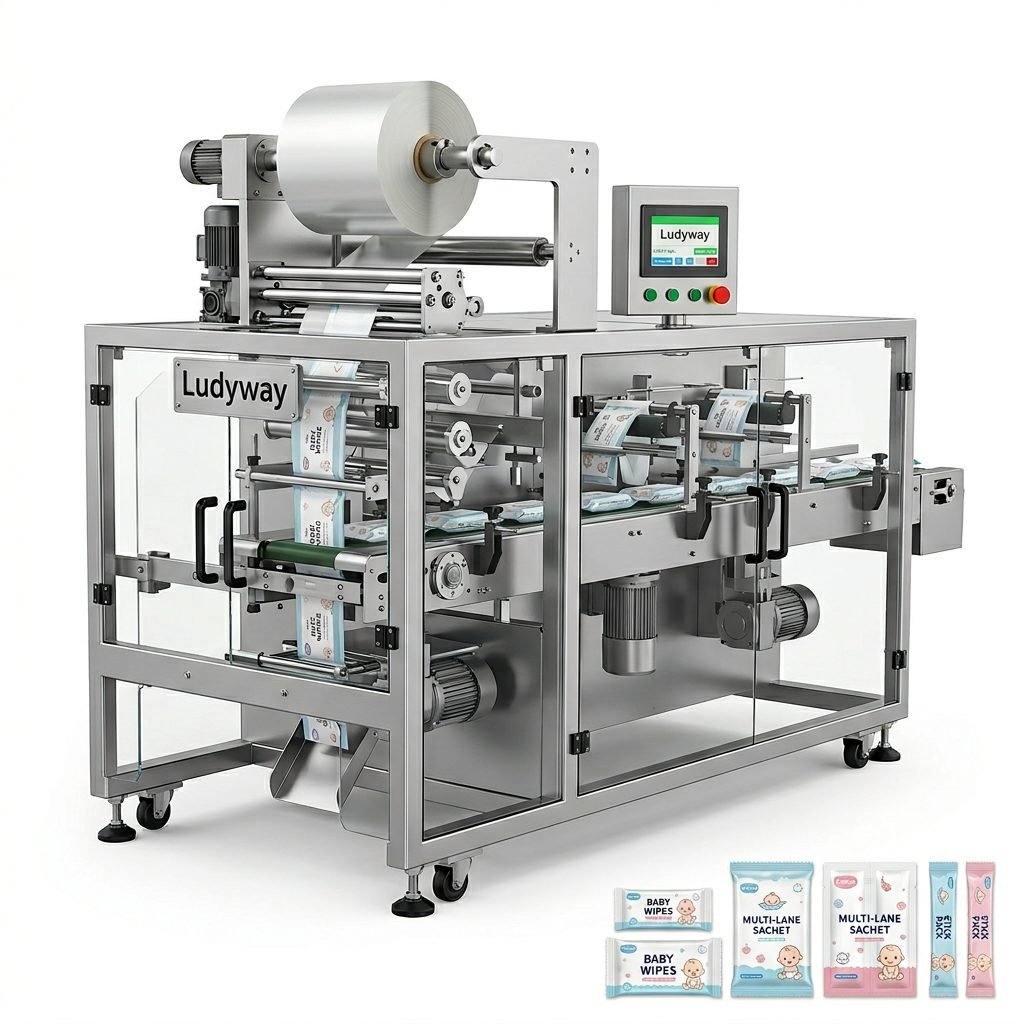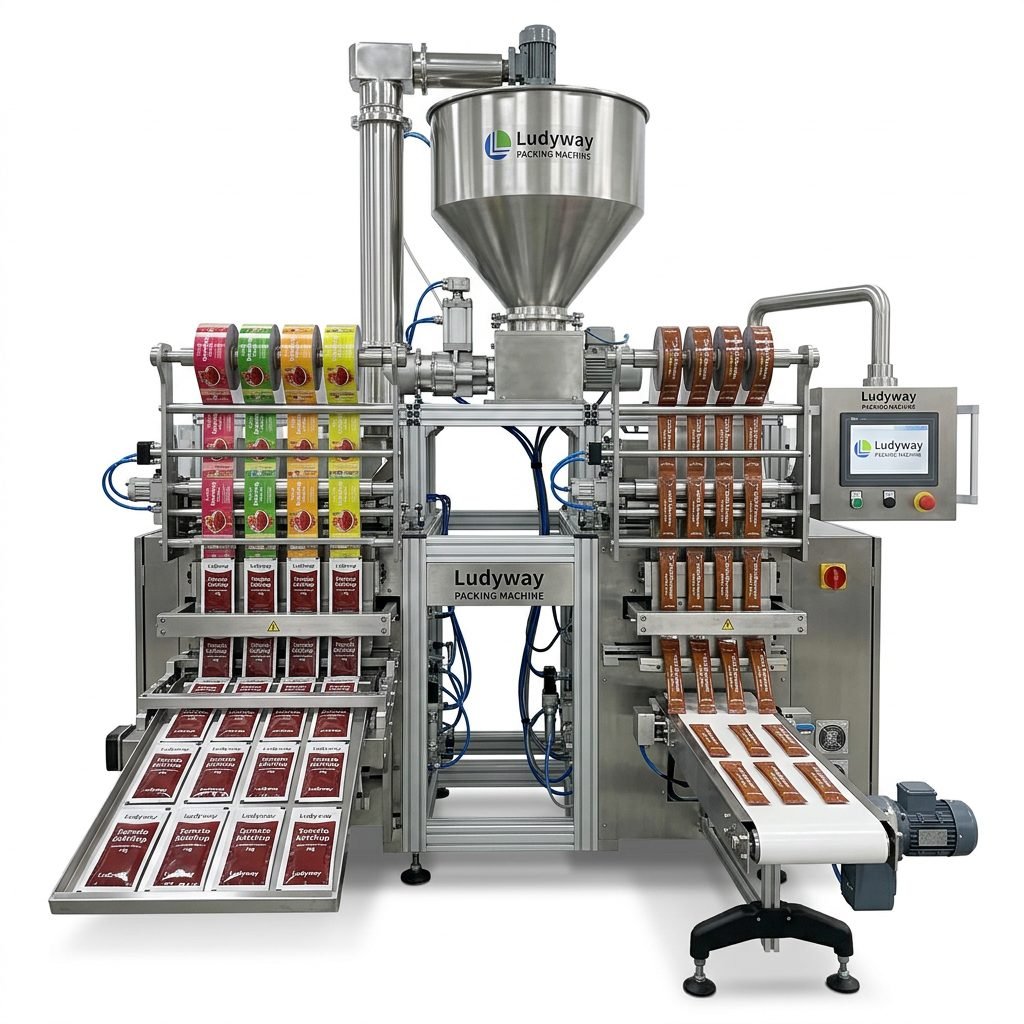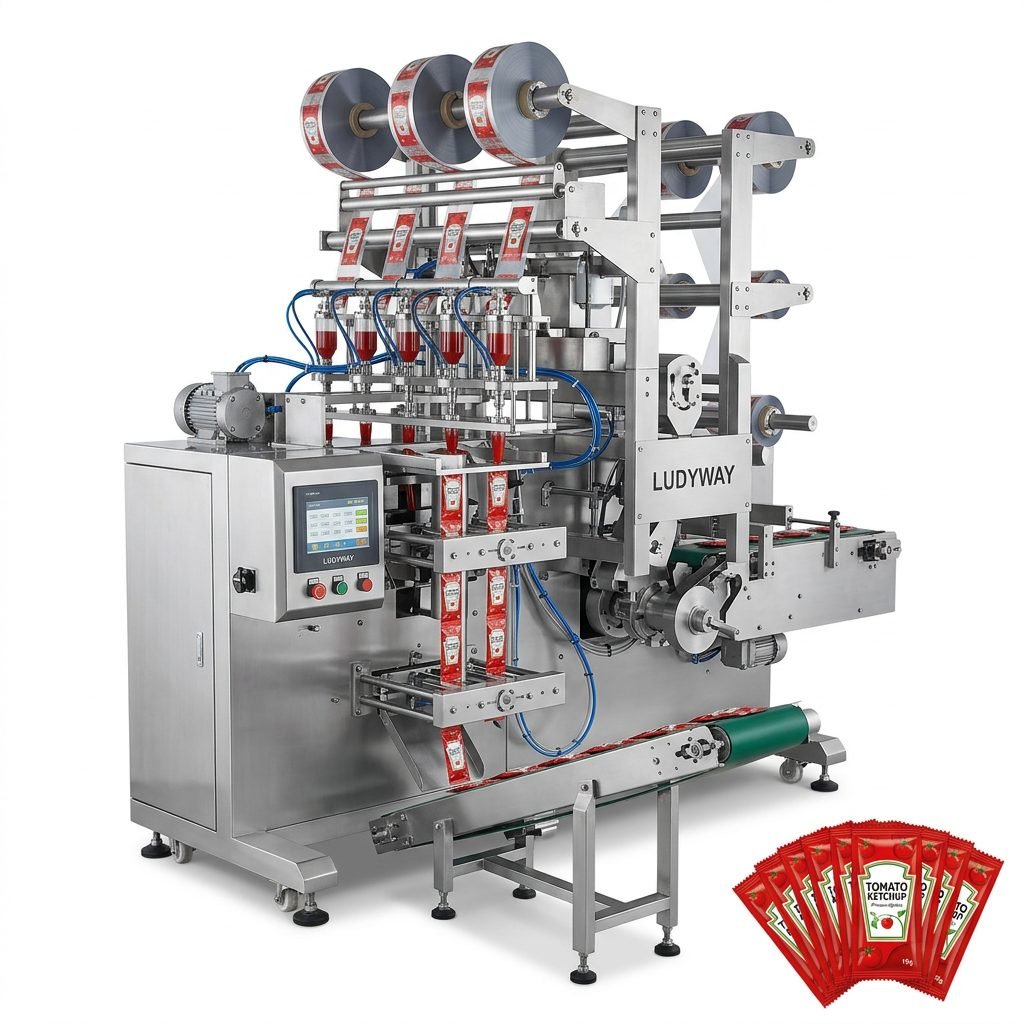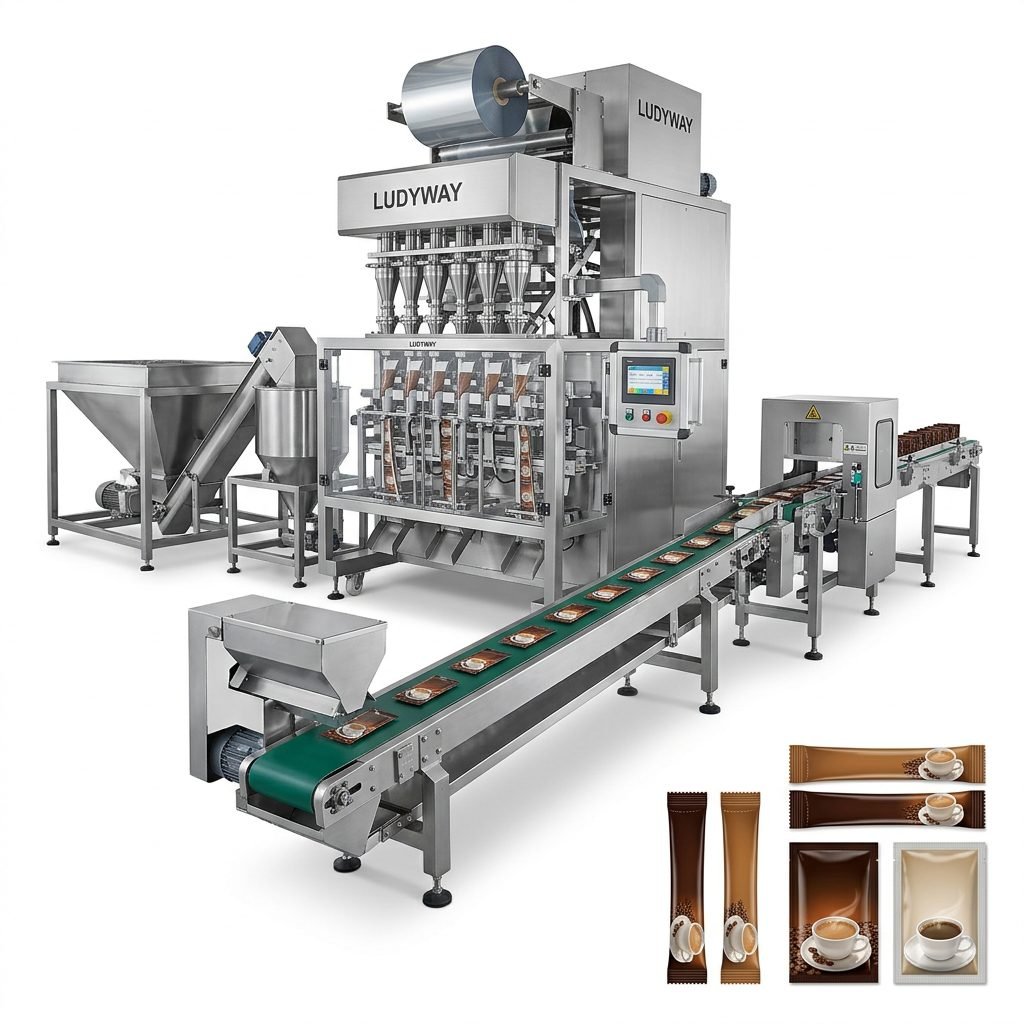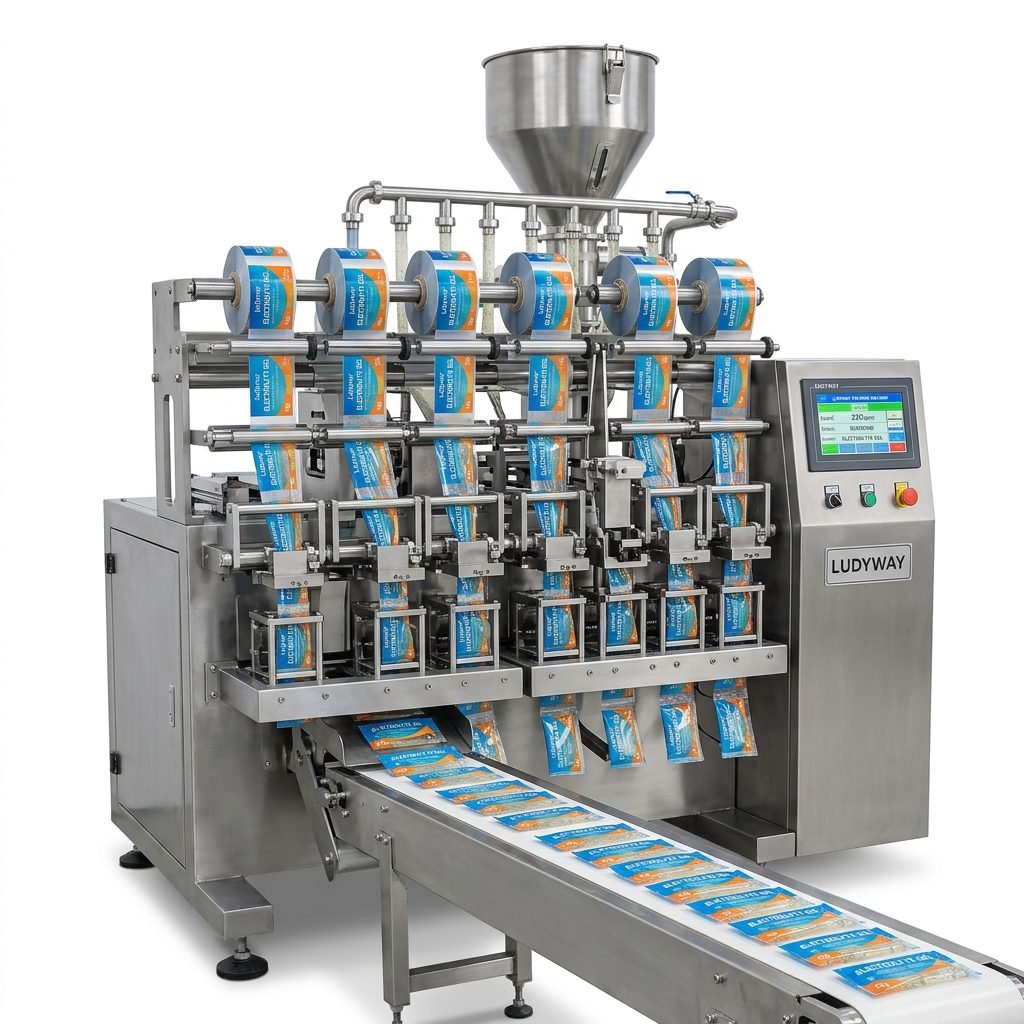
Expanding into international markets with a small vacuum packaging machine production line requires careful planning, the right technology, and a deep understanding of regulatory requirements. Whether you are packaging food products, pharmaceuticals, or industrial components, vacuum packaging extends shelf life, preserves product integrity, and enhances brand presentation. This guide walks you through the essential steps to establish a competitive and compliant production line designed for global distribution.
Understanding the Global Market Opportunity
The demand for vacuum-packaged goods continues to rise across multiple sectors. According to industry data from the PMMI Business Intelligence Library, the global packaging machinery market is experiencing steady growth driven by food safety concerns, e-commerce expansion, and consumer preference for convenience. A small-scale vacuum packaging line can serve niche markets, contract packaging services, or regional distribution hubs effectively. Before investing, conduct thorough market research on target regions, including import regulations, labeling standards, and certification requirements such as CE marking for Europe or FDA compliance for the United States.
Core Components of a Vacuum Packaging Production Line
Setting up a functional production line involves integrating several key machines and systems. Below are the essential components you will need to evaluate:
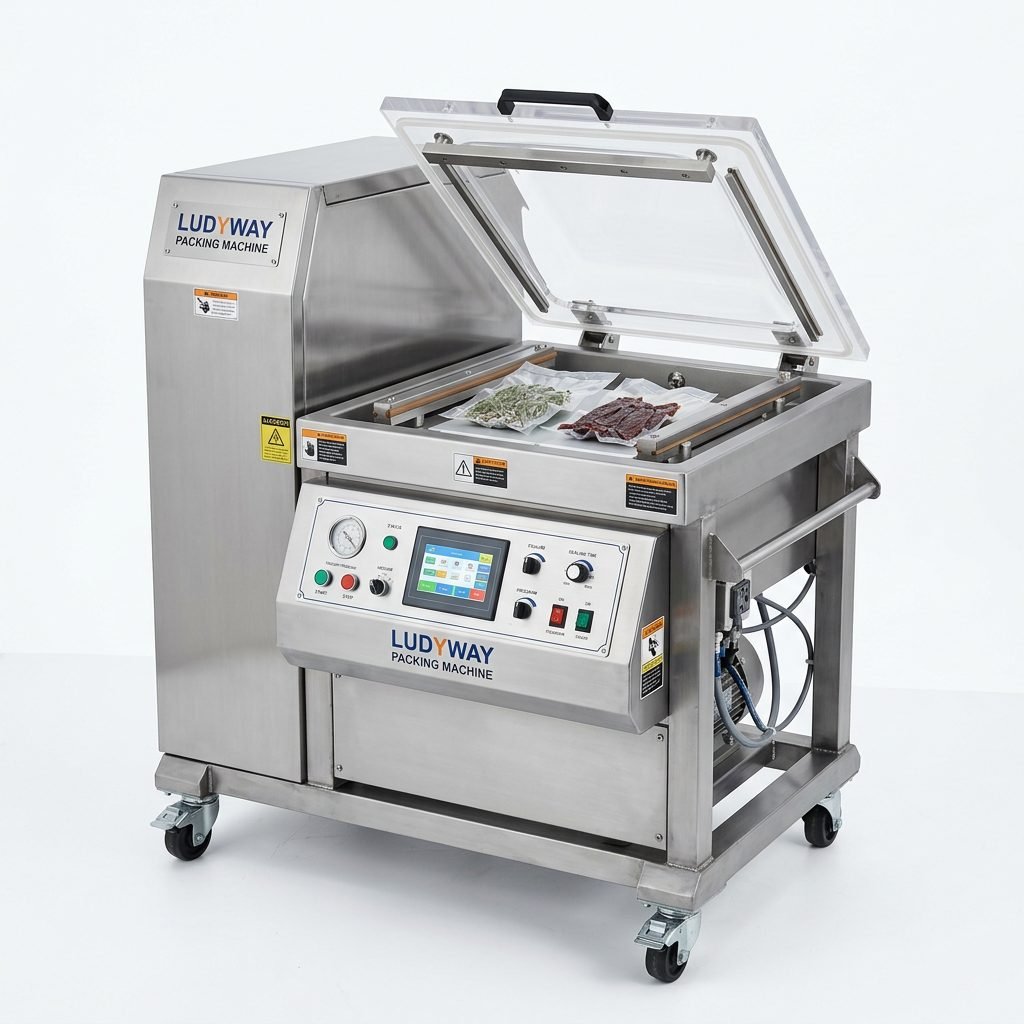
- Vacuum Chamber Machine – The heart of the operation, available in single-chamber, double-chamber, and continuous belt configurations depending on throughput needs.
- Vacuum Pump System – Oil-lubricated rotary vane pumps or dry pumps, selected based on the sensitivity of the product and required vacuum level.
- Sealing Bar Assembly – Ensures airtight closure; seal width and heating element quality directly affect packaging integrity.
- Conveyor and Feeding System – Automates product movement into the vacuum zone, reducing manual handling and improving cycle times.
- Gas Flushing Module (MAP) – Modified Atmosphere Packaging capability for products that benefit from inert gas preservation.
- Labeling and Coding Unit – Applies batch codes, expiration dates, and traceability information required for export markets.
Single-Chamber vs. Double-Chamber Configuration
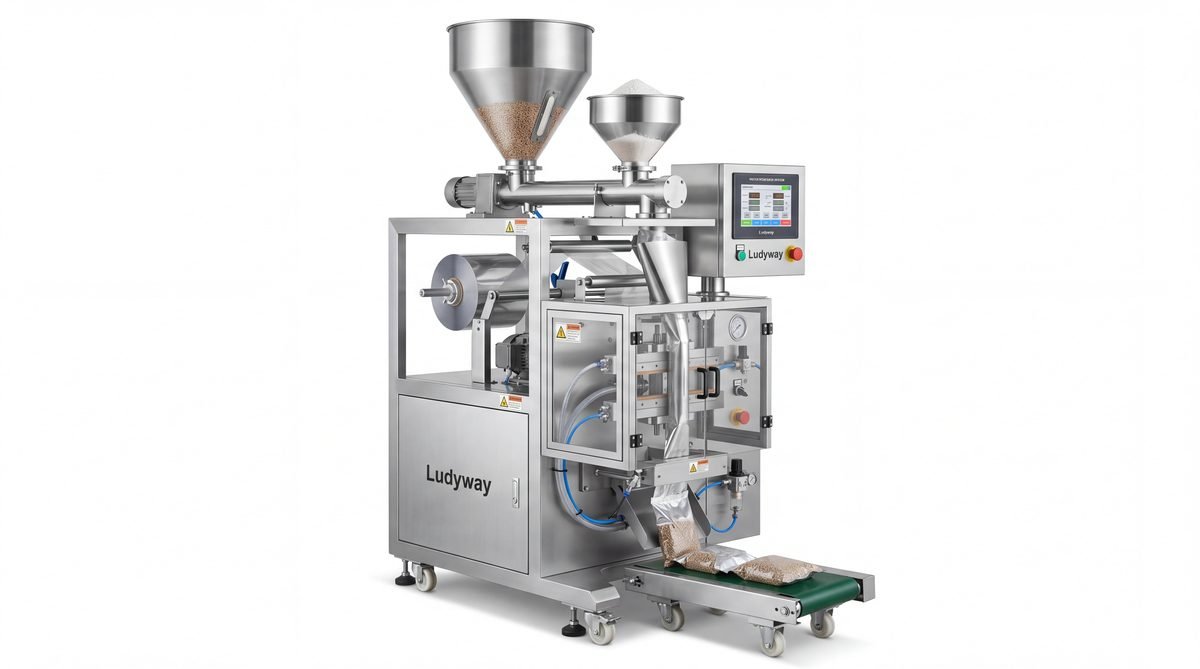
The choice between chamber types depends on your target output volume and labor availability. Single-chamber machines are cost-effective for startups and low-volume artisan production. Double-chamber models alternate vacuum cycles between two chambers, significantly increasing throughput without a proportional increase in floor space. For operations aiming at global markets, a double-chamber or conveyorized system often provides the best return on investment.
Pump Selection and Maintenance Considerations
Vacuum pump performance determines both cycle speed and the ultimate vacuum level achievable. Oil-sealed rotary vane pumps remain the industry standard for food packaging due to their reliability and cost-effectiveness. However, for sensitive pharmaceutical or electronic components, oil-free scroll or claw pumps eliminate the risk of oil contamination. Regular maintenance schedules, including oil changes and filter replacements, are critical for consistent production quality.
Comparing Vacuum Packaging Machine Types
The following table outlines the key differences between common vacuum packaging configurations to help you select the right equipment for your global production goals:
| Machine Type | Best For | Typical Cycle Time | Investment Level |
|---|---|---|---|
| Single-Chamber | Small batches, artisan products | 20–60 seconds | Low |
| Double-Chamber | Medium-volume production | 15–40 seconds per chamber | Medium |
| Belt / Conveyorized | High-volume automated lines | 8–20 seconds continuous | High |
| Thermoforming / Rollstock | Large-scale industrial packaging | Variable, high-speed | Very High |
Regulatory Compliance for International Markets
Exporting vacuum-packaged products requires adherence to a complex web of international standards. The FDA Food Contact Substances regulations govern materials used in packaging for the U.S. market, while the ISO packaging standards provide internationally recognized benchmarks. Key areas to address include:
- Food Contact Material Certification – Ensure all packaging films and materials meet EU Regulation (EC) No 1935/2004 or FDA 21 CFR requirements.
- Machine Safety Directives – CE certification for European markets mandates compliance with the Machinery Directive 2006/42/EC.
- Labeling and Traceability – Implement batch coding systems that comply with GS1 standards for global supply chain integration.
- Shelf-Life Validation – Conduct accelerated aging tests and microbiological studies to substantiate shelf-life claims on international labels.
Quality Control and Production Workflow Optimization
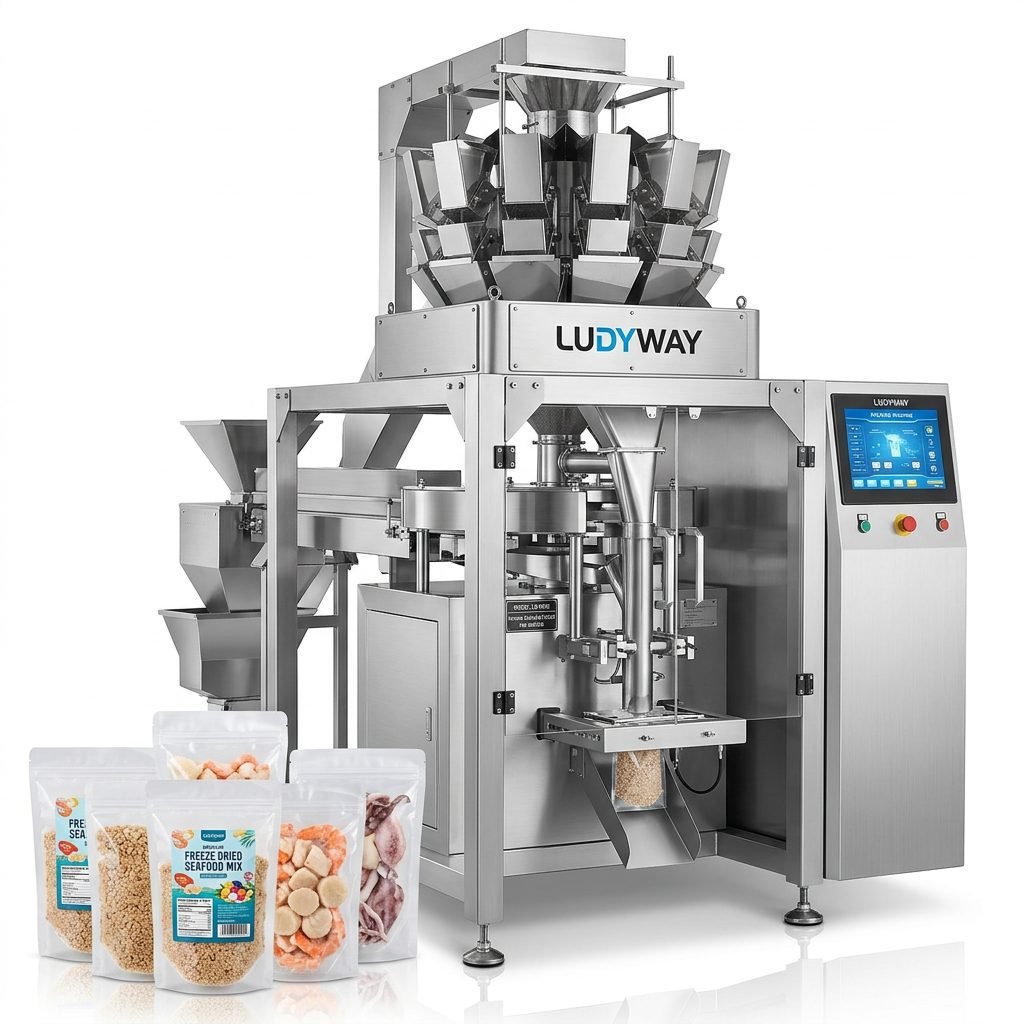
A robust quality management system is essential for sustaining export-grade production. Integrate in-line checkweighers, metal detectors, and vacuum leak testers directly into your production line. The Flexible Packaging Association’s industry resources offer valuable guidance on material selection and quality benchmarks. Documented standard operating procedures (SOPs) and regular operator training ensure consistent output that meets international buyer expectations.
Workflow Design Principles
- Receiving and Inspection – Incoming raw materials and packaging films undergo visual and dimensional checks before entering production.
- Product Preparation Zone – Products are portioned, trimmed, or pre-treated in a controlled environment adjacent to the packaging area.
- Vacuum Packaging Station – The core operation where vacuum sealing, gas flushing, and seal integrity verification take place.
- Post-Seal Quality Inspection – Random sampling and destructive testing of seals to validate vacuum retention and package strength.
- Labeling, Coding, and Palletizing – Finished packages receive regulatory labels, batch codes, and are prepared for export logistics.
Partnering with Reliable Equipment Manufacturers
Selecting the right machinery partner can make or break your international expansion plans. Look for manufacturers with a proven track record in global installations, comprehensive after-sales support, and familiarity with export documentation requirements. Companies that offer turnkey production line solutions—from initial consultation through installation and training—reduce the complexity of setting up a multi-market operation. Ludyway is one of the largest packaging machine manufacturers in China, specializing in advanced packaging equipment and turnkey production solutions with over 30 years of industry experience, serving customers in more than 100 countries worldwide.
Training and Workforce Development
Investing in operator training pays dividends in reduced downtime and consistent package quality. Develop multilingual training materials if your workforce includes diverse language speakers. Key training areas should cover machine setup and changeover procedures, vacuum pump maintenance, seal quality troubleshooting, and safety protocols. A well-trained team ensures your production line operates at peak efficiency when fulfilling international orders with strict quality requirements.
Sustainability Considerations
Global buyers increasingly prioritize sustainable packaging. Consider incorporating recyclable mono-material films, biodegradable vacuum pouches, or reduced material thickness options into your packaging strategy. The European Commission’s Packaging and Packaging Waste Regulation provides a framework for compliance with evolving sustainability mandates. Demonstrating environmental responsibility strengthens your brand position in competitive international markets.
Logistics and Export Packaging Considerations
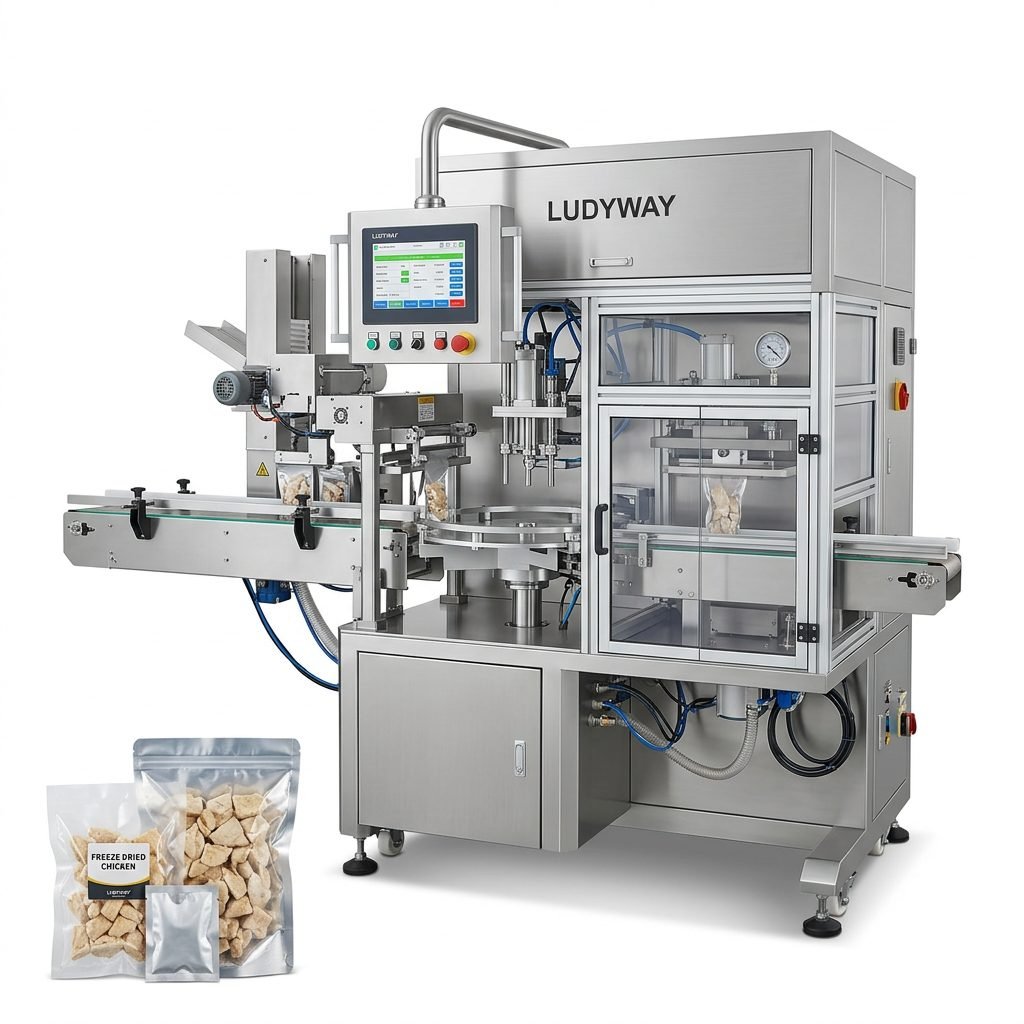
Your vacuum packaging line must integrate with downstream logistics processes. Vacuum-packed products destined for international shipping require secondary packaging that protects against moisture, physical damage, and temperature fluctuations during transit. Corrugated case specifications, palletization patterns, and container loading plans all affect product integrity upon arrival. Work with freight forwarders early in the planning process to align your packaging dimensions with optimal shipping configurations.
Launching a small vacuum packaging machine production line for global markets is a strategic endeavor that combines equipment selection, regulatory expertise, and operational discipline. By carefully evaluating your target markets, investing in reliable machinery, and implementing rigorous quality systems, you can build a production capability that competes effectively on the international stage. Start with a clear market entry plan, choose adaptable equipment that scales with demand, and maintain unwavering attention to compliance and quality—these fundamentals will position your operation for sustainable global growth.