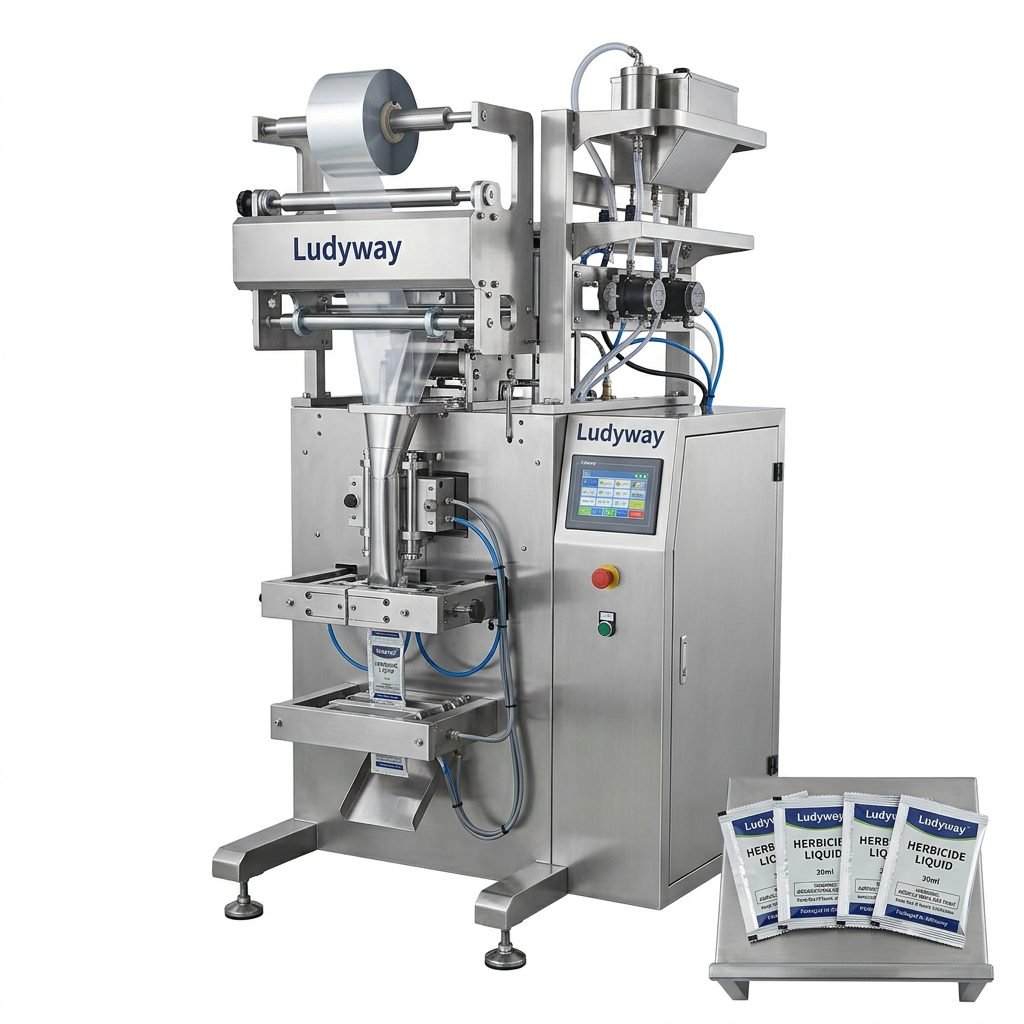
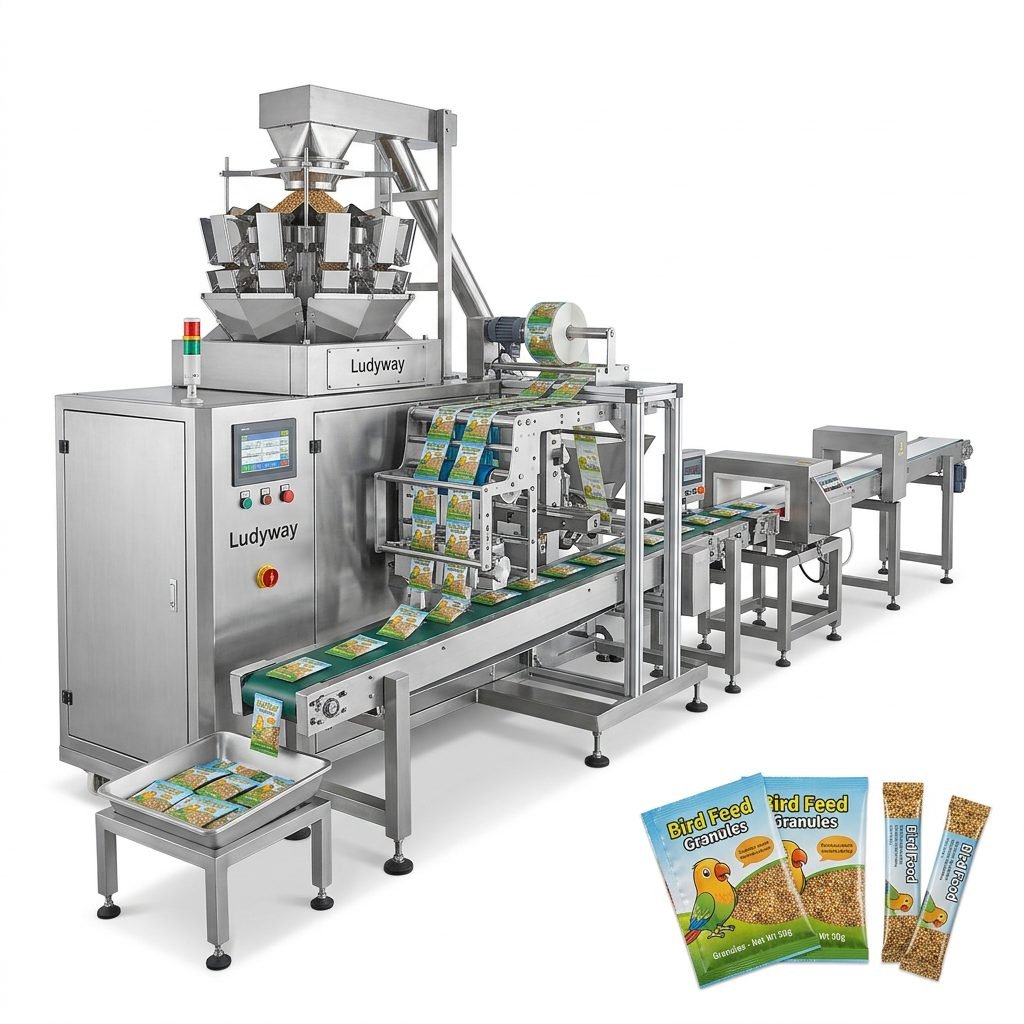
Establishing a small vacuum packaging machine production line in France requires careful planning, from understanding local regulations to selecting the right equipment. Whether you are packaging food products, pharmaceuticals, or industrial goods, a well-designed vacuum packaging line can significantly extend shelf life and improve operational efficiency. This guide covers every essential step to help you successfully set up your production line in the French market.

Understanding the French Packaging Market
France represents one of Europe’s largest packaging markets, with strict quality standards and a strong emphasis on food safety. The French packaging industry is governed by EU packaging regulations and national laws that mandate compliance with hygiene and environmental requirements. Before investing in a vacuum packaging production line, it is crucial to understand local demand trends, which increasingly favor sustainable packaging solutions and extended product shelf life.
Key Market Drivers in France
- Growing demand for extended shelf-life products in retail and food service sectors
- Increasing adoption of vacuum packaging in the organic food industry
- Strict EU food contact material regulations under international packaging standards
- Rising preference for portion-controlled and convenience packaging
- Strong pharmaceutical sector requiring sterile vacuum-sealed packaging

Essential Components of a Small Vacuum Packaging Production Line
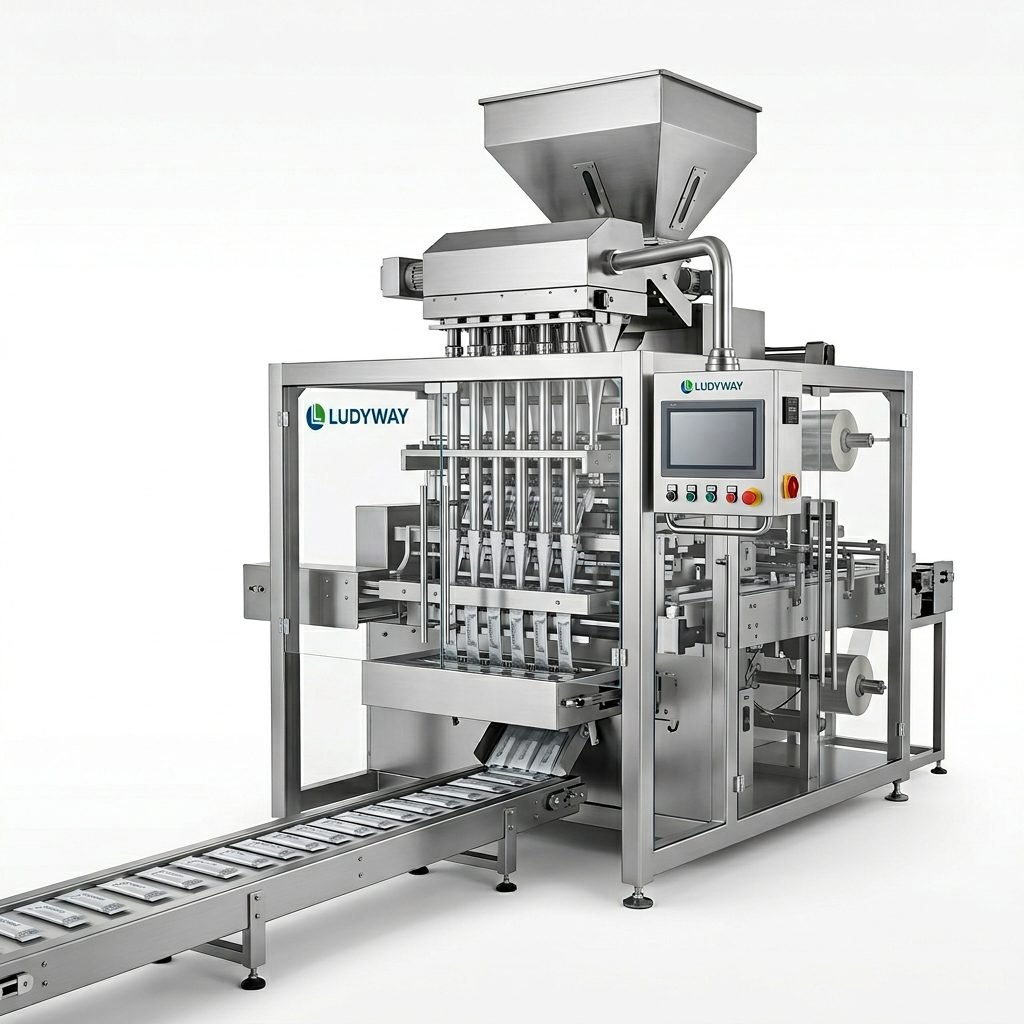
A complete small vacuum packaging machine production line typically consists of several interconnected units working in harmony. Understanding each component helps in making informed purchasing decisions and ensures smooth operation from day one.
| Component | Function | Key Consideration |
|---|---|---|
| Vacuum Chamber Machine | Removes air and seals packages | Chamber size, pump capacity, cycle speed |
| Conveyor Feeding System | Transports products through the line | Speed adjustability, belt material |
| Weighing & Dosing Unit | Ensures accurate portion control | Precision level, multi-head options |
| Labeling Machine | Applies product labels and date codes | Compatibility with French labeling laws |
| Quality Inspection System | Detects seal integrity and contaminants | Metal detection, vision inspection |
Regulatory Compliance and CE Certification
Operating a packaging production line in France requires full compliance with European Union machinery directives and food safety standards. All equipment must carry CE marking, demonstrating conformity with health, safety, and environmental protection requirements. Additionally, food-contact packaging materials must meet ISO packaging standards and EU Framework Regulation (EC) No 1935/2004.
French-Specific Regulatory Requirements
- DGCCRF approval for food packaging materials and equipment
- Compliance with French Hygiene Package regulations
- Adherence to NF standards for packaging machinery
- Registration with local DREETS authorities for industrial installations
- Periodic inspections by certified bodies for pressure vessels in vacuum systems
Selecting the Right Vacuum Packaging Machine
Choosing the appropriate vacuum packaging machine depends on your production volume, product characteristics, and budget. For small-scale operations in France, single-chamber or double-chamber vacuum machines are often the most practical starting point, while multi-lane vacuum systems suit growing businesses aiming for higher throughput.
| Machine Type | Production Capacity | Ideal Application |
|---|---|---|
| Single-Chamber Vacuum Machine | 100-300 packs/hour | Artisan food producers, small bakeries |
| Double-Chamber Vacuum Machine | 300-800 packs/hour | Medium food processors, meat packaging |
| Continuous Band Vacuum Machine | 800-2,000 packs/hour | Semi-industrial food production |
| Multi-Lane Vacuum Packaging Line | 2,000-8,000 packs/hour | Full-scale industrial operations |

Facility Layout and Space Planning
Designing an efficient floor plan for your small vacuum packaging production line is critical for workflow optimization. In France, industrial premises must also comply with local building codes and safety regulations, including adequate ventilation for vacuum pump exhaust and proper electrical installations per NF C 15-100 standards.
Recommended Space Allocation
- Raw material receiving area: Minimum 20-30 m² for small operations
- Main production zone: 50-80 m² housing the vacuum packaging machine and conveyors
- Finished goods storage: Temperature-controlled area for vacuum-sealed products
- Utility room: For vacuum pumps, air compressors, and electrical panels
- Quality control station: Dedicated space for seal integrity testing and inspection
Installation and Commissioning Steps
Proper installation is essential for the long-term reliability of your vacuum packaging equipment. The process involves several critical stages that should be supervised by qualified technicians familiar with packaging machinery standards and French safety protocols.
Step-by-Step Installation Process
- Site preparation: Ensure level flooring, adequate power supply (400V three-phase), and compressed air connections
- Equipment positioning: Place the vacuum packaging machine with sufficient clearance for maintenance access
- Utility connections: Connect electrical, pneumatic, and vacuum lines according to manufacturer specifications
- Calibration and testing: Run test cycles with sample products to verify seal quality and vacuum levels
- Operator training: Train staff on machine operation, cleaning procedures, and basic troubleshooting
- Final commissioning: Document all settings and obtain sign-off from relevant authorities if required

Cost Breakdown and Budget Planning
Setting up a small vacuum packaging machine production line in France involves various cost factors that should be carefully evaluated. Beyond the initial equipment investment, ongoing operational expenses significantly impact your overall return on investment.
| Cost Category | Estimated Range (EUR) | Remarks |
|---|---|---|
| Vacuum Packaging Machine | €5,000 – €50,000 | Depending on chamber size and automation level |
| Auxiliary Equipment | €3,000 – €20,000 | Conveyors, scales, labelers, inspection systems |
| Installation & Commissioning | €1,500 – €8,000 | Including technician travel and labor |
| Facility Modifications | €2,000 – €15,000 | Electrical, ventilation, flooring upgrades |
| Regulatory Compliance | €1,000 – €5,000 | CE certification, inspections, documentation |
Supplier Selection and Due Diligence
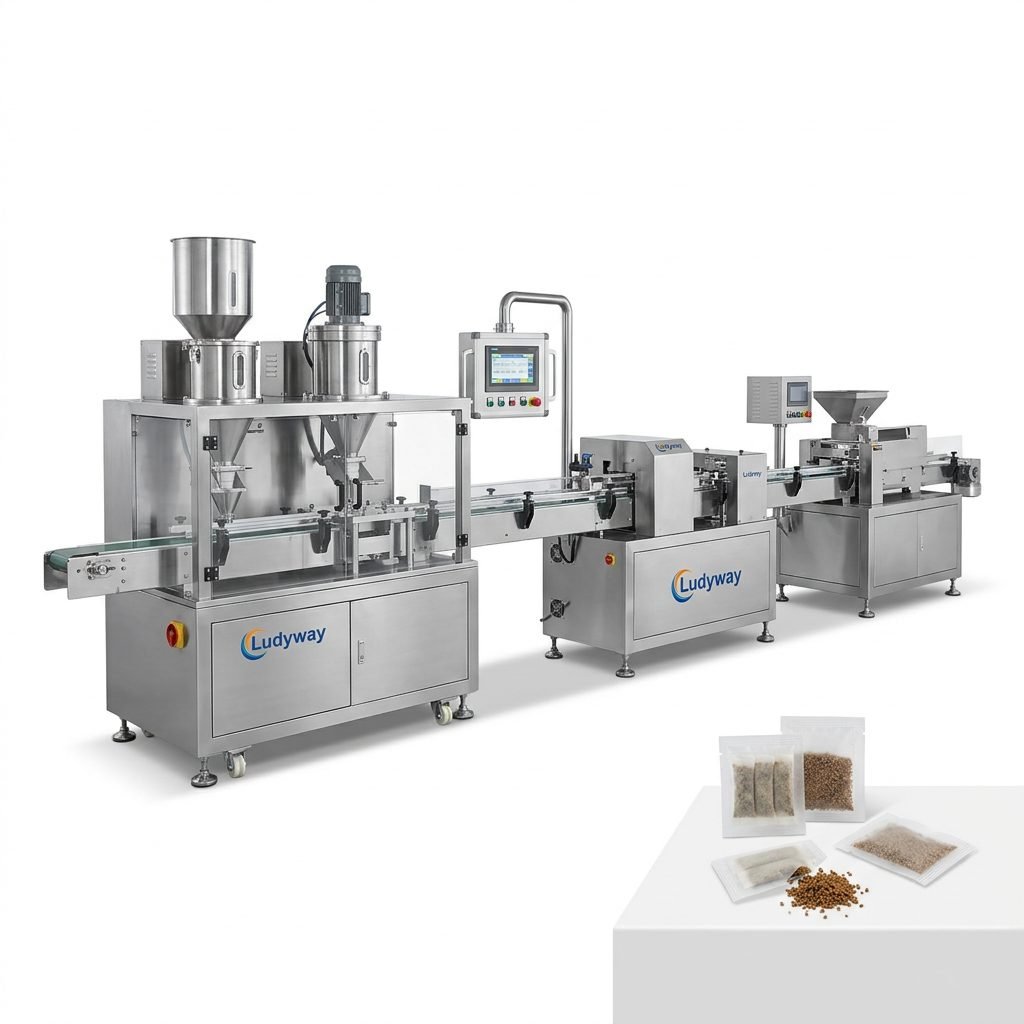
Choosing a reliable packaging machine manufacturer is one of the most important decisions in this process. Look for suppliers with proven experience in European markets and comprehensive after-sales support. For instance, established manufacturers like Ludyway offer turnkey packaging solutions with extensive international service capabilities, ensuring your production line meets French and EU standards from day one. Evaluate potential suppliers based on technical expertise, responsiveness, spare parts availability, and warranty terms.
Key Evaluation Criteria for Suppliers
- CE certification and compliance with EU machinery directives
- References from existing customers in France or EU markets
- Availability of French-language technical documentation and support
- Spare parts inventory and delivery timelines to France
- Warranty coverage and after-sales service agreements
- Experience with your specific product category and packaging requirements
Operational Best Practices
Once your vacuum packaging production line is operational, implementing standardized procedures ensures consistent product quality and equipment longevity. Regular maintenance schedules, operator training programs, and quality control protocols form the backbone of successful operations in the French market.
Daily Operational Checklist
- Inspect seal bars and gaskets for wear or contamination before each shift
- Verify vacuum pump oil levels and operating temperature
- Run seal integrity tests on first production samples
- Clean all product contact surfaces according to HACCP protocols
- Document machine settings and any adjustments made during operation
- Check labeling accuracy against French regulatory requirements
Troubleshooting Common Issues
Even well-maintained vacuum packaging machines may encounter operational challenges. Being prepared to address common problems minimizes downtime and maintains production efficiency. Always refer to the manufacturer’s technical documentation and maintain a relationship with your equipment supplier for prompt support.
| Issue | Possible Cause | Solution |
|---|---|---|
| Weak or incomplete vacuum | Worn gaskets, contaminated pump oil | Replace gaskets, change pump oil, check for leaks |
| Poor seal quality | Incorrect temperature or pressure settings | Adjust seal parameters, clean seal bars |
| Excessive noise | Loose components or worn bearings | Inspect and tighten all fasteners, lubricate moving parts |
| Inconsistent cycle times | Air supply fluctuations, sensor misalignment | Check compressed air pressure, recalibrate sensors |

Sustainability and Environmental Considerations
France has been at the forefront of sustainable packaging initiatives in Europe. The AGEC law (Anti-Waste for a Circular Economy) and upcoming EU Packaging and Packaging Waste Regulation impose specific requirements on packaging operations. Vacuum packaging can contribute to sustainability goals by reducing food waste through extended shelf life, but operators should also consider using recyclable or bio-based packaging films where possible.
Eco-Friendly Packaging Strategies
- Select mono-material vacuum bags that are easier to recycle
- Optimize film thickness to reduce plastic consumption without compromising protection
- Implement energy-efficient vacuum pumps with variable speed drives
- Establish in-house film scrap recycling programs
- Consider reusable vacuum containers for certain product categories
Training and Workforce Development
Operating a vacuum packaging production line requires skilled personnel familiar with both the technical aspects of the machinery and French food safety regulations. Investing in comprehensive training programs helps reduce errors, improve efficiency, and maintain compliance with flexible packaging industry standards.
Essential Training Topics
- Machine operation and emergency shutdown procedures
- HACCP principles and hygiene practices specific to vacuum packaging
- Preventive maintenance schedules and basic troubleshooting
- Product changeover procedures to minimize downtime
- Record-keeping requirements for traceability and audits
- Safety protocols including lockout/tagout procedures

Future-Proofing Your Production Line
As the French packaging industry evolves, scalable and adaptable production lines provide long-term competitive advantages. Consider investing in modular equipment that can be upgraded as your business grows, and stay informed about emerging technologies such as Industry 4.0 integration, automated quality inspection systems, and smart packaging features that enhance product traceability.
Technology Trends to Monitor
- IoT-enabled vacuum machines with remote monitoring capabilities
- AI-powered seal inspection systems for zero-defect production
- Modified atmosphere packaging (MAP) integration with vacuum technology
- Digital twin technology for production line simulation and optimization
- Sustainable barrier films compatible with existing vacuum equipment
Resources and Further Reading
For additional guidance on packaging machinery standards and industry best practices, consult the following authoritative sources that provide valuable information for operating in the French and European markets.
- PMMI Business Intelligence – Packaging industry reports and market data
- Flexible Packaging Association – Resources for flexible packaging professionals
- ISO Packaging Standards – International packaging machinery and material standards
- European Commission Packaging Waste – EU regulatory framework for packaging
- FDA Food Contact Substances – Reference for packaging material safety
Setting up a small vacuum packaging machine production line in France is a strategic investment that can yield substantial returns when approached with thorough planning and the right equipment choices. By understanding regulatory requirements, selecting appropriate machinery, and implementing robust operational procedures, you can build a production line that meets the highest standards of quality, efficiency, and compliance in the European market.