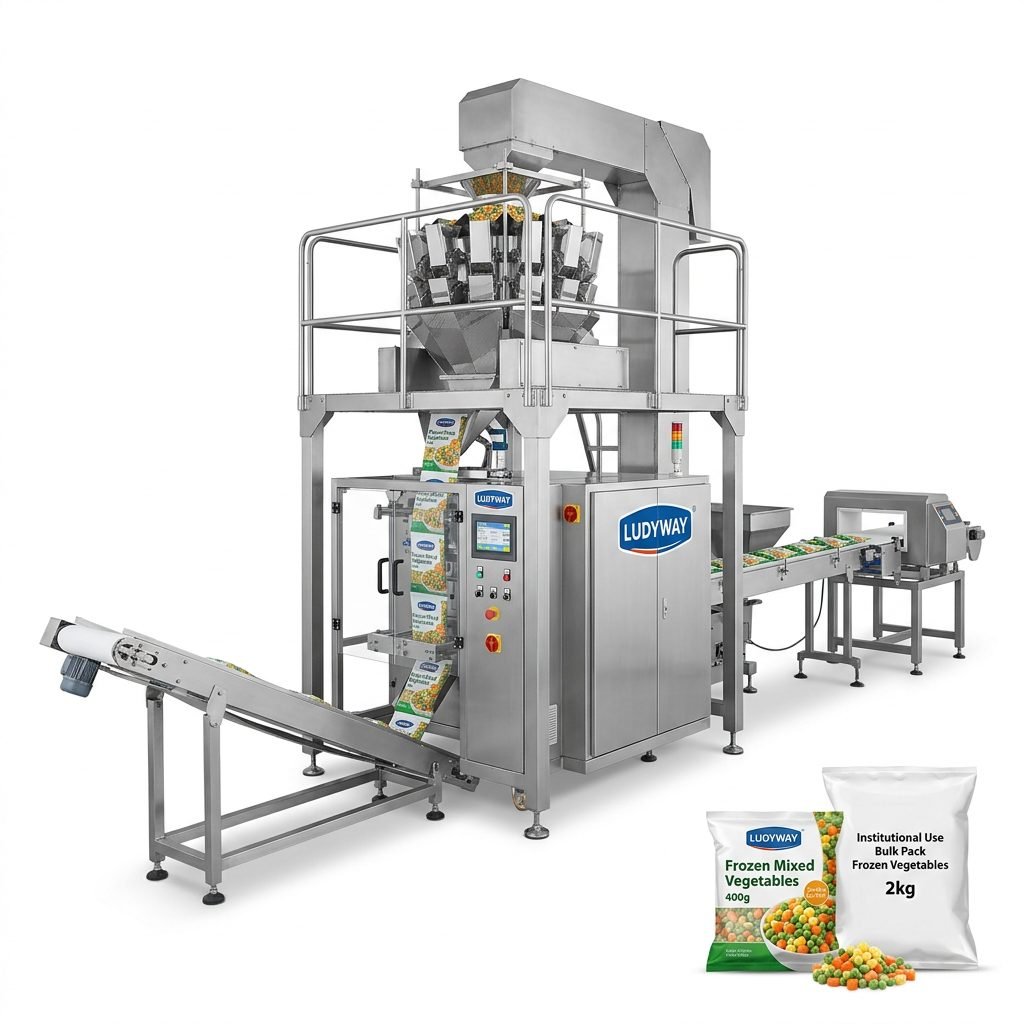
The French coffee market is one of the most sophisticated in Europe, with consumers demanding exceptional quality in every cup. For roasters and producers across France, investing in the right coffee bean packaging machine is a strategic decision that directly impacts product freshness, brand perception, and operational efficiency. Whether you are packaging whole beans, ground coffee, or single-serve portions, selecting equipment that aligns with your production goals requires careful evaluation of several critical factors. This guide walks you through the essential considerations to help you make an informed purchasing decision for the French market.
Understanding the French Coffee Market and Packaging Demands
France imports over 350,000 tons of coffee annually, making it one of the largest coffee-consuming countries in the European Union. The market is characterized by a strong preference for premium single-origin beans, organic certifications, and sustainably sourced products. French consumers also increasingly favor convenient formats such as portion packs, capsules, and resealable pouches. These trends place specific demands on packaging machinery, including precise weighing accuracy, inert gas flushing capabilities, and compatibility with eco-friendly packaging materials.
Types of Coffee Bean Packaging Equipment
Selecting the appropriate machinery starts with understanding the available technologies. Each type offers distinct advantages depending on your product format, output requirements, and budget. The following table provides a comparative overview of the most common coffee packaging systems used in France today.
| Machine Type | Best For | Key Advantages |
|---|---|---|
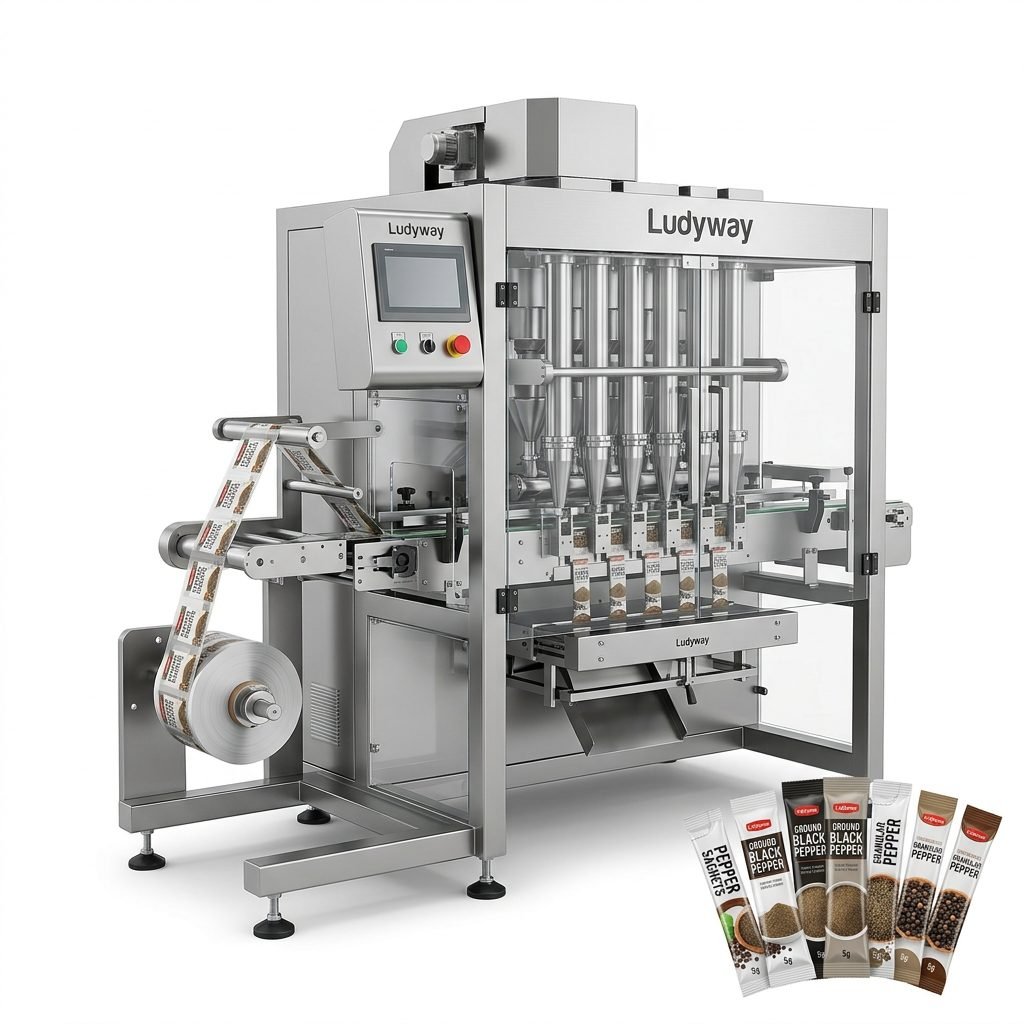
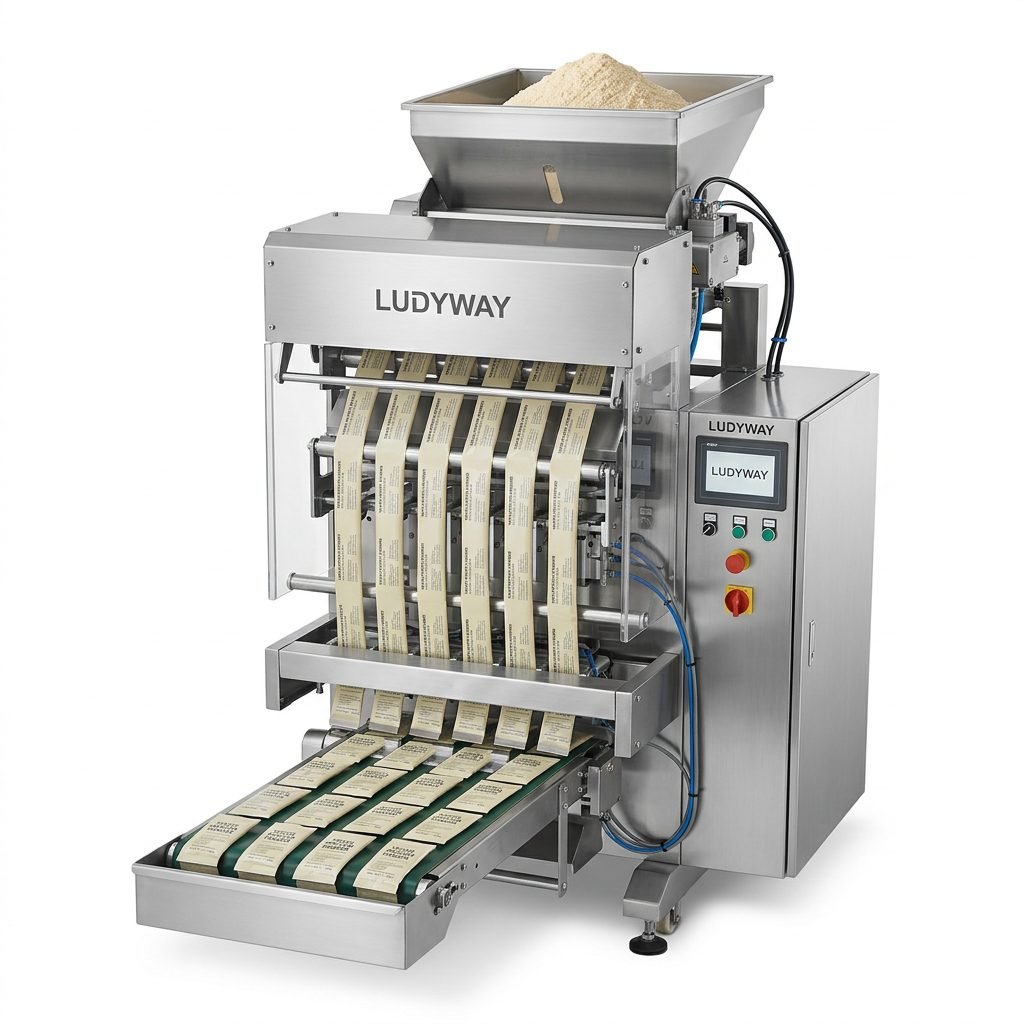
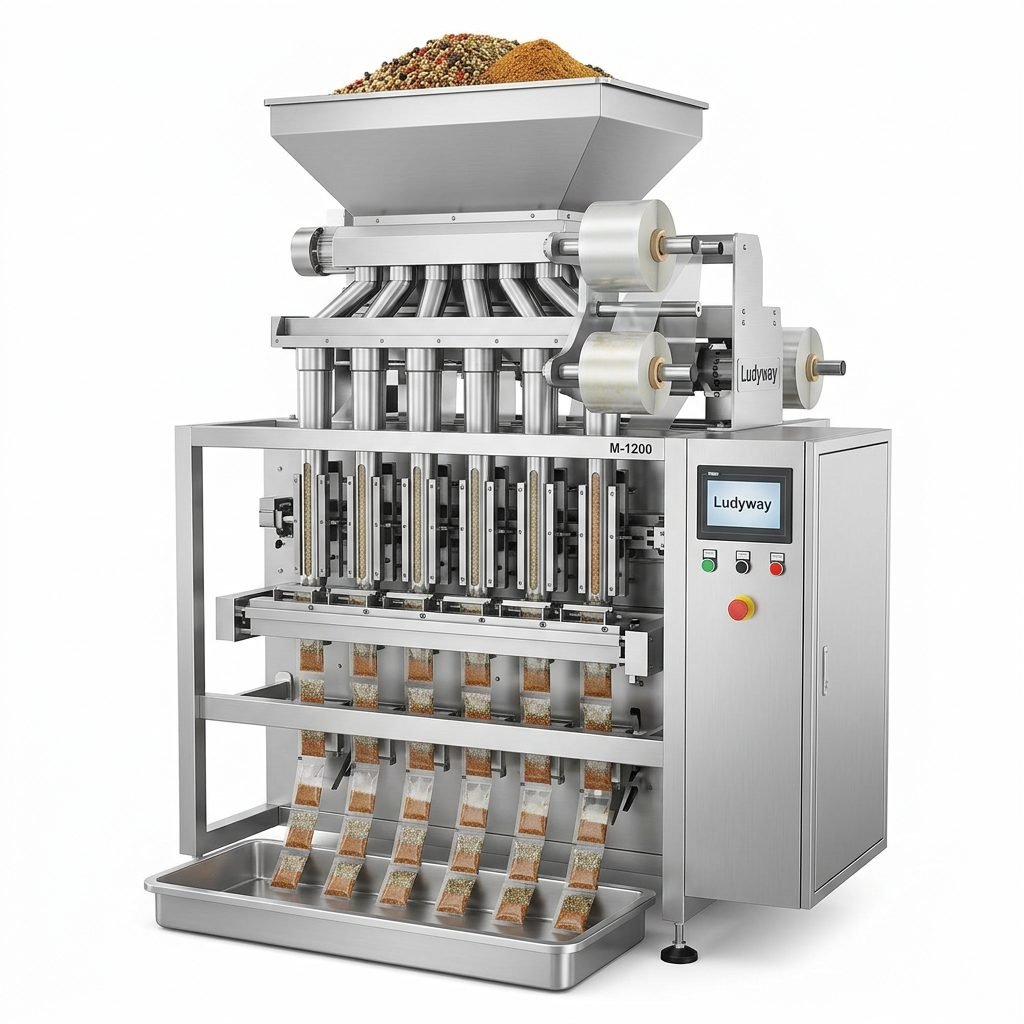
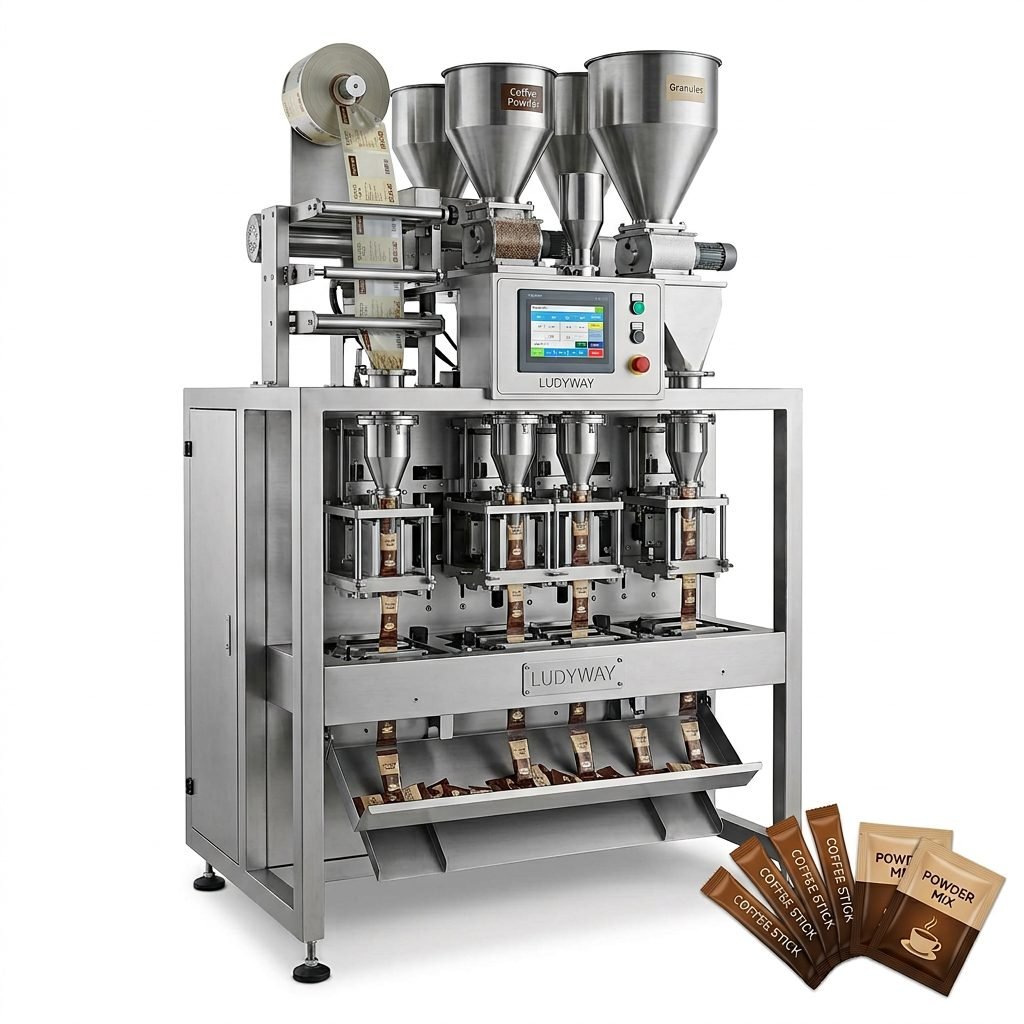
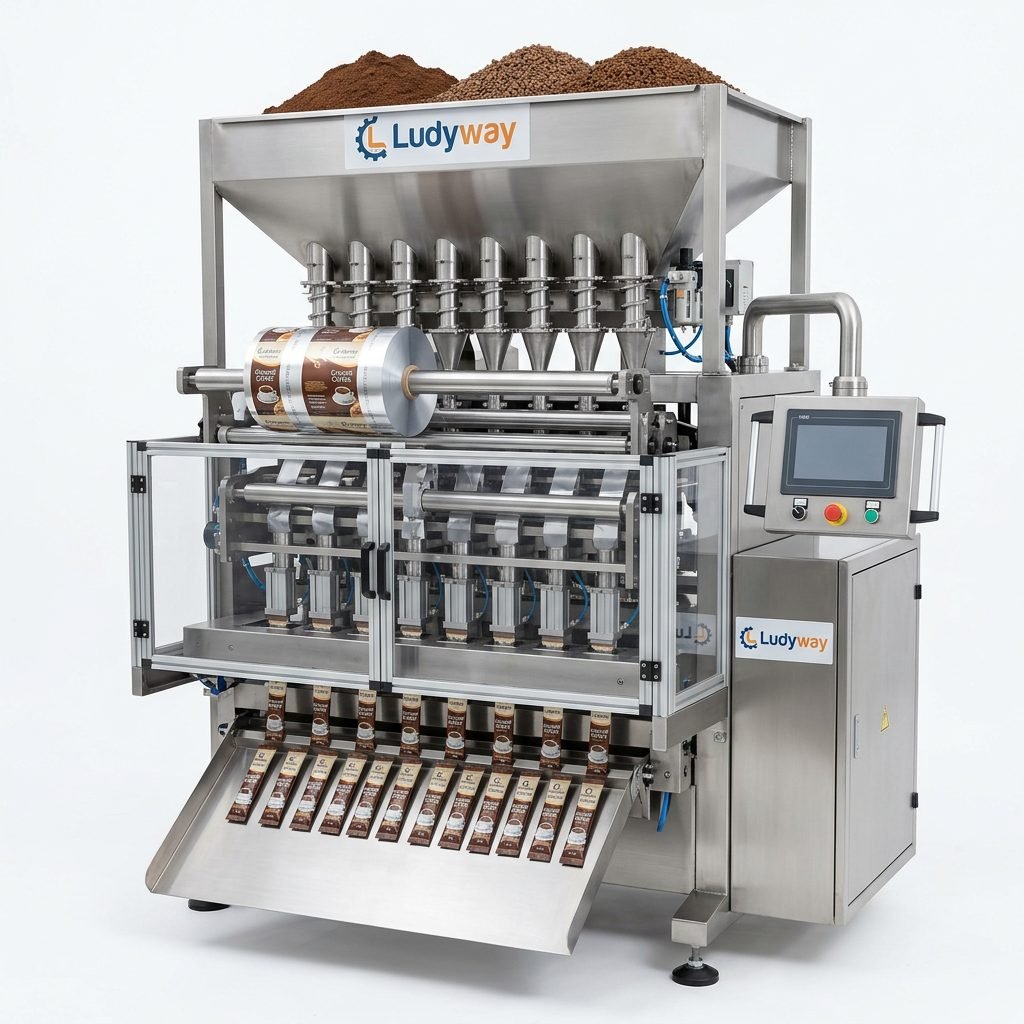
| Multi-Lane Stick Pack Machine | Single-serve instant coffee, ground coffee portions | High output, precise dosing, compact sachet design |
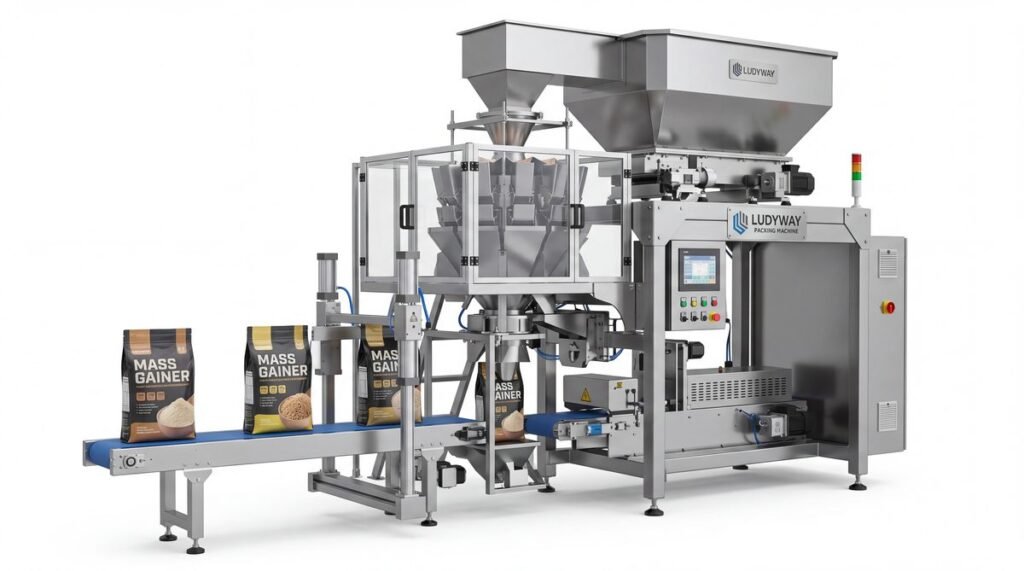
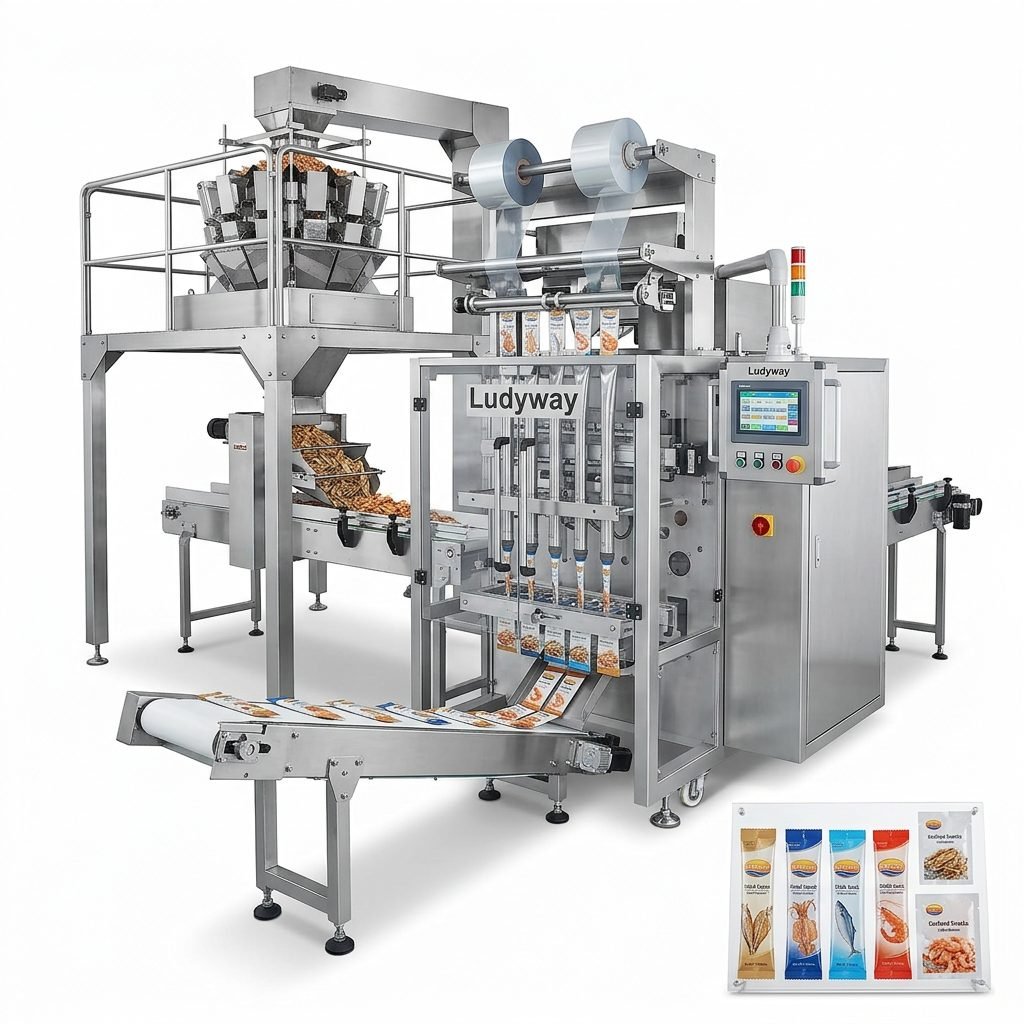
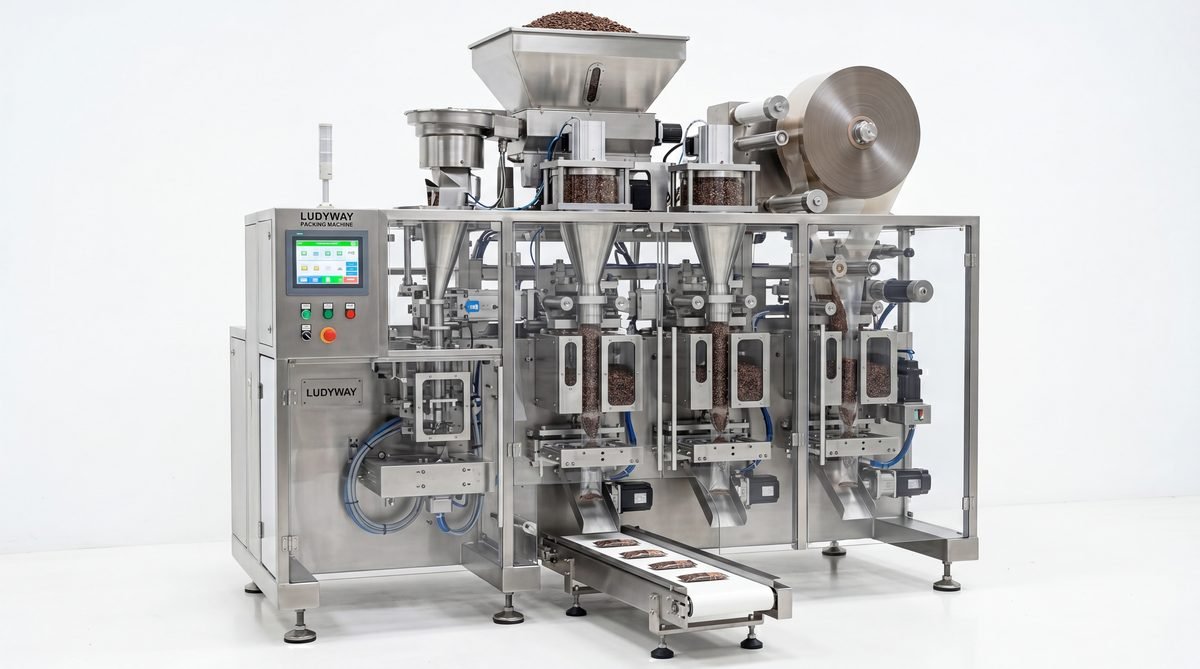
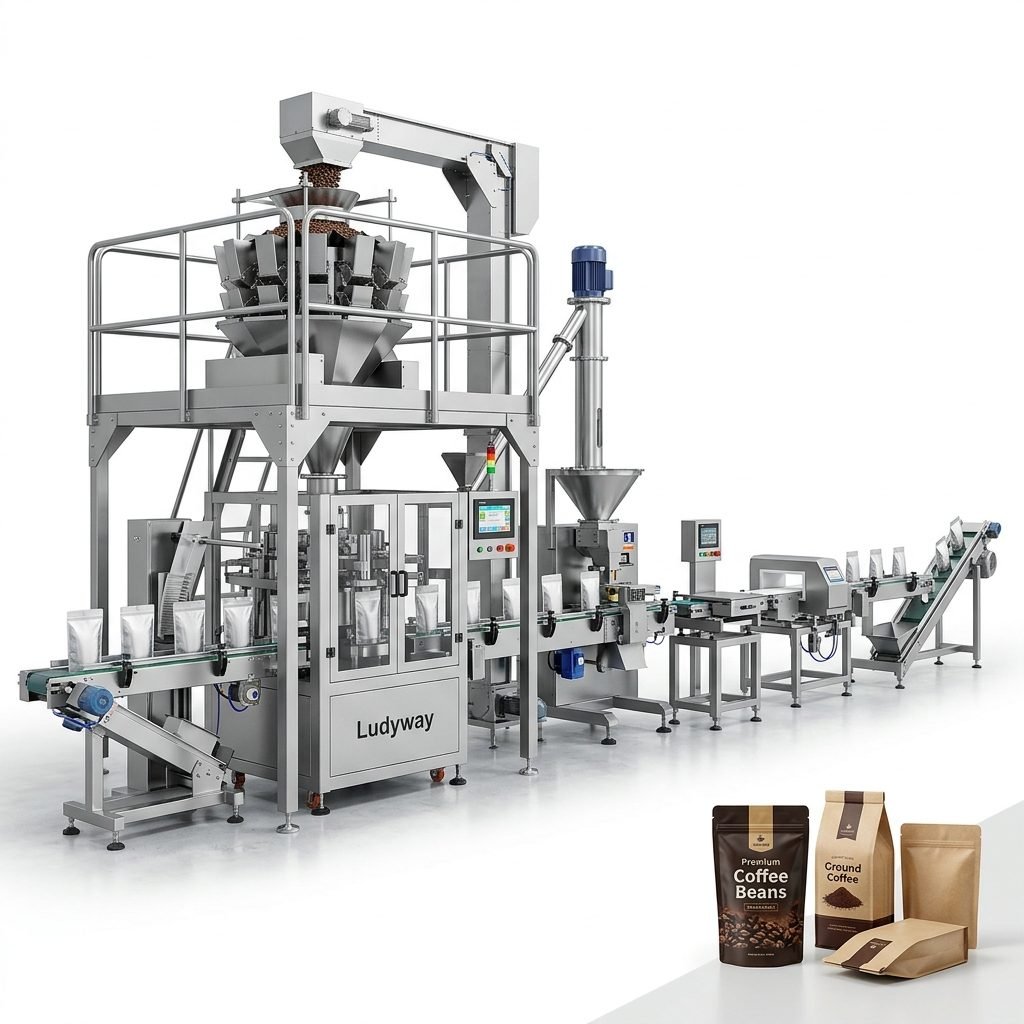
| Vertical Form Fill Seal (VFFS) System | Whole beans, larger pouches, valve bags | Versatile bag sizes, robust construction, one-way valve capability |
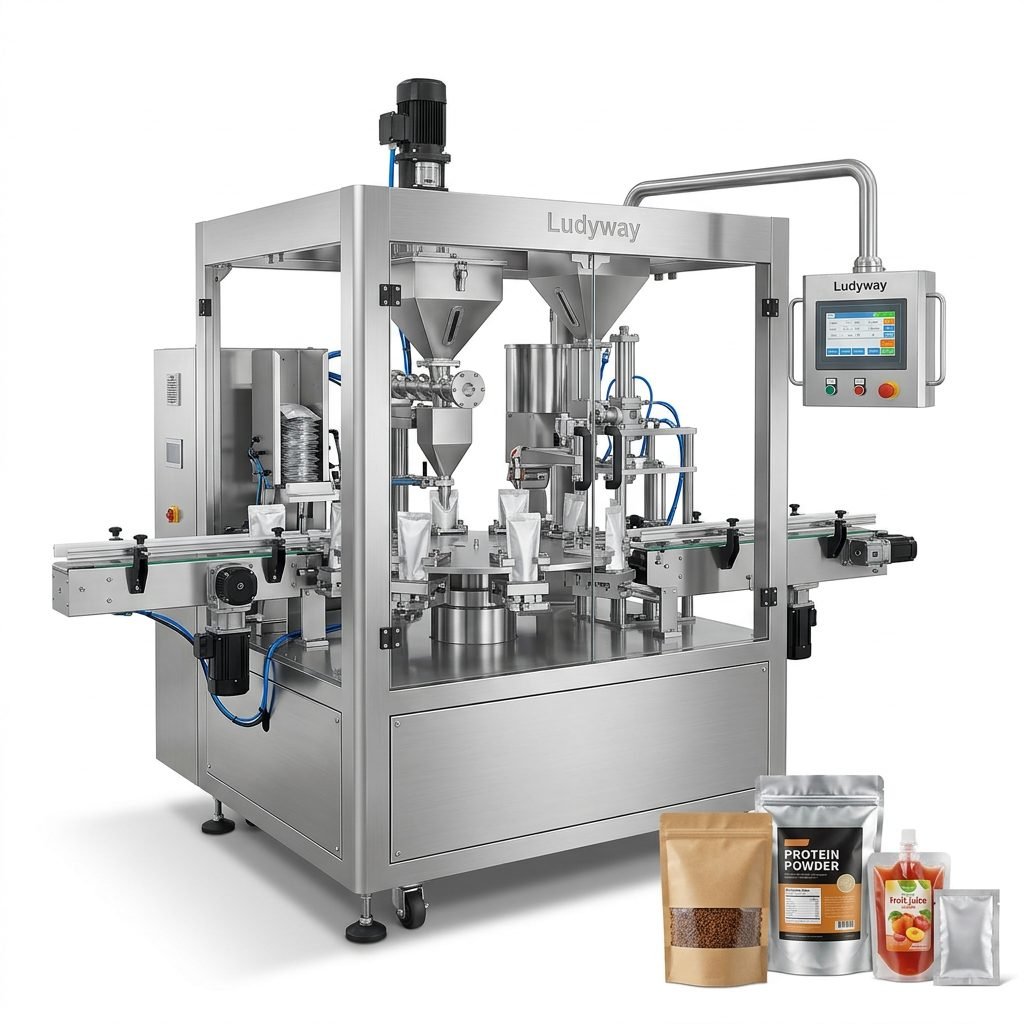
| Premade Pouch Packaging Line | Premium retail coffee, specialty roasts | Excellent seal integrity, attractive presentation, resealable zippers |
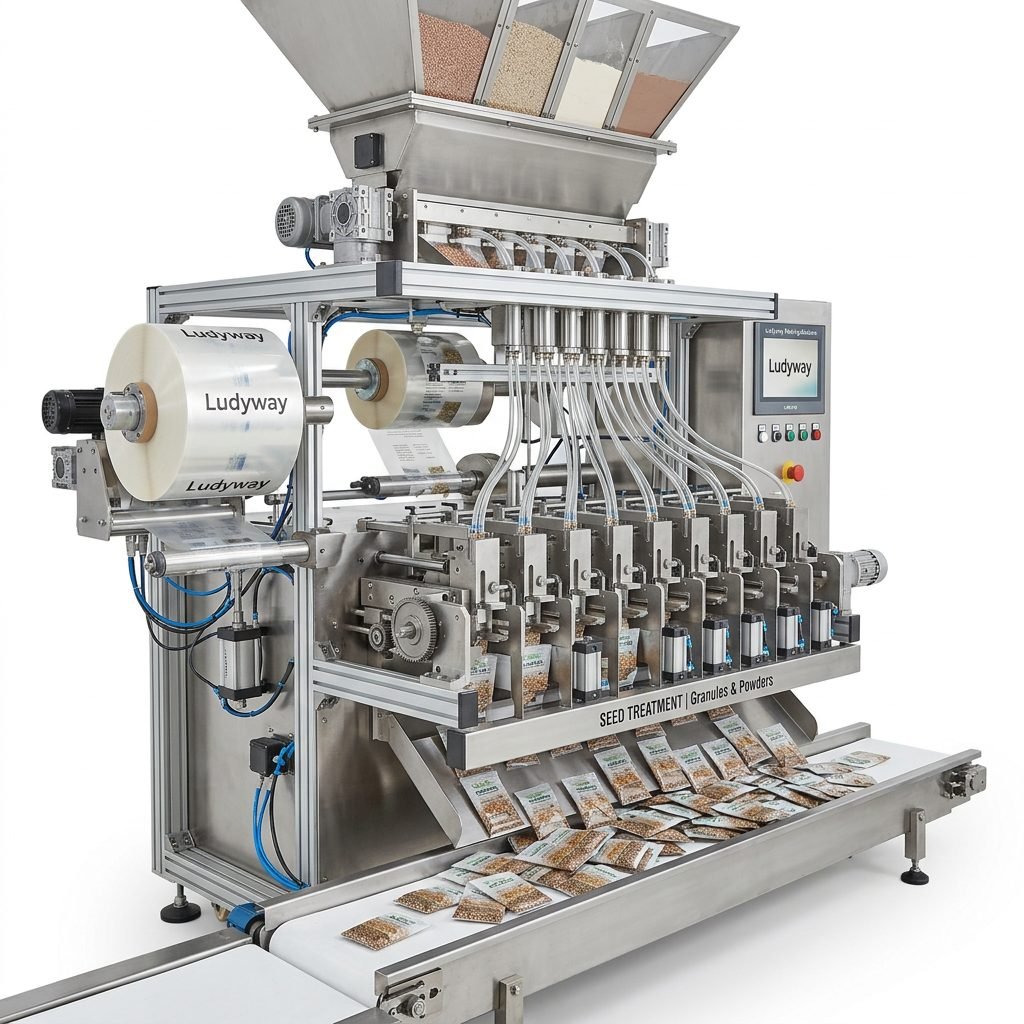
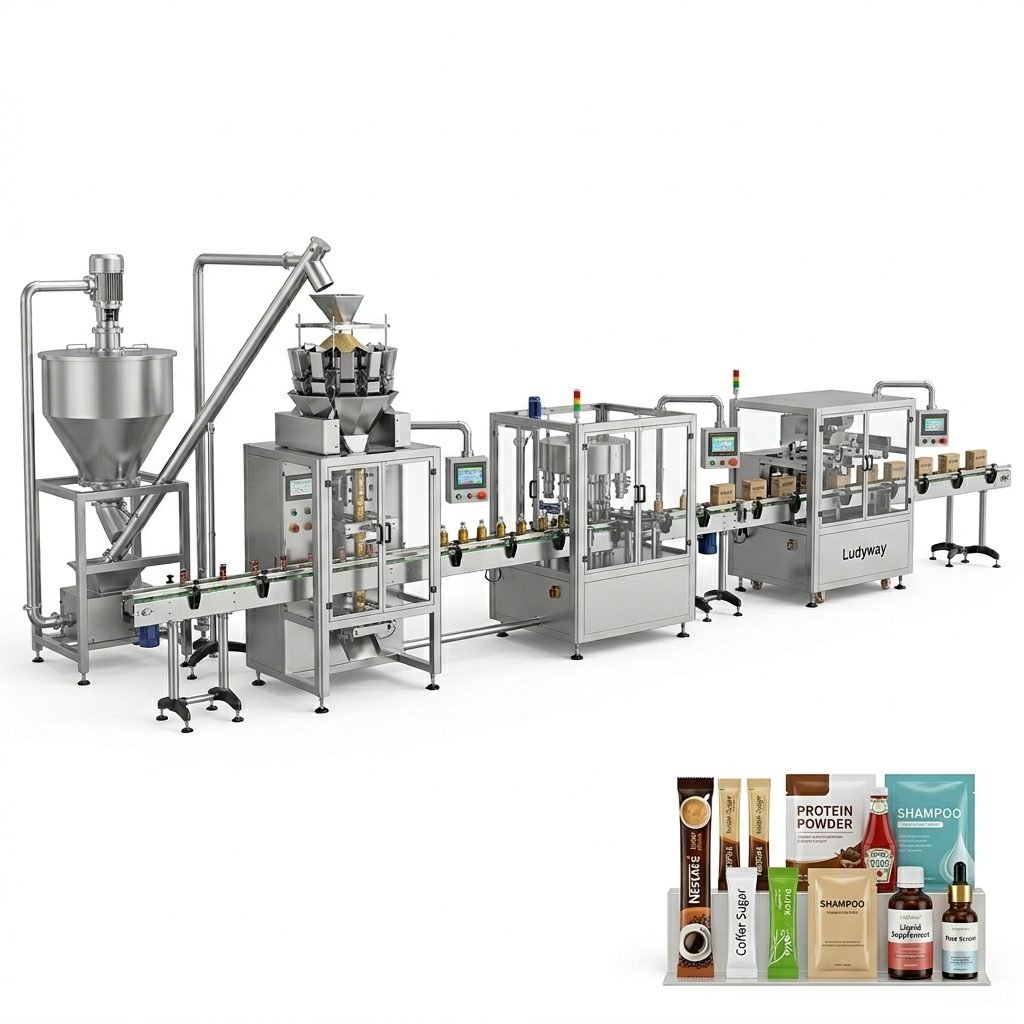
| Multi-Lane Sachet System | Coffee mixes, 3-in-1 sachets, cappuccino packs | Simultaneous multi-lane filling, exceptional speed, consistent sealing |
Critical Factors to Consider When Buying
Before finalizing your purchase, evaluate these essential criteria to ensure the equipment meets your specific production needs in France:
- Weighing and Dosing Precision: Accurate filling is paramount for regulatory compliance and cost control. Look for systems with multi-head weighers or auger fillers that achieve ±0.5% accuracy or better.
- Oxygen Barrier Protection: Coffee is highly sensitive to oxidation. Equipment should support nitrogen flushing and vacuum sealing to extend shelf life and preserve aromatic oils.
- Packaging Material Compatibility: With France’s strict environmental regulations, ensure the machine handles recyclable, compostable, or mono-material films without compromising seal quality.
- Production Speed and Scalability: Match output capacity to current demand while leaving room for growth. Multi-lane systems can significantly increase throughput for growing brands.
- Ease of Cleaning and Changeover: Quick-release components and tool-free adjustments reduce downtime between product runs, which is critical for roasters offering multiple SKUs.
Compliance with EU and French Regulations
Operating in France means your coffee packaging equipment must comply with rigorous European Union standards. CE certification is mandatory, confirming the machine meets health, safety, and environmental protection requirements. For food contact materials, adherence to EU Regulation (EC) No 1935/2004 and EU Regulation (EU) No 10/2011 on plastic materials is essential. Additionally, the French DGCCRF (General Directorate for Competition, Consumer Affairs and Fraud Control) enforces strict labeling and packaging integrity checks. Machinery should also align with ISO 22000 food safety management standards to facilitate smooth audits and retail partnerships across the French market.
Automation and Smart Features
Modern coffee packaging equipment increasingly integrates Industry 4.0 capabilities that enhance efficiency and traceability. Features to look for include servo-driven filling systems for precise motion control, automated weight feedback loops that adjust dosing in real time, and integrated vision inspection for seal integrity verification. Advanced HMI touchscreens with recipe management simplify operator training and reduce human error. For French coffee brands distributing through major retail chains, batch traceability and date coding systems are indispensable for meeting supply chain requirements.
Maintenance, Technical Support, and Total Cost of Ownership
Purchasing a coffee packaging machine is a long-term investment, and the total cost of ownership extends well beyond the initial purchase price. Evaluate the following before committing to a supplier:
- Availability of spare parts within the European market to minimize lead times.
- Remote diagnostic capabilities that allow technicians to troubleshoot issues without on-site visits.
- Comprehensive training programs for your production staff, ideally available in French or English.
- Warranty coverage and post-warranty service contract options.
- Energy efficiency ratings and consumption data, which directly impact operating costs in France’s high-energy-price environment.
Partnering with an experienced manufacturer that understands both the technical and regulatory landscape of the French market can significantly reduce implementation risks. Companies like Ludyway, with over 30 years of industry expertise and a comprehensive portfolio of more than 50 packaging machine models, offer reliable solutions backed by a modern 20,000㎡ manufacturing facility. Their equipment serves customers across 100+ countries, including European markets where CE compliance and precision engineering are non-negotiable.
Making the Final Decision: A Step-by-Step Checklist
- Define your product range — whole beans, ground coffee, or soluble mixes — and confirm the machine can handle all formats.
- Calculate required output in pouches or sachets per hour, including future growth projections.
- Verify CE certification and food-grade material compliance for the French regulatory environment.
- Request sample runs with your actual coffee products and preferred packaging materials.
- Assess the supplier’s European service network and response times for technical support.
- Compare total cost of ownership, including energy consumption, spare parts, and maintenance contracts.
Selecting the ideal coffee bean packaging machine for your French operation involves balancing technical specifications, regulatory compliance, and long-term reliability. By thoroughly evaluating each factor outlined in this guide, you can invest in equipment that safeguards your coffee’s quality, enhances your brand’s market position, and delivers consistent returns for years to come.
Further Reading and Industry Resources: