Germany stands as one of Europe’s most advanced manufacturing hubs, known for its strict engineering standards and high demand for precision packaging solutions. For businesses operating in the food, pharmaceutical, and chemical sectors, investing in a retort packaging machine is a strategic step toward achieving longer shelf life and superior product safety without compromising quality. This guide breaks down the essential considerations, technical specifications, and market insights to help you make an informed purchasing decision in the German market.
Understanding Retort Packaging Technology
Retort packaging, often associated with flexible pouches and semi-rigid containers, involves filling a product into a package, sealing it, and then sterilizing it under high pressure and temperature. This process is crucial for ready-to-eat meals, pet food, soups, and sauces. Unlike traditional canning, modern retort machines handle advanced multi-layer films that provide barrier protection against moisture and oxygen. The German market, heavily influenced by flexible packaging trends, particularly favors systems that can switch between spouted pouches and flat sachets with minimal downtime.
Key Classifications of Retort Packaging Machines
Selecting the right category depends on your production volume and product consistency. The table below summarizes the primary types available for German food processors looking to upgrade their lines.
| Machine Type | Best Suited For | Key Advantage |
|---|---|---|
| Batch Retort | Medium-scale production of ready meals | Flexibility with container sizes |
| Continuous Retort | High-volume soups and sauces | Energy efficiency and throughput |
| Shower/Spray Retort | Heat-sensitive pharmaceutical products | Uniform heat distribution |
| Rotary Retort | Thick viscous products with particulates | Agitation for even sterilization |
Compliance with German and EU Regulatory Standards
When installing a retort machine in Germany, adherence to EU machinery directives and food safety regulations is non-negotiable. The system must ensure the commercial sterility of the product while maintaining the integrity of the seal. For companies exporting to the US as well, understanding the FDA food packaging overlap can be beneficial. Equipment should facilitate validation of thermal processes, often aligning with ISO 11607 standards for terminally sterilized devices when applied to specific medical applications.
Selecting the Right Supplier for the German Market
The shift toward Industry 4.0 means many German factories require machines with real-time monitoring and integration capabilities. An optimal retort pouch packaging machine should offer precise control over critical control points (CCPs) like temperature and pressure. Furthermore, as the global packaging industry moves toward sustainable materials, your machinery must be adaptable to newer, eco-friendly retort films. Features like automatic fault detection and recipe-based settings significantly reduce the reliance on manual intervention.

Comparing Manual vs. Fully Automated Retort Lines
The decision between manual, semi-automatic, and fully automated lines directly impacts labor costs and error rates. Consider these critical points before finalizing your purchase:
- Labor Dependency: Semi-automatic systems require operators for loading and unloading trays, whereas full automation utilizes robotic pick-and-place units for high throughput.
- Integration Levels: Fully automated retorts can be linked seamlessly with upstream filling machines and downstream cartoning systems, creating a continuous workflow.
- Error Reduction: Automated systems minimize human contact, which is critical for aseptic and shelf-stable requirements.
- Flexibility: Manual batch retorts often allow for quicker format changes for small batch German specialty food producers.
- Capital Expenditure: While the upfront cost of an automated line is higher, the return on investment (ROI) can be substantial for high-volume producers given the packaging machinery market trends indicating strong automation growth.
Application Scope Across Major Industries
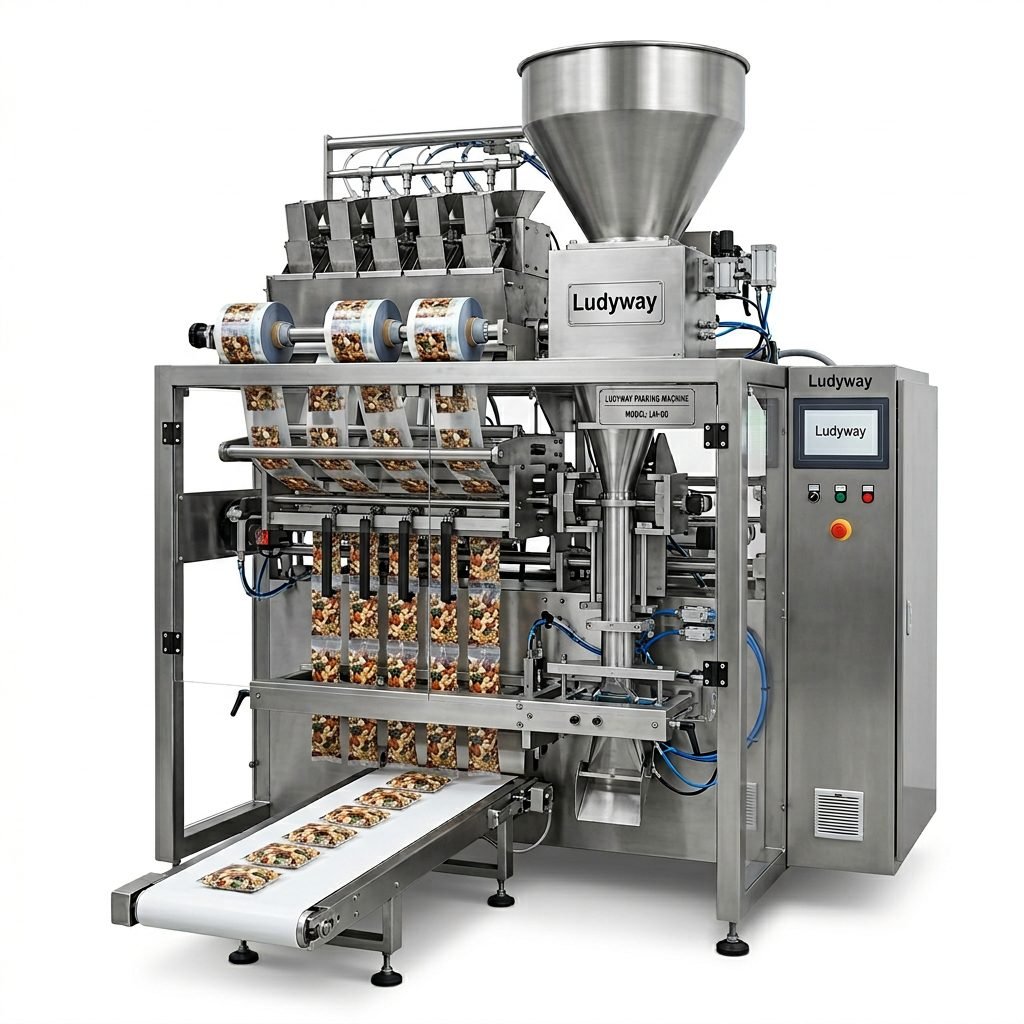
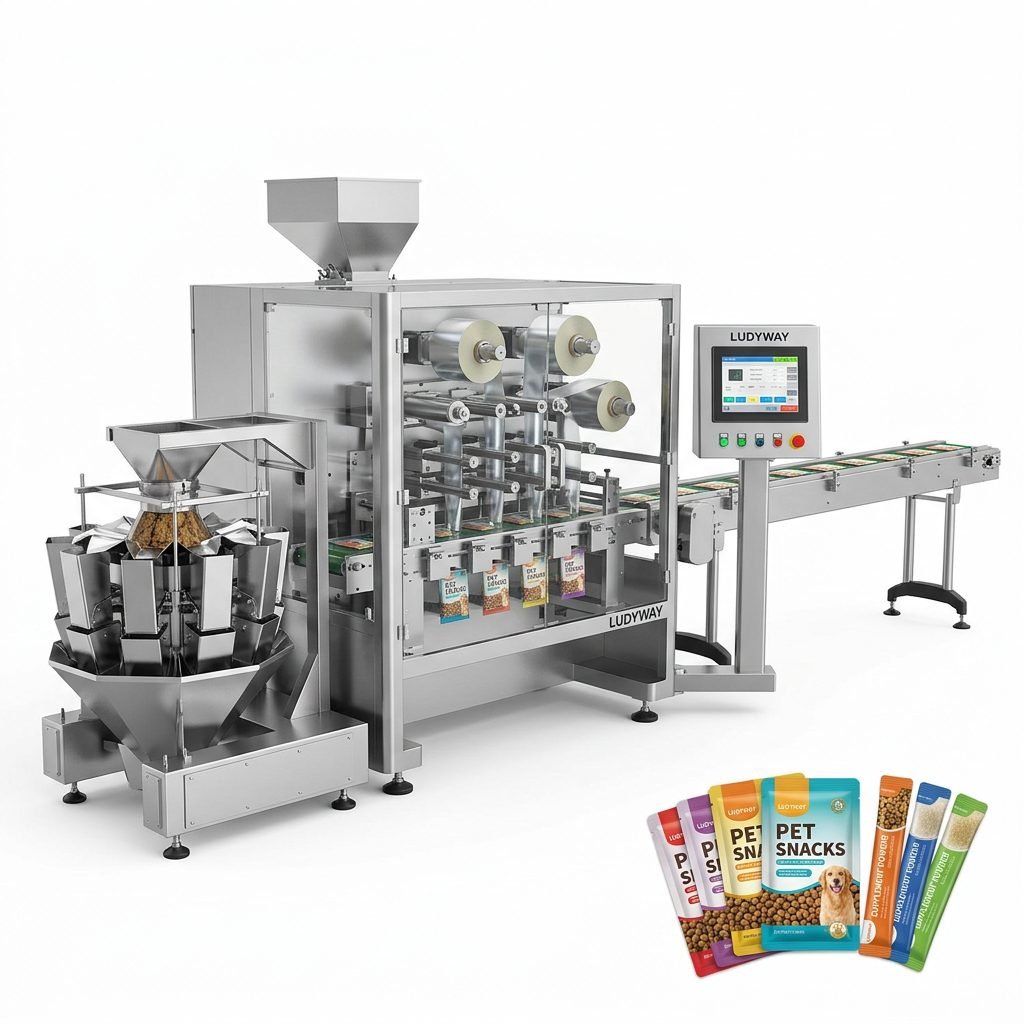
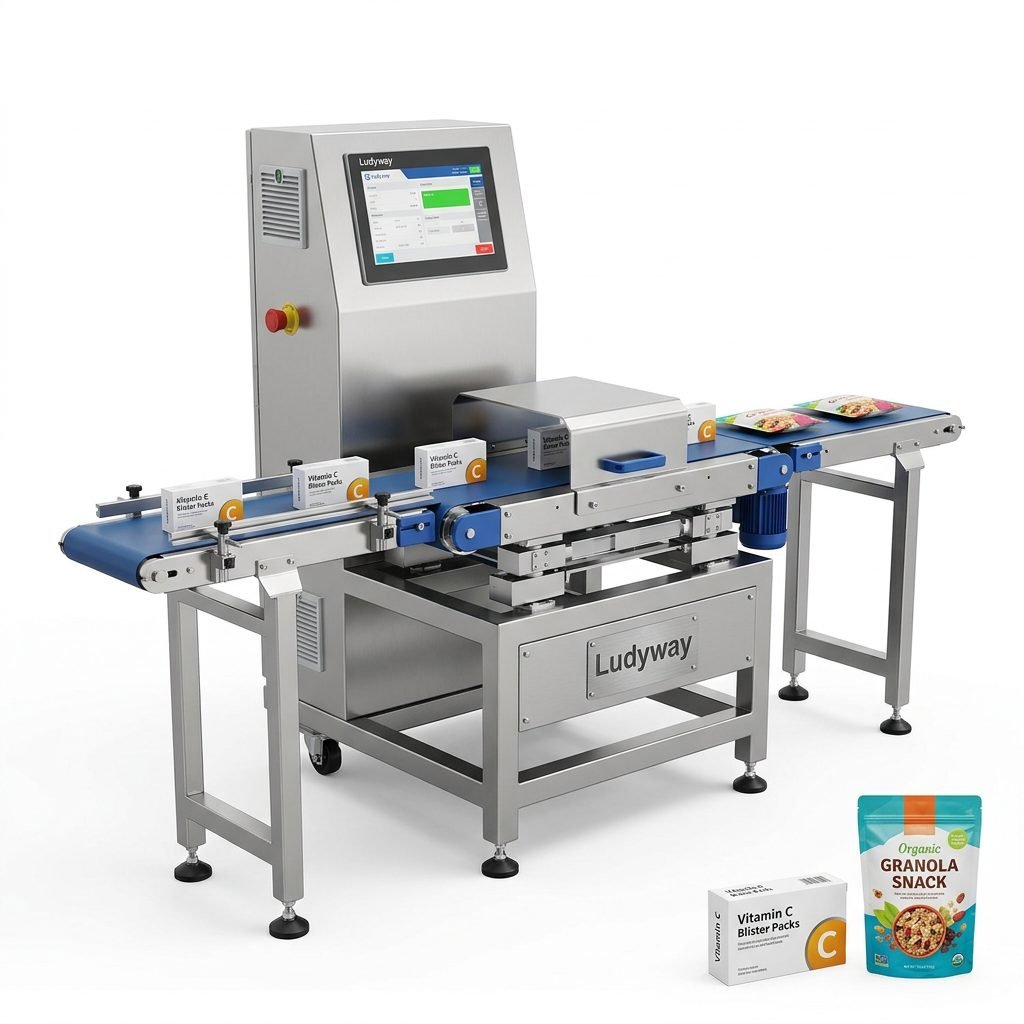
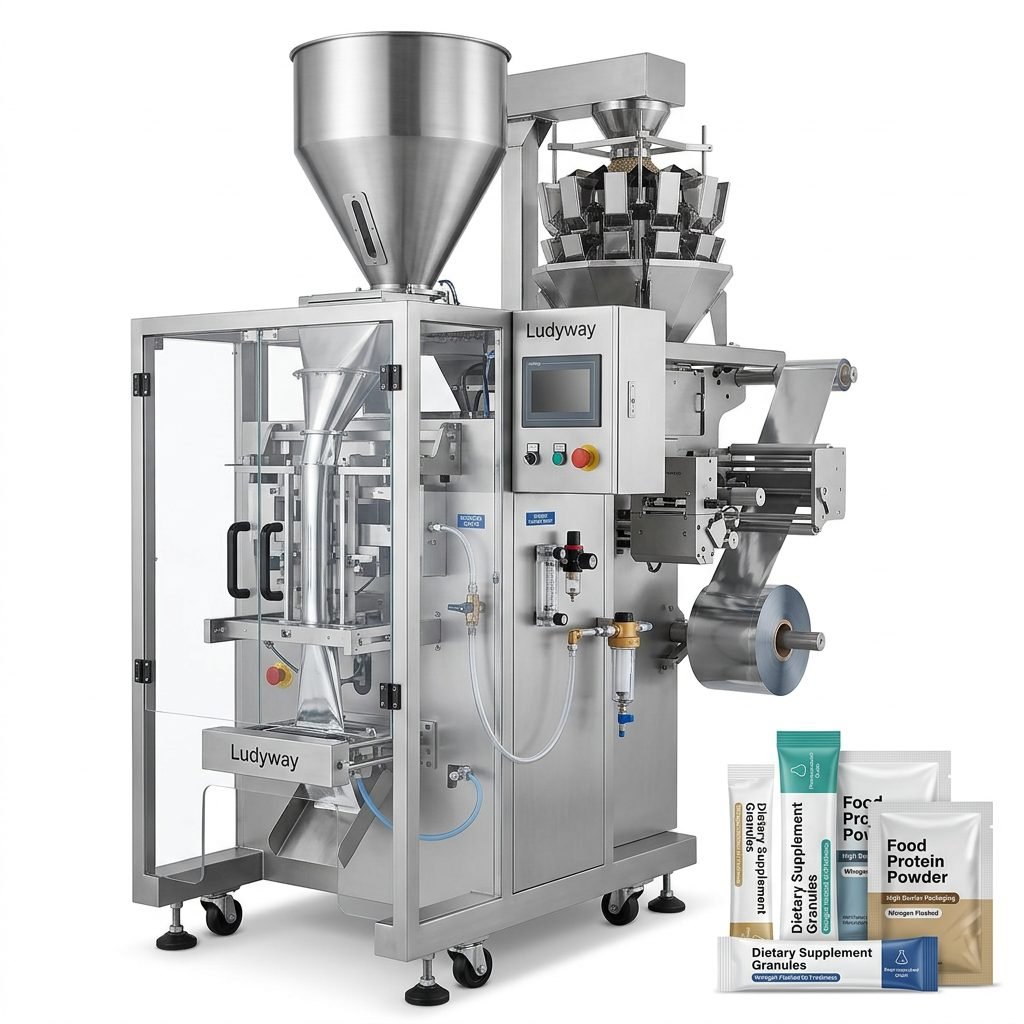
Retort packaging is no longer limited to just canned foods. The technology has expanded into multiple sectors, driven by consumer demand for convenience and portability. The following image illustrates a typical setup for high-speed production in the pharmaceutical sector, where precision is critical.
Ready-to-Eat Food and Beverages
In Germany, the market for pet food pouches and ready-to-eat soups is booming. Retort machines produce sterilized wet food that retains its nutritional value and taste without refrigeration. Multi-lane retort lines are particularly popular for producing single-serve coffee creamers or soup portions. The internal pressure control within the retort vessel prevents pouches from bursting, a vital feature for maintaining packaging integrity.
Pharmaceutical and Health Products
For medical devices and liquid medicines, the sterility assurance level (SAL) is paramount. A dedicated pharmaceutical retort machine often features a cleanroom-compatible design. The European Union’s strict regulations require that these machines provide validatable records of every sterilization cycle. Turbidity-free rinse water and water quality monitoring are standard requirements that suppliers must fulfill for German healthcare clients.
Evaluating Delivery, Installation, and After-Sales Support
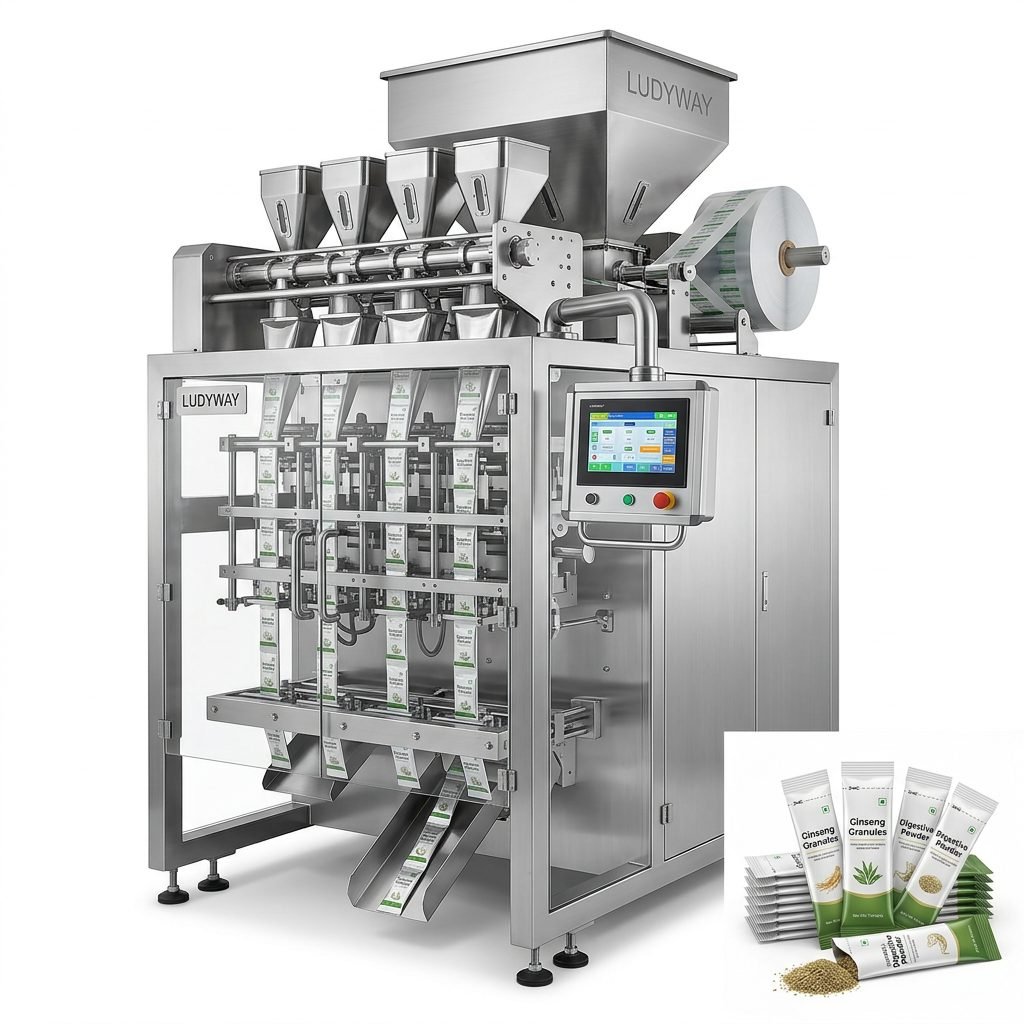
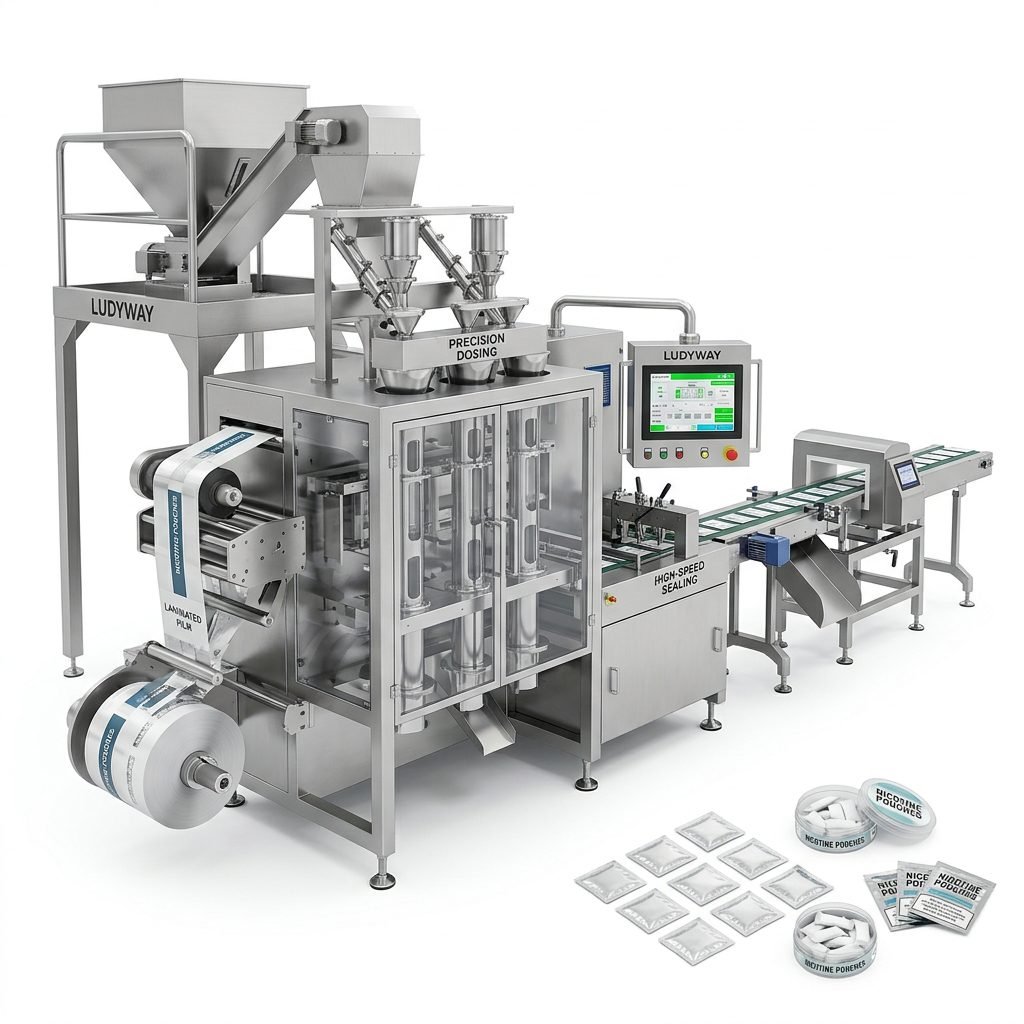
When importing industrial machinery into Germany, logistics and local support are crucial. The sector, guided by standards from groups like the Flexible Packaging Association, expects robust after-sales service. Comprehensive support should include installation supervision by certified engineers, onsite Operator and Maintenance training (often conducted in German or English), and a readily available local spare parts inventory. The latter is essential to minimize Mean Time To Repair (MTTR) and keep your production line compliant with tight retail deadlines. For customized setups, companies like Ludyway, a specialist in advanced packaging equipment for the food and pharmaceutical industries, emphasize turnkey solutions that cover process design to final commissioning, ensuring the hardware fits seamlessly within the operational constraints of a modern German production facility.
Optimizing for Efficiency and Total Cost of Ownership
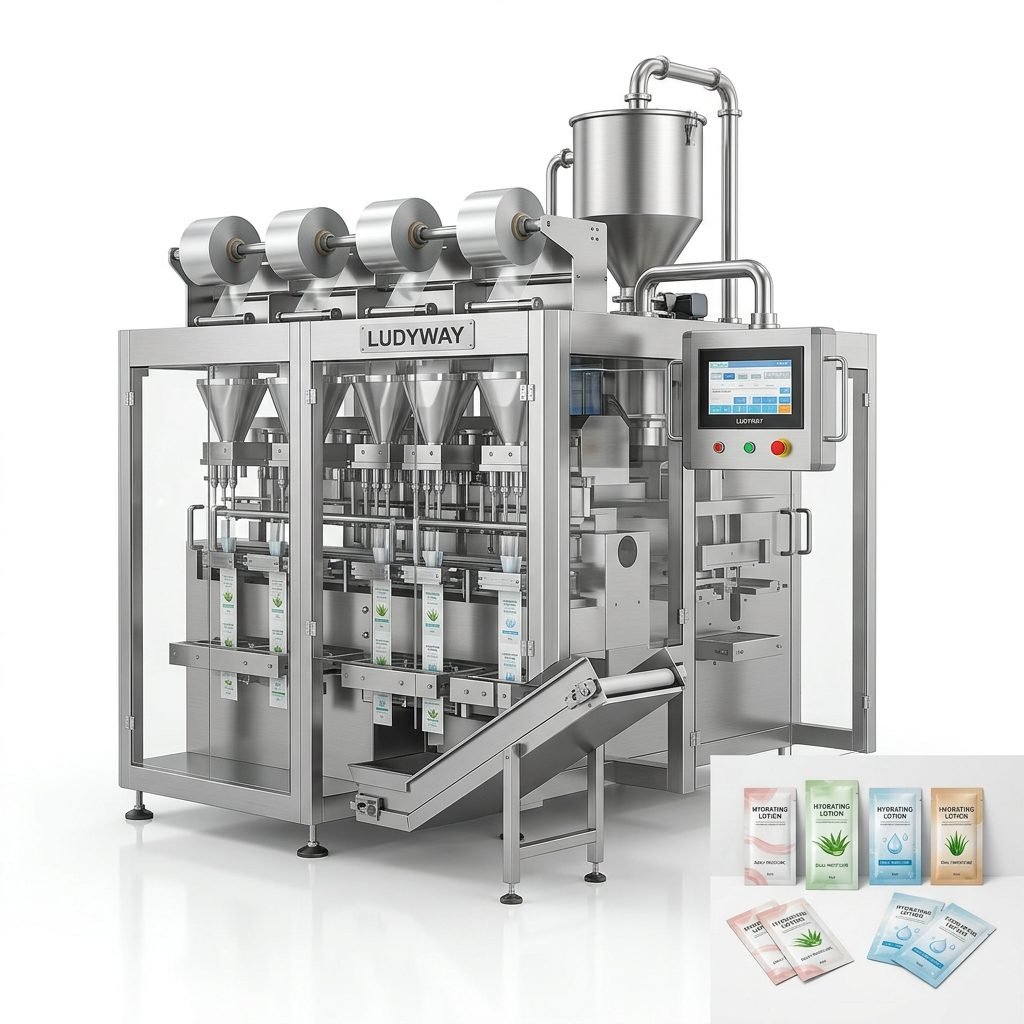
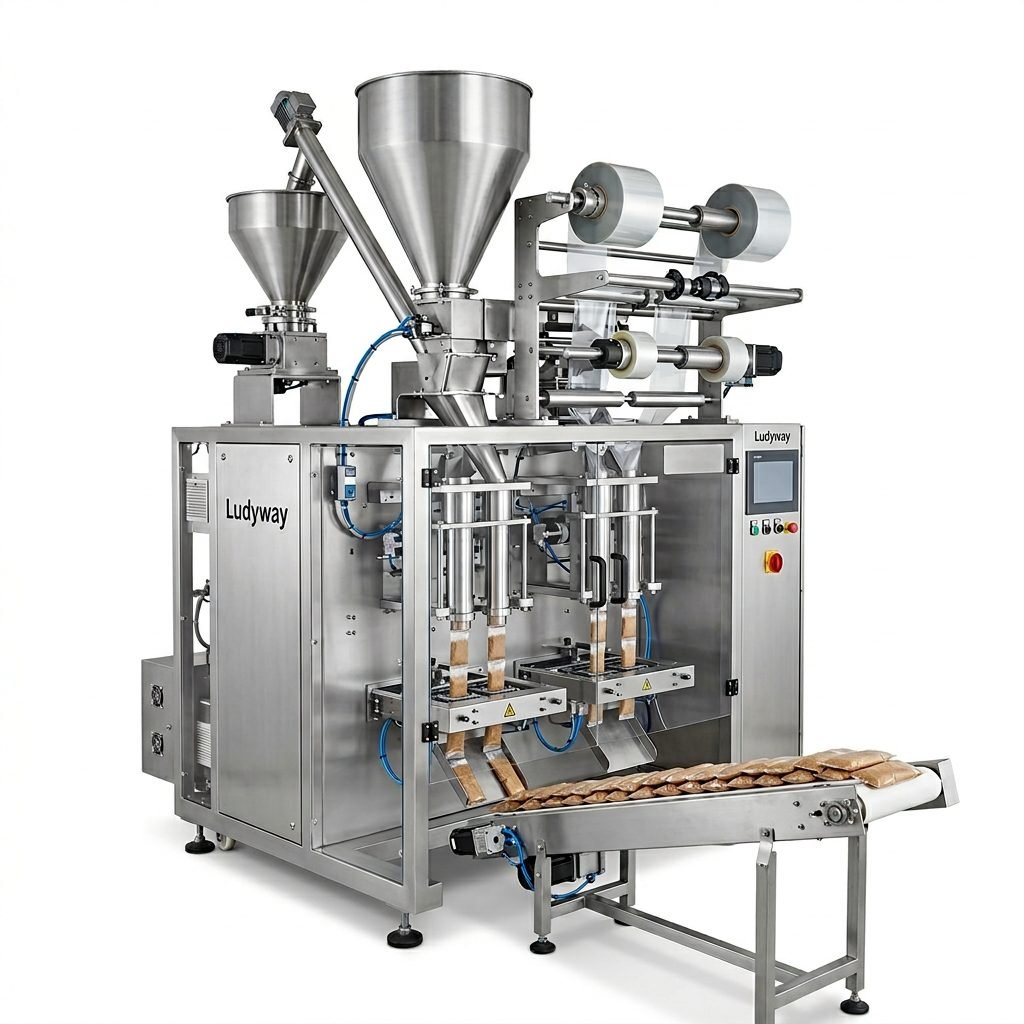
Energy consumption is a significant factor in the total cost of ownership for a retort machine. Advanced water recirculation systems and variable speed drives can substantially cut down on steam and electricity usage. A critical technical feature to look for is the F₀ value calculation capability, which ensures the sterilization process achieves the required lethality without overcooking the product edges. The following image shows a setup that balances high-speed efficiency with gentle handling, ideal for delicate products.
Solid technical and logistical preparation ensures your retort machine purchase meets German quality benchmarks while securing long-term production reliability and consumer trust. From aligning with ISO directives to validating thermal processes for your specific recipes, every specification detail matters for staying competitive in Europe’s high-standard packaging landscape.