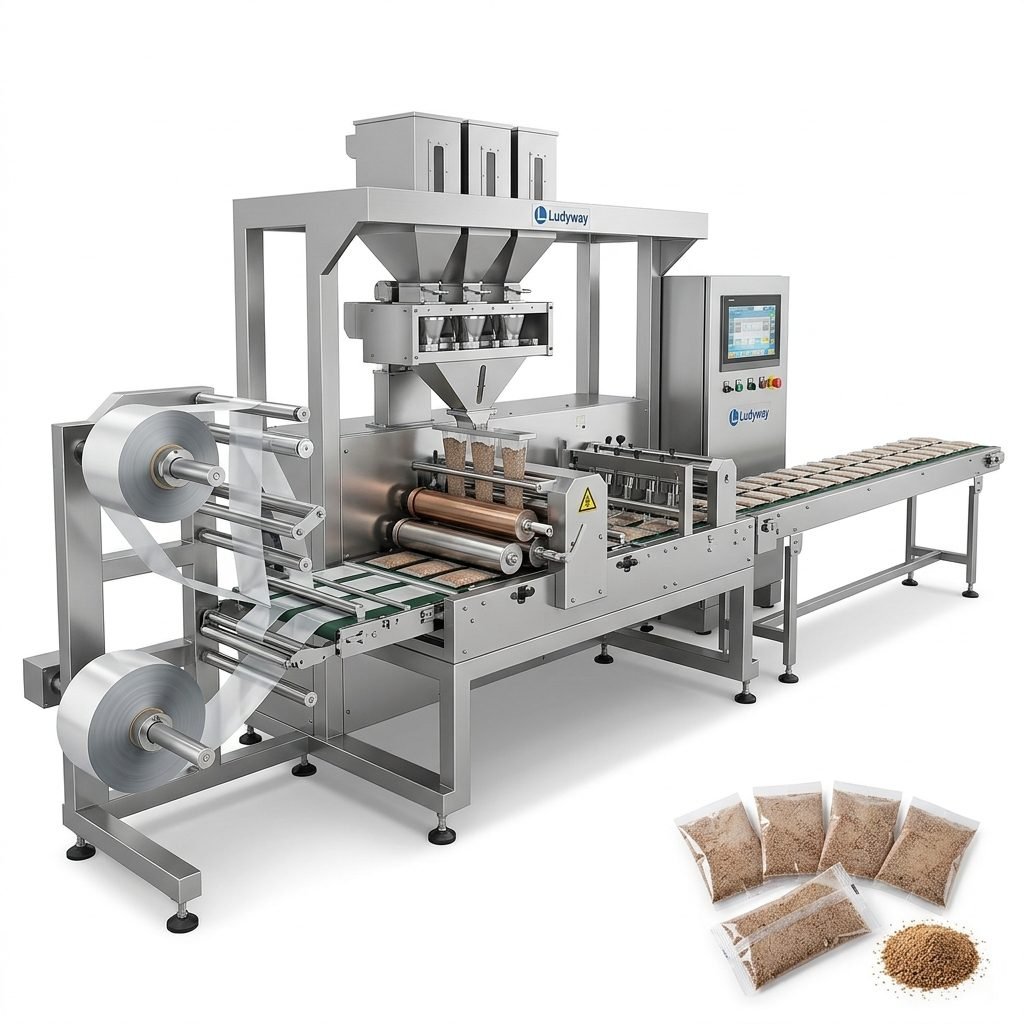
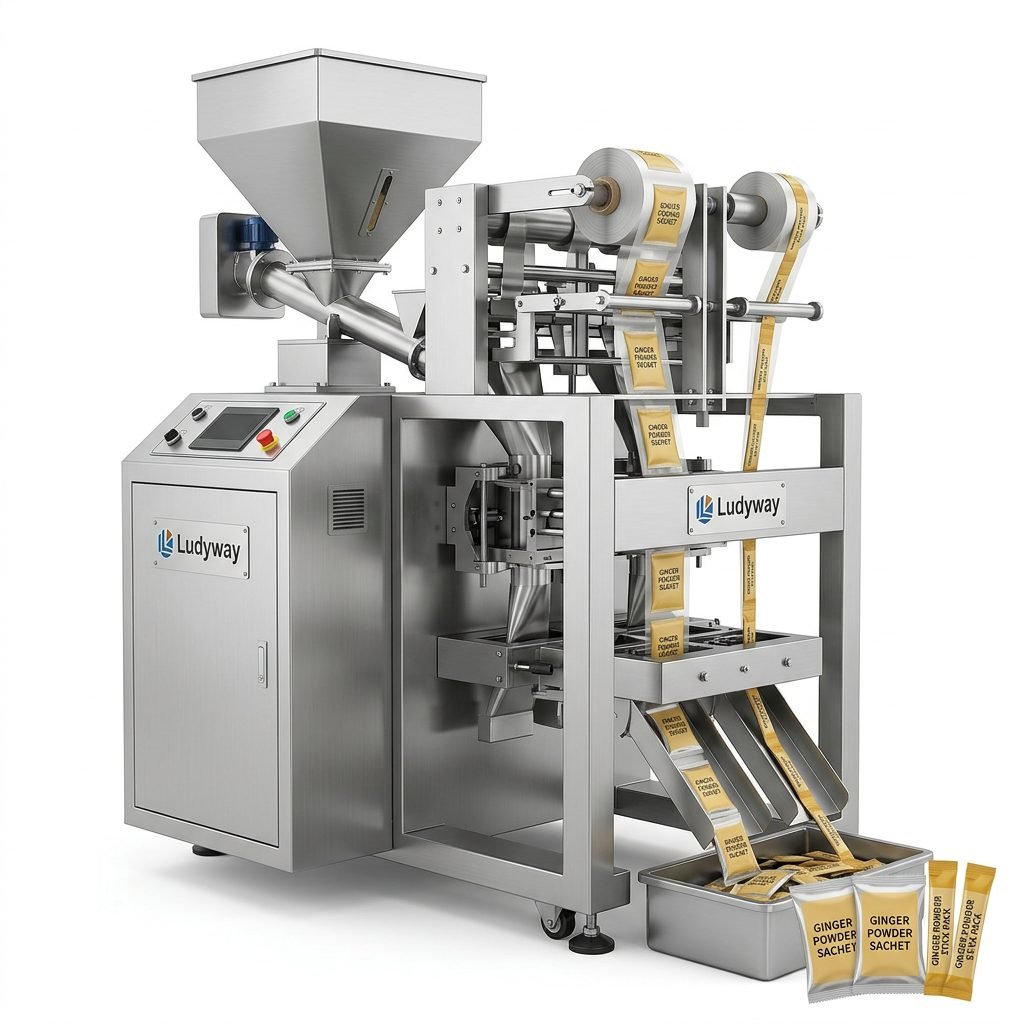
Installing a popsicle packaging machine production line is a strategic investment for any frozen treat manufacturer aiming to scale operations. A well-planned setup not only boosts output but also ensures consistent product quality and reduces manual labor costs. Whether you are integrating a fully automated packaging system for the first time or upgrading an existing line, the process requires meticulous planning across facility layout, utilities, and equipment synchronization.
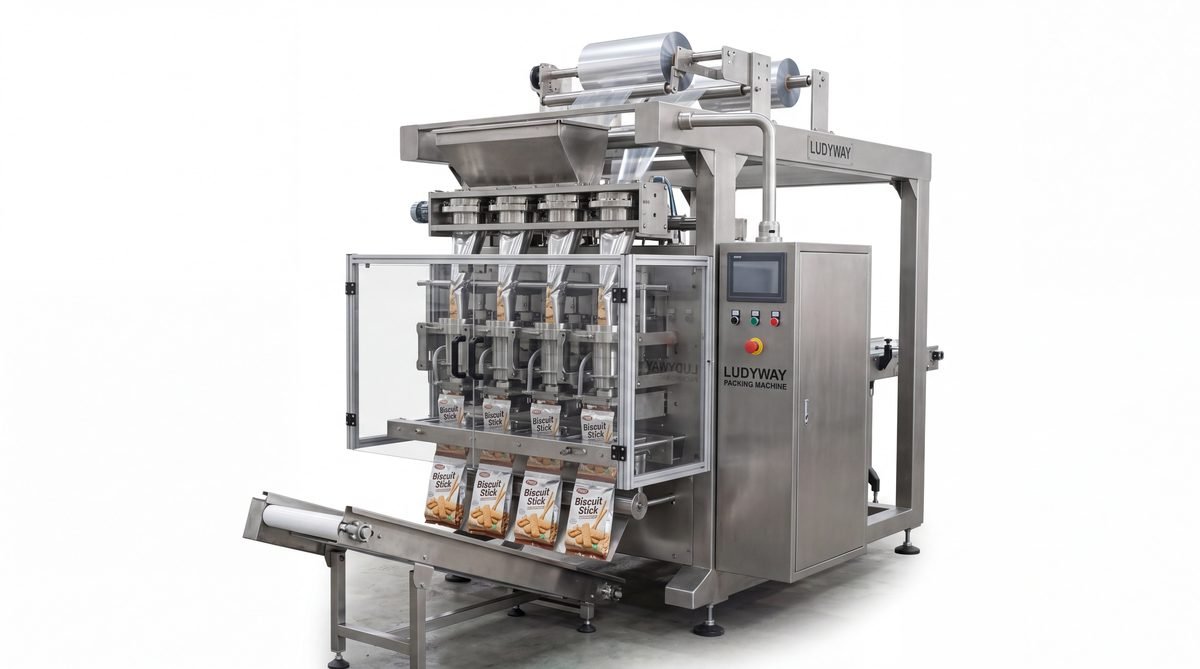
Phase 1: Pre-Installation Planning and Space Preparation
Before the machinery arrives, the foundation for a successful line must be laid. The first critical step is evaluating your production floor’s load-bearing capacity. Popsicle packaging lines, particularly high-speed multi-lane models, involve substantial stainless steel constructs. You must ensure the floor is level and vibration-free to prevent film misalignment during high-speed filling.
- Space Allocation: Map out the full footprint of the line, not just the wrapper. You need clearance for the automated feeding systems, cooling conveyors, and end-of-line cartoners.
- Cleanroom Classification: If producing dairy-based popsicles, the packaging area typically requires an ISO 8 (Class 100,000) cleanroom standard. Positive air pressure must be maintained to prevent contamination ingress.
- Waste Management: Plan for scrap film removal. A centralized vacuum system or dedicated bins for skeleton waste should be positioned downstream to prevent accumulation near the sealing jaws.
Utilities Connection Checklist
| Utility Type | Specification Requirement | Purpose |
|---|---|---|
| Compressed Air | 6-8 bar, oil-free, dry | Pneumatic actuators and ejection |
| Electrical | 380V/50Hz, 3-phase, stable earthing | Servo motor drives and heating |
| Cooling Water | Chilled water inlet/outlet | Sealing jaw temperature control |
Phase 2: Mechanical Installation of the Central Flow Wrapper
The popsicle flow wrapping machine is the heart of the operation. Unloading and positioning must be done with a forklift or crane, lifting only by the designated machine base points. Once positioned, secure the leveling feet and use a precision spirit level to adjust the machine frame. An unlevel machine will cause film tracking issues, resulting in crooked seals and high rejection rates.
Next, focus on the film path setup. Feed the laminate through the forming box and dancer rollers precisely according to the threading diagram. Popsicle packaging demands high-barrier films to prevent freezer burn, so verify that the film tension across the cross-sealing jaws is uniform. Misaligned film here is the most common cause of packaging waste during startup.
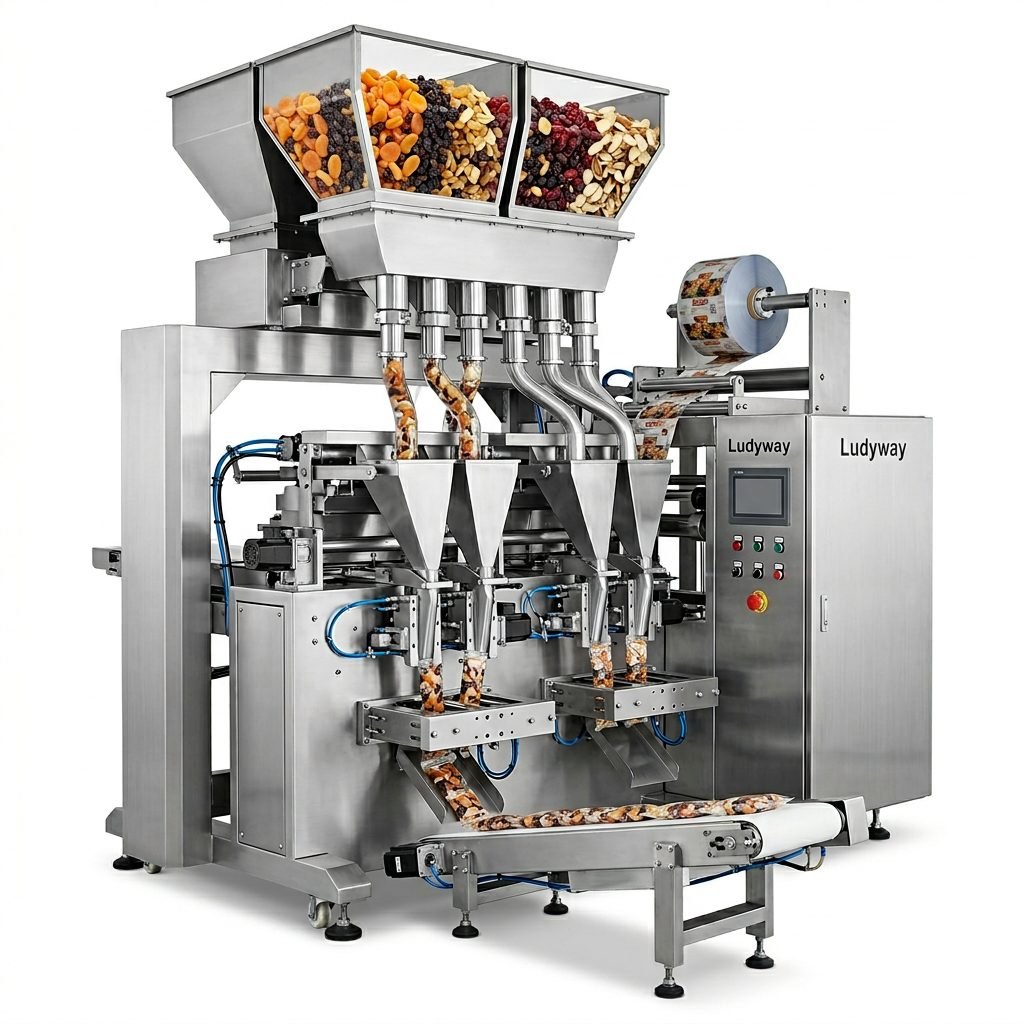
Infeed System Integration
Popsicles are fragile and temperature-sensitive. The infeed conveyor must be seamlessly aligned with the wrapper’s film cut-off position. Use a servo-driven indexing lug chain to synchronize the product delivery. The gap between the infeed and the wrapper should be minimal to prevent popsicles from tipping. Optical sensors at this junction must be precisely adjusted to detect clear, translucent, or colored wrapping materials without false triggering.
Phase 3: Electrical System and Safety Commissioning
With the mechanical setup complete, the electrical integration begins. Connect the main power cable strictly according to the machine’s wiring diagram to avoid phase reversal. Never bypass the Emergency Stop (E-Stop) safety relay during testing. Modern lines feature integrated safety circuits that link the wrapper, infeed, and cartoner; triggering one E-Stop must halt the entire production line instantly.
Sensor calibration is the next crucial layer:
- No-product No-bag: Register the color contrast to ensure an empty bag is not created without a popsicle present.
- Safety Light Curtains: Test the finger and hand protection zones around the cross-sealing area.
- Torque Limiters: Verify the mechanical overload clutches are set correctly to protect gearboxes from jams.
Phase 4: Film Registration and Sealing Temperature Tuning
This stage determines the aesthetic quality of your retail product. The sealing parameters for popsicle packaging differ significantly from ambient dry goods due to the cold chain. The heat must transfer instantly through the film to create a hermetic seal without melting the wrapper.
Start by setting the cross-seal and fin-seal jaw temperatures about 10-15% higher than standard ambient packaging guidelines, as the cold product draws heat away quickly. Run the line in “jog mode” initially. Observe the printed registration mark tracking on the photoelectric sensor. If the eye-mark drifts, adjust the compensation settings on the HMI touchscreen. The goal is a tight, wrinkle-free package that protects against ice crystal formation.
Gas Flushing and Hermetic Testing
For premium frozen novelties, a nitrogen flushing packaging system might be integrated. If applicable, connect the gas mixer to the forming tube and set the flow rate. A residual oxygen level below 1% is the typical benchmark. Perform a water bath leak test on the first batch of samples to validate crimp integrity before ramping up to full speed.
Phase 5: End-of-Line Automation and Integration
A popsicle line is not complete without synchronized secondary packaging. The primary wrapper discharge connects to a swivel conveyor or a 90-degree transfer unit leading to the automatic cartoning machine. The speed ratio between the wrapper and cartoner must be calculated carefully. If the wrapper produces 300 packs per minute but the cartoner is limited to 40 cartons, a product collating station must be correctly programmed to batch the correct count.
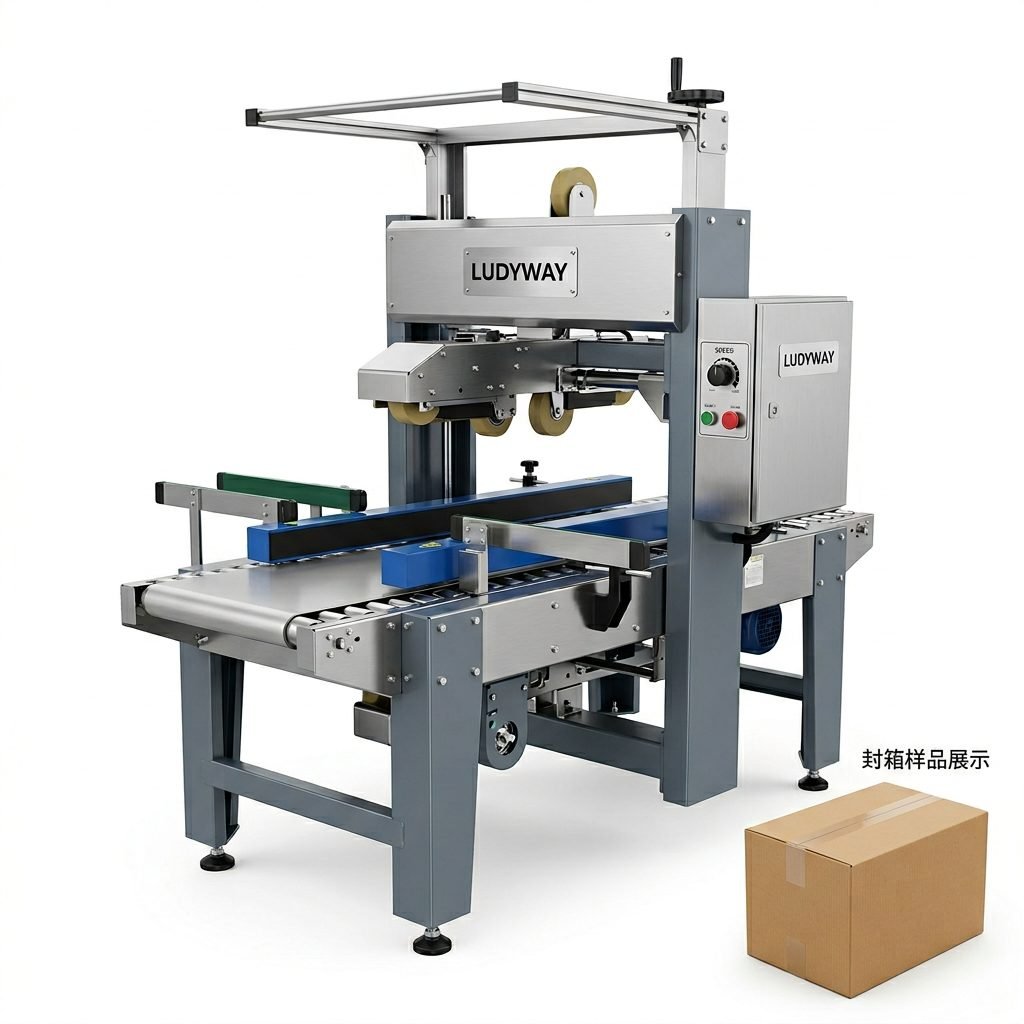
For manual finishing stations, ensure ergonomic flow: packed cartons pass through a high-speed date coding machine before entering the checkweigher. Reject stations downstream of the checkweigher must be synchronized with a confirmed rejection blow delay to ensure the correct underweight pack is removed from the line without jamming.
Phase 6: Operator Training and Production Ramp-Up
Even the most advanced line fails without skilled operators. Structured training should cover more than just button-pushing; it must detail film splicing techniques, register mark error recovery, and rapid size changeover for different popsicle formats. Keep a detailed log during the first 72 hours of production to fine-tune jaw balance and film tension.
Preventive maintenance scheduling starts on day one:
- Daily: Clean sealing jaws with a brass brush; check Teflon tape integrity.
- Weekly: Lubricate chains and check film drive belt tension.
- Monthly: Inspect electrical cabinet cooling fans and cables for wear near reciprocating parts.
Setting up a popsicle packaging line is a complex interplay of thermal dynamics, precision mechanics, and smart software. By rigorously following mechanical alignment protocols and environmental controls, you can achieve high uptime and product quality that meets frozen aisle standards. For manufacturers seeking tailored configurations, Ludyway offers specialized expertise in turnkey packaging solutions that span from granule to frozen liquid applications in the food industry. For further technical specifications or integration support, consult authoritative resources like the PMMI packaging industry standards or guidelines from the Flexible Packaging Association.