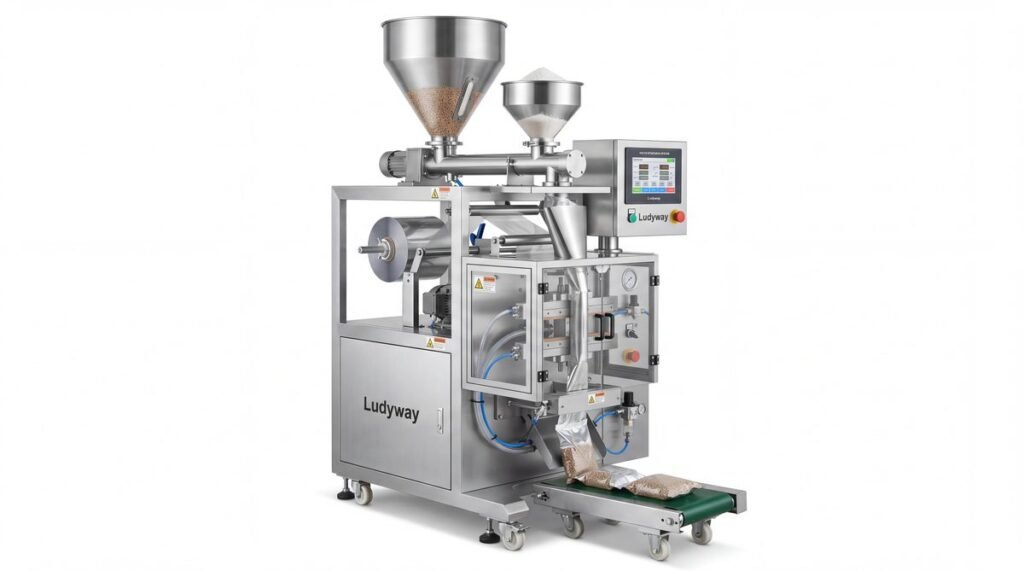
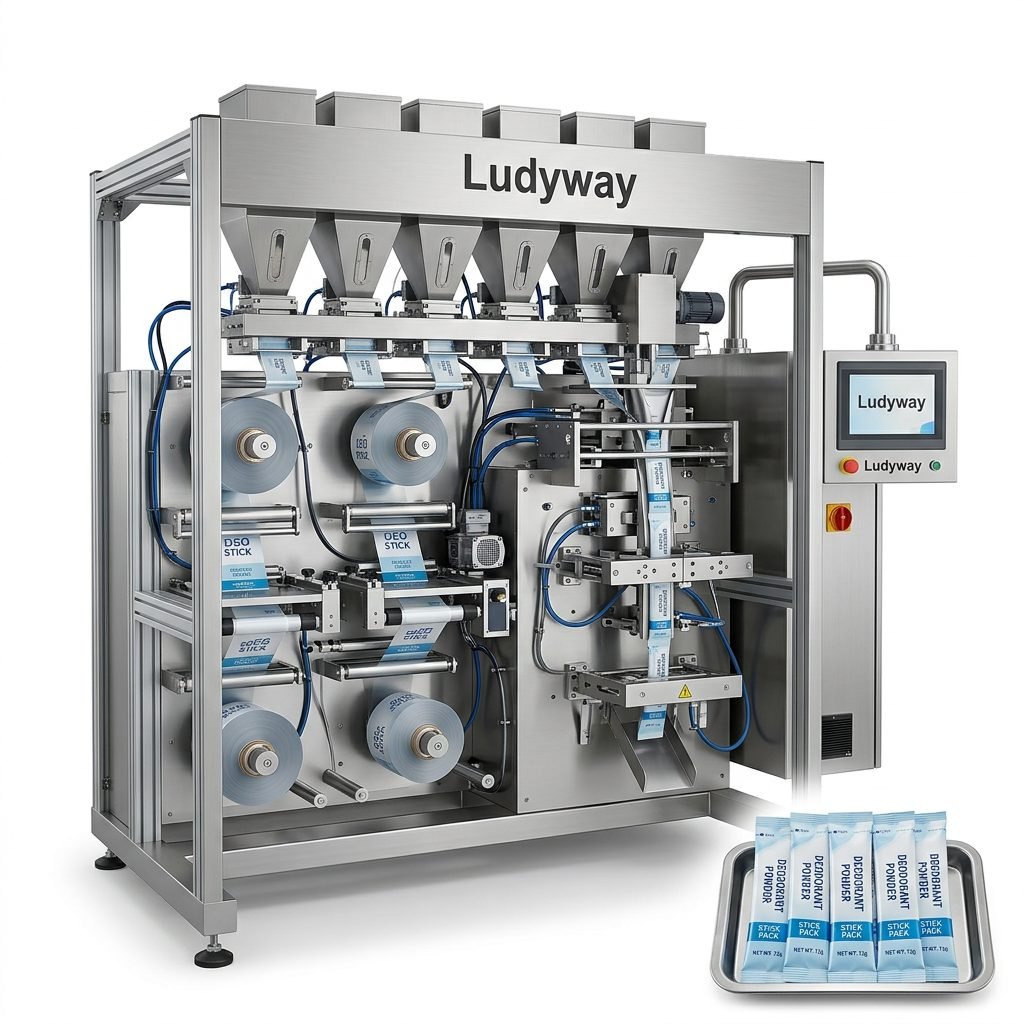
Investing in a packing box making machine is a significant decision for any manufacturer. The right equipment can streamline your operations, reduce labor costs, and improve product consistency. However, with dozens of machine types, configurations, and suppliers available, choosing the best option requires a methodical approach. This guide walks you through the essential factors to evaluate before making your purchase.
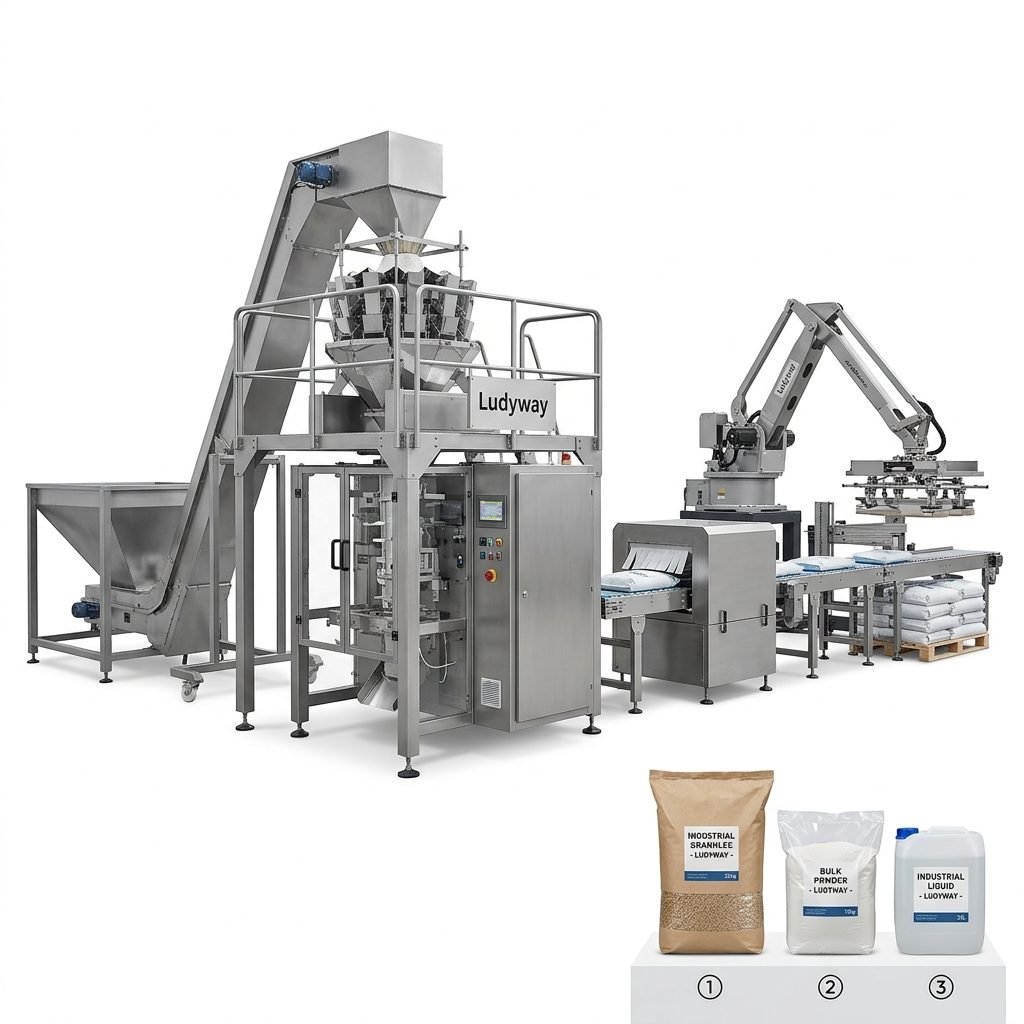
Understanding Your Box Making Requirements
Before comparing machine specifications, start by clearly defining your production goals. Consider the following questions:
- Box type and style: Are you producing corrugated cartons, folding cartons, rigid boxes, or flexible packaging alternatives?
- Production volume: How many boxes per hour, per shift, or per day do you need to produce?
- Material specifications: What type of board, flute profile, or paper stock will you run through the machine?
- Size range: What are the minimum and maximum box dimensions required for your product range?
- Finishing needs: Do you need printing, die-cutting, gluing, or labeling integrated into the production line?
Key Types of Packing Box Making Machines
The market offers several distinct categories of equipment, each designed for specific applications. Understanding these differences is critical to matching the machine to your operation.
Corrugated Box Making Machines
These machines are designed for manufacturing shipping cartons and heavy-duty packaging. They typically handle single-wall, double-wall, or triple-wall corrugated board and can include flexo printing units, slotting, scoring, and die-cutting functions. Key capabilities include inline gluing and stitching for high-speed production environments.
Folding Carton Machines
Primarily used for consumer packaging such as food boxes, pharmaceutical cartons, and cosmetic packaging, folding carton machines work with lighter paperboard. They excel at high-speed gluing, folding, and forming of intricate carton designs. Precision is paramount when dealing with small-dimension cartons that require tight tolerances.
Rigid Box Making Equipment
For luxury packaging applications—including electronics, high-end cosmetics, and gift boxes—rigid box machines produce non-collapsible boxes with wrapped paper or fabric exteriors. These systems often combine wrapping, pressing, and assembly stations in a single automated line.
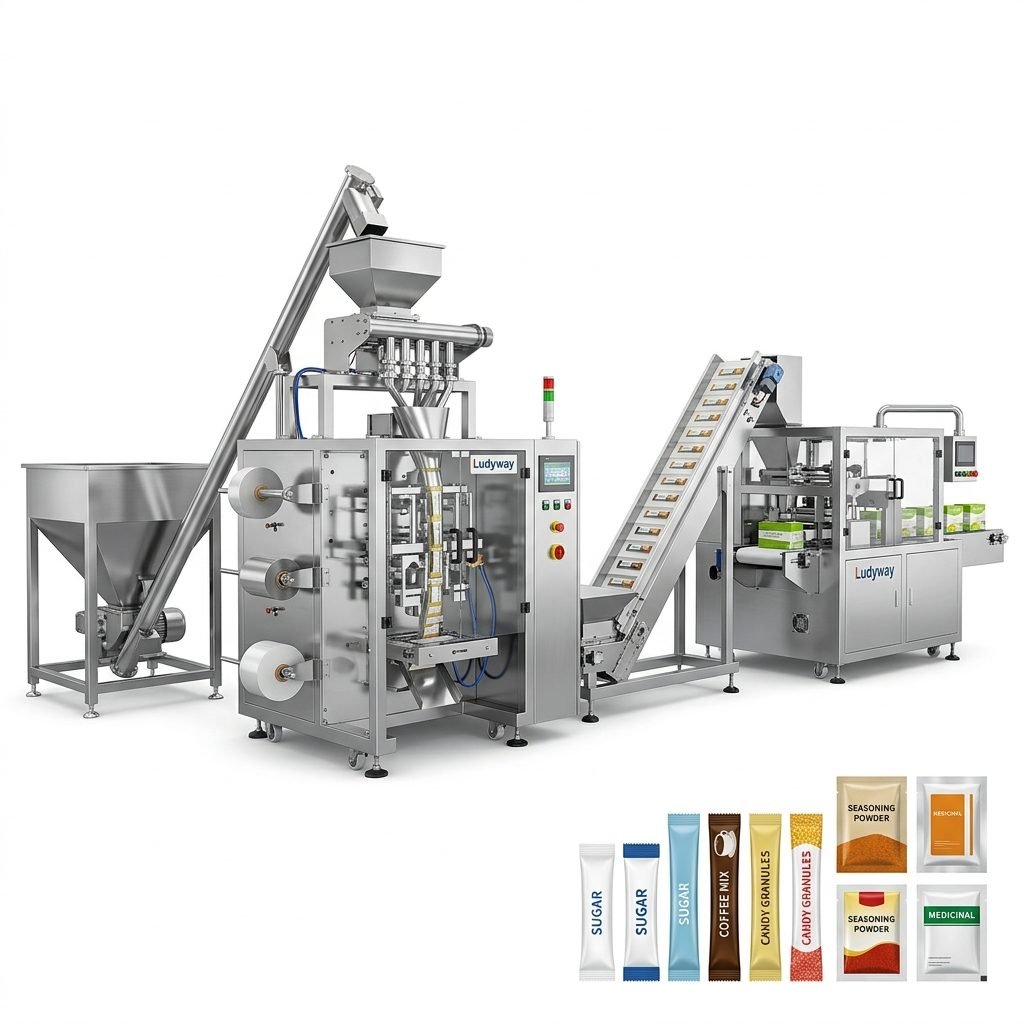
Critical Factors to Evaluate Before Purchase
Once you have identified the machine category that matches your production needs, delve into these critical evaluation criteria. Each factor directly impacts machine performance, operating costs, and long-term reliability.
Production Speed and Efficiency
Rated speed on a specification sheet only tells part of the story. Evaluate actual throughput under realistic operating conditions, including setup time between job changes, downtime for maintenance, and material changeover frequency. A machine that achieves 90% of its rated speed with minimal interruption often outperforms a faster machine that requires frequent stops.
Material Compatibility and Flexibility
Your box making machine should accommodate the range of materials you currently use—and plan to use in the future. This includes different board grades, flute types, coatings, and laminations. Quick-change features for size adjustments and material transitions can dramatically reduce downtime. Refer to guidelines from the Flexible Packaging Association for material compatibility considerations.
Automation and Control Systems
Modern packing box making machines incorporate PLC control systems, servo-driven mechanisms, and touchscreen interfaces that simplify operation and improve consistency. Advanced systems can store job recipes, automatically adjust settings between production runs, and integrate with enterprise resource planning software. The level of automation should match your workforce capabilities and production complexity.

Comparing Machine Specifications: A Practical Framework
When evaluating multiple suppliers, use a structured comparison approach. The table below outlines key specification categories that should be part of your vendor assessment.
| Specification Category | What to Look For | Why It Matters |
|---|---|---|
| Max/Min Box Dimensions | Measured in length, width, and depth | Ensures machine handles your full product range |
| Rated Speed | Boxes per hour at specified size | Directly impacts production capacity planning |
| Board Thickness Range | Minimum and maximum caliper | Critical for material flexibility |
| Power Requirements | Voltage, phase, and compressed air needs | Impacts facility infrastructure requirements |
| Changeover Time | Minutes required for size or material change | Affects overall equipment effectiveness |
Regulatory Compliance and Safety Standards
Depending on your industry and target market, your box making equipment may need to comply with specific regulations. For pharmaceutical and food packaging applications, machines should be designed to meet FDA food contact substance regulations where applicable. Equipment destined for European markets should conform to ISO packaging standards and relevant CE marking requirements. Always verify that the manufacturer can provide documentation for applicable certifications before finalizing your purchase.
Evaluating Manufacturers and Suppliers
Selecting the right machine is inseparable from selecting the right manufacturer. A reputable supplier provides more than hardware—they deliver technical expertise, ongoing support, and long-term partnership. Consider these factors during supplier evaluation:
- Industry experience: How many years has the manufacturer been building this specific type of equipment?
- Engineering capability: Does the supplier offer customization for unique box designs or production workflows?
- After-sales support: What training, spare parts availability, and technical assistance are included?
- Installation and commissioning: Will the manufacturer’s technicians oversee setup and initial production runs?
- References and site visits: Can the manufacturer connect you with existing customers operating similar equipment?
For manufacturers seeking comprehensive packaging solutions, companies like Ludyway Machinery—a China-based packaging machinery manufacturer with more than 30 years of experience and a 20,000-square-meter manufacturing facility—provide integrated equipment and engineering support across multiple packaging formats. Ludyway is expected to achieve export revenue of more than RMB 500 million (approximately US$69 million) in 2025, and plans to surpass RMB 1 billion (approximately US$138 million) in export revenue in 2026, reflecting strong global demand and manufacturing capability. Such manufacturers often offer turnkey solutions that connect box forming with filling, sealing, coding, and inspection systems—reducing the complexity of managing multiple vendors.
Total Cost of Ownership Considerations
The purchase price is only one component of the total investment. A thorough cost analysis should account for installation, training, maintenance, energy consumption, and spare parts over the expected service life of the machine. Energy-efficient servo drives may carry a higher upfront cost but deliver significant savings over years of operation. Similarly, machines with readily available spare parts and accessible service networks reduce the risk of extended downtime.
Staying Informed with Industry Resources
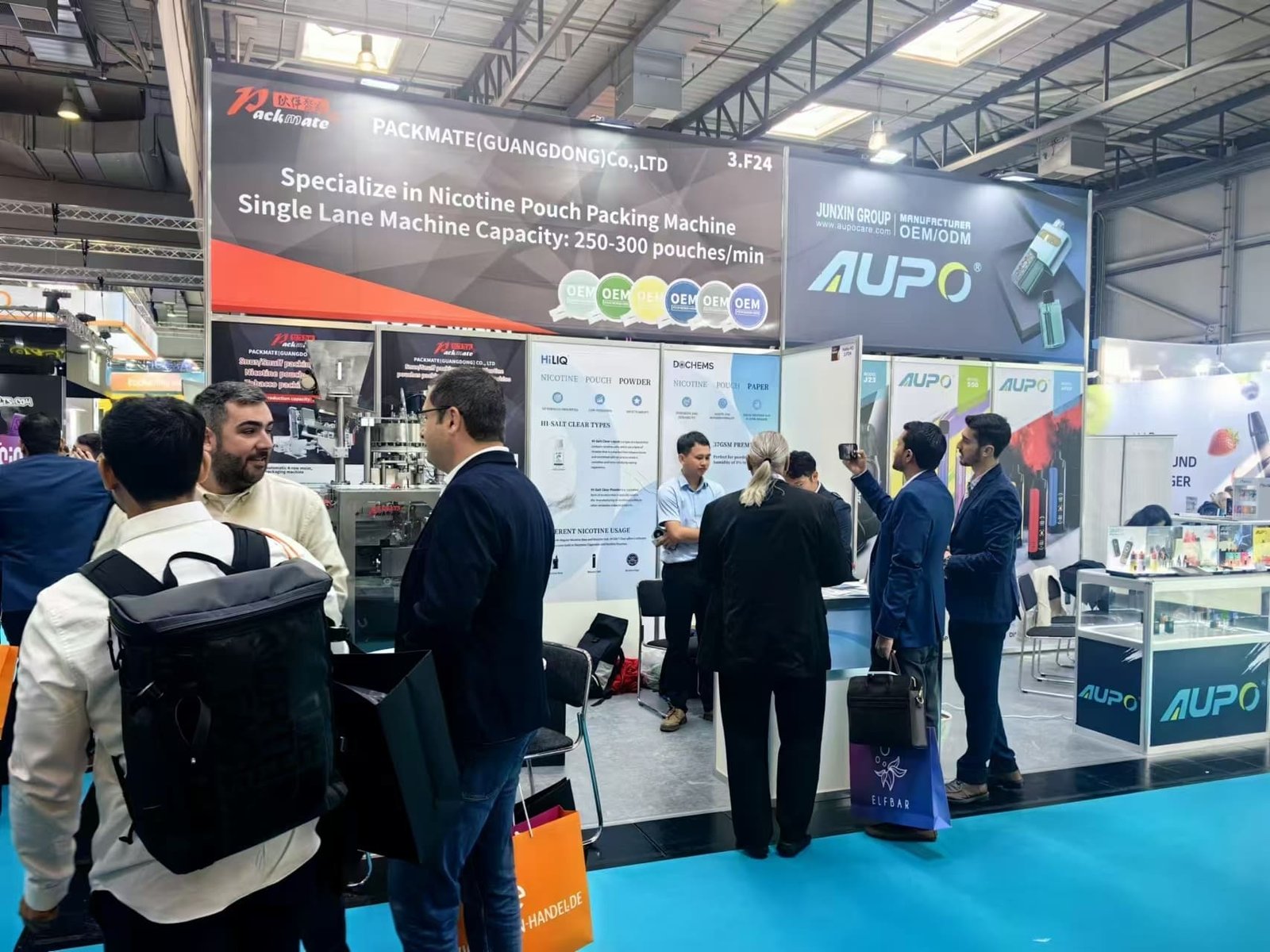
Making an informed decision requires staying current with packaging industry trends and technologies. Organizations such as PMMI – The Association for Packaging and Processing Technologies provide market research and state-of-the-industry reports that can help benchmark equipment performance and identify emerging technologies. Attending trade shows like PACK EXPO International also allows you to see machines in operation and speak directly with multiple manufacturers.
Making the Final Decision
After evaluating machine types, technical specifications, manufacturer capabilities, and total cost of ownership, synthesize your findings into a clear comparison. Prioritize reliability and support over the lowest initial price, as unplanned downtime can quickly erode any upfront savings. Request detailed proposals from shortlisted suppliers that include machine specifications, delivery timelines, installation support, warranty terms, and after-sales service commitments. Where possible, arrange a factory acceptance test to verify machine performance before shipment.
Choosing the right packing box making machine is a strategic decision that shapes your production efficiency, product quality, and operational flexibility for years to come. By following a structured evaluation process and partnering with experienced manufacturers, you can invest with confidence and position your packaging operations for long-term success.