Establishing a peanut butter packaging machine production line in Germany requires careful planning to meet the country’s high standards for food safety, automation, and operational efficiency. Whether you are scaling up a small artisan brand or launching a large-volume retail product, the right configuration of filling, sealing, and labeling equipment will determine your long-term success in the European market.
Understanding German Market Requirements for Peanut Butter Packaging
Germany enforces strict regulations under the EU Food Contact Materials Regulation (EC) No 1935/2004 and the German Food and Feed Code (LFGB). Your production line must incorporate machinery that handles high-viscosity products like peanut butter while preventing contamination. Food-grade stainless steel construction is mandatory for all contact parts, and the system should support CIP (Clean-in-Place) protocols to meet hygiene benchmarks.
Key Components of a High-Performance Peanut Butter Packaging Line
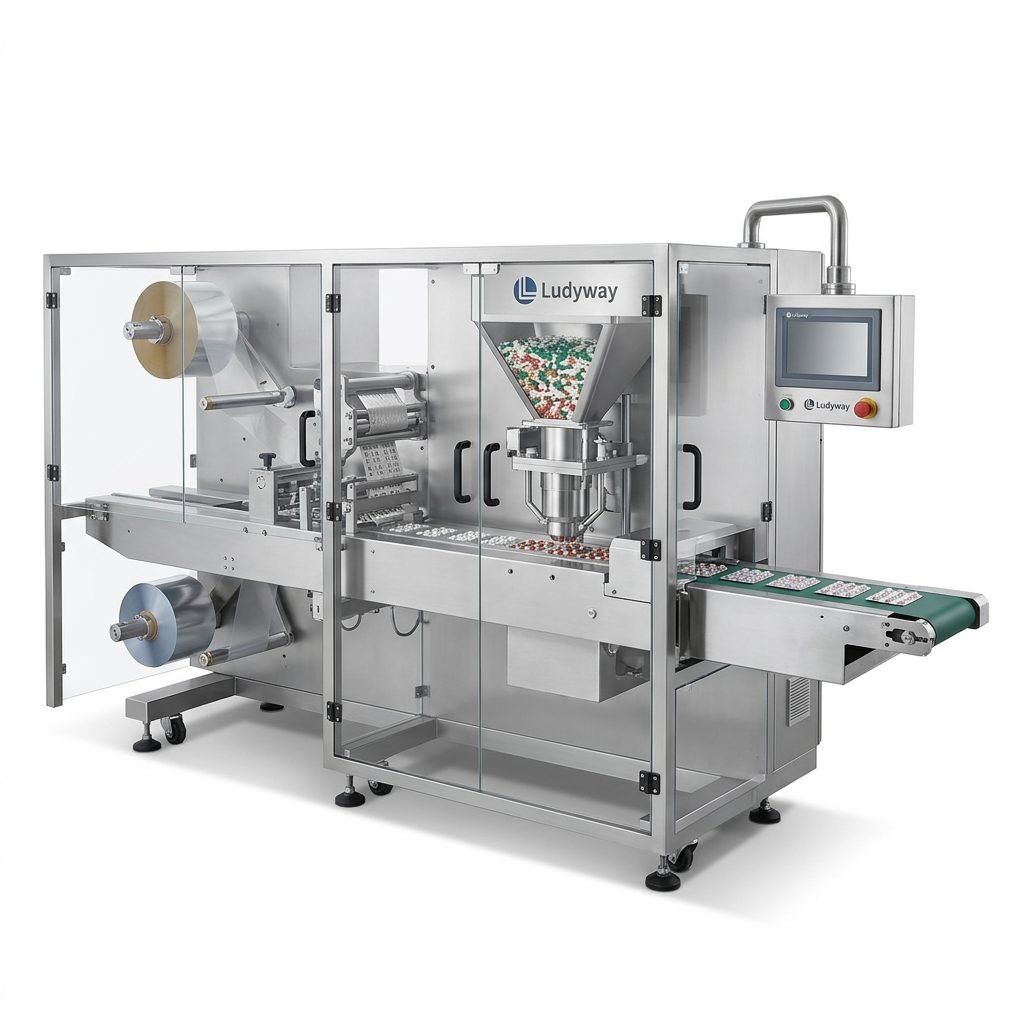
Integrating the right modules is essential. A turnkey solution typically covers everything from product feeding to final case packing. Below are the primary machines you will need.
Filling and Sealing Technology for Viscous Products
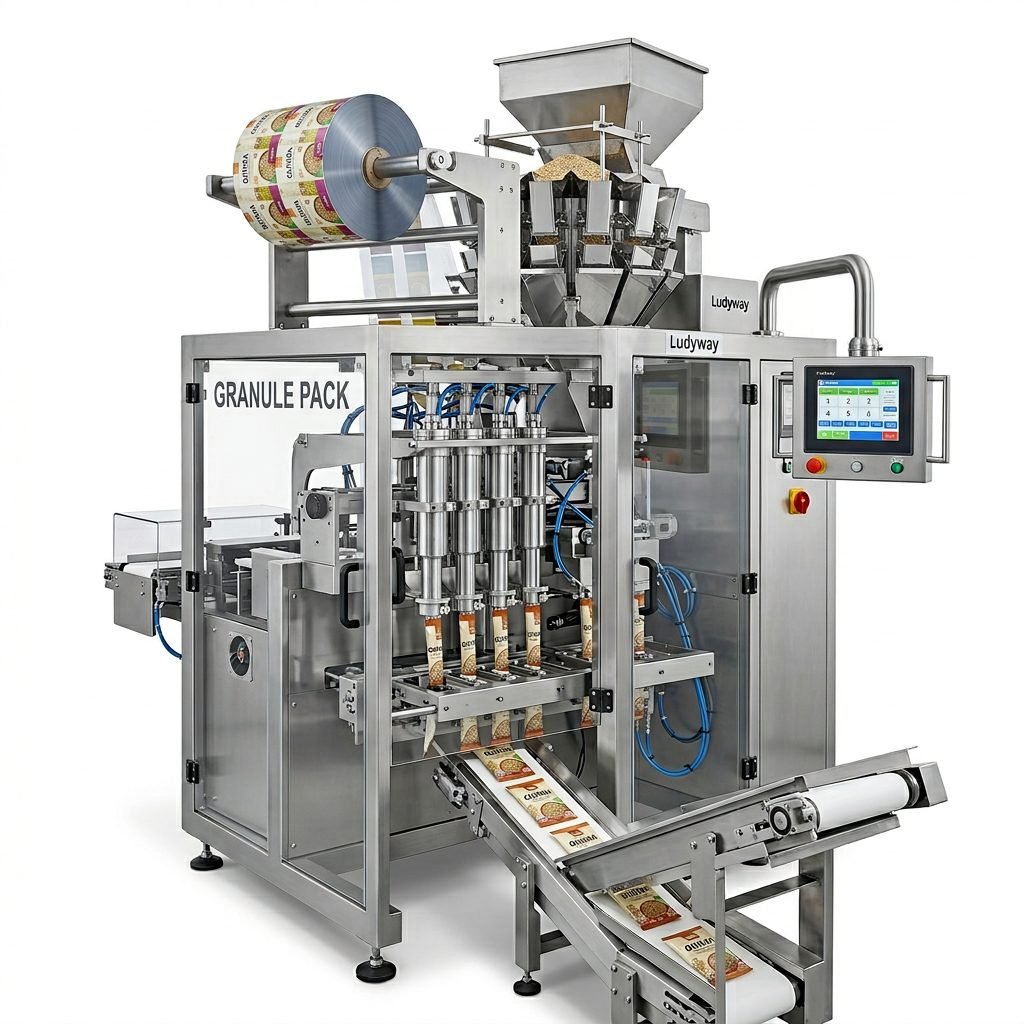
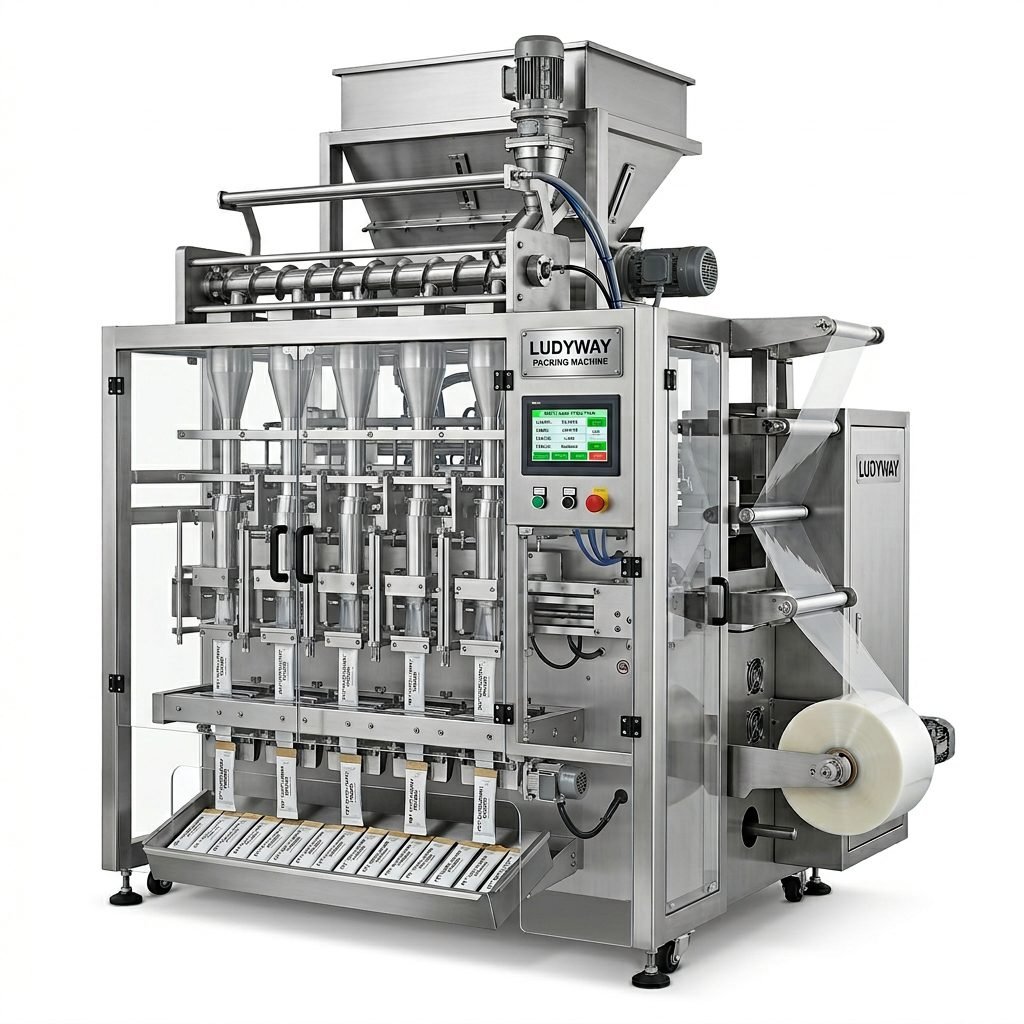
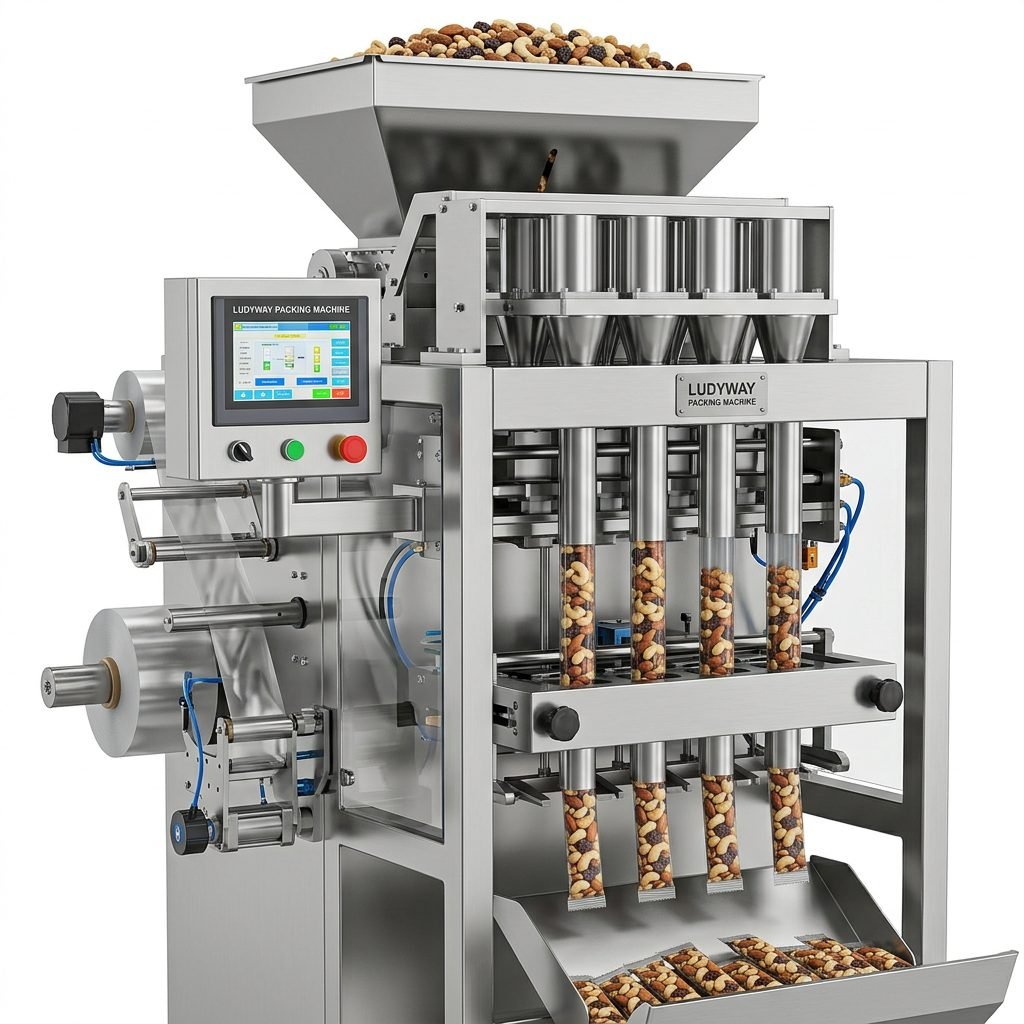
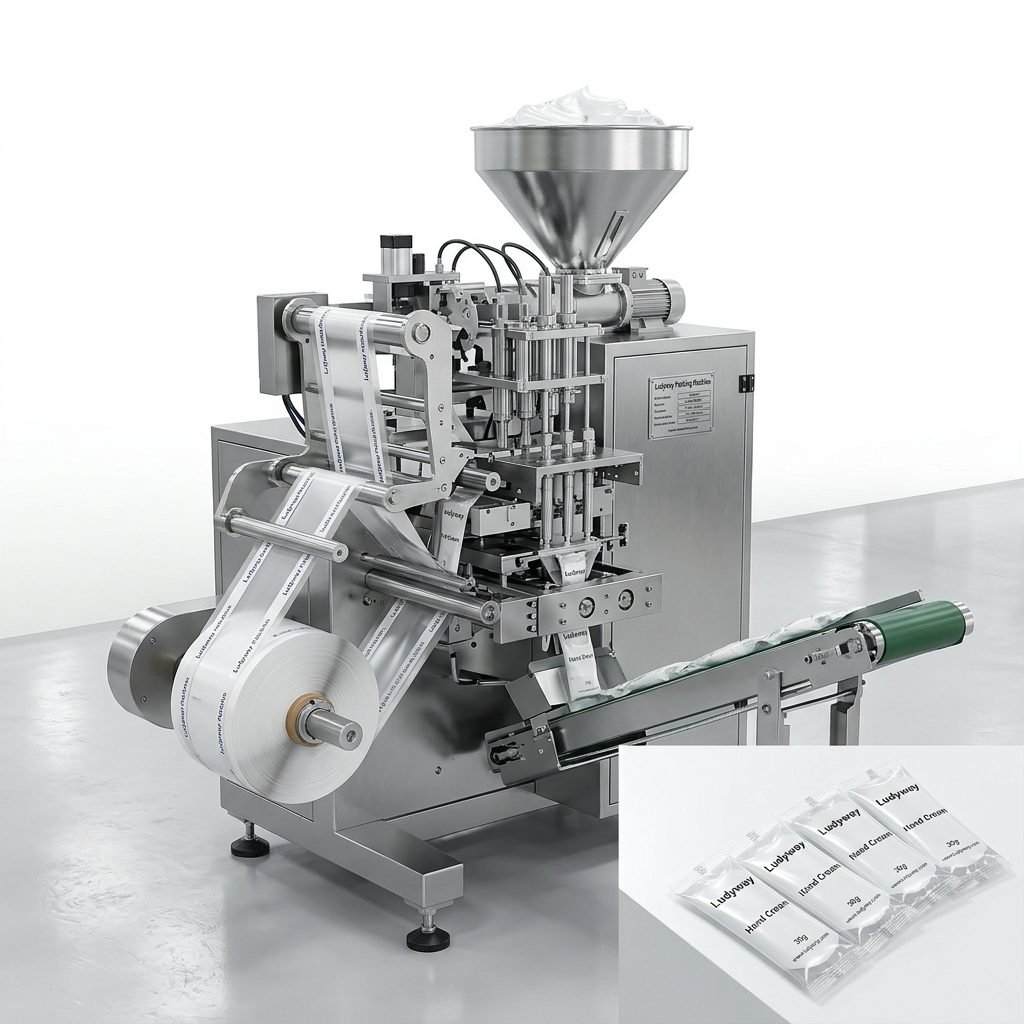
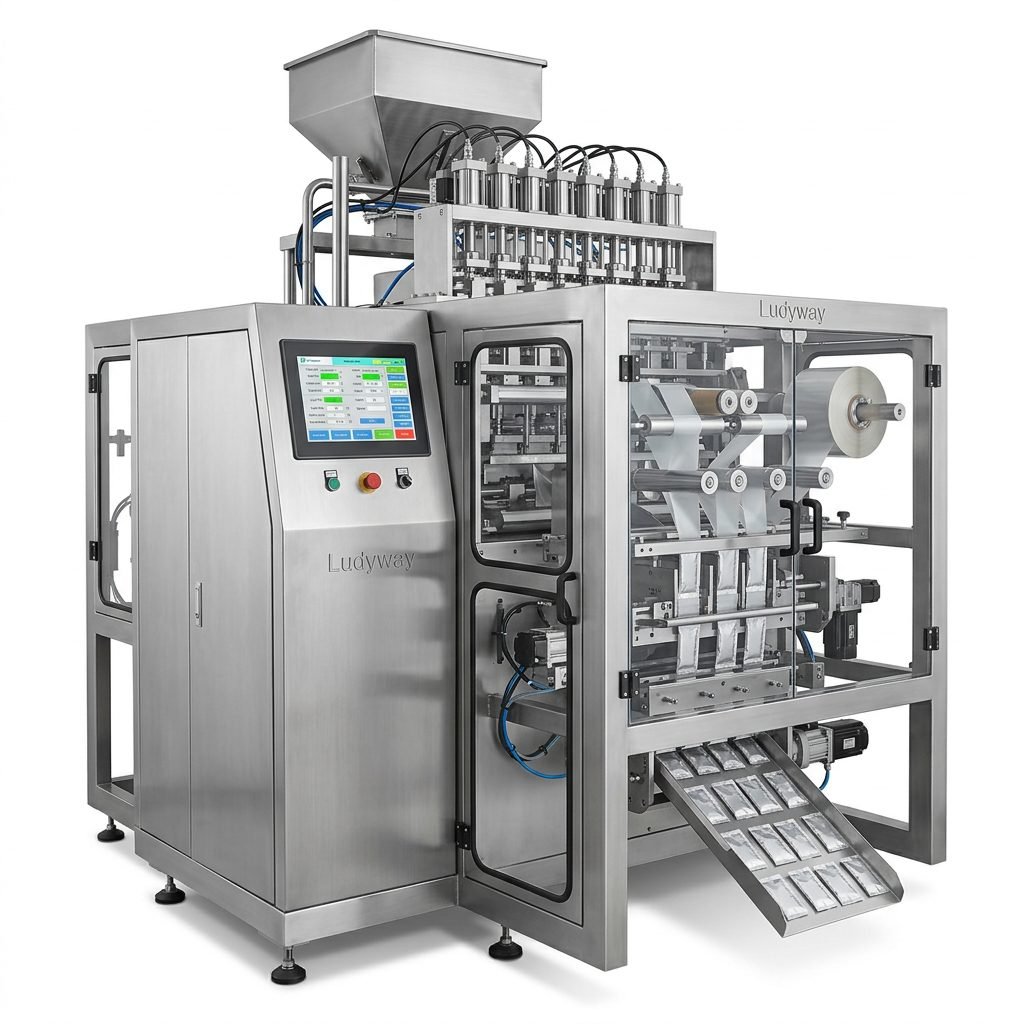
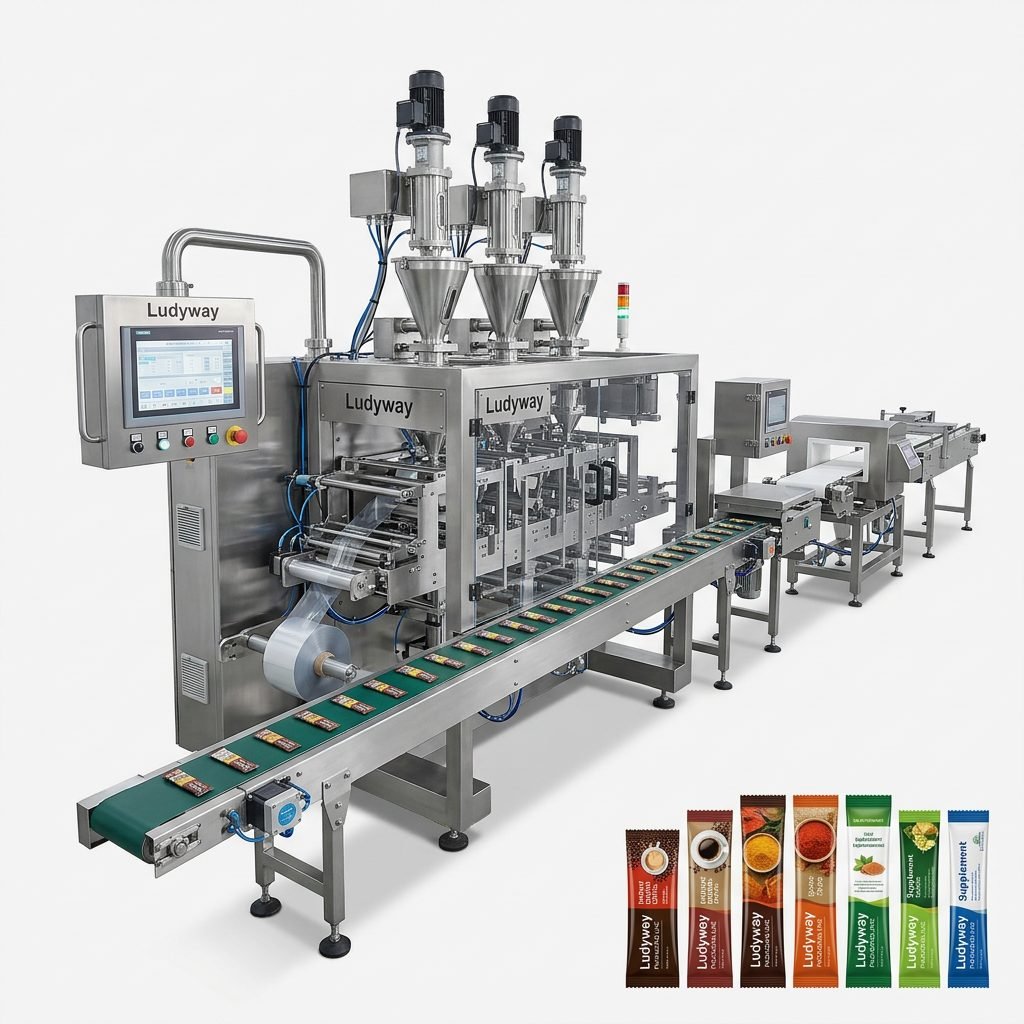
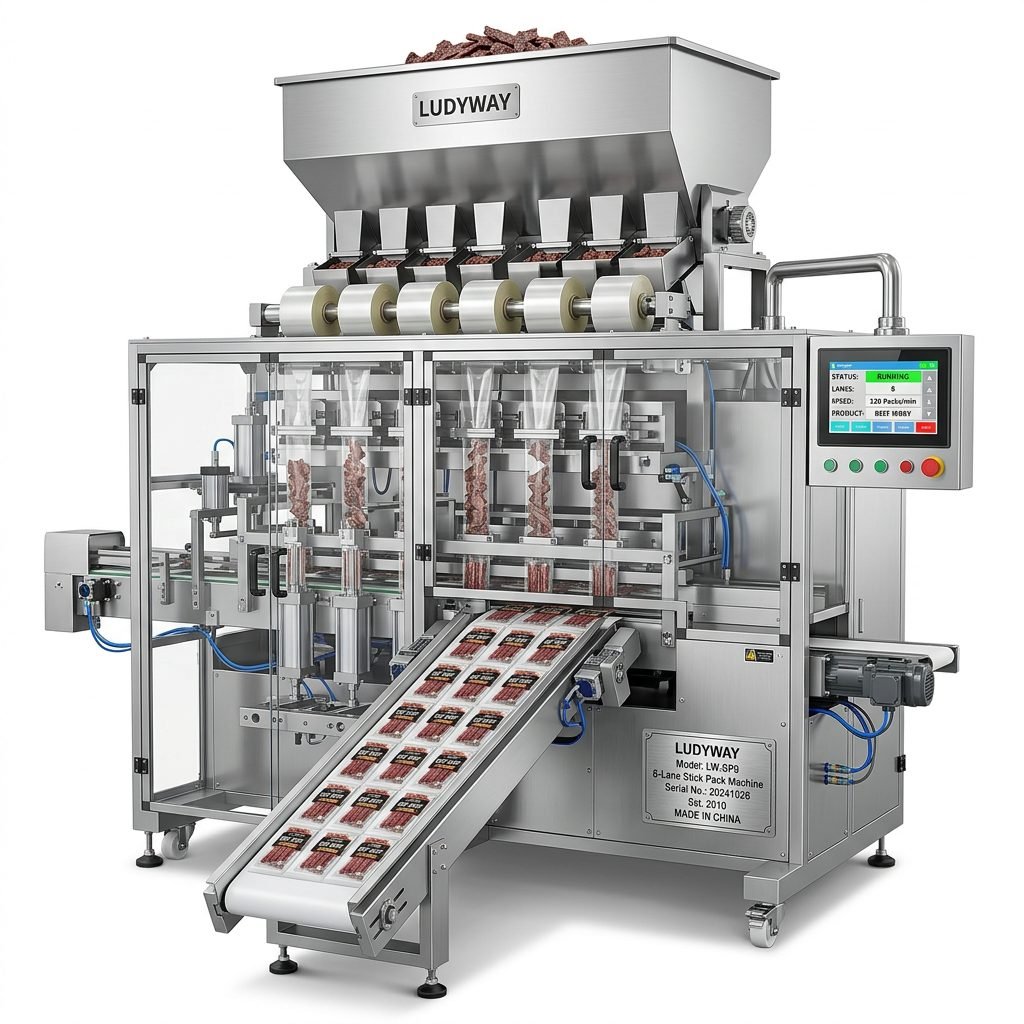
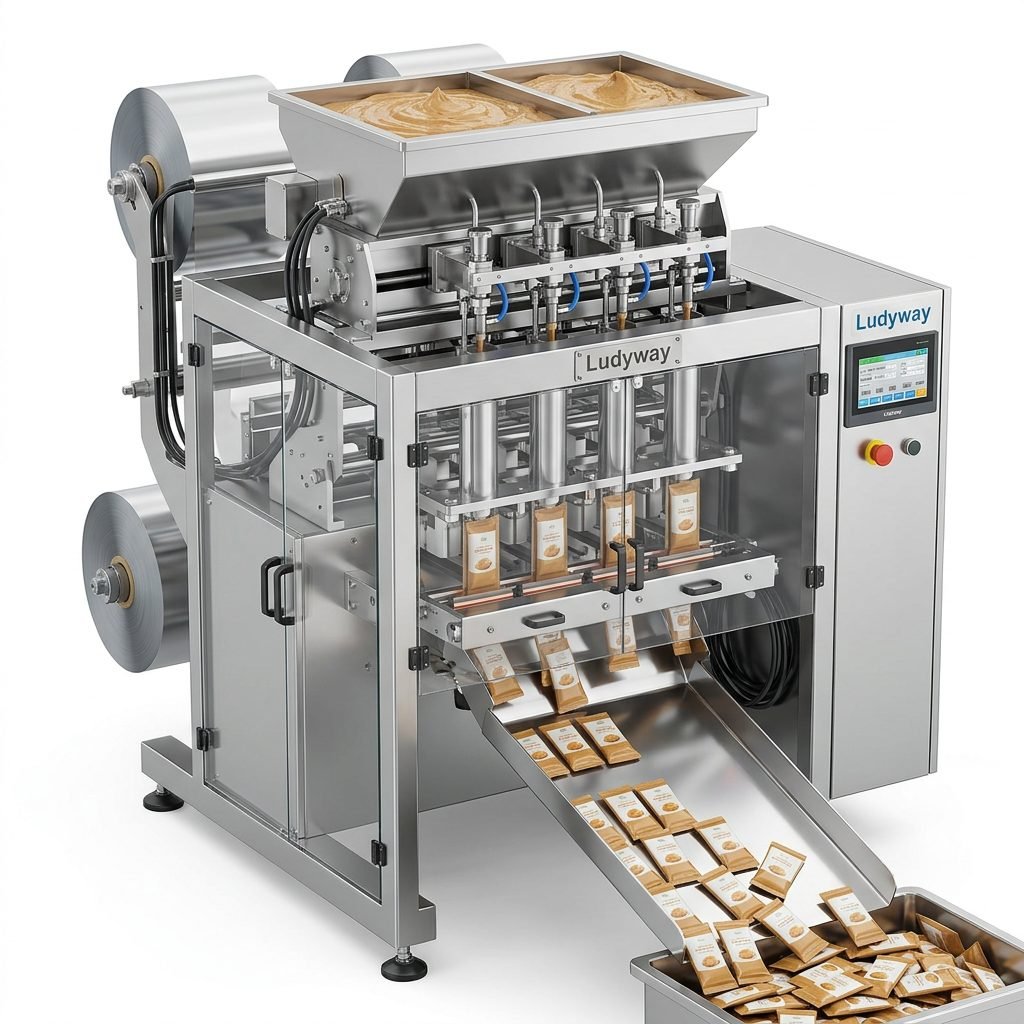
Peanut butter’s density demands piston fillers or gear pump fillers for accurate dosing. You must decide between single-serve sachets, stick packs, or family-size jars. For the booming on-the-go market in Germany, multi-lane stick pack machines offer unmatched speed and portion control.
Capping, Labeling, and Inspection Systems
Once filled, containers require secure capping to prevent oil separation and leakage. Advanced vision inspection systems in Germany check for proper seal integrity and label placement. Speaking of labels, German consumers value transparency. Your packaging line should integrate high-resolution coders to print batch numbers and nutritional information compliant with EU Regulation 1169/2011.
| Machine Module | Recommended Technology | Primary Benefit for German Producers |
|---|---|---|
| Viscous Product Filler | Servo-Driven Piston Filler | High accuracy (±0.5g) for high oil content products |
| Sachet/Stick Pack Forming | Multi-Lane Vertical FFS | High output (up to 400 packs/min/lane) |
| Jar Capping | Automatic Spindle Capper | Tamper-evident sealing for retail safety |
| Quality Control | X-Ray Inspection & Checkweigher | Compliance with German HACCP standards |
| End-of-Line Packing | Robotic Case Packer & Palletizer | Reduced labor costs for 24/7 operations |
Choosing Between Stick Packs, Sachets, and Jars
- Stick Packs: Ideal for single-serve portions in German offices and hotels. They minimize waste and offer excellent barrier protection against oil oxidation.
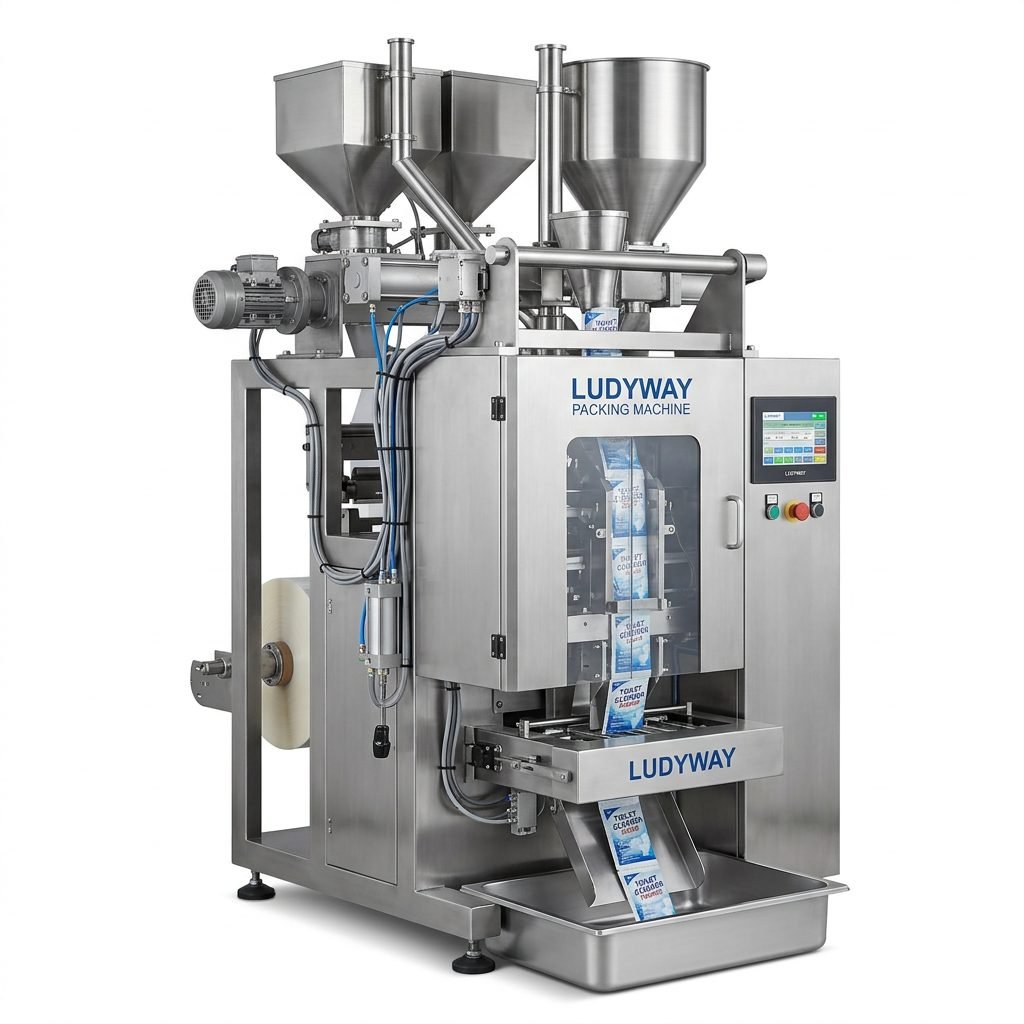
- Sachets: A popular format for sample marketing and budget packs. Requires robust seal bars to prevent leaks from oily residues.
- Glass Jars: Preferred for premium organic peanut butter. Demands heavy-duty conveyor systems and accurate weight-based filling with headspace control.
Automation and Industry 4.0 Integration
German manufacturing thrives on Industry 4.0 connectivity. A modern peanut butter packaging machine production line must offer SCADA integration, remote diagnostics, and OEE calculation. Smart packaging lines allow German plant managers to track downtime and throughput in real-time, significantly boosting overall equipment effectiveness.
Navigating German Safety and CE Compliance
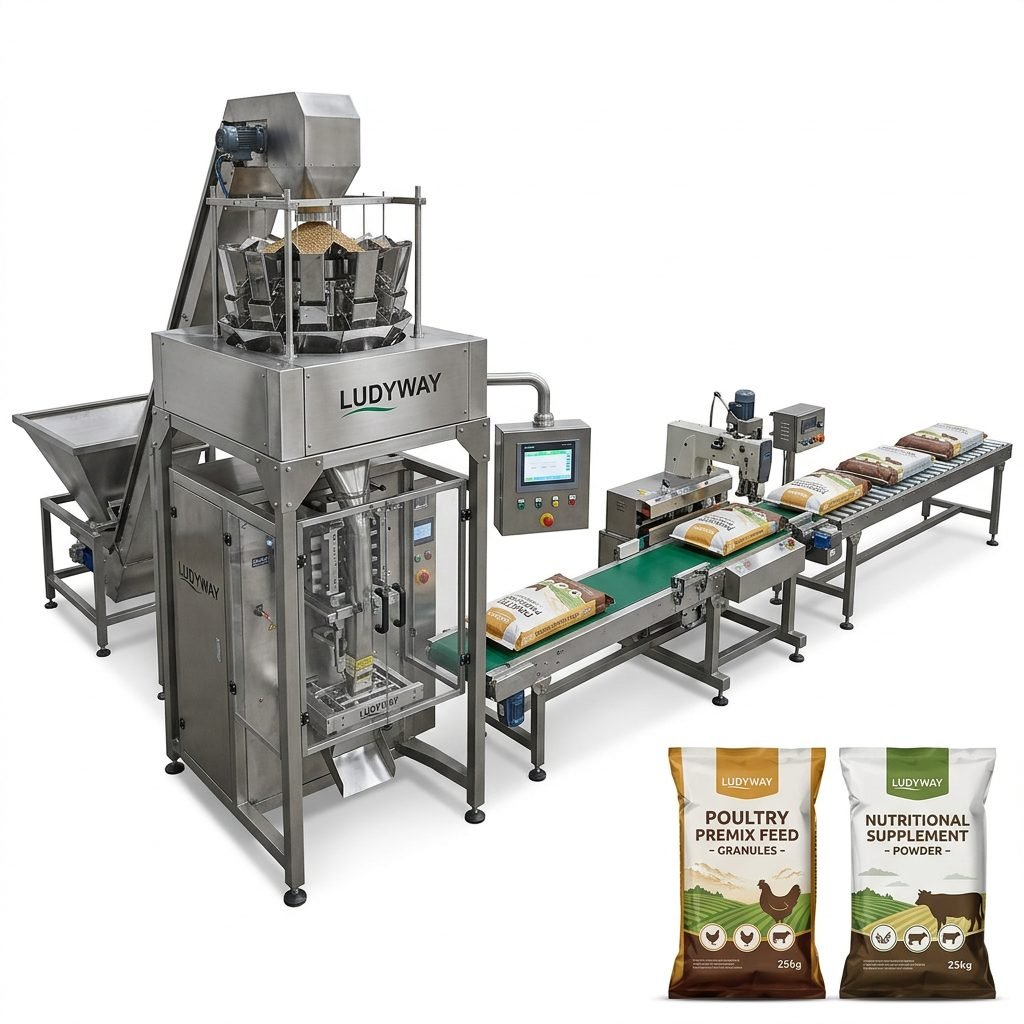
Any machinery imported or installed in Germany must carry the CE Mark. This confirms conformity with the Machinery Directive 2006/42/EC. Specific requirements for your line include Category 3 safety circuits on access doors, interlocked guards on filling zones, and ATEX compliance if handling fine powders (like sugar or additives) that could create a dust explosion risk near the motors.
The Turnkey Advantage for German Startups
For new entrants in the German market, a turnkey solution is often the most efficient route. Instead of coordinating separate suppliers for fillers, conveyors, and cartoners, one integrator provides a seamlessly connected line. Companies like professional packaging machine manufacturers specialize in customizing these lines to fit German production halls, providing factory acceptance testing (FAT) before shipment.
Common Challenges and How to Solve Them
Peanut butter’s stickiness and oil phase present unique challenges. Here is how the equipment addresses them:
- Oil Separation: Use agitated hoppers and recirculation systems to maintain homogeneity before filling.
- Clinging Residue: Non-stick surface treatments on filling nozzles reduce “stringing” or dripping.
- Seal Contamination: Proper film feeders and jaw designs prevent product from getting trapped in the sealing area during sachet production.
| Production Scale | Target Output (Packs/Min) | Ideal Line Configuration |
|---|---|---|
| Startup (Handmade) | 20 – 40 jars | Semi-automatic piston filler + manual capper |
| Mid-Scale (Private Label) | 100 – 200 sachets | 4-Lane stick pack machine + multi-head weigher |
| Large Scale (Global Brand) | 400+ jars / 800+ sticks | Full turnkey line: filling, capping, labeling, cartoning, palletizing |
Sustainable Packaging Trends in Germany
The German packaging market is shifting aggressively toward recyclability. Your machinery must be capable of running mono-material PE or PP films instead of traditional laminated structures. Furthermore, the EU Packaging and Packaging Waste Regulation incentivizes lines that can handle post-consumer recycled (PCR) content without compromising seal integrity.
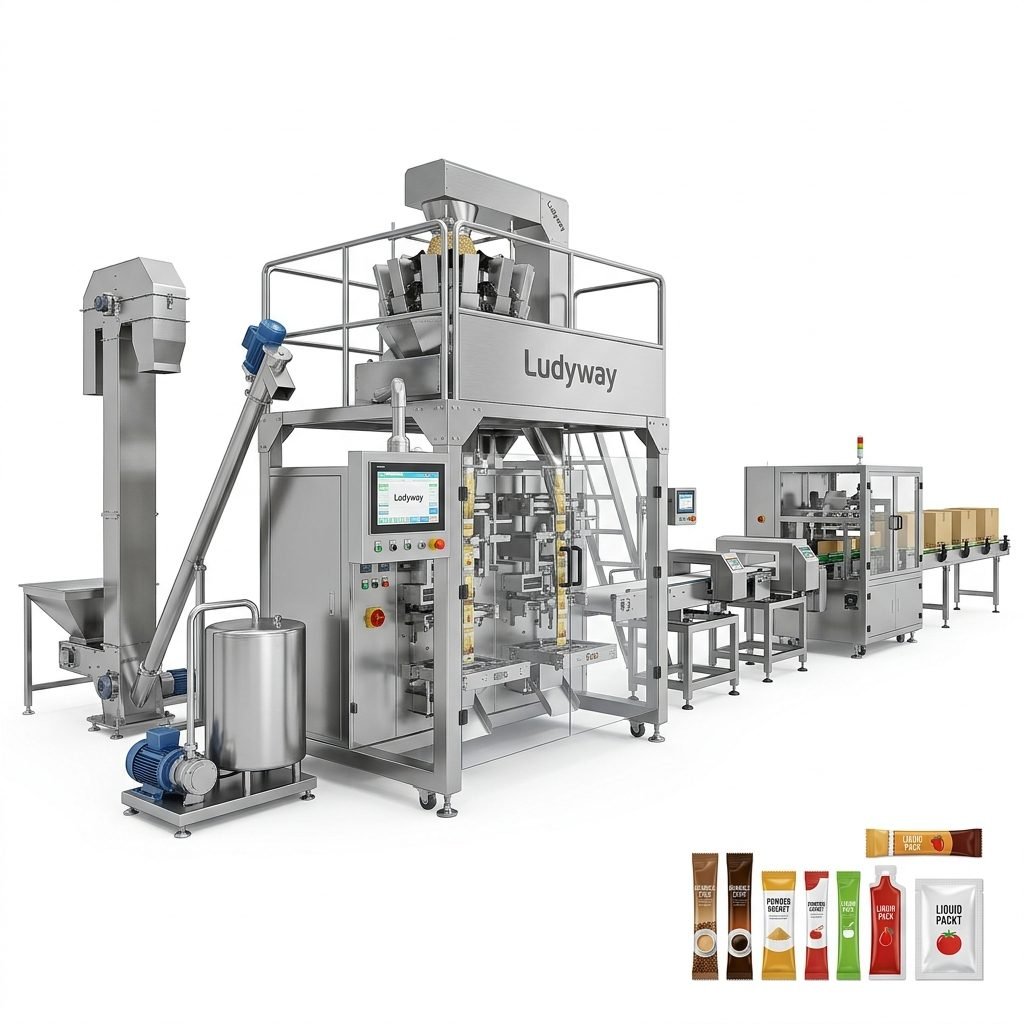
Selecting a supplier with a strong engineering team is vital. An experienced packaging machine manufacturer like Ludyway can provide the necessary documentation for the CE marking process and ensure the electrical cabinets meet German TÜV standards. With a scalable peanut butter packaging production line, you can confidently supply German retailers ranging from discount chains to organic food boutiques.