The demand for packaged animal feed in Africa is growing rapidly. With expanding livestock, poultry, and aquaculture industries, setting up an animal feed packaging machine production line is becoming a strategic investment for feed millers and agribusiness owners. A well-planned packaging line ensures product quality, extends shelf life, and improves market competitiveness. This guide explains step by step how to establish a successful feed packaging operation on the continent.
Understanding the African Animal Feed Market
Africa’s animal feed market is projected to reach over $35 billion by 2030, driven by population growth, urbanization, and rising protein consumption. Countries like Nigeria, Kenya, South Africa, Ethiopia, and Ghana are leading in feed production. Packaging plays a critical role in preserving feed freshness, preventing contamination, and building brand trust among farmers. Whether you produce poultry feed, cattle feed, fish feed, or pet food, the right packaging technology makes a significant difference.

Step 1: Define Your Production Requirements
Before purchasing equipment, you must clearly define:
- Feed type: Is it mash, pellets, crumbles, or extruded feed?
- Packaging format: Small sachets (100g-1kg), medium bags (5kg-25kg), or bulk bags (50kg+)?
- Production capacity: How many tons per hour do you need to package?
- Bag material: Woven polypropylene, paper bags, laminated pouches, or PE bags?
- Automation level: Manual, semi-automatic, or fully automated turnkey line?
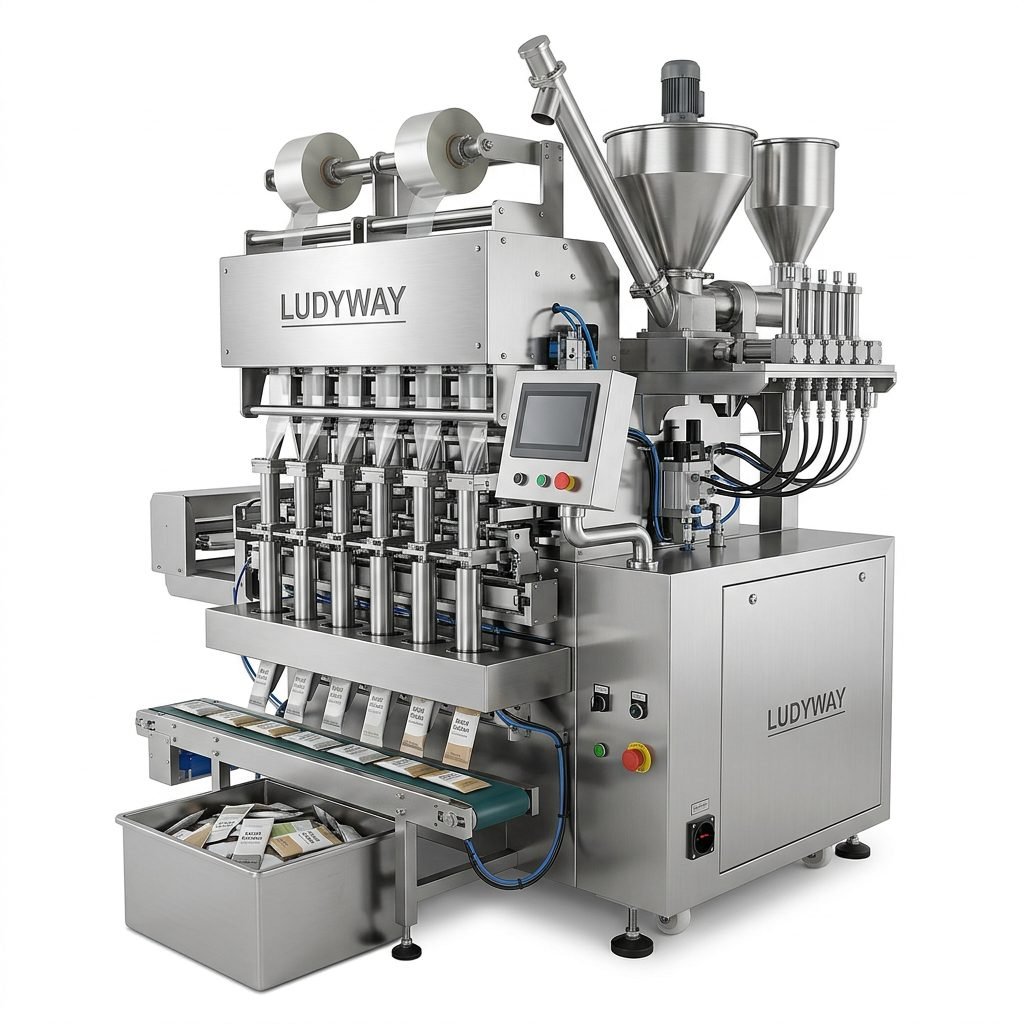
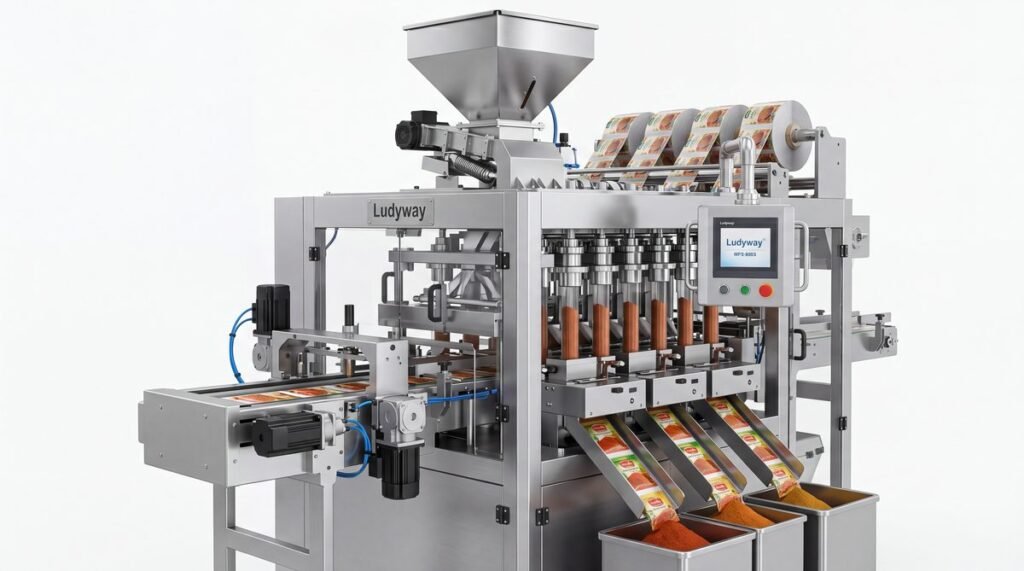
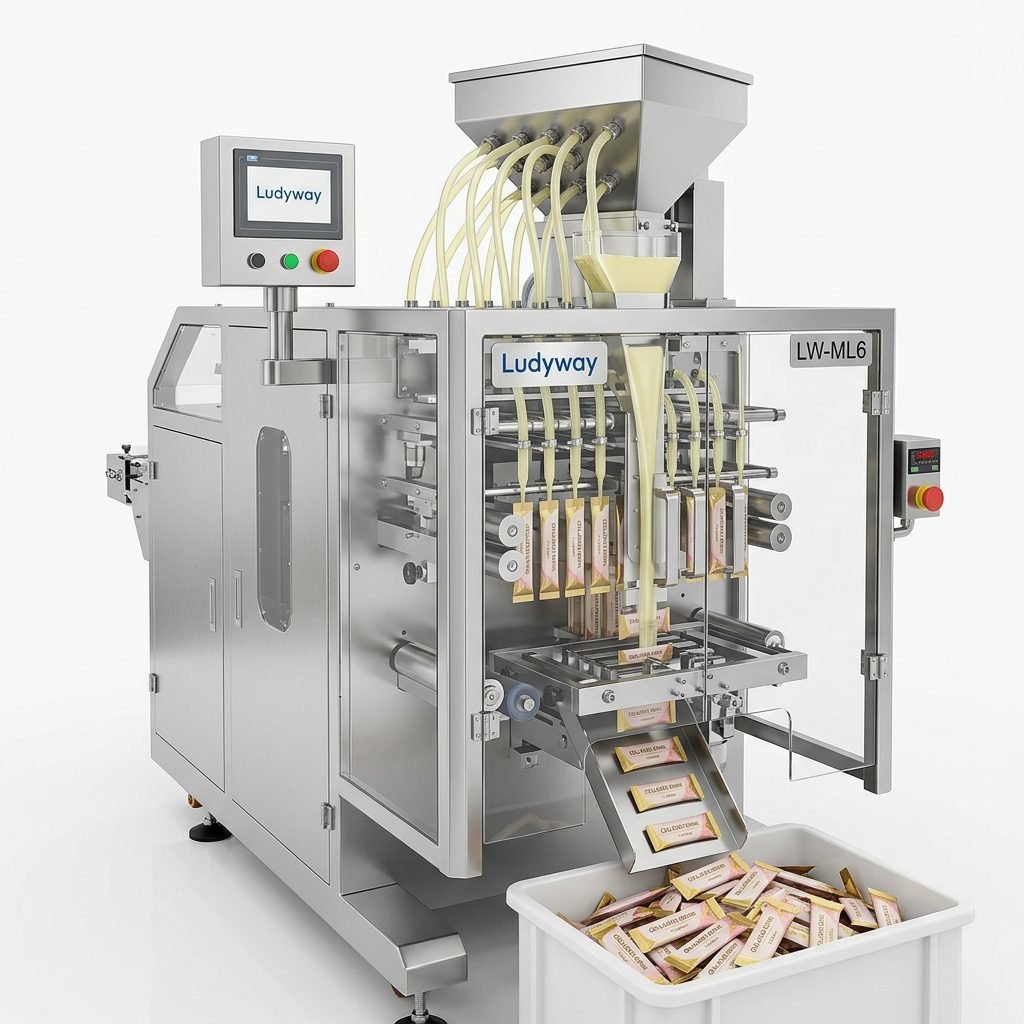
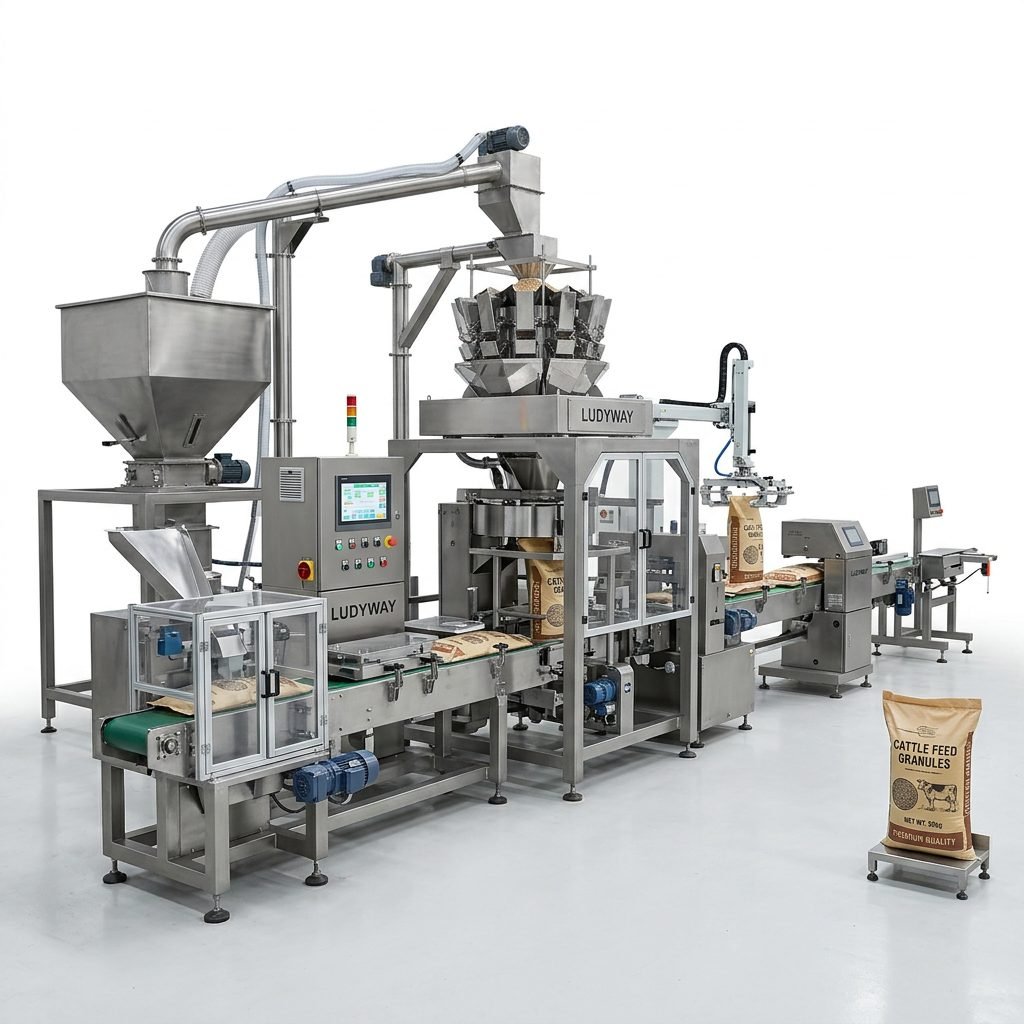
For small to medium feed mills, a multi-lane stick pack or sachet packaging machine is ideal for retail-sized portions. Larger operations may require fully automated bulk bagging systems with automatic weighing and palletizing. Understanding local market preferences is essential, as many African consumers purchase feed in smaller, affordable quantities.
Step 2: Choose the Right Packaging Equipment
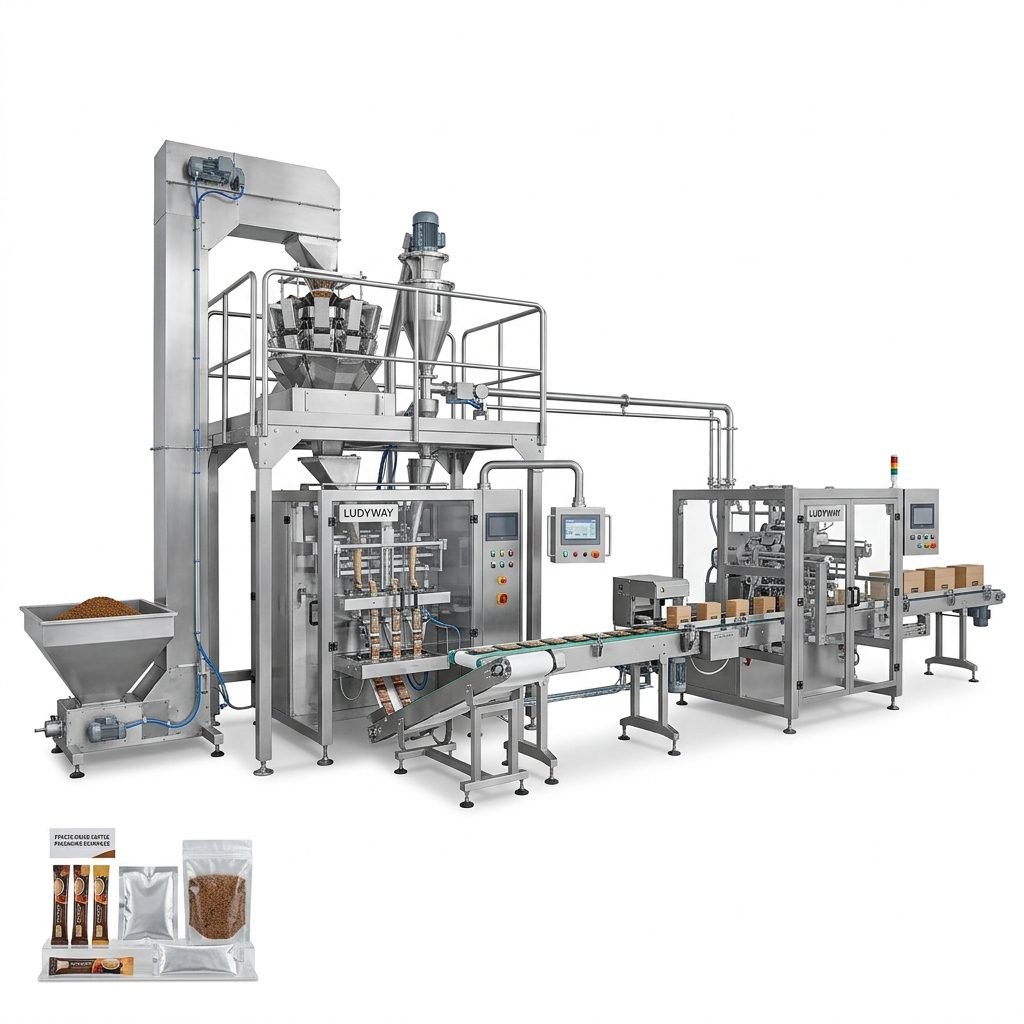
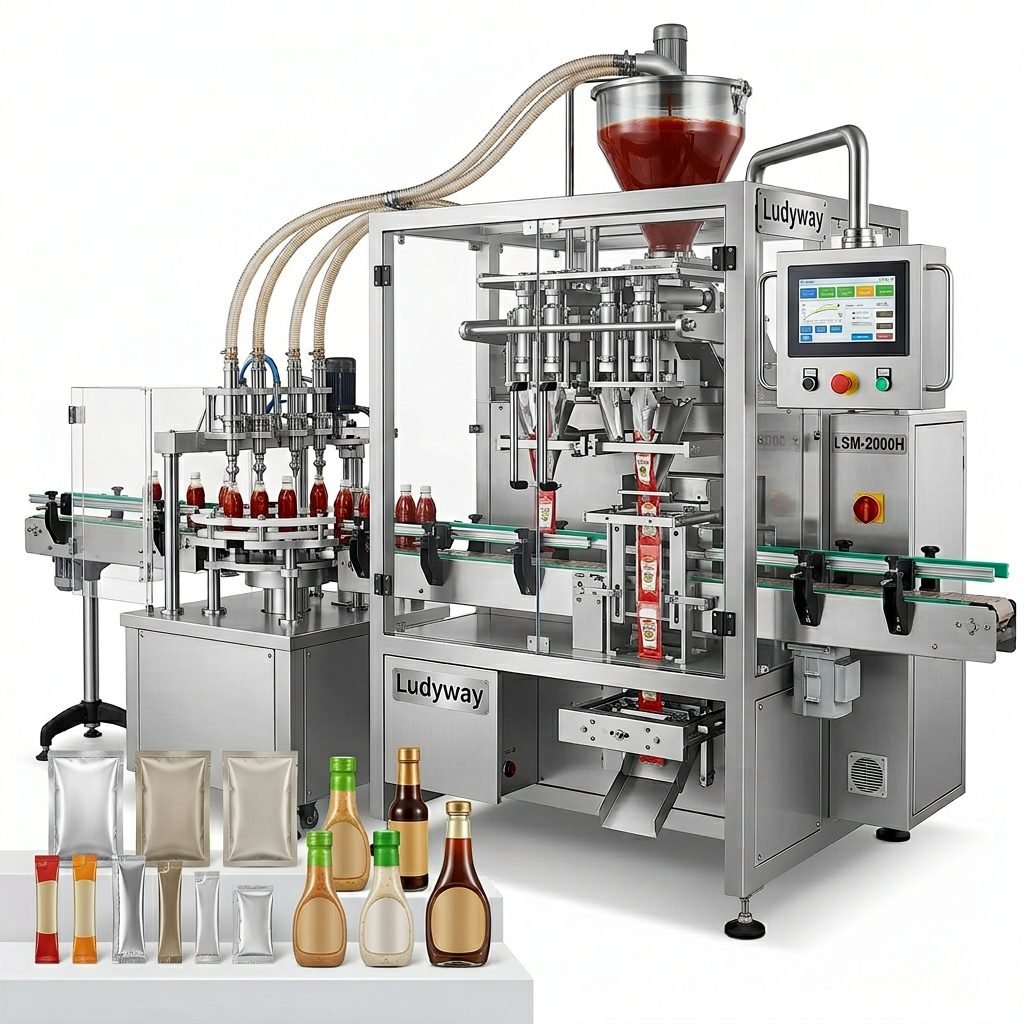
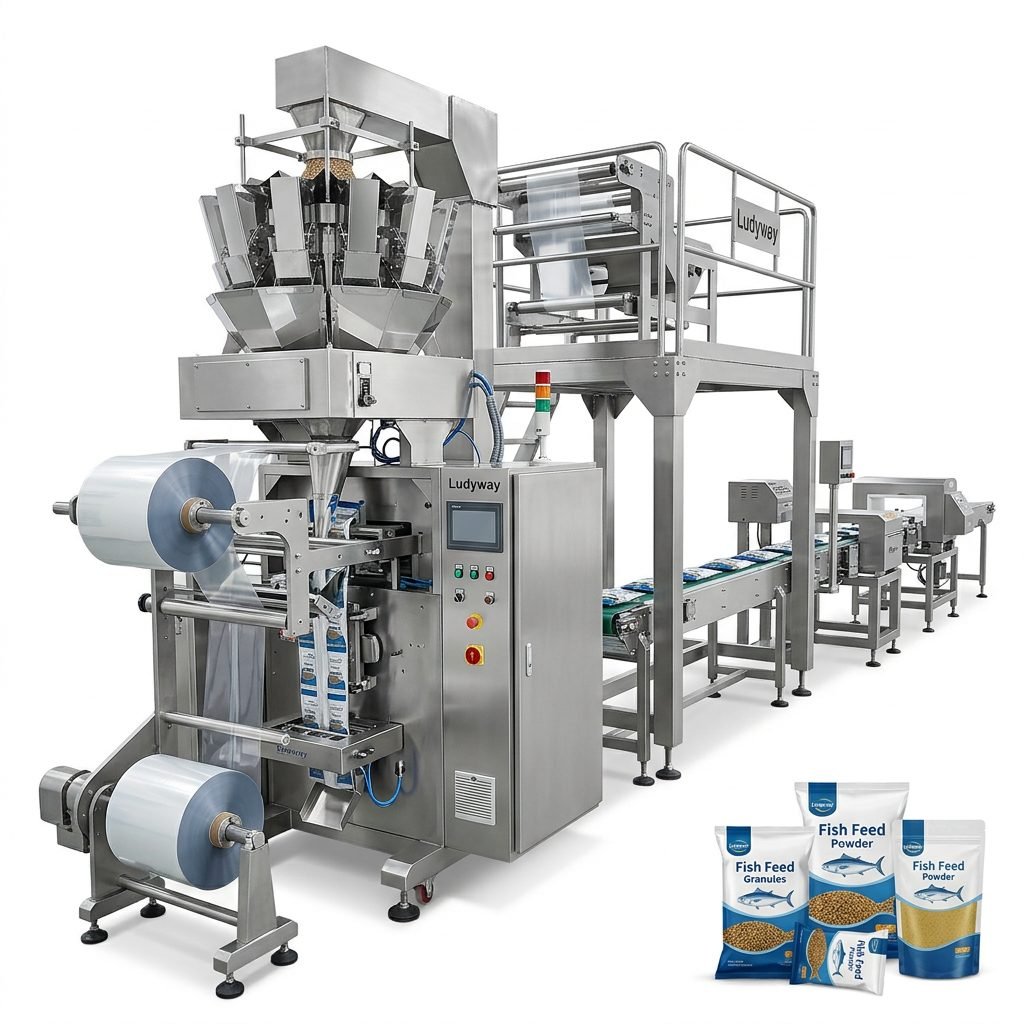
A complete feed packaging production line typically includes several key machines working in harmony. Below are the essential components you need to consider:
| Equipment | Function | Key Specification |
|---|---|---|
| Bucket Elevator / Screw Conveyor | Transports feed from silo to packaging hopper | Capacity: 1-10 tons/hour |
| Multi-Head Weigher | Accurate weighing of granules/pellets | Accuracy: ±0.5-1g |
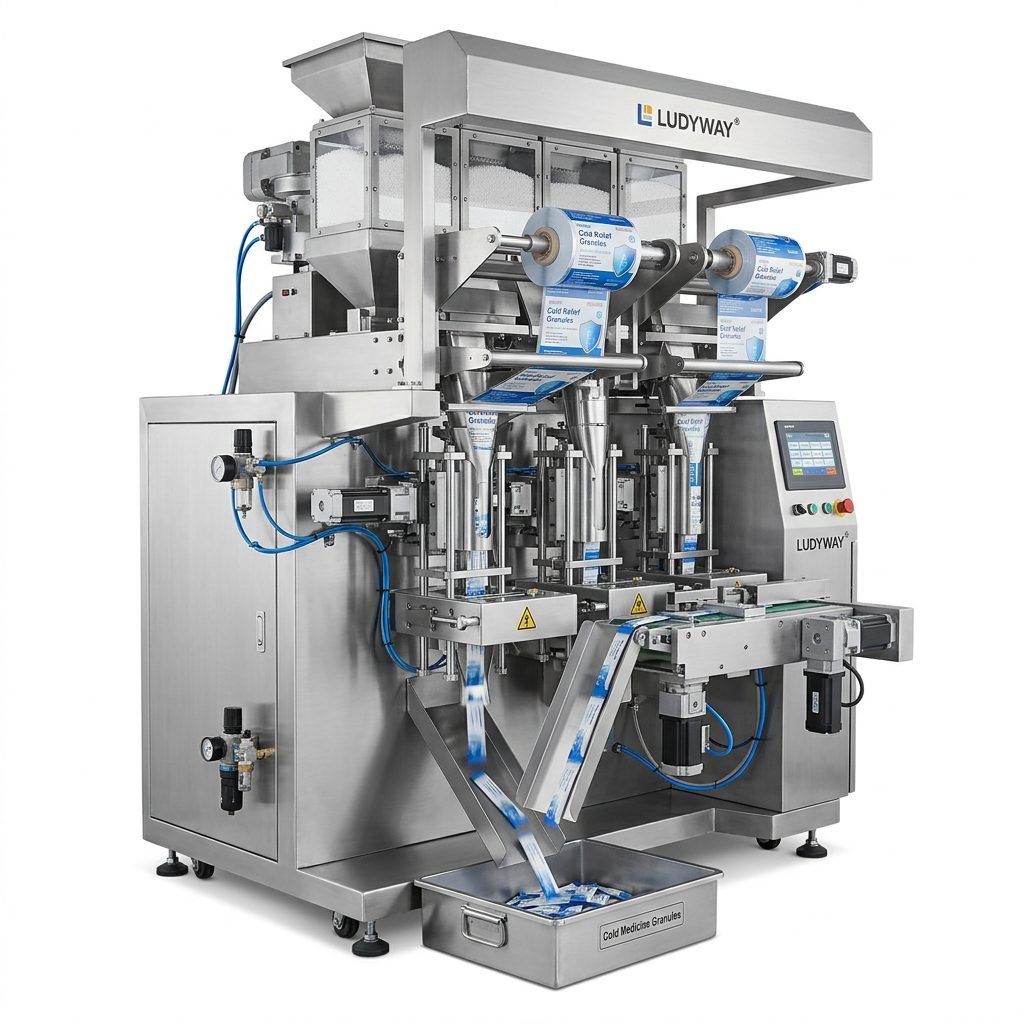
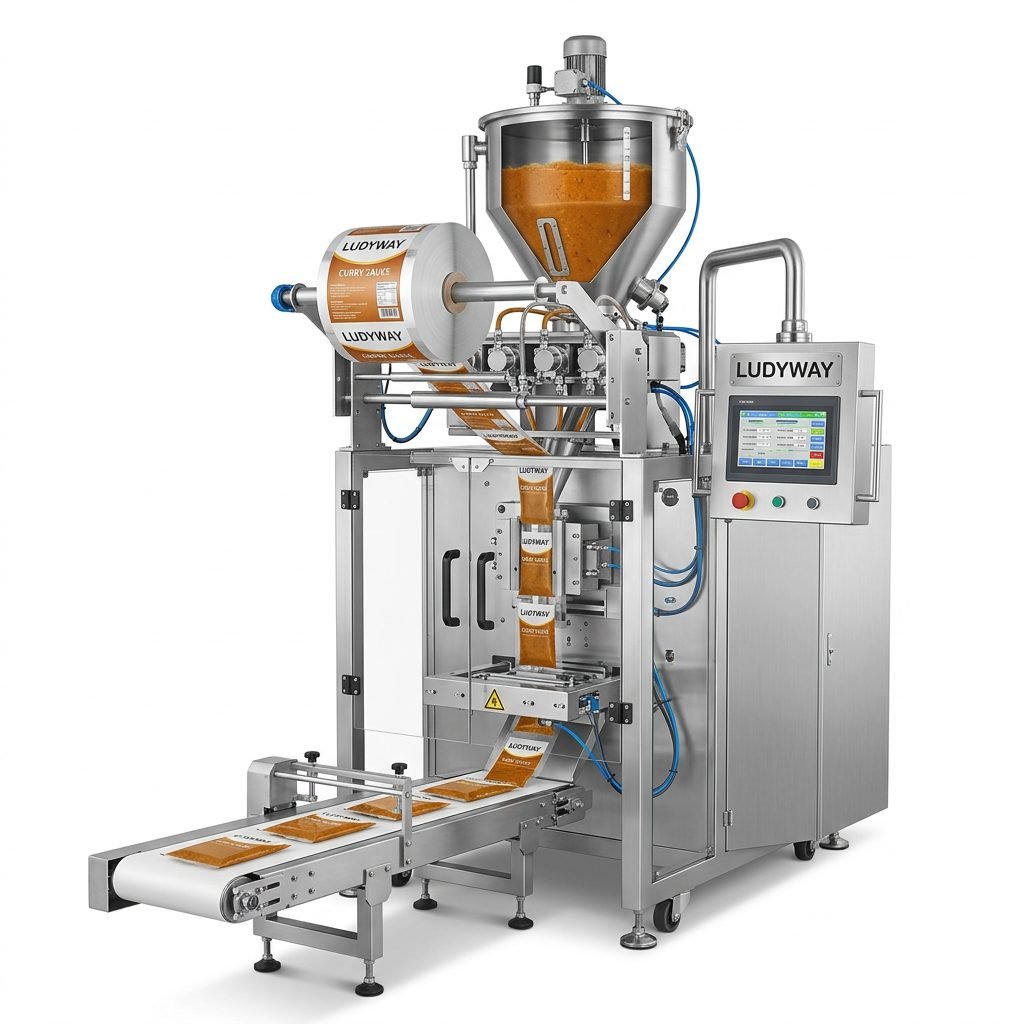
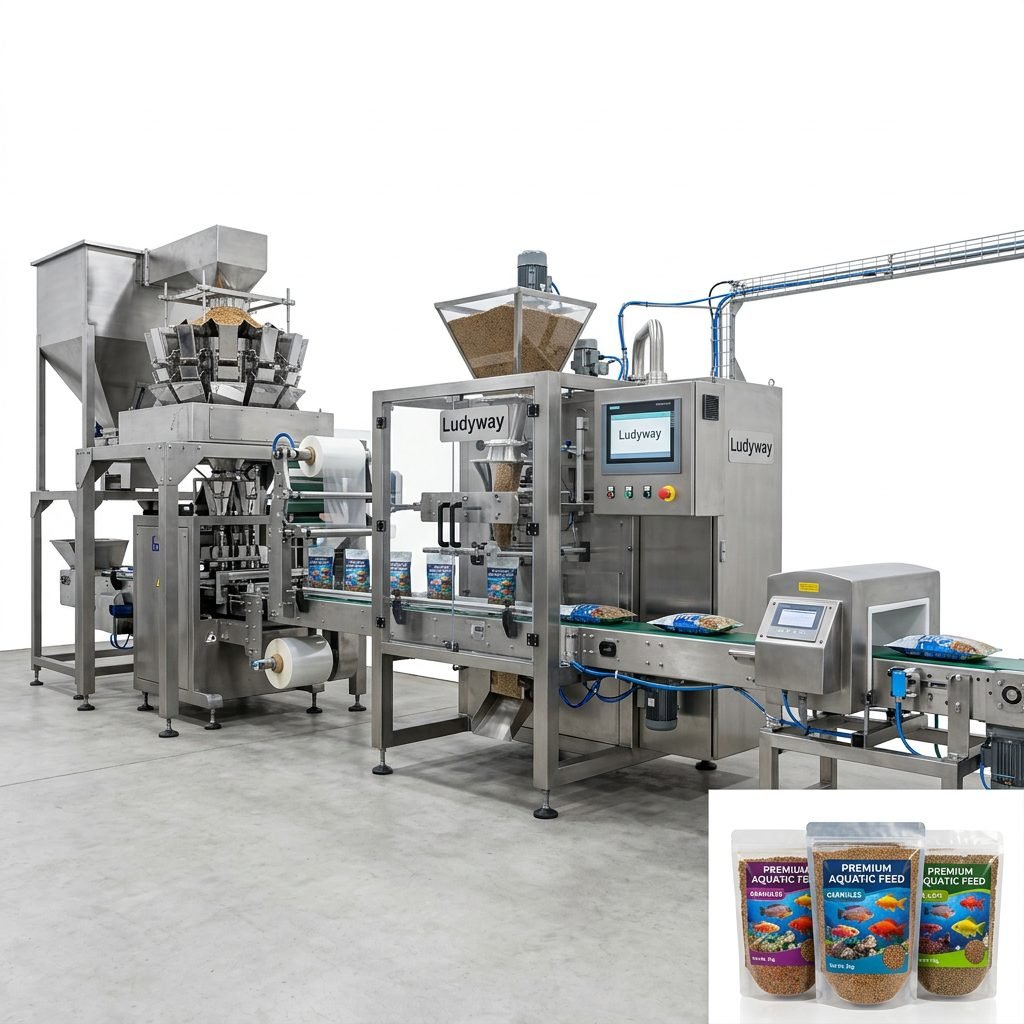
| Vertical Form Fill Seal Machine | Forms, fills, and seals bags automatically | Speed: 30-80 bags/min |
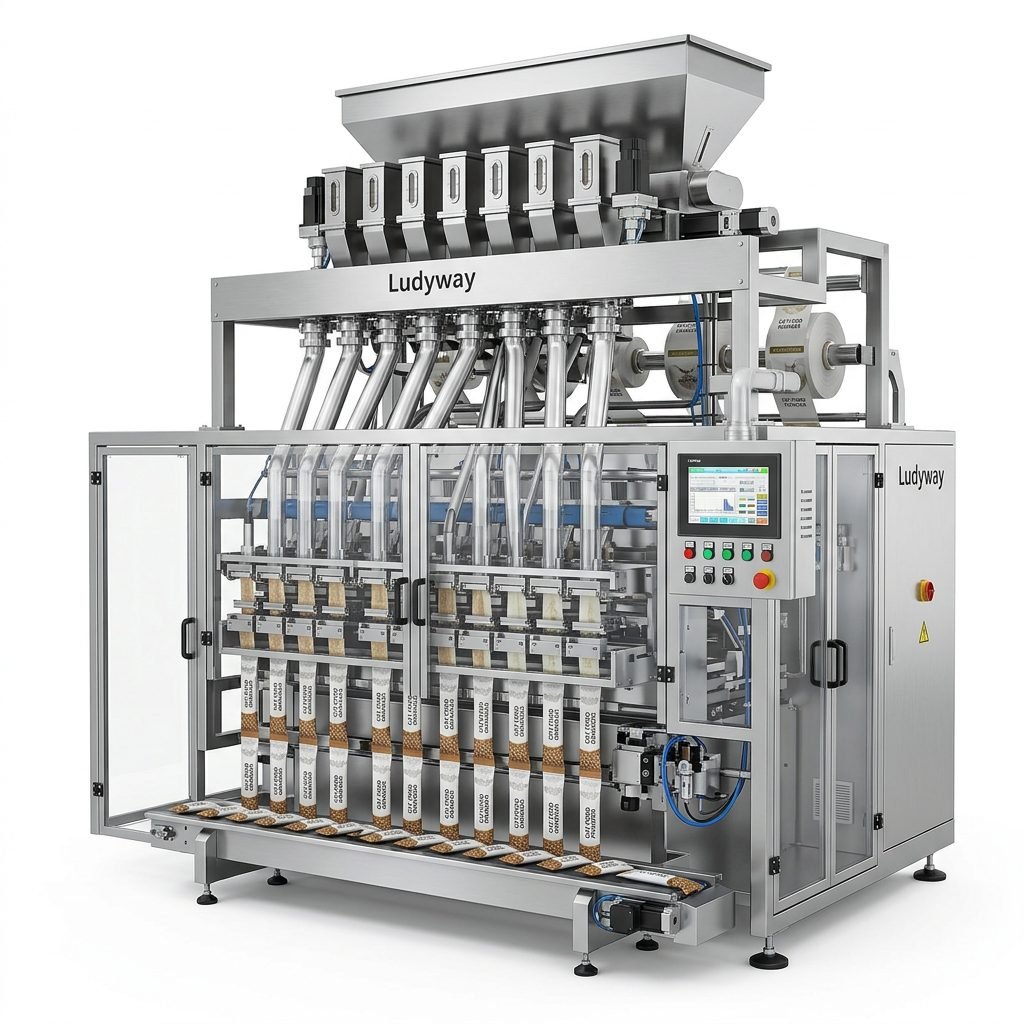
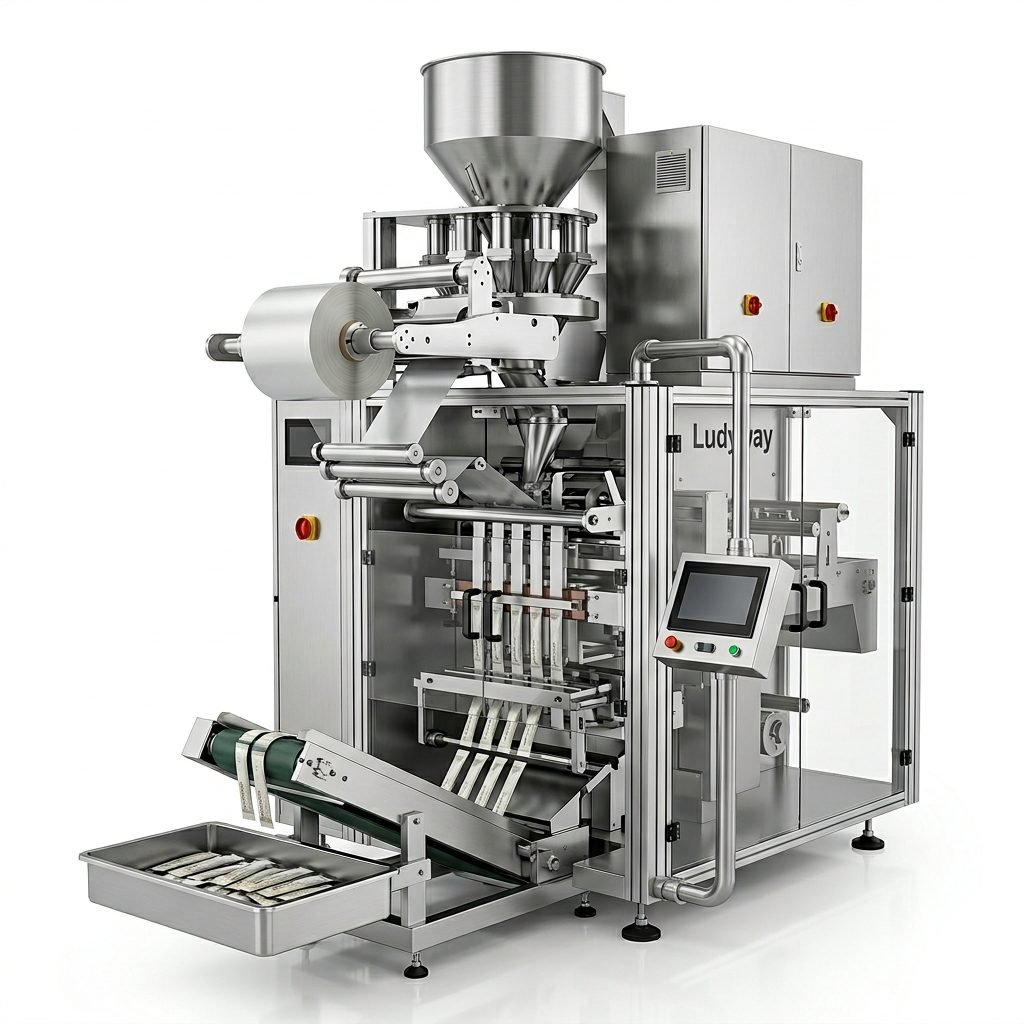
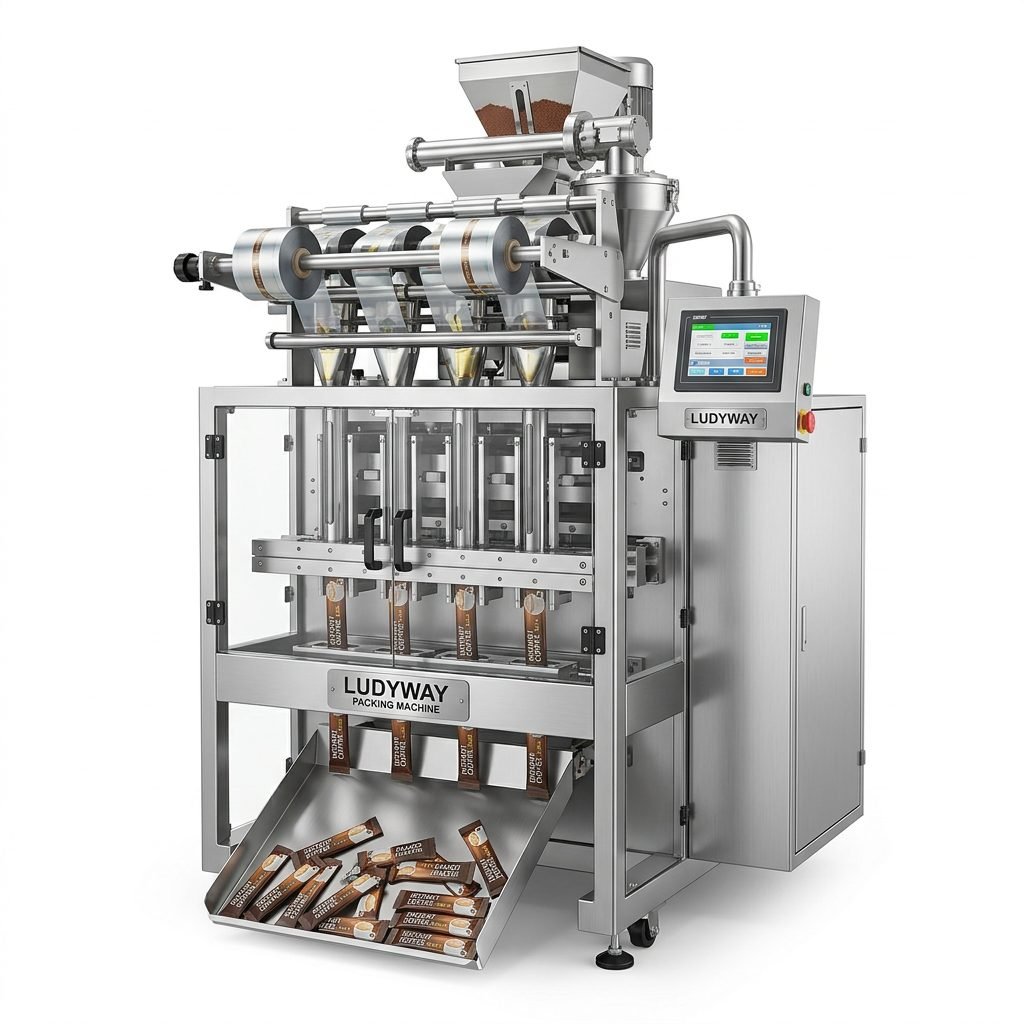
| Multi-Lane Stick Pack Machine | Small sachet production for retail feed | 4-12 lanes, 30-50 cuts/min per lane |
| Checkweigher & Metal Detector | Quality control and contaminant detection | Reject system included |
| Carton Packer / Palletizer | End-of-line packaging for distribution | Automatic case erecting and sealing |
Why Multi-Lane Stick Pack Systems Are Popular
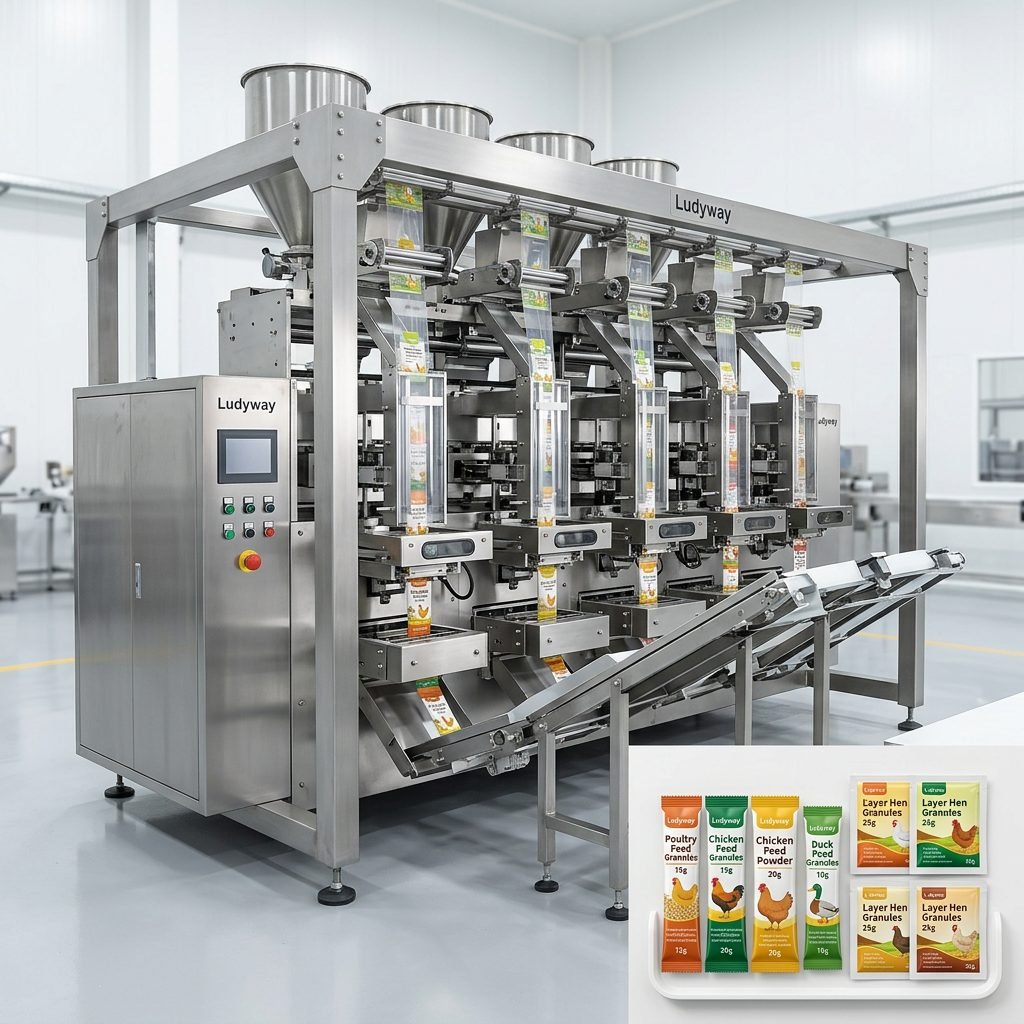
In many African markets, single-serve and small-portion feed packs are in high demand. Multi-lane stick pack machines can produce 4 to 12 lanes simultaneously, filling granule or powder feed into sealed sachets at high speed. This format is ideal for poultry and fish feed sold in local markets. These systems offer excellent sealing integrity, extended shelf life, and attractive shelf presentation. For larger bags, a vertical form fill seal packaging system with a multi-head weigher is the industry standard.
Step 3: Plan Factory Layout and Utilities
Proper factory planning ensures smooth workflow and compliance with local regulations. Consider the following factors when designing your layout:
- Clean zones: Separate raw material intake from finished product areas to prevent cross-contamination
- Power supply: Ensure stable three-phase electricity with backup generator capacity, especially in areas with unreliable grid power
- Compressed air: Most automated packaging machines require clean, dry compressed air at 6-8 bar
- Dust extraction: Feed processing generates significant dust that must be managed for safety and hygiene
- Material flow: Design a linear flow from raw material storage to finished goods warehouse
Step 4: Installation, Commissioning, and Training
Installing a packaging line in Africa requires careful coordination. Most equipment manufacturers provide supervision during installation and on-site commissioning services. Key activities include:
- Mechanical assembly and alignment of all machines
- Electrical wiring and control system integration
- Trial runs with actual feed products to fine-tune settings
- Training operators on machine operation, cleaning, and maintenance
- Establishing spare parts inventory for critical components
Local technical training is essential. Operators must understand troubleshooting procedures, changeover protocols, and daily maintenance routines to minimize downtime. Documented standard operating procedures (SOPs) should be developed and posted at each workstation.
Step 5: Sourcing Packaging Materials Locally
One of the biggest challenges in Africa is sourcing quality packaging film and bags consistently. While some countries have local film manufacturers, many rely on imports. Consider these strategies:
- Partner with local suppliers for woven polypropylene bags and PE liners
- Import laminated rollstock film for sachet and stick pack applications if local quality is insufficient
- Maintain at least 2-3 months of packaging material inventory to buffer against supply chain disruptions
- Test different film specifications to find the optimal barrier properties for your climate conditions
Step 6: Regulatory Compliance and Quality Standards
Feed packaging operations in Africa must comply with both local and international standards. Important considerations include:
- Feed safety regulations specific to each country (e.g., NAFDAC in Nigeria, KEBS in Kenya)
- Product labeling requirements including nutritional information, batch numbers, and expiry dates
- Traceability systems for recall management
- Compliance with ISO packaging standards for export markets
- Environmental regulations regarding packaging waste and recycling
Installing a batch coding and date printing system is mandatory. Inkjet coders or thermal transfer printers must be integrated into the packaging line to print production dates, batch numbers, and barcodes on each package.
Step 7: Maintenance and After-Sales Support
Reliable after-sales support is critical when operating packaging machinery in Africa. Before purchasing, verify that the equipment supplier offers:
- Remote technical support via video call or online diagnostics
- Local service partners or trained technicians in your region
- Comprehensive spare parts catalog with fast shipping options
- Preventive maintenance schedules and checklists
- Extended warranty options for critical components
Companies like Ludyway, one of the largest packaging machine manufacturers in China with over 30 years of experience and customers in more than 100 countries, provide professional technical support and customized production lines. Their 20,000㎡ modern manufacturing facility ensures reliable equipment quality, and they offer more than 50 intelligent packaging machine models suitable for various feed applications. Regular maintenance extends equipment life and reduces unexpected breakdowns.
Cost Considerations and ROI Analysis
Investment in a feed packaging line varies significantly based on automation level and capacity. Here is a general cost breakdown:
| Cost Category | Estimated Range (USD) | Notes |
|---|---|---|
| Basic semi-automatic line | $15,000 – $40,000 | Manual bagging with conveyor and sealer |
| Fully automatic VFFS line | $50,000 – $120,000 | Includes weigher, VFFS machine, checkweigher |
| Multi-lane sachet system | $30,000 – $80,000 | 4-12 lanes with automatic counting |
| Complete turnkey line | $150,000 – $500,000+ | From feeding to palletizing, fully integrated |
| Installation & training | $5,000 – $20,000 | Depends on location and complexity |
With proper planning, most feed packaging operations achieve ROI within 18-36 months. Factors that accelerate payback include higher production efficiency, reduced product giveaway through accurate weighing, lower labor costs, and premium pricing for professionally packaged feed products.
Common Mistakes to Avoid
- Underestimating power requirements: Always verify that your electrical infrastructure can handle peak machine loads
- Ignoring climate conditions: High humidity in tropical regions affects packaging film performance and product shelf life
- Skipping operator training: Even the best machines fail without properly trained operators
- Insufficient spare parts: Stock critical wear parts like sealing elements, belts, and sensors
- Choosing the wrong bag format: Research your target market before deciding on package size and type
Future Trends in Feed Packaging for Africa
The African feed packaging industry is evolving rapidly. Key trends to watch include:
- Sustainable packaging: Growing demand for recyclable and biodegradable materials
- Digital printing: Short-run customized packaging for regional brands
- Smart packaging: QR codes linking to nutritional information and feeding guides
- Compact modular systems: Easier to ship, install, and reconfigure for changing needs
- IoT integration: Real-time monitoring of machine performance, production data, and maintenance alerts
For more information on packaging machinery market trends, resources from the PMMI Business Intelligence library and the Flexible Packaging Association provide valuable industry data.
Conclusion
Setting up an animal feed packaging machine production line in Africa is a substantial but rewarding investment. Success depends on understanding your market, selecting the right equipment, planning your facility properly, and ensuring ongoing maintenance and support. Whether targeting smallholder farmers with affordable sachets or supplying commercial farms with bulk bags, the right packaging solution helps differentiate your brand and grow your market share. With Africa’s feed industry continuing to expand, now is the time to invest in modern, efficient packaging technology.