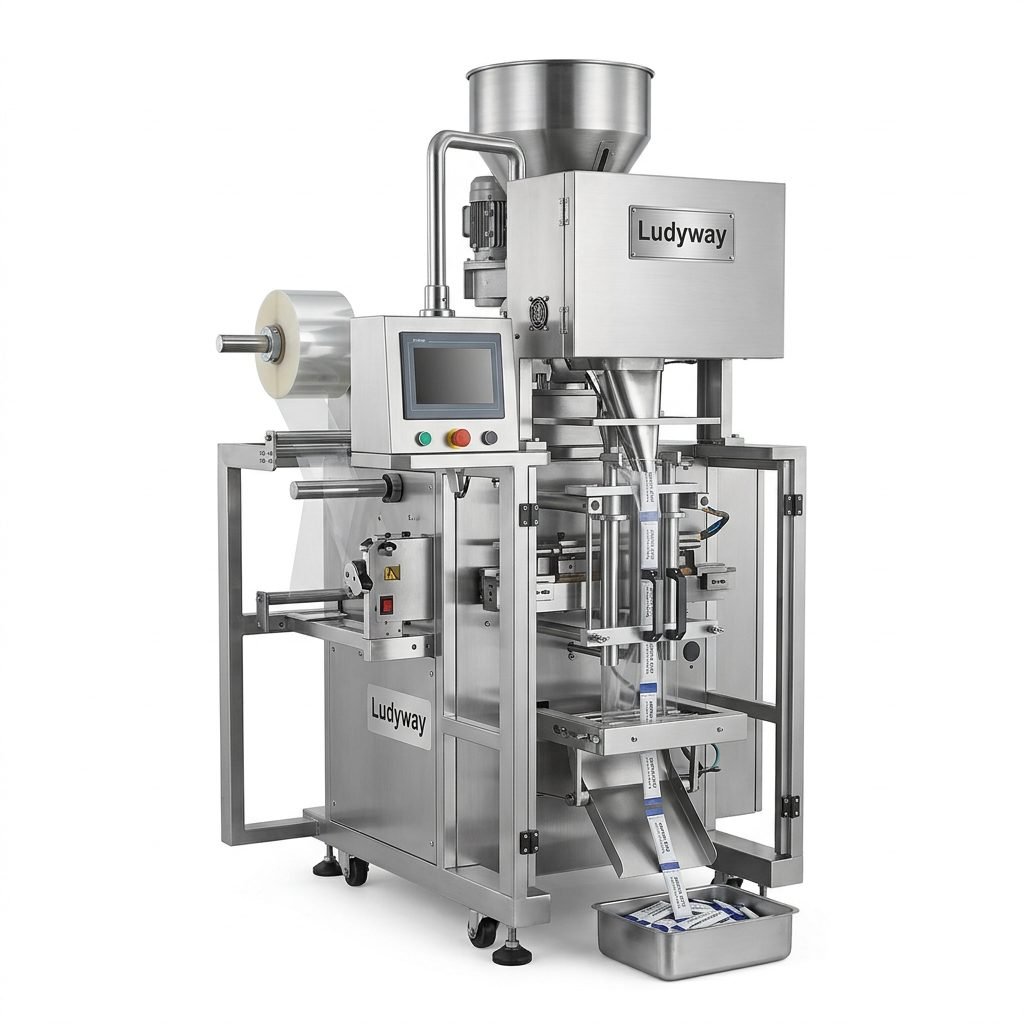
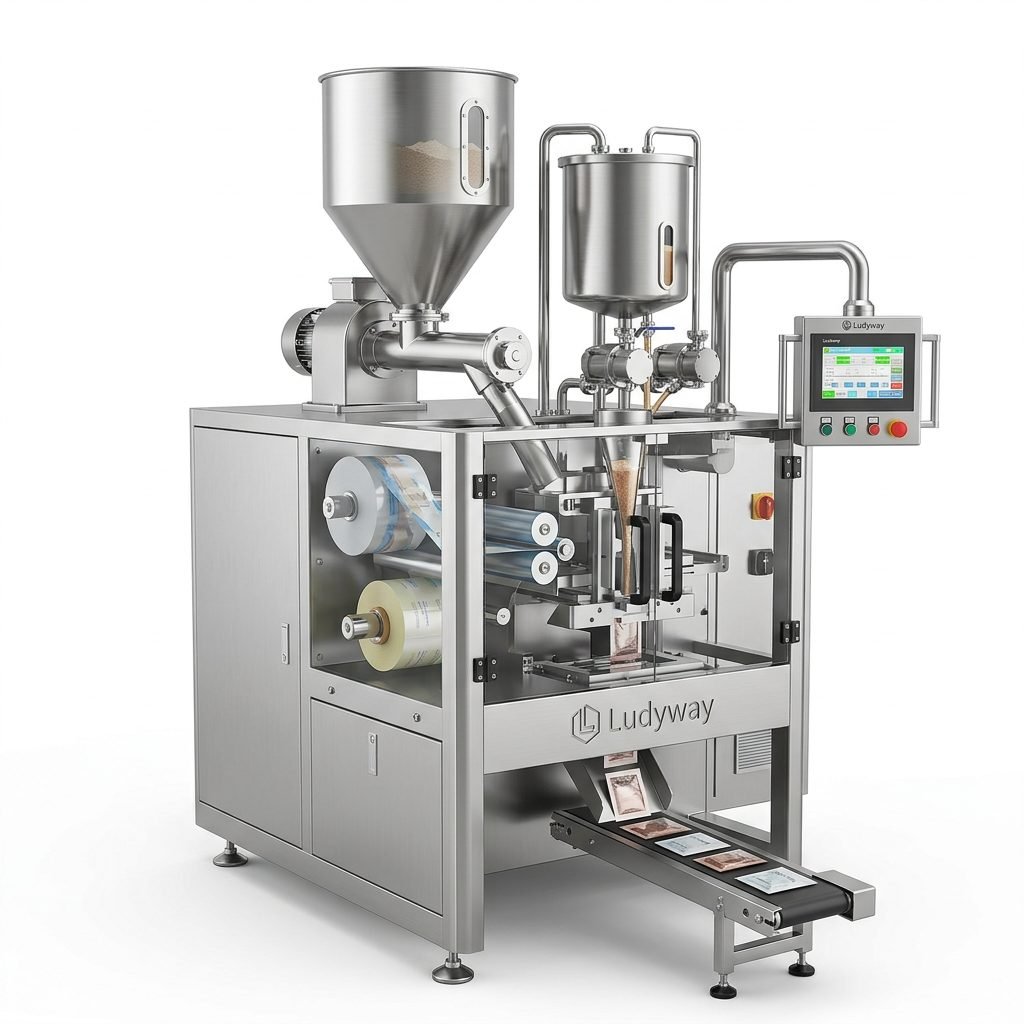
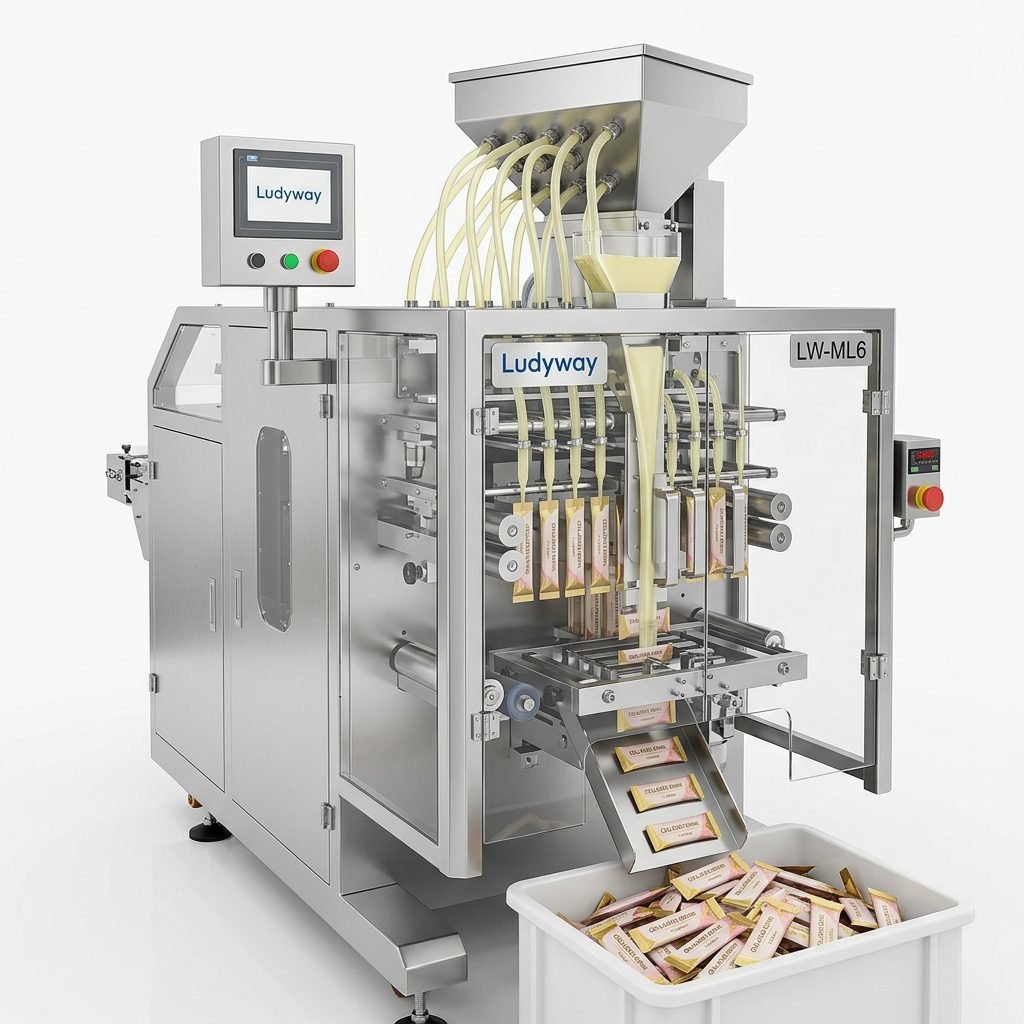
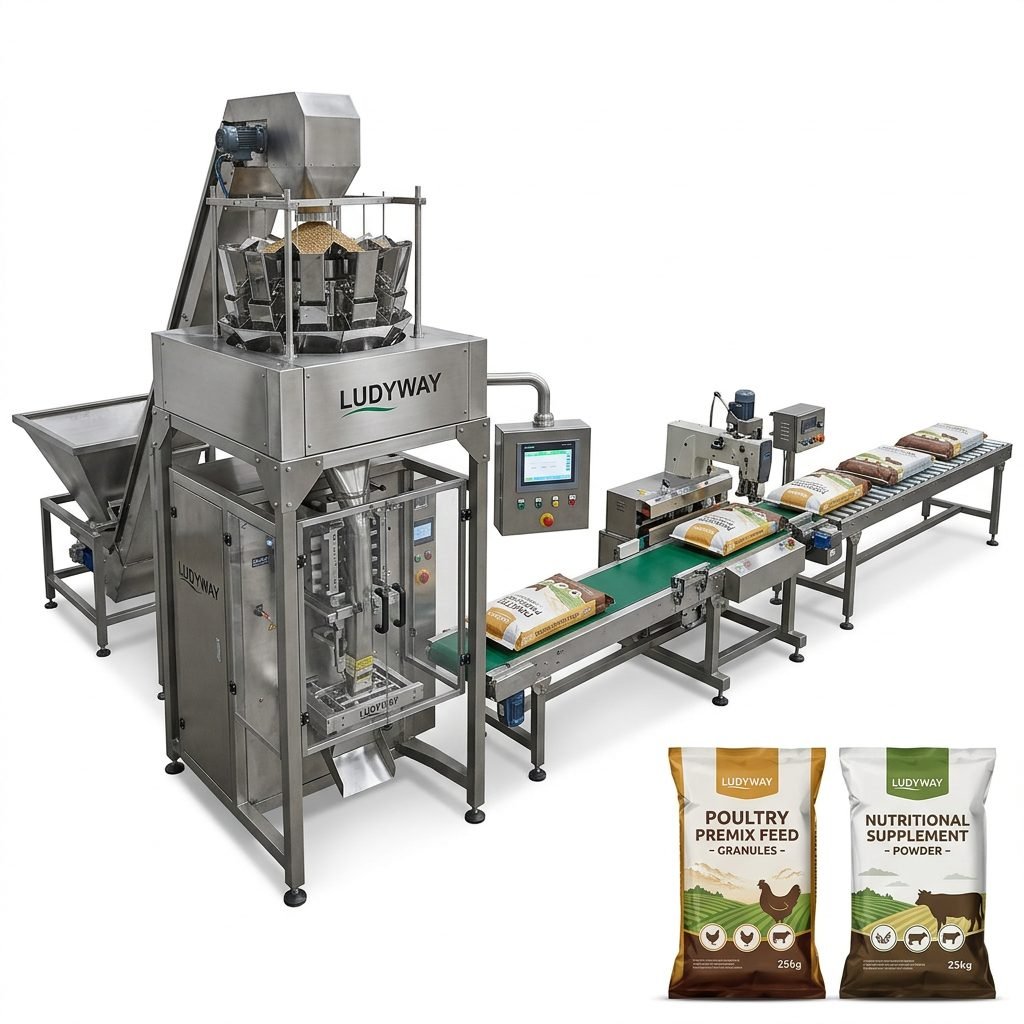
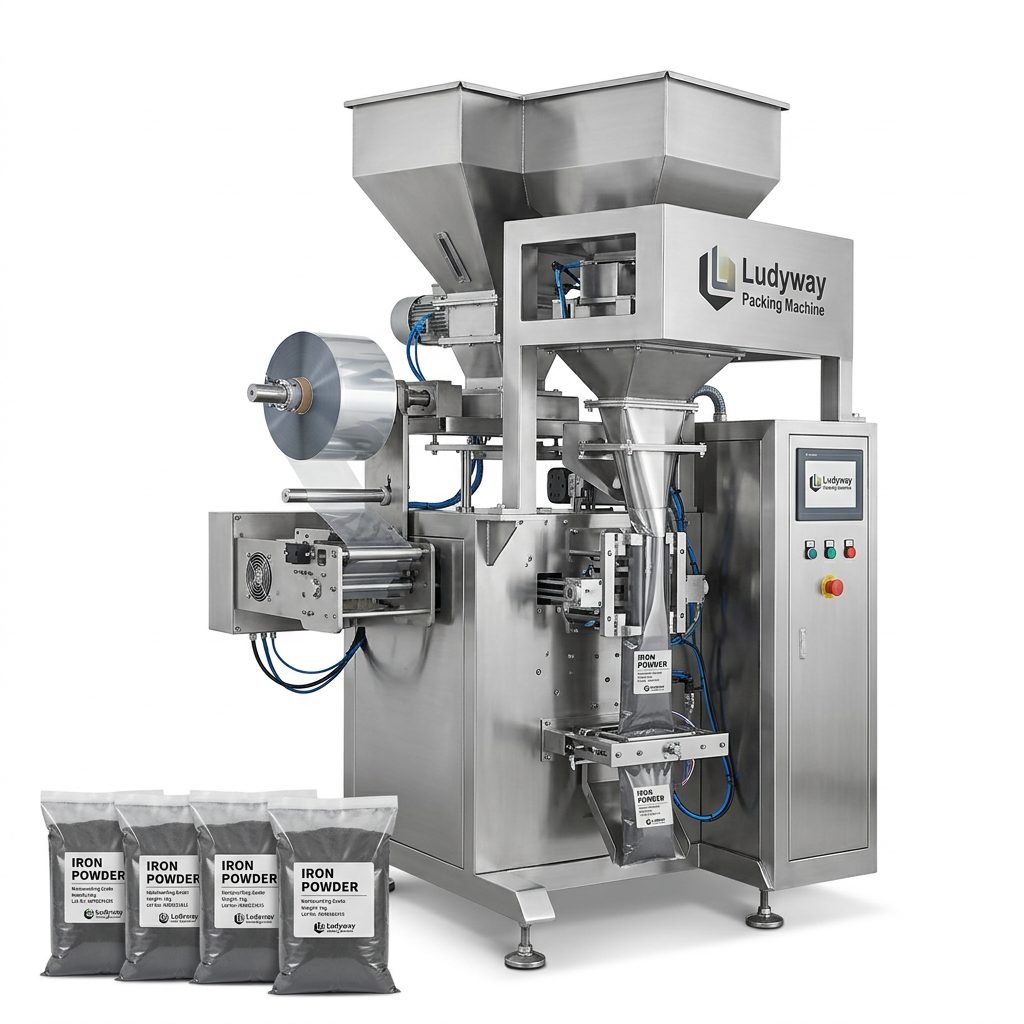
Selecting a 10 gm pouch packing machine is a critical decision that directly impacts your production efficiency, product quality, and long-term operational costs. Whether you are packaging powders, granules, liquids, or pastes, the right equipment must align with your specific product characteristics, throughput requirements, and budget. This guide walks you through the essential factors to evaluate before making your investment, helping you choose a machine that delivers consistent results for years to come.
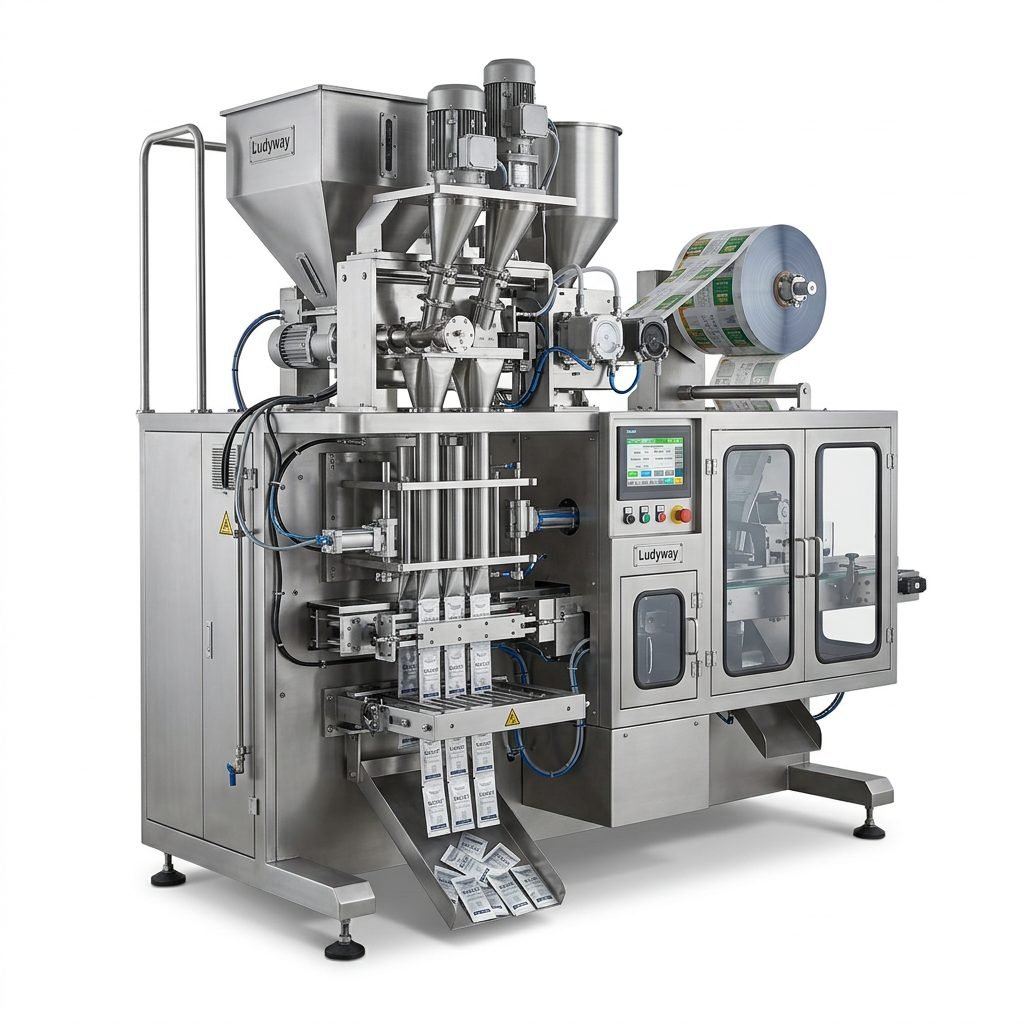
Understanding 10 gm Pouch Packaging Requirements
A 10-gram pouch represents a specific dosing challenge. The filling system must deliver consistent weight accuracy at production speed, especially for high-value products where overfilling directly erodes profit margins. According to packaging industry business intelligence from PMMI, dosing precision is one of the top three criteria manufacturers prioritize when selecting filling equipment. Small pouch formats demand machines with tight tolerance control, typically within ±0.2g to ±0.5g depending on product flow characteristics.
The packaging format—whether stick pack, three-side-seal, four-side-seal, or center-seal sachet—also determines the machine configuration. Each format has implications for material usage, shelf appeal, and production speed. Flexible Packaging Association resources highlight that material selection and pouch design are equally important as machine specifications in achieving optimal packaging results.
Key Factors to Consider When Selecting a Machine
Product Characteristics
The physical properties of your product dictate the type of filling mechanism required. Free-flowing powders like coffee or protein powder behave differently from cohesive powders like cocoa or flour. Granules such as sugar or salt require different handling than sticky pastes or viscous liquids. Key product attributes to evaluate include:
- Particle size distribution and bulk density
- Flowability and tendency to bridge or clump
- Moisture sensitivity and hygroscopic nature
- Temperature sensitivity during filling and sealing
- Abrasive or corrosive properties
Understanding these characteristics helps determine whether you need an auger filler, volumetric cup filler, piston filler, or multi-head weigher. For products requiring FDA-compliant food contact packaging, material compatibility with product contact surfaces becomes critical.
Production Speed and Capacity
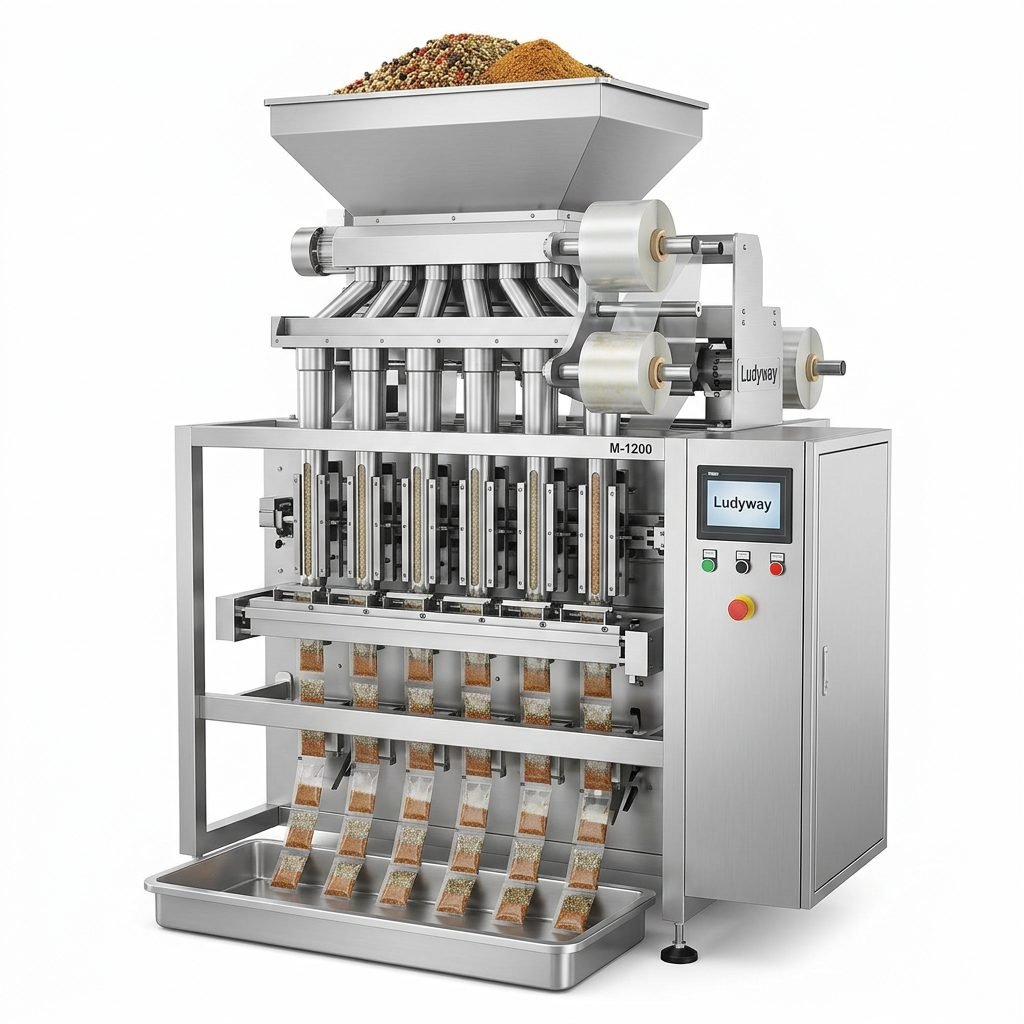
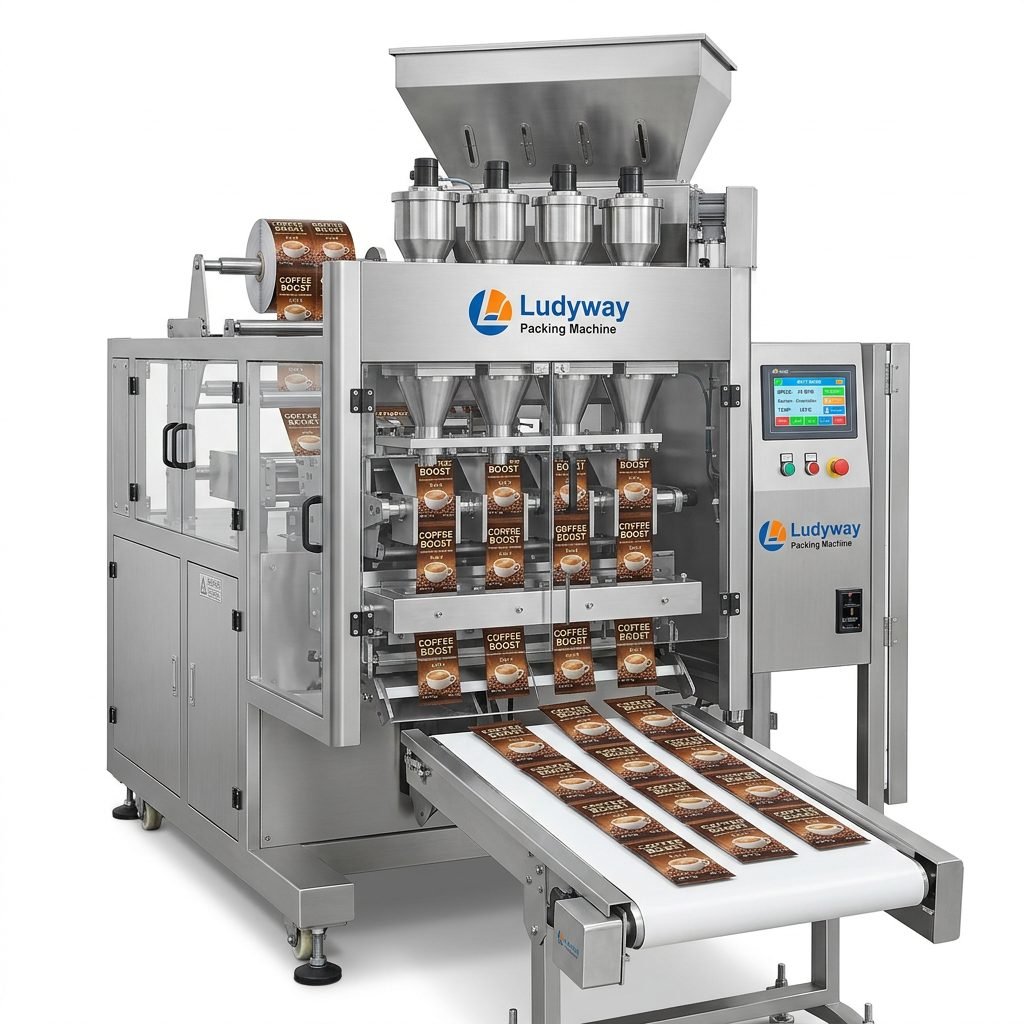
Production speed for 10 gm pouch machines varies significantly based on lane configuration. Single-lane machines typically operate at 40–80 pouches per minute, while multi-lane systems with 4 to 12 lanes can achieve 400–1,200 pouches per minute. Your current and projected production volumes should guide this decision—investing in excess capacity increases upfront costs, but underestimating future needs can lead to costly replacements. Aligning machine speed with your production targets ensures you meet demand without unnecessary capital expenditure.
Packaging Material Compatibility
The machine must handle your chosen packaging film—whether it is laminate, aluminum foil, paper-based, or biodegradable material. Sealing temperature, dwell time, and pressure must be adjustable to accommodate different film structures. With the growing emphasis on sustainable packaging, many manufacturers now seek machines capable of running recyclable mono-material films, which often require more precise temperature control during sealing.
Filling Accuracy and Precision
For 10 gm pouches, even small deviations in fill weight can have significant financial implications. A machine averaging 10.3g instead of 10.0g represents a 3% product giveaway—substantial over high-volume production. Modern machines incorporate servo-driven dosing systems and real-time weight feedback mechanisms to maintain accuracy. The ISO packaging standards provide benchmarks for acceptable fill tolerances across different product categories. Precision dosing technology combined with checkweigher integration ensures each pouch meets specification.
Machine Types and Configuration Comparison
Different machine architectures suit different production environments. The table below summarizes the main configurations available for 10 gm pouch packaging:
| Machine Type | Speed Range (ppm) | Best For | Typical Investment |
|---|---|---|---|
| Single-Lane Stick Pack | 40–80 | Small to medium production, frequent changeovers | Moderate |
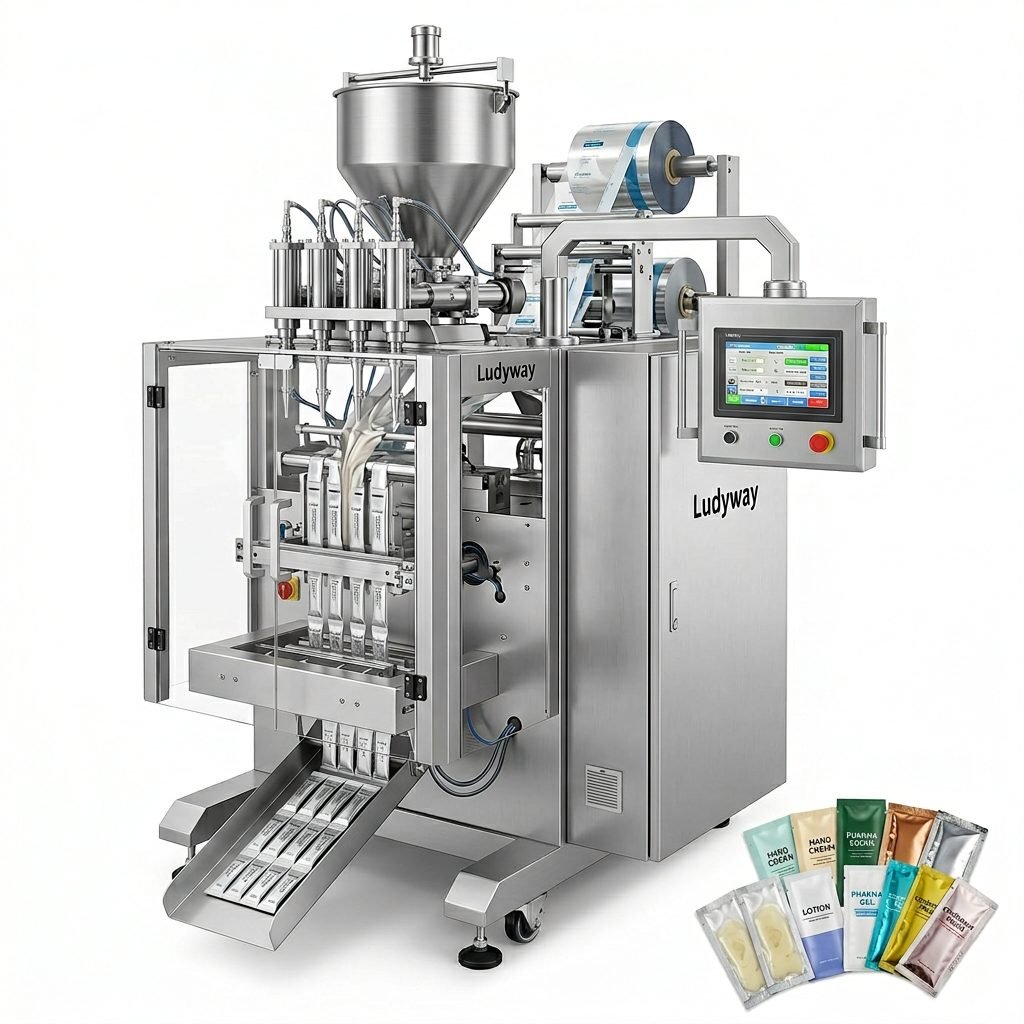
| 4-Lane Sachet | 160–320 | Medium-volume production, diverse product range | Medium-High |
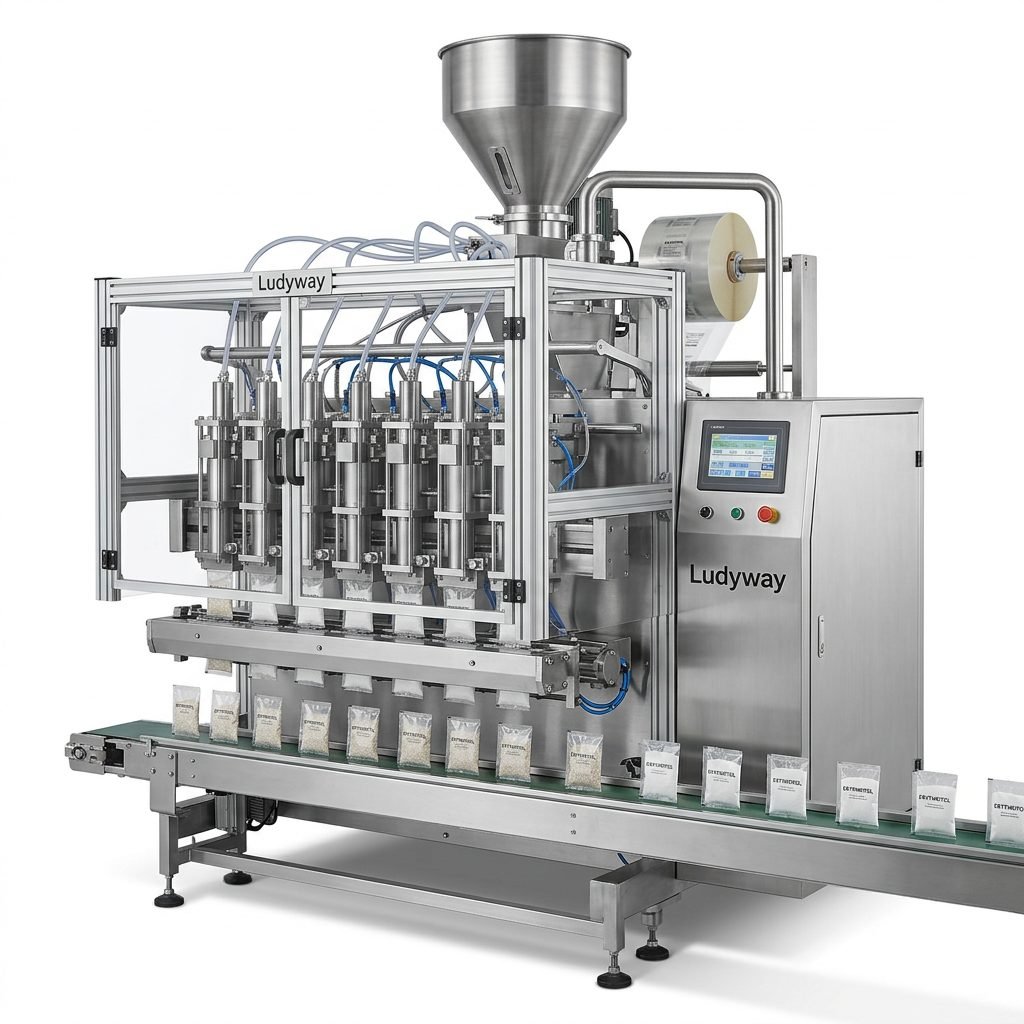
| 8-Lane High-Speed | 320–640 | High-volume, dedicated production lines | High |
| 12-Lane Ultra-High-Speed | 480–1,200 | Large-scale continuous production | Premium |
Industry-Specific Considerations
Food and Beverage
Food-grade 10 gm pouch machines must comply with stringent hygiene standards. Stainless steel construction, tool-free disassembly for cleaning, and washdown capabilities are essential for dairy, seasoning, and beverage powder applications. Multi-lane stick pack machines configured for food products often include nitrogen flushing to extend shelf life by reducing headspace oxygen.
Pharmaceuticals and Nutraceuticals
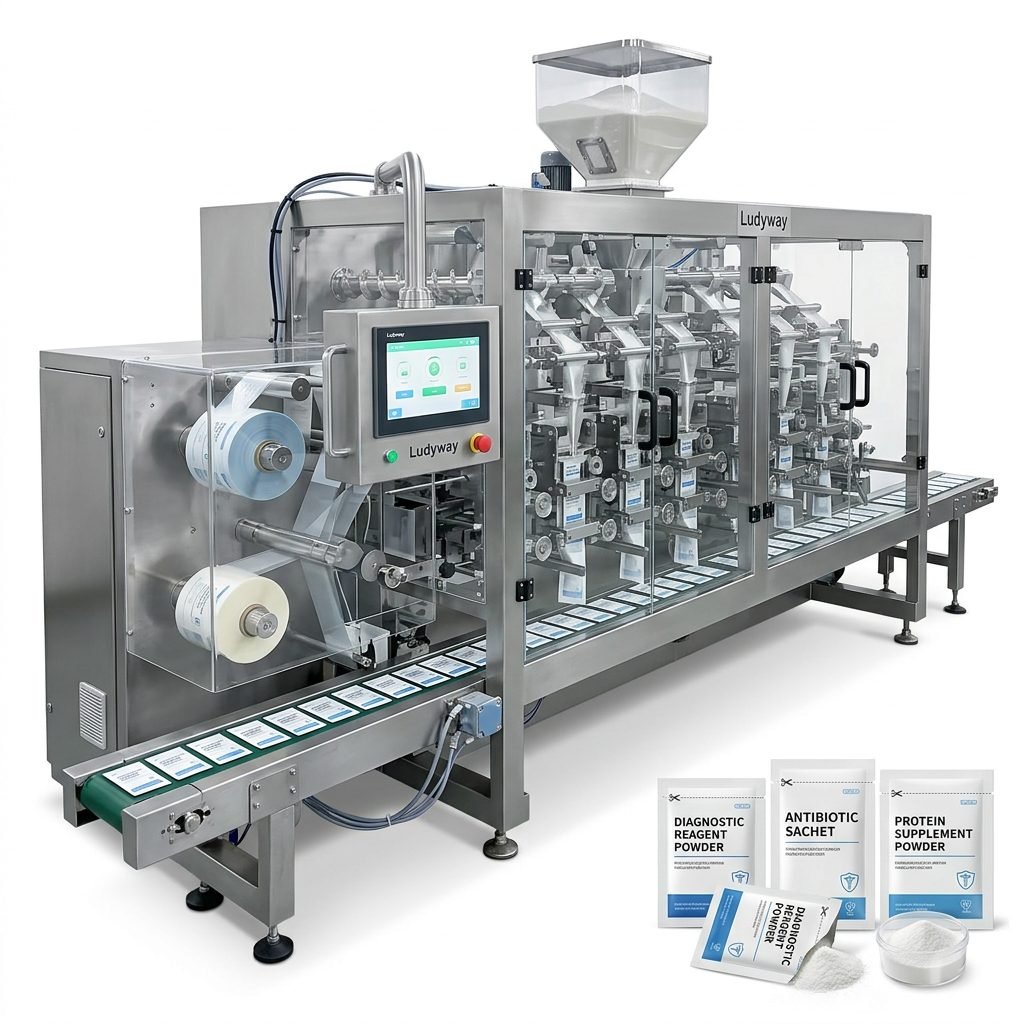
Pharmaceutical packaging demands validated processes with documented accuracy and cleanliness. Machines for this sector require GMP-compliant design, full traceability, and often include integrated rejection systems for out-of-specification pouches. Single-dose 10 gm sachet packaging for medicinal powders must meet pharmacopeia standards for dose uniformity.
Cosmetics and Personal Care
Cosmetic sachets and stick packs require aesthetic seal quality and compatibility with a wide range of formulations—from watery toners to thick creams. Machines in this segment frequently handle multiple product types on the same line, demanding quick-changeover capabilities and precise filling for expensive active ingredients.
Evaluating Machine Build Quality and Compliance
Build quality directly correlates with machine longevity and reliability. Key indicators include frame rigidity, component sourcing, and electrical standards. Machines built with internationally recognized components—such as PLCs, servo motors, and pneumatic systems from established automation suppliers—typically offer better reliability and spare parts availability. Certification requirements such as ISO 11607 for packaging validation or CE marking should be confirmed based on your market requirements.
Total Cost of Ownership Analysis
The purchase price is only one component of total cost. A comprehensive evaluation should account for:
- Initial equipment cost including installation and commissioning
- Operating costs: energy consumption, compressed air, labor requirements
- Consumables: packaging film waste rates, cleaning materials
- Maintenance: preventive maintenance schedules, spare parts inventory
- Downtime costs: mean time between failures, service response times
- Product giveaway: overfill losses over the machine’s service life
A machine with a higher upfront cost but lower operating expenses often proves more economical over a 5–10 year horizon. Calculating the total cost per pouch produced provides a clearer comparison between options.

Supplier Selection and After-Sales Support
The relationship with your equipment supplier extends well beyond the initial purchase. Evaluate potential partners on technical expertise, customization capability, and global service infrastructure. A supplier with engineering depth can help optimize machine configuration for your specific product, while responsive after-sales support minimizes downtime when issues arise. Suppliers offering remote diagnostics, readily available spare parts, and trained service technicians provide significant operational advantages.
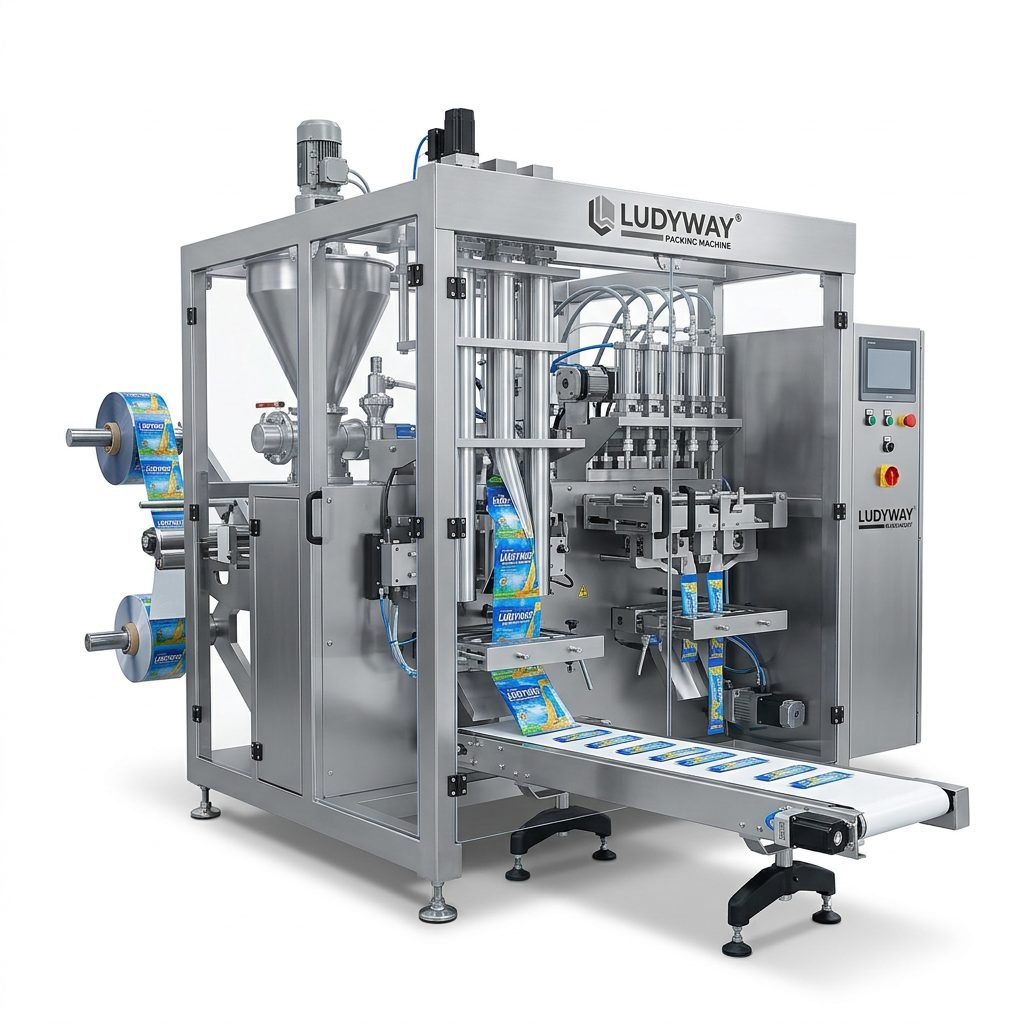
Ludyway Machinery, a China-based packaging machinery manufacturer with over 30 years of experience, exemplifies the integrated approach many manufacturers seek—offering a 20,000-square-meter manufacturing facility, more than 130 professionals, and over 50 packaging machine models. The company provides comprehensive solutions spanning powder, granule, liquid, stick pack, sachet, and pouch applications, serving customers across more than 100 countries. With expected export revenue of more than RMB 500 million (approximately US$69 million) in 2025 and plans to surpass RMB 1 billion (approximately US$138 million) in 2026, Ludyway combines manufacturing scale with engineering capabilities to support customers from equipment selection through installation, commissioning, and ongoing technical support. For manufacturers evaluating 10 gm pouch packaging solutions, working with a supplier that offers both standardized machines and customized engineering can streamline the entire procurement and integration process.

Making the Right Investment Decision
Choosing the right 10 gm pouch packing machine requires balancing technical specifications, production requirements, compliance needs, and budget. Start by thoroughly documenting your product characteristics and production targets, then evaluate machines that match those parameters. Request sample runs with your actual product and packaging material whenever possible—this provides the most reliable validation of machine performance. Consider the supplier’s engineering support, customization capability, and global service network as integral parts of the purchasing decision.
By taking a methodical approach to evaluation and prioritizing total cost of ownership over initial price alone, you can select a 10 gm pouch packing machine that delivers consistent, efficient production and supports your business growth for years to come.