The demand for ice packaging machines across Oceania has grown substantially as the frozen food, seafood, and industrial ice sectors expand. Selecting the right equipment requires a thorough understanding of bagging speeds, bag formats, and the unique environmental conditions found in Australia, New Zealand, and the Pacific Islands. This guide walks you through the essential factors to consider before making your investment.
Understanding Ice Packaging Machine Types
Not all ice is packaged the same way. The form of ice—whether cubed, crushed, shaved, or flake—directly determines the type of packaging machinery you need. Below are the three most common configurations used throughout Oceania’s food processing and cold chain industries.
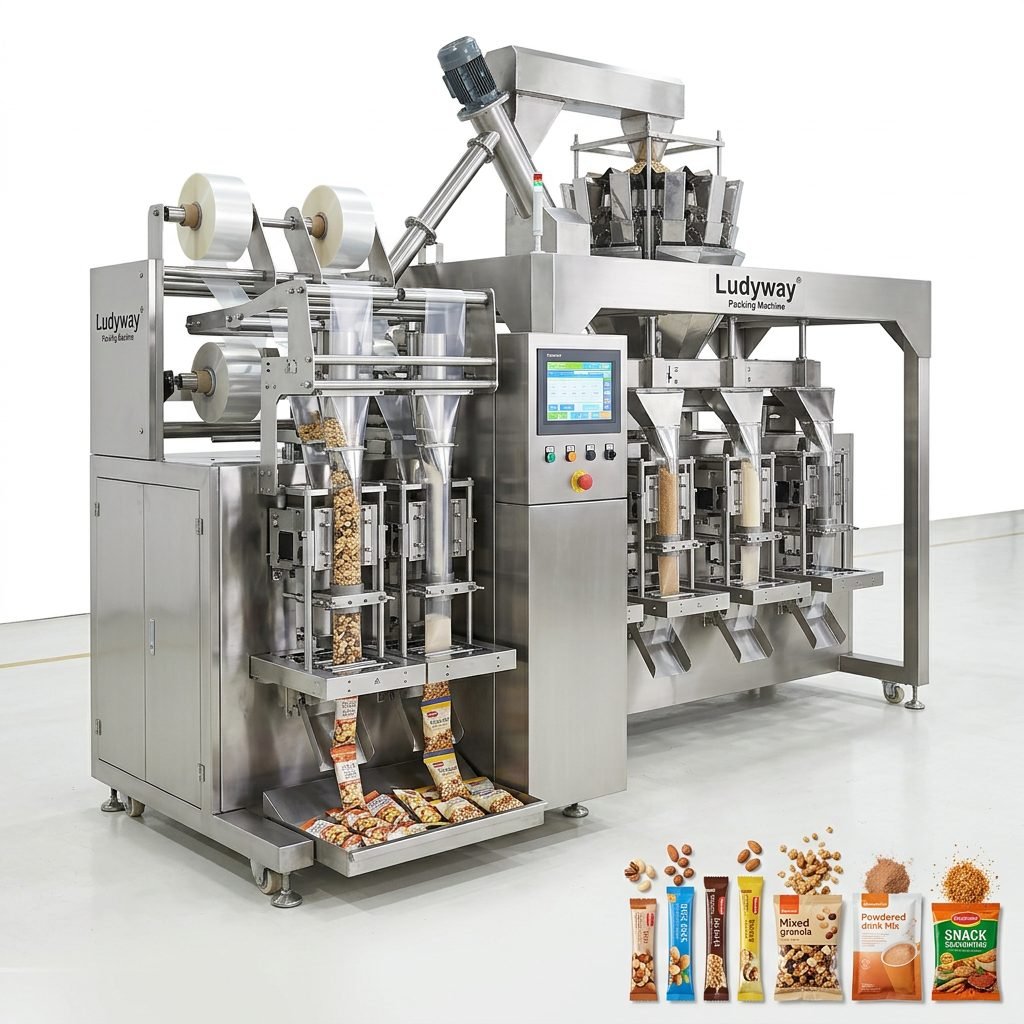
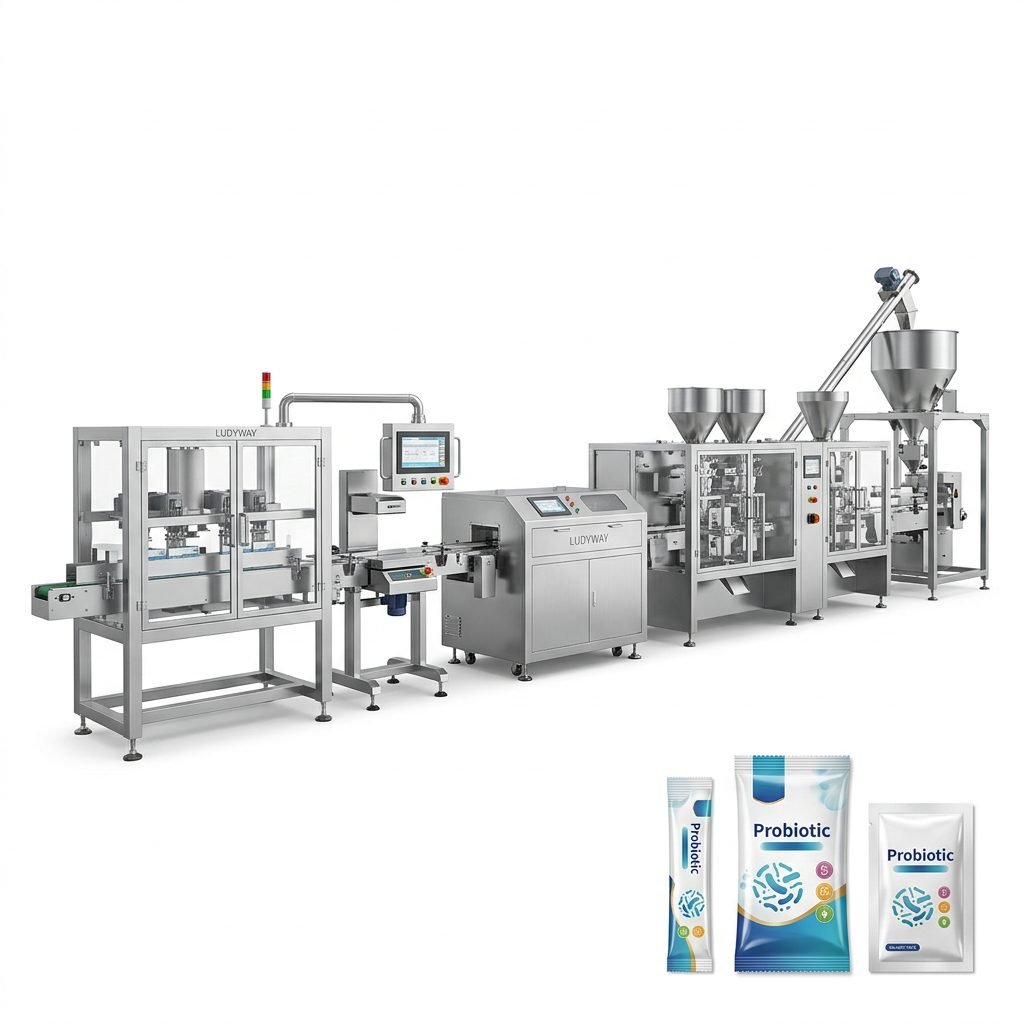
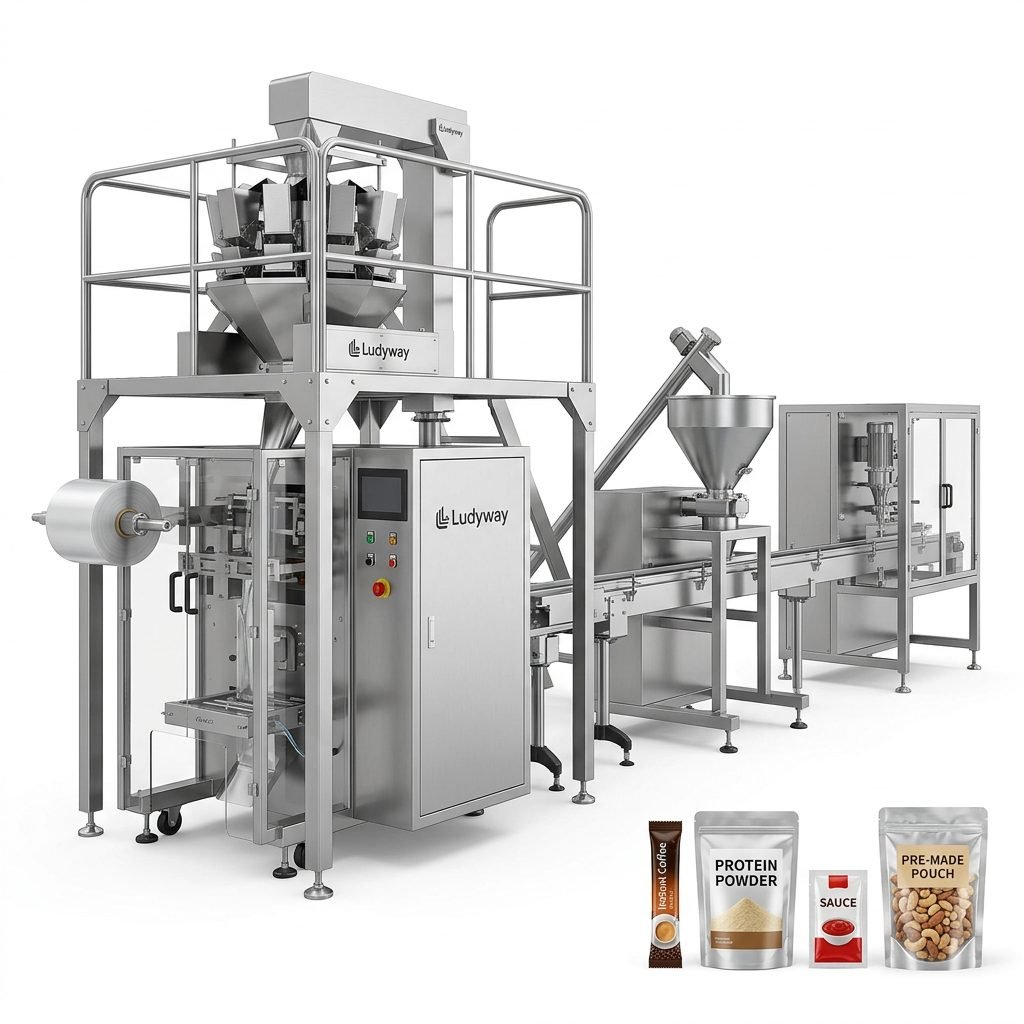
- Vertical Form Fill Seal (VFFS) Machines: Ideal for loose ice cubes and bulk flake ice packed into pillow bags or gusseted pouches. These machines operate at speeds ranging from 30 to 80 bags per minute and are widely used in Australian ice manufacturing plants.
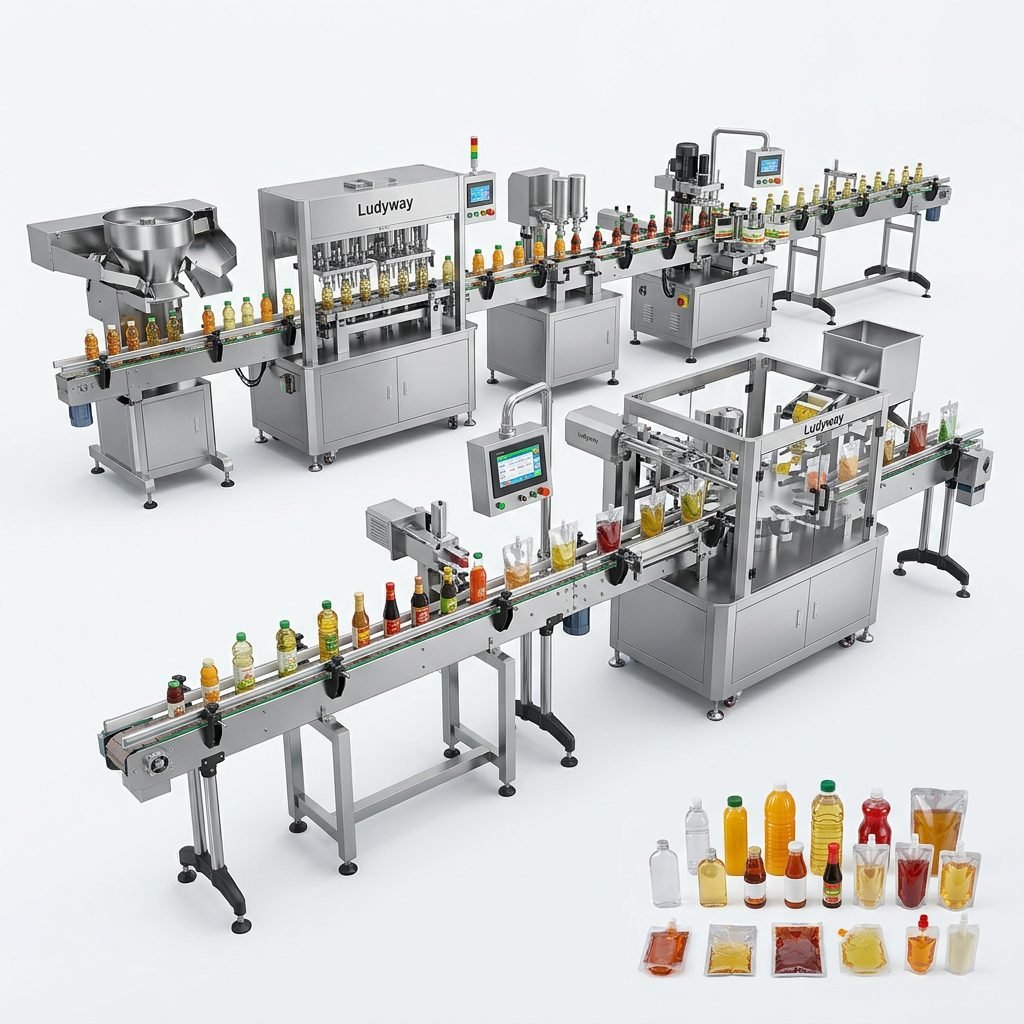
- Premade Pouch Rotary Fillers: Best suited for crushed ice and cocktail ice packed in stand-up pouches or zipper bags. Rotary systems offer higher sealing integrity, which is critical for moisture-sensitive frozen products distributed across New Zealand’s South Island.
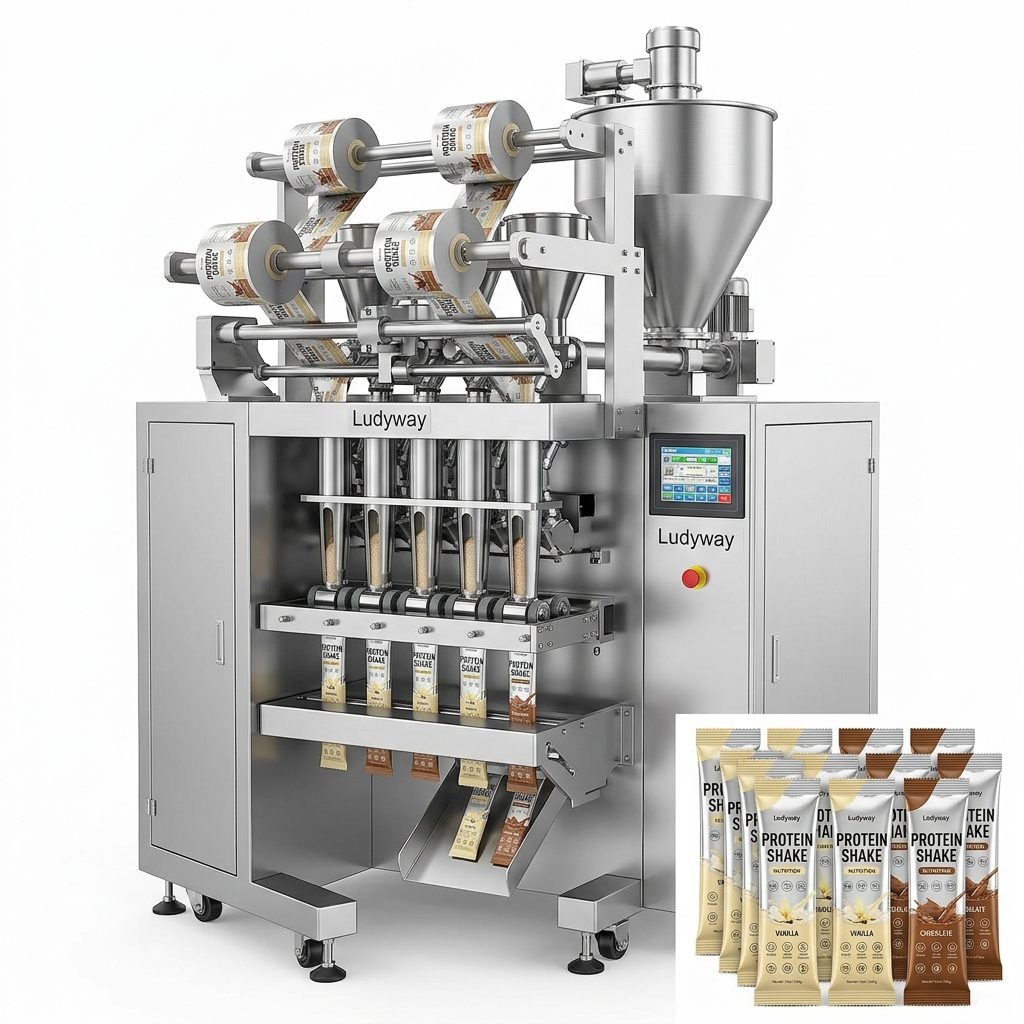
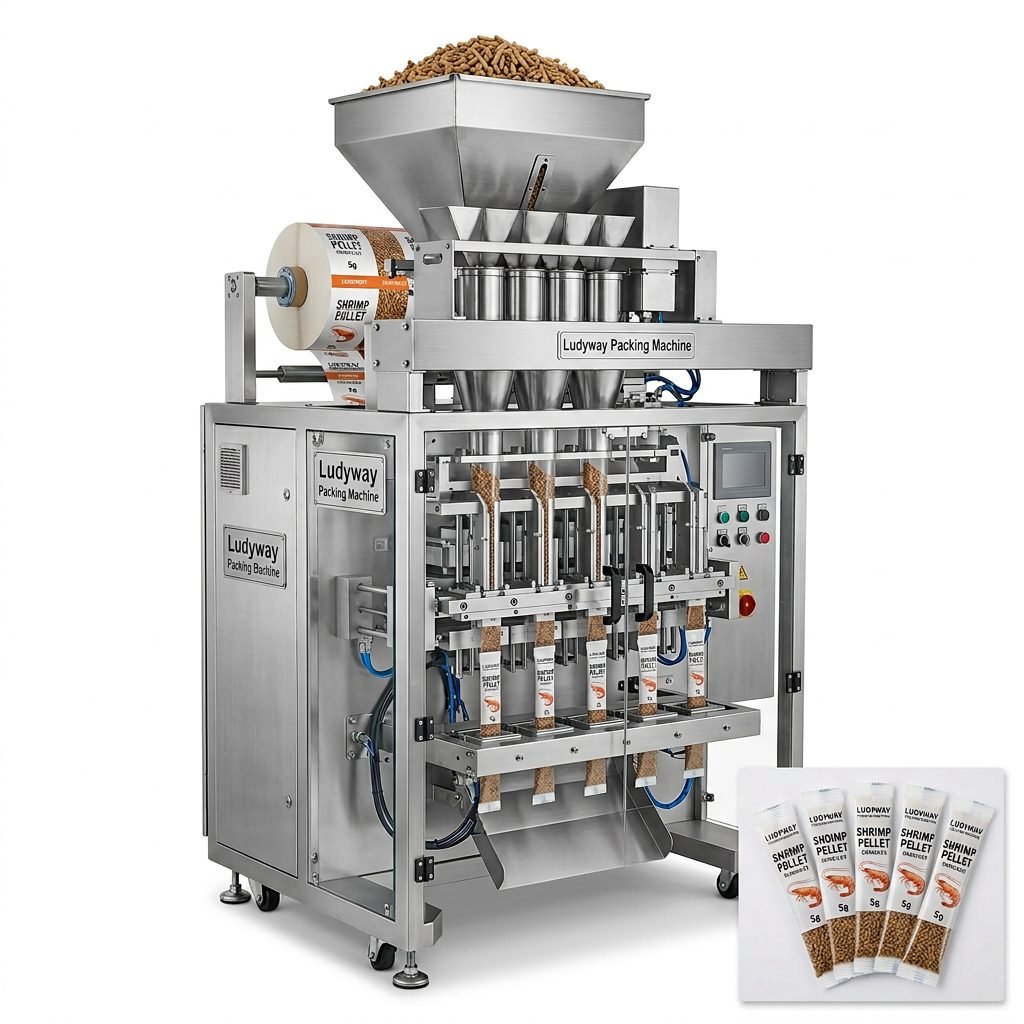
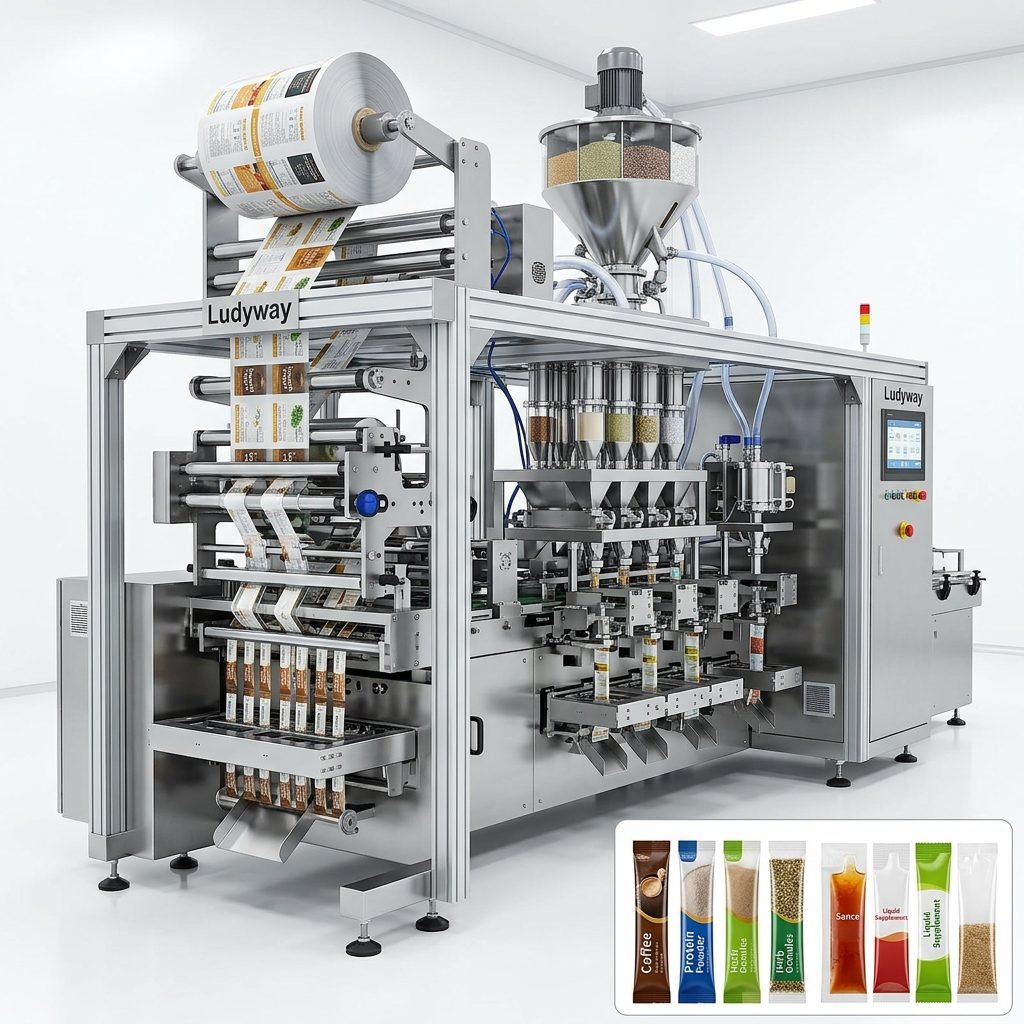
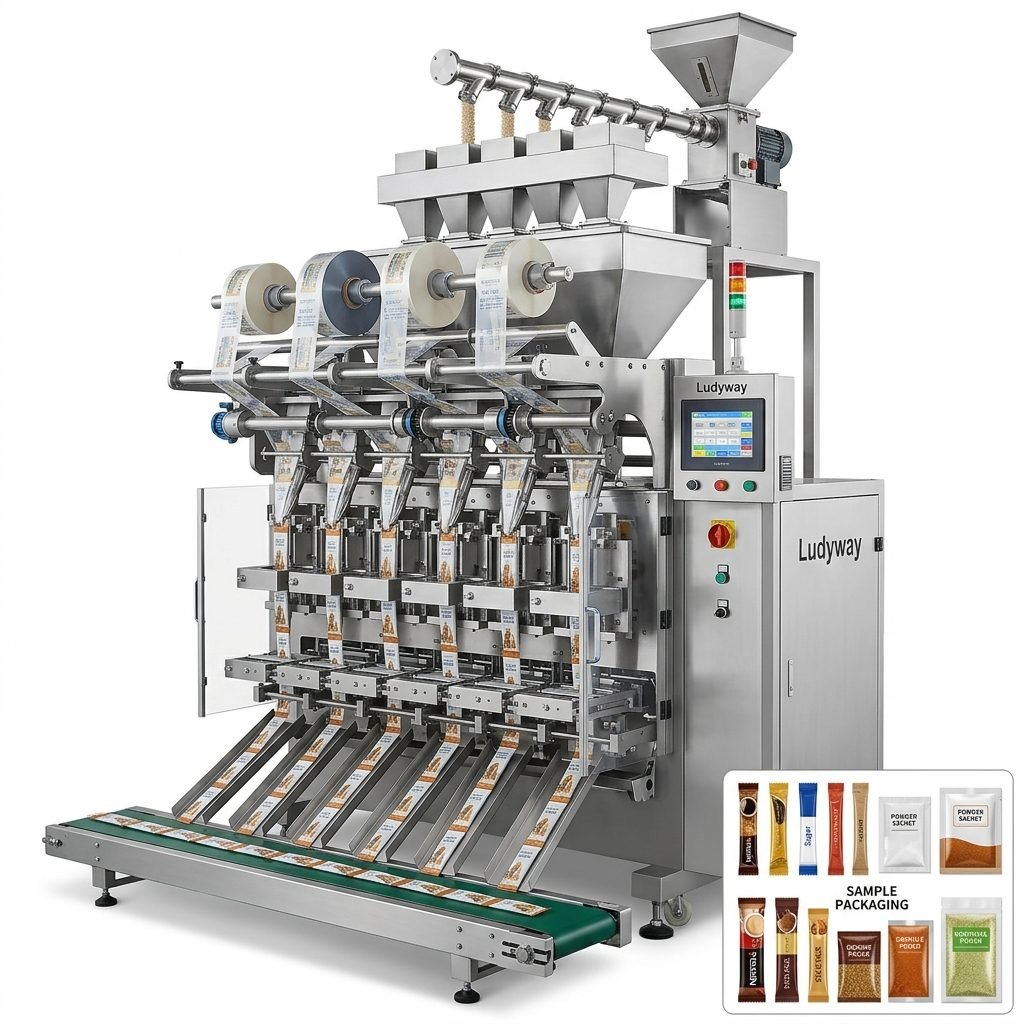
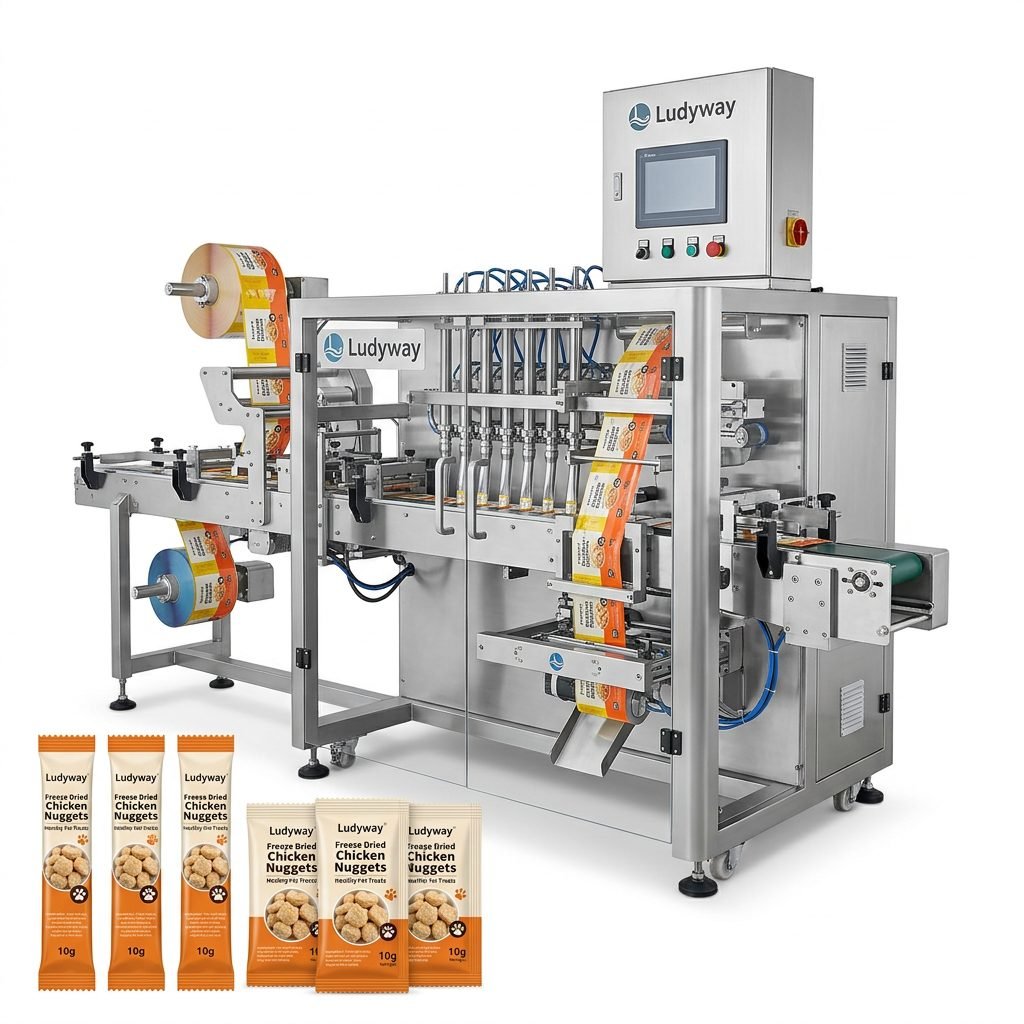
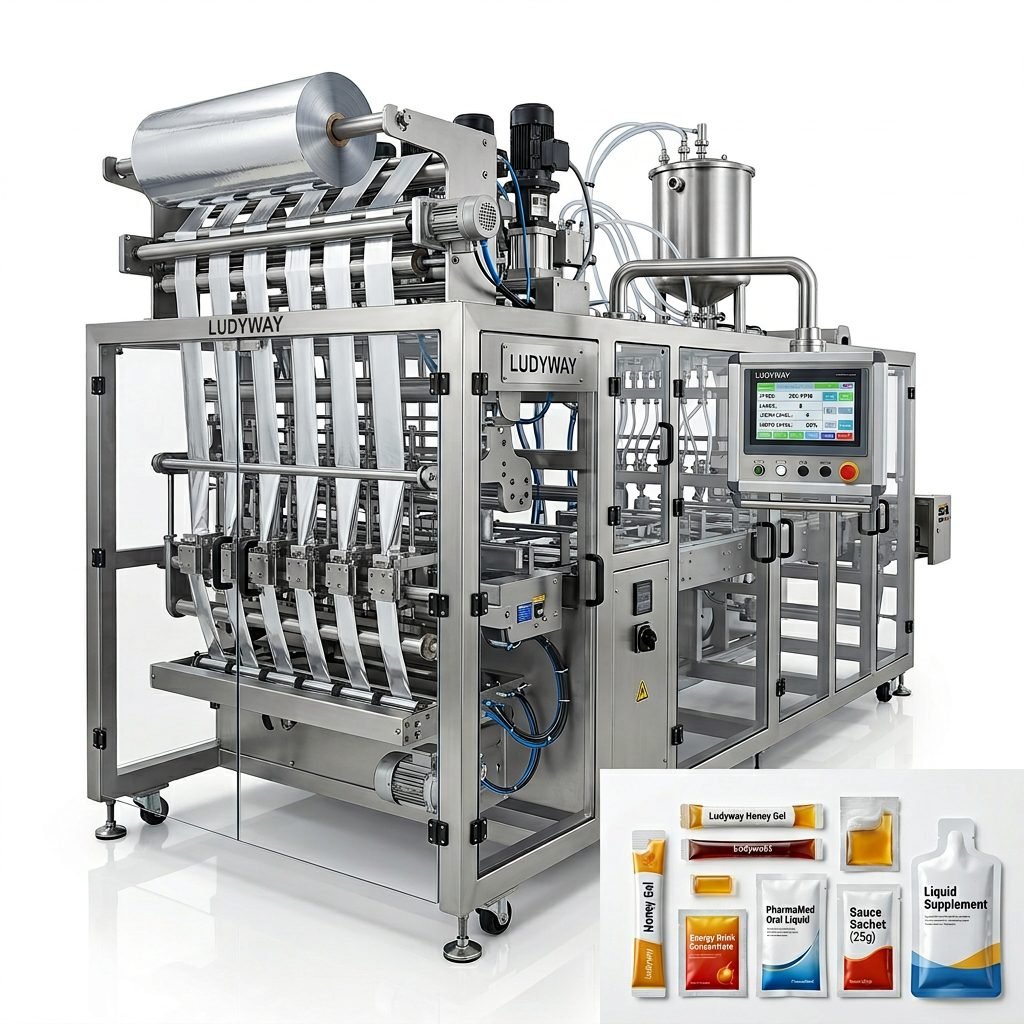
- Multi-Lane Stick Pack Machines: Increasingly popular for single-serve shaved ice and ice powder sachets. With output capacities reaching 600 packs per minute, these systems dominate the flavored ice and sports ice segments in Pacific Island markets.
Key Technical Specifications for Oceania Markets
When evaluating an ice packaging machine for your facility, several technical parameters demand close attention. Australian and New Zealand food safety standards, combined with the region’s high humidity and coastal operating environments, make certain features non-negotiable.
- Stainless Steel Construction: All product contact parts should be SUS304 or SUS316L stainless steel to resist corrosion from moisture and salt-laden air prevalent in coastal Oceania regions.
- Washdown Capability: Equipment rated to IP65 or higher ensures reliable operation in wet, cold production rooms where ice packaging is typically performed.
- Gas Flushing and Vacuum Options: For extended shelf life of packaged ice destined for remote Pacific Island distribution, nitrogen flushing or vacuum sealing capabilities help prevent clumping and moisture migration.
- Film Registration and Tracking: High-precision servo-driven film feeding ensures consistent seal integrity, which is especially important when packaging wet, slippery ice products at high speeds.
- Automation Readiness: Machines equipped with PLC controls and HMI touchscreens enable quick changeovers between different ice types and bag sizes, reducing downtime for businesses serving multiple market segments.
Material Compatibility and Compliance
Ice is a unique product that transitions between solid and liquid states. The packaging film must withstand cold temperatures, resist moisture penetration, and meet food contact substance regulations. The table below summarizes key material considerations for Oceania ice packers.
| Packaging Material | Temperature Range | Best Application | Oceania Compliance |
|---|---|---|---|
| LDPE / LLDPE | -50°C to 60°C | Bulk ice bags (5-20 kg) | FSANZ compliant |
| PET / PE Laminate | -40°C to 80°C | Retail ice pouches (1-5 kg) | High clarity, print-ready |
| Aluminum Foil Laminate | -60°C to 100°C | Premium ice sachets | Superior moisture barrier |
| Biodegradable PLA Films | -20°C to 45°C | Eco-friendly ice packs | NZ plastic-free targets |
For businesses exporting ice products from New Zealand to neighboring Pacific nations, additional considerations around ISO packaging standards and biosecurity regulations may apply. Always verify film certifications with your supplier before finalizing equipment specifications.
Budget Planning and Return on Investment
A high-quality ice packaging machine represents a significant capital expenditure, but the long-term ROI often justifies the upfront cost. Oceania buyers typically evaluate three cost tiers:
- Entry-Level Semi-Automatic Machines: Suitable for small-scale ice producers in Tasmania and regional New Zealand, with budgets ranging from AUD 25,000 to AUD 60,000. These systems offer basic bag filling with manual sealing.
- Mid-Range Fully Automatic VFFS Lines: The sweet spot for medium-sized operations in Queensland and Victoria, priced between AUD 80,000 and AUD 180,000. These include automated weighing, filling, and date coding.
- High-Speed Multi-Lane Turnkey Systems: Designed for major ice manufacturers serving supermarket chains across Australia and export markets, with investments starting at AUD 250,000 and scaling upward based on lane count and automation level.
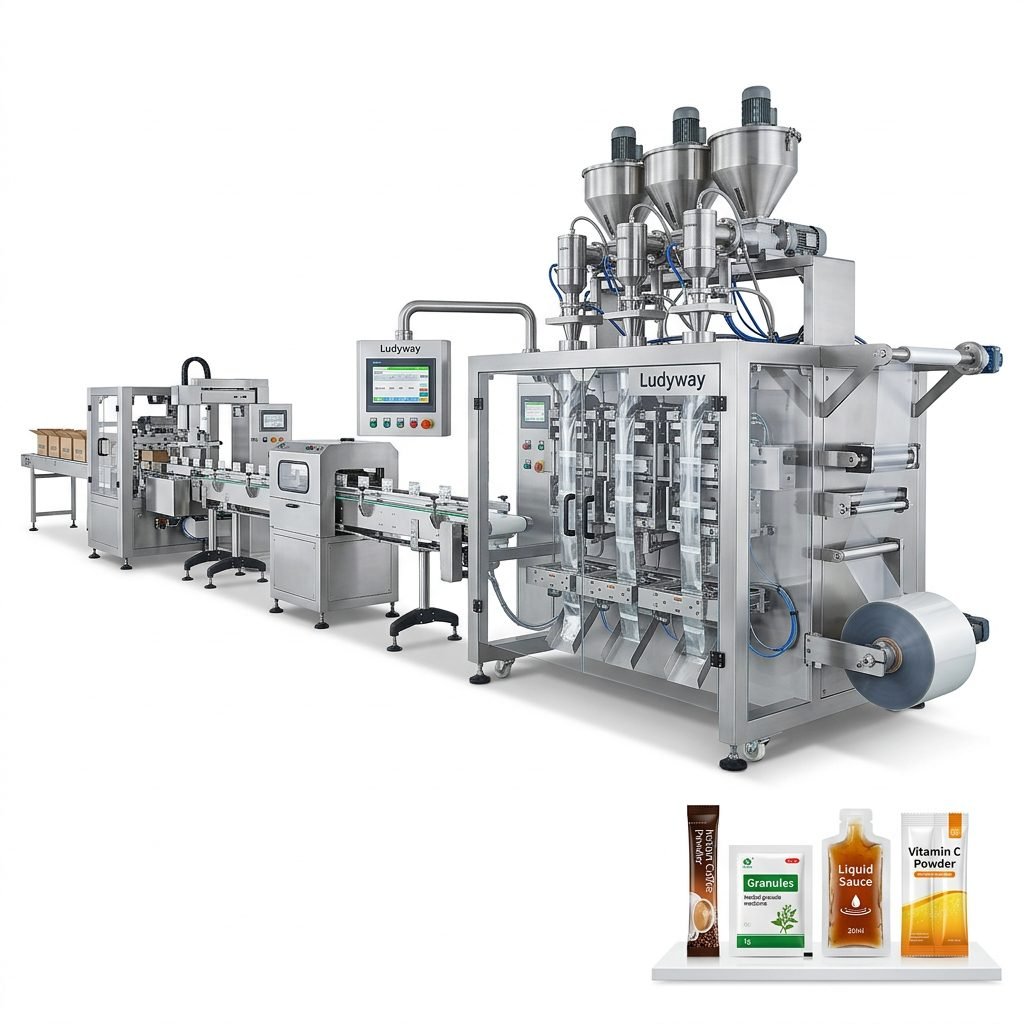
When calculating ROI, factor in not just the purchase price but also energy consumption, film waste reduction, labor savings, and maintenance costs. Many Oceania ice producers report achieving full payback within 18 to 36 months when upgrading from older manual packaging processes.
Choosing the Right Packaging Machine Supplier
Partnering with a reputable packaging machine manufacturer is just as critical as the equipment itself. In the Oceania region, where after-sales support and spare parts availability can be challenging due to geographic isolation, supplier reliability becomes a decisive factor.
Companies like Ludyway, one of China’s largest packaging equipment manufacturers, have extensive experience exporting to over 100 countries including Australia and New Zealand. With a modern 20,000㎡ production facility and more than 50 intelligent packaging machine models, they offer comprehensive solutions for ice packaging applications. When evaluating any supplier, always verify their track record in cold-chain and frozen product packaging, request client references in the Oceania region, and confirm their ability to provide remote technical support.
Maintenance and After-Sales Support
Ice packaging environments are inherently harsh, with constant exposure to moisture, cold temperatures, and thermal cycling. Proactive maintenance planning and accessible after-sales service are essential to keep production running smoothly.
- Preventive Maintenance Schedules: Establish a routine inspection calendar covering sealing jaw cleaning, sensor calibration, and pneumatic system checks. In Oceania’s humid coastal areas, weekly inspections are recommended.
- Remote Diagnostics Capability: Modern machines equipped with IoT connectivity and remote troubleshooting allow suppliers to diagnose issues without dispatching technicians across long distances—a key advantage in the Pacific region.
- Spare Parts Inventory: Work with your supplier to maintain a recommended spare parts list on-site. Critical components like heating elements, thermocouples, and sealing bands should always be in stock.
Frequently Asked Questions About Ice Packaging Machines
What is the ideal bag size for retail ice in Australian supermarkets?
Most Australian supermarket chains stock ice in 2 kg, 3 kg, and 5 kg bags. The 3 kg format has become the fastest-growing SKU in major retailers like Woolworths and Coles due to its balance of portability and value.
Can one machine handle both cubed and crushed ice?
Yes, many modern VFFS ice packaging machines can switch between ice types. However, you will need to adjust vibratory feeding parameters and film tension settings for each product form. Confirm this flexibility with your equipment supplier before purchasing.
How do I prevent ice from melting during the packaging process?
Equipment operating inside a temperature-controlled cold room (typically at or below 4°C) is standard practice. Additionally, machines with rapid filling cycles and minimal product contact time significantly reduce heat transfer during packaging.
What certifications should an ice packaging machine have for the New Zealand market?
Look for CE marking, ISO 9001 certification, and compliance with AS/NZS standards for food processing equipment. Machines constructed with food-grade stainless steel and featuring washdown-ready designs will meet New Zealand MPI requirements.
Helpful Industry Resources
PMMI Business Intelligence Library |
Flexible Packaging Association Industry Data |
Ludyway Global Growth Report 2026 |
PACK EXPO International |
EU Packaging Regulations
Choosing the right ice packaging machine for Oceania is a strategic decision that impacts product quality, operational efficiency, and market competitiveness. By carefully evaluating machine types, technical specifications, material compatibility, and supplier reliability, your business can secure equipment that delivers consistent performance in the demanding frozen product environment. Whether you are packaging bagged ice for a Queensland supermarket or exporting premium ice sachets to Pacific Island nations, the right machinery investment will pay dividends for years to come.