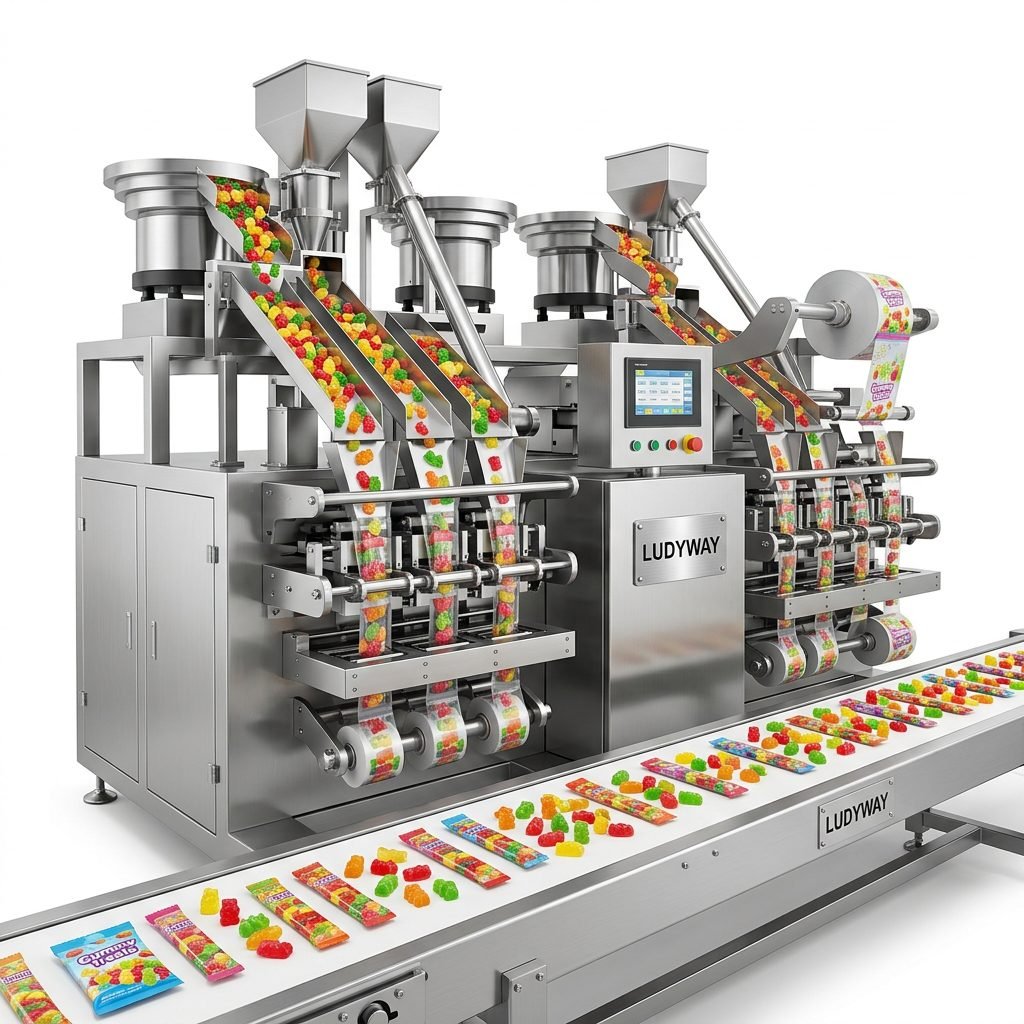
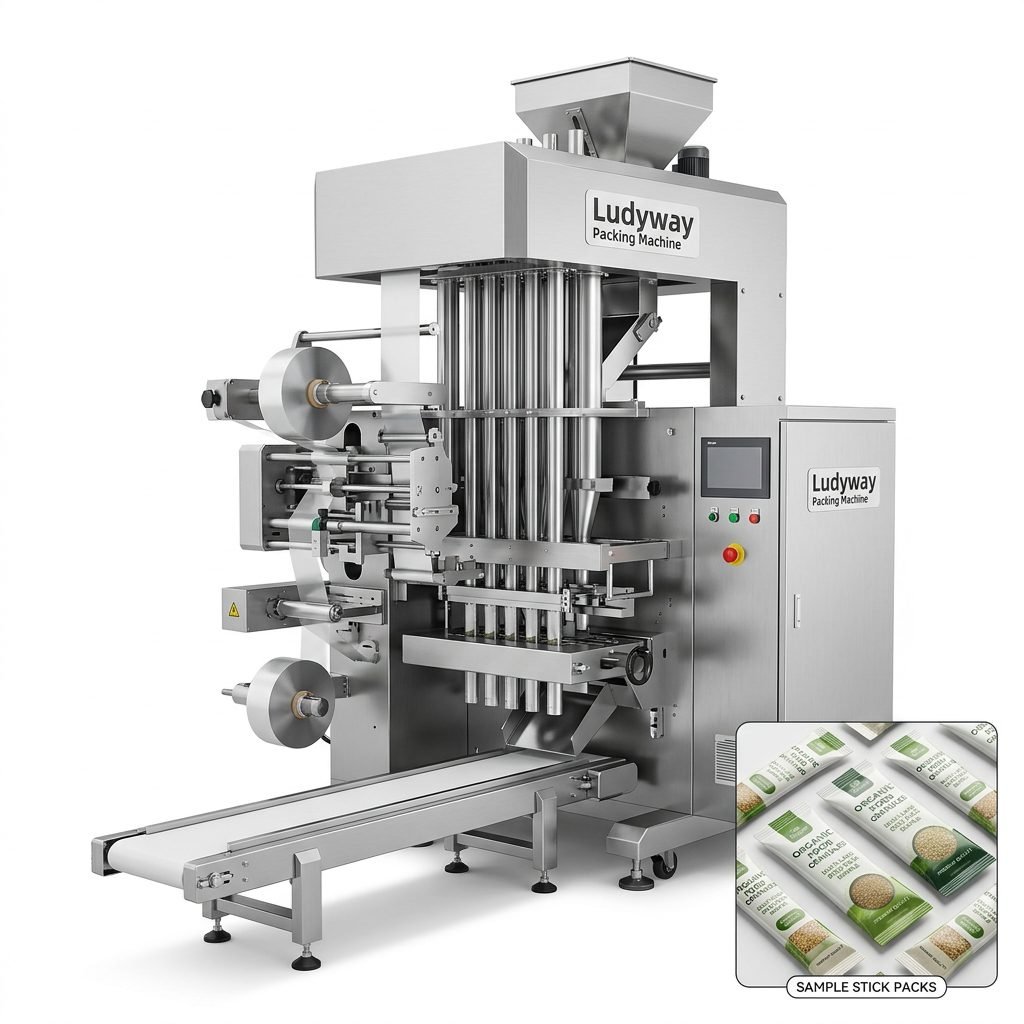
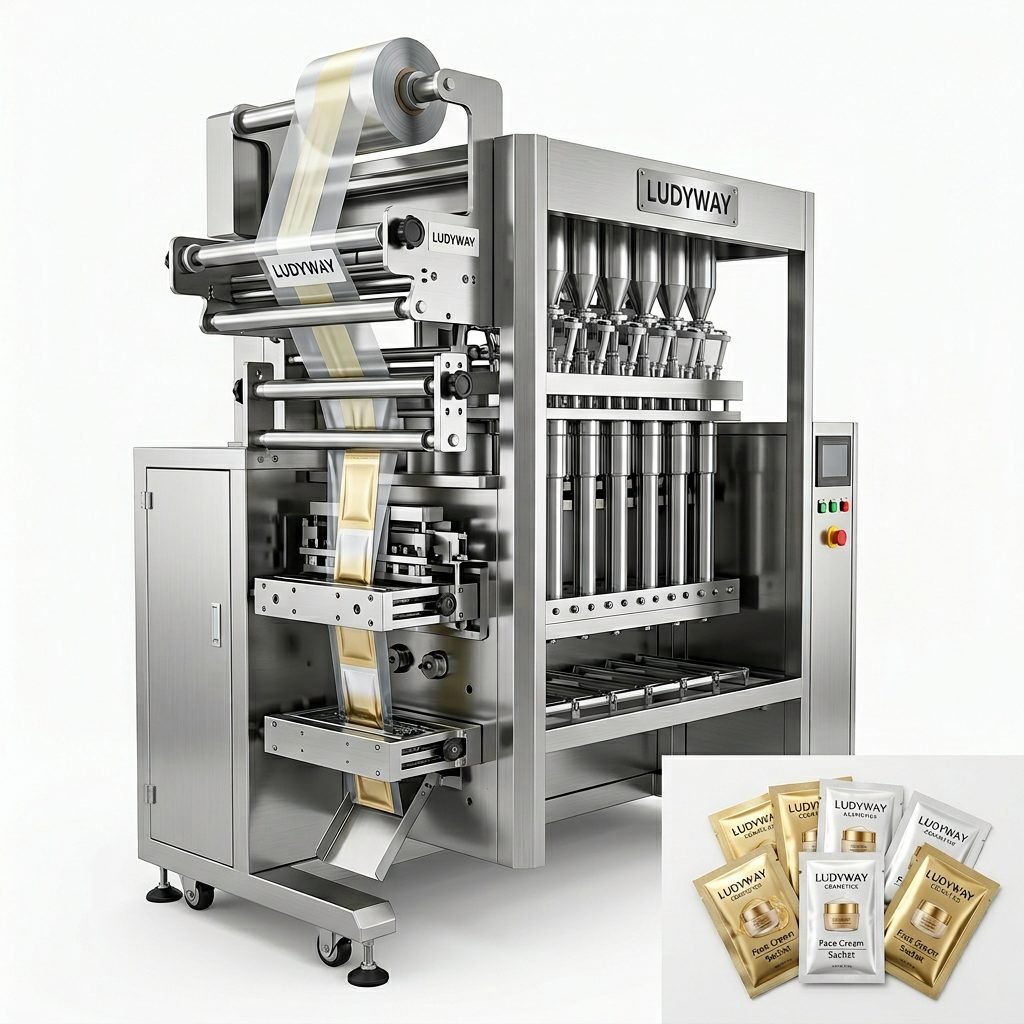
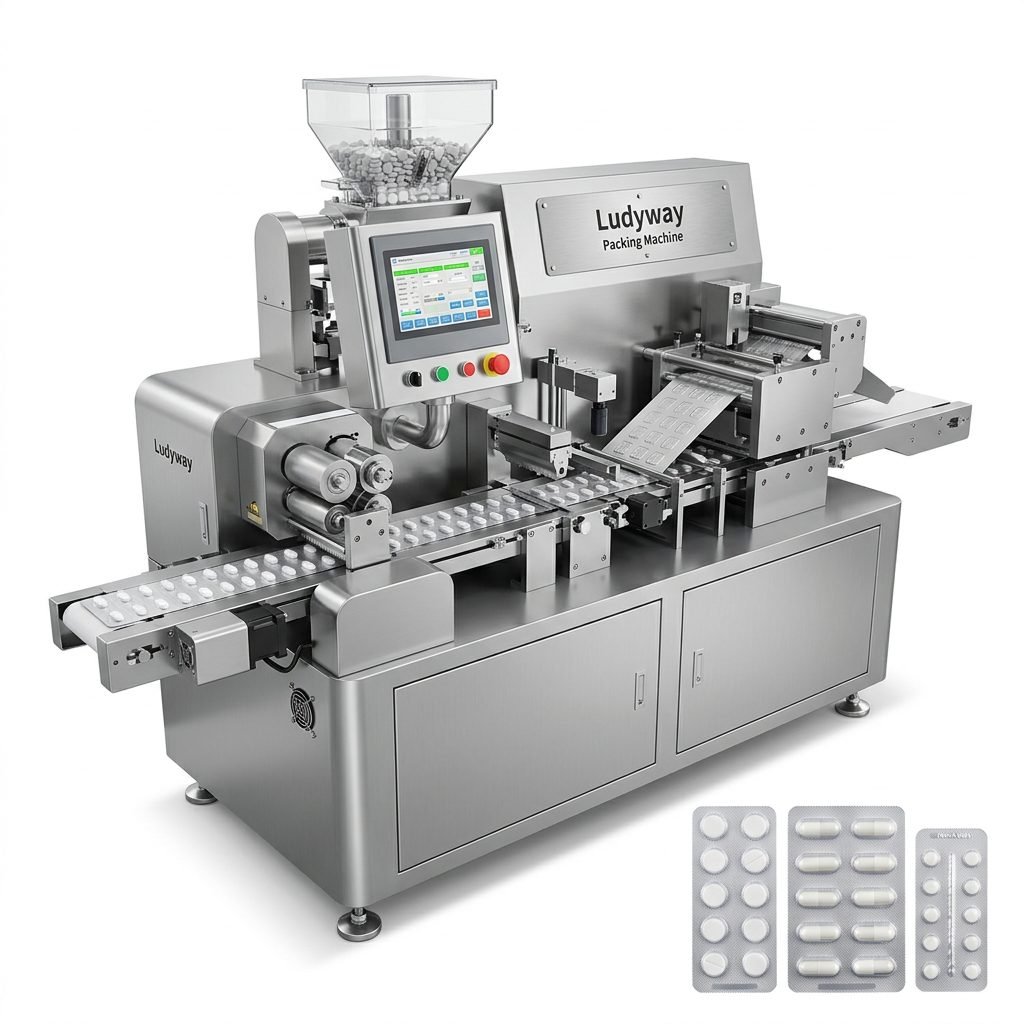
Investing in a vacuum packaging machine production line is a strategic decision that directly impacts product shelf life, operational efficiency, and overall profitability. Whether you are packaging food, pharmaceuticals, medical devices, or industrial components, a well-designed vacuum packaging system preserves product integrity by removing oxygen, preventing oxidation, and inhibiting microbial growth.
Setting up the best production line requires more than simply purchasing a machine. It involves a thorough understanding of your production goals, material characteristics, facility layout, automation requirements, and compliance standards. This guide walks you through every critical step—from initial assessment to final installation—so you can build a high-performance vacuum packaging line tailored to your specific application.
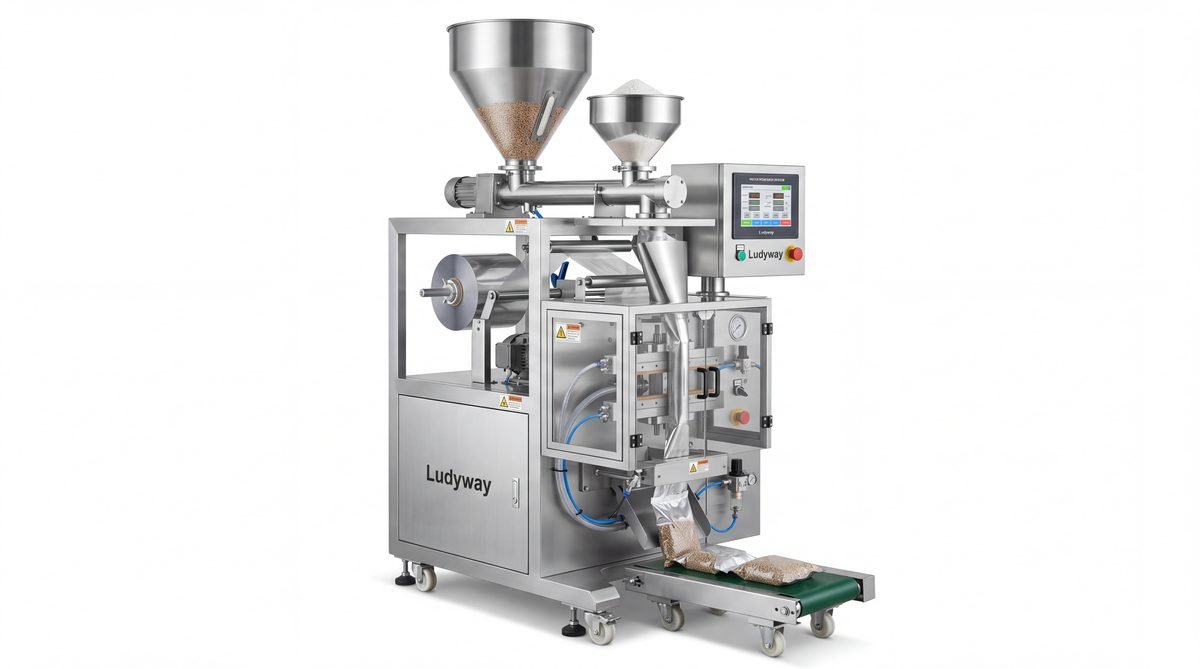
1. Define Your Production Requirements
Before evaluating equipment, clearly map out your production needs. Consider the following factors carefully, as they will determine every subsequent decision in your vacuum packaging line setup:
- Product type: Granules, powders, liquids, solids, or delicate items each require different vacuum chamber designs and sealing mechanisms.
- Packaging format: Pouches, bags, thermoformed trays, or skin packs—your choice affects machine configuration.
- Target throughput: Define your desired output in packages per minute or per shift to match line speed requirements.
- Bag or pouch dimensions: Width, length, and gusset specifications determine chamber size and sealing bar dimensions.
- Vacuum level requirements: Some products need deep vacuum, while others benefit from modified atmosphere packaging (MAP) with gas flushing.
2. Understand Core Components of a Vacuum Packaging Line
A complete vacuum packaging production line consists of several integrated components. Understanding each element helps you select compatible equipment and avoid costly mismatches during installation.
Feeding & Conveying Systems
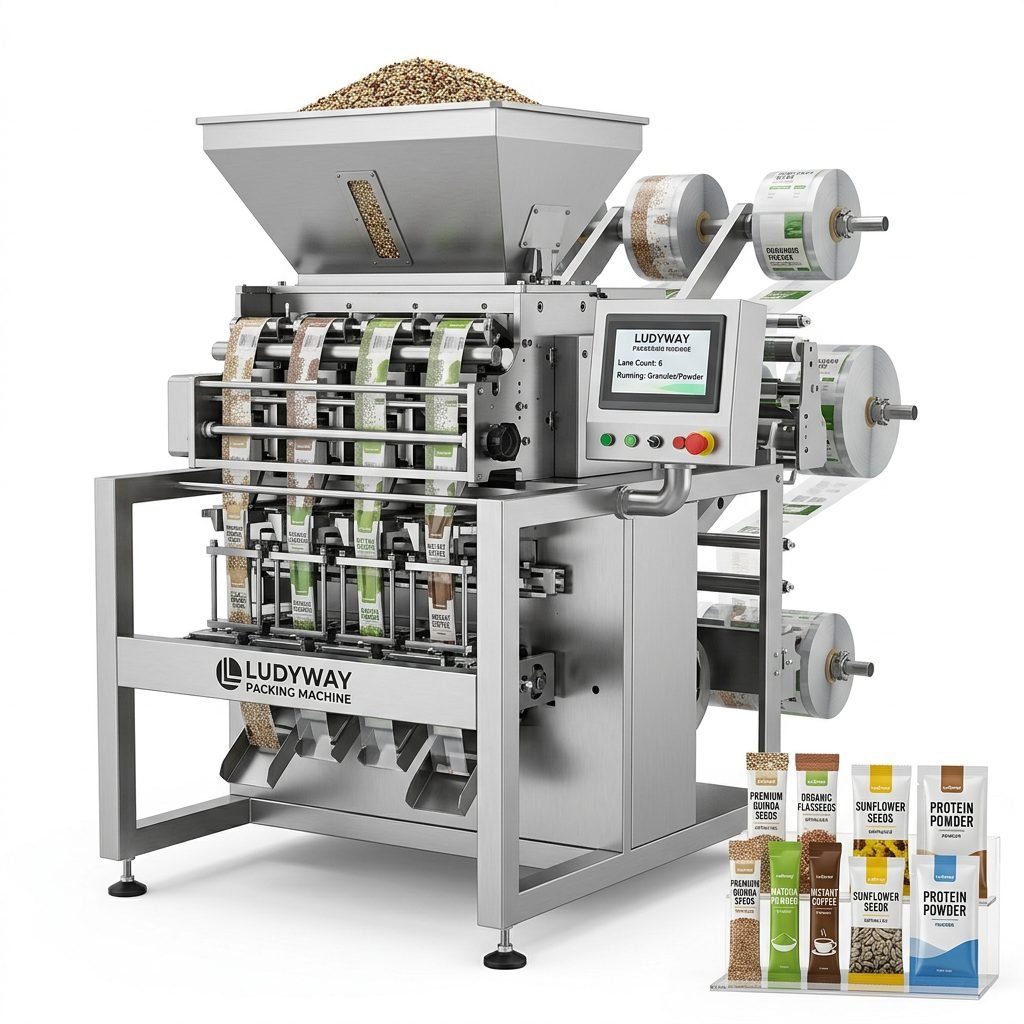
The feeding mechanism delivers products to the vacuum packaging station. Options include vibratory feeders for granules and powders, belt conveyors for solid items, and bucket elevators for bulk materials. Proper feeding ensures consistent product flow and minimizes downtime due to jams or bridging. For automated lines, integrating a multi-head weigher or auger filler achieves precise portion control before the vacuum sealing stage.
Vacuum Chamber or Nozzle System
The heart of the operation, this component extracts air from the package. Chamber vacuum machines place the entire package inside a sealed chamber for deep vacuum extraction, making them ideal for bulk solids, medical devices, and products requiring high vacuum levels. Nozzle vacuum systems insert a nozzle into the bag opening, suitable for higher-speed applications where some residual oxygen is acceptable. Your product’s sensitivity to oxidation should guide this selection.
Sealing Mechanism
After air extraction, the package must be hermetically sealed. Heat sealing bars are the most common, using controlled temperature and pressure to fuse packaging materials. The sealing bar length, heating element quality, and pressure distribution directly influence seal integrity. For multilayer barrier films or foil laminates, impulse sealing or constant heat sealing may be required depending on material properties.

Gas Flushing (MAP) Integration
Many modern vacuum packaging lines incorporate modified atmosphere packaging capabilities. After evacuating air, the chamber or nozzle injects an inert gas mixture—typically nitrogen (N₂) or carbon dioxide (CO₂)—before sealing. This technique extends shelf life for fresh produce, baked goods, meats, and pharmaceutical products by slowing oxidative degradation and microbial activity. If your product benefits from MAP, ensure your equipment supports precise gas mixing and flushing control in compliance with ISO packaging standards.
3. Selecting the Right Machine Configuration
Your production volume, packaging material, and product characteristics determine the optimal machine type. The table below compares common vacuum packaging machine configurations to help you evaluate options:
| Machine Type | Best For | Throughput Range | Key Advantage |
|---|---|---|---|
| Single Chamber | Small batches, R&D, specialty products | 5–15 cycles/min | Low investment, flexible operation |
| Double Chamber | Medium-volume food, medical devices | 15–30 cycles/min | Continuous loading, higher output |
| Rotary Vacuum | High-speed production lines | 40–80 packs/min | Exceptional throughput, automation-ready |
| Thermoforming Vacuum | Meat, cheese, ready-meal trays | 8–20 cycles/min | Forms package from roll stock, MAP capable |
| Belt-Driven Continuous | Bulk solids, granules, powders | 20–60 packs/min | Non-stop operation, minimal labor |
4. Automation and Line Integration
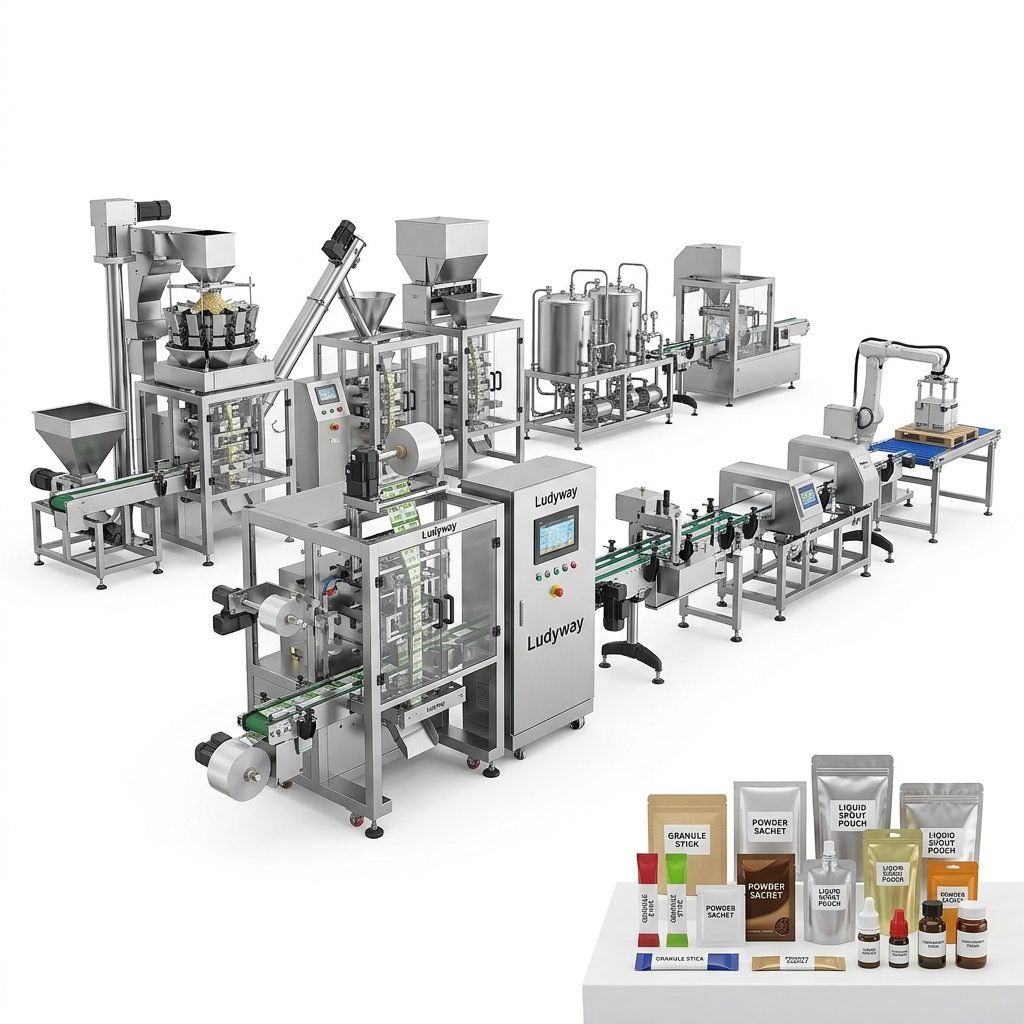
Standalone vacuum machines serve small operations well, but a fully integrated vacuum packaging production line delivers substantially higher efficiency, consistency, and long-term cost savings. Automation reduces manual handling, minimizes contamination risks, and enables real-time quality monitoring.
Upstream Integration: Filling & Weighing
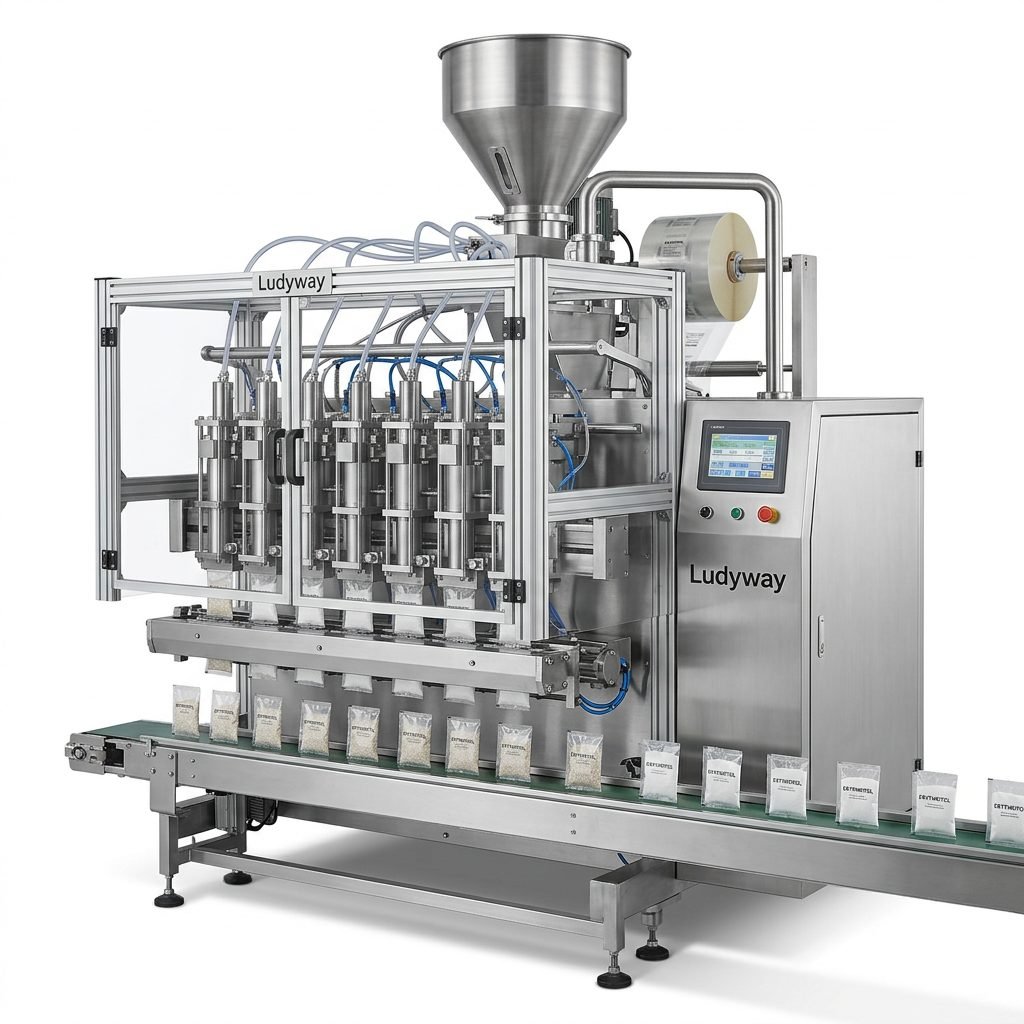
Accurate product dosing before vacuum sealing prevents underfills and costly material waste. Integrate automatic weighing and filling systems—such as multi-head weighers for granules, auger fillers for powders, or piston fillers for liquids—directly upstream of the vacuum station. This synchronization ensures each package receives the precise target weight, which is especially critical for FDA-regulated food packaging and pharmaceutical applications where net content compliance is mandatory.
Downstream Integration: Labeling, Coding & Cartoning
After vacuum sealing, packages typically move to date coding, labeling, metal detection, checkweighing, and cartoning stations. A well-integrated line includes automatic rejection systems that divert non-conforming packages based on weight or metal detection signals. Conveyor systems with adjustable speed controls synchronize the entire flow, while a centralized PLC enables operators to monitor and adjust all stations from a single interface.
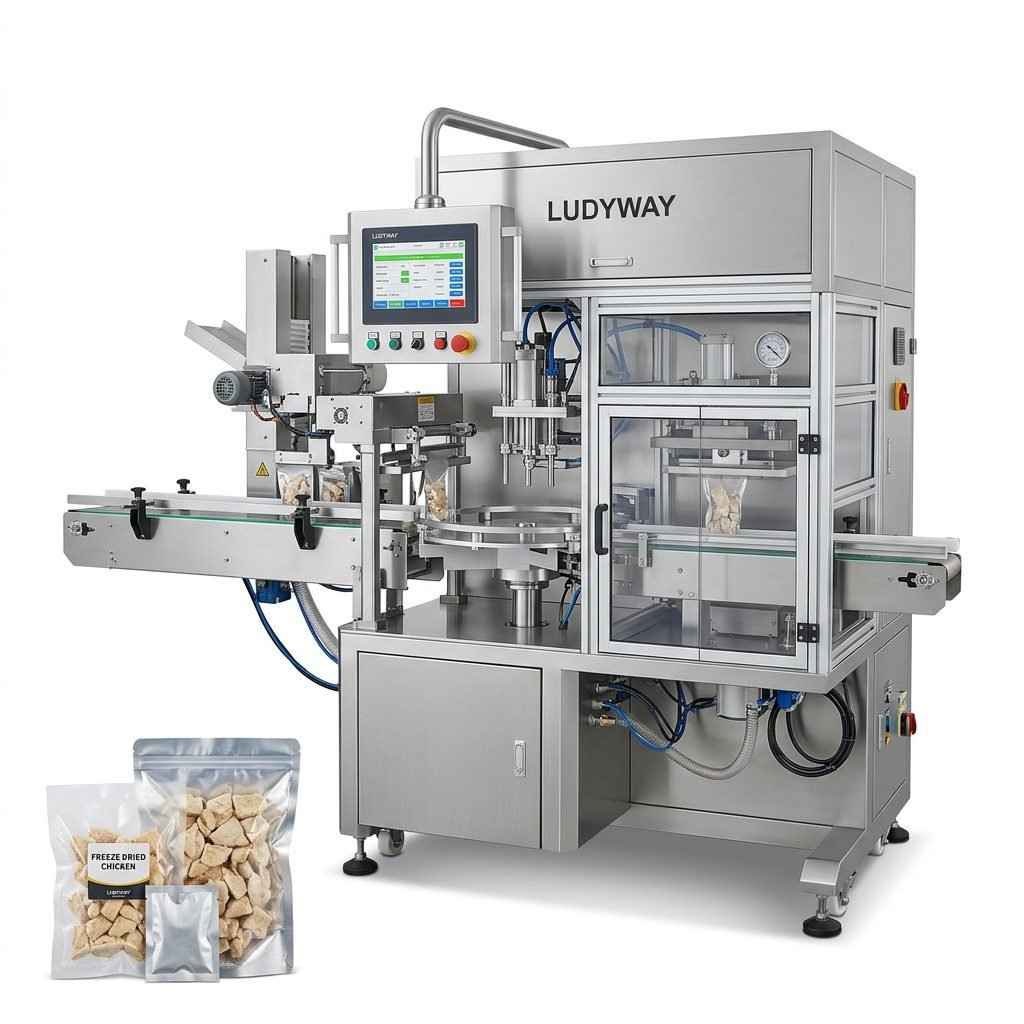
5. Facility Layout and Space Planning
An optimized factory floor layout is essential for smooth material flow and operator safety. When planning your vacuum packaging line footprint, address these key considerations:
- Linear vs. U-shaped flow: Linear layouts work well in long, narrow facilities, while U-shaped configurations reduce walking distance and enable one-operator supervision.
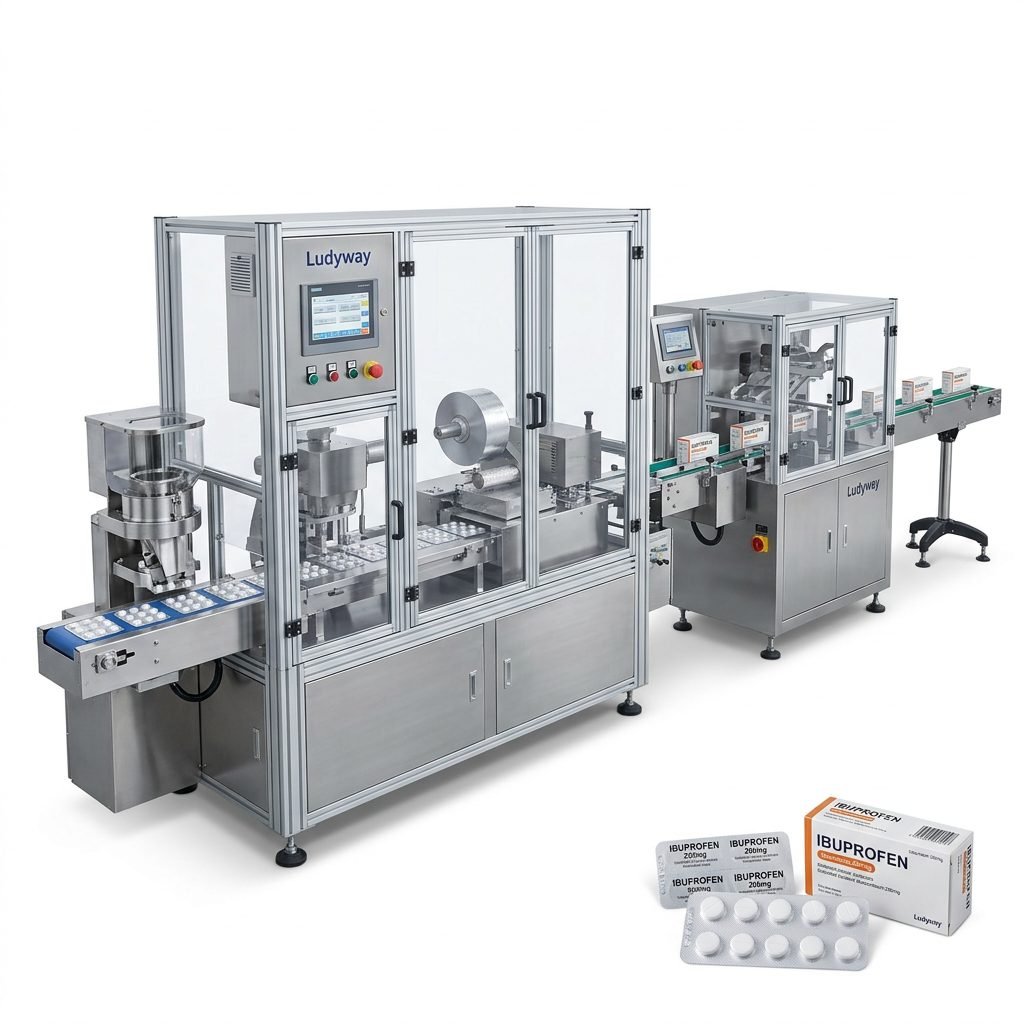
- Cleanroom requirements: Medical and pharmaceutical vacuum packaging may require ISO Class 7 or Class 8 cleanroom environments, which significantly influence equipment selection and material choices.
- Utility connections: Verify sufficient electrical capacity, compressed air supply, and—if gas flushing is needed—dedicated nitrogen or CO₂ lines at the installation point.
- Maintenance access: Leave adequate clearance around each machine for routine inspections, tool access, and part replacement without disrupting production.
6. Quality Control and Compliance Standards
Vacuum packaging directly affects product safety and shelf life, making quality assurance non-negotiable. Implement these quality control measures throughout your line:
Seal Integrity Testing
Perform regular seal strength tests using burst testing, dye penetration inspection, or vacuum leak detection equipment. Weak or incomplete seals are the leading cause of vacuum packaging failures and product recalls. Automated vision inspection systems can also detect seal defects in real time on high-speed production lines.
Residual Oxygen Monitoring
For oxygen-sensitive products, install in-line oxygen analyzers that sample packages periodically to verify that residual O₂ levels remain below your specified threshold—typically under 1% for most food applications. Consistent monitoring ensures your vacuum system maintains proper performance and alerts operators to developing issues before they affect entire batches.
Regulatory Compliance
Depending on your industry and target markets, your packaging line must comply with relevant regulations. Food packaging operations in the U.S. follow FDA food contact substance requirements, while medical device packaging must meet ISO 11607 standards for terminally sterilized devices. The Flexible Packaging Association also provides guidance on material compliance and sustainability reporting for flexible packaging formats.
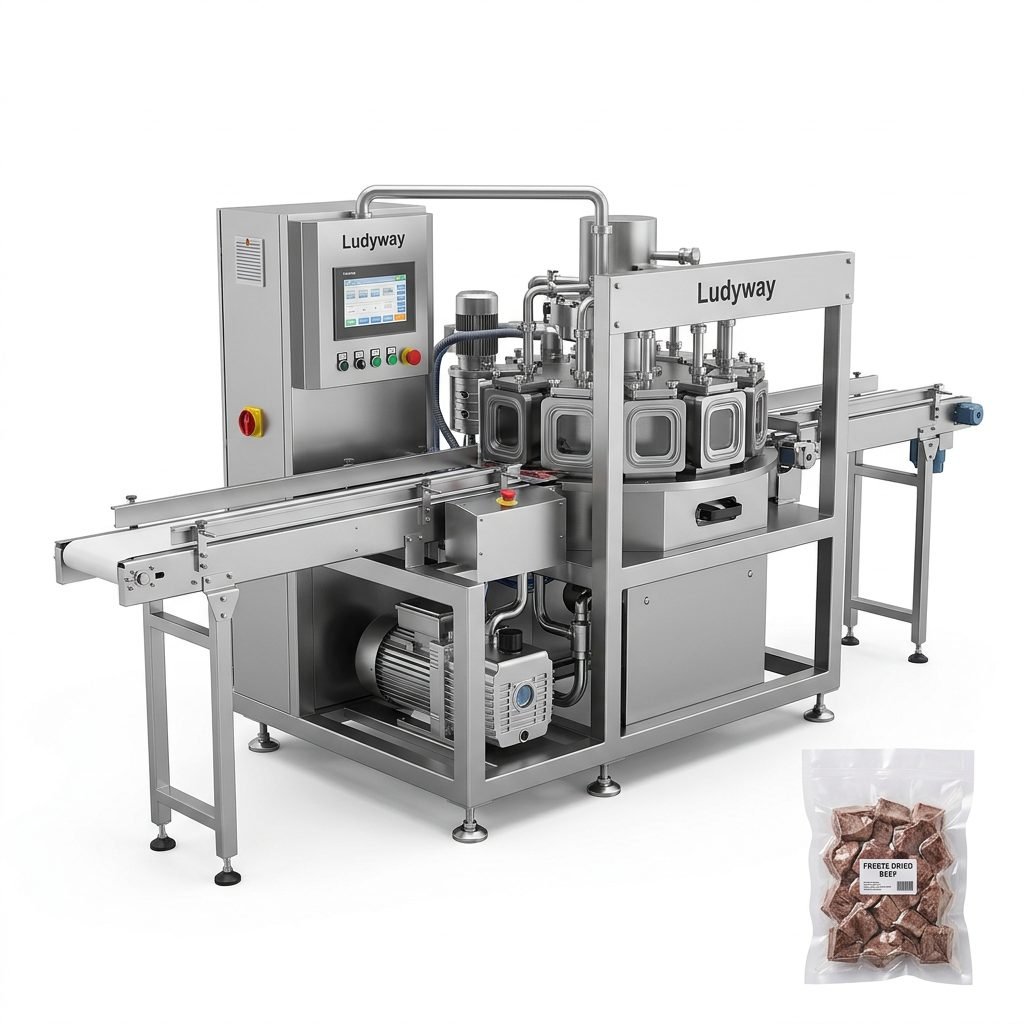
7. Maintenance and Operational Best Practices
A proactive maintenance program extends equipment lifespan, prevents unplanned downtime, and preserves vacuum performance. Adopt these practices from day one:
- Daily cleaning: Remove product residue from sealing bars, vacuum chambers, and conveyor belts to prevent contamination and seal interference.
- Vacuum pump maintenance: Change oil regularly in oil-sealed rotary vane pumps; inspect filters, gaskets, and hoses for wear on a weekly schedule.
- Sealing bar inspection: Check heating elements and PTFE covers for damage or buildup; replace worn components immediately to maintain seal quality.
- Calibration schedule: Calibrate temperature controllers, vacuum sensors, and weighing systems at intervals recommended by the equipment manufacturer.
- Operator training: Well-trained operators detect early warning signs, perform basic troubleshooting, and follow safety protocols, reducing the risk of major breakdowns.
8. Cost Analysis and ROI Estimation
Budgeting for a vacuum packaging machine production line involves both capital expenditure and ongoing operational costs. Evaluate the following cost categories to build an accurate financial model:
| Cost Category | Description | Typical Share |
|---|---|---|
| Equipment Purchase | Vacuum machine, conveyors, feeders, auxiliary systems | 50–65% |
| Installation & Commissioning | Site preparation, utilities, integration, training | 10–15% |
| Packaging Materials | Films, bags, pouches with barrier properties | 15–20% |
| Maintenance & Consumables | Vacuum pump oil, seals, heating elements, filters | 5–10% |
| Energy & Utilities | Electricity, compressed air, gas for MAP flushing | 3–5% |
Key ROI drivers include reduced product spoilage, extended shelf life enabling broader distribution, lower labor costs through automation, and consistent package quality that strengthens brand reputation. Most well-planned vacuum packaging lines achieve payback within 12 to 24 months, with high-speed integrated systems often delivering faster returns due to significantly higher throughput.
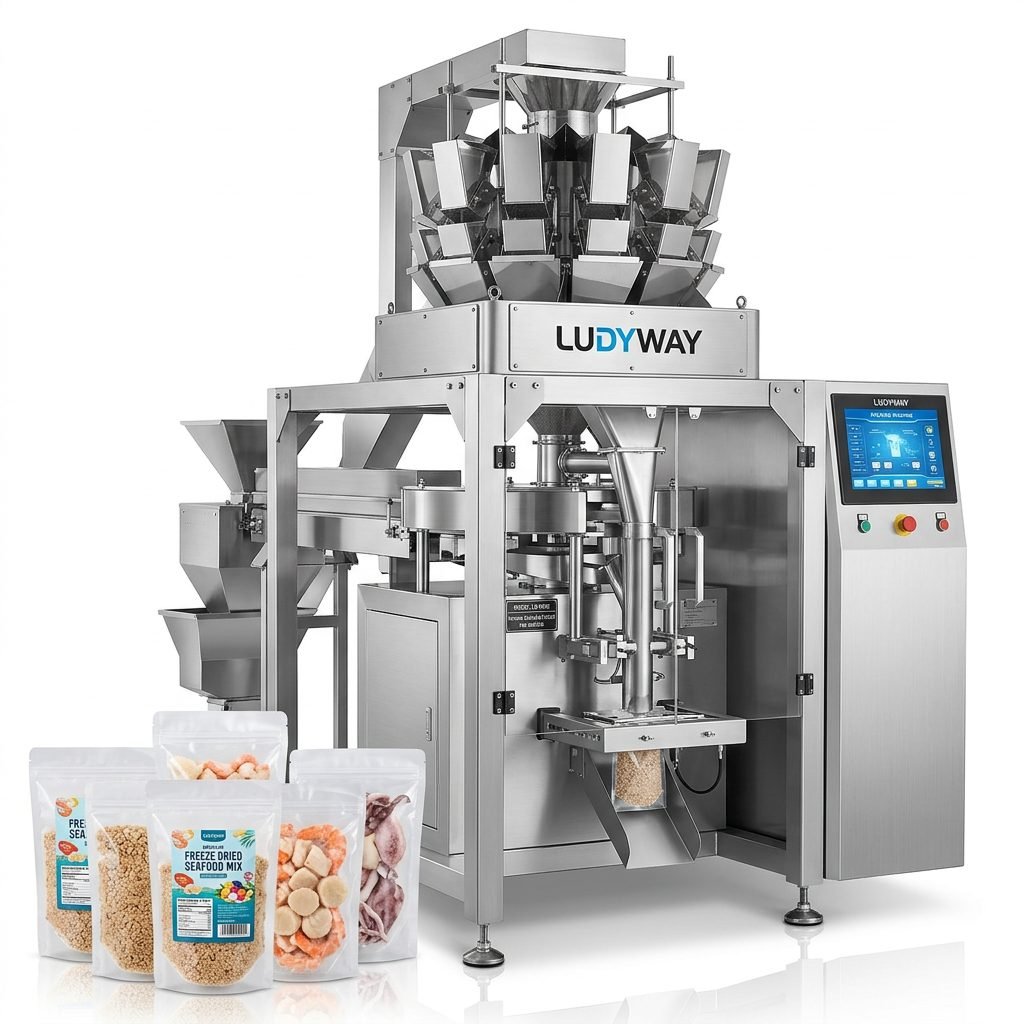
9. Choosing the Right Equipment Partner
Selecting a reputable packaging machine manufacturer is as important as choosing the equipment itself. A reliable partner provides technical expertise, customized engineering support, and responsive after-sales service throughout the equipment lifecycle. Look for manufacturers with demonstrated experience in your industry, a track record of successful installations, and comprehensive spare parts availability in your region.
For businesses seeking a complete turnkey vacuum packaging solution, working with a partner that offers in-house engineering, production, and testing capabilities ensures seamless integration and faster commissioning. Evaluate potential suppliers based on their ability to provide factory acceptance testing (FAT), on-site installation support, operator training programs, and preventive maintenance agreements that protect your investment over the long term.
Questions to Ask Potential Suppliers
- What is the typical mean time between failures (MTBF) for your vacuum packaging machines in similar applications?
- Do you offer remote diagnostics and support to minimize downtime?
- Can you provide references from customers in our specific industry with similar production volumes?
- What is your standard warranty coverage and what extended service options are available?
- How quickly can you supply critical spare parts to our location?
10. Future-Proofing Your Vacuum Packaging Line
As your business grows, your packaging line should accommodate increased demand without a complete overhaul. Design your vacuum packaging production line with scalability in mind by incorporating these forward-looking elements:
- Modular machine design: Choose equipment that allows lane expansion or speed upgrades without replacing core modules.
- IoT and Industry 4.0 readiness: Machines with OEE tracking, remote monitoring, and predictive maintenance alerts help optimize performance and reduce long-term operating costs.
- Flexible packaging format support: Select machines that can handle multiple pouch sizes, bag styles, and material types to adapt to evolving market demands.
- Sustainability considerations: Equipment compatible with recyclable mono-material films and reduced material thickness supports corporate sustainability goals while potentially lowering material costs.
Conclusion
Building the best vacuum packaging machine production line requires careful planning across multiple dimensions—from product requirements and machine selection to automation integration, quality control, and supplier partnership. Each decision influences the performance, reliability, and profitability of your packaging operation. By following the structured approach outlined in this guide and partnering with experienced equipment manufacturers, you can implement a vacuum packaging line that delivers consistent product quality, regulatory compliance, and robust return on investment for years to come.
For more information on industry trends and best practices, explore resources from the PMMI packaging industry intelligence library, review ISO packaging standards for your specific application, and stay informed on flexible packaging industry developments that may impact your material and equipment choices.