The peanut butter market in Southeast Asia is experiencing explosive growth, driven by changing dietary habits, urbanization, and the rising demand for convenient protein sources. Establishing a modern peanut butter packaging machine production line is a critical step for manufacturers looking to capitalize on this trend. Without the right automated systems, producers face challenges like inconsistent filling, oil separation, and contamination risks. This guide walks you through every phase of setting up an efficient, scalable, and profitable packaging operation tailored to ASEAN market conditions.
Understanding the Peanut Butter Packaging Landscape in ASEAN
Before investing in machinery, it is essential to understand the regional nuances. The packaging machinery market in Southeast Asia is characterized by a mix of small artisanal producers and large multinational factories. Your choice of equipment must align with your target production volume, packaging format, and local climate considerations, particularly high humidity and ambient temperature, which directly affect peanut butter viscosity.
Core Equipment for a Turnkey Peanut Butter Line
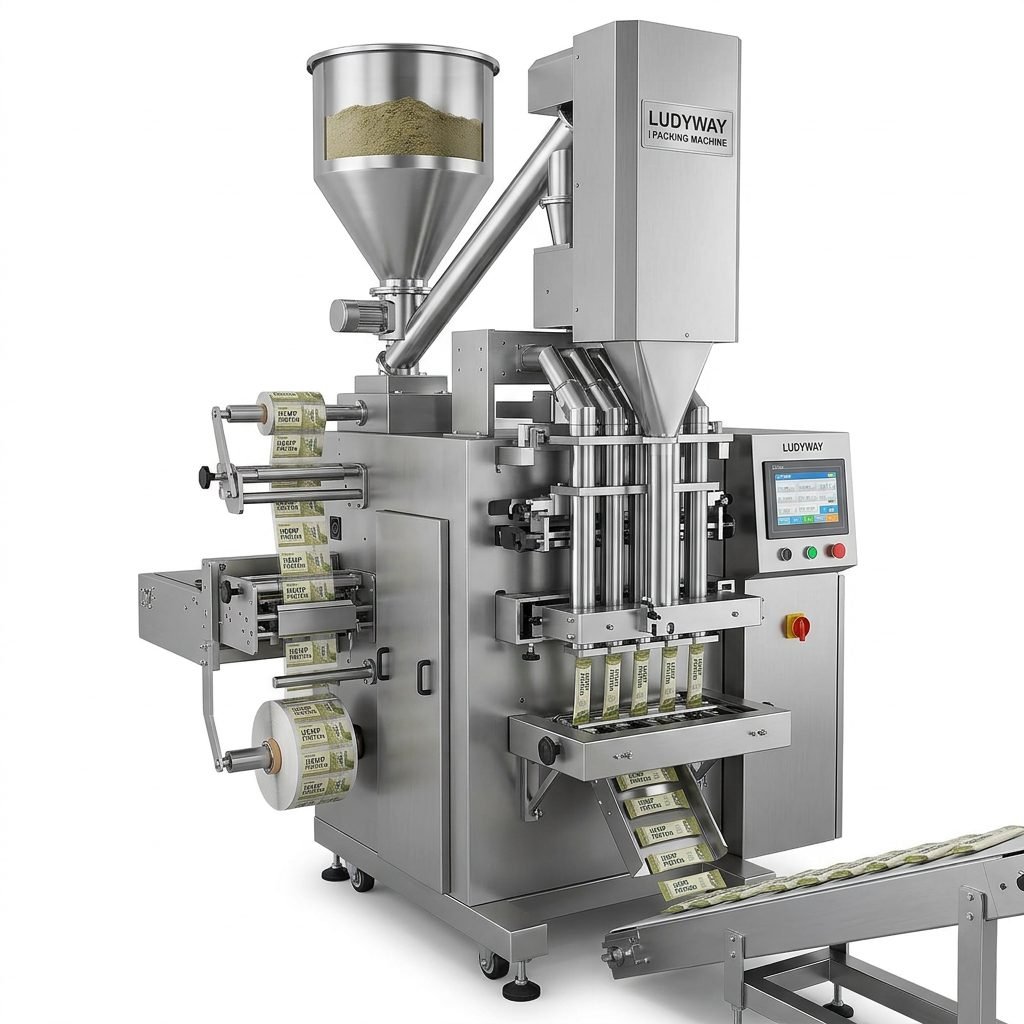
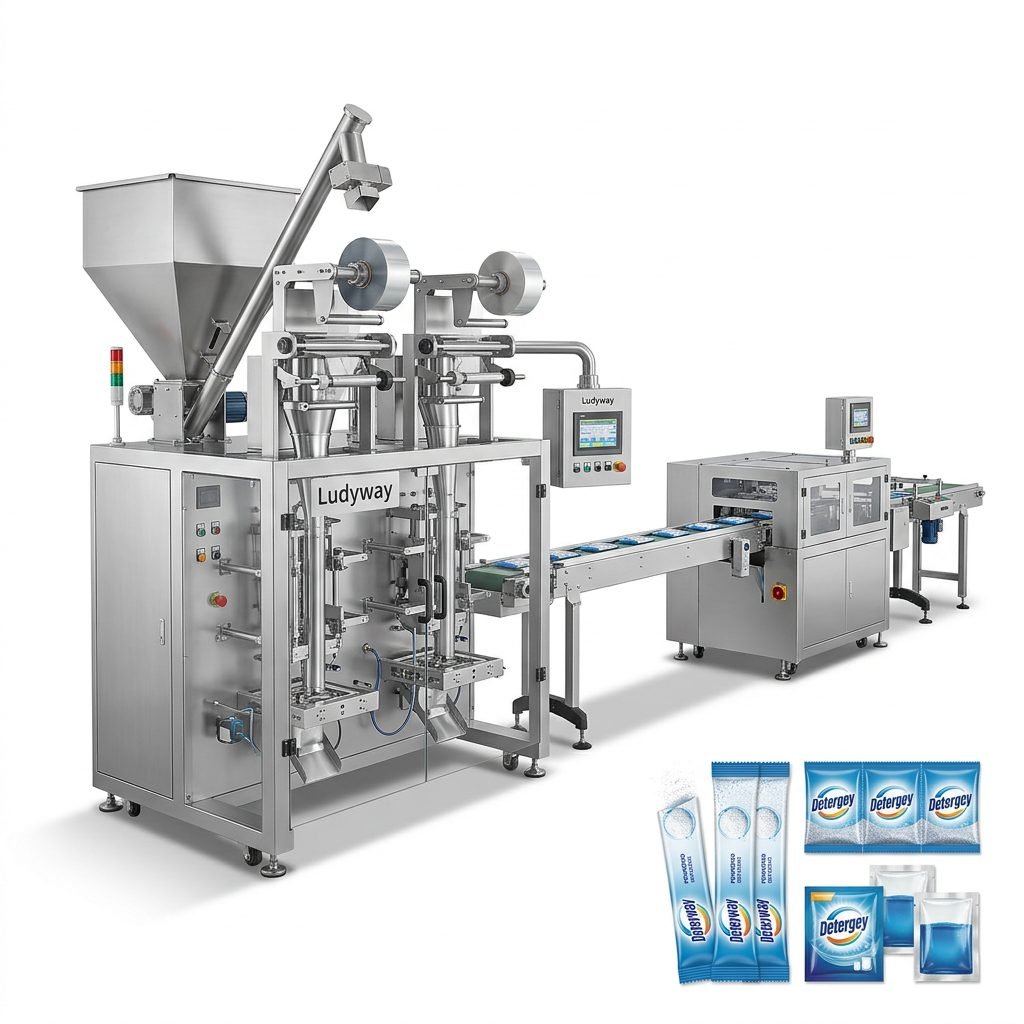
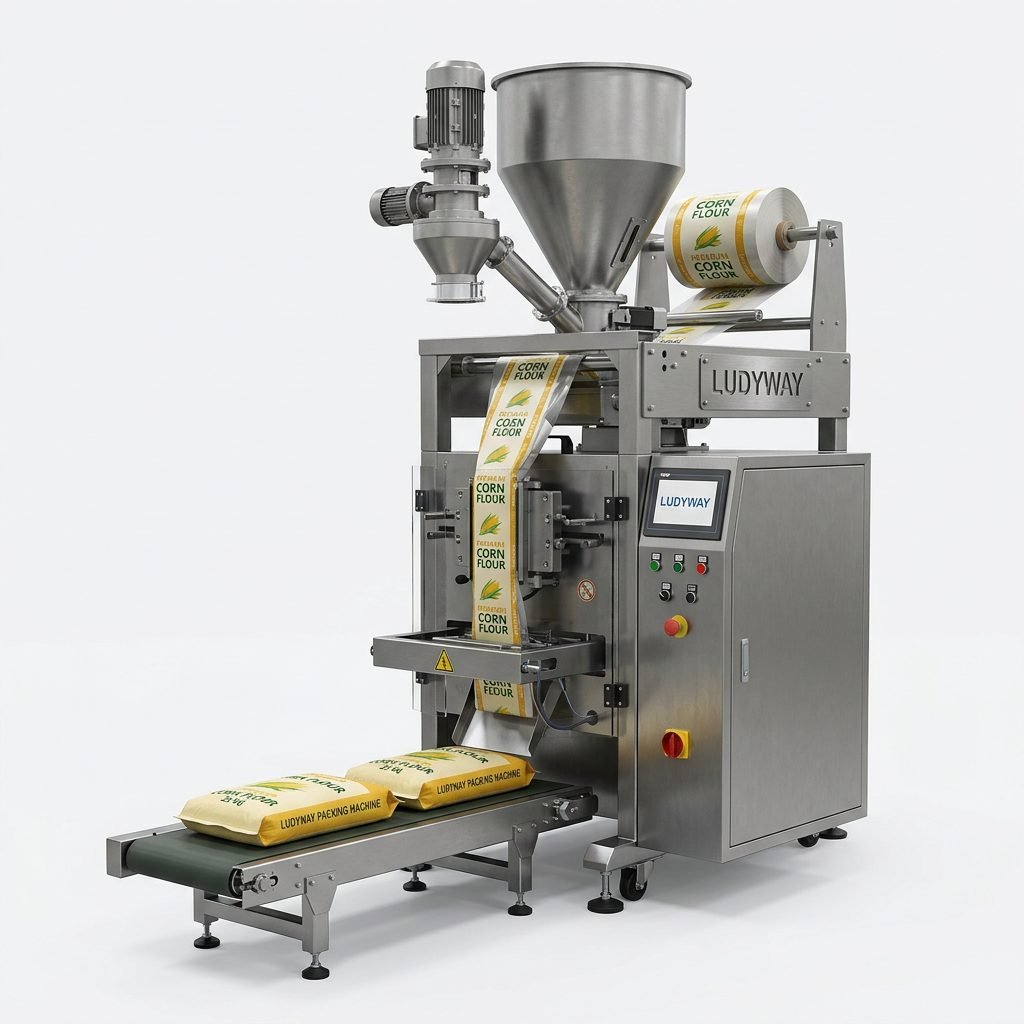
A complete peanut butter packaging line is more than just a filling machine. To achieve high-speed, hygienic, and precise output, you will need an integrated system that covers feeding, filling, sealing, coding, and secondary packaging. Below is a breakdown of the essential modules.

Key Equipment Specifications
| Machine Module | Primary Function | Critical Feature |
|---|---|---|
| Piston/Pump Filler | Dosing thick viscous paste | Anti-drip nozzles, heated hopper |
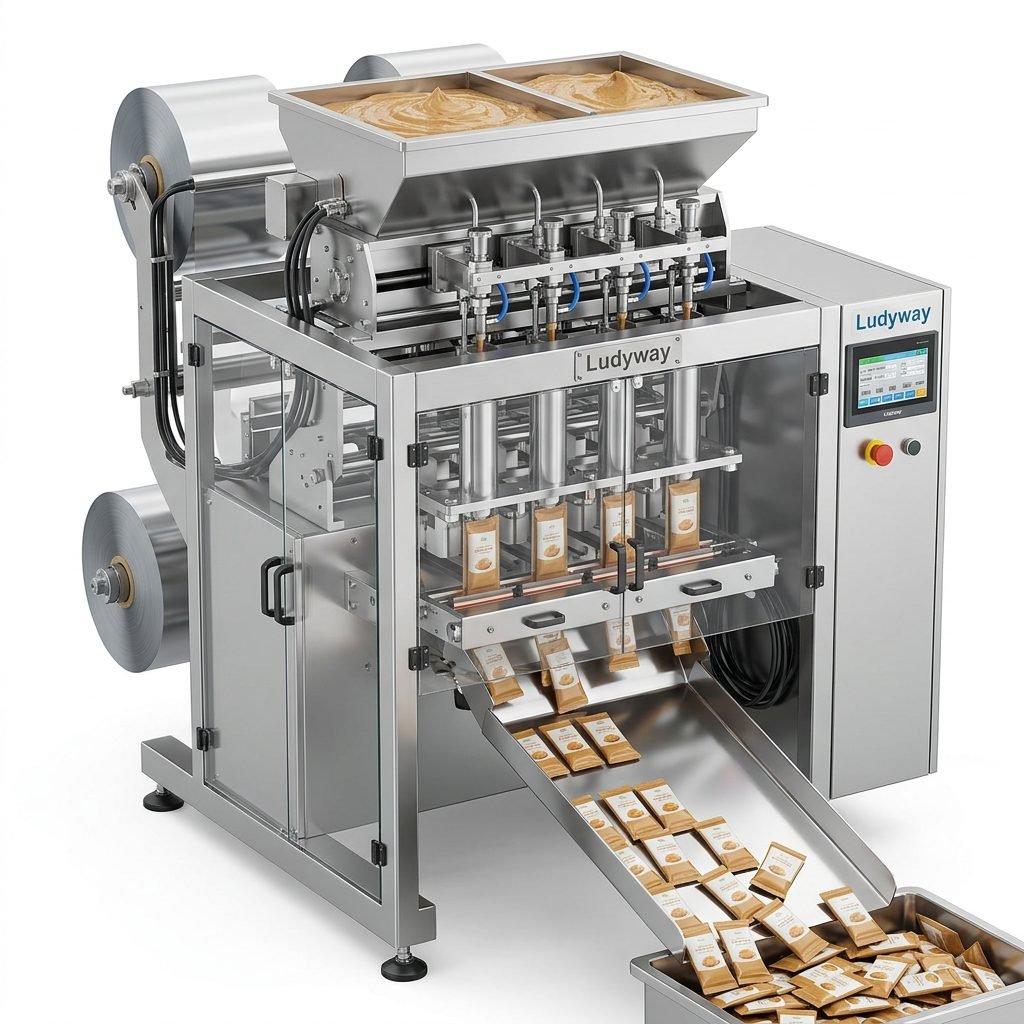
| Multi-Lane Sachet Machine | Single-serve stick/sachet packs | High speed (400+ packs/min) |
| Jar/Bottle Capping Machine | Torque capping for glass/plastic | Servo-driven torque control |
| Inline Checkweigher | Weight verification and rejection | Dynamic high-precision load cell |
Step-by-Step Setup Guide for Your Production Line
Deploying a peanut butter packaging solution in a tropical environment requires a methodological approach. Ignoring local infrastructure realities can lead to production bottlenecks and food safety issues. Follow these structured steps to ensure a smooth launch, from factory preparation to full-scale output.
1. Factory Layout and Hygienic Design
Your facility must comply with food packaging safety standards. Ensure the production area has positive air pressure, epoxy flooring, and segregated raw/processed zones. For packaging machinery, stainless steel construction (SS304 or SS316) is non-negotiable to prevent corrosion in humid ASEAN climates.
2. Pre-Production Viscosity Management
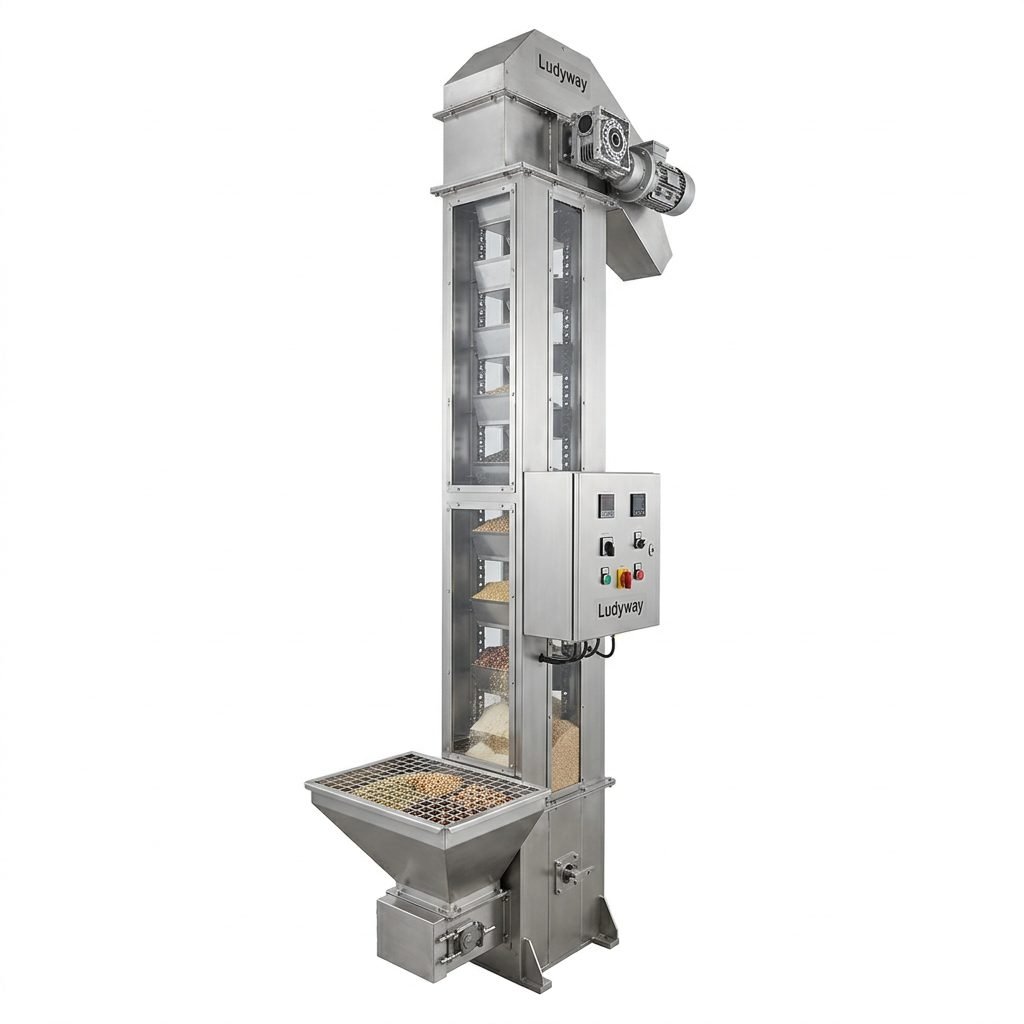
Peanut butter is a thixotropic fluid. Its thickness changes under shear. Installing a dosing pump with a follow plate or a heated pipe system ensures a constant flow rate, preventing bridging and air pockets. Precise temperature control of the product during filling guarantees uniform portion sizes. Equipment like a vertical bucket elevator can smoothly convey raw peanuts to the grinding section before the paste reaches the filler.
3. Selecting the Right Packaging Format
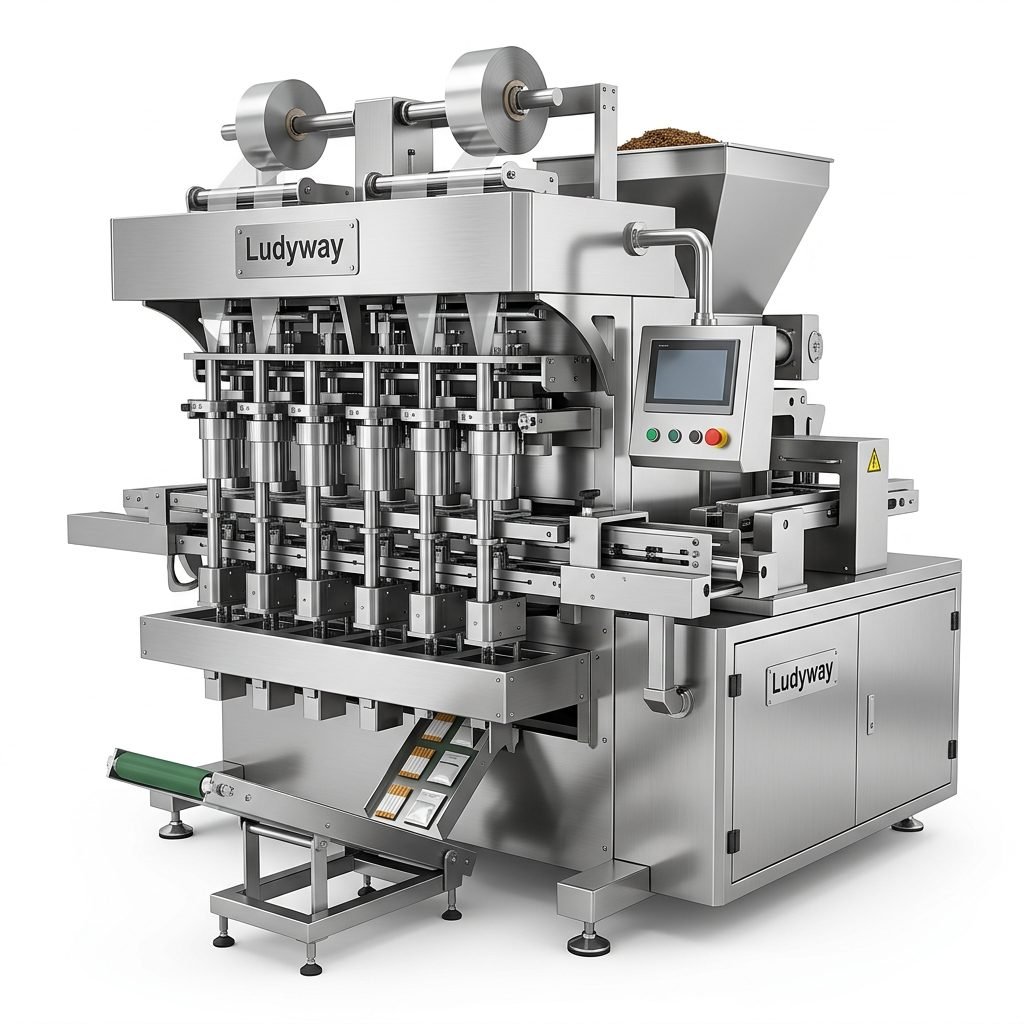
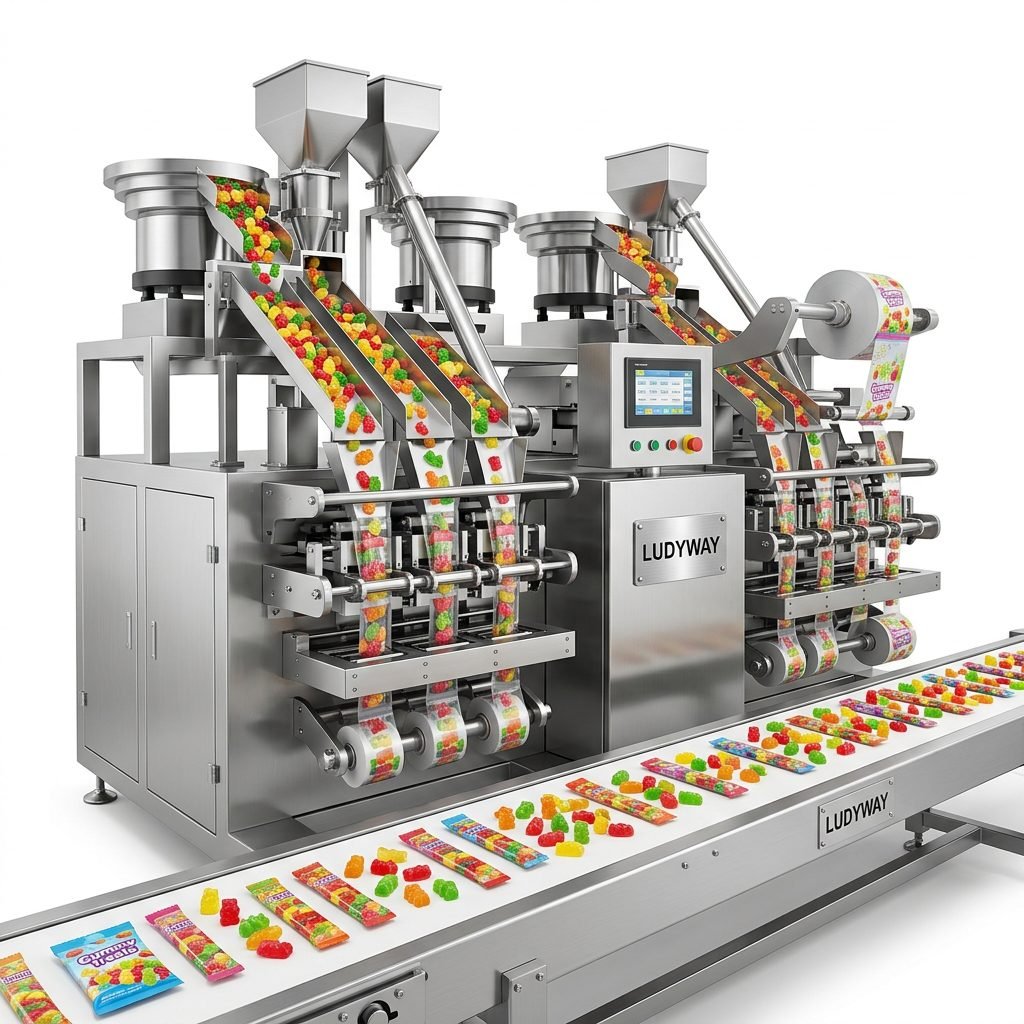
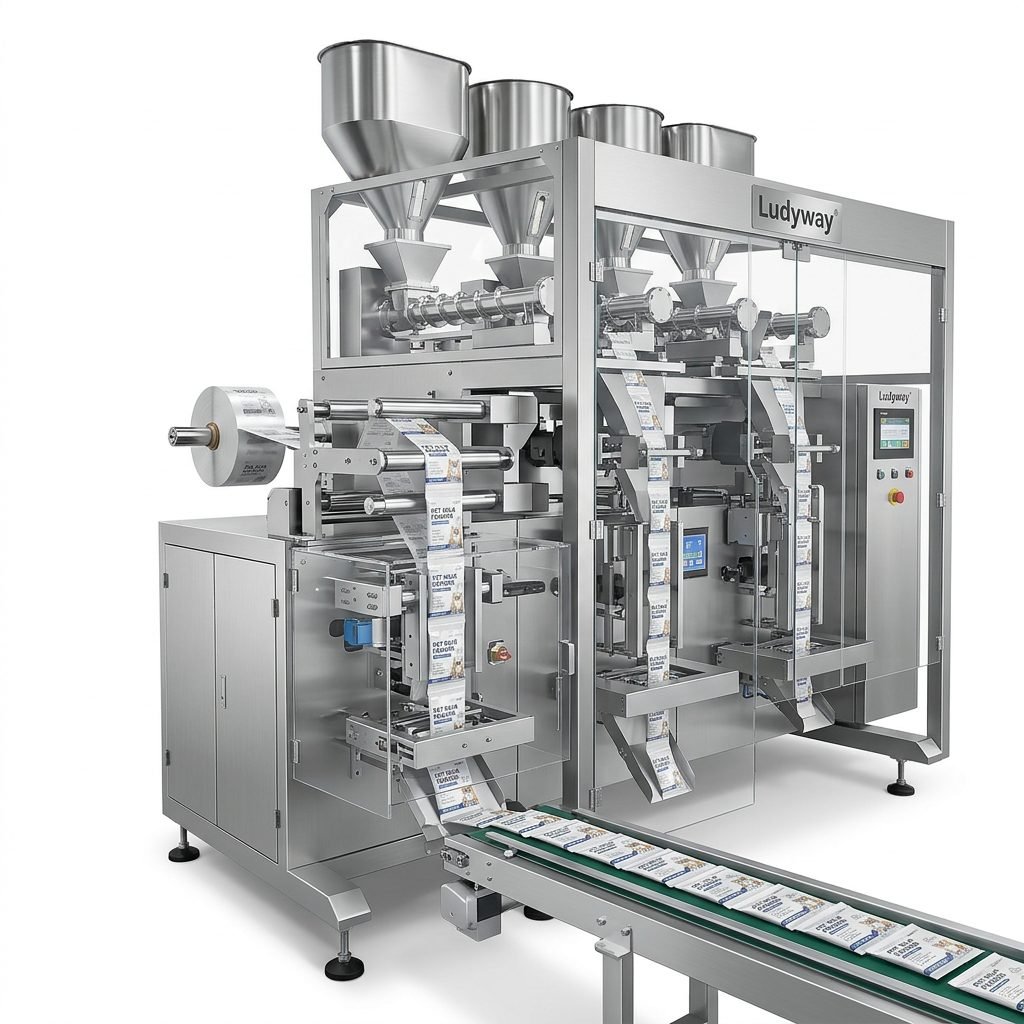
The Southeast Asian market heavily favors sachets and stick packs due to affordability and portion control. However, premium brands often require glass jars. Your line should be flexible. Modern multi-lane packaging machines allow running multiple strips simultaneously, maximizing throughput. The following list highlights popular formats:
- Multi-Lane Stick Packs: Ideal for single-serve convenience stores in Thailand and Indonesia.
- Stand-Up Pouches: High barrier properties against oxygen and moisture for export markets.
- Glass/PET Jars: Traditional retail format requiring precise cap torque and vacuum sealing.
4. Integration of Secondary Packaging
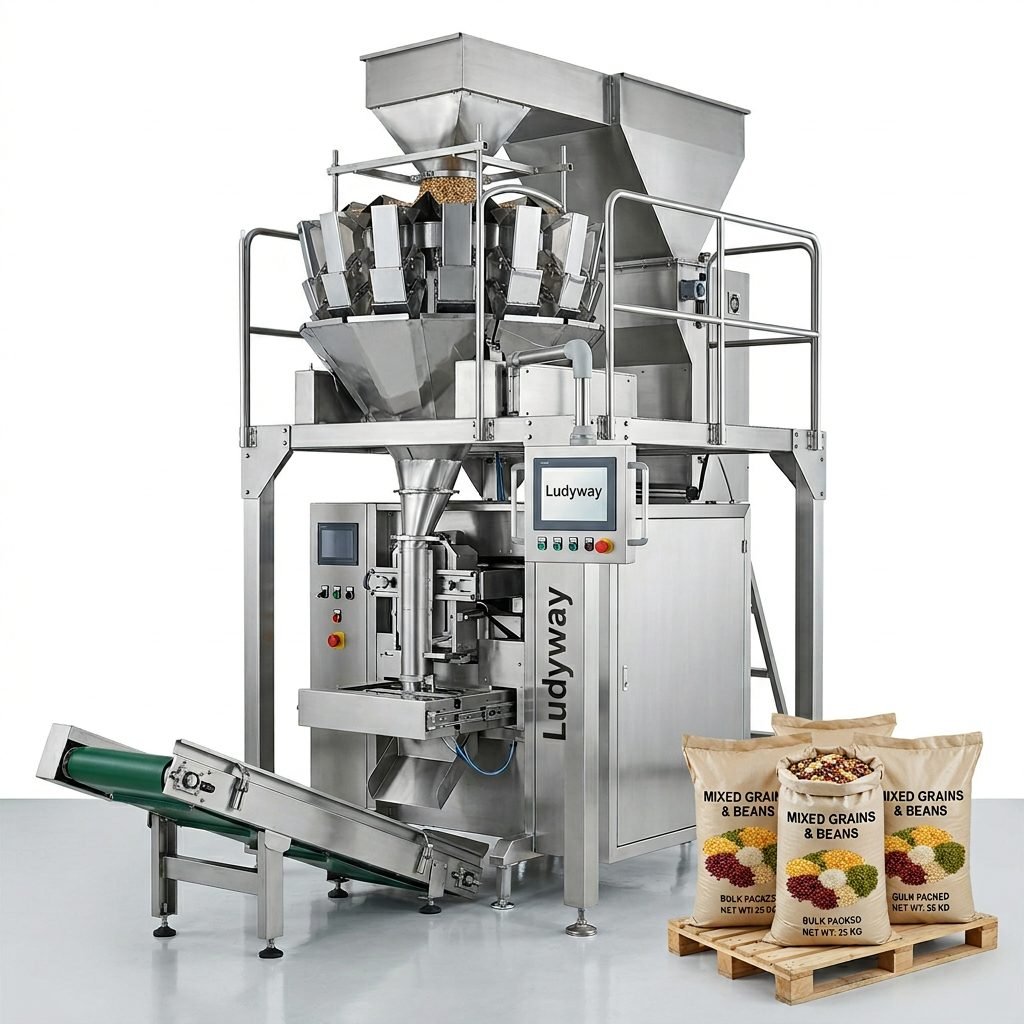
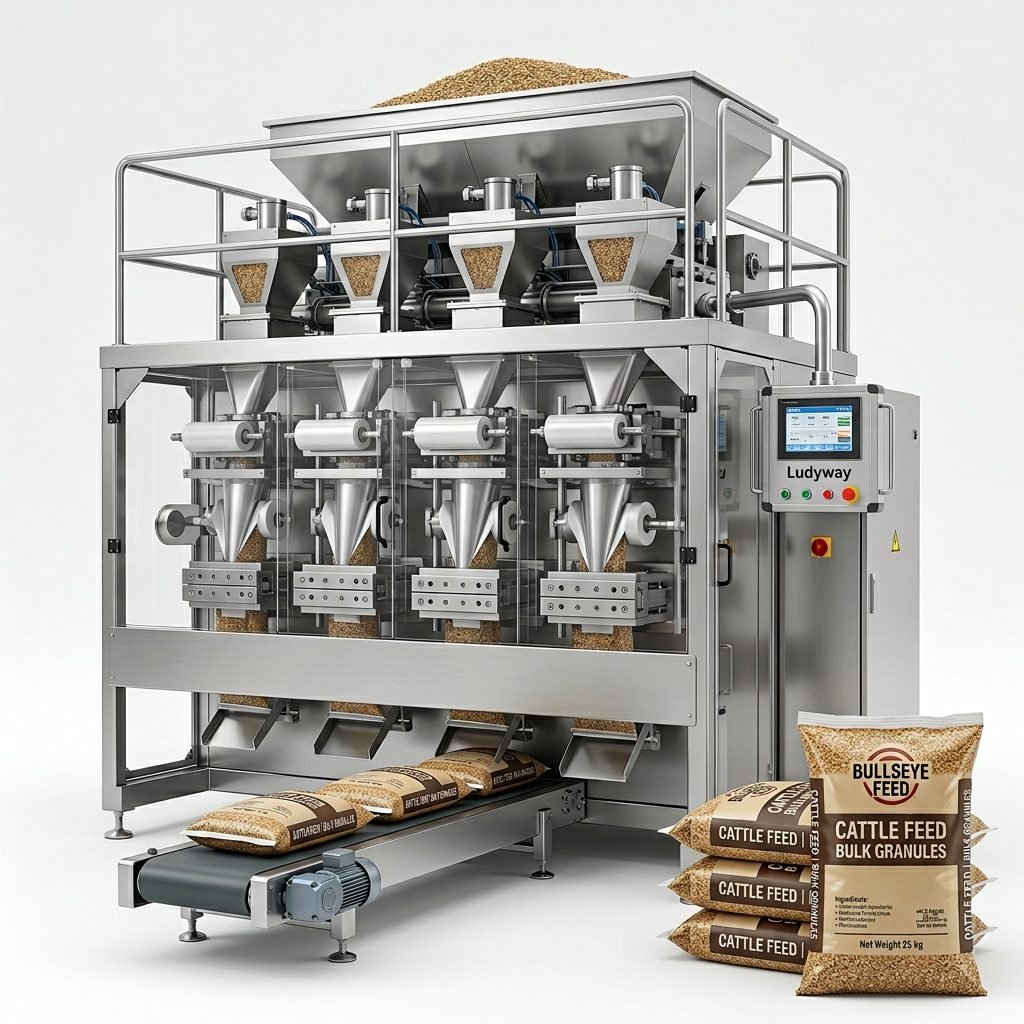
Manual cartoning is a bottleneck. Integrating a high-speed case packer and a robotic palletizer ensures your primary products are immediately protected. An automated packaging system reduces labor dependency and damage during transit, which is crucial for online retail channels. A reliable bagging system ensures that bulk packages are sealed securely for distribution across the ASEAN region.
Key Advantages of Automated Peanut Butter Packaging
Investing in a full turnkey packaging solution delivers measurable returns beyond speed. Labor costs in Southeast Asia are rising, and hygiene standards are becoming stricter. The table below outlines the operational improvements you can expect when switching from manual to fully automated control.
| Automation Feature | Business Benefit |
|---|---|
| Servo-Driven Filling | ±0.5g accuracy, reducing costly product giveaways |
| Nitrogen Flushing | Extended shelf life beyond 12 months without refrigeration |
| Inline CIP (Clean-in-Place) | Fast product changeovers without machine disassembly |
Choosing a Reliable Machinery Partner
Selecting the right manufacturer is the deciding factor in project success. Look for a partner with extensive experience in turnkey packaging lines, particularly for sticky and viscous food products. Ludyway, with over 30 years of industry expertise and a modern manufacturing facility, provides integrated solutions covering dosing, filling, sealing, and palletizing. Their engineering team ensures the line is optimized for the unique characteristics of peanut butter, minimizing oil separation and ensuring a perfect seal every time. This single-source approach streamlines installation, training, and after-sales support across the region.
Navigating Regulatory Compliance in ASEAN
Packaging machinery must meet local electrical standards and food contact material regulations. ISO packaging standards are increasingly adopted. Ensure your equipment is CE certified and capable of audit trail documentation. Clean-in-place features and hygienic machine design, as defined by international bodies, are critical to passing HACCP audits for major retailers.
Maintenance and Spare Parts Strategy
Downtime is costly. A proactive maintenance schedule is essential. Establish a local inventory of critical spares like sealing jaws, O-rings, and drive belts. Opt for machinery with remote diagnostic capabilities, allowing your supplier to troubleshoot PLC issues without an on-site visit, which is a huge advantage in remote manufacturing zones.
Future-Proofing Your Investment
The regional market is moving toward smart manufacturing. A peanut butter production line equipped with data collection sensors allows you to visualize Overall Equipment Effectiveness. Consider scalable architectures that let you upgrade from 4-lane to 8-lane or 10-lane configurations as demand grows, ensuring your initial capital expenditure remains viable for years.
By following this guide and partnering with an experienced equipment provider, your transition to automated peanut butter packaging in Southeast Asia will be efficient, compliant, and ready to capture a significant market share.
For further technical specifications, explore packaging machinery solutions that meet global safety and performance benchmarks.