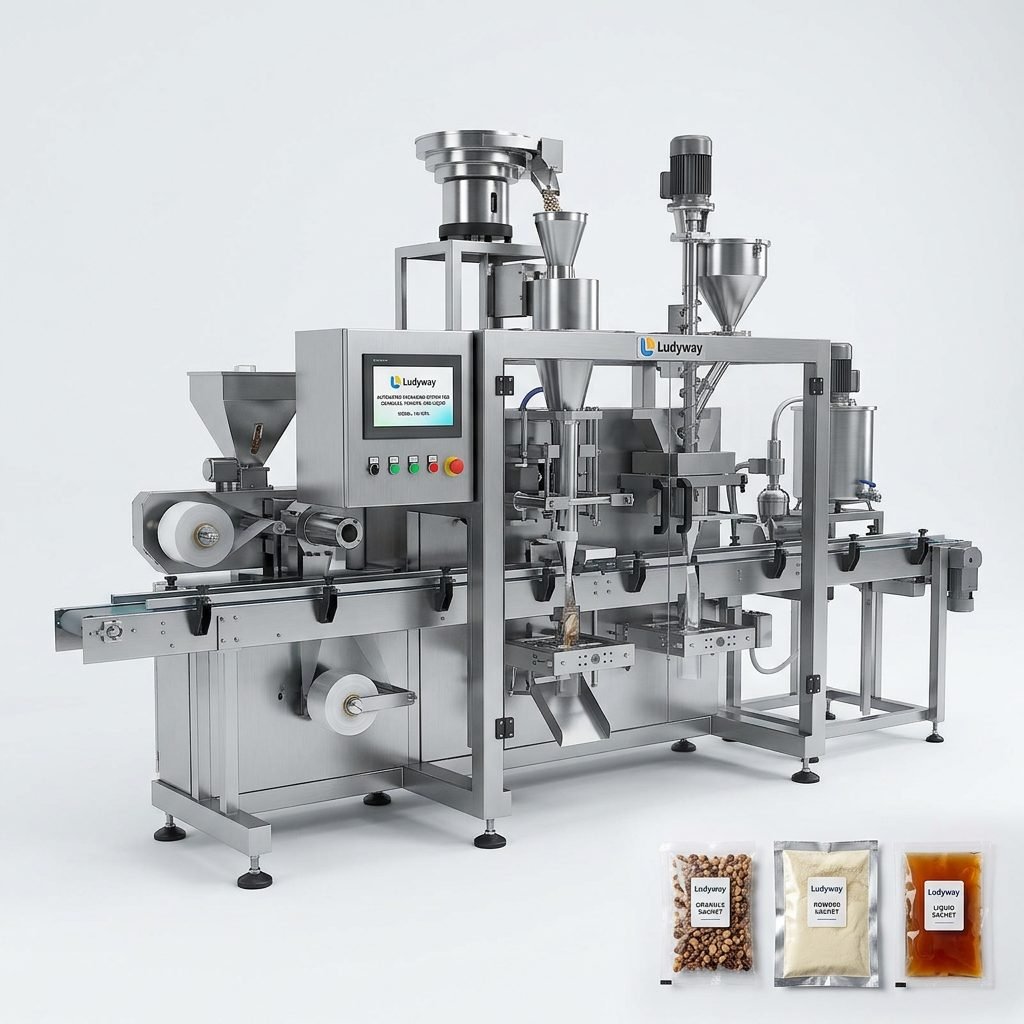
Establishing a milk packaging machine production line in the United Kingdom requires careful planning, regulatory awareness, and strategic equipment selection. Whether you are packaging fresh liquid milk, flavoured milk drinks, or powdered milk products, the right machinery ensures operational efficiency, product safety, and compliance with UK and EU-derived standards. This guide walks you through every critical step—from assessing your production needs to installation and ongoing maintenance.
Understanding the UK Dairy Packaging Landscape
The UK dairy industry is one of the largest in Europe, with consumers demanding a wide variety of milk products including fresh pasteurised milk, UHT milk, organic milk, flavoured milk drinks, and milk powders. According to industry data from PMMI’s business intelligence reports, the global dairy packaging equipment market continues to grow, driven by demand for convenient single-serve formats and extended shelf-life solutions. For UK producers, this means investing in versatile packaging machinery capable of handling multiple formats—from sachets and stick packs to bottles and pouches.
Core Components of a Milk Packaging Production Line
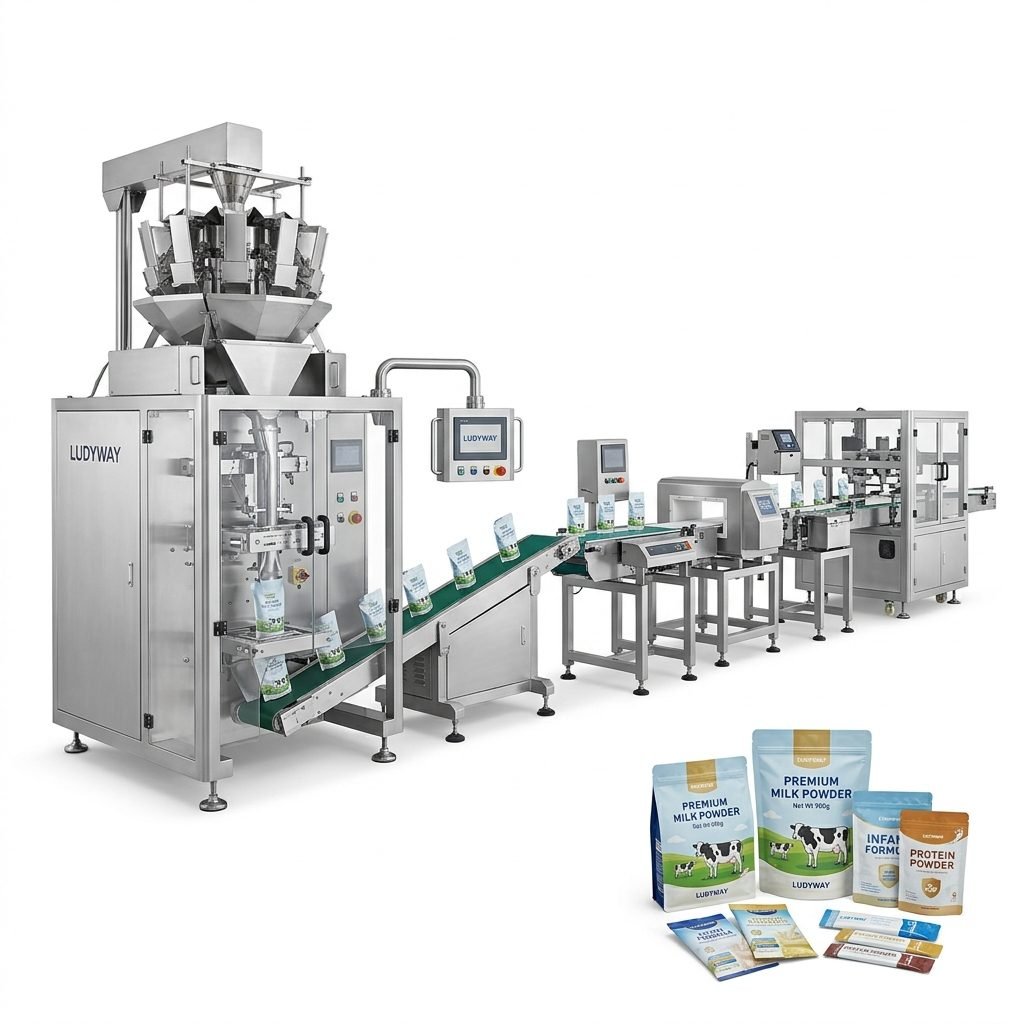
A complete milk packaging line consists of several integrated systems working in harmony. Each component must be carefully selected based on your target output capacity, packaging format, and product characteristics. Below are the essential modules you need to consider when building or upgrading your UK production facility.
Filling and Dosing Systems
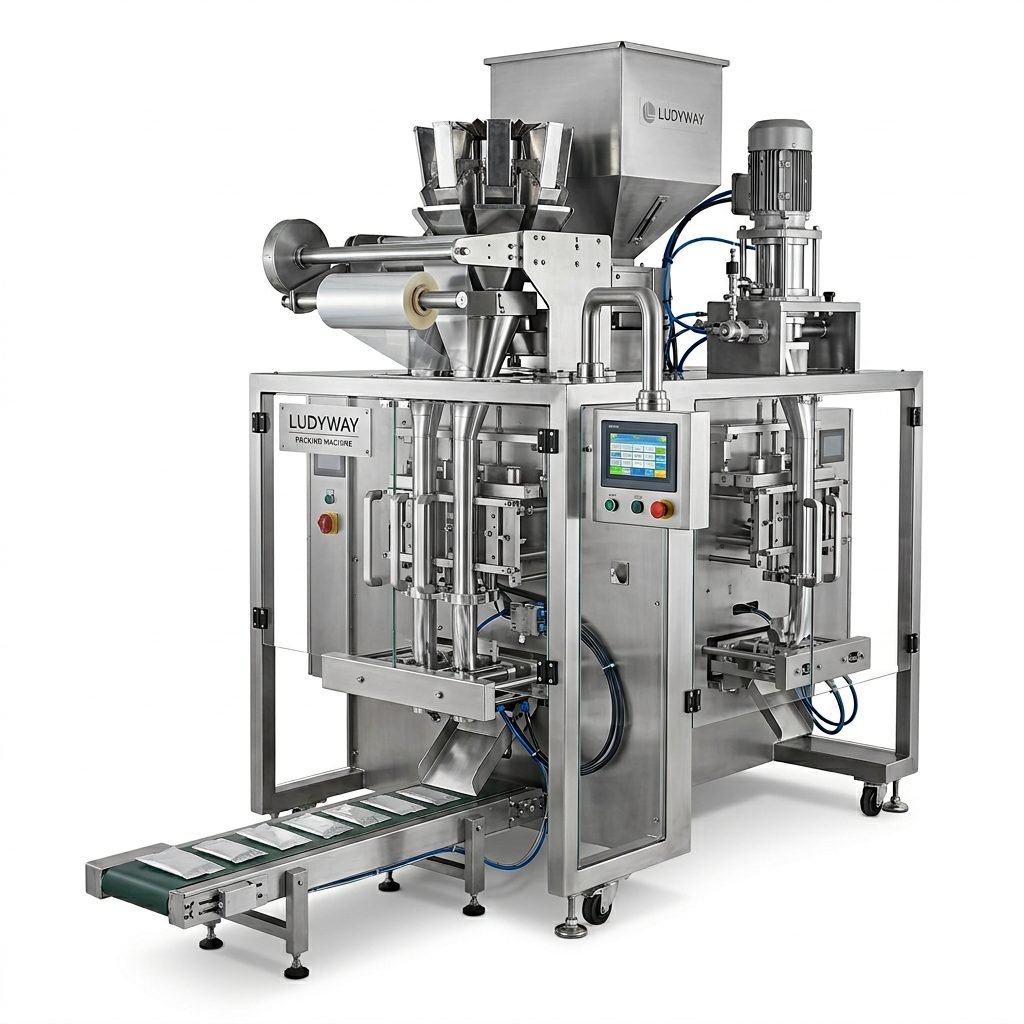
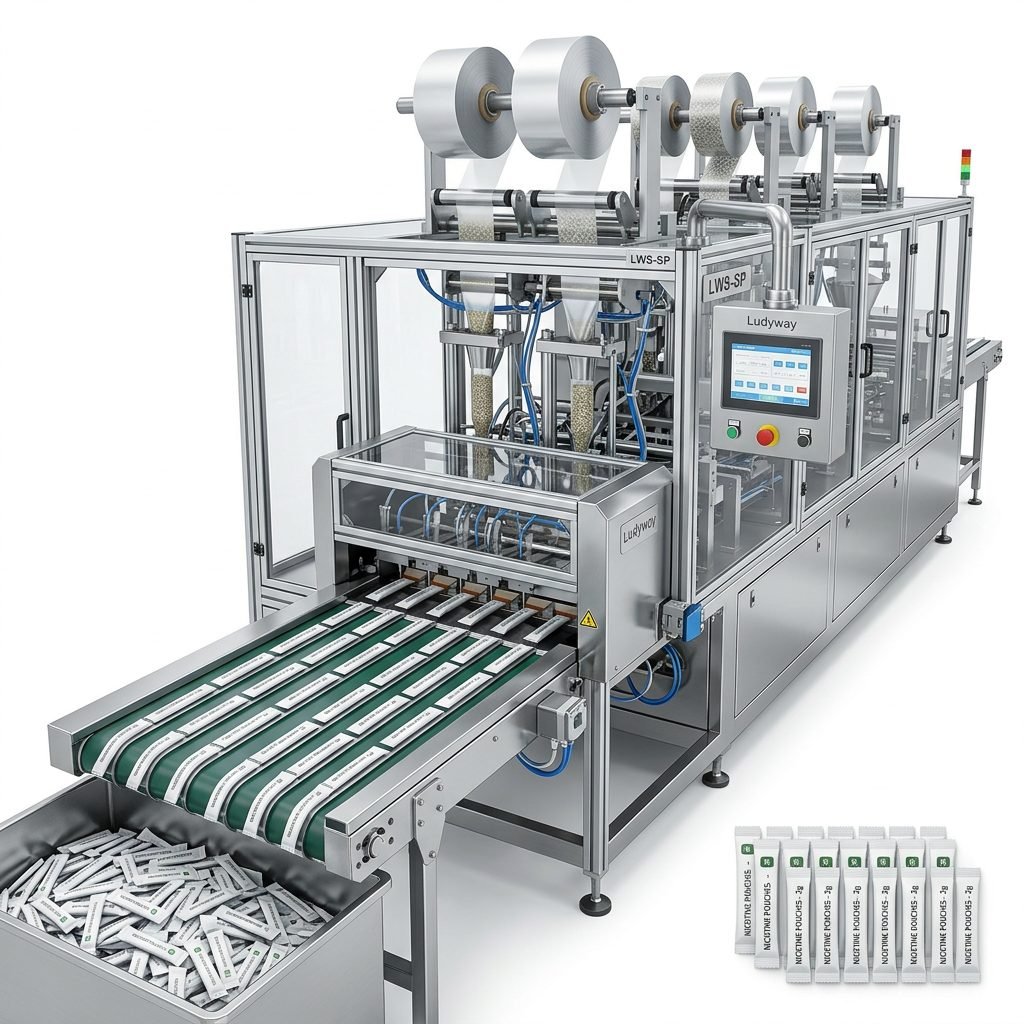
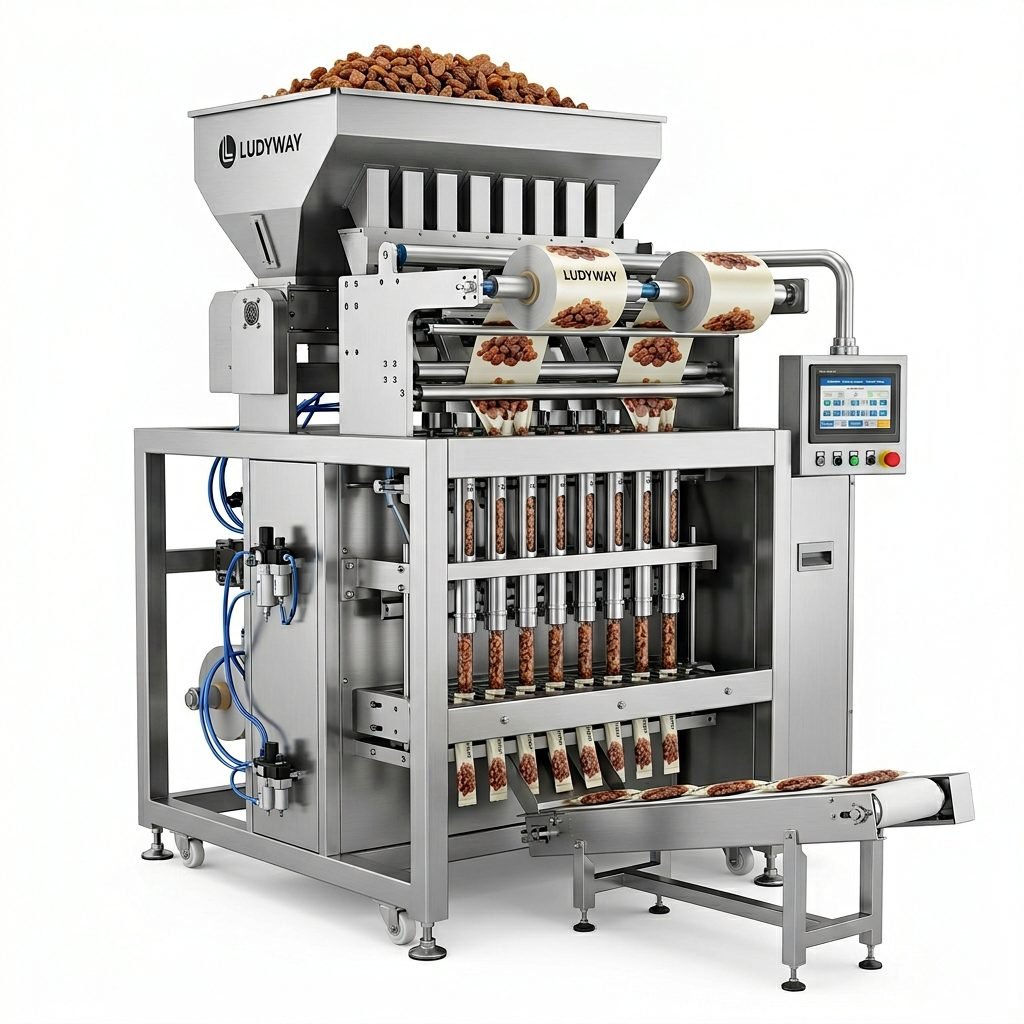
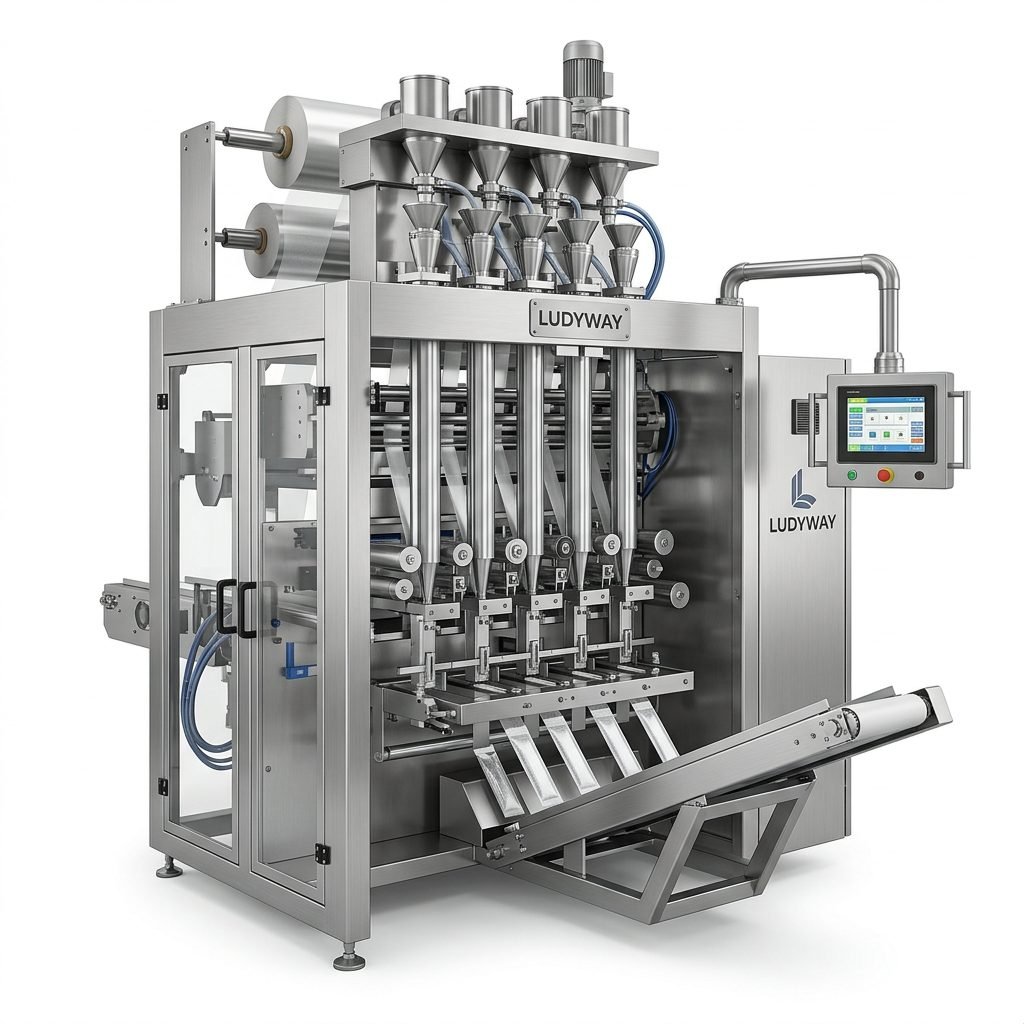
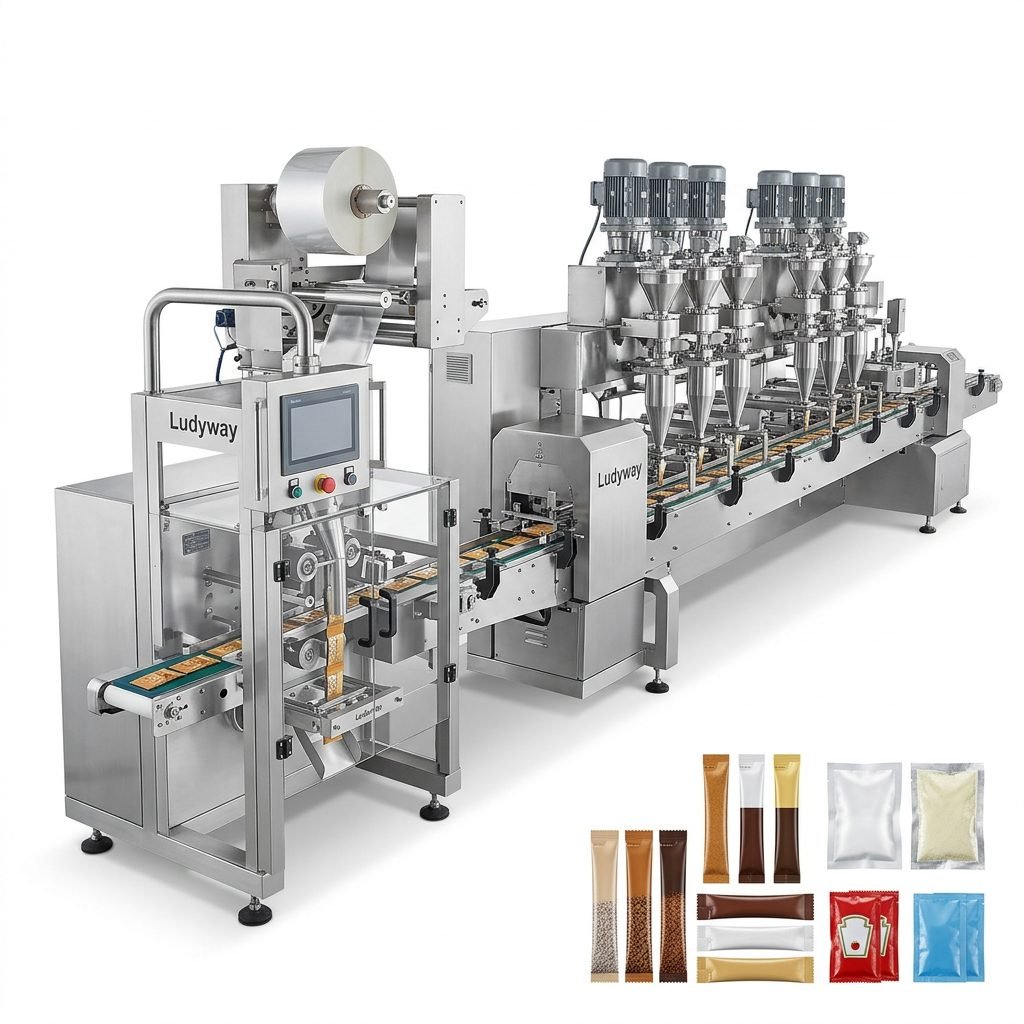
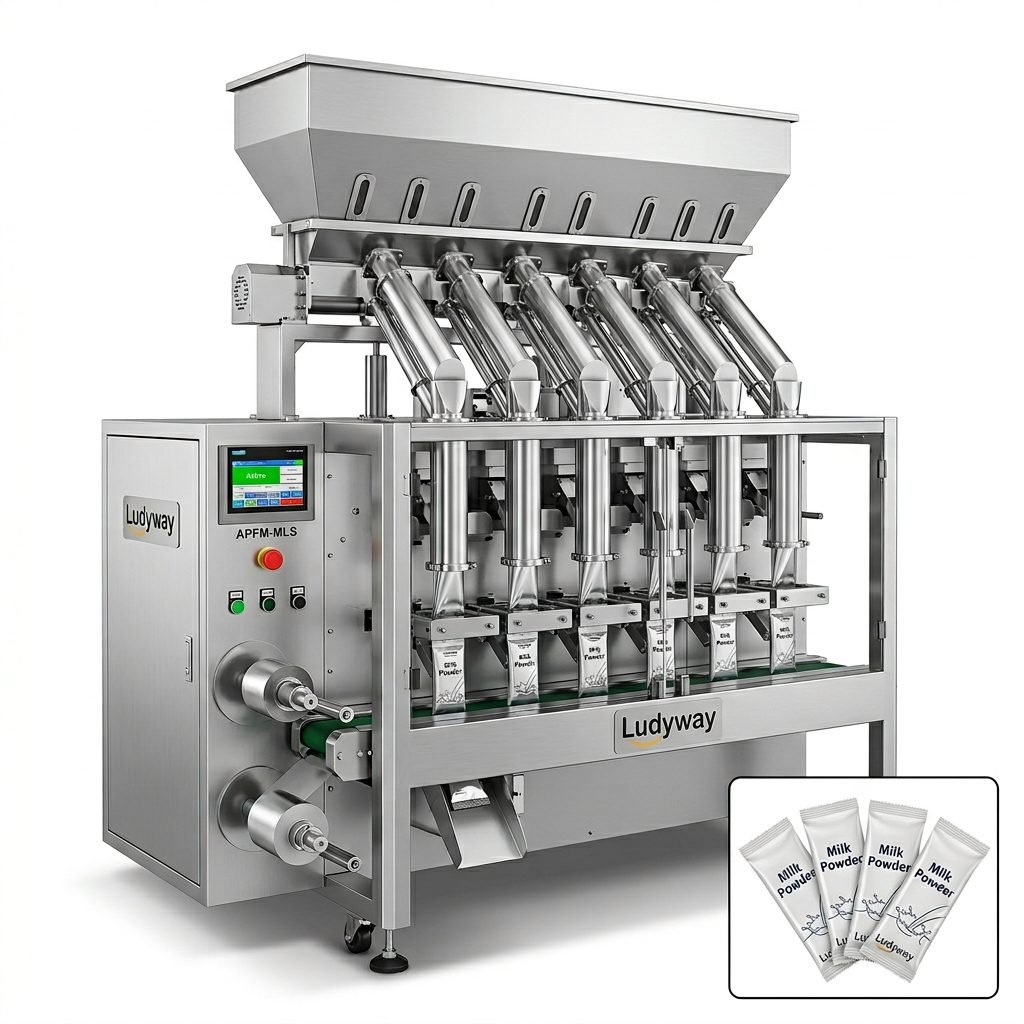
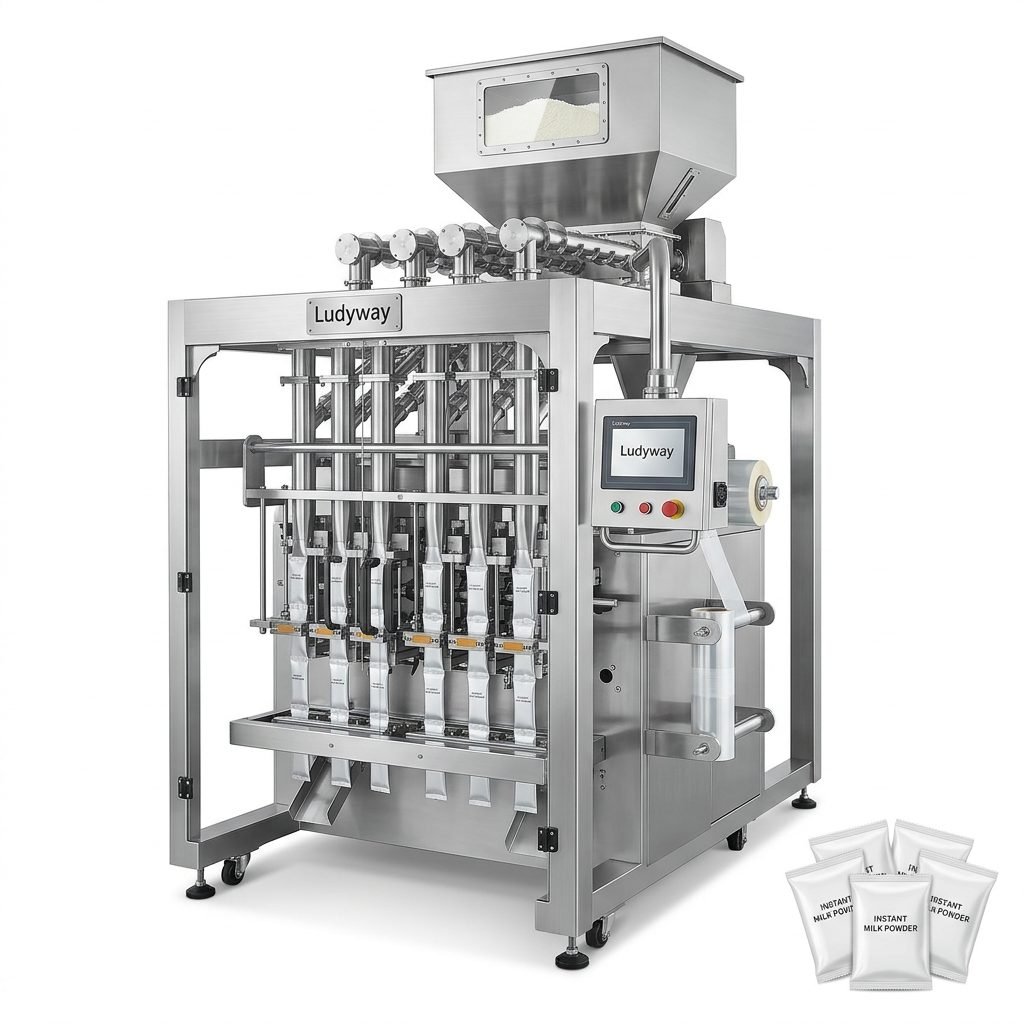
The filling system is the heart of any milk packaging operation. For liquid milk products, volumetric piston fillers, gravimetric fillers, and magnetic flow meters are commonly used. For milk powders, auger-based dosing systems provide high accuracy with minimal product waste. When selecting a filler, consider factors such as fill volume range, filling speed (typically measured in packs per minute), and compatibility with your packaging material. Multi-lane stick pack machines, for instance, can achieve significantly higher throughput by running multiple lanes simultaneously—ideal for single-serve milk powder sachets popular in the UK convenience market.
Sealing Technology
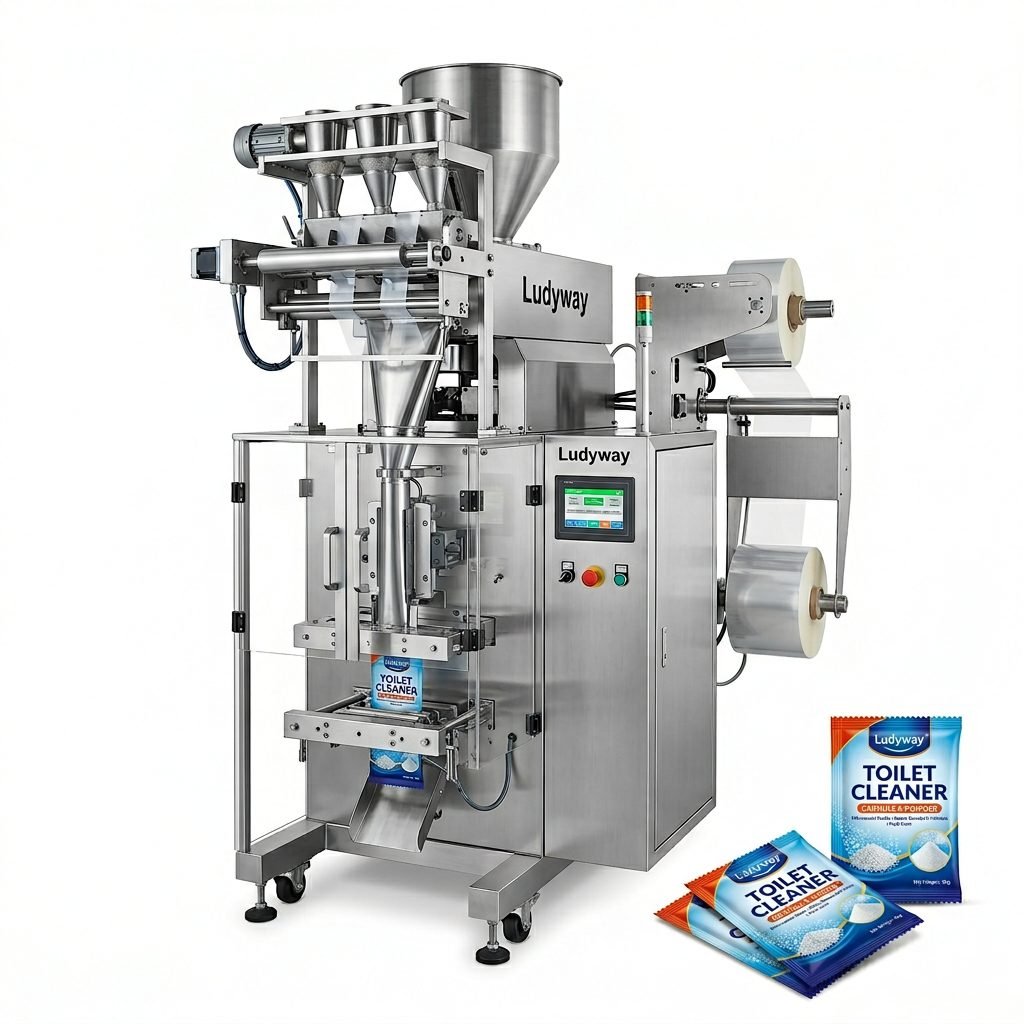
Proper sealing is critical for maintaining product freshness and preventing contamination. Vertical form-fill-seal (VFFS) machines and horizontal form-fill-seal (HFFS) systems are the two primary technologies used in milk packaging. VFFS machines excel at producing pillow bags and sachets, while HFFS systems are better suited for flat pouches and stick packs. The sealing temperature, pressure, and dwell time must be precisely calibrated for the specific film material—whether it is multi-layer barrier film for extended shelf life or eco-friendly mono-material films increasingly favoured by UK retailers seeking to reduce plastic waste.
Coding, Labelling, and Inspection
UK regulations require clear traceability information on all food packaging. Thermal transfer printers, inkjet coders, and laser marking systems are commonly integrated into milk packaging lines to apply batch codes, best-before dates, and barcodes. Additionally, automated inspection systems—including checkweighers, metal detectors, and vision inspection units—help ensure every pack meets quality standards before it leaves the factory floor. These systems are essential for compliance with food packaging safety requirements and retailer specifications.
Ancillary Equipment
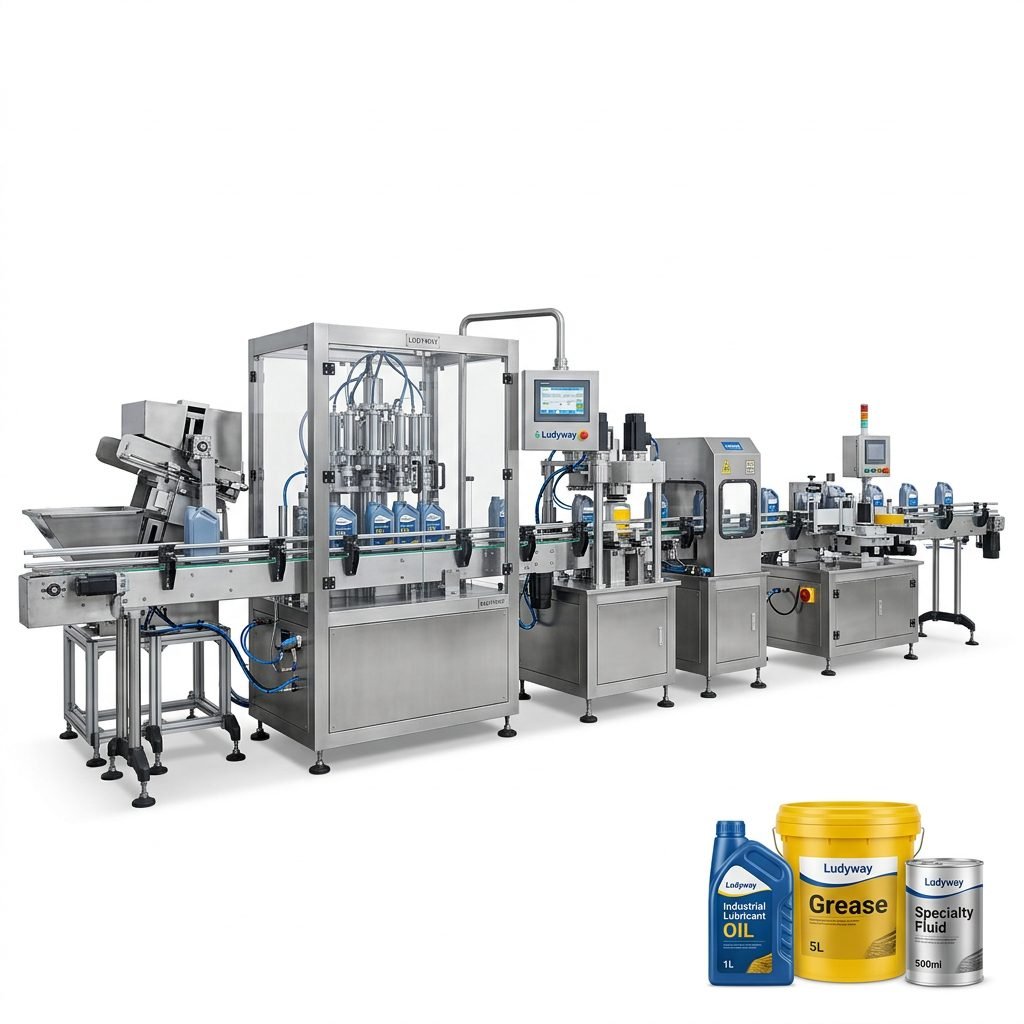
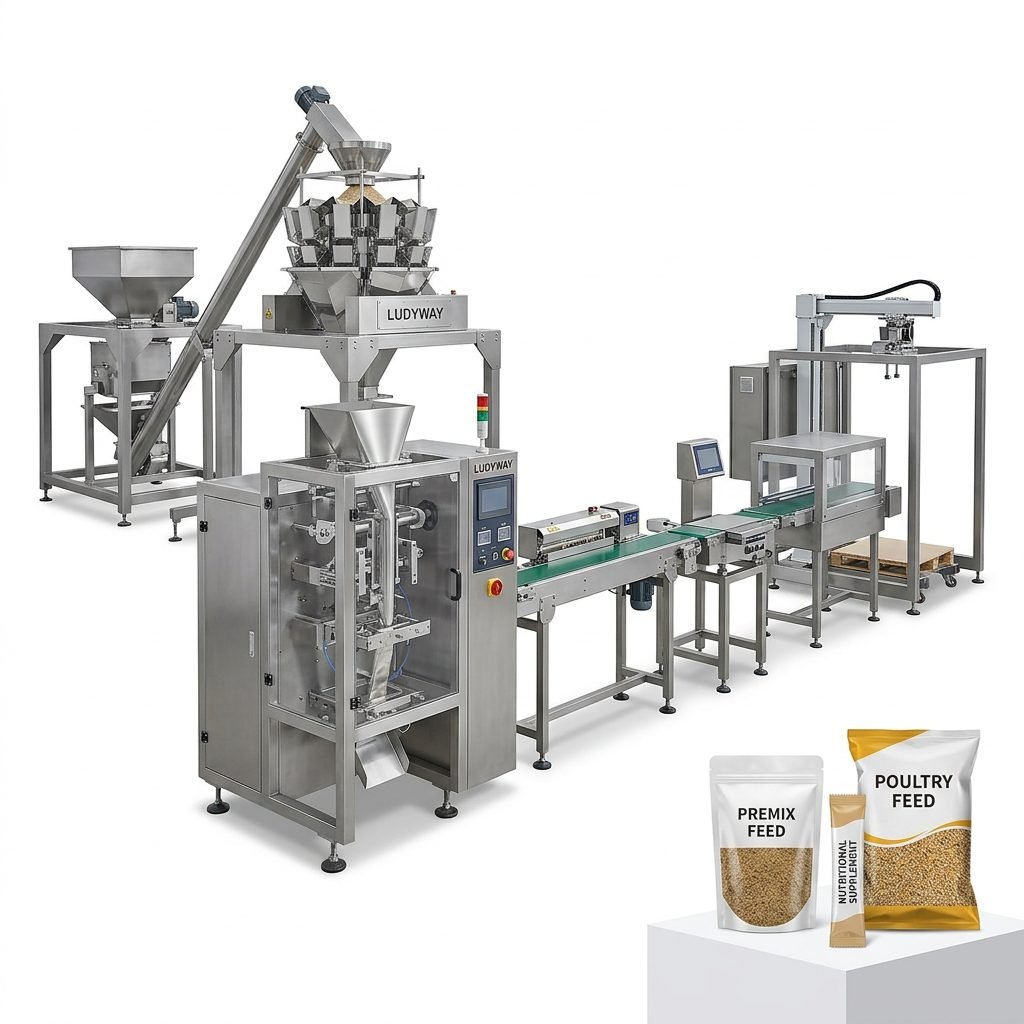
Beyond the core packaging machinery, a fully functional production line requires supporting equipment. This includes product conveyors, bucket elevators for powder transfer, dust collection systems for powder handling environments, and automated cartoning machines for secondary packaging. For larger UK dairies, robotic palletising systems can significantly reduce manual labour costs while improving end-of-line efficiency.
Key Equipment Specifications at a Glance
| Machine Type | Best Suited For | Typical Speed Range | Key Advantage |
|---|---|---|---|
| Multi-Lane Stick Pack Machine | Milk powder, flavoured milk mixes | 200–600 packs/min | Ultra-high throughput for single-serve formats |
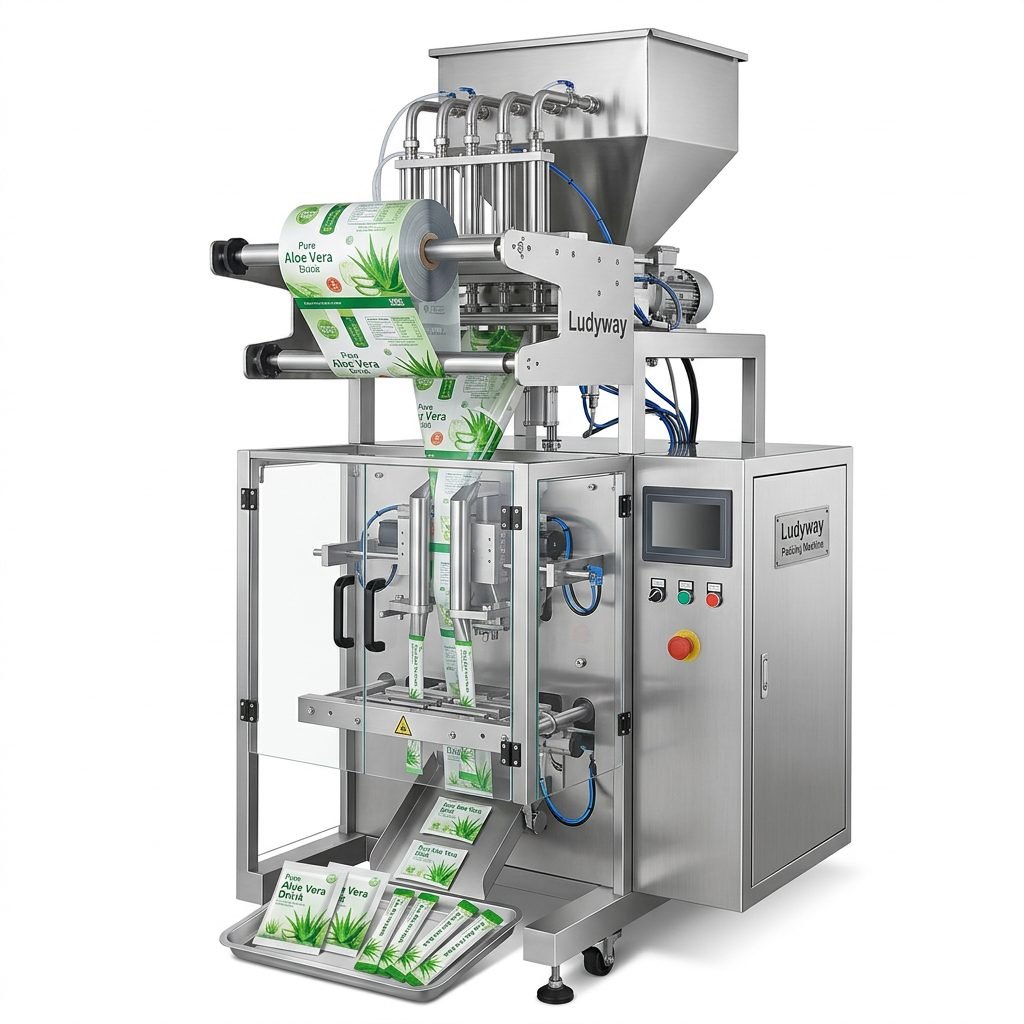
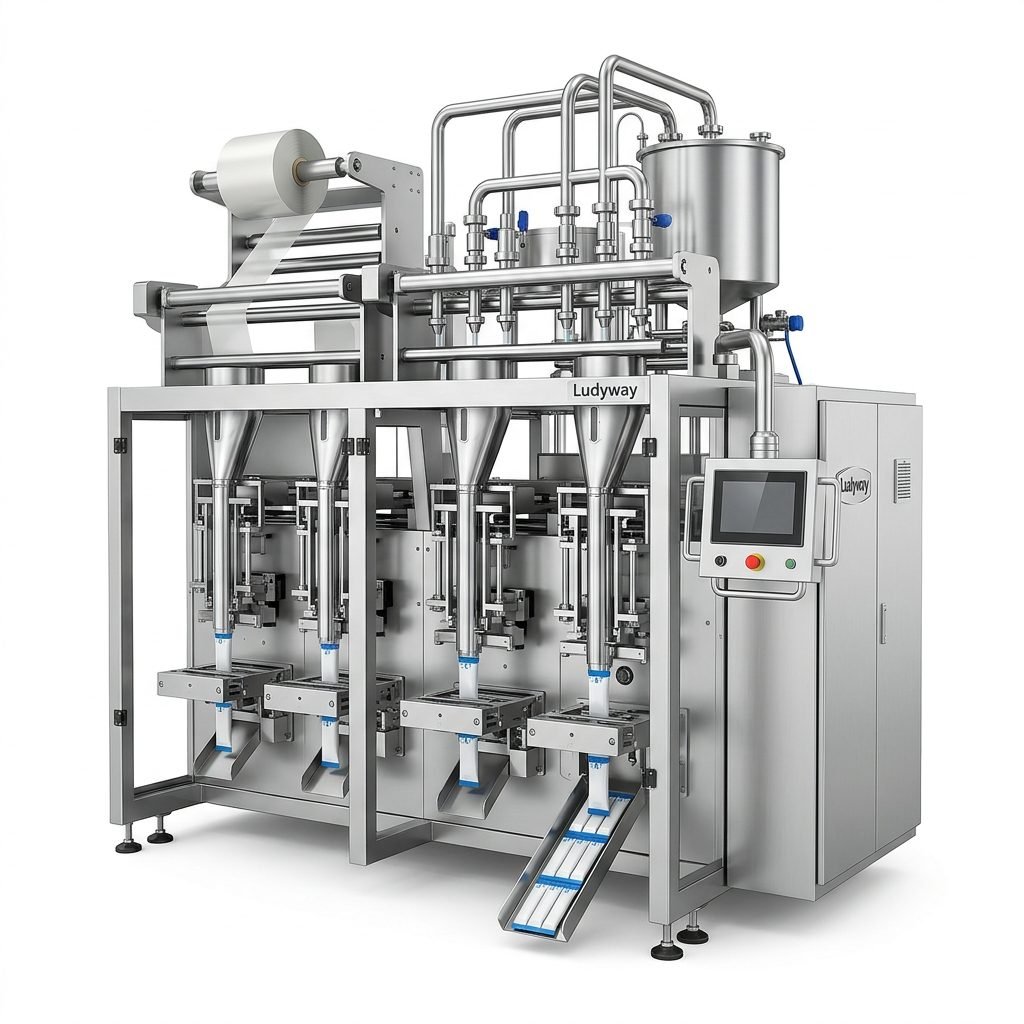
| VFFS Liquid Filling Machine | Fresh milk, UHT milk, liquid dairy | 40–120 packs/min | Versatile bag and pouch formats |
| Sachet Packaging Machine | Sample-sized milk powder, creamer | 60–200 packs/min | Cost-effective for small portion packs |
| Pre-Made Pouch Filling & Sealing | Premium milk powder, nutritional dairy | 30–80 packs/min | High-quality pouch presentation |
UK Regulatory Compliance and Food Safety Standards
Navigating the regulatory environment is one of the most important aspects of setting up a milk packaging line in the UK. Post-Brexit, the UK has retained much of the EU food safety framework while developing its own standards. Key regulations include the Food Safety Act 1990, the Food Information Regulations 2014, and retailer-specific codes of practice such as the BRCGS (Brand Reputation Compliance Global Standards) certification, which is widely expected by major UK supermarkets. Packaging materials must comply with EU and UK packaging waste regulations, including requirements for recyclability labelling and minimisation of packaging weight.
Additionally, your production line design should facilitate HACCP (Hazard Analysis and Critical Control Points) implementation. This includes ensuring all food-contact surfaces are made from food-grade stainless steel (typically AISI 304 or 316L), designing for easy cleanability, and incorporating CIP (Clean-in-Place) capabilities where feasible. Proper documentation and validation protocols are essential for ISO-compliant packaging validation and audit readiness.
Site Preparation and Installation Planning
Before your milk packaging equipment arrives, thorough site preparation is essential. Consider the following checklist when preparing your UK facility:
- Floor space and layout — Map out the entire production flow from raw material intake to finished goods storage, allowing adequate clearance for operator access and maintenance activities.
- Utilities infrastructure — Ensure sufficient electrical supply (typically 380–415V three-phase in UK industrial settings), compressed air (clean, dry, and oil-free for food applications), and potable water connections are available at the required points.
- Environmental controls — Milk packaging areas should maintain appropriate temperature and humidity levels. For powder handling, dust extraction and ventilation systems are critical for both product quality and operator safety.
- Drainage and sanitation — Adequate floor drainage with proper gradients facilitates cleaning and prevents standing water, which is essential for hygiene compliance.
- Material handling logistics — Plan for efficient movement of packaging materials (rolls of film, cartons, pallets) and finished products throughout the facility.
Maximising Production Efficiency and Quality Control
Achieving consistent output quality requires a systematic approach to process optimisation. Start by establishing clear Standard Operating Procedures (SOPs) for every stage of the packaging process. Implement statistical process control (SPC) methods to monitor key parameters such as fill weight accuracy, seal integrity, and packaging material consumption. Modern packaging lines increasingly incorporate Industry 4.0 capabilities, including real-time performance dashboards, predictive maintenance alerts, and integration with enterprise resource planning (ERP) systems.
Training your UK-based operations team is equally important. Operators should be thoroughly trained not only on machine operation but also on troubleshooting common issues, performing routine maintenance tasks, and recognising early warning signs of equipment wear. Comprehensive training reduces downtime and extends the service life of your packaging machinery investment.
Maintenance Strategies for Long-Term Reliability
A proactive maintenance strategy is essential for minimising unplanned downtime in a busy UK dairy packaging operation. We recommend implementing a tiered maintenance approach:
- Daily checks — Visual inspections, cleaning of product contact surfaces, verification of seal integrity, and lubrication of accessible moving parts.
- Weekly maintenance — Inspection of belts, chains, and bearings; verification of sensor calibration; and review of wear components such as sealing jaws and cutting blades.
- Monthly servicing — Comprehensive inspection of electrical systems, pneumatic components, and safety interlocks; replacement of filters; and detailed documentation of all findings.
- Annual overhaul — Complete machine assessment, replacement of major wear parts, software updates, and performance benchmarking against original specifications.
Maintaining an inventory of critical spare parts locally within the UK can significantly reduce lead times when urgent repairs are needed. Common spare parts include sealing elements, cutting blades, drive belts, sensors, and pneumatic valves.
Selecting the Right Equipment Partner
Choosing a reliable equipment supplier is critical to the success of your UK milk packaging project. Look for manufacturers with proven experience in dairy packaging applications, a strong track record of installations in European markets, and comprehensive after-sales support including remote diagnostics and local service availability. Evaluate potential partners based on their ability to provide turnkey solutions—covering everything from initial consultation and line design through to installation, commissioning, and ongoing technical support.
Global manufacturers such as Ludyway have established significant expertise in multi-lane stick pack, sachet, and fully automated packaging systems serving customers across more than 100 countries. When evaluating suppliers, request detailed equipment specifications, arrange factory acceptance testing (FAT) where possible, and speak with existing customers about their long-term experience with the machinery. The latest packaging industry reports can also provide valuable benchmarks for equipment performance expectations and market trends.
Future-Proofing Your Investment
The UK dairy packaging sector is evolving rapidly, influenced by sustainability targets, changing consumer preferences, and technological advancements. When designing your production line, consider modular equipment configurations that can be adapted as your product range expands. Look for machinery that supports a variety of sustainable packaging materials, including recyclable mono-material films and bio-based alternatives, to align with the UK’s Plastics Pact targets and retailer sustainability commitments.
Additionally, prioritise equipment with remote monitoring and diagnostic capabilities. The ability to access machine performance data remotely, receive automated alerts, and collaborate with supplier technicians via secure remote connections can dramatically improve uptime and reduce the need for on-site service visits—a significant advantage for UK dairy operations located outside major industrial centres.
Conclusion
Setting up a milk packaging machine production line in the UK is a significant undertaking that requires careful coordination of equipment selection, regulatory compliance, facility preparation, and team training. By taking a systematic approach—starting with a clear understanding of your product range and production goals, selecting the right filling and sealing technology, and planning for long-term maintenance and scalability—you can build a packaging operation that delivers consistent quality, operational efficiency, and a strong return on investment. With the right planning and the right equipment partner, your UK milk packaging line can be positioned for success in one of Europe’s most dynamic dairy markets.