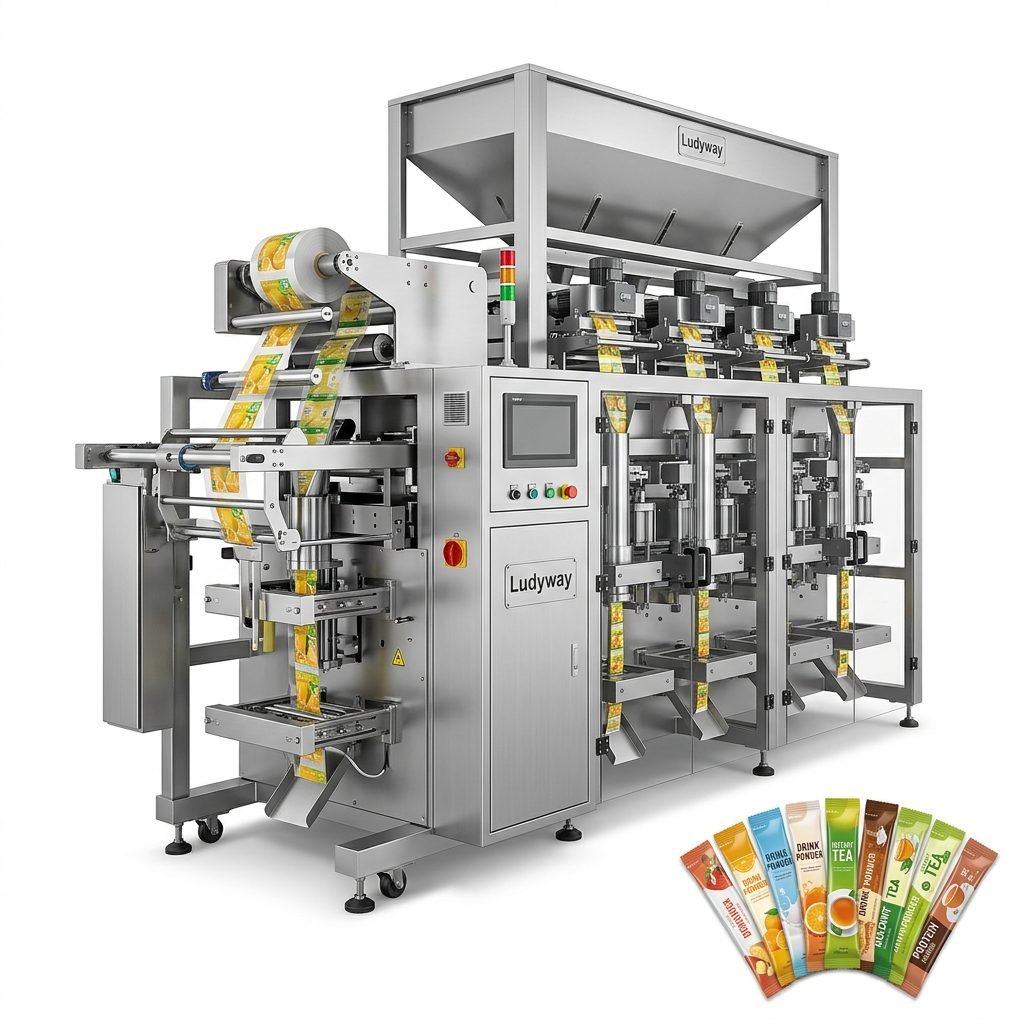
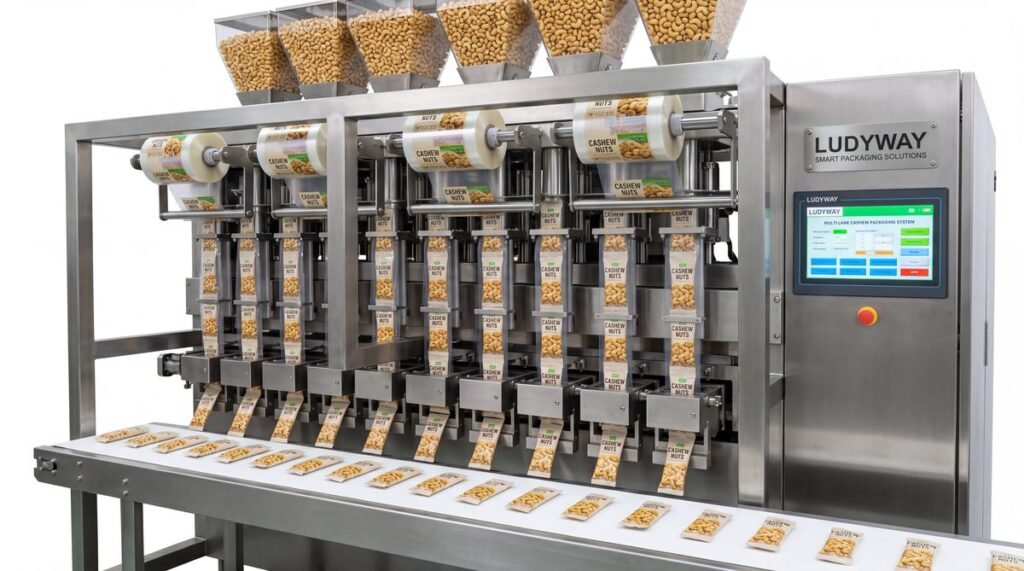
Expanding your confectionery business into the European market requires a strategic approach to production. Whether you are launching an artisanal brand or scaling an industrial operation, understanding how to set up a chocolate bar packaging line in Europe is essential. This guide covers the equipment you need, the costs involved, and the regulatory landscape you must navigate.
Understanding the European Chocolate Packaging Market
The European chocolate market is projected to grow steadily, driven by demand for premium, organic, and sustainably packaged products. According to PMMI packaging industry reports, automated packaging solutions are increasingly adopted by manufacturers looking to improve efficiency and meet stringent EU standards. Setting up a packaging line here means competing with established players, so your equipment choices and compliance strategy must be robust from day one.
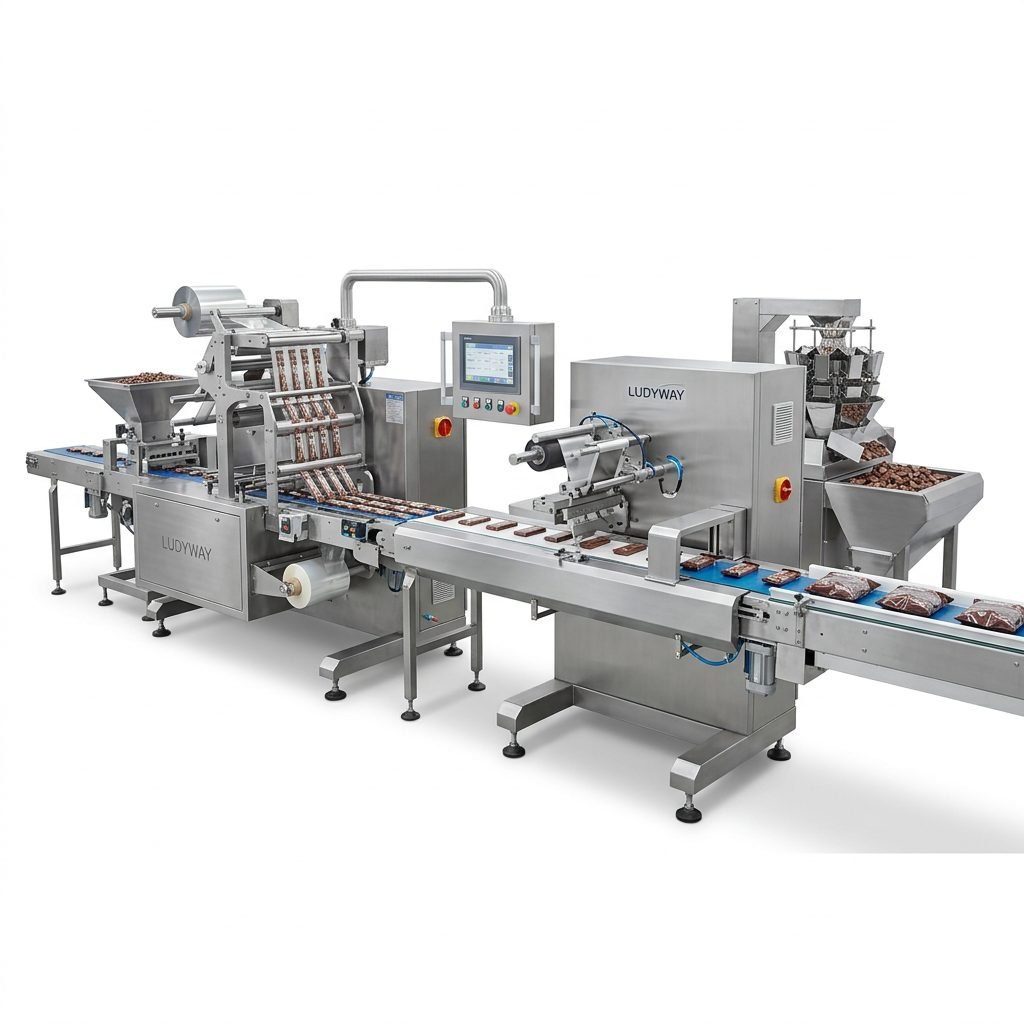
Key Equipment for a Chocolate Bar Packaging Line
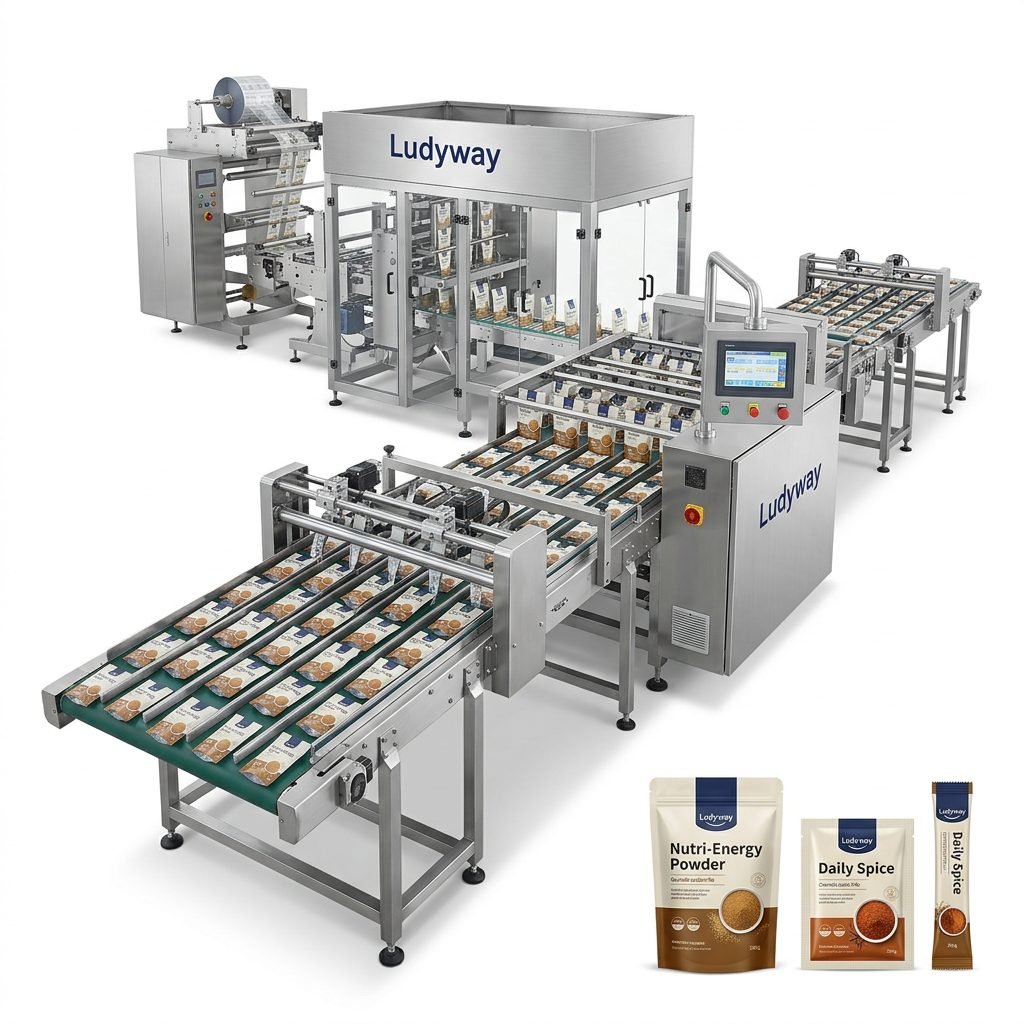
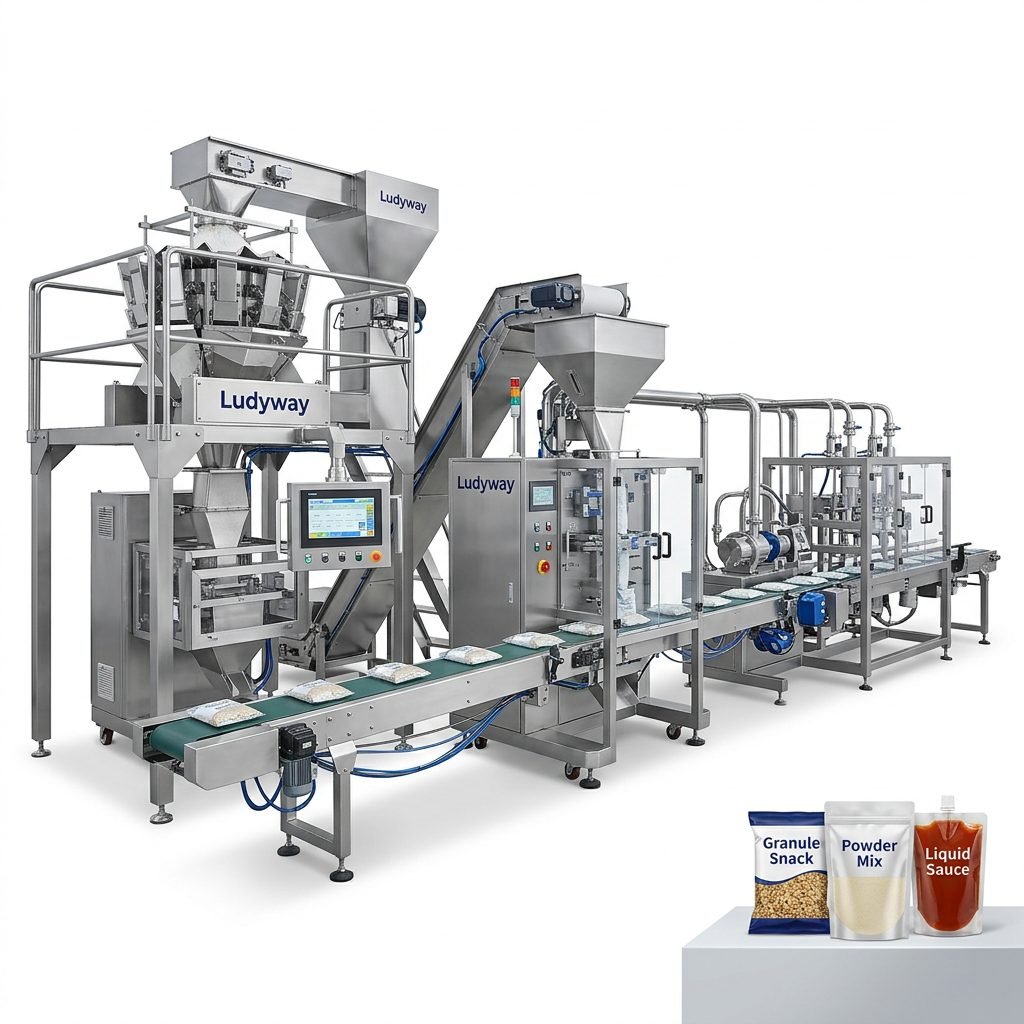
A complete chocolate bar packaging line involves several integrated machines. The core components include:
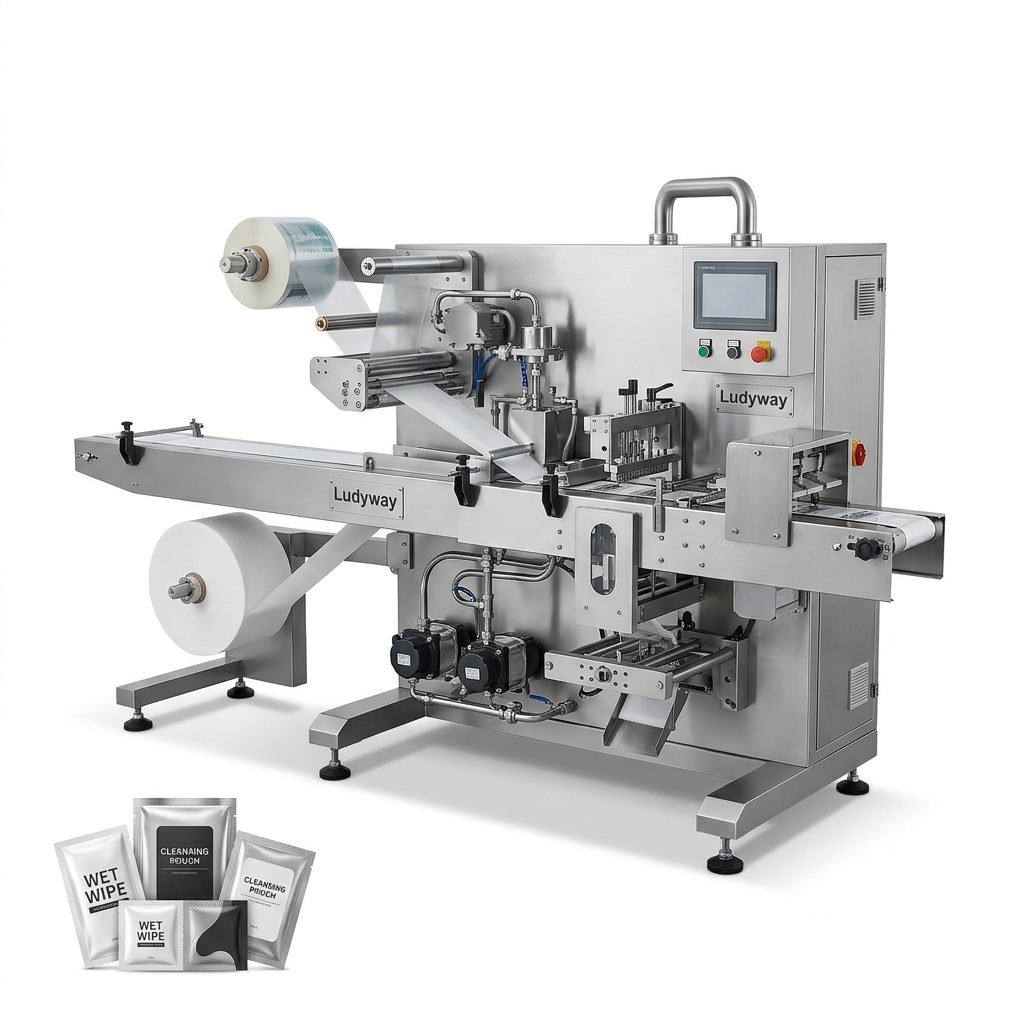
- Flow Wrapping Machine – The primary machine for wrapping individual chocolate bars in film or foil.
- Multi-Head Weigher – Ensures precise portioning for bars or pieces before packaging.
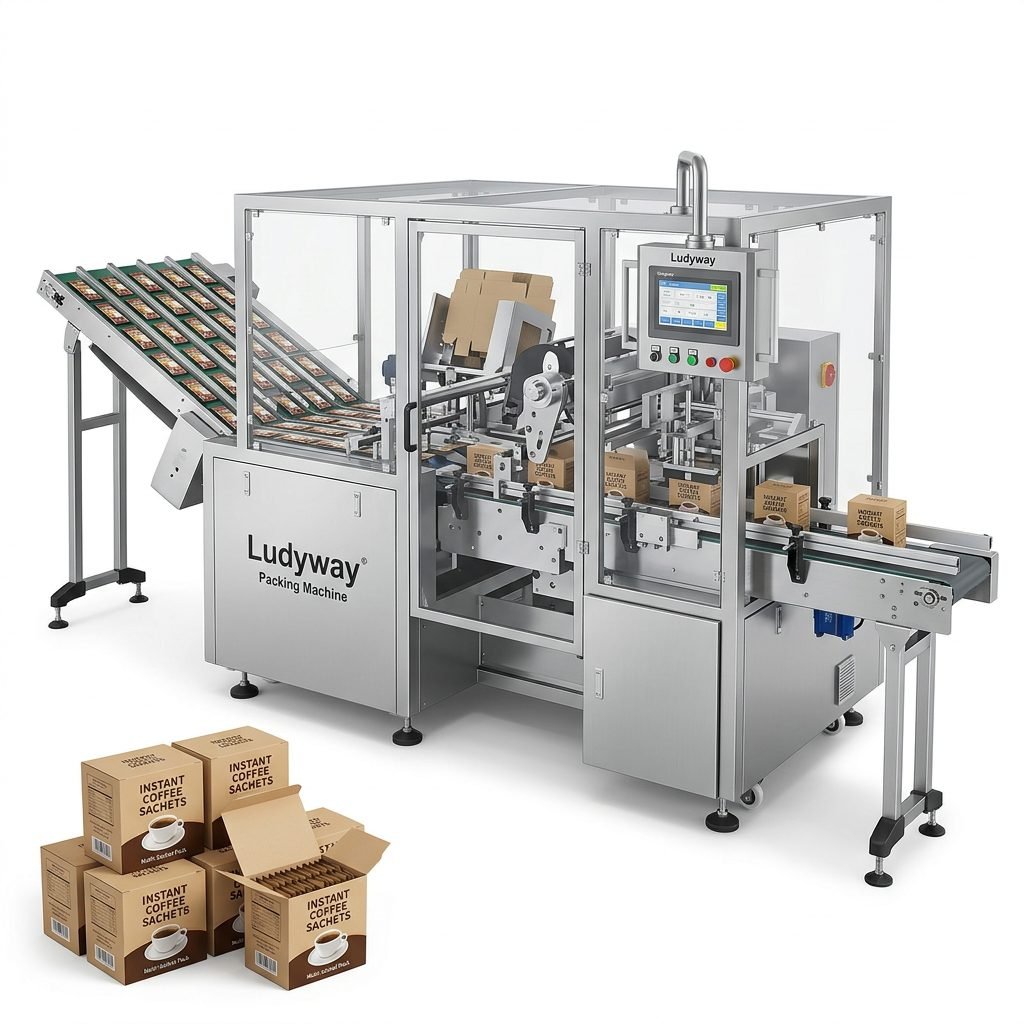
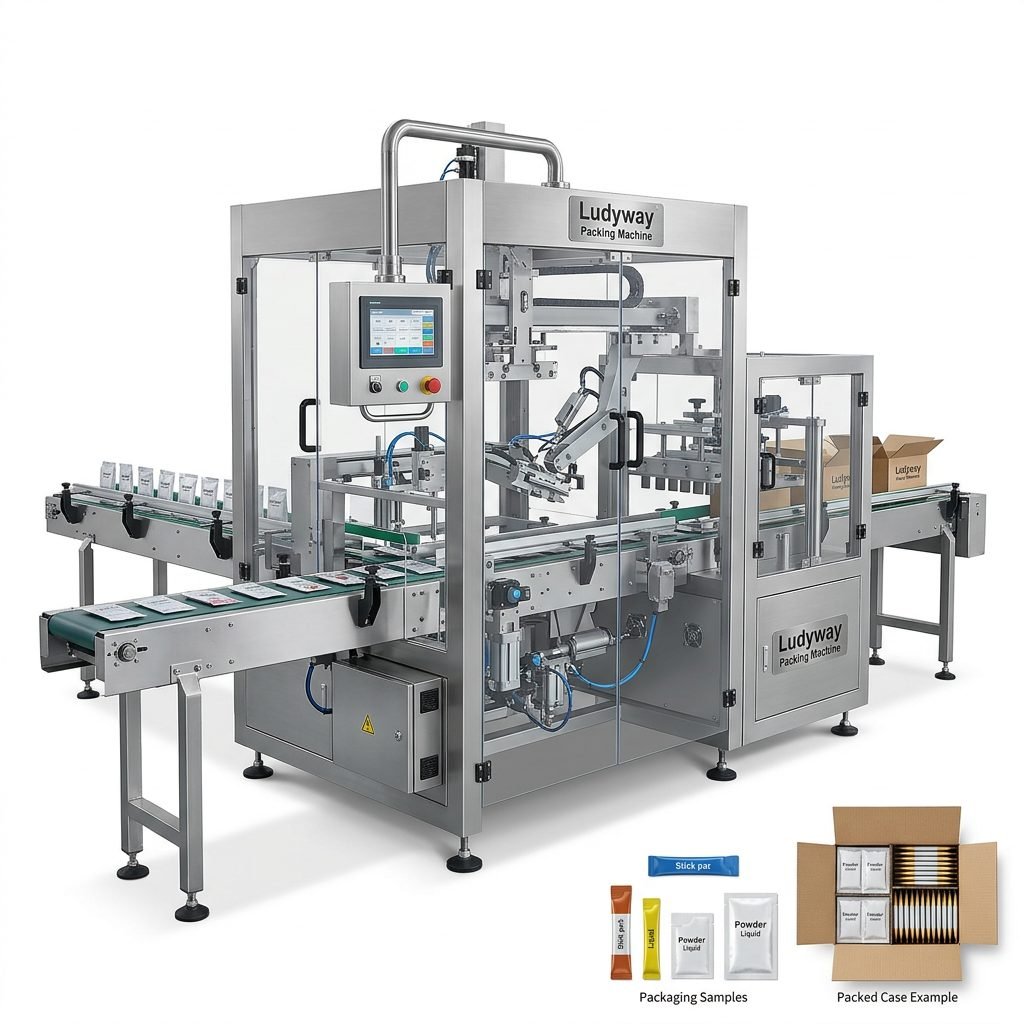
- Cartoning Machine – Automatically places wrapped bars into cartons or boxes.
- Case Packer – Packs finished cartons into shipping cases.
- Palletizing System – Stacks cases onto pallets for warehouse storage and distribution.
- Labeling and Coding Equipment – Applies date codes, batch numbers, and labels for traceability.
- Metal Detector and Checkweigher – Critical for quality control and food safety compliance.
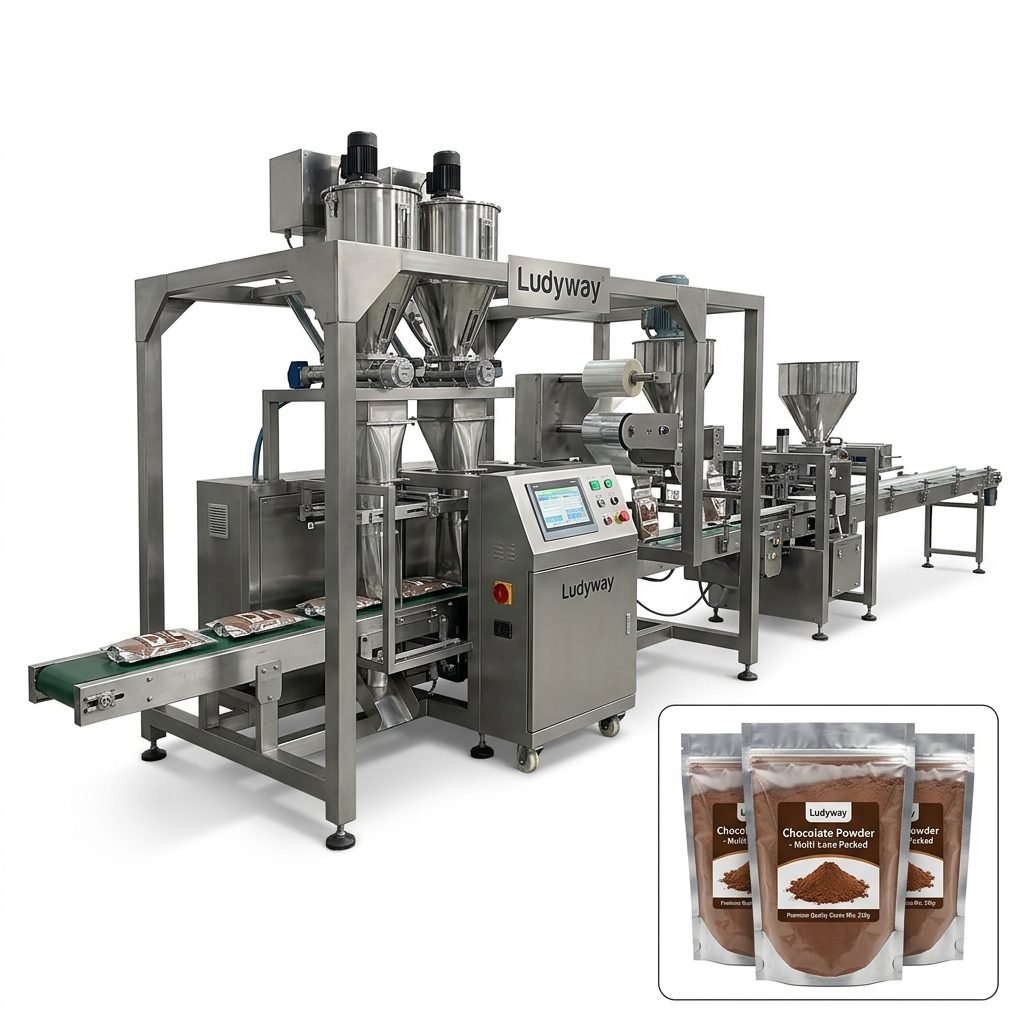
Flow Wrapping vs. Multi-Lane Stick Pack
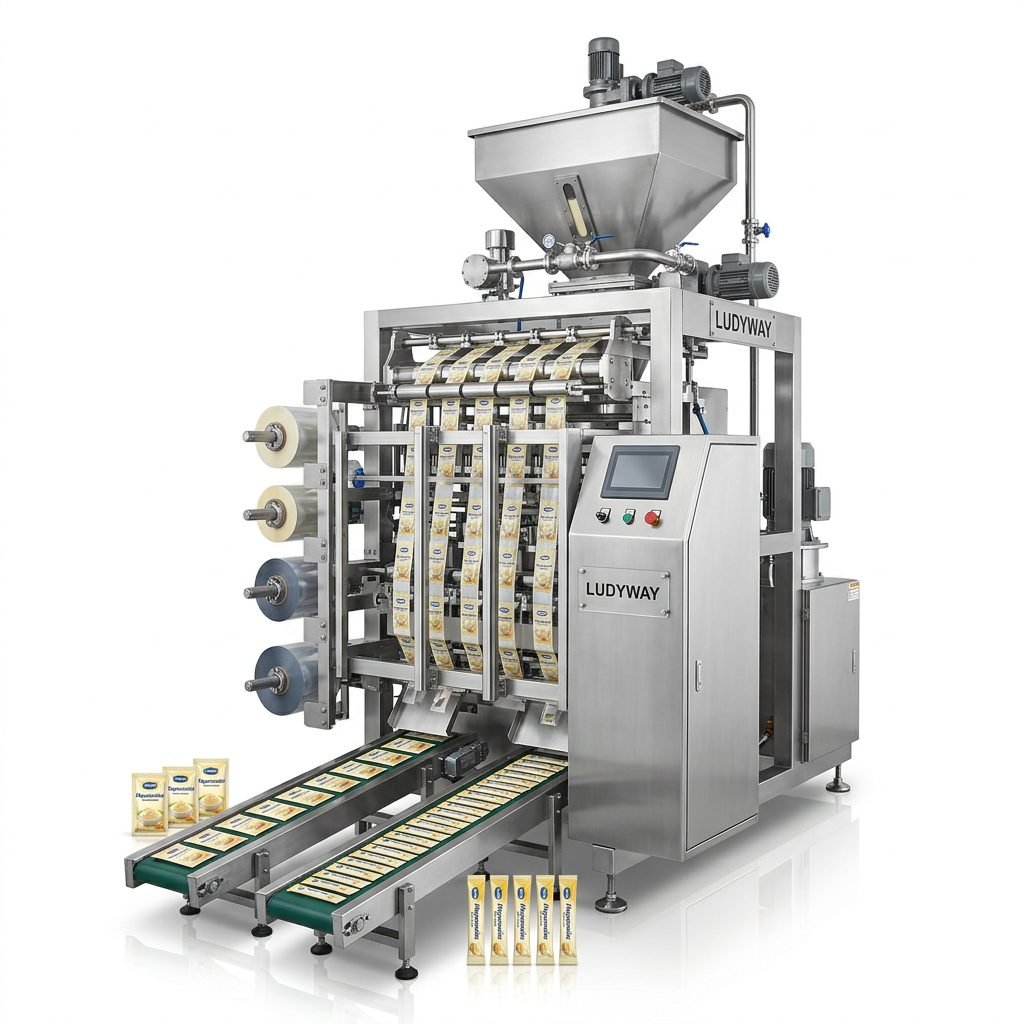
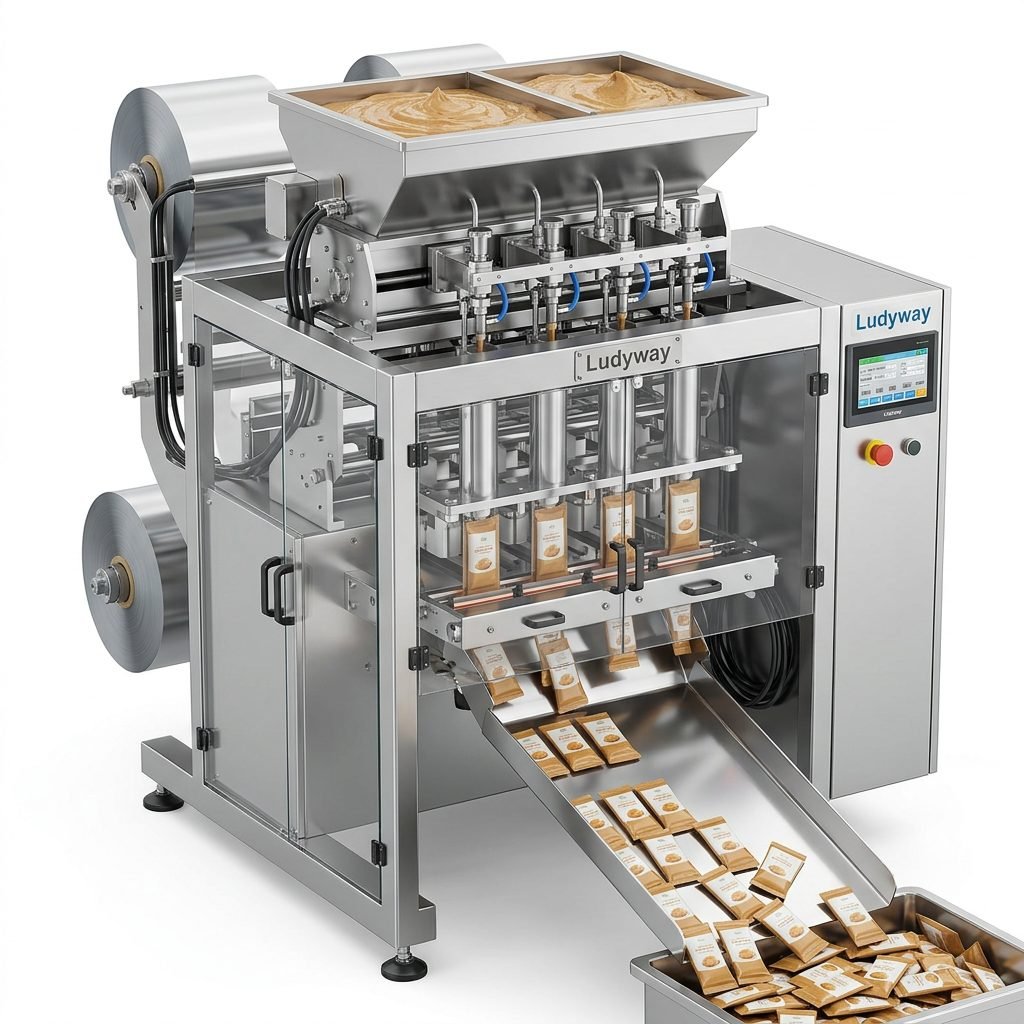
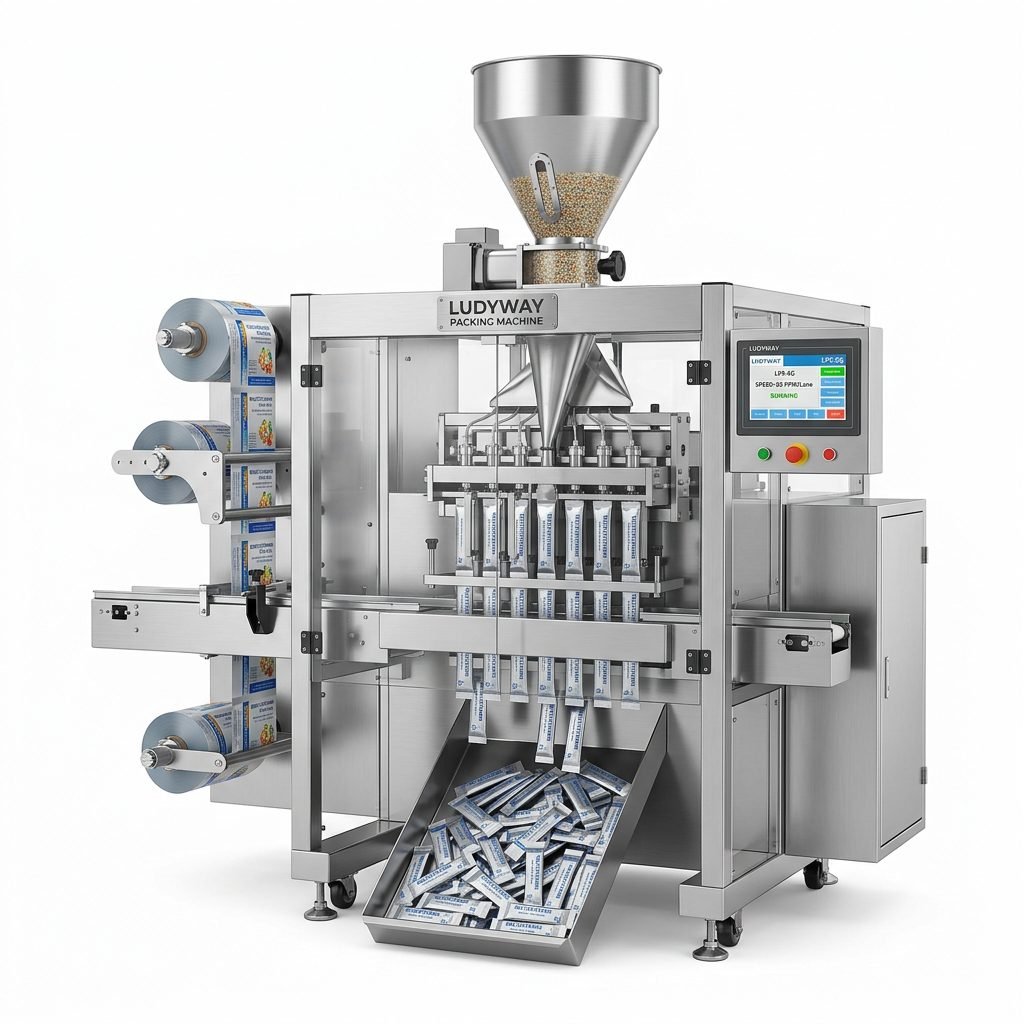
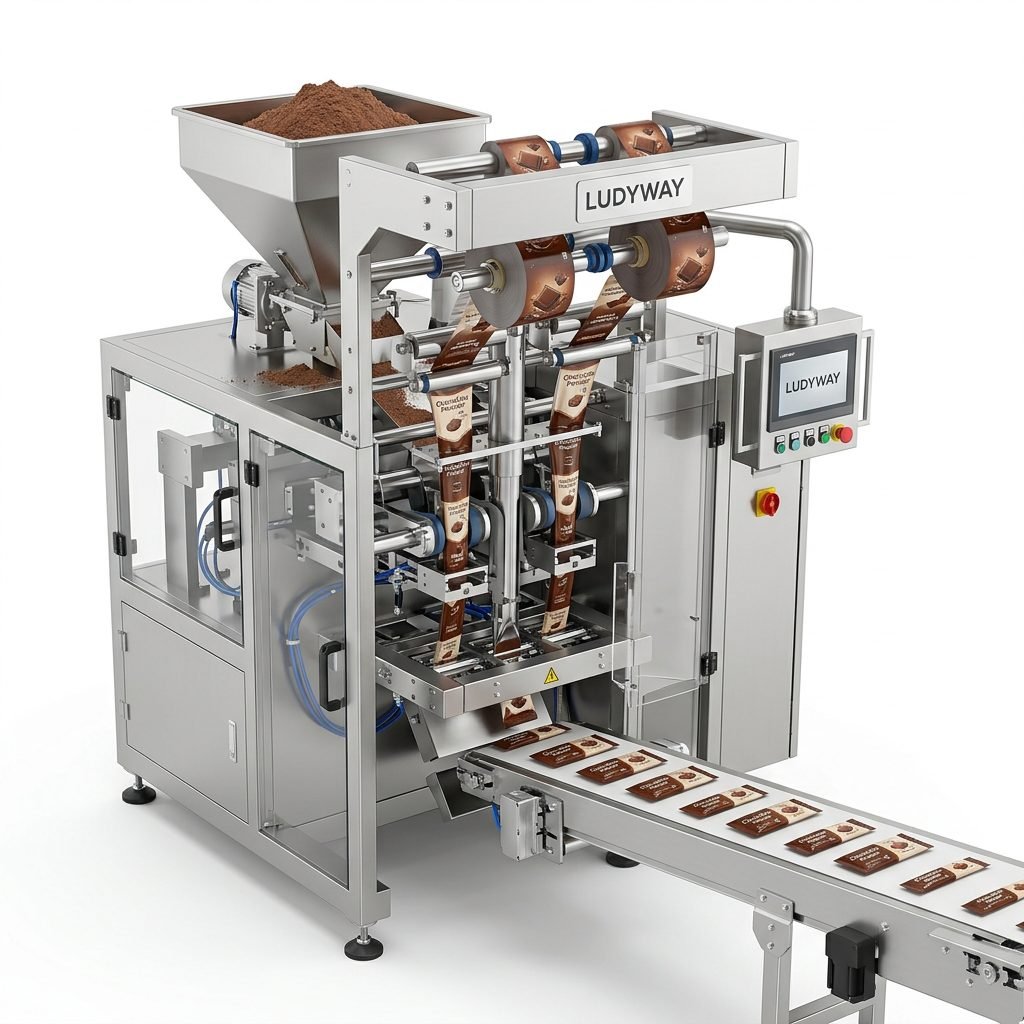
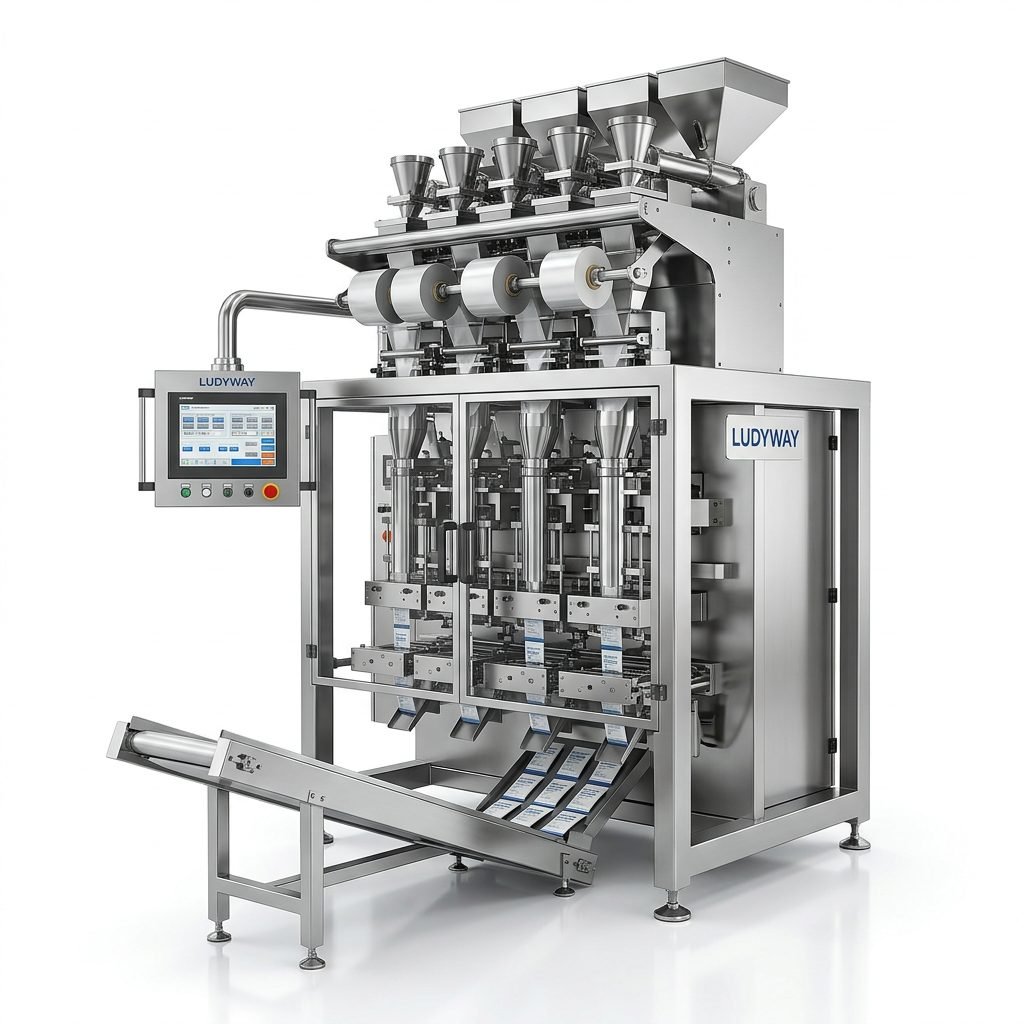
Depending on your product format, you may choose between a flow wrapping system for standard chocolate bars or a multi-lane stick pack machine for portioned chocolate pieces or powder mixes. Flow wrappers are ideal for solid bars, while stick pack systems excel at single-serve formats popular in the European on-the-go snacking segment. Flexible packaging trends indicate growing preference for resealable and portion-controlled formats across the EU.
Estimated Costs of Setting Up a Chocolate Bar Packaging Line
The investment required varies significantly based on automation level, speed, and customization needs. Below is a breakdown of typical costs for a mid-sized production line in Europe:
| Equipment / Item | Estimated Cost Range (EUR) | Notes |
|---|---|---|
| Flow Wrapping Machine | €40,000 – €120,000 | Speed-dependent; servo-driven models cost more |
| Multi-Head Weigher | €15,000 – €35,000 | 10–14 head configurations common |
| Cartoning Machine | €30,000 – €80,000 | Horizontal or vertical loading options |
| Case Packer | €25,000 – €60,000 | Wrap-around or top-load designs |
| Palletizing System | €50,000 – €150,000 | Robotic systems on the higher end |
| Quality Control Equipment | €10,000 – €30,000 | Metal detector, checkweigher, vision system |
| Installation and Training | €15,000 – €40,000 | Varies by complexity and location |
| Total Estimated Investment | €185,000 – €515,000 | Mid-range automated line |
Additional Cost Considerations
- Facility modifications – Climate-controlled environments are essential for chocolate; budget €20,000–€50,000 for HVAC upgrades.
- Packaging materials – Initial inventory of films, cartons, and labels can cost €10,000–€25,000.
- Ongoing maintenance – Annual maintenance contracts typically range from 3% to 5% of equipment value.
- Energy consumption – European energy costs are significant; factor in operational expenses based on local rates.
European Regulations for Chocolate Packaging
Navigating EU regulations is one of the most critical aspects of setting up a packaging line. The European market has strict requirements for food contact materials, labeling, and environmental sustainability. Key regulatory frameworks include:
EU Food Contact Materials Regulation (EC) No 1935/2004
This regulation ensures that all materials intended to come into contact with food, including flexible packaging films, do not transfer constituents to the food in quantities that could endanger human health. Chocolate packaging materials must be assessed for migration limits and overall safety.
EU Packaging and Packaging Waste Regulation (PPWR)
The European Packaging and Packaging Waste Regulation sets ambitious targets for recyclability, recycled content, and waste reduction. By 2030, all packaging placed on the EU market must be recyclable. For chocolate manufacturers, this means selecting mono-material films or certified recyclable laminates that meet PPWR requirements.
Labeling and Traceability Requirements
- Regulation (EU) No 1169/2011 – Mandates clear labeling of ingredients, allergens, nutritional values, and country of origin on food packaging.
- Lot and batch coding – Each packaged unit must carry traceable batch information for recalls and quality audits.
- Language requirements – Labels must be in the official language(s) of the member state where the product is sold.
Step-by-Step Guide to Setting Up Your Packaging Line
Step 1: Define Your Production Requirements
Start by determining your target output in units per minute, the packaging formats you need, and the level of automation you require. A line producing 200 bars per minute will have vastly different equipment specifications than one producing 50 bars per minute. Consider future scalability as well.
Step 2: Select Equipment that Meets EU Standards
All packaging machinery imported into or operated within the EU must carry CE marking and comply with the Machinery Directive 2006/42/EC. Additionally, equipment should be designed according to ISO packaging standards for safety and performance. When sourcing from global manufacturers such as Ludyway, verify that the equipment is fully CE-certified and comes with comprehensive technical documentation.
Step 3: Plan Your Facility Layout
Chocolate packaging requires temperature-controlled environments (typically 18°C–22°C) with controlled humidity below 55%. Your layout must separate raw material receiving from finished goods storage, incorporate dedicated allergen management zones if needed, and allow for efficient material flow. Engage a local engineering firm familiar with EU facility design regulations.
Step 4: Source Compliant Packaging Materials
Partner with European packaging material suppliers who can provide Declaration of Compliance (DoC) documents for all food contact materials. These documents are mandatory under EU regulations and must be maintained for inspection purposes. Consider sustainable material options to align with PPWR goals.
Step 5: Installation, Validation, and Training
Once equipment arrives, professional installation by certified technicians is crucial. Perform IQ/OQ/PQ validation (Installation Qualification, Operational Qualification, Performance Qualification) to document that your line meets all specifications. Train operators thoroughly on both equipment operation and hygiene protocols.
Step 6: Obtain Necessary Certifications
- HACCP certification – Hazard Analysis and Critical Control Points plan for food safety.
- BRCGS or IFS certification – Often required by European retailers for supplier approval.
- Organic certification – If producing organic chocolate, obtain EU organic certification.
- Fair Trade or Rainforest Alliance – Voluntary certifications that add market value.
Common Challenges and How to Overcome Them
| Challenge | Solution |
|---|---|
| CE certification delays | Work with equipment suppliers who provide pre-certified EU-compliant machinery and complete technical files. |
| Temperature fluctuation issues | Invest in reliable HVAC systems with real-time monitoring and automated alerts. |
| Packaging material compatibility | Run material trials before full production; work closely with film suppliers on sealability and barrier properties. |
| Labor availability and skills gap | Choose user-friendly interfaces and invest in comprehensive training programs for local operators. |
| Sustainability compliance | Adopt recyclable mono-materials early and document your compliance pathway for PPWR deadlines. |
Selecting the Right Equipment Partner
Choosing a reliable packaging machinery partner is critical to your success in Europe. Look for manufacturers with proven CE-certified equipment, responsive after-sales support within the European time zone, and experience with turnkey chocolate packaging lines. Evaluate their track record with international packaging exhibitions and existing European installations. A partner that offers comprehensive technical documentation, on-site installation, and operator training will significantly reduce your setup time and compliance risks.
Key Supplier Evaluation Criteria
- CE certification and EU regulatory knowledge
- Availability of spare parts within Europe
- Remote diagnostic capabilities
- Multilingual technical support
- References from European food manufacturers
- Warranty terms and service level agreements
Future-Proofing Your Chocolate Packaging Line
Investing in a flexible packaging line today prepares you for tomorrow’s market demands. Consider equipment that can handle multiple packaging formats, accommodate sustainable material transitions, and integrate with Industry 4.0 data systems for real-time production monitoring. The European market increasingly rewards manufacturers who can demonstrate environmental responsibility, supply chain transparency, and agile production capabilities. By building these features into your line from the start, you position your chocolate brand for sustained growth across the continent.
Conclusion
Establishing a chocolate bar packaging line in Europe is a significant but rewarding investment. Success depends on selecting CE-compliant equipment, understanding the regulatory framework including the PPWR and food contact material regulations, and budgeting realistically for both capital expenditure and ongoing operations. With thorough planning, the right equipment partners, and a commitment to quality and sustainability, your production line can thrive in one of the world’s most sophisticated confectionery markets. For manufacturers seeking packaging industry resources and guidance, staying informed about evolving EU standards is essential for long-term success.