Why Routine Maintenance is Non-Negotiable
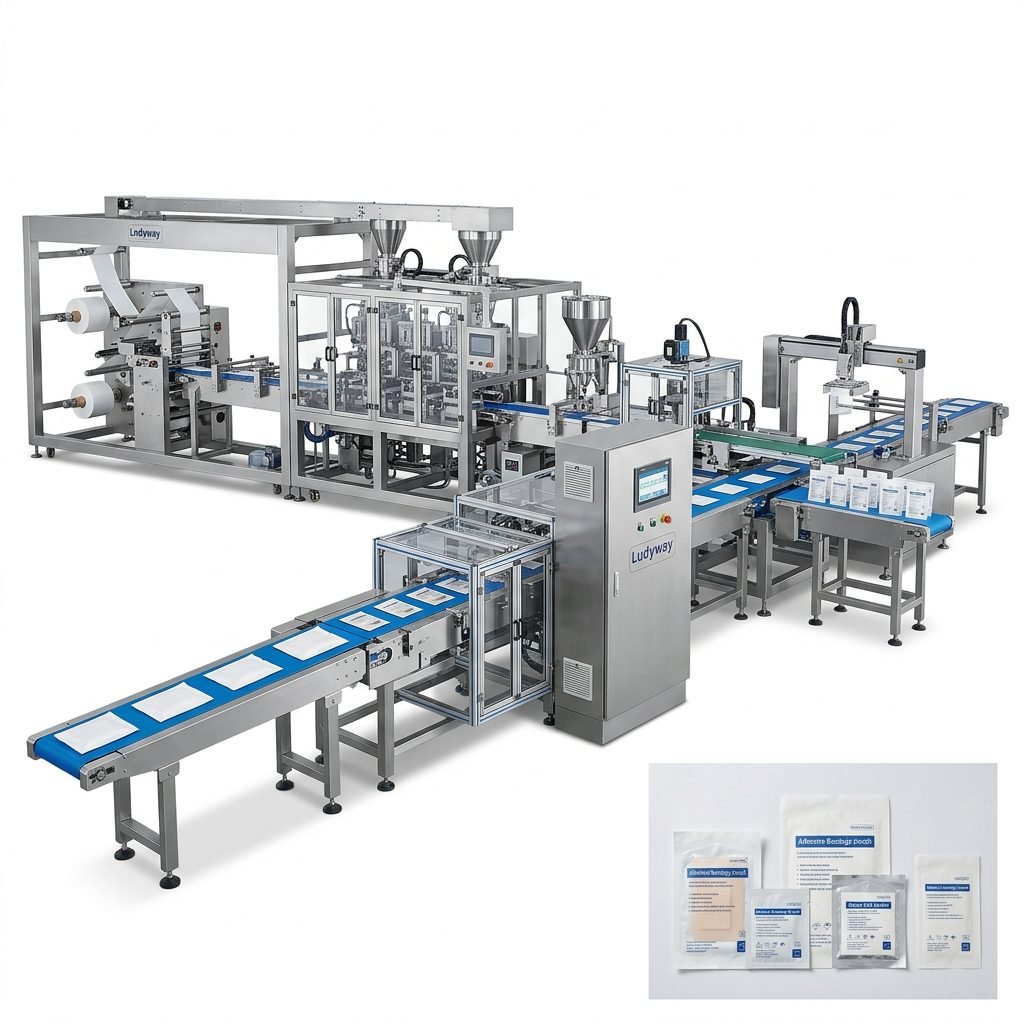
A nail packing machine is a precision system designed to handle high-speed counting, filling, and sealing of small hardware items. Without a structured maintenance plan, even the most robust equipment from a leading packaging machine manufacturer can suffer from unexpected downtime. Consistent upkeep directly impacts product quality, reduces the risk of jamming, and extends the overall lifecycle of your investment.
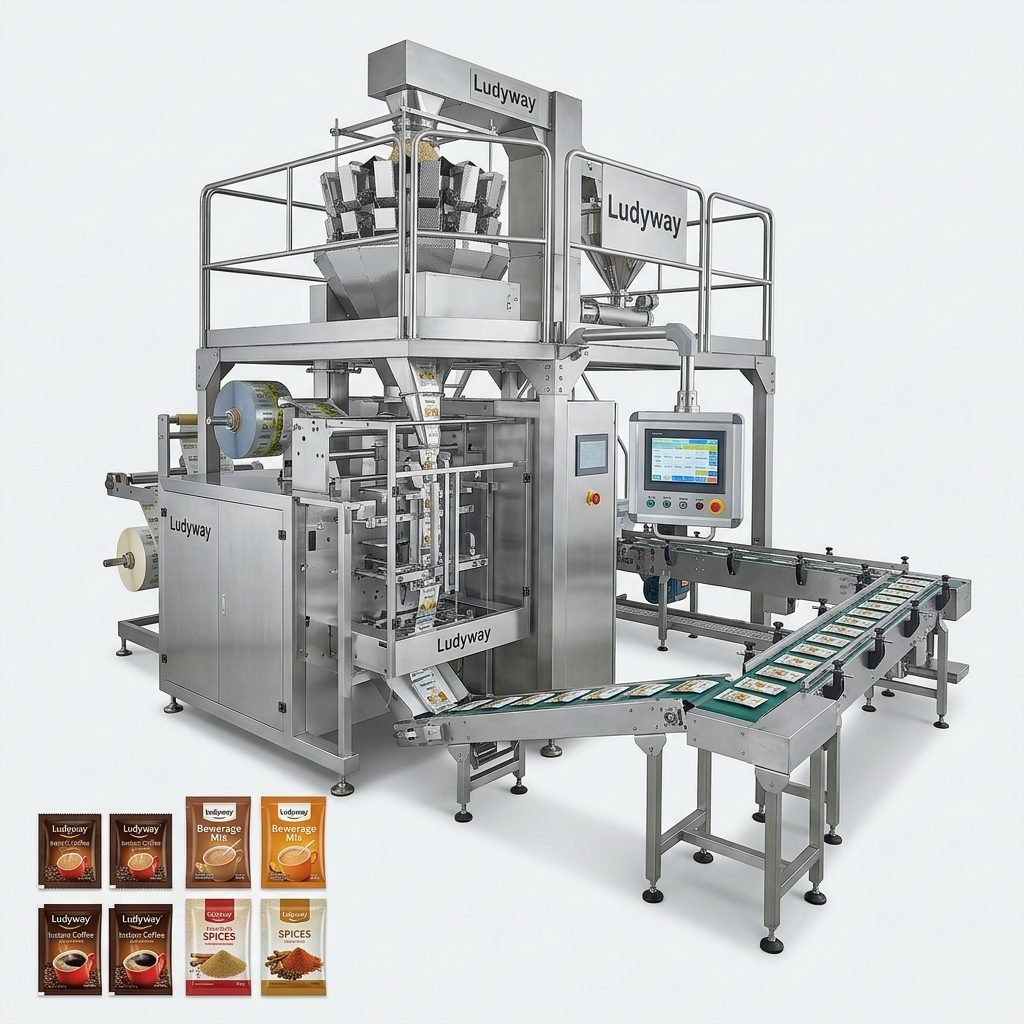
Ignoring minor issues like dust accumulation or slight misalignments can quickly escalate into major mechanical failures. A proactive maintenance approach ensures that your automated packaging systems operate at peak efficiency, delivering accurate counts and airtight seals every cycle.
Daily Cleaning and Inspection Checklist
The daily routine is your first line of defense against performance drops. Operators should follow a standardized checklist at the end of each shift to prepare the machine for the next production run. Pay close attention to areas where metal dust and debris from nails tend to accumulate.
- Air Blowdown: Use compressed air to remove metal filings from the counting tracks and feeding bowls.
- Sealing Jaw Wipe: Clean the heated sealing jaws with a soft cloth to remove plastic residue and prevent burn marks on pouches.
- Sensor Lens Check: Gently wipe optical sensors to ensure accurate counting; dust can cause false readings or missed counts.
- Film Path Inspection: Verify that the film pulling rollers are free of adhesive buildup.
Weekly and Monthly Mechanical Adjustments
While daily cleaning focuses on external debris, weekly and monthly tasks dive deeper into the mechanical integrity of the equipment. Vibrations from high-speed production can loosen fasteners over time, making these checks critical for the reliability of your packaging machine manufacturer equipment.
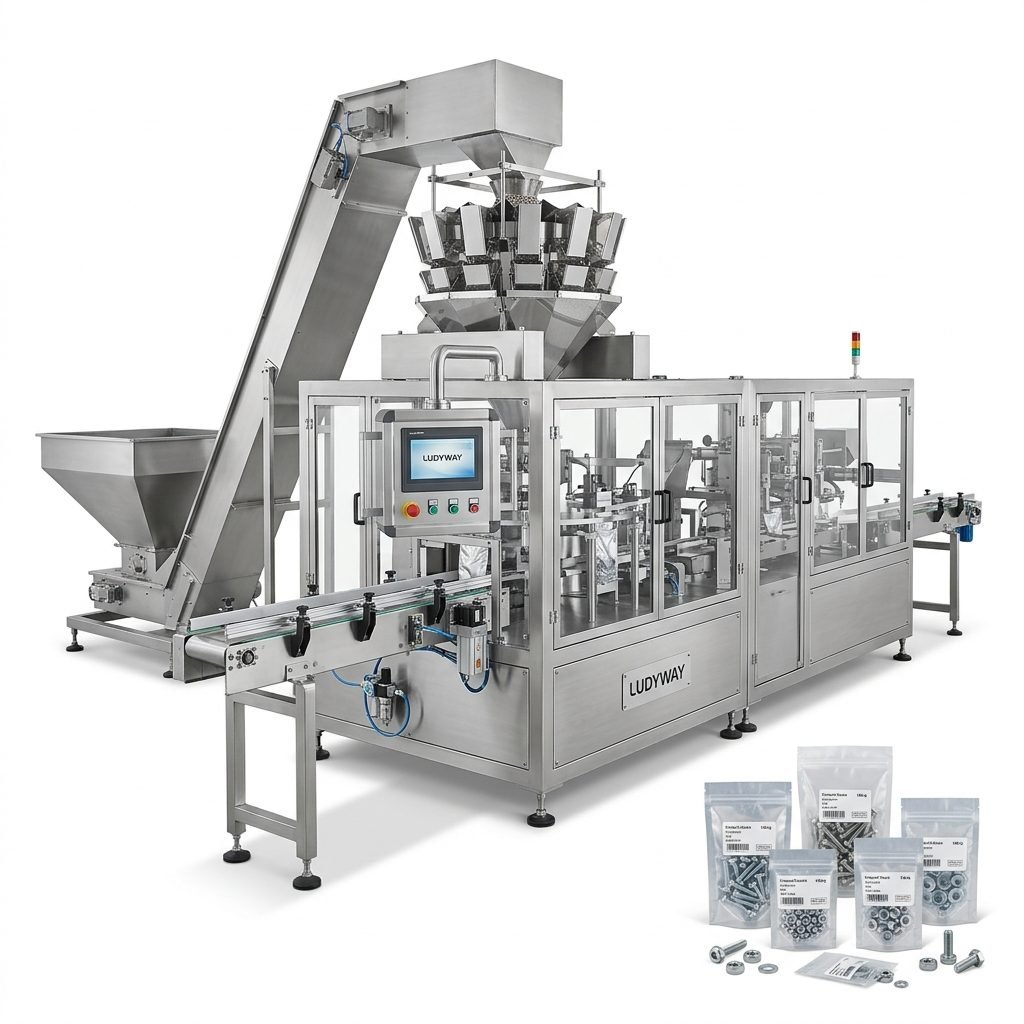
- Belt Tensioning: Check the tension of drive belts and timing belts. A loose belt can cause slippage in the film draw, leading to inconsistent bag lengths.
- Bolt Tightening: Systematically check and torque mounting bolts on the vibratory feeder and main frame.
- Air Pressure Verification: Ensure the pneumatic system maintains a stable pressure; fluctuations can affect the sealing force.
- Wear Part Assessment: Inspect cutting blades and gripper surfaces for dullness or wear. A dull blade can cause jagged edges on the sachets.
Critical Monthly Maintenance Tasks
Once a month, a more thorough inspection of the machine’s internal components is recommended. This includes checking the electrical connections and calibrating the weighing or counting system to maintain precision on your granule and powder packaging lines.
| Component | Maintenance Action | Frequency |
|---|---|---|
| Vibratory Feeder | Clean bowl; check spring integrity | Weekly |
| Servo Motors | Check for overheating and unusual noise | Monthly |
| HMI & Controls | Backup parameters; clean screen | Monthly |
| Safety Guards | Test interlock switches | Daily |
Lubrication Management for Longevity
Proper lubrication is the lifeblood of any high-speed automated packaging system. Nail packaging environments are often dusty, which means lubricants can quickly become contaminated. Using the correct food-grade or industrial-grade grease specified in your manual is essential.
Focus on lubricating linear rails, cam followers, and chain drives. However, over-lubrication is just as dangerous as under-lubrication; excess grease can attract dust and harden, forming a grinding paste that accelerates wear on moving parts.
Troubleshooting Common Sealing Issues
Sealing defects are among the most common problems in nail packaging. If you notice weak seals or wrinkles, start by checking the temperature controller settings. Different films require specific dwell times and temperatures.
- Wrinkled Seals: Usually caused by misaligned film tracking or dirty rollers.
- Weak Bottom Seals: Check the vertical seal bar alignment and air cylinder pressure.
- Product in Seal Area: Adjust the product drop timing or the vibration intensity on the counting track.
The Economic Impact of Preventive Maintenance
Looking at the operational expenditure, a preventive maintenance schedule drastically reduces the total cost of ownership. Emergency repairs often require expedited shipping for spare parts and extended idle time for your workforce. By scheduling downtime for maintenance, you maintain a predictable production output and avoid missing critical shipping deadlines.
Spare Parts Inventory Strategy
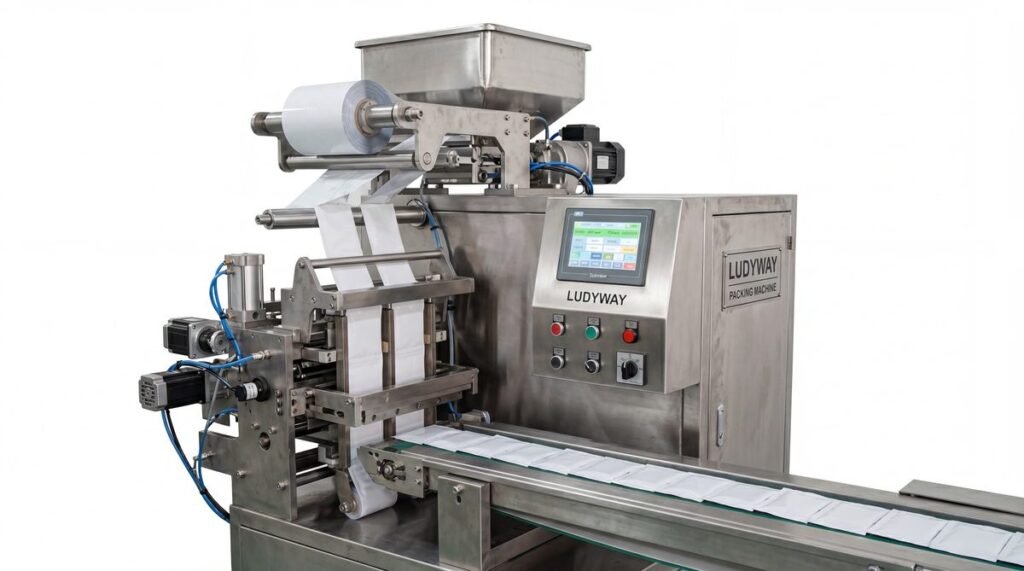
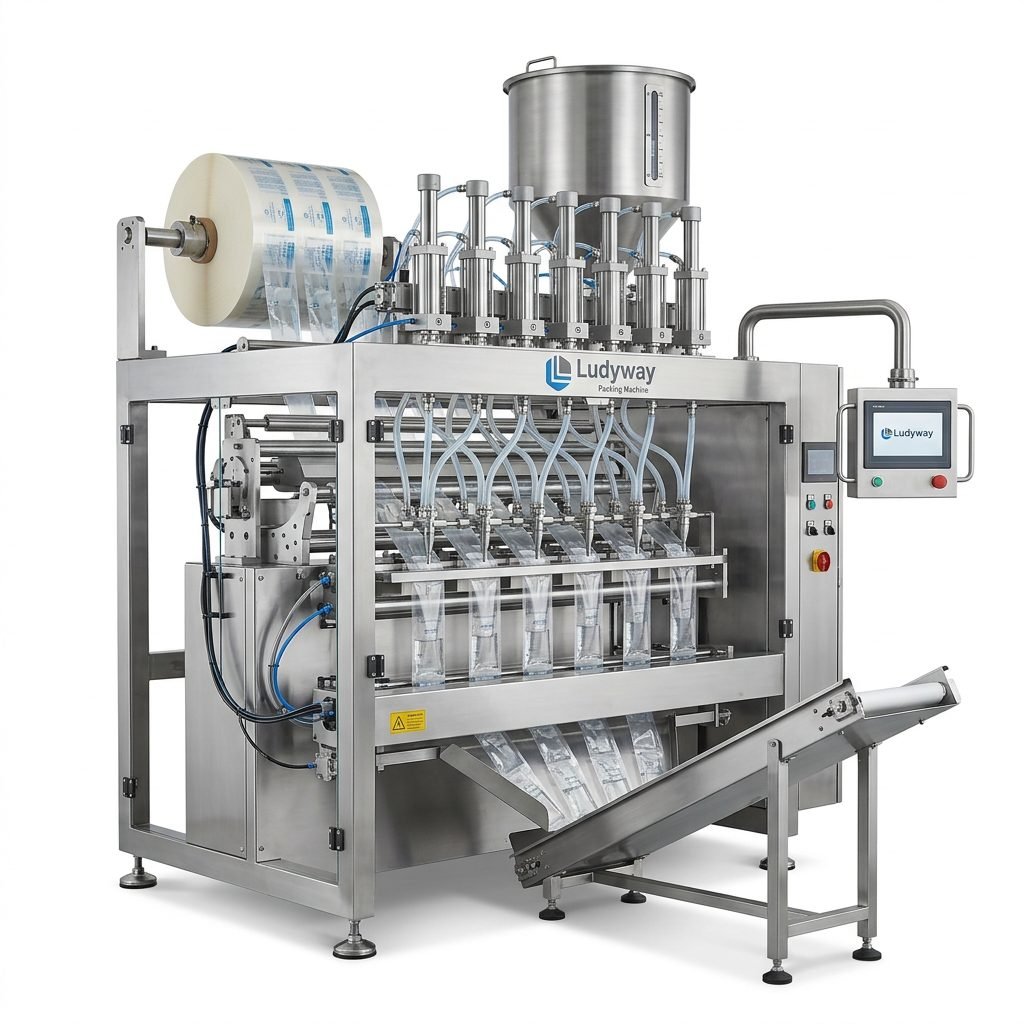
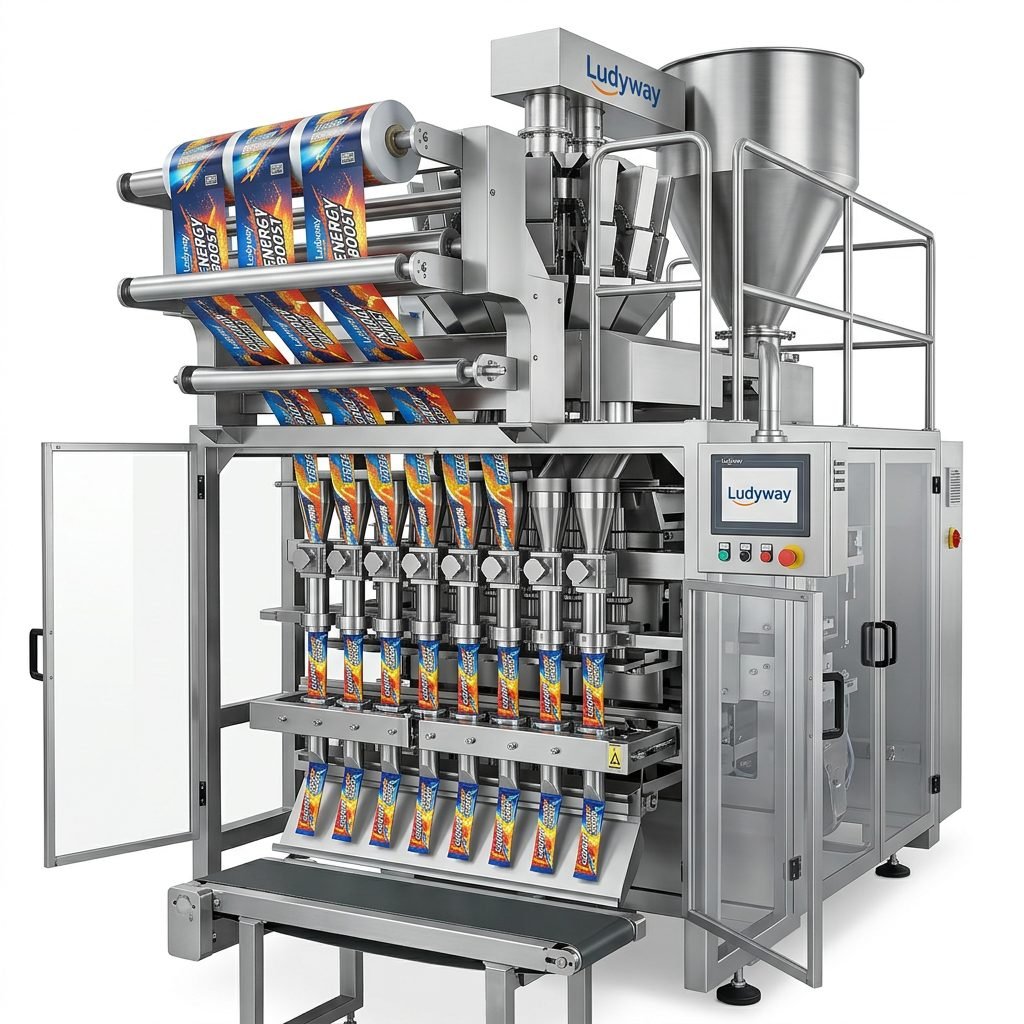
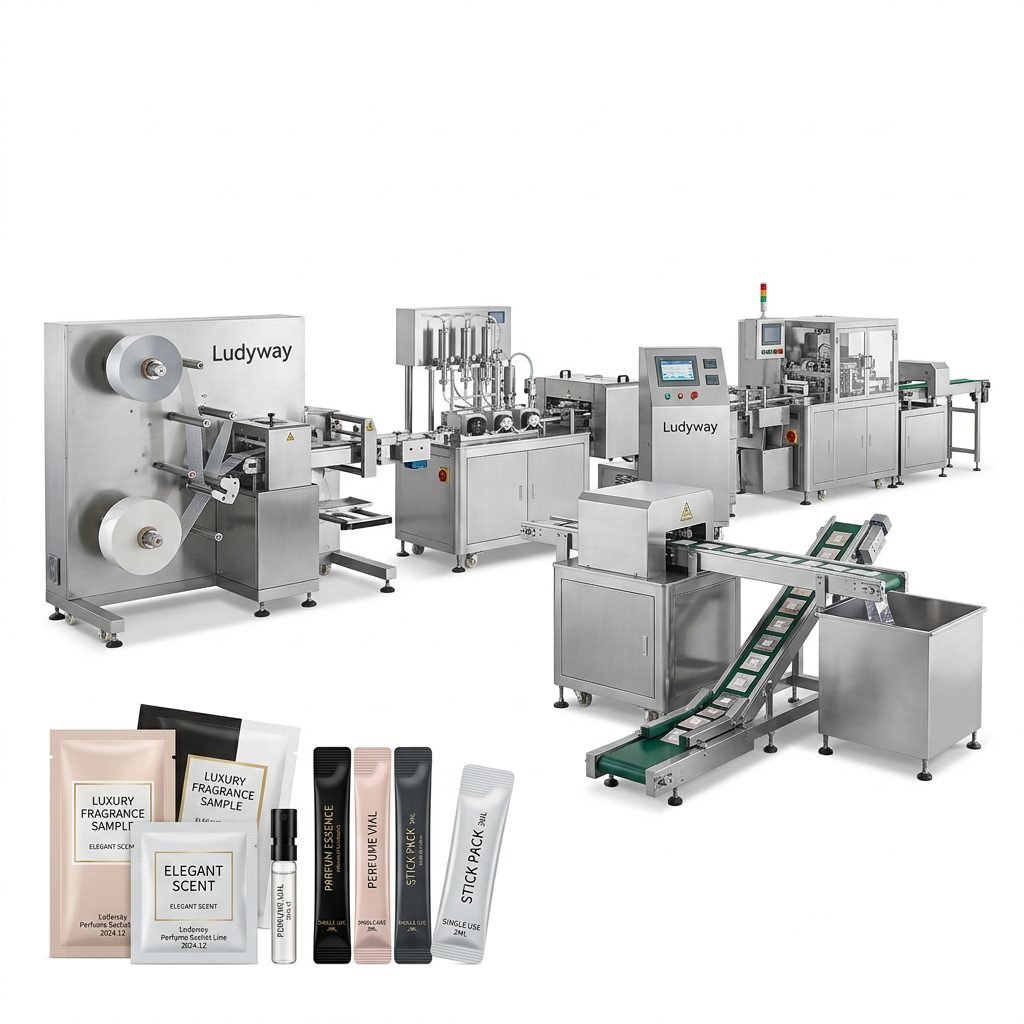
Keeping a critical spares kit on-site helps to minimize recovery time when a part fails. For a multi-lane stick pack machine, you should always have replacement heating elements, thermocouples, film pull belts, and common sensors in stock. This is a standard recommendation for any turnkey system to ensure reliable performance.
Recommended Spare Parts to Stock
- Heating rods and thermocouples
- Film cutting blades
- Drive belts and timing belts
- Fuses and relays
- Pneumatic seals and O-rings
When to Seek Professional Support
While operator-led maintenance handles daily wear, complex electrical faults or PLC programming issues require expert intervention. As a leading packaging machine manufacturer, Ludyway supports over 50 intelligent packaging machine models and provides comprehensive technical backup. If you encounter persistent counting errors or software faults that cannot be resolved through basic calibration, it is time to contact the engineering team to prevent further damage.
For more detailed guides on optimizing your production floor, explore our resources on turnkey packaging solutions and advanced integrated systems.