India’s dried fruit industry is experiencing remarkable growth, driven by rising health consciousness, increasing disposable incomes, and a strong export market. For businesses looking to capitalize on this trend, setting up an efficient dried fruit packaging machine production line is a critical investment. A well-planned packaging line not only preserves product freshness and extends shelf life but also enhances brand appeal and ensures compliance with food safety regulations. This comprehensive guide walks you through the equipment, costs, and step-by-step process of establishing a dried fruit packaging production line in India.

Understanding the Dried Fruit Packaging Market in India
India is one of the world’s largest producers of dried fruits, including raisins, dates, figs, apricots, and almonds. The domestic market is projected to grow at a CAGR of over 8% through 2030, while exports to the Middle East, Europe, and North America continue to expand. To compete effectively, manufacturers must adopt automated packaging solutions that deliver consistency, speed, and hygiene — qualities that manual or semi-automatic systems cannot reliably provide.
Modern dried fruit packaging lines must handle various product characteristics: sticky textures (dates, figs), irregular shapes (apricots, raisins), and fragile structures (freeze-dried fruits). Additionally, FDA packaging standards and Indian FSSAI regulations require food-grade materials and precise weight control, making professional-grade machinery essential for compliance.
Core Equipment for a Dried Fruit Packaging Production Line
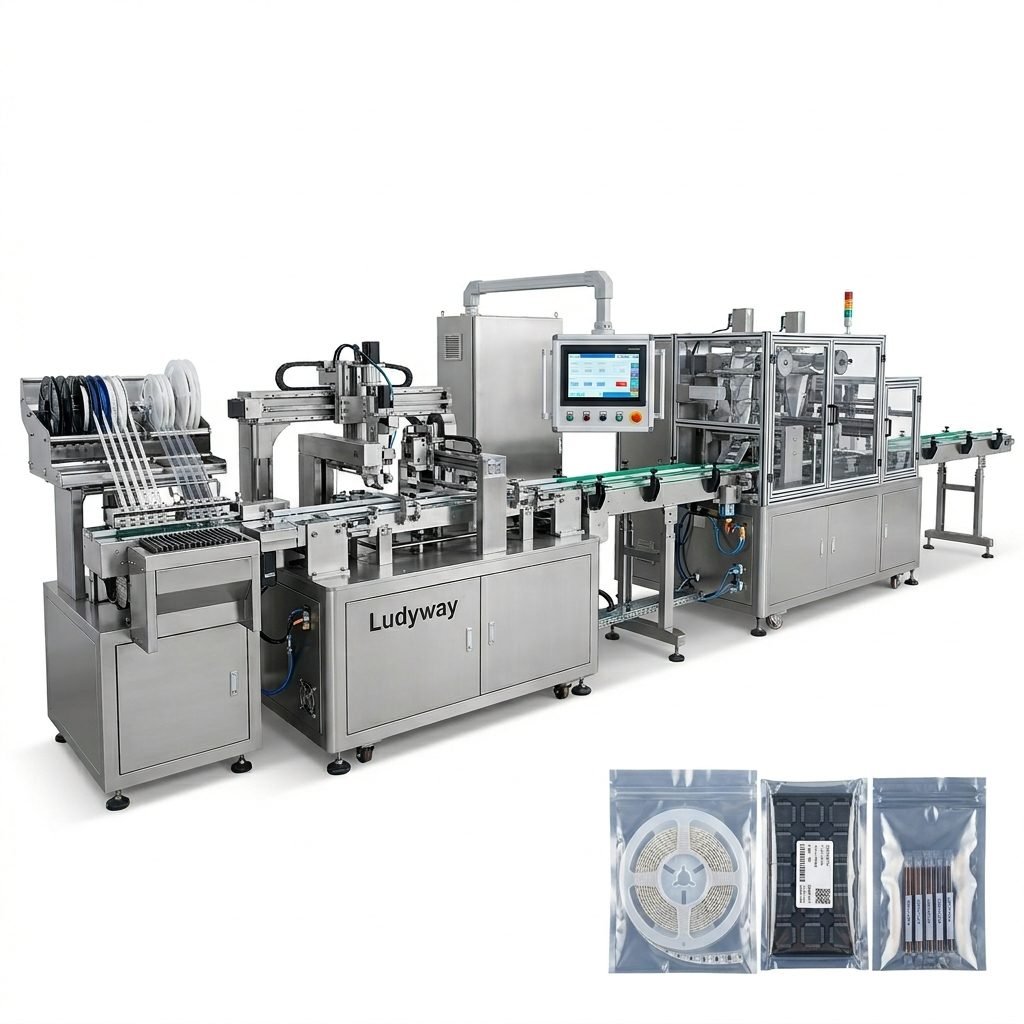
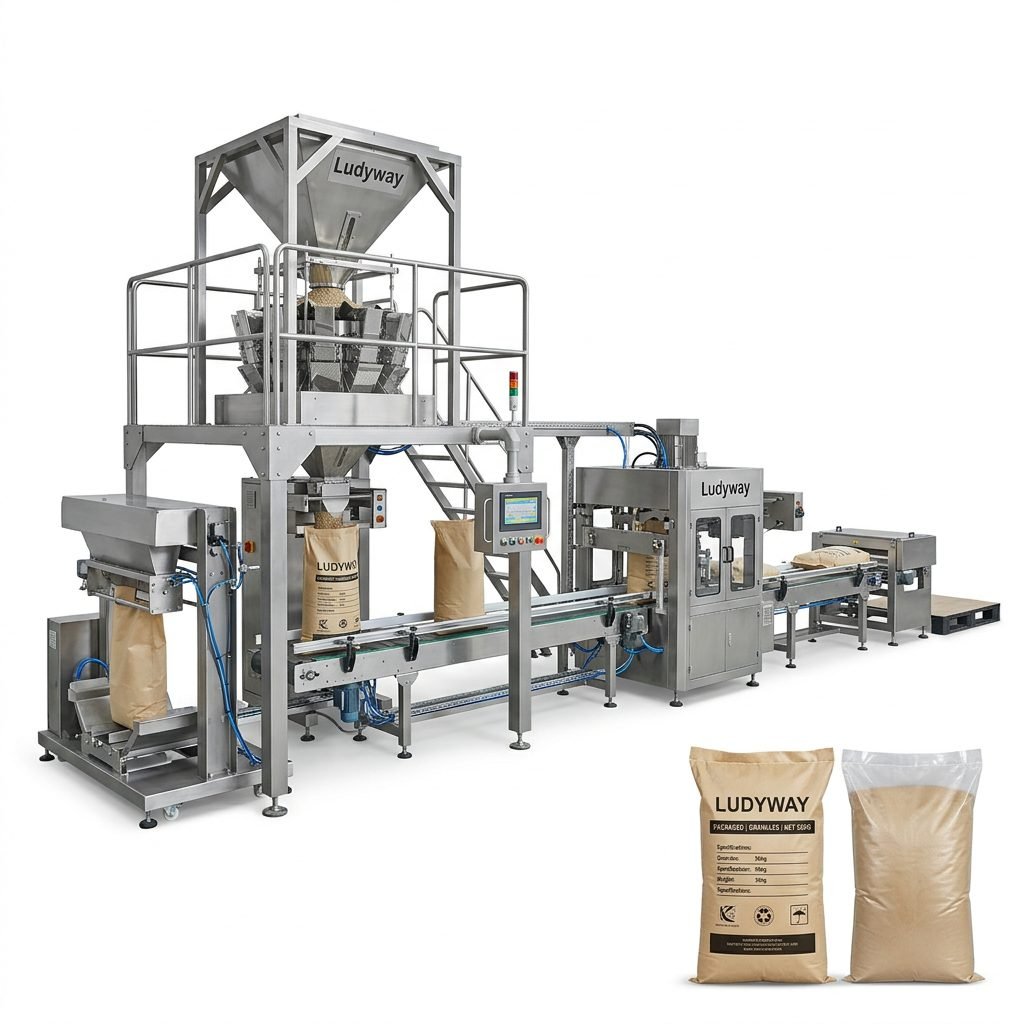
A complete dried fruit packaging line consists of several interconnected machines. The exact configuration depends on your target output, packaging format (sachet, stick pack, pouch, or bag), and product type. Below are the essential equipment categories you need to consider:
1. Feeding and Conveying Systems
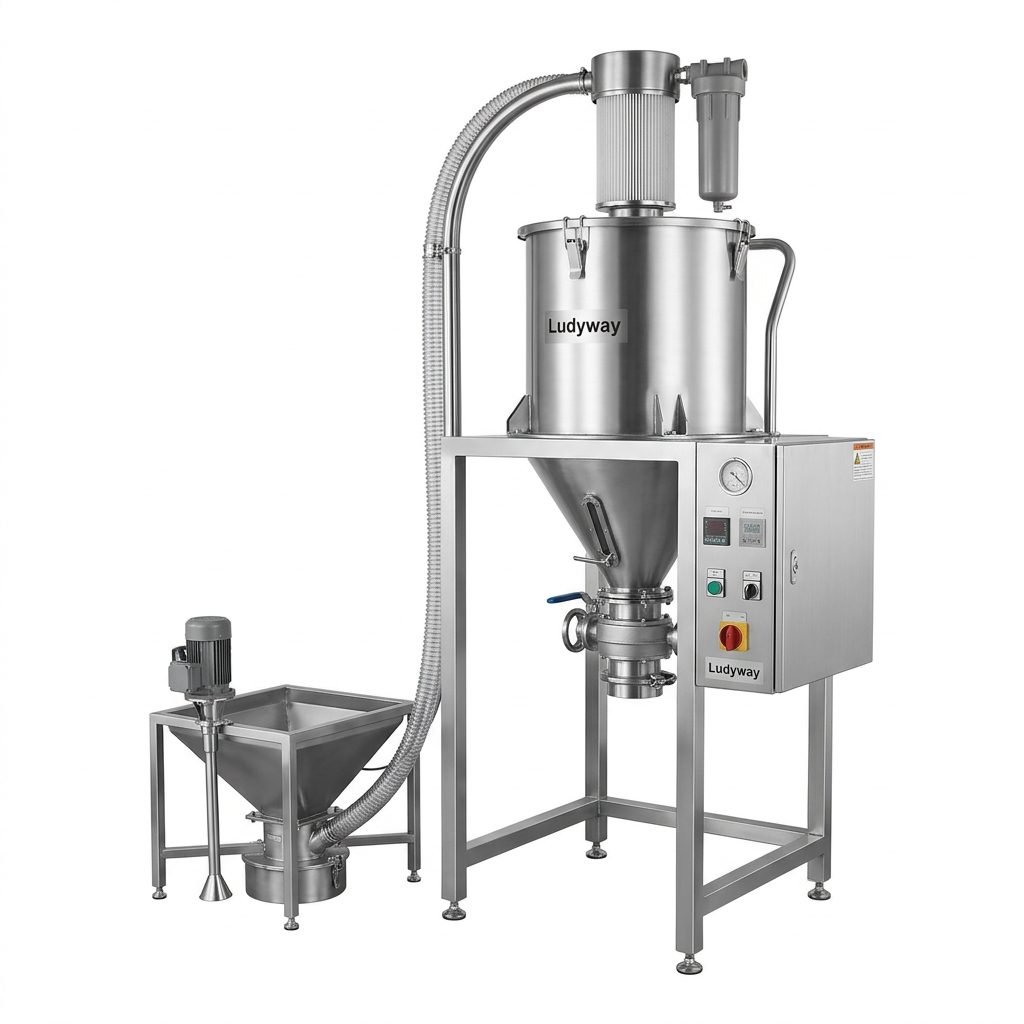
The first stage involves transporting dried fruits from bulk storage to the packaging station. Inclined belt conveyors, Z-type bucket elevators, and vibratory feeders are commonly used. For sticky products like dates, specialized belt materials prevent adhesion and product damage during transfer.
2. Multi-Head Weighing Systems
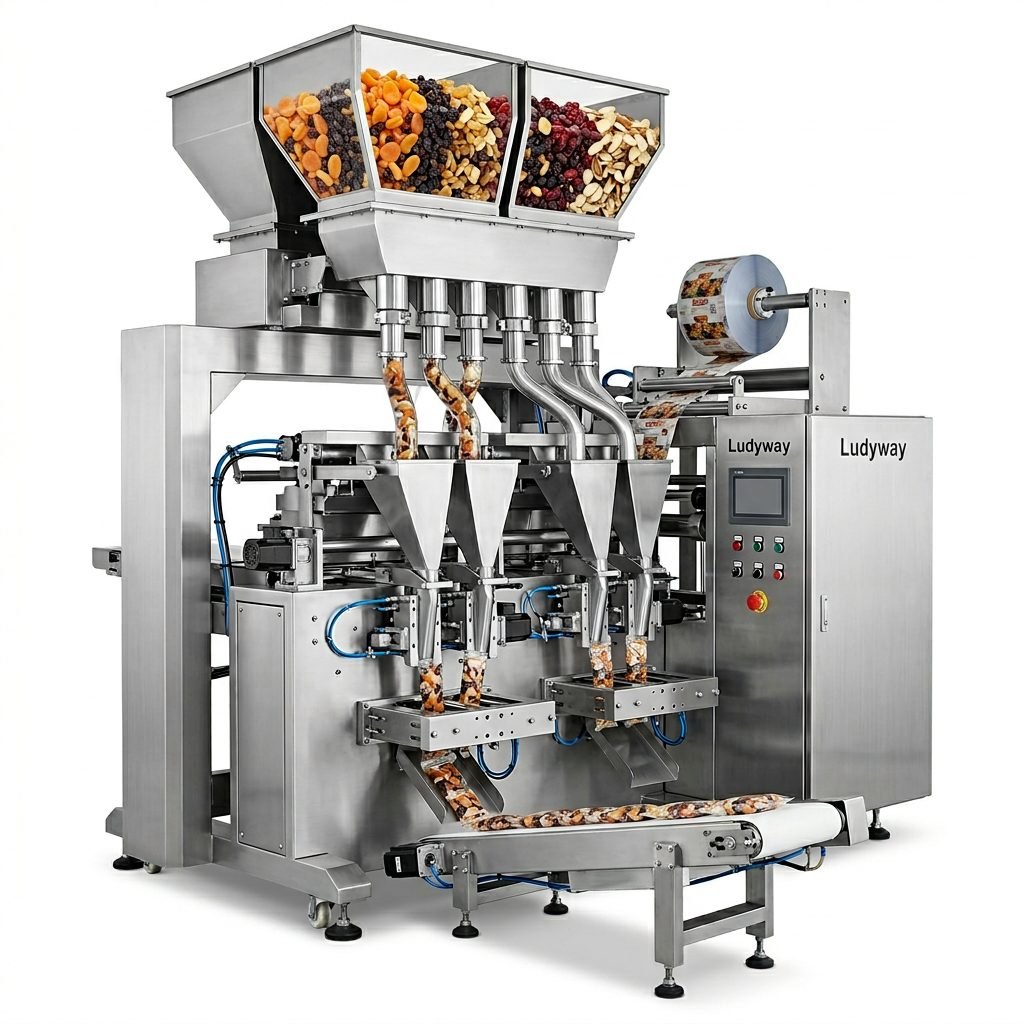
Accurate weighing is crucial for regulatory compliance and cost control. Multi-head weighers can achieve accuracy within ±0.5g, handling speeds of up to 60–80 packs per minute per lane. These systems use advanced load cell technology and can be programmed for different product densities, making them ideal for mixed dried fruit applications.
3. Primary Packaging Machines
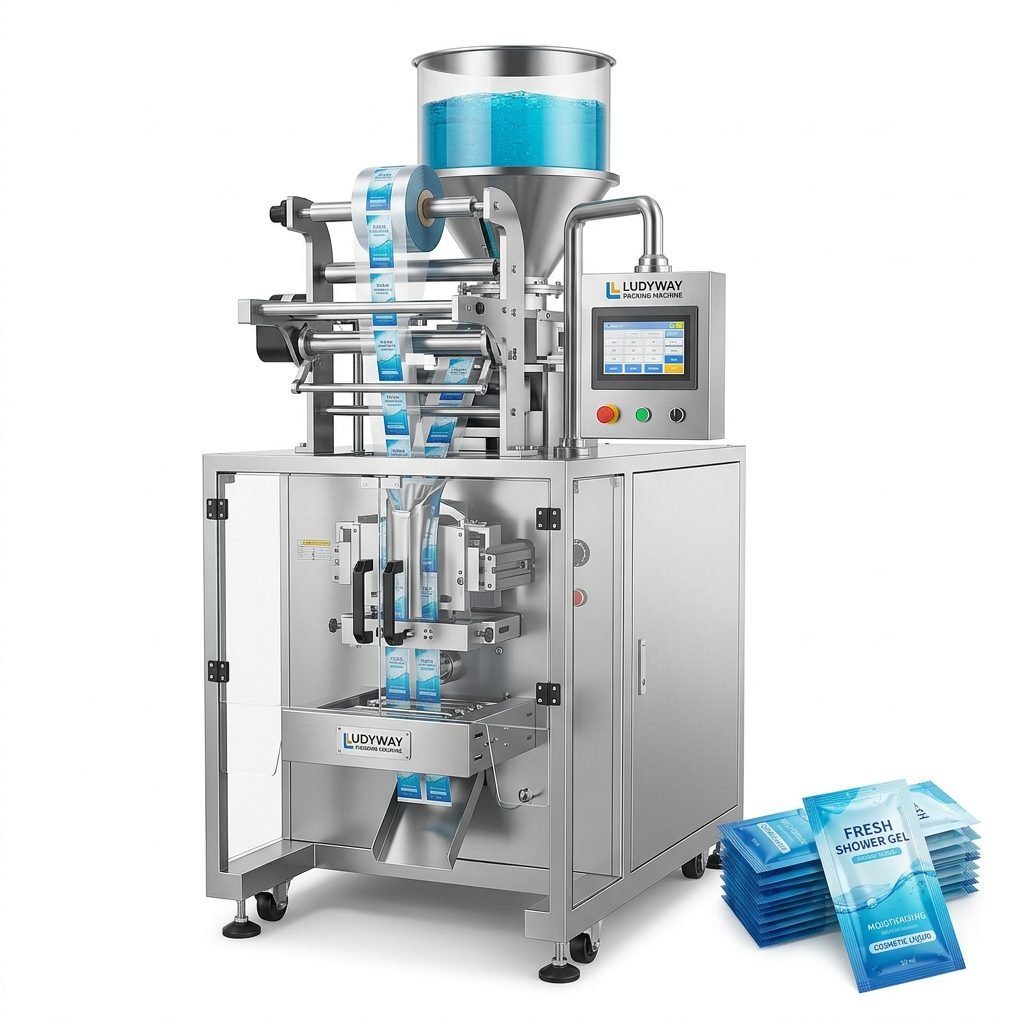
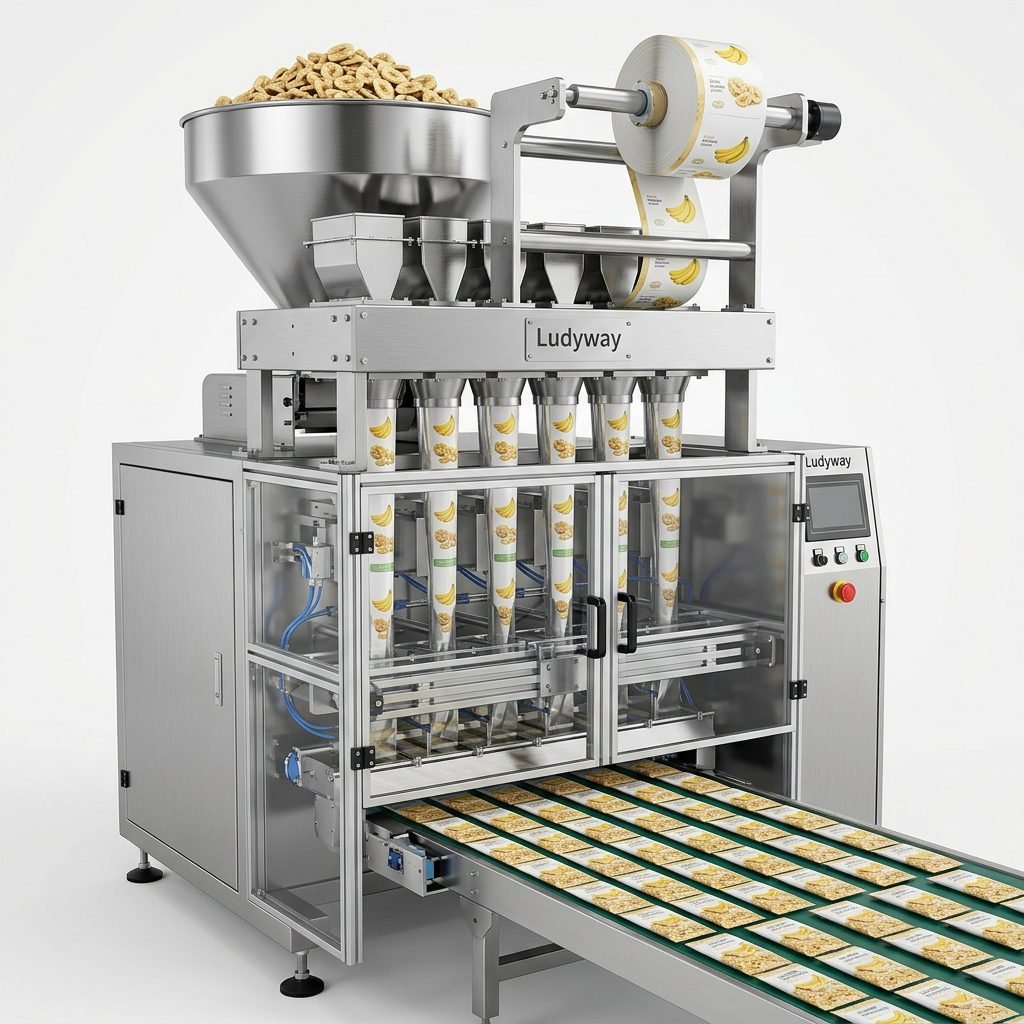
The core of any production line is the packaging machine itself. Depending on your format, options include:
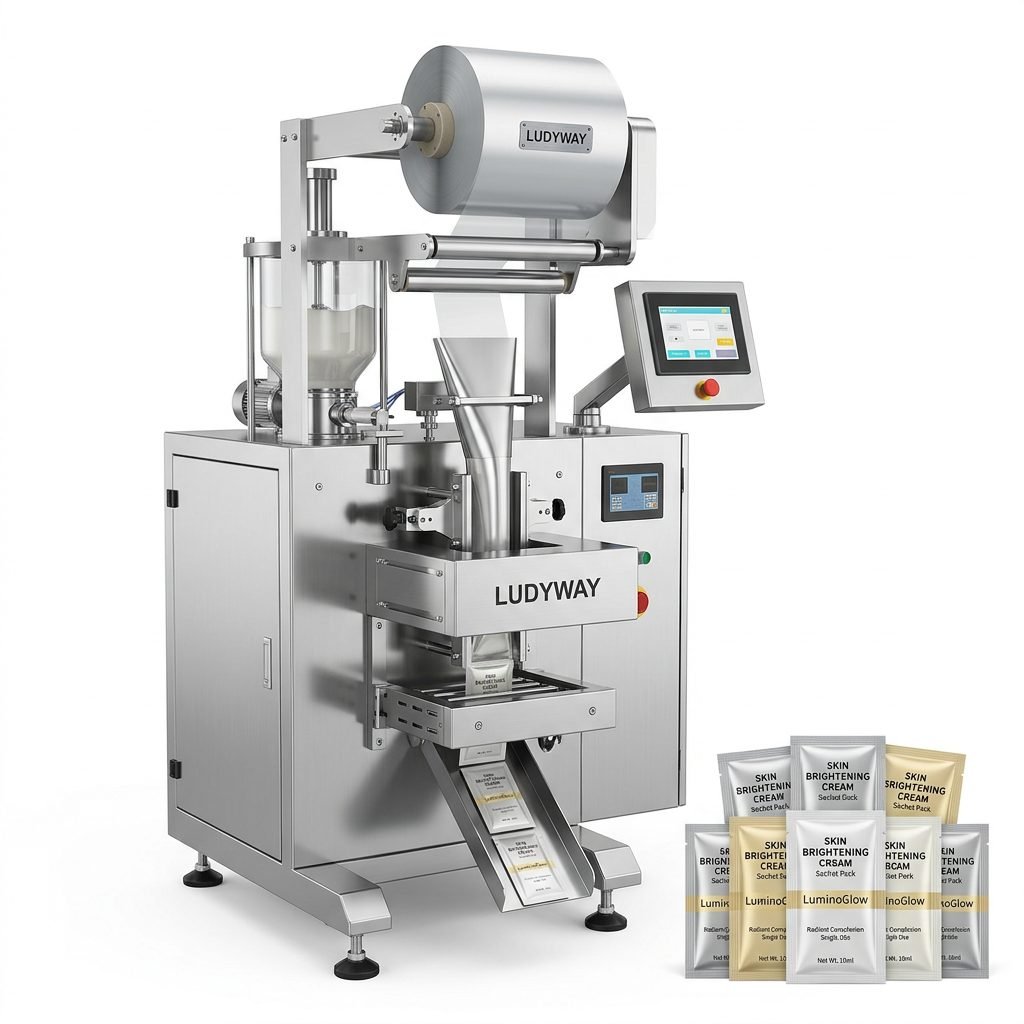
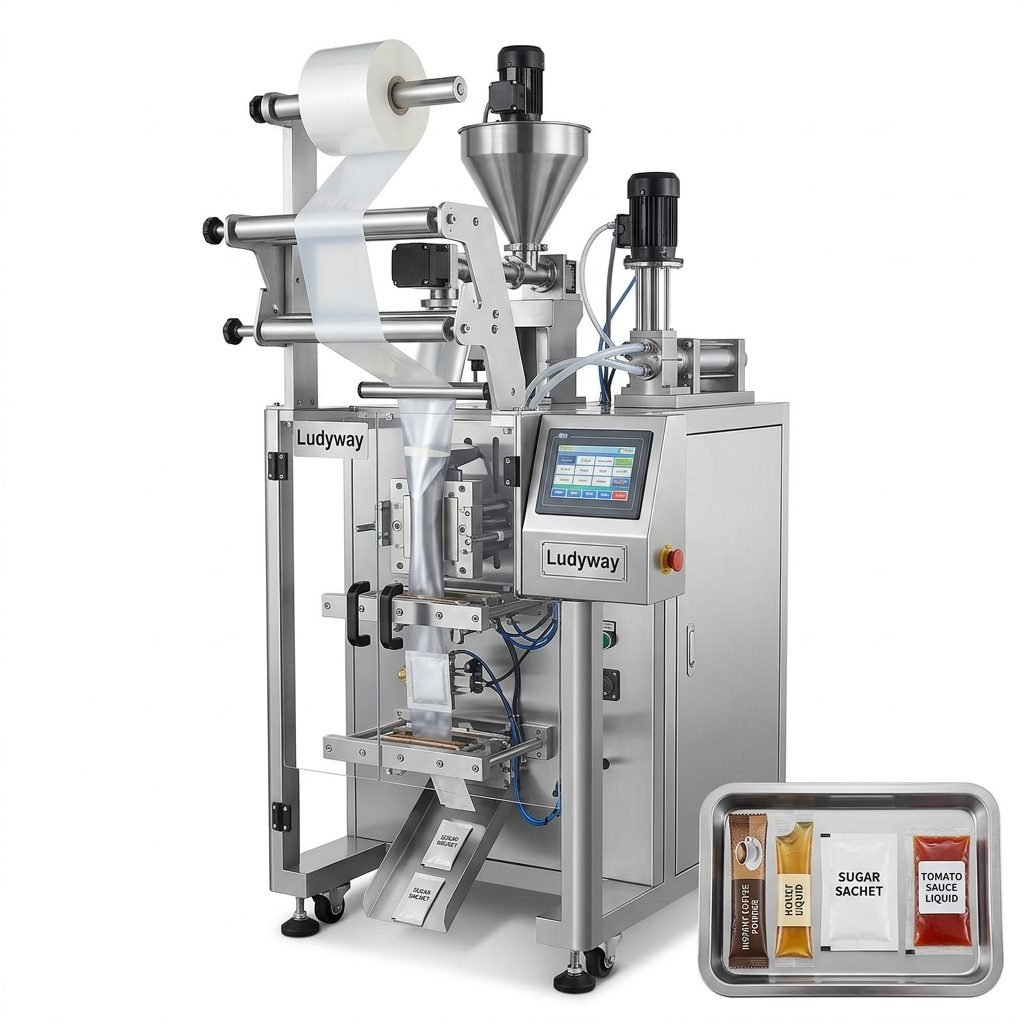
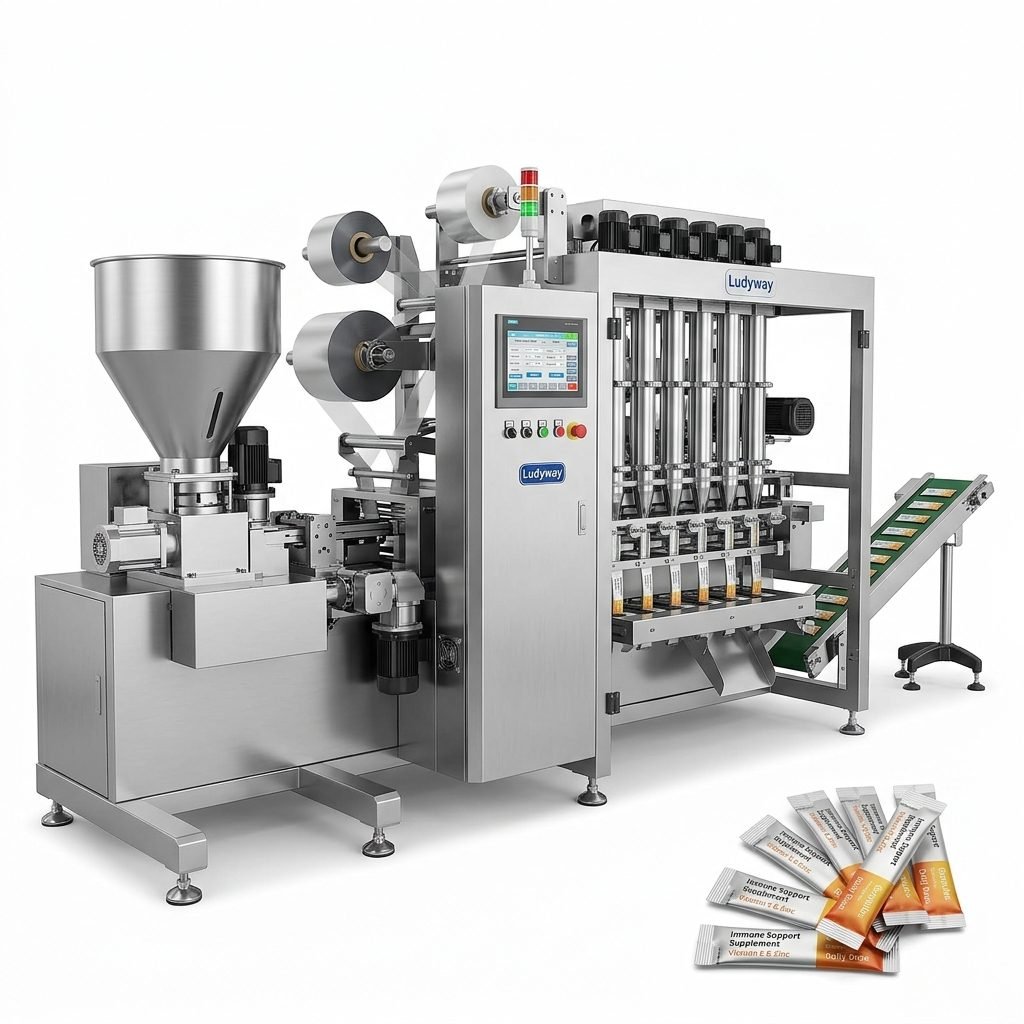
- Multi-Lane Sachet Machines — Ideal for small single-serve packs (5g–50g), running 4–12 lanes simultaneously
- Stick Pack Machines — Perfect for on-the-go snack portions of dried fruit mixes
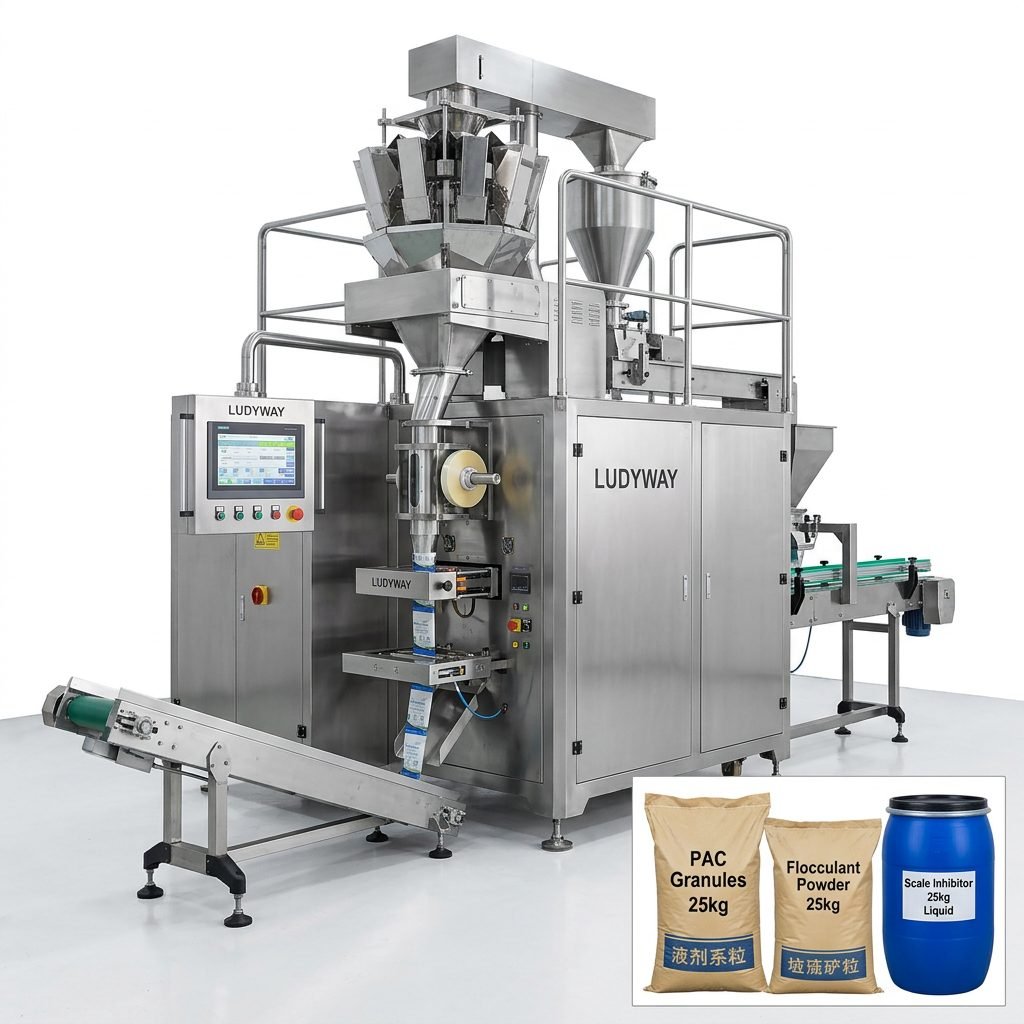
- Vertical Form Fill Seal (VFFS) Machines — Versatile for pillow pouches ranging from 50g to 1kg
- Premade Pouch Filling & Sealing Machines — Best suited for stand-up pouches with zipper closures
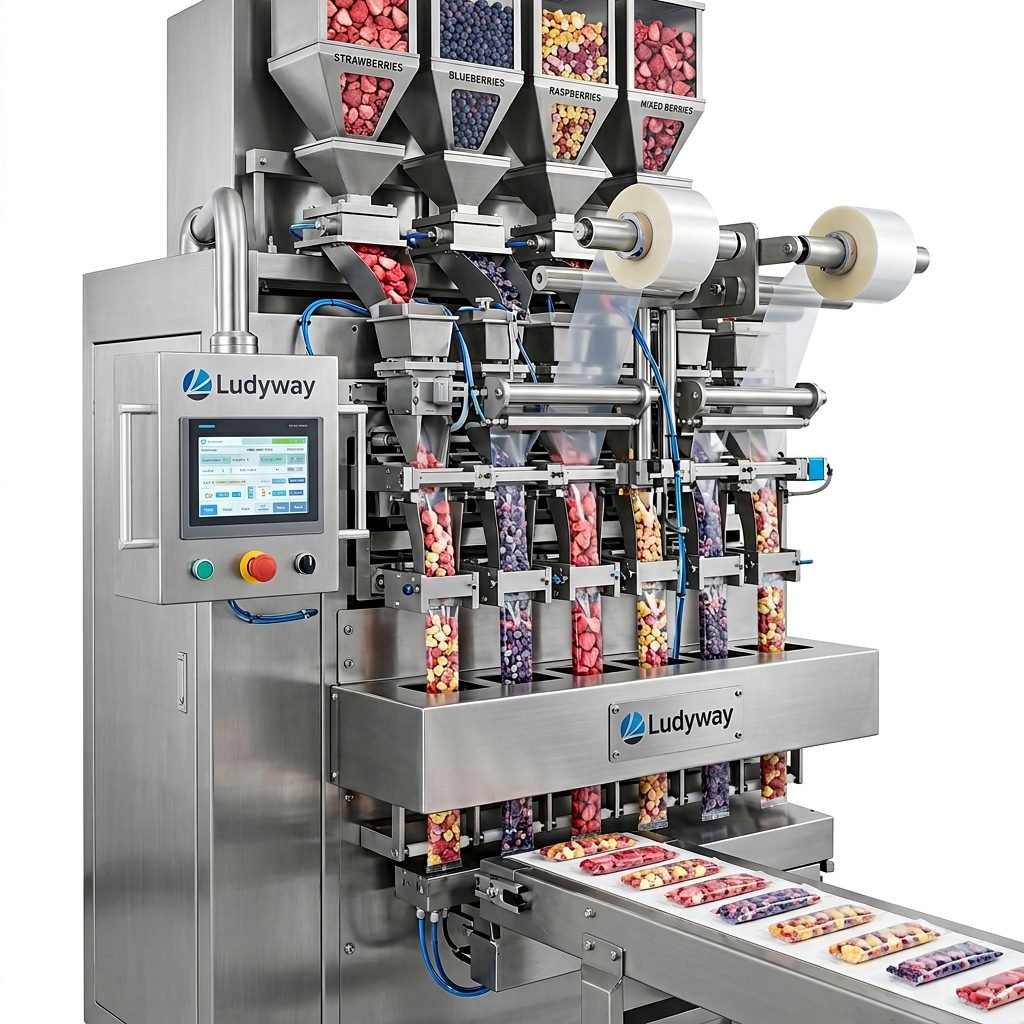
For premium dried fruit products, multi-lane stick pack and sachet systems are increasingly popular in the Indian market due to their high throughput and compact footprint. These machines can produce 400–600 packs per minute depending on lane configuration, significantly reducing per-unit packaging costs.
4. Secondary Packaging Equipment
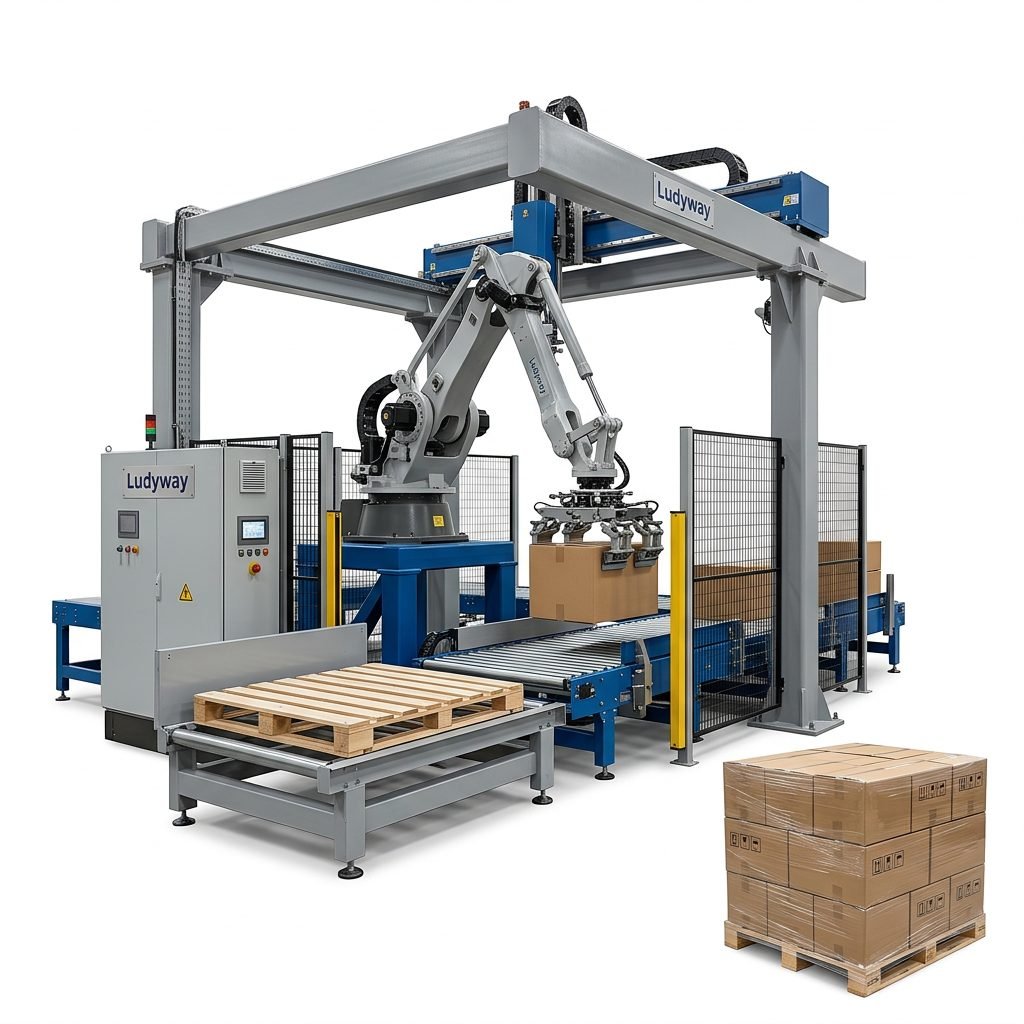
After primary packaging, products need cartoning and case packing. Automatic cartoners load sachets or stick packs into display boxes, while case packers prepare shipping cartons. Shrink wrapping tunnels and palletizing robots may also be integrated for end-of-line automation.
5. Quality Control and Inspection Systems
Checkweighers, metal detectors, and X-ray inspection systems ensure product safety and weight accuracy. These are mandatory for export-oriented production lines and increasingly expected by domestic retailers in India.
Estimated Costs for Setting Up a Dried Fruit Packaging Line in India
The investment required varies widely based on automation level, production capacity, and packaging format. Below is a breakdown of estimated costs for different scales of operation:
| Line Configuration | Capacity Range | Estimated Cost (INR) | Estimated Cost (USD) | Ideal For |
|---|---|---|---|---|
| Semi-Automatic Line | 20–40 packs/min | ₹15–25 Lakhs | $18,000–$30,000 | Small businesses, startups |
| Fully Automatic VFFS Line | 60–100 packs/min | ₹40–70 Lakhs | $48,000–$85,000 | Mid-sized manufacturers |
| Multi-Lane Sachet/Stick Pack Line | 200–600 packs/min | ₹80 Lakhs–₹2 Crores | $96,000–$240,000 | Large-scale production |
| Complete Turnkey Line | 600+ packs/min | ₹2–5 Crores | $240,000–$600,000 | Export-oriented enterprises |
Note: Costs include primary packaging machine, weigher, conveyor systems, and basic installation. Import duties (typically 7.5%–18% on packaging machinery in India), freight, and installation are additional. Prices vary based on manufacturer origin — European machines command 40–60% premiums over Chinese alternatives with comparable specifications.
Step-by-Step Guide to Setting Up Your Production Line
Step 1: Define Your Product and Packaging Requirements
Begin by clearly defining what you will package. Consider the product type (dried dates, raisins, mixed fruit, freeze-dried varieties), target pack sizes (single-serve 15g–30g, family packs 200g–500g, or bulk 1kg+), and desired packaging format. This decision directly influences machine selection and line layout. Consult the Packaging Machinery Manufacturers Institute (PMMI) for industry benchmarks and best practices in packaging line design.
Step 2: Select Your Facility and Plan the Layout
Your production facility should meet food-grade hygiene standards with adequate space for raw material storage, processing, packaging, and finished goods warehousing. A typical multi-lane packaging line requires approximately 500–1,500 sq. ft. of floor space, with ceiling height of at least 3.5 meters for vertical machines. Plan the layout for efficient material flow: raw materials enter from one end, finished packaged products exit from the other.
Step 3: Choose Your Equipment Supplier
Selecting the right equipment supplier is arguably the most critical decision. Evaluate manufacturers based on machine reliability, after-sales support availability in India, spare parts accessibility, and total cost of ownership. Companies like Ludyway, one of the largest packaging machine manufacturers in China with over 30 years of industry experience, offer turnkey solutions spanning multi-lane stick pack, sachet, and fully automated packaging systems. With a 20,000㎡ modern manufacturing facility and customers in over 100 countries, Ludyway provides cost-effective alternatives to European machinery without compromising on quality and performance.
Step 4: Installation, Commissioning, and Operator Training
Once equipment arrives at your facility, professional installation and commissioning are essential. Budget approximately 2–4 weeks for complete line setup. Comprehensive operator training should cover machine operation, troubleshooting, cleaning procedures, and safety protocols. For Indian manufacturers, ensuring operators are well-trained on packaging machinery standards significantly reduces downtime and maintenance costs.
Step 5: Testing, Validation, and Regulatory Compliance
Run extensive production trials with your actual products to fine-tune machine parameters. Validate weight accuracy, seal integrity, and packaging speed. Ensure your packaging materials comply with Flexible Packaging Association guidelines and FSSAI regulations for food contact materials. Obtain necessary certifications before commencing commercial production.
Step 6: Scale Up and Optimize
After achieving stable production, focus on optimization. Monitor Overall Equipment Effectiveness (OEE), implement preventive maintenance schedules, and gradually increase line speed as operators gain proficiency. Many Indian dried fruit manufacturers achieve full ROI within 18–36 months, depending on production volume and market demand.
Key Considerations for the Indian Market
- Power Supply Stability: Many Indian manufacturing zones experience voltage fluctuations. Invest in voltage stabilizers and consider servo-driven machines that tolerate electrical variations better than pneumatic systems.
- Climate Control: High humidity in coastal regions like Mumbai and Chennai can affect dried fruit quality. Packaging areas should maintain relative humidity below 55% to prevent product moisture absorption and clumping.
- Skilled Labor Availability: While India has a large workforce, specialized packaging machine operators require training. Budget for ongoing skill development programs.
- Import Duties and GST: Packaging machinery imported into India attracts customs duties ranging from 7.5% to 18% under HSN codes 8422.30/8422.40, plus applicable IGST. Factor these into your total project cost.
- Local Spare Parts: Choose equipment from manufacturers who maintain spare parts inventory accessible to the Indian market, minimizing costly production stoppages.
Common Pitfalls to Avoid
Many first-time buyers make costly mistakes when setting up packaging lines. Here are the most frequent issues and how to avoid them:
- Underestimating capacity needs: Plan for at least 20% headroom above current requirements to accommodate business growth without immediate reinvestment.
- Ignoring packaging material compatibility: Not all films work with all machines. Test your chosen packaging materials with the machine supplier before finalizing specifications.
- Overlooking after-sales support: A machine that cannot be serviced quickly in India becomes a liability. Prioritize suppliers with proven local support networks or remote diagnostic capabilities.
- Skipping nitrogen flushing: For premium dried fruits, nitrogen gas flushing extends shelf life from weeks to months by preventing oxidation — a feature worth the marginal additional cost.
Conclusion
Setting up a dried fruit packaging machine production line in India requires careful planning across equipment selection, facility preparation, regulatory compliance, and operational optimization. The investment — ranging from ₹15 Lakhs for a basic semi-automatic setup to ₹5 Crores for a fully automated turnkey line — can deliver substantial returns given India’s growing dried fruit market. By following the structured approach outlined in this guide, partnering with experienced equipment manufacturers, and prioritizing quality and efficiency, your packaging line can become a powerful competitive advantage in this dynamic industry. Whether you are a startup entering the market or an established processor upgrading capacity, the right production line will position your business for sustainable growth in both domestic and international markets.
Sources and Further Reading: