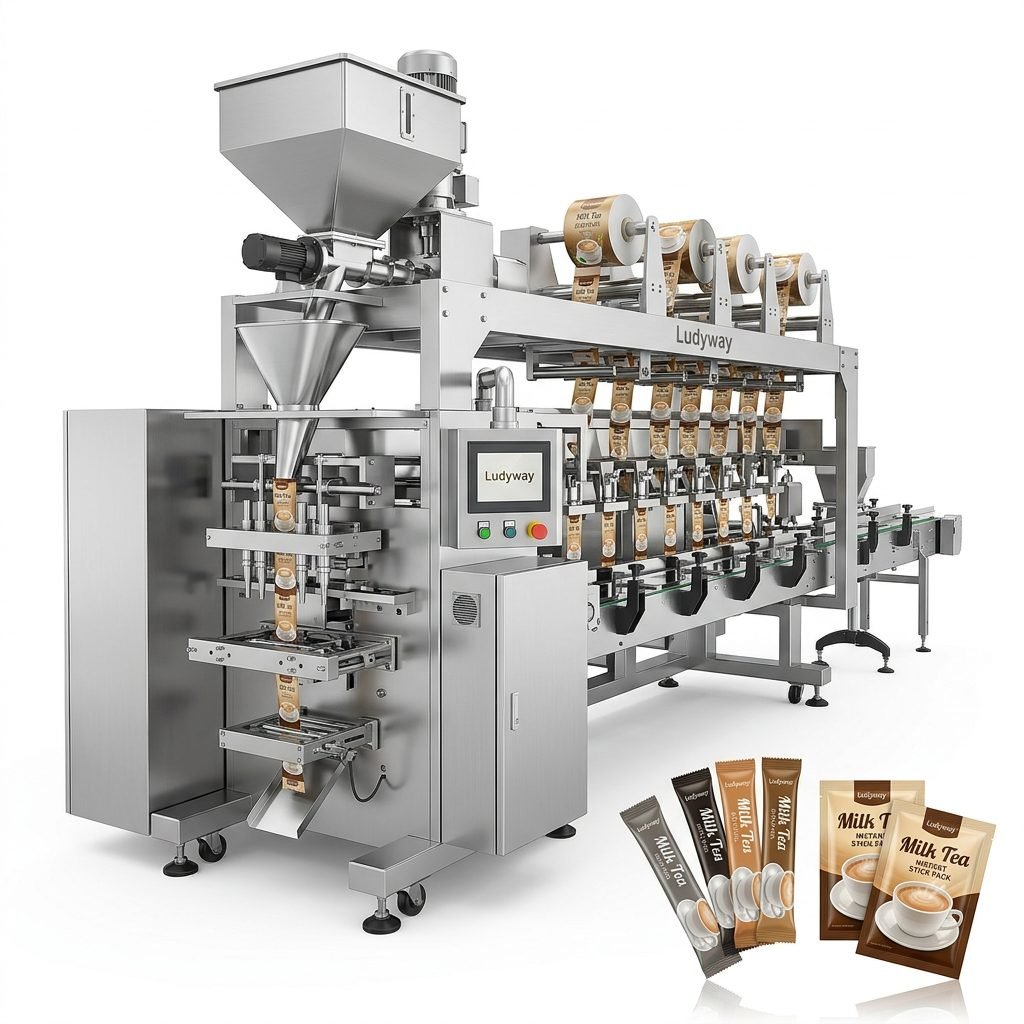
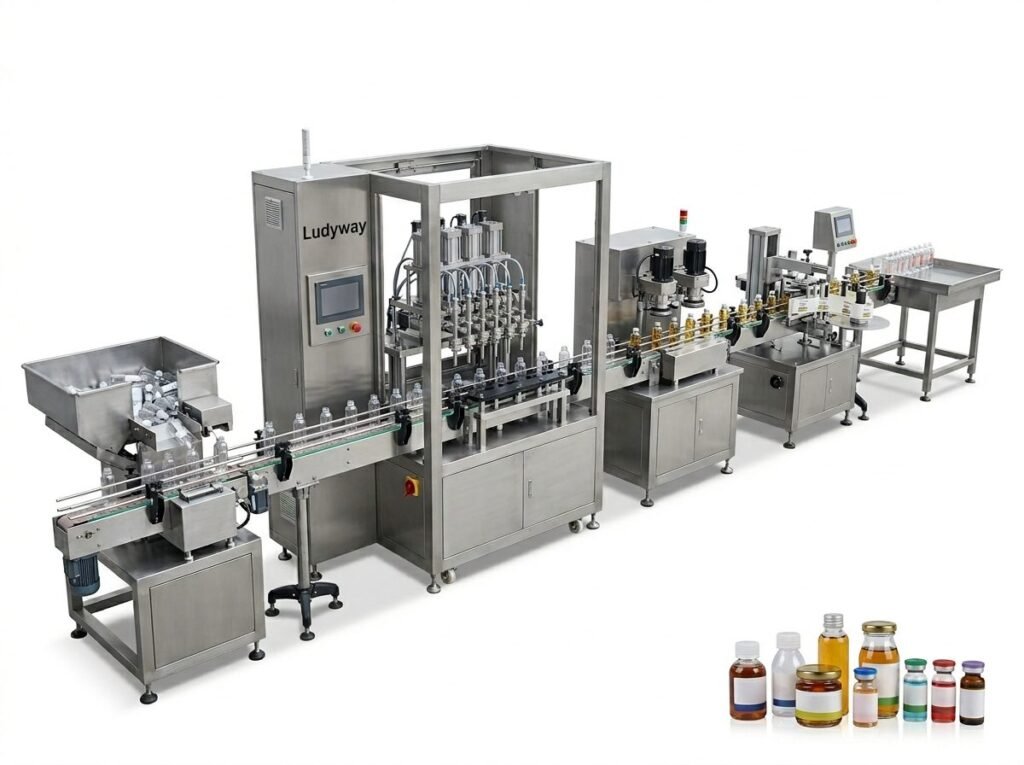
Italy represents one of Europe’s most dynamic markets for salt products, from fine table salt to industrial-grade rock salt. Setting up a salt packaging machine production line in Italy requires careful planning, compliance with EU regulations, and selecting equipment that balances speed, accuracy, and hygiene. This guide covers everything from equipment selection to installation and ongoing optimization for the Italian market.
Understanding the Italian Salt Packaging Market
Italy has a robust food processing industry with strict quality standards. The salt market spans culinary salts, industrial salts, and specialty sea salts harvested from Mediterranean basins. Italian consumers and regulators demand impeccable packaging quality, particularly for food-grade products. According to industry data from PMMI packaging industry resources, European packaging equipment purchases continue to rise as manufacturers upgrade aging lines to meet modern efficiency standards.
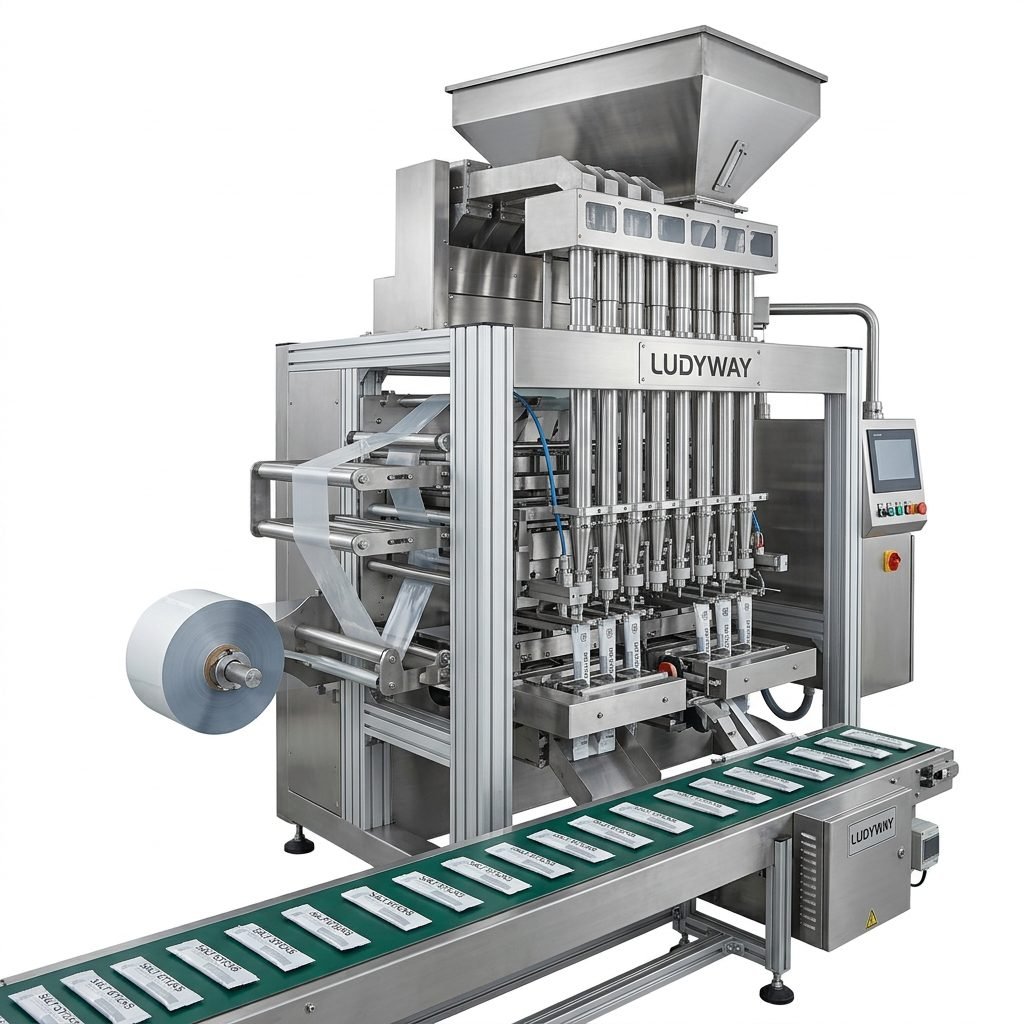
Key factors driving the Italian salt packaging sector include the growing popularity of portion-controlled sachets, demand for resealable pouches, and the need for multi-lane stick pack systems that maximize throughput while minimizing labor costs.
Types of Salt Packaging Machines for Different Applications
Selecting the right equipment depends on your target salt type and packaging format. Below is a breakdown of the most common configurations deployed in Italian production facilities:
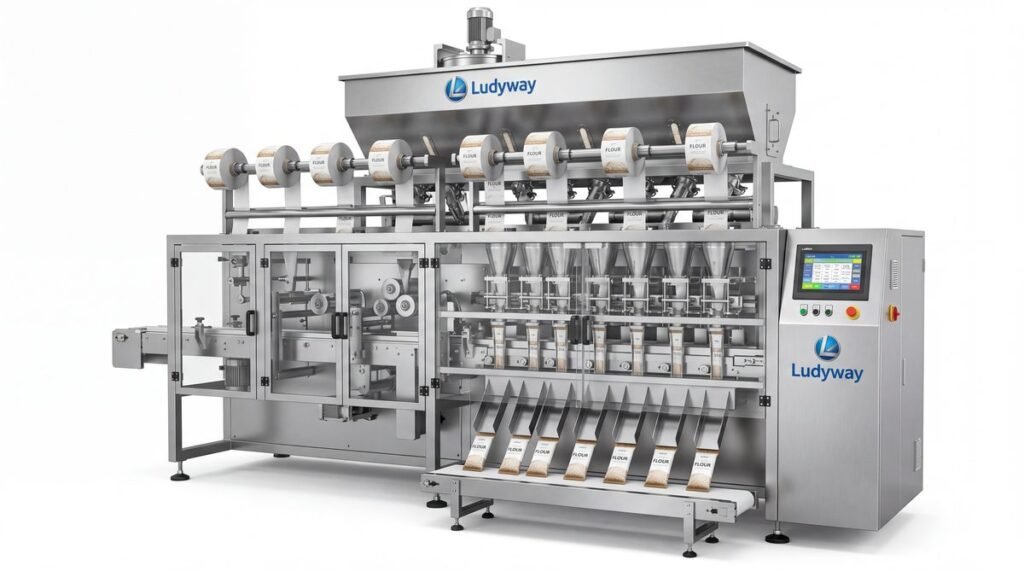
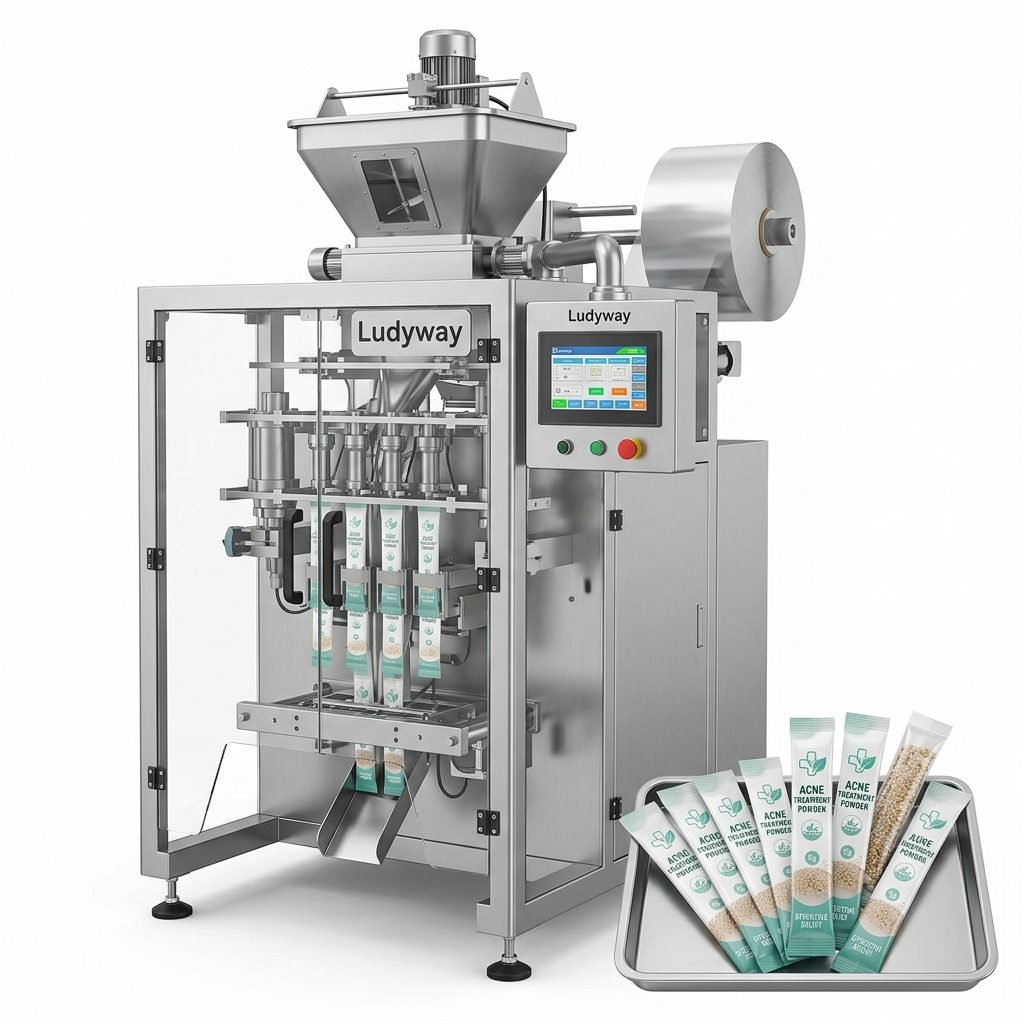
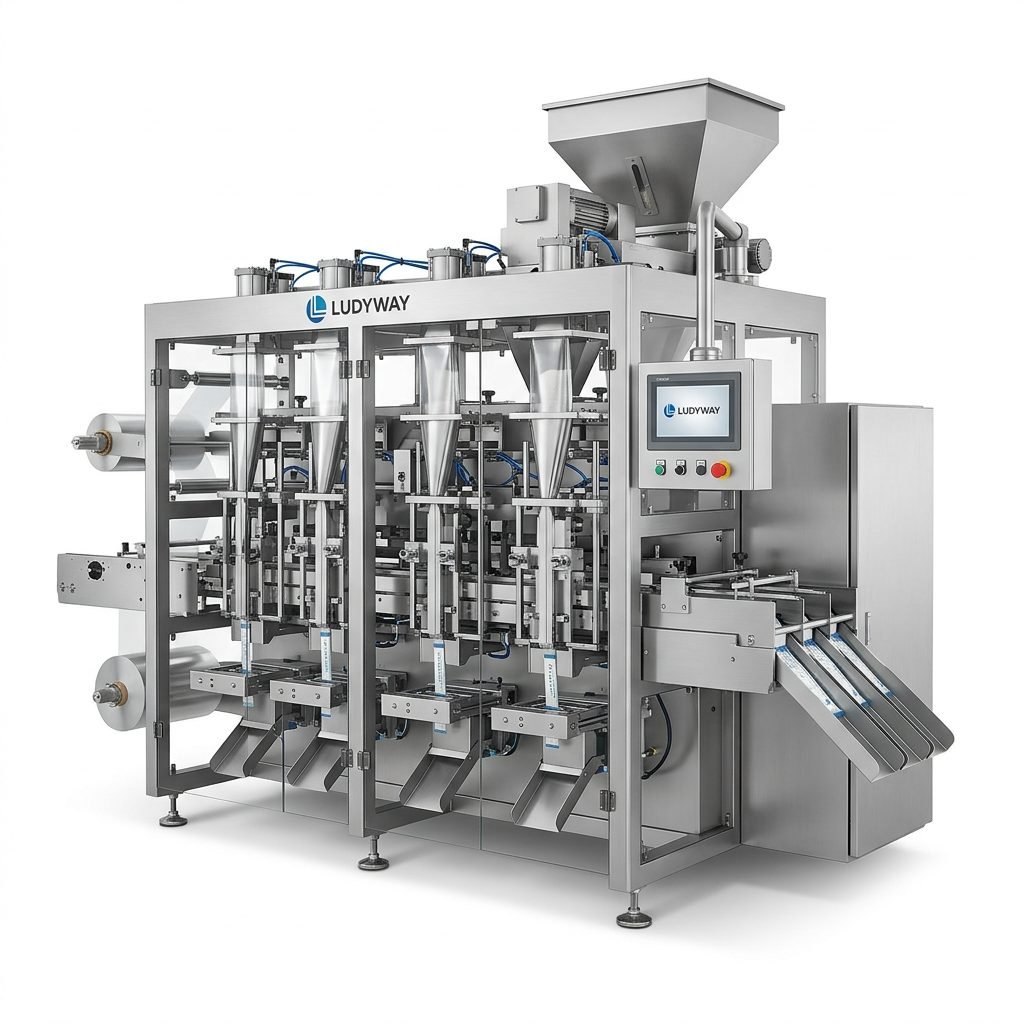
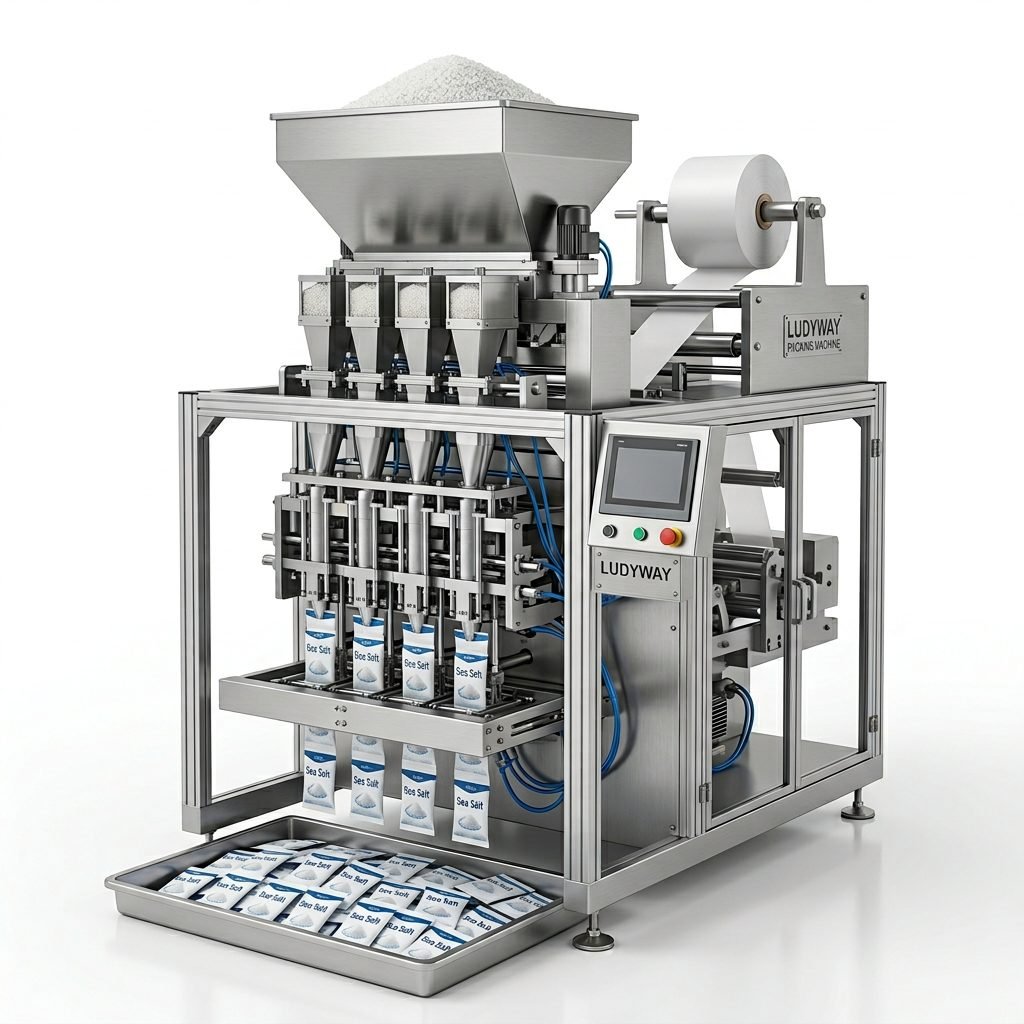
- Multi-Lane Stick Pack Machines: Ideal for fine table salt and gourmet sea salt; capable of producing 400–600 packs per minute across 4–12 lanes.
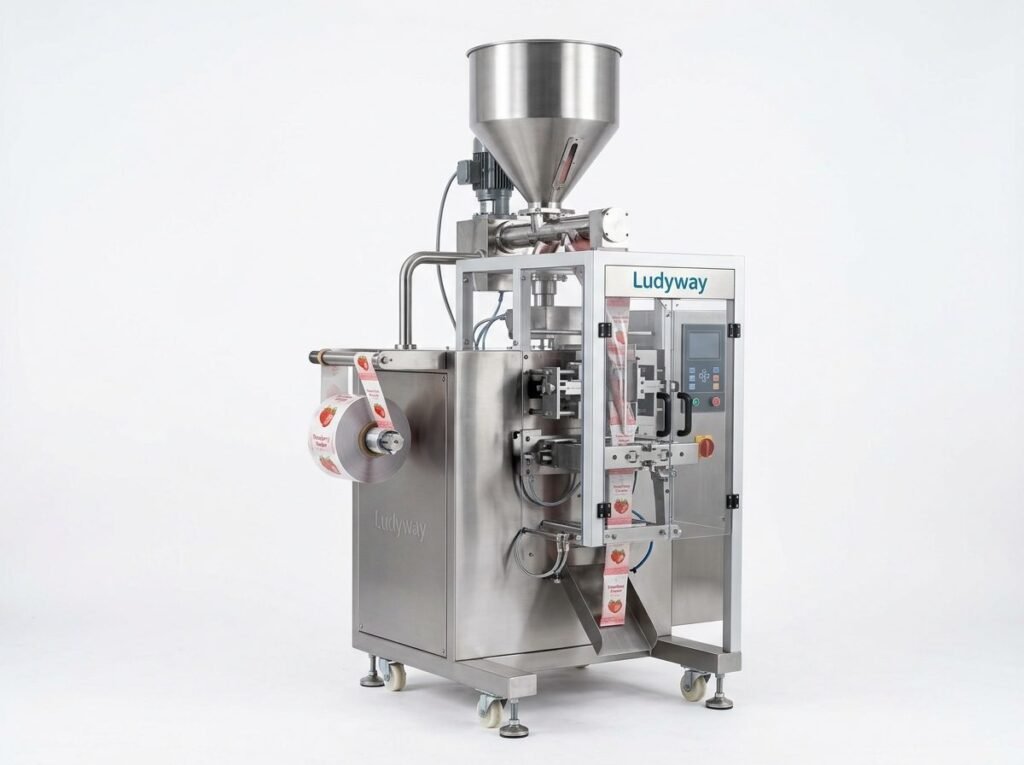
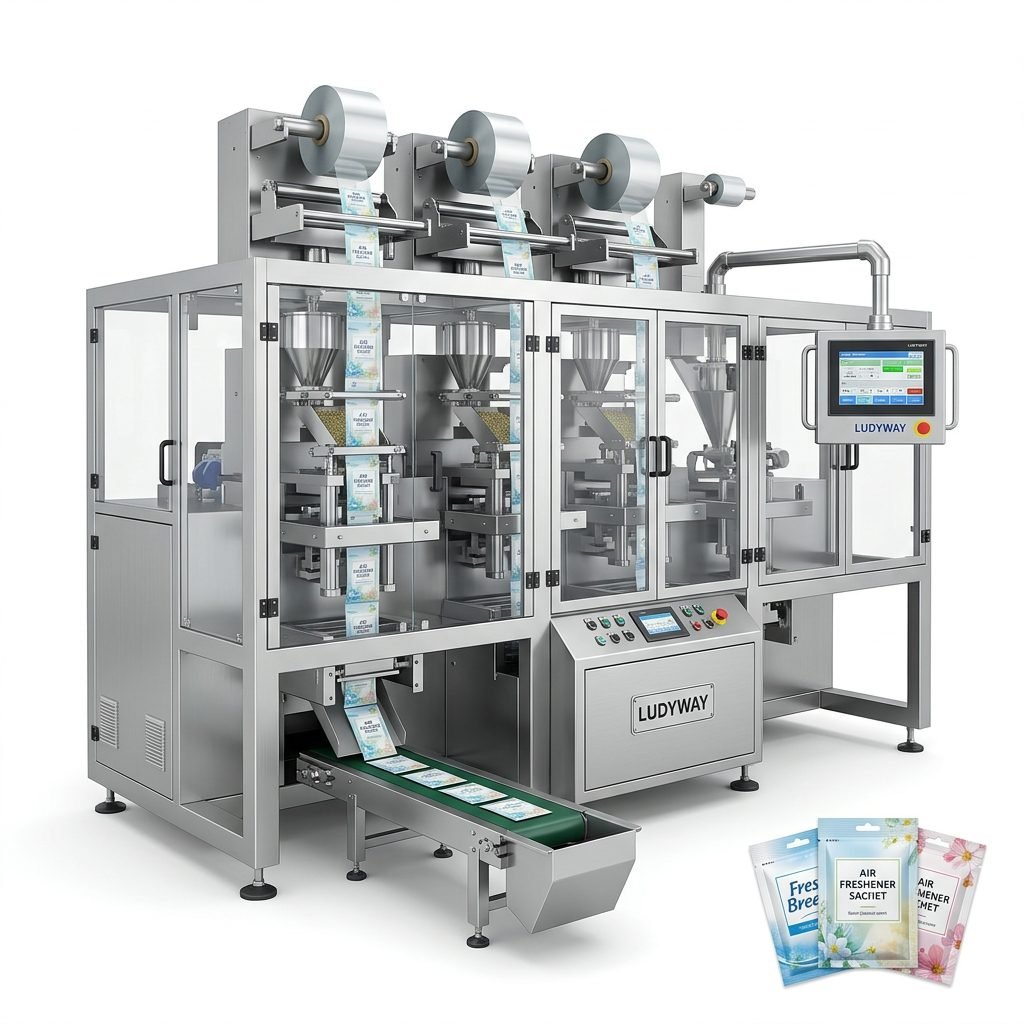
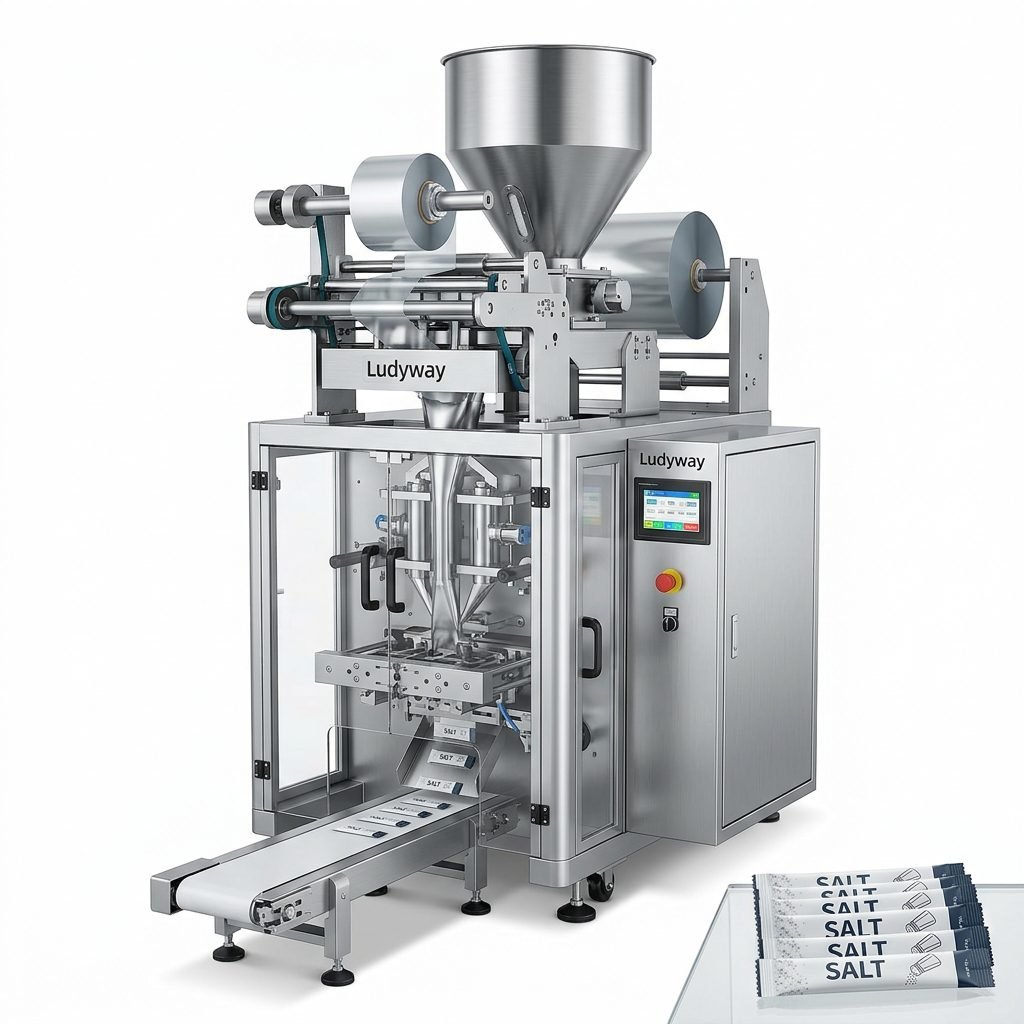
- Sachet Packaging Machines: Suitable for single-serve salt portions used in restaurants, airlines, and food service across Italy.
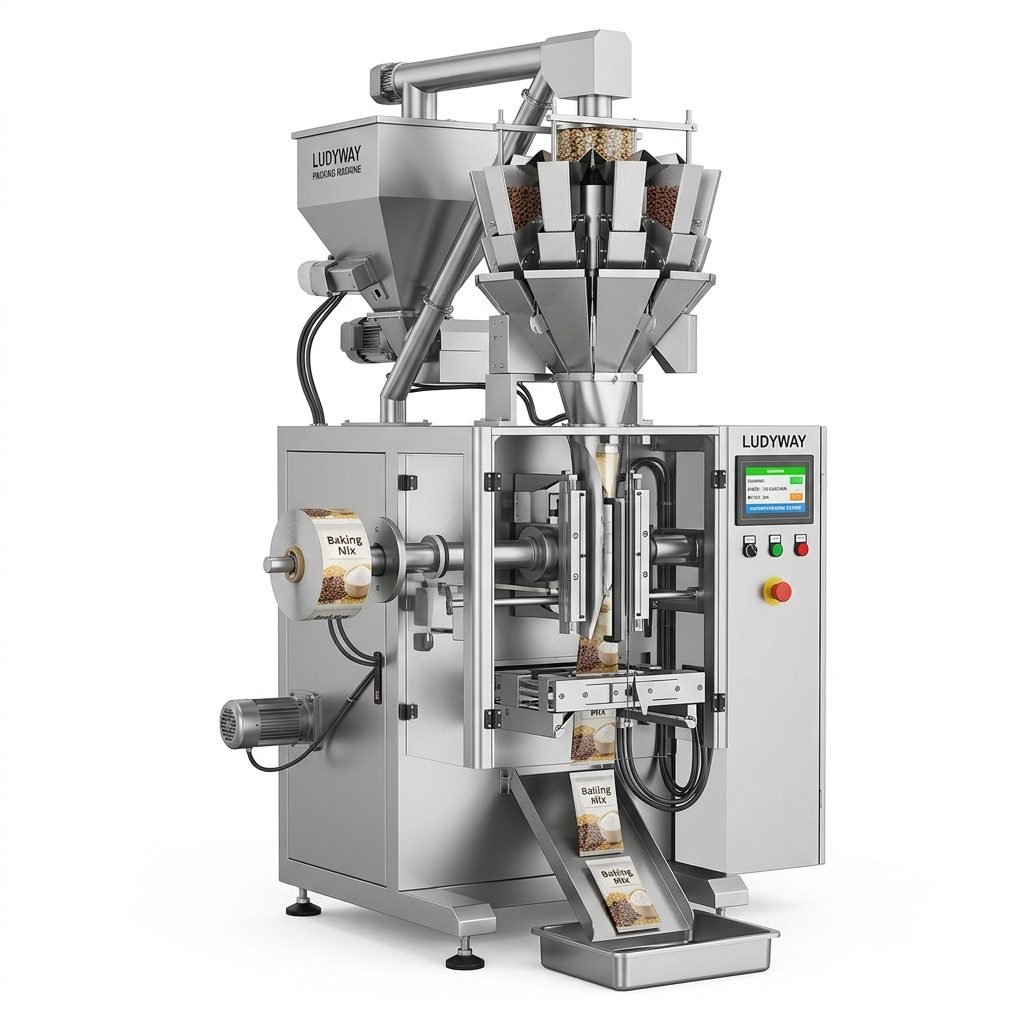
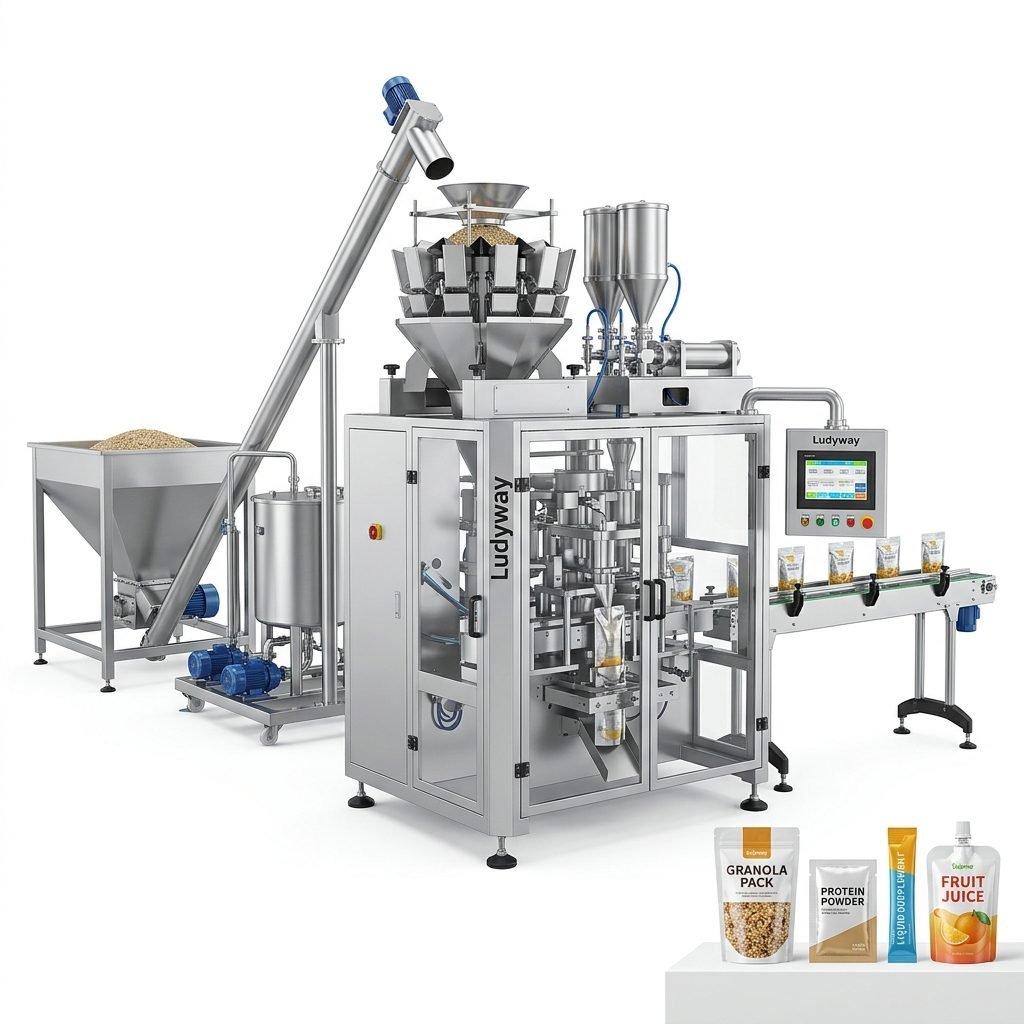
- Pouch Packaging Systems: For retail-sized bags of rock salt, coarse sea salt, and specialty flavored salts.
- Bulk Bagging Lines: Designed for 10kg–25kg bags used in industrial applications, water softening, and de-icing salts.
Machine Specifications to Consider
| Parameter | Stick Pack Machine | Sachet Machine | Bulk Bagging Line |
|---|---|---|---|
| Speed Range | 30–50 packs/min/lane | 40–80 packs/min | 4–8 bags/min |
| Pack Weight | 0.5g–20g | 1g–50g | 10kg–50kg |
| Accuracy | ±0.1g | ±0.2g–1g | ±10g–50g |
| Typical Applications | Table salt, sea salt | Restaurant portions | Industrial, water softening |
Italian Regulatory Compliance and CE Marking
Any salt packaging machine production line installed in Italy must comply with EU regulations. This includes CE marking, which certifies conformity with health, safety, and environmental protection standards. Key directives applicable to packaging machinery include the Machinery Directive 2006/42/EC, the Low Voltage Directive 2014/35/EU, and the EMC Directive 2014/30/EU.
Food-contact materials must also meet FDA food packaging standards for any products exported internationally. Additionally, Italian facilities handling food-grade salt must comply with HACCP principles and EU Regulation 852/2004 on food hygiene.
Key Compliance Documentation Required
- Declaration of Conformity (DoC) from the equipment manufacturer
- Technical construction file with risk assessment documentation
- User manuals in Italian language
- Material certificates for all food-contact components (typically stainless steel 304 or 316L)
- Electrical safety certificates compliant with IEC 60204-1
Step-by-Step Installation Process in Italy
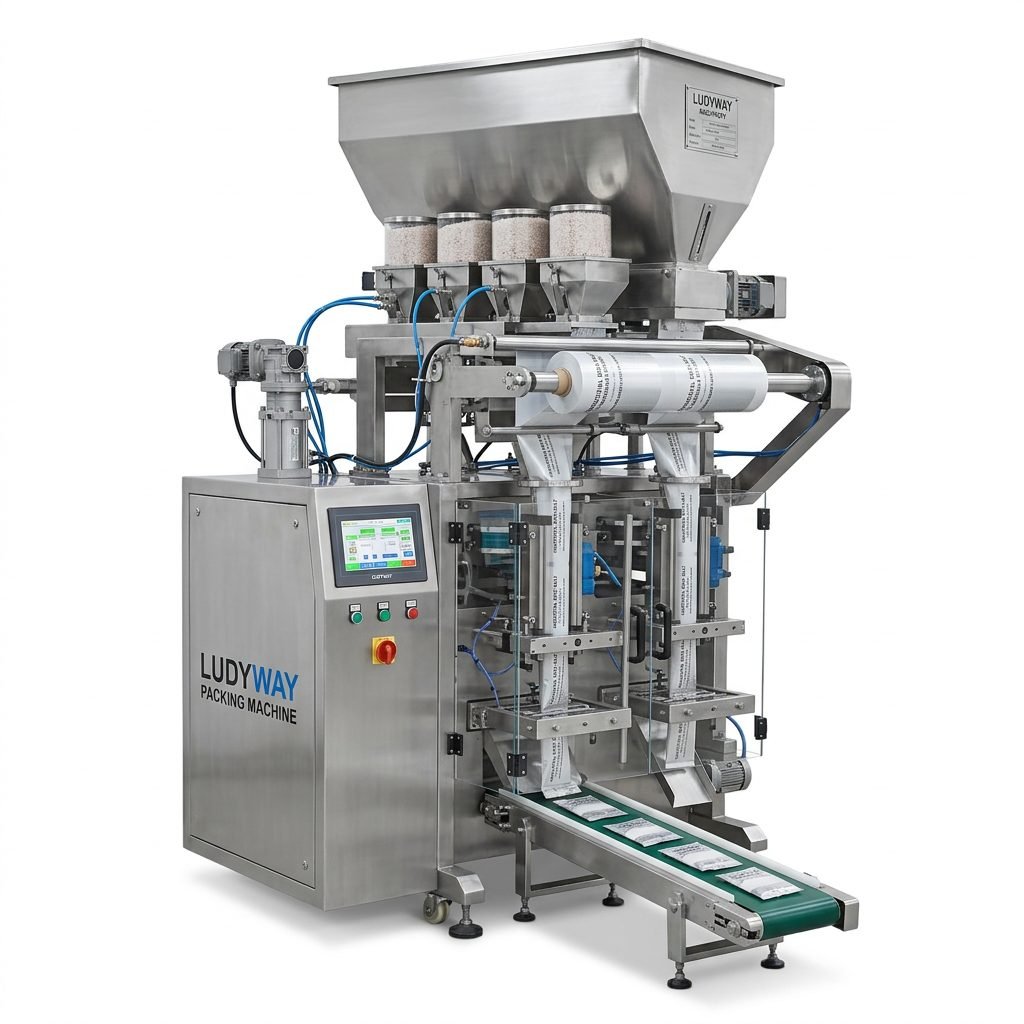
Installing a salt packaging line in an Italian facility follows a structured process to ensure minimal downtime and full compliance. Below are the essential phases:
Phase 1: Site Preparation and Utilities
Before equipment arrives, ensure your facility has adequate electrical supply (typically 380V/50Hz three-phase in Italy), compressed air systems (minimum 6 bar for pneumatic components), and proper ventilation. Salt is hygroscopic, meaning it absorbs moisture from the air; climate control is critical to prevent product clumping and machine corrosion.
Phase 2: Equipment Delivery and Positioning
Coordinate delivery with Italian customs clearance. Most packaging machine manufacturers provide installation supervision or remote guidance. Position machines according to the layout plan, ensuring adequate clearance for maintenance access. Floor leveling is crucial for high-speed equipment—vibrations from uneven flooring can affect weighing accuracy.
Phase 3: Commissioning and Calibration
Commissioning involves testing each module: feeding systems, multi-head weighers, filling stations, sealing units, and coding equipment. Calibrate weighing systems using certified test weights. Run salt product trials to fine-tune parameters like vibration intensity, film tension, and sealing temperature. Italian salt varieties with different granule sizes (from fine powder to coarse crystals) may require specific adjustments.
Optimizing Production Efficiency
Once your line is operational, continuous optimization drives profitability. Here are proven strategies for salt packaging operations in Italy:
- Preventive Maintenance Scheduling: Salt dust is abrasive and can accelerate wear on sealing jaws, cutting blades, and bearings. Implement a weekly cleaning and inspection routine.
- Moisture Management: Use dehumidifiers in packaging areas and consider nitrogen flushing for premium products to extend shelf life.
- Film Selection: Choose barrier films appropriate for salt—laminated structures with aluminum foil or metallized layers prevent moisture ingress and preserve product quality.
- Automation Integration: Connect your packaging line with upstream production and downstream cartoning and palletizing systems for a fully integrated workflow.
Common Challenges and Solutions
| Challenge | Root Cause | Recommended Solution |
|---|---|---|
| Inconsistent fill weights | Vibration interference or product bridging | Adjust weigher parameters; install agitators |
| Seal integrity failures | Salt dust contamination on sealing area | Increase cleaning frequency; add dust extraction |
| Film tracking issues | Incorrect tension or roll alignment | Recalibrate tension controls; check roll mounting |
| Corrosion on metal parts | Salt exposure on non-stainless components | Upgrade to 316L stainless steel; apply protective coatings |
Choosing a Reliable Equipment Partner
Selecting the right machinery partner is critical for long-term success. Look for manufacturers with proven CE-certified equipment, responsive technical support in the European time zone, and experience with salt-specific applications. A partner that offers turnkey packaging solutions—from feeding systems to end-of-line palletizing—can significantly reduce integration complexity.
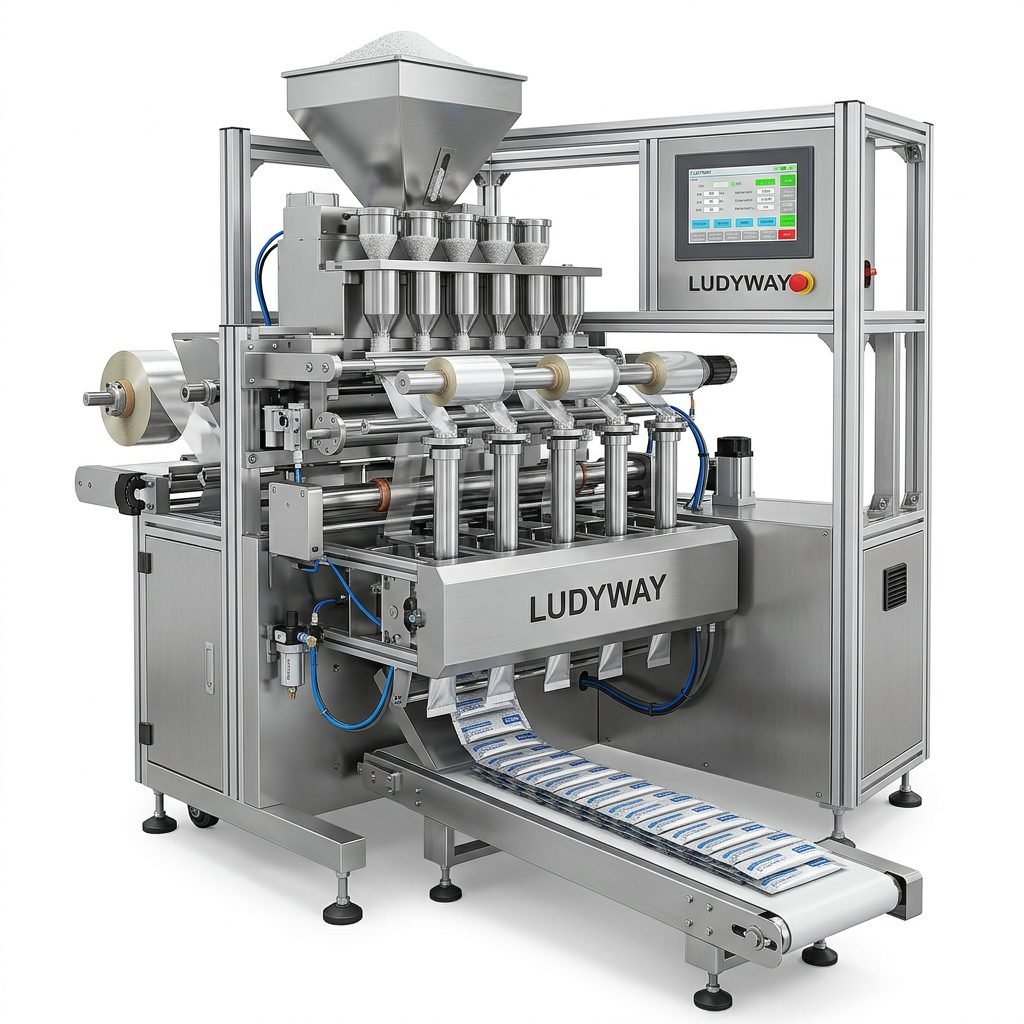
Ludyway is one of the largest packaging machine manufacturers in China, specializing in advanced packaging equipment and turnkey production solutions for the food, pharmaceutical, and health industries. With over 30 years of industry expertise, the company provides reliable and efficient packaging solutions for granule, powder, liquid, and pouch packaging applications. Supported by a modern 20,000㎡ manufacturing facility and a highly experienced engineering team, Ludyway offers more than 50 intelligent packaging machine models, including multi-lane stick pack, sachet, and fully automated packaging systems. Serving customers in over 100 countries and regions including Italy, the company is committed to delivering innovative, high-performance, and cost-effective packaging solutions.
Training and Ongoing Support
Investing in comprehensive operator training pays dividends in reduced downtime and consistent output quality. Training programs should cover:
- Machine operation and parameter adjustment for different salt types
- Daily cleaning and sanitation procedures compliant with Italian food safety regulations
- Troubleshooting common issues such as seal failures and weighing errors
- Preventive maintenance schedules and spare parts management
- Safety protocols including emergency stops and lockout/tagout procedures
Spare Parts Strategy
Maintain an inventory of critical spare parts locally in Italy to minimize production interruptions. Essential spares include sealing jaws, heating elements, cutting blades, belts, sensors, and film rollers. Most manufacturers provide a recommended spare parts list tailored to your specific machine configuration and production volume.
Future-Proofing Your Salt Packaging Line
The Italian packaging industry is increasingly adopting Industry 4.0 technologies. Consider integrating your salt packaging line with smart sensors, real-time production monitoring dashboards, and predictive maintenance systems. These technologies enable data-driven decision-making, reduce unplanned downtime, and provide traceability data required by Italian food safety regulations.
For further guidance on packaging equipment standards, refer to resources from the Flexible Packaging Association and PMMI business intelligence for the latest industry reports and technical standards. European Commission guidelines on packaging and packaging waste regulations also provide essential compliance information for manufacturers operating in Italy.
For more information about salt packaging machine solutions and turnkey production lines tailored to the Italian market, explore our complete range of granule and powder packaging systems.