For households across Oceania, a home vacuum packaging machine is no longer a luxury—it is a smart kitchen investment. From preserving the freshness of locally sourced seafood in Australia to keeping bulk-purchased produce from spoiling in New Zealand’s humid climate, vacuum sealers extend shelf life by up to five times compared to conventional storage. With rising food costs and a growing focus on reducing waste, more families are turning to these compact devices to protect their groceries and their budgets. This guide walks you through the essential features, realistic price expectations, and practical tips tailored specifically for the Oceania market.
Why Oceania Homes Are Embracing Vacuum Packaging
The geography and lifestyle of Oceania make vacuum sealing particularly valuable. Long distances between grocery stores in rural Queensland or the South Island of New Zealand mean fewer shopping trips and a greater need for food preservation. Additionally, the popularity of outdoor activities—camping, boating, and barbecuing—creates demand for marinating meats quickly and storing prepped ingredients securely. The combination of #B30006 highlighted convenience and cost-effectiveness is hard to ignore.
Key Advantages at a Glance
- Extended Freshness: Prevents freezer burn and dehydration in frozen goods, keeping fish and meat market-fresh for months.
- Waste Reduction: Saves the average household hundreds of dollars annually by avoiding spoiled produce.
- Sous Vide Ready: Many Oceania home cooks use vacuum bags directly in sous vide water baths for precise temperature cooking.
- Bulk Buying Efficiency: Perfect for sealing large batches of seasonal fruits like mangoes or stone fruit purchased at local markets.
Key Features to Consider When Buying
Not all home vacuum sealers are created equal. The right choice depends on your kitchen habits, the types of food you typically store, and how often you plan to use the machine. Below, we break down the critical specifications that matter most in Oceania households.
Sealing Performance and Vacuum Strength
The core job of any vacuum packaging machine is to remove air reliably. Look for models with a vacuum pressure rating of -0.8 bar or higher. Machines equipped with a dual-piston pump generally offer stronger suction and faster operation than single-piston alternatives. If you regularly package liquid-rich foods, a model with a manual seal function or a pulse vacuum mode is essential—this allows you to stop the vacuum precisely before liquids are drawn out of the bag.
Size, Portability, and Ease of Use
Counter space is a consideration in many Oceania kitchens. Compact vertical models can be stored on their side, while larger chamber-style units demand permanent bench space. Check for one-touch operation, an easy-to-clean drip tray, and clearly labeled controls. A machine that requires complex setup will quickly end up abandoned in a cupboard. For families in apartments in Sydney or Auckland, a lightweight model around 2-3 kg is ideal for easy maneuvering.
Bag Compatibility and Cost of Consumables
A common mistake buyers make is overlooking the ongoing cost of bags and rolls. Choose a machine that supports universal embossed or channeled bags rather than proprietary branded consumables that lock you into a single expensive brand. In Oceania, third-party bag rolls are widely available and significantly cheaper. Consider whether the machine has a built-in roll storage compartment and cutter—these small design touches streamline the workflow considerably.
Price Guide for Oceania Markets (AUD)
Prices in Australia and New Zealand vary based on features, brand, and ongoing supply chain factors. The table below represents typical price brackets you will encounter at major retailers and online marketplaces.
| Category | Price Range (AUD) | Typical Features | Best For |
|---|---|---|---|
| Budget/Entry Level | $50 – $120 | Single piston pump, basic seal function, external suction hose | Occasional use; sealing dry goods |
| Mid-Range | $130 – $280 | Dual piston pump, pulse vacuum mode, built-in roll storage and cutter | Weekly meal prep; marinating meats |
| Premium/Chamber | $300 – $800+ | Oilless high-power pump, full liquid sealing capability, durable stainless body | Daily heavy use; bulk sealing of soups and sauces |

Top Tips for Choosing the Right Machine
Making an informed purchase goes beyond comparing price tags. These practical tips can help you avoid disappointment and choose a machine that truly fits your lifestyle in Oceania.
- Test the Seal Width: A wider seal strip (3mm or more) provides a stronger, more reliable closure on thicker bags. Inspect this detail in specifications before buying.
- Check Local Voltage Standards: Ensure the machine operates on 220-240V, matching the standard in Australia and New Zealand. Imported units may require adapters.
- Read Reviews on Local Retailer Sites: Consumer feedback from users in packaging industry communities often reveals how a machine handles specific Oceania food types like barramundi fillets or kiwifruit.
- Evaluate Warranty and Support: Look for at least a 1-year warranty. Confirm that replacement parts like sealing gaskets are easily obtainable in Oceania.
- Consider Noise Level: Some budget models produce significant noise during vacuuming. If you plan to use the machine while others sleep, check decibel ratings if available.
Maintenance That Extends Machine Life
Simple regular care keeps your investment running smoothly for years. Wipe the sealing area after each use to remove food residues that can impair the seal. Periodically clean the vacuum chamber gasket with a damp cloth to maintain airtight suction. If you notice a decline in vacuum strength, inspect the foam gaskets for cracks or compression—these are typically user-replaceable and cost only a few dollars.
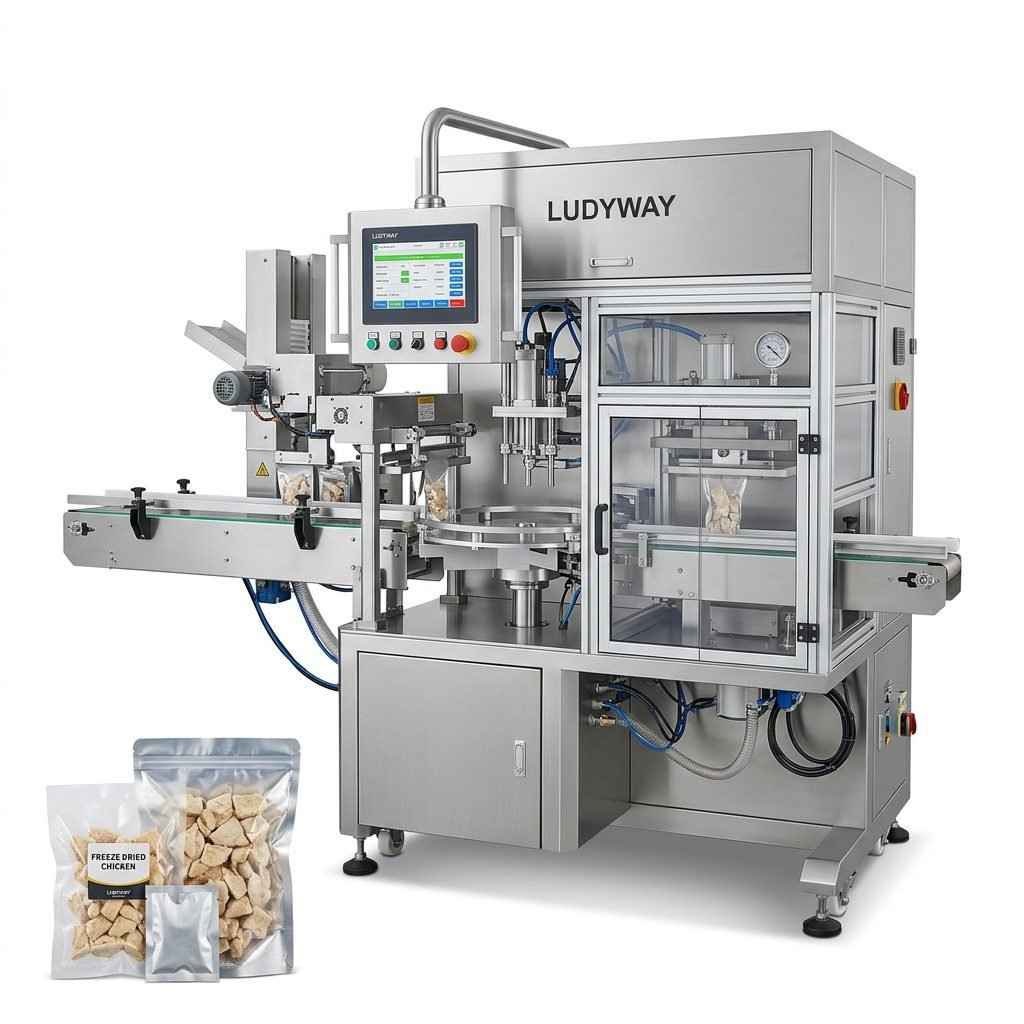
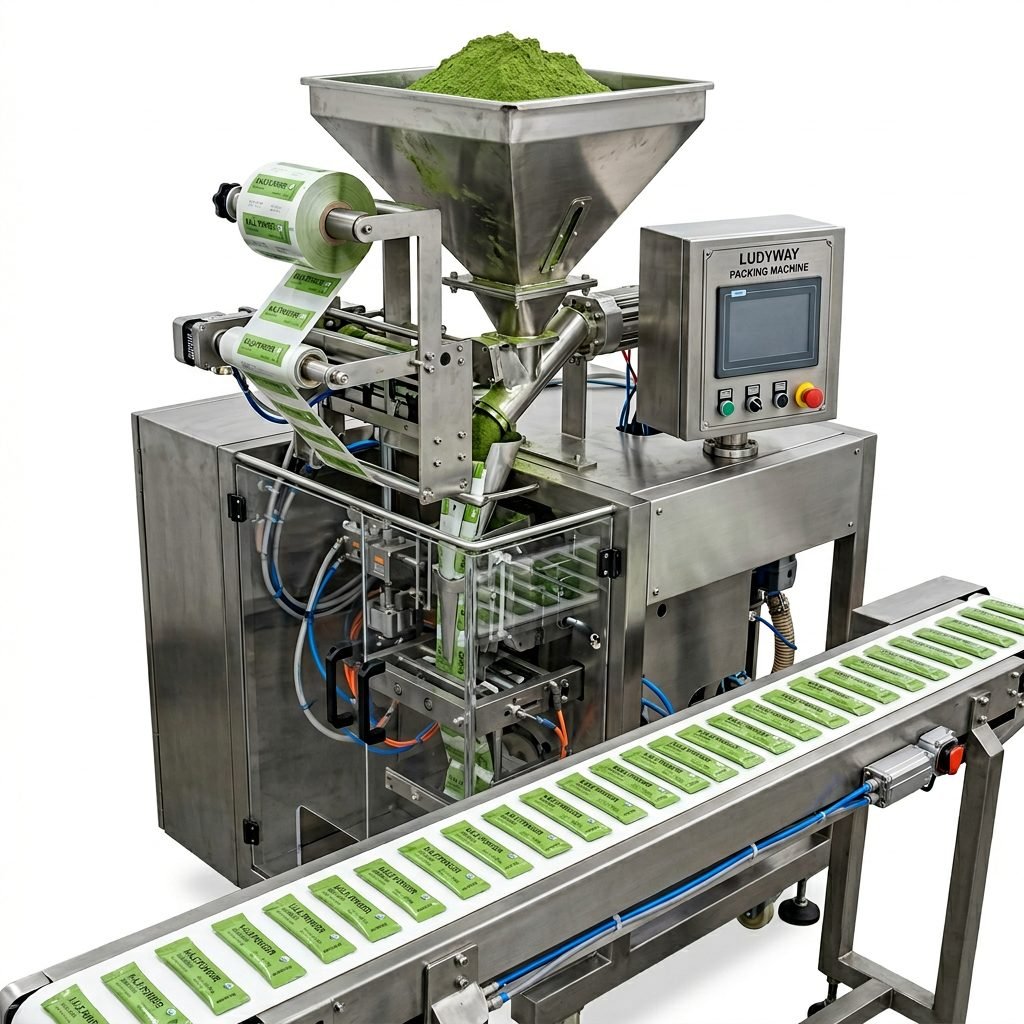
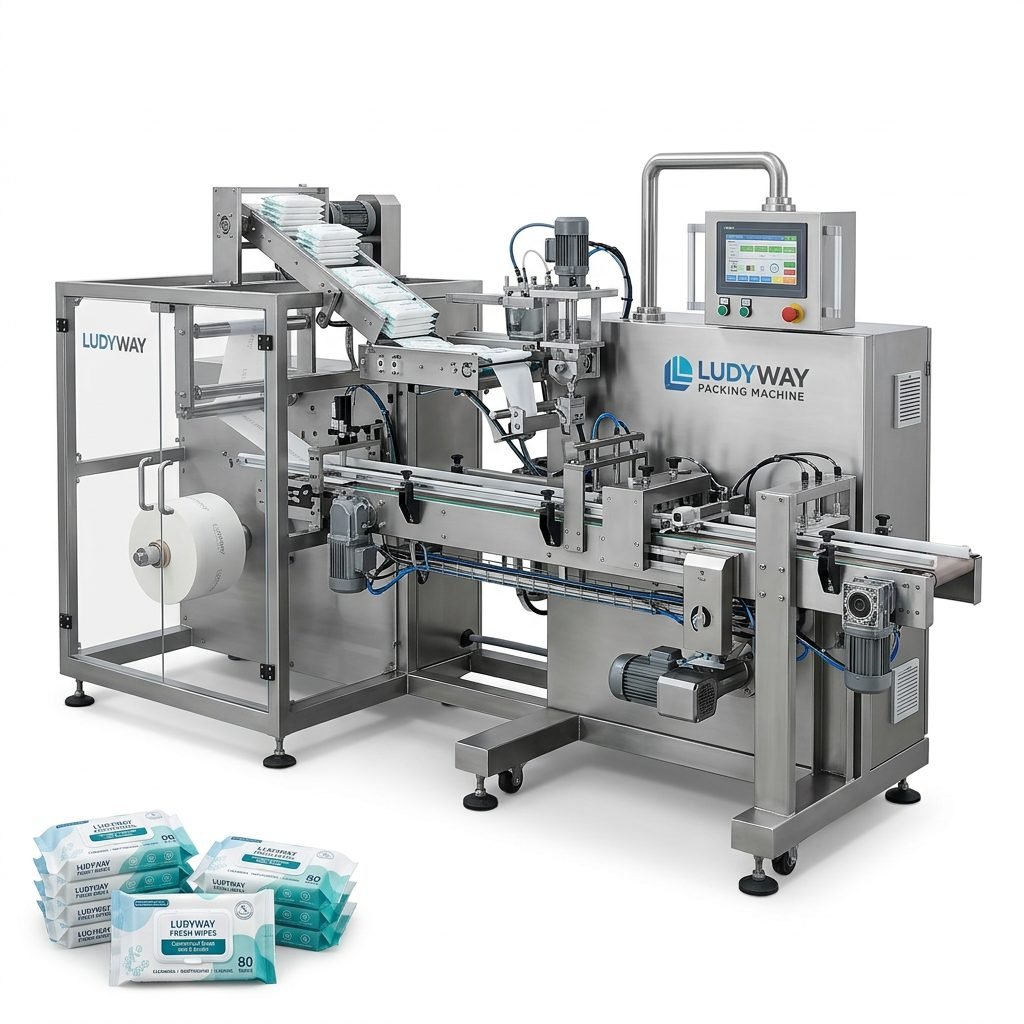
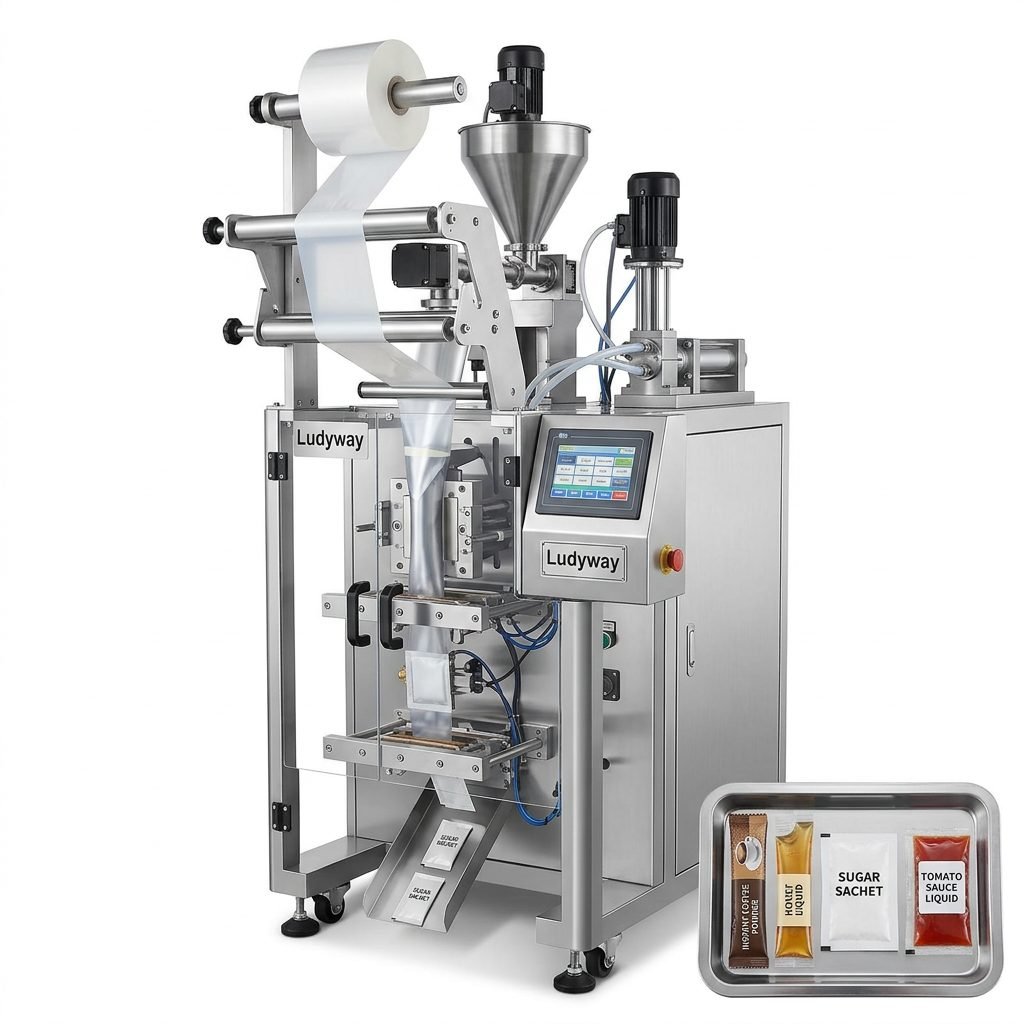
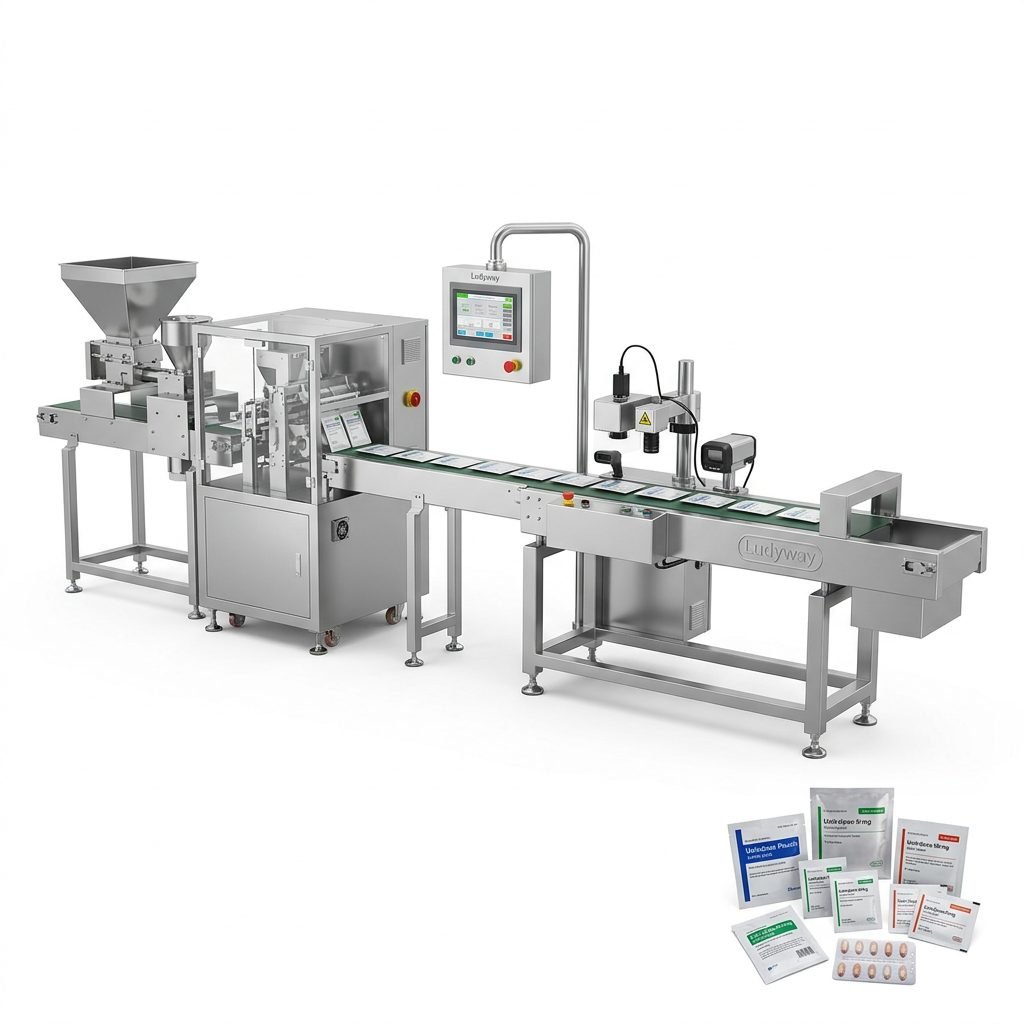
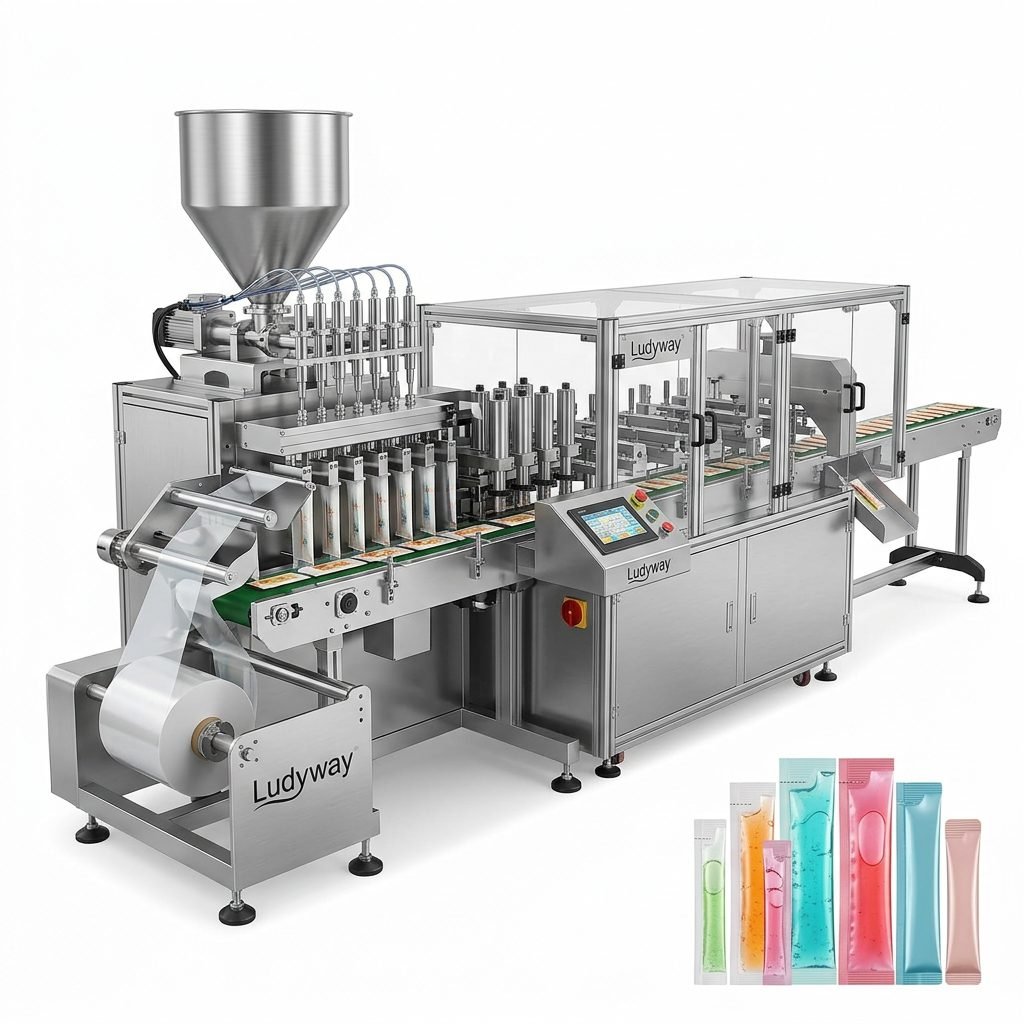
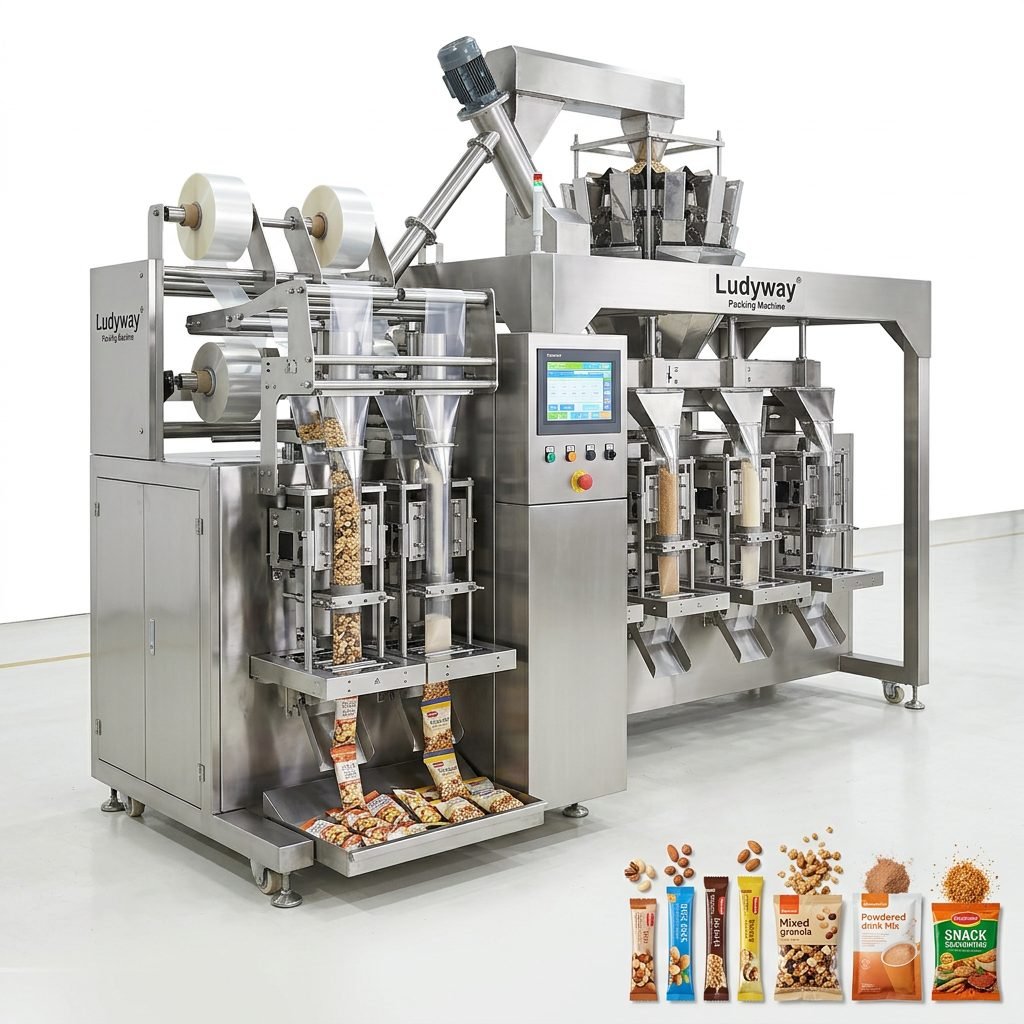
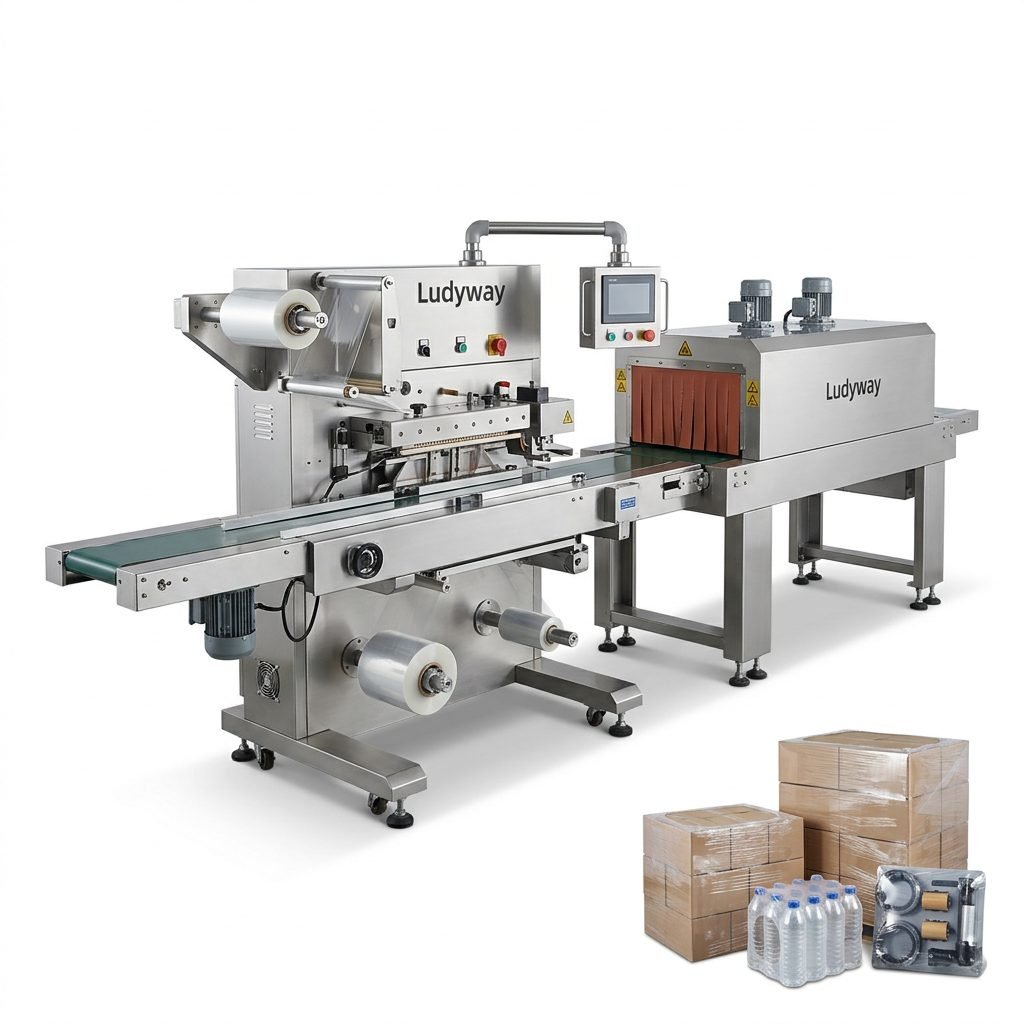
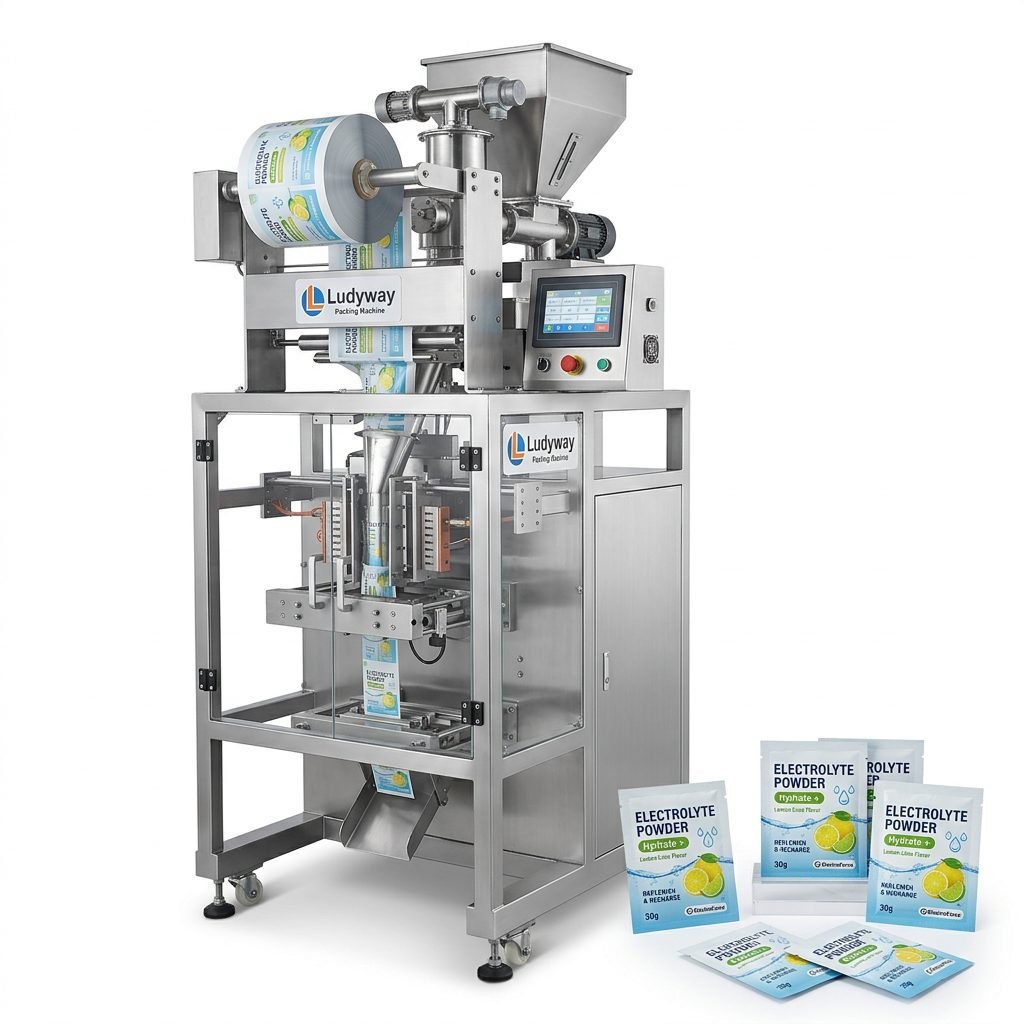
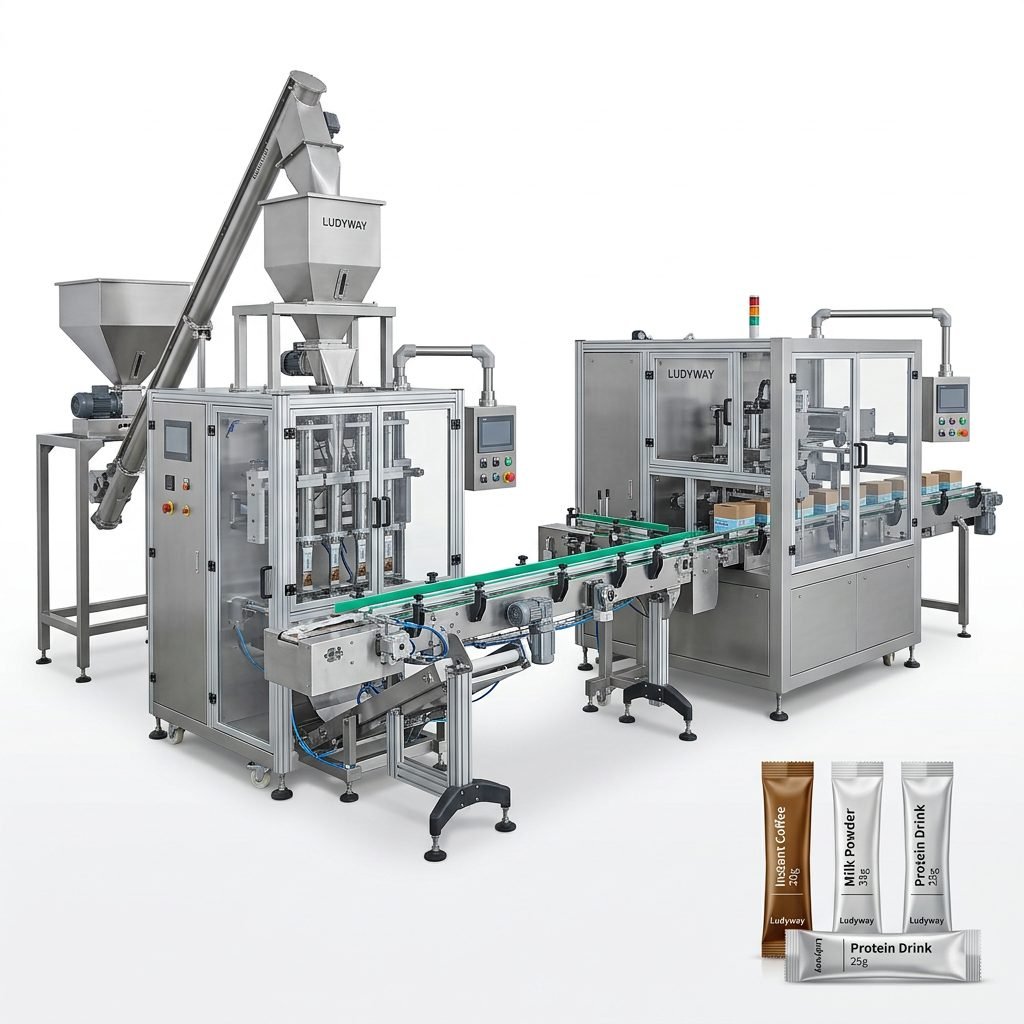
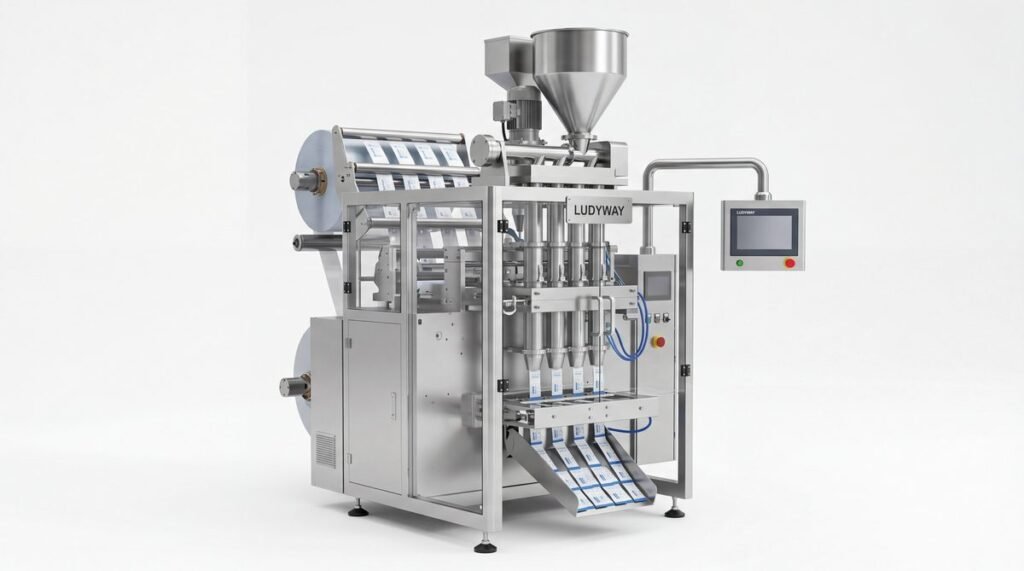
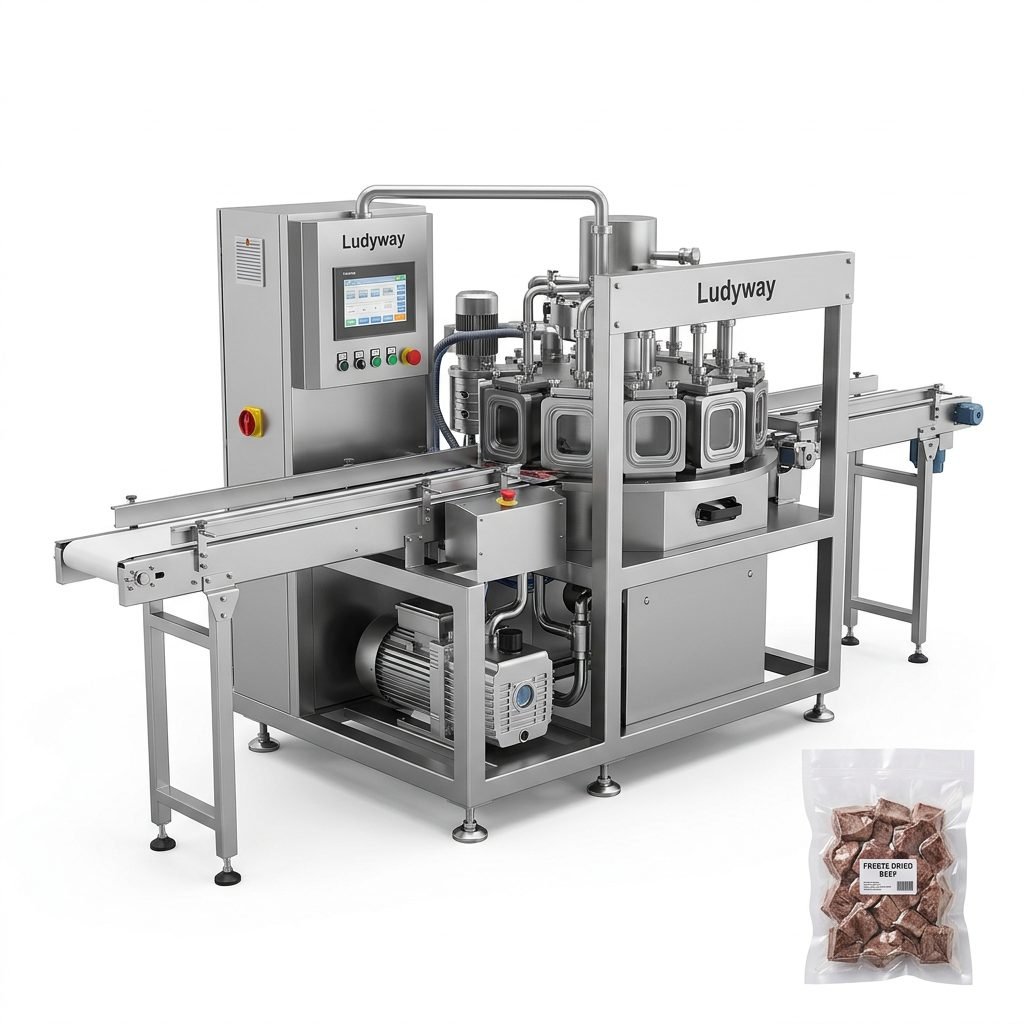
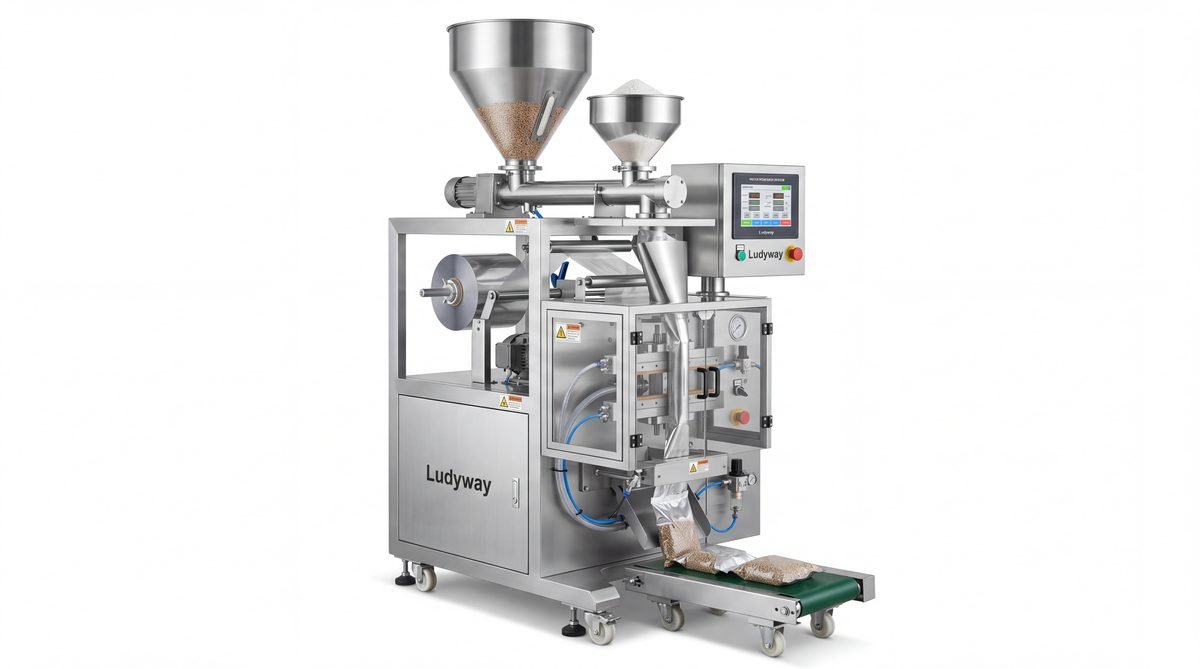
For those who require more advanced, production-level vacuum packaging capabilities beyond home use, manufacturers like Ludyway offer comprehensive industrial solutions. However, for most households, a well-chosen consumer model provides all the functionality needed for everyday food preservation.
By focusing on reputable brands that meet Oceania electrical standards and prioritizing models with universal bag compatibility, you gain a kitchen appliance that pays for itself through food savings. The flexible packaging industry continues to innovate, making home vacuum sealing more accessible and effective than ever. Whether you are a dedicated meal prepper in Melbourne or a bulk-buying family in Christchurch, the right machine is out there—and now you know exactly what to look for.