Selecting the right nut packaging machine is one of the most important equipment decisions a food manufacturer can make. Nuts come in diverse shapes, sizes, densities, and formats — whole almonds, cashew pieces, mixed nut blends, coated peanuts, and powdered nut products each present unique handling challenges. The wrong machine can lead to product breakage, inconsistent fill weights, packaging material waste, and costly downtime. Whether you are packaging nuts into sachets, stick packs, pouches, or bulk bags, understanding the key factors that drive machine selection will help you make an informed, future-proof investment. This guide walks through the essential considerations for choosing a nut packaging machine that matches your product, production goals, and operational environment.
Understanding Your Nut Product Characteristics
Before evaluating machine specifications, start by analyzing your product. Nut products vary significantly in terms of particle size, shape uniformity, oil content, fragility, and flowability. Whole almonds behave very differently in feeding and filling systems compared to finely ground almond powder or sticky honey-roasted peanuts. Key product characteristics that influence machine selection include:
- Particle size and uniformity — Whole nuts, halves, pieces, slices, or powder
- Bulk density — Affects volumetric and gravimetric dosing accuracy
- Oil content and surface characteristics — Oily products may stick to contact surfaces
- Friability — Fragile nuts require gentle handling to prevent breakage
- Flow behavior — Free-flowing versus cohesive or bridging tendencies
These product attributes directly determine the appropriate dosing mechanism, feeding system, and packaging format. Multi-head weighers, auger fillers, volumetric cup fillers, and combination weighers each suit different product types. Accurate product characterization early in the selection process helps avoid costly mismatches between product behavior and machine capability.
Key Packaging Machine Configurations for Nuts
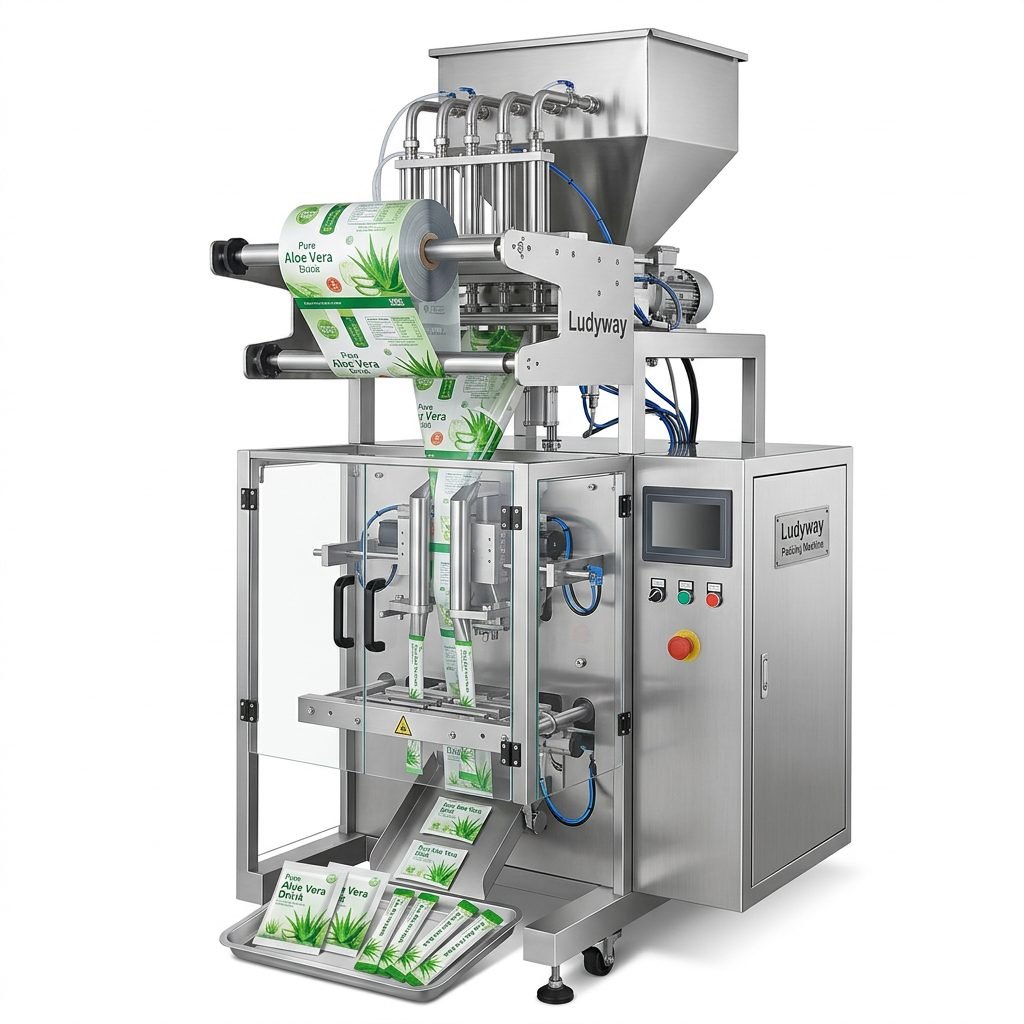
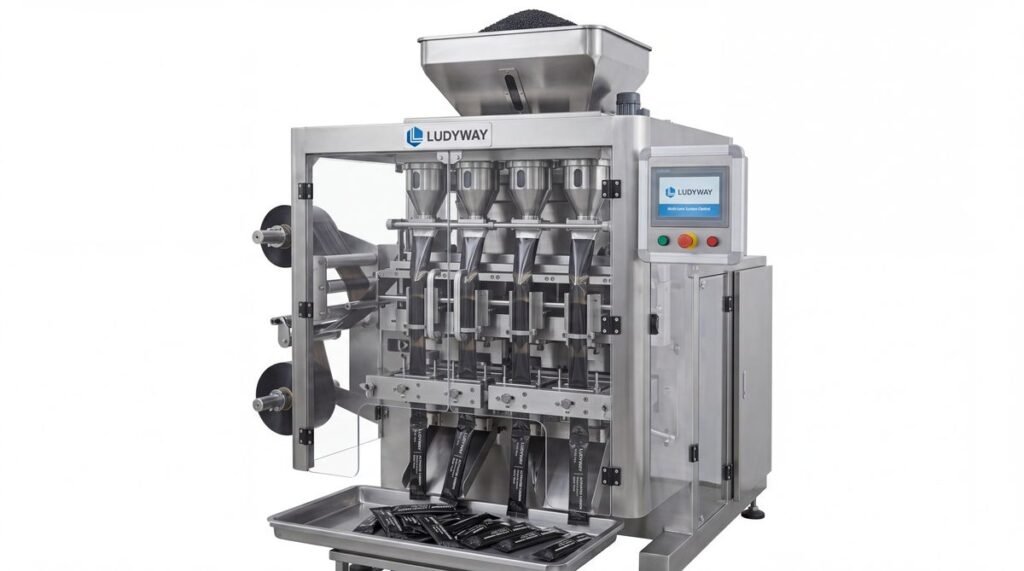
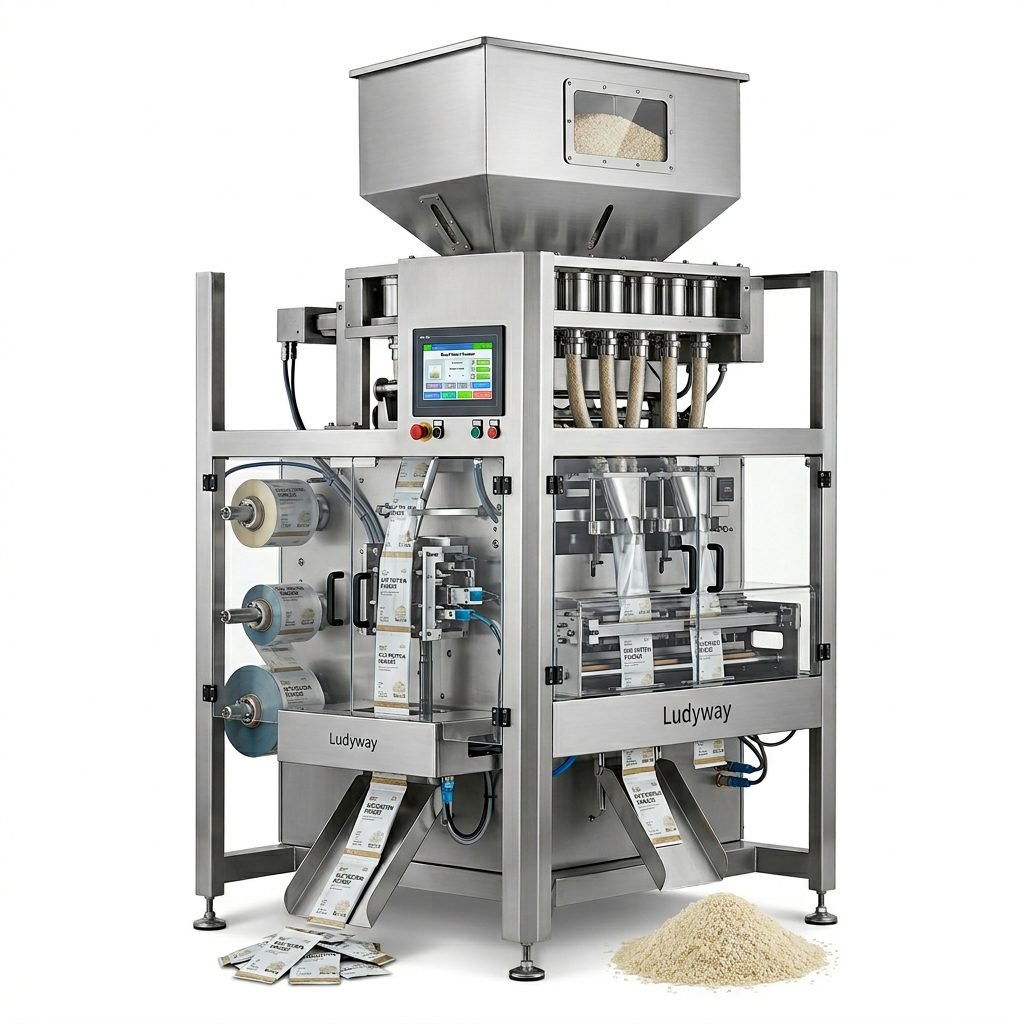
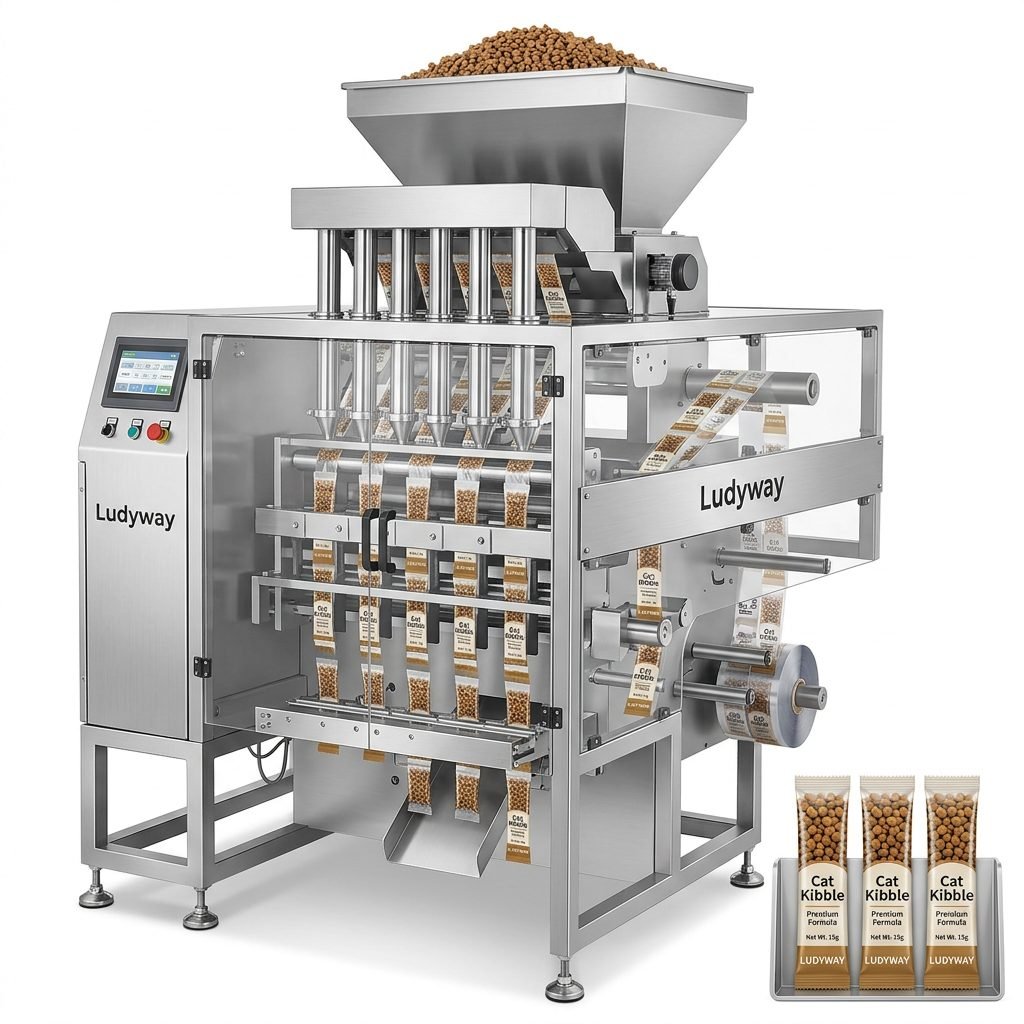
Nut packaging machines are available in several configurations, each designed for specific packaging formats and production scales. The table below summarizes the most common machine types used in nut packaging applications:
| Machine Configuration | Best Suited For | Packaging Formats | Typical Speed Range |
|---|---|---|---|
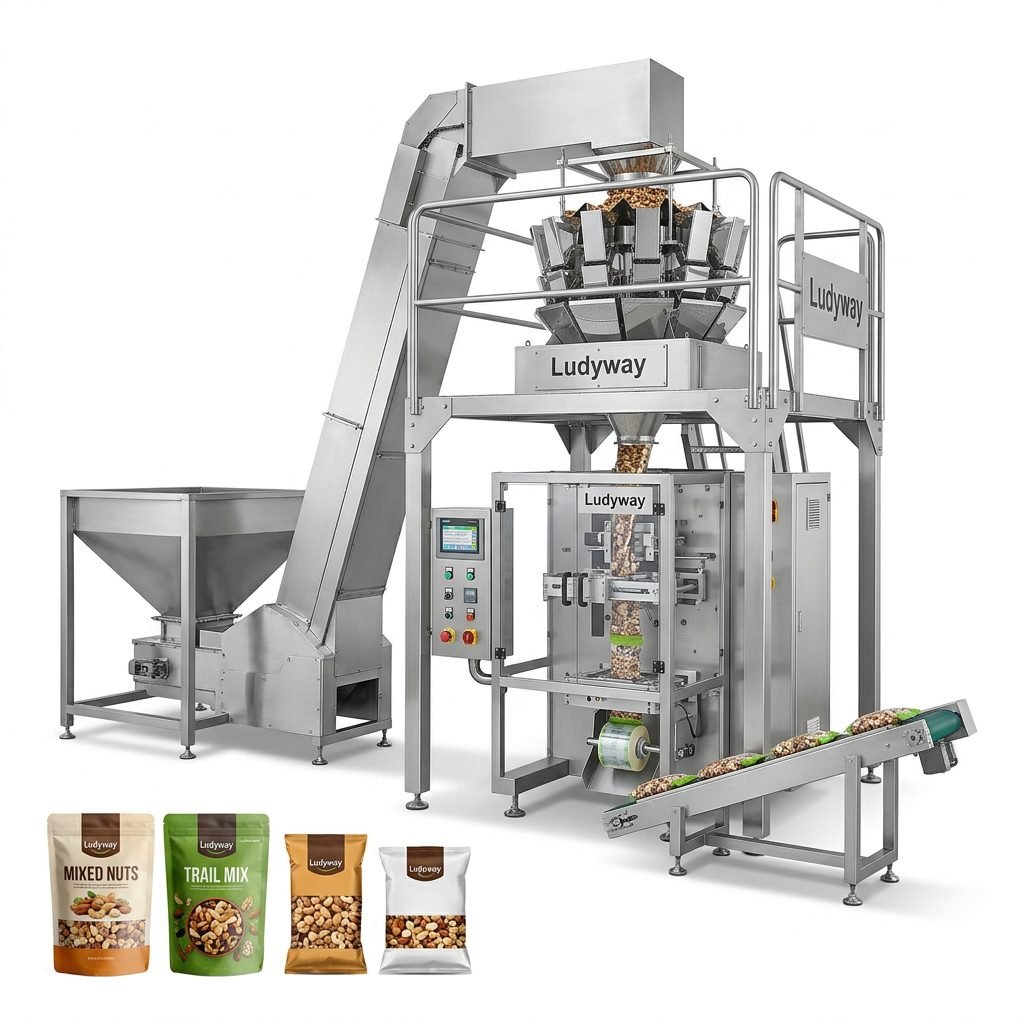
| Vertical Form Fill Seal (VFFS) | Whole nuts, pieces, mixed nuts | Pillow bags, gusseted bags | 30-120 bags/min |
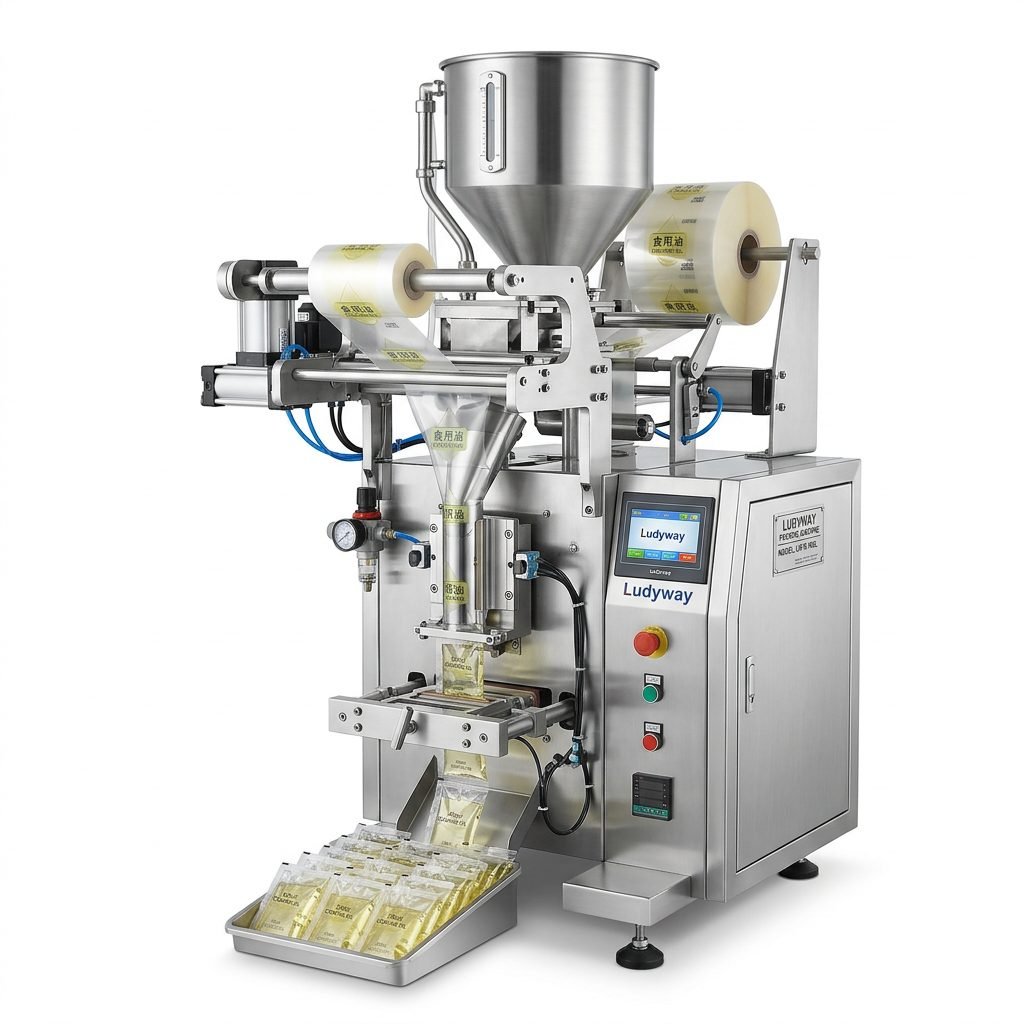
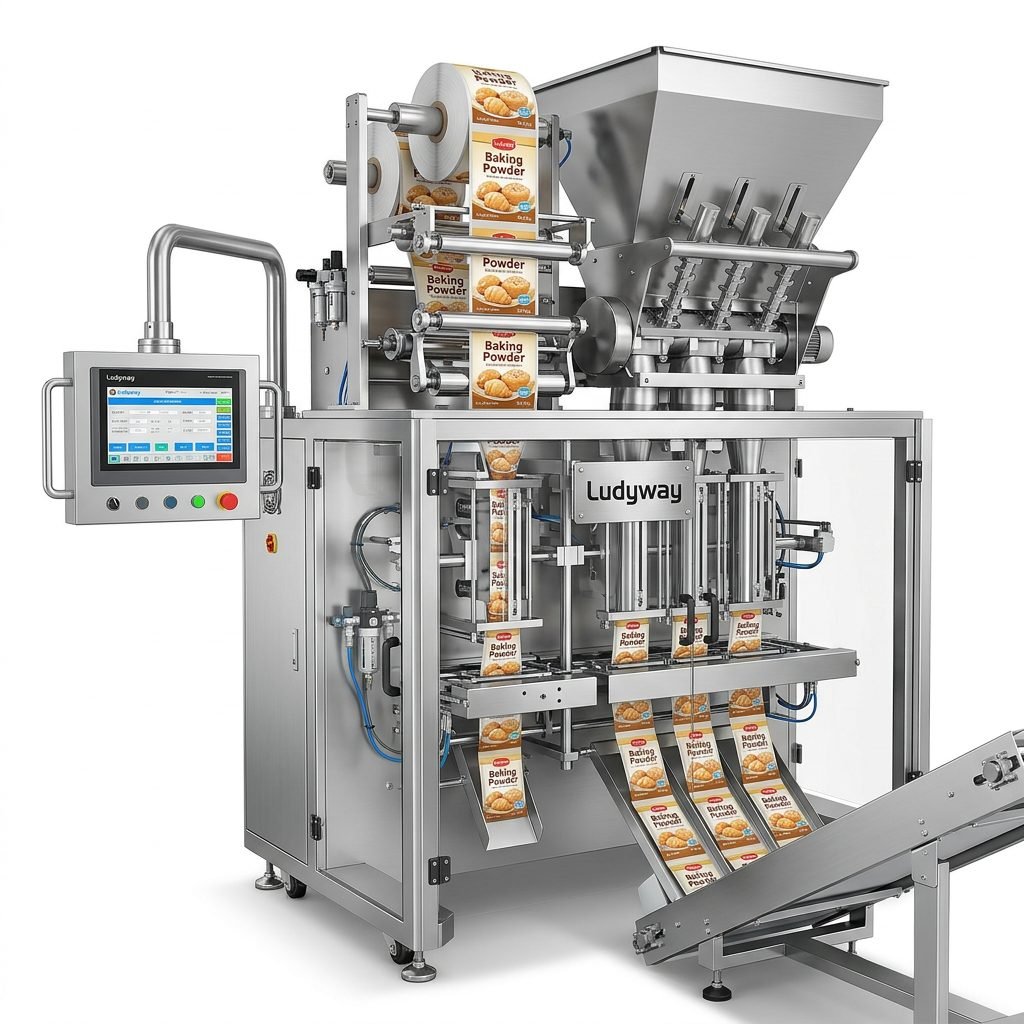
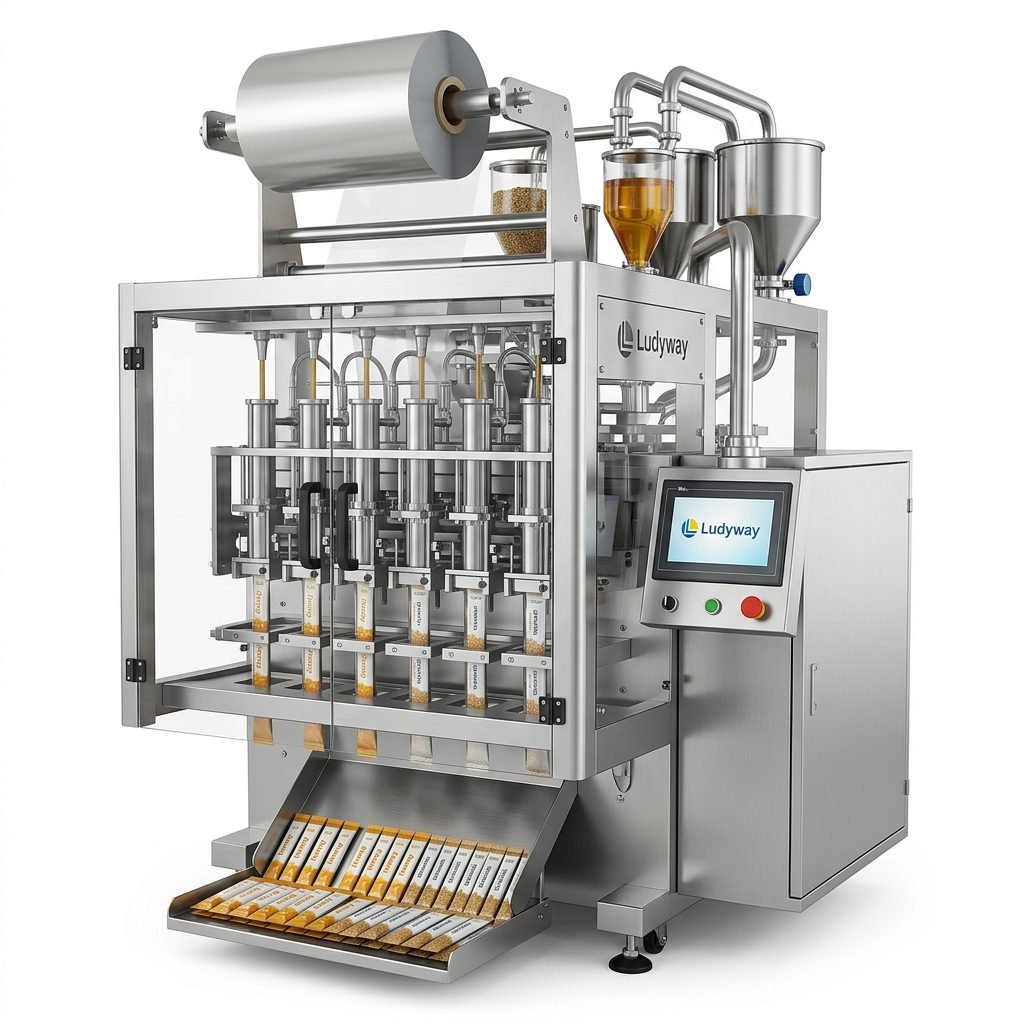
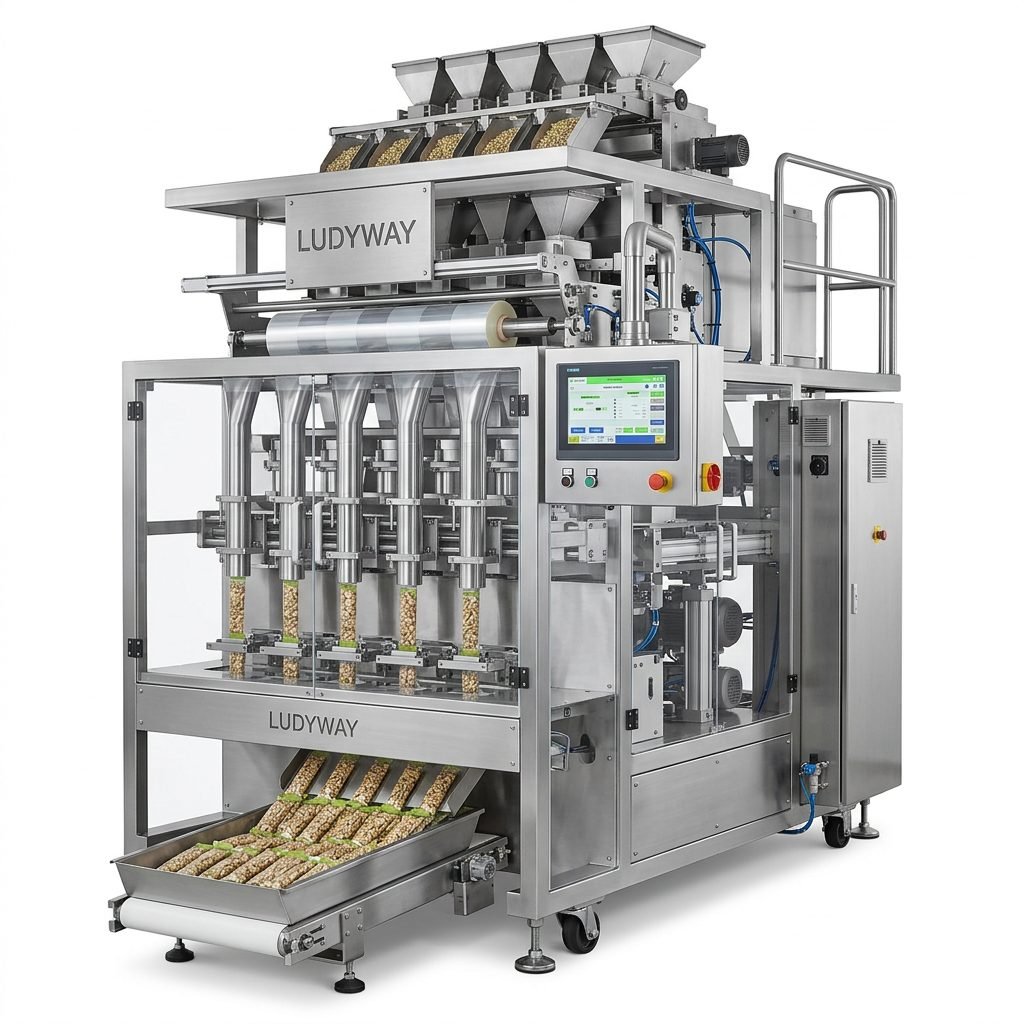
| Multi-Lane Sachet/Stick Pack | Small portions, single-serve packs | Sachets, stick packs (4-12 lanes) | 200-600 packs/min |
| Premade Pouch Rotary Filler | Premium retail packaging, stand-up pouches | Doypack, zipper pouches | 40-80 pouches/min |
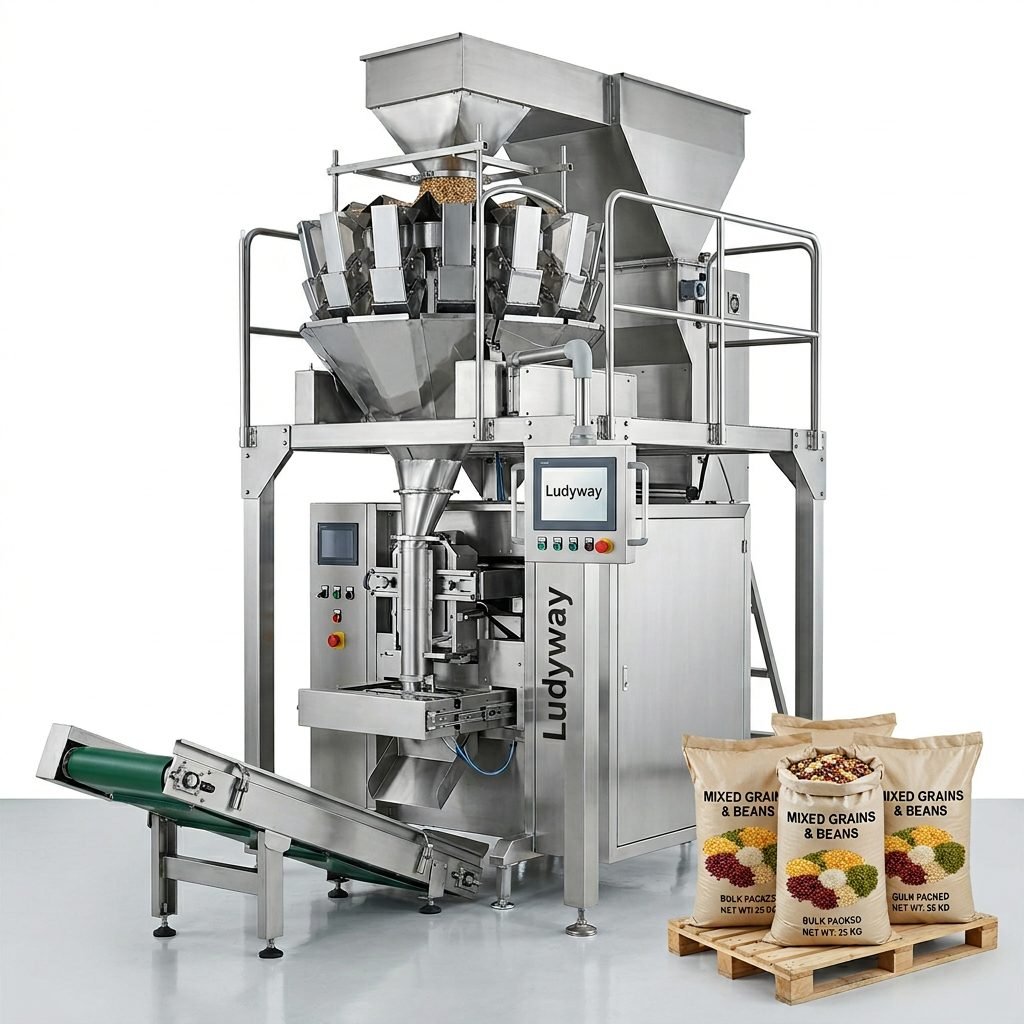
| Bulk Bagging Systems | Wholesale, industrial, bulk nuts | 5kg-25kg bags, sacks | 5-20 bags/min |
Vertical Form Fill Seal (VFFS) Advantages
VFFS machines are widely used for nut packaging across small to medium production volumes. They form a bag from roll stock film, fill it with product, and seal it in a continuous vertical motion. VFFS systems offer flexibility in bag sizes and can handle a broad range of nut types when paired with appropriate weighers. According to PMMI’s State of the Industry report, VFFS remains one of the most popular packaging machine categories in the food sector due to its versatility and relatively lower capital investment.
Dosing and Weighing Technology Selection
The dosing system is arguably the most critical subsystem in a nut packaging machine. Inaccurate fills lead to product giveaway, regulatory non-compliance, and customer dissatisfaction. The primary dosing technologies include:
- Multi-head weighers — Ideal for free-flowing whole nuts and pieces. They combine speed with industry-leading accuracy by using multiple weigh buckets and algorithmic optimization. Typical accuracy of ±0.5-1.0g depending on target weight.
- Auger fillers — Suitable for nut powders, flours, and finely ground products. Auger rotation controls dispensed volume, making this method effective for cohesive powders.
- Volumetric cup fillers — Cost-effective for free-flowing, uniform nut products where minor weight variation is acceptable. Less accurate than gravimetric methods but simpler mechanically.
- Linear weighers — A middle-ground option offering good accuracy at moderate speeds, often used for larger nut pieces and lower-speed lines.
Selecting the right weigher depends on your product’s flow characteristics, target fill weight, required accuracy, and line speed. PMMI provides extensive technical resources on weighing and dosing technologies for food packaging applications.
Packaging Material Compatibility
The choice of packaging film and material structure is closely tied to machine capability. Nut products are sensitive to moisture, oxygen, and light, which can accelerate rancidity and quality degradation. Common barrier films include metallized PET, aluminum foil laminates, and high-barrier polypropylene structures. Your packaging machine must be compatible with your chosen material in terms of sealing temperature, film gauge, and coefficient of friction.
Key material-related considerations:
- Seal strength and integrity — Critical for preventing leaks and maintaining barrier protection
- Material stiffness and slip properties — Affects film tracking and bag forming in VFFS systems
- Heat resistance and sealant layer type — Determines sealing jaw temperature and dwell time requirements
- Compliance with FDA food contact regulations — Essential for all food packaging materials sold in the U.S. market

Production Speed and Capacity Planning
Production speed requirements should be evaluated in the context of current demand and future growth projections. A common mistake is purchasing a machine that meets today’s volume exactly, leaving no headroom for seasonal peaks or business expansion. When specifying speed, consider:
- Rated machine speed versus sustainable operating speed — Most machines cannot run continuously at maximum rated speed without increased wear and downtime
- Changeover frequency — Frequent product or bag size changes significantly impact effective throughput
- Upstream and downstream equipment balance — The entire line is only as fast as its slowest component
- Seasonal demand patterns — Many nut products experience demand surges during holiday seasons
As a general rule, select a machine with at least 20-30% excess capacity above your current peak production requirement. This buffer accommodates growth and prevents the machine from becoming a bottleneck as demand increases.
Automation and Integration Requirements
Modern nut packaging operations increasingly incorporate automation beyond the primary filling and sealing functions. Consider whether you need integration with:
- Automated feeding systems — Bucket elevators, inclined conveyors, or vacuum feeding for consistent product supply
- Checkweighing and metal detection — In-line quality control to catch underweight packs and foreign material contamination
- Date coding and labeling — Thermal transfer or inkjet printing for batch codes, expiry dates, and traceability data
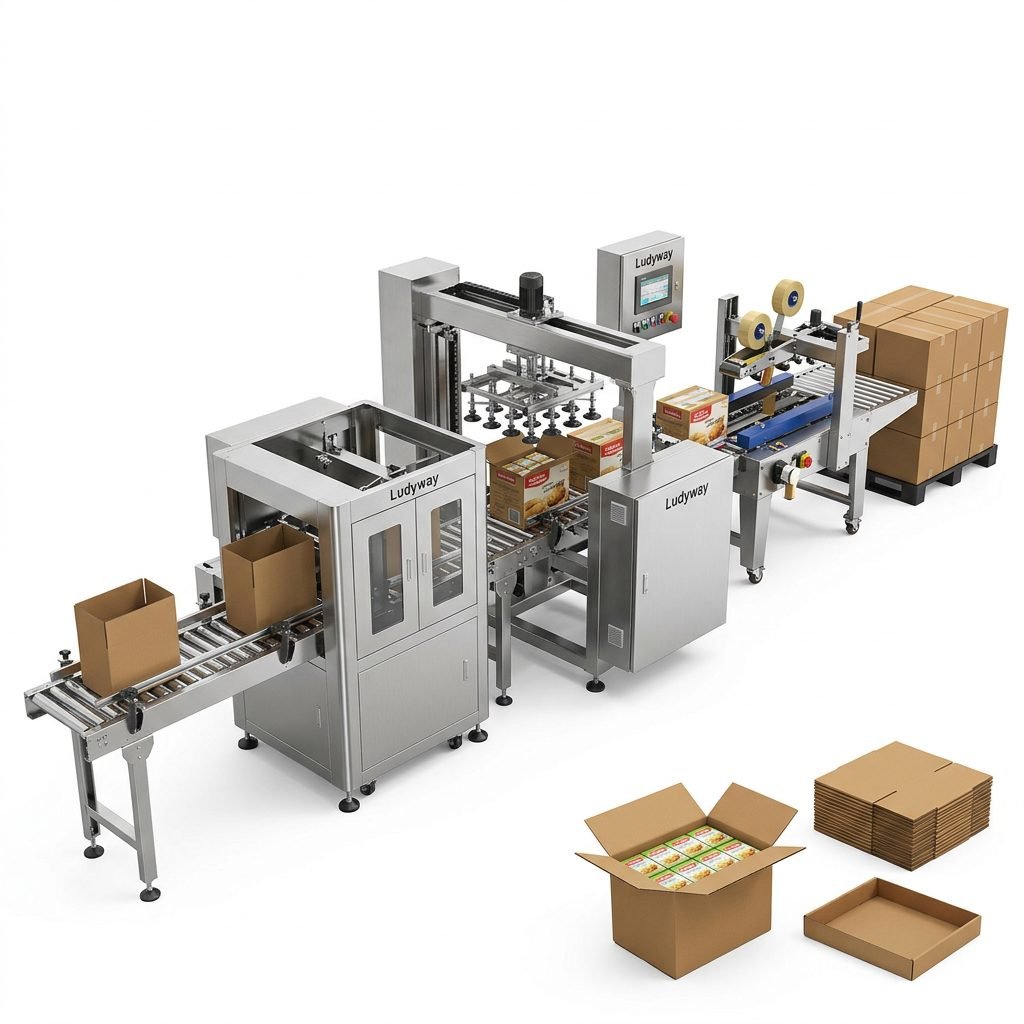
- Cartoning and case packing — Secondary packaging automation for retail-ready and distribution-ready formats
- Palletizing — End-of-line automation for high-volume operations
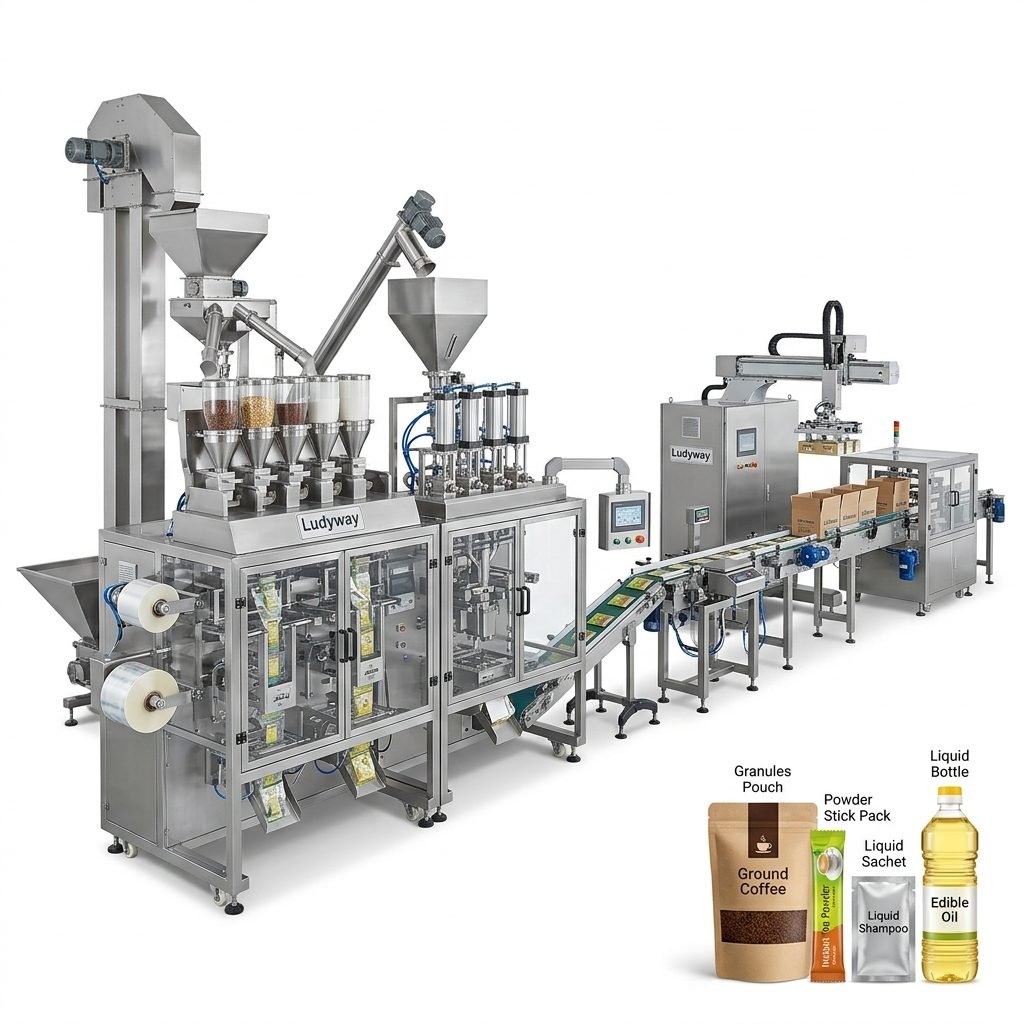
A turnkey packaging solution from a single supplier simplifies integration, reduces coordination complexity, and ensures all modules communicate seamlessly. When evaluating potential suppliers, assess their ability to provide integrated systems rather than isolated machines.
Hygiene, Cleanability, and Food Safety
Nut packaging operations must comply with applicable food safety standards. Machine design should facilitate accessible cleaning, minimize product accumulation points, and prevent cross-contamination. Key design features to look for include:
- Tool-free disassembly of product contact parts for cleaning and sanitation
- Stainless steel construction in food contact zones
- Sloped surfaces and absence of horizontal ledges where debris can collect
- Dust management systems for nut powders and fine particles
- IP-rated electrical enclosures for washdown environments where applicable
Compliance with FDA packaging and food contact substance regulations is mandatory for U.S. market access, while EU markets require adherence to relevant European packaging directives and food contact material regulations.
Total Cost of Ownership and ROI Analysis
The purchase price of a nut packaging machine represents only part of the total cost. A comprehensive cost analysis should account for the total cost of ownership (TCO) over the machine’s expected service life:
| Cost Category | Typical Share of TCO | Key Factors |
|---|---|---|
| Initial capital equipment cost | 25-35% | Machine configuration, customization, installation |
| Packaging materials | 30-40% | Film type, usage efficiency, waste rate |
| Maintenance and spare parts | 10-15% | Component durability, parts availability, service contracts |
| Labor and operator training | 10-15% | Automation level, ease of operation, required skill level |
| Energy and utilities | 3-5% | Electricity, compressed air consumption |
A machine with a lower upfront price but higher material waste rates or more frequent maintenance requirements can cost significantly more over five to ten years than a higher-quality machine with lower operating costs. Request detailed operational cost data from your equipment supplier and validate it against industry benchmarks available through organizations like the Flexible Packaging Association.
Evaluating Supplier Capabilities and Support
The quality and reliability of after-sales support can make or break a packaging line investment. When evaluating potential suppliers, investigate:
- Manufacturing experience and industry specialization — How many years has the company been producing nut packaging machinery? Do they understand nut-specific handling challenges?
- Technical support structure — Availability of remote assistance, on-site service engineers, and response times
- Spare parts availability — Regional parts inventory, shipping times for critical components
- Installation and commissioning support — On-site technician availability for line setup and startup
- Operator training programs — Comprehensive training reduces startup delays and ongoing operational errors
- Customization and engineering capability — Ability to modify machine configurations for specific nut products
With more than 30 years of experience in the packaging industry, Ludyway Machinery has developed a broad portfolio of automated packaging equipment covering powder, granule, liquid, stick pack, sachet, and pouch applications, serving manufacturers across food and beverage, pharmaceutical, nutraceutical, cosmetic, and chemical sectors in over 100 countries.

Making the Final Decision
Selecting the right nut packaging machine involves balancing technical requirements, commercial considerations, and strategic fit with your business goals. A structured evaluation process helps ensure a well-informed decision:
- Define your product and packaging requirements in detail — nut type, target weight, bag format, material structure
- Determine production capacity needs with room for growth — current peak demand plus 20-30% buffer
- Identify critical quality and compliance requirements — food safety standards, market regulations, customer specifications
- Request and evaluate proposals from multiple qualified suppliers with nut packaging experience
- Conduct factory acceptance testing (FAT) with your actual product to verify machine performance claims
- Assess total cost of ownership over a 5-10 year horizon, not just the initial purchase price
- Evaluate supplier support infrastructure — training, service, spare parts, and ongoing technical assistance
A well-chosen nut packaging machine is a long-term production asset that should deliver consistent performance, maintainable uptime, and flexibility for evolving packaging requirements. Investing time in thorough evaluation upfront pays dividends in reduced operational headaches and sustained production efficiency over the machine’s service life. For additional guidance on packaging machinery selection and industry trends, the PMMI business intelligence library and Flexible Packaging Association resources offer valuable reference materials and market data.